Author: Mei Ling Tan

  • Southeast Asia’s First Tokenized Gold Fund: OCBC Launches GOLDX Token on Ethereum and Solana Blockchains

    Southeast Asia’s First Tokenized Gold Fund: OCBC Launches GOLDX Token on Ethereum and Solana Blockchains

    OCBC, in collaboration with its asset management arm, Lion Global Investors, and digital asset exchange DigiFT, have recently introduced the OCBC-LionGlobal Physical Gold Fund Token (GOLDX token). Notably, this is Southeast Asia’s first tokenised physical gold fund that is accessible on a public blockchain. The GOLDX token is issued on two different blockchains – Ethereum and Solana.

    Investing in GOLDX Tokens

    The new DigiFT platform allows various institutional investors, such as banks, hedge funds, and asset managers, as well as accredited corporate investors, to subscribe to the GOLDX token. They can do this using either stablecoins or fiat currencies. As per the statement, these tokens will be directly delivered to the investors’ blockchain wallets. They can then be redeemed for either stablecoins or fiat currencies.

    Regulatory Framework and Assurance

    The issuance of the GOLDX token is regulated, and the process is anchored by three entities which are regulated by the Monetary Authority of Singapore (MAS), namely OCBC, Lion Global Investors, and DigiFT. Together, these entities provide strong governance, institutional-grade risk management controls, and transparent, verifiable asset backing. Thus, investors can be assured of the safety of their investment while still reaping the benefits of the efficiency and interoperability that are inherent to public-blockchain-based RWAs.

    Exposure to Gold Fund Performance

    The GOLDX token provides regulated, on-chain exposure to the LionGlobal Singapore Physical Gold Fund (Underlying Fund) that is managed by Lion Global Investors. Amid the ongoing geopolitical and economic uncertainties, the Underlying Fund has shown immense growth, with S$669.4 million (US$525.9 million) in assets under management as of 16 April 2026, only four months after its inception.

    OCBC’s Role in the GOLDX Token

    OCBC was the originator of the GOLDX token’s issuance and led its structuring, shaping the product architecture and commercial framework. The bank collaborated with DigiFT to facilitate the tokenisation and digital distribution of the token. Simultaneously, Lion Global Investors supplied the necessary investment framework and governance for the Underlying Fund.

    Prospective Demand

    The GOLDX token is anticipated to attract significant demand from participants within the Web3 ecosystem, including family offices and high-net-worth individuals operating within decentralized, blockchain-based environments. This group possesses considerable capital in stablecoins in Asia, much of which is currently unutilised.

    Questions & Answers

    What is the GOLDX token?
    The GOLDX token is Southeast Asia’s first tokenised physical gold fund available on a public blockchain. It is issued on both the Ethereum and Solana blockchains.

    Who can invest in the GOLDX token?
    The DigiFT platform allows various institutional investors, such as banks, hedge funds, asset managers, as well as accredited corporate investors to subscribe to the GOLDX token using either stablecoins or fiat currencies.

    How is the issuance of the GOLDX token regulated?
    The issuance of the GOLDX token is regulated by three entities which are governed by the Monetary Authority of Singapore (MAS): OCBC, Lion Global Investors, and DigiFT. This ensures strong governance and transparency, offering assurance to investors.

  • Expanding Real-Time Payments: ClearBank Joins Forces with Tazapay to Boost Fintech Connectivity in Asia and Europe

    Expanding Real-Time Payments: ClearBank Joins Forces with Tazapay to Boost Fintech Connectivity in Asia and Europe

    ClearBank, a prominent banking institution, has recently teamed up with Tazapay, a Singapore-based cross-border payments platform experiencing rapid growth. The move is a strategic effort to fortify payment processes between Asia and Europe.

    Notable Milestone for ClearBank and Tazapay

    This partnership signifies a notable landmark for both companies. ClearBank is now providing services to its first client from Singapore and its fifth non-resident customer from Asia this year. This trend underscores the escalating demand for instantaneous clearing abilities across the UK and Europe, particularly among regulated fintech companies.

    As part of the agreement, ClearBank will facilitate Tazapay’s access to UK and European payment channels, thereby enabling real-time settlements and compliant fiat interoperability. This integration will considerably augment Tazapay’s capability to serve its worldwide clientele by linking its platform to vital European payment corridors with the reliability of a bank.

    Tazapay’s Rapid Growth and Diverse Offerings

    Tazapay, headquartered in Singapore, has swiftly expanded its operations to support merchants and platforms in over 170 countries. Their services include access to over 80 local payment methods, multicurrency virtual accounts, and local payout capabilities in more than 100 markets. With an annual payment volume in the billions of dollars, Tazapay has witnessed a triple-digit surge in growth year-on-year.

    The union with ClearBank will see the integration of ClearBank’s cloud-based clearing infrastructure into Tazapay’s single-API payments platform. This will pave the way for more streamlined and compliant cross-border transactions while improving the pace and efficiency of international money transfers.

    Aligning with Tazapay’s International Expansion Plans

    This alliance also resonates with Tazapay’s wider global expansion strategy as the company holds regulatory licenses in Singapore, the United States, Canada, and Australia. It is also in the process of securing additional approvals across Europe, the UAE, and Hong Kong.

    Mark Fairless, ClearBank’s CEO, views the partnership as a strategic opportunity to support an internationally growing business while simultaneously bolstering the bank’s presence in Asia. He stressed that a combined focus on innovation and robust regulatory standards is crucial for a sustainable collaboration.

    Echoing similar sentiments, Tazapay’s CEO and co-founder, Rahul Shinghal, sees the agreement as a critical milestone in the company’s global growth trajectory. He pointed out ClearBank’s instant payment capabilities, comprehensive scheme access, and reliability as pivotal factors in choosing the partner. He also added that the company anticipates the relationship to escalate as transaction volumes surge.

    This partnership mirrors a larger trend in global payments where there is an increase in alliances between fintech firms and infrastructure providers to deliver quicker, more compliant cross-border solutions. As the demand for real-time, transparent payment systems continues to soar, collaborations like these are set to become central in shaping the future of international commerce.

    Questions & Answers

    What is the significance of the ClearBank and Tazapay partnership?
    The partnership signifies a critical milestone for both ClearBank and Tazapay. It helps ClearBank extend its services to its first client from Singapore and fifth non-resident customer from Asia this year. For Tazapay, it provides access to UK and European payment channels, enabling real-time settlements and compliant fiat interoperability.

    How does the partnership align with Tazapay’s global expansion strategy?
    Tazapay already holds regulatory licenses in Singapore, the US, Canada, and Australia, and is in the process of securing additional approvals across Europe, the UAE, and Hong Kong. The partnership with ClearBank aligns with Tazapay’s broader international expansion strategy and helps enhance its global reach.

    What is the broader trend reflected by this partnership?
    This partnership mirrors a larger trend in global payments where fintech firms and infrastructure providers are increasingly collaborating to offer quicker, more compliant cross-border solutions. Such alliances are likely to play a central role in shaping the future of international commerce.

  • Standard Chartered Welcomes Doris Wong as New Head of Coverage for Greater China and North Asia

    Standard Chartered Welcomes Doris Wong as New Head of Coverage for Greater China and North Asia

    Standard Chartered has welcomed Doris Wong to the company in the role of Head of Coverage for Greater China and North Asia (GCNA). Wong’s employment will be effective beginning on June 1.

    Working from Hong Kong, Wong will be a member of the Client Coverage Management Team. She will be answering directly to Roberto Hoornweg, the CEO of Corporate & Investment Bank, in his temporary position as Global Head of Client Coverage. From July, Wong will report to Jan Metzger, the incoming Global Head of Coverage Banking. Furthermore, Wong will also have a dual reporting line to Mary Huen, the CEO of Hong Kong and GCNA.

    Wong is a seasoned banker who brings a plethora of experience alongside profound client relationships. She joins Standard Chartered after a tenure of almost 18 years with HSBC. In her most recent position with HSBC, Wong was the Head of Corporate Coverage, Global Banking, Hong Kong, where she served as the senior coverage banker for recognised Hong Kong-listed companies from a variety of key sectors. These sectors included real estate, energy, infrastructure, telecommunications and consumer.

    Wong also excelled in leading a variety of critical financing mandates which covered capital markets transactions, project financing, structured financing, and syndicated loans. Among her earlier roles with HSBC, Wong was the Regional Head of Wholesale Portfolio Management for Asia Pacific, where she was entrusted with monitoring risk-weighted assets across the Credit, Lending and Trade books.

    Questions & Answers

    What is Doris Wong’s new role at Standard Chartered?
    Doris Wong has been appointed as the Head of Coverage for Greater China and North Asia (GCNA) at Standard Chartered, effective June 1.

    What experience does Wong bring to her new position at Standard Chartered?
    Wong brings with her almost 18 years of experience with HSBC, where she was recently the Head of Corporate Coverage, Global Banking, Hong Kong. She has worked with well-established Hong Kong-listed companies across key sectors and has led a variety of core financing mandates.

    To whom will Wong report in her new role at Standard Chartered?
    Wong will initially report to Roberto Hoornweg, the CEO of Corporate & Investment Bank, in his interim role as Global Head of Client Coverage. From July, she will report to Jan Metzger, the incoming Global Head of Coverage Banking. She will also have a dual reporting line to Mary Huen, the CEO of Hong Kong and GCNA.

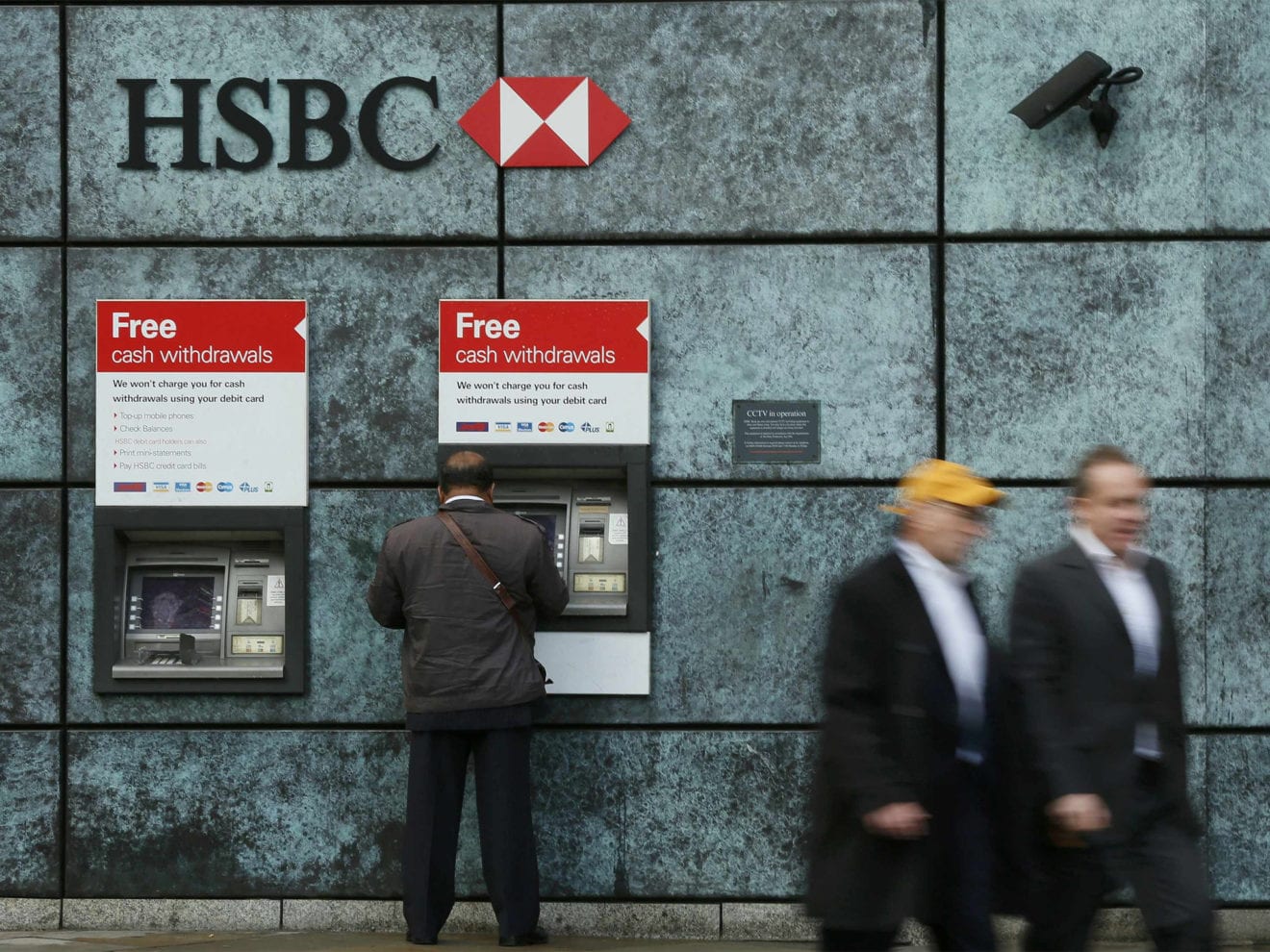
  • HSBC Strengthens Asian Market Strategy with Appointment of Desmond Kuang as Chief Investment Officer

    HSBC Strengthens Asian Market Strategy with Appointment of Desmond Kuang as Chief Investment Officer

    HSBC has recently publicized the appointment of Desmond Kuang to the position of Chief Investment Officer for Asia, in its Private Bank and Premier Wealth division. Kuang will officially take over his new role, based in Singapore, on July 6, 2026.

    Regional Appointment

    This appointment is a strategy by HSBC to bolster the delivery of investment insights and strategies to the Private Banking and Premier clients across Asia. HSBC’s choice of Singapore for this role is strategic, as the city-state is one of the essential international wealth hubs for the bank, with robust connectivity across Asia. In this capacity, Kuang will be collaborating extensively with teams and clients across multiple markets in Asia.

    Role and Responsibilities

    In his new role, Kuang will be responsible for crafting regional investment strategies and themes across all asset classes. His target audience will be the private banking and premier clients in the region, excluding Hong Kong.

    Experience and Expertise

    Kuang has a robust 20-year career in the banking industry, during which he held several leadership positions in the asset management and investment research sectors. He is currently serving as the Chief Investment Officer for China and Interim Head of Wealth and Premier Solutions in China.

    Before joining HSBC, Kuang demonstrated his portfolio management skills at Income Partners Asset Management. He later ascended to the role of General Manager and Head of Investment in Mainland China.

    Questions & Answers

    Who has HSBC appointed as the new Chief Investment Officer for Asia?
    Desmond Kuang has been appointed as the Chief Investment Officer for Asia at HSBC.

    What will be the primary responsibility of Desmond Kuang in his new role?
    Desmond Kuang will be responsible for crafting regional investment strategies and themes across all asset classes for the private banking and premier clients in Asia, excluding Hong Kong.

    What is the relevance of Singapore in this appointment?
    Singapore is considered one of the key international wealth hubs for HSBC, with robust connectivity across Asia, making it an appropriate base for this role.

  • Stacked Store Revolutionizes Singapore Retail With First Standalone Shop: A Blend of Unique Brands, Immersive Experience & Dynamic Events

    Stacked Store Revolutionizes Singapore Retail With First Standalone Shop: A Blend of Unique Brands, Immersive Experience & Dynamic Events

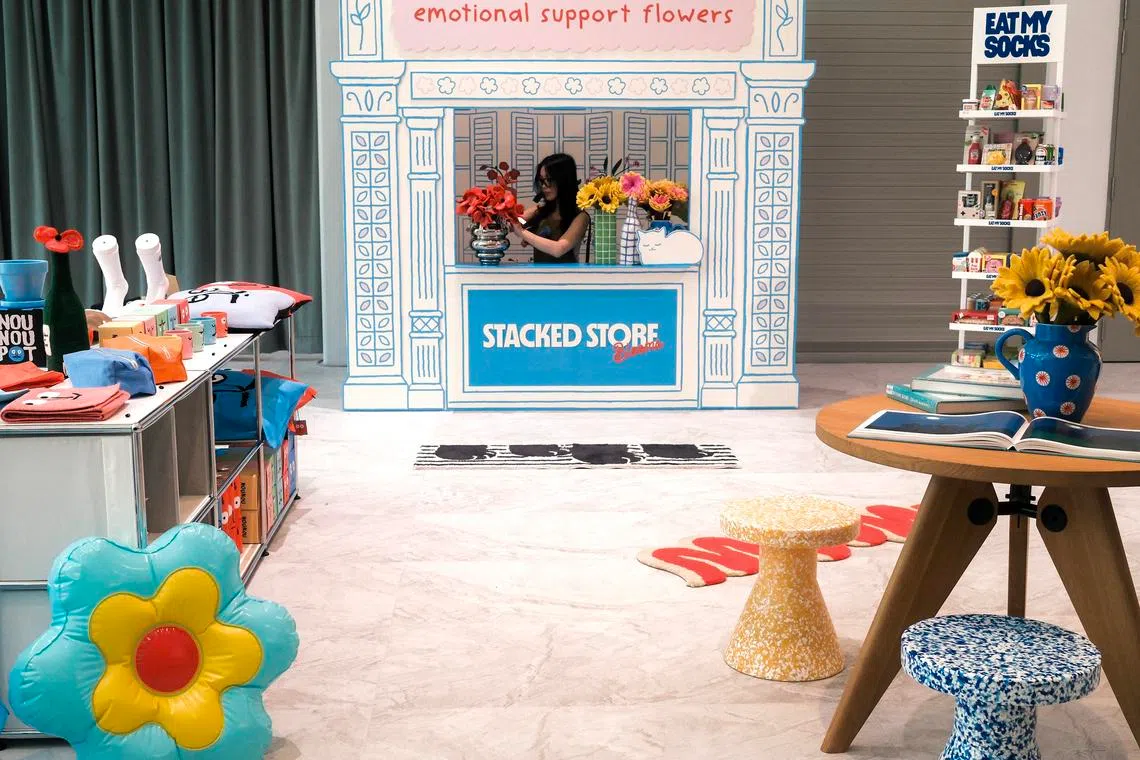
    Stacked Store is set to launch its inaugural independent retail establishment in Singapore’s New Bahru district on May 16, broadening its physical presence following its predominant operation as an online platform.

    A New Take on Retail

    Sited within The Factory, this establishment is envisaged as a hybrid of retail and exploration. It showcases an expertly curated assortment of independent brands, unique home decor items, and design-centric products that ordinary mass-market stores seldom offer.

    The interior design follows a bare, industrial style, with the primary structure of the space made up of raw scaffolding. This contrasting backdrop is designed to accentuate the products on display while promoting a more leisurely, tactile shopping experience.

    Unique Features

    One of the primary attractions is the brand’s trademark living room setting, which has been reimagined for the new location in partnership with W Atelier.

    However, the venue is not just for shopping. It also serves as a platform for engaging customers with the brand. Stacked Store intends to organize workshops, collaborative pop-up events, and exclusive product launches. It also plans to debut its forthcoming in-house brand.

    Expanding Physical Presence

    Earlier this month, the retailer broadened its offline footprint by opening the IMBA Store – the exclusive gift shop for interactive exhibitions at Gardens by the Bay.

    Questions & Answers

    What is the concept behind the new Stacked Store location in Singapore’s New Bahru district?
    The new location is a hybrid of retail and discovery, offering a curated selection of independent brands and unique home decor items. The store is designed to provide a leisurely, tactile shopping experience.

    What unique features does the Stacked Store offer?
    The store houses a reimagined version of the brand’s signature living room setting. It will also serve as a platform for brand engagement, hosting workshops, collaborative pop-ups, exclusive product launches, and unveiling its in-house brand.

    Has Stacked Store expanded its physical presence in other ways?
    Yes, the retailer launched the IMBA Store, the official gift shop for interactive exhibitions at Gardens by the Bay, earlier this month to broaden its offline presence.

  • DFI Retail Group Sees Robust Sales Boost Driven by Beauty and Health Segment Amid Global Challenges

    DFI Retail Group Sees Robust Sales Boost Driven by Beauty and Health Segment Amid Global Challenges

    The Hong Kong-based DFI Retail Group has recently announced a steady increase in sales for the first quarter of the year, primarily fueled by their health and beauty sector.

    Driving Growth with Health and Beauty

    Excluding cigarette sales, the DFI Retail Group reports a 4% sales rise on a year-on-year basis, using a constant currency, and a 3% increase on a like-for-like (LFL) basis. The health and beauty division is credited with a large part of this growth, with a 7% boost in LFL sales, thanks to increased transaction counts and larger basket sizes.

    In Hong Kong, Mannings saw notable growth due to a surge in tourist store sales, driven by an uptick in visitor arrivals. Similarly, Guardian’s sales in Southeast Asia reflected a robust performance in the wellness category. Standout growth was seen in Indonesia and Vietnam, which delivered double-digit LFL sales growth due to increased customer traffic.

    Divisional Performance and Growth

    Excluding cigarette sales, the convenience division, which includes 7-Eleven, saw a 2% growth on a LFL basis. Sales at 7-Eleven increased by 3% in both Hong Kong and Singapore, while sales in South China remained stable.

    The food division showed signs of improvement, with a reported 1% sales increase in Hong Kong. Home furnishings (Ikea) also showed positive trends, with a 4% growth. Both Hong Kong and Taiwan saw mid-single-digit LFL sales growth, owing to Chinese New Year promotions. Meanwhile, Indonesia bolstered its omnichannel strategy with robust online sales growth.

    Profit Growth Despite Market Challenges

    Operating profit from continuing businesses, excluding impacts from the divestment of the Singapore food business and the closure of Mannings China, grew by 12%. The underlying profit from ongoing businesses significantly increased by 49%.

    Despite a dynamic trading environment and increasing geopolitical uncertainties, DFI management stated the group remained resilient. This resilience was attributed to sourcing improvements and cost optimization, which supported price competitiveness and mitigated the impact of oil price volatility.

    DFI confirmed its full-year guidance of an underlying profit in the range of US$270 million to $300 million, supported by an organic revenue growth of approximately 2-3%.

    Questions & Answers

    What division drove the most growth for DFI Retail Group in the first quarter?
    The health and beauty division was the primary driver of growth in the first quarter, with a 7% increase in LFL sales.

    How did geopolitical uncertainties impact DFI Retail Group’s performance?
    Despite geopolitical uncertainties, DFI remained resilient due to sourcing improvements and cost optimization, which helped maintain price competitiveness and minimize the impact of oil price volatility.

    What is the projected full-year guidance for DFI’s underlying profit?
    DFI’s projected full-year guidance for underlying profit is in the range of US$270 million to $300 million, supported by an expected organic revenue growth of about 2-3%.

  • Moncler Group Soars in Asia: China and Korea Power Double-Digit Growth

    Moncler Group Soars in Asia: China and Korea Power Double-Digit Growth

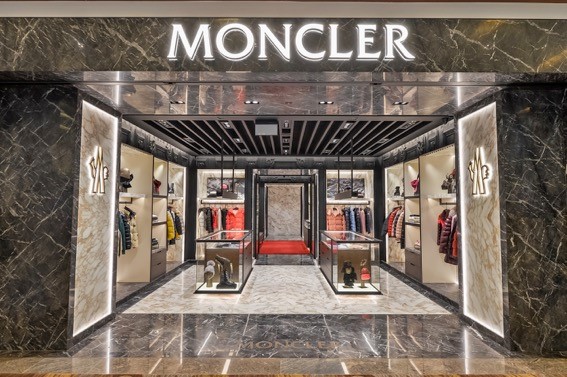
    Moncler Group, the parent company of Moncler and Stone Island, has announced a robust first quarter. The company’s earnings were primarily driven by sales in Asia.

    First Quarter Sales Surge

    The group registered a substantial $1.03 billion in sales during the first quarter. It reported double-digit growth for both of its brands, leading to an overall year-on-year increase of 12 per cent.

    The Asian Market Triumphs

    In Asia, Moncler’s sales grew by an impressive 22 per cent. Moncler attributes this significant increase to strong performances in China and South Korea. However, the sales in Europe, the Middle East, and Africa experienced a minor dip of one per cent year-on-year.

    Brand Performance

    The Moncler brand was the group’s star performer with $900 million in sales. This was propelled by a 14 per cent rise in direct-to-consumer traffic. Stone Island, on the other hand, contributed a solid $134 million to the total sales.

    The Asian market continues to escalate its share of Moncler’s brand revenue. It now represents 56.5 per cent of total sales, marking a 3.7 per cent annual increase.

    Moncler Group’s Future Outlook

    Remo Ruffini, executive chairman of Moncler Group, expressed the company’s anticipation for the future. He stated that the first quarter not only demonstrated strong revenue performance but also the depth of relationships that their brands continue to build with their global community.

    Despite a global context shaped by conflicts and instability, both Moncler and Stone Island have exhibited considerable energy and cultural relevance.

    Ruffini also touched on the appointment of Bartolomeo Rongone as the group’s CEO that was announced earlier this year. He highlighted this as part of the group’s “next phase.” He further reiterated the group’s commitment to remain adaptable and responsive, guided by a clear strategic vision, in the face of an increasingly complex external environment.

    Questions & Answers

    What were the first quarter sales for Moncler Group?
    Moncler Group reported $1.03 billion in sales during the first quarter.

    Which market led the sales for Moncler Group?
    The Asian market led the sales for Moncler Group, with a 22 per cent growth.

    How does the Moncler brand perform in comparison to Stone Island?
    The Moncler brand outperformed Stone Island, with a contribution of $900 million in sales, as compared to Stone Island’s $134 million.

  • Songmont’s Fusion of Old and New: Grand Reopening of Shanghai Flagship Store Reveals Exciting Redesign

    Songmont’s Fusion of Old and New: Grand Reopening of Shanghai Flagship Store Reveals Exciting Redesign

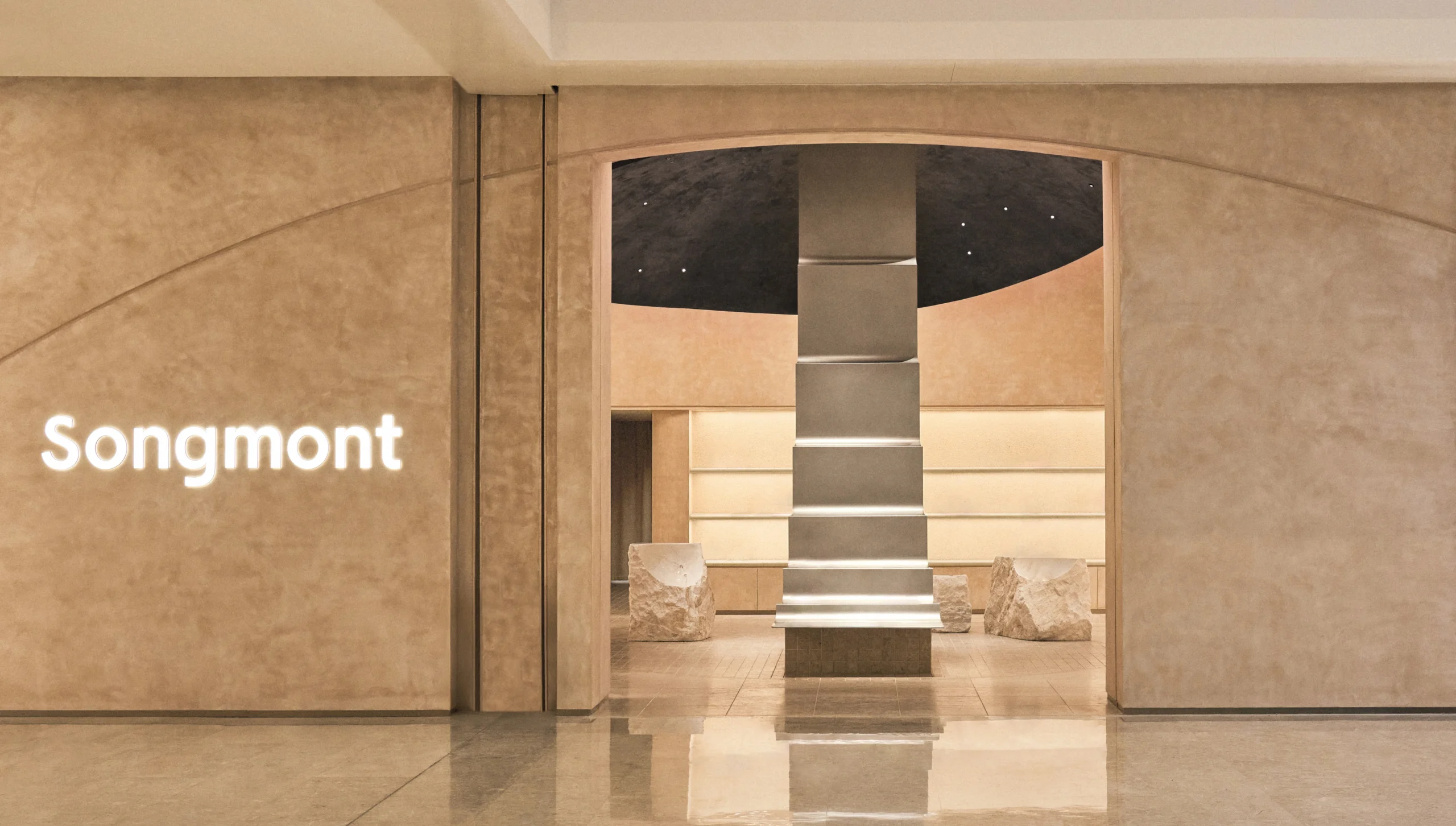
    Songmont, a premium designer brand based in China, has recently unveiled its revamped flagship store located in Shanghai. The store’s redesign showcases a unique blend of original and novel elements aimed at enhancing the layout and shopping experience for its customers.

    The Concept Behind the Revamp

    The original design concept for the store, known as ‘Windy Mountain Valley’, was a nod to the picturesque landscapes sculpted by wind and terrain. This concept is retained in the redesigned space, still encapsulating the harmony of nature and design.

    The updated store retains elements from its initial design while introducing new features that add more depth and definition to the space.

    Balancing Old and New

    Having been a part of the company’s journey for over five years, the flagship store in Shanghai holds significant importance for Songmont. The revamped store is not just about bringing in new elements but also about preserving the old, creating a unique blend of old and new.

    The updated store space now presents a harmonious blend of the familiar, a nod to the store’s past, and the introduction of fresh elements, signaling a warm welcome to new possibilities.

    About Songmont

    Songmont is a designer brand known for its premium leather bags and accessories that are not only functional but also carry a distinctive Eastern-inspired aesthetic. Among its assortment of products are the Luna Bag, Song Bag, Gather Bag, Drippy Tote, and Chocolate Bag. These are often characterized by their convertible designs, offering versatility to their users.

    Questions & Answers

    What is the concept behind the redesign of Songmont’s flagship store in Shanghai?
    The redesign retains the original design concept, ‘Windy Mountain Valley’, while introducing new elements to add more depth and definition to the store layout.

    What does the revamped store represent for Songmont?
    The updated store space presents a harmonious blend of the familiar, a nod to the store’s past, and the introduction of fresh elements, signaling a warm welcome to new possibilities and growth.

    What products does Songmont specialise in?
    Songmont specialises in premium, functional leather bags and accessories featuring Eastern-inspired aesthetics. Their product lineup includes the Luna Bag, Song Bag, Gather Bag, Drippy Tote, and Chocolate Bag, which often feature convertible designs.

  • KK Mart Announces Massive IPO: A Game-Changer in the Malaysian Convenience Store Industry

    KK Mart Announces Massive IPO: A Game-Changer in the Malaysian Convenience Store Industry

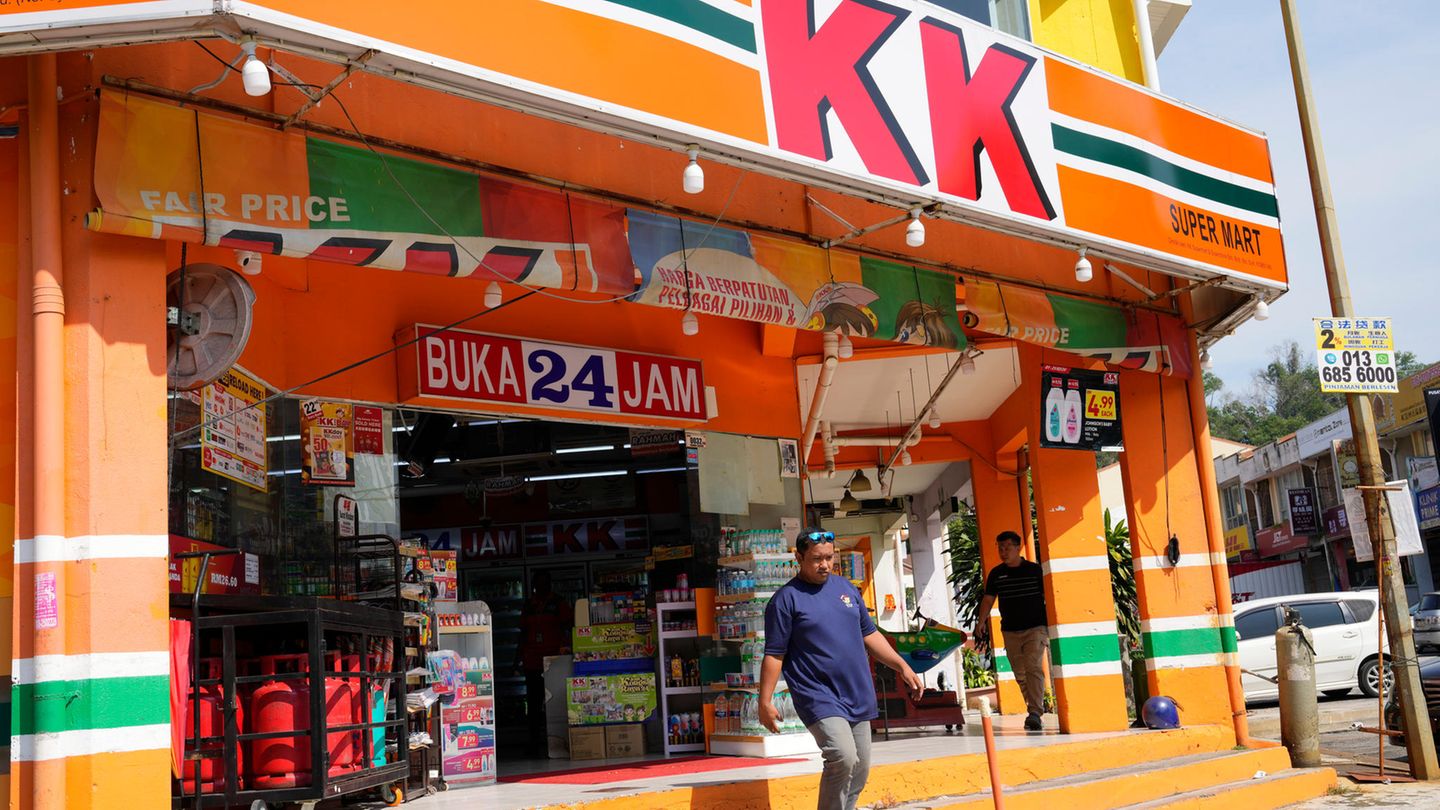
    KK Mart Retail Bhd, the parent company running the KK Super Mart and KK Mart convenience store chain, has revealed plans for an initial public offering (IPO) on Bursa Malaysia. The news came as the company filed a draft prospectus with the Securities Commission Malaysia earlier this week.

    Details of the IPO

    Although the prospectus does not provide specific details about the IPO price, overall fundraising size or listing schedule, it does confirm that the IPO will involve up to 840 million shares. This sum includes the sale of as many as 630 million existing shares, along with the issuing of 210 million new shares.

    Current Operations

    At present, KK Mart operates 996 convenience stores throughout Malaysia. The stores provide customers with everyday essentials and services, such as bill payments and mobile top-ups.

    Use of IPO Proceeds

    The funds raised from the new shares will be allocated to various areas of the business. These include expanding store operations and distribution centers, investing in the digital sphere and IT capabilities, repaying bank loans, and covering the expenses associated with listing.

    The Maybank Investment Bank will serve in multiple roles for this offering, including as the principal advisor, the sole bookrunner, underwriter, and placement agent.

    Questions & Answers

    What is the expected IPO price and total fundraising size for KK Mart Retail Bhd?
    As of now, the company has not disclosed any specific details about the IPO price or the total fundraising size.

    How many convenience stores does KK Mart currently operate?
    KK Mart currently operates 996 convenience stores across Malaysia.

    How will the proceeds from the new shares be used?
    The proceeds from the new shares will be used for expanding store operations and distribution centers, investing in digital and IT capabilities, repaying bank loans, and covering listing-related expenses.

  • Milk Tea Giant Mixue Trims Overseas Presence, Closes 428 Stores – Pursues Optimized Operations in Indonesia and Vietnam

    Milk Tea Giant Mixue Trims Overseas Presence, Closes 428 Stores – Pursues Optimized Operations in Indonesia and Vietnam

    The world’s largest food and beverage chain, China’s Mixue, experienced a decrease in its international outlets in 2021. A significant number of these closures occurred in Indonesia and Vietnam, as the company strived to enhance its operations and efficiency.

    Strategic Store Closures

    While the exact number of closed outlets in Indonesia and Vietnam were not made public by Mixue, the company emphasised in its most recent financial statement a strategy to enhance the performance of their existing stores, to facilitate long-term, sustainable, and stable operations.

    Expansion in Other Territories

    Concurrently, Mixue expanded its reach in other countries including the United States and Kazakhstan, and launched its maiden stores in Malaysia and Thailand under a different brand, Lucky Cup.

    As of the end of last year, Mixue had a global presence with 59,823 outlets, the majority of which, 55,356, were located in mainland China. Indonesia and Vietnam are its two largest overseas markets. As of September 2024, Mixue had 1,304 outlets in Vietnam according to documents filed for its Hong Kong Initial Public Offering (IPO) in early 2025.

    Shifting Retail Strategy

    Mixue is in the process of transitioning from a traditional small-store format to larger outlets in Vietnam. The new locations will feature expanded preparation counters, street-facing storefronts, and more expansive floor areas than their predecessors. The company is also giving preference to prime locations for its outlets.

    The company made its debut in Vietnam in 2018, with an initial focus on Hanoi and the northern provinces. Since then, it has expanded its footprint nationwide. Some of its core offerings include lemonade, ice cream, milk tea, and fruit tea, all priced within an affordable range of VND10,000–30,000.

    Mixue credits its ability to maintain low prices to its control over the supply chain, which extends from raw material production and logistics to research and development and quality control.

    In a 2024 report, it was noted that Mixue has been instrumental in reshaping Vietnam’s milk tea market. The company has played a significant role in growing the affordable beverage segment and pursues an aggressive franchising strategy.

    Future Plans and Financial Performance

    Mixue has expressed plans to continue expanding its presence in Southeast Asia by further enhancing its franchisee network in the region.

    In terms of financial performance, Mixue saw a significant increase in its revenues and net profits last year. Revenues shot up by 35% to RMB33.56 billion (US$4.9 billion), and net profits rose by 33% to RMB5.93 billion.

    Questions & Answers

    What is Mixue’s current strategy in Vietnam?
    Mixue is transitioning from a traditional small-store format to larger outlets, with prime locations, expanded preparation counters, and larger floor areas.

    What are some of Mixue’s key products in Vietnam?
    Mixue’s core offerings in Vietnam include lemonade, ice cream, milk tea, and fruit tea.

    How has Mixue’s financial performance been in recent years?
    In the previous year, Mixue’s revenues increased by 35% to RMB33.56 billion (US$4.9 billion), and net profits rose by 33% to RMB5.93 billion.

  • Chinese Regulator Slaps Billion-Dollar Fines on Food Delivery Giants over Safety Violations

    Chinese Regulator Slaps Billion-Dollar Fines on Food Delivery Giants over Safety Violations

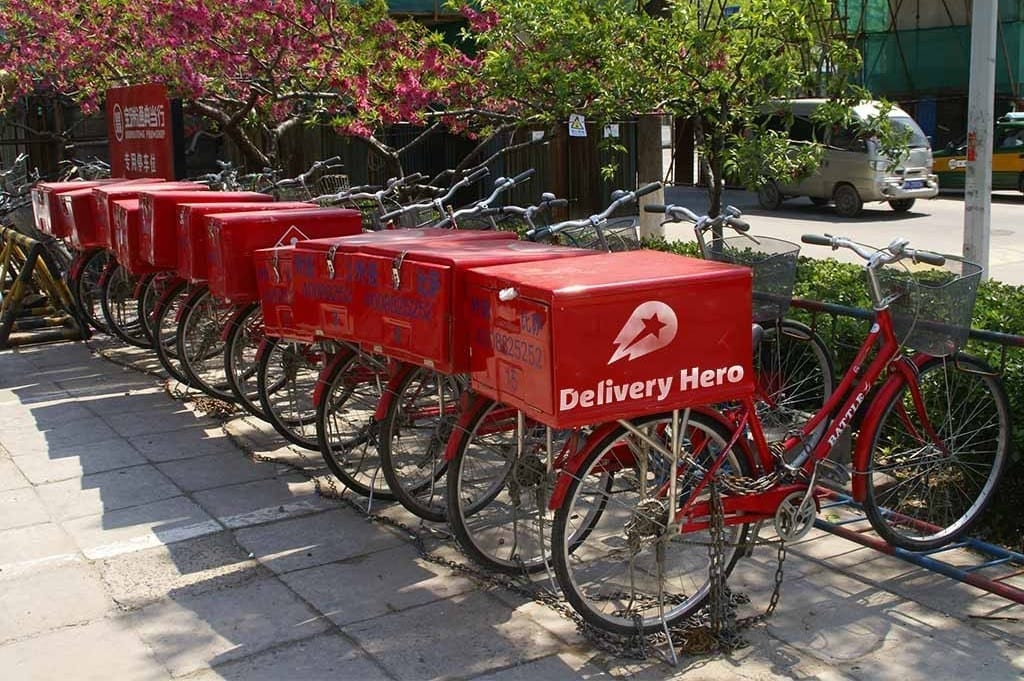
    China’s market regulator recently imposed fines and seizures on seven e-commerce platforms, totaling 3.6 billion yuan (US$527.32 million), for failing to adhere to food delivery safety guidelines. The offenders include prominent companies such as Pinduoduo, Meituan, JD, ByteDance’s Douyin, and Alibaba’s Taobao Shangou.

    Violation of Safety Protocols

    Investigations revealed that these companies did not implement necessary measures to protect consumers. They were also found to be negligent in verifying the licenses and qualifications of online food vendors. The regulator has expressed concern over this lax approach towards consumer safety and vendor credibility.

    Pinduoduo responded to the penalties by stating that the company “sincerely accepts and will resolutely comply” with the regulator’s decision. It also pledged to learn from this episode, standardize its business procedures, and make necessary improvements. However, Meituan, ByteDance, and Alibaba did not respond immediately to requests for comments.

    Intense Competition in China’s Food Delivery Market

    In the past year, food delivery in China has witnessed escalating competition, with e-commerce giants like Alibaba and JD actively trying to gain market share. These companies have been offering attractive discounts and coupons on a wide range of products, including ice cream and takeaway coffees.

    This battle to establish dominance in the ‘instant retail’ domain, where goods are delivered within an hour, has affected profits and attracted regulatory attention. Chinese regulators have repeatedly cautioned against the unhealthy “race-to-the-bottom competition” prevalent among food delivery firms.

    Questions & Answers

    What prompted the fines on the e-commerce platforms?
    The companies violated food delivery safety protocols and failed to verify the qualifications and licenses of online food vendors.

    How have the companies reacted to the fines?
    While Pinduoduo has openly accepted and pledged to comply with the regulator’s decision, Meituan, ByteDance, and Alibaba have not responded immediately to the penalties.

    Has the increased competition in food delivery affected the companies?
    Yes, the escalated competition, epitomized by discounts and coupons, has not only squeezed profits but also attracted regulatory scrutiny due to a “race-to-the-bottom competition” mentality.

  • Ikea’s Savory Surprise: Meatball-Flavored Chupa Chups Coming to Stores Worldwide

    Ikea’s Savory Surprise: Meatball-Flavored Chupa Chups Coming to Stores Worldwide

    Ingka Group has collaborated with confectionery brand Chupa Chups to bring a novel, meatball-inspired treat to Ikea stores across the globe this June. The peculiar confection, which was initially teased as an April Fools’ Day prank, garnered substantial customer interest, promoting the companies to make the concept a reality.

    From April Fool’s Joke to Reality

    On April 1st, the idea of a meatball-flavored lollipop was pitched, amusing customers and sparking curiosity. The response was so positive that the companies decided to turn the playful concept into a limited-edition treat. They plan to produce and distribute one million of these unique lollipops at numerous Ikea locations worldwide.

    The Flavor Inspiration

    The development of this product is in the hands of Chupa Chups. The confection is designed to mimic the taste of Ikea’s renowned Swedish meatballs paired with lingonberry. Rather than serving as a retail item, the lollipop is seen as an engaging extension of Ikea’s food offerings, intending to enhance the customer’s in-store experience.

    Javier Quiñones, commercial manager at Ingka Group, shared his enthusiasm about their partnership with Chupa Chups. He expressed that the lollipop is a delightful interpretation of their original idea and a unique way of celebrating their passion for food. He also noted the power of humor, remarking that even a simple joke could evolve into a tangible product and engage people in unexpected ways.

    Availability

    These intriguing lollipops won’t be up for sale. Instead, Ikea plans to treat customers by offering them as complimentary samples in stores throughout June.

    Questions & Answers

    What is the origin of the meatball-inspired lollipop?
    The concept started as an April Fool’s joke but due to the strong response from customers, the companies decided to make it a reality.

    What flavor will the lollipop have?
    The lollipop, developed by Chupa Chups, is intended to mimic the taste of Ikea’s popular Swedish meatballs coupled with lingonberry.

    Will these lollipops be available for purchase?
    No, they will not be available for sale. The lollipops will be given out as free samples to customers visiting Ikea stores in June.

  • Nutella Unveils Nutty New Flavor Revolution: Introducing Nutella Peanut after Six Decades

    Nutella Unveils Nutty New Flavor Revolution: Introducing Nutella Peanut after Six Decades

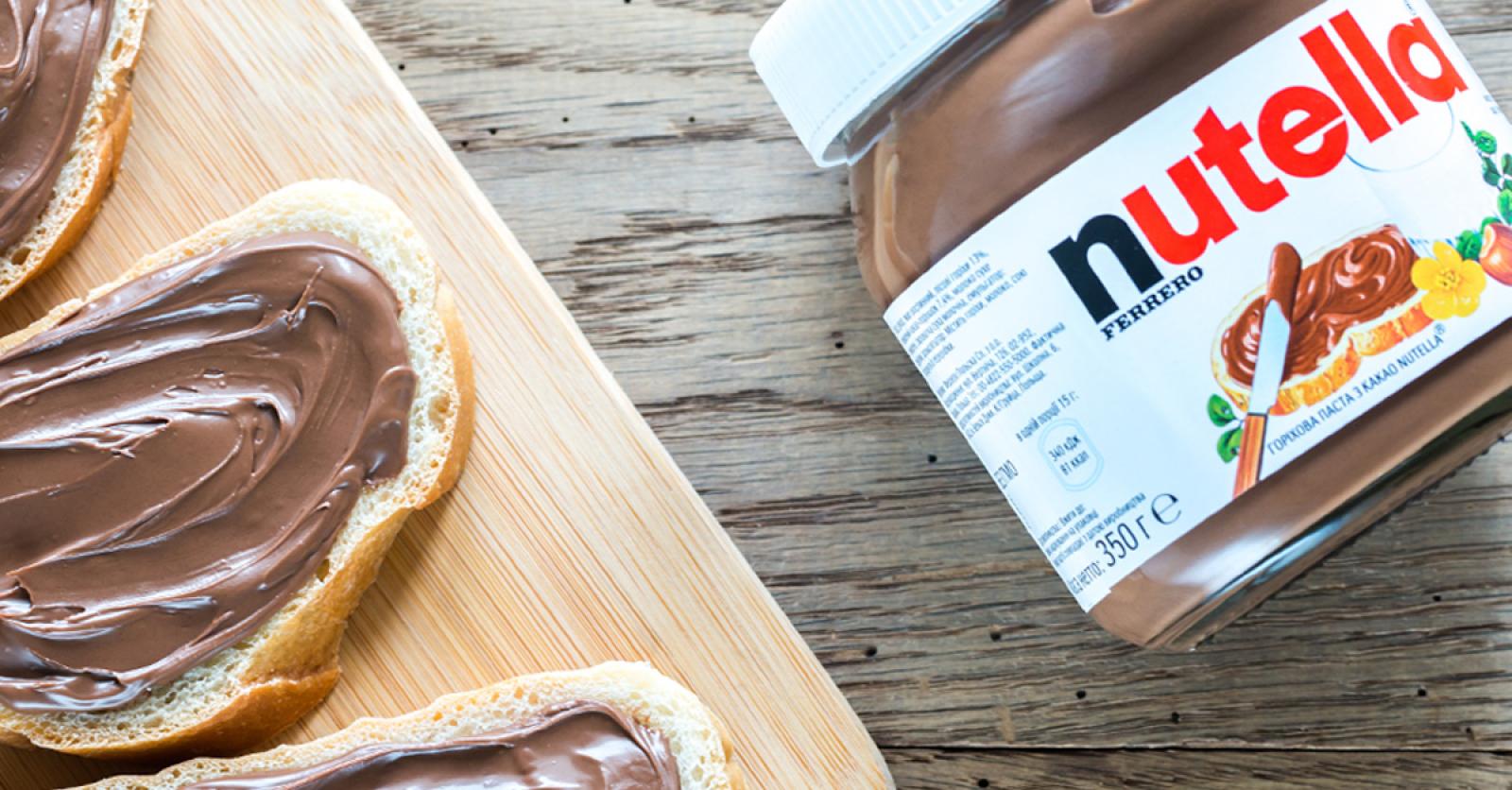
    Ferrero, the global confectionery company, has announced an innovative addition to its Nutella product line – Nutella Peanut. This new flavor is the first to be introduced by the brand in over six decades.

    Nutella Peanut: A Groundbreaking Flavor

    Nutella Peanut blends the beloved Nutella cocoa and hazelnut spread with roasted peanuts. Designed for daily consumption, this new blend is perfect for sandwiches and snacks.

    The company notes that the new product maintains the cherished creamy texture of Nutella while incorporating a distinct peanut flavor. Nutella Peanut is currently being introduced across the United States, with promotional events and in-store availability planned.

    Senior Vice President of Spreads for Ferrero North America, Noah Szporn, explained the company’s decision to innovate. “When a jar of Nutella becomes an internet sensation, even making its way into space, it opens a world of possibilities. As such, it was only logical for us to introduce our first new flavor in over 60 years,” said Szporn.

    A Strategic Move for Ferrero

    This launch marks a significant milestone for the global spread brand. Since its inception in 1964, Ferrero has primarily grown its Nutella product line through packaging and format innovations. The introduction of Nutella Peanut is part of the company’s strategic plan to cater to the changing tastes of consumers, especially in the North American market.

    Earlier in the year, Ferrero expanded its offerings with the launch of its frozen bakery range – Nutella Croissant and Nutella Muffin. These items are now accessible to food service partners across Australia.

    Questions & Answers

    What is the new flavor that Ferrero has added to its Nutella range?
    Ferrero has added a new flavor, Nutella Peanut, to its Nutella product line. This is the first new flavor that the brand has introduced in over six decades.

    What does Ferrero’s new Nutella Peanut blend consist of?
    The Nutella Peanut blend consists of the traditional Nutella cocoa and hazelnut spread mixed with roasted peanuts. The company claims the product retains Nutella’s well-loved creamy texture while offering a distinct peanut flavor.

    How does this new product fit into Ferrero’s overall strategy?
    The introduction of Nutella Peanut is part of Ferrero’s strategic plan to respond to evolving consumer tastes. It represents a significant milestone for the brand, which has primarily grown its product line through packaging and format innovations since its foundation in 1964.

  • Comedian Andy Lee Champions Australian Made Products in 40th Anniversary Campaign

    Comedian Andy Lee Champions Australian Made Products in 40th Anniversary Campaign

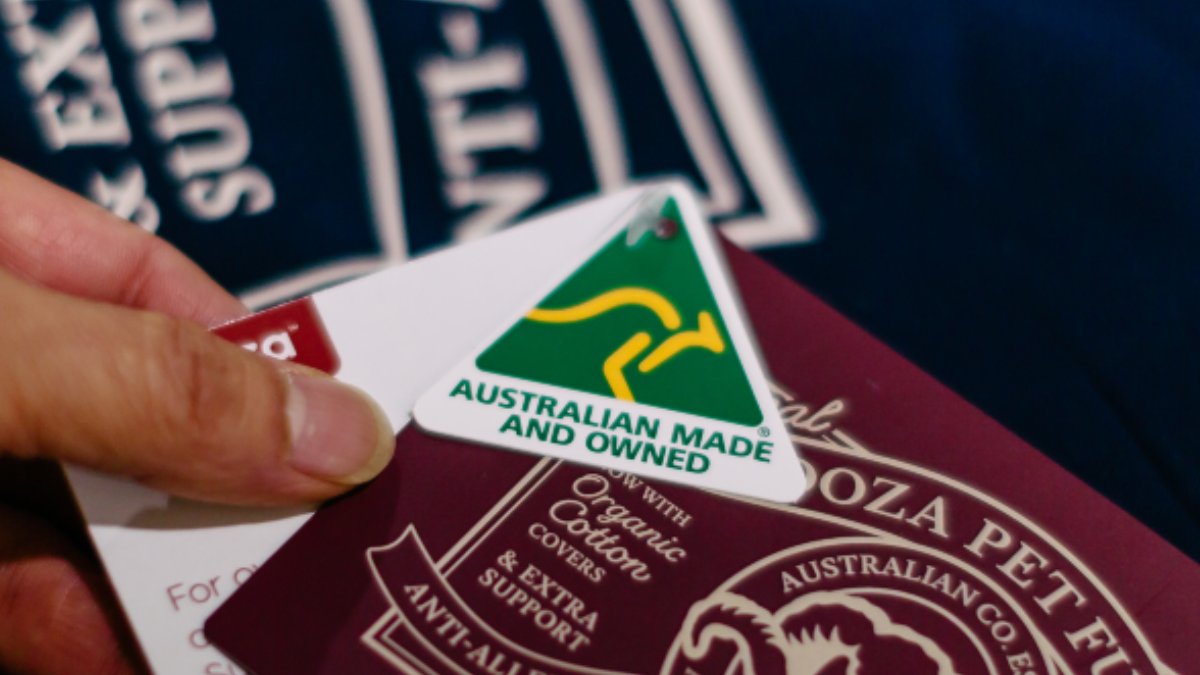
    Australian Made, an organization renowned for promoting and certifying Australian-made products, has recently announced the appointment of Andy Lee as its ambassador for the upcoming Australian Made Week. Scheduled for the week of the 18th to the 24th of May, Australian Made Week aims to encourage consumers to prioritize purchasing products adorned with the Australian Made logo.

    Andy Lee is a comedian, children’s book author, and a member of the renowned comedy duo Hamish & Andy. As an ambassador, Lee’s main role will be to spearhead a campaign promoting the economic benefits of choosing products made within Australia. To emphasize this, he will don the national colours of green and gold throughout the campaign. This year also marks a significant milestone for Australian Made as they celebrate 40 years since the Australian Made logo was first introduced as a national symbol of origin.

    Ben Lazzaro, CEO of Australian Made, revealed that Lee was chosen as the ambassador due to his unwavering support for local manufacturing throughout his career as a business owner and investor.

    Lee expressed his belief that choosing Australian-made products can have far-reaching economic impacts, including supporting local employment and supply chains. He hopes his role will inspire consumers both locally and internationally to support Australian producers.

    Lee said, “Nothing would make me happier than knowing my involvement in Australian Made Week had encouraged people to support our wonderful country and the incredible things our local makers create.”

    Interestingly, a recent survey conducted by Roy Morgan Research indicates a high level of support for domestic production among consumers. According to the survey, 87% of respondents believe buying Australian-made products is important, with 56% stating they ‘often’ or ‘always’ opt for them. Furthermore, an impressive 99% of those surveyed were able to recognize the Australian Made logo.

    Australian Made encourages consumers to prioritize Australian-made products in all their daily purchases. They stress that domestically produced options are available across a wide range of categories, including health and beauty products, industrial materials, furniture, and mattresses.

    In addition to promoting local products, Australian Made Week will also include a host of community activities and a programme recognizing businesses in the certification system used by more than 4500 companies.

    Questions & Answers

    Who has been appointed as the ambassador for Australian Made Week?
    Andy Lee, a comedian and children’s book author, has been appointed as the ambassador for Australian Made Week.

    Why was Andy Lee selected as the ambassador for Australian Made Week?
    Andy Lee was chosen for his long-standing support for local manufacturing and his work as a business owner and investor.

    What are the main objectives of Australian Made Week?
    Australian Made Week aims to promote the economic benefits of choosing domestically produced goods and to encourage consumers to prioritize products bearing the Australian Made logo.

  • Tim Cook Passes the Apple Torch: A New Era Dawns with CEO Transition

    Tim Cook Passes the Apple Torch: A New Era Dawns with CEO Transition

    Speculation has been rife for some time about the imminent departure of Apple CEO Tim Cook from his position. The unexpected announcement of his replacement has therefore caught many by surprise. Despite forecasts suggesting Cook’s remaining tenure might run into a few more years, it now appears his exit is imminent.

    Tim Cook’s New Role

    Tim Cook is slated to relinquish his CEO role later this year after a successful and influential period of leadership at Apple. Starting from September 1, Cook will transition into the position of executive chairman on Apple’s board of directors.

    According to typical patterns, Cook is expected to serve as executive chairman for a substantial period, though his presence at the launch of the iPhone 18 in the upcoming months remains uncertain.

    The decision to appoint Cook’s successor, John Ternus, as the new CEO seems like a well-anticipated move to many. Recently, Ternus has been increasingly in the public eye, having even presented the iPhone Air. Some believe this was a strategic move to familiarize the public with Ternus’s presence during significant product launches.

    Cook’s Farewell Message

    In an internal memo to Apple employees, Cook reflected on his time with the company and the collective accomplishments of the team. He praised the company’s values and expressed his confidence in Apple’s future prospects. This, he noted, influenced his decision to transition to the role of executive chairman and pass on the CEO baton to John Ternus. He affirmed his belief in Ternus’s capability to guide Apple into the future and maintain the company’s core values.

    Cook also expressed his intention to support Ternus and the company in various key areas in his new role and thanked the executive team for their brilliance throughout the years. He concluded by expressing his optimism about the future and inviting all to join him in congratulating Ternus.

    John Ternus’s Response

    In a memo of his own, John Ternus expressed his excitement about his new role as CEO and gratitude for the opportunity to lead the hardware engineering team. He revealed that as he transitions to the CEO role, Tom Marieb will take over as the head of hardware engineering, reporting to Johny Srouji, who is taking on an expanded role of Chief Hardware Officer. Ternus expressed his anticipation for their continued work together and shared his confidence in the team.

    Reflecting on Cook’s Legacy

    Reflecting on Cook’s tenure, it’s astounding to consider the significant impact he has had on Apple and its global user base. Cook’s strategic prowess following the passing of Steve Jobs was instrumental in sustaining the company’s stability and growth.

    Under Cook’s leadership, Apple’s product range has evolved remarkably. The MacBook has become a powerful technological asset, and the iPhone 17 Pro is widely regarded as one of the best flagship smartphones on the market.

    The upcoming launch of the iPhone 18 Pro and the iPhone Ultra later this year will be a poignant moment, given Cook’s absence. The future Apple events are inevitably going to be different, marking a shift in an era in the company’s history.

    Questions & Answers

    Who will replace Tim Cook as CEO of Apple?
    John Ternus has been announced as the successor to Tim Cook as CEO of Apple.

    What will be Tim Cook’s new role at Apple?
    Tim Cook will transition to the role of executive chairman on Apple’s board of directors.

    Who will take over as head of hardware engineering at Apple?
    Tom Marieb will assume the role of head of hardware engineering at Apple as John Ternus transitions to the CEO role.