Author: Mei Ling Tan

  • Thailand’s Export Boom: Record-Breaking $35.16B Earned in March 2026 Amid Threats of Global Volatility

    Thailand’s Export Boom: Record-Breaking $35.16B Earned in March 2026 Amid Threats of Global Volatility

    Thailand’s merchandise exports experienced a surge for the 21st month in a row in March 2026, reaching a new high of US$35.16 billion, an increase of 18.7% when compared to the previous year. The Ministry of Commerce reported these figures, highlighting a significant growth compared to the 9.9% increase recorded in February. This data further underscores the crucial role of exports in boosting the Thai economy.

    Driving Factors for Growth

    This remarkable performance can largely be attributed to the strength of technology-related products, a robust global supply chain activity, and the temporary relief from certain U.S. tariff measures. Nantapong Chiralerspong, the Director-General of the Trade Policy and Strategy Office (TPSO), added that the recovery in global manufacturing, evident from the stable demand and new orders from international markets, also contributed to this export growth.

    Despite the positive indicators, Chiralerspong issued a word of caution. He pointed out the presence of emerging challenges, particularly the disruptions in shipping through the Strait of Hormuz, which is starting to impact Middle Eastern markets, indicating a potential slowdown.

    Imports and Trade Deficit

    On another note, Thailand witnessed a significant rise of 35.7% in imports in March, bringing the figure to $38.50 billion. This resulted in a trade deficit of $3.34 billion. The first quarter of the year saw total exports from Thailand reaching $96.17 billion, marking an increase of 17.6%. On the other hand, imports surged by 32.4% to $105.65 billion, leading to a trade deficit of $9.48 billion.

    Future Outlook

    The Ministry of Commerce expressed concerns over the uncertain future of export prospects due to global volatility. The ongoing tensions in the Middle East are driving up logistics, energy, and production costs, thereby increasing the pressure on Thailand’s export sector.

    Questions & Answers

    What are the main drivers of Thailand’s recent export growth?
    The recent export growth in Thailand can mostly be attributed to the robust sales of technology-related products, active global supply chain activity, and the temporary relaxation of certain U.S. tariff measures. The recovery in global manufacturing has also supported this growth.

    What challenges is Thailand facing in its export sector?
    Emerging challenges, including disruptions in shipping through the Strait of Hormuz, are starting to impact the Middle Eastern markets, indicating a potential slowdown. Additionally, ongoing Middle East tensions are escalating logistics, energy, and production costs.

    How has the import activity been in Thailand recently?
    Thailand has seen a sharp increase in imports, rising by 35.7% in March 2026 to $38.50 billion. In the first quarter of the same year, imports surged by 32.4% to $105.65 billion.

  • Vietnam’s Gold Market Gleams: Prices Surge Amid Global Market Uncertainty

    Vietnam’s Gold Market Gleams: Prices Surge Amid Global Market Uncertainty

    As the week concluded, the price of gold in Vietnam exhibited an upward trend on Saturday morning, even though the precious metal ended the week with a 2% drop in value. The price of gold bars from Saigon Jewelry Company increased by 0.48%, reaching a new price of VND168.8 million, which is equivalent to US$6,403.65, for every tael. A tael, in weight measurement, is equal to 37.5 grams or 1.2 ounces.

    The Price of Gold Rings

    Similarly, the price of gold rings also witnessed a 0.48% price hike, reaching VND168.3 million per tael. This year has seen an impressive 10.5% surge in gold prices in Vietnam.

    Global Gold Prices

    Internationally, the price of gold showed a rise on Friday. However, it still seemed headed for its inaugural weekly loss in the past five weeks. The looming worries over inflation and the unclear condition of the U.S.-Iran conflict kept the markets in a state of unease.

    The price of spot gold saw an increase of 0.6% and stood at $4,721.15 per ounce. Despite having risen over 1% earlier during the session, it has witnessed a decline of more than 2% for this week.

    Giovanni Staunovo, a UBS analyst, explained that gold experienced a decrease this week due to the rise in oil prices. This led to an expectation of higher rates, which influenced the dollar and yields, all of which are interconnected.

    Questions & Answers

    What led to the price hike of gold in Vietnam?
    The price of gold in Vietnam increased due to various global factors, including concerns over inflation and geopolitical tension, among others.

    What has been the trend of gold prices in Vietnam this year?
    Gold prices in Vietnam have seen a notable rise, with a 10.5% increase reported so far this year.

    Why did gold prices experience a decrease globally this week?
    The global decrease in gold prices this week can be attributed to the rise in oil prices, which led to expectations of higher rates. This also influenced the dollar and yields, indicating a correlation among these factors.

  • Revolutionizing In-Car Transactions: Alipay Debuts Voice-Controlled Mobile Payment System

    Revolutionizing In-Car Transactions: Alipay Debuts Voice-Controlled Mobile Payment System

    At the 2026 Beijing International Automotive Exhibition, Banma Intelligence, a renowned Chinese tech corporation, partnered with fintech heavyweight Alipay to introduce a pioneering AI-enabled in-car system. This innovative technology allows drivers to initiate transactions using just their voice.

    Revolutionizing In-Car Transactions

    Known as the “AI cockpit”, the cutting-edge solution merges Banma’s in-vehicle intelligence with Alipay’s AI Pay. This allows drivers to perform hands-free transactions without the need for a smartphone. The developers of this technology aim to simplify in-car digital experiences as vehicles continue to become more software-focused.

    Ming Cai, the Chief Product Officer at Banma, noted that significant progress has been made in the realm of smart cockpits over the past two years, particularly in understanding user intent. He stated that by integrating voice-activated payments, one of the last barriers to smooth in-car digital experiences has been effectively eliminated. As a result, drivers can now simply express their intent verbally to complete a purchase.

    Emphasis on High-Demand Services

    Initially, the system primarily concentrates on services in high demand like entertainment and travel. For instance, drivers can book movie tickets, reserve hotel rooms, or order food through voice commands. A command like “buy two movie tickets” prompts the system to select showtimes and seats, following which the user can verbally confirm the choices to finalize the payment.

    Security Measures

    Security is a key feature of this new system, with Alipay integrating multi-layered risk controls and real-time fraud detection to safeguard the transactions carried out via the system.

    The development indicates a wider industry trend towards intelligent, connected vehicles, with digital services emerging as a key differentiator. Payment integration is viewed as a vital part of this ecosystem as it allows car manufacturers and software providers to deliver smooth, comprehensive user experiences.

    The companies revealed that the AI cockpit has already completed integration testing with several prominent automakers and is set to feature in new vehicle models in the latter half of 2026.

    Questions & Answers

    What is the “AI Cockpit”?
    The “AI Cockpit” is a state-of-the-art system developed by Banma Intelligence and Alipay that allows drivers to conduct transactions using voice commands.

    What services does the AI Cockpit initially focus on?
    The system is initially focused on high-demand services like entertainment and travel. It allows drivers to book movie tickets, reserve hotel rooms, and order food using voice commands.

    How does the system ensure the security of transactions?
    Security is a key feature of the system. Alipay has incorporated multi-layered risk controls and real-time fraud detection measures to protect transactions conducted through the system.

  • Cathay Pacific Makes Historic Move with HKD Fixed-Rate Notes Release: A Milestone in Hong Kong’s Airline Sector

    Cathay Pacific Makes Historic Move with HKD Fixed-Rate Notes Release: A Milestone in Hong Kong’s Airline Sector

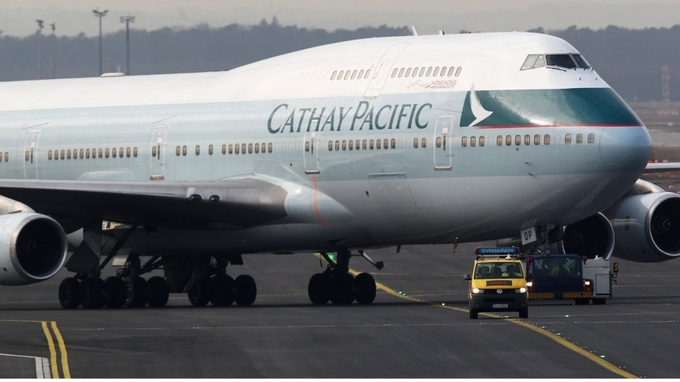
    Cathay Pacific, headquartered in Hong Kong, has unveiled its intention to release three-year benchmark-sized Hong Kong dollar senior unsecured fixed-rate notes. The airline has set the initial price guidance in the area of 4.1%.

    Details of the Bond Issuance

    The bonds are expected to come to maturity on April 29, 2029, with interest payments to be made on a semi-annual basis. The settlement of the bonds is anticipated to occur on April 29, 2026. The proceeds from the bond issuance will be lent to the airline and its subsidiary companies to be used as working capital and for other general corporate purposes.

    HSBC has played an instrumental role as Joint Bookrunner and Joint Lead Manager in Cathay’s public bond issuance of HKD2,080 million. The bond issuance also coincides with Cathay’s celebration of its 80th anniversary in Hong Kong.

    Significance of the Bond Issuance

    This represents Cathay’s inaugural HKD public bond issuance, marking its first re-entry into the public bond market since 2021. Eugene Ng, HSBC Head of Debt Capital Markets, Greater China, emphasised the importance of the bond issuance, calling it a testament to the strength of the HKD bond market as a reliable source of local-currency funding for top-tier Hong Kong corporations.

    Ng further highlighted that this is the largest HKD public bond issuance by a Hong Kong non-public sector corporate and the first from the airline sector, thereby indicating an expansion in the local issuer base. He expressed HSBC’s commitment to continue to leverage its local-currency expertise and capabilities to assist issuers in gaining access to the HKD market as part of their solid funding strategies. This move supports Hong Kong’s Fixed Income and Currency Roadmap to deepen liquidity and broaden participation.

    Bank of China (Hong Kong), BNP Paribas, and DBS are the other joint bookrunners and joint lead managers for this bond issuance.

    Questions & Answers

    When are the bonds expected to mature?
    The bonds are set to mature on April 29, 2029.

    What will the proceeds from the bond issuance be used for?
    The proceeds will be directed towards the airline and its subsidiaries for purposes such as working capital and other general corporate needs.

    Who are the joint bookrunners and joint lead managers for this bond issuance?
    HSBC, Bank of China (Hong Kong), BNP Paribas, and DBS are the joint bookrunners and joint lead managers for this bond issuance.

  • Experience the Fusion of Innovation and Tradition at Hermes’ Revamped Sogo Fuxing Store in Taipei

    Experience the Fusion of Innovation and Tradition at Hermes’ Revamped Sogo Fuxing Store in Taipei

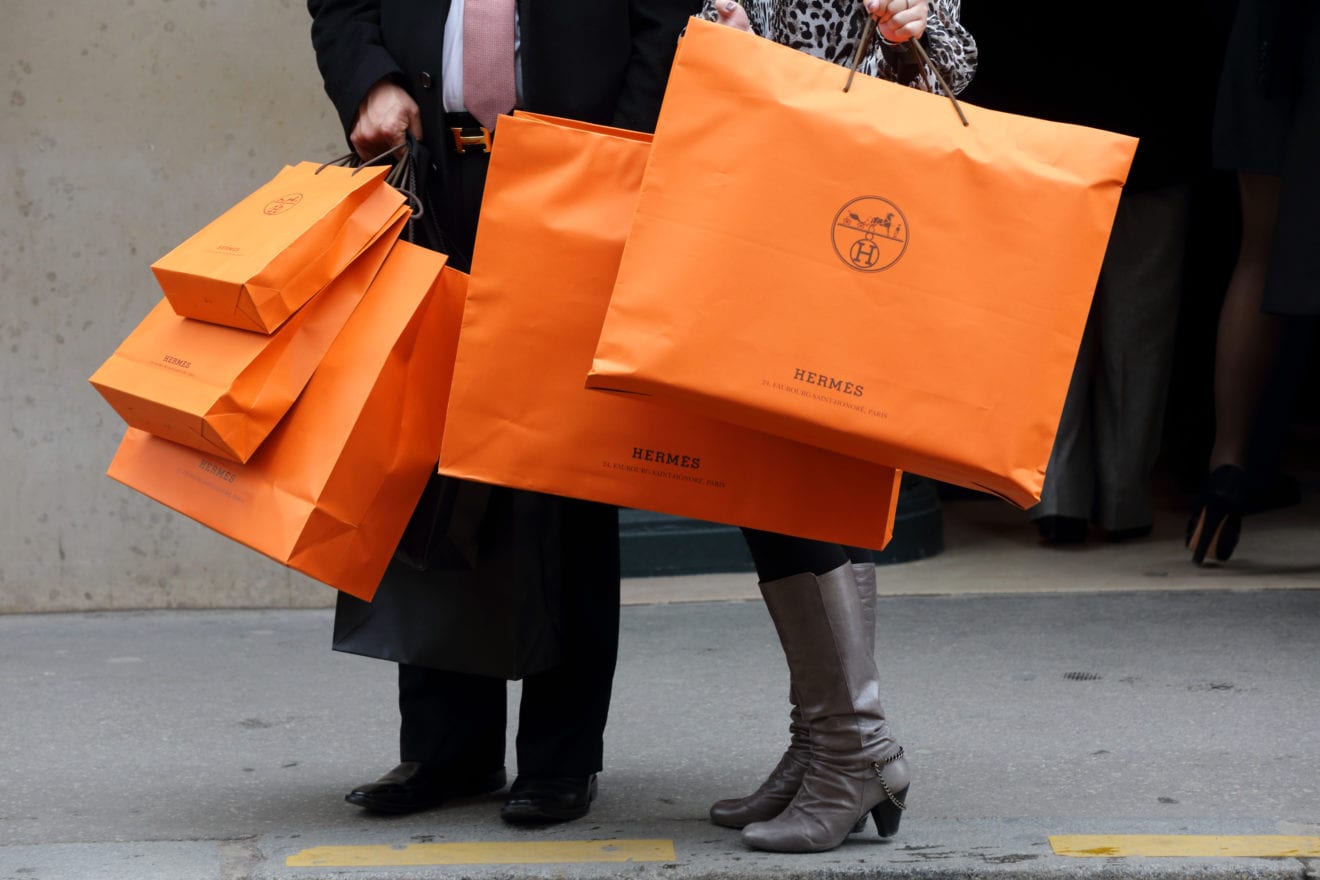
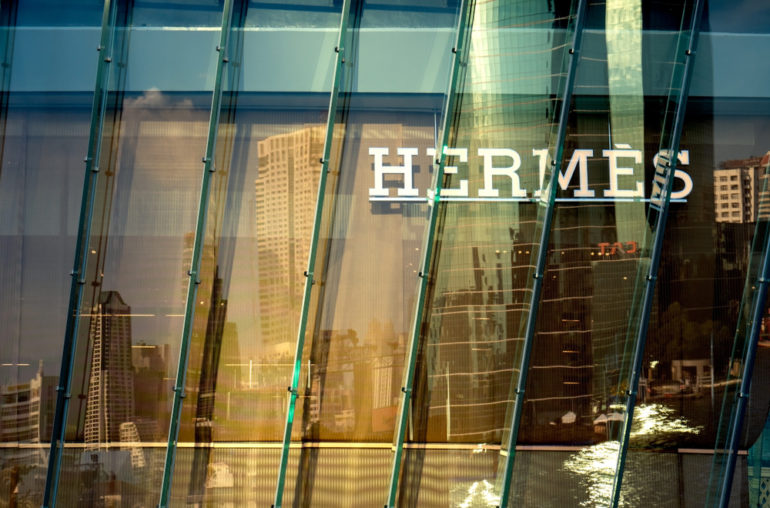
    The luxury brand Hermès recently celebrated the grand reopening of its outlet located in Sogo Fuxing Mall, Taipei. This event comes after a considerable period of renovations, reflecting the brand’s innovative and dynamic spirit that mirrors the vibrant essence of the city.

    Originating in 2007, the three-tiered store now boasts a modern look with its ceramic tile facelift. The French architectural firm, RDAI, is the mastermind behind the redesigned aesthetics of the Hermès store.

    Upon entering the establishment, visitors are instantly enveloped by a luxurious universe of silk. The space is tastefully arranged with fashion jewelry displays on the right and an enticing array of perfumes and beauty products on the left. Enhancing this opulent ambiance is the house’s signature Grecques lighting, adding a refined touch to the overall shopping experience.

    The redesign also features screen walls to define the space and accentuate Hermès’ commitment to local artisans. These walls are adorned with intricate thread compositions crafted locally and blended with Hermès silk offcuts, showcasing the brand’s marriage of traditional craftsmanship with contemporary design.

    As customers delve deeper into the store, they will come across an intimate and exclusive section dedicated to the brand’s exquisite jewelry and timepieces.

    Art connoisseurs will appreciate the store’s unique collection of artworks sourced from the Emile Hermès collection, as well as the Hermès ‘Collection of Contemporary Photographs’. These carefully curated pieces add an artistic touch, rendering the store not just a shopping destination, but a place of inspiration and creativity.

    In conclusion, Hermès stated: “This revitalized store welcomes both our loyal patrons and newcomers alike to explore Hermès’ timeless creations and craftsmanship within a bold, innovative setting.”

    Questions & Answers

    When was the Hermès store in Sogo Fuxing Mall, Taipei, first opened?
    The Hermès store in Sogo Fuxing Mall, Taipei, initially opened its doors in 2007.

    Who was behind the renovation and redesign of the Hermès store?
    The renovation and redesign of the Hermès store were carried out by the French architecture agency, RDAI.

    What unique features does the renovated Hermès store offer to its customers?
    The renovated Hermès store offers a luxurious shopping experience with its silk universe, fashion jewelry, perfumes and beauty products. It also showcases locally crafted thread compositions and a selection of artworks from the Emile Hermès collection and the Hermès ‘Collection of Contemporary Photographs’.

  • Global Expansion Fuels Record-Breaking Q4 Earnings for Jollibee Foods Corporation

    Global Expansion Fuels Record-Breaking Q4 Earnings for Jollibee Foods Corporation

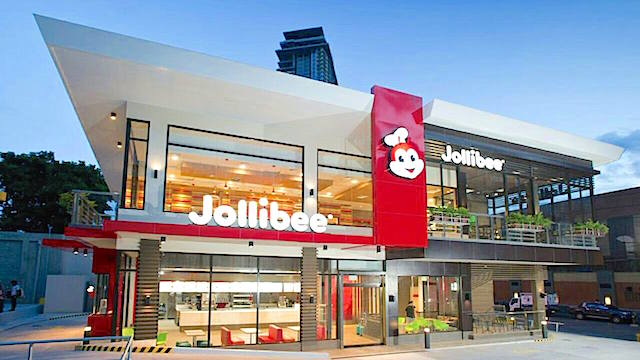
    Jollibee Foods Corporation achieved record earnings in Q4, driven largely by an increase in demand and enhanced operational efficiency, according to CEO Ernesto Tanmantiong.

    Stellar Performance

    Tanmantiong expressed pride in the company’s performance over the past year. The final quarter saw a record-breaking operating income, which saw a 41.9% increase from the previous year. This surge was attributed to a combination of robust sales momentum and improved operational leverage.

    The corporation’s net income for the quarter rose by 20.1% to $37.8 million (PHP2.2 billion), making for a 5.4% total increase to $189 million for the entire year. Furthermore, the Q4 operating income experienced a 41.9% increase, reaching a remarkable $70.6 million – a record for this period.

    Sustained Demand and Growth

    The company’s system-wide sales grew by 16.6% over the year, bolstered by sustained demand in both its local Philippine markets and international markets. Consolidated revenue for the fourth quarter was up by 9.8%, leading to a 13% total increase for the year.

    The company’s EBITDA (earnings before interest, taxes, depreciation, and amortization) saw a rise of 18.7% to $169 million in the final quarter, and overall, a 13.8% increase to $727.4 million for the year.

    International Operations and Expansion

    International operations remained a potent catalyst for growth, contributing to a 27% system-wide sales increase. The coffee and tea segment of the business also exhibited strong sales momentum, with a 44.9% increase in system-wide sales.

    Tanmantiong spoke about the company’s future, emphasizing execution and expansion as cornerstones of their strategy. He stated, “Our priorities remain clear: profitable growth, operational excellence, and consistent value creation for our shareholders and other stakeholders.”

    Over the past year, Jollibee Foods Corporation opened 1126 stores worldwide, setting a new annual record. The corporation has planned to expand its network by an additional 1200 to 1300 stores in the coming year.

    Questions & Answers

    What factors contributed to Jollibee Foods Corporation’s record Q4 earnings?

    Sustained demand and enhanced operational efficiency were key contributors.

    What future plans does the company have?

    Its CEO, Ernesto Tanmantiong, stated that the company will maintain its focus on profitable growth, operational excellence, and value creation for shareholders and stakeholders.

    What expansion is expected for Jollibee Foods Corporation in the coming year?

    The corporation plans to expand its network by an additional 1200 to 1300 stores worldwide.

  • Pop Mart Unleashes Exciting Expansion: Beijing’s Pop Land Theme Park Reveals New Attractions and Diversification Strategy

    Pop Mart Unleashes Exciting Expansion: Beijing’s Pop Land Theme Park Reveals New Attractions and Diversification Strategy

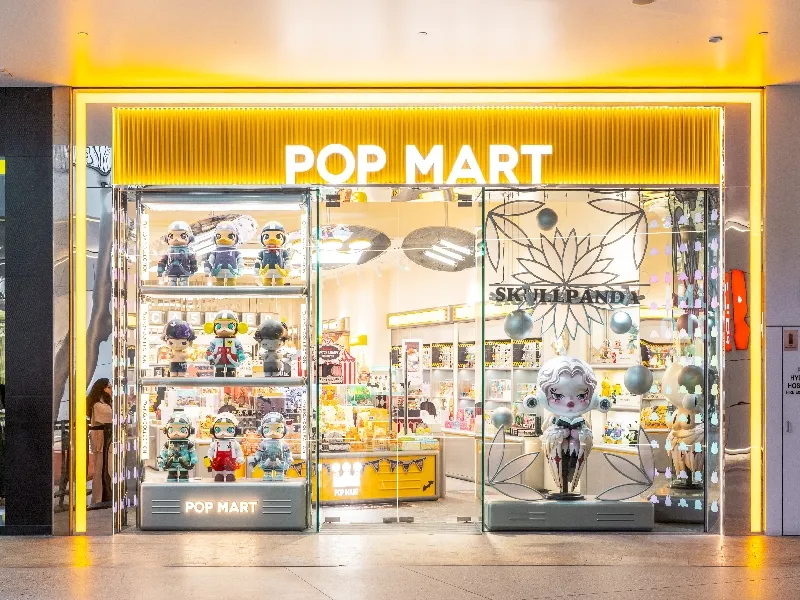
    Pop Mart, a Hong Kong-based firm known for their popular ‘blind box’ collectible toys, including the iconic Labubu, has recently updated and broadened its range at its Beijing-based theme park, Pop Land.

    A Revamped Experience

    After a year of significant renovations, the Labubu Forest Zone is set to reopen to the public on April 30th, the company announced during a recent event. This conversion includes several new amusement park rides, engaging carnival games, live entertainment, food vendors, and retail outlets featuring beloved characters such as Dimoo and the The Monsters series, including fan-favorite Labubu.

    A Gradual and Strategic Expansion

    During a press conference, Pop Mart’s Vice President, Jeffrey Hu, shared his insights on the company’s growth strategy. After examining both Chinese and global markets, Hu believes there are ample opportunities for expansion. However, he indicated that the company wishes to focus on perfecting one theme park before duplicating the concept elsewhere.

    The evolution of Pop Land, which initially opened its doors in 2023, represents a shift in Pop Mart’s strategy. Moving away from a sole reliance on toys, the company aims to diversify its business by capitalizing on a wider selection of intellectual properties featuring its characters. To further this strategic diversification, a Labubu-themed film in collaboration with Sony Pictures is also in development.

    Impressive Financial Growth

    In terms of financial performance, Pop Mart reported a nearly three-fold increase in its 2025 revenue. The company’s revenue surged to 37.12 billion yuan, up from 13.04 billion yuan a year earlier. The firm’s profit also witnessed a substantial growth, soaring by 308 percent to reach 12.78 billion yuan.

    Questions & Answers

    What are the new features in the renovated Labubu Forest Zone?
    The newly renovated Labubu Forest Zone offers new amusement park rides, carnival games, live performances, food outlets, and retail stores featuring popular characters like Dimoo and Labubu.

    What is Pop Mart’s current growth strategy?
    Pop Mart is focusing on expanding its intellectual property portfolio and diversifying its offerings beyond toys. This includes the development of a theme park and a movie in collaboration with Sony Pictures.

    How did Pop Mart perform financially in 2025?
    Pop Mart reported a nearly three-fold increase in its 2025 revenue, which rose to 37.12 billion yuan from 13.04 billion yuan a year earlier. The company’s profit also witnessed a substantial growth of 308 percent, amounting to 12.78 billion yuan.

  • The 10 Best Finance Movies from Wall Street to the UK Market

    The 10 Best Finance Movies from Wall Street to the UK Market

    It’s difficult to get good financial advice: opinions and methods are always different, and there’s no set conclusion. Timing the market is a tale as old as the world, and the same goes for diversification. And it isn’t getting better in the UK, with 44% of adults showing poor financial literacy. As trusting a single expert’s advice isn’t the option, you could maybe learn from someone else’s experience.

    And that’s what the cinema is for! Over the years, many talented directors have explored financing topics through art, and some of these are highly applicable to modern markets, including the UK. Let’s have a closer look at some of them, the top 10 to be precise, and explore why they are worth your time.

    How We Created the List

    Taste is subjective, and we don’t expect you to be immediately interested in all the films listed. To create the article, we reviewed each of them based on the following criteria:

    • Acting and performance. Whether the film is indeed informationally poignant, presentation also matters. Performances help the narrative; otherwise, you won’t be interested.
    • Quality of financial topic coverage. We reviewed and assessed each film based on how seriously it took finance. We looked into whether the filmmakers put in the hours to explain the underlying financial mechanics and made them accessible to the broader audience.
    • Storytelling and pacing. Structure is important, especially in films. If the film’s story takes too long to take off, or the overall narrative feels jumpy and poorly stitched together, that makes for a bad experience.
    • Lasting relevance. Priority went to films still referenced in financial and cultural conversations today, not just titles that got acclaim on release and were forgotten shortly after.

    The 10 Best Finance Movies

    Now that you’re familiar with how we picked each movie, here’s the top 10 list of the best finance movies that hold up well even today.

    1.   The Big Short

    A half-serious foray into how the 2008 financial crisis occurred in America, The Big Short, based on the eponymous book, is excellent in every way imaginable, starting with the acting.

    Christian Bale gave it his all when portraying Michael Burry: the “lazy eye”, the slight social awkwardness, but a genius financial mind. Steve Carell gave a more serious performance as the quick-to-anger, emotional Mark Baum, loosely based on Steve Eisman. Not to mention the brilliantly funny Ryan Gosling as the Deutsche Bank salesman Jared Vennet, together with Ben Ricket portrayed by Brad Pitt.

    The film starts slowly, by introducing Bale’s character and how he gradually discovers that the banks and rating agencies are gaming the system. After that, the stories of Mark Baum. Dr. Burry, Vennet, and Ricket intertwine and take place at the same time, building towards the conclusion and neatly tying everything together.

    The financial topics themselves are explored in a humorous, relatable, and clear way. You get the legendary Anthony Bourdain explaining CDOs, Margot Robbie lying in a bathtub, and talking about how CDOs came to be in the first place, you name it. And all these are just brief cutaways in an otherwise brilliant narrative.

    This should surely excite you and push you towards watching. And the film is relevant today, as banks continue the same practices that led to the market downfall in 2008.

    2.   Margin Call

    While The Big Short focuses on humor and celebrity cameos, Margin Call creates a serious atmosphere from the beginning. J.C. Chandor, the director, locks you inside a single building for one night and lets the tension do the work.

    Kevin Spacey plays Sam Rogers, a veteran trader caught between loyalty and decency, and delivers an extremely good performance. Jeremy Irons is magnetic as the firm’s CEO — cold and completely unbothered by the human cost of what he’s about to authorize. Zachary Quinto anchors the film as the analyst who first uncovers the problem, carrying the audience’s sense of dread throughout.

    The financial aspects are completely taken care of in the film. It doesn’t over-explain, but there’s nothing even remotely vague. You understand what toxic assets are, why the firm is exposed, and why the only solution was to dump those assets on unsuspecting clients. The pacing in the story is alright, but everything takes place within glass offices, and the only action you get is conversations. The film is a slow-burn by design.

    Overall, it remains one of the most clinically honest films about institutional finance. It also gets more relevant with every new market crisis that comes along.

    3.   The Wolf of Wall Street

    You probably expected this entry to be #1. Still, it was moved down mainly because the film focuses on the chaos of Jordan Belfort’s life rather than on how exactly he accumulated his wealth through illegal means.

    The Wolf of Wall Street is a cautionary tale about greed, directed by Martin Scorsese. Leonardo DiCaprio gives an Oscar-worthy performance as Jordan Belfort, along with some of the best acting done by Jonah Hill and Margot Robbie. The film starts by exploring how the young Belfort was lured into brokering, continues by showing how he began his machinations, and focuses on the extravagance and crazy side of his rich life.

    The film does show its financial underbelly, and you get a pretty good understanding of what a “pump and dump” is, but it’s never the focus. You get bombarded with frequent drug use, wild parties, and just generally reprehensible, but fun-to-watch acts performed by Jordan and his friends.

    Because of that, The Wolf of Wall Street is #3 on our list. It’s a hard-to-ignore film with a gripping, comedic story that everyone is talking about even today. Yet it glosses over the financial aspects somewhat.

    4.   Wall Street

    Filmed by Oliver Stone in 1987, this film set the standard for how high finance should look on screen. The phrase “greed is good” didn’t enter the cultural lexicon by accident.

    Michael Douglas is the reason to watch this film. His portrayal of Gordon Gekko is one of his best performances, earning him the Oscar statuette. Gekko is charismatic enough that you understand exactly why the young, hungry Bud Fox (Charlie Sheen) falls under his spell, and menacing enough that you never quite forget what he actually is.

    The way the film covers finance is also good for the era. You get a glimpse of insider trading, hostile takeovers, and the mechanics of corporate trading. The main focus is on the moral aspects of being on Wall Street, and the movie thoroughly explores the human condition.

    Like The Wolf of Wall Street, the film still holds pretty well today, as stories about greed never really go out of fashion. The only difference is that it did it earlier.

    5.   Boiler Room

    Boiler Room occupies the midpoint for a couple of reasons: it’s not as ambitious as The Wolf of Wall Street, nor is it as technically accurate as The Big Short. What it is, though, is a grounded portrayal of fraud.

    The film is about Seth Davis, played by Giovanni Ribisi, who drops out of college and gets a job at a brokerage firm. After some time, he realizes he’s participating in market machinations or pump and dump schemes. Vin Diesel and Ben Affleck show up in supporting roles, with Affleck in particular delivering a memorable motivational speech to a room full of young brokers.

    The financial topic coverage is actually good. The film clearly explains what a “pump and dump” is: the structure, how clients are targeted, and how the work culture deliberately forces everyone to ask fewer questions and keep on the grind. But this excellence is overshadowed by a somewhat slow pace and subplots that underserve the overall story.

    6.   Inside Job

    Inside Job is a documentary by Charles Ferguson that explores the 2008 financial crisis. It differs from The Big Short in both tone and style, focusing more on interviews and allowing Matt Damon to do his magic as a narrator.

    There are no standout individual performances here in the traditional sense, but Ferguson’s direction is precise enough to function as one. The film’s greatest skill is in how it sequences its interviews. It lets subjects incriminate and contradict themselves, it draws out contradictions, and builds into an actual case.

    In terms of financial topic coverage, Inside Job is arguably the most thorough entry on this list. It explains the root causes, mortgage-backed securities, and credit default swaps, and thoroughly covers just how the banks manipulated the market, while also shedding light on who won and who was persecuted.

    The documentary is structurally brilliant and moves comfortably through its four chapters while maintaining momentum. It won the Oscar for Best Documentary in 2011 and remains the clearest explanation of what happened in 2008 and why it was allowed to happen. If you watch only one film on this list for informational value, this is probably the one.

    7.   Rogue Trader

    Rogue Trader is a distinctly British entry and is probably one of the more unappreciated films. It tells the true story of Nick Leeson, the derivatives trader whose unauthorized positions brought down Barings Bank, which was a crazy story back in the day.

    Ewan McGregor carries the film with this performance. His take on Nick Leeson, the main character, portrays him as ambitious and skilled, which genuinely makes the story even more gripping. McGregor plays him as someone who initially conceals losses out of embarrassment rather than malice, and only gradually crosses into something more deliberate and dangerous.

    The more relatable aspect of the story, though, is how he gets into debt due to poor decisions. He never wanted to come clean before it was too late, and that’s what led to his downfall. Leeson’s case was quite dramatic, but plenty of ordinary people find themselves in less high-stakes situations, still dealing with financial pressure. In those moments, people often try to manage the situation in different ways, sometimes without fully stepping back to assess the consequences of their choices.

    This kind of decision-making under pressure is something financial professionals deal with in real life as well. This is something we’ve heard consistently from professionals working in the field. Terryl Payne, Financial Advisor at 15M Finance, points out that financial stress often narrows decision-making:

    “When people feel pressure, they tend to focus on immediate relief rather than long-term outcomes. The problem isn’t always the lack of options, but how those options are evaluated in the moment.”

    However, it does fall a bit flat as it tries to convey this lesson from a sympathetic angle. Neeson isn’t, by any means, a beacon of virtue, and McGregor’s portrayal doesn’t make him likable. The story focuses more on the moral aspects of trading. Pacing, however, is one of the strong suits as you get through Leeson’s rise and fall adequately, without anything interrupting the story, although the plot is definitely on the weak side.

    If you want to see Ewan McGregor at his best, he does some of his finest acting here. Plus, it could be a good watch if you’re familiar with everything on the list so far.

    8.   The Bank

    The Bank is the least known film on this list. An Australian production directed by Robert Connolly, it follows Jim Doyle, a mathematician who develops a model capable of predicting stock market fluctuations, and the powerful bank that recruits him to put it to use.

    David Wenham plays Doyle with a controlled intensity that suits the character well, while Anthony LaPaglia is the film’s real engine as Simon O’Reilly, the bank’s CEO, projecting the kind of smooth, boardroom confidence that makes you both trust and distrust him. The interactions between these two characters create all the tension in the story, and this aspect is indeed done well.

    Structurally, the film properly makes use of its 2-hour runtime, and the pacing is generally good. Where the film falls flat, however, is the story, which can get quite high-octane in some places and drastically raise the stakes. This doesn’t work for everyone, as everyday financial operations typically don’t lead to such consequences.

    The Bank won’t make many mainstream best-of lists, but for a low-budget take on the relationship between institutional power, ordinary people, and mathematics, it gets the job done.

    9.   Enron: The Smartest Guys in the Room

    Enron: The Smartest Guys in the Room is a secondary documentary we’re putting on the list. Here, director Alex Gibney takes one of the largest corporate fraud cases in American history and reconstructs it with the pacing and tension of a thriller — which, given the material, isn’t much of a stretch.

    Gibney interviews former employees, analysts, and journalists who watched Enron from the inside and outside, and the picture that emerges is as much a study in collective delusion as it is in deliberate fraud. The executives, who are the actual culprits, are never interviewed directly, which is an interesting choice that makes the evidence against them more damning.

    In terms of financial topic coverage, the film is excellent. It explains mark-to-market accounting clearly enough that any viewer can grasp both how it worked and why it was so easy to abuse. It also covers the manipulation of California’s energy market, the role of Arthur Andersen in signing off on fraudulent accounts, and the broader culture of Wall Street.

    The pacing and story are both decent, and the documentary is chronologically sound with a natural dramatic arc. More than two decades on, Enron remains a reference point whenever corporate fraud, accounting manipulation, or the failure of financial oversight enters the conversation. However, not everyone likes documentaries, which is why it’s lower on the list than the other films.

    10.                 Industry

    Created by Mickey Down and Konrad Kay, Industry follows a group of graduate recruits fighting for permanent positions at a prestigious London investment bank. It is the most contemporary entry on this list and, in many ways, the most viscerally uncomfortable.

    The ensemble cast is strong, with Myha’la Herrold and Marisa Abela standing out in the first season as Harper and Yasmin, respectively. Harry Lawtey is quietly compelling as Robert, the most conventionally talented recruit in the group, and the supporting cast of senior bankers is written and performed with enough specificity to feel genuinely observed rather than constructed.

    On financial topic coverage, the Industry is less concerned with explaining and would rather tell you about the culture surrounding investments. However, you come away with a strong sense of how trading floors actually operate, even if the show never stops to explain what a structured product is.

    Structurally, the series format gives it room that a two-hour film simply couldn’t accommodate. Character development that would feel rushed in a feature unfolds across episodes with patience and detail, and the writing consistently rewards attention. If the pacing occasionally dips in the middle of each season, the overall feel remains throughout the series.

    For anyone who has ever wondered what actually goes on behind the glass walls of a City of London investment bank, this is the most honest answer currently available.

    The Best Finance Films Have One Thing in Common

    Every film on this list is ultimately about people making decisions under pressure, and what those decisions cost them. The settings and instruments change, but the underlying dynamics don’t: ambition outpacing judgment, institutions prioritizing survival over accountability, the list goes on.

    What ties them together is the timelessness of the story elements. Greed still dominates investing, fraud remains common, and large market machinations can, to this day, cause major crashes. If there’s any lesson to be learned, it’s that you have to be prepared, and if you don’t know where to begin, try to watch any of the films on the list to get yourself interested in finance.

  • Global Condom Shortage Looms as Leading Manufacturer Karex Bhd Raises Prices Amid Iran War Supply Chain Disruptions

    Global Condom Shortage Looms as Leading Manufacturer Karex Bhd Raises Prices Amid Iran War Supply Chain Disruptions

    Karex Bhd, the globally recognized top producer of condoms and supplier to major brands like Durex, has recently announced plans to increase prices by 20% to 30%. This price hike is a possible response to the ongoing supply chain disruptions, which could extend further depending on the duration of the Iran conflict.

    Increasing Demand and Costs

    The Malaysia-based company’s CEO, Goh Miah Kiat, shared that the current situation is precarious, with high prices being a significant concern. Goh stated that the company has no choice but to pass on these additional costs to the customers. An unexpected surge in demand for condoms, exacerbated by increased freight costs and shipping delays, has left many clients with unusually low stockpiles.

    Karex, the producer of over 5 billion condoms a year, supplies to leading brands like Trojan and Durex, as well as state health systems such as the NHS in Britain and the United Nations’ global aid programs.

    Supply Chain Bottlenecks

    The condom manufacturer is just one amongst numerous other companies, including medical glove makers, that are bracing themselves for supply chain bottlenecks. The ongoing conflict in Iran is straining energy and petrochemical flows from the Middle East, leading to procurement disruptions of raw materials.

    Since the commencement of the conflict in late February, Karex has witnessed cost increases for a variety of materials. These include synthetic rubber and nitrile used in condom manufacturing, packaging supplies, and lubricants such as aluminium foils and silicone oil.

    Boosting Output in Response to Rising Demand

    Despite these challenges, Karex has assured that it has sufficient supplies for the coming months. The company is also planning to increase output in response to the growing demand. The global stockpiles of condoms have witnessed a significant decrease following substantial spending cuts in foreign aid, particularly from the U.S. Agency for International Development in the previous year.

    Goh noted that demand for condoms has risen approximately 30% this year, with shipping disruptions further straining the supply. Shipments to areas like Europe and the United States now take almost two months to arrive, as compared to a month previously.

    Goh expressed concern over the high demand for condoms in developing countries where the local stock is insufficient due to extended product delivery times.

    Questions & Answers

    How much is Karex planning to raise its prices by?
    Karex has plans to increase its prices by 20% to 30% due to ongoing supply chain disruptions and rising operational costs.

    What has caused the rise in demand for condoms?
    The demand for condoms has surged due to rising freight costs and shipping delays which have resulted in lower stockpiles for many of Karex’s customers.

    How is the Iran conflict affecting Karex’s operations?
    The Iran conflict has strained the procurement of raw materials, leading to supply chain disruptions. This has caused a significant increase in the cost of materials like synthetic rubber, nitrile, packaging supplies, and lubricants which are essential in condom manufacturing.

  • Miniso Founder Guofu Ye Doubles Down: Plans to Boost Stake by $6.4M Amid Company’s Rapid Growth

    Miniso Founder Guofu Ye Doubles Down: Plans to Boost Stake by $6.4M Amid Company’s Rapid Growth

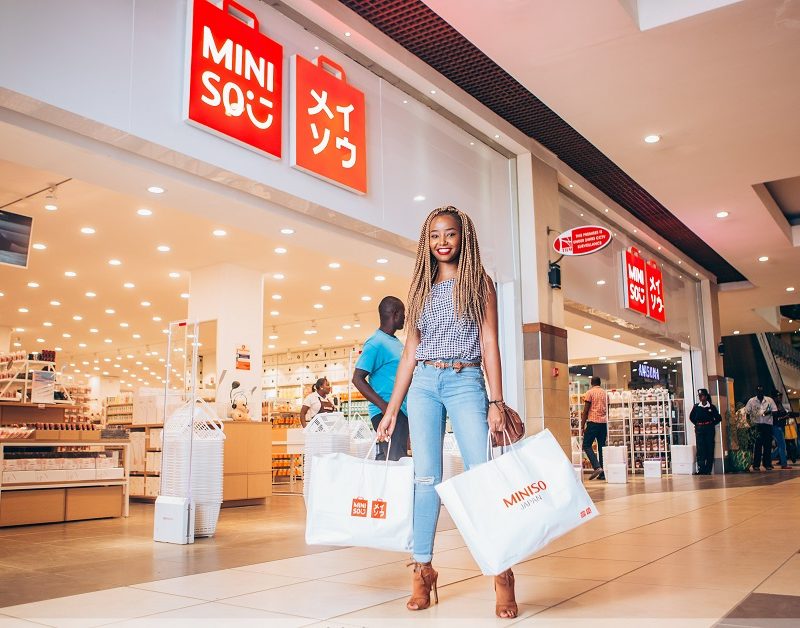
    Guofu Ye, the founder of retailing company Miniso Group Holding, is planning to augment his ownership in the business by a minimum of HK$50 million (US$6.4 million). Over the course of the next year, Ye intends to elevate his shareholding by purchasing more company shares. This includes American Depositary Shares (ADSs) and ordinary shares that are publicly listed on the Hong Kong Stock Exchange.

    The method of transactions will vary, being made either on the open market or via private transactions. These transactions will be conducted directly or through entities that Ye controls, with all purchases funded by his personal finances.

    Ye is presently a majority stakeholder in Miniso, holding approximately 63.7% of the company’s shares, not including treasury shares.

    Reflecting on Miniso’s trajectory and performance in recent years, Ye stated that these elements have confirmed the company’s strategic direction and the team’s exceptional execution capabilities. He expressed his firm belief in Miniso’s ongoing growth and demonstrated his commitment through this proactive investment decision.

    However, with the company yet to release its financial results for the first quarter ending on March 31, Ye is bound by trading blackout restrictions and director securities transaction restrictions. He will initiate his plan to increase his shareholding following the end of this blackout period, which will occur post the disclosure of the company’s first-quarter results. Ye reassured that he would not have access to any significant non-public information during this period.

    The specifics regarding the timing, cost, and volume of each purchase will be ascertained based on the prevailing market conditions at the time.

    In the previous year, Miniso reported a substantial 26.2% surge in revenue, and the total number of stores climbed to 8,485.

    Questions & Answers

    What is the intended increase in Guofu Ye’s stake in Miniso Group Holding?
    Guofu Ye plans to increase his stake by at least HK$50 million (US$6.4 million).

    How will Ye execute the purchases for this increased stake?
    Purchases will be made either on the open market or via private transactions, directly or through entities controlled by Ye.

    What are Miniso’s recent performance indicators?
    In the previous year, Miniso reported a 26.2% increase in revenue and the number of stores rose to 8,485.

  • Matin Kim in Partnership with Musinsa Launches Flagship Store in Tokyo’s Fashion Hub

    Matin Kim in Partnership with Musinsa Launches Flagship Store in Tokyo’s Fashion Hub

    Matin Kim, a renowned fashion brand from South Korea, is set to expand its presence in Japan with the inauguration of a flagship store in Tokyo. The move is a part of the brand’s continuing collaboration with Musinsa.

    A New Addition to Tokyo’s Fashion Scene

    The upcoming store will be situated in Harajuku, a neighborhood widely known for its vibrant fashion culture. Spanning two floors, the outlet will occupy roughly 195 square meters. Slated to open its doors on April 26th, the new location marks Matin Kim’s third establishment in Japan, following the successful launches in Shibuya and Nagoya.

    Unlike its previous outlets located in shopping malls, this new store stands out as Matin Kim’s first standalone store in the country. The brand perceives this as a significant progression and intends to utilize the venue as a platform to exhibit its unique identity and innovative approach to fashion design.

    Offering an Enhanced Shopping Experience

    Apart from showcasing its extensive array of regular products, the store will feature Matin Kim’s latest Spring/Summer 2026 collection and exclusive limited-edition items. Additionally, the brand plans to enrich the customer experience by hosting a variety of experiential events and other engaging activities.

    Matin Kim, a portfolio brand of Hago Haus, a premier brand incubator in South Korea, currently boasts approximately 70 stores at both domestic and international locations.

    In November of 2024, Matin Kim entered into an exclusive agency agreement with Musinsa for the Japanese market. This led to the opening of its first permanent store in Japan at Miyashita Park in Shibuya, Tokyo, in April last year.

    Questions & Answers

    What is unique about Matin Kim’s new store in Tokyo?
    The new store, located in the Harajuku district, is the brand’s first standalone store in Japan. It will also serve as a showcase for the brand’s identity and creative vision.

    What can shoppers expect at the new Matin Kim store?
    Shoppers can look forward to a wide range of products, including Matin Kim’s latest Spring/Summer 2026 collection and exclusive limited-edition items. The store will also host experiential events and other activities to enhance the shopping experience.

    What is Matin Kim’s history in Japan?
    Matin Kim entered the Japanese market in November 2024, in partnership with Musinsa. The brand opened its first permanent store in Japan at Miyashita Park in Tokyo’s Shibuya in April the following year. The Harajuku store is the brand’s third in Japan.

  • Unprecedented Dip in Vietnam’s Gasoline Prices: Lowest Rate Since March Amid Falling Global Petroleum Market

    Unprecedented Dip in Vietnam’s Gasoline Prices: Lowest Rate Since March Amid Falling Global Petroleum Market

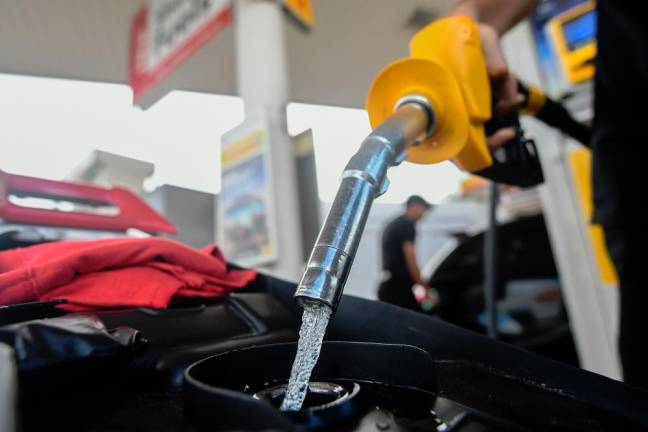
    On Thursday afternoon, gasoline prices in Vietnam plunged to their lowest levels since March 5, marking the fifth consecutive session of declines. The most commonly used fuel, RON95, dipped 0.69% to VND22,880 (US$0.87) per liter.

    Fuel Price Drops

    Biofuel E5 RON92 experienced a decline of 0.45%, bringing its price down to VND21,830 per liter. Diesel prices also fell significantly, with a decrease of 4.17% to VND26,690.

    Global Factors Influencing Prices

    The international petroleum market has been impacted by ongoing conflicts in the Middle East over the past two days. The peace negotiations between the United States and Iran have made little headway, and tensions have risen in the Strait of Hormuz, leading to global fluctuations in fuel prices. Globally, the price of RON95 has increased by 0.5%, while diesel prices have dropped by 3.8%.

    Government Interventions

    In an effort to control prices, the Vietnamese government has eliminated several taxes on gasoline, including the environmental protection tax, special consumption tax, and value-added tax.

    Presently, import tariffs on petroleum and blending materials are set at 0%. However, this measure is slated to expire on April 30. The Ministry of Finance is currently proposing an extension of this tax reduction until June 30.

    Questions & Answers

    What is the current price of the most commonly used fuel, RON95, in Vietnam?
    The current price of RON95 in Vietnam is VND22,880 (US$0.87) per liter, following a decline of 0.69%.

    What global factors are currently affecting petroleum prices?
    Ongoing conflicts in the Middle East and the escalating tensions in the Strait of Hormuz following stalled peace negotiations between the United States and Iran are currently impacting petroleum prices.

    What measures has the Vietnamese government taken to control gasoline prices?
    To control gasoline prices, the government has abolished several taxes, including the environmental protection tax, special consumption tax, and value-added tax. Additionally, the Ministry of Finance is proposing an extension of the 0% import tariff on petroleum and blending materials until June 30.

  • Satorisan Marches into China: Spanish Footwear Brand Expands Asian Presence

    Satorisan Marches into China: Spanish Footwear Brand Expands Asian Presence

    Recognized as an influential player in the footwear industry, Spain’s Satorisan has successfully broken into the Chinese market. This strategic move is part of their ongoing venture to expand their reach across Asia, following a solid foundation laid in Europe and South Korea.

    Satorisan was established in 2010 by Alejandro Monzó Tadeo, who has over two decades of experience in the active footwear industry. Since its inception, the brand has witnessed steady growth, with sales surpassing 1.6 million pairs in over 100 countries worldwide.

    Satorisan’s Debut in China

    Satorisan unveiled its presence in China through a showroom presentation of their Fall/Winter 2026 collection at Shanghai Fashion Week. The brand also launched its official account on Xiaohongshu, a popular social media and e-commerce platform in China, marking its initial entry into this vast market.

    International Growth Strategy

    Satorisan has been working consistently on their international growth strategy. In Spain, the brand operates flagship stores under the ‘Satori Home’ concept. Their Valencia store, located at Calle Sorní 25, exemplifies this concept. Established in 2016 within a renovated modernist building, it serves as both a retail store and a showroom, hosting events and community-led initiatives.

    Entering the Competitive Chinese Market

    China’s footwear market is highly competitive, with both local and global brands vying for consumers’ attention. By entering this market, Satorisan positions itself among these contenders, aiming to meet the growing demand for comfortable, lifestyle-oriented footwear.

    Questions & Answers

    What is Satorisan’s background?
    Satorisan was founded in 2010 by Alejandro Monzó Tadeo, a veteran in the active footwear industry. It has witnessed steady growth, with sales surpassing 1.6 million pairs in over 100 countries.

    How has Satorisan entered the Chinese market?
    Satorisan made its debut in China through a showroom presentation at Shanghai Fashion Week and by launching an official account on Xiaohongshu, a popular social media and e-commerce platform in China.

    What kind of competition does Satorisan face in the Chinese market?
    The Chinese footwear market is highly competitive, with both local and international brands targeting consumers. Satorisan, with its focus on comfortable, lifestyle-oriented footwear, is positioning itself to meet this robust demand.

  • Experience Luxury Reimagined: Hermès Unveils Its Revitalized Boutique at Elements Mall, Hong Kong

    Experience Luxury Reimagined: Hermès Unveils Its Revitalized Boutique at Elements Mall, Hong Kong

    Following a comprehensive redesign and expansion, the Hermès store located at Elements mall is once again open for business. The refreshed retail space is a significant upgrade from its original construction in 2009.

    Store Design

    The store revamp was spearheaded by RDAI, presenting a unique concept inspired by nature and Chinese cosmology. The design of the store’s façade is particularly eye-catching, featuring ceramic tiles shaped like feathers in a nod to the mythical phoenix. This theme is extended to the display windows, which are adorned with whimsical landscapes designed by artist Claire Detallante.

    Store Layout

    Inside the boutique, the retail sections are strategically planned and organized. A mosaic flooring pathway guides customers through various collections, from silk and home goods to jewelry and watches positioned at the rear of the store.

    The store layout strategically segregates merchandise based on gender, with women’s ready-to-wear, leather goods, and beauty products located on one side, while men’s items are presented in a separately defined section, differentiated by contrasting materials and colors.

    Art and Craftsmanship

    The store also serves as a mini-gallery, displaying various artworks from the Emile Hermès collection and the Hermès Collection of Contemporary Photographs. Art pieces from other renowned artists, including Aline Honoré, Luciano Perna, and Denis Polge, are also showcased throughout the store.

    In the words of the luxury house: “We invite our customers to visit our newly renovated, light-filled store and discover timeless creations and craftsmanship in a bold new setting.”

    Questions & Answers

    When did the Hermès store at Elements mall first open?
    The Hermès store at Elements mall first opened in 2009.

    What is the main concept behind the store’s redesign?
    The redesign presents a concept inspired by nature and Chinese cosmology, featuring a façade that references a phoenix and display windows that showcase illustrated fantasy landscapes.

    What collections can customers expect to find in the store?
    Customers can explore various collections, such as silk and home goods, jewelry and watches, women’s ready-to-wear, leather goods, beauty products, and men’s items.

  • Iconic Brunch Spot Penny University Bids Farewell to Jalan Klapa Outlet Amid F&B Industry Challenges

    Iconic Brunch Spot Penny University Bids Farewell to Jalan Klapa Outlet Amid F&B Industry Challenges

    Singapore-based Halal brunch café, Penny University, has announced the closure of its Jalan Klapa outlet. The doors will shut for the last time on May 3, following a challenging four-year period due to unfavorable conditions within the food and beverage industry.

    Established Reputation

    The café was established in 2012 on the East Coast and quickly garnered a reputation for its distinctive coffee and brunch selections. In 2022, after a successful decade at the original location, it moved to Jalan Klapa in Kampong Glam.

    In a post on Instagram, Penny University characterized its tenure at Jalan Klapa as an exciting journey. It emphasized how the café remained true to its commitment to serving quality coffee and brunch, while simultaneously building strong relationships with the local community. The café also expressed delight in the increase in its international clientele, describing them as a delightful crowd.

    Business Challenges

    The café acknowledged facing economic difficulties in the food and beverage sector, stating these as the reason behind the closure. “The economic conditions can be unforgiving, and we haven’t been an exception. The challenges in the F&B sector necessitate that we bid farewell to our time at Jalan Klapa,” the café shared in their post.

    They went on to express their sorrow at the closure but also their joy and gratitude for having had the opportunity to serve the patrons at this location. The café shared its intentions to use the closure period to recharge and reassess their next steps.

    Remaining Operations

    Despite the closure of the Jalan Klapa outlet, the café’s other outlet, located at Wisma Geylang Serai and opened in 2024, will continue to operate.

    During their tenure at Kampong Glam, Penny University had been a community hub, hosting events centred around the community like crochet sessions, art workshops, and book club meetings.

    Questions & Answers

    Why is Penny University closing its Jalan Klapa outlet?
    The café cited economic challenges within the food and beverage sector as the reason for the closure.

    When is the Jalan Klapa outlet closing?
    The Jalan Klapa outlet is set to close on May 3.

    Will the café’s other outlets remain open?
    Yes, the café’s Wisma Geylang Serai outlet, which opened in 2024, will continue operations.