Author: Mei Ling Tan

  • Skyrocketing Lychee Prices: A Sweet Yet Sour Tale Amid Plummeting Yields

    Skyrocketing Lychee Prices: A Sweet Yet Sour Tale Amid Plummeting Yields

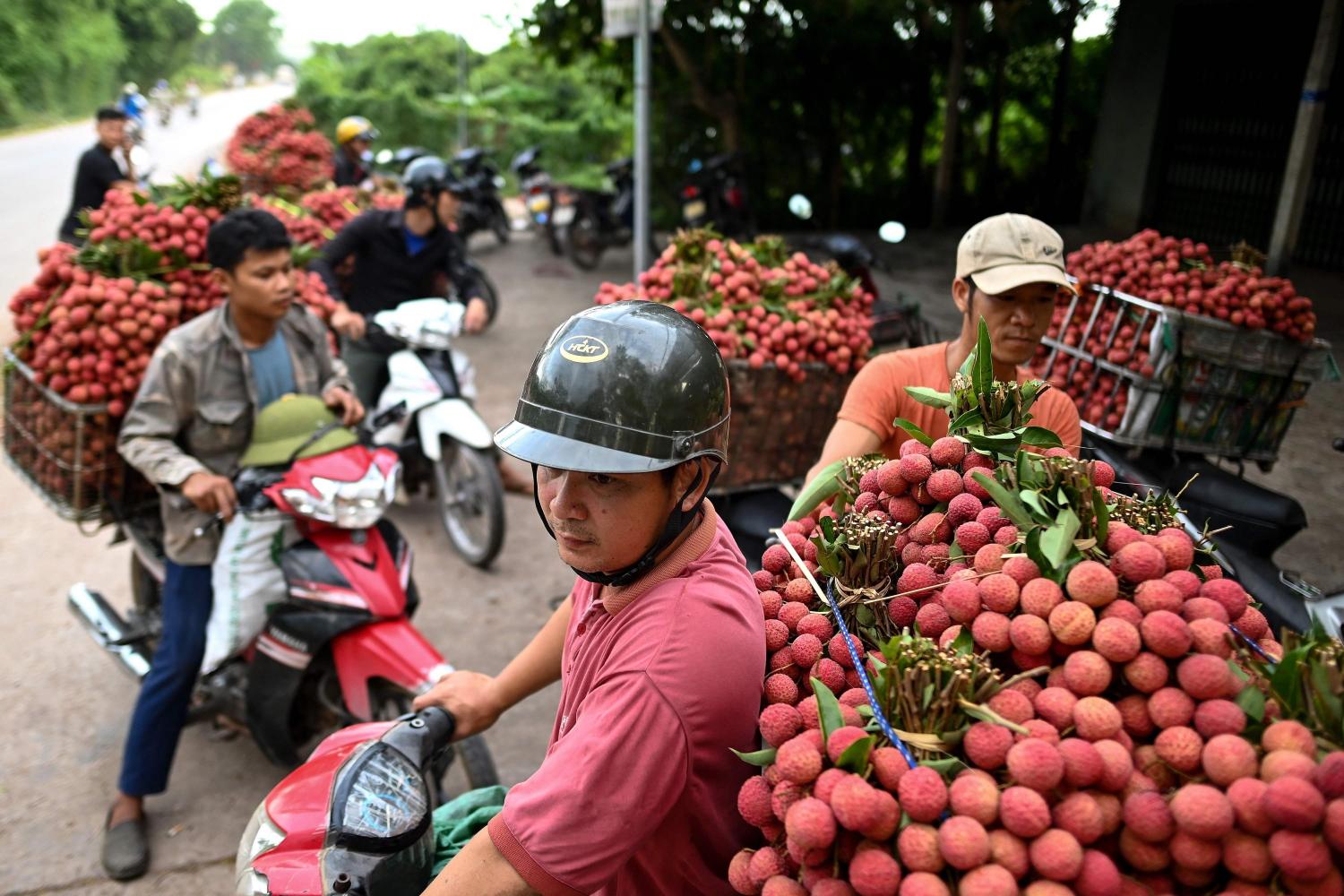
    The cost of lychees has increased by 20% compared to last year due to a decline in production brought about by unfavorable weather conditions. This information comes from Manh, a lychee orchard owner in the Thanh Ha Commune, Hai Phong City, who has seen his yield decrease by 30%, even though he recently sold a ton of the fruit for VND95,000 (US$3.61) per kilogram.

    Harvest Decline

    Pham Thi Van, a fellow farmer in the region, has reported a similar experience. She has only been able to harvest a ton of fruit so far this season, which is only half of last year’s yield.

    Although prices have dropped slightly since mid-April before the harvest, they remain at their highest in years, according to Van.

    Rising Profits

    In the Central Highlands province of Dak Lak, lychees are selling between VND60,000-80,000 per kilogram at the farm gate, which is considerably higher than in previous years. An orchard owner in the province confirmed that profits have increased as traders are proactively sourcing supply and placing advance orders.

    In Ho Chi Minh City, lychees from Dak Lak are selling for VND140,000-150,000 per kilogram, while specialty egg-shaped lychees from Thanh Ha are selling for VND150,000-180,000 per kilogram. Some stores that transport lychees by air to preserve freshness are charging as much as VND210,000.

    Weather Impact

    The Hai Phong Department of Crop Production and Plant Protection has said that the city has approximately 9,350 hectares of lychee trees, with 35% currently bearing fruit. According to them, a milder winter combined with a lack of cold weather has affected the flowering and fruit set rates of the lychee trees.

    Local authorities have advised farmers to improve crop care procedures and are urging businesses to collaborate with farmers to ensure a stable supply.

    Questions & Answers

    What has caused the increase in lychee prices?
    Poor weather conditions have resulted in a decrease in lychee production, leading to a 20% increase in the cost of the fruit.

    What measures are being taken to ensure a stable supply of lychees?
    Local authorities are encouraging better crop care techniques and pushing for partnerships between farmers and businesses to maintain a steady supply.

    How has the weather impacted the yield of lychee trees?
    A milder winter and a lack of cold weather have negatively impacted the flowering and fruit set rates of the lychee trees, leading to lower yields.

  • Lanvin Takes Strides Towards Stability in Q2 Despite Falling Sales: The Power of Restructuring Examined

    Lanvin Takes Strides Towards Stability in Q2 Despite Falling Sales: The Power of Restructuring Examined

    In the words of Zhen Huang, Chairman, Lanvin experienced a steadier second half following a tumultuous year where restructuring efforts started to show promise. Sales for the brand itself, however, observed a downturn of nearly a third.

    The Current Economic Climate and Restructuring Efforts

    Huang explained that despite the tough macroeconomic environment, the company continued to simplify its operations and bolster the long-term position of its brands.

    The luxury conglomerate, a parent to brands like Lanvin, Wolford, Sergio Rossi, and St John, clocked in a full-year revenue of US$281 million, witnessing an 18% dip compared to the previous year.

    This decrease in revenue mirrored a weakened demand in key markets, including EMEA and Greater China. This was also a result of ongoing plans such as shutting down stores and undertaking renovations.

    The gross profit stood at $164 million, yielding a margin of 58%. Meanwhile, the adjusted EBITDA (earnings before interest, taxes, depreciation, and amortisation) loss slightly reduced to $105.5 million.

    Performance of Individual Brands

    Among all the brands under the group’s umbrella, Lanvin saw the most significant decline with a 30% drop in revenue, which amounted to $68 million.

    Wolford followed suite with a 14% dip in revenue, amounting to $89.1 million. However, the company noticed an uptick in performance in the second half of the year, backed by a robust product inventory and a 19% surge in wholesale revenue.

    Sergio Rossi also experienced a decline in revenue by 30%, bringing it down to $35.2 million.

    Contrarily, St John demonstrated resilience as its revenue experienced a minor 1% drop, amounting to $91.5 million. The brand saw growth in the North American region and an increase in wholesale and e-commerce sales.

    Huang expressed optimism regarding the upward momentum observed in the second half of the year and remained hopeful about the group’s ability to yield sustainable growth over time.

    Questions & Answers

    What was the full-year revenue of the luxury group?
    The group reported a full-year revenue of US$281 million.

    Which brand under the group’s umbrella recorded the sharpest decline in revenue?
    Lanvin recorded the sharpest decline in revenue with a 30% fall.

    Which brand proved to be more resilient and saw growth?
    St John demonstrated resilience by maintaining its revenue with only a 1% drop and experiencing growth in North America with stronger wholesale and e-commerce sales.

  • KFC China Rides High on Delivery Boom, Yet Battles Margin Squeeze

    KFC China Rides High on Delivery Boom, Yet Battles Margin Squeeze

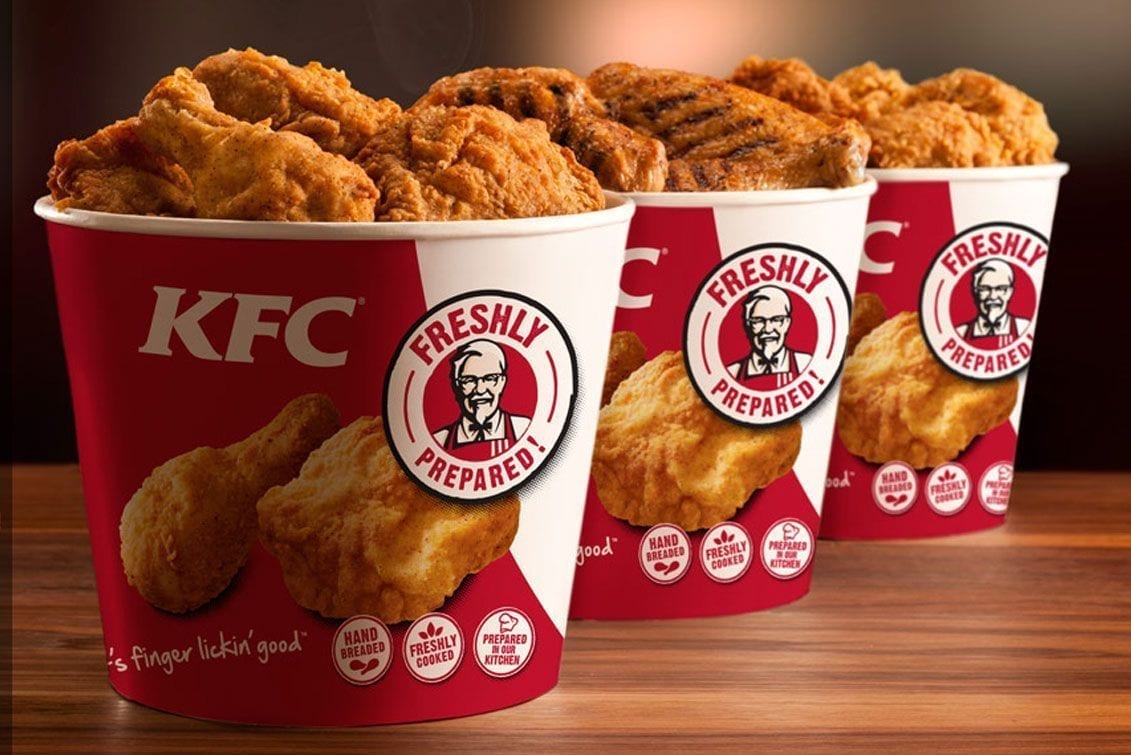
    The surge in food deliveries is significantly transforming KFC China, the country’s top restaurant brand, leading to increased sales but tighter profit margins.

    Delivery sales for the brand witnessed a year-on-year growth of 33%, making up approximately 55% of total sales, a significant increase from 43% the previous year, according to parent company Yum China.

    Adrian Ding, the CFO of Yum China, communicated to investors during the earnings call that they consider this a sustainable trend.

    Despite Yum China’s same-store sales remaining constant, the launch of new outlets increased sales by 4%, and the operating profit rose 12% to US$447 million.

    The food delivery sector in China has seen fierce competition in recent times. E-commerce powerhouses Alibaba and JD have been actively striving to dominate the market share by offering enticing deals and discounts on a variety of menu items, including ice cream, takeaway coffees, and KFC’s signature fried chicken.

    A trend referred to as “instant retail,” which involves delivery of goods within an hour, has attracted the attention of Chinese regulators. They have consistently cautioned against extreme competitive practices among food delivery firms.

    While the growth in deliveries has boosted sales, it has also put pressure on profit margins since Yum China subsidizes them in collaboration with tech companies. Ding indicated that margins would have contracted by 190 basis points due to the increased costs associated with delivery drivers. However, about half of this impact was offset by operational improvements in other areas of the business. The company anticipates a margin expansion throughout the entire year.

    During the earnings call, company executives noted that subsidies for delivery apps have recently decreased, and these apps are now focusing more on larger food orders. “We appreciate this shift and believe it will positively impact our industry in the long run,” stated CEO Joey Wat. The executives also shared that delivery driver expenses account for approximately 30% of the company’s labour costs. Yum China also operates the Chinese divisions of Pizza Hut, Taco Bell, and other restaurants.

    Questions & Answers

    How much have delivery sales grown for KFC China?
    Delivery sales for KFC China have grown by 33% year-on-year.

    What is the impact of the growth in food deliveries on Yum China’s profit margins?
    While the surge in food deliveries has led to increased sales, it is also exerting pressure on profit margins due to the company’s decision to subsidize them.

    What percentage of labour costs at Yum China is attributed to delivery driver expenses?
    Delivery driver expenses account for roughly 30% of the company’s labour costs.

  • Ikea’s Strategic Shift: Smaller Stores Propel China Expansion

    Ikea’s Strategic Shift: Smaller Stores Propel China Expansion

    Swedish furniture giant, Ikea, is intensifying its expansion strategy in China by launching a more compact store model in the eastern part of Beijing. This move is part of the company’s shift from its traditional large-scale stores towards smaller and more accessible locations.

    The New Small-Format Store

    The new Ikea outlet is managed by the Ingka Group and situated in Beijing’s Tongzhou District. It spans over an area of approximately 1,500 square meters, quite a downsize from the standard Ikea store which generally covers around 30,000 square meters. Despite its smaller size, the store still offers an impressive assortment of about 3,000 products.

    Ikea’s latest outlet puts more emphasis on services like home planning, rather than maintaining a large-scale inventory on-site. This innovative approach marks Ikea’s fifth presence in Beijing, and its inaugural location in the city’s eastern region. It also signifies a broader shift in the way the company is tackling the market.

    Shifting from Megastores to Compact, Accessible Locations

    Instead of depending on large-scale destination stores, Ikea is pivoting towards smaller, more accessible locations that are in closer proximity to residential areas.

    Javier Quiñones, the global commercial manager at Ingka Group, commented on this strategic shift. He noted, “The one-size-fits-all approach no longer applies. This makes our current expansion more relevant. We are getting closer to more people than ever, and continually learning how to fine-tune our offerings and presence.”

    This compact store model has already been successfully piloted in Shenzhen, with plans to introduce similar outlets across other major cities.

    Ikea’s Global Expansion

    So far in the current year, Ikea has inaugurated 21 new outlets worldwide, with sizes ranging from a few hundred square meters to over 4,000 square meters. These new outlets are spread across Europe, North America, and Asia. The company also plans to unveil additional locations in forthcoming months.

    Questions & Answers

    What is the size of the new Ikea store in eastern Beijing?

    The new Ikea store in eastern Beijing covers approximately 1,500 square meters.

    What differentiates the new Ikea store from the traditional ones?

    The new Ikea store emphasizes more on services like home planning rather than maintaining a large on-site inventory, and it’s located closer to residential areas.

    How many new Ikea locations have opened globally this year?

    Ikea has opened 21 new locations globally this year.

  • Vietnam Airlines Sees 30% Q1 Profit Surge to $171M Amid Strong Tet Demand and European Expansion

    Vietnam Airlines Sees 30% Q1 Profit Surge to $171M Amid Strong Tet Demand and European Expansion

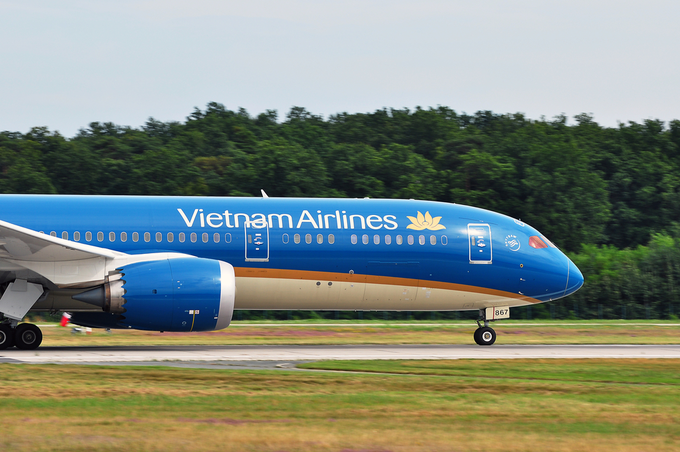
    In the first quarter, Vietnam Airlines experienced a surge in pre-tax profits, reaching over VND4.5 trillion (US$171 million), a 30% increase compared to the same period last year. This substantial growth is attributed to high demand during the Tet holiday and the introduction of new European routes.

    Rising Revenue

    The airline’s consolidated revenues witnessed a 23% rise, totaling VND37.5 trillion. The Lunar New Year’s peak travel season, typically spanning from mid-January to mid-February, contributed significantly to this growth. Daily flights during this period numbered between 660 and 670, marking a 13% increase from the previous Tet season in 2025.

    New European Destinations

    International expansion also significantly bolstered the airline’s performance, especially the addition of fresh European destinations to its schedule. The revenue from international services experienced a 28.6% increase, a stark contrast to the mere 2.9% uptick in domestic revenues.

    At present, Vietnam Airlines operates 11 direct flights to Europe. It has plans to launch a Hanoi-Amsterdam service in June and boost the Hanoi-Moscow service to four flights each week from July, up from the current three flights per week.

    In the first quarter, the airline transported over 6.9 million passengers across nearly 43,000 flights, showing a year-on-year growth of 12% and 11% respectively.

    Future Concerns

    Despite the turbulence in global energy markets caused by conflicts in the Middle East since early March, Vietnam Airlines’ performance in the first quarter remained largely unaffected. However, the airline foresees potential challenges in the second quarter due to rising fuel prices.

    By late April, Jet A1 fuel prices were estimated at $190-220 per barrel, approximately three times the regular levels, occasionally even exceeding $240. A $1 per barrel increase in fuel prices adds an additional VND300 billion to Vietnam Airlines’ yearly costs.

    In response to these challenges, the airline plans to maintain flexible operations and optimize crucial domestic and international routes.

    Questions & Answers

    What factors contributed to the surge in Vietnam Airlines’ pre-tax profits?
    The significant increase in pre-tax profits can be attributed to high demand during the Tet holiday and the addition of new European routes.

    How is Vietnam Airlines planning to handle the potential challenges due to rising fuel costs?
    The airline plans to maintain flexible operations and optimize key domestic and international routes to mitigate risks associated with increasing fuel prices.

    What future plans does Vietnam Airlines have for its European services?
    The airline plans to launch a Hanoi-Amsterdam service in June and increase the frequency of the Hanoi-Moscow service to four times per week, up from the current three, starting from July.

  • 3Coins Launches Largest Flagship Store in Hong Kong’s Kai Tak, Showcasing Japan’s Finest Goods

    3Coins Launches Largest Flagship Store in Hong Kong’s Kai Tak, Showcasing Japan’s Finest Goods

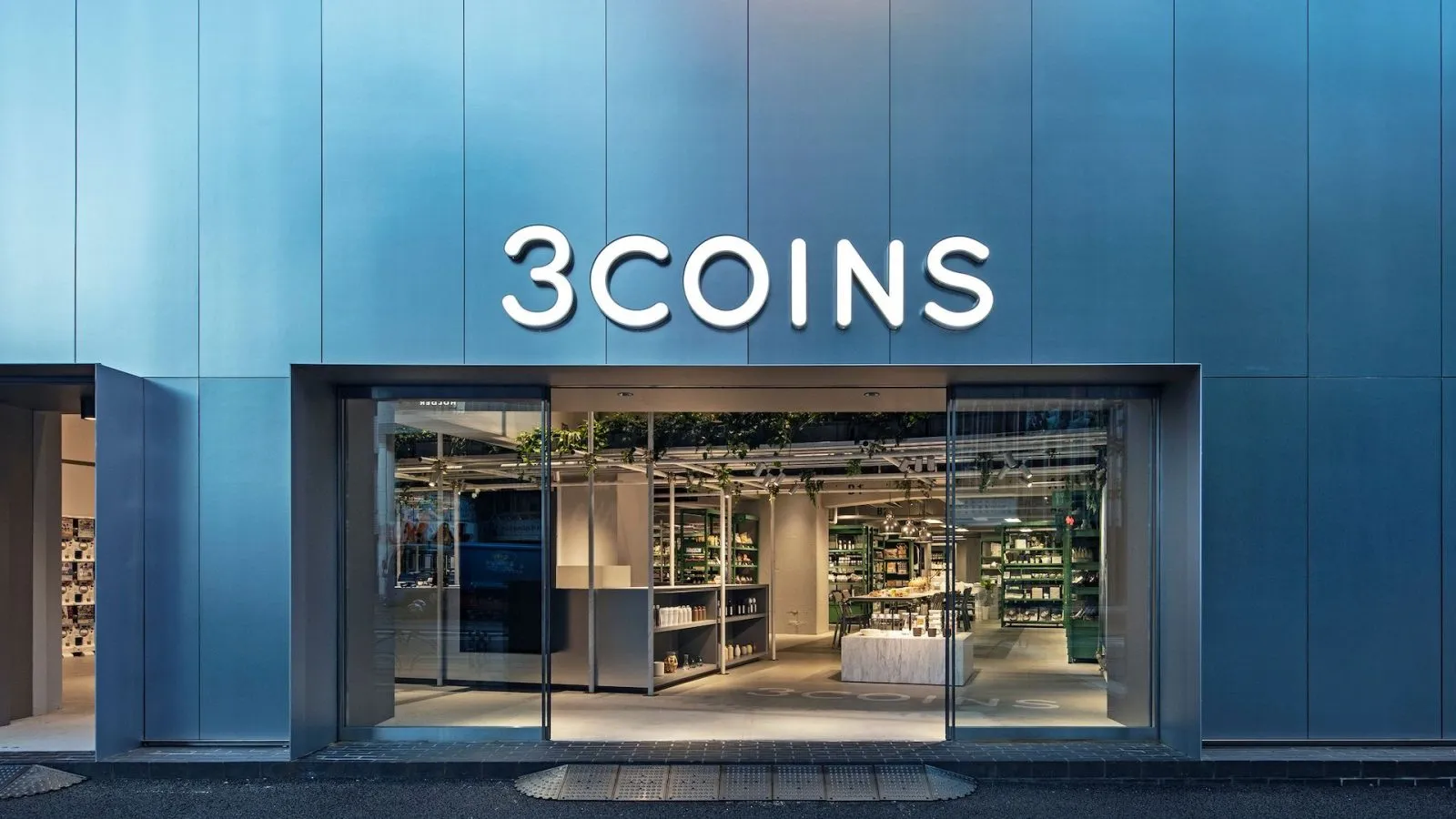
    Japanese discount retail chain, 3Coins, has expanded its global presence by unveiling its most substantial flagship store in Hong Kong. The new location is nestled in the Airside district of Kai Tak, providing a massive retail space of 5,100 square feet.

    A Wide Array of Products

    This massive store features an extensive variety of more than 2,500 items. Customers will have a plethora of choices from storage solutions to household items, accessories, and even seasonal goods. The store aims to meet a wide range of consumer needs and expectations.

    Unique Store Features

    In addition to its broad product range, the flagship store has several unique attributes, including a dedicated section showcasing an assortment of ‘Made in Japan’ food items, a unique pet zone, and a travel-themed area that pays tribute to Kai Tak’s aviation history.

    The store’s design also prioritizes the comfort and convenience of its shoppers. Wider walkways have been integrated into the store layout, enabling shoppers with pets to move around effortlessly.

    Developing Connections

    Yaichi, the operator of 3Coins in Hong Kong, noted that the store’s launch signifies more than just the expansion of the retail chain. “This is another step in building not just stores, but platforms where Japanese brands can establish significant connections with overseas consumers,” Yaichi said.

    3Coins, since its founding in 1994, has been recognised for its “plus-value” concept, with most items generally priced around JPY$300.

    Questions & Answers

    What is the size of the new 3Coins flagship store in Hong Kong?
    The new 3Coins flagship store in Hong Kong provides a massive retail space of 5,100 square feet.

    What unique features does the 3Coins store in Hong Kong offer?
    In addition to its broad product range, the store offers a variety of ‘Made in Japan’ food items, a unique pet zone, and a travel-themed area that pays tribute to Kai Tak’s aviation history.

    What is 3Coins’ “plus-value” concept?
    The “plus-value” concept of 3Coins refers to the retailer’s pricing strategy of offering most items at around JPY$300.

  • Balenciaga Unveils First Duplex Flagship Store in Hong Kong: A New Level of Luxury at K11 Musea

    Balenciaga Unveils First Duplex Flagship Store in Hong Kong: A New Level of Luxury at K11 Musea

    Balenciaga, the luxury fashion brand, has launched its first ever two-level flagship store at K11 Musea, located in the bustling Tsim Sha Tsui district of Hong Kong.

    Details of the New Store

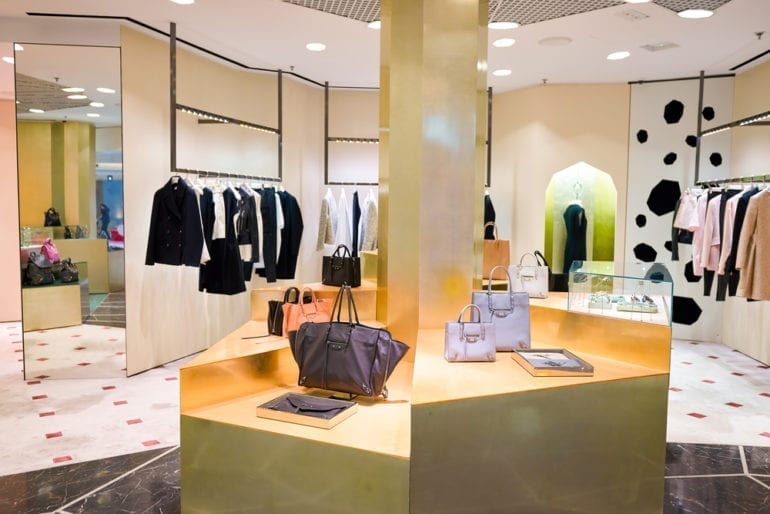
    Occupying a generous 461 square meters of retail space spread over two levels, the store offers a vantage point over Salisbury Road. The interior design cleverly juxtaposes industrial materials with high-end luxury finishes, a design concept that the brand refers to as its ‘Raw Architecture’ aesthetic.

    The store’s extensive inventory includes both men’s and women’s ready-to-wear collections, footwear, bags, accessories, jewelry, and eyewear. It also features products exclusive to this store.

    Innovative Features

    In addition, the new flagship store includes an exclusive area for Very Important Clients, designed for private appointments. This is a first for Balenciaga in Hong Kong. The design of this area takes inspiration from the fitting rooms of Balenciaga’s Paris Couture Store.

    Part of a Wider Luxury Brand Upgrade

    This launch comes as part of a larger luxury brand upgrade program at K11 Musea. In recent times, the retail complex has seen significant store upgrades from other high-end brands including Audemars Piguet, Van Cleef & Arpels, and Dior Beauty.

    Furthermore, K11 Musea has recently become home to the Delvaux Hong Kong flagship store and the largest Tory Burch store in the city, as part of its ongoing efforts to enhance its luxury brand portfolio.

    Questions & Answers

    What is unique about the new Balenciaga store in Hong Kong?
    The new store is Balenciaga’s first two-level flagship store in Hong Kong. It also introduces a private appointment area for Very Important Clients, a first for Balenciaga in the city.

    What is the ‘Raw Architecture’ aesthetic?
    ‘Raw Architecture’ refers to Balenciaga’s signature design style that combines industrial materials with high-end luxury finishes.

    What is the significance of the store’s location at K11 Musea?
    The store’s location at K11 Musea is significant as the retail complex is currently undergoing a luxury brand upgrade program. The complex is home to a number of high-end brands and is actively enhancing its luxury brand portfolio.

  • E-Commerce Boom Sparks Exodus from Hanoi’s Prime Retail Spaces Despite Slashed Rents

    E-Commerce Boom Sparks Exodus from Hanoi’s Prime Retail Spaces Despite Slashed Rents

    Despite steep rent discounts offered by landlords, numerous stores in prime retail locations in Hanoi are shutting down, unable to withstand the pressure from the burgeoning e-commerce industry. Last month, Thai Hoang, a 39-year-old retailer, abandoned his spacious 40-square-meter clothing store on Thai Ha Street, a renowned fashion destination in the city. Even when faced with a 6% reduction on the monthly rent of VND35 million (approximately USD1,330), declining sales led Hoang to relocate his business online.

    A Shift in Retail Trends

    Several businesses situated on prominent retail streets such as Thai Ha, Kim Ma, and Hue have followed a similar trajectory in recent months, vacating their premises despite landlords’ desperate attempts at retention through double-digit discounts. On Kim Ma and Nguyen Thai Hoc Streets, well-known for their blend of fashion stores and food and beverage outlets, a significant number of “for lease” and “for sale” signs can be observed.

    Mai Loan, an experienced property broker in Hanoi, identifies the townhouse segment as being in a prolonged slump, with small, narrow properties with limited parking struggling to maintain viability even in prime locations.

    Not Just a Temporary Setback

    Statistics from the online listing platform Batdongsan indicate a 22% drop in private housing interest in Hanoi since the end of last year, with average asking rents for townhouses in certain areas dropping by 13-37% from their 2025 peaks.

    Mai Vo, director of retail services at property consultancy CBRE Vietnam, suggests that this lack of tenants in prime locations is not a temporary downturn but signifies a major market shift. In the past, businesses were willing to pay premium prices for central street locations for branding purposes. However, the rise of e-commerce and integrated shopping malls has drastically altered consumer behavior, diminishing the allure of standalone retail outlets.

    The Market Rebalances

    In response to this shift, landlords are compelled to reduce rents to retain tenants. “Adjusting rents is a sign that the market is rebalancing,” Vo added. Rapidly rising rents in previous years have also reduced the competitiveness of townhouses, with many properties deteriorating and unable to meet branding requirements, thus becoming less appealing.

    Hoang Nguyet Minh, general director of property consultancy Cushman & Wakefield Vietnam, added that the pressure from stringent urban management and sidewalk regulations had also made it difficult for many food businesses to continue operating in small, narrow spaces. However, she believes that this presents an opportune moment to secure prime business locations as the market currently has ample affordable supply.

    Questions & Answers

    Why are retail businesses in Hanoi vacating their premises?
    Many businesses are struggling to survive amid the e-commerce boom, with declining sales forcing them to relocate their businesses online.

    What factors are leading to this trend?
    The rise of e-commerce and integrated shopping malls have significantly affected consumer behavior, reducing the attractiveness of standalone retail outlets, even in prime locations.

    How is the market responding to this shift?
    The market is responding by rebalancing, with landlords reducing rents to retain tenants. Meanwhile, businesses are adapting by shifting their focus to online sales.

  • End of an Era: Iconic Japanese Retailer Isetan Shuts its Doors at Singapore’s NEX Mall After 15 Years

    End of an Era: Iconic Japanese Retailer Isetan Shuts its Doors at Singapore’s NEX Mall After 15 Years

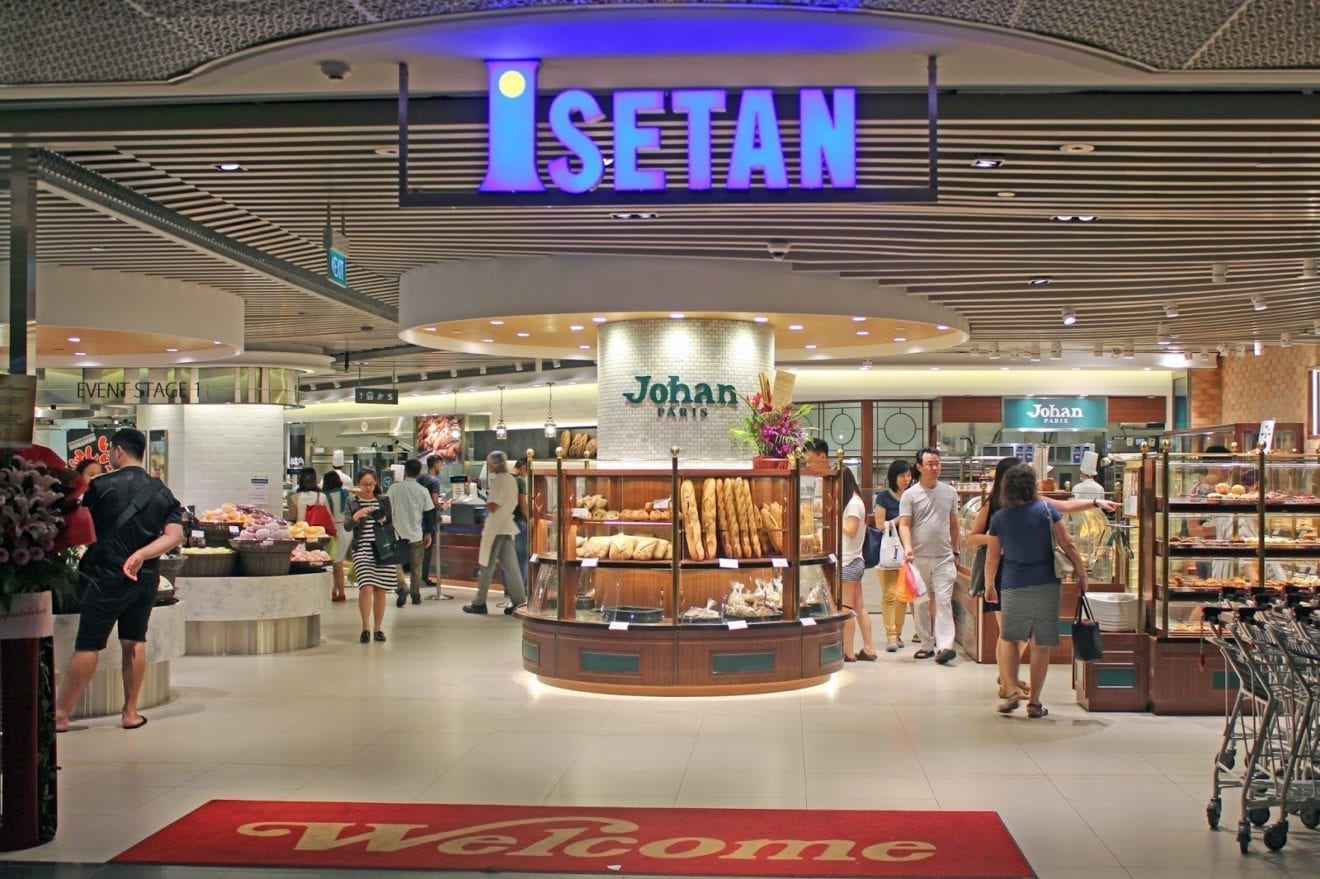
    Isetan, a Japanese department store chain offering a variety of products ranging from home goods to fashion and beauty items, has recently shuttered its outlet located in NEX shopping mall, Singapore. This closure comes to fruition after a successful 15-year long business operation.

    End of an Era

    The termination of this business venture was formally announced on April 26 following the expiration of its lease. This announcement, made via a Facebook post, expressed the company’s profound gratitude to its customers and stakeholders for their steadfast support throughout these fruitful years.

    Footage that circulated online showed the store’s staff bidding their final farewells to their loyal customers on the day of the store’s closure. A notable gathering of people was observed at the store’s entrance during which the store manager expressed heartfelt gratitude towards the customers for their continuous support and goodwill over the years.

    As the manager announced the end of their business operations, he extended well wishes of good health and happiness to all.

    Pioneer of Japanese Retail in Singapore

    Isetan has held a strong presence in the Singaporean market since its inception in 1972. The opening of its Havelock outlet marked the first instance of a Japanese retail store in the city-state. At the height of its success in 2013, the company operated a total of six outlets across Singapore.

    However, the recent years have seen a gradual decrease in the number of operational stores. The retail giant closed its Tampines Mall outlet in November after 30 years of operation. This decision was taken after careful assessment of local conditions and future profitability prospects.

    Earlier store closures include the Isetan Katong outlet at Parkway Parade shopping center in March 2022 and the Isetan Jurong outlet at Westgate Mall in March 2020.

    Questions & Answers

    When did the Isetan outlet at NEX shopping mall in Singapore close?
    It closed on April 26, following the expiration of its lease.

    When did Isetan first establish its presence in Singapore?
    Isetan first established its presence in Singapore in 1972 with the opening of its Havelock outlet.

    How many Isetan outlets were operational in Singapore at the company’s peak?
    At its peak in 2013, Isetan operated a total of six outlets in Singapore.

  • U.S. Dollar Flexes Strength Against Vietnamese Dong Amid Global Tensions and Anticipation Over Federal Reserve Decision

    U.S. Dollar Flexes Strength Against Vietnamese Dong Amid Global Tensions and Anticipation Over Federal Reserve Decision

    On Wednesday, the U.S. dollar experienced an increase against the Vietnamese dong while maintaining its strength against major global currencies. The Vietnamese commercial bank, Vietcombank, ended up selling the U.S. dollar at VND26,368, marking a 0.008% increase from the previous day. Simultaneously, the dollar posted a 0.27% gain in the black market, where it traded around VND26,737.

    The State Bank of Vietnam’s Role

    In response to these fluctuations, the State Bank of Vietnam raised its reference rate by 0.008% to VND25,113.

    Global Dollar Performance

    Internationally, the dollar strengthened on Wednesday. This shift was in anticipation of an important rate decision by the Federal Reserve. It’s worth noting that this decision was expected to be the last major action under the leadership of Chair Jerome Powell. This decision coincided with ongoing conflict in the Middle East and diminishing optimism for a swift resolution.

    The Impact of Geo-Political Situations

    Efforts to cease the conflict in Iran hit a stalemate, evoking dissatisfaction from U.S. President Donald Trump. His contention is primarily with Tehran’s recent proposal which, in his view, should have addressed nuclear issues from the beginning. This situation made market sentiments volatile, leading to the dollar being positioned as a safe haven.

    Asian currency markets exhibited modest variations due to the public holiday in Japan and impending decisions from several key central banks.

    Performance against Other Currencies

    The U.S. dollar saw a modest overnight gain against a basket of currencies, steadying at 98.57. The Canadian dollar showed a slight uptick to C$1.3676, while the Japanese currency didn’t show significant changes, resting at 159.55.

    Regarding the euro and sterling, both marginally retreated from their highs earlier this month, with the former trading at $1.1716 and the latter at $1.3523. On the other hand, the Australian dollar remained close to a four-year peak, trading at $0.7187. The New Zealand dollar also experienced a slight appreciation of 0.05% to $0.5888.

    Questions & Answers

    How did the U.S. dollar perform against the Vietnamese dong?
    The U.S. dollar increased against the Vietnamese dong, with Vietcombank selling it at VND26,368, marking a 0.008% rise from the previous day.

    What external factors influenced the strength of the U.S. dollar?
    Global factors such as the Federal Reserve’s rate decision and geopolitical tensions in the Middle East, particularly the unresolved conflict in Iran, contributed to the dollar’s strength.

    How did major global currencies fare against the U.S. dollar?
    The Canadian dollar and the New Zealand dollar showed slight appreciation, while the euro, sterling, and the Japanese currency remained largely unchanged. The Australian dollar stayed near its four-year high.

  • Global Gold Prices Hold Steady Amid Vietnam’s Market Dip: Awaiting Federal Impact

    Global Gold Prices Hold Steady Amid Vietnam’s Market Dip: Awaiting Federal Impact

    On Wednesday, gold prices in Vietnam experienced a slight downturn, while globally, gold rates maintained relative stability. Saigon Jewelry Company observed a 0.9% decrement in its gold bar prices, settling at VND166 million, or approximately US$6,298.97, per tael. Similarly, the cost per tael for gold rings decreased, dropping to VND165.5 million. To contextualize this, a tael of gold weighs either 37.5 grams or 1.2 ounces.

    Global Gold Market Movement

    Internationally, the gold market displayed a largely static trend during fluctuating trade on Wednesday. Investors keenly awaited comments from Jerome Powell, Chair of the U.S. Federal Reserve, to understand the potential economic impact of the ongoing conflict in Iran, especially given the current stalemate in peace negotiations.

    Spot gold experienced a minor increase of 0.1%, reaching $4,597.07 per ounce, despite hitting its lowest point since April 2 in the preceding trading session. Meanwhile, U.S. gold futures set for June delivery held steady at $4,610.20.

    Fuel Market Influences

    In the fuel market, Brent crude oil maintained a price point above $110 a barrel, following reports predicting the U.S. would continue its blockade of Iranian ports. This elevation in crude prices may contribute to inflationary pressures, thereby potentially leading to increased interest rates.

    Traditionally, gold is viewed as a safeguard against inflation. However, high interest rates can decrease its attractiveness as a non-yielding asset.

    Market Speculations

    Ilya Spivak, leader of global macro at Tastylive, stated that the gold market is currently stable as traders anticipate the upcoming Federal Open Market Committee (FOMC) meeting. He explained that the market’s resilience since the tariff-induced panic in April has relied largely on the belief that the Federal Reserve is prepared to intervene should conditions worsen. If the Fed indicates a high threshold for such action, gold prices could potentially drop further.

    Questions & Answers

    What caused the drop in gold prices in Vietnam?
    The article does not specify a reason, however, gold prices can fluctuate due to a variety of factors, including changes in supply and demand, market speculation, or shifts in currency values.

    How do crude oil prices affect gold rates?
    Higher crude prices can lead to inflationary pressures, making gold an attractive investment as a traditional hedge against inflation. However, if crude prices cause interest rates to rise, gold may lose its appeal as a non-yielding asset.

    What are the potential implications of the U.S. Federal Reserve’s actions on the gold market?
    If the Federal Reserve signals its readiness to intervene in worsening market conditions, this could bolster gold’s position. However, if the Fed indicates hesitancy to act, gold prices may see a downward trend.

  • Yum China’s Monumental Growth: Q1 Results Skyrocket with Record 636 New Stores

    Yum China’s Monumental Growth: Q1 Results Skyrocket with Record 636 New Stores

    Yum China, a leading retail company, has announced the launch of an ambitious expansion plan, following a highly successful first quarter for FY26. The company reported 636 net new store openings, setting a record-high figure.

    Impressive Financial Performance

    The retail behemoth recorded an impressive 10% increase in total revenue, reaching a staggering US$3.3 billion. Operating profit also followed this upward trajectory, registering a 12% growth to a record-breaking $447 million. Consumer behavior in China is undergoing significant changes, with delivery services now accounting for an impressive 55% of total sales. This is a substantial increase from the 43% reported in the same quarter of the previous year.

    CEO of Yum China, Joey Wat, applauded the company’s growth efforts, saying, “In Q1, our accelerated store openings reached a record level, capitalizing on considerable market opportunities.”

    She continued, elaborating on the company’s consistent growth, “Concurrently, we have maintained our system sales growth, operating profit growth, and operating profit margin expansion for the eighth quarter in a row, a testament to the hard work and dedication of our teams.”

    Adaption of ‘Side-by-side’ Store Strategy

    Yum China’s ‘side-by-side’ store strategy is gaining momentum, especially for the KPRO brand. With 280 outlets now in operation, this health-conscious concept is quickly scaling up, with ambitious goals to reach 600 locations by the end of the year.

    In a parallel development, Pizza Hut is also undergoing a strategic change. The ‘Pizza Hut Wow’ format concentrates on simplified menus and affordable prices and is currently being introduced in 100 additional cities. This strategic move is designed to attract value-conscious consumers in Tier 2 and Tier 3 markets.

    Future Expansion Plans

    Looking forward, Yum China is aiming to build a total store network exceeding 20,000, facilitated by more than 1900 net new store openings this year. Additionally, the company is considering a 40-50% franchise mix for net new stores across both the KFC and Pizza Hut portfolios.

    CEO Joey Wat expressed confidence in the company’s future, stating, “Considering our robust foundation, dual focus on innovation and operational efficiency, and a more judicious delivery platform competition, we are optimistic about meeting our full-year targets and generating sustainable long-term value for our shareholders.”

    These promising results follow a strong fourth quarter for the company in the previous year.

    Questions & Answers

    What is Yum China’s expansion strategy?
    Yum China’s expansion strategy includes accelerated store openings and the introduction of the ‘side-by-side’ store strategy, especially for the KPRO brand.

    How is Pizza Hut adapting to market changes?
    Pizza Hut is implementing the ‘Pizza Hut Wow’ format, focusing on streamlined menus and affordable prices to attract value-conscious consumers in Tier 2 and 3 markets.

    What are Yum China’s future plans?
    Yum China plans to build a total store network exceeding 20,000, facilitated by more than 1,900 net new store openings this year. The company is also considering a 40-50% franchise mix for net new stores across both the KFC and Pizza Hut portfolios.

  • Vivaia Amplifies US Expansion with Offline Stores, Catering Sustainable Luxury Footwear to New Markets

    Vivaia Amplifies US Expansion with Offline Stores, Catering Sustainable Luxury Footwear to New Markets

    Vivaia, a footwear brand originating from China, is extending its footprint in the United States with the launch of two new retail locations, highlighting the company’s ongoing commitment to increasing its physical availability globally.

    The first location was recently inaugurated at the Roosevelt Field Mall in Long Island, while the second store is scheduled to commence operations in late May at the Garden State Plaza in New Jersey.

    The Long Island outlet, encompassing 650 square feet, is architecturally fashioned after the ‘wabi-sabi’ principles. An inherent Japanese philosophy, wabi-sabi underscores minimalistic and pared-down aesthetics. The store boasts an ambiance marked by light wood finishes and soothing illumination, aimed at facilitating a serene shopping experience for the customers.

    Each store will showcase a handpicked assortment of Vivaia’s footwear offerings. The product line-up includes the Margot Mary Jane, Healing Garden Slingback Heels, and the Satin Sneakerina.

    Jeff Chan, Vivaia’s Co-founder, shared his insights on the brand’s US expansion strategy. He said, “Given that the United States constitutes our principal market and fuels our online growth, branching out beyond New York was a logical progression for us.” He added, “By synergising our robust digital presence with tangible retail outlets, we can better cater to our customers and make our comfort-centric, environmentally-friendly merchandise more accessible to them.”

    Established in 2020, Vivaia has garnered recognition for its footwear that seamlessly melds comfort and sustainability. The brand employs recycled materials in its manufacturing process, such as yarns derived from PET bottles, and leverages 3D knitting technology to minimise waste.

    Questions & Answers

    What is Vivaia’s expansion plan in the US?
    Vivaia plans to increase its US presence by opening two new retail outlets. The first store has already opened in Long Island’s Roosevelt Field Mall, and the second one is set to launch in late May at the Garden State Plaza in New Jersey.

    What are the principles behind the design of Vivaia’s Long Island store?
    The Long Island store is designed following ‘wabi-sabi’ principles, a Japanese philosophy that embraces minimalism and simplicity. The store is characterized by light wood finishes and soft lighting to provide a tranquil shopping experience.

    What is unique about Vivaia’s product offerings?
    Vivaia is known for its comfort-based and sustainably produced footwear. The brand uses recycled materials, including yarns made from PET bottles, along with 3D knitting technology to decrease waste.

  • Domestic Airfares Skyrocket Amid Fuel Price Hike and Supply Chain Disruptions

    Domestic Airfares Skyrocket Amid Fuel Price Hike and Supply Chain Disruptions

    The escalating tensions in the Middle East have disrupted fuel supply chains, leading to a rise in average domestic airfares by 15-20%. This has resulted in airlines discontinuing their low-cost options.

    Demand and Supply Imbalance

    The disruption has severely affected the airlines as domestically, Jet A1 fuel only caters to around 20% of the demand. This has forced them to depend on imports from countries that are currently imposing export restrictions such as China, South Korea, and Thailand, as stated in a fresh report by the Airports Corporation of Vietnam.

    To combat this situation, airlines have started consolidating flights and suspending overnight operations. This strategic move is aimed at increasing the number of passengers per flight and optimizing load factors.

    Impact on Aviation Operations

    As a consequence of these adjustments, there has been a significant reduction in the number of takeoffs and landings at airports managed by the Airports Corporation of Vietnam (ACV). The unavailability of affordable tickets has led to a decline in passenger demand, especially in the leisure travel segment, as per the report.

    The International Air Transport Association has reported that jet fuel prices in the Asia-Pacific region surpassed $207 per barrel in mid-April, which is 2.4 times the average price in 2025. The airlines are confronted with further challenges due to fluctuating exchange and interest rates that are negatively impacting their operational efficiency.

    Passenger Statistics

    Despite these challenges, in the previous year, ACV airports welcomed 120.3 million passengers, marking a 9.4% increase. Among these, international passengers accounted for a 14% rise, reaching 47.1 million.

    Questions & Answers

    What has caused the rise in average domestic airfares?
    The escalating tensions in the Middle East have disrupted fuel supply chains, leading to a hike in average domestic airfares.

    How are airlines dealing with the disruption in fuel supply chains?
    Airlines are consolidating flights and suspending overnight operations to increase the number of passengers per flight and optimize load factors.

    What is the impact on passenger demand due to the rise in airfares?
    The unavailability of affordable tickets has led to a decline in passenger demand, especially in the leisure travel segment.

  • Patchi Dives into the Lifestyle Market with a Refreshing Global Rebrand in Malaysia

    Patchi Dives into the Lifestyle Market with a Refreshing Global Rebrand in Malaysia

    Patchi, a well-known chocolatier, is unveiling a new global branding strategy in Malaysia. This significant transformation comes as the company celebrates its 50th anniversary and aims to evolve its brand imagery and retail experience.

    The Rebranding Initiative

    Patchi has long been recognized for its distinctive gold-wrapped sweets and black-and-gold color scheme. However, the company is now shifting to a lighter, more visually pleasing aesthetic. The updated design incorporates softer hues such as mint green, cream, and orange, coupled with fluid design elements that draw inspiration from its original logo.

    The rebranding process, which originated in Beirut, has been gradually introduced in Malaysia over the past year. This initiative included the renovation of boutiques located at Bangsar Shopping Centre, 1 Utama, and Suria KLCC.

    Aligning Global and Local Interests

    Farhan Hafetz, director of Syedex Marketing and franchisee of Patchi in Malaysia, explained that this phased implementation allows the brand to align its global strategy while adhering to local tastes and preferences.

    Hafetz said that the new approach ensures that Patchi maintains its heritage as a luxury chocolate boutique and gift store, while also emphasizing an increased focus on lifestyle offerings.

    Focus on Refinement

    Rather than introducing an entirely new store concept, Patchi’s redesign emphasizes refinement. The updated interiors feature softer colors and an open layout that foster a welcoming and accessible environment, while still preserving the brand’s high-end status.

    “The goal was to design boutiques that are inviting to a broader audience and ensure that customers can comfortably navigate the space and fully interact with the variety and presentation of our products,” Hafetz added.

    Questions & Answers

    What is the main focus of Patchi’s rebranding initiative?
    The primary focus is to evolve the brand’s visual identity and retail experience while maintaining its heritage as a luxury chocolate boutique.

    What changes can customers expect to see in the boutiques?
    Customers will see an updated color scheme featuring softer hues, fluid design elements, and an open layout for a more accessible and inviting store environment.

    How does the rebranding strategy align with global and local interests?
    The phased rollout of the rebranding allows Patchi to align with its global direction while adapting to local preferences, ensuring a balance between maintaining its luxury status and embracing a more lifestyle-oriented approach.