Author: Mei Ling Tan

  • Unprecedented GDP Growth Spurs HSBC to Boost Hong Kong Economic Forecast

    Unprecedented GDP Growth Spurs HSBC to Boost Hong Kong Economic Forecast

    Hong Kong’s robust economic performance earlier this year has culminated in an improved financial forecast from HSBC, despite minimal influence from the Middle East conflict.

    Bright Economic Outlook and Impacts of Conflict

    HSBC’s Global Investment Research revised its GDP growth predictions for 2026 and 2027 from 2.7% and 2.8% to 3.8% and 3% respectively. This adjustment comes on the heels of Hong Kong recording a first-quarter GDP growth rate of 5.9%, a figure near a five-year high. Essential factors contributing to this positive outlook include the minimal direct effects of the Middle East conflict and evidence of domestic economic stability.

    Hong Kong’s economy is primarily service-based. Although most energy is imported, a significant amount originates from mainland China, while only a minor portion is sourced from the Middle East. To offset the potential impacts, the government has introduced direct support measures such as fuel subsidies and tunnel toll concessions. In the midst of increased uncertainty, Hong Kong’s reputation as a safe haven may draw in capital inflows seeking stability.

    Moreover, the surge in demand stimulated by advancements in AI and an uptick in trade with mainland China are expected to provide a safety net for trade activities this year. However, if the Middle East conflict continues and suppresses global demand, this could lead to potential economic risks.

    Recovery and Growth within Domestic Markets

    As for the domestic landscape, the residential property market’s recovery is creating positive wealth effects, and improvements in the labor market indicate signs of amplified consumption.

    HSBC predicts this year’s consumption to gravitate more towards discretionary goods and services. The swift enactment of major government projects such as the Northern Metropolis, in addition to AI-driven demand, will bolster investment activity. Fiscal support through infrastructure bonds and a relatively favorable monetary setting should also aid in maintaining investment momentum.

    Questions & Answers

    What factors contributed to the increased GDP growth predictions for Hong Kong?
    The first-quarter GDP growth reaching almost a five-year peak and the limited direct impact from the Middle East conflict contributed to the revised GDP growth predictions.

    How has the government aided in mitigating the impact of the Middle East conflict on the Hong Kong economy?
    The government has introduced direct support measures such as fuel subsidies and tunnel toll concessions.

    What is expected to drive consumption in Hong Kong this year?
    The consumption shift is predicted to lean towards discretionary goods and services, driven by the positive wealth effects from the recovering residential property market and improvements in the labor market.

  • Vietnam Stocks Break Records: VN-Index Hits 1,909.01 Points Amidst Market Surge

    Vietnam Stocks Break Records: VN-Index Hits 1,909.01 Points Amidst Market Surge

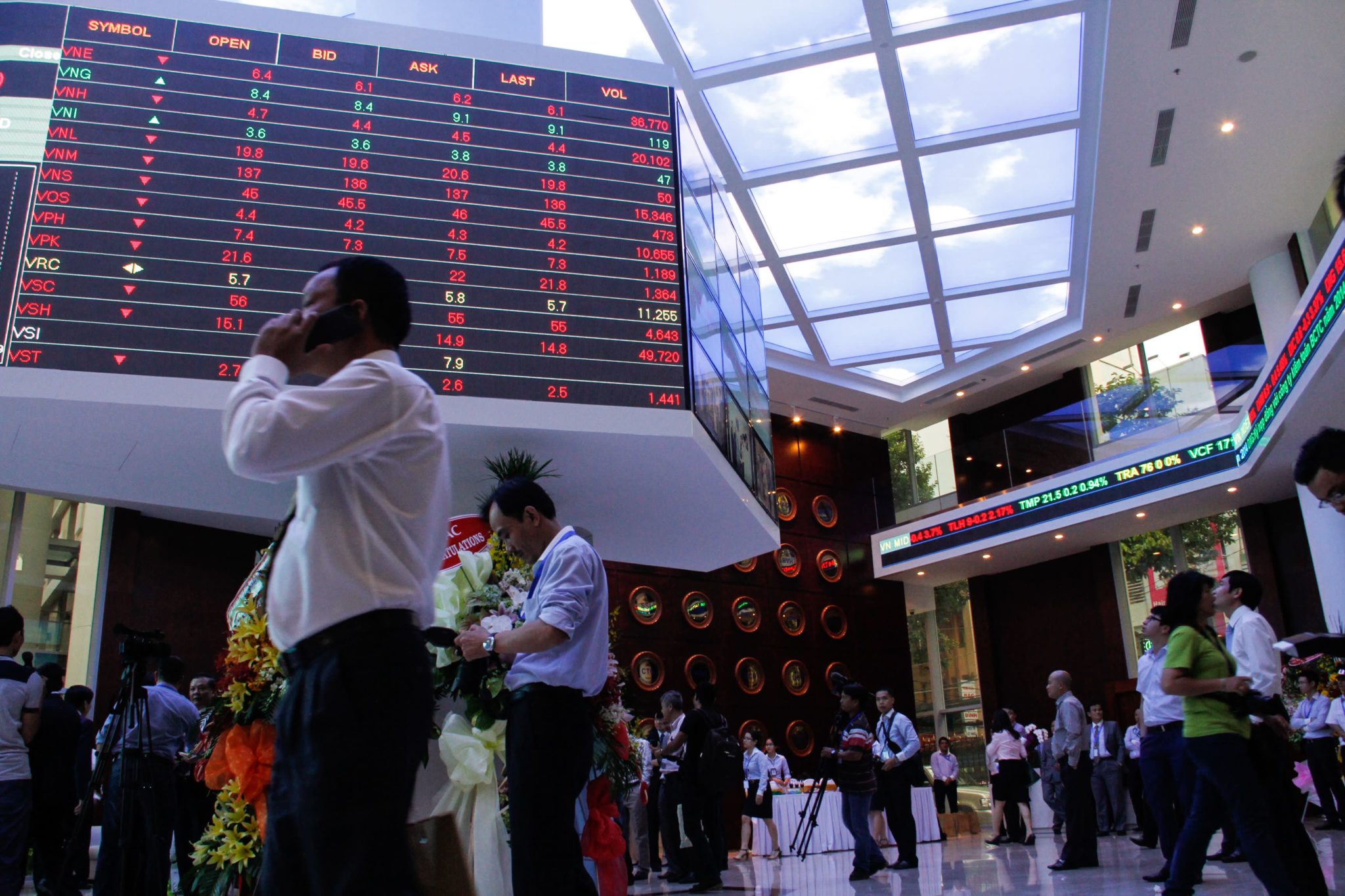
    On Thursday, Vietnam’s principal stock index, VN-Index, concluded trading at an unprecedented high of 1,909.01 points. This represented a 0.94% increase from the previous day’s closing figure. Trading activity on the Ho Chi Minh Stock Exchange, which is the platform where the index is listed, surged by 26%, amounting to a total value of VND30 trillion (US$1.14 billion).

    Key Movers on the VN-Index

    In the VN30 index, which represents the 30 most significant capped stocks, 13 stocks registered gains. Leading the pack were STB of the Ho Chi Minh City-based Sacombank and VHM of the real estate titan Vinhomes, each recording a substantial 7% increase. Other notable gainers included LPB of Fortune Vietnam Bank, which climbed 3.6%, and HDB of HDBank, which closed 3.4% higher.

    However, not all stocks shared in these gains. Thirteen stocks in the VN30 index ended the day in negative territory, with the most significant drop being GAS of state-owned Petrovietnam Gas, which fell by 4%. Other significant losses were registered by DGC of Duc Giang Chemicals Group, which slipped 3.4%, and PLX of fuel distributor Petrolimex, which ended the day 3.3% lower.

    Foreign Investors’ Activity

    For the eleventh consecutive trading session, foreign investors were net sellers, offloading VND311 billion worth of stocks. Among the stocks most sold by these investors were FPT of tech behemoth FPT Corporation, ACB of Asia Commercial Bank, and KDH of property company Khang Dien House.

    The HNX-Index, representing stocks on the Hanoi Stock Exchange, which is home to mid and small cap stocks, fell by 0.28%. On the other hand, the UPCoM-Index for the Unlisted Public Companies Market finished the day 0.42% higher.

    Questions & Answers

    What was the closing figure for Vietnam’s VN-Index on Thursday?
    The VN-Index closed at 1,909.01 points on Thursday, marking a new peak.

    Which stocks led gains on the VN-Index?
    STB of Sacombank and VHM of Vinhomes led the gains, each with a 7% increase.

    What was the performance of foreign investors on the VN-Index?
    Foreign investors were net sellers for the 11th consecutive session, selling off VND311 billion.

  • Indonesias Ultra-Rich Population Soars, Poised for Fastest Global Growth

    Indonesias Ultra-Rich Population Soars, Poised for Fastest Global Growth

    In Southeast Asia, Indonesia holds the second position in terms of inhabitants who possess a net worth of US$30 million or more, according to a recent report. Projections anticipate that this figure will nearly double within the next five years. Presently, the country boasts 3,833 ultra-high net worth individuals, marking a 37% increase since 2021.

    Global Wealth Growth

    By the year 2031, the number of ultra-high net worth individuals in Indonesia is forecasted to spike by 82%, reaching 6,966. This growth signifies the fastest expansion rate globally. Indonesia is one of the rapidly maturing economies expected to take the lead in the global ultra-high net worth population’s growth over the subsequent five years.

    Singapore currently holds the top spot in Southeast Asia for its population of ultra-high net worth individuals, tallying at 7,171. Thailand follows in third place with 2,853, trailed by the Philippines (1,910), Malaysia (1,566) and Vietnam (1,233).

    The wider Asia-Pacific area accounts for almost 31% of the world’s ultra-high net worth population. This percentage is second only to North America, which holds 37%.

    The U.S. and China: Global Leaders

    On a worldwide scale, the U.S. and China hold the lead in terms of ultra-high net worth populations, with more than 251,300 and 121,600 individuals respectively. Moreover, the U.S. also takes the reins regarding wealth creation, constituting approximately 41% of the newly minted ultra-wealthy over the past five years.

    Questions & Answers

    Which country in Southeast Asia has the highest number of ultra-high net worth individuals?
    Singapore currently holds the highest number in Southeast Asia, with a total of 7,171 individuals.

    What is the predicted growth in the number of ultra-high net worth individuals in Indonesia by 2031?
    By 2031, the number of ultra-high net worth individuals in Indonesia is expected to surge by 82%, reaching 6,966.

    Which countries lead globally in terms of the ultra-high net worth population?
    Globally, the U.S. and China lead with more than 251,300 and 121,600 individuals, respectively.

  • Singapore Airlines Postpones Next-Gen First-Class Seat Debut to 2027 Amid Industry Constraints

    Singapore Airlines Postpones Next-Gen First-Class Seat Debut to 2027 Amid Industry Constraints

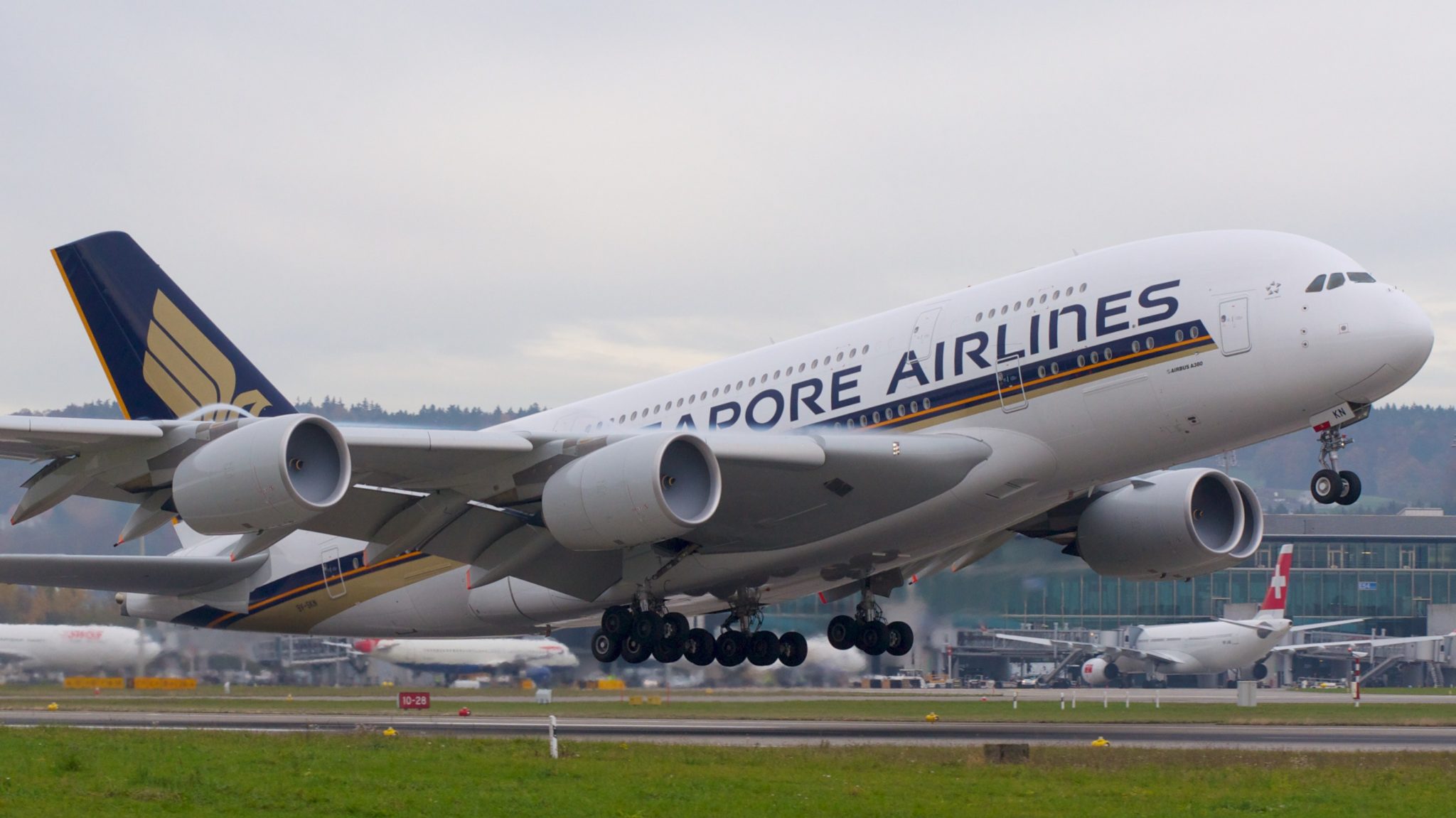
    Singapore Airlines has postponed the unveiling of its upgraded first and business class cabins on Airbus A350-900 aircraft until the first quarter of 2027, retreating from the original target date in the second quarter of 2026. The adjusted timeline comes as a response to the widespread supply chain issues plaguing the aviation industry, compounded by delays in the approval of one of the new seating designs, as was communicated by a company representative on Wednesday.

    Revamping the Flying Experience

    The change in the cabins is part of a broader revamp announced by Singapore Airlines in November 2024, a move targeted at rolling out newly designed long-haul products across a fleet of 41 Airbus A350-900 long-distance and extreme long-range aircraft. The new products were declared to be an entirely new innovation, boasting spacious layouts and ergonomics designed to cater to the diverse requirements of the airline’s passengers.

    Although the airline has yet to disclose the final designs of the revamped cabin classes, a preview of the new business class product released in 2024 hinted at seats equipped with privacy doors, bearing a resemblance to the Qsuite of Qatar Airways.

    Singapore Airlines had previously broadcast an investment of SGD1.1 billion (US$863 million) in this venture, with the refurbishment work delegated to the SIA Engineering Company in Singapore.

    Operational Delays and Future Expectations

    Singapore Airlines stated on Wednesday that the refurbished A350-900 aircraft are now predicted to commence operations in the first quarter of 2027, pending regulatory approvals. The company pledged to offer an update on the introduction of the upgraded A350-900 ultra-long-range aircraft when appropriate.

    Upon completion of the renovations, the company plans to equip 34 of the A350-900 long-haul aircraft with 42 business class seats, 24 premium economy seats, and 192 economy seats. The seven A350-900ULR aircraft in the airline’s possession will be arranged with four first-class seats, 70 business class seats, and 58 premium economy seats.

    Questions & Answers

    What is the new timeline for the launch of the upgraded seats on Airbus A350-900 aircraft?
    The new launching date is set for the first quarter of 2027, a delay from the initial schedule of the second quarter of 2026.

    Why has the launch been delayed?
    The delay is due to industry-wide supply chain issues and a setback in the certification of one of the new seat designs.

    What will the new cabins look like?
    Details of the design remain undisclosed, but a teaser of the business class product showed seats with privacy doors, similar to those of Qatar Airways’ Qsuite.

  • Gasoline Prices Skyrocket Amid Ongoing Middle East Conflict and Peace Talks Uncertainty

    Gasoline Prices Skyrocket Amid Ongoing Middle East Conflict and Peace Talks Uncertainty

    Biofuel E5 RON92 has experienced an upsurge of 5.17%, setting its current price at VND23,790. On the contrary, the cost of Diesel has seen a decrease, falling by 2.42% to VND27,490.

    Global Oil Market Trends

    Shifting focus to the global oil market, it continues to be influenced by several geopolitical factors. Foremost is the ongoing conflict in the Middle East, which has dramatically impacted oil prices. Additionally, the continued peace negotiations between U.S. and Iran, coupled with the tensions in the Strait of Hormuz, are also consequential.

    A positive shift was observed on Thursday when oil prices surged by over $1, bouncing back from the considerable losses experienced the day prior. This rise was due to the market’s contemplation over the potential success of a Middle East peace deal. Brent crude futures experienced an increase of 54 cents, or 0.5%, reaching $101.81 per barrel. Similarly, U.S. West Texas Intermediate saw a 45 cent gain, or 0.5%, bringing it up to $95.53 per barrel.

    Future Speculations

    Hiroyuki Kikukawa, the chief strategist at Nissan Securities Investment, indicated that peace negotiations will likely persist until at least the upcoming U.S.-China summit. However, he expressed that the outlook beyond this event remains uncertain. Kikukawa’s primary prediction is that oil prices will continue to stay at a heightened level for the foreseeable future.

    Questions & Answers

    How much has the price of Biofuel E5 RON92 increased?
    The price of Biofuel E5 RON92 has increased by 5.17%.

    What factors are currently influencing the global oil market?
    The global oil market is primarily influenced by the ongoing Middle East conflict, peace negotiations between the U.S. and Iran, and tensions in the Strait of Hormuz.

    What predictions have been made for future oil prices?
    The prevailing expectation, as per Hiroyuki Kikukawa of Nissan Securities Investment, is that oil prices will remain elevated in the foreseeable future.

  • Hong Kong Retail Sales Soar for 11th Consecutive Month, Fueled by Local Demand and Tourism Surge

    Hong Kong Retail Sales Soar for 11th Consecutive Month, Fueled by Local Demand and Tourism Surge

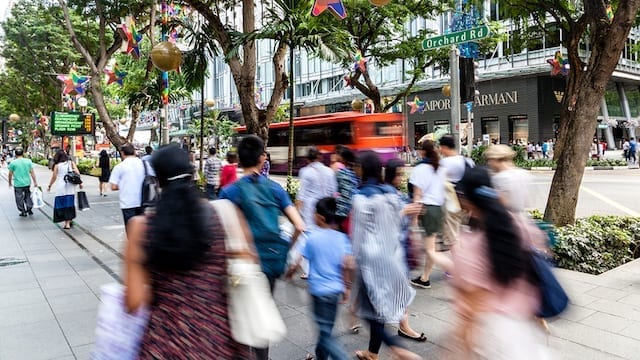
    In March, Hong Kong’s retail sector saw a 12.8% increase in sales compared to the same month in the previous year. This marks the 11th consecutive month of growth, according to recent government data. Sales touched HK$33.9 billion (US$4.33 billion), demonstrating a healthy economy. In February, the year-on-year rise was recorded at 19.3%.

    Key Growth Areas

    Motor vehicle sales exhibited notable progress, with a surge in purchases just before the first registration tax concessions for electric private cars expired at the end of March.

    When it comes to sales volume, a 9.8% increase was observed in March compared to the same period last year. This is slightly less than February’s 17.5% rise.

    For the initial quarter of 2026, the total value of retail sales rose by 12.1% year-on-year, while the volume of retail sales witnessed a 9.8% increase.

    A government representative attributed the positive trajectory of retail sales to the recovery of local demand, steady growth in tourist arrivals, and a favourable macro-financial environment.

    The Hong Kong Tourism Board reported a 14% year-on-year increase in visitor arrivals in March, reaching 4.35 million. Chinese mainland visitors, who account for a significant portion of these arrivals, increased by 15.9% year-on-year to 3.19 million.

    Sector-Specific Performance

    Specific sectors such as jewellery, watches, clocks, and valuable gifts experienced a robust growth of 27.2% year-on-year in March, following a 24.2% rise in February.

    The motor vehicles and parts sector saw an impressive 80.8% year-on-year jump in March, substantial growth from the 37.3% rise seen in February.

    Meanwhile, the clothing, footwear, and related products sector saw a modest increase of 5.9% year-on-year in March, a decrease from the 14.1% rise recorded in February.

    Questions & Answers

    What was the percentage increase in Hong Kong’s retail sales in March?
    Retail sales in Hong Kong saw a 12.8% rise in March compared to the same month in the previous year.

    Which sectors saw significant growth in March?
    The motor vehicles and parts sector, as well as the jewellery, watches, clocks, and valuable gifts sector, experienced substantial growth in March.

    What factors contributed to the positive outlook for retail sales?
    The recovery of local demand, steady growth in inbound tourism, and a favourable macro-financial environment have all played a role in the optimistic outlook for retail sales.

  • Zee Entertainment Sues Nykaa for Alleged Copyright Breaches in Instagram Reels, Seeks $210k in Damages

    Zee Entertainment Sues Nykaa for Alleged Copyright Breaches in Instagram Reels, Seeks $210k in Damages

    Zee Entertainment, a major Indian media conglomerate, has taken legal action against Nykaa, a prominent fashion and beauty retailer. The lawsuit accuses Nykaa of utilising Zee’s copyrighted music in Instagram reels as a marketing strategy for their products, a move that allegedly infringes on Zee’s licensing agreement with Meta Platforms. Zee Entertainment is seeking damages of US$210,000 for this alleged copyright violation.

    The Case Background

    The suit, filed in the Delhi High Court on April 3, contends that Zee’s licensing deal with Meta Platforms permits individuals to incorporate Zee’s music into their Instagram posts for non-commercial purposes. However, Zee alleges that Nykaa exploited several of its copyrighted songs in Instagram reels to promote products to its vast follower base.

    According to the lawsuit, Zee identified 12 specific Instagram reels where Nykaa purportedly used Zee’s licensed music in its product promotional posts. The court documents, while not publicly available, reportedly include screenshots from these reels as evidence of the alleged copyright infringement.

    During an initial hearing, Nykaa’s legal team informed the court that the 12 disputed links had been removed. The lawsuit documents, which amount to more than 900 pages, assert that Nykaa utilised Zee’s music “without obtaining any permissions/authorisations.”

    Zee is requesting the court to grant INR 20 million (approximately US$209,742) in damages to compensate for Nykaa’s alleged illicit use of its music.

    The Potential Impact

    Both Zee and Nykaa are major publicly traded entities in India’s entertainment and retail sectors, respectively. Legal observers suggest that the resolution of this case could potentially have broader repercussions.

    Aditya Gupta, a partner at Ira Law, pointed out that marketing departments frequently access content from music libraries without fully understanding the specific terms and conditions laid out by platforms like Instagram. He suggested that this case could offer much-needed clarity on the issue.

    Questions & Answers

    What is the basis of Zee Entertainment’s lawsuit against Nykaa?
    Zee Entertainment alleges that Nykaa used its copyrighted music in Instagram reels as a marketing strategy for their products, in violation of Zee’s licensing agreement with Meta Platforms.

    What is the requested compensation in the lawsuit?
    Zee Entertainment is seeking damages of US$210,000 against Nykaa for the alleged copyright infringement.

    What implications could this lawsuit have?
    Since Zee Entertainment and Nykaa are significant players in their respective sectors, the resolution of this case could set a precedent and offer clarity regarding the use of copyrighted music in social media advertising.

  • Saks Globals Bankruptcy Exit: Promising Future or Audacious Overreach?

    Saks Globals Bankruptcy Exit: Promising Future or Audacious Overreach?

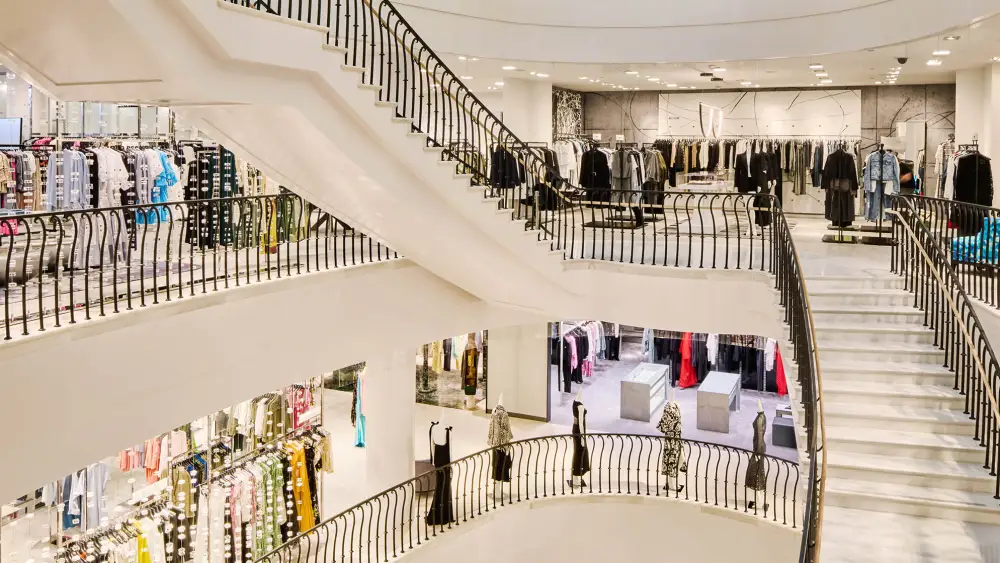
    Saks Global, a renowned luxury retailer, is inching closer to emerging from bankruptcy after a period of financial instability. The company’s reinvigoration has been fueled by securing new funds and successfully mending tenuous relationships with various brands. Despite these encouraging developments, industry analysts have expressed reservations regarding the retailer’s projected trajectory and its ability to fulfill its optimistic business promises.

    Securing New Funding and Making Progress

    Recently, Saks Global’s revised strategic plan received approval from a Texas court. Consequently, creditors can now cast their votes regarding the proposed strategy. The approval followed the retailer’s procurement of US$500 million in funds from its capital partners and its successful negotiation of a restructuring agreement with bondholders. Saks Global CEO, Geoffroy van Raemdonck, praised the remarkable progress made by his team in the past three and a half months.

    Van Raemdonck further highlighted the secured capital and the company’s growing momentum as important foundations for the company’s future. He expressed confidence in the company’s ability to invest in its customer experience, capabilities, and merchandise assortment, which will drive profitable growth for Saks Global and sustained revenue growth for its partners in the years ahead.

    Since its Chapter 11 bankruptcy filing in January, Saks Global has marked significant milestones, including a 6% increase in customer spend per store visit, an 11% increase in online conversion, and improved full-price selling across its luxury retail banners.

    High Expectations and Challenges

    Looking forward, Saks Global anticipates substantial growth. It expects to generate almost two times its current revenue by 2030, reaching a total gross merchandise value of US$9 billion. It also hopes to achieve double-digit adjusted EBITDA by that time. Such high expectations indicate that Saks Global’s revenue is projected to grow by about 5.5% from fiscal 2029 to 2030, amounting to nearly US$7.2 billion.

    While the retailer is currently projected to report a net loss of US$135 million for the fiscal year 2026, it hopes to swing back into profitability by fiscal year 2029 with a projected net income of US$99 million.

    To achieve these ambitious goals, Saks Global must also mend its vendor relationships, which have been strained largely due to non-payment for shipped merchandise. However, the company reported steady progress on this front, stating that close to 720 brands have resumed shipping and that it has released US$1.6 billion in retail receipts.

    Questions & Answers

    What is the strategic plan for Saks Global’s post-bankruptcy phase?
    Saks Global has secured new funding and is focused on strengthening its relationships with vendors. The company expects to generate US$9 billion in total gross merchandise value by 2030, close to double the expected revenue in 2026.

    What are the challenges faced by Saks Global in achieving its goals?
    To achieve its ambitious targets, Saks Global must first mend its strained vendor relationships caused by non-payment for shipped merchandise. Additionally, the company needs to manage a large debt load.

    How is Saks Global addressing its vendor relationship issues?
    Saks Global has reported steady progress in mending vendor relationships. It has stated that nearly 720 brands have resumed shipping and that it has released US$1.6 billion in retail receipts.

  • Shiros First Hong Kong Outlet: An Experiential Fragrance Haven at K11 Musea

    Shiros First Hong Kong Outlet: An Experiential Fragrance Haven at K11 Musea

    Shiro, a renowned Japanese fragrance company, recently launched its inaugural store in Hong Kong, incorporating an immersive shopping experience that focuses on in-store fragrance creation.

    The store, located in K11 Musea, showcases an interior design that pays homage to local materials and traditions. Bamboo scaffolding and metal, symbols of Hong Kong’s historical architecture and residential buildings, are prominently featured within the space.

    Discovering the Zero Blender Lab

    A highlight of the store is the Zero Blender Lab, a unique feature that allows customers to design their own personalized fragrance mists. This innovative concept employs prototype scent materials from Shiro’s product development cycle, which would otherwise be discarded.

    Shiro’s initiative aligns with their longstanding commitment to zero waste, a policy they have embraced since 2024 in their product development and store design. As stated by the brand, the Zero Blender Lab offers customers the opportunity to experiment with blending fragrances, all within a setting inspired by the Research and Development room of their Minnano-Sunagawa Factory in Sunagawa, Hokkaido. Shiro aims to provide an experience that mirrors the work of a professional perfumer.

    Founded in Hokkaido, Japan in 2009, Shiro not only specializes in fragrances, but also offers a variety of complementary services through their Shiro Life, Shiro Café, and Shiro Beauty businesses.

    Questions & Answers

    What is unique about Shiro’s new store in Hong Kong?
    The new store offers an immersive shopping experience, with a focus on in-store fragrance creation. It features the Zero Blender Lab, where customers can create their own fragrance mists using scent materials that would otherwise be discarded.

    What is Shiro’s commitment to sustainability?
    Since 2024, Shiro has been striving towards achieving zero waste in both their product development and store design. The Zero Blender Lab is an example of this, as it reuses prototype scent materials that would typically be discarded.

    What other businesses does Shiro operate?
    Besides fragrances, Shiro also runs complementary businesses, including Shiro Life, Shiro Café, and Shiro Beauty, offering a comprehensive lifestyle experience for their customers.

  • Singapore Retail Sales Soar in March with Robust Online Presence and Recreational Goods Demand

    Singapore Retail Sales Soar in March with Robust Online Presence and Recreational Goods Demand

    The retail sector in Singapore experienced further growth in March, building on the momentum gained in February. The Department of Statistics reports a 3.3% year-on-year increase in retail sales for March, not counting motor vehicles, parts, and accessories. This follows a significant 11.3% surge in February.

    The estimated total value of retail sales for the period was SG$3.8 billion (US$2.98 billion), with nearly a fifth (18.9%) coming from online sales. On a seasonally adjusted basis, retail sales also saw a 3.3% increase in March compared to the preceding month.

    Performance Across Various Sectors

    The growth in March was broad-based, with most sectors recording year-on-year sales growth. Recreational goods led the way with a 13.1% increase, followed by computer and telecommunications equipment, which saw an 11.9% boost, partly attributed to higher mobile phone sales.

    Other sectors that experienced single-digit growth include watches and jewelry, apparel and footwear, cosmetics and medical goods, supermarkets, and convenience stores.

    However, not all sectors fared well. Sales of food and alcohol saw a 6% drop, department stores reported a 5.7% decrease, and furniture and household equipment sales fell by 1.9%.

    Meanwhile, food and beverage services noted a 2.3% rise in sales during March, sustaining the upward trend seen in February.

    Questions & Answers

    What was the overall retail sales growth in Singapore in March?
    The overall retail sales in Singapore grew by 3.3% year-on-year in March.

    Which sectors recorded the highest sales growth in March?
    Recreational goods and computer and telecommunications equipment sectors recorded the highest sales growth in March, with an increase of 13.1% and 11.9% respectively.

    Did all sectors experience growth in March?
    No, sales in the food and alcohol, department store, and furniture and household equipment sectors experienced declines in March.

  • End of an Era: Singapores Beloved PaperMarket Set to Close Final Store After 20-Year Journey

    End of an Era: Singapores Beloved PaperMarket Set to Close Final Store After 20-Year Journey

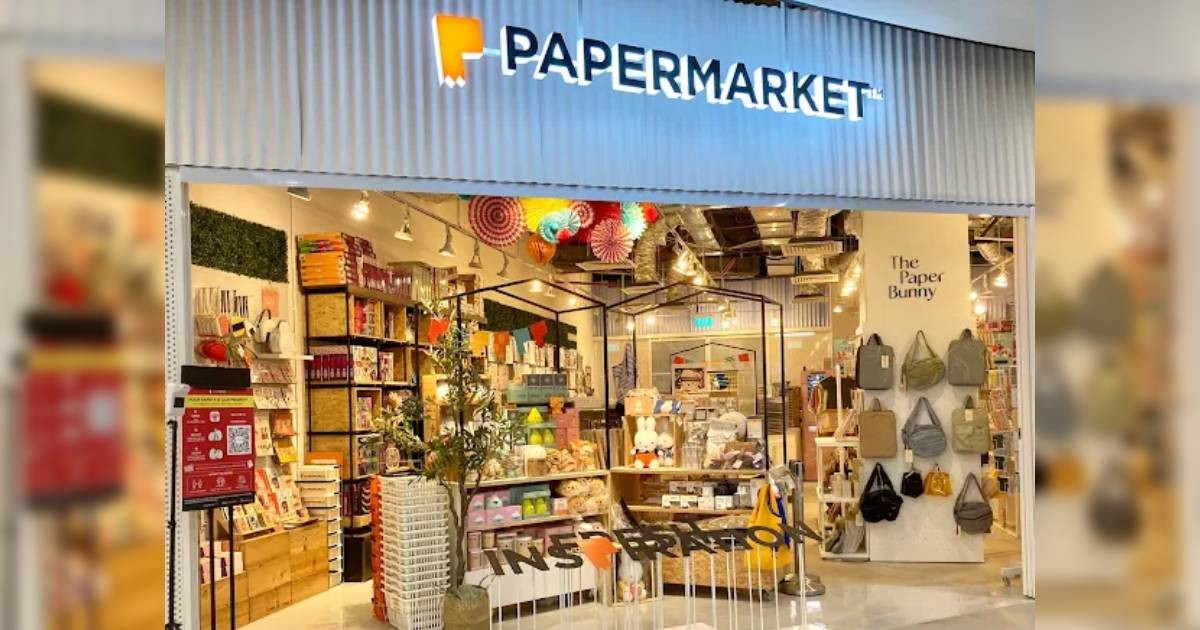
    After two decades of operation, PaperMarket, a Singaporean lifestyle and craft brand, has announced plans to shutter its final physical location. Amid challenging business conditions, the local retailer has decided to refocus its efforts on its digital storefront.

    A Tough Decision for a Small Business

    In a recent statement, PaperMarket shared the tough decision to close its last brick-and-mortar outlet. “We’ve done everything possible to keep running,” the statement reads, “but due to escalating costs, it’s no longer feasible for us to carry on as a modest, locally established brand.”

    Despite the closure of their physical store, PaperMarket assured its customers that online operations will continue. They further clarified that the physical store would remain open till May 31, 2026.

    Established in 2005 by entrepreneur Elaine Ong, PaperMarket is renowned for its craft supplies including stickers, stationery, DIY kits, and scrapbooking materials. It also offers a diverse range of lifestyle products from labels such as Lynk Artisan, Muzik Tiger, and Baggu. Before the impending closure, PaperMarket had outlets in popular locations such as Raffles City and Plaza Singapura malls.

    A Farewell Sale and Emotional Goodbyes

    To mark the closure, PaperMarket has launched a clearance sale with discounts reaching up to 70%, and it is also selling its store fixtures and furniture.

    The announcement of the store closure elicited a surge of emotional responses online. Many social media users expressed their sorrow at the news, reminiscing about their experiences with the brand. One Instagram user commented, “Sad to see spaces like PaperMarket go… they’ve inspired so many people to create and gift with meaning.”

    Questions & Answers

    Why is PaperMarket closing its final physical store?
    PaperMarket has cited financial reasons for its closure, stating that rising costs make it unsustainable for the small, locally established brand to continue its brick-and-mortar operations.

    When is the final day of operation for PaperMarket’s physical store?
    The physical store of PaperMarket is scheduled to close on May 31, 2026.

    What is the future of PaperMarket post the physical store closure?
    After the closure of its physical store, PaperMarket plans to continue its operations online, focusing on its digital storefront.

  • Decade-Old BBQ & Hotpot Restaurant Closes Following Surge of Negative Online Reviews

    Decade-Old BBQ & Hotpot Restaurant Closes Following Surge of Negative Online Reviews

    For over a decade, a small-town barbecue and hotpot restaurant enjoyed a regular and content clientele, primarily consisting of employees from a neighboring industrial park. The eatery was particularly bustling over the weekends, basking in the laudatory comments of its patrons, until an unfavorable online review sent shockwaves through its reputation.

    The Power of Social Media

    The advent of various Facebook pages and groups disseminating information and instigating discussions about the local area introduced an unforeseen variable to the restaurant’s business operations. While these platforms initially focused on benign topics such as local weather or picturesque landscapes, they soon evolved into forums for promoting new businesses, including milk tea shops and eateries in the vicinity. One day, a disparaging post targeting the barbecue and hotpot restaurant surfaced in one of these groups. The review characterized the food as “overpriced” and “mediocre,” encouraging patrons to explore “better and cheaper” alternatives.

    This single review unleashed a flood of negative feedback, severely tarnishing the restaurant’s hard-earned reputation. The previously steady stream of customers trickled to a halt, and, unable to recover from the sudden downturn, the establishment was soon compelled to close its doors.

    The Dark Side of Food Reviewers

    This incident underscores the growing concern among many restaurateurs regarding the disproportionate influence wielded by self-proclaimed food reviewers active on platforms such as TikTok and YouTube. Questions arise regarding the legitimacy of these reviewers’ authority to critique an establishment and the objectivity of their assessments. For instance, when reviewing pricing, do they account for factors like portion sizes, the quality of ingredients, or prevailing market rates?

    Taste, being a highly subjective matter, varies significantly from person to person. The certainty with which these reviewers label a dish as appealing or repugnant potentially sways their audience’s opinion, often without them having sampled the food themselves.

    In the current digital age, where smartphones equip ordinary individuals with the power to document, judge, and “expose” others, we must tread with caution. While these online exposés may help spotlight unhygienic or exploitative practices, they also pose the risk of damaging the reputation of legitimate establishments through orchestrated smear campaigns.

    Questions & Answers

    What impact did the unfavorable review have on the barbecue and hotpot restaurant?
    The negative review led to a surge of similar feedback, causing a significant decline in the customer footfall. Unable to recover from the reputational damage, the restaurant was forced to close down.

    What concerns do restaurant owners have about food reviewers on platforms like TikTok and YouTube?
    Restaurateurs worry about the credibility and objectivity of these self-proclaimed reviewers. They question whether these reviewers consider factors like portion sizes, ingredient quality, or market rates when critiquing pricing and how they confidently label food as good or bad without accounting for varying taste preferences.

    What are the potential risks associated with the power of judgment that smartphones provide individuals?
    While smartphones can help highlight unethical business practices, they also risk damaging legitimate businesses through potential smear campaigns.

  • US Dollar Grows Stronger Against Vietnamese Dong Amid Global Currency Shifts

    US Dollar Grows Stronger Against Vietnamese Dong Amid Global Currency Shifts

    The U.S. dollar started Wednesday on a stronger note against the Vietnamese dong while simultaneously displaying a slight weakness against other major global currencies. The greenback was traded at VND26,368 by Vietcombank, marking an increase of 0.008% from the previous day. Meanwhile, on the black market, the currency experienced a minor drop of 0.09%, bringing it down to approximately VND26,644.

    Vietnam’s Position and Global Market Movements

    The State Bank of Vietnam reacted by increasing its reference rate by 0.008% to VND25,113. Internationally, the dollar seemed to step back against most of the other major currencies, mostly due to the anticipation of a possible agreement with Iran by the United States. Concurrently, the yen demonstrated a consistent weakening trend, inching closer to the point where Tokyo once had to intervene.

    The dollar index, a measurement of the greenback’s standing relative to a combination of six currencies, fell slightly by 0.01%, rounding off to 98.299.

    Performance against Other Currencies

    The euro and sterling both showed approximately 0.2% growth over the course of the day, trading at $1.1714 and $1.35685 respectively. The Australian dollar also showed an upward trend, fetching $0.7208, which accounted for an increase of nearly 0.4% in early trading. Similarly, the New Zealand dollar saw an increase of 0.3%, making it trade at $0.5905.

    In the case of the yen, the dollar was traded at 157.62 yen. Despite the ongoing fall in oil prices, this was still substantially higher than last week’s intervention low, marking a decrease of 0.17% from U.S. levels.

    Questions & Answers

    What was the trading value of the U.S. dollar against the Vietnamese dong?
    The value of the U.S. dollar against the Vietnamese dong was VND26,368.

    How did the euro and sterling perform against the U.S. dollar?
    Both the euro and sterling displayed an increase of approximately 0.2% against the U.S. dollar.

    What was the change in the dollar index?
    The dollar index, which measures the U.S. dollar’s strength against six other major currencies, fell slightly by 0.01%.

  • Coupang Bounces Back: Q1 Shows Promising Growth Amidst Ongoing Recovery Efforts

    Coupang Bounces Back: Q1 Shows Promising Growth Amidst Ongoing Recovery Efforts

    Coupang, the South Korean e-commerce giant, has made a steady start to Fiscal Year 2026, according to its first quarter results. The data indicates a slow but steady recovery following disruptions experienced towards the end of last year.

    Stronger Financial Performance

    The Q1 results unveiled a noticeable growth in the company’s revenue, which rose to $8.5 billion. This marks an 8 percent year-over-year increase, slightly outpacing analysts’ expectations. Coupang’s financial performance improved during February and March, following a less-than-stellar beginning to the year.

    Management indicated that January was the most challenging month, with a decline in order frequency, membership engagement, and overall customer interactions. However, these metrics consistently improved throughout the quarter, pointing towards a positive trend.

    Despite this promising uptick in performance, executives were quick to point out that the recovery process is not yet fully complete. According to founder Bom Kim, the company is committed to enhancing the customer experience that initially attracted shoppers to Coupang. The focus is not only on product commerce but also on the development of new offerings.

    Challenges and Future Prospects

    While the revenue showed positive growth during the quarter, the company’s profitability took a hit. Lower earnings were reported, driven by a variety of temporary factors and investment-related activities. The company’s management cited multiple pressures that are currently impacting margins, including increased promotional campaigns to re-engage customers during this recovery phase.

    Coupang remains optimistic about its future, reiterating its commitment to expanding new offerings and penetrating international markets, despite the potential impact on profitability. In Taiwan, for example, the company is laying the groundwork for an enhanced customer experience.

    Kim highlighted the company’s last-mile delivery network, which guarantees next-day delivery, saying it now covers the majority of their volume and is continuously expanding. This initiative is still in its early stages in Taiwan, but early feedback from customers has been overwhelmingly positive.

    Looking forward, Coupang is anticipating continued improvement during the second quarter with minimal lingering effects from previous disruptions.

    Questions & Answers

    What challenges did Coupang face in the beginning of Fiscal Year 2026?
    Coupang faced disruptions that resulted in a weak start to the year, particularly in January. Order frequency, membership engagement, and customer interactions declined during this period.

    How is Coupang planning to improve customer experience?
    Coupang’s founder, Bom Kim, stated that the company is focusing on enhancing the shopping experience that initially attracted customers to Coupang. This will involve improvements in product commerce as well as the development of new offerings.

    What are Coupang’s plans for expansion in international markets?
    Coupang has reaffirmed its commitment to scaling newer offerings and expanding into international markets, despite potential impacts on profitability. One such expansion is in Taiwan, where the company is working on enhancing its customer experience and expanding its last-mile delivery network.

  • Grab Powers Through 2026 with Record Q1 Results and Bold Expansion Beyond Southeast Asia

    Grab Powers Through 2026 with Record Q1 Results and Bold Expansion Beyond Southeast Asia

    Southeast Asian superapp, Grab, has reported its strongest first quarter to date, with plans to expand beyond its home market for the first time. It plans to do so with an investment of $600 million.

    Grab’s CEO and co-founder, Anthony Tan, expressed his satisfaction with the results, stating that the company achieved its objective of starting 2026 robustly. Grab recorded a revenue of US$955 million for the first quarter, which ended on March 31, representing a year-on-year increase of 24%. Its adjusted EBITDA reached US$154 million, up by 46% from the same period in the previous year, marking the company’s seventeenth consecutive quarter of EBITDA growth.

    Despite the period being typically quiet due to the Ramadan fasting month and Lunar New Year celebrations, the company managed to increase its number of monthly transacting users by 16% to 51.6 million.

    Growth Across Segments

    The overall gross merchandise value of Grab’s deliveries and mobility segments rose to US$6.1 billion in the quarter, with the delivery sector growing by 25% and mobility by 23%, year-on-year. The company’s financial services also observed a 43% leap in revenue to US$107 million.

    However, the company faces operational challenges due to the regional surge in fuel prices—an issue with no straightforward solution for a business model that depends on daily refuelling by millions of driver-partners. To navigate this issue, Grab launched various initiatives in March, including multi-partner fuel discount programs and restructuring incentive models to maximize driver earnings. Grab also collaborated with governments to ensure driver-partners could access available transport-worker fuel subsidies.

    Recently, Grab became the first platform to offer point-to-point cross-border taxi services between Singapore and Malaysia, one of the world’s busiest international land border crossings.

    Expansion Plans

    During the quarter, Grab agreed to acquire Delivery Hero’s foodpanda delivery business in Taiwan for US$600 million in cash. This represents Grab’s first expansion beyond Southeast Asia in its 14-year history. The acquisition is expected to be finalised in the second half of the year, expanding Grab’s presence across 21 cities. Upon completion, Grab would hold a market share of just over 50%, positioning it as a formidable competitor to Uber Eats.

    Moving forward, Grab’s full-year guidance remains unchanged, with predictions of 20% to 22% growth in revenue and 40% to 44% growth in adjusted EBITDA. The company expects in-demand GMV growth in each remaining quarter of this year.

    Questions & Answers

    What is Grab’s first quarter revenue for 2026?
    Grab reported a revenue of US$955 million for the first quarter of 2026.

    What operational challenges is Grab facing?
    Grab is facing operational challenges due to the regional surge in fuel prices affecting millions of its driver-partners.

    What is Grab’s expansion plan?
    Grab plans to acquire Delivery Hero’s foodpanda delivery business in Taiwan, marking its first expansion beyond Southeast Asia.