Author: Mei Ling Tan

  • Don Don Donki to Bid Farewell to HarbourFront Centre Location amid Singapore Malls Redevelopment Plan

    Don Don Donki to Bid Farewell to HarbourFront Centre Location amid Singapore Malls Redevelopment Plan

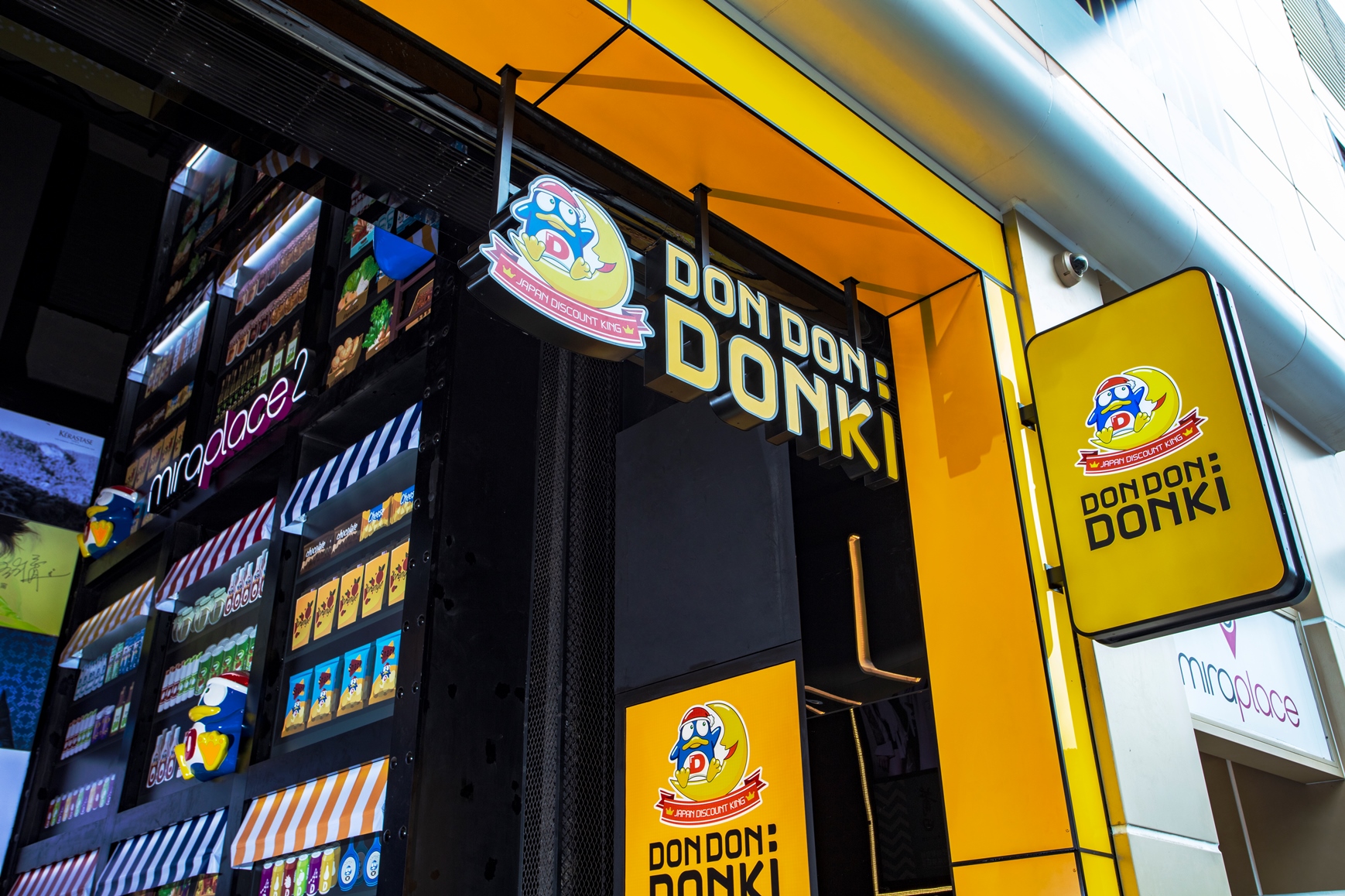
    The Japanese retail giant, Don Don Donki, has disclosed plans to close its outlet at HarbourFront Centre in Singapore this July. Shoppers will be in for a treat as select items will be sold at clearance discounts, some with up to 70% off.

    The store, popular amongst commuters, visitors venturing to Sentosa, and late-night shoppers eager for sushi, bentos, and Japanese snacks, is due to shut its doors for the last time on July 19. The imminent closure aligns with the anticipated redevelopment of the mall. The outlet is strategically located on the third floor of the mall, just above the bustling cruise center.

    A Transformation for HarbourFront Centre

    HarbourFront Centre has a storied past and is on the brink of another major transformation. Initially opened in 1978 as the World Trade Centre, the centre underwent renovations and was relaunched as HarbourFront Centre in 2003. The current redevelopment plans aim to transform the centre into a 33-storey mixed-use development, integrating retail and office spaces along with an elevated waterfront park.

    The redevelopment project ties into the larger Greater Southern Waterfront initiative, a visionary plan to revolutionize Singapore’s southern coastline into a lifestyle and recreational hub.

    Business as Usual for Other Outlets

    Despite the closure, Don Don Donki continues to operate its remaining 16 outlets across Singapore. These include locations at Orchard Central, Jem, Tampines 1, Suntec City, Waterway Point, and 100 AM. The chain was first introduced to the local market at Orchard Central in December 2017. Since then, it has flourished, with one exception – the Downtown East mall outlet, which closed this March after nearly five years in operation.

    Questions & Answers

    What is the current discount available at the Don Don Donki outlet at HarbourFront Centre?
    There are clearance discounts on selected items, with some discounted by up to 70%.

    What is the future plan for HarbourFront Centre?
    The centre is set to be redeveloped into a mixed-use development, comprising retail and office spaces, along with an elevated waterfront park.

    What will happen to other Don Don Donki outlets in Singapore?
    Don Don Donki’s remaining 16 outlets in Singapore, including those at Orchard Central, Jem, Tampines 1, Suntec City, Waterway Point, and 100 AM, will continue to operate as usual.
  • Malaysia Contemplates Axing Fuel Subsidies for Wealthier Citizens: A Strategic Move Towards Economic Resilience

    Malaysia Contemplates Axing Fuel Subsidies for Wealthier Citizens: A Strategic Move Towards Economic Resilience

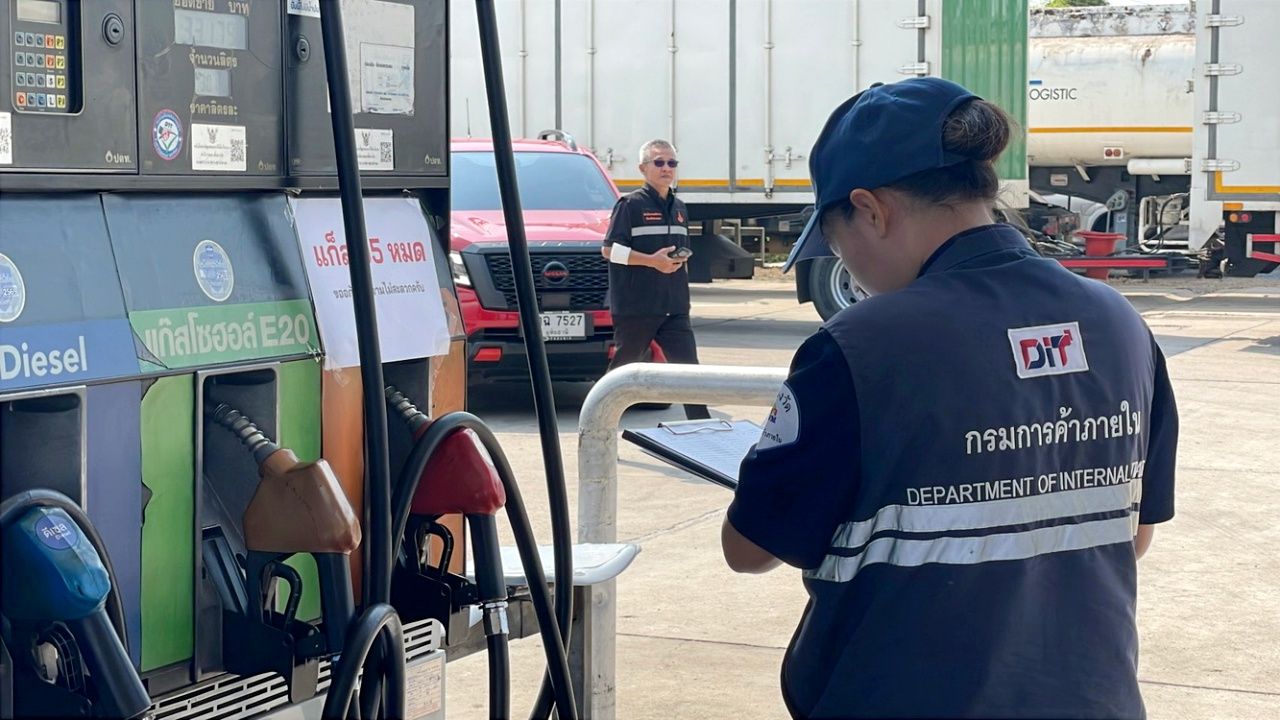
    The Malaysian government is currently evaluating a proposal aimed at revising petrol subsidies for the country’s high-income households. This proposition was initially presented roughly four weeks ago and has been under close scrutiny by the respective authorities over the past three weeks.

    Government’s Standpoint on the Proposal

    Malaysia’s Prime Minister, Anwar Ibrahim, disclosed that a final resolution has not yet been reached on the matter. Although, he emphasized that fundamentally, the government concurs with the necessity to reassess the subsidy system for higher-income Malaysians. The government is expediting efforts to finalize the proposal at the earliest.

    The consideration of this revision comes in response to increasing demands for the realignment of the nation’s fuel subsidy policy. The goal is to ensure that aid is appropriately directed towards the deserving recipients.

    Public voices are advocating for the exclusion of high-income groups from receiving subsidies on RON95 petrol. They suggest that this support should be redirected towards middle- and lower-income groups who are feeling the brunt of escalating living expenses.

    The Need for Proposal in Present Economic Climate

    The proposal is seen as a critical requirement in the prevailing economic environment. It is expected to aid in effectively utilizing national resources and bolstering the country’s resilience against global economic uncertainties.

    Questions & Answers

    Why is the Malaysian government considering a revision of petrol subsidies for high-income earners?
    The government is considering the revision in response to increasing calls for a realignment of the fuel subsidy policy, aiming to ensure aid is properly directed towards deserving recipients.

    What are some of the reasons driving the demand for this revision?
    Public voices have been advocating for the exclusion of high-income groups from receiving subsidies on RON95 petrol. They suggest that this support should be redirected towards middle- and lower-income groups who are comparatively more affected by the rising cost of living.

    What is the expected outcome of this proposal?
    The proposal is expected to aid in the effective utilization of national resources and strengthen the country’s resilience against global economic uncertainties.

  • Dollar Gains Momentum Against Dong Amid Rising Global Tensions and Strong US Jobs Data

    Dollar Gains Momentum Against Dong Amid Rising Global Tensions and Strong US Jobs Data

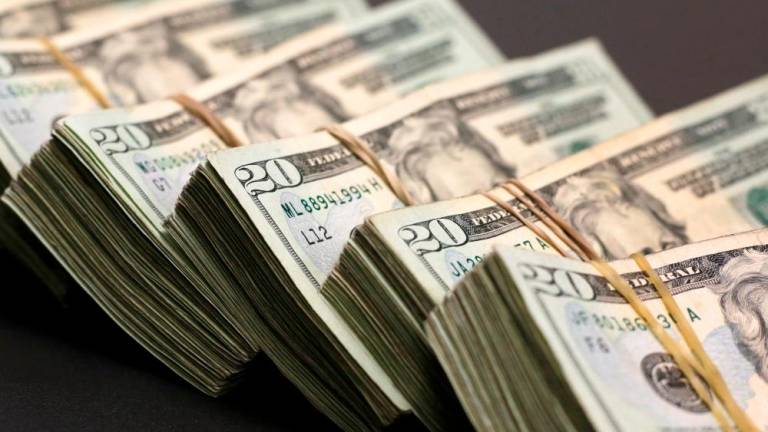
    The U.S. dollar started the week on a strong note, gaining against the Vietnamese dong as well as several other major global currencies. Vietcombank, one of Vietnam’s leading banks, experienced an increase in the value of the dollar, selling it at 26,373 VND, a 0.02% rise from its previous weekend rate. The currency also saw a significant increase in the black market, where it rose by 0.18% to around 26,569 VND.

    Global Market Trends

    The strengthening of the U.S. dollar was not limited to Vietnam but was observed globally, thanks to strong U.S. employment data released the week prior. This, coupled with the precarious U.S.-Iran ceasefire, increased the demand for the dollar as a safe-haven currency.

    In the early Asia trade on Monday, the dollar index, which gauges the strength of the U.S. dollar against a basket of six major currencies, was trading at 98.001. Other major currencies saw a slight decrease in their value against the U.S. dollar. The euro dropped 0.2%, trading at $1.1767, while the yen and the British pound slipped 0.1% and 0.3% to trade at 156.905 yen per dollar and $1.3597 respectively.

    Risk-sensitive currencies like the Australian dollar and its New Zealand counterpart, also known as the kiwi dollar, experienced a dip as well, falling by 0.2% and 0.3% to $0.7234 and $0.5948 respectively.

    This trend was seen amid growing geopolitical tensions, with U.S. President Donald Trump rejecting Iran’s response to a U.S. peace talk proposal. This has cast a shadow over the possibility of a swift end to the ongoing 10-week conflict.

    Questions & Answers

    What contributed to the strengthening of the U.S. dollar?
    The U.S. dollar’s strength was bolstered by strong employment data from the U.S. and the increasing demand for the dollar as a safe-haven currency due to the uncertain U.S.-Iran ceasefire.

    How did other major global currencies perform against the U.S. dollar?
    Several global currencies saw a slight decrease in their value against the U.S. dollar. The euro dropped 0.2%, the yen and the British pound slipped 0.1% and 0.3% respectively. The Australian and New Zealand dollars also fell by 0.2% and 0.3%.

    What are the implications of U.S. President Donald Trump rejecting Iran’s response to a U.S. peace talk proposal?
    The rejection has heightened geopolitical tensions and created uncertainty in global financial markets, thereby increasing the demand for the U.S. dollar as a safe-haven asset.

  • Singapore Cruise Operators Navigate Rising Fuel Prices with Speed Cuts and Route Adjustments

    Singapore Cruise Operators Navigate Rising Fuel Prices with Speed Cuts and Route Adjustments

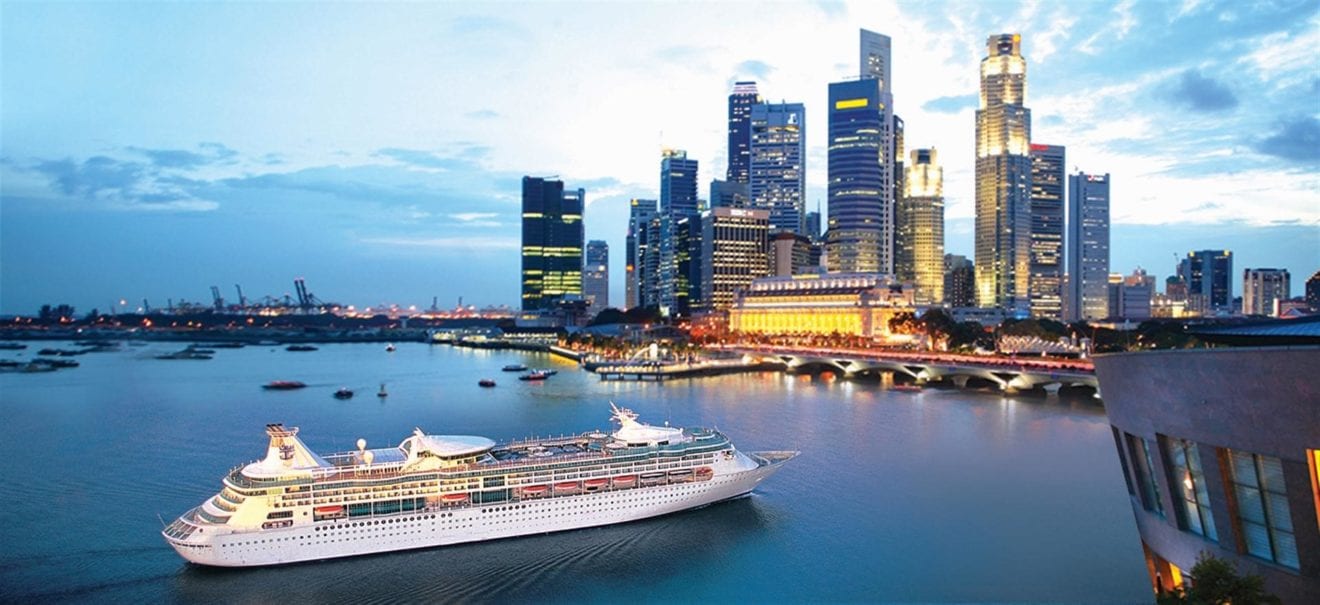
    Cruise operators in Singapore are taking measures such as reducing sailing speeds, modifying routes, and discontinuing promotional offers in an effort to mitigate the effects of surging fuel prices triggered by the ongoing conflict in the Middle East. StarDream Cruises, which operates three vessels, disclosed that its operational expenses have increased primarily due to the global surge in fuel prices.

    The company’s president, Michael Goh, noted that while there have been minor adjustments made in certain areas of their network, the Asia itineraries, including those stopping in Singapore, have generally remained steady. These changes, made as part of regular operational optimization, have been managed carefully to ensure that the overall guest experience remains unaffected.

    In response to the escalating costs related to the Middle East conflict, StarDream Cruises announced a fuel surcharge of SGD15 (US$11.82) per person in March. The company has also implemented measures such as itinerary and route adjustments, speed management, and energy efficiency initiatives across its fleet.

    Cruise Industry Resilience Amidst Rising Costs

    Despite the rising fuel costs, international cruise arrivals to Singapore saw a 10% year-on-year increase in March, as stated by the Singapore Tourism Board. The board’s director of cruises, Chitra Rajesh Kumar, highlighted Indonesia, mainland China, and Malaysia as the top three source markets, with passenger numbers from these markets also seeing an increase.

    The primary marine fuel used by cruise ships experienced a global price surge from approximately $550 per tonne in February to around $1,060 per tonne in March. As of May 5, the price stood at $975 per tonne. This has prompted some operators to revise their routes in response to the geopolitical situation and the energy crunch.

    Several cruise operators have made similar moves, revising their schedules and routes to avoid areas of conflict and minimize exposure. For instance, Oceania Cruises has rerouted its ship Oceania Vista, originally set to transit the Suez Canal on a voyage from Singapore to Southampton in the United Kingdom, to now sail via Cape Town, South Africa, and up the continent’s west coast.

    Despite the challenges, the demand for cruise holidays has proven resilient. The Singapore Tourism Board noted that the cruise industry has demonstrated resilience with steady bookings for future months. This continues to be supported by sustained global interest in cruising, the strength of regional source markets, and excellent air connectivity.

    Questions & Answers

    What measures have Singapore’s cruise operators taken to manage rising fuel costs?
    Singapore’s cruise operators are reducing sailing speeds, modifying routes, and discontinuing promotional offers to manage the impact of rising fuel costs. They are also implementing energy efficiency initiatives across their fleets.

    How has the increased fuel price affected the cruise industry?
    While the price of marine fuel has significantly increased, the cruise industry has demonstrated resilience, maintaining steady bookings for future months. Cruise operators have adjusted their operations, such as rerouting ships and adding fuel surcharges, to manage these costs without significantly impacting the guests’ experience.

    How is the demand for cruise holidays in the current climate?
    The demand for cruise holidays remains strong, as indicated by steady advance bookings. The strength of regional source markets, sustained global interest in cruises, and excellent air connectivity contribute to this resilience. Despite the challenges, more travellers are exploring cruising as a convenient and value-driven option.

  • Vietnams Gold Market Slumps as Global Tensions Stoke Inflation Fears

    Vietnams Gold Market Slumps as Global Tensions Stoke Inflation Fears

    On Monday afternoon, there was a further decline in the gold prices in Vietnam, following a nearly 1% decrease earlier in the day. The gold bar prices offered by Saigon Jewelry Company experienced a drop of an additional 0.42% from the morning’s price, settling at VND165.2 million (US$6,276.26) per tael, marking a total loss of 1.37% for the day.

    Local bullion prices currently stand at around VND17 million per tael higher than the global gold prices.

    Changes in Gold Ring Prices

    Similarly, the cost of gold rings experienced a decrease in price, dropping at roughly the same rate and settling at VND164.7 million per tael. In Vietnam, a tael is equivalent to 37.5 grams or 1.2 ounces.

    On a global scale, gold prices experienced a 1% decrease on Monday. This was triggered by President Donald Trump’s rejection of Iran’s recent peace proposal, aimed at ending the ongoing conflict in the Middle East. This rejection has led to a heightened fear of inflation and a prolonged period of high interest rates.

    Spot gold saw a decrease of 1% to $4,667.99 per ounce, following a rise of approximately 2% during the previous week. U.S. gold futures for June delivery experienced a loss of 1.1% to stand at $4,677.80.

    The Impact of the Middle East Conflict on Gold Prices

    The failure to reach an agreement to end the Middle East conflict has led to sustained inflation risks and expectations of high-interest rates. This in turn has put pressure on the non-yielding bullion, which has seen a drop of over 11% since the inception of the war in late February.

    According to Han Tan, chief market analyst at Bybit, there could be more downward pressure on gold prices if the U.S. Consumer Price Index (CPI) prints prove to be hotter than anticipated tomorrow. This could force the Federal Reserve to maintain high benchmark rates for an extended period.

    Questions & Answers

    **What is the current price of gold bars offered by Saigon Jewelry Company?**
    The current price per tael is VND165.2 million (US$6,276.26).

    **How much has the price of non-yielding bullion dropped since the start of the war in the Middle East?**
    The price of non-yielding bullion has dropped more than 11% since the war began in late February.

    **How might the U.S. Consumer Price Index impact the price of gold?**
    If the U.S. Consumer Price Index prints come in hotter than expected, it could result in more downward pressure on gold prices, with the Federal Reserve being forced to maintain high benchmark rates for a longer period.

  • Hong Kong Gears Up for Gold Futures Relaunch Amid Booming Demand and Chinas Support

    Hong Kong Gears Up for Gold Futures Relaunch Amid Booming Demand and Chinas Support

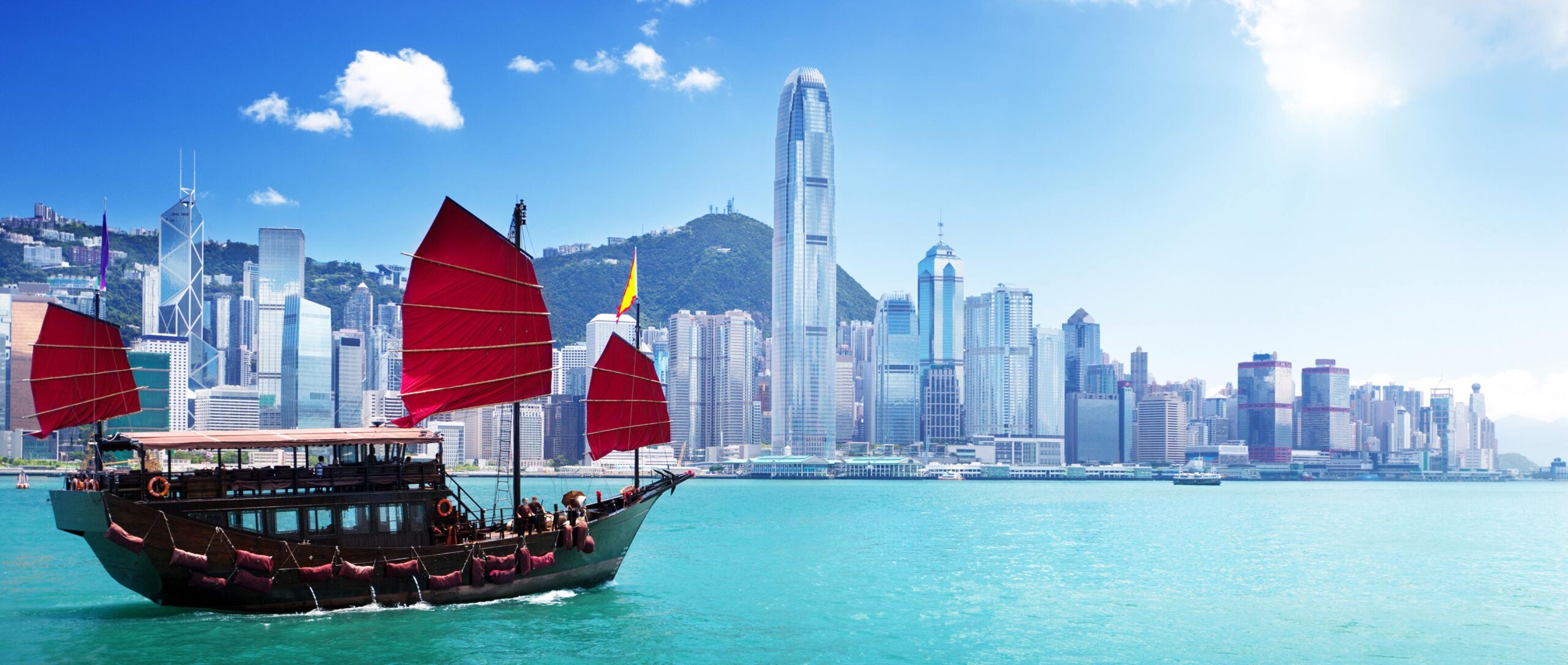
    The Hong Kong Exchanges and Clearing (HKEX) is advancing its plans to rejuvenate the trading of gold futures as the demand for the commodity keeps escalating across mainland China. This move comes amidst the city’s pursuit to introduce fresh gold products and facilities to leverage the expanding opportunities in the gold market.

    Reviving Gold Futures Trading

    It has been announced to legislators that there’s an intention to reintroduce gold futures in the months to come, with plans to solicit market feedback to enhance the products ahead of their launch. The forthcoming revival will be the city’s fourth attempt since the 1980s, with the most recent effort occurring in 2017 when the exchange presented gold futures denominated in U.S. dollars and Chinese yuan.

    Despite both contracts remaining listed, data from the exchange reveals that neither has seen any turnover in the preceding two years. However, optimism is high this time around, as the current endeavor involves not just the exchange, but also the Hong Kong government who is developing an ecosystem of clearing and storage. This is being supported by China, who aims to establish Hong Kong as a gold trading hub.

    Financial Secretary Chan has highlighted that Asia is responsible for approximately 60% of the total global gold demand every year. In an effort to better capture these opportunities, a central clearing system for gold is being constructed, with pilot operations set to commence within the year.

    Expansion of Gold Storage Capacity

    Simultaneously, the Hong Kong Airport Authority is rapidly increasing its gold storage capacity, aiming to exceed 2,000 tonnes within the next three years. Just last month, Hong Kong listed a new gold exchange-traded fund with physical redemption alternatives.

    This revival aligns with the People’s Bank of China’s ongoing effort to bolster its gold reserves. The holdings reached 74.64 million ounces at the close of April, marking 18 uninterrupted months of growth.

    Furthermore, activity in Hong Kong’s gold market has surged, partly due to tensions in the Middle East. The city has seen a significant surge in physical imports from the region since early April.

    This accumulation of reserves by China mirrors a broader trend among international central banks seeking to reduce reliance on U.S. dollar assets. As a matter of fact, last year foreign central banks officially held more gold than U.S. Treasuries for the first time since 1996.

    Questions & Answers

    What is the significance of reviving gold futures trading in Hong Kong?
    Reviving gold futures trading can help Hong Kong capture expanding opportunities in the gold market as demand for the precious metal rises across mainland China.

    Why is the Hong Kong Airport Authority expanding its gold storage capacity?
    The expansion of gold storage capacity is part of the city’s strategy to establish Hong Kong as a gold trading hub, aligning with increased demand and the introduction of new gold products.

    How does the revival of gold futures trading relate to global economic trends?
    The revival of gold futures trading in Hong Kong is congruent with a broader trend among central banks seeking to reduce reliance on U.S. dollar assets. This is reflected in China’s central bank continuing to build up its gold reserves.

  • Vietnams Gold Plunge Continues Amidst Rising Inflation Concerns and Middle East Tensions

    Vietnams Gold Plunge Continues Amidst Rising Inflation Concerns and Middle East Tensions

    The price of gold in Vietnam continued to decline on Monday, with reductions seen throughout the day following an initial drop of nearly 1% earlier in the day. Saigon Jewelry Company, a prominent gold retailer, noted a further 0.42% decrease in its gold bar price from the morning, ultimately tallying a total loss of 1.37% for the day. The quoted price of gold per tael (equivalent to 37.5 grams or 1.2 ounces) fell to VND165.2 million, equivalent to US$6,276.26.

    Local Rates Versus Global Prices

    In comparison, local gold prices in Vietnam exceed international gold rates by approximately VND17 million per tael. The price of a gold ring also saw a similar decrease, falling to VND164.7 million per tael.

    Internationally, gold prices fell by 1% on Monday in response to escalating geopolitical tensions. The refusal of President Donald Trump to accept Iran’s recent peace proposal to end ongoing conflicts in the Middle East has raised fears of inflation and a continued period of high interest rates. This sentiment has been reflected in the gold market, with spot gold falling to $4,667.99 per ounce following a 2% increase last week. Concurrently, U.S. gold futures for June delivery saw a drop of 1.1%, hitting $4,677.80.

    Market Reactions and Predictions

    Market observers note the significant impact of these geopolitical developments on inflation risks and market expectations. Bybit’s Chief Market Analyst, Han Tan, highlighted that the stalled peace negotiations have weighed heavily on the market’s psyche, maintaining high interest rate expectations and amplifying pressure on non-yielding gold. Since the conflict’s inception in late February, gold has seen a decline of more than 11%.

    Tan further suggested that gold could face additional downward pressure if the U.S. Consumer Price Index (CPI) forecast for the following day proves hotter than anticipated. This situation could necessitate the Federal Reserve maintaining elevated benchmark rates for an extended duration.

    Questions & Answers

    Why did Vietnam’s gold prices drop on Monday?
    The gold prices in Vietnam dropped due to international gold prices falling by 1% in response to increasing geopolitical tensions and the current conflict in the Middle East.

    What are the implications of high inflation and interest rates on the gold market?
    High inflation and interest rates put pressure on non-yielding bullion, causing its price to drop. The gold market has seen a decline of more than 11% since the conflict began in late February.

    What could cause further downward pressure on gold prices?
    If the U.S. Consumer Price Index forecast proves hotter than anticipated, the Federal Reserve may need to maintain elevated benchmark rates for a longer period. This scenario could exert additional downward pressure on gold prices.

  • Diesel Powers Up Osaka Presence with Bold, New Flagship Store Location

    Diesel Powers Up Osaka Presence with Bold, New Flagship Store Location

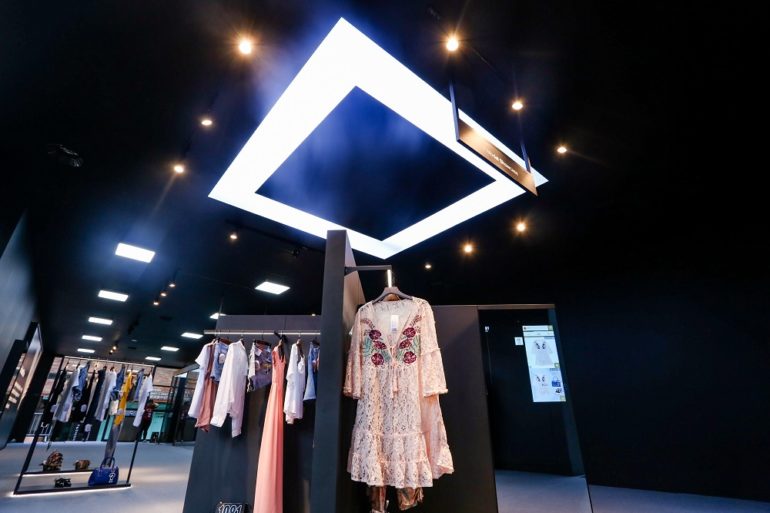
    Italian lifestyle label Diesel has upgraded its flagship store in Osaka, Japan, shifting to a more prominent location as part of its strategy for enhanced visibility in the city.

    Store Relocation and New Design Theme

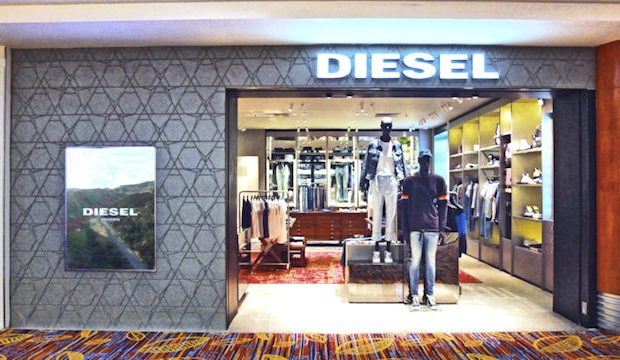
    Diesel’s new Osaka home is situated in Quartz Shinsaibashi, a multi-purpose edifice in the bustling Shinsaibashi district. The two-tiered store exhibits a distinct popcorn concrete exterior and proudly displays the recognizable Diesel ‘Biscotto’ logo. This striking exterior design embodies Diesel’s robust and dynamic visual identity.

    The interior of the store mirrors Diesel’s renegade spirit, utilizing materials such as metal-board-covered walls to create an engaging graphic environment. Central to the store’s layout is an illuminated red staircase, a standout feature that gives the space a unique character.

    Retail and Product Expansion

    The store presents a clear division of Diesel’s product lines, with womenswear occupying the first floor and menswear on the second. The store also showcases a limited-edition denim capsule collection, giving customers access to exclusive product offerings.

    This redesign was driven by the brand’s aspiration to increase its prominence and to mirror the evolving artistic direction led by creative director Glenn Martins. Apart from this standalone flagship, Diesel operates several other outlets within department stores and malls across Osaka, including Daimaru Shinsaibashi and Hankyu Umeda.

    Questions & Answers

    Why did Diesel decide to relocate its flagship store in Osaka?
    Diesel relocated its flagship store in Osaka to enhance its visibility and presence in the city.

    What is unique about the new store’s design?
    The Diesel store features a popcorn concrete exterior with the brand’s iconic ‘Biscotto’ logo. The interior incorporates materials that embody Diesel’s rebellious spirit, including metal-board-covered walls and a standout red staircase.

    What does the store’s product inventory look like?
    The store is divided into two floors, with womenswear on the first floor and menswear on the second. It also offers a limited-edition denim capsule collection.

  • BHC Chicken: Korean Fried Chicken Giant Sets Sights on Vietnam for Southeast Asian Growth

    BHC Chicken: Korean Fried Chicken Giant Sets Sights on Vietnam for Southeast Asian Growth

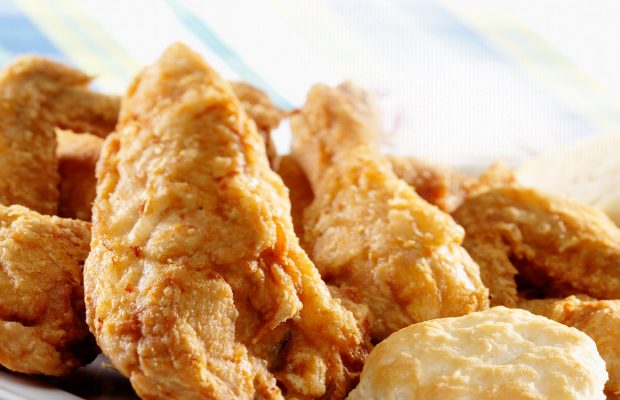
    BHC Chicken, a renowned fried chicken brand originating from South Korea, is setting its sights on broadening its reach within Southeast Asia, with plans to launch in Vietnam. This move is part of an ongoing expansion strategy that is rapidly growing the brand’s presence across the region.

    The brand’s parent entity, Dining Brands Group, recently formalized its plans to venture into Vietnam, sealing a master franchise agreement with Singaporean company Hao Open Foods. This strategic partnership is set to facilitate the brand’s launch and consequent operations in Vietnam.

    In terms of expansion, the company has set its sights on major cities within Vietnam, such as Ho Chi Minh City, Hanoi, and Da Nang. The brand’s ambitious growth plan anticipates the establishment of 50 locations within these cities over the course of the next decade.

    Founded in 2004, BHC Chicken holds a position of prominence among South Korea’s top fried chicken chains. With a robust network of over 2,000 stores, its reach extends beyond the domestic market. The brand has significantly leveraged franchise partnerships to successfully penetrate international markets, with a presence in countries like Singapore, Malaysia, and Thailand.

    In addition to its planned expansion into Vietnam, BHC Chicken is also preparing to make its debut in the Philippines later this year, further solidifying its foothold in Southeast Asia.

    Questions & Answers

    What is the expansion plan of BHC Chicken in Vietnam?
    BHC Chicken plans to establish a presence in key Vietnamese cities, with an aim to open 50 locations over the next 10 years.

    Who is BHC Chicken’s franchise partner for its Vietnam launch?
    BHC Chicken is partnering with Singaporean company Hao Open Foods for its expansion into Vietnam.

    Is BHC Chicken planning expansions to other countries?
    Yes, apart from Vietnam, BHC Chicken is reportedly preparing to launch in the Philippines later this year.

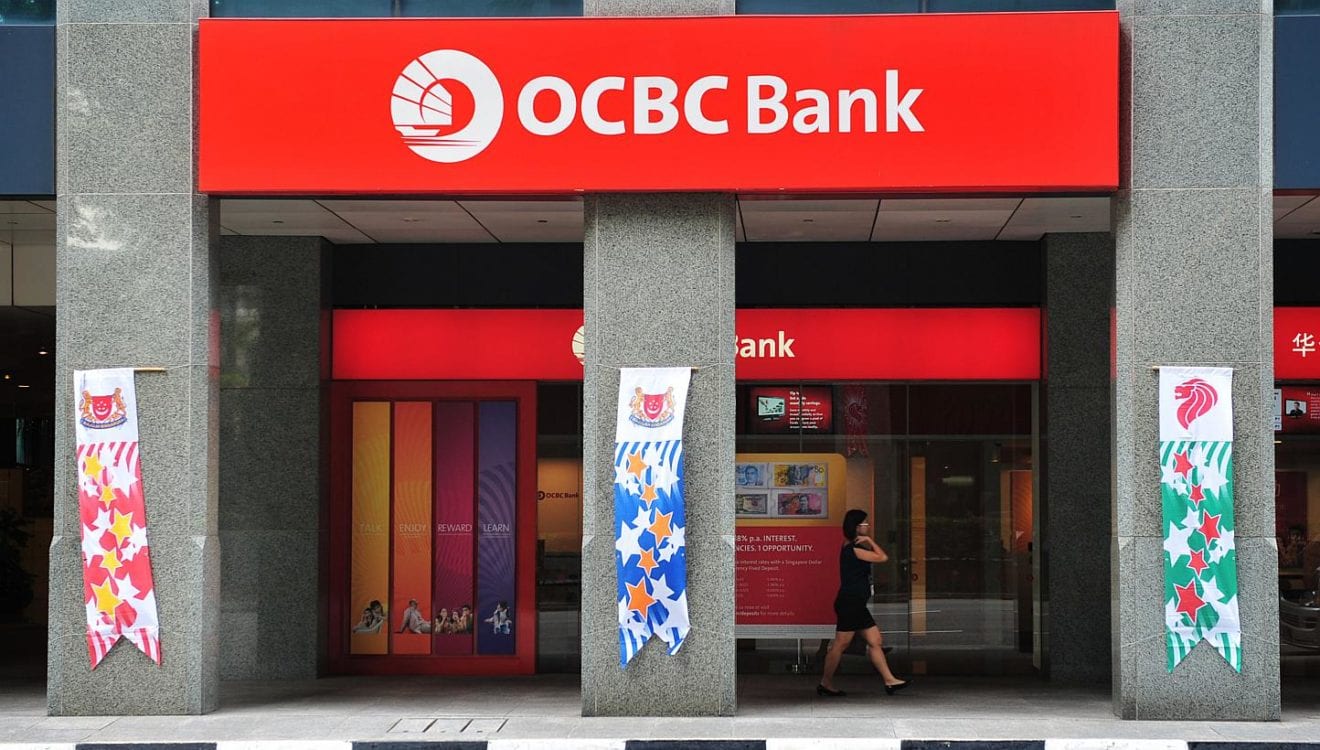
  • OCBC Posts 5% Surge in Q1 Profits, Bolstered by Wealth Management and High Fees

    OCBC Posts 5% Surge in Q1 Profits, Bolstered by Wealth Management and High Fees

    In the first quarter, the Oversea-Chinese Banking Corporation Limited (OCBC) experienced a decline in its net interest income. However, this was counterbalanced by increases in wealth-led gains and higher fees, resulting in an overall rise in total income.

    Financial Performance Overview

    OCBC reported a 5% increase in net profit for Q1, largely attributed to robust performance in its wealth management and insurance sectors. This helped offset the impact of falling interest rates. The bank, based in Singapore, saw its net profit increase to S$1.97 billion in the three months leading up to March 31, marking 13% growth from the previous quarter and up from S$1.88 billion in the equivalent period a year earlier. The total income also experienced an upward trend, reaching an all-time high of S$3.83 billion, a 5% annual increase.

    Non-interest income, a key driver of these results, also saw record figures. It witnessed a 23% surge, amounting to S$1.61 billion, and made up over 40% of the total income. This growth was spread across various operations including fees, trading, and insurance.

    Revenue Streams: Wealth Management and Lending

    Wealth management was a significant contributor to OCBC’s revenue. Income from this sector grew by 11% to S$1.48 billion, and assets under management in banking wealth management rose by 12%, reaching S$342 billion. This growth was facilitated by net new money inflows across all customer segments.

    Net fee income also saw considerable growth, up 24% to S$675 million. This was stimulated by a 34% increase in wealth management fees, fueled by a rise in customer investment activity across private banking, premier banking, and other wealth channels. Other areas that showed improvement were investment banking, trade-related, and loan-related fees. Trading income saw a rise of 10% to S$434 million, spurred on by strong customer flow income amid sustained wealth-related activity and heightened hedging demand from corporate clients.

    However, the bank also faced challenges in the form of pressure on its lending margins due to falling interest rates. Net interest income fell by 5% to S$2.22 billion, and net interest margin contracted to 1.76% from 2.04% in the previous year.

    Despite these challenges and a 6% increase in operating expenses to S$1.50 billion, mainly due to higher staff costs and continuous investment in technology infrastructure, OCBC managed to maintain a cost-to-income ratio below 40%, at 39.3%.

    Questions & Answers

    What were the major contributors to OCBC’s growth in the first quarter?
    Wealth management was a key factor, with an 11% income increase. There were also broad-based increases in non-interest income, which rose 23%.

    What challenges did OCBC face in the first quarter?
    The bank experienced pressure on its lending margins due to declining interest rates, which caused a 5% fall in net interest income.

    Did OCBC manage to maintain financial stability despite these challenges?
    Yes, although it faced some challenges, OCBC maintained a stable asset quality and a prudent approach to provisioning. The bank’s strong capital, funding, and liquidity position has left it well-equipped to pursue growth opportunities amidst ongoing economic uncertainties.

  • Trailblazing Beauty: How Diipa Büller-Khosla Propelled Indian Ayurvedic Brand Indē Wild into Sephoras Global Spotlight

    Trailblazing Beauty: How Diipa Büller-Khosla Propelled Indian Ayurvedic Brand Indē Wild into Sephoras Global Spotlight

    Brands like Ranavat, Fable & Mane, and Squigs Beauty are making their mark in the United States beauty industry, thanks to the rising interest in Ayurvedic-inspired beauty products. Ayurveda, an ancient Indian medical system commonly referred to as the “science of life,” offers a holistic perspective on physical, mental, and emotional well-being. It places a strong emphasis on employing natural ingredients, such as amla (Indian gooseberry) and turmeric, in the treatment of various ailments.

    A Journey Towards Ayurvedic Beauty

    Indian-born influencer Diipa Büller-Khosla shares her experience as the first Indian native brand to enter Sephora. Her mission is to increase the visibility and recognition of Ayurvedic beauty within the global industry.

    Before she launched Indē Wild, Büller-Khosla’s career journey was one that always pointed towards establishing a beauty brand. Raised in India, Ayurvedic rituals for mind, body, and soul were a regular part of her life. Her mother practiced both dermatology and Ayurveda, creating a home where scientific knowledge and traditional practices seamlessly coexisted. Büller-Khosla’s studies in international human rights in the Netherlands marked her first encounter with living between cultures. This experience made her realize the lack of representation of her cultural beauty practices in the global beauty industry.

    As she built her digital platform, Büller-Khosla saw an opportunity to influence and shape global beauty conversations. Her interactions with the beauty industry and her desire to share her culture and perspective on beauty eventually led her to establish Indē Wild.

    Building the Brand and Overcoming Challenges

    The inception of Indē Wild was a product of Büller-Khosla’s life experiences and her belief in the efficacy of the Ayurvedic rituals she grew up with, especially in haircare. When she observed a lack of modern and accessible representation of her world in global beauty, she decided to bring to the forefront something that she knew worked well and could resonate with others.

    One of the significant challenges in the initial stages of launching Indē Wild was the process of building a global brand from India. Büller-Khosla and her team had to navigate the different aspects of running a business, including formulation, supply chain management, and scaling the brand internationally, all in real time. Transitioning from being a digitally native brand to retail, particularly on a platform as large as Sephora US, also presented its own learning curve.

    Despite these challenges, the brand’s strategic approach to staying closely connected to their community and adapting swiftly to change proved beneficial. The brand’s development was seen as an evolving conversation rather than a fixed project.

    The brand’s launch at Sephora US has been a major highlight for Büller-Khosla. Witnessing the support of the community, with thousands braving the cold New York weather for the launch, was a testament to the brand’s success and its significant impact on the beauty industry.

    Community Engagement and Competitive Edge

    Büller-Khosla’s background as a social media influencer and content creator considerably influenced her brand-building approach. The direct engagement with the audience and the constant listening helped shape the brand’s product development. In today’s competitive beauty market, understanding the consumer deeply is a significant advantage. This understanding was facilitated by the continuous dialogue with the community throughout the brand’s development.

    Büller-Khosla also recognizes the advantage of having had exposure to the best talents in the beauty industry, from formulation to design, over the past decade.

    Questions & Answers

    What advice would you give to aspiring entrepreneurs?
    Always trust yourself. You do not need to have everything figured out before you start. Understand that learning comes from doing and that perfection should not hold you back from starting.

    Which is your favourite SKU from your brand?
    The Champi Hair Oil holds a special place in my heart. It has a personal connection for me, and it’s always heartwarming to hear stories from users who have rediscovered the champi ritual through this product.

    How important was your background as a social media influencer in building the brand?
    It had a significant impact. Being a content creator allowed me to have direct conversations with my audience, which greatly influenced how we developed our products. It has also made me acutely aware of authenticity and the importance of maintaining consumer trust.

  • Diptyque Unveils Flagship Store on Hong Kongs Hollywood Road, Blending Parisian Chic with Local Culture

    Diptyque Unveils Flagship Store on Hong Kongs Hollywood Road, Blending Parisian Chic with Local Culture

    Diptyque, the prominent fragrance brand, has extended its presence in Hong Kong with the inauguration of a flagship store on Hollywood Road. This move comes as an expansion of its initial street-level concept store, which was launched in the same location a year prior.

    Positioned in the Central district, the 100 square meter, two-story boutique embodies a Parisian-inspired interior design aesthetic. The store’s aesthetics pay homage to the architectural and cultural heritage of Hong Kong. An eye-catching feature is the green, double-story facade, with a neon installation embedded in the upper-floor window. This vibrant piece is the brainchild of renowned Hong Kong artist Jive Lau.

    On stepping inside, one can observe an intricate blend of traditional Parisian apartment elements, fused with mosaic details inspired by the old-style storefronts and antique shops in Hong Kong. The ground floor gives prominence to an expansive wooden island display, exhibiting a range of products and gift items. Fragrance and home collections are also showcased within wall niches peppered around the area.

    The first floor plays host to a number of collections, inclusive of the Les Mondes de Diptyque and Les Essences de Diptyque ranges. Also featured on this level is an Art of Body Care section, boasting a fresco by the Redfield and Dattner design studio.

    According to Diptyque, the primary aim behind this flagship store was to curate an immersive retail experience. This concept revolves around the themes of fragrance, home decor, and body care rituals. Established in Paris in 1961, Diptyque is a specialist in fragrances, scented candles, and decorative objects. It currently runs multiple outlets and counters throughout Hong Kong, including locations at IFC Mall, Harbour City, and K11 Musea.

    Questions & Answers

    What inspired the interior design of the new Diptyque flagship store?
    The interior design draws inspiration from traditional Parisian apartments and Hong Kong’s cultural and architectural heritage, evident in the mosaic detailing echoing older shopfronts and antique stores.

    What kind of collections does the Diptyque store house?
    The store houses various collections including Les Mondes de Diptyque and Les Essences de Diptyque, as well as an Art of Body Care section.

    What is the concept behind Diptyque’s Hong Kong flagship store?
    The concept of the store is to provide an immersive retail experience centered around fragrance, home decor, and body care rituals.

  • CRC Sports Targets Thai Sneaker Market with 40% Stake in JD Sports Deal

    CRC Sports Targets Thai Sneaker Market with 40% Stake in JD Sports Deal

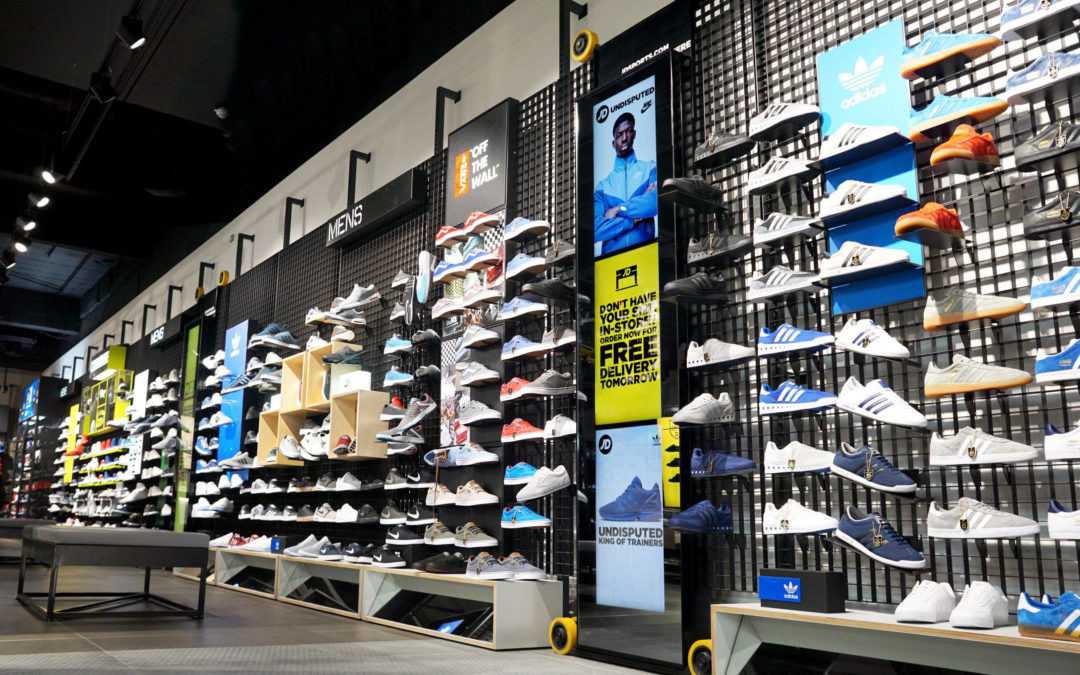
    CRC Sports, a division of Central Retail, has recently acquired a significant 40% stake in JD Sports Thailand. This strategic move is aimed at bolstering the company’s standing in Thailand’s rapidly expanding sports fashion sector.

    The transaction is projected to expedite growth in the premium sneaker and athleisure sectors, predominantly among the younger demographic. By merging CRC Sports’ expansive local retail network with JD Sports’ worldwide brand affiliations and merchandising expertise, the partnership is anticipated to be a formidable force in the market.

    Benefits of the Collaboration

    Tai Chirathivat, the CEO of Central Retail Brands and Specialties (CRBS), has highlighted the numerous benefits this collaboration brings. He emphasized that this partnership not only enhances their access to exclusive global products and licensing rights but also paves the way for the company to penetrate the sports lifestyle market fully. This sector, which is currently valued at over 35 billion baht (approximately US$1.1 million), is growing at an impressive annual rate of around 6%.

    With this acquisition, the company aims to seize up to 40% of the market share and emerge as the unrivaled leader in the sports lifestyle sector.

    JD Sports, a prominent player in the global market, currently runs more than 4,900 stores across 49 countries, hosting distinguished brands such as Nike, Adidas, New Balance, and On. Meanwhile, JD Sports Thailand operates 15 stores.

    On the other hand, CRC Sports operates over 129 stores throughout Thailand, featuring brands like Supersports, Rev Runnr, and Mono Store.

    Questions & Answers

    Why did CRC Sports acquire a stake in JD Sports Thailand?
    The acquisition aims to strengthen CRC Sports’ position in Thailand’s swiftly growing sports fashion market and accelerate its expansion in the premium sneaker and athleisure sectors.

    What advantages does the partnership between CRC Sports and JD Sports bring?
    The partnership combines CRC Sports’ extensive local retail network with JD Sports’ global brand affiliations and merchandising expertise, enhancing their access to exclusive global products and licensing rights.

    What is the growth rate of the sports lifestyle market in Thailand?
    The sports lifestyle market in Thailand is growing at an average annual rate of around 6%, and is currently valued at over 35 billion baht (approximately US$1.1 million).

  • Iran Conflict Fuels Rapid Electrification of Chinas Heavy Truck Fleet Amidst Diesel Price Hike

    Iran Conflict Fuels Rapid Electrification of Chinas Heavy Truck Fleet Amidst Diesel Price Hike

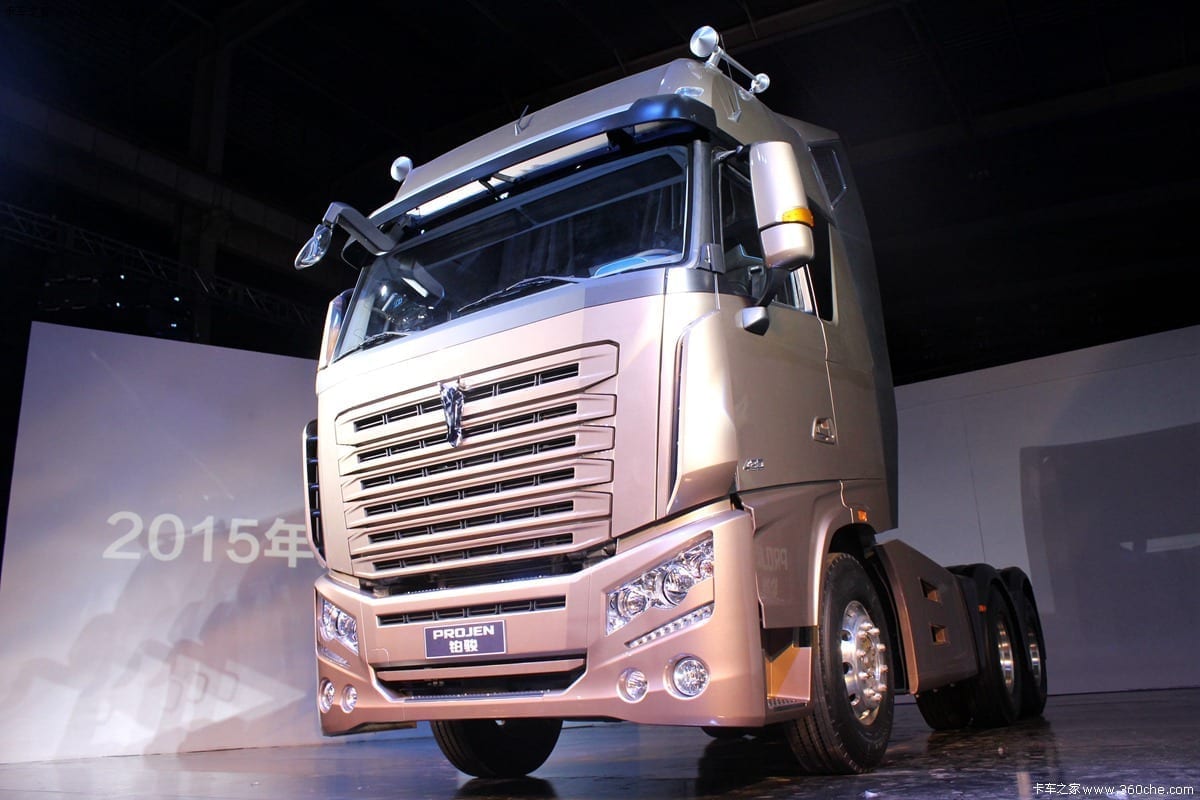
    The surge in diesel prices, precipitated by conflict with Iran, could hasten the electrification of China’s heavy-duty truck fleet this year, according to market analysts and auto manufacturers. This shift could further expedite the decline in fuel consumption in the world’s top oil-importing nation.

    The past two years have seen electric heavy-duty truck sales rise from a niche market to nearly one-third of all new heavy-duty truck purchases by 2025. This increase is attributed to government subsidies, lower refueling costs, and an expanding charging infrastructure. Growth in 2025 was particularly significant in the last quarter as buyers anticipated the termination of the trade-in subsidy program.

    Sales of new-energy heavy-duty trucks, predominantly electric, commenced this year with similar growth, increasing by 45% from the previous year to 44,000 units. This figure represents over a quarter of the entire segment, a strong increase from less than 20% a year earlier, as stated by data provider CVWorld.cn.

    CVWorld.cn also expects sales of heavy electric trucks to rise by 30% in April. The increase is likely driven by robust seasonal demand and high oil prices. According to Min Ji, a senior analyst at S&P Global Mobility, the conflict has increased China’s domestic fuel prices, inevitably accelerating the transition from conventional trucks.

    Electric heavy-duty trucks, with a range of approximately 300km, are primarily used for short hauls between industrial locations and transportation hubs. However, long-distance routes are expanding, and manufacturers such as Sany are introducing trucks with a range of up to 600km.

    The extensive electrification of passenger cars and the swift deployment of electric and liquefied natural gas-powered trucks have reversed China’s longstanding growth in the use of diesel and gasoline. Industry analysts largely predict that the demand for oil will reach its peak by 2030.

    Projections for Diesel Consumption and Export Trends

    Current predictions from energy consultancies anticipate a more rapid decline in diesel use than previously expected. GL Consulting predicts diesel consumption will decrease by 4.3% this year, in comparison with a pre-conflict estimate of a 4.1% fall. Rystad Energy forecasts a 5% reduction in diesel demand, surpassing its previous estimate of a 4% decrease, equating to a further decline of about 40,000 barrels daily.

    A 27% rise in retail diesel prices in China following the onset of the Iran conflict has made the economic case for purchasing electric trucks more compelling. Despite the higher initial cost of electric heavy-duty trucks (500,000 yuan or US$73,500) compared to their diesel counterparts (more than 300,000 yuan), nearly half the price difference can be offset through a trade-in program recently extended to the end of the year.

    The lower operating costs of electric trucks are fueling a surge in exports to Europe, which is the world’s second-largest electric truck market, albeit considerably behind China. In 2024, China’s electric truck sales reached 160,000 units, while Europe lagged with fewer than 25,000 sales, as reported by the International Energy Agency.

    Questions & Answers

    What impact has the Iran conflict had on diesel prices in China?
    The conflict with Iran has led to a significant surge in diesel prices in China, rising by 27% since the conflict began on February 28.

    What are the benefits of electric heavy-duty trucks?
    Electric heavy-duty trucks offer a range of benefits including lower operating costs, far-reaching government subsidies, and reduced environmental impact compared to their diesel counterparts.

    How is the growth of electric truck sales expected to change in the near future?
    The growth of electric truck sales is projected to continue, with a predicted increase of 30% in sales of heavy electric trucks in April. This growth is primarily driven by strong seasonal demand and high oil prices.

  • Thai Retail Powerhouse Siam Piwat and Huawei Transform Travel Retail with Wearable Tech Integration

    Thai Retail Powerhouse Siam Piwat and Huawei Transform Travel Retail with Wearable Tech Integration

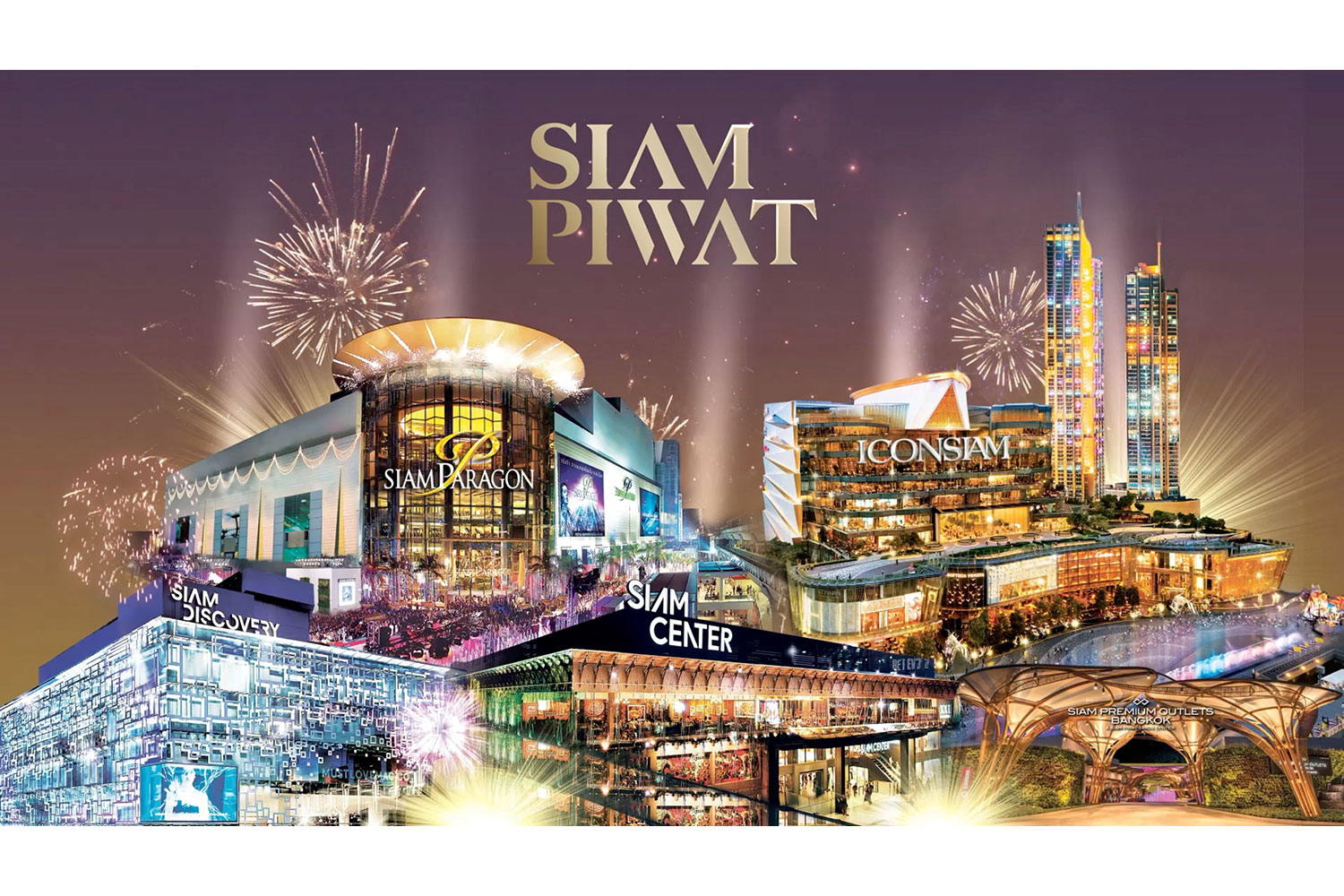
    Siam Piwat, a leading Thai real estate developer, has made a groundbreaking move in the retail sphere by becoming the first in Thailand to launch the OneSiam Global Visitor Card on Huawei Wearable devices. This strategic integration will provide access to over 200 million Huawei Wearable users across the globe.

    The primary aim of this collaboration is to attract high-value tourists from key regions such as China, Hong Kong, Japan, Malaysia, Indonesia, Vietnam, and other Southeast Asian countries. Siam Piwat, the mastermind behind renowned properties like Siam Paragon and IconSiam, anticipates that this alliance with Huawei will spur a transformation in the travel retail industry, increase the competitiveness of Thai tourism, and solidify Siam Piwat’s role as a cornerstone in designing global experiential destinations.

    A Continuous and Strategic Partnership

    This initiative is not the first collaboration between Siam Piwat and Huawei. They initially joined forces in 2020 when Siam Piwat incorporated Huawei Cloud to improve operational efficiency across retail omnichannels and enhance the OneSiam SuperApp, creating a platform that smoothly combines offline and online experiences.

    Amporn Chotiruchsakul, the president of the business support group at Siam Piwat, believes that this partnership has been instrumental in revolutionizing the retail industry and bringing value to customers, partners, and the entire ecosystem. He reiterated the importance of expanding their global partner ecosystem to accommodate the needs of modern travellers.

    Rachel Zhou, director of Huawei Consumer Cloud Service Apac, echoed these sentiments, emphasising that the strengthened partnership signifies a productive blend of world-class retail destinations and innovative technology which will create unrivalled value for Chinese travellers and international tourists visiting Thailand.

    Enhancing the Tourist Experience

    The integration of the OneSiam Global Visitor Card with Huawei Wearables offers international visitors to Siam Paragon and IconSiam the luxury of instant access to exclusive member benefits by simply raising their wrist.

    In addition, the launch of the OneSiam Global Visitor Card on Huawei Wearables will enrich the tourist experience by offering Quick Apps that are instantly usable and compatible with all operating systems, including iOS, Android, and HarmonyOS. These apps feature one-tap membership registration, e-coupons, and an in-mall navigation system—components designed to ensure a superior and personalized user experience.

    Moreover, the initiative aligns with the opening of the Huawei Experience Store flagship on the third floor of Siam Paragon in March. This flagship is the first in the Asia-Pacific region designed as a one-stop service centre for Huawei customers, amalgamating retail space, product trials, and full after-sales services in one location.

    Questions & Answers

    What is the main objective of the Siam Piwat and Huawei partnership?
    The partnership aims to attract high-value tourists from key regions, transform the travel retail industry, and reinforce Siam Piwat’s role in developing global experiential destinations.

    What benefits does the OneSiam Global Visitor Card offer to Huawei Wearable users?
    The card offers instant access to exclusive member benefits, features like one-tap membership registration, e-coupons, and an in-mall navigation system for a personalized user experience.

    What does the Huawei Experience Store flagship offer?
    The flagship, located at Siam Paragon, is designed as a one-stop service centre for Huawei customers, offering retail space, product trials, and full after-sales services.