Author: Mei Ling Tan

  • OCBC Boosts Hong Kong Wealth Management Team by 30% Amid Rising Demand

    OCBC Boosts Hong Kong Wealth Management Team by 30% Amid Rising Demand

    The Oversea-Chinese Banking Corporation (OCBC) has announced plans to bolster its wealth-management staff in Hong Kong by 30% this year. This move is a strategic reaction to an increasing demand from its clientele for investment and financing services.

    Singapore’s second-largest financial institution aims to recruit an additional 30 to 50 relationship managers to its Hong Kong division, according to Josephine Lee, OCBC’s head of Hong Kong consumer financial services. The bank projects a significant increase in its wealth sector income, anticipating a five-fold jump since 2023. Furthermore, Lee disclosed the bank’s strategy to launch a novel array of services this year specifically aimed at clients with at least $1 million.

    OCBC’s wealth services portfolio has been a significant factor in boosting the bank’s profitability. The bank has surpassed projected profits for the first quarter, largely due to increasing fees related to wealth services. Furthermore, the demand for wealth accounts within Hong Kong has shown a marked increase from clients both within and outside the jurisdiction, primarily attracted by offerings such as financing. “We must enhance our pool of relationship managers to optimally serve our client base,” says Lee.

    The Greater China region, which includes Hong Kong, has been a significant income generator for OCBC, contributing 23% to the bank’s operating profit in the first quarter. This makes it the second-largest contributor, following Singapore, and shows a slight increase compared to the same period last year.

    Questions & Answers

    What is the anticipated increase in OCBC’s wealth-management staff in Hong Kong?
    The bank plans to increase its wealth-management staff in Hong Kong by 30% this year, which translates to an addition of 30 to 50 relationship managers.

    How significant has the wealth services portfolio been to OCBC’s profitability?
    The wealth services portfolio has played a major role in boosting the bank’s profitability, with the first quarter earnings surpassing estimates mainly due to increased fees related to these services.

    What proportion of OCBC’s operating profit was contributed by the Greater China region in the first quarter?
    The Greater China region, including Hong Kong, contributed 23% to the bank’s operating profit in the first quarter, making it the second-largest contributor after Singapore.

  • Shopee Slapped with $7700 Penalty for Misleading Free Shipping Promotions in Vietnam

    Shopee Slapped with $7700 Penalty for Misleading Free Shipping Promotions in Vietnam

    Shopee, Singapore’s leading online retail platform, has recently been penalized VND200 million (US$7,700) by the Vietnam Competition Commission (VCC) due to deceptive advertising practices linked to a free shipping campaign initiated in August 2025.

    Confusing Advertising Practices

    The charge came after the e-commerce giant used phrases like “Free Shipping for All Orders,” “Everything Ships Free,” and “Wherever We Deliver, Shipping Is Free for All Orders,” in their promotional materials. Despite disclaimers outlining the conditions for the free shipping offer, several advertisement interfaces didn’t fully disclose the terms and exclusions, leading to confusion amongst customers.

    During the promotional period, roughly 94% of orders were shipped free of charge. The remaining orders either obtained partial shipping discounts or no discount at all due to non-compliance with the required conditions.

    Throughout the investigation, Shopee was cooperative, providing necessary information and documents to the VCC. Apart from the financial penalty, the online platform has updated information on its website, mobile application, and related social media pages to rectify this.

    Addressing the Issue and Future Plans

    Shopee has expressed its commitment to review and enhance the transparency of its communication strategies moving forward. This is with the aim of ensuring that details about promotional campaigns are precise and comprehensive.

    Despite the penalty, Shopee continues to be a formidable force in the Southeast Asian e-commerce landscape. A 2025 report shows the platform managed to sustain its dominant position within Vietnam’s online retail marketplace. It accounted for a staggering 58% market share, registering a gross merchandise value of over $11.8 billion. Competitor platforms, TikTok Shop, Lazada, and Tiki collectively made up the remaining market share.

    Questions & Answers

    What was the cause of the fine imposed on Shopee?
    Shopee was penalized due to misleading advertising related to a free shipping promotion. The company failed to clearly outline the conditions and exclusions of this offer.

    What steps has Shopee taken following the penalty?
    Shopee has rectified the information on its website, mobile application, and social media pages. Additionally, it is committed to improving the transparency of its communication activities for better clarity on promotional campaigns.

    Despite the penalty, how is Shopee performing in the e-commerce market?
    Shopee continues to lead in the Southeast Asian e-commerce market, particularly in Vietnam. In 2025, it recorded a gross merchandise value of over $11.8 billion and accounted for a 58% market share.

  • H&M Shifts Southeast Asia HQ to Kuala Lumpur, Triggers Job Cuts in Singapore

    H&M Shifts Southeast Asia HQ to Kuala Lumpur, Triggers Job Cuts in Singapore

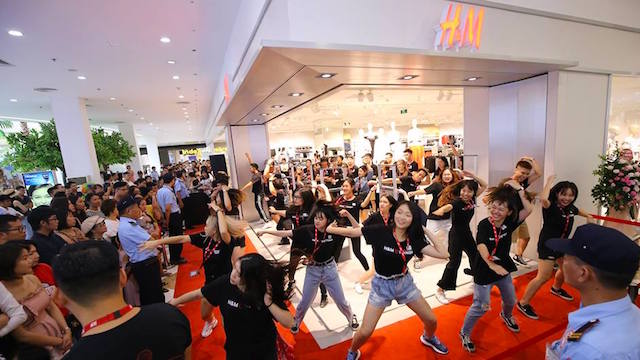
    Swedish fashion conglomerate, H&M, has recently undertaken a restructuring exercise which has led to job cuts in Singapore. This move comes as the retailer transfers its Southeast Asian hub from Singapore to Kuala Lumpur in Malaysia.

    The restructuring operation resulted in a reduction of 78 roles from a total regional workforce of 256 employees. While the exact breakdown of the redundancy hasn’t been made public, it has been confirmed that the majority of job cuts took place in the Singapore office.

    In replying to inquiries, H&M Singapore said that it is “fully backing” employees through the organizational shifts. However, the company did not disclose the exact number of dismissed staff members or specify the affected roles. H&M stated that as a company, they constantly strive to meet customer expectations and this includes regular reviews of their operational efficiency and agility.

    Despite the recent layoffs, H&M maintains that Singapore remains a crucial market for them. The retailer confirmed that it would continue to sustain an office in the country. “We will continue to maintain our retail presence reflecting our long-term commitment,” said a representative of the company.

    H&M first entered the Singapore market in 2011 with its Somerset outlet. Currently, the brand operates six stores in the country. Over the past couple of years, however, H&M has been closing some of its physical stores. In March 2023, the retailer closed its two-storey outlet at Ion Orchard after serving customers for over a decade. The Tampines Mall store was shut in August 2020, followed by the Waterway Point outlet in Punggol in January 2021.

    The Singapore Manual and Mercantile Workers’ Union (SMMWU) released a statement saying that while H&M Singapore is not a unionized entity, some employees could be union members. SMMWU secretary-general Andy Lim asserted that both the National Trades Union Congress and the SMMWU are prepared to offer assistance to these members and help them transition to new job opportunities.

    Questions & Answers

    Why is H&M moving its Southeast Asian headquarter from Singapore to Malaysia’s Kuala Lumpur?
    – Although H&M did not provide a specific reason for the shift of its Southeast Asian headquarters, such decisions are often influenced by cost factors, market opportunities, or strategic alignment.

    What are some of the steps H&M is taking to support its affected employees?
    – Although additional details were not provided, H&M Singapore stated that they are “fully supporting” their employees during these organizational changes.

    How will H&M’s presence in Singapore change as a result of this move?
    – Despite the layoffs and the shift of its regional headquarters, H&M has affirmed that Singapore remains an important market for them. The company will maintain a retail presence in the country, reflecting their long-term commitment.

  • Cambodia Adjusts 2026 Growth Forecast Down to 4.2% Amid Global Crises and Climate Change Impacts

    Cambodia Adjusts 2026 Growth Forecast Down to 4.2% Amid Global Crises and Climate Change Impacts

    The Cambodian Government has revised its economic growth expectation for 2026, dropping it from an earlier prediction of 5% to a more conservative 4.2%. Prime Minister Hun Manet, in the recently published medium-term fiscal framework for 2027-2029, cited a number of global crises as the reasons for this adjustment.

    Challenging Global Crises

    The Prime Minister indicated that Cambodia is undergoing a transition in the midst of prolonged global difficulties. This includes the rise in protectionism, trade conflicts, geopolitical and geoeconomic strife, and escalating impacts from climate change and natural disasters.

    The report also highlighted three consecutive storms that struck Cambodia in the past two years, causing significant damage. Additional challenges noted include the reciprocal tariff policies rolled out during former US President Donald Trump’s tenure, the ongoing border dispute between Cambodia and Thailand, and the turmoil in the Middle East which has led to an energy crisis.

    Future Economic Forecast

    Amid these struggles, the growth forecast for 2027 has also been decreased from 5.5% to 5%, as the economic drag from 2026 is anticipated to carry over into the following year. However, the government remains optimistic that growth will bounce back to an average of approximately 5.5% between 2028 and 2029. This projection is based on the expectation that socio-economic activities will gradually recover to pre-crisis levels.

    Questions & Answers

    **What is Cambodia’s revised economic growth forecast for 2026?**
    The Cambodian Government has reduced its economic growth forecast for 2026 to 4.2%, down from an initial projection of 5%.

    **What are some of the global crises affecting Cambodia’s economy?**
    Cambodia’s economy is being impacted by a series of global crises, including escalating protectionism, trade wars, geopolitical and geoeconomic tensions, and the increasing effects of climate change and natural disasters.

    **What is the anticipated economic growth for Cambodia beyond 2026?**
    Despite lower forecasts for 2026 and 2027, the Cambodian Government expects that economic growth will rebound to an average of around 5.5% from 2028 to 2029 as socio-economic activities gradually return to pre-crisis conditions.

  • Bread Ahead Bakes Up Asian Expansion: Launches First Store in Bangkok with Exclusive Doughnut Delights

    Bread Ahead Bakes Up Asian Expansion: Launches First Store in Bangkok with Exclusive Doughnut Delights

    UK-based bakery company, Bread Ahead, has initiated its Asian expansion strategy with the inauguration of its first outlet in Thailand, located in Siam Paragon, on May 30. This marks a significant milestone for the brand as it looks to expand its footprint in the region.

    The Bangkok store, a result of a collaboration with Passion Restaurant Group, represents the first step of the brand’s comprehensive growth plan in this region. The company has revealed plans to inaugurate six more stores in the coming 12 months.

    Introducing the ‘Hot Doughnut Theatre’

    The new store, situated on the ground floor in Gourmet Eats, will showcase Bread Ahead’s innovative ‘Hot Doughnut Theatre’ concept to Thai consumers. This unique approach offers customers the experience of watching their doughnuts being freshly made, filled, and finished live throughout the day.

    The menu primarily features Bread Ahead’s distinctive doughnut range, with a particular emphasis on two flavours which will be exclusive to the Thai market: Matcha & White Chocolate and Hojicha & Dark Chocolate.

    According to Bread Ahead’s founder, Matthew Jones, “Bangkok is an incredibly vibrant city known for its food, creativity, and hospitality. Siam Paragon is the perfect location for our first Asian bakery. This is an enormous moment for us as we open in Asia for the first time. It feels like the beginning of a very unique journey. We are proud to introduce Bread Ahead to Bangkok first, and we consider this as the initiation of a much grander journey – with Thailand leading the way as we continue our expansion across Asia. This is an incredibly exciting time for the brand, and we are eagerly looking forward to what the future holds.”

    Successful Growth Story

    Bread Ahead, established in 2013, has emerged as one of the most distinguished brands in the UK, boasting six bakery outlets across London. The brand also disclosed ambitions last year to extend its presence to the Philippines.

    Questions & Answers

    What is the ‘Hot Doughnut Theatre’ concept?
    The ‘Hot Doughnut Theatre’ is a unique approach by Bread Ahead where customers can watch their doughnuts being freshly made, filled, and finished live throughout the day.

    What flavours will be exclusive to the Thai market?
    Bread Ahead’s Thai menu will feature two exclusive doughnut flavours – Matcha & White Chocolate and Hojicha & Dark Chocolate.

    What are Bread Ahead’s expansion plans in Asia?
    Bread Ahead has kicked off its Asian expansion with the launch of its first store in Thailand. The brand plans to open six more outlets in the region over the next 12 months and has also shown interest in the Philippines.

  • Chow Tai Fook Unveils Spectacular Global Flagship Store in Tsim Sha Tsui, Showcasing Chinese Craftsmanship in Grand Style

    Chow Tai Fook Unveils Spectacular Global Flagship Store in Tsim Sha Tsui, Showcasing Chinese Craftsmanship in Grand Style

    The Chinese jewelry giant, Chow Tai Fook, has recently unveiled its global flagship store in Tsim Sha Tsui. This spacious establishment, spanning a whopping 10,000 square feet, ranks as the brand’s most extensive outlet in both Hong Kong and Macao.

    Blending Tradition and Innovation

    Named the ‘Home of Chow Tai Fook’, this new store brilliantly merges the brand’s deep-rooted heritage, dating back almost a century, with a modern interior design, aimed at showcasing the finesse of Chinese craftsmanship. As customers step into the store, they are warmly greeted by the Heritage Pavilion. This display draws attention to the ancient techniques applied in crafting traditional jewelry.

    The store’s centerpiece is an enormous Gold Ginkgo Tree, consisting of pure gold leaves and branches and weighing in at 40 kilograms. According to Chow Tai Fook, the creation of this gold masterpiece involved the meticulous efforts of nearly 50 artisans and took a colossal 60,000 hours to complete.

    An Expanded Range of Luxury

    In addition to its signature jewelry collections, the flagship store heralds the introduction of Chow Tai Fook’s luxury home decor line. In collaboration with the French porcelain house, Bernardaud, Chow Tai Fook’s Rouge Collection of tableware blends traditional craft techniques with a contemporary aesthetic.

    Lastly, the store boasts a new concierge service designed to offer customers a more structured, service-oriented in-store experience.

    Questions & Answers

    What is unique about Chow Tai Fook’s new flagship store?
    The store, named the ‘Home of Chow Tai Fook’, is the largest of the brand’s outlets. It showcases the brand’s deeply-rooted heritage and Chinese craftsmanship, with features such as a gold Ginkgo Tree made of pure gold.

    What new offerings does the store introduce?
    In addition to traditional jewelry collections, the store introduces a luxury home decor line. Developed in partnership with French porcelain house Bernardaud, the Rouge Collection of tableware integrates artisan techniques with a modern design.

    What is the purpose of the new concierge service in the store?
    The concierge service is intended to offer customers a more structured, service-focused in-store experience.

  • Misto Holdings Swings into Solid Q1 Profit Boosted by Golf Gear and K-Fashion Surge

    Misto Holdings Swings into Solid Q1 Profit Boosted by Golf Gear and K-Fashion Surge

    Misto Holdings, the South Korean fashion and golf corporation, has announced an impressive surge in their first-quarter earnings, owing to robust demand for K-fashion labels and golf equipment. The company reported a 4.2% year-over-year increase in revenue, generating KRW 1.3 trillion (US$864.9 million) and an operating profit of KRW 193.7 billion (US$128.8 million), marking a 19% increase.

    Driving Factors Behind the Growth

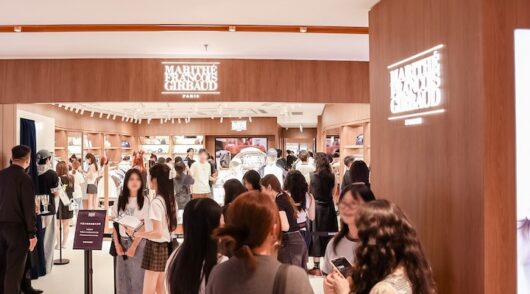
    The impressive growth is attributed to the strong performance of the firm’s golf business and the continued success of its fashion labels in the Greater China region, particularly in Mainland China and Hong Kong. K-fashion brands such as Marithé + François Girbaud, Matin Kim, Rest & Recreation, and Raive have continued to extend their retail presence throughout the region. Their expansion has played a pivotal role in sustaining double-digit growth in Greater China over the quarter.

    Fila, another brand under Misto Holdings, reinforced its position in the lifestyle sector through its footwear and apparel offerings. Standout collections include the Echappe franchise and the newly released Glio lineup. Fila’s Knit Track collection recorded a substantial sales growth of approximately 74% during the first 12 weeks of the 2026 Spring/Summer season, compared to the same period in the previous Fall/Winter season.

    The company’s Acushnet segment also contributed to the successful quarter, generating KRW 1.1 trillion in revenue, an 8% year-over-year increase, due to strong performance across all categories.

    Outlook and Future Plans

    Despite the ongoing macroeconomic uncertainties, Misto Holdings has managed to maintain stable growth momentum. This has been a result of the enhancement of brand competitiveness and improvement of operational efficiency, as stated by the company’s CFO, Ho Yeon (Aaron) Lee. Looking ahead, the company plans to further ensure its sustainable growth through the expansion in Greater China, enhancement of its brand portfolio, and a focus on profitability in management.

    Questions & Answers

    What has contributed to Misto Holdings’ significant first-quarter growth?
    The surge in demand for golf equipment and K-fashion brands have been the key drivers of Misto Holdings’ solid first-quarter growth.

    How does Fila contribute to the growth of Misto Holdings?
    Fila, a brand under Misto Holdings, has reinforced its dominance in the lifestyle sector with its footwear and apparel. Its collections such as the Echappe franchise and the Knit Track collection have recorded substantial sales growth.

    What are the future plans for Misto Holdings?
    Misto Holdings plans to solidify its growth by expanding in Greater China, enhancing its brand portfolio, and maintaining a focus on profitability in management.

  • Fast-Fashion Titan Shein Acquires Everlane in $100M Deal: A New Dawn in US Apparel Retail

    Fast-Fashion Titan Shein Acquires Everlane in $100M Deal: A New Dawn in US Apparel Retail

    Fast-fashion digital platform, Shein, is set to acquire Everlane from its predominant owner, L Catterton, in a transaction that estimates the US-based clothing retailer at roughly US$100 million. As part of the agreement, those possessing common stock in Everlane will not receive a payout, with no details disclosed regarding whether preferred shareholders will be compensated with cash or Shein shares.

    Disrupting the Retail Landscape

    Companies such as Shein and Temu have significantly disturbed the local retail sector, employing aggressive pricing, strategic marketing, and capitalising on tax loopholes. These tactics originally provided them with a substantial advantage over their local competitors.

    Reports surfaced in March that private equity firm L Catterton, along with Everlane CEO Alfred Chang, were on the lookout for an investor to alleviate their approximately $90 million debt. The private equity company expressed a willingness to contribute further funds if a co-investor was found. However, they also remained open to the possibility of a sale.

    Questions & Answers

    What is the estimated worth of the US-based retailer Everlane in the proposed acquisition by Shein?
    The acquisition by Shein values Everlane at about US$100 million.

    What impact have brands like Shein and Temu had on the local retail landscape?
    Shein and Temu have significantly disrupted the local retail industry through aggressive pricing, strategic marketing, and exploiting tax loopholes.

    What was the financial situation of Everlane and L Catterton prior to the acquisition?
    Before the acquisition, L Catterton and Everlane’s CEO Alfred Chang were seeking an investor to manage their approximately $90 million debt.

  • Billion-Dollar Bubble Tea: Gong Chas Anticipated $2.5B Sale Stirs Interest Among Top Private Equity Firms

    Billion-Dollar Bubble Tea: Gong Chas Anticipated $2.5B Sale Stirs Interest Among Top Private Equity Firms

    Gong Cha, the renowned bubble tea chain, has reportedly piqued the interest of potential buyers, including private equity companies Bain Capital and General Atlantic. The anticipated deal, initiated by the current owner and Boston-based private equity firm TA Associates, is projected to be worth up to $2 billion.

    Unlocking the Full Potential of Gong Cha

    JPMorgan handles the sale proceedings on behalf of TA Associates, with final bids expected by mid-June, according to an insider. Gong Cha’s annual earnings, before considering factors such as interest, tax, depreciation and amortisation, exceeds $70 million. Given the company’s valuation of $2 billion, the core earnings multiple is nearly 30 times. However, potential buyers may be more inclined to propose a lower multiple.

    Despite requests for comments, all parties involved – TA Associates, Gong Cha, Bain Capital, General Atlantic, and JPMorgan – have chosen to remain silent on the matter.

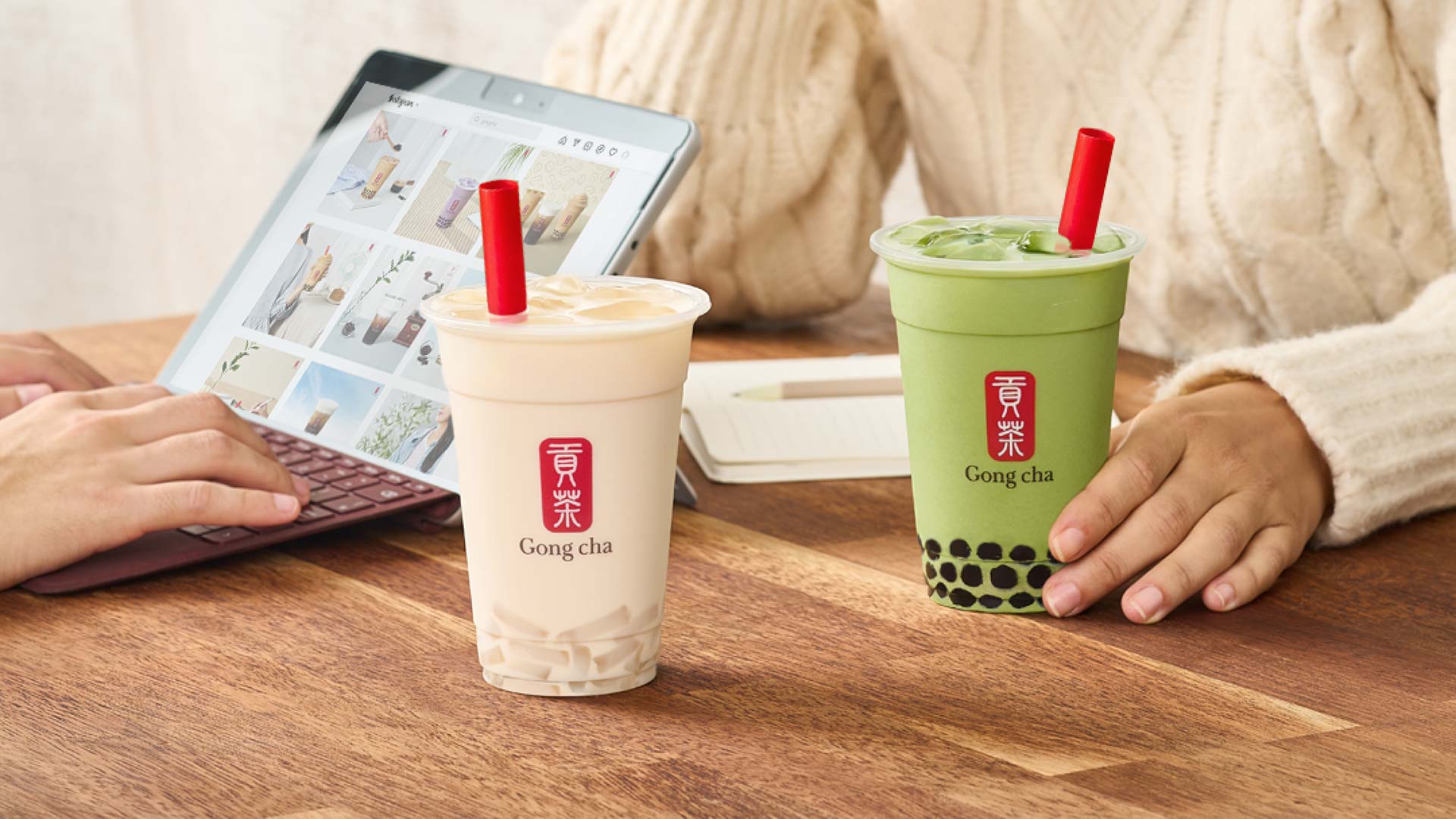
    Gong Cha, established in Taiwan in 2006, has evolved into one of the largest tea brands across the globe. It has a vast chain of nearly 2,200 stores spread across 32 markets, both company-owned and franchisee-operated.

    The Impressive Footprint of Gong Cha

    The bubble tea chain offers a variety of cold beverages, including milk tea and fruit tea, through its outlets located in Asia, North America, Europe, and the Middle East. Last year, Gong Cha reported a 14% increase in group revenue, hitting $217 million, primarily driven by growth in Japan and South Korea.

    In addition, Gong Cha made its presence known in five new markets last year, entering Thailand, Colombia, and Ecuador, and making strategic acquisitions of master franchisees on the east and west coasts of the United States. TA Associates, a company known for investing in growth opportunities, became a stakeholder in Gong Cha in 2019.

    Questions & Answers

    How much does TA Associates expect to earn from the sale of Gong Cha?
    Answer: The sale of Gong Cha is projected to fetch up to $2 billion.

    How many locations does Gong Cha have worldwide?
    Answer: Gong Cha has nearly 2,200 locations spread across 32 markets worldwide.

    When did TA Associates invest in Gong Cha?
    Answer: TA Associates invested in Gong Cha in 2019.

  • Revolutionizing Beauty: Amorepacific Transforms Seoul Flagship Store into High-Tech, AI-Powered Personalized Cosmetics Lab

    Revolutionizing Beauty: Amorepacific Transforms Seoul Flagship Store into High-Tech, AI-Powered Personalized Cosmetics Lab

    Asia’s leading beauty brand, Amorepacific, has unveiled its rejuvenated flagship retail hub, Amore Yongsan. With a new approach focused on artificial intelligence-powered diagnostics, personalized cosmetic products, and a unique shopping experience, this flagship makeover reflects the current trends in the beauty industry.

    Navigating the New Age of Beauty

    Situated at the company’s headquarters, the refurbished retail space is an innovative blend of shopping, beauty services, and customer-centric research. It is designed to provide a holistic beauty experience to the patrons, right from product discovery to purchase.

    Amore Yongsan, as explained by an Amorepacific representative, is now an interactive platform where customers are invited to partake in a ‘Create New Beauty’ vision. This vision promises an invigorating beauty journey that extends beyond simple purchases to include personalized cosmetology, in-depth skin diagnostics, as well as active participation in the development of new products.

    Innovation at the Heart of the Concept

    Two revolutionary features steal the limelight in this revamp. The first is the ‘Amore Bespoke’ service, a first-of-its-kind on-demand beauty offering. It allows customers to design custom-made products in the makeup, lip, and haircare categories, catering to their individual needs and preferences.

    The second is ‘City Lab’, an AI-assisted skin and scalp diagnostic platform. Utilizing Amorepacific’s historical skin research data, this platform uses predictive technology to forecast potential skin alterations based on various lifestyle factors.

    The decision to relaunch was driven by the increasing demand for personalized, tech-powered beauty experiences. This move also signals Amorepacific’s competitive positioning against other K-beauty brands, as it seeks to attract a younger consumer base and international clientele who crave immersive retail experiences.

    Questions & Answers

    What is the ‘Create New Beauty’ vision?
    It is Amorepacfic’s innovative approach to provide a comprehensive beauty journey to its customers. It includes personalized cosmetics, advanced skin analysis, and active customer participation in product development.

    What is the Amore Bespoke service?
    Amore Bespoke is an on-demand beauty service that allows customers to create custom-made products in makeup, lip, and haircare categories based on their individual needs and preferences.

    What is the function of the ‘City Lab’?
    The City Lab is an AI-powered skin and scalp analysis platform. It uses Amorepacific’s historical skin research data and predictive technology to forecast potential skin changes due to various lifestyle factors.

  • Singapore and Thailand Rank High on Worlds Happiest Economies Index

    Singapore and Thailand Rank High on Worlds Happiest Economies Index

    Singapore and Thailand have been identified as two of the world’s “happiest” economies according to the annual Misery Index by Steve Hanke, a Johns Hopkins University economist. Singapore took the second spot globally, just behind Taiwan, achieving a Misery Index score of 2.6. This index gauges the economic conditions experienced by the average citizen. A lower score suggests stable employment, controlled prices, affordable credit, and rising incomes.

    Singapore’s high ranking is attributed to a robust labor market characterized by a mere 2.0% unemployment rate, a 1.2% inflation rate, and a real GDP per capita growth of 4.3%. Thailand followed closely in third place, with a score of 3.1, buoyed by low inflation and steady employment. Consumer prices dropped by 0.3%, unemployment was at 0.8%, and the real GDP per capita rose by 2.5%.

    Hanke noted that Singapore and Thailand’s stable inflation and reasonably low borrowing costs resulted from prudent management of their money supply. In spite of Thailand’s moderate GDP growth, the falling consumer prices and minimal unemployment imply that the Thai citizens are not experiencing a sluggish economy in their daily lives.

    Southeast Asia’s Economic Health

    Other Southeast Asian economies also surpassed larger competitors, with Malaysia, Cambodia, and Vietnam ranking in the bottom quintile of the index. The Philippines, Laos, and Indonesia also had commendable performances. However, Myanmar, currently experiencing conflict, was the exception, ranking 14th.

    Steve Hanke, who had previously acted as the chief economic advisor to the president of Indonesia, described Southeast Asia as “one of the healthiest economic regions globally.” Nevertheless, he observed that high unemployment and increased bank-lending rates negatively impacted the Philippines’ economic outlook.

    Overall, Hanke attributed the region’s economic resilience to pragmatic central banking, generally open trade regimes, and high savings rates funneled into productive investments. He highlighted the Philippine economy’s rapid growth in recent years, particularly before the pandemic, attributing this to its dynamic monetary policies and financial stability.

    However, he cautioned that disruptive events like the Gulf conflict could lead to inflationary pressures, with countries heavily reliant on energy imports from the Middle East, such as Thailand and the Philippines, being the most vulnerable.

    The Misery Index is calculated using four factors: unemployment, inflation, bank-lending rates (which are added together), and the growth rate of the real gross domestic product (which is subtracted). A total of 178 economies were evaluated, with Venezuela being identified as the most miserable, scoring 556.5 due to the world’s highest inflation rate of 475% and a 35% unemployment rate.

    In contrast, Taiwan emerged as the happiest economy with a score of 2.1 – an achievement driven by a high global demand for semiconductors and artificial intelligence hardware, leading to a 9.2% increase in real GDP growth per capita, while keeping unemployment, inflation, and bank-lending rates low.

    Questions & Answers

    What is the annual Misery Index?
    The annual Misery Index is a measure developed by Steve Hanke, an economist at Johns Hopkins University, to gauge the economic conditions experienced by the average citizen. It factors in elements like stable employment, controlled prices, affordable credit, and rising incomes.

    Which economies ranked as the “happiest” according to the Misery Index?
    Taiwan ranked as the “happiest” economy, followed by Singapore and Thailand in second and third place respectively.

    What factors could potentially impact the economic outlook of Southeast Asian countries?
    Events like the Gulf conflict, which could lead to inflationary pressures, could impact the economic outlook. Countries heavily reliant on energy imports from the Middle East, like Thailand and the Philippines, are considered the most vulnerable.

  • Vietnams Gold Market Slumps as Bullion Rates Plummet Globally

    Vietnams Gold Market Slumps as Bullion Rates Plummet Globally

    Gold prices in Vietnam fell on Friday morning, reflecting a global decline in bullion rates across the fourth consecutive trading session. This price drop was seen in the Saigon Jewelry Company’s gold bar, which reported a 0.6% decrease to VND164 million (approximately US$6,221.31) per tael. Despite this recent decrease, the local bullion rates have still seen an overall increase of 7.3% since the beginning of the year, even with a 2% decrease this week.

    Gold Ring Prices and Global Gold Rates

    Along with the decrease in gold bar prices, the cost of gold rings also fell by 0.6% to VND163.8 million per tael. In terms of weight, a tael is equivalent to 37.5 grams or 1.2 ounces.

    Internationally, gold prices were at a more than one-week low on Friday, resulting from higher energy prices driving inflation fears and the continuation of higher interest rates. The meeting between the U.S. President and the Chinese President was also a point of focus for investors. Spot gold saw losses for the fourth straight session and was down 0.8% at $4,613.19 per ounce, marking its lowest level since May 6. Bullion was down 2.1% for the week and U.S. gold futures for June delivery lost 1.4% to $4,619.

    Factors Impacting the Gold Market

    Analysts have attributed the drop in gold prices to several factors. Tim Waterer, chief market analyst at KCM Trade, remarked, “Gold is getting hit from all sides – rising oil has brought inflation back to the forefront, pushing yields higher and the dollar stronger, leaving the yellow metal as the unfortunate victim of the market’s renewed rate-cut skepticism.”

    Since the U.S.-Iran conflict began in late February, gold has fallen about 13%. This is largely due to increased energy prices, which have led to inflation concerns and higher U.S. interest rates. While gold is often viewed as a safe haven against inflation, high interest rates can negatively impact this non-yielding asset.

    Questions & Answers

    What caused the recent decline in Vietnam’s gold prices?
    The decline mirrors a global decrease in bullion rates. Factors such as higher energy prices, inflation fears and higher interest rates have contributed to this decrease.

    How has the U.S.-Iran conflict impacted gold prices?
    Since its onset in late February, the conflict has sparked an approximate 13% decrease in gold prices. This is due to increased energy prices, inflation concerns, and the potential for higher U.S. interest rates.

    How do interest rates affect gold prices?
    High interest rates typically lead to a decrease in gold prices. This is because gold, as a non-yielding asset, becomes less attractive to investors when interest rates are high.

  • Nourishing Oils That Promote Stronger Hair

    Nourishing Oils That Promote Stronger Hair

    Hair fall is one of those problems that sneaks up on you. A few extra strands on the pillow, a little more in the shower drain, and suddenly you’re wondering what changed. For many people, the answer lies not in some rare medical condition but in something much more basic — the scalp isn’t getting enough of what it needs. And oils, when chosen and used correctly, can make a meaningful difference.

    Why the Scalp Needs Oil in the First Place

    The scalp is skin. Like the skin on your face or arms, it has its own oil glands that produce sebum — a natural lubricant that keeps the surface moisturized and the hair follicles functioning well. But pollution, harsh shampoos, heat styling, and even stress can disrupt this balance. When the scalp becomes too dry or too inflamed, hair follicles don’t cycle properly. Hair enters the shedding phase too soon, grows back thinner, or in some cases, doesn’t grow back with the same strength at all.

    Topical oils can’t replace sebum entirely, but they can support the scalp environment, reduce inflammation, and deliver certain nutrients directly to where hair grows.

    What Good Hair Oils Actually Do

    There’s a lot of marketing noise around hair oils. The reality is simpler. A well-formulated oil works in a few specific ways:

    • It reduces transepidermal water loss from the scalp, keeping moisture in
    • It creates a protective layer around the hair shaft, reducing mechanical damage from combing and friction
    • Certain oils carry active compounds — fatty acids, antioxidants, and plant-based molecules — that interact with the scalp tissue and follicles
    • Regular massage during oil application stimulates blood circulation, which helps deliver oxygen and nutrients to follicle cells

    The key word here is “formulated.” A single oil used in isolation often has limits. Most effective hair oils combine multiple ingredients that work together.

    Oils With Strong Evidence Behind Them

    Not all oils are equal. Some have been studied more rigorously than others when it comes to hair health.

    Coconut oil is one of the most researched. Its lauric acid content allows it to penetrate the hair shaft rather than just coat it, which helps reduce protein loss over time. It also has mild antimicrobial properties that can keep the scalp healthier.

    Castor oil is thick and rich in ricinoleic acid, which has anti-inflammatory properties. It’s often used to support scalp circulation, though it works best when diluted with a lighter carrier oil.

    Bhringraj, a herb-based oil widely used in Ayurvedic medicine, has shown some promising effects in early research on hair follicle activity. It’s been used for centuries in India specifically for hair thinning and scalp health.

    Onion-derived ingredients, particularly when combined with base oils, are increasingly gaining attention. The combination of onion juice and coconut oil for hair has been explored for its sulfur content, which supports keratin production and may help reduce hair fall over consistent use.

    How You Apply Oil Matters As Much As Which Oil You Use

    A common mistake is applying oil as a quick ritual without much thought. The method actually matters.

    • Warm the oil slightly before use — it improves absorption and makes the massage more effective
    • Use your fingertips, not your nails, to work it into the scalp in small circular motions
    • Focus on the scalp, not just the length of your hair — that’s where the action is
    • Leave it on for at least 30 to 45 minutes, or overnight if your scalp tolerates it
    • Wash it out properly — leftover oil buildup can clog follicles over time

    When Oil Alone Isn’t Enough

    Oils are a good supportive step, but they aren’t a complete treatment for significant hair loss. If you’re seeing consistent thinning, widening of the parting, or bald patches, that signals something deeper — hormonal imbalance, nutritional gaps, or scalp conditions like dandruff or folliculitis that need attention.

    Some approaches like Traya Nourish Hair Oil are built around this idea — combining the benefits of clinically relevant ingredients in a way that addresses scalp health more holistically rather than relying on one oil alone.

    Final Thoughts

    Hair care doesn’t need to be complicated, but it does need to be consistent. Oils won’t transform your hair overnight. What they can do, over weeks and months of regular use, is create a healthier scalp environment — one where hair has a better chance of growing strong and staying there. Start with understanding what your scalp actually needs, choose ingredients with real backing, and give it time.

  • Naora Revolutionizes Maritime Expeditions: Discover the World with a Private Sailing Membership

    Naora Revolutionizes Maritime Expeditions: Discover the World with a Private Sailing Membership

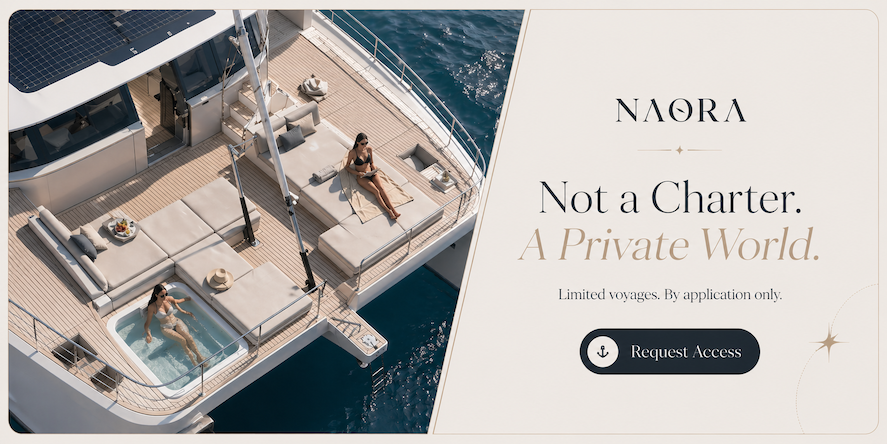
    Naora, an innovative private expedition venture established by seasoned maritime professionals from Belgium, is transforming the way individuals experience extended sea voyages. Instead of operating as a charter company, Naora serves as a membership-based platform, providing access to a continuous, multi-year sailing expedition across some of the world’s most secluded and culturally diverse areas.

    Contrary to the conventional travel approaches, Naora does not trade in travel packages. Instead, members have the privilege of joining a living expedition, a five-year journey impacted by the seasons, trade winds, and the amassed experience at sea. Participants can join and depart at various points during the journey, aligning their time on the vessel with their individual schedules and preferences.

    A Venture Driven by Experience, Not Fixed Plans

    Naora’s foundation is built on over twenty years of practical maritime experience, which includes professional sailing, global yacht deliveries, and previous expeditions on vessels like Discovery and Sueño, exploring areas like the Mediterranean, Caribbean, and northern waters.

    This strategy represents a transition from fixed itineraries to a more dynamic, experience-driven model. Routes are not predetermined but are modified based on conditions, timing, and local knowledge, allowing for a more profound interaction with each destination.

    Rather than designing a route on a map, Naora uses its years of maritime experience to return to significant places, ensuring the timing of these visits is perfect for maximum exploration and enjoyment.

    Appreciating Access Over Ownership

    Naora operates on a membership structure where members have access to the journey for a specific duration rather than to particular destinations. Members can choose segments of the trip based on availability and personal preferences, ranging from brief coastal passages to extended ocean crossings.

    The experience is intentionally designed to achieve a balance between structure and freedom. While a professional crew takes care of all operational aspects, participants are encouraged to engage with the environment at their leisure, whether this involves sailing, diving, surfing, or exploration ashore.

    From secluded anchorages to lesser-visited coastal regions, the focus is on immersion rather than consumption. This approach allows access to places that are often unreachable, including pristine environments and respectfully approached indigenous cultures.

    A Thriving Community, Onboard and Beyond

    Beyond the journey itself, Naora emphasizes the importance of community and continuity. The expedition is not only an offshore experience but extends into a broader ecosystem developed to keep members connected. This system includes curated gatherings both at sea and on land, along with a digital platform that allows members to stay engaged, no matter where they are on the route.

    In support of the community emphasis, Naora has introduced a dedicated role within the structure – a Commodore. This person is responsible for maintaining the connection between members and ensuring the community experience is consistent across all touchpoints, from onboard interactions to onshore gatherings and digital communication.

    The mission of Naora is not only about reaching new places but is also centered on the people who share the experience and the connection that continues long after the expedition ends. Besides, Naora is committed to preserving and continuing maritime traditions, not just as a concept, but as a lived practice. Knowledge, seamanship, and respect for the ocean are shared among participants, contributing to the overall experience.

    At the heart of Naora’s positioning is a strong emphasis on privacy and alignment. Participation is application-based, ensuring that all members share the same mindset. The onboard environment is deliberately small-scale, promoting trust, discretion, and a sense of belonging that’s vastly different from commercial travel experiences.

    Questions & Answers

    What is the concept behind Naora?
    Naora is a private sailing expedition membership that offers access to a continuous global journey across various oceans, seasons, and cultures. The emphasis is on experience rather than destination, and members can join and leave at different points along the route.

    What makes Naora unique?
    Naora differs from traditional travel models in that it does not sell trips but provides a living expedition that members can join. The routes are dynamic, and the focus is on immersion and engagement with each destination. It also operates on a membership structure rather than a charter model.

    What is Naora’s approach to community?
    Beyond the journey itself, Naora places a strong emphasis on community and continuity. They organize gatherings both at sea and on land, and have a digital platform to keep members connected. A dedicated role, the Commodore, is responsible for maintaining the connection between members and ensuring a consistent community experience.


  • Konvy Bags $15M from Cool Japan Fund to Boost Japanese Beauty Brands in Southeast Asia

    Konvy Bags $15M from Cool Japan Fund to Boost Japanese Beauty Brands in Southeast Asia

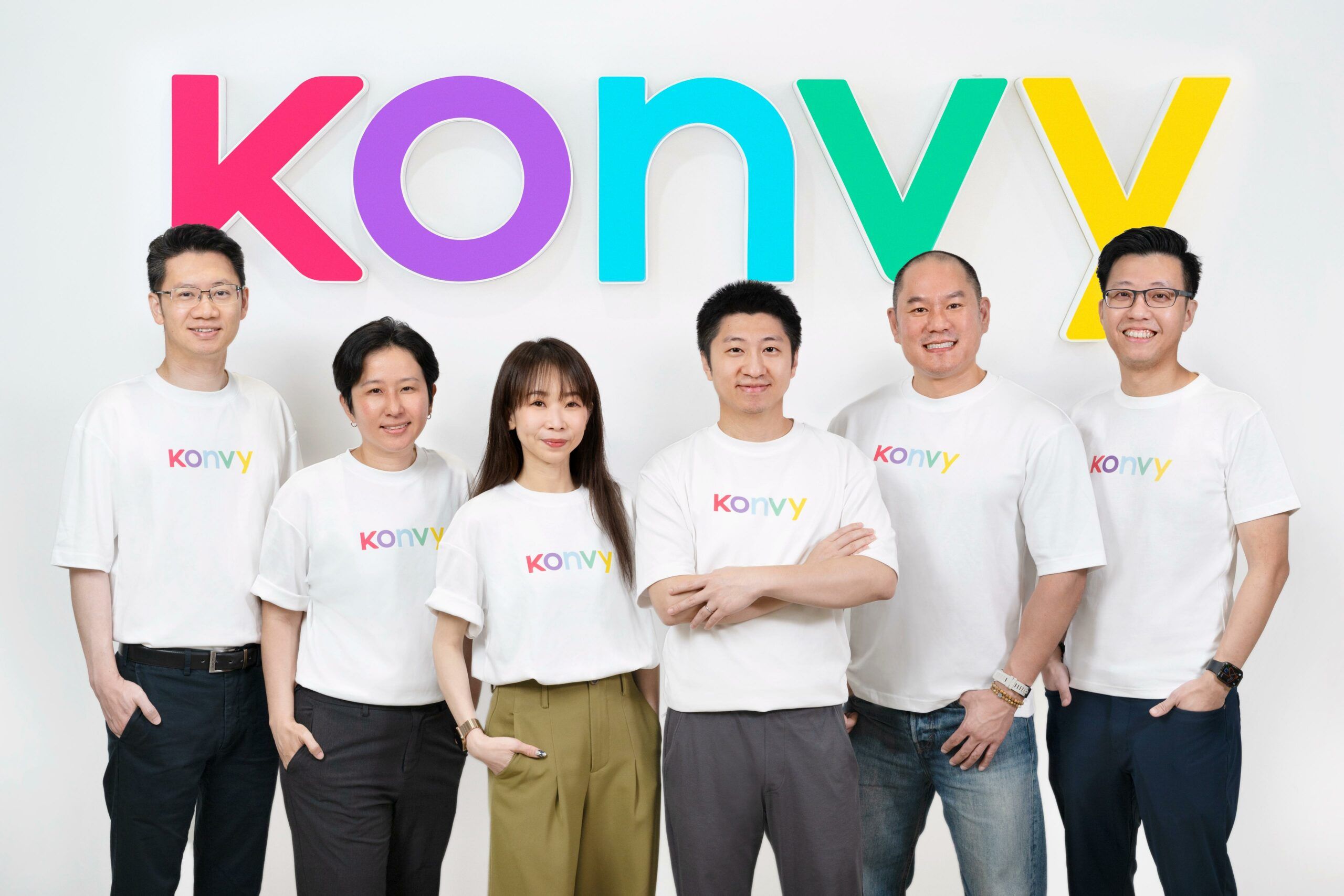
    Konvy, a renowned Thai retailer specializing in beauty and healthcare products, recently received a $15 million investment from Japan’s Cool Japan Fund (CJF). This strategic partnership aims to stimulate demand for Japanese beauty and healthcare brands across Southeast Asia.

    The Strategic Investment

    CJF’s investment into Konvy is intended to leverage the retailer’s robust multi-channel network and digital marketing prowess for the promotion of Japanese-brand products within the healthcare and beauty sectors in overseas markets. The main goal is to amplify the international appeal and consumption of these products, thereby cementing Japan’s position in these markets.

    Konvy, established in 2011, has rapidly developed into a frontrunner in Thailand’s beauty e-commerce scene. Its expansive product range boasts over 20,000 items from more than 1000 brands, spanning categories such as skincare, cosmetics, fragrances, and beauty accessories.

    Konvy’s Multi-Channel Retail Network

    Konvy’s retail operation utilizes a multi-faceted approach, leveraging both online and offline channels. The retailer operates its proprietary e-commerce platform and collaborates with prominent online marketplaces like Shopee and Lazada. It has also adopted social commerce, marking its presence on platforms like TikTok Shop.

    Further, Konvy has successfully expanded its brick-and-mortar footprint, with 16 stores in Thailand and one in the Philippines. The company also collaborates with retail partners such as Watsons to strengthen its offline presence. Apart from Thailand and the Philippines, Konvy operates in Malaysia as well.

    This recent investment signifies a continuation of Konvy’s previous partnership with Japanese companies under the Japan External Trade Organization’s Japan Mall Project that took place between 2022 and 2023. This project aimed at promoting Japanese products in overseas markets.

    Questions & Answers

    What is the purpose of the Cool Japan Fund’s investment in Konvy?
    The investment aims to increase the global demand for Japanese-brand products in the healthcare and beauty sectors, leveraging Konvy’s multi-channel retail network and digital marketing capabilities.

    What categories of products does Konvy offer?
    Konvy offers a wide range of products spanning categories such as skincare, cosmetics, fragrances, and beauty accessories.

    Where does Konvy operate?
    Konvy operates in Thailand, the Philippines, and Malaysia, both through its online platforms and physical retail stores.