Author: Mei Ling Tan

  • Jollibees Aggressive Franchise Expansion in Vietnam Bolsters Quick-Service Restaurant Market Dominance

    Jollibees Aggressive Franchise Expansion in Vietnam Bolsters Quick-Service Restaurant Market Dominance

    Jollibee, a leading Philippine fast-food company, is stepping up its franchising efforts in Vietnam, aiming to expand its presence in one of Southeast Asia’s most fiercely contested quick-service restaurant (QSR) markets. The move follows the brand’s prestigious recognition as Vietnam’s foremost QSR brand by Euromonitor International.

    Franchising Expansion Strategy

    Jollibee launched its franchising model in Vietnam in 2015, effectively inviting capable local investors to manage Jollibee-branded outlets under a standardized operating system. Initial expansion was carried out cautiously as the brand worked to establish scale and maintain operational control. However, the company has now shifted gears to a more assertive growth phase, primarily targeting quicker network expansion.

    Franchising not only facilitates the company’s accelerated growth but also generates more employment opportunities, fortifies the domestic supply chain, and aids in the advancement of Vietnam’s food and beverage service industry, according to a representative from the company.

    This renewed drive towards franchising is spurred by Jollibee’s recent accolade as Vietnam’s top QSR brand in terms of turnover, as awarded by Euromonitor International.

    Growing Footprints Across Vietnam

    Since the establishment of its first store in Ho Chi Minh City in 2005, Jollibee Vietnam has grown to encompass more than 250 locations dispersed across over 50 provinces and cities. The company’s expansion has been fueled by a diverse strategy that includes outlets in shopping malls, street-front locations, and delivery-centric stores.

    Ernesto Tanmantiong, Global President and CEO of Jollibee Group, attributed the brand’s success to its understanding of local consumers and its adherence to fundamental business practices. He asserted that the company’s progress underscores the potency of merging a popular brand with a profound local understanding and consistent execution. It further strengthens their belief that sustainable growth in international markets stems from remaining relevant to consumers while establishing solid operational foundations.

    Questions & Answers

    When did Jollibee first introduce franchising in Vietnam?
    Jollibee introduced franchising in Vietnam in 2015.

    What factors have supported Jollibee’s expansion in Vietnam?
    Jollibee’s expansion has been supported by a multi-format strategy that includes outlets in shopping malls, street-front locations, and delivery-centric stores.

    What is the significance of franchising for Jollibee’s growth?
    Franchising not only facilitates Jollibee’s accelerated growth but also generates more employment opportunities, fortifies the domestic supply chain, and aids in the advancement of Vietnam’s food and beverage service industry.
  • Alibaba Ramps Up AI Investment Despite Income Dip, Foresees Cloud Business Boom

    Alibaba Ramps Up AI Investment Despite Income Dip, Foresees Cloud Business Boom

    Alibaba, the Chinese tech behemoth, has announced that its projected artificial intelligence (AI) investment over the next triennium will surpass the initial estimation of 380 billion yuan (US$55.96 billion). This decision has been driven by promising preliminary returns on AI investments, which has encouraged the company to further bolster its cloud-computing capacity.

    Despite falling short of the market’s projected profit for the fourth quarter, Alibaba’s US-listed shares experienced a 7 per cent surge. This was in response to the company’s confident forecast for returns on AI spending in the next three to five years. Alibaba’s revenue from the Cloud Intelligence Group, in response to the burgeoning business demand for AI, grew by 38 per cent to 41.63 billion yuan ($6.13 billion) over the past year. While this growth is consistent with estimations, it does mark an increase from the preceding quarter’s 36 per cent growth.

    Investments and Future Plans

    The company’s CEO, Eddie Wu, on a post-earnings call, shared that their investments in AI, the Cloud, and e-commerce sectors were yielding clear returns. He emphasised that these technological investments were beginning to bear fruit commercially. However, Wu refrained from outlining a new spending target to replace the one that was announced in the early parts of last year.

    The company is also aiming to maintain a growth rate that surpasses the market average in an effort to secure a larger market share and further consolidate its market leadership. Wu was clear that these were the primary objectives, with profit margins currently taking the backseat. The company’s profit in the quarter to March was impacted by investments in AI and cloud infrastructure, as well as continuous spending in the quick commerce segment, which includes deliveries made within 60 minutes.

    AI demand and Alibaba’s Response

    Alibaba disclosed that AI-related products contributed to 30 per cent of external customer revenue in the cloud division in the quarter. The company anticipates AI-related revenue to become the main growth engine in the cloud business and contribute more than 50 per cent of revenues in about a year’s time.

    The company has earlier this year bifurcated its AI businesses from its cloud computing arm. Wu has been tasked with leading the “Alibaba Token Hub” group, as the company is keen on making its AI segment profitable.

    Alibaba’s net income for the quarter decreased by 99.7 per cent, with total revenue clocking in at 243.38 billion yuan. Yet, the company’s China e-commerce business, which includes the highly competitive quick commerce segment, reported a revenue of 122.22 billion yuan ($18 billion), surpassing the estimated figure of 119.85 billion yuan.

    Questions & Answers

    What is Alibaba’s outlook for AI spending in the next three to five years?
    Alibaba has a positive outlook for returns on AI spending in the coming years, which is why they are planning to increase their investment in this sector.

    What was the growth in the revenue from Alibaba’s Cloud Intelligence Group over the last year?
    The revenue from Alibaba’s Cloud Intelligence Group grew by 38 per cent to 41.63 billion yuan ($6.13 billion) over the past year.

    What are Alibaba’s plans for the AI segment of their business?
    Alibaba expects AI-related revenue to become the main growth driver in the cloud business, contributing more than 50 per cent of revenues in about a year. The company also plans to make its AI segment profitable.

  • Delivery Hero CEO Niklas Ostberg Announces Planned Departure amid Strategic Shift

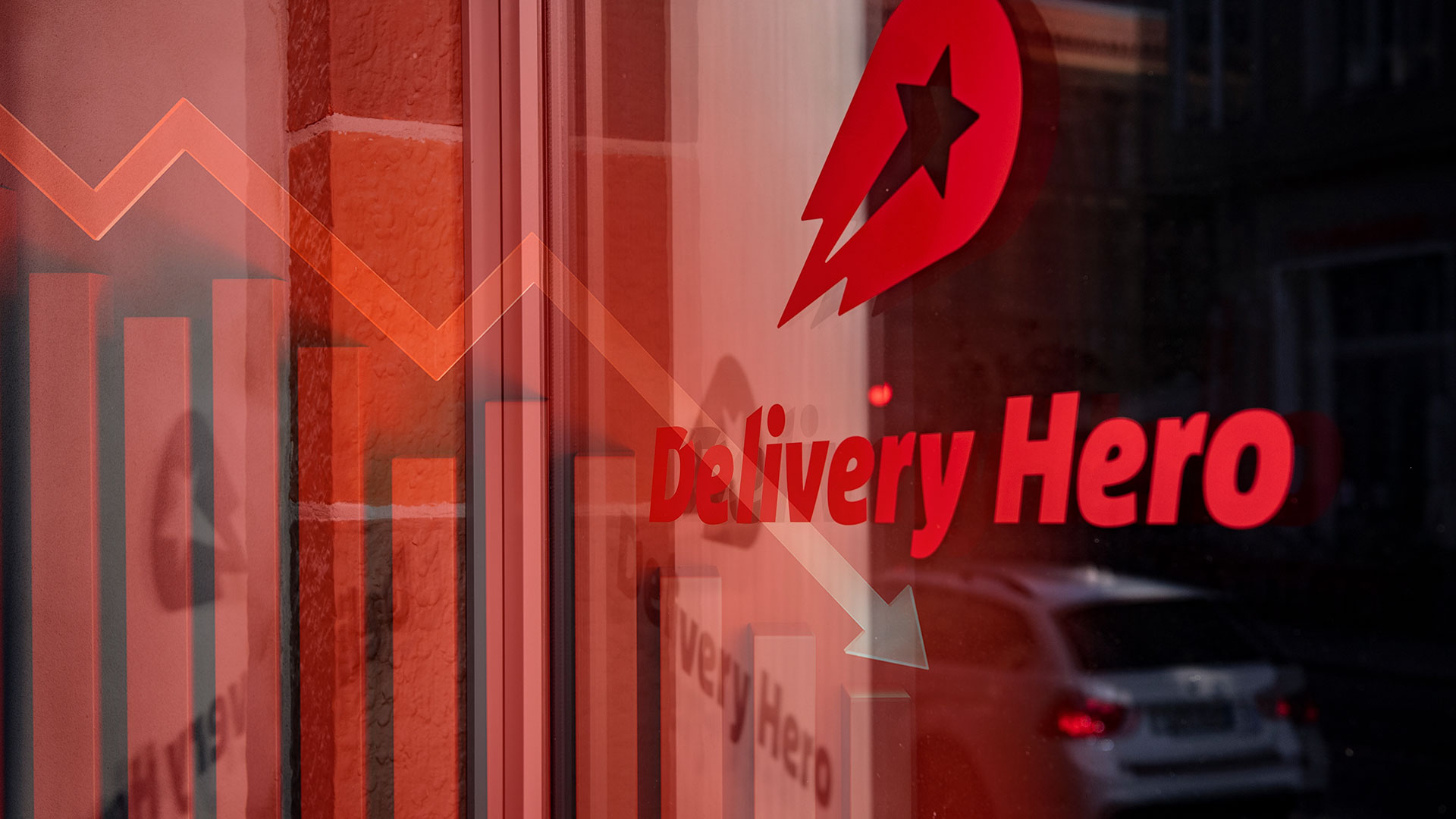
    Delivery Hero CEO Niklas Ostberg Announces Planned Departure amid Strategic Shift

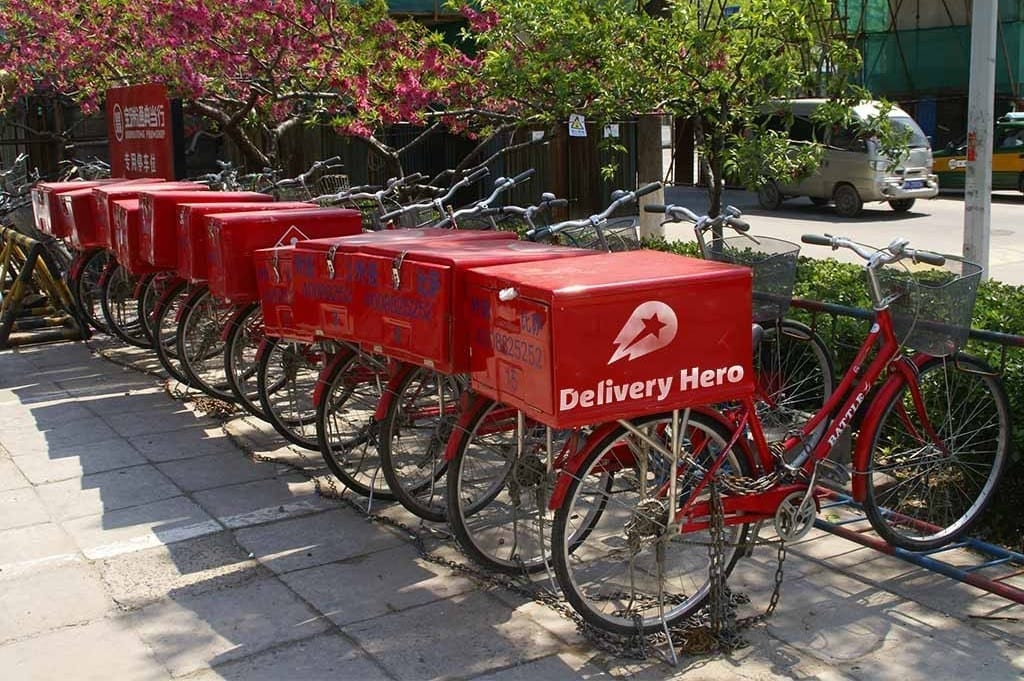
    Niklas Ostberg, the founder and CEO of Delivery Hero, has announced that he will be stepping down from his executive role after 15 years steering the global food delivery enterprise. The company has initiated a hunt for Ostberg’s successor, aiming to fill the position by March 31 of the coming year. The complete transition is expected to be finalized by the end of the year.

    Ostberg believes that this is the optimum time to initiate the transition as Delivery Hero is entering a new phase of strategic development and operational emphasis. “This is the appropriate moment to commence the process of transitioning the company into its future stage,” stated Ostberg. He also added that the long-term course was set during the Strategic Review, which was announced in December. The focus of this review was to deepen the market penetration, enhance the customer experience, and improve the consumer offering under the Everyday App strategy.

    Started in 2011, Delivery Hero has broadened its reach to more than 60 markets via brands like Foodpanda, Glovo, and Talabat. In a significant move, earlier this year, the Singapore-based multi-service platform, Grab, acquired Delivery Hero’s Foodpanda delivery business in Taiwan. The cash deal, which amounted to US$600 million, marked Grab’s first expansion beyond Southeast Asia.

    Questions & Answers

    Why is Niklas Ostberg stepping down from his role as CEO of Delivery Hero?
    Ostberg believes the timing is right as Delivery Hero is poised to enter a new phase of strategic development and operational focus. He wishes to allow the company to transition smoothly into its future stage under new leadership.

    What is Delivery Hero’s future strategy post-Ostberg’s departure?
    The company’s long-term strategy is to deepen its market penetration, enhance customer touchpoints and improve consumer offerings under the Everyday App strategy.

    How has Delivery Hero expanded its operations?
    Delivery Hero operates in more than 60 markets via brands like Foodpanda, Glovo, and Talabat. Additionally, its Foodpanda delivery business in Taiwan was recently acquired by Grab, marking the latter’s first expansion beyond Southeast Asia.

  • JD.com Defies Odds with Rising Q1 Revenue Amidst Chinas Economic Headwinds

    JD.com Defies Odds with Rising Q1 Revenue Amidst Chinas Economic Headwinds

    JD.com, a major player in the Chinese e-commerce sector, has surpassed first-quarter revenue and profit expectations, provoking interest among investors about the role of Beijing’s subsidy program in maintaining this positive trend amidst rising tariffs and consumer demand issues.

    Shares of JD.com, listed in the US, showed a slight increase in early trading. CEO Sandy Xu informed analysts that although revenues from electronics and home appliances had decreased 8.4% year-on-year in the first quarter, there was still an observable sequential improvement.

    Despite facing external challenges in Q2, Xu expressed confidence in the potential for stronger performance in the electronics and home appliances sector in the latter half of the year.

    China, which holds the position of the world’s second-largest economy, continues to grapple with low consumer confidence. This is largely due to a protracted property slump and increased tariffs levied by the US on a variety of Chinese goods. The ongoing conflict between the US and Iran has also resulted in rising fuel prices and living costs, subsequently reducing consumer spending power.

    However, JD.com, the leading retailer of appliances and electronics, may have been able to moderate revenue losses with the help of subsidies from local governments. These subsidies encourage consumers to trade in their old appliances and electronics.

    Financial Implications

    The quarterly revenue for the period ending in March stood at $46.47 billion, outperforming the LSEG consensus estimate of $45.9 billion, which was calculated from the opinions of 15 analysts.

    Yet, increased expenses, including fulfillment costs, research and development, and marketing, led to a decrease in net income. JD.com’s net income attributable to its ordinary shareholders was $750.872, surpassing expectations of $496.164.8, but representing a 53% decline from the previous year.

    The preceding quarter saw a net loss of $398.993, partly attributable to significant investments in food delivery. As a means of generating new revenue sources amidst fierce e-commerce competition, the company ventured into the food delivery sector last year, going up against established competitors like Meituan and Alibaba. This move, however, added to the pressure on profits.

    Xu stated that the food delivery business of JD.com is already demonstrating its strategic value by contributing an additional 3% to advertising revenues in Q1. The company also reported that investment in JD Food Delivery has “significantly narrowed on a sequential basis.”

    Questions & Answers

    What were JD.com’s first-quarter revenue and profit results?
    The company exceeded first-quarter revenue and profit expectations, reporting a quarterly revenue of $46.47 billion.

    What challenges is JD.com facing in generating profits?
    JD.com is struggling with increased expenses in several areas, including fulfillment costs, research and development, and marketing. The company also faced a net loss in the preceding quarter due to heavy investments in food delivery.

    How is JD.com strategizing to combat these challenges and generate new revenue?
    JD.com entered the food delivery market last year to develop new revenue streams. Despite the high costs, the company’s food delivery business is already contributing an additional 3% to advertising revenues.

  • Pop Mart Warns of Shrinking Margins Amid Rising Production Costs and Market Uncertainties

    Pop Mart Warns of Shrinking Margins Amid Rising Production Costs and Market Uncertainties

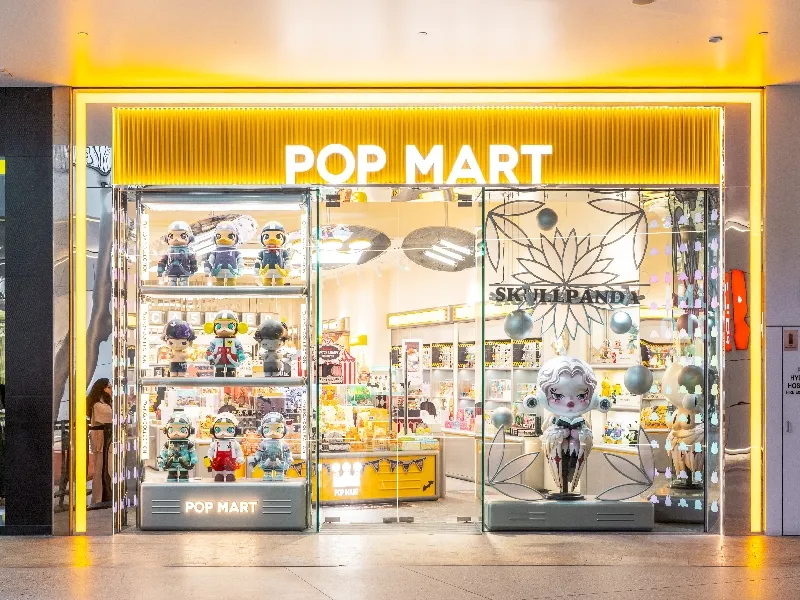
    Pop Mart, a Beijing-based producer of ‘blind box’ collectible toys, recently announced that their imminent profit margins are expected to be impacted by escalating production costs. The increase in production costs is the result of surging raw material prices, which have been significantly influenced by the unforeseen energy price fluctuations due to circumstances in Iran.

    Despite the global popularity of their viral Labubu toys beginning to stabilize, Pop Mart has begun implementing standardization processes across its international retail and operations. The company is also establishing itself in the entertainment and culture sectors, with a Labubu film project underway and an extension to their Beijing theme park, Pop Land, that opened in the previous month.

    Performance in the Stock Market

    On Wednesday afternoon, Pop Mart’s shares declined by approximately 2%, settling at HK$159.50. In spite of this, the toy company announced an impressive 75% to 80% surge in revenue for the first quarter on Tuesday after the market closed. This substantial increase in revenue surpassed the growth projections for China, even though international growth experienced a slow-down.

    The company also acknowledged the potential impact of rising fuel prices on the gross profit of their international business. Furthermore, it was reported that earnings from regions with higher profit margins have also seen a decline.

    Challenges and Opportunities

    Pop Mart is currently tackling concerns in the market about the durability of its principal intellectual properties. Despite these concerns, recent collaborations, including the highly demanded Labubu x FIFA World Cup 2026 series, have performed exceptionally well. However, market experts have observed a decline in interest in the secondary market for some of their new releases.

    Questions & Answers

    What potential challenges is Pop Mart currently facing?
    Pop Mart is dealing with higher production costs caused by rising raw material prices, along with concerns about the longevity of its core intellectual properties.

    What strategic steps is Pop Mart taking to expand its brand?
    Pop Mart is working on standardizing its global retail and operations. Additionally, the company is venturing into the entertainment and culture sectors, with a movie project and theme park extensions in the pipeline.

    How has Pop Mart’s recent performance in the stock market been?
    Although shares declined by about 2% on Wednesday afternoon, the company reported a robust increase in first-quarter revenue, outperforming growth expectations in China.

  • Johor Eateries Resist Price Hikes Amid Surging Ingredient Costs, but Future Increase Likely

    Johor Eateries Resist Price Hikes Amid Surging Ingredient Costs, but Future Increase Likely

    Even as the cost of raw materials rises, food service operators in Johor, the southernmost state of Malaysia, have not yet increased their prices. However, if the Middle East conflict continues, these increases may become unavoidable.

    Adapting to Rising Costs

    Hussein Ibrahim, the Secretary of the Johor Indian Muslim Entrepreneurs Association, shared that member restaurants have maintained current prices despite a 20-30% increase in raw ingredient costs since March. “We can’t just raise our prices as Malaysians are cost-conscious, which could impact our business,” he stated.

    The association boasts 338 members, including around 200 Indian-Muslim food service operators throughout Johor, with the majority in Johor Bahru, a city on the Singapore border. To deal with increasing expenses, many operators are considering reducing portion sizes, according to Hussein. He also mentioned that unavoidable price increases might be on the horizon if the current crisis continues.

    Roland Lim, head of the Johor Bahru City Businessmen and Traders Association, reported a similar narrative, affirming that member restaurants have also kept their prices steady. He pointed out that downtown Johor Bahru restaurants have been hit hard by tighter security measures at the Johor-Singapore Causeway. These new procedures, established earlier this year, have caused Malaysians commuting to work in Singapore to skip their usual breakfast stops and go straight to immigration checkpoints. Reduced dining out by families, combined with ongoing infrastructure projects and subsequent traffic congestion, have further decreased restaurant patronage.

    The Impact of Rising Food Prices

    The ongoing conflict has resulted in increased food prices in Johor and other regions of Malaysia since February 28. By March’s end, vegetable prices in Johor Bahru had surged by 20-30%, attributed to higher transportation costs due to diesel price hikes and a prolonged heatwave.

    More recently, Economy Minister Akmal Nasrullah Mohd Nasir reported price increases for certain food items in the first week of May. For example, the price of Indian mackerel increased by 3.9% to RM17.42 (US$4.43) per kilogram; white prawns were up 1.2% to RM32.11 per kg; and fresh coconut milk rose 6.7% to RM16.88 per kg. Despite these increases, he reassured that food prices remain within a manageable range, with some items, such as beef, experiencing price reductions.

    Mohamad Sabu, the country’s Agriculture and Food Security Minister, warned that food prices could escalate in the upcoming three to six months due to increased production costs, such as fertilizer, animal feed, and fuel. “When these costs rise, market prices may also be affected,” he stated.

    Questions & Answers

    What are the potential consequences of the Middle East conflict on Malaysian food service operators?
    If the Middle East conflict continues, price hikes may become unavoidable due to rising costs of raw materials.

    How are food service operators in Johor dealing with the increasing costs?
    To cope with the rising costs, many operators are considering reducing portion sizes.

    How have recent price increases in various food items affected the overall food prices in Malaysia?
    Despite recent price increases in certain food items, the country’s Economy Minister reassured that food prices remain within a manageable range, with some items experiencing price reductions.

  • HBO Go Bids Farewell to Vietnam, Makes Way for HBO Max Arrival

    HBO Go Bids Farewell to Vietnam, Makes Way for HBO Max Arrival

    HBO Go, the previously ubiquitous streaming service, will officially withdraw its operations from Vietnam as of June 15. Its absence will pave the way for the introduction of HBO Max, a formidable competitor to streaming giant Netflix.

    The HBO Go service was first introduced to the Vietnamese market in 2019, targeting cable, satellite, and live TV streaming subscribers who were already receiving HBO channels as part of their television package. However, the service was discontinued in multiple markets in 2020, and replaced by HBO Max. This new platform allows users to access the full range of HBO content without a cable TV connection.

    In Vietnam, the termination of HBO Go also implies the end of collaborations with local streaming platforms such as TV360 and VieON. A noticeable change is already apparent on TV360, which now presents a “Failed” notification upon attempts to subscribe to a new HBO package. However, users can continue to view HBO content through traditional television channels via cable and satellite services.

    An anonymous industry analyst suggests that this strategic move is most likely intended to enable American film studio Warner Bros. to introduce HBO Max in direct competition with Netflix. The HBO Max homepage now displays a Vietnamese language notice teasing its launch on June 16.

    The HBO Go platform had gained traction among Vietnamese viewers with popular original series such as Game of Thrones and House of the Dragon, and films produced by Warner Bros.

    Questions & Answers

    What is happening to HBO Go in Vietnam?
    HBO Go will cease operations in Vietnam as of June 15, and be replaced by HBO Max.

    What changes are expected with the introduction of HBO Max?
    HBO Max will allow users to access a broad range of HBO content without the need for a cable TV connection. The service is seen as a strong competitor to Netflix.

    Will users still be able to view HBO content via traditional channels?
    Yes, HBO content can still be accessed through traditional television channels on cable and satellite services.

  • Citigroup Bolsters Global Insurance and Specialty Finance Teams with High-Profile Appointments

    Citigroup Bolsters Global Insurance and Specialty Finance Teams with High-Profile Appointments

    Citigroup has announced the appointment of two seasoned bankers to senior roles within its Financial Institutions Investment Banking division. This move forms part of the bank’s strategic initiative to bolster its global insurance and specialty finance advisory services.

    Jonathan Alpert has been designated as the new Global Head of Insurance, effective from September. Alpert boasts an impressive career spanning over 28 years in both the insurance industry and investment banking. His most recent role was as Co-Head of Global Insurance at Bank of America. Alpert will leverage his rich experience and extensive network within the global insurance sector to drive Citi’s growth in this arena.

    Operating from New York, Alpert will team up with Brian Malbacho, Citi’s North America Head of Insurance. Together, they will focus on expanding the bank’s global insurance franchise. Citi expressed confidence in Alpert’s capabilities, noting his record of advising on significant international insurance transactions and his enduring relationships with eminent global insurance groups.

    In a simultaneous appointment, Ryan Willingham will assume the role of Managing Director covering Specialty Finance, come August. He, too, is transitioning from Bank of America where he previously headed the specialty finance sector within the bank’s Financial Institutions group.

    Willingham’s nearly 20-year career has been dedicated to advising a variety of specialty finance firms, including mortgage originators and servicers, mortgage REITs, and government-sponsored enterprises.

    These strategic appointments come at a time when deal activity within the insurance sector is on the rise, particularly in the Asia-Pacific region. Insurers in the area are actively pursuing capital-raising and merger-and-acquisition opportunities. As Global Head of Insurance, Alpert will be instrumental in supporting Citi’s growth ambitions with leading insurers in this dynamic region.

    Questions & Answers

    Who has Citigroup appointed to its Financial Institutions Investment Banking division?
    Citigroup has announced the appointment of Jonathan Alpert as Global Head of Insurance and Ryan Willingham as Managing Director covering Specialty Finance.

    What experience does Jonathan Alpert bring to his new role at Citigroup?
    Jonathan Alpert brings over 28 years of experience in the insurance industry and investment banking. His most recent role was Co-Head of Global Insurance at Bank of America.

    What is the significance of these appointments for Citigroup?
    These appointments come at a time of increased deal activity in the insurance sector, particularly in the Asia-Pacific region. Alpert, as Global Head of Insurance, will play a pivotal role in supporting Citigroup’s growth with leading insurers in this region.

  • OCBC and Australia Aim to Double Trade and Investment in Southeast Asia by 2030: A New Strategic Partnership

    OCBC and Australia Aim to Double Trade and Investment in Southeast Asia by 2030: A New Strategic Partnership

    Overseas-Chinese Banking Corporation (OCBC) and the Australian High Commission in Singapore have recently launched a five-year strategic alliance aimed at fortifying trade and investment flow between Australia and Southeast Asia. The partnership is designed to considerably boost these economic currents by 2030, with OCBC setting their sights on a surge of over 200%.

    Focus on Key Sectors

    The strategic partnership aligns with Australia’s ambitious Southeast Asia Economic Strategy towards 2040, known as ‘Invested’. The focus of the collaboration will be on pivotal sectors such as energy transition, infrastructure, green transportation, fintech, and digital innovation.

    The cooperation brings together OCBC’s robust regional banking network and formidable financing ability, alongside the policy know-how of the Australian government. It also encompasses collaboration with various Australian departments including External Affairs and Trade, Export Finance and the Australian Trade and Investment Commission. This synergistic effort aims to pave the way for Australian companies to grasp lucrative opportunities sprouting across Southeast Asia.

    Celebrating its 40th anniversary of operation in Australia this year, OCBC reported significant growth in its Sydney branch in recent times. The surge in growth can be attributed to thriving sectors such as real estate, energy, utilities, and digital infrastructure.

    Creating Opportunities for Expansion

    Elaine Lam, Head of Global Corporate Banking at OCBC, expressed that the strategic collaboration is set to form a potent platform for Australian enterprises and investors looking to spread their wings into Southeast Asia. She identified burgeoning opportunities in the region, particularly in energy transition, infrastructure development, and green transportation.

    Notably, big Australian players like Lendlease and Qantas are among the companies supported by OCBC. The bank has recently provided backing for Qantas’ fleet renewal financing programme and has also lent support to several Lendlease developments situated in Singapore, Sydney, and Kuala Lumpur.

    Questions & Answers

    What is the goal of the strategic partnership between OCBC and the Australian High Commission in Singapore?

    The partnership aims to substantially enhance trade and investment flows between Australia and Southeast Asia by 2030.

    What sectors will the cooperation focus on?

    Key sectors encompass energy transition, infrastructure, green transportation, fintech, and digital innovation.

    Which Australian companies are currently supported by OCBC?

    OCBC is currently backing major Australian companies such as Lendlease and Qantas.

  • Fast-Fashion Rivals Shein and Temu Ignite Global Legal Showdown Over Massive Copyright Infringement Allegations

    Fast-Fashion Rivals Shein and Temu Ignite Global Legal Showdown Over Massive Copyright Infringement Allegations

    The fast-fashion online market is currently in the spotlight as a significant legal tussle unfolds between two rapidly growing competitors, Shein and Temu. The case, presently in motion at London’s High Court, erupted after Shein accused Temu of large-scale copyright infringement. In response, Temu alleges that Shein is employing litigation tactics to cripple the competition.

    This legal conflict has global implications, potentially affecting e-commerce platform practices, supplier relationships, and the enforcement of intellectual property rights within the industry.

    Allegations and Counterclaims

    Shein asserts that Temu has exploited thousands of their original photographs to promote replicas of Shein’s proprietary clothing line on its platform. Shein’s legal representative, Benet Brandreth, characterized this move as an attempt to illicitly gain an upper hand by taking advantage of an established competitor. Temu, however, refuses to accept the allegations.

    Brandreth informed the court that Temu has retracted its defense against Shein’s copyright claims involving roughly 2300 photographs taken by Shein employees. He likened this to a defendant waiting to see if the witnesses appear in court, only to later confess to the allegations.

    Meanwhile, Temu, a subsidiary of PDD Holdings, has lodged a counterclaim seeking damages. This move came after Shein obtained an injunction, which resulted in Temu having to delist thousands of products. Temu has also accused Shein of violating competition laws by compelling fast-fashion suppliers into exclusive contracts. This portion of the lawsuit is scheduled for trial in the coming year.

    According to Temu’s legal team, Shein’s lawsuit is not a genuine effort to prevent copyright infringement. Instead, they contend that it is a strategic move aimed at securing a competitive edge.

    Impact and Implications

    The London trial is only the latest episode in the ongoing legal feud between Shein and Temu, which has seen lawsuits filed in the United States as well. Amidst escalating regulatory scrutiny, this feud throws light on the intensified competition in the fast-fashion industry.

    Both Shein and Temu have seen rapid expansion in international markets due to their affordable clothing, accessories, and gadgets. However, the growth of both companies could be hindered by policy changes, such as the revocation of a US customs exemption on low-value e-commerce parcels last year, and the European Union’s plan to implement a similar measure in July.

    Questions & Answers

    What are the allegations made by Shein against Temu?
    Shein accused Temu of copyright infringement, alleging that Temu used thousands of Shein’s own-brand clothing photographs to advertise copies on its platform.

    What is Temu’s response to Shein’s allegations?
    Temu denies the allegations and counters by claiming that Shein is using litigation to stifle competition. Temu also accuses Shein of breaking competition law by tying fast-fashion suppliers to exclusive agreements.

    What could be the implications of this legal battle for the fast-fashion industry?
    The legal dispute has potential global implications and could impact platform practices, supplier relationships, and the enforcement of intellectual property rights across the e-commerce industry.

  • Eternal Beauty Boosts China Presence with Four Spectacular Store Launches in Beijing, Shanghai, and Shenzhen

    Eternal Beauty Boosts China Presence with Four Spectacular Store Launches in Beijing, Shanghai, and Shenzhen

    Eternal Beauty, a leading perfume conglomerate in China, is on a rapid expansion spree. The group recently announced the opening of four new stores in Beijing, Shanghai, and Shenzhen.

    Eternal Beauty, which is listed in Hong Kong, specializes in the distribution and management of global beauty and fragrance brands throughout mainland China, Hong Kong, and Macau. The organization has expressed that its latest store openings are a strategic move aimed at strengthening its direct-operated retail network in China’s leading-tier cities.

    Store Openings and Collaborations

    In Shenzhen, Eternal Beauty launched a store under its ‘Perfume Box’ brand, featuring the theme ‘Muse Scent Box’, at the Haiya Mega Mall. This multi-brand store, housing nearly 30 fragrance and lifestyle labels, marks the Shenzhen debut of the Italian home fragrance brand, Culti Milano.

    In Beijing, the first standalone store of Dr Vranjes Firenze was inaugurated in the China World Mall. In addition, Shanghai’s Xintandi precinct welcomed two new fragrance concepts.

    The French luxury fragrance house, Parfums de Maly, launched a standalone boutique, while Memo Paris introduced a limited-edition pop-up in collaboration with French illustrator Jean Jullien.

    Chole Lam, the CEO and Executive Director of Eternal Beauty, stated, “Our strategy involves the continued expansion of our store presence in core cities through self-operated or partnership models. We aim to increase the market penetration of our self-operated retail brand, Perfume Box, and offer superior offline display and sales terminals for our international brand partners.”

    Future Expansion Plans

    The group has expressed its intentions to continue expanding its direct-operated network across China’s core and emerging tier-1 cities. This move aligns with its goal of capturing further growth in the country’s premium fragrance market.

    Questions & Answers

    What is Eternal Beauty’s primary business?
    Eternal Beauty is a leading perfume group in China, specializing in the distribution and operation of international beauty and fragrance brands across mainland China, Hong Kong, and Macau.

    What is the main purpose of Eternal Beauty’s recent store openings?
    The store openings are a strategic move by Eternal Beauty to strengthen its direct-operated retail network in China’s top-tier cities.

    What are the future plans of Eternal Beauty?
    The group plans to continue expanding its direct-operated network across China’s core and emerging tier-1 cities in order to capture further growth in the country’s premium fragrance market.

  • Thai Fragrance Powerhouse PanPuri Unleashes Bold Expansion across Asia, Eyes Luxury Retail Hubs in Nine Countries

    Thai Fragrance Powerhouse PanPuri Unleashes Bold Expansion across Asia, Eyes Luxury Retail Hubs in Nine Countries

    Panpuri, a prominent fragrance brand from Thailand, has recently announced an aggressive expansion plan that aims to establish 16 new retail outlets across Asia within the year.

    This initiative marks a significant step in the company’s comprehensive growth blueprint, which envisions over 80 retail locations spread across nine countries by the end of the decade. The new establishments will primarily be located in high-end shopping centers and bustling business districts.

    Since 2024, Panpuri has successfully penetrated markets in Hong Kong, Singapore, and Macau. In line with their expansion plans this year, the company intends to make substantial inroads into the Japanese market, launching first in Tokyo before branching out into other major cities. The fourth quarter will see the brand’s debut in China, with initial focus areas being Shanghai and Beijing.

    Vorravit Siripark, the founder and CEO of Puri Company Limited, stated, “Japan and China are crucial markets for us.” He added, “Consumers in these markets have a keen eye for craftsmanship, detailing, ambiance, and emotional values – qualities that align closely with Panpuri’s brand essence.”

    Siripark emphasized the role of localization in the company’s growth strategy. Every store will be designed to resonate with the culture and pace of the city it is located in, while ensuring the brand’s unique atmosphere is maintained.

    The upcoming Panpuri stores will prioritize immersive sensory experiences, marrying fragrance narratives with aspects of wellness, hospitality, and emotive design.

    North Asia’s contribution to Panpuri’s total revenue is projected to reach 30 per cent by 2029, with the brand aiming for a total revenue of THB 3 billion (approximately US$92 million). While North Asia holds prominence in the company’s plans, Siripark stressed that Southeast Asia will continue to be a cornerstone of their long-term vision.

    In Siripark’s words, “Thailand will always be our home, the hub of our creativity, and the source of our emotional grounding.” He further stated, “We persist in making considerable investments here, especially in wellness experiences and next-gen retail concepts. We also see immense potential in cities like Singapore, where there is a growing fondness for fragrance, ritualistic experiences, and more emotive forms of luxury living.”

    Questions & Answers

    What is Panpuri’s expansion plan for this year?
    Panpuri intends to open 16 new stores across Asia as part of its expansion plan for the year.

    What is the key focus of the next generation of Panpuri stores?
    The next generation of Panpuri stores will prioritize immersive sensorial experiences, marrying fragrance narratives with aspects of wellness, hospitality, and emotive design.

    What is the company’s revenue target by 2029?
    Panpuri aims to generate a total revenue of THB 3 billion (approximately US$92 million) by 2029.

  • Shopee Propels Sea Limited to Sky-High Profits: Record Quarter Marks Staggering Growth

    Shopee Propels Sea Limited to Sky-High Profits: Record Quarter Marks Staggering Growth

    Sea Limited, a Singapore-based tech conglomerate, has reported substantial growth in both sales and profit for the fiscal quarter ending March 31. This surge in growth has been attributed to the ongoing success of its e-commerce arm, Shopee.

    Impressive Financial Performance

    Sea Limited’s financial performance soared as revenue for the first fiscal quarter increased by 46.6% to reach US$7.1 billion. Gross profit followed suit with a 40% increase amounting to $3.1 billion. The company’s net income and adjusted EBITDA also saw growth, with the former rising by 6.7% to $438.2 million and the latter increasing by 9.3% to $1 billion.

    Forrest Li, Sea Limited’s Chairman and CEO stated that the company has started the year strong and is keen on deepening its competitive advantage while maintaining financial discipline. He added that the impressive growth in revenue is a testament to the effectiveness of the company’s investments, and they are already seeing improvements in unit economics for some of their initiatives. Li believes that this strategy is instrumental in maximizing long-term value, considering the significant potential for growth in their markets.

    Shopee’s Record-Setting Quarter

    Shopee, the company’s e-commerce platform, had a stellar performance for the quarter, with its Gross Merchandise Volume (GMV) seeing a 30% increase to $37.3 billion and gross orders rising by 29% to 4 billion. Core marketplace revenue, primarily driven by transaction-based fees and advertising, also surged by 61%. However, revenue from value-added services, including logistics services, witnessed a dip of 8.1%. Despite this minor setback, Li expressed confidence in Shopee’s ecosystem and their ability to execute strategies. He confirmed that the company is on target to meet its 2026 guidance of growing Shopee’s annual GMV by approximately 25% year-on-year, with full-year adjusted EBITDA not falling below 2025 in absolute dollar terms.

    Sea Limited’s other business divisions also experienced significant growth. The financial services sector Monee saw revenue improve by 57.8%, while the online gaming segment Garena witnessed a 40.6% growth. The previous year also saw a considerable increase in Sea’s revenue, which rose by 36.4% to $22.9 billion, while net income escalated to $1.6 billion from $447.8 million the prior year.

    Questions & Answers

    What were the main drivers behind Sea Limited’s impressive financial performance?
    The company’s robust financial performance was primarily driven by the continued success of its e-commerce platform, Shopee.

    How has Shopee contributed to Sea Limited’s growth?
    Shopee recorded a record-setting quarter with a 30% increase in Gross Merchandise Volume and a 29% surge in gross orders, significantly contributing to Sea Limited’s growth.

    How have Sea Limited’s other businesses performed?
    Sea Limited’s other businesses, including Monee and Garena, also achieved strong growth, with revenues improving by 57.8% and 40.6% respectively.

  • Delivery Hero Initiates CEO Successor Hunt as Niklas Ostberg Announces Resignation

    Delivery Hero Initiates CEO Successor Hunt as Niklas Ostberg Announces Resignation

    Niklas Ostberg, the founder and CEO of Delivery Hero, is set to step down from his leadership role after a notable 15-year tenure at the helm of the global food delivery enterprise. As a result, the company has launched a search to find a suitable successor to fill Ostberg’s shoes.

    Ostberg will continue to manage the operations and lead the team until his successor is officially appointed, with the deadline for this set for March 31st of next year. The transition is likely to be finalized by the end of the year, ensuring a smooth transfer of responsibilities.

    Delivery Hero: Entering a New Era

    According to the company, this succession plan comes just as Delivery Hero is on the brink of stepping into a new phase that’s characterized by strategic development and a renewed focus on operations.

    Ostberg feels confident that this transition comes at an appropriate time. He stated, “This is the right moment to begin handing the company over to its next chapter.” He elaborated on the company’s future direction, pointing out the strategic review announced in December, which has paved the way for deeper market penetration, increased customer engagement, and enhancements to the consumer offering under the Everyday App strategy.

    Founded in 2011, Delivery Hero has grown to operate in over 60 markets worldwide, with multiple brands, including Foodpanda, Glovo, and Talabat under its umbrella.

    In a significant development earlier this year, Grab agreed to purchase Delivery Hero’s Foodpanda delivery business in Taiwan for a whopping US$600 million in cash. This marks the first major expansion of the Singapore-based super app beyond the boundaries of Southeast Asia.

    Questions & Answers

    Who is expected to replace Niklas Ostberg as CEO of Delivery Hero?
    A replacement for Niklas Ostberg has not been announced as yet. The company is currently in the process of finding a suitable successor.

    What is the future strategy of Delivery Hero as announced in their December review?
    The future strategy of Delivery Hero includes penetrating deeper into their markets, increasing customer touchpoints, and improving the consumer offering under the Everyday App strategy.

    What is the significance of Grab’s acquisition of Delivery Hero’s Foodpanda in Taiwan?
    Grab’s acquisition of Foodpanda in Taiwan marks the first major expansion of the Singapore-based super app beyond Southeast Asia. This could potentially lead to further expansion and growth for Grab in the future.

  • Commerzbank to Slash 3000 Jobs by 2030, Boosts Profit Forecast Amid Restructuring Plan

    Commerzbank to Slash 3000 Jobs by 2030, Boosts Profit Forecast Amid Restructuring Plan

    In an effort to reassure shareholders of its sustainability as a standalone entity, Commerzbank has unveiled a strategic plan that includes significant job reductions and lofty profit goals. The blueprint, which was shared last Friday, anticipates a layoff of approximately 3,000 additional full-time employees throughout the corporation by the year 2030. This is an extension to the cost-cutting measures previously revealed.

    Refocusing on Future-Oriented Sectors

    Simultaneously, the bank is intending to generate employment opportunities within emerging and forward-looking sectors. As of late 2025, Commerzbank’s global full-time workforce was just shy of 40,000.

    In a previous announcement made in February 2025, Commerzbank had outlined its intention to eliminate 3,900 full-time roles by the conclusion of 2027, with the majority of these cutbacks occurring in Germany. During that announcement, the bank also expressed its intent to increase staffing levels at its Polish branch, mBank, as well as at its Asian locations.

    Boost in Profit during First Quarter

    Commerzbank also released its earnings for the first quarter. The operating profit for the initial three months of 2026 escalated to approximately 1.36 billion euro, while the net profit climbed to 913 million euro. Both of these figures saw a growth of roughly 10 percent compared to the corresponding period in the previous year.

    Commerzbank, as part of its updated strategy, now anticipates higher profits for 2026 than initially projected. The bank is aiming for a net profit of at least 3.4 billion euro, an increase of 200 million euro from the previously stated goal. The bank’s ambitious profit targets for subsequent years are 4.6 billion euro by 2028, and 5.9 billion euro by 2030.

    In 2025, the bank’s profit reached 2.6 billion euro, narrowly missing the record high of 2024, when the bank earned nearly 2.7 billion euro, despite the substantial costs associated with the ongoing restructuring program.

    This updated strategy and the raised profit targets can be interpreted as a reaction to criticisms levelled by Andrea Orcel, CEO of UniCredit, who recently described Commerzbank’s operating performance over the past few years as being beneath par.

    Questions & Answers

    How many job reductions does Commerzbank’s new strategic plan anticipate?
    The plan anticipates a layoff of approximately 3,000 additional full-time employees by 2030, apart from the previously announced cutbacks.

    What are Commerzbank’s profit targets as per the updated strategy?
    The bank is aiming for a net profit of at least 3.4 billion euro in 2026, 4.6 billion euro by 2028, and 5.9 billion euro by 2030.

    How has Commerzbank responded to criticisms regarding its recent performance?
    Commerzbank has responded with an updated strategy, which includes significant job reductions and lofty profit goals, to reassure shareholders of its sustainability as a standalone entity.