Author: Mei Ling Tan

  • Alipay Ventures Further into AI Commerce: Introduces Worlds First AI Wallet and Token Pay

    Alipay Ventures Further into AI Commerce: Introduces Worlds First AI Wallet and Token Pay

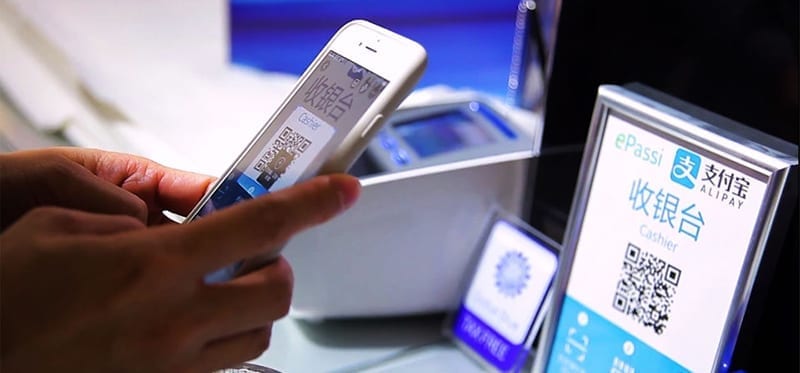
    Chinese fintech titan, Alipay, is ramping up its endeavors in AI-driven commerce with the introduction of an innovative AI payment infrastructure devised to bolster the burgeoning “agentic economy”.

    As per a press release issued on Monday, Alipay unveiled the world’s inaugural “AI Wallet” along with a novel service dubbed “Token Pay”, both targeted at AI firms and developers. This announcement was made at the Alipay AI Payment Ecosystem Conference held in Hangzhou.

    AI Agents in the Commercial World

    The crux of this initiative is Alipay’s AI payment ecosystem, where users can execute transactions via AI agents using voice commands and automated processes.

    Cyril Han, CEO of Ant Group, said, “Even though the quintessence of commerce remains intact in the AI era, AI agents are revolutionizing every aspect.” Han added that based on 22 years of technological prowess and commercial knowledge, Alipay is creating the next wave of AI payment services to boost the growth of the agentic commerce ecosystem.

    The firm disclosed that its AI-native payment products have already surpassed 100 million users since their February 2026 launch. As per Alipay, the system has processed approximately 300 million transactions so far, making it the first commercially scaled AI-native global payment infrastructure.

    Introduction of the “AI Wallet”

    The AI Wallet, a crucial part of this expansion, has been recently introduced and is now accessible via the Alipay app.

    The product is engineered to provide users more supervision and command over transactions executed by AI agents. This includes the ability to monitor tasks prior to and during payment and to analyze spending behavior after the transaction.

    In an effort to augment trust in autonomous AI transactions, Alipay also launched China’s maiden “Agentic Commerce Trust Protocol”, aimed to establish a standardized framework between AI systems and service platforms.

    Simultaneously, the firm introduced an intelligent security system designed to safeguard AI-driven transactions.

    “Token Pay” Designed for AI Companies

    Along with the AI Wallet, Alipay launched “Token Pay”, which the firm describes as the first integrated payment solution specifically tailored for AI model firms.

    The platform enables AI enterprises to handle subscription payments, token top-ups, and associated transactions on a global scale via a single infrastructure.

    Weiqi Hu, Vice President of MiniMax, said, “Payments are instrumental in facilitating massive growth in the AI sector. Together with Alipay, we aim to strengthen collaboration across multiple domains to accelerate the growth of AI commerce.”

    Payments Integration within AI

    Industry experts anticipate payments to become an inherent feature within AI applications rather than a separate step in digital commerce.

    “AI is redefining every facet of commerce,” said Lin Zhu, General Manager of Alipay’s AI payment business at Ant Group. Zhu added that payments are transitioning from a final step to a capability embedded from the outset. According to Zhu, only with trusted transactions, seamless payments, and secure controls, can agentic commerce genuinely proliferate.

    Extensive Expansion Across Industries

    Alipay’s AI payment infrastructure is already being widely used across a plethora of sectors and devices in China, such as AI-powered services embedded in retail apps including Luckin Coffee, smart glasses by Rokid, Alibaba’s Qwen AI ecosystem, OpenClaw-style AI agents, smart vehicle cockpits, AI development platforms like Coze and Qoder, and “One Person Companies”.

    Alipay announced additional investment in developer support programs, including token incentives and waiving payment-processing fees for individual AI developers.

    Through the latest rollout, Alipay is striving to establish itself not merely as a payment provider, but increasingly as the financial infrastructure supporting the next generation of AI-driven digital commerce.

    Questions & Answers

    What is the AI Wallet introduced by Alipay?
    The AI Wallet is a product designed to give users more control over transactions carried out by AI agents. Users can monitor tasks before and during payment execution and analyze spending behavior afterward.

    What is the purpose of Alipay’s “Token Pay”?
    Token Pay is an integrated payment solution created specifically for AI model companies. It allows AI firms to manage subscription payments, token top-ups, and related transactions globally through a single infrastructure.

    What is Alipay’s strategy with the introduction of the new AI payment infrastructure?
    Alipay’s strategy is to position itself not only as a payment provider, but increasingly as the financial infrastructure underpinning the next generation of AI-driven digital commerce.

  • Miniso Group Reports Surging Q1 Sales: All Sectors Power Past Revenue Projections

    Miniso Group Reports Surging Q1 Sales: All Sectors Power Past Revenue Projections

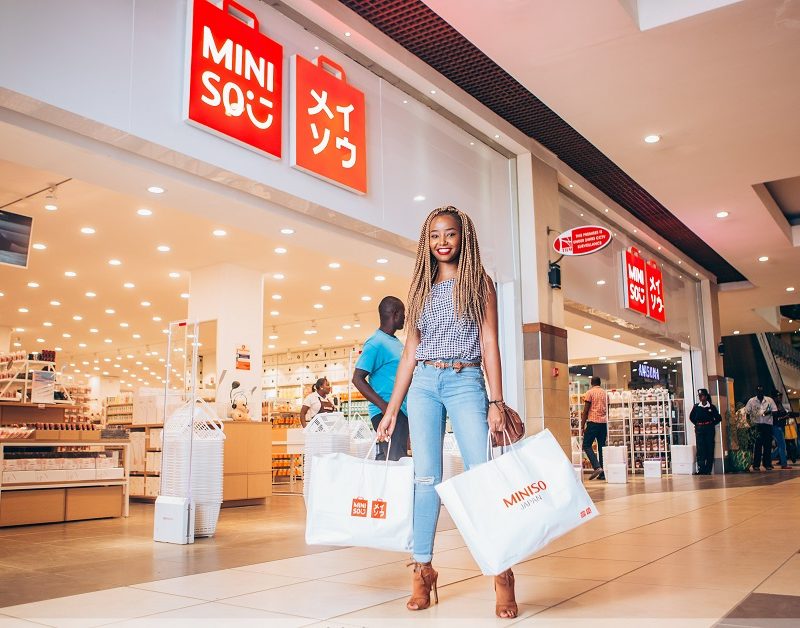
    Miniso Group, a prominent retailer based in China, reported a significant growth in sales in its first quarter, owing to strong performances across all business areas. The company’s revenue saw a year-on-year increase of 28.5%, totalling up to US$824.6 million for the quarter ending on March 31. The impressive results, primarily fueled by a noticeable boost in same-store sales, surpassed the management’s initial projections.

    Consistent Growth Across Segments

    Miniso’s business in Mainland China marked its fifth successive quarter of revenue growth, registering a 29.6% increase. Concurrently, the company’s overseas revenue saw a rise of 21.9%. The Top Toy segment also maintained its growth trajectory in the pop toy industry, posting a sales growth of 51.4%.

    The company’s profit for the period skyrocketed by 199.7% year-on-year to $180.9 million. This surge was primarily attributable to an unrealised market gain of $126.8 million arising from fair value alterations in an investment related to a limited partnership in the AI industry. Moreover, the adjusted net profit witnessed an 8.1% increase, amounting to $79.8 million.

    Guofu Ye, the founder, chairman, and CEO of Miniso Group, expressed his delight at the company’s remarkable performance in the quarter. He underscored the growing momentum of the company, stating his intent to increase his holdings as a testament to his faith in the company’s future prospects. He went on to add that the current valuation of Miniso Group does not fully encapsulate its intrinsic potential.

    Ye, who presently owns approximately 63.7% stake in the company (excluding treasury shares), had earlier disclosed his plans to increase his stake by at least $6.4 million over the course of the upcoming year.

    Looking Forward

    Heading into the second half of 2026, Ye expressed the company’s commitment to intensify its globalisation and IP strategies, aiming to drive high-quality growth. The company plans to achieve this through continuous product mix optimisation, expansion and upgrade of store networks, and leveraging a multi-dimensional IP matrix, all in line with its long-term objectives.

    As of March 31, Miniso’s store count stood at 8565, indicating a net increase of 797 stores year-on-year. The Miniso brand boasted 8210 stores, including 4593 in Mainland China and 3617 overseas.

    Questions & Answers

    What was the key driver behind Miniso’s impressive sales growth in the first quarter?
    The company’s outstanding sales growth was primarily driven by strong performances across all business segments, with significant contribution from mid-single-digit same-store sales growth.

    What are Miniso’s plans for the second half of 2026?
    Miniso intends to deepen its globalisation and IP strategies, continuously optimize its product mix, expand and upgrade its store network, and leverage a multi-dimensional IP matrix to drive high-quality growth.

    How many stores does Miniso currently operate?
    As of March 31, Miniso operated a total of 8565 stores, with the Miniso brand having 8210 stores, including 4593 in Mainland China and 3617 overseas.

  • Vietnams Gold Market Springs Back: Global Bullion Rates Trigger Significant Rise

    Vietnams Gold Market Springs Back: Global Bullion Rates Trigger Significant Rise

    Gold prices in Vietnam experienced a resurgence on Monday morning, reflecting a similar upsurge in worldwide bullion rates. The Saigon Jewelry Company increased their gold bar prices by 0.3%, reaching VND162 million (approximately US$6,145.44) per tael. This rise comes after a significant four-month dip that peaked last week.

    Global Gold Prices on the Rise

    In similar fashion, the price of gold rings in Vietnam elevated by 0.31%, equating to around VND161.5 million per tael. A tael, for those unfamiliar, is roughly equivalent to 37.5 grams or 1.2 ounces.

    On a global scale, gold prices experienced a noteworthy increase of more than 1% on Monday. This shift can be attributed to a combination of a weakening US dollar and decreasing oil prices. These economic fluctuations have led investors to ponder the possibility of a breakthrough in peace negotiations between the United States and Iran.

    Spot gold saw an increase of 1.1%, reaching $4,559.29 per ounce. Similarly, US gold futures for June delivery experienced a 0.8% increase, bringing the cost up to $4,560.30. The declining strength of the dollar means that gold priced in greenbacks is now more accessible to those dealing in other currencies.

    Looking at the larger picture, despite the recent price increase, bullion remains approximately 13% lower than it was prior to the onset of conflict in late February.

    Questions & Answers

    What prompted the rebound of gold prices in Vietnam?
    The resurgence can be primarily attributed to a similar increase in global bullion rates, coupled with economic factors including a weakening US dollar and decreasing oil prices.

    What has been the impact of the US-Iran peace negotiations on gold prices?
    The consideration of a possible breakthrough in US-Iran peace talks has led investors to lean towards gold, contributing to the recent rise in prices.

    How has the recent conflict affected the overall price of bullion?
    Despite the latest increase, bullion prices remain around 13% lower than before the conflict began in late February.

  • How to Use a Hair Care Kit for Best Results

    How to Use a Hair Care Kit for Best Results

    Most people buy a hair care kit with the best intentions — and then use it wrong. They skip steps, mix up the order, or give up after two weeks because they didn’t see results. The truth is, a good hair care kit only works when you understand what each product is doing and why the sequence matters. Getting that part right makes all the difference.

    Why the Order of Application Actually Matters

    A hair care kit isn’t just a bundle of products thrown together. Each item in the kit is designed to work at a specific stage — some prepare the scalp, some deliver active ingredients, and some seal in the work that’s already been done. Using them out of order is like taking a medication at the wrong time and wondering why it isn’t working.

    For example, applying a hair oil before a scalp treatment can block absorption. The oil creates a barrier on the skin, and any serum or solution you apply afterward simply sits on top instead of reaching the scalp. Understanding this basic mechanism helps you respect the sequence instead of guessing.

    Start With a Clean Scalp — Not Just Clean Hair

    Most people wash their hair but don’t actually clean their scalp properly. The scalp is skin. It accumulates oil, dead cells, product residue, and sometimes low-grade inflammation. If you’re applying a treatment on top of that buildup, you’re wasting the product.

    Use a mild, sulphate-free shampoo and massage it into the scalp with your fingertips — not nails. Let it sit for a minute before rinsing. If your kit includes a scalp cleanser or pre-wash oil, apply that 30 to 45 minutes before shampooing. This loosens buildup and makes the scalp more receptive to treatment.

    How to Apply Topical Treatments Without Wasting Them

    Serums, minoxidil solutions, or herbal scalp drops are the most active ingredients in any hair kit. And yet, most people apply them carelessly — pouring them onto the hair instead of the scalp, or rubbing them in ways that reduce contact time.

    Here’s what works better:

    • Part your hair into sections before applying
    • Use the dropper or nozzle to apply directly to the scalp, not the strands
    • Press gently with your fingertips to spread, don’t rub aggressively
    • Leave the product on for the recommended time — usually without washing off

    Consistency here matters more than quantity. Using the right amount every day beats using a large amount every few days.

    Oils and Conditioners Come After — Not Before

    Hair oils are often misunderstood. They don’t feed the scalp through the skin in the way many people think. Their main job is to reduce friction, add moisture to the hair shaft, and in some cases, provide a mild anti-inflammatory effect on the scalp surface. That’s still useful — just not a replacement for active treatments.

    Apply oil after your scalp treatment has been absorbed, or on days when you’re doing a pre-wash routine. Conditioners should always go on the lengths and ends of the hair, not the scalp. Applying conditioner to the scalp regularly can clog follicles over time and undo the work your treatments are doing.

    Give the Kit Time — But Also Track What’s Happening

    Hair grows slowly. A follicle that’s been weakened over months or years won’t bounce back in two weeks. Most hair care kits need at least 12 weeks of consistent use before you can fairly evaluate them. That said, you shouldn’t be completely passive during this time.

    Keep a simple log — notice whether shedding reduces, whether new shorter hairs appear near the hairline, whether your scalp feels less itchy or oily. These early signals tell you the kit is working even before visible density returns.

    Some treatment systems like how to use Traya kit actually guide you through proper product sequencing and timing, which removes a lot of the guesswork people face when managing hair fall on their own.

    Understanding Why Your Hair Is Falling Is Half the Work

    No kit will work long-term if you don’t address what’s causing the hair fall in the first place. Nutritional deficiencies, hormonal shifts, chronic stress, scalp conditions, and genetic factors like male patter baldness all require different approaches. A kit that works beautifully for one person may deliver modest results for another — not because the products are bad, but because the root cause is different.

    Final Thoughts

    Using a hair care kit correctly is less about effort and more about understanding. Know what each product does, respect the order, keep the scalp clean, and give the process genuine time. Hair health isn’t a quick fix — but with the right approach and a little patience, consistent care does add up.

  • Yum China’s Kpro Surpasses 300 Locations: Eyes 600 Stores by Year-End Amid Soaring Health Food Demand

    Yum China’s Kpro Surpasses 300 Locations: Eyes 600 Stores by Year-End Amid Soaring Health Food Demand

    Yum China has announced plans to expedite the expansion of its light-meal brand, Kpro, following its current establishment of over 300 locations across the country. The company’s stated ambitions to double its stores by year’s end, from around 200 last year to 600, indicates the rising demand for healthier and cost-effective dining options within the Chinese market.

    Kpro operates in tandem with KFC restaurants, offering a menu that centers around balanced nutrition. This includes items such as multigrain energy bowls, yogurt smoothies, and whole-wheat sandwiches.

    The company explains that the operational symbiosis between Kpro and KFC allows them to capitalize on the pre-established network, customer base, and supply chain of KFC. This strategy also helps keep investment and operating expenses lower than what would be incurred with independent outlets.

    The expansion plan for Kpro is concentrated on tier-one, tier-two, and selected tier-three cities, specifically in the eastern and southern regions of China. These areas are known for having a high demand for light-meal options.

    Recently, Yum China announced a record-breaking first quarter for FY26 with over 600 new store openings.

    Questions & Answers

    What is the growth strategy for Kpro in China?
    Kpro plans to expand its presence in China, aiming to reach 600 stores by year’s end. The company is targeting tier-one, tier-two, and selected tier-three cities, particularly in the eastern and southern parts of China, where light meals are in high demand.

    What is unique about Kpro’s operating model?
    Kpro operates alongside KFC restaurants, allowing the brand to leverage KFC’s existing store network, customer base, and supply chain. This model helps Kpro maintain lower investment and operating costs than standalone formats.

    How does Kpro’s menu contribute to its popularity?
    Kpro’s menu, focused on balanced nutrition, aligns with the rising demand for healthier and affordable dining options in China. Offerings such as multigrain energy bowls, yogurt smoothies, and whole-wheat sandwiches cater to this growing consumer preference.

  • VIPshop Cash-In: Lunar New Year Boosts Quarterly Profits Amid Strong Apparel Sales

    VIPshop Cash-In: Lunar New Year Boosts Quarterly Profits Amid Strong Apparel Sales

    Chinese retail giant, VIPshop, has recently announced an increase in their first-quarter profits, a result of robust clothing sales and enhanced margins during the Lunar New Year shopping period.

    The firm revealed a total net revenue of RMB26.6 billion (US$3.9 billion) for the quarter which concluded on March 31, marking an increase of 1.2 per cent compared to the previous year.

    In addition to this, the number of active customers saw a moderate rise to 41.7 million, and total orders experienced a growth of 3.2 per cent, equating to 172.6 million.

    Key Factors Behind The Growth

    Eric Shen, the Chairman and CEO, attributed the company’s successful quarter to robust clothing sales and escalated expenditure by high-value customers throughout the Lunar New Year shopping period. He stated that their SVIP client base saw commendable growth in both numbers and contribution, showcasing their continued attractiveness to high-value consumers.

    Shen stated, “In conjunction with these outcomes, we have made consistent progress in our product range, customer engagement, and AI integration. All these factors are aiding us in further capitalizing on our off-price retail model for expansion. We remain committed to the brand-discount space and are confident in our capacity to ensure sustainable, profitable growth in the long term.”

    Mark Wang, the CFO, further elaborated that consumer expenditure was primarily concentrated within the first two months of the quarter. This was due to the earlier occurrence of the Lunar New Year holiday. This, combined with a more robust product mix and disciplined cost management, led to an improvement in profitability.

    Projected Future Revenue

    Looking forward, VIPshop anticipates their second-quarter revenue to fall between RMB24.5 billion (US$3.6 billion) and RMB25.8 billion (US$3.79 billion). This represents a prospective year-over-year decrease of approximately 5 per cent to 0 per cent.

    Questions & Answers

    What was the key factor contributing to VIPShop’s increased first-quarter profits?
    High apparel sales and improved margins during the Lunar New Year shopping season were significant contributors to the increased profits.

    How has the SVIP customer base been significant to VIPShop’s success?
    The SVIP customer base has demonstrated solid growth in both numbers and contributions, indicating the brand’s sustained appeal to high-value consumers.

    What are VIPShop’s expectations for the second-quarter revenues?
    VIPShop anticipates their second-quarter revenue to be between RMB24.5 billion (US$3.6 billion) and RMB25.8 billion (US$3.79 billion), indicating a potential year-over-year decrease of approximately 5 per cent to 0 per cent.

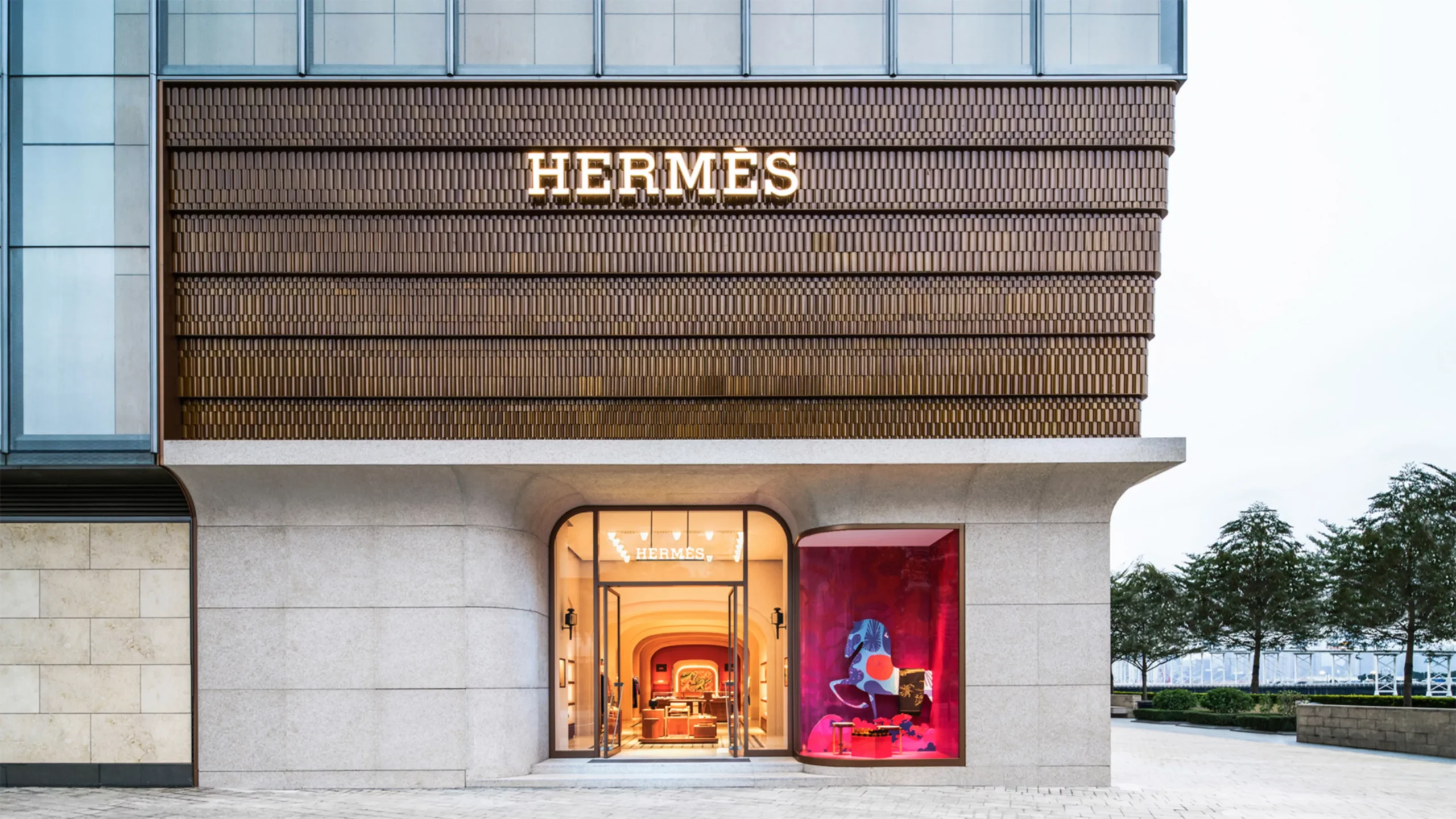
  • Hermes Unveils Culture-Inspired Redesign of Expanded Osaka Store at Hilton Plaza East

    Hermes Unveils Culture-Inspired Redesign of Expanded Osaka Store at Hilton Plaza East

    Luxury fashion house Hermès has unveiled its newly revamped store at Hilton Plaza East, with a fresh design that pays homage to the surrounding culture and scenic beauty. Parisian architectural firm RDAI is credited with the store’s stunning redesign, which now extends over two storeys, each dedicated to an immersive display of Hermès’ 16 distinguished métiers.

    The updated store boasts an eclectic range of Hermès offerings, from their sought-after leather goods and chic fashion accessories to their signature perfumes and beauty products. Delicate jewellery, elegant watches, and a curated selection of home décor collections add to the store’s luxuriant appeal.

    Interplay of Culture and Nature in Design

    Incorporating a blend of geometric elements and dynamic materials, the store’s redesign has masterfully incorporated motifs inspired by Osaka’s local culture. These are complemented by a winged horse and floating clouds, symbolising Hermès’ annual theme, ‘Venture Beyond’.

    The store’s facade has been strikingly adorned with Mino-yaki ceramic tiles reflecting hues of green and blue, designed to imitate the shimmering reflections of water. This theme is carried into the store’s interiors which combine natural mineral surfaces in earthy tones with contrasting teal accents.

    Reimagined Storefront and Artwork Display

    The storefront windows bear the artistic touch of renowned French artist Matthieu Cosse. His art installations present an intriguing blend of celestial landscapes and theatrical elements, lending a dreamlike quality to the store’s exterior.

    The redesigned store also serves as a gallery for curated artworks from the Emile Hermès Collection and the Hermès Collection of Contemporary Photographs, seamlessly incorporated into the boutique’s inviting layout.

    This unveiling at Hilton Plaza East forms part of a broader renovation initiative by Hermès, with recently updated boutiques in Taipei and Hong Kong exemplifying the brand’s commitment to a refreshed and contemporary store experience.

    Questions & Answers

    What was the inspiration behind the redesign of the Hermès store at Hilton Plaza East?
    The store’s redesign was inspired by the local culture and natural landscapes of Osaka.

    Who was involved in the redesign process?
    Paris-based architecture studio RDAI was responsible for the store’s redesign, with French artist Matthieu Cosse reimagining the storefront windows.

    What can customers expect to find in the revamped store?
    The store offers a wide range of Hermès products, including leather goods, fashion accessories, perfumes, beauty products, jewellery, watches, and home collections. It also showcases curated artworks from the Emile Hermès Collection and the Hermès Collection of Contemporary Photographs.

  • HSBC Private Bank Bolsters Taiwan Onshore Market with Appointment of New Head

    HSBC Private Bank Bolsters Taiwan Onshore Market with Appointment of New Head

    HSBC Private Bank recently revealed the induction of Edward Chiu as the Market Head for Onshore Taiwan, effective from June 1, 2026. This is part of their strategy to fortify their onshore operations in Taiwan.

    Edward Chiu brings over two decades of exemplary leadership experience in wealth management and affluent banking within Taiwan to his new role. His tenure at HSBC Taiwan as the Head of Premier Elite since 2024 has been marked by significant growth. Before joining HSBC, Chiu held senior leadership positions at DBS and Citibank, where he established a strong track record in revenue growth, talent development, and client acquisition.

    Edward Chiu’s New Role

    In his new position, Chiu will spearhead the onshore private banking business in Taiwan. He will work in close association with other business lines to offer comprehensive solutions tailored to the needs of Taiwanese clients. Chiu is set to report to Kanas Chan, the Head of Private Bank for North Asia and Hong Kong, and Kevin Hu, who is the Head of International Wealth and Premier Banking in Taiwan.

    Upon the announcement of Chiu’s appointment, Kanas Chan expressed that Taiwan is a strategically crucial growth market for their business operations in North Asia. He further stated that Edward’s appointment will bolster the leadership team in Taiwan, and it underlines their dedication to augmenting their onshore presence and enhancing the client experience.

    Chan also mentioned that with Chiu’s extensive expertise and proven track record in serving High Net Worth and Ultra High Net Worth clients, he is confident that Chiu’s leadership will expedite HSBC’s growth trajectory in Taiwan and set the stage for the next phase of business success.

    Questions & Answers

    Who has HSBC appointed as the Market Head for Onshore Taiwan?
    Edward Chiu has been appointed as the Market Head for Onshore Taiwan by HSBC.

    What will be Edward Chiu’s role at HSBC?
    Edward Chiu will lead the onshore private banking business in Taiwan and collaborate with other lines of business to offer comprehensive solutions for Taiwanese clients.

    Who will Edward Chiu report to in his new role?
    Edward Chiu will report to Kanas Chan, Head of Private Bank for North Asia and Hong Kong, and Kevin Hu, Head of International Wealth and Premier Banking in Taiwan.

  • Revamping Chanel: How Matthieu Blazys Unique Twist on Classics Fuels Brands Return to Growth

    Revamping Chanel: How Matthieu Blazys Unique Twist on Classics Fuels Brands Return to Growth

    The iconic Parisian fashion brand, Chanel, has seen an influx of new customers drawn to the reimagined versions of classic items by creative director Matthieu Blazy. The reinvented versions of the brand’s staple bags, shoes, and jackets have sparked a demand that exceeds supply, propelling the brand towards renewed growth.

    Revenue Growth and Increased Demand

    Chanel, a privately-held company, announced a 2% increase in revenue to $19.3 billion in 2025, marking a bounce back from a 4.3% decline in 2024. This period saw even premium fashion brands grappling with the bounds of demand following significant price hikes during a post-pandemic luxury resurgence.

    Blazy, who replaced Virginie Viard last year, has breathed new life into the brand with innovative designs like the relaxed leather “maxi flapbag” retailing at $8500, and bright, fringed renditions of the classic Chanel tweed jacket.

    Chanel’s CEO, Leena Nair, noted a creative momentum across all their business activities in 2025 and attributed the sales rebound to the investments made the previous year. The company also reported an increase in operating profit by 5% to reach $4.7 billion, although this fell short of its figures between 2021 and 2023.

    When Blazy’s debut collection hit stores in March, it sparked a buying frenzy for new handbags, two-tone pumps in mint green and black sold at $1450, and multicoloured tweed jackets. Simon Longland, Director of Fashion Buying at the prestigious Harrods in London, described the recruitment of new clients – those who had never previously bought Chanel – as phenomenal.

    Regional Growth and Future Plans

    Despite slower growth than Hermès and a slight decline compared to LVMH’s fashion and leather goods division, Chanel still saw a significant surge in sales in the US market, with a 7.2% increase in the Americas region. However, sales in Asia-Pacific, Chanel’s largest region by sales, declined slightly by 0.8%, while Europe saw a growth of 2.5%.

    In 2025, Chanel increased prices by 3% overall and 2% for fashion products, with similar hikes planned for this year. CFO Philippe Blondiaux reported that Chanel’s business in the Middle East, accounting for about 4% of revenue, remained resilient despite the war in Iran.

    After opening 41 stores in 2025, the brand intends to open an additional 30 stores this year, including nine fashion boutiques, with new locations in Boca Raton, Florida, as well as Palo Alto and San Diego in California.

    Questions & Answers

    What contributed to Chanel’s revenue growth in 2025?
    Chanel’s increased revenue in 2025 can largely be attributed to the innovative designs of new creative director Matthieu Blazy, which led to a surge in demand for the brand’s products.

    How did Chanel fare compared to other luxury brands in 2025?
    Though Chanel experienced slower growth than Hermès, it outperformed LVMH’s fashion and leather goods division and saw strong sales growth in the Americas region.

    What are Chanel’s plans for 2026?
    Chanel plans to continue expanding by opening 30 more stores, including nine fashion boutiques, in locations such as Boca Raton, Florida, Palo Alto, and San Diego, California. The brand also intends to increase prices by a similar rate as in the previous year.

  • Vietnam’s Gold Market Stumbles: Price Plunge Amid Softening Global Bullion Rates

    Vietnam’s Gold Market Stumbles: Price Plunge Amid Softening Global Bullion Rates

    On Wednesday, gold prices in Vietnam witnessed a decline, following a similar downtrend in global bullion rates. The price of gold bars offered by Saigon Jewelry Company (SJC), a major Vietnamese gold retailer, fell by 0.92%, hitting VND162 million (US$6,144.5) per tael. In addition, the price of gold rings slid down by 1.1% to VND161.5 million per tael. It’s worth noting that a tael in Vietnam is equivalent to 37.5 grams or 1.2 ounces.

    Global Gold Market Trends

    Globally, gold prices also edged lower on Wednesday. This downward trend was primarily due to rising Treasury yields and a strong dollar, which eclipsed the optimism kindled by the prospect of a potential peace agreement between the U.S. and Iran. Spot gold fell by 0.3%, valued at $4,467.59 per ounce, after reaching its lowest point since March 30 in the preceding session. Meanwhile, U.S. gold futures for June delivery suffered a loss of 0.9%, priced at $4,471.10.

    Inflationary pressures stemming from the Iran conflict spurred a selloff in global bond markets. This sell-off drove 30-year U.S. Treasury yields to levels unseen since the precursor period to the 2007 global financial crisis. Concurrently, the dollar floated at a six-week high, making bullion priced in the greenback more expensive for individuals holding other currencies.

    Analysts speculate that gold’s current slump could be attributed to the rising yields and the dollar’s strength. Tim Waterer, the chief market analyst at KCM Trade, opines, “Gold is running out of puff somewhat against this backdrop of rising yields, and a dollar which has a spring in its step courtesy of the hawkish shift in the rates outlook.”

    Questions & Answers

    What triggered the decline in gold prices in Vietnam?
    The fall in gold prices in Vietnam was influenced by the global downtrend in bullion rates, with the price of gold bars and gold rings offered by Saigon Jewelry Company witnessing a significant decline.

    What factors influenced the global downtrend in gold prices?
    Rising Treasury yields and a firm U.S. dollar were the primary factors that attributed to the global decline in gold prices. The optimism surrounding the potential U.S.-Iran peace agreement was overshadowed by these factors.

    What impact did the Iran conflict have on the global gold market?
    The Iran conflict led to inflationary pressures that resulted in a selloff in global bond markets. This, in turn, significantly affected the global gold market, driving U.S. Treasury yields to levels unseen since the precursor period to the 2007 global financial crisis.

  • Unlock Luxury: Tiffany & Co Launches Expanded Flagship Store and Blue Box Cafe in Hong Kongs Lee Gardens

    Unlock Luxury: Tiffany & Co Launches Expanded Flagship Store and Blue Box Cafe in Hong Kongs Lee Gardens

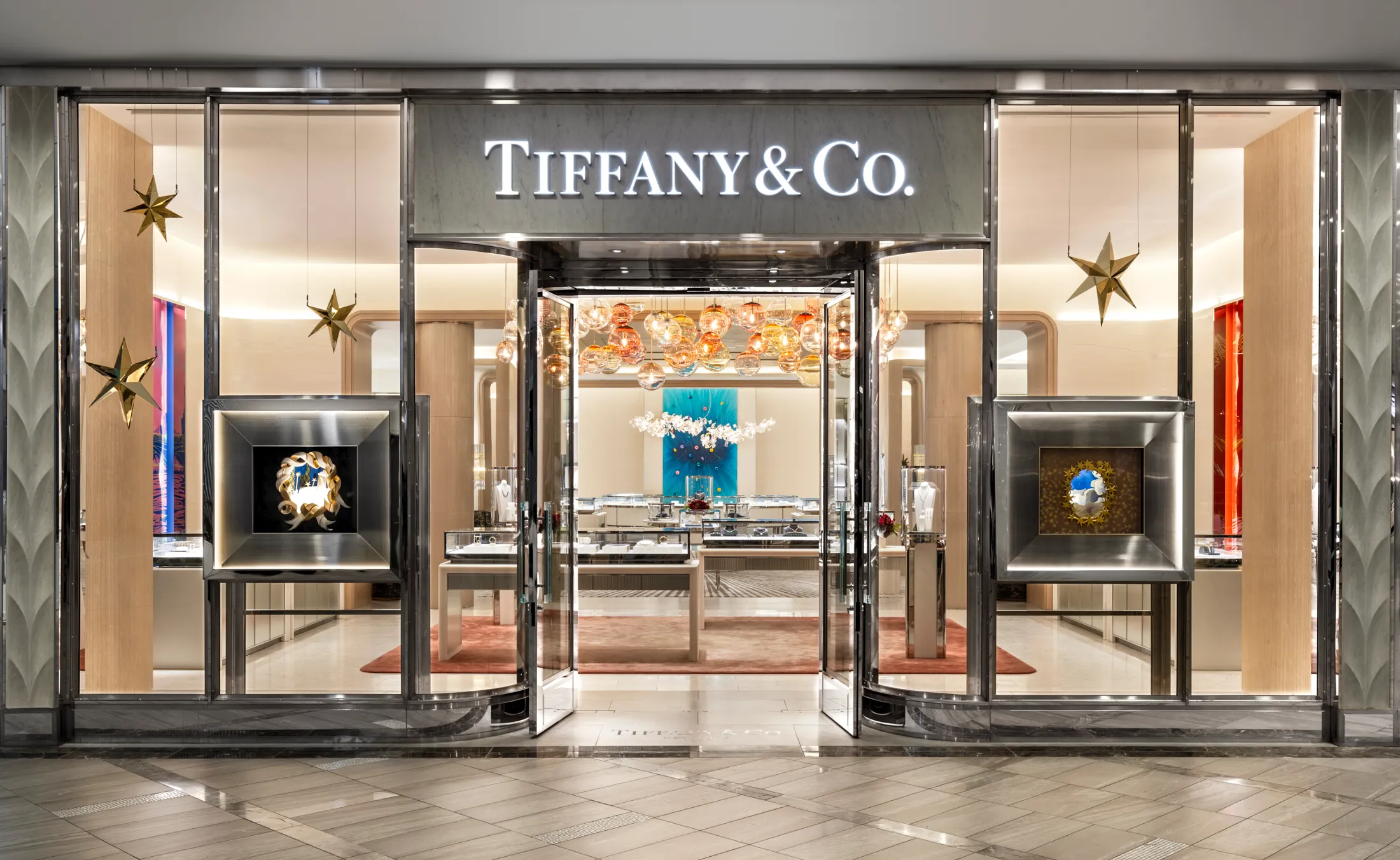
    Tiffany & Co, esteemed luxury jewellery brand, has broadened its reach in Hong Kong with the inauguration of a flagship store at Lee Gardens, introducing a fresh retail experience.

    The boutique, situated in Causeway Bay, extends over two floors and more than 770 square meters. It boasts specialized areas for high jewellery, watches, home accessories, and exclusive client appointments.

    Upon entering the 414 square meter ground floor, customers are greeted with an impressive display of Tiffany’s esteemed jewellery collections. These include the HardWear, Lock, Knot, and T ranges. Adding a touch of exclusivity, a dedicated high jewellery salon is also housed on this floor.

    The boutique’s interior exudes elegance, featuring metallic finishes, soothing color palettes, and bespoke design elements. A particularly eye-catching highlight is the exquisite orchid mural, which adorns a private salon space.

    The first floor, spanning 359 square meters, provides a multi-faceted experience for the clientele. It encompasses a watch salon, a home & accessories section, and the novel Blue Box Cafe which is set to open its doors next month. The brand also revealed the integration of artworks by notable artists Gregor Hildebrandt, Shim Moon Seup, Vik Muniz, and Sho Shibuya.

    The upcoming Blue Box Cafe will serve as a culinary treat for the customers, offering a unique, Japanese-inspired dining experience. The cafe will utilize local ingredients in its offerings, which will span across breakfast, teatime, and an all-day menu.

    The Causeway Bay store follows the opening of the first Tiffany Blue Box Cafe in Asia, which was launched in Hong Kong’s Tsim Sha Tsui last year. This marks the brand’s second cafe venture in the market.

    Questions & Answers

    **What does the new Tiffany & Co boutique in Causeway Bay offer?**
    The new boutique offers dedicated spaces for high jewellery, watches, home accessories, and private client appointments. The store also houses a new Blue Box Cafe and features artwork from renowned artists.

    **What will the new Blue Box Cafe offer to customers?**
    The Blue Box Cafe will provide a Japanese-inspired dining experience, featuring local ingredients across breakfast, teatime, and an all-day menu.

    **How many Blue Box Cafes does Tiffany & Co have in Hong Kong?**
    With the opening of the Blue Box Cafe in the Causeway Bay boutique, Tiffany & Co now operates two cafes in Hong Kong; the first one is located in Tsim Sha Tsui.

  • Revolutionizing E-Commerce: Alibabas Qwen AI Changes the Game in Online Shopping Experience

    Revolutionizing E-Commerce: Alibabas Qwen AI Changes the Game in Online Shopping Experience

    Alibaba, the Chinese technology behemoth, is set to revolutionize the way consumers search for products online. The company plans to link its artificial intelligence (AI) system Qwen to Taobao and Tmall’s online catalogues, which together comprise over 4 billion products. The Qwen-powered shopping assistant will be directly integrated into the Taobao app, allowing users to ask comprehensive questions, receive personalized suggestions, compare different options, and execute transactions, without ever leaving the chat interface.

    Revolutionizing E-commerce Infrastructure

    The impact of Alibaba’s latest innovation is best understood by examining the scale of its implementation. Taobao and Tmall, the world’s largest e-commerce marketplaces in terms of gross merchandise value, handled an estimated combined total of US$1.4 trillion in transactions last year. This figure eclipses Amazon’s third-party marketplace by nearly three times.

    What sets Alibaba’s approach apart is that it is not simply adding an AI feature to an existing platform, like OpenAI’s third-party plug-ins or Amazon’s AI-powered recommendations. Instead, Qwen, which has been trained using over two decades of Alibaba’s proprietary transaction data, merchant operations, and consumer behaviour, is woven into the transaction layer of the company’s e-commerce platform.

    The integration of Qwen addresses the challenges faced by global AI platforms trying to enter the e-commerce space. While they have to start from scratch, building trust and personalization, Alibaba already holds the keys: owning the data, the catalogue, the payment infrastructure through Alipay, and the logistics network through Cainiao. Qwen is the final piece of the puzzle, the conversational interface that ties everything together.

    A New Shopping Experience

    Qwen’s integration offers consumers a novel shopping experience. It goes beyond providing keyword-based search results. For instance, if a user is unsure what to buy for a friend’s birthday, Qwen can suggest appropriate gifts based on the user’s budget and their friend’s preferences. Similarly, someone looking to redecorate a small apartment can describe their needs, to which Qwen responds with a curated bundle of products and styling suggestions.

    Moreover, Qwen can provide detailed product comparisons for specific queries, from children’s camping gear to electric toothbrushes for sensitive gums. With the help of Alibaba’s multimodal model, it can even simulate how a garment would look on a user’s photo. The company plans to extend this feature to include footwear and accessories.

    Qwen can also assist users financially. It can aggregate platform discounts during major shopping events, recommend the best coupon combinations at checkout, and track the price of a specific item over a 30-day period, automatically placing the order when the price reaches the user’s target.

    All these features cumulatively signal a fundamental shift in e-commerce: from a passive model that waits for the consumer to make a decision, to a proactive model that monitors conditions and acts on behalf of the consumer.

    Alibaba is not alone in pushing for this paradigm shift. Other Chinese tech companies, like ByteDance, Tencent, and JD.com, are also integrating AI more deeply into their consumer interfaces.

    Questions & Answers

    What is Alibaba’s new initiative in e-commerce?
    Alibaba is integrating its AI system, Qwen, into the Taobao app. This will allow users to ask detailed questions, get personalized recommendations, compare products, and make purchases, all within a chat interface.

    How does the Qwen integration differ from other AI implementations in e-commerce?
    Qwen has been trained on over two decades of Alibaba’s transaction data, merchant operations, and consumer behaviour. It is not merely an add-on to Alibaba’s platforms, but is deeply woven into the transaction layer, enabling a more seamless and personalized shopping experience.

    What are some of the features of the Qwen Shopping Assistant?
    Qwen offers detailed product comparisons, simulates how clothing would look on a user’s photo, aggregates discounts during major sale events, recommends optimal coupon combinations at checkout, and tracks product prices over a 30-day period, automatically placing the order when the price matches the user’s target.

  • DKNY Debuts First Chinese Flagship Store, Boosting Fashion Footprint in Shanghai

    DKNY Debuts First Chinese Flagship Store, Boosting Fashion Footprint in Shanghai

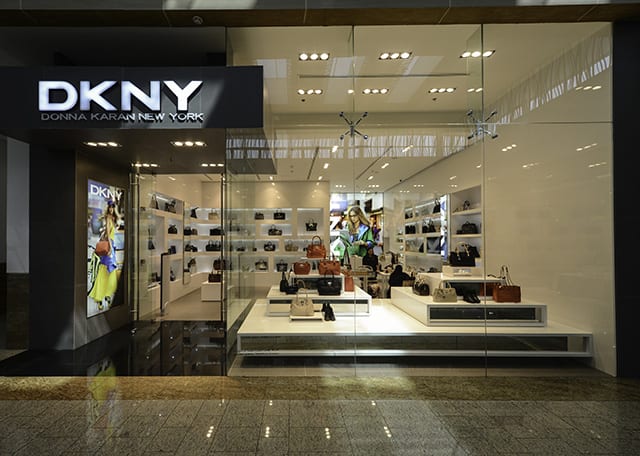
    DKNY, the renowned fashion label, has marked its first significant stride in China, with the inauguration of its flagship store. The store is situated along Huaihai Middle Road, thus fortifying the brand’s foothold in the country.

    The expansive store, spread across 245 square meters, finds its place on the ground floor of Lady Huaihai. Here, DKNY’s presence amplifies the area’s retail diversity that already includes eminent brands like Gentle Monster and Songmont.

    The shop’s unique design mirrors New York City’s dynamic spirit and attitude. It boasts polished aluminium finishes, intricate wood detailing, and upholstery inspired by the city’s iconic yellow cabs.

    The DKNY store is a one-stop-shop for fashion enthusiasts as it offers the brand’s latest ready-to-wear collections, footwear, handbags, and accessories. The retail space also highlights images from DKNY’s Spring 2026 campaign featuring popular model Hailey Bieber.

    Jeff Goldfarb, the executive vice president of G-III Apparel Group, DKNY’s parent company, shared his enthusiasm about the store’s location. Goldfarb believes Shanghai, one of the world’s most influential fashion markets, is the perfect place for DKNY’s next expansion in China.

    He also expressed his anticipation for DKNY’s future growth in China. He emphasized the brand’s effort to create a deeper connection with the Chinese consumers through elevated retail experiences and collections that evoke the energy of urban life.

    DKNY made its initial foray into the Chinese market through the online platform Tmall in 2017.

    Questions & Answers

    What is the significance of DKNY’s new store in China?
    The new flagship store marks DKNY’s first major step in expanding its physical presence in China.

    What distinguishes the store’s design?
    The store’s design reflects the energy and attitude of New York City, featuring polished aluminium finishes, wood detailing, and yellow cab-inspired upholstery.

    When did DKNY first enter the Chinese market?
    DKNY first entered the Chinese market in 2017 through the online marketplace Tmall.

  • Matthieu Blazys Fresh Spin Sparks Chanels Comeback in Luxury Market

    Matthieu Blazys Fresh Spin Sparks Chanels Comeback in Luxury Market

    The Paris-based luxury fashion brand Chanel has experienced a significant surge in demand, piquing the interest of first-time buyers. This increase has been attributed to the reimagined versions of classic items such as bags, shoes, and jackets by the brand’s creative director, Matthieu Blazy. As a result, Chanel’s demand has exceeded supply, signaling a rebound in growth.

    Revamping Classics Fuels Growth

    Chanel recently reported a 2% increase in currency-adjusted revenues for 2025, amounting to US$19.3 billion. The brand experienced a 4.3% reduction in revenue the previous year, a period when high-end fashion labels struggled with demand following significant price increases in the wake of a post-pandemic luxury boom.

    Last year, Matthieu Blazy assumed the role of creative director, succeeding Virginie Viard. His maiden collection, launched in October, infused fresh life into the brand with innovative designs. Notable among these are the slouchy leather maxi flap bag retailing for $8,500, and brightly colored, frayed interpretations of the traditional Chanel tweed jacket.

    Chanel’s CEO, Leena Nair, attributes the brand’s recent success to “a creative momentum across all our business activities,” further noting that investments made in the previous year laid the groundwork for this sales rebound. The brand’s operating profit also experienced growth, recording a 5% increase to hit $4.7 billion.

    New Trends Attracting New Customers

    The brand’s revamped collection has been well-received by consumers, resulting in a substantial increase in new clientele for Chanel. High-demand pieces such as new handbags, mint green and black two-tone pumps (priced at $1,450), and multicolored tweed jackets are flying off the shelves.

    As for the brand’s performance relative to its competitors, Chanel’s growth rate fell short of Hermès at 9.8%, but outperformed LVMH’s fashion and leather goods division, which recorded a 5% decline.

    America, despite enduring tariffs, contributed the most to Chanel’s growth, with a sales increase of 7.2% in currency-adjusted terms in the Americas region. Meanwhile, sales in the Asia-Pacific region — Chanel’s largest market — fell by 0.8%, and Europe recorded a growth of 2.5%.

    Chanel has plans to increase prices by 3% overall and 2% for fashion products this year, according to CFO Philippe Blondiaux. He also noted the Middle East’s market resilience, which accounts for approximately 4% of the brand’s revenue, despite the ongoing conflict in Iran.

    The company plans to continue expanding its retail presence, intending to launch 30 new stores this year, including nine fashion boutiques in locations such as Boca Raton, Florida, and Palo Alto and San Diego in California.

    Questions & Answers

    What has been the impact of Matthieu Blazy’s designs on Chanel’s performance?

    Blazy’s redesigns of classic Chanel pieces have resulted in increased demand, attracting many first-time buyers and contributing to significant growth for the brand.

    How does Chanel’s recent growth compare with that of other luxury fashion brands?

    Chanel’s growth rate in 2025 was slower than that of Hermès but exceeded the growth rate of LVMH’s fashion and leather goods division.

    What are Chanel’s future plans for expansion?

    Chanel plans to open thirty new stores this year, including nine fashion boutiques in locations such as Boca Raton, Florida, and Palo Alto and San Diego in California.

  • Air New Zealands Thrilling Reconnection: Direct Singapore-Christchurch Flights Launching this October

    Air New Zealands Thrilling Reconnection: Direct Singapore-Christchurch Flights Launching this October

    Air New Zealand is set to inaugurate a regular direct service connecting Singapore to Christchurch in New Zealand’s South Island from October 28. The airline has already started selling tickets for this service, which will operate thrice weekly. During the northern winter season, the airline anticipates that it will provide over 34,000 seats on this route, according to a statement released by the airline on Wednesday.

    The approximate flight time for this route is 10 hours, and it will be serviced by the airline’s refurbished Boeing 787 Dreamliner aircraft.

    Expansion of Services

    Air New Zealand indicated that the addition of this new route is a complementary extension to its existing Auckland-Singapore service. It also forms part of the airline’s overarching plan to increase capacity during the peak season, details of which will be revealed in late May.

    Additionally, the airline will introduce new services connecting Christchurch with Narita (Tokyo) and Perth (Australia) by the end of November.

    According to Air New Zealand CEO, Nikhil Ravishankar, the addition of these three new routes is a strategic move designed to directly re-link Christchurch with major global hubs in Asia, bolster connections with Australia, and revolutionize how the South Island connects with the rest of the world. This will effectively alter the arrival points for visitors and consequently, how they traverse the country.

    In the past, Air New Zealand has operated flights from Christchurch to Singapore in 2020, to Perth in 2019 and to Narita in 2015. Besides Air New Zealand, Singapore Airlines also offers direct flights between Singapore and Auckland.

    Questions & Answers

    When will Air New Zealand’s direct service from Singapore to Christchurch commence?
    The service will begin on October 28.

    What type of aircraft will be used for this service?
    The flights will be operated using the airline’s retrofitted Boeing 787 Dreamliner aircraft.

    What other new routes does Air New Zealand plan to introduce?
    New services connecting Christchurch with Narita (Tokyo) and Perth (Australia) will be introduced by the end of November.