Author: Mei Ling Tan

  • Siam Piwat Elevates Luxury Ecosystem with Global Giants: A Bid to Become Thailands Hub for High-Net-Worth Clients

    Siam Piwat Elevates Luxury Ecosystem with Global Giants: A Bid to Become Thailands Hub for High-Net-Worth Clients

    Siam Piwat Group, a leading Thai developer and operator of renowned shopping outlets like Siam Paragon, Siam Center, and Siam Discovery, has announced a strategic alliance with four major luxury brands: Belmond, Galeries Lafayette, Insignia, and MJets. The partnership aims to establish a “borderless” ecosystem, providing high-end travel, shopping, and lifestyle services for their affluent clients. This collaboration is expected to reinforce Siam Piwat’s Global Privilege Partnership and take its ‘Global Luxury Ecosystem’ to the next level.

    Strategic Collaboration for Luxury Market

    The group, which controls over 70% of Thailand’s luxury market, aims to connect private aviation, ultra-luxury hotels and resorts, premier department stores, and bespoke lifestyle services, all under a single network of privileges available both domestically and internationally. Saruntorn Asaves, the first executive VP of customer centricity and relationship at Siam Piwat, outlined the group’s strategy as being centered on “co-creation and collaboration” with global partners to create unique experiences for both Thai and international customers.

    Siam Piwat’s expertise in serving high-net-worth individuals is demonstrated through its OneSiam membership base. Asaves reported that, in 2025, high-net-worth members spent over 1 million baht per transaction, with their annual spending exceeding average customers by 35 times. She emphasized this as proof of the “immense and unrivalled purchasing power” of their top-tier clients.

    Introducing New Partnerships

    The newly onboarded partners in the Global Privilege network contribute their expertise in various fields. Belmond, an LVMH Group member, provides an assortment of ultra-luxury properties and train journeys; Galeries Lafayette offers its flagship Paris Haussmann department store; Insignia contributes high-end lifestyle and membership services; and MJets offers private aviation and airport lounge access.

    These collaborations promise to offer unique services to OneSiam members. For instance, Belmond will provide personalized travel planning and VIP welcoming at their hotels and trains. Insignia will offer 24/7 bespoke services, including access to exclusive events and hard-to-obtain restaurant reservations. MJets aims to offer private jet services, premium lounges, and chauffeur transfers from the runway to Siam Piwat’s properties. Lastly, Galeries Lafayette will extend exclusive hospitality to Siam Piwat members, including complimentary gifts, VIP lounge access, and expedited tax refunds with qualifying purchases.

    Questions & Answers

    What is the main purpose of Siam Piwat’s strategic collaboration with Belmond, Galeries Lafayette, Insignia, and MJets?
    The main goal of this alliance is to create a “borderless” ecosystem that combines high-end travel, shopping, and lifestyle services for their affluent clients, both in Thailand and internationally.

    What special offers will be available to OneSiam members as a result of these partnerships?
    OneSiam members will have access to personalized travel planning, VIP welcomes at hotels and trains, 24/7 bespoke services, private jet services, access to premium lounges, chauffeur transfers, and complimentary gifts and VIP lounge access at Galeries Lafayette with qualifying purchases.

    How does Siaw Piwat plan to serve high-net-worth individuals?
    Siam Piwat plans to connect private aviation, ultra-luxury hotels and resorts, premier department stores, and bespoke lifestyle services under a single network of privileges, thereby providing a holistic luxury lifestyle experience to high-net-worth individuals.

  • Modella Capital Scoops Up Danish Retailer Flying Tiger, Eyeing Global Expansion

    Modella Capital Scoops Up Danish Retailer Flying Tiger, Eyeing Global Expansion

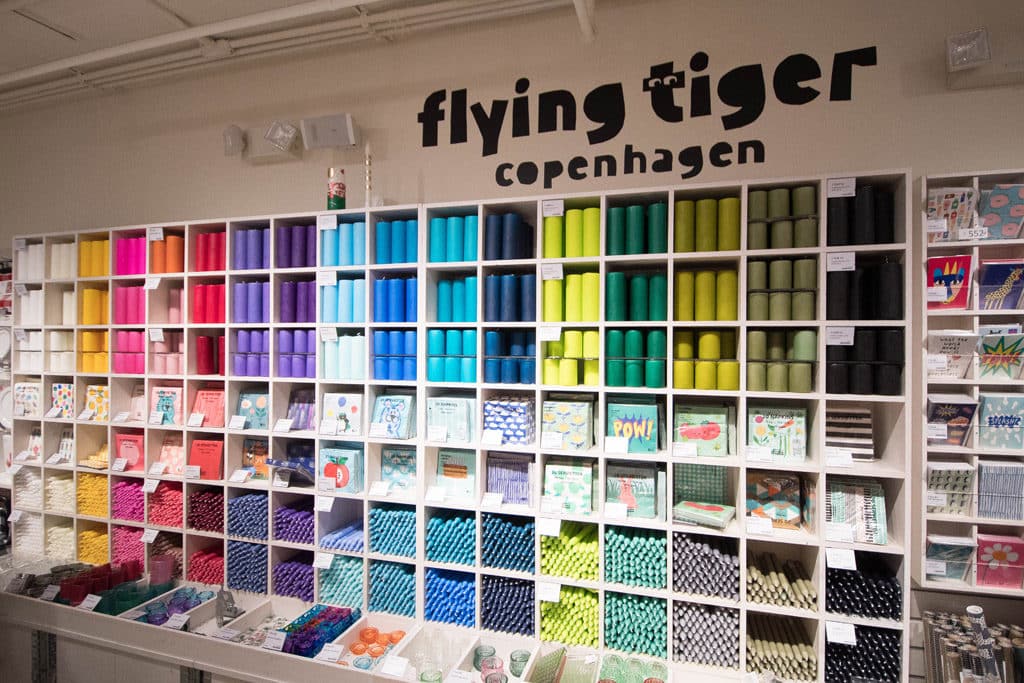
    Flying Tiger Copenhagen, a Danish variety store chain renowned for its affordable home goods and craft kits, has been acquired by Modella Capital, a UK-based private equity firm. Established in 1995, Flying Tiger Copenhagen operates nearly 1000 outlets in over 40 markets. Since last year, the chain has been managed by Danske Bank, Nordea, and its leadership team as part of a debt restructuring effort.

    Modella Capital’s First Acquisition Outside The UK

    TG Jones’s owner, Modella Capital, also owns Claire’s and The Original Factory Shop, both of which declared bankruptcy earlier this year. This acquisition of Flying Tiger Copenhagen signifies Modella’s initial venture beyond the UK.

    Modella’s Managing Director, Joseph Price, lauded Flying Tiger Copenhagen’s unique product offering and strong retail brand, which has garnered a loyal customer base spanning over 40 countries. “Flying Tiger Copenhagen is a business with tremendous potential. We are delighted to invest in its future, and we eagerly anticipate collaborating closely with the management team to furnish the stability, capital, and retail expertise the business requires to realize its growth plan,” stated Price.

    The chair of Flying Tiger, John Dueholm, declared that the management team had been dedicated to identifying the most suitable long-term proprietor for the business. He expressed confidence that Modella is “exceptionally well-positioned” as the new primary shareholder.

    Modella Capital pledged to back Flying Tiger’s expansion strategy, which includes adding over 700 franchise stores by the year 2030. The financial conditions of the agreement were not made public.

    Questions & Answers

    What does Flying Tiger Copenhagen specialize in?
    Flying Tiger Copenhagen is a variety store chain recognized for its affordable home goods and craft kits.

    Who has purchased Flying Tiger Copenhagen?
    The UK-based private equity investor, Modella Capital has acquired Flying Tiger Copenhagen.

    How does Modella Capital plan to support Flying Tiger Copenhagen’s growth?
    Modella Capital plans to support Flying Tiger’s expansion strategy, including the addition of more than 700 franchise outlets by 2030.

  • EU Slaps Chinese Retailer Temu with $232M Fine for Failing to Halt Sale of Illegal Products

    EU Slaps Chinese Retailer Temu with $232M Fine for Failing to Halt Sale of Illegal Products

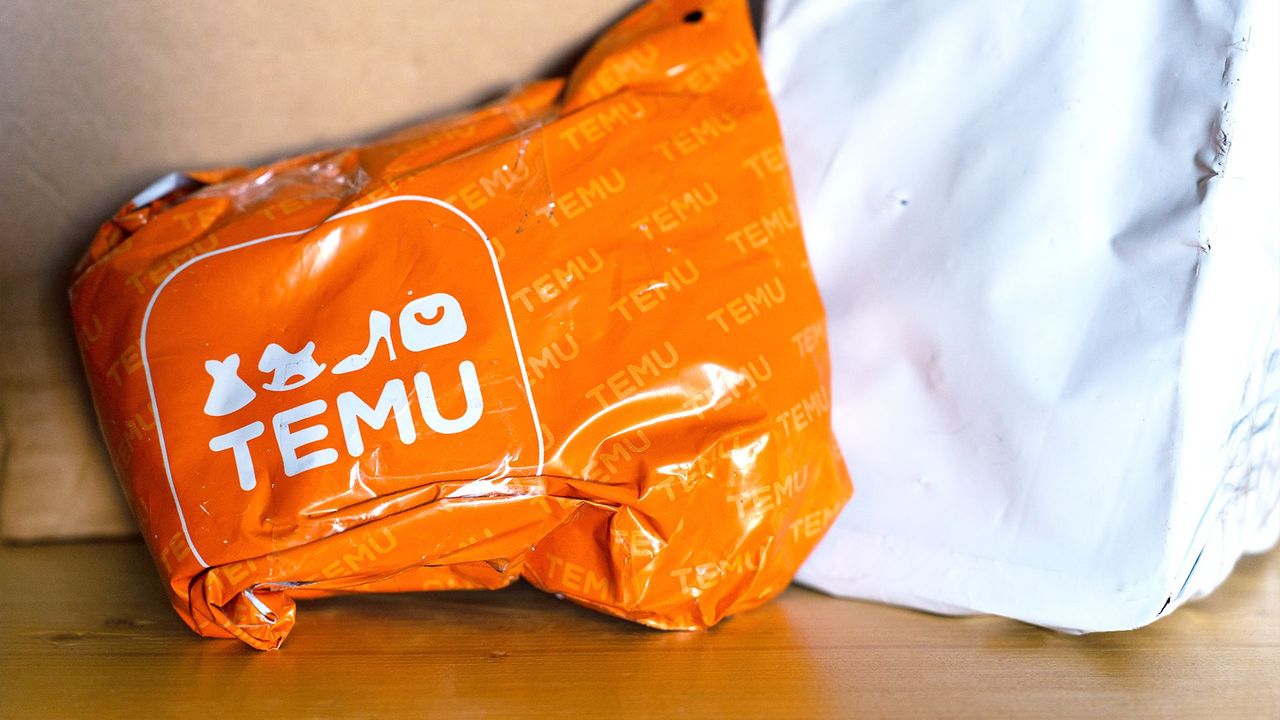
    Temu, a prominent Chinese online retailer, has been penalized with a €200 million (US$232 million) fine by European Union (EU) tech regulators for their apparent laxity in addressing the sale of prohibited products on its platform. The judgement came as part of an extensive investigation’s initial phase, conducted under the guidelines of the Digital Services Act. This legal standard necessitates major online companies to exert more effort to suppress unlawful and harmful content on their platforms.

    The ongoing probe began almost two years ago and could result in additional sanctions in the coming months. Temu came under the regulators’ lens after BEUC, a pan-European consumers’ organization, and 17 of its national members lodged complaints against them.

    EU Commission’s Allegations Against Temu

    The EU executive, the European Commission, criticized Temu for its perceived failure to systematically identify, scrutinize, and gauge the ramifications of illegal products marketed on its site, which consequently posed a threat to consumers within the EU. The commission also reproached Temu for its apparent lack of assessment in how its recommendation systems and product marketing strategies, led by affiliated influencers, could escalate the risk of illegal product sales.

    Despite the regulatory judgement, Temu maintained its disagreement with the European Commission’s decision, deeming the imposed fine to be excessive. In their official statement, Temu acknowledged the objectives of the Digital Services Act and the necessity for solid, uniform regulations throughout the digital industry. However, the company argued that the decision was based on their initial DSA evaluation in 2024 and does not exhibit the current state of their systems.

    Temu confirmed that they have been actively engaged with the Commission throughout the process and have since amplified their efforts to bolster risk assessment, platform governance, and user protection initiatives. They also expressed their intent to maintain engagement with regulators and are contemplating all potential responses to the matter.

    Commission Awaits Temu’s Action Plan

    The Commission has given Temu until August 28 to submit a comprehensive action plan for regulator appraisal, and a decision regarding the company’s compliance with the DSA is anticipated in two months. EU tech chief Henna Virkkunen emphasized the importance of risk management under the DSA and noted that the decision sends a powerful message to Temu.

    She also confirmed that regulators will persist in investigating whether Temu’s service design is excessively addictive and if it continues to sell prohibited products. The access of Temu’s recommenders and researchers to data is also under scrutiny. Non-compliance with DSA rules may result in penalties amounting to as high as 6% of the company’s global annual turnover.

    Temu’s penalty is the second instance of DSA violation, following a €120 million fine imposed on Elon Musk’s social media network, X, last December.

    Questions & Answers

    What is the reason behind Temu’s €200 million fine?
    The European Union tech regulators have fined Temu for their perceived failure in preventing the sale of illegal products on their platform, as per the guidelines of the Digital Services Act.

    What are the potential implications for Temu if they do not comply with the DSA?
    If Temu fails to comply with the DSA, they could face further penalties, including fines amounting to as much as 6% of their global annual turnover.

    What further steps has the Commission required of Temu?
    The Commission has given Temu until August 28 to deliver an action plan for regulator assessment, which will determine whether the company has adequately complied with the Digital Services Act.

  • Skims Embarks on Global Expansion, Set to Unveil First Greater China Flagship Store in Hong Kong

    Skims Embarks on Global Expansion, Set to Unveil First Greater China Flagship Store in Hong Kong

    As part of its ongoing global growth strategy, Skims, the shapewear and apparel brand, has announced plans to launch its first flagship store in Greater China. This major milestone will be located in Hong Kong’s bustling Times Square in Causeway Bay, with the opening scheduled for November later this year. The venture will be a collaboration with renowned retailer Lane Crawford.

    Skims, renowned for its signature neutral-toned interiors and minimalist store design, is looking forward to making a significant mark on the retail landscape in Hong Kong. The brand’s co-founder and CEO, Jens Grede, has pinpointed the city as a prime spot for the brand’s physical retail growth. Skims’ commitment to this strategic expansion underscores the importance of Hong Kong as a key player in the global market.

    Launched in 2019 by Kim Kardashian, Emma Grede, and Jens Grede, Skims initially focused on providing direct-to-consumer shapewear. However, the brand has since diversified its offerings to include underwear, loungewear, and general apparel. Skims prides itself on producing items that cater to a wide selection of body types, placing a particular emphasis on technical fabric development and product innovation.

    The upcoming opening in Hong Kong builds upon the strong partnership between Skims and Lane Crawford, which has been pivotal in expanding the brand’s reach. In 2024, Skims made its debut in Mainland China, thanks to a pop-up activation at the Chengdu International Finance Square, facilitated by this partnership.

    Lane Crawford, headquartered in Hong Kong, operates six department stores – four in Hong Kong and two in Mainland China. The retailer, with a robust online presence, specializes in fashion, accessories, jewelry, beauty, and homewares.

    This development coincides with a resurgence of international fashion and lifestyle brands seeking prime retail locations in Hong Kong’s main shopping districts. This trend has been buoyed by a recovery in both tourism and consumer spending in the region.

    Questions & Answers

    When and where will Skims open its first Greater China flagship store?
    The store is scheduled to open in November at Times Square in Causeway Bay, Hong Kong.

    Who are the founders of Skims?
    Skims was founded in 2019 by Kim Kardashian, Emma Grede and Jens Grede.

    What is the focus of Skims products?
    Skims focuses on products designed for a broad range of body types, with an emphasis on technical fabric development and product innovation.

  • Haidilao’s Pig Blood Curd Now Available Island-Wide as Singapore Lifts 27-Year Ban

    Haidilao’s Pig Blood Curd Now Available Island-Wide as Singapore Lifts 27-Year Ban

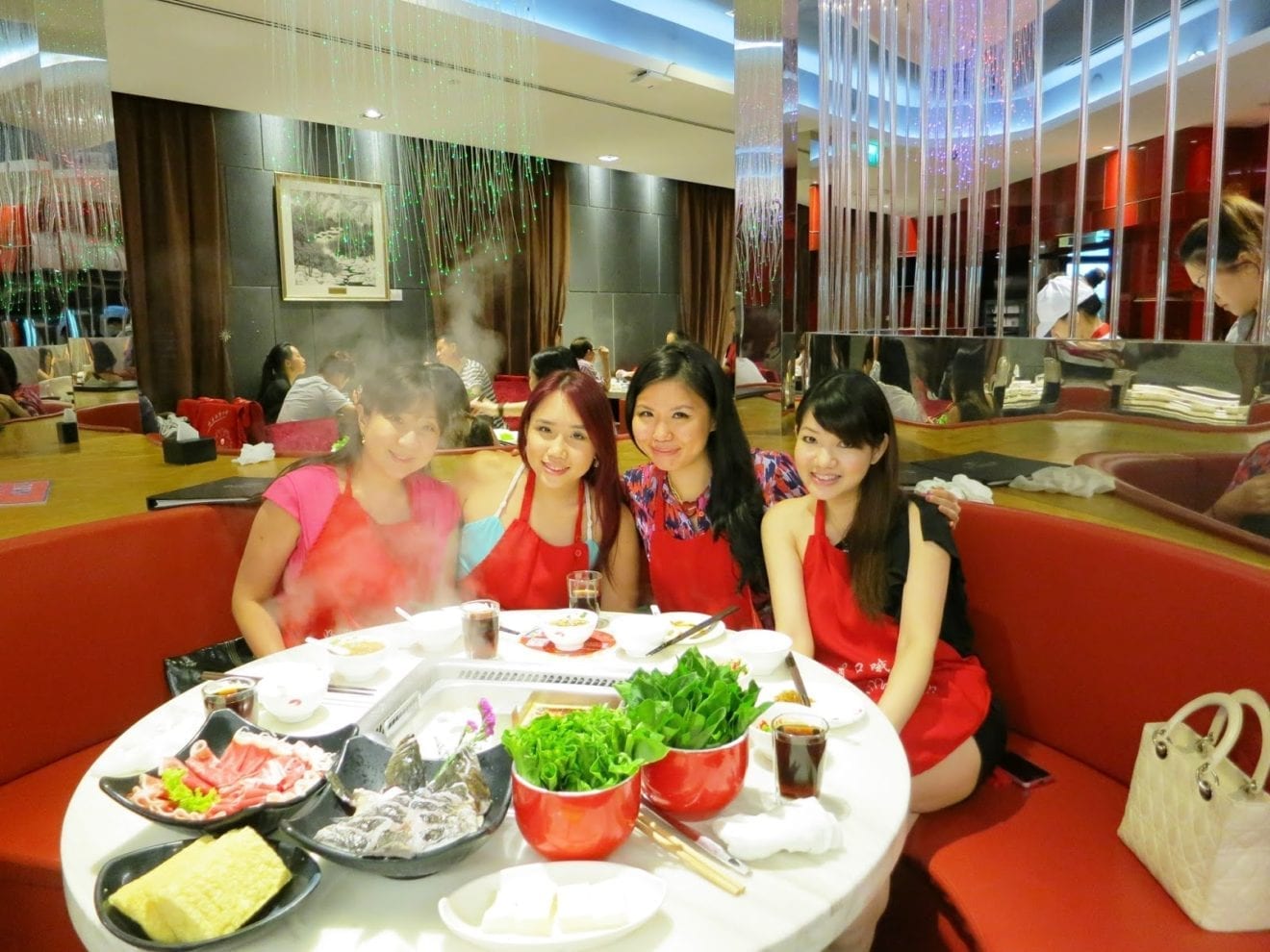
    Haidilao, the renowned hotpot chain, has recently begun offering pig blood curd across all its Singapore locations, marking the end of a 27-year prohibition. In an announcement made on social media last Tuesday, Haidilao Singapore revealed that the dish would be available from May 28.

    The specialty will retail at S$8 per serving at its outlet in Marina Bay Sands, while all other locations will offer the dish at S$6 per serving. Moreover, Haidilao has launched a promotional offer valid until June 30, which slashes the prices to S$4 and S$3 per serving respectively, subject to stock availability.

    Previously, Singapore had implemented a ban on animal blood food products, including pig blood and duck blood, following the 1999 Nipah virus outbreak. However, the tide turned in April when the Singapore Food Agency authorised the importation of heat-treated pig blood products from Bangkhla Pig Slaughterhouse, a recognised supplier based in Thailand.

    Questions & Answers

    Why has Haidilao started serving pig blood curd in Singapore?
    Haidilao has introduced pig blood curd to its Singapore menu following the city-state’s decision to lift a 27-year ban on animal blood food products.

    What is the price for a serving of pig blood curd at Haidilao?
    At Haidilao’s Marina Bay Sands outlet, pig blood curd is priced at S$8 per serving. However, all other locations serve it at S$6 per serving.

    Why was there a ban on animal blood food products in Singapore?
    The ban was put in place following the Nipah virus outbreak in 1999, which led to the prohibition of animal blood food products, including pig and duck blood, in order to protect public health.

  • Korean Air Marks Half a Century of Flying High on the Seoul-Zurich Route: A Legacy of Connection and Culture

    Korean Air Marks Half a Century of Flying High on the Seoul-Zurich Route: A Legacy of Connection and Culture

    Korean Air celebrates its golden jubilee of the Seoul-Zurich route, highlighting half a century of unifying Korea and Switzerland through travel and cultural exchange.

    In honor of this significant achievement, a gala reception was held at Zurich’s Widder Hotel on May 27. About 70 esteemed attendees, including Woosik Shin, the Chargé d’Affaires of the Republic of Korea to Switzerland, Stefan Gross, the Chief Commercial Officer of Zurich Airport, and prominent members from the Swiss-Korean community, graced the occasion. Representing Korean Air were Jungho Choi, the Executive Vice President and Head of Sales, Sukwoo Lee, the Managing Vice President of Passenger Sales, and Euisuk Byun, the Regional Manager for Switzerland.

    Seoul-Zurich Route: A Long-standing Bridge Between Two Nations

    Korean Air pioneered the first direct flight between Korea and Switzerland on July 14, 1976, with the launch of the Seoul-Zurich route. Over half a century, the route has played a crucial role in fostering bilateral ties, and catalyzing business, tourism, and cultural exchanges between the two nations.

    The airline constantly broadens its reach via Zurich, one of its fundamental European entry points. A recent collaboration with Swiss Federal Railways (SBB) has led to the launch of a Rail & Fly service, facilitating seamless post-flight journey to major Swiss cities from Zurich Airport for passengers.

    To elevate the passenger experience, Korean Air plans to deploy its Boeing 787-10 Dreamliner on the Zurich route from June 2, 2026. This aircraft, furnished with the latest Prestige Suites 2.0, promises superior privacy and an exquisite cabin interior inspired by Korean traditional design. The revamped Economy Class cabin also offers improved comfort, with a seat pitch of 32 inches and a recline angle of 120 degrees.

    Looking Ahead: Korean Air’s Commitment to the Future

    With a legacy of five decades of secure operations and customer trust, Korean Air remains dedicated to boosting the Zurich route as an integral fragment of its European network. The airline is unwavering in its commitment to service innovation and network connectivity, with a view to maintaining the route as a pivotal bridge between Korea and Switzerland for many more decades.

    Jungho Choi, Executive Vice President and Head of Sales, emphasized the airline’s steadfast dedication to linking Korea with Europe’s core. He stated, “As we look towards the next 50 years of operations, our focus remains firmly on upholding the highest standards of safety, comfort, and premium service for our customers.”

    Questions & Answers

    What does the Seoul-Zurich route signify for Korean Air?
    The Seoul-Zurich route symbolizes Korean Air’s enduring commitment to establishing a connection between Korea and the heart of Europe.

    What new developments are in store for the Seoul-Zurich route?
    Korean Air plans to introduce its Boeing 787-10 Dreamliner, offering superior privacy and comfort, on the Zurich route from June 2, 2026. The airline also recently launched a Rail & Fly service in collaboration with Swiss Federal Railways.

    How has the Seoul-Zurich route impacted bilateral relations between Korea and Switzerland?
    The Seoul-Zurich route has significantly strengthened bilateral relations and promoted business, tourism, and cultural exchanges between the two nations over the past 50 years.

  • Vietnam Fuel Prices Plunge Amid Global Rate Fall: Transition to Green Energy in Focus

    Vietnam Fuel Prices Plunge Amid Global Rate Fall: Transition to Green Energy in Focus

    In response to decreasing global rates, Vietnam has adjusted its fuel prices downwards as of Thursday afternoon. RON95 gasoline, the country’s most commonly used fuel, decreased by 5.4%, taking it from its price last week to VND24,150 (US$0.54) per liter. Other fuels have also seen a reduction in their prices: Biofuel E5 RON92 has dropped 4.5% to VND23,250, while Diesel has witnessed a 3.9% decline to VND27,650.

    Global Fuel Market Influences

    The global fuel market has experienced substantial changes recently due to a variety of factors. These include the ongoing negotiations between the U.S. and Iran and the increased U.S. inflation, which is driven by significant fluctuations in energy prices. This information is based on reports from the Ministry of Industry and Trade and the Ministry of Finance. For instance, RON95 gasoline saw a decrease of 9.2%, bringing it to $127 per barrel, diesel dropped 5.5% to $146.70, and mazut decreased by 9.2%, making it US$655.20 per ton.

    New Fuel Sales and Implementation

    Starting June 1, E10 RON95 gasoline will be available for sale on a larger scale, replacing the mineral-based RON 95. E5 RON92 gasoline will remain available until the end of 2030. The Deputy Minister of Industry and Trade, Nguyen Sinh Nhat Tan, stated that the decision to sell mineral-based gasoline and biofuel simultaneously over the past few years was intended to assist the market in adjusting gradually and to support businesses in enhancing their distribution infrastructure.

    However, Tan also mentioned that based on international experience, maintaining a large variety of fuel types over an extended period could lead to higher logistics, storage, and distribution costs, difficulties for retailers, and a reduction in the effectiveness of transitioning to green energy. He reassured that the switch to E10 gasoline has been well assessed by regulators and does not impose restrictions or limit consumers’ choices. According to compatibility assessments, most cars and motorcycles in Vietnam can use E10 gasoline, as per manufacturers’ recommendations.

    Questions & Answers

    What are the new prices of various fuels in Vietnam?
    The price of RON95 gasoline has dropped 5.4% to VND24,150 per liter, Biofuel E5 RON92 has fallen 4.5% to VND23,250, while Diesel has declined 3.9% to VND27,650.

    What will replace mineral-based RON 95, and when will this happen?
    E10 RON95 gasoline will replace mineral-based RON 95 starting June 1. E5 RON92 gasoline will continue to be sold until the end of 2030.

    What potential problems could arise from maintaining a variety of fuel types for a long period?
    According to Deputy Minister of Industry and Trade Nguyen Sinh Nhat Tan, maintaining a variety of fuel types for an extended period could lead to issues such as increased logistics, storage, and distribution costs, difficulties for retailers, and reduced effectiveness in transitioning to green energy.

  • Vietnams Gold Prices Take a Hit, Nears January Low as Global Rates Tumble

    Vietnams Gold Prices Take a Hit, Nears January Low as Global Rates Tumble

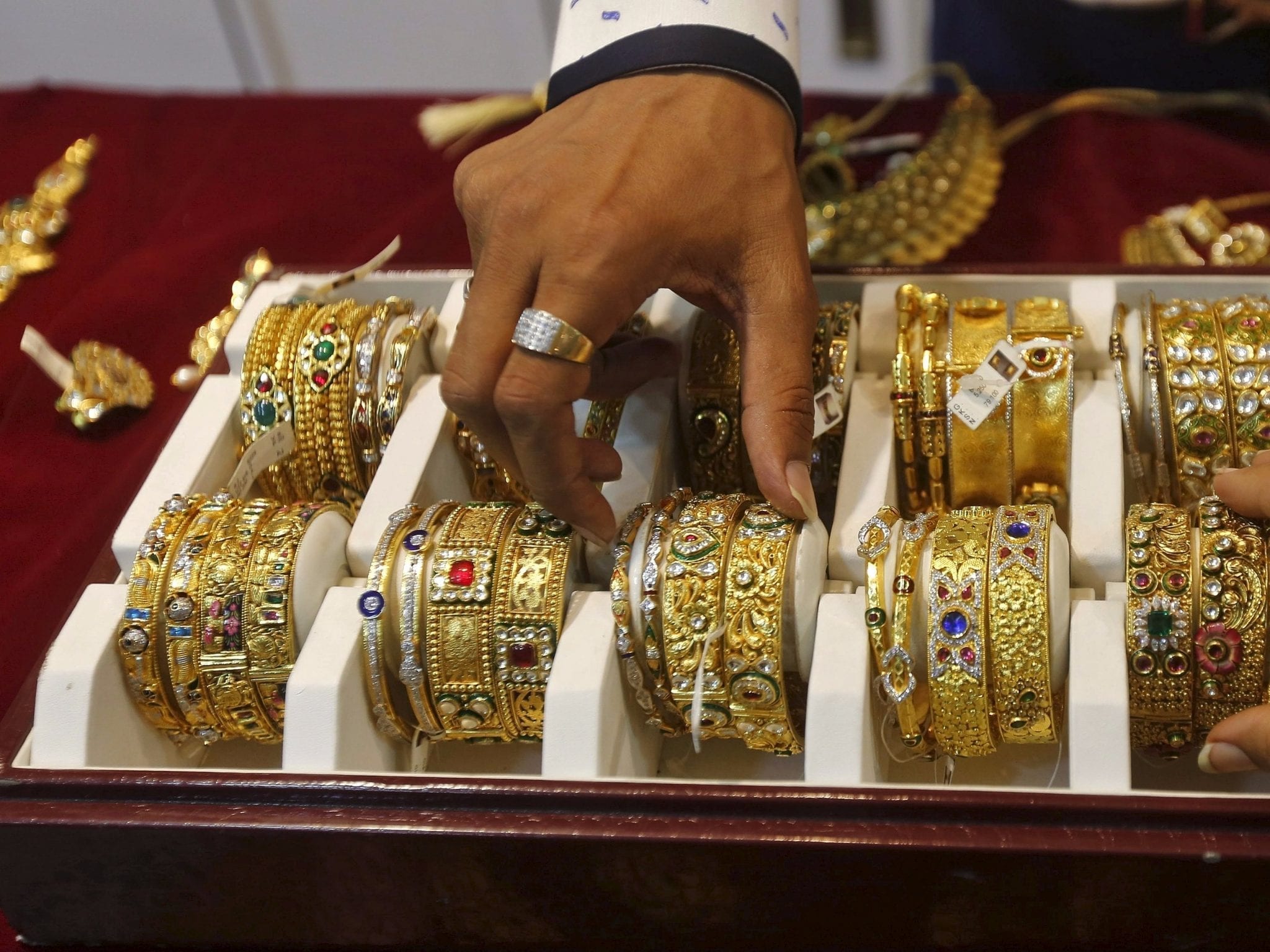
    Gold prices in Vietnam witnessed a significant fall on Thursday, reflecting the global trend in the precious metal’s value. This drop extended the morning’s losses, with the gold bar from Saigon Jewelry Company registering a decline of 0.94% from its morning value, settling at VND157.5 million (US$5,982.68) per tael by 3:28 pm. For reference, a tael is equivalent to 37.5 grams or 1.2 ounces.

    Notable Changes in Gold Value

    This decrease marks a considerable plunge of 1.99% compared to the preceding day. Concurrently, the value of gold rings also dipped by 1.62% within the same 24-hour span. Despite the sharp fall on Thursday, gold prices in Vietnam have experienced an overall increase of 3% since the beginning of the year. However, the current values are hovering around the lowest since the onset of 2020.

    Global Gold Price Trends

    On a global scale, gold prices hit a two-month low on Thursday. This drop was attributed to several factors, including the strengthening of the U.S. dollar following recent attacks on Iran, and the resultant surge in oil prices. These developments sparked concerns about potential inflation, hence casting a shadow on the interest rate outlook.

    At one point, spot gold fell by 1.5%, reaching a value of $4,388.76 per ounce, representing its lowest value since late March. Similarly, U.S. gold futures for June delivery also saw a decline of 1.4%, settling at $4,386.

    Recent military strikes in Iran, carried out by the U.S. military, targeted a military site believed to pose a threat to U.S. forces and commercial shipping in the Strait of Hormuz. These actions took place just hours after President Donald Trump dismissed an Iranian report concerning a deal to restore traffic through the strategic waterway.

    Questions & Answers

    What impact did recent global events have on gold prices in Vietnam?
    Recent global events, including U.S. military strikes in Iran, led to a strengthening of the U.S. dollar and an increase in oil prices. These factors contributed to a significant drop in gold prices, both in Vietnam and globally.

    By how much did gold prices in Vietnam fall on Thursday?
    The value of gold in Vietnam decreased significantly on Thursday, with a notable drop of 1.99% from the previous day.

    What is the current trend in gold prices in Vietnam this year?
    Despite the recent dip, gold prices in Vietnam have seen a net increase of 3% since the start of the year. However, current prices are near the lowest recorded in early January.

  • Manulife Singapore Pioneers Multi-Cancer Screening for Insured, Spearheading Preventive Healthcare Revolution

    Manulife Singapore Pioneers Multi-Cancer Screening for Insured, Spearheading Preventive Healthcare Revolution

    Manulife Singapore is intensifying its commitment to preventative healthcare and lifespan enhancement solutions via a new partnership with Guardant Health, a precision oncology expert. This strategy makes Manulife the pioneer insurance firm in Singapore to provide the Shield™ multi-cancer detection (MCD) blood test, available to eligible customers from May 2026.

    This collaboration is part of a broader Asian alliance between the two companies, covering Singapore, Hong Kong, and the Philippines. The partnership reiterates Manulife’s overarching strategy of amalgamating health protection with long-term wealth and lifespan planning.

    Emphasizing Proactive Detection

    Designed to screen ten prevalent cancers with a single blood draw, the Shield™ MCD lab-crafted test underscores several cancers with high fatality rates in Singapore. The test was recently awarded the “Oncology Product Innovation of the Year” title at the Healthcare Asia Medtech Awards and received the Breakthrough Device Designation by the US Food and Drug Administration (FDA).

    This partnership advances the pre-existing relationship between Manulife and Guardant Health, as the latter already offers the Guardant360® Liquid test for advanced solid tumours to customers in Singapore.

    Longevity as a Focal Point

    The partnership evidences an increasing emphasis on preventative care and healthy ageing among insurers as Asia’s populace demographic shift. “As longevity increases, the primary concern is the quality of those extended years,” stated Benoit Meslet, President and CEO of Manulife Singapore. “Providing customers with early insights into their health enables them to make informed decisions today for a healthier tomorrow.”

    Singapore is one of the fastest-ageing societies in Asia, with healthcare systems prioritising preventative and personalised care. In 2024, cancer was the predominant cause of death in Singapore, accounting for over a quarter of all fatalities.

    Manulife’s initiative aligns with the findings from the 2025 Asia Care Survey, showing that over half of Singapore consumers perceive cancer as the hardest illness to prevent.

    Questions & Answers

    What is the new collaboration between Manulife Singapore and Guardant Health about?

    The collaboration aims to offer the Shield™ multi-cancer detection (MCD) blood test to eligible Manulife customers in Singapore, aiding in the early detection of ten common cancers.

    How does this partnership align with Manulife’s broader strategy?

    This partnership coincides with Manulife’s broader strategy of blending health protection with long-term wealth and lifespan planning. It underscores the insurer’s emphasis on preventative care and healthy ageing.

    What insights does the 2025 Asia Care Survey provide?

    The survey reveals that over half of Singapore consumers consider cancer as the most difficult disease to prevent, indicating the importance of early detection and preventative healthcare.

  • Wealthy Families Go Global: UBS Reveals Surge in Diversification and AI Investment Strategies

    Wealthy Families Go Global: UBS Reveals Surge in Diversification and AI Investment Strategies

    Geopolitical uncertainties, economic recession concerns, and increasing skepticism around the supremacy of the U.S. dollar are leading to a shift in the investment strategies of affluent families globally. The new Global Family Office Report from UBS reveals that more family offices are considering strategic alterations to their portfolios than ever before.

    Investment Diversification Amid Global Uncertainties

    The report sheds light on how investors are adjusting their portfolios in response to geopolitical instabilities and structural risks. UBS’ survey, which involved 307 global family offices across over 30 markets, each with an average net worth of $2.7 billion, shows that 60% of respondents are planning to amend their strategic asset allocation within the next year. The focal point of this repositioning is wider diversification across regions, currencies, and asset types, along with an increased emphasis on long-term thematic investments.

    Artificial Intelligence (AI) remains a particularly attractive investment opportunity. The report finds that 65% of family offices have made investments throughout the entire AI value chain, spanning from data centers and software platforms to semiconductor manufacturers. Although valuations are high, many investors intend to boost or maintain their exposure in this arena.

    Investment Themes and Succession Planning Challenges

    Family offices are also showing keen interest in investments related to infrastructure, energy, and commodities, while cryptocurrencies are seen as a more niche allocation. The survey found that only 44% of invested family offices currently consider digital assets as part of their strategic asset allocation, with actual portfolio exposures remaining relatively modest.

    In terms of governance and succession planning, many family offices are falling short. The report shows that only about a third have a clearly defined succession plan, and just 27% are preparing the next generation in an organized manner for future leadership roles.

    Family offices in North Asia are leaning towards a technology-driven and globally diversified investment strategy, with 74% of their investments related to AI. Southeast Asian family offices are even more invested in AI, with 88% already invested in the sector.

    Questions & Answers

    What is the main investment focus of family offices according to the UBS report?
    The main focus is on broader diversification across regions, currencies, and asset types, along with an increased emphasis on long-term thematic investments, especially in Artificial Intelligence.

    How are family offices approaching the issue of succession planning?
    The report reveals that only about a third of family offices have a clearly defined succession plan in place, and just 27% are preparing the next generation for future leadership roles in an organized manner.

    What is the stance of family offices on cryptocurrencies?
    Cryptocurrencies are considered more of a niche allocation. Only 44% of the family offices that have made investments currently consider digital assets as part of their strategic asset allocation.

  • Standard Chartered Pioneers in Chinas Market with First Bond Futures Trade

    Standard Chartered Pioneers in Chinas Market with First Bond Futures Trade

    Standard Chartered Bank China (SCB China) recently completed its first-ever Qualified Foreign Investor (QFI) investment in China Government Bond (CGB) Futures following the market’s recent opening. The bank served in dual roles, both as the QFI’s custodian and futures margin depository bank. This service facilitated the comprehensive execution of the trade.

    Opening Up of China’s Capital Markets

    On April 24, 2026, the China Securities Regulatory Commission, the People’s Bank of China, and the State Administration of Foreign Exchange sanctioned QFIs to trade in CGB futures for hedging purposes. This move opened up broader access to onshore risk management tools. Jerry Zhang, the Global Head of Banks and Broker Dealers & Head of Coverage for Greater China & North Asia, noted that Standard Chartered was among the first six banks authorized to participate in CGB futures. He explained that this development is a significant step towards the continued opening of China’s capital markets. It also satisfies the high demand from global institutional investors for improved risk management and portfolio diversification tools. Zhang asserted that, with its robust cross-border connectivity, Standard Chartered is ideally positioned to assist clients in efficiently and effectively executing their investment strategies in China.

    Pierre Mengal, the Regional Head of Financing & Securities Services for Greater China & North Asia, expressed that this initial transaction’s completion just over a month after the market opening highlights their strong collaboration with local regulators and partners, as well as their expertise in China market access schemes. He echoed that this also showcases the strength and consistency of their services and operations developed over decades of on-the-ground presence. Mengal concluded by saying that they are eager to enable more global investors to access China’s capital markets with speed and assurance.

    Standard Chartered’s Long-standing Presence in China

    Standard Chartered initiated its custodial business in China’s capital markets as early as 1992 and has since been a leading custodian in both inbound and outbound schemes. In 2018, Standard Chartered China became the first international bank to receive a domestic fund custody license. Since then, it has been custodizing products from local brokers, fund managers, and wholly foreign-owned enterprises, developing a unique proposition to facilitate collaboration between local and overseas investors.

    Questions & Answers

    What was the significance of the recent QFI investment completed by SCB China?
    The completion of this investment signifies the opening of China’s capital markets, promoting broader access to onshore risk management tools and catering to the strong demand from global investors.

    What roles did Standard Chartered play in this transaction?
    Standard Chartered acted as both the custodian and futures margin depository bank for the QFI, facilitating the comprehensive execution of the trade.

    How is Standard Chartered China positioned in the Chinese market?
    Standard Chartered has been a leading custodian in China’s capital markets since 1992 and was the first international bank to receive a domestic fund custody license in 2018. It has built a unique proposition of facilitating collaboration between local and overseas investors.

  • Fonterras Positive Momentum Continues with $1.5B Q3 Operating Profits Despite Global Uncertainties

    Fonterras Positive Momentum Continues with $1.5B Q3 Operating Profits Despite Global Uncertainties

    New Zealand-based dairy cooperative, Fonterra, is exuding optimism about its future performance amid global uncertainties. The company’s third quarter results showed a promising $1.5 billion in operating profits, marking an impressive year-on-year increase of $85 million.

    Fonterra’s Stellar Performance

    Richard Allen, Fonterra’s CEO, proudly announced this significant achievement, describing the results as another demonstration of their strength. Despite the disruption of global supply chains, the company has seen a substantial rise in milk production this season. The organization’s sales book is well contracted, and its shipping volumes have been robust, recording the highest third-quarter shipment volumes in the past decade.

    Allen became the CEO succeeding a 25-year veteran, Miles Hurrell, who declared his retirement in December. Looking forward, Allen expects the company’s high milk collections to persist, much like the current season.

    “Our in-market sales teams foresee robust demand from across all regions amid possible fluctuations. This expectation is mirrored in our opening forecast range,” Allen stated.

    Resilience Amid Challenges

    Despite the approaching final quarter of the financial year, Allen expresses confidence in the company’s ability to maintain its momentum. He acknowledges the uncertainty prompted by the ongoing conflict in the Middle East and other global challenges, such as cost inflation and shipping disruptions.

    “Like our farmers and many others worldwide, we are navigating these challenges. However, we are confident that our deep relationships with customers and logistics partners will continue to assist us in overcoming these obstacles,” he commented.

    Questions & Answers

    What is Fonterra’s latest operating profit?
    Fonterra reported a $1.5 billion operating profit for its third fiscal quarter, growing its profits by $85 million year-on-year.

    What challenges is Fonterra facing?
    Fonterra is dealing with global challenges such as cost inflation, shipping disruptions, and uncertainties caused by the ongoing conflict in the Middle East.

    Despite the challenges, how does Fonterra view its future performance?
    Fonterra is optimistic about its future performance. The company expects to maintain its strong momentum, anchored by high milk collections and robust demand from all regions. They also express confidence in their deep relationships with customers and logistics partners that will help them navigate the current global challenges.

  • How Integrated Banking Solutions Improve E-commerce Business

    How Integrated Banking Solutions Improve E-commerce Business

    Running an e-commerce business today means juggling multiple moving parts at once. Teams typically handle online payments, manage refunds, track inventory, navigate delivery timelines, and a plethora of other tasks—every one of which relies on timely, accurate financial data. The problem is, these financial processes are often fragmented. Business owners find themselves hopping between apps, platforms, and spreadsheets just to get a clear picture of their cash flow.

    Fortunately for growing e-commerce ventures, integrated banking serves as an ideal solution. In essence, integrated banking refers to the seamless connection between a business’s banking services and its operational tools, whether that’s an e-commerce platform, accounting software, or payment processor. Rather than managing each system separately, integration allows data to flow across platforms in real time and thus improves visibility and control.

    As more businesses across different industries adopt this approach, it’s becoming clear that integrated banking isn’t just a technical upgrade—it’s a strategic asset, especially in the fast-moving world of online retail. This feature explores how integrated online business banking solutions like those of Maya Bank in the Philippines can directly support and improve the way an e-commerce business operates. Here’s how they’ll help you stay agile, efficient, and responsive as competition in e-commerce spaces grows fierce:

    1) Faster and More Reliable Transactions

    Delays in processing payments or the need to issue refunds can quickly erode trust with your customers. One of the best ways to reduce that risk involves using an integrated banking solution to link your store directly with your bank’s systems. This ensures that transactions post more quickly and with fewer errors. Funds move in and out with less manual handling, which then lowers your chances of discrepancies or bottlenecks.

    Both suppliers and customers will appreciate your being able to move faster without compromising reliability, so you can expect better overall operational flow and a stronger reputation as a result.

    2) Improved Cash Flow Management

    Without clear insight into where your money is coming from and where it’s going, financial planning becomes guesswork. Integrated banking tools give you real-time access to your transaction data and make it easier to monitor your cash flow as it changes throughout the day or week.

    The improved visibility helps you plan ahead more effectively, avoid overspending, and respond quickly to dips in revenue or unexpected expenses. Sales can fluctuate rapidly for e-commerce businesses, so having a live view of your financial health is especially valuable.

    3) Seamless Checkout Experience

    By the time customers reach the checkout page, you can expect that every extra step or delay will only increase the risk of cart abandonment. They want to be able to pay with a method they prefer, and they want to do it quickly, with little to no security risk.

    With an integrated banking system, you can configure your site to support a wide range of secure payment methods—credit cards, digital wallets, bank transfers—without relying on multiple disconnected tools. The result is a faster and more flexible payment experience that sets your store apart from competitors.

    4) Simplified Accounting and Compliance

    Regular transaction tracking shouldn’t require hours of back-office effort. Sales and payment data flow directly into your accounting system when you utilize integrated banking, and this minimizes the need for manual entry and the risk of inconsistencies. You’ll save time and also keep more accurate records for when tax season or regulatory audits roll around. If your business handles an especially high volume of transactions, automation can spell the difference between staying compliant and scrambling to catch up.

    5) Better Fraud Protection and Security

    Cyber threats are a growing concern in the digital economy, and e-commerce platforms are frequent targets. An integrated banking system will tap into your bank’s built-in security infrastructure—such as fraud detection algorithms, encryption protocols, and identity verification—to strengthen protection for every transaction. Integration ensures these tools work in sync with your sales platform to reduce vulnerabilities and give both you and your customers greater peace of mind.

    6) Reliable Access to Financing

    A healthy credit line can be essential when managing seasonal demand, restocking inventory, or funding growth initiatives. Integrated banking makes it easier for lenders to evaluate your financial standing by providing a clear, ongoing record of your business performance. Some platforms even offer prequalified financing based on real-time transaction data. With better access to funding, you’ll be better equipped to seize new opportunities without derailing your day-to-day operations.

    7) Automation for Greater Operational Efficiency

    If you can find a way to handle routine financial tasks automatically, your team will be able to gain back time to focus on strategy and service. You can use an integrated system to automate everything from invoice generation and payment reminders to bank reconciliation and supplier payouts. That way, you won’t need to oversee anything manually and will also likely have to deal with less human error. Your overall operations will become not just faster but also more consistent—key advantages when you’re in a fast-moving sector like online retail.

    Now that digital commerce is evolving so rapidly, integration is becoming a strategic necessity for businesses of every size. Embrace integrated banking solutions today and get a good start at building a more responsive, secure, and future-ready e-commerce business.

  • Not a Cruise. Not a Charter. NAORA Introduces a New Category of Luxury Living on the Ocean

    Not a Cruise. Not a Charter. NAORA Introduces a New Category of Luxury Living on the Ocean

    The access economy has transformed aviation, hospitality, and private clubs. Now it is coming for the sea — and the result is unlike anything luxury travel has produced before.

    There are cruises. There are charters. There is yacht ownership. And now, there is NAORA — a private sailing membership that sits entirely outside all three, offering something the luxury travel market has never produced at sea: a world that keeps moving, even when you don’t.

    NAORA today announces its official launch as a membership-based global expedition — an ongoing, curated journey aboard an 80-foot luxury catamaran that members can access on their own schedule, year after year, season after season. It is a living system built around the principle that the most discerning travellers do not want more destinations. They want a world that knows them.

    The timing is not accidental. The access economy — the model that gave us fractional jet ownership, private members clubs, and curated travel networks — has been quietly reshaping premium consumption for more than a decade. Soho House showed that community could be built around recurring access to a physical space. NetJets showed that the right to use an asset, without owning it, could be more desirable than ownership itself. Pelorus and Inspirato showed that the highest-end travellers were moving away from transactions and toward relationships. NAORA takes all three of these lessons and applies them to the one frontier the access economy had not yet touched: the open ocean.

    The Quiet Failure of High-End Travel

    To understand what NAORA is offering, it helps to understand what it is replacing. For all the investments that luxury travel brands have made in service, design, and exclusivity over the past two decades, the fundamental model has remained unchanged. A guest arrives. They are looked after with extraordinary care. They leave. The hotel or vessel resets for the next arrival. The relationship ends.

    This model works beautifully at the mid-to-high end of the market. But at the very top — among the founders, investors, and globally mobile professionals who have been everywhere and done everything — it has a structural limitation that no amount of service excellence can overcome. Every experience begins from zero. There is no continuity. There is no community. There is no sense that the place you are returning to has been waiting for you.

    NAORA changes this. Fundamentally, structurally, and permanently.

    What It Actually Feels Like to Be a NAORA Member

    Imagine boarding in Barcelona on a Tuesday morning. The Fountaine Pajot Thira 80 is moored in the marina, gleaming in the early sun. The captain meets you at the gangway. The chef has already sourced the ingredients for your preferred breakfast. Your cabin is prepared to your specifications — the same specifications that were on file from your last visit, six months ago in the Caribbean.

    Over the next two weeks, you sail the Balearics. You anchor off the coast of Sardinia in a bay that does not appear on any tourist map. You dive a reef system that your captain has been returning to for fifteen years. You eat better than you would in any restaurant, cooked by a chef who knows your preferences by heart. You have conversations on deck at midnight that you will remember for the rest of your life — with fellow members who were drawn here by the same restless curiosity that brought you.

    Then life calls. A board meeting. A school event. A deal that cannot wait. You disembark in Palma, take a car to the airport, and return to your world. Your NAORA membership continues. The vessel continues. The community continues. Three months later, you rejoin in Martinique. The crew knows your name. Your preferences are on file. The journey picks up exactly where it left off.

    This is not a holiday. It is a recurring relationship with a world that moves.

    “NAORA is a lifestyle position. Members don’t buy access to a boat. They join a world that reflects who they are.”

    The Vessel: Where the Experience Lives

    The Fountaine Pajot Thira 80 is the physical heart of everything NAORA offers. At nearly 24 metres in length with a beam exceeding 11 metres, it is one of the most spacious private sailing vessels available — offering two to three times the living area of a monohull of equivalent length, with the exceptional stability that only a catamaran at this scale can deliver.

    The interiors are designed around the idea that comfort is not a feature — it is the product. Six to seven private en-suite double cabins. Expansive salon spaces filled with natural light. Open-air deck areas that blur the line between interior and ocean. A kitchen from which a private chef produces meals to restaurant standard, provisioned fresh at every port of call. The effect is closer to a private villa that happens to move than to any vessel most people have experienced.

    A dedicated crew of four — captain, 1st mate, chef, and stewardess — is aboard at all times. Diving, kitesurfing, paddleboarding, and exploration by tender are available on request. What happens on board, and who is aboard, is held in complete confidence. NAORA has no social media presence featuring its members. No photos are shared. No names are mentioned. The community is built on trust, not visibility.

    Soho House. NetJets. Now NAORA.

    In positioning, NAORA draws comparison not to maritime competitors — there are none at this level — but to the models it most closely resembles. Private members clubs like Soho House and The Arts Club built identity-driven communities around recurring access to physical spaces with curated programming. Luxury travel networks like Inspirato and Pelorus offered experiential access without ownership. Fractional ownership programmes like NetJets applied time-based access to high-value assets.

    NAORA takes the best element of each: the identity and community of a members club, the experiential depth of a curated travel network, and the flexibility of fractional access — and delivers all three simultaneously, aboard a single extraordinary vessel moving continuously through the most beautiful waters in the world.

    The difference, at its core, is the ocean. A Soho House does not move. A NetJets flight lasts four hours. A NAORA membership lasts a lifetime — and the world it gives access to becomes more beautiful, more familiar, and more meaningful with every return.

    Who Joins. Why They Stay.

    NAORA attracts a specific kind of person — not defined by net worth alone, but by a particular relationship to experience and belonging. Founders who have built the freedom to move and are searching for a community that matches their depth. Family office principals who want a lifestyle vehicle that is as sophisticated as their professional world. Location-independent professionals who have outgrown the five-star hotel and the luxury charter, and who are ready for something that cannot simply be booked.

    What keeps them is not the vessel, beautiful as it is. It is the compounding. The relationships that form when the same people share extraordinary experiences across multiple voyages, multiple years, multiple oceans. The inside references. The shared history. The knowledge that somewhere in the world, a boat is moving through remarkable waters — and that your place on it is waiting.

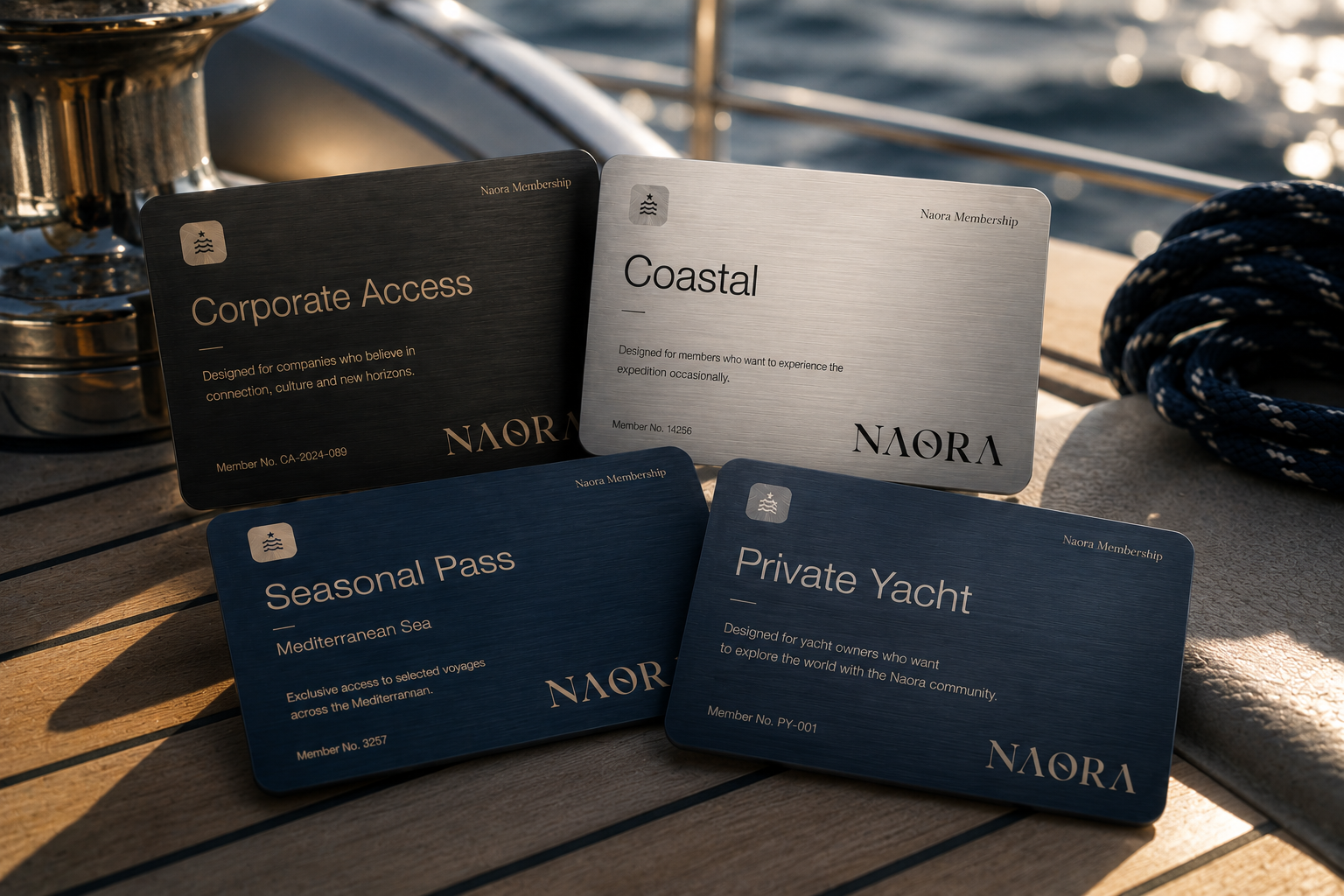
    Membership is by invitation only. Entry fees start from €3,000, with annual access fees from €9,000 to €59,000. The route spans 183+ destinations across five years, following the seasons across the Mediterranean, Atlantic, Caribbean, Indian Ocean, Southeast Asia, and South Pacific.

    Every membership begins with a conversation. Begin yours at www.naora.world.

  • Pinduoduos Parent, PDD Holdings, Experiences Slump Amid Economic Weakness and Intense E-commerce Competition in China

    Pinduoduos Parent, PDD Holdings, Experiences Slump Amid Economic Weakness and Intense E-commerce Competition in China

    Chinese e-commerce powerhouse, PDD Holdings, recently experienced a significant drop in first-quarter profits along with revenues falling short of projections. This is largely attributed to a sluggish economy dampening demand for their domestic operations. The underperformance sent the company’s share value plummeting by 10% on Wednesday.

    China’s retail sector, being the world’s second-largest, has had difficulties drawing in consumers. This is primarily due to a protracted property crisis and worries over job security and wage growth, which have collectively undermined spending power. This, in turn, has negatively affected the demand for companies like PDD.

    Stiff Market Competition and Aggressive Investments

    PDD’s domestic discount marketplace, Pinduoduo, faces fierce competition from rivals such as JD, Alibaba, and other discount retailers like ByteDance’s Douyin. These competitors have been employing aggressive pricing strategies to attract customers.

    In addition to its domestic operations, PDD also manages the international e-commerce platform, Temu. The company has been making substantial investments in its supply chain network to enhance delivery speeds and broaden product categories, in hopes of enticing more shoppers.

    In an effort to build a new self-operated brand called Xinpinmu, the company announced in March that it would invest 100 billion yuan (US$14.8 billion) over the next three years. This move aims to integrate Pinduoduo’s supply chain resources with Temu.

    These aggressive investment strategies have resulted in a surge in PDD’s expenses, which in turn has weighed down its net income, causing a 15% reduction to 12.5 billion yuan for the quarter ending March 31.

    Regulatory Scrutiny and Model Feasibility

    Temu has grown in popularity as a platform for shoppers seeking low-priced items, capturing demand from lower-income households worldwide.

    However, the company’s model of delivering inexpensive goods directly to customers from China is encountering increased regulatory oversight. Temu’s operations have traditionally depended on duty waivers for low-value parcels in many jurisdictions.

    Changes in international regulations, such as the US abolition of the duty-free exemption on parcels valued under $800 last year, and the EU’s decision to eliminate its duty-free allowance on parcels under 150 euros ($174.57) as of July this year, pose questions about the sustainability of the current business model.

    Questions & Answers

    What is causing PDD’s revenue to fall short of estimates?
    The decrease in PDD’s revenue is primarily due to a sluggish economy that is affecting consumer demand for its domestic operations.

    How is PDD responding to the competitive e-commerce market?
    PDD is making substantial investments in its supply chain network to enhance delivery speeds and broaden product categories, in hopes of enticing more shoppers.

    How might changes in international duty regulations affect PDD’s business model?
    Changes in international regulations, such as the abolition of duty-free allowances on low-value parcels, could impact PDD’s current business model of delivering inexpensive goods directly from China and may require the company to adapt its operations accordingly.