Author: Mei Ling Tan

  • Myer Posts AU$276.5 Million Loss on Impairments as Solomon Lew Joins Board

    Myer Posts AU$276.5 Million Loss on Impairments as Solomon Lew Joins Board

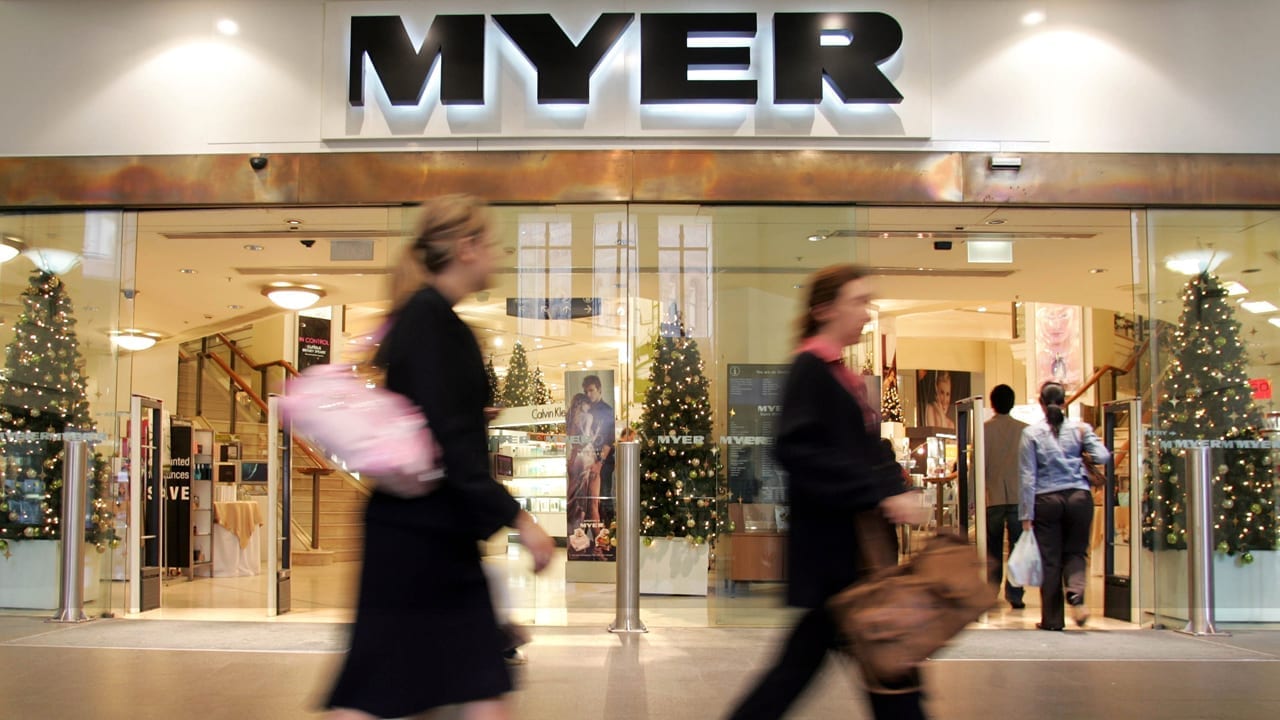
    Department store operator Myer posted a statutory net loss of AU$276.5 million for fiscal 2026. The result followed AU$319 million in one-off write-downs and expenses.

    Total group revenue surpassed AU$4 billion, rising 11.3 per cent over the year after consolidating apparel chains acquired from Premier Investments. An asset impairment of AU$279.6 million drove the bulk of the bottom-line hit. Stripping out exceptional charges, underlying net profit after tax stood at AU$42.5 million.

    Retail magnate Solomon Lew joins the Myer board on September 24 as a non-executive director. Lew controls Premier Investments, which holds approximately 30 per cent of Myer equity. Premier executive Mark Middeldorf joins alongside him as an alternate director.

    Apparel Brands Show Mixed Integration

    Revenue in the consolidated Apparel Brands division, spanning Just Jeans, Jay Jays, Jacqui E, Dotti and Portmans, fell 1.3 per cent during the period. Just Jeans sales rose 6 per cent. That gain failed to offset weak customer demand at other former Premier labels like Portmans. Core department store operations under Myer Retail booked a 0.7 per cent sales increase year on year.

    Consumer demand shifted abruptly during the final quarter of the financial year across Australian shopping centers. Group executive chair Olivia Wirth cited steep slowdowns in June and July as household budgets tightened across the country.

    “The second half of FY26 was characterised by a volatile and significantly more challenging macroeconomic and retail environment than 1H26 or FY25,” said Myer Group executive chair Olivia Wirth.

    Asset Impairments and Market Pricing

    The AU$279.6 million impairment resets the balance sheet after years of structural pressure on department store floor space and portfolio valuations. Writing down those assets clears accumulated legacy costs ahead of integrating supply chains and loyalty programs across hundreds of regional storefronts. Equity investors took the writedowns in stride. They bid the stock higher on the underlying earnings figure, despite a 61 per cent share price drop over the preceding twelve months.

    Operating costs across Australian retail supply chains remain high as freight contracts, store rent escalations and award wage adjustments squeeze gross margins. Competing department store and apparel groups have trimmed inventory orders and turned to promotional discounts to clear seasonal stock. Myer must now extract distribution savings from its newly absorbed specialty brands before overheads erode specialty store cash flows.

    Earlier Steps in the Premier Transaction

    That restructuring traces back to December, when Myer completed the purchase of the Apparel Brands portfolio from Premier Investments in exchange for equity. The deal made Lew the retailer’s dominant shareholder and granted him board observer status while regulatory reviews concluded. Lew was initially slated to assume a formal directorship in April before the company finalized its full-year accounts.

    Earlier trading updates in July had warned of soft first-half momentum across discretionary retail categories. The full-year results confirm the winter retail slowdown deepened, leaving margins compressed across multiple apparel lines.

    Board Oversight and the Next Trading Window

    With Lew taking a direct seat in boardroom deliberations, capital allocation decisions will focus on store footprint rationalisation and digital integration across the combined portfolio. Management expects volatile consumer sentiment to persist across the domestic retail sector throughout the next twelve months. The upcoming November promotional period and December Christmas trading quarter will test whether the expanded brand lineup can stabilize operating cash flows.

  • Uniqlo Expands in Queensland with 777-Square-Metre Sunshine Plaza Store

    Uniqlo Expands in Queensland with 777-Square-Metre Sunshine Plaza Store

    Uniqlo will open its first store on Queensland’s Sunshine Coast on October 15, anchoring a 777-square-metre space at Sunshine Plaza. The site introduces the Japanese apparel brand’s full LifeWear lineup to the coastal region across men’s, women’s, children’s and baby categories.

    The store features an updated layout alongside digital interactive elements designed to streamline foot traffic and product discovery. It will also sell exclusive UT graphic T-shirts developed with a local Sunshine Coast artist.

    Regional Expansion Across Australia

    Satoshi Naito, chief operating officer of Uniqlo Australia, said the location reflects how the brand adapts its physical format as it broadens coverage outside core metropolitan centres. The Sunshine Coast site extends the retailer’s footprint beyond Brisbane and the Gold Coast, capturing population shifts toward regional commercial hubs.

    This store represents the evolution of Uniqlo in Australia, offering not only our full range of LifeWear essentials, but also a dynamic and interactive shopping experience that reflects our Japanese roots and global vision.

    Fast Retailing continues to push Uniqlo into regional Australian shopping centres where stable domestic spending balances volatile tourist footfall. By securing mid-sized formats under 1,000 square metres, the retailer limits inventory holding costs while maintaining full product category presentation.

    Shifting Demographics and Suburban Leases

    Shopping centre landlords across Queensland face heightened competition for reliable international fashion tenants as departmental store footprints shrink. Securing Uniqlo at Sunshine Plaza gives the asset a resilient traffic driver capable of drawing everyday basics shoppers from across the Maroochydore catchment.

    Rival international fast-fashion operators face higher pressure to refresh regional mall presences. Where competitors rely heavily on rapid turnover trends, Uniqlo’s core staple strategy provides steady sales volumes, though managing supply chain distribution to non-metro sites introduces minor freight overheads.

    Building on Decade-Long Groundwork

    The Sunshine Coast rollout follows a major reinvestment phase across Australia’s eastern seaboard. Late last year, the company reopened its refurbished Emporium Melbourne flagship after extensive works, marking ten years since Uniqlo entered the Australian retail sector.

    Trading begins at the Sunshine Plaza location on October 15, with trading hours and regional footfall performance over the fourth quarter set to inform further outer-metro site selections across Queensland.

  • Bitcoin Slides to $75,026 Following Failed Clarity Act Vote in US Senate

    Bitcoin Slides to $75,026 Following Failed Clarity Act Vote in US Senate

    Bitcoin dropped to a four-week low of $75,026 after the US Senate rejected the crypto-friendly Clarity Act ahead of an interest-rate decision by the Federal Reserve.

    Prices fell roughly 4 per cent on Tuesday. The token then recovered slightly to trade at $75,877 during European afternoon dealing.

    Trading desks across Asia and Europe pulled back risk exposure following the vote. Digital asset markets are now searching for support while central bankers prepare their next policy announcement.

    Senate procedural vote fails

    The defeat delivered an immediate blow to institutional sentiment. The Clarity Act fell 11 votes short of clearing a key procedural hurdle in the Senate. That result halts a measure designed to establish the first comprehensive statutory framework for US digital currencies.

    Primary oversight now reverts to regulatory agencies. That structure leaves rules vulnerable to revision whenever administrative leadership changes in Washington.

    Ethics rules stall legislation

    Lawmakers clashed over specific provisions in the bill, preventing a final vote. Disagreements centered on ethics restrictions designed to bar government officials from profiting personally from digital asset holdings.

    Backers had pitched the bill as an essential foundation for corporate adoption and institutional custody services. In the end, unresolved disputes over governance clauses cost the legislation its cross-party support.

    Agency oversight replaces federal law

    Asia-Pacific institutions monitor American policy closely because US frameworks shape cross-border liquidity and settlement standards. Operators in Singapore and Hong Kong run under established local licensing regimes. Even so, regional trading volumes still react directly to legal shifts in Washington.

    Commercial banks and brokers must now continue navigating overlapping agency guidance rather than codified law. This lack of uniform rulemaking prolongs compliance uncertainty for dollar-denominated token products across regional desks.

    Rate decision sets next direction

    Bitcoin had held a steady range before Tuesday as fund managers waited for macroeconomic cues. The 4 per cent drop erased early September gains, returning the market to support levels last tested four weeks ago.

    Market attention now shifts to the Federal Reserve interest-rate announcement scheduled for later today, where policy guidance will determine near-term dollar liquidity.

  • GS25 Shifts Top-Selling Meal Box Lineup to 6,900 Won Across 18,000 Stores

    GS25 Shifts Top-Selling Meal Box Lineup to 6,900 Won Across 18,000 Stores

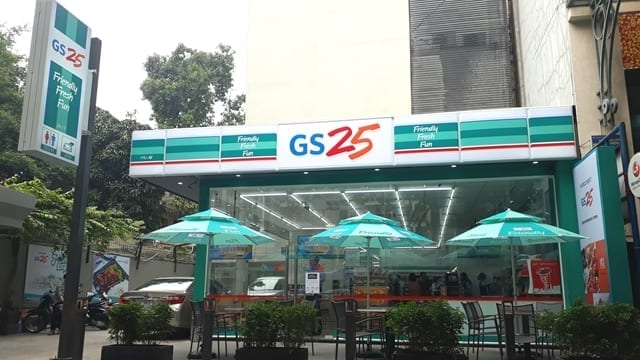
    GS Retail has revamped its ready-to-eat dosirak lineup across 18,000 GS25 convenience stores in South Korea, shifting its core recipe strategy to authentic domestic dishes while seeing its most popular price point rise to 6,900 won.

    Min Jung-hwan, a merchandiser with GS Retail’s Fresh Food Team, said in a Sept. 7 interview that the convenience chain launched a renewal of its meal boxes earlier this month to meet shifting consumer tastes across domestic stores and overseas branches in Vietnam and Mongolia.

    Rising dining prices have pushed daily lunch traffic toward convenience chains, where dosirak and fresh food items rarely exceed 7,000 won ($5.21). GS25 features approximately 20 different dosirak varieties each month, moving away from options priced below 6,000 won toward higher-quality banchan combinations and seasonal produce like spring cabbage bibimbap.

    Pricing shift and recipe pipelines

    Development cycles for new boxed meals at GS Retail take roughly 12 weeks from consumer trend analysis to store delivery. Culinary teams develop the banchan combinations, balance the flavor profiles, and run sample batches through lot testing at commercial factories before authorizing mass distribution.

    Rather than developing separate, milder product formulations for foreign tourists or overseas markets, the retailer is keeping core recipes consistent across territories. Outlets in Vietnam and Mongolia stock the same marinated bulgogi, dakgangjeong fried chicken, and japchae glass noodles sold in central Seoul.

    Even at GS25 stores in Vietnam and Mongolia, visitors are interested in authentic Korean-style dosirak. We try to meet such expectations so that they can feel they are inside a Korean convenience store.

    Marketing partnerships have accelerated this product turnover. GS Retail introduced co-branded meal boxes with chef Choi Kang-rok and runs a recurring monthly release schedule alongside its long-running Hyeja Dosirak line, an actress-fronted value brand active since 2010. Customer survey data from an early September brand renewal now dictates recipe adjustments rather than short-lived social media fads.

    Production across nine manufacturing plants

    Supplying daily fresh inventory to 18,000 domestic stores requires an industrial logistics network. GS Retail operates nine dedicated food manufacturing plants nationwide, delivering uniform meal boxes every morning. Consistency across regions remains the operational priority, from rice texture to the moisture absorption of bakery packaging.

    South Korea’s convenience sector now exceeds 53,000 outlets across competing operators, forcing chains to compete heavily on fresh food quality. When Japanese bento concepts first entered the domestic market decades ago, local operators lacked specialized food containers and processing equipment. Korean suppliers have since built proprietary packaging technology, including specialized containers that preserve seaweed crispness on triangular gimbap and trays designed for multi-sauce dishes.

    The regional convenience battle

    For convenience store operators across Asia, GS Retail’s refusal to localize recipes marks a clean departure from standard retail practice. Most regional operators adjust spice, sweetness, and protein ratios when entering Southeast Asian markets. GS25 is betting that global familiarity with Korean pop culture makes authentic recipes a stronger selling point than localized menus.

    This unified product approach gives GS Retail scale advantages in ingredient procurement and packaging development, but it concentrates operational risk. If consumer appetite for Korean food cools in overseas markets, franchisees in cities like Ho Chi Minh City or Ulaanbaatar face direct margin pressure from menus that cannot easily pivot to local staples. Rival chains like CU and 7-Eleven continue to mix regional items with imported lines in competing territories.

    Automation limits on the factory floor

    Factory automation remains the operational bottleneck across GS Retail’s manufacturing footprint. While the retailer has automated ingredient mixing, cooking, and container sealing across its nine plants, banchan packing still requires manual labor on assembly lines.

    Mechanical arms and robotic pickers cannot match the speed or dexterity of human workers when arranging delicate side dishes into compartmentalized trays. High labor dependency keeps factory overhead linked directly to minimum wage increases, capping how far production margins can expand without further packaging redesigns.

    GS Retail plans to maintain its 12-week development pipeline while rolling out faster batch runs for fast-moving social media food trends. The retailer is monitoring sales volumes across its domestic network and its Southeast Asian franchise footprint as the 6,900-won price tier establishes itself as the new commercial standard.

  • Sunway Healthcare Starts Work on $196M Hospital in Johor

    Sunway Healthcare Starts Work on $196M Hospital in Johor

    Sunway Healthcare broke ground on an RM800 million ($196.2 million) tertiary hospital in Johor. The project is its first medical facility in Malaysia’s southern state.

    Planned for completion in 2030, Sunway Medical Center Iskandar Puteri will house more than 400 beds. It will employ over 1,400 healthcare staff.

    Located inside Sunway City Iskandar Puteri, the hospital sits within a 2,000-acre development launched in 2014. Around 7,000 residents live in the township today. Developers have completed more than 30 per cent of the master plan and sold roughly 2,000 homes.

    Expanding Footprint Across Johor

    The Iskandar Puteri facility anchors a series of specialized care projects across the state. Sunway Healthcare plans to open the Sunway Fertility Centre at Sunway Citrine in 2027. An ambulatory care centre will follow in 2028 near the upcoming Johor Bahru to Singapore Rapid Transit System link.

    Group leadership is also evaluating dedicated elder-care properties in the area. By 2032, the company intends to operate eight hospitals throughout Malaysia. That network will exceed 3,400 beds.

    Cross-Border Healthcare Demand

    Placing medical assets near the Singapore border targets two patient groups: local residents in suburban corridors and international medical tourists seeking private care at lower currency valuations. The Johor-Singapore Special Economic Zone adds tax and operational incentives to draw cross-border traffic.

    Competition for clinical talent will intensify for regional operators such as IHH Healthcare and KPJ. Medical staffing remains tight across Southeast Asia. Execution will depend on hiring and retaining senior doctors across competing networks.

    Consolidated Balance Sheet Backing

    Funding for the Johor site follows Sunway Healthcare’s debut on the Main Market of Bursa Malaysia in March. The business posted a net profit of RM111.48 million on revenue of nearly RM1.26 billion for the six months ended June 30. Those results represent year-on-year gains of 39 per cent and 27 per cent respectively.

    Sunway Group, led by founder Jeffrey Cheah, controls diversified holdings in construction, real estate, education, and infrastructure. Cheah’s net worth stood at $5.3 billion in April, ranking him eighth among Malaysia’s wealthiest individuals.

    Next Milestones for Delivery

    Site preparations included buying four land parcels within Sunway City Iskandar Puteri for RM45.37 million to accommodate the medical campus. Construction schedules now track progress on the RTS corridor connecting Johor Bahru and Singapore.

    Operations begin with the fertility clinic launch in 2027. That opening will test the southern medical network before the main hospital opens in 2030.

  • Japan Four Big Telcos Form 5G Millimeter-Wave Sharing Pact

    Japan Four Big Telcos Form 5G Millimeter-Wave Sharing Pact

    Japan’s four nationwide mobile operators signed an agreement on September 21 to jointly study sharing 28GHz millimeter-wave 5G base stations and network architectures.

    The pact brings together KDDI, NTT Docomo, SoftBank and Rakuten Mobile. Together, their networks serve more than 200 million cellular subscriptions.

    Sharing high-band physical infrastructure

    Signals at 28GHz deliver ultra-high speeds and heavy throughput. However, the radio waves travel short distances and cannot penetrate concrete walls, glass or foliage. Covering a single commercial district requires hundreds of small cells and repeaters. That multiplies site acquisition costs and power bills for each carrier.

    Under the memorandum of understanding, the four operators will examine technical frameworks to share base station equipment, repeaters and related transmission assets. Each carrier will continue independent commercial rollouts. A joint working group will test how traffic from rival subscriber bases can run across shared physical nodes without degrading data security or individual network performance.

    The cost math behind 28GHz networks

    High-frequency spectrum rollouts have stalled worldwide because capital expenditure per square kilometer outpaces consumer revenue gains. Worldwide mmWave 5G spending is projected to climb from 3.84 billion dollars in 2025 to 4.42 billion dollars in 2026. Even so, individual operators face severe balance-sheet pressure when building proprietary high-band grids.

    By sharing cell sites and repeaters in dense retail quarters, transit hubs and stadiums, Japanese operators aim to cut duplicate capital outlays. Mall operators, transport hubs and enterprise landlords also gain. A unified model eliminates the need to host four separate sets of antennas and power feeds on roofs and interior walls.

    Shifting carrier spending to shared utilities

    This alliance shifts carrier dynamics across Japan. Rather than competing purely on antenna counts, the operators are treating high-frequency physical layer equipment as a common utility. Core networks and retail pricing plans will remain distinct.

    Operational risk sits in maintenance allocation and capacity bottlenecks during localized peak events. If one carrier’s subscribers crowd a shared node during an urban festival or sporting fixture, the system must arbitrate spectrum access without triggering regulatory complaints over fair competition.

    Earlier trials and global deployment lines

    Collaborative network trials have gained ground across international markets as carriers confront sub-6GHz spectrum exhaustion. Global equipment vendors and tier-one operators launched initial commercial mmWave clusters in early 2023. Enterprise fixed wireless access deployments then expanded into industrial parks and logistics hubs through 2024 and 2025.

    Japanese carriers previously tested private 5G and standalone 28GHz cells in manufacturing facilities and isolated transit pilots. Despite those trials, commercial handset connections rarely lock onto millimeter-wave signals outside select train platforms and flagship retail venues.

    Technical evaluations under the new memorandum will run over the coming quarters. Teams will focus on multi-operator core network integration and shared repeater specifications ahead of targeted commercial joint-site deployments.

  • BYD Seeks over 8,000 Workers at Xi’an Base as Production Ramps up

    BYD Seeks over 8,000 Workers at Xi’an Base as Production Ramps up

    BYD is hiring more than 8,000 workers across its Xi’an manufacturing complex in September 2026 after finishing assembly line overhauls at the site.

    The northwestern hub is the automaker’s largest production base. It spans four development phases with an annual capacity of 1.5 million vehicles.

    Recruitment notices from local human resource agencies and municipal bureaus show the push covers several divisions. Signing bonuses reach up to 6,000 yuan ($889), paired with monthly wages up to 10,000 yuan for technical staff. Roles in welding, painting and vehicle assembly make up most of the open positions.

    Incentives and Skilled Labor Demand

    Hiring ends temporary operating limits at the plant. Output slowed during the first half of the year as BYD reconfigured machinery for its second-generation Blade Battery and retooled chassis lines. During that tooling phase, the company transferred workers to facilities in Zhengzhou, Hefei and the Shenzhen-Shanwei cooperation zone.

    All four factory sites in Xi’an have returned to standard shifts. Filling technical roles quickly will prevent bottlenecks on final assembly lines. Those lines supply both finished cars and knocked-down kits to international transport corridors.

    The Line Rebuild and Factory Rebound

    Provincial industrial data reflects the factory overhaul. Vehicle output across Shaanxi province fell nearly 50 per cent year on year through the first seven months of 2026 during the plant retooling.

    Production rebounded once the lines reopened. Shaanxi auto output climbed to 138,900 units in August, up 55.4 per cent from July. That was 17.9 per cent higher than August last year, according to China’s National Bureau of Statistics.

    For regional suppliers, the Xi’an ramp-up secures component volumes for the core Dynasty and Ocean series. Component makers that lowered deliveries during spring retooling now face tighter lead times. Automakers competing with BYD across Southeast Asia and Latin America will face fresh pressure as export shipments normalize.

    Domestic Headwinds versus Export Surge

    Plant operations restart against a split in BYD’s customer base. Deliveries hit 440,293 new energy vehicles in August. That was a 17.8 per cent gain year on year and its best monthly volume of 2026.

    Export shipments drove the total. Overseas sales jumped 134.5 per cent year on year to 189,466 units in August, setting a monthly export record. Domestic retail deliveries fell 14.3 per cent over the period as showroom price wars deepened in China.

    That split puts utilization risks on domestic lines. Export variants run on full schedules. Lines built for the home market must defend share against aggressive local discounts.

    Global Assembly Footprint

    Xi’an reached peak output in 2024 when volume topped 1 million vehicles. Matching that mark depends on how fast overseas markets absorb inventory before foreign assembly hubs open.

    BYD continues to tweak its global manufacturing footprint. European advisers say the automaker will eventually need three vehicle assembly plants and one battery hub in Europe to meet quotas and handle tariffs.

    Factory managers in Xi’an are now pushing to clear order backlogs before fourth-quarter shipping deadlines arrive.

  • Geely Farizon Expands European Van Network with Six Partners

    Geely Farizon Expands European Van Network with Six Partners

    Geely commercial vehicle brand Farizon presented partnerships with AMF-Bruns, Allianz Partners, BNP Paribas, CATL, Bosch, and ZF at the IAA Transportation in Hanover to expand operations across Europe.

    The agreements underpin European sales for the Chinese group’s Farizon SV electric van, priced from 44,900 euros net, and the smaller V7E model starting at 32,600 euros.

    Farizon, officially represented in Germany since May 2026, announced plans to establish dedicated subsidiaries in Germany and France alongside a European headquarters.

    Component supply and vehicle engineering remain anchored by long-running ties with battery manufacturer CATL, chassis specialist ZF and tier-one supplier Bosch. Farizon already operates a central spare parts distribution warehouse in Germany, which works alongside a dedicated European engineering division formed earlier in 2026 to handle local homologation and fleet customization.

    Expanding Direct Operations in Germany and France

    Farizon plans to incorporate wholly owned operational subsidiaries in Germany and France to anchor its European business. The company is currently selecting a site for its regional European headquarters as it expands beyond early distribution channels in Britain, Spain, Serbia and the Benelux region.

    Fleet operators in Germany can order the SV van with either a 67 kilowatt-hour or 83 kilowatt-hour lithium iron phosphate battery pack sourced from CATL. The larger battery pack delivers a driving range of up to 376 kilometers under WLTP testing standards. For inner-city delivery routes, the smaller V7E transporter comes fitted with 50 kilowatt-hour or 67 kilowatt-hour batteries, yielding a maximum driving range of 328 kilometers between charges.

    Platform Applications and Autonomous Production

    The SV platform also serves as the structural base for specialized autonomous transport. Chinese autonomous driving developer WeRide placed an order for 2,000 units of its GXR robotaxi, built directly on the Farizon SV architecture.

    Production for the WeRide GXR run is scheduled to start in the third quarter of 2026. At the Hanover exhibition, Farizon also presented the Homtruck, a heavy-duty battery-electric tractor unit developed for regional freight and long-distance hauling routes.

    Commercial Fleet Pressures and Chinese Expansion

    For European logistics operators, Farizon offers an alternative to legacy European van makers at a lower acquisition cost, but the real test lies in parts availability and residual values. Fleet buyers cannot tolerate stranded vehicles waiting weeks for imported Chinese components. Establishing local financing and insurance through BNP Paribas and Allianz directly addresses fleet credit and residual risk, removing two primary barriers that have slowed Chinese commercial vehicles in the European market.

    European manufacturers such as Stellantis and Renault face intensified price competition in the light commercial sector as Chinese electric platforms scale up. Farizon uses the manufacturing scale and battery supply chains of Zhejiang Geely Holding Group to price its mid-size electric delivery vans well below comparable European rivals. The main operational hurdle remains long-term resale value, where unproven Chinese commercial nameplates still face steeper depreciation curves than established brands.

    Preceding European Entry and Next Steps

    Farizon formally entered the German market in May 2026 after completing initial safety and homologation testing for the SV and V7E. The SV van secured a five-star Euro NCAP commercial safety rating and finished as a runner-up in the International Van of the Year 2026 evaluations, giving the platform regulatory validation before commercial deployment.

    Engineering teams are preparing an updated version of the Farizon SV featuring an all-wheel-drive powertrain, revised electric motors and higher-capacity battery options tailored for winter driving and unpaved terrain. Farizon has not yet disclosed technical specifications or pricing for the four-wheel-drive model, which will roll out as European legal entities in Germany and France complete their formal incorporation.

  • South Korea KOSPI Tests 7,100 on Chip Gains Before Pre-Holiday Selling

    South Korea KOSPI Tests 7,100 on Chip Gains Before Pre-Holiday Selling

    South Korea’s benchmark KOSPI broke past 7,100 in early Tuesday trading as semiconductor heavyweights tracked a Wall Street rally before profit-taking trimmed gains ahead of the Chuseok holiday.

    The index opened 1.94 percent higher at 7,153.99, gaining 136.08 points at the opening bell, before retreating to the late 7,020 level as domestic traders liquidated positions ahead of a two-day market closure.

    Semiconductor Heavyweights Drive Early Surge

    Tech issues led the opening advance, tracking overnight strength in the United States where the Philadelphia Semiconductor Index gained 2.06 percent and the tech-heavy Nasdaq Composite reached a record close of 27,244.28. Samsung Electronics advanced as much as 2.80 percent intraday to touch 285,000 won (approximately $210) before paring its advance to around 2 percent. SK Hynix climbed 1.96 percent to reach 1.9 million won (approximately $1,400) in early deals before flattening out.

    Chip-adjacent suppliers and affiliate holdings tracked the initial rally. SK Square rose 4.41 percent, Samsung Electronics preferred shares gained 3.31 percent, and Samsung Electro-Mechanics climbed 2.22 percent. On the junior KOSDAQ board, equipment maker Wonik IPS added 4.68 percent while Simmtech and HPSP gained 2.57 percent and 2.03 percent respectively.

    Retail Debut Sparks Household Goods Rally

    Wise Planet Company delivered the session’s sharpest single-stock move during its KOSDAQ debut. The household goods retailer jumped 230 percent above its initial public offering price of 12,000 won (approximately $8.9) to trade at 29,200 won (approximately $22), reaching an intraday peak gain of 243.33 percent. The listing lifted the broader household goods index by 134.92 percent.

    Other consumer and industrial names showed sharp dispersion. POSCO Future M opened more than 4 percent higher after confirming a 1.1 trillion won (approximately $814.1 million) lithium iron phosphate cathode supply contract with battery maker SK On, but selling pressure pulled the stock into negative territory by midday. Shipping operator KSS Line gained roughly 15 percent following a share buyback disclosure, while cyber-security provider Xgate posted double-digit gains.

    Institutional and Foreign Positioning

    Trading flows fluctuated sharply as domestic retail participants moved into cash. Retail investors on the main board sold a net 366 billion won (approximately $270.9 million) in opening deals, while foreign and institutional desks recorded net purchases of 174 billion won (approximately $128.8 million) and 142.9 billion won (approximately $105.8 million) before shifting volume across the morning session.

    In the foreign exchange market, the South Korean won traded around the early 1,350 won level against the US dollar, opening at 1,349.8 won as dollar conversions from exporters provided currency support.

    Holiday Consolidation Mirrors Previous Session

    Tuesday’s price action repeated the pattern of the prior trading day. On Monday, the KOSPI opened 2.20 percent higher at 7,161.61, reached an intraday high of 7,171.44, and then gave up nearly all its gains to close at 7,017.91, up just 0.15 percent after retail accounts sold a net 1.8886 trillion won (approximately $1.4 billion).

    South Korean financial markets remain closed on Wednesday and Thursday for the Chuseok holiday, leaving domestic bourses scheduled to resume regular trading on Friday, September 26.

  • Meta Removes 3.7 Million Fraud Accounts in Singapore Enforcement Sweep

    Meta Removes 3.7 Million Fraud Accounts in Singapore Enforcement Sweep

    Meta purged more than 3.7 million accounts, pages and entities linked to fraud and e-commerce scams in Singapore this year following joint operations with the Singapore Police Force.

    Police intelligence shared between January and June triggered direct enforcement against more than 113,000 scam assets across Meta’s platforms, covering merchant scams and fraudulent investment networks.

    Police Data Multiplies Detection Rates

    The operational link with local authorities expanded the reach of automated detection systems. Meta confirmed that actionable intelligence from police led to penalties against more than five times the volume of individual assets originally reported by investigators.

    Cross-referencing network connections allowed security teams to dismantle broader clusters of bad actors rather than dealing with isolated scam profiles one by one. The enforcement sweeps removed bad actors before fraudulent storefronts could run sponsored campaigns or process retail payments from local shoppers.

    Merchant Verification and Marketplace Trust

    Digital marketplaces and social commerce hubs face sharper scrutiny across Southeast Asia as fraudulent sellers target casual retail buyers. For legitimate merchants, uncontrolled scam accounts drive up advertising acquisition costs and erode buyer confidence on social storefronts.

    Platform operators now bear higher compliance pressure to audit commercial accounts and block fraudulent operators before money changes hands. Social networks that fail to police malicious storefronts risk stricter local regulations and potential liability for consumer financial losses.

    Enforcement Precedents Across Regional Hubs

    Singapore authorities have systematically pushed technology firms to formalise anti-scam protocols and share real-time threat intelligence. Previous enforcement rounds targeted deceptive banking advertisements and phishing pages masquerading as established retail brands across the island.

    The partnership model gives regulators direct channels to submit batch evidence on organised fraud networks operating across borders. Similar data-sharing frameworks are now under review by consumer protection bodies across neighboring markets in the region.

    Enforcement Milestones to Watch

    Scam syndicates adjust tactics quickly by switching payment routing channels and generating fresh identity assets across alternative channels. Law enforcement agencies and platform operators will assess whether takedown volumes decline in the next half-year reporting cycle as automated blocking filters take effect.

  • Philippines and Canada on Track to Conclude Free Trade Deal by Year-End

    Philippines and Canada on Track to Conclude Free Trade Deal by Year-End

    Manila and Ottawa have resolved major roadblocks to a landmark free trade agreement during their fourth round of negotiations, putting the deal on track for conclusion before year-end.

    In 2025, bilateral trade reached $2.15 billion, with Canada taking in $1.31 billion worth of Philippine goods, equivalent to 1.5 percent of total exports.

    Resolving Agricultural Access and Tariff Roadblocks

    Substantial progress was made during talks held in Toronto from Sept. 8 to Sept. 11, with Philippine Trade Undersecretary Allan Gepty confirming that negotiators will address remaining issues through smaller meetings and online exchanges rather than another full round.

    Agricultural tariffs represented the main point of contention during the Toronto talks, mirroring past Philippine trade negotiations with the European Union and Chile. Manila sought protection for domestic farming sectors while pushing for broader access for its food exporters across Canadian grocery shelves.

    Expanding North American Supply Lines

    For Philippine consumer brands and food manufacturers, a completed pact opens direct duty-free channels into Canada without navigating third-party transshipment hubs. Importers in Manila gain cheaper access to Canadian agri-food commodities, processed foods, and cold-chain inputs, which will lower sourcing costs for local supermarket operators.

    Canadian retailers and industrial suppliers also gain formal investment protections and clearer intellectual property rules across the Philippine market. The deal will serve as Manila’s first direct bilateral free trade treaty with a North American economy.

    Fast-Tracked Talks Across Asia-Pacific

    Official negotiations between both governments began in February 2026. Beyond tariffs on physical goods, the working texts cover service exports, business visa mobility, cross-border investments, digital commerce safeguards, and anti-corruption standards.

    Canadian International Trade Minister Maninder Sidhu arrived in Manila on Sept. 21 for two days of consultations with Association of Southeast Asian Nations economic ministers. Ottawa is running parallel regional trade talks with ASEAN alongside comprehensive partnership negotiations with India.

    Final Review Steps Before Year-End Ratification

    Legal teams from both sides will scrub the agreed treaty text through October before presenting the final document for executive signatures.

    Both governments target formal signing by December 2026, after which the treaty heads to the Philippine Senate and the Canadian Parliament for domestic ratification.

  • Thai Cabinet Approves Medical Cannabis Bill with 3-Year Licences

    Thai Cabinet Approves Medical Cannabis Bill with 3-Year Licences

    The cabinet on Tuesday approved a cannabis control bill that will restrict cannabis and its extracts strictly to medical treatment and research.

    Public Health Minister Pattana Promphat said the legislation represents Thailand’s third attempt to plug regulatory loopholes since the country decriminalised cannabis in 2022, aiming to prevent abuse and protect youth.

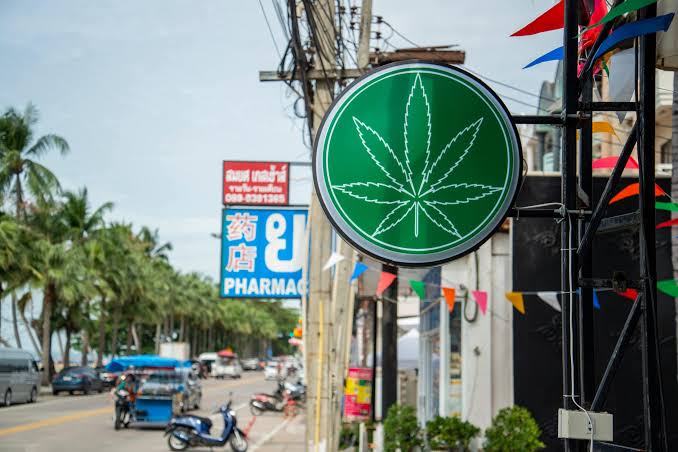
    Under the draft law, the cultivation, production, import, export and sale of cannabis will require three-year licences issued by the Department of Thai Traditional and Alternative Medicine, a regulatory shift expected to reduce the nation’s 11,000 dispensaries to about 2,000 approved clinics.

    Three-Year Licences and Strict Retail Zones

    Commercial operators face tightly restricted trading boundaries under the new framework. Dispensaries cannot operate near schools, university dormitories, temples, public parks, zoos or amusement parks, and retail transactions to buyers under 20 years old or pregnant women are banned entirely.

    Marketing channels will close as well. The bill outlaws all commercial advertising and promotional campaigns for cannabis buds, resin and consumption paraphernalia, penalising unauthorised commercial operators with criminal fines and prison terms.

    “This is to protect the health of people, especially children and youth, and prevent cannabis abuse,” said Public Health Minister Pattana Promphat.

    Clinic Conversions Squeeze Independent Operators

    For store owners, the shift from retail commerce to medical dispensing creates severe capital hurdles. Transitioning a lifestyle weed shop into a licensed health clinic requires retained medical staff, diagnostic oversight and clinical record-keeping systems that small operators cannot easily fund.

    Landlords in major entertainment districts face an immediate tenant shakeout. Prime commercial corridors in Bangkok, Phuket and Pattaya that filled vacant retail footprints with lifestyle dispensaries after 2022 will see substantial vacancy as uncertified storefronts exit the market.

    Supply Chain Realignment and Wholesale Pressure

    Growers and wholesale distributors must adjust output to pharmaceutical specifications rather than commercial recreational volumes. The requirement for three-year operating licences gives regulators direct control over production quotas and processing standards across local supply chains.

    Institutional healthcare networks stand to gain the market share surrendered by independent retailers. Hospital operators and licensed wellness clinics already possess the compliance infrastructure needed to handle regulated extracts and patient consultations.

    Legislative Route Since Decriminalisation

    The draft represents the third attempt by Thai lawmakers to regulate the sector since the government removed cannabis from the Category 5 narcotics list in June 2022. That move, overseen by current Prime Minister Anutin Charnvirakul during his tenure as health minister, eliminated criminal penalties without establishing statutory retail controls.

    Previous legislative efforts under both the Prayut Chan-o-cha administration and the subsequent Pheu Thai government under Paetongtarn Shinawatra stalled before reaching final enactment. The current bill cleared regulatory impact assessments and public hearings earlier this year before Tuesday’s cabinet endorsement.

    Parliamentary Debate Sets Three-Year Countdown

    Parliament will take up the draft legislation for readings and committee scrutiny before it passes into law. Public Health Minister Pattana Promphat estimated that the transitional clinic rules will reduce the country’s 11,000 storefronts to approximately 2,000 licensed medical operators over the three-year licensing cycle.

  • Taiwan Launches Singapore Transit Campaign to Drive Repeat Tourism

    Taiwan Launches Singapore Transit Campaign to Drive Repeat Tourism

    Taiwan Tourism Administration launched an outdoor advertising campaign across Singapore’s transit network on September 22. It targets repeat visitors after logging 1.35 million trips from the city-state between 2023 and 2025.

    Branded wraps and station takeovers cover public buses, taxis, and Mass Rapid Transit stations under the theme Taiwan 100 Ways.

    Singapore-born illustrator Tiffany Lovage designed the artwork. Visuals group activities under three categories: ecology, lifestyle of health and sustainability, and food. Featured itineraries highlight surfing, diving, hot-air ballooning, and trips on the Taiwan Railway Administration’s Haifeng and Shanlan scenic tourist trains.

    Targeting Repeat Travellers Beyond Taipei

    Officials are steering the campaign toward central and southern destinations instead of northern urban hubs. Singapore residents who visited Taiwan in the past three years can claim targeted incentives.

    Commuter ads connect to an online travel personality quiz and a prize lottery for return flights and merchandise. Travellers register through a dedicated portal to enter.

    Transit Media Strategy in Singapore

    Regional tourism offices across Asia-Pacific are channeling media spend into high-frequency commuter corridors. Singapore ranks among Southeast Asia’s highest-spending outbound leisure travel markets per capita.

    Funneling passengers toward regional services like the Haifeng and Shanlan lines channels spend into local rail operators, regional hospitality providers, and suburban retail corridors. The strategy eases crowding in Taipei while supporting regional small businesses.

    Outbound Demand Trends

    Passenger traffic between Singapore and Taiwan grew steadily through 2024 and 2025 to reach the 1.35 million cumulative total cited by the agency. Direct flights and visa-free access continue to drive frequent return visits.

    Campaign placements will run across transport networks through the fourth quarter as destination marketers compete for year-end holiday bookings.

  • Fast-Food Chains Cross Borders as McDonald’s Plans 1,000 New Outlets in China

    Fast-Food Chains Cross Borders as McDonald’s Plans 1,000 New Outlets in China

    American fast-food brands and Chinese restaurant chains are accelerating cross-border expansion, trading burgers and bubble tea across both markets despite trade friction.

    McDonald’s plans to open 1,000 new Chinese restaurants this year on its way to a target of 10,000 locations by 2028. Burger King expects to triple its Chinese footprint to 4,000 stores by 2035, while Wendy’s aims to open 1,000 restaurants in the country over the next decade.

    Church’s Texas Chicken entered the market last month with an opening in Shanghai that drew long queues in the rain, with plans for at least 600 outlets nationwide. At the same time, Chinese beverage and fast-food operators are pushing into North America to build alternative revenue streams away from intense domestic discounting.

    American giants target lower-tier Chinese cities

    China remains the largest market for Yum China’s KFC, which operates roughly 13,000 outlets in the country compared with 3,750 in the United States. Having entered Beijing in 1987, followed by McDonald’s and Pizza Hut in 1990, western quick-service brands are now looking beyond saturated top-tier cities.

    Growth is shifting into smaller, inland municipalities where lower operational costs and rising disposable incomes support store additions. Even with high consumer familiarity, foreign operators increasingly rely on regional joint ventures to manage site selection and financial commitments. Starbucks restructured its mainland operations earlier this year by selling a 60 per cent stake to Boyu Capital following several years of softer store traffic.

    Menu adjustments remain essential for western chains looking to protect customer volumes. KFC menus across mainland outlets feature localized breakfast congee and egg tarts alongside fried chicken, balancing core imports with domestic dining habits.

    Chinese operators push abroad to escape price wars

    Sluggish domestic consumer spending and a property slump have squeezed margins across China’s 16 million food and beverage outlets, where the average operational lifespan was projected to drop to 15 months last year. After expanding across Southeast Asia, Chinese brands are taking their supply chains directly into the United States.

    Drink and ice cream giant Mixue, which operates more than 53,000 stores globally, entered the US market in December with three locations, including a store in New York’s Herald Square. The chain has outlined plans for at least 24 additional sites across four American states.

    Tea and coffee specialists are scaling alongside them. Heytea now runs 40 US branches, while Luckin Coffee has established 20 locations in New York after overtaking Starbucks by store count in China.

    Value positioning and operational friction

    Chinese entrants rely heavily on aggressive price points to gain market share against entrenched western competitors. At a Mixue store in Hollywood, a medium matcha latte sells for $6.83, undercutting nearby Starbucks pricing by nearly a dollar. Fast-food operator Wallace, which runs over 20,000 hamburger and fried chicken restaurants in China, opened its second California restaurant selling three chicken sandwiches for $10.

    For landlords and retail operators, the influx provides active leasing demand in suburban strip centers and urban transport hubs. However, maintaining aggressive pricing abroad introduces margin pressure, particularly if supply chains rely on imported ingredients exposed to tariff adjustments.

    Data governance and consumer perception present additional operational hurdles for Chinese operators abroad. Wallace does not highlight its Fujian headquarters on its American web pages, reflecting the brand sensitivity required as trade ties face political scrutiny.

    Scale tests across both retail markets

    The cross-border push represents a clear divergence in operational objectives. Western chains need China’s massive consumer base to meet long-term unit growth targets, while Chinese chains need the high-margin dollar revenues of the US market, which accounts for one-third of global restaurant industry sales.

    Luckin Coffee chief executive Jinyi Guo told investors the American market represents an important long-term target that the group will pursue with disciplined capital allocation. Industry attention now turns to Mixue’s next round of store openings across the US West Coast and McDonald’s pace of store rollouts across inland Chinese provinces through the end of the financial year.

  • AB InBev Adds Functional Beers and Smaller Packs to Target Frugal Shoppers

    AB InBev Adds Functional Beers and Smaller Packs to Target Frugal Shoppers

    Anheuser-Busch InBev is rolling out smaller pack sizes and functional drinks with added protein or electrolytes. The brewer wants to win back price-sensitive shoppers and lift global sales volumes.

    The world’s largest brewer by market value also plans to capture more revenue from non-beer categories like energy drinks. Executives value that addressable market at 25 billion dollars.

    Sizing Down for Developing Markets

    Management revealed the strategy to investors at a London event on September 22. The plan targets occasional drinkers who cut back as inflation squeezed household budgets.

    Chief Marketing Officer Marcel Marcondes told investors that reshaping pack architecture offers clear room for growth. In developing markets, the brewer will introduce smaller single-serve containers alongside larger bulk formats that reduce unit costs.

    Data is showing us huge opportunities to make beer more affordable, especially in developing markets.

    Functional Beer and Zero-Alcohol Innovation

    Beyond packaging, the group is reformulating core drinks to meet health trends. Product teams will focus on zero-alcohol beers with distinct flavours, fewer calories and functional ingredients.

    Trials are already under way in Latin America, where the company launched a protein-fortified Spaten beer in Brazil. Electrolyte-infused recipes will follow. Executives want non-alcoholic beer treated as an everyday meal drink rather than an occasional substitute.

    Challenging Beyond Beer Categories

    Growth plans also reach past modified malt drinks. Ready-to-drink canned cocktails, led by Cutwater in the US, and energy drinks now form a central growth pillar.

    Chief Executive Michel Doukeris told shareholders the company acts like an insurgent outside traditional brewing. Strong distribution and retail shelf access give it use against established beverage conglomerates.

    Pressure on Traditional Volumes

    Beer consumption has dropped across mature markets like North America. Younger consumers increasingly turn to spirits, seltzers or sobriety. Rivals face the same headwind, pushing big brewers to diversify away from standard lager.

    Retail buyers and convenience operators will see the resized packs and fortified zero-alcohol lines enter distribution channels ahead of the next financial year.