Author: Mei Ling Tan

  • Digital Realty and BW Digital to Build 1.6 Pb/s Subsea Cable Linking Singapore and Batam

    Digital Realty and BW Digital to Build 1.6 Pb/s Subsea Cable Linking Singapore and Batam

    Digital Realty executives outlined plans this week to expand distributed digital infrastructure across the Asia-Pacific region, connecting core hubs in Singapore with growing capacity markets in Indonesia and Malaysia.

    Developed with BW Digital, the Nongsa-Changi Cable System will deliver more than 1.6 petabits per second of capacity. The line connects Singapore’s SIN12 data center directly to Batam’s NDP1 facility with a targeted latency of less than two milliseconds.

    Digital Realty’s Wilfried Dudink and Govind Choudhary noted that subsea connectivity is becoming integral to artificial intelligence deployments as operators split localized inference from large model training across regional hubs.

    Splitting Training From Inference

    Workload requirements have split sharply over the past two years. Training foundational models demands contiguous megawatts of power and heavy cooling capacity. That creates bottlenecks in land-constrained cities. Inference tasks, by contrast, must sit beside enterprise users and sovereign data stores to prevent latency.

    New software frameworks like Nvidia NeMo support model training across physically separated sites. This turns subsea optical lines into direct extensions of internal data center architecture. Digital Realty is adding fiber density to feed these distributed pipelines. Its KUL10 facility in Malaysia now hosts over 6,000 cores of long-haul and regional fiber.

    As capacity develops across Southeast Asia, we increasingly see Singapore serving as a connectivity and governance hub for the region, hosting latency-sensitive and sovereign workloads in the city-state while neighboring markets provide greater capacity for larger compute and AI need.

    Subsea Links Shift Border Economics

    Landing agreements and cross-border latency targets are reshaping industrial land values. Johor in southern Malaysia and Indonesia’s Riau Islands have absorbed billions of dollars in campus commitments. Hyperscalers want cheaper land and faster utility approvals. Still, isolated compute parks face severe limits without low-latency ties back to Singapore.

    Enterprise buyers and regional logistics groups now face altered vendor choices. Companies building automation tools cannot rely on distant data centers without lag. Sub-two-millisecond links to Batam and multi-fiber routes to Kuala Lumpur solve this problem. Tenants can maintain compliance within national borders while tapping shared regional models.

    Operational risk now clusters along busy maritime corridors. Routes through the Malacca Strait and Singapore Strait face dense ship traffic. Cable armoring, diverse routing, and rapid repair access have become critical commercial factors for operators promising uptime.

    Enterprise Constraints Across APAC

    Urgency is mounting as corporate IT budgets shift from pilot trials to production systems. Operators must supply liquid-cooled racks for high-density hardware. Older raised-floor sites cannot handle these power draws.

    Digital Realty survey data covering 2,131 global technology leaders shows 40 per cent view physical infrastructure shortages as their primary roadblock, up from nine per cent in 2024. The study found 88 per cent of organizations run distributed architectures. Meanwhile, 86 per cent pursue sovereign data deployments to meet local regulations.

    Spending plans reflect that push. Enterprise respondents forecast an average 32 per cent jump in artificial intelligence budgets over the next twelve months. Fully 79 per cent plan live deployments before late 2026. Nearly two-thirds expect measurable returns on compute investments within six to 24 months.

    Next Deployments and Power Demands

    Network builds outside Asia follow a similar blueprint. In Turkey, a joint venture with Ronesans Infrastructure will deliver a 22-megawatt carrier-neutral campus in Ankara by 2028. Planned expansions in Istanbul will link Mediterranean traffic with Asian routing tables.

    Across Asia, expansions are underway in India, Japan, South Korea, Thailand, and Australia. Engineering teams are retrofitting existing halls and designing greenfield facilities. These sites accommodate direct-to-chip liquid cooling alongside high-airflow layouts for dense racks.

    Delivery timelines on the Nongsa-Changi cable route and power hookups at satellite sites present the next hurdles. Corporate IT teams are shifting over half of their private compute workloads into dedicated cloud environments. Handover dates across 2026 and 2027 will decide which regional hubs secure those incoming workloads.


  • Nearly 20% of Asia-Pacific Firms Expect AI to Cut Office Space, CBRE Finds

    Nearly 20% of Asia-Pacific Firms Expect AI to Cut Office Space, CBRE Finds

    Nearly one-fifth of surveyed companies in the Asia-Pacific region believe wider adoption of artificial intelligence will reduce their real estate needs, a study by property consultancy CBRE has found.

    More than half, 56 per cent, held a neutral view, believing either that AI had no impact on office space demand or that it was too early to determine its effect, while 25 per cent said AI adoption would require them to expand their office footprint.

    The survey of 651 corporate real estate executives, conducted between May 26 and July 10 across nine regional markets, showed that AI currently has a more significant impact on office operations than on physical space requirements, according to Ada Choi, head of research for Asia-Pacific at CBRE.

    Operational Shift Outpaces Desk Reductions

    Corporate deployment of machine learning in property management expanded sharply over the past two years. The survey, conducted between May 26 and July 10 across nine markets including Hong Kong, mainland China, Singapore, Japan, Australia and India, found that 46 percent of occupiers now classify themselves as active AI adopters in corporate real estate functions. That represents a steep increase from 9 percent recorded in 2024.

    Automation currently assists facility monitoring, leasing analytics, space planning and workplace energy management rather than eliminating core real estate demand. Property teams use algorithmic tools to streamline building maintenance schedules and track daily badge swipes, turning automation into an administrative efficiency tool rather than a headcount guillotine.

    Regional leasing patterns show that companies rebalance rather than abandon their commercial leases. Fifty percent of surveyed occupiers project portfolio expansions through 2029, with 60 percent citing organic corporate growth as the primary catalyst.

    The Flight to Prime CBD Assets

    Commercial tenants are executing a deliberate flight to quality across major Asian financial centres. Eighty-five percent of surveyed occupiers specify Grade A buildings or higher for future commitments, and 48 percent demand space inside central business districts.

    This consolidation into top-tier commercial towers squeezes secondary and decentralised office parks. Landlords holding modern assets with green credentials and flexible floorplates capture leasing activity, while older secondary stock faces structural vacancy as corporate tenants offload low-grade square footage to fund premium addresses.

    The bifurcation penalises owners of dated suburban business parks who banked on decentralisation during earlier cost-cutting cycles. Institutional capital in Asia is now forced to either invest heavily in asset enhancement programmes or accept prolonged rent discounts to retain secondary tenants.

    Stabilised Attendance Anchors Space Requirements

    Physical workplace presence has normalised across the region at levels far higher than in North America or Western Europe. Eighty-eight percent of respondents confirmed their employees work in the office at least three days per week, marking the highest rate recorded since the start of the pandemic. An additional 85 percent stated that desk attendance has reached a permanent equilibrium.

    “With attendance and utilisation largely stabilised at higher levels, companies are no longer focused only on bringing employees back to the office,” said Tom Gaffney, head of leasing for Asia-Pacific at CBRE.

    Space shortages are most acute in Tokyo and major Indian tech hubs, where tight supply limits available Grade A options. In mainland China, corporate expansion continues at a measured pace, led by domestic technology, software development and clean energy enterprises taking advantage of softened prime rental rates in top-tier cities.

    Labour Market Realities and Future Leases

    The resilience of physical leasing contrasts with broader corporate polling on long-term workforce headcounts. A World Economic Forum survey conducted last year across 55 economies found that 41 percent of employers planned to reduce headcount as software automated standard white-collar tasks, raising questions about future desk utilisation.

    Asia-Pacific commercial occupiers have sidestepped immediate floorplate cuts by redirecting automated productivity gains into higher transaction volumes and new service lines. Corporate real estate directors are structuring three- to five-year leases around steady headcounts while monitoring whether generative workplace tools eventually alter administrative staffing models.

    Commercial landlords now watch the final quarter of 2026, when a heavy schedule of prime Hong Kong and Tokyo lease renewals will test whether tenant expansion pledges turn into binding long-term contracts.

  • Lumson Completes Two Packaging Acquisitions in the US and Asia

    Lumson Completes Two Packaging Acquisitions in the US and Asia

    Italian cosmetic packaging specialist Lumson has completed two acquisitions this week, buying US-based Lombardi Design and Manufacturing and 100 percent of Lombardi Design & MFG Limited in Asia.

    The dual acquisition gives the Capergnanica-based packaging group direct industrial operations across Europe, North America and Asia to support global beauty and personal care brands.

    Financing and leadership terms

    Lumson completed the transactions through its US subsidiary, financing the purchases through a pool of banks, while Carl Lombardi will remain CEO of Lombardi Design and Manufacturing to ensure management continuity.

    Lombardi Design and Manufacturing will keep its corporate name and brand identity. Carl Lombardi stays on as chief executive officer to run daily operations and oversee line integration into Lumson’s global network.

    Supply chain shift for regional beauty brands

    For beauty brand managers across Asia-Pacific, the consolidation narrows the gap between European design standards and Asian production tooling. Contract manufacturers and packaging suppliers in the region face direct competition from a single supplier capable of tooling, molding and assembling primary cosmetic containers on three continents simultaneously.

    Shipping lead times will drop for prestige beauty brands that formulate in North America or Europe but package high-volume lines out of Asian facilities. By owning both the American production hub and the Asian manufacturing platform outright, the combined group eliminates third-party licensing intermediaries across the supply chain.

    Competitive pressure in contract manufacturing

    Packaging consolidators have raced to secure regional capacity as multinational beauty houses demand localized manufacturing to hedge against trade disputes and transport bottlenecks. Asian packaging suppliers now face a competitor that links Milan’s design ecosystem directly with Asian production lines without joint venture partners.

    Suppliers without cross-border manufacturing assets risk losing global product runs from conglomerate clients such as L’Oreal and Unilever. Those buyers increasingly award multi-territory contracts only to packaging specialists that maintain audited facilities in each major consumer market.

    Earlier group consolidation steps

    From its headquarters in Capergnanica, Italy, Lumson built its primary market position supplying dispensing pumps, glass containers and airless packaging systems to European beauty brands before expanding export sales into the Americas and Asia.

    The purchase of both Lombardi entities represents the group’s first cross-continental manufacturing takeover. It converts regional sales offices into wholly owned production bases.

    Integration teams will align tooling standards and quality control protocols across Lombardi’s Asian plants and US facilities through the next reporting cycle.

  • Saeki Selva Holdings Begins Training for 100-Store Vietnam Push

    Saeki Selva Holdings Begins Training for 100-Store Vietnam Push

    Japanese supermarket operator Saeki Selva Holdings plans to enter Vietnam with an operational rollout targeting 100 stores across the country. The Tokyo-based grocer is now training local personnel in Japan and Vietnam to handle store operations from floor basics to full management.

    The retailer is using its Japanese stores to teach prepared food assembly, inventory controls and daily floor management. Vietnamese staff working in Japan will move directly into store leadership tracks once the company begins opening locations in Southeast Asia.

    Building a Store Management Pipeline

    Staff development forms the baseline of the expansion model. Trainees learn food preparation, food safety standards and Japanese service techniques at existing domestic sites before deploying to Vietnam. That pipeline cuts the overhead of dispatching large teams of Japanese expatriates to run individual sites.

    Supermarket operators expanding into Southeast Asia frequently struggle with middle-management retention. By offering a defined career path from floor staff to store manager, Saeki Selva Holdings aims to stabilise its local store leadership before opening its first doors.

    The Competitive Field in Vietnam

    Vietnam remains one of the primary targets for foreign food retailers seeking growth outside mature home markets. Japanese retail giants like Aeon have already invested heavily in large shopping malls and compact supermarket formats across Hanoi and Ho Chi Minh City, while domestic chains retain strong footholds in the convenience and neighbourhood grocery segments.

    Saeki Selva Holdings enters a market where ready-to-eat meals and fresh foods drive foot traffic. Japanese supermarket formats carry a strong reputation for cleanliness and cold-chain reliability among urban Vietnamese consumers. Success for a 100-store network will hinge on whether the operator can price its fresh offerings to compete with entrenched local wet markets and neighbourhood minimarts.

    Supply Chain and Fresh Food Execution

    Prepared foods serve as a core differentiator for Japanese supermarket operators entering overseas markets. Saeki Selva Holdings is placing food preparation at the center of its training curriculum to maintain consistent product quality across its planned store base.

    Sourcing fresh ingredients locally while maintaining Japanese hygiene standards requires rigorous back-of-house supervision. Training workers directly in Japanese kitchens allows the company to replicate its central kitchen and in-store deli workflows before rolling out physical units in Vietnamese cities.

    Next Steps for the Market Entry

    Establishing operational readiness in Tokyo marks the initial phase of the cross-border strategy. Saeki Selva Holdings must next secure local store sites, establish distribution partnerships and clear regional commercial licensing requirements in Vietnam.

    The pace of the 100-store rollout will depend on site acquisition and the speed at which the first cohort of trained managers completes their preparation in Japan.

  • SnackHQ Launches 100-Calorie Pick Me up Snack Bars in New Zealand

    SnackHQ Launches 100-Calorie Pick Me up Snack Bars in New Zealand

    Australian health and sports nutrition company SnackHQ launched its Pick Me Up snack bar range across New Zealand in September 2026. The lineup secured shelf space across New World and Pak’nSave supermarkets.

    Boxes arrive in stores in a 145-gram format containing five individual 100-calorie bars. They target shoppers seeking portion-controlled confectionery alternatives.

    Supermarket distribution across two banners

    Distribution covers selected New World and Pak’nSave outlets nationwide. The initial rollout includes four recipes: Choc Brownie, Choc Berry Burst, Cookies & Cream, and Caramel Fudge.

    SnackHQ built the range around strict 100-calorie portion caps. The strategy targets demand for lower-calorie treats that mimic traditional chocolate without full sugar loads.

    Trans-Tasman health snack competition

    The New Zealand launch pits SnackHQ against established domestic manufacturers and dominant multinational health brands. Shelf allocation in the snack bar category is tightly contested across Foodstuffs co-operatives and Woolworths New Zealand.

    Ranging across full-service New World supermarkets and discount Pak’nSave stores targets two distinct audiences. The company wants premium impulse shoppers and price-conscious families. Success will depend on converting trial purchases into repeat staples against cheaper house-brand muesli and protein bars.

    Following domestic Australian debut

    Australia served as the testing ground last year for the 100-calorie packaging format. SnackHQ built its foundation in sports nutrition products before spinning out dedicated everyday snacking formats.

    Crossing the Tasman serves as the first export step for the Australian business. Shared dietary regulations and retail formats will help scale manufacturing volumes.

    Category performance and shelf space targets

    Supermarkets across the region continue reallocating centre-aisle space away from high-sugar confectionery toward functional alternatives. SnackHQ must now prove sales velocity per linear metre to protect its initial ranging.

    Future growth hinges on whether Foodstuffs expands the four-flavour lineup into network-wide ranging across all North Island and South Island stores.

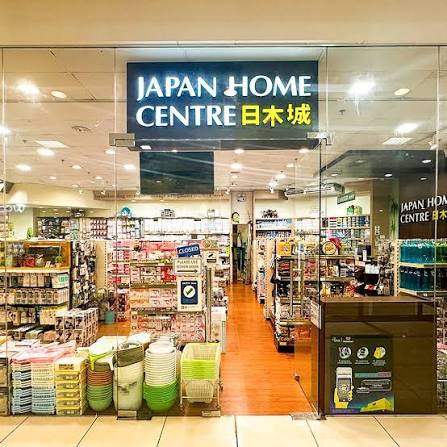
  • Japan Home Centre Accepts Onions as Payment for up to 3 Items

    Japan Home Centre Accepts Onions as Payment for up to 3 Items

    Japan Home Centre held its “Pay with Sibuyas” campaign on Saturday, February 4, allowing customers to use onions as payment at its Panay Avenue branch in Quezon City.

    Under the one-day promotion, shoppers could swap one onion in exchange for a selected in-store product, with a maximum of three items allowed per purchase.

    How the barter checkout functioned

    The retail store accepted all kinds of onions for select merchandise, and Japan Home Centre stated that all collected onions would be given to a community pantry that provides free food for those in need.

    Management routed every bulb into a local community pantry network that distributes free food to low-income residents across Quezon City. The retailer absorbed the inventory cost directly as promotional expense and community assistance.

    The economics of grocery marketing gimmicks

    Barter promotions let general merchandise chains convert regional supply bottlenecks into customer foot traffic without cutting sticker prices across their wider assortment. Non-grocery discount stores step into the gap when everyday food staples turn into luxury commodities.

    Financial exposure stays low because the retailer caps redemptions at three units per shopper. The chain also limits eligible SKUs to high-margin, low-cost plastic ware and kitchen sundries. These stunts generate sudden foot-traffic spikes for mall landlords and retail neighbors, but conversion into cash-paying shoppers across regular aisles stays modest once promotional stock runs out.

    Wholesale price surges and infrastructure gaps

    Domestic retail prices for onions across Metro Manila wet markets and supermarkets reached 700 pesos per kilo in December 2022. That was roughly eight times higher than the global average of 1.54 dollars, or about 84.87 pesos, per kilo recorded across 89 tracked countries.

    Delayed import clearances and chronic storage deficits across agricultural provinces in Luzon triggered the domestic spike. Local farmers dumped bumper crops during harvest months without refrigerated warehouse capacity. That left urban retail distribution chains exposed to severe shortages and price spikes later in the crop cycle.

    Supply controls and import volumes to monitor

    Agricultural agencies have since scheduled off-season import shipments and started inspections of provincial cold storage facilities to stabilize retail distribution costs. Retail buyers across Metro Manila now watch whether wholesale farmgate prices drop back toward the baseline of 100 pesos per kilo before the next domestic harvest enters wholesale depots.

  • Vanguard to Invest $2.5 Billion in Vietnam Equities After FTSE Upgrade

    Vanguard to Invest $2.5 Billion in Vietnam Equities After FTSE Upgrade

    Vanguard will invest US$2.5 billion in Vietnamese equities over the next 12 months. The allocation follows the country’s promotion to emerging market status under FTSE Russell standards.

    Capital will flow across 27 constituent stocks added to the index series. That total exceeds domestic brokerage forecasts, which pegged inflows between US$1 billion and US$2 billion.

    FTSE Russell enacted the reclassification on Sept. 21. The change opens the Southeast Asian market to passive institutional portfolios tracking global equity benchmarks. Vanguard funds tracking the FTSE Global Equity Index Series will execute initial net purchases of roughly US$240.5 million across the newly eligible tickers, according to data from domestic brokerage SSI Research.

    Allocation across large-cap and mid-cap constituents

    Twenty-seven designated Vietnamese companies sit across three capitalization tiers. State-run lender Vietcombank, property and industrial conglomerate Vingroup, and residential developer Vinhomes anchor the large-cap basket.

    Lenders BIDV and VPBank join industrial producer Hoa Phat Group in the mid-cap bracket. Another 21 companies fill the small-cap segment. These spread exposure across industrial, consumer, and financial counters listed on the Ho Chi Minh Stock Exchange.

    Duncan Burns, head of investments and global equity for Asia-Pacific at Vanguard, confirmed the deployment schedule at an industry briefing. “Many investors may have never visited Vietnam, but through us, they can participate in the sustainable growth of this market,” Burns said.

    Capital reallocation across Southeast Asian bourses

    Foreign institutional liquidity will now enter an exchange historically dominated by retail accounts. Passive exchange-traded funds rebalance automatically. They force systematic capital allocation regardless of short-term macroeconomic swings or retail sentiment.

    Consumer-facing conglomerates and retail property developers gain direct balance sheet stability from these institutional holdings. Companies with available foreign ownership room can issue primary equity more cleanly when international indexers hold baseline blocks. That lowers the cost of capital for retail expansion and logistics buildouts.

    Market liquidity and foreign ownership limits pose clear risks. Several commercial banks and retail enterprises in Ho Chi Minh City trade at or near statutory foreign ownership caps. Secondary buying pressure can create pricing premiums or redirect funds toward names with larger available float.

    Regulatory steps preceding the index upgrade

    Technical reforms targeting settlement friction and foreign broker access enabled the upgrade. Vietnam’s State Securities Commission removed mandatory pre-funding rules for foreign institutional investors earlier this year. That reform cleared the main operational hurdle delaying inclusion since 2018.

    Vietnamese finance minister Ngo Van Tuan said regulators will introduce new trading products and enforce tighter disclosure rules across listed entities to align domestic clearing mechanisms with global standards.

    Attention now turns to the quarterly FTSE rebalancing review in December. That review will decide whether more consumer and industrial listings qualify for the index.

  • City Group Seeks Capital Market Pivot After Amassing Tk 26,000 Crore in Bank Debt

    City Group Seeks Capital Market Pivot After Amassing Tk 26,000 Crore in Bank Debt

    Bangladeshi consumer goods giant City Group is restructuring a portion of its Tk 26,000 crore bank debt after rapid expansion and currency headwinds left it squeezed across three dozen lenders.

    The maker of Teer flour, suji and soybean oil plans to raise up to Tk 1,500 crore from the capital market through an initial public offering, private equity, preference shares, corporate bonds or Sukuk.

    City Group built a household staple empire over decades, but a weaker taka, delayed factory utility hookups and aggressive capital expenditure pushed its balance sheet into trouble. Around 36 commercial banks now carry the exposure. Rather than relying entirely on bilateral bank roll-overs, the group announced in mid-August that it would tap outside investors for long-term equity and debt instruments to rebalance its funding base.

    The Imbalance in Corporate Funding

    The conglomerate’s liquidity squeeze exposes the structural fragility of private sector financing in Bangladesh, where commercial banks supply nearly 99 percent of corporate funds while capital markets generate just 1 percent. Industrial term-loan disbursements climbed to Tk 97,138 crore in fiscal 2025. By contrast, businesses raised only Tk 302 crore through initial public offerings and rights issues during the same twelve-month stretch.

    Equity markets remain sidelined across the country’s industrial sector. At the end of June, the Dhaka Stock Exchange market capitalization stood at 5.7 percent of national gross domestic product, ranking as the lowest ratio in South Asia. A World Bank survey showed that only 0.5 percent of local businesses view equity as a viable funding route, compared with 6.9 percent in neighboring India.

    Balance Sheets Under Borrowing Pressure

    Bank loans offer fast deployment, often clearing internal approvals within three months, whereas equity listings demand nine months or more alongside rigorous disclosure filings. That speed has created deep structural hazards for supply chain operators and consumer goods manufacturers across the domestic market. Defaulted loans across the banking sector exceeded Tk 600,000 crore by the end of June, representing 32.78 percent of total outstanding credit.

    Rising interest rates are accelerating the strain on operating margins. An assessment of 166 listed companies showed net finance costs surged roughly 26 percent year on year to Tk 8,871 crore in fiscal 2024-25. Perpetual loan rescheduling has shielded unhedged borrowers from formal insolvency, but it has locked commercial banks into carrying high corporate default risk on their balance sheets.

    Corporates do not stop borrowing because they do not face big problems if they default; rather, banks find ways to keep the corporates alive.

    Regional Lessons in Conglomerate use

    Heavy reliance on bank lending mirrors earlier developmental bottlenecks seen across East and Southeast Asia. South Korean chaebols expanded rapidly on bank use before the 1997 financial shock forced aggressive balance-sheet restructuring, reduced cross-guarantees and deeper capital market compliance. Indonesia faced a similar crunch during the same period, subsequently cutting corporate bank debt dependence down to 40 percent of business financing by 2007.

    Developing viable non-bank financing requires deep structural liquidity and verifiable reporting frameworks. Malaysia expanded its capital market to RM4.3 trillion in 2025 by creating active Sukuk and local corporate bond ecosystems with zero recorded defaults that year. Replicating that stability in Dhaka requires regulators to streamline listing timelines without compromising investor protections.

    Next Steps for Industrial Capital

    City Group’s Tk 1,500 crore fundraising rollout will serve as a test case for whether Bangladesh’s major private conglomerates can transition from short-term bank reliance to public and institutional capital. Regulators now face the task of tightening single-borrower exposure ceilings while speeding up bond and equity approvals. The key benchmark to track is whether domestic institutional funds step up to absorb the group’s planned issuance before the next debt restructuring cycle closes.

  • Neosframe Launches Retail Video Platform Starting at $2,700 a Month

    Neosframe Launches Retail Video Platform Starting at $2,700 a Month

    Brisbane-based platform Neosframe launched an automated video production tool for retail marketing teams in September 2026, with plans starting at $2,700 a month.

    The self-service system uses artificial intelligence to generate campaign creative across multiple channels, helping retailers adjust promotions ahead of the critical Christmas trading period.

    How the Production Guardrails Work

    Founded by chief executive Haley McDonald and chief operating officer Katarina Diquez, the platform features built-in guardrails that keep pricing, disclaimers and brand rules protected from generative AI.

    Enterprise tiers scale to support thousands of video outputs monthly across digital advertising, social channels, email campaigns and digital in-store screens. The system combines creative variation generation and compliance approvals into one workflow, replacing the manual handoffs between external agencies and internal legal teams.

    The Operational Shift for Agency Networks

    Retail marketing departments across Asia-Pacific face mounting pressure to localize and update commercial campaigns without inflating headcount. When a price cut or regional inventory change requires adjustments across six formats, traditional agency turnaround times often wipe out the commercial window.

    By bringing routine asset versioning into automated software, retail operators cut outside production fees and shorten go-to-market cycles from days to minutes. The commercial risk shifts from creative execution errors to internal data accuracy, because automated pipelines publish pricing directly to consumer-facing channels.

    Pressure Ahead of Holiday Trading

    Fourth-quarter trading pushes margins across consumer sectors, making fast creative adaptation essential for weekly promotional turnover. Retailers that rely on static three-month campaign schedules lose sales to agile discounters who adjust localized digital inventory daily.

    Neosframe developed the platform following repeated industry friction where creative asset delivery lagged merchandising decisions during high-volume sale events.

    Deployment Timelines Across Regional Accounts

    The company is deploying its software to retail clients ahead of the November and December holiday retail peaks. Marketers are monitoring whether the automated pipeline can handle sudden inventory-driven price adjustments across thousands of store locations without compliance failures.

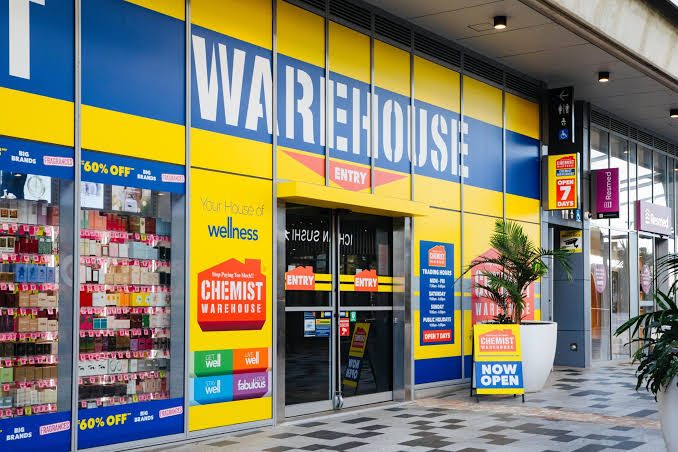
  • Chemist Warehouse Cuts Delivery to 56 Minutes Across 550 Australian Stores

    Chemist Warehouse Cuts Delivery to 56 Minutes Across 550 Australian Stores

    Chemist Warehouse cut average delivery times for local online pharmacy orders to 56 minutes in July 2026. The chain routed dispatch through 550 physical stores across Australia.

    That turnaround covered roughly 32,000 over-the-counter orders handled under a two-hour service agreement with logistics platform Rendr, an Australia Post subsidiary.

    Operations shifted onto a single dispatch platform after the pharmacy chain previously juggled multiple delivery providers. Dispatch software selects a courier based on the customer’s chosen delivery speed and assigns it directly to store staff. The setup avoids adding dedicated warehouse workers to store payrolls.

    Routing Orders Through 550 Storefronts

    Dispatching directly from shopfronts turns high-street real estate into micro-distribution hubs. More than 15 per cent of Australian retail orders are now fulfilled and delivered within 15 kilometres of the buyer, according to Shippit data. That is an increase of five percentage points over two years.

    Chemist Warehouse uses order density maps from Rendr to identify coverage blind spots across its retail network. Those geographic heat maps feed directly into lease decisions for new retail space and extra fulfillment capacity.

    Physical stores provide an immediate counterweight to pure-play e-commerce rivals that spend heavily on regional depots. Pure-play operators typically run centralized warehouses located far outside metropolitan centers. That adds transit hours to every local parcel.

    Avoiding the Mini-Warehouse Trap

    Fulfillment creates friction if counter staff spend shifts sorting boxes rather than serving walk-in shoppers. Chemist Warehouse avoided dedicated picking shifts by standardizing handoffs into a single digital process.

    Workers hand parcels to assigned couriers through one digital interface instead of managing separate fleet portals. David Brennan, general manager of supply chain transformation at Chemist Warehouse, said the consolidated exit path simplified daily routines.

    “There’s now one exit path for fast delivery. It comes in and says, you’re giving it to this driver, that’s it.”

    The Proximity Race Against Pure Plays

    Speed pits physical shop networks against heavy logistics spending from pure e-commerce players. In North America, Amazon is developing Project Mercury to build more than 1,000 sub-same-day facilities by 2031. It aims to place inventory within 10 miles of 80 per cent of Prime subscribers to counter store-based competitors like Walmart.

    Across Asia-Pacific markets, traditional retailers hold the geographical edge because suburban strips already sit near dense residential corridors. The main risk lies in inventory accuracy. A ship-from-store model fails immediately when an online order claims stock an in-store shopper just put in a physical basket.

    Retailers that fix real-time inventory tracking turn routine floor stock into faster dispatch points than dedicated suburban logistics sheds. Those that fail face cancelled orders and higher labor expenses.

    Consumer Appetite for Paid Speed

    Rapid delivery is driving purchase conversion across Australia, where online retail spending reached 82.6 billion Australian dollars in 2025. Australia Post research shows 73 per cent of shoppers pick online channels over physical visits when delivery is reliable.

    Consumers will also pay for speed when items carry immediate utility. Australia Post found 43 per cent of Australian shoppers are prepared to pay extra for same-day or next-day delivery. That figure climbs to 59 per cent among Gen Z and Millennial buyers.

    Roughly 24 million Australians across major population centers can now access same-day fulfillment. Retailers will test whether that appetite holds up as courier costs rise heading into the peak holiday trading quarter of late 2026.

  • Chery Delivan Targets 100 UK Dealerships for Electric Van Expansion

    Chery Delivan Targets 100 UK Dealerships for Electric Van Expansion

    Chery Commercial Vehicle brand Delivan plans to establish more than 100 UK dealership sites over the next five years to sell electric delivery vans.

    The Chinese automotive group unveiled its production van range at the IAA Transportation show in Hanover, preparing for commercial deliveries in 2027 across Britain, Germany, France, Spain, Italy and the Nordic region.

    Hardware specifications and conversions

    Delivan built its launch lineup on a single electric architecture, offering battery capacities between 50.4 kilowatt-hours and 97.4 kilowatt-hours. The vehicles deliver up to 426 kilometres of WLTP combined range with speed capped at 100 kilometres per hour, while direct-current fast charging takes the battery from 15 percent to 80 percent in roughly 22 minutes.

    The range includes the L1H1 panel van with a 1,400-kilogram payload, the larger L2H3 panel van offering 11.6 cubic metres of cargo capacity, and the L3 chassis cab supporting payloads up to 2,120 kilograms. Both panel vans carry a 2,500-kilogram towing rating. Delivan also displayed four specialist conversion bodies developed with European bodybuilders: a crew van, a refrigerated box, an integrated tool storage layout and a three-way tipper.

    Fleet software and uptime service

    Commercial operations will run on a package the company calls its 1+3 proposition, combining vehicle hardware with three digital support layers. Delivan I handles telematics, route efficiency and real-time energy usage tracking, while Delivan PRO links operators to an uptime centre for predictive maintenance and remote diagnostics. Delivan X oversees third-party vehicle conversions and bodybuilder certifications.

    Software integration has become a primary sales mechanism for Chinese commercial vehicle exporters targeting overseas corporate buyers. Fleets evaluate total cost of ownership through vehicle availability and software integration rather than purchase price alone. Delivan is attempting to bypass typical import friction by embedding diagnostics and bodybuilding approvals directly into European fleet workflows.

    Dealership network strategy

    Distribution in Britain will combine franchised car retailers with dedicated commercial vehicle centres. Chery plans to convert selected existing passenger-car showrooms to carry Delivan while appointing independent commercial vehicle specialists to cover high-density logistics corridors.

    Establishing physical workshops and rapid parts supply presents the main execution hurdle for new commercial vehicle brands in Europe. Delivery companies cannot absorb prolonged vehicle downtime. While Chinese electric passenger cars rely heavily on direct retail or light dealer agreements, light commercial vehicles require round-the-clock maintenance agreements and guaranteed replacement turnarounds to win institutional fleet tenders.

    European expansion timeline

    Delivan initiated its Western European rollout in April at the Commercial Vehicle Show in Birmingham, where Chery first introduced the commercial sub-brand. The company subsequently established regional operating headquarters and technical teams in the UK and Germany to adjust suspension, cargo packaging and cab ergonomics for local delivery routes.

    “Using real-time connected-vehicle data, our in-house smart system applies AI to connect the entire operational chain, from individual vehicles to fleet management,” said Yueqiong Gong, vice president of Chery Holding Group and general manager of Chery Commercial Vehicle.

    Chery will finalize its initial UK dealer appointments over the coming months before opening order books ahead of customer deliveries in 2027.

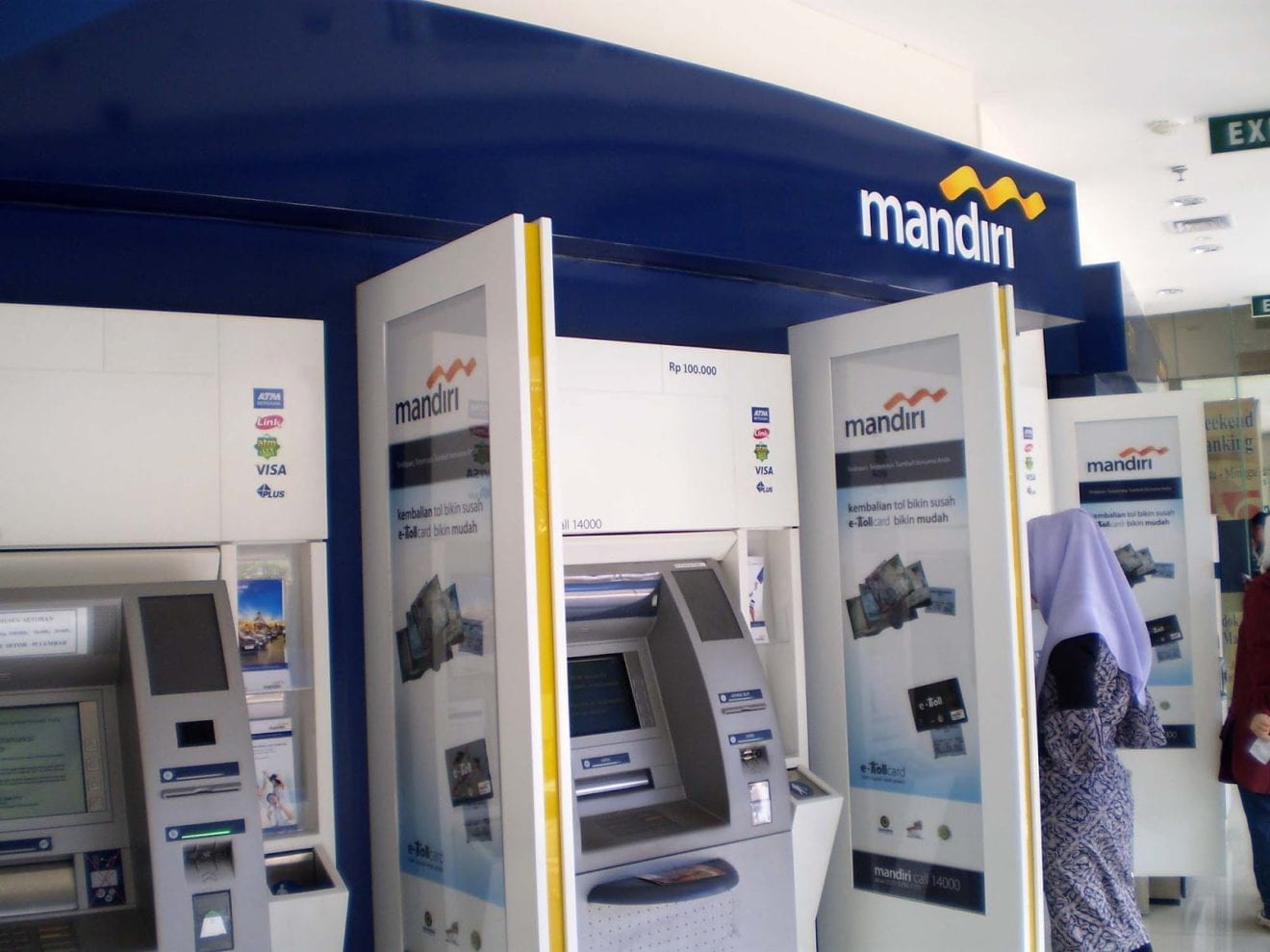
  • Police Arrest 2 Mandiri Development Centre Directors over Unlawful Funds

    Police Arrest 2 Mandiri Development Centre Directors over Unlawful Funds

    Malaysian police have arrested two directors of Mandiri Development Centre Sdn Bhd in an investigation into funds suspected to be proceeds from unlawful activities received between 2024 and 2026.

    The two directors were detained at about 3.53pm on September 22 at the Anti-Money Laundering Investigation Office on Jalan Tun Razak, Inspector-General of Police Tan Sri Mohd Khalid Ismail said.

    Bukit Aman Opens Formal Inquiry

    The Anti-Money Laundering Criminal Investigation Team at Bukit Aman initiated the probe on September 10 following a police report lodged after a review of the company, examining the storage, transfer, use, and movement of the suspected money.

    Proceedings are being pursued under Section 4(1) of the Anti-Money Laundering, Anti-Terrorism Financing and Proceeds of Unlawful Activities Act 2001. The statute gives law enforcement broad authority to track banking flows and freeze accounts linked to predicate offences.

    Police will continue to conduct a thorough investigation in accordance with the law against any party suspected of being linked to the case.

    Scrutiny on Corporate Fund Flows

    Financial regulators and law enforcement agencies across Southeast Asia have tightened scrutiny on private operating entities used as conduits for unverified capital. Corporate service providers, training hubs, and commercial management firms face higher compliance hurdles as investigators audit corporate accounts directly rather than relying solely on commercial bank alerts.

    For enterprise partners and commercial landlords, enforcement actions of this type immediately freeze counterpart relationships and disrupt operational contracts. The direct detention of board-level directors signals that enforcement teams are targeting decision-makers early in the audit cycle rather than confining actions to corporate penalties.

    Regulatory Enforcement Timeline

    The September 10 filing followed preliminary compliance reviews that flagged transaction patterns across accounts tied to the firm over a two-year window. Bukit Aman has stepped up inter-agency tracing since early 2024 to curb domestic layering schemes before capital moves offshore.

    Inspector-General of Police Tan Sri Mohd Khalid Ismail cautioned the public against unverified speculation while forensic auditors complete their analysis of the company’s financial ledgers.

    Next Steps in the Case

    Investigators are now auditing banking documentation and transaction ledgers tied to the two detained directors to determine whether additional asset seizures or formal court charges will follow under Section 4(1).

  • Bursa Malaysia Opens Higher Before Trimming Gains to 1,666.81

    Bursa Malaysia Opens Higher Before Trimming Gains to 1,666.81

    Bursa Malaysia opened higher on Tuesday morning before trimming its advance, with the benchmark index easing 0.13 of a point to 1,666.81 at 9.10am.

    Trading volume reached 314.78 million shares valued at RM148.07 million, supported by selective bargain hunting across consumer, plantation, and financial counters.

    Market breadth stayed positive across the wider exchange in early trade. Advancers led decliners 265 to 150, while 294 counters were unchanged, 2,164 remained untraded, and 11 stayed suspended.

    Consumer and Energy Heavyweights Drive Divergent Moves

    Consumer goods companies posted sharp split movements during the morning session. Food and beverage manufacturer Fraser & Neave led the gainers board, rising 50 sen to RM23.10.

    Packaged food giant Nestle Malaysia moved in the opposite direction, dropping 48 sen to RM89.22. That drop positioned the food manufacturer among the session’s steepest decliners alongside insurer Allianz Malaysia, which fell 20 sen to RM21.10.

    Downstream fuel retailer Petron Malaysia advanced 21 sen to RM4.00, buoyed by shifting sentiment as easing tensions in West Asia pushed Brent crude oil prices lower. Semiconductor and technology equipment makers also found support, with Malaysian Pacific Industries adding 18 sen to RM42.98, while Pentamaster and MI Technovation each rose 16 sen to RM5.56 and RM5.82.

    Banking Stocks Draw Morning Capital

    Lenders provided steady support to the benchmark index as capital rotated into dividend-yielding financial counters. Malayan Banking added two sen to RM10.40, and CIMB Group rose four sen to RM7.69. Public Bank moved lower by one sen to RM4.78.

    Utility provider Tenaga Nasional shed 10 sen to RM12.94, while private hospital operator IHH Healthcare traded unchanged at RM7.62.

    Aviation and penny stocks dominated early trading activity. AirAsia rose two sen to 55 sen, building active retail turnover. Building materials firm BMS gained 1.5 sen to 15 sen, and Kinergy Advancement added half a sen to 40.5 sen. Artificial intelligence plays AIMAX and Zetrix AI traded flat at one sen and 20 sen, respectively.

    Valuations and Sector Rotations

    Rakuten Trade Sdn Bhd vice-president of equity research Thong Pak Leng noted that the domestic equity market presented attractive entry levels following softer trading last week. “Market valuation remains decent, currently at below the 16.5 times price-to-earnings average,” Thong said.

    Institutional and retail flows have increasingly concentrated on domestic-facing cash generators. For retail operators and consumer goods suppliers, pricing discipline and raw ingredient costs continue to dictate corporate margins on the ground, creating clear performance gaps between diversified beverage producers and legacy packaged food manufacturers.

    Plantation operators saw mixed pricing in morning trade. United Plantations fell 12 sen to RM33.30 despite modest underlying gains across the broader agricultural sector. Sunway Healthcare retreated nine sen to RM2.20.

    Mid-Cap and Shariah Gauge Gains

    Broader market indices traded in positive territory despite the slight retreat on the headline composite gauge. The FBM Mid 70 Index climbed 51.93 points to 17,741.07, and the FBM ACE Index rose 19.87 points to 5,336.30.

    The FBM Emas Index gained 12.17 points to 12,410.78, while the FBM Top 100 Index added 8.48 points to 12,198.93. The FBM Emas Shariah Index advanced 8.07 points to 12,244.83.

    Sector-specific indices tracked upward across the board. The Financial Services Index gained 25.65 points to 19,517.12, the Energy Index picked up 2.14 points to 847.57, the Plantation Index added 1.10 points to 9,411.59, and the Industrial Products and Services Index rose 0.69 of a point to 184.19.

    Market participants are tracking whether the benchmark composite index holds within its expected range between 1,665 and 1,680 points as institutional volume builds through the trading week.

  • Philippine Online Store Builder Raises $555,000 in Seed Round

    Philippine Online Store Builder Raises $555,000 in Seed Round

    A Philippine e-commerce software developer has raised $555,000 in seed funding this week. The capital will expand its storefront-building platform for small merchants across the archipelago.

    Micro and small retailers across Southeast Asia are seeking direct alternatives to established digital marketplaces.

    Expanding Direct Merchant Tools

    The startup provides independent sellers with web storefronts, integrated payments and inventory management without requiring technical coding skills. Dedicated software lowers the barrier for traditional shopkeepers shifting operations online.

    Direct-to-consumer infrastructure platforms across the region compete directly with third-party marketplaces. Centralized platforms deliver immediate traffic. Standalone web storefronts, however, let retailers protect their margins and capture proprietary customer purchasing records.

    Regional E-Commerce Dynamics

    Software providers targeting micro-enterprises face high customer acquisition costs in regional markets where merchant churn is elevated. Long-term survival depends on transaction retention. Platforms must also attach auxiliary services like automated fulfillment and working capital financing.

    Philippine digital commerce expanded through 2020 and 2021 as lockdown restrictions accelerated cashless payments and social-commerce adoption. Early-stage funding for domestic merchant infrastructure followed that operational shift.

    Developers are now tracking conversion rates among new merchants and software retention metrics ahead of subsequent venture rounds.

  • Ortigas to Spend P5.8 Billion on Four Retail Developments

    Ortigas to Spend P5.8 Billion on Four Retail Developments

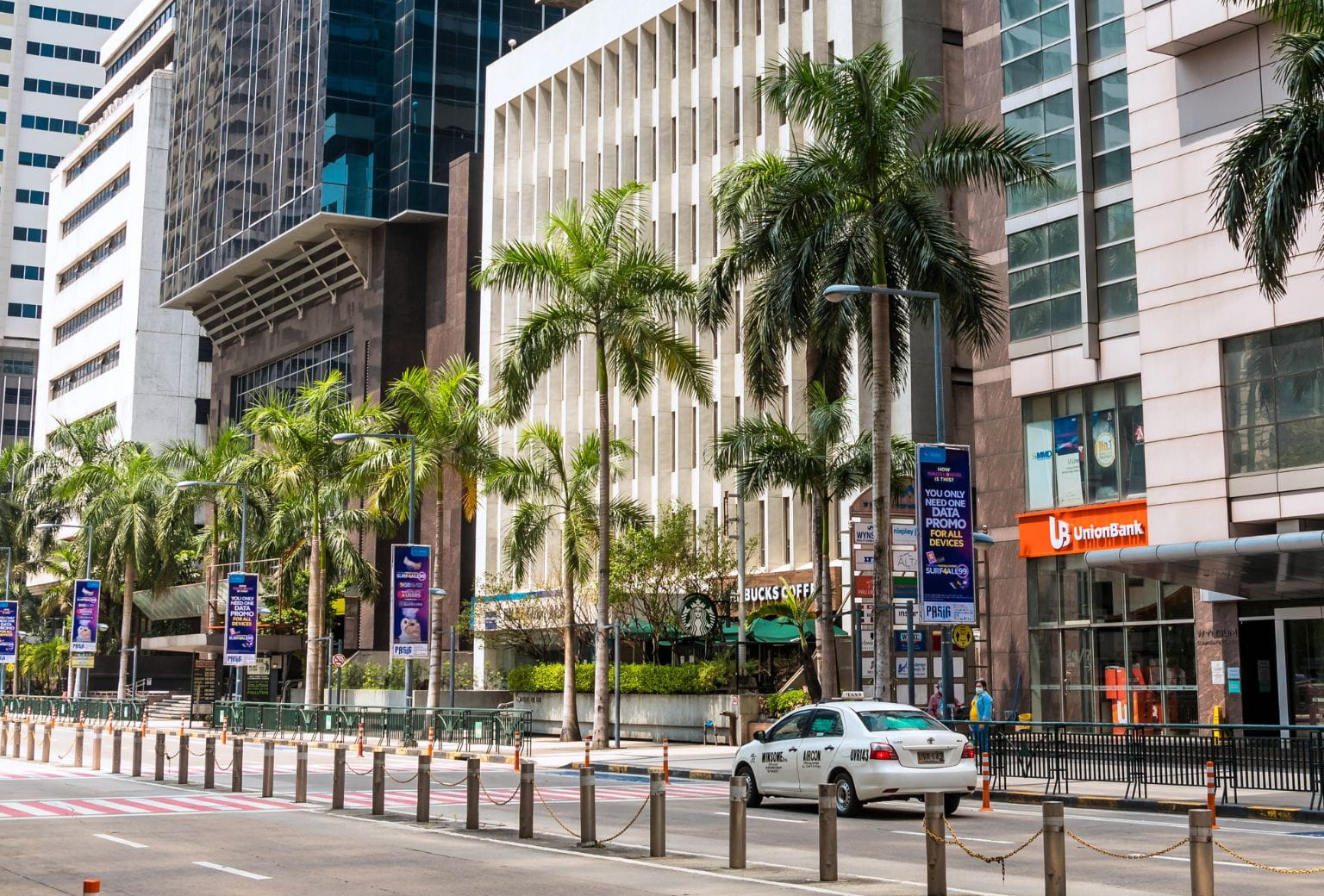
    Ortigas & Company is investing PHP 5.8 billion across four retail developments in Metro Manila. The capital programme adds 240,000 square meters of retail space across established shopping hubs and new mixed-use complexes.

    The developer is splitting the expenditure between extensive overhauls of existing properties and brand-new retail formats. Cathy Casares-Ko, general manager of the shopping center division at Ortigas & Co., detailed the project budgets during a company briefing on Tuesday, February 19.

    Capital Allocation Across Four Properties

    Estancia accounts for the largest share of the capital outlay at PHP 2.7 billion. Ortigas is positioning the development for upper-tier, non-luxury international labels. The build includes three levels of retail beneath six floors of office space and three parking decks. Leasing teams are currently negotiating tenancy terms with foreign brands entering the Philippine market.

    Greenhills Shopping Center receives PHP 1.97 billion for site redevelopment. A core component is a standalone PHP 1.4 billion supermarket spanning 12,000 square meters. Underground and open-air parking facilities, canopied walkways, and expanded dining premises support the grocery structure.

    Tiendesitas takes PHP 740 million to convert its traditional open-air layout into an enclosed, multi-level retail destination. Upgrades introduce central air-conditioning, escalators, elevators, and second-floor shopping units. The complex retains its commercial focus on local handicrafts, furniture, fashion, and the pet trade.

    Industria represents the final PHP 400 million slice. The project targets neighbourhood demand with an arts and community market format that integrates a grocery hall, gym, pre-school, chapel, and residential services.

    Shifting Formats in Prime Commercial Corridors

    Revamping Greenhills and Tiendesitas tackles long-standing operational constraints in two of eastern Metro Manila’s high-traffic commerce nodes. Greenhills historically relied on fragmented tiangge stalls and surface parking. That layout limited tenant yields and vehicle throughput during peak trading cycles.

    Enclosing Tiendesitas and adding upper levels alters the revenue equation for the landlord. Unconditioned bazaar spaces lose footfall during monsoon months. Climate-controlled square footage commands higher base rents and longer lease commitments from structured retail chains.

    Competitive Pressures in Metro Manila Retail

    Spending on this scale puts Ortigas in direct competition with rival developers SM Prime Holdings, Ayala Land, and Robinsons Land. Those operators have spent heavily to consolidate retail share through integrated township formats across the capital region.

    Combining commercial offices with premium shopping at Estancia secures captive daily footfall from corporate tenants. This mixed-use formula provides defensive retail revenues. Standalone shopping centres struggle to maintain those yields against newer lifestyle malls.

    Phased Handover Deadlines

    Portfolio strategy shifts the company from land banking toward intensive commercial asset management across the Ortigas estate. The developer previously operated its retail division primarily through single-level market concepts and legacy retail strips.

    Construction schedules across the portfolio follow a strict multi-year timetable. Building A at Tiendesitas opens to shoppers in June 2013, followed by Building C in May 2014 and Building B in October 2015.