Author: Mei Ling Tan

  • SoftBank Raises $11 Billion in Junk Bonds to Fund AI Push

    SoftBank Raises $11 Billion in Junk Bonds to Fund AI Push

    SoftBank Group raised roughly $11 billion in multi-currency high-yield bonds across Tokyo and overseas markets this week to fund its accelerating artificial intelligence investments.

    The debt package makes the Japanese conglomerate the largest corporate junk-bond borrower in the world.

    Tranches in dollars and euros were priced at historic borrowing costs for the group. The dollar portion totaled $10 billion across three tenors. It included $1 billion in 3.5-year notes yielding 8.625 percent, $4.5 billion in 5.5-year paper yielding 9.25 percent, and $4.5 billion in 7.5-year securities yielding 9.75 percent. The firm also sold 1 billion euros ($1.14 billion) across four-year and six-year notes. The longer euro tranche landed at an 8 percent yield.

    Yields Climb to Decade Highs

    Borrowing costs topped anything founder Masayoshi Son has paid on dollar debt. Pricing landed on a day when benchmark US Treasury yields reached two-decade highs. That pushed coupon expectations up across global credit desks.

    Strong institutional appetite still allowed the company to trim pricing from its opening guidance. Aggregate orders for the dollar bonds reached more than $30 billion by late afternoon in Asian trading. That demand gave underwriters room to compress yields before final allocation.

    Credit markets nonetheless demanded a sharp premium for the company’s heavy balance sheet exposure. The five-year credit default swap spread on SoftBank debt widened this month to its highest level since early 2025.

    The Scale of the AI Push

    Proceeds will finance investment commitments nearing $65 billion to ChatGPT maker OpenAI alongside related computing and infrastructure acquisitions. Son is assembling software, data centre, and chip assets. His goal is an integrated artificial intelligence ecosystem across global markets.

    Goldman Sachs credit strategists calculate that global AI-linked corporate debt issuance has surpassed $575 billion in 2026. Rapid accumulation of balance sheet use across technology conglomerates raises exposure for bondholders if enterprise monetization lags behind infrastructure spending.

    Institutional debt investors in Asia and the West are now pricing direct equity-style operational risks into corporate paper. For suppliers and digital platform operators across Asia, SoftBank’s aggressive funding confirms that capital spending on computing capacity will remain concentrated. Only a small cluster of mega-cap players can pay such punitive interest rates.

    Earlier Bets and Balance Sheet Pressure

    This debt sale follows a string of escalating capital outlays by the Tokyo-based investment house. In April 2025, SoftBank revealed an initial $30 billion capital commitment to OpenAI. That deal triggered a sharp expansion in the cost of insuring its underlying credit.

    Son has rejected suggestions that the pace of debt-fueled capital expenditure creates systemic risk for the group. He stated earlier this year that artificial intelligence sectors will generate 20 percent of worldwide gross domestic product by 2040. That represents an estimated $46 trillion in economic output.

    Market scrutiny now shifts to the coupon schedule of the new debt package, which adds roughly $1 billion in annual interest charges to group cash flow. Investors are watching SoftBank’s next quarterly earnings filing for detail on portfolio asset sales required to service the debt load before the 3.5-year dollar tranche matures.
  • China Scraps 61.5 Gigawatts of Overseas Coal Power as Industrial Pipeline Shifts

    China Scraps 61.5 Gigawatts of Overseas Coal Power as Industrial Pipeline Shifts

    China cancelled 61.5 gigawatts of planned overseas coal-fired power capacity over the past five years. The drop eliminates two-thirds of its international pipeline following state restrictions on fossil fuel financing.

    The cutbacks averted an estimated 6.4 billion tonnes of lifetime carbon dioxide emissions across Asia and Africa. The figure comes from joint research by the Centre for Research on Energy and Clean Air and People of Asia for Climate Solutions.

    State-owned Chinese banks and construction groups withdrew from public utility projects worldwide. Host governments and developers cancelled 3.4 gigawatts in Zimbabwe, 1.7 gigawatts in Bangladesh, and 1.4 gigawatts in Indonesia in the twelve months leading to July. Total cancellations across all markets reached 7.1 gigawatts over the past year.

    Where the Cuts Landed

    Public developers accounted for nearly all the dropped capacity. Beijing ordered state-owned enterprises and state policy banks to halt outbound coal development. That directive stranded dozens of early-stage power purchase agreements negotiated during the prior decade.

    Indonesia remains the primary market for Chinese-backed thermal projects, hosting 17.1 gigawatts of operational, planned, or active construction capacity. Vietnam follows with 3.8 gigawatts. Pakistan retains 3.4 gigawatts of China-linked coal generation.

    Project momentum slowed over the last twelve months. While developers terminated 7.1 gigawatts of coal projects, another 3.3 gigawatts broke ground. A further 20.5 gigawatts remained active in planning stages across developing markets.

    The Indonesian Captive Power Loophole

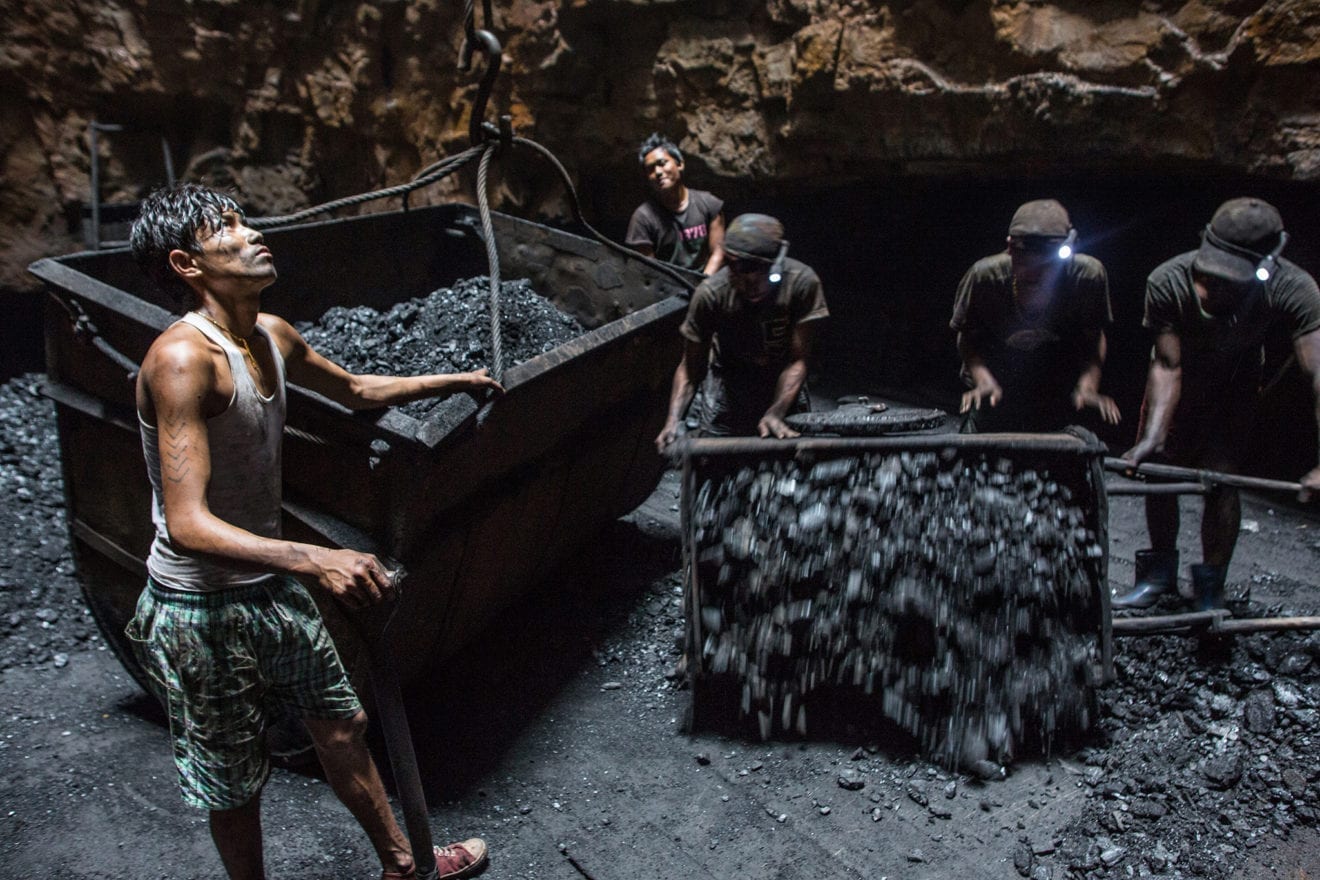
    Private capital accounts for nearly the entire remaining construction pipeline. In Indonesia, private Chinese industrial groups continue to construct off-grid captive coal plants. These sites power remote mineral processing facilities and industrial estates.

    These captive stations supply nickel smelters, aluminum refineries, and manufacturing hubs on islands without access to the national electricity grid. Private developers finance them through commercial balance sheets rather than Chinese policy bank loans. The structure bypasses state utilities and sovereign debt guarantees entirely.

    Energy analysts warn that these captive industrial plants undermine regional decarbonization targets. CREA and PACS noted that expanding private coal infrastructure inside overseas enclaves risks violating the spirit of national carbon commitments.

    Renewables Step Into the Grid Void

    Commercial groups in China have redirected balance-sheet capital into overseas clean power generation. Backed ventures have brought 69.4 gigawatts of renewable energy and 3.3 gigawatts of nuclear power into commercial operation worldwide.

    Operational renewable capacity backed by Chinese capital now exceeds the volume of scrapped coal power in markets such as Brazil, Tanzania, and the United Arab Emirates. Equipment exports follow the same pattern. Solar module producers and wind turbine manufacturers continue to secure supply contracts across emerging markets.

    Factory operators and supply chain managers face a direct operational shift. Manufacturers in Southeast Asian export zones face rising pressure from multinational buyers to demonstrate clean power sourcing. That scrutiny makes coal-dependent industrial zones an operational liability for finished-goods exporters.

    Supply Chains and Capital Exposure

    Divergence between state utilities and private industrial estates creates distinct financial risks for factory tenants. Industrial tenants reliant on dedicated coal plants face future carbon border adjustments from European and North American trade partners.

    Landlords and regional sovereign wealth funds are pricing this transition directly into long-term lease terms. Industrial parks offering dedicated green microgrids command higher tenant premiums than legacy processing hubs tied to dedicated coal boilers.

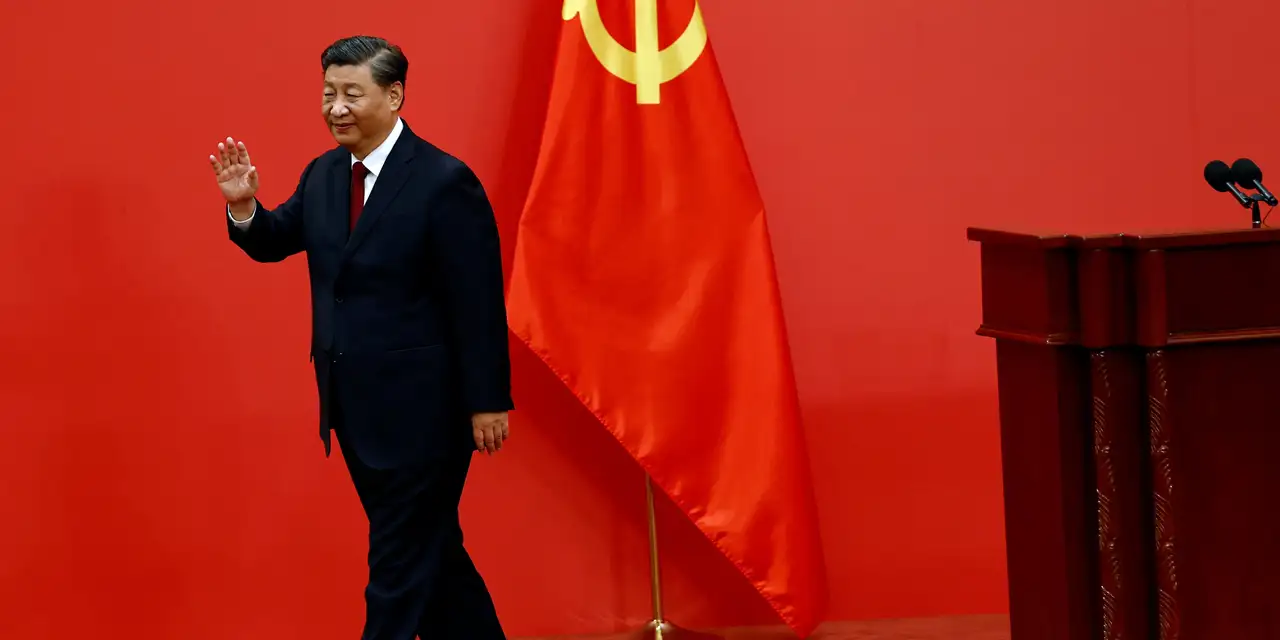
    Beijing established the policy framework five years ago. President Xi Jinping announced at the United Nations General Assembly that China would halt new overseas coal construction and step up support for green energy. That decision followed a six-year expansion between 2014 and 2020 during which Chinese backers announced roughly 160 billion dollars in foreign coal-fired plants under the Belt and Road infrastructure initiative.

    Attention now turns to the 20.5 gigawatts of planned capacity remaining on project ledgers across Southeast Asia. Host governments in Jakarta and Hanoi must now decide whether to formalize regulatory bans on new captive thermal approvals before private developers secure final engineering permits.

  • Singapore Core Inflation Quickens to 2.2% in August

    Singapore Core Inflation Quickens to 2.2% in August

    Singapore core inflation accelerated to 2.2 percent in August from 2.0 percent in July, driven by higher costs for services, retail merchandise, and prepared food.

    The reading marks the fastest pace of core price growth for the city-state since September 2024, when the measure climbed 2.8 percent.

    Headline consumer price inflation also edged higher, rising to 2.3 percent year-on-year from 2.2 percent in the previous month, according to official data published by the Department of Statistics. The pickup in core prices, which excludes private road transport and accommodation, exceeded the 2.1 percent median expectation projected in market surveys.

    Retail and Food Drive Core Gains

    Retail goods registered one of the sharpest cost accelerations during the month. Inflation across retail and other manufactured products climbed from 1.4 percent in July to 1.8 percent in August, reflecting price adjustments across apparel, footwear, and personal care lines.

    Food inflation crept up to 2.3 percent year-on-year from 2.2 percent. Faster price increases in catering and commercial food services drove the category higher, offsetting a slight easing in the cost of raw, unprocessed groceries. Electricity and gas tariffs held flat at an elevated 8.7 percent, while housing cost growth remained steady at 0.8 percent.

    Transport Costs Show Divergent Paths

    Services inflation stepped up from 1.7 percent to 2.0 percent, propelled by rising airfares and higher charges for point-to-point transportation networks. Higher travel activity across the region added immediate pressure to commercial service pricing.

    Private road transport countered that trend. Private transport inflation moderated to 7.5 percent in August from 8.0 percent in July, chilled by slower increases in passenger car retail prices after months of rapid climb.

    Supply Pressures on Consumer Margins

    For consumer brands and retail operators across Singapore, the price data indicates that wholesale input costs continue to filter directly into point-of-sale pricing. Elevated commercial utilities and transport charges are eroding retail operating margins, forcing operators to pass costs to shoppers.

    Importers and foodservice groups face compounding hurdles as unpredictable weather patterns threaten agricultural yields across regional suppliers. With domestic economic growth projections for 2026 tracking between 4.5 percent and 5.5 percent, steady consumer spending continues to give merchants room to lift menu prices and shelf tags without immediately sacrificing volume.

    Import Costs and Policy Outlook

    In a joint assessment, the Monetary Authority of Singapore and the Ministry of Trade and Industry warned that persistent global energy costs continue to lift utility and freight expenses across the domestic supply chain. The authorities noted that imported goods and services face upward price pressure over the coming quarters as upstream supplier costs work through regional distribution routes.

    The central bank expects domestic core inflation to remain elevated into early next year. Retailers and consumer goods distributors are now watching wholesale import price indices and the scheduled fourth-quarter monetary policy review for adjustments to currency band parameters.

  • GAC and Huawei Joint Brand Aistaland Launches GX7 SUV from 229,900 Yuan

    GAC and Huawei Joint Brand Aistaland Launches GX7 SUV from 229,900 Yuan

    Aistaland rolled out its second production vehicle on September 23 in Guangzhou. The carmaker priced the GX7 extended-range SUV at an introductory 229,900 yuan ($34,060) to fight sluggish brand sales.

    That promotional price sits 20,000 yuan below the pre-sales floor opened on September 4. Buyers also get a 10,000 yuan payment rebate and an optional 8,000 yuan trade-in subsidy.

    Standard sticker prices for the five-seat SUV span 239,900 yuan to 301,900 yuan across three variants. With the launch promotion, the base rear-wheel-drive Ultra sells for 229,900 yuan. The dual-motor all-wheel-drive version costs 249,900 yuan, and the tri-motor flagship tops the lineup at 291,900 yuan. Applying the trade-in allowance drops the entry point to 221,900 yuan.

    Pricing and Powertrain Variants

    Every GX7 variant runs on a 1.5-litre turbocharged petrol range extender paired with electric drivetrains. The single-motor Ultra delivers 200 kW (268 hp). It reaches 100 km/h in 7.6 seconds. Stepping up to the dual-motor model raises output to 340 kW and cuts the sprint time to 4.9 seconds. The range-topping tri-motor model produces 550 kW, hitting 100 km/h in 3.9 seconds.

    Contemporary Amperex Technology Co. Ltd. Supplies the battery systems. Buyers choose between a 52 kWh lithium iron phosphate pack and a 67 kWh ternary lithium pack. Pure electric range on China’s light-duty vehicle test cycle covers 325 km to 385 km. Total combined range reaches between 1,500 km and 1,580 km.

    Fast replenishment separates the flagship from entry variants. The tri-motor version adopts an 800-volt electrical architecture supporting 5C charging speeds, taking the battery from 30 per cent to 80 per cent in 10 minutes. The other two models require 15 minutes for the same charge.

    Autonomous Driving Architecture and Cabin Tech

    Driver-assist hardware forms the core marketing proposition for the new model. The GX7 is among the earliest vehicles fitted with Huawei’s Qiankun ADS 5 driver-assistance suite. That system relies on 38 sensor points and four LiDAR units, including an 896-channel dual-optical-path system. Aistaland built the vehicle with hardware redundancies across eight operational systems, power supply, braking, steering, computing, perception, communications, positioning, and user interaction, to support Level 3 autonomous driving requirements.

    Inside, the cabin draws heavily on Huawei software. The setup integrates the HarmonySpace 6 operating system, dual 15.6-inch console screens, an 88-inch augmented-reality head-up display, and a 21-speaker proprietary sound system. The rear seats fold into a flat bed in 20 seconds. That mechanism supports 12 layout adjustments inside a body that spans 5,099 mm in length, 2,006 mm in width, and 1,750 mm in height on a 3,070 mm wheelbase.

    Crowded Field in Family Extended-Range SUVs

    Targeting the full-size five-seat SUV segment shifts Aistaland directly into China’s most contested vehicle category. Extended-range models continue to take market share from pure battery-electric rivals because family buyers want road-trip reliability without charging station queues during holiday travel. The GX7 goes head-to-head with Li Auto’s Li L6, the Seres-built Aito M7, and Xiaomi’s upcoming YU7.

    Retail distribution and brand overlap present clear commercial risks. Huawei already supplies intelligent cockpit and driving systems across multiple automotive partnerships, including the Harmony Intelligent Mobility Alliance network. Because Aistaland operates under a separate bilateral structure, GAC must handle vehicle assembly and showroom footfall alone while pitching the GX7 against Huawei-equipped rivals in identical price bands.

    Reversing the GT7 Sales Slide

    GAC and Huawei based their collaborative team in Guangzhou to speed up product launches after signing their co-development pact. The joint venture introduced its debut vehicle, the GT7 shooting brake, on June 26 with a starting tag of 209,900 yuan. Deliveries peaked at 2,658 units in July. They dropped 58.62 per cent to 1,100 units in August, exposing limited demand for wagon body styles.

    Factory lines in Guangdong have now shifted production capacity to the higher-volume SUV platform. Deliveries for the three GX7 trims start across national dealership networks before the close of September, making fourth-quarter sales the decisive trial for the joint venture.

  • JD Sports Sales Dip Globally as Asia Pacific Delivers 10.7% Organic Growth

    JD Sports Sales Dip Globally as Asia Pacific Delivers 10.7% Organic Growth

    JD Sports lifted organic sales in Asia Pacific by 10.7 per cent in the six months to August 1. It was the retailer’s sole expanding region globally.

    Total group revenue dipped 0.7 per cent to $11.1 billion (£5.89 billion) during the half-year period. Weaker consumer spending across larger Western markets weighed on the top line.

    Asia Pacific Leads Organic Revenue

    North America generated the largest share of group receipts. However, regional demand slowed compared with previous reporting periods. Asia Pacific bucked that trend with double-digit organic expansion while other divisions contracted.

    Brick-and-mortar shopping drove the regional gain. The company opened six stores across Asia Pacific in the half-year, lifting same-store receipts through event-driven sports merchandise sales.

    “We remained focused on ‘controlling the controllables’ – progressing our strategy at pace while maintaining tight cost and capital discipline,” said Régis Schultz, chief executive of JD Sports.

    Store Expansion and Footfall Dynamics

    Stores remain central to the JD Sports operating model, generating 79 per cent of group turnover during the period. Organic e-commerce sales rose 5.2 per cent.

    For landlords across Asia, the numbers confirm steady footfall demand for multi-brand athletic anchors. Standalone mono-brand stores face margin volatility. In contrast, multi-brand formats draw wider traffic by consolidating footwear lines under one roof.

    Local wage pressure and fit-out inflation still threaten store expansion. Managing occupancy costs across prime retail hubs will determine whether new sites generate positive returns on capital over the next cycle.

    Product Mix Shifts to Apparel

    Category diversification provided extra sales insulation. Apparel and accessories climbed to 36 per cent of total group sales. Demand grew for technical running gear and newly introduced shoe silhouettes.

    A push into higher-margin apparel gives the retailer flexibility against footwear supply bottlenecks from major athletic brands. Regional rivals have also built up non-footwear inventory to defend transaction values against cautious discretionary spending.

    Earnings Rebound and Regional Headwinds

    Group pre-tax profit rose nearly 75 per cent to $454 million, up from $260 million a year earlier. The prior-year figure had absorbed a $307 million one-off charge that suppressed net earnings.

    World Cup demand lifted regional merchandise sales, helping offset softer retail sentiment in Australia and New Zealand. The next test comes in the second half, when tournament sales cycles fade and the retailer must sustain full-price sell-through rates across its Asia-Pacific stores.

  • New Cannabis Bill to Shutter 50% of Khao San Dispensaries

    New Cannabis Bill to Shutter 50% of Khao San Dispensaries

    A new cannabis control bill is expected to force more than 50 per cent of cannabis shops around Khao San Road out of business, according to Sanga Ruangwattanakul, president of the Khao San Road Business Association.

    The restriction requires dispensaries to employ medical personnel to prescribe the drug at stores, costing operators an additional 30,000 to 50,000 baht per month.

    Endorsed by the cabinet this week, the bill restricts cannabis use to medical purposes in an effort to close regulatory gaps following Thailand’s decriminalisation in 2022.

    Operating Costs Squeeze Small Dispensaries

    Hiring qualified medical practitioners presents a cost hurdle and a staffing deficit. Sanga Ruangwattanakul, president of the Khao San Road Business Association, questioned whether the country has enough qualified personnel to staff dozens of small tourist-facing dispensaries. Retailers unable to absorb the salary burden must pivot to other commercial trades or exit the street entirely.

    Local hospitality operators already face a soft market. Average hotel occupancy in the district slipped to 50 per cent during the third quarter. Forward accommodation bookings for the approaching peak season trail historical projections. That leaves landlords and shop owners with diminished footfall.

    Aviation Bottlenecks Hit Long-Haul Travel

    Geopolitical tensions in the Middle East continue to disrupt transit routes run by Gulf carriers. Those airlines supply the bulk of European long-haul backpackers heading to central Bangkok. Direct flight alternatives from other carriers carry steep ticket prices because of elevated jet fuel costs and limited seat capacity across Asian corridors.

    High airfares hit budget travellers hardest. Hostels and mid-tier accommodations dominate Khao San Road. Local businesses are directly exposed when visitors curtail trip spending or cancel itineraries altogether. Luxury properties in central Bangkok remain insulated by contrast.

    These circumstances severely hinder operators in the Khao San area as most of them are hostels or mid-range accommodations, meaning guests are price-sensitive, compared with premium or luxury properties in other parts of Bangkok.

    Enforcement Gaps and Black Market Risks

    Retail trade groups argue that strict store rules could push transaction volumes back into unmonitored channels. The business association previously pushed for designated tourism zoning rather than blanket clinical mandates. Licensed storefronts keep sales out of residential zones while protecting underage consumers, the group argued.

    Uncertainty over store inspections also clouds compliance. Numerous storefronts claim a medical transition. Operator groups warned that without robust physical enforcement, unregulated sales will persist while compliant shops shoulder the overhead.

    Decriminalisation Reversal Enters Final Stages

    Thailand removed cannabis from its Category 5 narcotics list in June 2022. The decision created a retail dispensary boom across Bangkok, Phuket, and Chiang Mai. The absence of comprehensive follow-up legislation left thousands of independent stores operating in a legal vacuum for four years.

    Parliament will now review the bill to establish statutory penalties and police enforcement powers against unlicensed distributors.

  • US and China Extend Trade Truce to Jan. 10 as Leaders Meet in Washington

    US and China Extend Trade Truce to Jan. 10 as Leaders Meet in Washington

    The United States and China have agreed to extend their bilateral trade truce through January 10, pushing back a deadline previously set for November 10 as heads of state opened their second summit of the year in Washington.

    US Treasury Secretary Scott Bessent confirmed he and Chinese Vice Premier He Lifeng agreed to the two-month extension, providing temporary relief as US President Donald Trump and Chinese President Xi Jinping hold talks amid lingering tensions over tariffs, rare earth materials and artificial intelligence.

    Carving Out Non-Strategic Goods

    Negotiators spent the run-up to the summit narrowing the range of products exposed to sudden tariff spikes. The Manhattan meetings produced an understanding to exempt nonsensitive consumer and industrial lines from future escalations, aiming to insulate everyday trade from broader geopolitical tensions.

    Bessent met with He Lifeng twice in four days to lock in the framework before official state ceremonies began at the White House. The Treasury stated that strategic stability between the two economies requires reciprocity, setting clear guardrails for subsequent negotiations covering specific import codes.

    Shifting Supply Chains and Agricultural Flows

    Prolonged tariff disputes have already redrawn key trade channels across the Pacific. American soybean shipments to China plunged from nearly $18 billion in 2022 to $3 billion in 2025, according to US Department of Agriculture data, reallocating massive bulk purchasing power to South American exporters.

    Brazil captured the bulk of that diverted demand, shipping a record 108.7 million metric tons of soybeans in 2025 with roughly 80 percent bound for Chinese processors. For Asian supply chain managers, the shift shows how quickly commodity and consumer product pipelines reroute when trade barriers persist beyond initial negotiation cycles.

    Manufacturing Strength Against Domestic Headwinds

    China enters the extended truce period holding a record trade surplus exceeding $1 trillion, maintaining its stronghold on global industrial exports despite years of Western tariff pressure. Factory output and technological adoption have accelerated across high-end manufacturing segments, expanding outward shipments to Southeast Asia and Latin America.

    Domestic retail conditions tell a different story. A protracted property downturn continues to constrain household spending across Chinese tier-one and tier-two cities, while youth unemployment stood at 18.9 percent in August. Retail operators in mainland hubs face cautious consumer sentiment, forcing domestic brands to look overseas for margin growth.

    Terms of the January Window

    Previous summit rounds in Beijing established the framework for dialogue, but commercial buyers spent recent months front-loading inventory to avoid scheduled tariff resets. Extending the deadline from November 10 to January 10 gives procurement teams a clear window to clear fourth-quarter holiday stock without sudden duty hikes.

    The next test comes as working teams draft the finalized list of nonsensitive product exemptions ahead of the January 10 expiry date. Importers, logistics carriers and retail buyers across Asia are tracking whether consumer tech accessories, apparel and packaged goods will make the permanent exemption schedule.

  • Dr. Martens Launches Global Brand Campaign to Reverse Two Years of Revenue Declines

    Dr. Martens Launches Global Brand Campaign to Reverse Two Years of Revenue Declines

    Dr. Martens will launch a global brand campaign on September 24 to reverse two straight years of declining sales and an 83.3 per cent drop in its share price.

    Annual revenue fell 8.2 per cent to £787.6 million in fiscal 2025. Over the same period, earnings before interest, tax, depreciation and amortisation dropped 40.8 per cent to £117 million.

    This marketing push anchors the Levers for Growth turnaround plan, which followed an operational restructuring completed in 2024. Chief brand officer Carla Murphy is leading the creative repositioning around the slogan “What makes your sole bounce?” Chief executive Ije Nwokorie recruited Murphy from Adidas in July 2025. The media rollout combines out-of-home displays, social video formats and cultural events featuring American actress Chloë Sevigny, Japanese comedian Naomi Watanabe and British musician Jordan Stephens.

    Shifting from wholesale exposure

    Consumer purchase frequency is the primary target. Sales have bottlenecked partly because the brand’s classic air-cushioned boots simply last too long. Footwear operators across the Asia-Pacific region and North America also face softer discretionary spending. Euromonitor projects slow volume growth across global footwear and apparel through 2030. For department stores and wholesale partners, the shift toward direct storytelling and category extensions will decide whether floor space yields repeat foot traffic or stagnant stock.

    Rivals in casual and heritage footwear rely heavily on rapid fashion collaborations to keep unit velocity high. Dr. Martens tested this approach during London Fashion Week with capsule partnerships alongside Chopova Lowena, Labrum and Goyagoma to elevate design credentials above basic workwear utility. That strategy carries commercial risks. The brand could alienate core subcultural buyers while chasing broader casual spend against athletic giants with vastly larger marketing budgets.

    Financial pressure mounts

    Steep contractions across major geographic divisions forced the new marketing drive. Fiscal 2024 revenue declined 9.8 per cent year-on-year to £877.1 million, driven by weaker wholesale ordering in the United States. EBITDA fell 19 per cent, sliding from £245 million to £197.5 million.

    “Brands don’t shape communities; communities shape themselves,” said Murphy.

    Management must now prove whether higher marketing expenditure can stabilise direct-to-consumer order books ahead of the winter trading quarter and the next fiscal reporting period.

  • China Opens 72.7 Billion Yuan Pinglu Canal to Cut ASEAN Shipping Route

    China Opens 72.7 Billion Yuan Pinglu Canal to Cut ASEAN Shipping Route

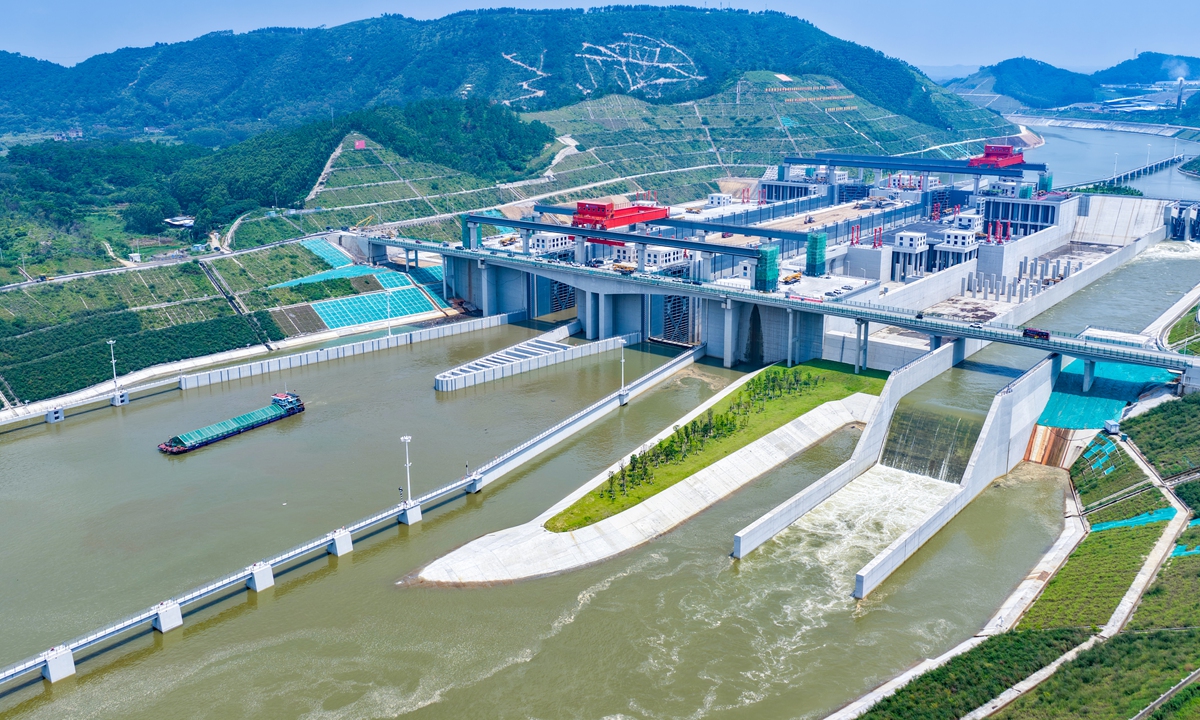
    China opened the 72.7 billion yuan Pinglu Canal in Guangxi in 2026. The new waterway cuts more than 560 kilometres off the inland freight route connecting southwestern industrial hubs to Southeast Asian markets.

    Vessels up to 5,000 tonnes can navigate the 134.2-kilometre river-to-sea channel, which runs directly from Hengzhou to the Beibu Gulf.

    State planners designed the route for bulk commodities, components, and consumer goods moving along the New International Land-Sea Trade Corridor, where Singapore-China Integrated Developments highlighted expanded global distribution access. Traffic bypassing congested Pearl River ports in Guangdong reduces transport expenses by 18 to 30 per cent, delivering an estimated 5 billion yuan in annual freight savings.

    Engineering the Beibu Gulf Link

    Crews spent four years widening river channels and cutting through mountainous terrain. Excavation work shifted roughly 315 million cubic metres of earth and rock. Workers reused over 98 per cent of that displaced material on site.

    Water levels drop 65 metres between inland river sections and the coast. Three navigation hubs with twin-line ship locks manage the elevation changes. Internal water-recycling systems also save more than 1 billion cubic metres of water annually.

    Environmental infrastructure runs alongside the canal. Features include a 480-metre fish passage and dedicated wildlife bridges.

    Sourcing Gains for Regional Exporters

    Inland manufacturers in Guizhou, Sichuan, and Yunnan have long faced steep overland penalties to reach the sea. Trucking industrial equipment or consumer hardware to coastal ports added 2,000 to 3,000 yuan per unit compared to shipping from Guangdong or Shanghai.

    Direct barge access to the Beibu Gulf narrows that margin. Southeast Asian retail buyers sourcing heavy goods, agricultural inputs, auto parts, and new-energy materials gain faster turnarounds. They will also secure lower landed costs at destination ports.

    Terminal capacity at coastal hubs presents the main operational test. Lower water freight costs will only yield net savings if Beibu Gulf ports match Pearl River Delta turnaround times and feeder sailing frequencies.

    Trade Corridor Expansion

    Opening the canal coincides with the start of China’s 15th Five-Year Plan, which prioritises inland links with ASEAN. Bilateral trade hit 744.41 billion dollars during the first seven months of 2026, expanding 24.7 per cent year on year. Total trade had crossed 1 trillion dollars for the first time in 2025.

    Southbound container traffic through regional transshipment hubs will climb. Singapore-China Integrated Developments noted that faster inland connections allow western factories to route cargo through Singaporean hubs for global distribution.

    Shippers will track lock throughput times and feeder vessel frequencies at Qinzhou as commercial operations scale up through late 2026.

  • China Hair and Nail Exports to the US Hit $1.3 Billion in First Half

    China Hair and Nail Exports to the US Hit $1.3 Billion in First Half

    China exported $1.3 billion worth of hair products to the United States in the first six months of 2026, up 12.4 per cent year on year.

    Shipments are on track to clear the $2.3 billion recorded across 2025, according to customs figures. Broader trade disputes still bring fresh tariff threats to industrial goods, but beauty exports continue to climb.

    Demand extends beyond hairpieces to press-on nails and artificial eyelashes. These low-cost items bypass traditional distributors. Instead, they sell straight to American shoppers through livestreams on TikTok and Instagram.

    Factory clusters drive volume

    Two industrial centres in eastern and central China anchor the trade. In Xuchang, a Henan city of 4.4 million, roughly 300,000 people process hair and make wigs. Exporter Joe Wu expects his factory shipments to climb 40 per cent this year. Online orders from the US lead the gain.

    Further east in Jiangsu province, Donghai county has become a production base for artificial nails. The county of 1 million residents hosts nearly 25,000 registered nail businesses. Factory owner Zhang Da runs a 200-worker plant there. He reported export orders jumped to 70 per cent of total sales this year, up from 20 per cent late in 2025.

    Producers keep costs down by dividing labour across borders. Xuchang factories source raw hair from rural Chinese provinces. They ship intermediate pieces to North Korea for hand-tying onto lace caps, then finish and pack the goods in Henan.

    Social commerce bypasses middlemen

    Social video algorithms have shortened the route from factory floor to overseas buyers. Hair products captured 17 of the top 20 grossing positions in US fashion accessory sales on TikTok in August, according to analytics service Fast Moss. Glueless pre-bleached straight wigs led the category.

    Individual livestreamers in Donghai workshops now generate $10,000 a month selling custom nail sets directly to US viewers. Tian, another hair producer in Xuchang, reported US sales rose 15 per cent this year. Direct interaction lets sellers offer personalized finishes at higher price points.

    Supply chain barriers hold off rivals

    Southeast Asian manufacturers face a steep barrier in trying to match that scale. Garment and footwear assembly shifted to Vietnam, Cambodia and Indonesia over the past decade. Beauty accessories, however, rely on tight local supplier networks. Clusters in China supply lace, adhesives, specialized pigments and sorted hair within a few square kilometres.

    That concentration gives Chinese operators an efficiency lead that absorbs US import duties. Buyer interest has not eroded. Sourcing outside these clusters remains impractical for international brands, as alternative regions lack the skilled workforce needed for intricate detailing.

    “It is not just competing with the industrial products of one or two countries, it is competing with all industrial products globally,” said Dan Wang, China director of Eurasia Group.

    Tariff exposure and regulatory risk

    Washington keeps consumer goods tariffs high on its diplomatic agenda. Beauty accessories, however, face little US political pushback. They do not compete against large domestic manufacturers. Cross-border platforms can pass modest freight and duty adjustments straight to buyers.

    Earlier trade disputes proved the sector’s pricing power. Demand for cheap personal care goods held firm even as duties rose on consumer electronics and auto parts.

    Chinese customs authorities will release third-quarter trade totals in October. Those figures will show whether direct parcel shipments can keep up their double-digit pace through the peak year-end shopping season.

  • Monde Nissin Releases Two Limited-Edition Lucky Me! Pancit Canton Flavours

    Monde Nissin Releases Two Limited-Edition Lucky Me! Pancit Canton Flavours

    Monde Nissin Corporation rolled out two limited-edition flavours of Lucky Me! Pancit Canton across Philippine retail channels this week. The release pairs Extra Hot Chili with Cheese and combines the brand’s Original seasoning with Barbecue.

    Both variants target instant stir-fried noodle consumers looking for hybrid seasonings. The Extra Hot Chili and Cheese option balances capsaicin heat with a dairy profile, while the Original and Barbecue variant adds smoky sweetness to the base soy-and-citrus profile of the flagship product.

    Flavour combinations for the core line

    Limited-edition extensions allow food manufacturers to generate temporary sales bumps without retooling permanent factory lines. By mixing established spice packets with cheese and barbecue elements, Monde Nissin tests consumer appetite for western-style savoury combinations on its highest-volume dry noodle format.

    Flavour experimentation in the instant noodle segment historically relies on spicy profiles across Southeast Asia. Introducing dairy notes into a hot dry noodle directly counters imported spicy ramen varieties that have gained traction among younger demographic segments.

    Shelf space and convenience retail

    For supermarket chains and convenience operators like 7-Eleven and Ministop in the Philippines, line extensions provide promotional material for end-cap displays. Temporary flavours rotate inventory faster because shoppers treat them as impulse purchases rather than pantry staples.

    Modern trade buyers allocate prominent shelf space to short-run stock from dominant domestic suppliers. The turnover speed of limited batches protects retail margins while testing demand before deciding on permanent manufacturing commitments.

    Managing portfolio risk in instant noodles

    The operational challenge for Monde Nissin sits in inventory balance across traditional trade. In the Philippines, independent sari-sari stores generate the bulk of fast-moving consumer goods volume. If limited-edition stock lingers on wholesale shelves after marketing campaigns finish, store owners discount standard packs to clear inventory.

    Competitors like Universal Robina Corporation and imported Korean brands continue to crowd the instant noodle aisle with specialty sauces. Keeping the Lucky Me! Brand active through rotational flavours prevents volume erosion toward premium foreign alternatives.

    Distribution rollout across regional trade

    Monde Nissin distributed the initial production run to major supermarket operators and wholesalers across Metro Manila before expanding shipments to regional distribution hubs in Luzon, Visayas, and Mindanao. Retail pricing remains pegged close to the core Pancit Canton range to protect everyday volume.

    Stock allocation will run through standard retail cycles until production quotas conclude. Retail sell-through rates across modern grocery channels will dictate whether either formulation enters permanent manufacturing rotation.

  • Korea Exchange Extended Session Triggers 5,354 Trading Halts in First Week

    Korea Exchange Extended Session Triggers 5,354 Trading Halts in First Week

    South Korea’s new evening equity session triggered 5,354 volatility interruptions during its first week. Retail traders dominated thin trading books.

    Daily turnover across the extended four-hour window averaged 1.1 trillion won ($811 million) between Sept. 14 and Friday. That represented 4.6 percent of total equity trading value across the Korea Exchange.

    Trading runs from 4 p.m. To 8 p.m. To help domestic investors trade outside office hours, the exchange created the window. Instead, speculative retail flow concentrated into illiquid listings. The evening block generated 77.17 percent of all circuit-breaker style volatility interruptions recorded across the entire exchange over the five-day stretch.

    Retail Concentration Drives Market Friction

    Individual accounts generated more than 90 percent of all executed trades during the inaugural evening sessions. Foreign investors accounted for 6.7 percent of volume. Domestic institutions and pension funds contributed just 2.6 percent.

    Institutional market makers stayed away, leaving order books vulnerable to sharp imbalances. An average of 54.85 million shares changed hands daily across the late session. Volume was spread across hundreds of main-board Kospi and junior Kosdaq listings without offsetting bids to absorb retail momentum.

    Kosdaq Small Caps Suffer Wild Swings

    Distortions hit smaller counters on the tech-heavy Kosdaq board fastest. Thin order books let minimal volume drive outsized price jumps. These gains evaporated by the next morning’s regular open.

    Pony Link illustrated the structural gap on Sept. 14. After finishing daytime trading at 2,400 won, the Kosdaq-listed stock hit its daily upper price limit of 3,150 won in after-hours trading. That jump took just 1,417 shares, roughly one-tenth of its daytime volume of 15,641 shares. The gain vanished the next morning, and the stock closed regular hours down at 2,365 won.

    Exchange Defends Auction Mechanics

    Bourse officials rejected claims that the high number of volatility interruptions pointed to structural failure. The mechanisms pause continuous trading for short single-price auctions. This prevents transactions at distorted levels and restores orderly pricing.

    Halts cooled over the week. The market recorded 1,112 volatility interruptions on Sept. 14, dropping by half to 553 events by Friday.

    The number of volatility interruptions should not necessarily be interpreted as an indicator of market volatility, as the measures help curb excessive price movements by preventing trades at abnormal prices and facilitating price discovery through single-price auctions.

    Surveillance Team Deployed Through December

    Regulators at the Korea Exchange have assigned a dedicated task force to monitor the evening session through the end of the year. The unit will track order patterns for spoofing, price manipulation, and artificial momentum in thinly traded counters.

    Brokerages in Seoul will watch whether institutional desks deploy automated liquidity before year-end, or if the evening window stays an exclusive arena for retail day traders.

  • Universal Robina Launches Great Taste Premium Roast Instant Coffee at PHP 12.95

    Universal Robina Launches Great Taste Premium Roast Instant Coffee at PHP 12.95

    Universal Robina Corporation rolled out Great Taste Premium Roast Coffee Mix across the Philippines on September 23. The single-serve sachets retail at PHP 12.95 each.

    The instant blend offers a bolder roast profile. URC is pitching it to commuters, blue-collar workers and office staff who need extra caffeine during transit and shifts.

    Sachet Pricing and Market Reach

    Each PHP 12.95 pack combines dark roast extract with a creamer base. URC designed the sachet format for neighborhood sari-sari stores, convenience chains and supermarkets across Luzon, Visayas and Mindanao.

    Distribution runs through URC’s nationwide logistics network to reach thousands of micro-retailers. These small shops generate most FMCG sales in the Philippines. Single-serve portions drive local coffee revenue as consumers manage tight daily cash budgets.

    Expanding the Instant Coffee Mix

    This rollout follows the earlier debut of Great Taste White Sugar Free Coffee. That formulation targeted urban consumers who wanted to cut sugar intake without abandoning white coffee.

    Developing high-caffeine and low-sugar options helps the company defend shelf space against multinational rivals. The Great Taste lineup now covers standard three-in-one mixes, sweet white coffee, sugar-free variants and dark roast blends.

    Rivalry in the Philippine Beverage Sector

    Competition in the local coffee aisle remains fierce. Nestlé Philippines holds substantial volume through its Nescafé lines, while PT Mayora Indah’s Kopiko brand commands heavy market share in white and high-caffeine categories.

    For sari-sari stores, inventory turnover hinges on brand loyalty and prices between PHP 10 and PHP 15 per pack. Rising costs for robusta beans and dairy substitutes squeeze margins. Still, producers must keep shelf prices steady so shoppers do not switch brands.

    Product Diversification Across Regional Markets

    Across Southeast Asia, the launch fits a broader pattern of FMCG category expansion. URC has rolled out extensions in snacks, biscuits and ready-to-drink beverages across Thailand, Malaysia and the Philippines in recent quarters.

    Fourth-quarter sales across convenience stores and general trade outlets will show whether Philippine consumers trade up to premium roast mixes in sachet format.

  • Foshan Haitian Acquires Amoy Food from Trustar Capital

    Foshan Haitian Acquires Amoy Food from Trustar Capital

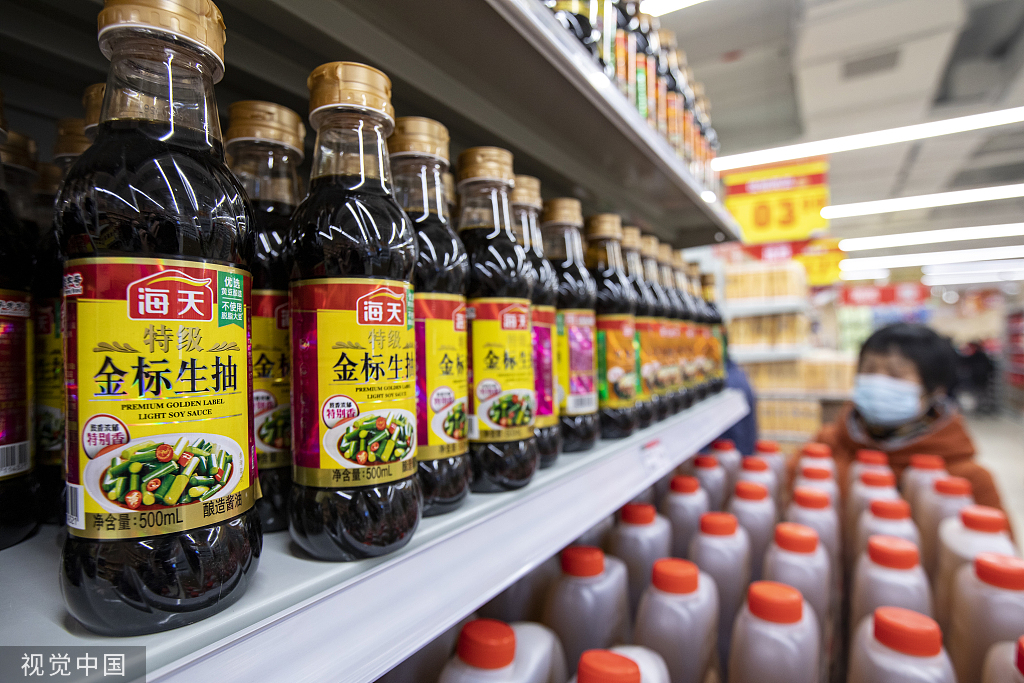
    Chinese condiment manufacturer Foshan Haitian Flavouring and Food Company has acquired Amoy Food from private-equity group Trustar Capital.

    Trustar confirmed it sold its entire equity interest in Hong Kong-based Amoy to Haitian, which holds dual listings in Shanghai and Hong Kong, though financial terms of the deal were not disclosed.

    Founded in 1908, Amoy manufactures products including soy sauce, oyster sauce, seasoning sauces and frozen dim sum, distributing across more than 40 countries including the US, the UK, Canada, Australia and Japan.

    Export footprints and retail networks

    Haitian sells soy sauce, vinegar, oyster sauce, ketchup and cooking seasonings across mainland supermarkets and wholesale food service channels. The purchase gives the Foshan-based group direct access to overseas retail buyers and overseas Chinese diaspora grocers that Amoy has served for decades.

    Trustar confirmed the divestment covers its entire equity stake. The two food groups will integrate production networks, warehouse capacity and procurement pipelines to lower freight and ingredient expenses.

    Mainland volume and slowing domestic margins

    Mainland condiment producers face margin pressures and crowded domestic supermarket shelves. While Haitian generated 16.15 billion yuan ($2.41 billion) in revenue during the first half of the year, growth sat at 5.98 per cent compared with 15.23 billion yuan in the prior-year period.

    Operating profit for the six-month period climbed to 4.96 billion yuan from 4.66 billion yuan in the first half of 2025. Net profit attributable to shareholders rose 7.2 per cent to 4.19 billion yuan, supported by factory automation and lower raw soy costs.

    Private equity exit after seven years

    Trustar purchased Amoy from Japanese packaged food group Ajinomoto in 2019. The private equity firm began exploring sale options in 2023 as global food brand valuations shifted and buyout funds looked to return capital to investors.

    Amoy was established in Xiamen in 1908 before shifting its core manufacturing base to Hong Kong. The business built substantial market share in frozen convenience foods and export condiments under previous multinational owners, including French dairy group Danone and Ajinomoto.

    Category growth targets through 2030

    Data from Frost & Sullivan forecasts China’s domestic condiment market will expand from 511.3 billion yuan in 2025 to 689.7 billion yuan by 2030. That projection represents a compound annual growth rate of 6.2 per cent across all savory sauces and flavorings.

    Haitian now faces the operational task of consolidating Amoy’s Hong Kong production schedules and Western export supply chains before reporting full-year earnings in early 2027.

  • Insta360 Opens Times Square Store as Global Shipments Pass 10 Million

    Insta360 Opens Times Square Store as Global Shipments Pass 10 Million

    Insta360 opened its first flagship store outside Asia at 1515 Broadway in New York’s Times Square on September 19. The opening follows 10 million total camera shipments worldwide.

    The company held nearly 70 per cent of the global 360-degree camera shipment market in the first quarter of this year, according to IDC data.

    Inside, visitors test action cameras, pocket gimbals, 360-degree capture rigs, and wearable hardware before buying. Staff provide live technical demonstrations and setup support on site. The store sits in one of the world’s densest pedestrian corridors. Co-founder and vice-president of marketing Max Richter led the opening alongside digital video creator Casey Neistat, an early adopter of the hardware.

    Shifting from Viral Feeds to Prime Real Estate

    For Asian hardware makers, physical retail in prime Western shopping districts is an expensive structural pivot. Insta360 built its export business through direct digital sales, Amazon storefronts, and third-party electronics retailers. Taking direct leases in high-rent transit hubs changes the equation. It shifts inventory holding costs, retail staffing overhead, and lease liabilities directly onto the corporate balance sheet.

    Direct flagships solve a conversion problem that e-commerce cannot fix. High-end panoramic and action cameras require hands-on demonstration. Casual buyers need proof that editing spherical footage is practical. By placing physical units directly into consumer hands, the company cuts return rates and avoids marketplace platform fees. The risk lies in fixed overhead if foot traffic fails to yield high-margin hardware purchases.

    The Asian Retail Template Moves West

    This Times Square location mirrors the retail playbook Asian consumer electronics brands deployed across regional capitals over the past decade. The company opened a direct flagship in Tokyo in August. It already oversees dozens of authorized partner stores across mainland China and Southeast Asia. Expanding that network across North America gives the hardware brand parity against legacy action-camera competitors on their home turf.

    Suppliers and component makers in Shenzhen gain direct visibility into Western consumer demand through owned point-of-sale channels. Selling directly at full retail price protects gross margins against distributor discounts and retailer margin squeeze. That cushion gives the manufacturer more room to absorb rising overseas logistics expenses and import tariffs.

    Ten Years from Launch to Global Scale

    Insta360 entered the United States market in 2016. It initially distributed compact smartphone clip-on cameras before expanding into modular action systems. Tracking data from Circana shows the brand led the United States market in 360-degree capable camcorder dollar and unit sales between January 2020 and February 2025. That domestic position supported its wider portfolio rollout, which now includes the X Series action units and thumb-sized GO cameras.

    Reaching 10 million cameras shipped worldwide is a milestone we owe to our community, but opening in Times Square is about building lasting roots.

    Munich Flagship Next in European Pipeline

    New York serves as the staging ground for a broader rollout outside Asia. Corporate retail plans outline direct expansion into mainland Europe, starting with a flagship location in Munich. Operations at 1515 Broadway will establish the sales and inventory benchmark for those forthcoming European sites.