Author: Mei Ling Tan

  • SoftBank’s SB Energy Seen Delaying $50Bn IPO

    SoftBank’s SB Energy Seen Delaying $50Bn IPO

    In September 2026, SoftBank Group unit SB Energy submitted a revised registration for a planned initial public offering that lacks a debut date and share price.

    The unit, which builds data centers for OpenAI, faces investor skepticism over its targeted 50 billion dollar valuation, according to reports in the United States.

    Valuation hurdles in public markets

    Filed in the United States, the updated prospectus leaves the share count, price band, and trading schedule unconfirmed. Buyers balked at the 50 billion dollar valuation despite commercial ties to Nvidia and long-term compute contracts.

    Public investors want clearer revenue realization from AI infrastructure before paying high multiples. A delay disrupts SoftBank Group’s plan to monetize power assets built for high-density computing hubs.

    Capital allocation and power infrastructure

    Masayoshi Son has redirected the Japanese investment group toward energy-heavy computing, including an Ohio power plant adjoining a data center. To fund these projects, the group recently completed a 6.4 billion dollar domestic bond sale in Tokyo.

    Asian institutional backers are following a similar playbook. Nippon Life has committed 13 billion dollars to data center financing, targeting North American projects to capture demand for grid-tied compute capacity.

    Global expansion against power bottlenecks

    Across the Atlantic, SB Energy is exploring projects in France to address power scarcity in European computing hubs. Electricity availability and grid connections have overtaken hardware supply as the primary bottleneck for AI operators.

    Historically, public listings allowed SoftBank to recycle capital from mature holdings into active buildouts. A stalled debut forces the parent company to absorb infrastructure expenditure on its balance sheet or turn to structured private debt.

    Roadshow presentations for SB Energy remain unscheduled, leaving an amended filing with finalized share pricing as the next step.

  • Maison Margiela Fragrances Opens First Store at AEON Mall Phnom Penh

    Maison Margiela Fragrances Opens First Store at AEON Mall Phnom Penh

    Maison Margiela Fragrances has opened its first standalone boutique in Cambodia at AEON Mall Phnom Penh this week. The space debuts the brand’s complete Replica perfume collection in the capital.

    It gives the brand a direct retail presence in the country. International beauty houses previously reached local shoppers only through multi-brand counters and cross-border grey channels.

    Replica Portfolio in Phnom Penh

    Inside, the boutique stocks personal scents, scented candles, home diffusers, and bath items. Customers can also use on-site customisation services, including personalised cotton pouch labels and bespoke bottle tags.

    Store staff provide fragrance consultations based on memory-driven scent profiles. That setup mirrors the format used in Bangkok, Singapore, and Seoul flagships.

    Shifting Luxury Footprints in Indochina

    Global beauty groups are testing frontier markets across Southeast Asia as tier-one capitals mature. Rapid shopping centre growth in Phnom Penh over the past five years has provided the climate-controlled, managed floor space needed for direct investments.

    Securing standalone niche fragrance boutiques helps mall operators like AEON lift tenant quality and raise basket values. High-margin fragrance concessions also generate resilient revenue per square metre compared to standard apparel retail.

    Regional Retail Rollout

    L’Oreal’s luxury division, which holds the Maison Margiela beauty licence, has expanded standalone boutiques across Southeast Asia since 2022. The brand opened locations in Thailand, Malaysia, and Vietnam before entering Cambodia.

    Distributors in Phnom Penh previously focused on designer lines from Chanel, Dior, and Gucci. The arrival of dedicated niche fragrance stores reflects shifting demand among younger Cambodian consumers toward artisanal perfumery.

    Store Operations and Next Steps

    Trading on the ground floor, the store is now open seven days a week. Retailers in the capital will watch whether parent operators follow this debut with satellite counters in AEON Mall Sen Sok City or downtown department stores over the next fiscal year.

  • Mainland Chinese Tourists Flock to Hong Kong Trails as Spending Slows

    Mainland Chinese Tourists Flock to Hong Kong Trails as Spending Slows

    Mainland Chinese visitors to Hong Kong are shifting away from luxury retail centers toward outdoor hiking trails as tighter household budgets curtail discretionary travel spending.

    The change redirects footfall away from prime shopping districts in Tsim Sha Tsui and Causeway Bay into natural landmarks across the territory.

    Shift Toward Low-Cost Outdoor Sites

    Popular natural destinations across the city are experiencing heavy foot traffic from mainland travelers seeking low-cost itineraries. Visitors now gather at spots like the Hong Kong UNESCO Global Geopark, known for its 140-million-year-old hexagonal volcanic rock formations and coastal sea stacks. Travelers such as Apple Yang squeeze past more than a dozen hikers specifically for outdoor photography and nature walks rather than traditional shopping excursions.

    This behavioral pivot reflects ongoing pressure on consumer confidence and household budgets across mainland China. Rather than purchasing luxury fashion, cosmetics, and jewelry, younger visitors prioritize experiential travel that requires minimal direct retail spending.

    Impact on Hong Kong Retail Landlords

    For Hong Kong landlords and retail operators, the change in visitor preferences alters revenue models that historically relied on high mainland spending per capita. Duty-free shopping and luxury brand boutiques no longer command the automatic footfall from cross-border tourists that defined previous tourism cycles. High-street landlords face pressure to adjust tenant mixes toward dining, sports gear, and convenience retail rather than relying exclusively on high-end fashion houses.

    Outdoor apparel brands and convenience operators stand to capture the remaining spend as hikers buy equipment, hydration, and day-to-day food supplies. The total basket size per visitor remains far below historical levels seen during peak retail spending years.

    Broader Consumer Spending Patterns

    Similar consumer belt-tightening has reshuffled travel destinations across East and Southeast Asia, where Chinese tourists consistently seek lower-cost activities and dining over luxury purchases. Retailers in destination cities have had to lower margin expectations and pivot toward value-oriented promotions to capture cautious spenders. The structural shift toward budget-conscious travel shows that cross-border visitor volumes do not directly translate into equivalent retail sales growth.

    Hong Kong retail sales figures and border crossing tallies in the coming quarters will demonstrate whether domestic consumption can offset the decline in luxury spend from mainland tourists.

  • McDonald’s Tests Third-Party Ads on Screens Across 13,700 US Stores

    McDonald’s Tests Third-Party Ads on Screens Across 13,700 US Stores

    McDonald’s is testing third-party ads on digital menu boards and ordering kiosks in select company-owned US restaurants. The trial targets the gap between payment and collection across a domestic footprint of more than 13,700 outlets.

    Drive-thru boards and self-service kiosks display commercial promos once a customer completes an order. Reserving that post-purchase window for outside brands lets the chain build a high-margin ad business without slowing down the ordering queue.

    Sales growth has decelerated sharply. Second-quarter global comparable sales rose 1.3 per cent for the period ended June 30. Domestic comparable sales slowed to 0.8 per cent, down from 3.9 per cent in the first quarter.

    Turning Customer Wait Times into Ad Inventory

    The system relies on idle visual time. After an order is logged and paid for, the display switches from item selection to third-party commercials while the kitchen prepares the meal.

    McDonald’s reaches roughly 26 million daily customers in the US. It interacts with nearly 90 per cent of the country’s population each year. That physical footfall provides an audience density rival digital networks struggle to match at the point of sale.

    A company spokesperson confirmed the test in an email statement:

    “This limited menu board advertising pilot at select company-owned restaurants is exploring ways to share post-purchase content that customers may find helpful, relevant, or interesting, while ensuring the McDonald’s experience remains at the center of every visit.”

    The Push into In-Store Retail Media

    Supermarket operators have spent years converting aisle footfall into retail media revenue. Media margins now generate between 3 per cent and 10 per cent of total operating profit for grocers, according to McKinsey & Co.

    Fast-food chains have lagged behind supermarkets in building dedicated advertising arms. A study by Forrester Consulting found restaurant operators have been slow to commercialise transaction data and screen interactions, leaving physical point-of-sale displays underutilised.

    In-store hardware is already deployed. Digital board rollouts began roughly a decade ago. By 2019, dynamic screens sat in more than 11,000 drive-thru lanes alongside self-ordering kiosks inside dining rooms.

    Implications for Asian Master Franchisees

    Asian master franchisees and licensed operators could use the pilot as a blueprint to extract auxiliary revenue from capital-intensive store refits. High-density markets such as Japan, South Korea, Taiwan and the Philippines already run heavily digitised ordering environments with dense foot traffic.

    Monetising screen real estate introduces friction with store operations. Franchisees run the vast majority of outlets globally. Operators will demand a clear split of ad revenues if corporate headquarters mandates third-party messaging on store hardware.

    Clutter presents another hurdle. Displaying non-food advertisements in dining areas risks degrading store environments. Promoting outside consumer goods at drive-thrus can also distract drivers during meal rushes, forcing operators to balance ad income against speed-of-service metrics.

    Traffic Squeeze and Hardware Modernisation

    Mounting margin pressure from rising input costs and softening store traffic drove the ad pilot. McDonald’s responded earlier this year by introducing value-oriented meal bundles to counter customer resistance to menu price increases.

    Modernising the digital footprint formed the first phase of this strategy. Over the past decade, capital poured into indoor touchscreens, drive-thru automation and mobile loyalty programmes to lower labour requirements and capture first-party consumer data.

    An investor day, the company’s first in three years, is scheduled for September 23. Management is expected to outline whether third-party screen advertising will expand across franchised locations or remain confined to company-operated pilot stores.

  • Singapore Luxury Bag Auction Clears S$1.1 Million in First Liquidation Sale

    Singapore Luxury Bag Auction Clears S$1.1 Million in First Liquidation Sale

    Singapore sold all 337 seized designer handbags and accessories in its first money-laundering asset auction on Sunday night, raising more than S$1.1 million.

    A limited-edition Louis Vuitton x Yayoi Kusama yellow pumpkin bag led the sale at S$87,000, more than five times its upper pre-sale estimate of S$16,000.

    Auction house Hotlotz managed the online sale, which drew 42 last-minute bids on the Kusama piece alone during an extended 30-minute closing window. The platform applies a 20 percent buyer premium on hammer prices, which includes local goods and services tax for domestic buyers. Every lot found a buyer, clearing inventory that had been held in storage at Le Freeport.

    Premium Bids Defy Secondary Market Baselines

    Bidding across top labels consistently outpaced standard secondary market benchmarks for pre-owned luxury accessories. Chanel classic flap bags in caviar leather fetched S$13,000, running well above typical pre-owned transaction bands below S$10,000. A rhinestone-studded beige goatskin Chanel mini flap drew 28 bids before closing at S$15,000.

    Silver and diamond jewellery from Chrome Hearts generated similar competitive runs. A diamond double cross pendant sold for S$11,000, about ten times its initial estimate of S$1,000 to S$1,500. Most items from the American brand drew 30 or more individual bids before closing.

    Contrasting Demand Across Asset Classes

    The total clearance of high-end accessories highlights strong liquidity for portable luxury goods relative to large-ticket real estate. While consumers and resellers bid up authenticated bags and jewellery, a separate court-ordered auction on Sep 17 for luxury residential properties tied to the same illicit network failed to find a single buyer.

    For luxury resellers and secondary operators in Asia, the aggressive pricing shows how state-backed provenance and high media visibility can distort standard depreciation curves. Buyers paid top-tier premiums despite the assets being sold without standard boutique warranties or return policies.

    Liquidation Pipeline Through 2027

    The auction forms part of a broader recovery effort stemming from Singapore’s S$3 billion illicit financing crackdown. Police transferred the seized inventory to audit firm Deloitte in August last year to manage formal liquidation procedures. All net proceeds flow directly into the government’s consolidated fund to support state expenditure.

    Hotlotz is running a second auction of 286 fine jewellery pieces that remains open until Sep 27, with the two opening catalogues combined expected to yield between S$2.9 million and S$3.9 million. That sale will be followed by 13 additional online tranches scheduled through May 2027 to clear remaining forfeited goods.

  • Only 17 per Cent of FMCG Launches Achieve Strong Trial and Repeat Buys

    Only 17 per Cent of FMCG Launches Achieve Strong Trial and Repeat Buys

    Only 17 per cent of fast-moving consumer goods launches achieve strong trial and strong repeat purchase, according to a 2025 study by NielsenIQ.

    A new product launch that fails to build a fast rate of sale quickly loses its shelf space, with winning back lost distribution costing even more.

    Marketing agency Social Soup notes that Australian product discovery no longer relies on single large campaigns, but on sequential creator recommendations, feed reviews, and verified trials.

    Data from the Interactive Advertising Bureau shows 58 per cent of Australian consumers now use social platforms for brand and product research. Among shoppers aged 18 to 39, 75 per cent discover products directly from creators. Spending has shifted away from broad television and static outdoor ads into verified sampling and creator-led store traffic programmes.

    The mechanics of retail store pull

    Consumer goods brands now use micro-creator networks to generate physical store visits instead of generic awareness. Beverage maker H2coco sent 100 creators with vouchers to buy its Peach variant inside Ampol service stations. The campaign produced 142 pieces of content showing the purchase and consumption. It delivered 126,600 organic views and a 7.8 per cent engagement rate, beating its 4 per cent target.

    Ampol stores saw a similar mechanic during the brand’s Matcha drink roll-out at 7-Eleven, where 51 creators repeated the purchase process. Shelf space in petrol and convenience channels is limited to immediate consumption. Quick sell-through speed determines whether an SKU earns a permanent spot in the cold vault.

    Tissue maker Sorbent used household sampling to trigger switching from rival paper brands. Its Home Truths campaign targeted 1,000 households that regularly bought competing products, generating 2,900 verified home trials and 2,158 published reviews. The push yielded an 88 per cent post-trial purchase intent score.

    Asia Pacific e-commerce shift

    These Australian figures match broader retail changes across the Asia-Pacific region, where mobile purchasing drives sales. Mobile devices account for more than 60 per cent of regional FMCG online transactions. Digital wallets make up 65 per cent of regional e-commerce settlements, compared to 83 per cent globally.

    Adoption rates vary widely across regional markets. India leads digital FMCG adoption at 90 per cent, followed by China at 86 per cent and South Korea at 60 per cent. By contrast, online penetration in traditional developed retail sectors fell from 60 per cent to 52 per cent over the past year due to price sensitivity and inflation.

    Shoppers across regional platforms track prices closely. Data shows 47 per cent of online shoppers delay buying consumer goods until major platform sales events. Delivery costs also decide basket size, with 93 per cent of shoppers calling free freight essential at checkout.

    Supplier risks and category entry points

    Suppliers carry clear operational risks when customer acquisition costs eat into retail margins. Discounting to trigger early volume damages price perception and rarely builds repeat buying habits. Supermarket buyers now demand proof of sustained demand before allocating floor space.

    Australian store operators have shortened review windows for new lines. An item that misses inventory turn targets within twelve weeks gets cut quickly. Backing launches with verified community trials gives suppliers the sales data they need to protect shelf space during quarterly range reviews.

    Global FMCG revenues, valued at 12.93 trillion dollars in 2024, are projected to reach 21.88 trillion dollars by 2034. Capturing that growth across Asia-Pacific requires brands to connect creator campaigns directly to store aisles rather than relying on stand-alone media.

    What consumer brands track next

    Brand teams in Australia and New Zealand are preparing for upcoming category range reviews across major supermarket and convenience channels. Marketers are shifting funds from slotting fees on end-caps into creator trial programmes.

    Range reviews through 2027 will test whether community sampling can lift that 17 per cent benchmark for 90-day repeat replenishment across supermarket aisles.


  • Newme Expands Indian Store Footprint Targeting Break-Even

    Newme Expands Indian Store Footprint Targeting Break-Even

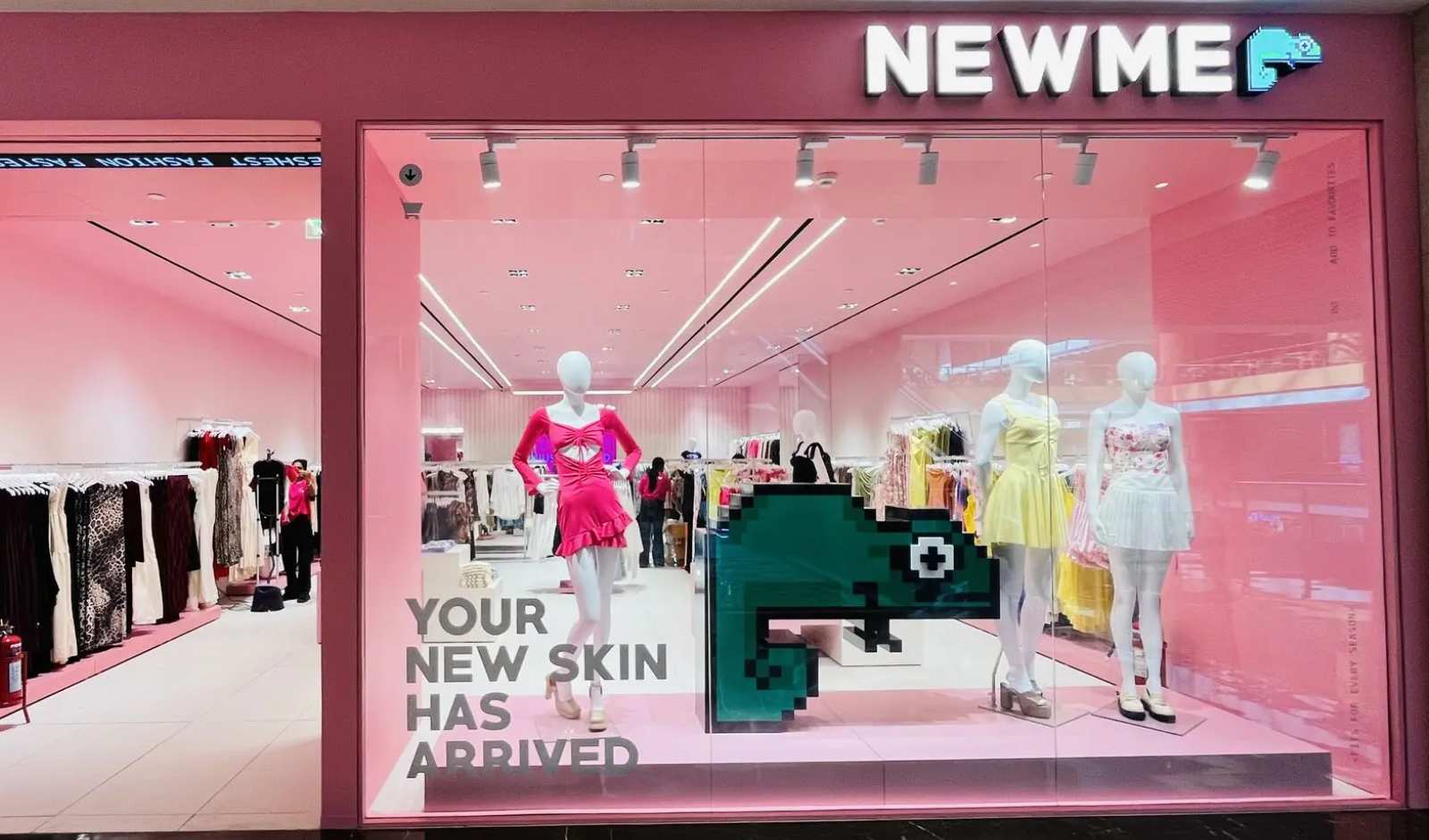
    Indian apparel brand Newme is expanding its brick-and-mortar footprint across secondary cities to reach young female shoppers and achieve break-even this year.

    The Bengaluru-based fast-fashion startup recorded revenue gains through the financial year ended March 31, 2025, and is pushing into regional markets where digital sales are accelerating ahead of physical retail supply.

    Targeting Underserved Regional Hubs

    Chief executive officer and co-founder Sumit Jasoria said the company is opening stores in cities that established apparel chains often overlook. The brand focuses on affordable Western wear designed for Gen Z women.

    Physical expansion is targeting tier-two and tier-three centers, including Ahmedabad and markets across northern India, where online customer acquisition has outpaced physical retail space.

    “Ahmedabad is a market which is underserved by every brand. North is a market underserved by every brand. We feel there is a very big space for us to go and build a very big brand there,” Jasoria said.

    Balancing Unit Economics and Expansion

    Opening physical stores across non-metro cities lowers customer acquisition costs compared to pure-play online marketing, but it introduces fixed overheads and inventory risks.

    For retail landlords in secondary Indian cities, fast-fashion brands targeting young shoppers offer high footfall and reliable rental yields. The risk for Newme sits in managing inventory turnover across a wider physical network while keeping prices low enough to retain Gen Z buyers.

    The Shift to Omnichannel Retailing

    Direct-to-consumer apparel labels across India have increasingly moved offline after reaching digital growth ceilings. Rising digital ad rates on social platforms have made pure-play online customer acquisition prohibitively expensive.

    By setting up storefronts in high-density shopping districts, Indian fashion startups are converting digital brand awareness into immediate cash flow, mirroring strategies deployed by regional value-fashion competitors.

    Financial Targets and Next Steps

    Newme recorded revenue gains through the financial year ended March 31, 2025, and is prioritizing operational profitability over growth at any cost.

    Management is tracking store opening targets through the end of the calendar year as the company works to deliver its first break-even financial year.

  • Brand Collective Buys Glue Store, the Dom and Running Bare

    Brand Collective Buys Glue Store, the Dom and Running Bare

    Brand Collective bought youth fashion chain Glue Store, online outlet The Dom and activewear label Running Bare to expand its Australian retail footprint.

    The deal adds three distressed apparel brands to a portfolio of more than 30 operating labels owned by billionaire Larry Kestelman.

    Under the terms, Brand Collective acquired Glue Store’s intellectual property and customer database from footwear operator Accent Group. Accent shuttered the streetwear chain in mid-June after an 8.4 million dollar loss and multiple store closures. The new owner plans to reopen physical stores targeting Gen Z and millennial shoppers. It will also upgrade the brand’s digital sales platform.

    Building a Discount Marketplace Unit

    The transaction also includes The Dom. That online factory outlet platform folded in April following cash constraints. Brand Collective will use its digital marketplace infrastructure to anchor a broader clearance portal selling apparel, footwear and accessories.

    Running Bare enters the fold after six months out of business. Brand Collective plans a digital overhaul for the activewear label while keeping its design identity intact.

    These acquisitions demonstrate Brand Collective’s ongoing evolution and innovation as a business. Brand Collective has considerable experience in taking brands to new levels of success, and we see enormous potential across all three.

    Picking Through Distressed Inventory

    Buying dormant brand assets allows multi-brand groups to secure established customer databases without taking on legacy lease liabilities. Accent Group offloaded Glue Store after less than five years of ownership. High mall rents and promotional pressure had eroded youth streetwear margins.

    Similar pressures hit Running Bare and The Dom as discretionary fashion spending slowed across Australian metropolitan centers. Folding all three into a single back-end operating unit cuts warehousing, marketing and digital fulfillment costs across the combined group.

    Shifting Channel Exposure

    The strategy mirrors consolidation seen across regional department stores and specialty apparel groups chasing online volume. Traditional storefronts have struggled against direct-to-consumer labels. Discount marketplaces offer an alternative route to clear excess inventory.

    For shopping center landlords, the planned revival of physical Glue Store outlets offers replacement tenancy in youth-focused retail precincts. Those locations lost foot traffic following Accent Group’s June exit.

    Operational Integration Ahead

    Accent Group walked away from Glue Store after restructuring costs failed to stem operating losses across mall locations. The divestment allows Accent to refocus capital entirely on its core footwear chains.

    Chief executive David Thomas said Brand Collective will announce rollout timelines and opening locations for the revitalised brands over the coming months.

  • Bangladesh Garment Factory Cooling Costs Recovered Within Four Years

    Bangladesh Garment Factory Cooling Costs Recovered Within Four Years

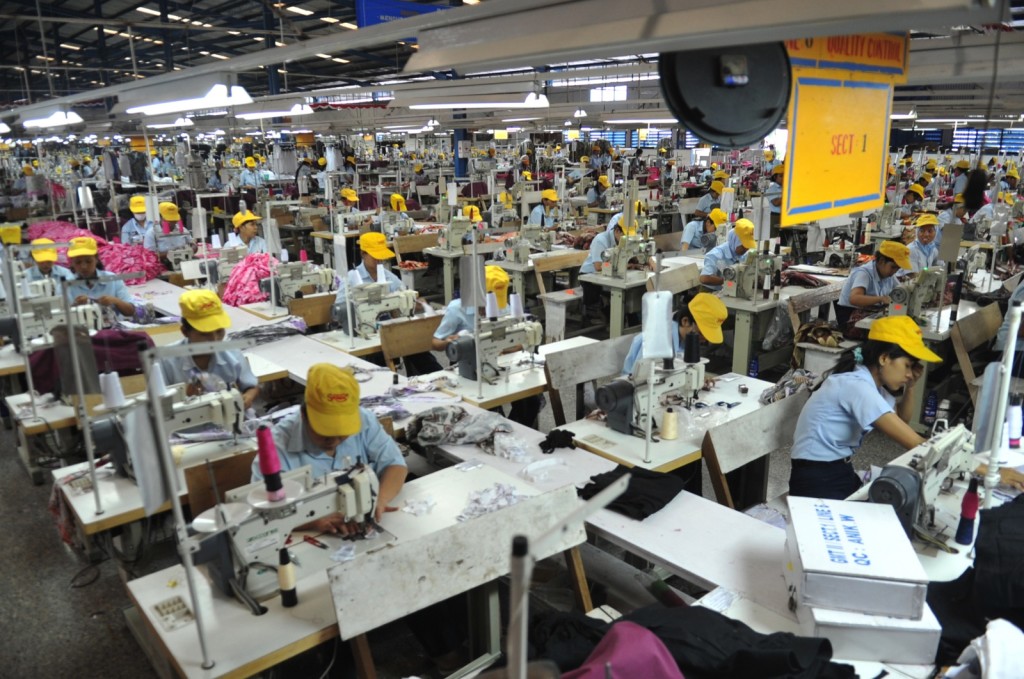
    Investments in cooling systems across Bangladesh garment factories pay back capital costs within four years, according to a study released on Sunday. Temperature data collected over a six-month period across eight manufacturing facilities in Dhaka showed that indoor heat stress erased an average of 4.1 per cent of annual factory revenue.

    Researchers at Cornell University’s Global Labor Institute found that physical modifications, including reflective roof paint, overhead insulation, and airflow ventilation, are commercially viable. Factory temperatures regularly climbed higher than outdoor readings, with the heaviest thermal load concentrated in pressing, ironing, and finishing lines.

    The Math on Shop Floor Cooling

    Jason Judd, executive director of the Global Labor Institute, noted that suppliers considering heat mitigation have struggled to weigh upfront spending against operational savings. Over the past year, apparel brands have sought verified payback timetables while discussing mitigation costs, emissions targets, and alternative energy sources with manufacturers.

    Apparel brands have spent years negotiating greenhouse gas targets and energy efficiency standards with suppliers. Adding physical climate adaptation to commercial contracts changes the financial equation. It shifts the focus from pure regulatory compliance to protecting factory throughput.

    Buyer Pricing and Cost Sharing

    Paying for factory retrofits creates friction between Asian garment manufacturers and Western fashion labels. Factory operators run on thin unit margins. They hesitate to fund facility upgrades without long-term order commitments or higher purchasing prices from international buyers.

    A heat resilience toolkit from the American Apparel and Footwear Association recommends that global brands co-fund factory modifications when direct commercial returns fall short of total setup costs. Nate Herman, executive vice president at the trade group, stated that brands must help protect workers across manufacturing networks as extreme heat events become frequent.

    Regional Export Exposure

    Earlier trade assessments showed severe climate risks across Asian manufacturing hubs. Heat stress and seasonal flooding threaten to wipe out $65 billion in combined apparel export earnings across Bangladesh, Cambodia, Pakistan, and Vietnam by 2030 if industrial zones fail to adapt physical infrastructure.

    Suppliers in Dhaka and regional production belts face a clear timeline to integrate cooling into capex plans. Retail buyers and factory operators will test the financial returns of these ventilation and insulation upgrades as contract pricing rounds open for upcoming production cycles.

  • New Home Sales Rise in Shanghai and Shenzhen After Beijing Policy Shift

    New Home Sales Rise in Shanghai and Shenzhen After Beijing Policy Shift

    Sales of new homes in cities like Shanghai and Shenzhen rose in September 2026 after central government moves were introduced to revive buyer confidence in the real estate market.

    Property brokers across China’s major cities, including agents at Lianjia in Shanghai, reported being swamped by inquiries as they try to seal as many deals as possible amid a recovery in sentiment.

    Demand returns to top-tier cities

    Real estate agencies in China’s wealthiest metropolitan markets are managing heavier foot traffic, though brokers like Yang Keju warn that the current high transaction volume could become short-lived.

    The current upturn concentrates heavily in primary tier-one hubs where household wealth remains highest and inventory absorption happens fastest. Developers with projects ready for handover in these locations are taking advantage of the window to offload existing inventory.

    Agency networks push for rapid closures

    Front-line brokerages have redirected agents toward immediate deal execution rather than long-term pipeline building. Agencies want contracts signed before buyer sentiment cools.

    “Government support always holds the key to the performance of the home market,” said Yang Keju, a broker at a Lianjia property agency branch in Pudong, Shanghai. “We are worried that the current high transaction volume could become short-lived.”

    Brokers eye duration of policy effect

    Earlier support packages produced short bursts of buying that dissipated within weeks. For developers and commercial landlords, the critical test is whether this volume spreads beyond premier districts into lower-tier cities where developer cash flow remains constrained.

    Brokers in suburban districts continue to face high unsold supply and cautious households. Without continuous credit expansion or deeper municipal rate reductions, transactions outside core metropolitan zones risk stalling.

    Market watch on upcoming clearance rates

    September transaction registries will provide the first concrete measure of total cleared contracts across Shanghai and Shenzhen following the policy shift. The full impact on developer balance sheets depends on whether transaction numbers carry through the fourth quarter.

  • Leapmotor Overtakes Subaru and Mitsubishi Motors in Global Sales

    Leapmotor Overtakes Subaru and Mitsubishi Motors in Global Sales

    Chinese electric vehicle startup Leapmotor surpassed Subaru and Mitsubishi Motors in global quarterly deliveries for the first time between April and June. Strong domestic sales in China drove the shift. An accelerating rollout across European dealerships also lifted volume.

    The Hangzhou-based manufacturer built momentum on budget battery-electric models and extended-range powertrains. Those lower prices unlocked retail demand in mainland tier-three cities. They also found buyers in price-sensitive European export markets.

    Shift in Global Volume

    Overtaking two established Japanese automakers shifts the competitive baseline for entry-level passenger cars. Subaru and Mitsubishi built multi-decade international sales networks through independent franchised dealers. Their slower battery-electric transition left budget segments exposed to cheaper Chinese rivals.

    Leapmotor entered European showrooms by pricing compact electric models against legacy petrol hatchbacks. That approach bypassed the premium segment. European and Japanese marques still hold stronger brand loyalty in that higher tier.

    Pressure on Traditional Dealerships

    Across Europe and Asia, independent auto retailers and multi-brand dealer groups must now adjust inventory allocation. Dealerships facing sluggish demand for internal combustion models are handing floor space to Chinese brands. These vehicles deliver higher unit turnover, though dealer margins are tighter.

    Component vendors and regional distributors tied exclusively to mid-tier Japanese manufacturers face direct exposure. As sales volume drifts toward Chinese electric platforms, legacy suppliers face shrinking factory orders unless they win contracts on dual-fuel and battery architectures.

    Export Trajectory

    Behind the quarterly milestone are two years of factory scaling and targeted export homologation by Leapmotor. The company previously relied almost entirely on mainland China registrations before opening European distribution channels.

    Delivery numbers through the second half of the year will test the expansion as European trade policy and regional import tariffs take effect.

  • Gleneagles Hospital Completes Hong Kong’s First 2 Histotripsy Cancer Trials

    Gleneagles Hospital Completes Hong Kong’s First 2 Histotripsy Cancer Trials

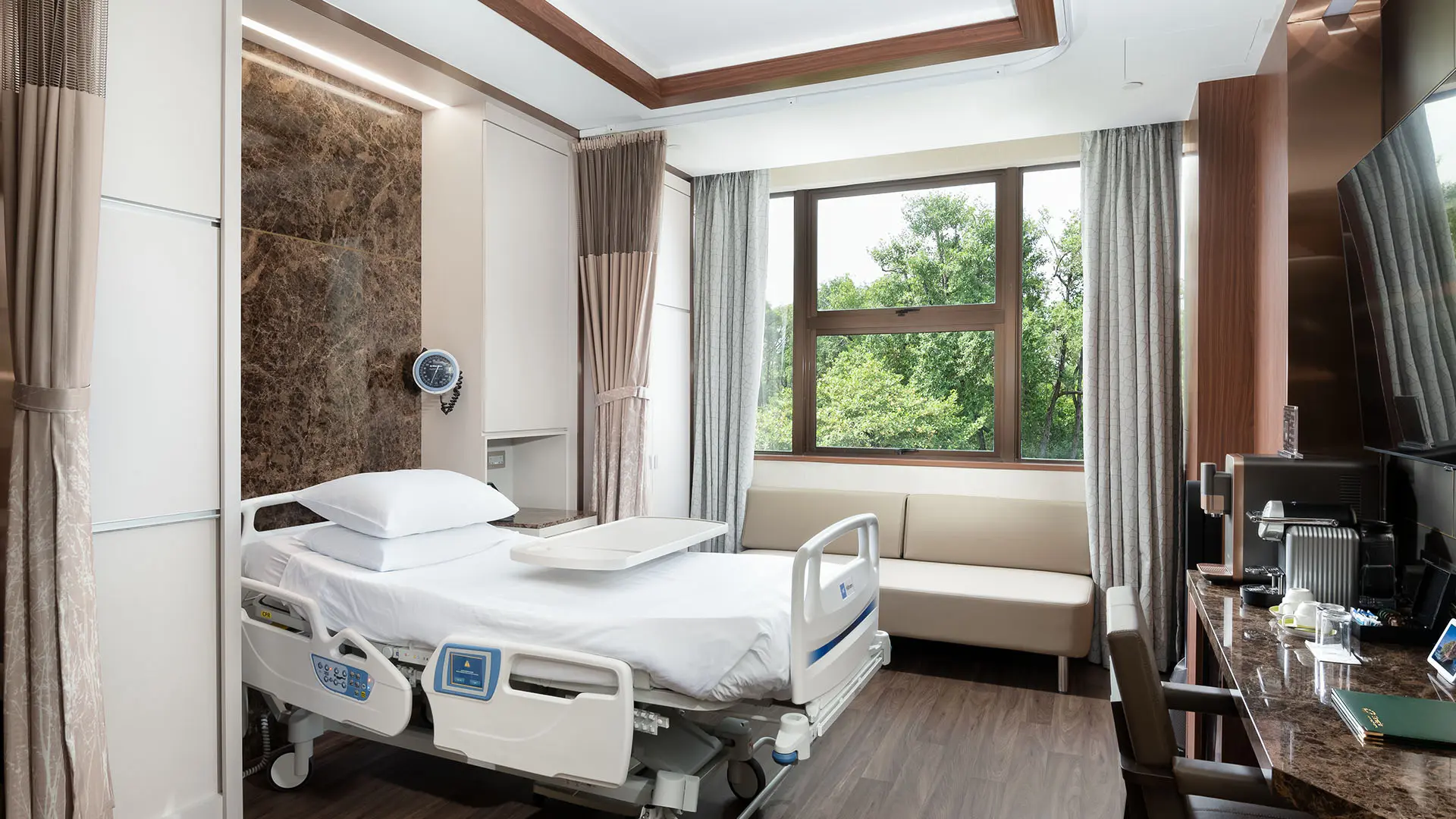
    In April, Gleneagles Hospital carried out Hong Kong’s first two clinical trial procedures using histotripsy to destroy pancreatic cancer tumours in patients for whom conventional surgery was unsuitable.

    In one case, doctors targeted both the primary pancreatic tumour and cancer that had spread to the liver during the same procedure using precisely targeted sound waves.

    Clinical rollouts and equipment targets

    Dr Neal Kassell, founder and chairman of the US-based Focused Ultrasound Foundation, estimated that clinical trial results for pancreatic and brain cancers could emerge in about three years, predicting global machine deployments could rise from roughly 2,000 to 10,000 systems within five years.

    Clinical evidence covers 196 potential medical indications across neurology, oncology, and pharmacology, according to data from the Focused Ultrasound Foundation. Twelve of those indications advanced to first-in-human clinical trials last year. More than one million patients have received focused ultrasound therapies globally to date, with annual treatment volumes reaching approximately 75,000 cases.

    Treatment pricing and hospital economics

    Hospital operators face steep upfront hardware costs and slow physician onboarding. In Hong Kong, treatment access relies heavily on private philanthropy to bridge gaps in public health insurance. Eligible liver cancer patients receiving histotripsy at Gleneagles pay HK$50,000 (US$6,374) under a subsidy funded by the Li Ka Shing Foundation.

    Specialist consultations and preliminary liver ultrasound assessments add between HK$4,300 and HK$5,400 to out-of-pocket patient expenses. Without formal public reimbursement or standardised private insurance schedules, hospital adoption across private healthcare chains in Southeast Asia and East Asia remains confined to flagship research centres.

    Overcoming the blood-brain barrier

    Beyond thermal and mechanical tumour ablation, clinical teams are testing low-intensity sound waves to deliver pharmaceuticals directly into brain tissue. The acoustic waves stimulate microscopic bubbles in the bloodstream, prompting them to expand and contract against capillary walls. This rhythmic motion creates a temporary opening in the blood-brain barrier, allowing chemotherapies and immunotherapies to reach aggressive conditions such as diffuse midline glioma and glioblastoma.

    Opening this barrier allows oncologists to test compounds that previously failed clinical trials simply because molecules could not penetrate the central nervous system. Combining acoustic opening with local immune responses also provides a pathway to turn drug-resistant brain tumours into active targets for immunotherapy.

    Reimbursement pathways and regulatory hurdles

    Commercial viability for medical equipment makers in Asia depends on moving beyond self-pay arrangements. Most private medical centres keep focused ultrasound machinery under capacity because few surgeons have received specialised training on acoustic ablation consoles.

    The critical financial hurdle remains insurance coding. Until state healthcare panels and major medical underwriters establish specific reimbursement tariffs for focused ultrasound oncology procedures, equipment makers will struggle to convert trial successes into steady device sales across regional hospital groups.

    Global trials assessing overall survival rates and recurrence intervals in pancreatic cancer and glioblastoma are scheduled to release primary outcome data within the next three years.

  • Sunwoda Unveils 15C Flash Battery to Challenge BYD in Fast Charging

    Sunwoda Unveils 15C Flash Battery to Challenge BYD in Fast Charging

    Sunwoda Electric Vehicle Battery unveiled a 15C flash charging system in Zaozhuang on September 17 that charges an electric vehicle from 10 to 97 per cent in nine minutes.

    The system matches the benchmark room-temperature charging speed established by market leader BYD. It also comes with a company commitment to deploy 10,000 megawatt charging stations by the end of 2027.

    Charging Performance and Cold Weather Specs

    At room temperature, the battery charges from 10 to 70 per cent in five minutes. That adds 100 kilometres of driving range in 60 seconds. Total driving range exceeds 700 kilometres on a full charge.

    Cold weather tests show the pack charges from 10 to 97 per cent in 15 minutes at minus 20 degrees Celsius. Sunwoda attached a warranty covering 10 years or 300,000 kilometres to non-commercial vehicles with unlimited ultrafast charging cycles, targeting buyer anxiety over high-current cell degradation.

    Hardware Architecture and Grid Storage

    Hardware diagnostics rely on proprietary cell sensors, an energy domain controller and a cloud monitoring engine. Sunwoda stated the platform identifies more than 20 separate failure modes between two and 10 days before a breakdown. Its detection rate reaches 99.77 per cent.

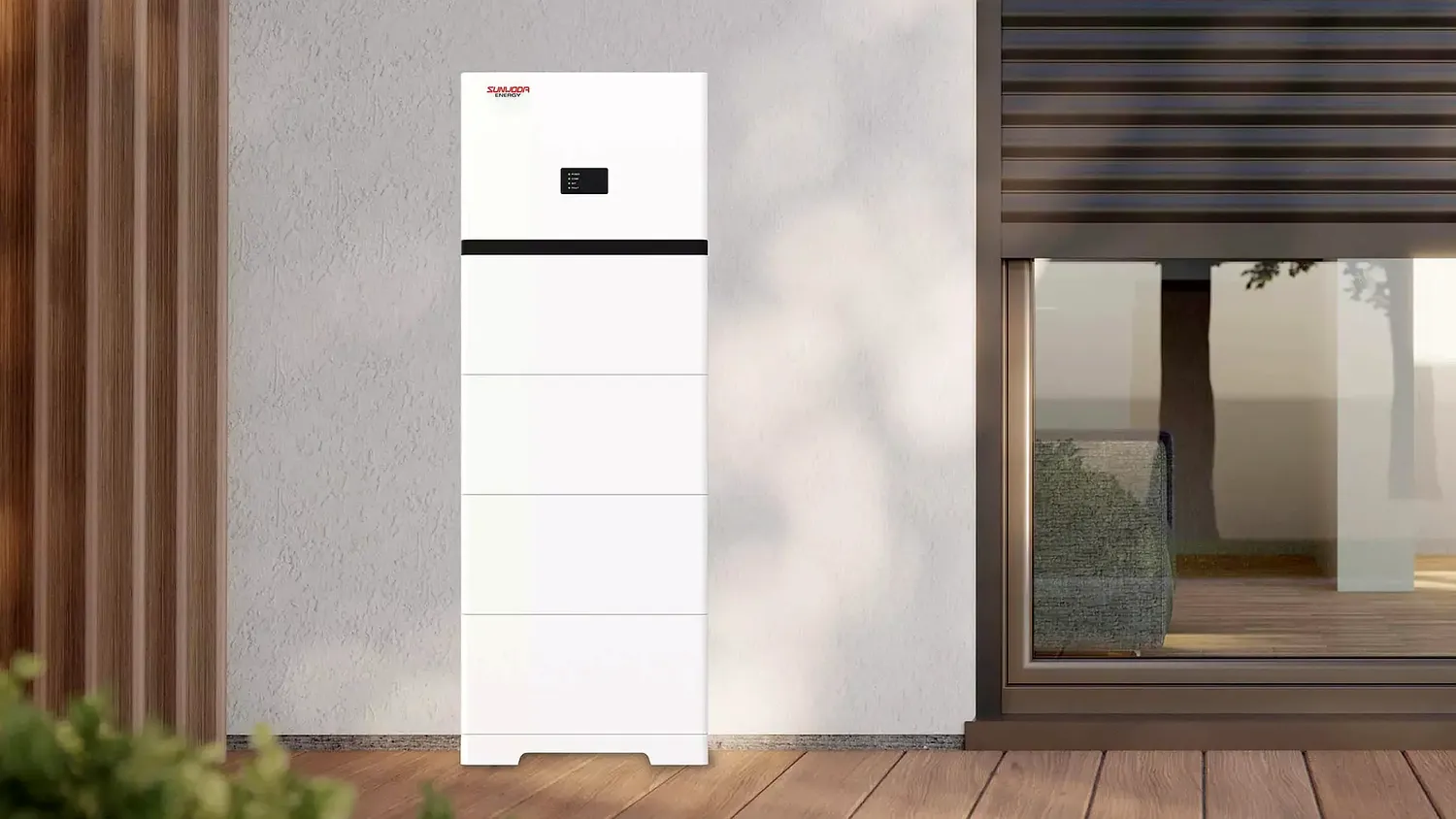
    On the grid side, the company introduced an integrated platform that bundles solar generation, stationary battery storage, liquid-cooled charging posts and megawatt-scale dispensers. The multi-brand terminal design allows third-party automakers to access the high-voltage stalls under commercial sharing agreements.

    The Race for Megawatt Infrastructure

    China’s EV power race has shifted from laboratory power ratings to physical network footprint. BYD crossed its 10,000th flash charging station milestone on August 28. It maintains a target of 20,000 operational stations by the end of 2026.

    Other domestic manufacturers are pushing similar power thresholds. Dongfeng introduced a prototype 1,500-kilowatt charger on July 29, matching BYD’s peak terminal rate. FAW Hongqi posted July laboratory results showing a 10-to-70 per cent charge in three minutes and 41 seconds with battery partner CNET. In Hong Kong, Xpeng energised its first one-megawatt X-Energy stall with 400 kilowatt-hours of local storage on September 15.

    Commercial Rollout and Factory Timelines

    Sunwoda EVB faces a crowded manufacturing landscape. CATL and BYD command more than 60 per cent of China’s domestic vehicle battery volume. Total battery installations across the country grew 26.3 per cent year-on-year in August, but second-tier cell makers must prove station economics to justify high capital spending on utility-scale grid connections.

    Initial announcements omitted capital expenditure figures, manufacturing site allocations, commercial vehicle partnerships and the first production passenger car chosen for the 15C pack. Filings with the Ministry of Industry and Information Technology will soon show which automaker integrates the hardware first ahead of the 2027 station rollout target.

  • Malaysia Sends Misleading Online Health Ad Complaints to MCMC

    Malaysia Sends Misleading Online Health Ad Complaints to MCMC

    Malaysia will route public complaints regarding deceptive online health advertisements directly to the Malaysian Communications and Multimedia Commission (MCMC) for regulatory review.

    Communications Minister Datuk Seri Fahmi Fadzil announced the measure on Sept 20 following consultations with medical associations and healthcare industry experts in Kuala Lumpur.

    Referrals to the Communications Regulator

    Under the process, reports of online promotions that violate existing advertising standards or mislead buyers will undergo formal assessment by the MCMC alongside relevant authorities. The regulator holds statutory power over internet service providers, social platforms, and digital broadcast content operating in the country.

    Fahmi stated that direct engagement with medical practitioners and sector representatives was necessary to assess the scale of non-compliant claims across web platforms.

    The matter will be referred to MCMC for review and further action with the relevant parties.

    Scrutiny on Digital Marketplaces and Social Feeds

    Health and wellness categories generate substantial digital marketing expenditure across Southeast Asian e-commerce networks. Unverified supplement promotions, unauthorized medical endorsements, and exaggerated therapeutic claims have multiplied across social media storefronts and live-commerce broadcasts.

    Brand owners, third-party merchants, and advertising agencies operating in Malaysia face tighter scrutiny over consumer product claims. Platform operators will come under greater pressure to remove offending health listings swiftly once regulatory flags are raised.

    Enforcement Across Marketing Channels

    Stricter referral protocols shift compliance risks directly onto digital platforms and marketplace sellers. E-commerce platforms that host non-compliant merchant campaigns risk formal inquiries from the communications regulator if flagged product copy remains active.

    For legitimate consumer healthcare brands, consistent enforcement levels the playing field against unauthorized sellers using unverified medical claims to capture market share. Clearer boundaries also reduce reputational risks for mainstream ad networks carrying merchant inventory.

    Next Steps for Policy Coordination

    Cross-agency cooperation between communications regulators, health authorities, and trade ministries forms the baseline for monitoring deceptive online retail content. Inter-agency reviews often precede formal guidelines detailing takedown timelines and merchant penalties.

    The MCMC is scheduled to begin reviewing referred complaint files alongside partner agencies to establish concrete enforcement steps for active online campaigns.

  • KDDI and SpaceX Partner to Bring Starlink Mobile V2 Direct to Japanese Smartphones in 2027

    KDDI and SpaceX Partner to Bring Starlink Mobile V2 Direct to Japanese Smartphones in 2027

    KDDI has signed an agreement with SpaceX to deliver direct-to-device satellite broadband and voice calls across Japan starting in 2027. The service will tap satellites with 20 times the throughput of older orbital hardware.

    The deal expands KDDI’s mobile brand, au, beyond ground towers. It routes standard smartphone traffic directly through SpaceX’s Starlink Mobile V2 constellation.

    How direct satellite connections work on au phones

    Compatible smartphones connect directly to low Earth orbit satellites when users travel outside cellular base station range. Customers need no specialized handsets, external antennas, or hardware adapters. KDDI signed the agreement on 10 August and disclosed commercial terms on 15 September. SpaceX confirmed the rollout schedule on 17 September.

    Technical specifications released by KDDI show the V2 satellites carry larger phased-array antennas. Each spacecraft provides roughly 20 times the individual throughput of first-generation units. SpaceX will also deploy more spot beams per spacecraft, multiplying data density by roughly 100 times over targeted areas. This capacity supports native Voice over LTE (VoLTE) calling, video streaming, and web browsing from orbit.

    Closing the coverage gaps on islands and mountains

    Japanese mobile carriers currently reach more than 99.9 percent of the population through ground infrastructure. Geographic coverage maps still leave wide blanks across national parks, steep mountain ranges, and outlying archipelagos. In those regions, building fiber backhaul and physical towers is structurally impossible or prohibitively expensive.

    For consumer brands, outdoor logistics operators, and regional transport networks, direct satellite data removes operational dead zones. Delivery fleets on rural mountain passes gain uninterrupted tracking. Travelers on maritime routes keep voice and emergency connectivity without switching SIM cards or buying specialized satellite terminals.

    The race for orbital cellular partnerships

    Rivalries in direct-to-cell services are accelerating across Asia-Pacific and North America as network operators hunt for coverage advantages. AST SpaceMobile is building a competing orbital network to beam 4G and 5G broadband directly to standard devices, backed by United States carriers AT&T and Verizon. Mobile carriers now treat satellite capacity as a core subscription layer rather than an emergency backup.

    Regulatory approvals remain the primary hurdle before commercial launch. Direct-to-device services operate across shared mobile spectrum bands and satellite frequencies. Regulators must grant spectrum rights, interference clearances, and satellite licenses before carriers can activate voice and broadband on retail devices.

    From text alerts to full broadband voice

    The 2027 deployment builds directly on KDDI’s initial trial, au Starlink Direct, which went live in April 2025. That early system supported only low-bandwidth short messaging and selected text-based apps outside terrestrial cell footprints.

    SpaceX must now maintain its launch pace for the larger V2 spacecraft as Japan’s Ministry of Internal Affairs and Communications reviews local spectrum authorization ahead of the planned 2027 consumer rollout.