Author: Mei Ling Tan

  • Islamabad Police Deploys 50 BYD Atto 2 Electric SUVs for Capital Patrol

    Islamabad Police Deploys 50 BYD Atto 2 Electric SUVs for Capital Patrol

    Islamabad police deployed 50 BYD Atto 2 electric sport utility vehicles across the Pakistani capital, establishing a dedicated 200-officer patrol unit. The fleet cost 7.29 million Pakistani rupees per vehicle and will cut monthly municipal fuel spending by roughly 34 million rupees.

    Pakistani Prime Minister Shehbaz Sharif transferred the vehicle keys on 8 September to Federal Minister for Interior Mohsin Naqvi and Inspector General of Islamabad Police Syed Ali Nasir Rizvi. The rollout equips the newly formed Capital Patrol force to handle urban surveillance and emergency calls.

    Fleet deployment and financial return

    Municipal calculations indicate the monthly fuel savings will recover the capital outlay for each vehicle in ten and a half months. Lower operational expenses allow the department to reallocate budget lines from fuel procurement to frontline equipment and maintenance.

    Police leadership expects the electric fleet to improve urban response times across Islamabad. Rapid torque delivery from electric powertrains and reduced maintenance downtime give city patrols higher daily availability than aging internal combustion units.

    Powertrain and battery specifications

    The deployed Atto 2 models run on a single powertrain configuration. A front-mounted permanent magnet synchronous motor generates 130 kW of power and 290 Nm of torque, allowing acceleration from zero to 100 kilometres per hour in 7.9 seconds.

    Energy storage relies on a 45.12 kWh lithium iron phosphate battery pack. The system delivers an operating range of up to 380 kilometres under NEDC testing standards, and fast charging restores battery capacity from 30 per cent to 80 per cent in 30 minutes.

    Local assembly plans in Sindh

    The municipal procurement aligns with BYD’s manufacturing roadmap in Pakistan through its local partner, Mega Motor Company. Mega Motor, an associate of power producer Hub Power Company, is building a vehicle assembly plant in Gharo, Sindh.

    Establishing domestic production enables the Chinese automaker to lower import tariffs and compete aggressively against traditional Japanese vehicle assemblers that dominate Pakistan’s passenger market. Fleet deals with government agencies provide stable initial volumes while retail distribution develops.

    Commercial network expansion

    Mega Motor plans to complete construction of the Gharo assembly facility by the end of 2026. The Atto 2 serves as the primary candidate for initial local assembly lines once production begins.

    Watch the rollout of charging infrastructure along capital patrol routes and the completion timeline for the Sindh factory ahead of the late 2026 manufacturing target.


  • Autonomous Robots Deploy Across Asia to Monitor 19,200-Km Cable Routes

    Autonomous Robots Deploy Across Asia to Monitor 19,200-Km Cable Routes

    Subsea cable operators across Asia-Pacific are turning this week to resident autonomous robots and long-range underwater vehicles from firms including Kongsberg, Greensea IQ, and Nauticus Robotics to monitor thousands of kilometres of critical digital infrastructure. Conventional vessel inspections are giving way to seabed-docked machines capable of operating for 15 days continuously at depths reaching 6,000 metres.

    The shift targets vast communication arteries across the region, including the 19,200-kilometre SEA-ME-WE 6 cable connecting Southeast Asia to Western Europe with a design capacity of 126 terabits per second. Maintaining continuous surveillance over links of that scale has made traditional ship-based inspection crews prohibitively slow and expensive for regional network consortia.

    Permanent Docking and Local Processing

    Under the emerging operating model, robotic units remain stationed on the ocean floor inside dedicated docking cradles rather than deploying from surface support craft. These resident units recharge batteries, offload telemetry, and receive updated mission routes directly through subsea connection points before returning to patrol nearby cable landing corridors.

    Edge computing systems on board the vehicles process acoustic readings, sonar scans, and high-resolution optical imagery locally instead of streaming raw files to land. The robots compare real-time seafloor scans against recorded baselines, flagging unburied cables, anchor dragging risks, or seabed displacement before transmitting targeted alerts to network operating centers.

    Hardware manufacturers are scaling the range of these autonomous platforms to meet commercial requirements. Kongsberg has deployed its HUGIN Endurance platform, which covers up to 2,200 kilometres on a single 15-day mission without surface vessel guidance. Meanwhile, the Eelume system, built in partnership with Kongsberg Maritime and Equinor, uses permanent subsea docking stations to conduct continuous structural intervention and inspection tasks.

    Expanding Reach Across Southeast Asian Waters

    Deployment activity is concentrating in shallow straits and dynamic coastal waters where commercial ship traffic poses constant hazards to subsea infrastructure. Greensea IQ has partnered with regional marine service firms to deploy rugged seabed crawlers across nearshore zones and surf corridors in Singapore, Malaysia, and Indonesia.

    Nauticus Robotics has expanded operations in Asia-Pacific to pitch tetherless, autonomous inspection vehicles directly to offshore energy and telecommunications operators. Their systems target lower operating expenditures and lower carbon footprints by cutting reliance on diesel-burning surface vessels during routine surveys.

    China operates the largest deep-sea robotics program in the region, running autonomous vehicles through national research institutes for pipeline verification, marine surveying, and mineral exploration at extreme depths. Those state-backed platforms provide domestic network operators with specialized survey fleets capable of mapping difficult deepwater trenches across East Asia.

    Operating Risks and Capital Demands

    For telecoms consortia and cloud infrastructure providers, relying on permanent subsea robotics removes the scheduling bottlenecks of chartering specialized inspection ships. Vessels often take weeks to mobilise after an outage, leaving high-capacity data routes exposed to prolonged downtime while repair teams locate damage manually.

    The financial risk lies in the high capital cost of seabed docking stations and autonomous fleets before operational reliability is proven across multi-year deployments. Saltwater corrosion, power delivery failures at docking nodes, and navigation drift in turbid coastal channels can strand expensive autonomous assets on the seabed, requiring emergency recovery missions that erase projected operational savings.

    Regulatory ambiguity across contested waters also creates immediate hurdles for automated underwater vehicles. Operating autonomous survey craft across overlapping maritime boundaries in Southeast Asia raises sovereignty and permitting questions, particularly when robotic patrols approach foreign exclusive economic zones or dual-use subsea landing sites.

    Deepwater Capacity and Next Deployments

    Regional network groups had previously managed subsea maintenance almost entirely through episodic ROV charters arranged through regional marine maintenance agreements. Rising demand for real-time cloud connectivity and artificial intelligence data processing has pushed infrastructure managers to treat seabed surveillance as an active, continuous operation rather than an ad hoc repair task.

    That pressure is accelerating as new regional links enter construction, including the 8,000-kilometre XLSMART cable system connecting Southeast Asia directly to Japan. Consortia backing these high-capacity routes are structuring long-term maintenance budgets around autonomous robotic coverage to safeguard data flows across critical maritime choke points.

  • Pakistan Power Regulator Reviews Rs1.73 Electricity Tariff Hike for August

    Pakistan Power Regulator Reviews Rs1.73 Electricity Tariff Hike for August

    Pakistan’s power regulator is considering an electricity tariff increase of Rs1.73 per unit. The hike covers higher generation expenses incurred in August.

    The Central Power Purchasing Agency submitted the adjustment petition to the National Electric Power Regulatory Authority. It seeks to recover fuel expenses across state distribution companies and Karachi-based utility K-Electric.

    A public hearing is scheduled for September 29 to review the submission. If approved, the surcharge will apply to all standard consumer categories nationwide on upcoming billing cycles.

    Generation mix and fuel cost breakdown

    Data filed with the authority shows power producers supplied 14.464 billion units of electricity to distribution companies during August. Generation costs averaged Rs8.82 per unit across all energy sources.

    Hydropower remained the primary source, generating 37.84 per cent of total electricity. Coal also carried a heavy load. Imported coal accounted for 15.59 per cent of total output, while domestic coal delivered 10.88 per cent.

    Costly thermal generation pushed up the overall fuel basket despite low volumes. Imported liquefied natural gas supplied 8.48 per cent of power at Rs45.92 per unit. Furnace oil accounted for 2.15 per cent of supply at Rs45.25 per unit. Domestic natural gas provided 7.04 per cent of output.

    Operating margin pressures on commercial operators

    Continuous fuel cost adjustments push up utility overheads for store operators, cold-chain logistics providers, and shopping centre managers. Power is one of the largest non-payroll operating costs for commercial occupiers in urban retail hubs.

    Commercial tenants cannot absorb recurring adjustments without passing increases along supply chains or cutting floor energy use. Higher baseline tariffs squeeze margins. The pressure falls hardest on grocers running continuous refrigeration networks and department stores maintaining heavy air conditioning loads.

    Consumer purchasing power faces fresh headwinds

    Household budgets contract as higher utility bills reduce discretionary retail spending across major metropolitan centres. Rising power bills immediately drain middle-income disposable wages.

    Shoppers respond by delaying purchases of discretionary goods, apparel, and major home appliances. For mass-market brands in Pakistan, this pull-back reduces foot traffic and shrinks basket sizes during off-peak periods.

    Previous regulatory adjustments

    This petition follows a separate adjustment approved last month, which added Rs0.7503 per unit to August consumer bills for power consumed in June. That adjustment carried an aggregate financial impact of Rs9.8 billion nationwide.

    Regulators applied the June charges to K-Electric consumers and all distribution companies under the former Water and Power Development Authority framework. Lifeline customers, electric vehicle charging stations, and pre-paid meter accounts were excluded.

    Final surcharge rates for upcoming commercial and residential bills will be decided at the September 29 determination hearing.

  • L Catterton Buys $30 Million Minority Stake in Nandhana Foods

    L Catterton Buys $30 Million Minority Stake in Nandhana Foods

    L Catterton has acquired a minority stake in South Indian restaurant chain Nandhana Foods for $30 million this week.

    The cash injection gives the global consumer private equity firm a direct foothold in India’s regional casual dining market. Regional food service businesses across southern India have historically relied on internal cash flows and promoter capital to fund new locations. That pattern is breaking down as institutional investors seek scalable dining concepts with proven local demand.

    Capital deployment in regional dining

    Consumer appetites in tier-1 and tier-2 Indian metros continue to shift toward organized dining formats. Nandhana Foods built its brand identity around regional South Indian cuisine, catering to everyday lunch traffic and family dining. Securing $30 million in equity funding provides the balance sheet capacity required to expand kitchen footprints, secure premium retail real estate, and build out centralized supply chains.

    Institutional backing allows regional operators to compete directly with national multi-brand conglomerates. When well-funded private equity sponsors enter single-concept restaurant groups, the immediate focus turns to margin protection and real estate acquisition. Prime retail frontage across major South Indian commercial corridors commands rising rents, making external capital essential for multi-city expansion.

    Private equity playbook in Indian food service

    L Catterton has targeted consumer-facing food and lifestyle brands across Asia-Pacific to capture rising household discretionary spending. The firm looks for high-repeat transaction models with defensible regional loyalty. Fast-casual and specialized regional dining concepts offer clear unit economics, predictable inventory cycles, and steady cash generation compared to untested Western formats.

    Competition among private capital allocators in India has tightened around profitable consumer businesses. Global funds that previously backed digital consumer platforms are now directing capital into cash-generating physical retail and restaurant chains. Food service operators that control their supply relationships and maintain consistent kitchen standards represent defensive bets against broader market volatility.

    Operating risks and scaling discipline

    Scaling a regional dining chain beyond its home base presents operational friction. Standardizing recipes, managing bulk procurement of specialty ingredients, and maintaining identical service quality across dozens of outlets tests management teams. Expanding too fast across state borders often dilutes the brand equity that made the original footprint successful.

    Labor retention and kitchen staff training create additional cost pressures. As restaurant networks grow, operators must invest in central commissary hubs to keep unit costs manageable. Centralized production cuts kitchen square-footage requirements at retail outlets, lowering rental expenses while stabilizing gross margins.

    Valuation discipline and the road to liquidity

    Private equity investors enter minority positions with clear timetables for liquidity. For Nandhana Foods, bringing in a global investor sets an institutional governance framework and prepares the operating company for larger equity rounds or a public listing once network scale is achieved.

    The benchmark for this investment sits in how effectively the chain uses the $30 million check to open new doors without compressing unit-level operating margins. Industry attention now shifts to the company’s real estate pipeline across key southern metro hubs and the rollout speed of its next batch of restaurant locations.

  • Shorea Capital Buys Sheung Wan Tower as Amazon Adds Fanling Sites

    Shorea Capital Buys Sheung Wan Tower as Amazon Adds Fanling Sites

    Singapore private equity firm Shorea Capital acquired The Pemberton in Sheung Wan, while Amazon Data Services bought two data centres in Fanling. Shorea plans to convert the 24-storey commercial tower into residential accommodation after buying the 58,000-square-foot asset for an undisclosed sum.

    Conversion plans in Sheung Wan

    Colliers brokered the sale of the mixed office and retail property, which spans 5,388 square metres of gross floor area. Shorea will submit planning applications to convert the commercial space into high-quality living units, targeting sustained residential demand across Hong Kong Island.

    The building last traded in 2010, when AEW Via HK 1 Limited bought the tower for HK$344.34 million (US$43.9 million), Land Registry records show. That transaction established an entry valuation of roughly HK$5,937 per square foot before the current repositioning plan.

    Foreign capital targets alternate uses

    Institutional buyers from Singapore continue to reallocate capital into Hong Kong real estate, favouring conversions to student housing, serviced apartments and long-stay residential property over standard office leasing. Converting commercial assets allows operators to escape elevated office vacancy rates while tapping rental yields supported by incoming professionals and cross-border students.

    Meanwhile, Amazon Data Services expanded its physical footprint in the New Territories by acquiring two industrial facilities in Fanling. Cloud operators and data centre providers face tight power allocations and limited industrial land across the territory, forcing direct asset acquisitions to secure operational capacity.

    Tracking commercial repositioning

    Hong Kong commercial property values have adjusted downward following multi-year shifts in corporate leasing demand and higher financing costs. Those discounted capital values created room for regional private equity funds to purchase whole buildings below replacement cost and change their end use.

    Planning filings for The Pemberton’s change of use will now go before town planning authorities, setting the timeline for construction and eventual residential leasing.

  • Jessica Sepel Tracks Decade-Long Shift to Preventative Wellness

    Jessica Sepel Tracks Decade-Long Shift to Preventative Wellness

    Consumer wellness is experiencing a fundamental change as shoppers move away from reactive remedies toward proactive health routines, according to Jessica Sepel in September 2026.

    Over the past decade, consumers have increasingly prioritized daily habits and preventative measures to safeguard their future wellbeing rather than waiting to address emerging health concerns.

    Surging Adoption Meets Low Shelf Satisfaction

    Shoppers are replacing reactive remedies with preventative routines. They are buying supplements, specialized nutrition, and metabolic support earlier in life. Women in transition stages try an average of 3.3 more interventions than women at other life stages, and 2.9 more than male consumers.

    Retail shelves have failed to keep pace. In the consumables category, 90 per cent of surveyed women in menopause have purchased at least one wellness product. Only 35 per cent report that the product met their health requirements. The shortfall stems from generic formulation strategies that ignore sex-differentiated hormonal aging.

    The Healthspan Deficit Driving Basket Size

    Underlying the commercial disconnect is a structural gap between lifespan and healthspan. Women outlive men by roughly five years worldwide. However, they spend 25 per cent more of their lives managing illness or disability.

    This disparity drives steady demand across Asia-Pacific markets, including China, India, and Japan. Retailers stocking unisex longevity lines miss out on high-spending shoppers seeking targeted hormone, sleep, and metabolic formulas. Brands offering verified clinical efficacy can take market share directly from legacy multivitamin labels.

    Category Shifts Across Asian Pharmacies and E-Commerce

    For health retailers and cross-border platforms, preventative longevity signals a structural break from quick-fix symptom treatments. Wellness brands built on broad lifestyle positioning now face buyers demanding targeted clinical data before committing to repeat subscriptions.

    Supply chain priorities are shifting for vitamin and dietary supplement manufacturers. Formulators who relied on standard herbal blends must invest in specialized compounds for hormonal transitions, bone density, and cellular aging to protect distribution in major pharmacy chains.

    Earlier Baseline and Future Commercial Benchmarks

    The product gap follows years of longevity protocols built on male clinical baselines. Research published in December 2024 by JAMA Network Open documented systematic healthspan-lifespan disparities across 183 World Health Organization member states, opening doors for direct-to-consumer disruption.

    Manufacturers and retail category buyers will review updated demographic conversion metrics at the upcoming St. Moritz Longevity Forum proceedings as brands prepare 2027 product pipelines for key Asian and Western consumer markets.

  • Sensormatic Solutions Forecasts Peak 2026 Holiday Shopping Days in Asia-Pacific

    Sensormatic Solutions Forecasts Peak 2026 Holiday Shopping Days in Asia-Pacific

    Sensormatic Solutions issued its annual foot traffic forecast for the 2026 holiday shopping season across retail markets in Asia-Pacific. The predictive traffic analysis targets store operators and mall owners preparing staffing, inventory, and promotional schedules for peak year-end commercial dates.

    The analytics provider tracks in-store sensor data and historical shopper volume to identify the days expected to generate the heaviest physical store traffic. Store chains use these projections to align workforce rotas, supply chain delivery windows, and loss prevention protocols ahead of peak trading surges.

    Data modeling for store operations

    Physical store operations face tighter labor margins and shifting shopper patterns across regional commercial centers. Accurate traffic modeling gives floor managers the lead time needed to schedule floor staff during peak hours while avoiding overstaffing during quieter morning trade.

    Inventory distribution across store networks depends on matching replenishment runs with peak footfall periods. Bottlenecks at cash desks and fitting rooms quickly erode conversion rates when customer traffic outpaces front-line coverage.

    Shifts in regional holiday footfall

    Retailers across Asia-Pacific face divergent calendars, from November promotional events to traditional December holiday spending and regional year-end sales. Compressing shopping activity into fewer peak days raises operational pressure on store teams and physical checkout infrastructure.

    Mall landlords also rely on traffic forecasts to coordinate security deployment, crowd management, and extended operating hours. Misjudging peak hours leads to congested parking facilities and frustrated shoppers.

    Balancing physical stores and online fulfilment

    Physical stores increasingly double as local fulfilment nodes for click-and-collect orders during peak shopping periods. When in-store shopper volumes surge, staff dedicated to picking and packing online orders compete for floor space with walk-in customers.

    Store networks that separate stock management from front-of-house service maintain higher customer satisfaction during traffic spikes. Clear footfall visibility prevents floor staff from being pulled away from direct customer service during critical trading hours.

    Preparing for peak trading dates

    Sensormatic Solutions provides annual traffic benchmarks to help retail chains assess their performance against broader market averages. Comparing individual store entry numbers against market footfall trends helps operators evaluate the return on holiday marketing spend.

    Retailers across the region will monitor preliminary footfall tallies as peak holiday campaigns launch across Asia-Pacific retail corridors.

  • Goodman Group Raises $455 Million for Hong Kong Data Centre Partnership

    Goodman Group Raises $455 Million for Hong Kong Data Centre Partnership

    Goodman Group has raised $455 million in equity for its Hong Kong data centre partnership, with most of the proceeds earmarked to fit out a 50-megawatt facility in Tsuen Wan.

    Existing and new institutional investors backed the fundraising for the $2.7 billion vehicle, the Sydney-based industrial developer announced on Tuesday. The capital will primarily fund mechanical and electrical works at HKG10, which Goodman will operate.

    Funding the Texaco Road Conversion

    Work will focus on mechanical and electrical fit-outs at HKG10, an industrial conversion project at 128 Texaco Road. The facility will provide 32 megawatts of IT capacity backed by 50 megawatts of secured primary power.

    Initial capacity is scheduled to enter service in early 2028. That is later than earlier company projections targeting mid-2026. Goodman will operate the completed site directly.

    Retaining the existing warehouse avoids demolition emissions while cutting raw concrete and steel use during conversion, according to the developer.

    Institutional Capital and Regional Scale

    The transaction tests global pension appetite for Asia-Pacific digital infrastructure as conventional office and logistics yields face pressure. Goodman holds a 20 per cent cornerstone position in the venture alongside Dutch pension managers PGGM and APG, Canada Pension Plan Investment Board, CBRE Investment Management and an unnamed Middle Eastern institutional investor.

    By securing committed capital before commissioning equipment, the partnership limits balance sheet exposure to regional fit-out and engineering costs. The main execution risk now shifts to procurement timing and grid delivery milestones in Hong Kong’s crowded industrial corridors.

    Industrial Shift Toward Power Assets

    That partnership launched in July 2025 with an initial seed portfolio of six properties across 2.3 million square feet and 325 megawatts of planned capacity. Four stabilised facilities at Goodman’s Tsuen Wan West campus accounted for 225 megawatts, with HKG10 and a second conversion making up the rest.

    Data centres now represent 78 per cent of Goodman’s global development work in progress, totaling A$15.4 billion out of A$19.7 billion recorded at the end of June. Operating profit for the financial year rose 15.7 per cent to A$2.7 billion.

    The Next Pipeline Deliveries

    In July, the group started construction on HKG09, a 50-megawatt conversion in Kwai Chung pre-leased to an unnamed Singapore-based data centre operator. Completion is slated for 2029.

    Outside Hong Kong, Goodman secured a 20-year hyperscale lease for the 50-megawatt opening phase of its Tsukuba Tech Central campus in Greater Tokyo, with commercial service starting in early 2028. Power grid sign-offs are next for the developer’s 135-megawatt Project Apollo in Sydney, which carries a development value of A$1.4 billion.

  • Second Street Opens 13Th Thai Store in Bangkok as Regional Network Reaches 111

    Second Street Opens 13Th Thai Store in Bangkok as Regional Network Reaches 111

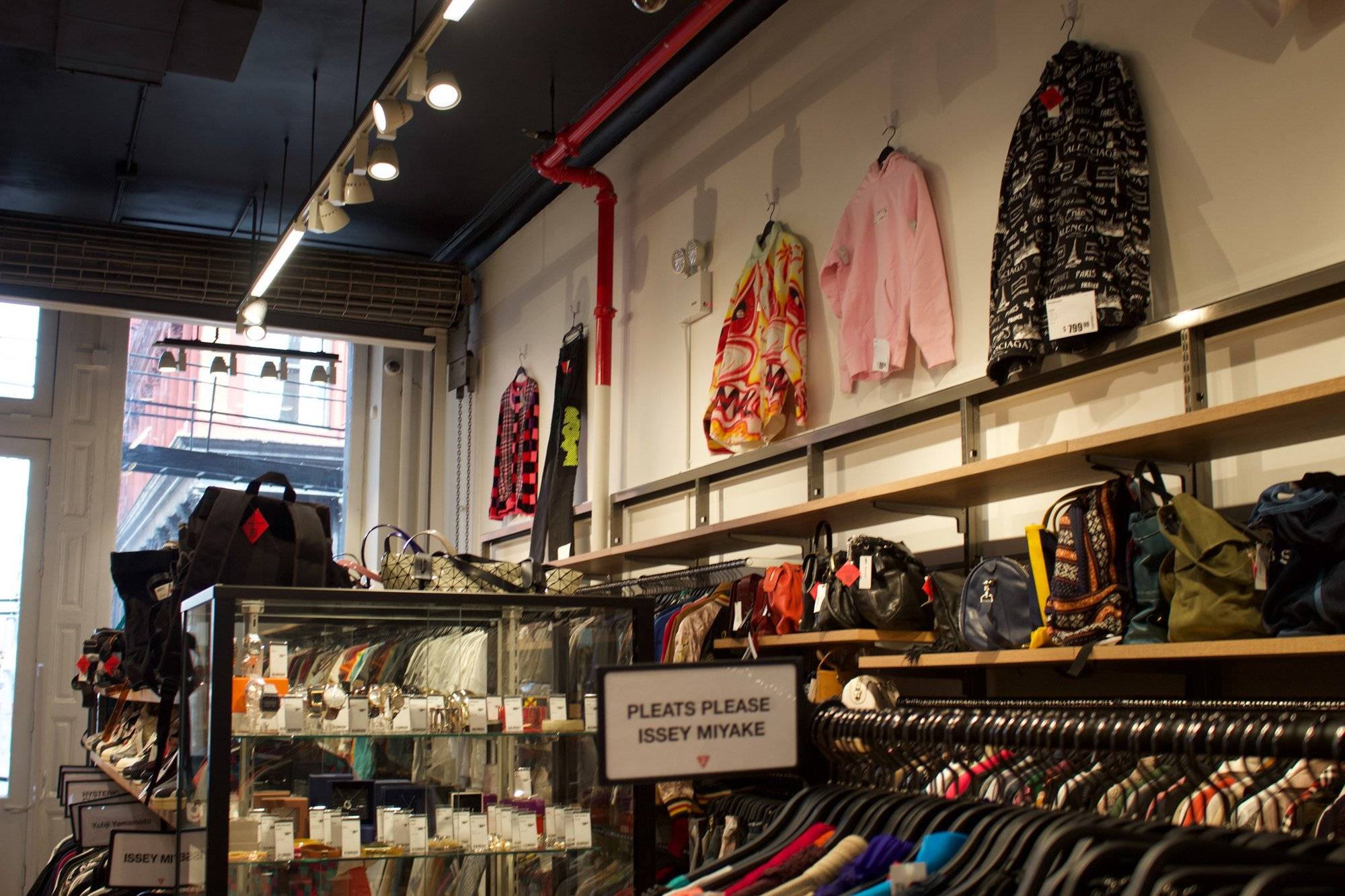
    Second Street opened its 13th Thai store at Bangkok’s Siam Discovery mall on September 1. The launch advances parent company Geo Group’s plan to reach 111 regional outlets this year. Two more Bangkok locations will open before the end of December.

    The mezzanine floor site trades in curated used apparel and accessories in the city’s central shopping district. Adding the two upcoming Bangkok branches will expand the regional network across Thailand, Taiwan, Malaysia, and Singapore to 111 stores by the close of 2026.

    Expansion across four regional markets

    Geo Group focuses its overseas retail push on four Asian markets with steady foot traffic and sustained demand for Japanese second-hand goods. Taiwan holds the largest share of the regional store count. Malaysia, Thailand, and Singapore make up the rest.

    Southeast Asia’s clothing reuse sector remains fragmented between informal thrift vendors and peer-to-peer apps. Second Street places its shops inside high-traffic malls instead of street-level thrift alleys. It treats second-hand fashion as a formal department-store retail category.

    Mall positioning and luxury resale demand

    Securing prime commercial venues like Siam Discovery alters tenant economics for regional landlords. Department stores and lifestyle malls use curated vintage boutiques to draw younger shoppers who hunt for specific designer labels.

    Landlords gain steady rental income and consistent floor turnover from branded resale chains. Second Street relies on high customer volume. Its in-store buying counters give shoppers immediate cash or store credit for used designer items.

    Inventory sourcing and supply chain dynamics

    Running more than a hundred stores outside Japan requires a steady flow of inspected inventory. The chain relies on local trade-ins in Southeast Asian cities alongside imports from Geo Group’s collection network in Japan.

    Japanese stock carries strong buyer trust across the region due to strict anti-counterfeit standards in Japan. Sourcing counters in Bangkok and Singapore offset transport costs by buying clothes straight from local wardrobes.

    Targets for the year-end rollout

    Suburban shopping complexes housed the first batch of Thai branches before the company took units in downtown Bangkok. The Siam Discovery store puts the brand near major transit interchanges in the Pathum Wan retail belt.

    Two final Bangkok store handovers will wrap up in the fourth quarter of 2026, hitting the 111-store target across Thailand, Taiwan, Malaysia, and Singapore.

  • NakNak Expands Malaysian Menu with Ultimate Cheese Bomb and New Sides

    NakNak Expands Malaysian Menu with Ultimate Cheese Bomb and New Sides

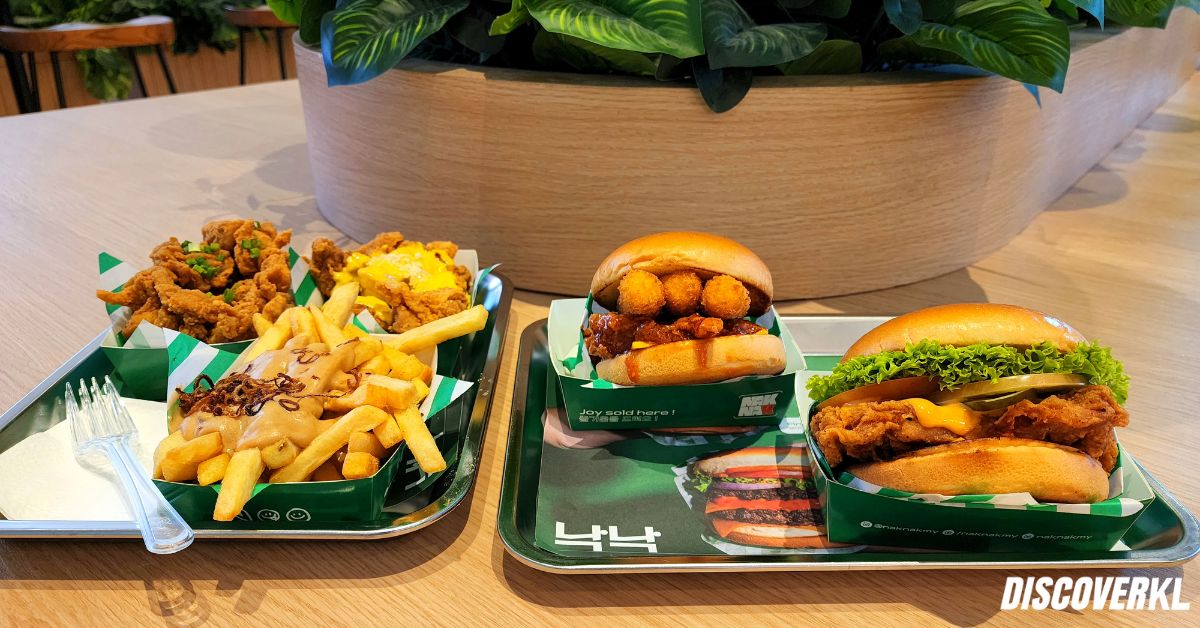
    Malaysian fast-casual operator NakNak expanded its domestic menu on September 21, 2026. The chain rolled out a cheese-loaded fried chicken line priced from RM24.90 alongside new dessert and salad options.

    The limited-time Ultimate Cheese Bomb pairs fried chicken and fries with melted mozzarella. The launch targets higher evening ticket sizes across the brand’s Malaysian footprint.

    Pricing and menu mechanics

    NakNak structured the launch across two price tiers. The Original Ultimate Cheese Bomb starts at RM24.90, combining Korean fried chicken and fries with melted mozzarella. The Spicy version lists from RM26.90, swapping in the brand’s Spicy Gochujang Nak Dak sauce. Diners can also add an extra Ultimate Cheese Bomb Sauce portion for RM8.00.

    To capture multi-item orders, the chain introduced lower-cost sides and sweets. The Shake Shake Salad retails from RM9.90 with Korean or sesame dressing, or RM12.90 bundled with a carbonated soft drink. Extra dressing cups cost RM1.50. For dessert, the Joy Cookie Tiramisu lists at RM12.90 to anchor the sweet end of the ticket.

    Cadence of limited-time offerings

    This release maintains NakNak’s 2026 promotional cycle. The chain ran its Thai Basil Pow series in February 2026, the Hot Honey Butter Crunch series in May, and a Tropical Punch beverage campaign in July. Rotating hero items every eight to ten weeks keeps store traffic steady without overhauling core kitchen equipment.

    Korean-inspired fried chicken chains in Malaysia rely on visual items to drive food court footfall. Melted cheese pours deliver strong social media engagement. However, they complicate dinner rush operations. Melted dairy requires strict temperature control and fast table delivery before texture degrades.

    Add-ons and ticket engineering

    Pricing across the menu shows how quick-service chains manage ingredient inflation while lifting receipts. By pricing the core plate at roughly RM25 to RM27 and selling sauces and tiramisu separately, NakNak pushes the full check above RM40 per person. That lifts revenue per square metre against rising urban mall occupancy costs.

    Salad combos at RM12.90 offer an option for mixed groups. Including lighter items prevents group vetoes, where a single health-conscious diner diverts an entire party from a fried chicken outlet. For store kitchens, assembling pre-portioned salads takes minimal prep time and zero fryer capacity.

    Korean quick-service battleground

    Malaysia is one of Southeast Asia’s most competitive markets for Korean dining concepts, with local brands battling international franchises like KyoChon and 4Fingers. Sauce-coated chicken and cheese pairings are standard across the segment. This keeps switching costs low and forces operators to refresh promotional menus continuously.

    Margin control remains the central commercial challenge. Mozzarella and dairy inputs face global commodity price volatility and currency exposure in Malaysia, where raw dairy is mostly imported. Sustaining profits depends on customers ordering high-margin soft drinks, salads and desserts alongside cheese-heavy mains.

    Outlets across Kuala Lumpur and surrounding urban centres have begun serving the full promotional line-up, which runs while promotional inventory lasts.

  • 3Cat Secures $4 Million to Expand Refurbished Device Retail in the Philippines

    3Cat Secures $4 Million to Expand Refurbished Device Retail in the Philippines

    Electronics recommerce platform 3cat has raised $4 million in fresh capital this week to launch its refurbished device retail model in the Philippines. The funding round finances inventory acquisition, quality inspection infrastructure, and local retail distribution networks across the country.

    Consumer demand for certified secondary electronics has grown across Southeast Asia as retail prices for flagship smartphones and laptops climb. Securing reliable inventory and providing standardized warranties remain the twin operational barriers for any business attempting to formalize the trade.

    Capital for secondary device inventory

    Refurbished hardware retail requires substantial working capital upfront. Retailers must purchase returned, pre-owned, or trade-in devices from corporate fleets, carriers, and individual consumers before grading, repairing, and testing each unit.

    By establishing certified inspection processes, 3cat aims to offer consumers refurbished smartphones and computing hardware backed by replacement warranties. The approach seeks to narrow the price gap between brand-new consumer electronics and unverified secondhand devices sold through peer-to-peer online listings.

    The secondhand electronics retail problem

    Most secondhand device sales across the region still take place through informal grey-market stalls and unvetted online marketplaces. These fragmented sellers rarely provide functional guarantees or standardized battery health checks, leaving buyers to absorb technical defects.

    Formal refurbished retail platforms change this balance by shifting product risk from the consumer to the operator. If grading criteria fail or return rates spike above single digits, inventory holding costs quickly erase gross margins on hardware.

    Competing with informal trade channels

    The Philippines represents a high-volume market where mobile phone penetration is high but consumer purchasing power remains price-sensitive. Local shoppers frequently turn to physical gadget markets such as Greenhills in Metro Manila for discounted pre-owned hardware.

    For structured retailers, winning market share from informal stalls depends entirely on warranty fulfillment speed and transparent grading tiers. Landlords in major metropolitan shopping centres also increasingly view organized circular tech storefronts as dependable, foot-traffic-generating tenants compared to unregulated repair kiosks.

    Next steps in market execution

    Establishing consumer electronics trade-in partnerships with local enterprise fleets and device distributors forms the primary operational priority following the fundraise. Without steady local supply channels, recommerce retailers must rely on imported secondhand stock, exposing margins to cross-border shipping friction and currency shifts.

    The company will now focus on rolling out its warranty and retail fulfillment network across Metro Manila before testing wider distribution across provincial retail hubs.

  • ADB Lifts Southeast Asia Growth Outlook to 4.7% on Tech Exports

    ADB Lifts Southeast Asia Growth Outlook to 4.7% on Tech Exports

    The Asian Development Bank raised its 2026 economic growth forecast for developing Southeast Asia to 4.7 per cent on Wednesday, up from 4.6 per cent projected in July. Global shipments of semiconductor chips and data center components surged. That demand offset the drag from high energy prices and severe weather.

    Across the wider Asia-Pacific region, the Manila-based lender lifted its 2026 expansion target by 0.1 percentage point to 5.0 per cent. It held the 2027 projection at 5.1 per cent. The revised figures show a widening regional split. Electronics manufacturing hubs are pulling ahead while economies exposed to food inflation and power generation shortfalls lag behind.

    Hardware Demand Lifts Export Leaders

    Vietnam received the sharpest upgrade in the updated Asian Development Outlook. Growth there is now projected at 7.8 per cent for 2026, up from 7.2 per cent. The bank also increased Vietnam’s 2027 forecast to 7.6 per cent, citing strong foreign direct investment and state stimulus programs directed into industrial parks and logistics infrastructure.

    Malaysia gained an upward adjustment as well. The economy will expand 4.9 per cent in 2026, up from the 4.6 per cent estimated in July. Growth should moderate to 4.7 per cent in 2027. Both countries have secured substantial market share in chip packaging, testing, and component fabrication for cloud infrastructure operators.

    Net exports remained resilient, supported by demand for electronics and AI-related products.

    Thailand recorded a modest bump to 2.0 per cent for 2026 from 1.8 per cent, though ADB trimmed its 2027 outlook to 1.9 per cent. Indonesia held steady. Growth there is projected at 5.2 per cent across both years, underpinned by household consumption.

    Energy Costs and Drought Penalise Importers

    Prospects weakened in the Philippines. The lender lowered the country’s 2026 growth target to 3.3 per cent from 3.8 per cent. It also reduced the 2027 forecast to 5.1 per cent from 5.3 per cent. Power sector strains and dry spells continue to weigh on domestic output.

    Geopolitical friction in the Middle East and Eastern Europe has kept fuel import bills high for non-oil producers. In markets like Cambodia and the Philippines, higher utility tariffs flow directly into retail prices. That squeeze curbs discretionary consumer spending and raises cold-chain logistics expenses for supermarket operators.

    What the Divergence Changes for Retail and Supply Chains

    Consumer brands face a shifting landscape where capital expenditure yields the fastest returns. Rising wages in Vietnam and Malaysia bolster middle-income buying power for consumer tech and packaged goods. Mall operators and retail chains are accelerating store openings in secondary cities to match demand.

    Agricultural supply chains face heavier margin pressure across the western Pacific. Parched croplands and high diesel prices increase transport and ingredient costs for food manufacturers. Fast-moving consumer goods suppliers must now renegotiate wholesale contracts across archipelagic supply routes.

    Earlier Forecast Steps and Baseline Trajectory

    The latest revisions follow a July review where regional output held steady against tightening monetary conditions in Western export destinations. In April, the lender had modeled a broader regional recovery. Energy market volatility then intensified through the middle quarters of the year.

    Price pressures have eased across developing Asia, where headline inflation should settle at 2.8 per cent this year. That moderation gives central banks room to adjust interest rates once currency pressures ease against the US dollar.

    The Timeline for El Nino Disruption

    Weather risks represent the primary operational hazard through the coming quarters. ADB expects the current El Nino pattern to intensify through late 2026 and peak around November. That timeline threatens hydroelectric generation and irrigated rice cultivation.

    Agricultural disruptions register in headline economic data with a multi-month lag. The bank expects the sharpest drag from the climate cycle to hit during the first half of 2027. The next baseline revision to regional growth figures arrives in December.

  • ShopeeFood Launches in the Philippines Across Metro Manila

    ShopeeFood Launches in the Philippines Across Metro Manila

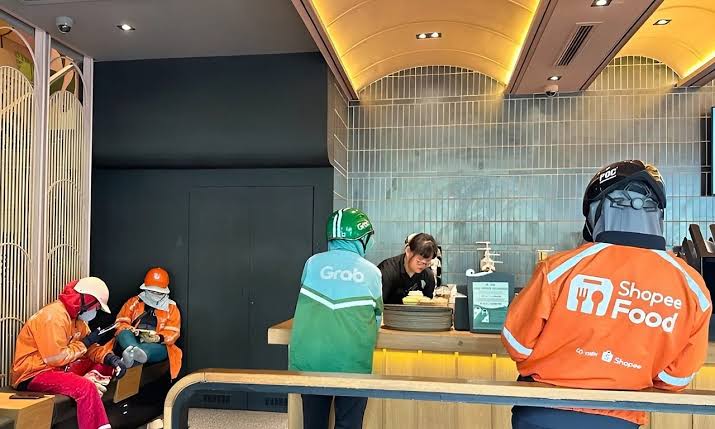
    Shopee launched its food delivery service ShopeeFood in the Philippines on September 16. The country is now its fifth market in Southeast Asia.

    The service is starting in Metro Manila. It embeds restaurant ordering straight into the main Shopee app to reach millions of existing e-commerce shoppers.

    Integration inside the main platform

    Instead of releasing a standalone app, the company built food delivery directly into its primary interface. Users can browse menus, track couriers, and complete orders without leaving the core app. The feature links to the ShopeePay digital wallet. It also lets diners spend and earn Shopee Coins on meals.

    Early restaurant partners include McDonald’s, Pizza Hut, Domino’s, Taco Bell, Dairy Queen, Krispy Kreme, and Potato Corner. For now, the rollout covers only selected areas and user groups across the capital region.

    Challenging the delivery duopoly

    ShopeeFood enters an urban market long dominated by GrabFood and foodpanda. Housing food delivery inside a high-traffic retail app lowers customer acquisition costs. But moving meals demands tighter dispatch networks and faster rider fulfillment than parcel logistics.

    Restaurant operators gain immediate use on merchant commission fees with a third major delivery platform in play. The real test will be rider retention and delivery speeds during peak lunch and dinner hours, when rivals already run dense fleet networks.

    The regional playbook

    This Philippine debut mirrors the operational strategy Sea Limited used in Indonesia and Vietnam. In those markets, the parent firm tied food delivery to e-commerce to boost daily active users and drive transactions through its digital finance channels.

    Pilot testing began in early September ahead of the official September 16 release. The service will expand to more districts across Metro Manila in the coming weeks before determining rollouts outside the capital.

  • Dtcpay Completes $25 Million Series A Funding Led by SBI Group

    Dtcpay Completes $25 Million Series A Funding Led by SBI Group

    Singapore payment institution dtcpay completed its $25 million Series A funding round after securing late-stage capital from Japanese financial conglomerate SBI Group. The transaction closes out a financing round first opened by Vertex Ventures Southeast Asia & India in April 2026, bringing fresh institutional weight to the firm’s cross-border settlement rails.

    SBI Group entered through its subsidiary SBI Ventures Asset and the SBI-NTU-Kyobo Digital Innovation Fund, joining Singapore-based asset manager Genedant Capital and existing backer Kwee Liong Tek. The capital gives dtcpay direct balance-sheet support to build out corporate settlement software and expand merchant acceptance across regional retail networks.

    Enterprise Portals and Merchant Networks

    Founded by chief executive Alice Liu, the payments company processes commercial transactions using fiat and regulated stablecoins. The fresh cash targets two technical milestones before the end of 2026: a redesigned enterprise management portal for corporate treasuries and an expanded feature set inside its consumer application.

    Traditional merchant acquirers across Southeast Asia charge between 1.5 per cent and 3.5 per cent on cross-border card settlements, with transactions taking up to three business days to clear. By routing payments through regulated stablecoin tokens, dtcpay settles transfers instantly at lower processing fees. That cost gap gives payment aggregators an opening among luxury retailers, hospitality operators, and cross-border wholesalers that handle high average order values.

    Regulatory Footprint in Asia and Europe

    Licensing barriers have historically held back digital asset adoption in Asian commerce, forcing merchants to rely on offshore intermediaries. Liu pursued a direct compliance route instead. The company holds a Major Payment Institution licence from the Monetary Authority of Singapore, allowing it to handle merchant acquisition, domestic money transfers, and cross-border remittances under strict local reserves oversight.

    Overseas expansion relies on a parallel structure in Europe, where dtcpay holds an Electronic Money Institution licence in Luxembourg. That European passport allows the firm to onboard Western brands and process consumer payments from European buyers without relying on correspondent banking partnerships.

    Institutional Backing and Market Expansion

    Strategic investors in the round provide commercial distribution that standalone venture funds cannot match. Vertex Ventures provided early operational support across Southeast Asian markets, while SBI Group brings established clearing relationships, banking partnerships, and securities networks across Japan and North Asia.

    Genedant Capital, which operates under MAS regulation in Singapore, and property investor Kwee Liong Tek provide access to regional commercial real estate and hospitality accounts. For regional retailers, integrating compliant digital asset rails removes currency conversion friction for overseas tourists and high-net-worth consumers.

    Product Roadmap for 2026

    Commercial execution now hinges on software delivery and corporate client acquisition. Dtcpay plans to roll out its upgraded business portal to commercial clients through the fourth quarter of 2026, targeting regional enterprises that manage multiple currency accounts across Southeast Asia.

  • Tommy Hilfiger Launches Dedicated E-Commerce Platform in India

    Tommy Hilfiger Launches Dedicated E-Commerce Platform in India

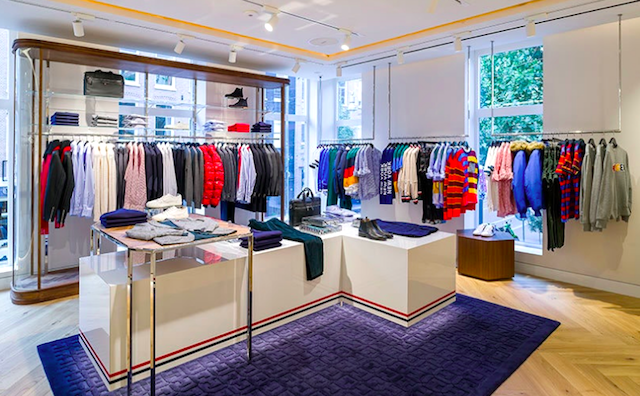
    Tommy Hilfiger launched its official India e-commerce website, in.tommy.com, this week, marking the brand’s first dedicated Tommy.com experience in the country.

    PVH Arvind Fashion Private Limited, the joint venture between PVH Corp and Arvind Fashions, operates the digital storefront alongside the brand’s physical retail network.

    Direct digital channel in India

    The new website gives Tommy Hilfiger direct control over 1 unified channel for customer data, catalog presentation, and promotional pricing in the Indian market. Shoppers gain access to the brand’s complete apparel, footwear, and accessories collections through a single proprietary digital hub.

    Local fulfillment routes through PVH Arvind Fashion’s domestic logistics infrastructure. Orders ship directly across Indian pin codes from warehouses that also supply the brand’s standalone brick-and-mortar stores.

    Shifting away from marketplace dependence

    Premium global apparel brands in India long relied on third-party marketplaces such as Myntra, Tata Cliq Luxury, and Ajio to build digital sales volume. Those platforms deliver footfall, but they compress wholesale margins and limit direct consumer engagement.

    Setting up a proprietary site shifts the economic equation for PVH Corp. Direct-to-consumer sales protect full-price sell-through rates and allow the operator to manage inventory clearance without diluting premium brand positioning.

    Joint venture operational footprint

    Arvind Fashions and PVH Corp have operated their Tommy Hilfiger partnership in India for two decades, building an extensive physical network in Tier 1 and Tier 2 metro hubs. The brand sells through hundreds of retail touchpoints across the country, including company-run stores, franchise doors, and department store shop-in-shops.

    Adding in.tommy.com unifies physical store loyalty programs with online accounts. Customers can access brand-specific promotions, cross-channel returns, and unified customer service through the JV’s centralized system.

    Execution targets and rollout

    Managing direct fulfillment across diverse Indian delivery zones requires tight inventory synchronization between central hubs and physical stores. PVH Arvind Fashion must maintain service speed against domestic e-commerce aggregators that offer same-day delivery in major metros.

    The joint venture will track online conversion rates, average order values, and repeat purchase frequencies as the platform scales across non-metro regions over the coming quarters.