Author: Mei Ling Tan

  • Thailand Extends 43 Billion Baht Consumer Subsidy Scheme for Two Months

    Thailand Extends 43 Billion Baht Consumer Subsidy Scheme for Two Months

    Thailand’s cabinet approved a 43 billion baht ($1.29 billion) consumer subsidy extension on Tuesday. The funding supports household spending through late November.

    Each registered recipient receives 1,000 baht ($30). That injects direct liquidity into local retail checkouts and neighbourhood merchants.

    Under the extension, the state covers 60 percent of eligible purchases. Daily government co-payments are capped at 200 baht per person. Finance Minister Ekniti Nitithanprapas confirmed the decision after a Bangkok briefing. He noted the scheme cushions shoppers against high fuel and living costs linked to Middle East instability.

    How the spending programme works

    Money for the extension comes from unused allocations in the state’s 400 billion baht borrowing programme, originally created for oil-price shocks. Shoppers must pay the remaining 40 percent of each transaction out of pocket. This requirement drives cash through checkout registers rather than letting recipients stash funds in savings.

    Daily caps spread spending across weeks rather than triggering a single-day rush. The 200-baht limit channels steady foot traffic into grocery stores, wet markets and small retailers. Demand centers on packaged food, personal care and household consumables.

    What it means for retail operators

    Suppliers of fast-moving consumer goods and national convenience chains gain a clear sales bridge into the fourth quarter. The co-payment model lifts sales for registered small merchants. In turn, it pulls business away from modern trade formats excluded from government vendor lists.

    Brand owners face promotional risks. Retailers stocking up on subsidised staples could see margins shrink if wholesale input costs stay high after state support ends.

    Earlier phases and growth projections

    An initial phase ran from June through September, giving 1,000 baht a month to roughly 40 million registered citizens. That rollout built the digital systems and merchant network now handling the November extension.

    Ekniti stood by projections that Southeast Asia’s second-largest economy will grow 2.5 percent this year. That matches the ministry’s July forecast. Growth depends on private spending holding up against external trade headwinds.

    The timeline through year-end

    Consumers must spend their allocated funds before the November 30 deadline, when unused balances lapse. Retailers and analysts will track October consumption data next to see if daily checkout volumes match the June-September run.

  • Vodafone Idea Signs 25-Year Mumbai Metro Line 3 Network Deal with ACES India

    Vodafone Idea Signs 25-Year Mumbai Metro Line 3 Network Deal with ACES India

    Vodafone Idea has joined ACES India’s shared digital infrastructure network on Mumbai Metro Line 3 under a 25-year agreement. The deal secures dedicated mobile connectivity across the underground corridor.

    Under the pact, the carrier gains access to the multi-operator telecom setup deployed along the Aqua Line. Commuters traveling underground routes across Mumbai will receive continuous cellular coverage.

    Shared Infrastructure on the Underground Transit Corridor

    ACES India supplies the shared active and passive indoor telecom systems along the Line 3 alignment. Vodafone Idea plugs directly into this neutral-host setup. It avoids building separate underground transmission lines and antenna arrays.

    Shared networks lower capital spending for wireless carriers in transit spaces where physical room is scarce. These digital setups remove duplicate equipment across platforms, concourses, and tunnels.

    The network footprint managed by ACES India supports 4G and 5G cellular technologies across all corridor stations. Multiple service providers share the same antenna clusters and transmission hardware.

    Telecom Economics and Network Sharing

    Operators across Asia regularly turn to neutral-host models to manage high deployment costs in mass transit. Underground rail routes create tough technical barriers for radio signals, requiring continuous distributed antenna networks.

    For Vodafone Idea, the contract expands network reach along commuter corridors without the burden of private station builds. Shared passive hardware also trims maintenance overhead while keeping mobile services competitive along busy routes.

    The 25-year timeline locks in predictable operating costs for network delivery. Neutral-host providers gain steady wholesale revenue from tenant operators across decades, while transit authorities avoid managing individual vendor contracts.

    Urban Commuter Connectivity

    Mumbai Metro Aqua Line-3 covers 33.5 kilometers, linking southern business districts with northern suburbs through an entirely underground route. Heavy passenger traffic makes steady data and voice access vital for daily travelers and shoppers.

    Riders depend on cellular stability for digital transit payments, mobile retail transactions, and daily communications. Weak reception in deep transit shafts quickly drives subscriber churn in competitive metro markets.

    Mobile ticketing across modern stations requires smooth handoffs between train cabins and platform hubs. ACES India designed its multi-operator framework to maintain that connection throughout the trip.

    The Next Steps for Subterranean Rollout

    Network rollouts will advance alongside commercial train operations as passenger volume climbs across opened segments. Carriers will monitor data throughput and handoff reliability under full commuter loads.

    Future additions of wireless carriers to the ACES platform will test how well the system balances shared spectrum across multiple mobile networks during peak transit hours.

  • Samsung India Profit Drops 36% to Rs 7,228 Crore in FY26

    Samsung India Profit Drops 36% to Rs 7,228 Crore in FY26

    Samsung India Electronics posted a 36 per cent drop in net profit to Rs 7,228.10 crore for the financial year ended March 31, 2026, as operational expenses outpaced revenue gains.

    Revenue from operations rose 1.2 per cent to Rs 1.12 lakh crore, keeping the South Korean brand as the sole consumer electronics and appliances maker in India with an annual turnover exceeding Rs 1 lakh crore.

    Margin pressure across consumer divisions

    Filings submitted to the Registrar of Companies and compiled by business intelligence platform Tofler show total consolidated income, which includes other income, reached Rs 1,14,738.60 crore during FY26. That compares with a total operating revenue of Rs 1,11,183.40 crore in FY25, when net profit stood at Rs 11,287.50 crore.

    Smartphones generated the bulk of top-line earnings across the twelve-month period. The Indian subsidiary also sells tablets, televisions, home appliances and personal computers through national retail chains, brand-owned stores and online platforms.

    Cost structures test electronics retail

    For appliance and device retailers across South Asia, the margin erosion at the market leader reflects broader inventory and component inflation. Rising bill-of-materials costs across display panels and memory chips have squeezed unit economics faster than retail shelf prices could absorb them.

    The sharp profit contraction confirms that volume stability in mobile handsets no longer guarantees bottom-line expansion in India. Premium device sales kept headline revenue flat, yet promotional discounts and elevated retail dealer commissions eroded operating margins across Tier 2 and Tier 3 distribution networks.

    Rival performance and regional positioning

    Korean competitor LG Electronics reported total income of Rs 2,46,049.12 in its corresponding local filing, marking an increase of nearly 1 per cent. While LG maintains strong white-goods distribution, Samsung continues to hold the dominant scale advantage in India through its combined appliance and mobile ecosystem.

    Samsung pushed through workforce reductions in early September, cutting roughly 100 positions in divisions facing margin stress, including televisions. The company also saw senior management changes during the same quarter following the departure of public policy director Rajiv Aggarwal after four years in the role.

    What to watch in the next cycle

    Retail partners now face tighter credit terms and stricter inventory allocations as the manufacturer shifts capital expenditure toward domestic production lines for artificial intelligence-enabled appliances and premium handsets.

    The key metric to track over the coming quarters is whether Samsung can lift gross margins during the autumn festive shopping season without conceding market share to aggressive Chinese handset rivals in the sub-Rs 20,000 retail segment.

  • True Fitness and True Yoga Abruptly Close All Studios in Singapore

    True Fitness and True Yoga Abruptly Close All Studios in Singapore

    True Fitness and True Yoga abruptly closed all of their studios across Singapore earlier this month, including the flagship 41,000-square-foot TFX club at Millennia Walk. Parent company Kontafarma cited fierce competition from boutique studios, residential condominium gyms, and online workout options for the shutdowns.

    The closures come amid what Singapore Fitness Alliance president Sean Tan calls a golden age of fitness, with Sport SG data showing 76 per cent of residents exercised at least once a week last year, up from 66 per cent in 2019.

    Conventional big-box gyms spanning upwards of 15,000 square feet face steep fixed costs in rent, equipment, and staffing. According to industry experts, mid-market operators are struggling with profitability as consumers migrate to specialized boutique setups or low-cost 24-hour franchises.

    Boutique operators take a different route, running studios between 1,000 and 2,500 square feet for single disciplines like reformer pilates, indoor cycling, or personal training. At the budget end, automated 24-hour chains like Anytime Fitness, Snap Fitness, and 24/7 Fitness lease 4,000 to 6,000 square feet in suburban heartlands. They skip expensive shower blocks and wet areas to protect unit margins.

    The Math Behind Prime Real Estate Leases

    Institutional leasing terms drive most of the pain. Singapore Fitness Alliance data shows industry operating margins historically sit between 15 and 25 percent, with rent absorbing 15 to 20 percent of gross revenue. Recent talks with real estate investment trust landlords tell a different story. Rental demands now eat up 30 to 40 percent of total turnover.

    Commercial REIT managers face pressure to deliver distribution growth each year, driving them to push for tighter base rents and turnover clauses. For independent operators, building out a modern facility requires heavy upfront capital. Commercial strength equipment alone costs between S$15,000 and S$20,000 per machine before shipping, taxes, and installation.

    Monthly overheads add up fast. Running a 4,000-square-foot facility in Singapore’s central business district takes roughly S$40,000 a month across servicing, software, cleaning, and staff wages. Operators carrying fit-out debt from earlier expansions cannot keep up when turnover rents jump at renewal.

    Market Squeeze on the Middle Tier

    Property owners lose reliable anchor tenants when big gyms pull out of upper floors. Those large spaces once drove steady weekday foot traffic. Landlords now must chop multistory tenancies into smaller units, spending extra capital on mechanical and electrical alterations. That shifts leasing risk toward smaller boutique operators on shorter three-year terms.

    Consumers no longer rely on a single club pass. Instead, residents combine free condo gyms and subsidised ActiveSG facilities with boutique class packs, corporate pickleball sessions, and run clubs. Mid-tier operators get squeezed from both sides. Without budget pricing or elite coaching, their retention rates tumble.

    “Demand is not the problem. Being nothing in particular is the problem. Not the cheapest, not the best, so people drift out of the middle.”

    Shifting Footprints and Suburban Relocations

    Rising costs are driving established operators toward suburban transit hubs. Local brand Amore Fitness, which runs women-only gyms and day spas across nine locations, shut branches at Jurong Point and Seletar Mall while securing newer sites at CPF Jurong Building and Punggol Coast Mall. The chain added reformer pilates and recovery areas to keep members from spending elsewhere.

    Specialist studios are betting on high-touch service to fend off price wars. Surge Strength & Results runs three studios focused on one-on-one personal training. The business spent over S$50,000 on coach education last year, prioritising client accountability over basic access. UFIT took a similar tack, adding physiotherapy, podiatry, and sports nutrition alongside group conditioning across its four outlets.

    Upcoming Renewals and Format Adjustments

    Thousands of displaced True Fitness members are now hunting for alternative gyms. That opens a direct customer pipeline for suburban 24-hour franchises and niche studios. Meanwhile, landlords holding empty mega-format spaces are reviewing subdivision plans and reconfigurations ahead of upcoming lease cycles.

    Gyms negotiating 2027 lease extensions will run into stricter landlord terms on fit-out spending and revenue guarantees. Malls now favour high-turnover experiential tenants over traditional, large-format fitness clubs.

  • UOB Thailand Reaches 74.6 Billion Baht in Sustainable Financing

    UOB Thailand Reaches 74.6 Billion Baht in Sustainable Financing

    UOB Thailand extended 74.6 billion baht in cumulative sustainable financing through the end of 2025. The lender directed credit across contractors, corporate borrowers and commercial supply chains.

    That volume reflects a shift from broad environmental pledges to direct operational spending by local suppliers.

    Speaking at the Global Compact Network Thailand forum, UOB Thailand chief executive Richard Maloney said the bank is targeting practical industrial bottlenecks. Credit focuses on high electricity bills, aging factory boilers and chillers, vehicle fleet electrification and client-mandated carbon reporting.

    Targeting Supply Chains and Export Rules

    Thai suppliers face immediate operational pressure from export markets tightening compliance rules, including the European Union Packaging and Packaging Waste Regulation. To close those gaps, UOB has advised more than 1,800 local businesses through its Sustainability Compass advisory platform.

    Thamolwan Prougestaporn, senior vice president of ESG solutions at UOB, outlined a five-stage framework for small and medium-sized enterprises. Companies must understand sector-specific rules, measure current carbon baselines, set targets, execute factory changes and integrate sustainability into core operations.

    “A well-defined first project is easier to finance than an ambitious but vague five-year plan, and it builds the track that makes the next one, and the one after that, easier still,” said Maloney.

    Operational Hurdles for Factory Suppliers

    Capital access remains constrained by internal reporting limits across Thailand’s industrial base. Federation of Thai Industries representative Dr Saowanit Boonyasuwat noted that small enterprises often stall during loan underwriting. They run into complex compliance terminology, a lack of formal carbon audits, and an inability to turn energy audits into bankable loan applications.

    Industry bodies are now pairing with state-backed financing programs to standardize application channels. Thailand cannot hit its national net zero emissions targets without small manufacturing suppliers decarbonizing their shop floors.

    Data verification presents another test for regional exporters. Carbon analyst Soranee Achawanantakul pointed out that local firms need verifiable data records to prevent greenwashing claims. She advocated for transition credit frameworks modeled on Singapore, alongside bilateral government incentives to offset auditing costs.

    Financing Digital and Industrial Infrastructure

    Transition funding extends beyond factory equipment into heavy digital infrastructure. UOB arranged 7.3 billion baht in green credit for GSA Data Center 01, a joint venture between Gulf Development, Singtel and Advanced Info Service.

    The facility will run at 25.6 megawatts, engineered to LEED Gold green building standards. It serves as an operational template for commercial data centres running under severe power constraints across Southeast Asia.

    Longer-running bank programmes show similar measurable data. Since 2020, installations backed by the bank’s U-Solar programme in Thailand have cut more than 167,000 tonnes of carbon emissions across commercial and residential sites.

    The Compliance Test for Regional Trade

    Trade exposure will determine how quickly Thai manufacturers draw down transition lines. European supply chain audits and regional corporate procurement rules now mandate Scope 1 and Scope 2 emission disclosures from tier-two and tier-three component suppliers.

    For consumer brands and contract manufacturers across Bangkok’s industrial corridors, accessing low-cost capital requires audited energy baselines rather than high-level corporate pledges. The next test is how many mid-sized industrial borrowers convert initial energy efficiency loans into multi-year capital expenditure plans before regional carbon border rules take full effect.

  • Wuhan Launches Autumn Consumption Season with 279 Events

    Wuhan Launches Autumn Consumption Season with 279 Events

    Wuhan has launched its autumn consumption season with a schedule of 279 cultural and tourism events designed to lift citywide retail spending.

    The municipal campaign targets shopper footfall across commercial districts, entertainment venues and scenic attractions across the central Chinese metropolis.

    Focus on seasonal consumer demand

    Municipal authorities structured the program around cultural shows, public exhibitions and travel promotions. City planners organized the calendar to capture holiday travel and weekend spending throughout the autumn months.

    Commercial districts across Wuhan are coordinating extended operating hours and venue promotions alongside the public events. Department store operators and dining hubs are synchronizing private sales promotions with the city’s scheduled activities.

    Municipal spending initiatives

    Central Chinese cities have relied on structured event calendars to anchor local retail activity. Wuhan’s 279 scheduled activities span theatrical performances, open-air festivals and community tourism circuits.

    For mall operators and retail landlords, coordinated municipal programming provides steady foot traffic without requiring independent marketing outlays. The concentration of events directs visitor flows directly toward major retail nodes and transit interchanges.

    Commercial footfall and operator response

    Hospitality groups and transport providers across Hubei province face the operational challenge of converting short-term event visitors into retail spending. Department stores in core shopping areas depend on out-of-town visitors during regional tourism pushes.

    Suppliers and local brands frequently increase inventory runs around these civic shopping seasons. The primary operational risk sits with retailers that overstock seasonal merchandise if domestic spending fails to meet municipal projections.

    Tracking seasonal retail targets

    Wuhan carried out similar consumption drives during previous seasonal cycles to support domestic commerce and tourism receipts. Municipal bureaus track passenger entries, hotel bookings and point-of-sale volume during each promotional wave.

    City commercial bureaus will evaluate retail turnover figures and visitor tallies as the autumn event schedule runs through the final quarter of the year.

  • Hong Kong Malls Target Double-Digit Tenant Sales Growth During Asian Games

    Hong Kong Malls Target Double-Digit Tenant Sales Growth During Asian Games

    Sino Group expects foot traffic and tenant sales to rise across four Hong Kong shopping centres during its Asian Games campaign. The landlord projects double-digit revenue growth for selected merchants.

    This campaign follows its World Cup promotions earlier this year. That effort lifted customer visits across three flagship properties by 10 to 15 per cent and produced double-digit sales gains.

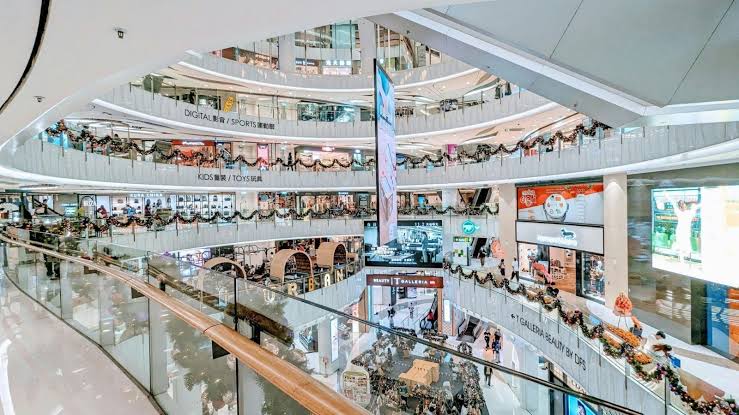
    Hong Kong commercial landlords are combining live tournament screenings with athlete exhibits and interactive activities to hold shoppers on-site. The drive coincides with the Asian Games in Nagoya, Japan. Preliminary events have begun there ahead of Saturday’s official opening.

    Shifting Formats From Football to Multi-Sport Events

    Operational demands differ from single-tournament campaigns. Football matches draw concentrated crowds during tight viewing windows. Multi-sport competitions spread visits across varied demographics and longer daylight hours.

    Bella Chhoa, chief commercial officer at Sino Group, noted that the Asian Games and the World Cup generate different footfall dynamics across retail floors. “The competitive schedule, viewing patterns and customer journeys are therefore fundamentally different,” Chhoa said.

    Landlords want to turn those longer viewing cycles into sales. They are targeting dining, athleisure and electronics purchases while visitors remain inside the complexes.

    Defending Domestic Spending Against Shenzhen Outflows

    Mall operators in Hong Kong face sustained pressure as residents travel to Shenzhen, take overseas holidays, or spend online. Retailers must adapt. Atriums are becoming event spaces rather than simple transaction floors.

    Conversion remains the chief commercial risk for landlords. Strong footfall during live broadcasts does not automatically translate into fashion and merchandise sales. That puts heavy pressure on food and beverage tenants to capture event spending.

    Consultants view this shift as a permanent operational requirement rather than a short-term marketing tactic. Roy Ng, head of research at property consultancy Newmark, stated that spending patterns have moved permanently toward experience-led activities. Malls must refresh event formats continuously beyond sports.

    Tracking Event Returns Across Key Portfolios

    Recent sports programming builds on earlier retail entertainment formats across Hong Kong malls. Operators used gaming tournaments and interactive pop-ups over the past year to stem cross-border outflows.

    Operators will track tenant turnover and dwell times throughout the multi-week Nagoya competition. Those metrics will show whether multi-sport programming matches the sales conversion rates of single-sport international tournaments.

  • Snapdeal Parent AceVector Sets IPO Price Band for $182 Million Valuation

    Snapdeal Parent AceVector Sets IPO Price Band for $182 Million Valuation

    Snapdeal parent AceVector has set a price band of Rs 30 to Rs 32 per share for its initial public offering on September 25. It is targeting a valuation of Rs 1,741 crore.

    That figure represents roughly $182 million at the upper end of the band. At its peak in 2016, Snapdeal commanded a $6.5 billion valuation.

    AceVector is raising Rs 287 crore in fresh equity. Existing backers are selling shares worth Rs 133 crore through an offer-for-sale component. The selling shareholders include SoftBank, Nexus Venture Partners and Foxconn. SoftBank holds 30.1 percent as the largest outside shareholder. It is offloading Rs 88 crore of equity while keeping stock valued at Rs 362 crore. Co-founders Kunal Bahl and Rohit Bansal hold about 34 percent directly and through affiliate entities. Neither will sell stock.

    Where the capital goes

    Proceeds from the primary issue will fund operating costs and customer acquisition. The group plans to allocate almost half the fresh capital directly to marketing and promotions for Snapdeal. It is trying to win back online shoppers in smaller Indian towns. Market share in those regions was lost over years to Walmart-owned Flipkart and Amazon India.

    A corporate restructuring in 2022 placed the core e-commerce portal alongside two other units: software provider Unicommerce and direct-to-consumer incubator Stellaro Brands. Unicommerce listed separately in 2024 through a Rs 277-crore public issue. That carved out the software-as-a-service business from the wider marketplace losses.

    Financial turnaround before the listing

    Regulatory filings show narrower losses alongside higher revenue. In the fiscal year ended March 2026, AceVector reported operating revenue of Rs 510 crore, up 30 percent from the previous year. Net losses shrank to Rs 45 crore from Rs 126 crore over the same period. The change reflects heavy cuts to overhead and supply chain operations.

    SoftBank invested approximately $1 billion into Snapdeal between 2014 and 2015. It wrote down the entire holding in 2017 after a planned sale to Flipkart collapsed. The public listing gives the Japanese group and its venture peers a partial cash exit after holding the asset for a decade.

    The market reality for value e-commerce

    Selling low-ticket apparel and home goods to tier-2 and tier-3 shoppers in India is a crowded, low-margin business. Snapdeal once dominated value commerce online. Since then, buyers of low-cost apparel and general merchandise have migrated to Meesho, Flipkart’s Shopsy, and quick-commerce networks delivering staple goods in under fifteen minutes.

    Allocating Rs 140 crore to marketing will buy app installs. It will not alter Snapdeal’s structural delivery cost per order against competitors operating regional sortation networks. RetailNews Asia views the IPO as a balance-sheet reset rather than an expansion war chest, leaving AceVector to survive on niche non-metro demand while leaning on Stellaro Brands for margin support.

    Regulatory steps to the public market

    The listing process began with a confidential pre-filing submitted to the Securities and Exchange Board of India in July 2025. Regulators cleared the document in November. In December, the company filed an updated draft red herring prospectus to scale back the offer size to match subdued tech valuations.

    Public subscriptions open on September 25, 2026. Trading on Indian stock exchanges will follow final share allocations in early October.

  • Biman Bangladesh Negotiates Purchase of 10 Airbus Aircraft

    Biman Bangladesh Negotiates Purchase of 10 Airbus Aircraft

    Negotiations over a proposed purchase of 10 Airbus aircraft by Biman Bangladesh Airlines are ongoing, French Ambassador to Bangladesh Jean-Marc Séré-Charlet confirmed at a discussion in Dhaka.

    The carrier is preparing agreements for 21 additional aircraft, comprising 11 Boeing jets and 10 Airbus planes, including four A350-900s and six A321neos, following a September 16 report by The Daily Star.

    “Biman has chosen Airbus for technical reasons, not for political reasons,” Séré-Charlet said at the event organised by the Diplomatic Correspondents Association, Bangladesh.

    Fleet split across two manufacturers

    Historically, Biman has relied on Boeing for its long-haul operations. Splitting the new intake between Boeing and Airbus creates a dual-supplier structure. This setup balances delivery slots and preserves operational flexibility. The carrier is now drafting agreements for 21 total aircraft to replace aging planes and open new international routes.

    European diplomats continue to push for access in Bangladesh’s state procurement processes. Séré-Charlet noted France expects a fair operating environment for European companies competing against American planemakers in the country.

    Widebody and narrowbody balance

    Under the Airbus plan, four long-range A350-900 widebodies join six A321neo narrowbodies. The twin-aisle A350s will fly high-density routes to Europe and the Middle East, serving steady Bangladeshi diaspora traffic. Meanwhile, the A321neos will handle medium-haul regional flights across Asia.

    Operating a dual fleet increases overhead for maintenance tooling, spare parts inventories and pilot type ratings. Even so, airlines across South and Southeast Asia accept these complexities. Doing so hedges against single-manufacturer production delays.

    Shifting regional fleet dynamics

    Carriers across South Asia are overhauling their order books to capture growing outbound passenger and cargo demand. Regional competitors have already placed large multi-year orders for modern twinjets. Biman now faces direct pressure from Gulf carriers and regional airlines flying latest-generation widebodies into Dhaka.

    Securing modern delivery slots improves seat economics and reduces fuel burn per available seat kilometer. It also shields Biman from fuel price volatility on high-frequency labor-migration routes across the Gulf.

    What happens next for Dhaka procurement

    Biman began drafting the technical frameworks for the 21-aircraft intake in September. Government approval and financing terms are required before the airline can convert the commitments into firm purchase contracts.

    Delivery timetables and engine selections will hinge on ministerial sign-offs in Dhaka as trade talks wrap up between Bangladesh, European suppliers and US manufacturers.

  • US Recycler R3 Lithium to Enter Vietnam Battery Industry

    US Recycler R3 Lithium to Enter Vietnam Battery Industry

    American lithium recycling specialist R3 Lithium plans to enter Vietnam to process electric vehicle batteries, opening discussions with domestic automotive manufacturers and electronics assemblers.

    The Vietnamese government confirmed the talks this week as demand for recovered battery-grade metals climbs across Southeast Asian manufacturing hubs.

    Talks with domestic manufacturers

    R3 Lithium targets Vietnam to secure feedstock from spent electric vehicle packs and consumer electronics waste. The US-based processor aims to extract battery materials locally rather than shipping untreated black mass abroad.

    Government officials in Hanoi confirmed the discussions cover partnerships with both vehicle makers and consumer hardware producers operating factories across the country.

    Building regional supply security

    Securing domestic recycling capacity gives vehicle manufacturers an immediate channel to recover critical minerals without depending entirely on raw mineral imports. Battery producers across Southeast Asia face stricter local content rules and mounting scrap volume from early EV production runs.

    Setting up closed-loop recovery inside Vietnam shortens transit times for active materials. It also keeps valuable cathode raw materials inside the domestic supply chain.

    Shifting automotive supply chains

    Vietnam has accelerated the conversion of domestic transport fleets to battery power, creating a captive volume of end-of-life cells. Global electronics contract manufacturers in northern industrial corridors also produce substantial scrap volumes during cell assembly and pack integration.

    Processing that material domestically allows electronics and vehicle brands to meet cross-border scrap compliance rules while sourcing secondary raw materials directly on site.

    Next regulatory approvals

    Industrial licensing and site approvals represent the immediate hurdle before R3 Lithium can break ground on local recovery infrastructure. Environmental permits for hydrometallurgical processing will determine the operational schedule.

    Final partnership agreements between R3 Lithium and its prospective automotive manufacturing partners in Vietnam will set the initial processing capacity target.

  • Sydney Commits 20 Million Dollars to Make 150 On-Street Dining Spaces Permanent

    Sydney Commits 20 Million Dollars to Make 150 On-Street Dining Spaces Permanent

    The City of Sydney will convert 150 temporary on-street dining sites into permanent footpath extensions. The work falls under a 20 million Australian dollar capital program running across the next eight years.

    Crews will replace temporary concrete barriers with paved street infrastructure across major hospitality strips. This secures outdoor trading space for more than 1,000 food and beverage operators.

    Five-year permits and streamlined rules

    Under revised guidelines taking effect on October 1, operators can secure five-year approvals for footpath extensions instead of relying on rolling temporary permits. The council has eliminated duplicate application filings. It also removed separate council requirements for outdoor food service, customer toilets and heating equipment.

    Venues gain the option to trade on both sides of a footpath where width permits. They can also expand seating in front of neighbouring commercial properties with consent, and install fixed planter boxes. Council compliance officers will focus on communication and business guidance until February 1. Punitive enforcement remains reserved for direct public safety hazards.

    Footpath upgrades across three key precincts

    Civil construction starts early next year along Darlinghurst Road, Erskineville Road and Stanley Street. These physical works will embed permanent dining terraces into planned streetscapes. Permanent kerb realignments and accessible pavements will replace the modular barriers installed during emergency trading periods.

    Both community and business have expressed strong support for our recent proposals which will make outdoor dining easier and boost the vibrancy of neighbourhoods and high streets. These latest changes will further enhance outdoor dining experiences while making the city more accessible for those passing through our streets.

    Operational shifts for venue operators

    The policy shift turns emergency kerbside space into bankable floor area for inner-city restaurateurs and bar owners. Fixed multi-year approvals allow operators to invest in higher-quality outdoor fitouts and equipment. Seating capacity cannot be revoked on short notice.

    For commercial landlords, permanent outdoor seating increases trading capacity without requiring building alterations or higher internal floor space ratios. Venue managers face the main day-to-day challenge. They must maintain clear accessibility corridors along active pedestrian footpaths while managing higher table turns outside.

    Building on pandemic-era street dining

    Sydney introduced free outdoor dining permits in 2020 to help food venues survive indoor density caps during pandemic disruptions. Since that initial rollout, the city has approved more than 2,600 applications. This created roughly 16,000 square metres of outdoor trading area across high streets and suburban commercial villages.

    More than 150 submissions from local residents, business owners and industry associations during public consultations earlier this year helped shape the final regulatory framework. Progressive construction across the first batch of permanent street locations begins early next year following formal council sign-off.

  • APAC Supplement Sales Reach $76 Billion in 2024, Lubrizol Reports

    APAC Supplement Sales Reach $76 Billion in 2024, Lubrizol Reports

    Lubrizol has published a new white paper assessing women’s health, beauty and nutrition needs across the Asia-Pacific region, finding that 66 per cent of Chinese respondents feel underserved by currently available products.

    The Asia-Pacific supplement market reached approximately $76 billion in 2024 retail sales, accounting for 48 per cent of total global supplement sales as beauty-from-within demand expands.

    Drawing on consumer research across China, Korea and Indonesia following the Vitafoods Asia show, the study found that 87 per cent of women in China prefer health and nutrition solutions tailored to their specific life stage.

    Across the wider Asia-Pacific region, between 40 per cent and 50 per cent of consumers said their existing supplements either did not work or delivered only partial results. That performance gap creates an opening for consumer brands willing to overhaul product lines around life stages rather than broad wellness claims.

    Four Demographics Reshape Formulation Demand

    Consumer priorities split sharply along age lines in the region. Women aged 20 to 39 in the active life and career bracket focus on physical energy, recovery and appearance. They buy primarily from brands they already recognise.

    For women in the family planning and motherhood group, purchasing criteria pivot toward formulation safety and simplicity. In China, 93 per cent of surveyed mothers and expectant women cited a distinct need for specialised pregnancy iron and nutritional products. Consumers also indicated an openness to pay price premiums of up to 50 per cent for goods that remove safety uncertainties.

    Women entering the midlife transition bracket between ages 40 and 55 prioritize hormonal balance, sleep quality, metabolic energy and skin elasticity. Purchase choices in this cohort rely heavily on published ingredient data and clinical evidence.

    The healthy longevity segment, covering women aged 55 and older, showed the strongest appetite for premium pricing. Purchasing here centers on maintaining physical capability, cognitive sharpness and daily independence.

    The Shift to Ingestible Beauty

    Preventive health routines have gained greater commercial traction in China than in neighboring markets. China recorded a proactive wellness score of 34.3 per cent in the research. That outranked Indonesia at 32.6 per cent and South Korea at 30.8 per cent.

    Chinese women ranked personal beauty as their second most disruptive daily lifestyle concern, compared to sixth place in Indonesia and eighth place in South Korea. Commercial demand for ingestible skincare expands with age. While 33 per cent of Chinese women aged 20 to 39 take supplements for long-term prevention, that figure reaches 52 per cent among women aged 55 and older.

    Physical proof remains the core requirement to retain buyers across every territory surveyed. Noticeable physical benefits ranked among the top three triggers to maintain a daily routine for 62 per cent of respondents in China, 74 per cent in South Korea and 76 per cent in Indonesia.

    Consumers are no longer waiting for problems to emerge. They are investing earlier, seeking solutions that help them maintain confidence, vitality and quality of life throughout every stage of their journey.

    Safety Fears and the Bioavailability Bottleneck

    High retail sales mask friction at checkout. In China, 62 per cent of women cited fear of adverse side effects or unproven long-term safety as a top-three barrier preventing them from trying new supplements.

    Shopper trust follows a strict sequence in Asian retail channels. Buyers demand tangible physical results first, verified ingredient science second, and product safety as an absolute minimum requirement. Products relying on marketing claims without clinical backing face immediate drop-off after the first purchase cycle.

    Formulators face technical hurdles delivering active compounds that the body absorbs efficiently without unpalatable taste or digestive irritation. Lubrizol has responded by pushing microencapsulation technologies for sensitive nutrients, including iron, magnesium and curcumin, to improve bioavailability and taste profiles.

    Traditional ingredient delivery formats struggle to sustain subscription renewals across Asian e-commerce platforms. Brands that fail to show measurable outcomes within three to four weeks lose shelf space to clinical brands backed by published ingredient trials.

    Cross-Border Brands Target Reformulation

    Trade show data presented at Vitafoods Asia showed ingredient suppliers documenting rising cross-border orders for nutricosmetics and functional foods. Retailers across Tier 1 Chinese cities have expanded shelf allocations for ingestible collagen, microencapsulated minerals and cellular health compounds over the past two years.

    Suppliers are now bundling topical skincare products with ingestible nutritional packs to lock in higher basket values. For consumer health groups selling through cross-border channels like Tmall Global and JD Worldwide, regulatory compliance and clean ingredient labels will determine which brands capture the aging demographic.

    Teams across formulation and retail face the task of translating these stage-specific consumer datasets into finished products ahead of the 2025 regional exhibition cycle. New clinical trial data on bioavailable ingredients will meet commercial buyers there.

  • Zuum Adds Strawberry Energy Gum in Ten-Product Expansion Push

    Zuum Adds Strawberry Energy Gum in Ten-Product Expansion Push

    Australian functional consumer brand Zuum launched an extra-strength strawberry energy gum in September 2026. The release kicks off a planned 10-product rollout across domestic and overseas retail networks.

    The new variant expands the core Performance Energy Gum line. Zuum is targeting wider shelf space in convenience chains, pharmacies and online direct-to-consumer channels.

    Expanding the functional gum lineup

    Cool Mint, Extra Strength Arctic Mint, Spearmint and Watermelon already sit in the range. The strawberry gum sells through Zuum’s website alongside physical retail stockists.

    Functional chewing gums deliver active ingredients like caffeine and vitamins through oral absorption. That format provides faster uptake without liquid volume, giving shoppers an alternative to ready-to-drink energy beverages and traditional confectionery.

    Convenience and pharmacy distribution

    Convenience stores and pharmacy banners serve as the primary distribution ground for impulse functional products across Australia. Checkout placement captures commuters and workers seeking quick alertness fixes.

    For retailers, high-margin functional confectionery delivers strong sales density per square centimetre at front registers. The products challenge conventional mints and sugary gums, which face steady volume pressure from health-conscious consumers.

    Competitive pressure in energy alternatives

    Energy gum competes directly with canned energy drinks, caffeine pouches and functional tablets. While canned drinks dominate total volume, portable formats win on pocket-sized convenience and zero-sugar recipes.

    Survival in functional confectionery requires steady sales velocity after opening promotional campaigns fade. Retail buyers routinely clear counter space of slow-moving stock keeping units.

    Retail rollout timeline

    Zuum established its mainstream retail footprint in 2024 when convenience operator 7-Eleven introduced the gum line to Australian stores. That partnership gave the brand national visibility across high-traffic urban and roadside locations.

    Nine additional products will arrive before the end of the second half of 2026. The company is now negotiating broader listings in domestic pharmacy chains and selected international markets.

  • Dhaka Telecom Thefts Mount as Mobile Operators Report 170 Base Station Losses

    Dhaka Telecom Thefts Mount as Mobile Operators Report 170 Base Station Losses

    Bangladesh mobile operators lost 170 base station cards and thousands of metres of power cables in Greater Dhaka this year. The spike prompted an urgent petition to regulators for police protection.

    Site thefts during the first eight months of 2026 jumped sharply from the 47 base transceiver station cards stolen across the country throughout 2025.

    The Association of Mobile Telecom Operators of Bangladesh lodged an appeal on September 16 with the Bangladesh Telecommunication Regulatory Commission. The industry group called on the regulator to coordinate with national law enforcement agencies to break up criminal networks targeting cell tower hardware. Stolen components include remote radio units, power cables, base transceiver station cards, feeder cables, and backup lithium and lead-acid batteries.

    Losses hit both private carriers and state-run infrastructure across industrial and residential zones. Incidents concentrated heavily in Mohammadpur, Badda and Lalbagh within Dhaka, alongside peripheral manufacturing hubs in Narayanganj, Narsingdi, Savar and Gazipur. Grameenphone reported 75 BTS cards stolen through August, up from six in 2025. Robi Axiata recorded 48 stolen cards against 10 in the previous year. Banglalink lost 29 cards compared with nine in 2025. State-owned Teletalk reported 18 stolen cards, down slightly from 22.

    The Breakdown Across Dhaka Towers

    Power transmission cabling forms the second major target for scrap and resale rings operating around the capital. Grameenphone reported losing 507 metres of power cable by August, compared with 153 metres in 2025. Robi lost 417 metres, up from 211 metres. Banglalink recorded 291 metres lost against 189 metres last year. Teletalk reported the heaviest physical losses, with 6,749 metres of power cable cut and stolen from its installations by August.

    Active transmission gear suffered heavy losses as well. Robi logged 157 stolen remote radio units during the eight-month span, compared with 44 across all of 2025. Teletalk lost 76 units. Banglalink and Grameenphone reported 41 and 33 stolen units respectively. Battery losses totalled 756 units across the industry up to August. Teletalk accounted for 452 units, while Robi recorded 253.

    Operational Fallout for Digital Commerce

    Stripped equipment creates direct operational bottlenecks for digital commerce and retail transactions. When thieves sever power cables or pull base station cards, towers drop offline immediately. Backup generators and batteries cannot bridge the gap when auxiliary electrical systems are stripped simultaneously. For suburban retail clusters, mobile financial service agents and distribution warehouses, blackouts halt point-of-sale systems, digital wallet transfers and real-time inventory tracking.

    Replacing active radio units and base station electronics presents a steeper challenge than standard line repairs. Tower operators cannot source specialized radio frequency modules or brand-specific station cards from domestic retail suppliers. Carriers must draw on imported spare parts inventories. They burn cash on unplanned capital expenditure while waiting on international shipments that face customs clearances and shipping lead times.

    During the last 20 months, approximately 16,000 metres of power cable, more than 2,000 batteries, and over 500 RRUs have been stolen.

    Security Measures and Scrap Market Networks

    Carriers have deployed reinforced physical enclosures, electronic tamper alerts and closed-circuit monitoring at high-risk rooftop and ground sites. These measures raise capital costs per tower without eliminating breaches by well-equipped scrap rings. Industry representatives point out that stopping tower theft requires targeting the secondary market of illicit buyers, scrap metal aggregators and unauthorized repair workshops that purchase commercial telecom gear.

    Telecom asset theft in Bangladesh has flared periodically as metal scrap prices and electronics component costs rise. In 2019, industry records showed 2,195 tower theft incidents during 2018. Over the past 20 months, cumulative equipment losses reached roughly 16,000 metres of cable, more than 2,000 batteries and over 500 remote radio units across the four operating networks.

    Regulatory Action and Police Coordination

    Regulators at the telecommunications commission must now decide whether to establish a dedicated multi-agency enforcement task force with district police commands. Operators are tracking whether joint inspection raids on known scrap clearing hubs in Gazipur and Narayanganj begin before the final quarter of the year.

  • Musinsa Seeks 10 Trillion Won Valuation in Listing as Beauty and Overseas Bets Mount

    Musinsa Seeks 10 Trillion Won Valuation in Listing as Beauty and Overseas Bets Mount

    Musinsa filed a listing application on Sept. 7 that values the South Korean fashion e-commerce platform at up to 10 trillion won ($7.2 billion).

    That target sits well above the 5.5 trillion won implied by unlisted market trades. It also nearly triples the 3.5 trillion won figure secured during a 2023 funding round. To justify that price to institutional investors, the platform is expanding beyond online apparel into physical beauty retail while opening stores across key Asian markets.

    Recent earnings show the cost of that transition. Revenue reached a record 822 billion won in the first half of the year, following nearly 1.5 trillion won across all of last year. Operating profit fell 11.2 per cent to 52 billion won over the same six-month stretch. Store expansion, raw material costs and distribution logistics drove up overheads.

    Beauty Push Challenges Olive Young

    Musinsa is leaning on its pool of 16 million registered fashion users to fuel cosmetics sales. Over 80 per cent of Musinsa Beauty buyers previously purchased apparel on the platform. That gives the company a ready customer base without typical retail startup acquisition costs.

    Beauty inventory expanded from roughly 800 brands in 2021 to about 2,500 brands by August. Transaction value in the category jumped 1,340 per cent over the same three-year stretch. Sourcing includes Chinese makeup brands Into You and AZTK alongside domestic labels.

    Taking on CJ Olive Young represents an uphill fight for domestic market share. CJ Olive Young operates an extensive nationwide store network that dominates South Korean health and beauty retail. To differentiate its shelves, the platform is focusing on niche labels, medical tourism lines and dermocosmetics tailored for post-procedure skincare.

    Offline Footprint and Flagship Formats

    Physical store performance provides an early test for the retail crossover. In western Seoul’s Hongdae district, a pharmacy-grade beauty flagship generated 250 million won in gross sales across its first three days. Women accounted for 76 per cent of transactions. International visitors made up nearly 60 per cent of buyers.

    Inside the Musinsa Megastore in Seongsu, the country’s largest single fashion and cosmetics retail format, beauty transaction value increased 20 per cent in August compared to April. A second dedicated beauty branch will open in Seongsu in November. That launch puts the store in direct competition with Olive Young N Seongsu.

    Landlords and distributors gain a high-traffic tenant capable of drawing younger shoppers who bypass traditional department stores. Still, physical retailing alters capital requirements. Leases and store fit-outs shift the business from an asset-light marketplace into a capital-intensive brick-and-mortar operator with higher fixed liabilities.

    China Rollout Leads Global Push

    Overseas expansion forms the second leg of the listing pitch. China serves as the primary testing ground. The company aims to operate more than 100 stores there by 2030. It currently runs one multibrand store and four Musinsa Standard locations in Shanghai, where shoppers under 30 make up more than 85 per cent of sales.

    Southern China expansion starts on Oct. 31 with stores at Shenzhen’s One Avenue commercial complex. In Taiwan, the target is 15 stores within five years, focused on the private-label Musinsa Standard range. Distribution partnerships are also in place across Malaysia, Vietnam, Indonesia and the Philippines.

    Export sales across digital channels are growing quickly from a low base. The cross-border Global Store platform, serving 13 markets, reported a 143 per cent lift in second-quarter transaction value. First-half export revenue rose ninefold to 37.2 billion won. Even so, the overseas subsidiary Musinsa Shanghai has not yet reached operating profitability.

    Margin Squeeze Tests Listing Thesis

    Growth limits at home explain the transition from a 2001 online sneaker community into a regional omnichannel chain. South Korean apparel platforms face limited runway once domestic user numbers peak. Moving into beauty offers a standard way to defend growth.

    Public market investors face margin dilution risks. Sourcing private-label inventory and signing multi-year leases in tier-one Chinese cities requires sustained cash commitments. Those fixed overheads can erode operating margins during retail downturns.

    Past valuations relied on high-margin marketplace commissions from independent domestic streetwear brands. As the revenue mix shifts toward owned inventory and physical shopfronts, working capital needs will expand significantly.

    Upcoming milestones will test whether the company can maintain revenue momentum while turning foreign outposts cash positive. Key checkpoints include an Osaka pop-up show in October, the Shenzhen store debut on Oct. 31, and the Seongsu beauty flagship opening in November.