Author: Mei Ling Tan

  • Zus Coffee Makes Bold Move into Indonesian Market, Amplifying Southeast Asia Presence

    Zus Coffee Makes Bold Move into Indonesian Market, Amplifying Southeast Asia Presence

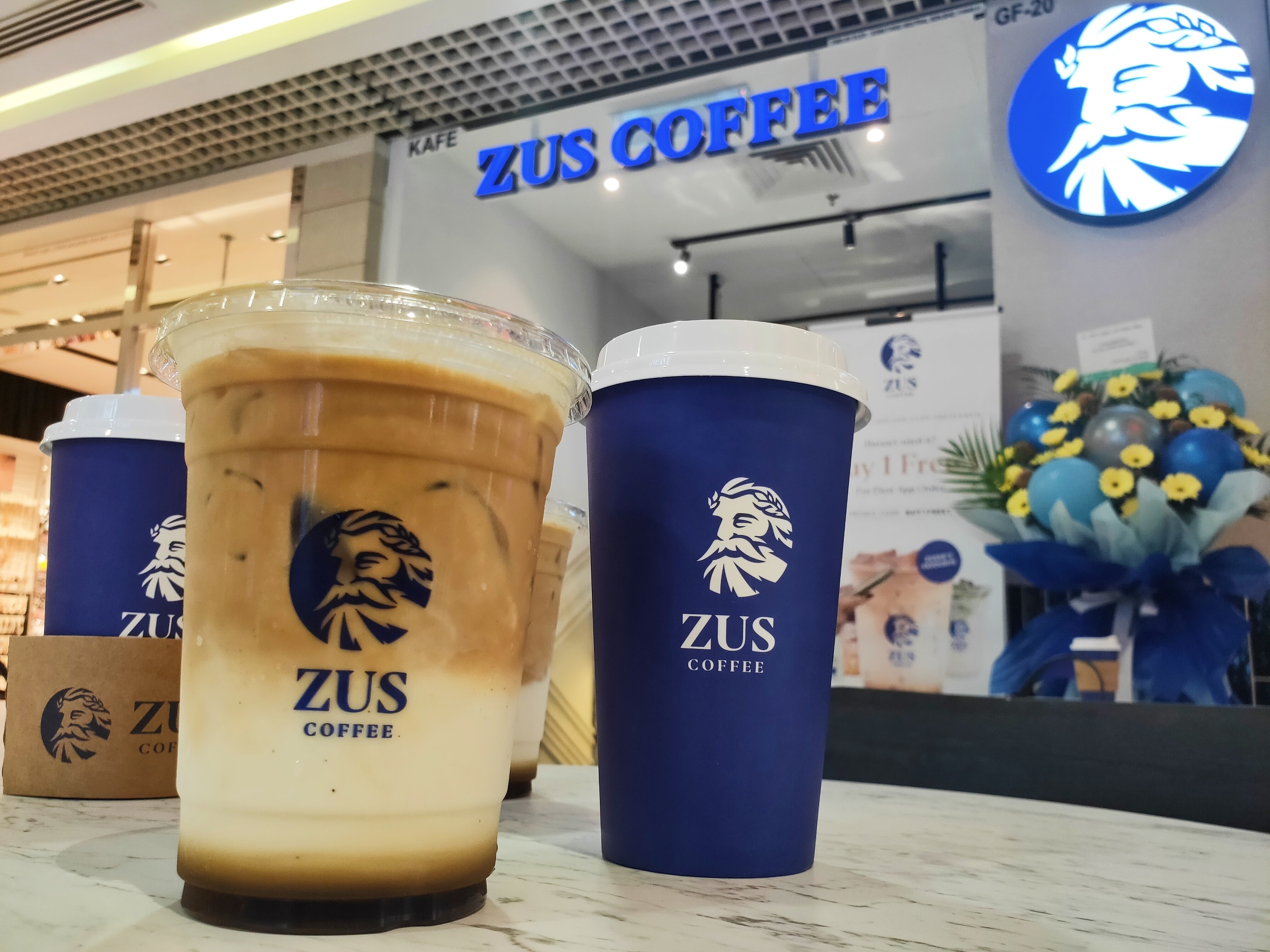
    Malaysia’s well-known coffee chain, Zus Coffee, has made its debut in Indonesia, marking its first venture into Jakarta. The launch marks yet another step in the company’s ambitious strategy to expand across Southeast Asia.

    The opening of the new store in Puri Indah Mall is the result of a collaboration with Kapal Api Group. This latest venture follows Zus Coffee’s successful expansions into other Southeast Asian countries, including the Philippines, Singapore, Brunei, and Thailand.

    Zus Coffee, established in 2019, began as a delivery-centric coffee kiosk operation. Since then, it has rapidly grown, fueled by the integration of a technologically advanced model that includes app-based ordering, pickup, and delivery services. Currently, Zus Coffee operates over a thousand stores throughout the region.

    According to Venon Tian, Group COO of Zus Coffee, Indonesia holds significant strategic value due to its rich coffee culture and an ever-changing consumer demand. As part of its expansion strategy, localisation remains a vital component, with the introduction of market-specific beverages alongside its main menu offerings.

    Over the years, Zus Coffee has solidified its position as one of Malaysia’s largest coffee chains and has emerged as a strong contender to the global giant, Starbucks. An investment of US$57.27 million (RM250 million) has been further secured by the company to facilitate its regional growth in 2024.

    As part of its expansion strategy, the company launched its inaugural stores in Thailand last year, planning to inaugurate 200 new stores across Southeast Asia. Parent company Zuspresso has set ambitious targets to add a minimum of 107 outlets in Malaysia, around 80 in the Philippines, and six in Singapore this year.

    Questions & Answers

    What is Zus Coffee’s expansion strategy?
    Zus Coffee is focusing on expanding across Southeast Asia, having already established a presence in countries like the Philippines, Singapore, Brunei, Thailand, and now Indonesia.

    How does Zus Coffee approach new markets?
    Zus Coffee has a strategy of localisation as it enters new markets. This involves introducing market-specific beverages alongside its core menu offerings to cater to local tastes and preferences.

    What kind of investment has Zus Coffee secured for its future growth?
    Zus Coffee has secured an investment of US$57.27 million (RM250 million) to support its regional growth in 2024.

  • Air China Cargo Boosts A350F Freighter Fleet to 10 with New Purchase Agreement

    Air China Cargo Boosts A350F Freighter Fleet to 10 with New Purchase Agreement

    Air China Cargo Co., Ltd. has cemented a deal with Airbus to procure an additional four A350F freighters. This agreement expands the company’s total order for this aircraft model to 10 units, supplementing the six A350F freighters previously ordered in November 2025.

    A Strategic Move

    The recent acquisition emphasizes the company’s strategy to optimize its fleet composition and enhance transportation capacity. Wang Hongyan, Air China Cargo’s Vice President, shared that the decision will enable them to align more effectively with international air cargo market demands, providing a robust groundwork for the company’s long-term consistent growth.

    Airbus’ EVP Sales of the Commercial Aircraft business, Benoît de Saint-Exupéry, lauded Air China Cargo’s move to augment its A350F freighter order. According to him, this decision signifies the company’s unwavering confidence in Airbus products and solidifies the A350F’s leading stature as the next-generation freighter.

    Air China Cargo initiated the integration of Airbus freighters into its fleet at the close of 2023. It currently manages a fleet of eight Airbus A330-200P2F aircraft. The forthcoming inclusion of the A350F freighter will supplement the A330-200P2F freighters, maximizing their benefits on long-haul and medium-to-long-haul routes.

    The Sophistication of the A350F

    The A350F, designed to be the most advanced cargo aircraft globally, caters to the evolving needs of the international air freight market. Its range capability extends up to 8,700 kilometers with a payload capacity of up to 111 tonnes, allowing operators to utilize it on international long-haul routes. Over 70% of the A350F comprises advanced materials, making it 46 tons lighter than competitive aircraft.

    The A350F features the latest Rolls-Royce Trent XWB-97 engines, promising up to a 20% reduction in fuel consumption and carbon emissions compared to previous generation aircraft with similar payload-range capabilities. As the only freighter that fully adheres to ICAO’s 2027 CO₂ emission standards, the A350F is capable of operating with up to 50% Sustainable Aviation Fuel (SAF) upon entry-to-service, aiming for 100% capability by 2030.

    As of the end of April 2026, the A350F garnered 101 orders from 14 customers.

    Questions & Answers

    How many total A350F freighters has Air China Cargo ordered?
    Air China Cargo has ordered a total of 10 A350F freighters from Airbus.

    What is the range and payload capacity of the A350F?
    The A350F has a range capacity of up to 8,700 kilometers and can carry a payload of up to 111 tonnes.

    What is the unique feature of the A350F in regard to emission standards?
    The A350F is the only freighter that fully meets the ICAO’s 2027 CO₂ emission standards. It can operate with up to 50% sustainable aviation fuel upon entry-to-service, with an aim to achieve 100% capability by 2030.

  • Palace Streetwear Breaks Into Mainland China with a Stylish Shanghai Store Debut

    Palace Streetwear Breaks Into Mainland China with a Stylish Shanghai Store Debut

    British streetwear brand, Palace, is set to inaugurate its first independent retail store in Mainland China, within the historic district of Zhangyuan in Shanghai.

    The store, which opens its doors to the public this Friday, draws inspiration from the traditional elements of Yuyuan Garden. It incorporates features reminiscent of the garden’s ponds, pavilions, and meandering paths. In an effort to maintain the authenticity and historic charm of the locale, the original facade of the garden has been preserved. The store’s entrance is marked by Palace’s iconic, mirrored tri-ferg logo suspended above it. The logo, a creation of Fergus Purcell, takes its cues from the Penrose Triangle, a work of Swedish artist Oscar Reutersvärd. The logo’s placement creates an illusion of angling downward from the building’s roofline.

    A Timely Debut

    Gareth Skewis, the founder of Palace, expressed that his frequent visits to China over the past two decades gave him the conviction that the time was right for the brand to make its debut in Mainland China. Skewis pointed out that the present cultural milieu, particularly the state of skateboarding and the contemporary youth culture in China, factored into his decision.

    The interior of the store is a showcase of architectural elegance with limestone and stone tile finishes. It also flaunts LED columns and accents of gold and red, a nod to traditional Chinese rituals. The store’s design incorporates a pavilion-like structure at its heart, thus extending the garden concept throughout the space.

    A Special Collection Launch

    To celebrate the store’s grand opening, Palace will introduce a Shanghai-exclusive capsule collection. The collection includes an array of items such as biker jackets, sports jerseys, hoodies, T-shirts, and accessories. The products are branded with a playful ‘Shang-Hi’ logo and a waving hand motif.

    Questions & Answers

    Where is Palace’s first independent store in Mainland China located?
    The store is located in the historic district of Zhangyuan in Shanghai.

    What is the design concept of the store?
    The store’s design draws inspiration from the traditional elements of Yuyuan Garden, with features reminiscent of the garden’s ponds, pavilions, and meandering paths integrated into the store’s layout.

    What special launch is coinciding with the store’s opening?
    To mark the store’s opening, Palace will introduce a Shanghai-exclusive capsule collection, featuring items like biker jackets, sports jerseys, hoodies, T-shirts, and accessories branded with a ‘Shang-Hi’ logo and a waving hand motif.

  • Malaysia Rattles Bullion Trade with 10% Duty on Gold Bar Imports

    Malaysia Rattles Bullion Trade with 10% Duty on Gold Bar Imports

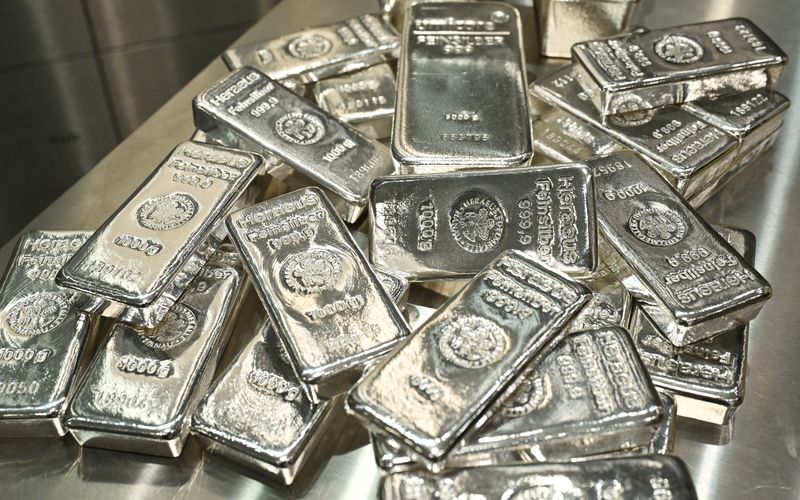
    In the latest regulatory development, Malaysia has imposed a 10% import duty on certain inbound shipments of gold bars. This unexpected decision has jolted the nation’s gold trade, with effects felt since early May, as per anonymous reports from traders and dealers. Consequently, some shipments have been detained at customs or rerouted due to the absence of a corresponding rise in local gold prices, which rendered the imports unprofitable.

    The Impact on Customers

    Bank Muamalat Malaysia, a local Islamic bank offering gold investment products, has stated that the imposition of a 10% import tax on bullion will inevitably be transferred to customers. This could lead to a considerable price hike for investors. For instance, purchasing a one-kilogram bar via a Malaysian bank after June 8 could cost approximately MYR45,000 (US$11,300) more than it would have a week before.

    A representative from the Royal Malaysian Customs Department has noted that the Ministry of Finance plans to discuss the issue of “minted gold products” imports with industry leaders.

    Increasing Interest in Gold

    The value of gold surged to a record high earlier this year, stoking investor interest in the precious metal, including in Asia. In response to this trend, several Malaysian banks have debuted gold investment products over the past year. Furthermore, bullion logistics firm, Loomis AB, has established a vault near the nation’s capital to cater to the growing demand.

    According to the country’s Department of Statistics, Malaysia imported around US$2.5 billion worth of non-monetary gold up until April this year.

    This move by the Malaysian government mirrors a similar abrupt shift in import policies in India, the world’s second-largest gold and silver market. This change has yielded a domino effect across its metals and currency markets.

    Questions & Answers

    How has Malaysia’s imposition of a 10% import duty on gold bars affected the bullion trade?
    This move has disrupted the bullion trade, with some shipments being held at customs or diverted due to the increased cost, which, without a corresponding rise in local gold prices, made the imports unprofitable.

    What is the likely impact of this decision on customers?
    Bank Muamalat Malaysia has indicated that the imposition of this import tax will eventually be passed on to the customers, leading to increased prices for investors.

    Has there been a change in the demand for gold?
    Yes, there has been a growing interest in gold, spurred by its record high value earlier this year. In response, several Malaysian banks have launched gold investment products, and bullion logistics company, Loomis AB, has opened a vault near the country’s capital.

  • Vietnam Surpasses Italy to Become 10th Largest Global Steel Producer

    Vietnam Surpasses Italy to Become 10th Largest Global Steel Producer

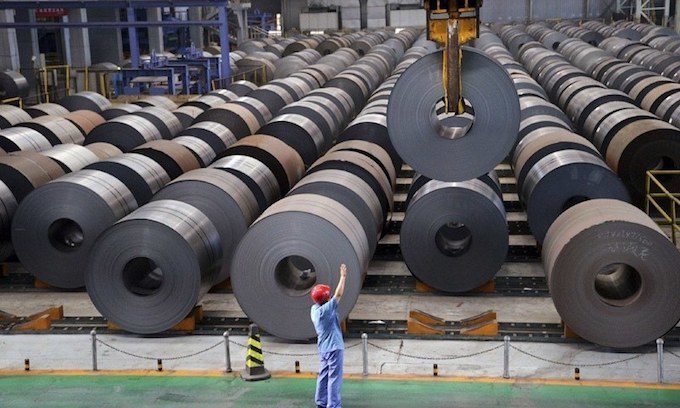
    In April, Vietnam emerged as the 10th top crude steel producer in the world with an estimated production of 2.1 million tonnes. This landmark achievement marks the first time Vietnam has entered the top ten, surpassing Italy, as per the World Steel Association’s data.

    Growth of Vietnam’s Steel Sector

    During the first quarter of 2026, Vietnam’s crude steel production reached 8.5 million tonnes, marking an 8.4% rise from the previous year. The growth of Vietnam’s steel sector has been both quick and diverse. Initially, domestic manufacturers relied heavily on imported billets for the production of construction steel in the early 2000s.

    However, significant progress has been made since 2010, with the industry achieving self-sufficiency. At present, Vietnam is capable of manufacturing a wide array of steel products that cater to sectors like mechanical engineering, shipbuilding, energy, and defense.

    Prominent steel companies have launched large-scale and modern steel complexes. Noteworthy among these is Hoa Phat Group’s Hoa Phat Dung Quat Iron and Steel Integrated Complex. The facility is renowned for producing top-tier, specialized steel products such as engineering steel, tire cord steel, welding wire, spring steel, crane steel, prestressed steel, and rail steel for high-speed railways.

    Vietnam’s Position in the Global Steel Market

    In comparison to the 20 million tonnes produced in 2023, Vietnam’s crude steel output increased to 24.6 million tonnes in the previous year. This placed the country as the leading crude steel producer in Southeast Asia and the 11th globally.

    Hoa Phat, one of the country’s significant steel producers, contributed to 44.7% of the total production, equivalent to 11 million tonnes. The company’s annual yield is projected to rise by 30% year-on-year to exceed 14 million tonnes this year.

    Questions & Answers

    What position did Vietnam secure in the global ranking of crude steel producers in April?
    Vietnam emerged as the 10th top crude steel producer in the world in April.

    What significant transformation has Vietnam’s steel sector undergone since the early 2000s?
    From relying heavily on imported billets for construction steel in the early 2000s, Vietnam’s steel sector has achieved self-sufficiency and can now produce a wide array of steel products.

    What is the projected annual yield of Hoa Phat for this year?
    Hoa Phat’s annual yield is expected to surpass 14 million tonnes this year, marking a 30% year-on-year increase.

  • US Dollar Tumbles Against Vietnamese Dong Amid Global Currency Shuffles

    US Dollar Tumbles Against Vietnamese Dong Amid Global Currency Shuffles

    On Wednesday morning, the U.S. dollar experienced a decrease in value against the Vietnamese dong, while also falling against other major currencies. The greenback was sold by Vietcombank at VND26,393, marking a minimal decrease of 0.004% from its value on Tuesday. However, on the black market, the currency experienced a slight increase of 0.12%, reaching a rate of around VND26,502.

    Global Currency Fluctuations

    Worldwide, the U.S. dollar managed to maintain the gains it accrued on Tuesday. This followed Iran’s announcement that the U.S. had breached a ceasefire agreement. The dollar index, a measurement of the dollar’s value against six other currencies including the yen, remained relatively stable on Wednesday at 99.11. This comes after the index saw an increase of 0.15% in the previous trading session.

    In terms of other currencies, the Euro saw a slight increase in its value against the U.S. dollar to $1.1637. The Australian dollar, however, saw a decrease of 0.09% to $0.7160, reversing earlier gains. Additionally, New Zealand’s dollar saw a substantial increase of 0.6%, taking its value to $0.5873 against the U.S. dollar.

    The Japanese yen saw a minor increase in its value to 159.28 per U.S. dollar. However, it remained near the 160 level, a threshold that many market participants consider to be a warning sign for intervention in order to support it.

    Questions & Answers

    What has been the recent trend in the value of the U.S. dollar against the Vietnamese dong?
    On Wednesday, the U.S. dollar experienced a marginal decrease in value against the Vietnamese dong, with Vietcombank selling the greenback at VND26,393, a 0.004% dip from Tuesday.

    What happened to the U.S. dollar’s value on a global scale?
    Globally, the U.S. dollar was able to maintain its gains from Tuesday following Iran’s announcement of a U.S. ceasefire violation.

    How did other major currencies perform against the U.S. dollar?
    While the Euro and New Zealand’s dollar saw increases in their value against the U.S. dollar, the Australian dollar experienced a decrease. The Japanese yen saw a slight increase but stayed near a level that causes concern for many market participants.

  • Ex-DBS Bank Manager Swindles $1M in Deceptive Schemes: Lands 6.5 Years Jail Sentence

    Ex-DBS Bank Manager Swindles $1M in Deceptive Schemes: Lands 6.5 Years Jail Sentence

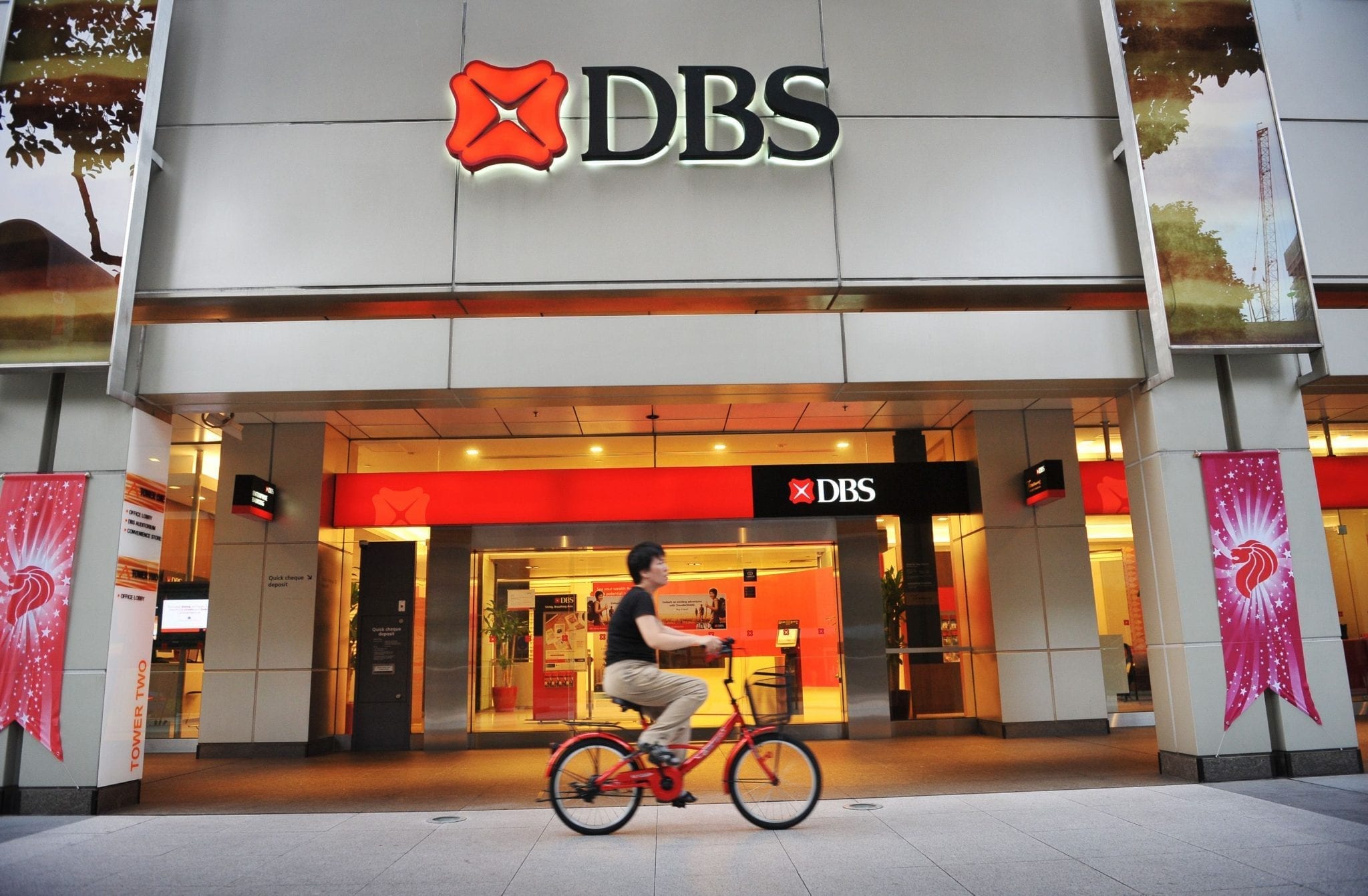
    A former manager of DBS Bank, Singapore’s most prominent financial institution, who swindled seven individuals out of nearly SGD1.4 million (US$1.09 million), including his own uncle, has been handed down a six-and-a-half-year prison sentence. Benjamin Chung Hiang Wee, aged 32, admitted guilt in April to six charges of fraud involving five victims, who were tricked into parting with more than SGD1 million. The amount each individual victim relinquished ranged from SGD66,550 to SGD441,850.

    Financial Misconduct

    In addition to fraud, Chung confessed to engaging in criminal conduct by mishandling monetary benefits. On not less than 32 instances spanning from April 2023 to April 2024, Chung transferred in excess of SGD823,000 of his illicit gains from his bank accounts to other accounts.

    Chung commenced his role as a wealth planning manager in January 2019 and was dismissed in November 2023 due to violations of certain confidential regulatory requirements pertinent to his position as a financial advisor.

    During earlier court proceedings, it was revealed that the most significant sum of money he defrauded (SGD441,850) was from his 62-year-old uncle, a casual laborer.

    Victims of Deception

    Part of Chung’s job involved suggesting and marketing financial products from insurance company Manulife (Singapore). He successfully convinced his uncle that a “two-year fixed deposit scheme” would yield between 4% and 5% interest.

    “The funds were used to fund his online gambling,” deputy public prosecutor Joseph Gwee informed the court. “He had no intention of opening a fixed deposit account,” he added. The uncle transferred investments from a different bank to assist his nephew, only to later realize that he had been duped.

    The court was informed that Chung had perpetrated similar fraudulent acts on multiple occasions between February 2022 and April 2024, defrauding other victims in the process.

    His crimes were exposed in 2024 when law enforcement discovered he had exploited the bank’s reputation to solicit funds from various clients for alleged loans and fixed deposit schemes.

    On May 6, 2024, Chung turned himself in to the authorities and was promptly apprehended. In April, it was revealed during court proceedings that he had reimbursed more than SGD231,000 to five victims, including his uncle.

    Questions & Answers

    **What was Benjamin Chung Hiang Wee’s position at DBS Bank?**
    Chung was a wealth planning manager at DBS Bank.

    **What is the total amount Chung defrauded from individuals?**
    Chung defrauded nearly SGD1.4 million (US$1.09 million) from seven individuals.

    **How was Chung’s fraudulent activity uncovered?**
    Chung’s fraudulent activity was uncovered when law enforcement learned that he had misused the bank’s name to solicit money from various customers under the guise of loans and fixed deposit schemes.

  • Riding the Health Wave: Yum China Doubles Down on KPRO Stores Amid Rising Demand for Low-Calorie Meals

    Riding the Health Wave: Yum China Doubles Down on KPRO Stores Amid Rising Demand for Low-Calorie Meals

    Yum China, the company responsible for managing KFC and Pizza Hut chains across the nation, is broadening its reach by doubling its KPRO stores. The KPRO stores, which specialize in low-calorie meals, are set to reach 600 by the end of this year, following a rise in health-conscious consumer demand. KPRO’s offerings include nutritiously balanced meals such as protein-rich sandwiches and yogurt-based smoothies.

    An Emphasis on Health and Nutrition

    Yum China’s CEO, Joey Wat, emphasized the importance of satisfying meals that are also nutritious during a recent earnings brief. KPRO’s nourishing menu caters to this by providing consumers with clear calorie information, thereby enabling informed decisions. The cost for these healthier meal options varies from CNY30 to CNY50 (US$4.41–7.36) per meal.

    Yum China dedicated seven years to understanding the market for lighter meals before inaugurating its first KPRO store in Guangzhou in late 2024. By 2025, fueled by the escalating demand for healthier alternatives, the number of KPRO stores reached 200, strategically located adjacent to KFC chains.

    Chen Xiao, CEO of Shanghai Yacheng Culture, a provider of marketing and branding services, pointed out that the surge in young consumers keen on nutritionally balanced food offers international brands a significant advantage. These well-established brands can easily attract customers, particularly as restaurant chains can effectively reach out to a wide consumer base.

    The Growing Trend of Light Meals

    According to a report by research firm NCBD and Shanghai Expo Finefood, the number of Chinese consumers opting for light meals has skyrocketed from 2 million in 2017 to over 32.5 million by 2025. The report further stated that 40% of these consumers consume such meals at least thrice a week.

    Chen predicted that China’s light-meal sector could rake in about CNY100 billion in annual sales this year alone. On a similar note, Wat articulated the potential profitability of the segment, stating that the targeted 600 KPRO stores could boost the sales of their parent KFC chains by approximately CNY1 billion ($147.17 million) per year.

    However, Yum China is not the only player in the health food segment. Other chains such as Murvey LF and Moosang, operating about 600 and 400 stores respectively, are also prominent in the light meals market.

    Ending the first quarter of 2026 on a high, Yum China reported a net profit of $309 million, a 6% increase from the previous year. Their first-quarter revenue also saw a 10% rise, amounting to $3.3 billion.

    Questions & Answers

    **What is the expansion target for KPRO stores by the end of this year?**
    Yum China intends to double its KPRO stores to a total of 600 by year’s end.

    **What is the expected annual sales from China’s light-meal market this year according to Chen Xiao?**
    Chen Xiao predicted that the light-meal market could generate about CNY100 billion in annual sales.

    **What was Yum China’s net profit for the first quarter of 2026?**
    Yum China reported a net profit of $309 million for the first quarter of 2026, marking a 6% increase year-on-year.

  • From Trends to Trades: Understanding the Silver Price Chart for Smarter Investing

    From Trends to Trades: Understanding the Silver Price Chart for Smarter Investing

    Silver has long been considered both an industrial metal and a safe-haven investment asset, making it an important part of global financial markets. Investors and traders closely monitor price movements to understand demand cycles, economic shifts, and geopolitical influences that impact valuation. In today’s digital trading era, data-driven decision-making plays a crucial role in building smarter investment strategies.

    Modern investors rely heavily on the Silver price chart to track historical trends, analyze price fluctuations, and identify potential trading opportunities across short-term and long-term investment horizons. With improved accessibility to financial data platforms, silver trading has become more structured, analytical, and responsive to real-time market conditions.

    Market Dynamics Shaping Silver Investment Strategies Today

    Understanding silver markets requires analyzing a combination of economic indicators, industrial demand, and investor sentiment. Price movements are influenced by inflation trends, currency fluctuations, and global economic stability. Investors who study structured data patterns gain a stronger advantage in predicting market behavior.

    The value of structured price visualization lies in its ability to clearly represent market behavior over time, helping traders identify trends, reversals, and entry or exit points with greater accuracy and confidence.

    1.    Historical Price Movements Guiding Investment Decisions

    Historical silver price data provides valuable insights into long-term market behavior. Investors analyze past cycles to understand how silver reacts during periods of economic growth, recessions, and inflation. These patterns help in identifying support and resistance levels that guide trading strategies. Historical analysis also supports risk management by highlighting volatility trends, allowing investors to make informed decisions based on proven market behavior rather than speculation or short-term fluctuations.

    2.    Industrial Demand Influencing Price Volatility

    Silver plays a major role in industries such as electronics, solar energy, and medical applications, making industrial demand a key price driver. Increased usage in manufacturing and technology sectors often leads to upward price pressure. On the other hand, reduced industrial demand can stabilize or lower prices. Understanding industrial consumption trends helps investors anticipate price movements and adjust trading strategies accordingly, ensuring better alignment with global economic activity and sector-specific growth patterns.

    3.    Inflation Trends Impacting Silver Valuation

    Silver is often considered a hedge against inflation, meaning its value tends to rise when the purchasing power of the currency declines. Investors monitor inflation rates closely to understand potential price movements. During high inflation periods, demand for silver increases as investors seek stable assets. This relationship between inflation and silver pricing creates predictable patterns that can be analyzed through charts. Understanding these trends helps investors make strategic decisions during uncertain economic conditions.

    4.    Currency Fluctuations Affecting Global Silver Prices

    Since silver is traded globally in US dollars, currency fluctuations significantly impact its price across international markets. A weaker dollar often leads to higher silver prices, while a stronger dollar can reduce demand. Investors tracking currency trends gain better insights into short-term price movements. Exchange rate changes also affect import and export costs, influencing overall market supply and demand dynamics. This makes currency analysis an essential component of silver trading strategies.

    Technical Analysis Tools Enhancing Silver Market Insights

    Technical analysis plays a major role in modern silver trading by providing structured methods to interpret price movements. Traders use charts, indicators, and trend lines to identify opportunities and reduce risk exposure. These tools help transform raw market data into actionable insights for better investment decisions.

    The use of Silver price chart analysis allows traders to study patterns, monitor momentum shifts, and evaluate entry and exit points with greater accuracy in both short- and long-term trading scenarios.

    1.    Moving Averages: Identifying Market Trends Clearly

    Moving averages help smooth price data and identify overall market direction. Traders use short-term and long-term averages to detect trend changes and potential reversal points. When prices move above or below moving averages, it signals shifts in market momentum. This tool is widely used in silver trading strategies to reduce noise and focus on broader price trends. Moving averages also help investors confirm breakout patterns and improve timing for trade execution decisions.

    2.    Support and Resistance Levels Guiding Trade Entry Points

    Support and resistance levels represent key price zones where silver tends to reverse or consolidate. These levels help traders identify optimal entry and exit points. Support levels indicate price floors, while resistance levels indicate price ceilings. Understanding these zones improves risk management and trading precision. Traders often combine these levels with other indicators to strengthen decision-making and increase the probability of successful trades in volatile market conditions.

    3.    Volume Analysis Confirming Market Strength

    Trading volume provides insight into the strength behind price movements. High volume indicates strong investor interest, while low volume suggests weaker momentum. Volume analysis helps confirm whether price trends are likely to continue or reverse. In silver trading, volume spikes often precede significant price changes. Monitoring volume alongside price charts allows traders to validate market signals and reduce the risk of false breakouts or misleading trend interpretations.

    4.    Chart Patterns Predicting Future Price Movements

    Chart patterns such as triangles, head-and-shoulders, and double tops provide predictive insights into potential market direction. These formations help traders anticipate future price movements based on historical behavior. Recognizing patterns early allows investors to position themselves strategically before major market shifts occur. Pattern recognition is a key component of technical analysis and is widely used in silver trading strategies to forecast short- and medium-term price trends.

    Conclusion

    Silver remains a highly dynamic investment asset influenced by economic cycles, industrial demand, inflation trends, and global market sentiment. Understanding price movements through structured analysis helps investors make informed decisions and reduce financial risks. Technical tools and historical data together create a more reliable framework for identifying profitable trading opportunities.

    For investors seeking professional trading insights and market analysis tools, studying the Silver price chart is essential for building effective strategies. A well-developed understanding of price behavior helps improve timing, reduce uncertainty, and enhance long-term investment outcomes in global commodity markets. Additionally, factors such as central bank policies, currency fluctuations, and geopolitical events play a significant role in short-term volatility. By combining technical indicators such as support and resistance levels, moving averages, and trend patterns with fundamental analysis, traders can gain a more complete market perspective.

  • Best WoW Raid Rewards: What Actually Makes a Raid Worth Farming

    Best WoW Raid Rewards: What Actually Makes a Raid Worth Farming

    Players often begin their discussion of ideal rewards in WoW raids by referring to item level. This is quite logical since higher values are easier to compare. However, it is crucial to understand that raid efficiency depends on much more than just item level. A raid could feature bosses that drop some of the highest-level equipment, but still be ineffective when used to grind due to low loot quality, long raid times, and excessive downtime. 

    Thus, a smart gamer would always consider several parameters when evaluating raid potential. Upgrade capacity, required raid duration, and chances of successful completion are important factors that need to be considered alongside availability and uniqueness. 

    The reasoning is relevant regardless of whether you seek rapid progression, reliable alt gearing, or seasonal AOTC farming. An excellent example of such a raid is Sporefall in the Midnight expansion. It is one of the most valuable raids in the game since it is a single-boss raid located in Harandar against Rotmire, available in all difficulties from Raid Finder to Mythic, with Mythic requiring 15–25 players.

    Why Best WoW Raid Rewards Matter

    High item level always gets attention first, but it is only one part of the picture. The best raid rewards usually come from content that gives strong upgrades without wasting your reset.

    A raid feels worth farming when it does a few things at once:

    • offers valuable slots, not just bigger numbers;
    • fits cleanly into a weekly schedule;
    • gives a realistic chance at useful loot;
    • rewards stable groups more than random luck;
    • adds something beyond a single item drop.

    That last point matters a lot. A raid can be powerful because it drops a great trinket, a rare ring, a useful quest item, or simply because it is short enough to fit around the rest of your week. In other words, the best WoW raid rewards are usually tied to efficiency, not just raw ilvl.

    Should You Farm WoW Raid for Loot Every Week?

    A simple weekly question helps here: if you clear this raid every reset, do you feel stronger, or just busier?

    Reward Factor Why It Matters
    Item level Determines the immediate power gain
    Slot value Some slots matter more than others
    Loot pool size A narrower pool can improve target value
    Time per clear Shorter clears improve weekly efficiency
    Bonus rewards Extra currency or rolls raise lockout value
    Group reliability Stable clears make farming sustainable

    This is where many players change their thinking. They stop asking whether a raid is “good” in the abstract and start asking whether it is good for their character, their schedule, and their guild. That is a much better way to decide which runs deserve your time. 

    Best WoW Raid Loot Essential Factors

    Slot Value and Upgrade Impact

    Not every upgrade changes your character equally. A raid with a premium trinket, ring, or neck can feel much stronger than one with a pile of replaceable armor pieces. That is why loot value often starts with slots, not the full table.

    Loot Pool Size and Target Farming Potential

    A focused loot pool can raise the value of a kill. If the boss drops fewer possible items, each clear can feel more meaningful, especially when the rewards include high-impact accessories instead of filler. This is one reason some players look at a Sporefall boost less as a shortcut and more as a way to secure one targeted weekly opportunity when the loot itself is unusually attractive.

    Time Cost Per Clear

    Time matters. A raid that takes one clean pull can be more rewarding than a longer instance with technically similar loot, especially for alts or late-week characters. That same logic explains why some players even compare the options of WoW Sporefall boost to several failed pug attempts. The question is not always “Can I kill it?” Sometimes it is “Is this the best use of my reset?”

    Weekly Consistency and Group Reliability

    The best loot in the game still loses value if your group cannot reach it consistently. Farming only works when clears feel repeatable. A raid that your team can kill every week often gives better long-term value than one with slightly better drops but much worse attendance, worse pacing, and far less stable execution.

    Best WoW Raid Loot Approach

    This is the point where player priorities usually become very practical. If the raid has real weekly value, then getting the clear starts to matter more than proving a point in a bad group.

    For some players, that means sticking with a guild and building better habits over time. For others, it means using one organized WoW Sporefall Boost when the roster is shaky, the week is busy, or the character only needs one targeted reward window. In that context, a Sporefall raid boost is not really about skipping raiding. It is about protecting the value of the lockout.

    Players who are looking for WoW Sporefall boosting are usually not chasing some vague promise. They want a clean kill, stable execution, and a better shot at a reward that is actually worth farming. 

    What Drops From Sporefall and Why It Matters

    This is the part that makes Sporefall more than just an interesting raid format. On the current Patch 12.0.7 PTR, Sporefall loot drops at the highest item level among Midnight Season 1 raid rewards: 259 in LFR, 272 in Normal, 285 in Heroic, and 298 in Mythic. 

    The same PTR update changed the loot from Warbound Equipped to standard BoP raid loot, while keeping random secondary stat rolls. Sporefall shares the same tier as other Season 1 raids, but its reward level is higher.

    The current PTR item pages confirm several named drops from Rotmire:

    • Festerbloom Crown — leather head;
    • Mycomancer’s Rot Robes — cloth chest;
    • Girdle of Devouring Rot — plate waist;
    • Sash of the Putrid Giant — leather waist;
    • Rotmire’s Sporeheart — neck;
    • Sporelord’s Mycelial Insignia — trinket;
    • Sporecaller’s Blooming Loop — ring.

    Rotmire is the source for the crown, robes, waist pieces, necklace, and trinket. Community PTR loot summaries also place the ring in the same one-boss pool, alongside other armor pieces, while noting that the raid currently appears to have no weapon drops. Because this is still PTR data, the exact pool can still change before live.

    That loot structure matters because it makes the raid feel focused. Sporefall does not look like a full gearing destination for every slot. Instead, it looks like a high-value weekly target built around strong accessory potential, a short, clear path, and a tighter reward identity. That is a big reason why players already talk about Sporefall boosting around the raid. The draw is not only speed. It is the chance to turn one kill into a meaningful reset.

    There is also another layer of reward value here. The PTR quest Sporefall: Rotmire awards Void-Twisted Sporbit, which can be converted into a Nebulous Voidcore for the Voidforge bonus-roll system. That means a weekly clear can matter even before the actual item drop, because the raid also feeds into your wider bonus-loot economy.

    What Best WoW Raid Rewards Depend On?

    Even the best loot loses value in a bad environment. Reward quality can pull players into a raid, but team quality determines whether the raid stays efficient.

    That is true in every expansion. A high-value boss still becomes a waste of time if the group constantly rebuilds, overexplains every wipe, or refuses to fix the same basic mistakes. This is one reason ideas like getting a Sporefall carry and Sporefall boosting appear most often when players feel the reward is worth chasing, but their own weekly structure is not getting them there.

    It also explains why some players want to get WoW Sporefall carry when they really mean something simpler: one reliable clear, one useful reset, and no more lost evenings to broken pug groups. The specific wording changes, but the core motive is usually time, not ego.

    Final Thoughts on What Makes WoW Raid Rewards Worth Farming

    However, raid loot should not be assessed based on one metric. Instead, it is determined by a mix of item level, slot quality, weekly efficiency, and the realism of farming.

    This is the takeaway. A raid is worth farming if it allows for upgrades that suit your weekly schedule and reward consistency over inconsistency. The reason Sporefall makes it easier to evaluate loot is that so much loot ends up in such a condensed manner in terms of one boss, one kill, and one weekly reset cycle. And that is how you know that you are evaluating good raid content.



  • Xiaomi Eyes Global Market Expansion Amidst Local Turbulence and Rising Component Costs

    Xiaomi Eyes Global Market Expansion Amidst Local Turbulence and Rising Component Costs

    Xiaomi Corp., a leading Chinese tech firm known for smartphones and electric vehicles, announced a 43% decrease in net profit in the first quarter of 2022. A variety of factors such as increased memory and other component costs, domestic competition, and investment in new ventures have resulted in a decline in the company’s smartphone segment.

    Expansion Plans Amidst Challenges

    For the first quarter, Xiaomi reported an adjusted net profit of 6.1 billion yuan (around US$899 million), slightly less than the average analyst prediction of 6.4 billion yuan. In order to counterbalance the increased costs of components and heightened competition, Xiaomi plans to extend its reach further into foreign markets.

    According to Xiaomi’s president, William Lu, the industry is adjusting to the “new normal,” comprised of higher memory costs. However, the surge in memory costs is forecasted to decrease starting in the third quarter.

    Xiaomi has been channeling resources into electric vehicles and artificial intelligence, in an effort to diversify its revenue streams outside its main smartphone business. Although the electric vehicle segment continues to grow and contribute to the company’s income, it is impacting earnings due to high investment and lower margins.

    Financial Performance and Future Outlook

    In the first quarter, the company’s electric vehicle business generated revenue of 19 billion yuan, a 5.1% increase from the previous year. However, operations related to electric vehicles, artificial intelligence, and other new initiatives resulted in losses amounting to 3.1 billion yuan.

    During this period, Xiaomi distributed 80,856 electric vehicles, a significant drop from the 145,115 units delivered in the fourth quarter. However, this still represents a 6.6% rise from the previous year.

    The first-quarter revenue was reported to be 99.1 billion yuan, slightly below the average analyst estimate of 103.4 billion yuan. Recently, the company launched a new, more affordable version of its flagship YU7 SUV series, priced around 8% lower than its predecessor, intensifying the competition with Tesla in China’s car market. The company has further plans to expand into European markets by 2027.

    Xiaomi, currently the world’s third-largest smartphone manufacturer, saw a 19% decrease in smartphone units shipped in the quarterly period. Revenue from the smartphone division fell by 12.5% to 44.3 billion yuan, mainly due to elevated component prices and increased domestic competition.

    Questions & Answers

    What are Xiaomi’s plans to cope with the slump in net profit?
    To offset higher component costs and tougher competition, Xiaomi aims to expand further into overseas markets.

    What is Xiaomi’s “new normal”?
    The “new normal” refers to the industry’s adaptation to higher memory costs, as stated by Xiaomi’s president, William Lu.

    What is Xiaomi’s future outlook in the smartphone market?
    The outlook remains weak due to the ongoing memory chip shortage, which is expected to last until late 2027, and geopolitical tensions in the Middle East impacting consumer sentiment.

  • Dien May Xanh Sets Sights on Record-Breaking $546M IPO, Fueling Vietnams Vibrant Retail Market Boom

    Dien May Xanh Sets Sights on Record-Breaking $546M IPO, Fueling Vietnams Vibrant Retail Market Boom

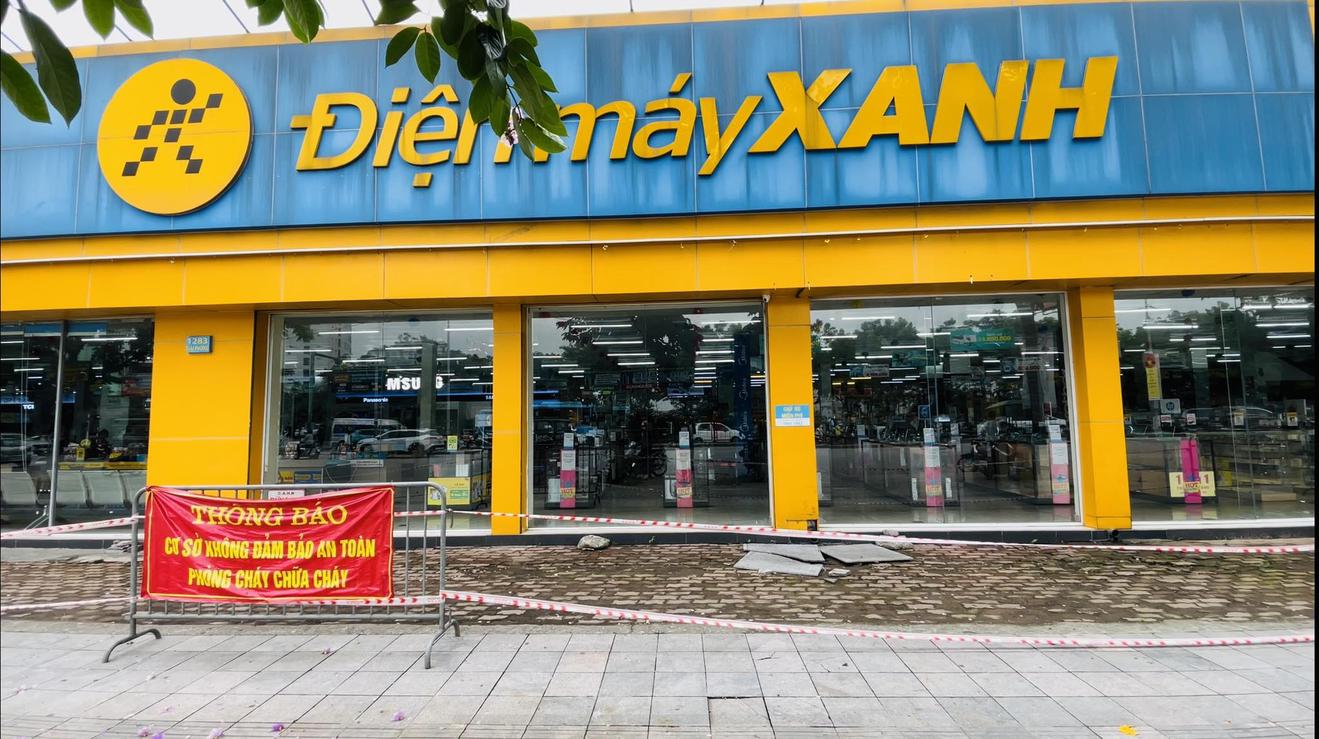
    Dien May Xanh, a Vietnamese electronics retailer and a branch of the Mobile World Investment Corporation, is set to garner approximately US$546 million via an initial public offering (IPO) later this year. The company aims to offer 79.5 million regular shares, each priced at 80,000 VND (US$3.04). If successful, this could be one of the most significant consumer retail listings in Vietnam in recent times. Vietcap Securities will serve as the adviser for the IPO.

    Purpose and Use of IPO

    Dien May Xanh has stated that the IPO is designed to boost transparency, fortify brand equity, and fuel future growth. The funding generated from the sale of shares will be directed towards debt repayment, business expansion, and other operational investments. This strategic move is to fortify the company’s foothold in Vietnam’s fiercely competitive consumer electronics industry.

    The company operates under the umbrella of the Mobile World Investment Corp (MWG), which holds the reputation of being one of Vietnam’s most prominent listed retailers. Dien May Xanh has established itself as a dominant force in the retail landscape with its vast national network of electronics and home appliance outlets.

    Known for its wide-ranging product inventory that includes smartphones, televisions, home appliances, and consumer technology products, Dien May Xanh has successfully catered to the increasing domestic spending and surging demand for digital devices.

    Growth Projections and Market Response

    By 2030, the company is aiming for an 11 percent compound annual revenue growth and a 16 percent annual net profit growth. These are ambitious yet attainable targets considering the current trajectory of Vietnam’s retail industry.

    Supported by the launch of five new growth pillars, Dien May Xanh is intent on reinforcing its market supremacy. It seeks to position itself as a compelling long-term investment option for both local and international financial institutions.

    The announcement of the IPO comes at a time when Vietnam’s capital markets are witnessing a surge in momentum, with a growing number of companies exploring listings. Market analysts have noted an uptick in investor interest, spurred by the possibility of Vietnam transitioning from a frontier market to an emerging market. This potential upgrade could attract an influx of foreign investment.

    Questions & Answers

    What is the main objective of Dien May Xanh’s IPO?
    The IPO aims to increase transparency, fortify the company’s brand equity, and support its future growth.

    How does Dien May Xanh plan to use the funds raised from the IPO?
    The funds raised will be channeled towards repaying debts, expanding the business, and making operational investments.

    What are Dien May Xanh’s growth targets for 2030?
    The company aims to achieve an 11 percent compound annual revenue growth and a 16 percent annual net profit growth by 2030.

  • Lacoste Unveils New Flagship Store in Historic Hong Kong Pedder Building, Bolsters Brand with Local Artistic Collaborations

    Lacoste Unveils New Flagship Store in Historic Hong Kong Pedder Building, Bolsters Brand with Local Artistic Collaborations

    In a strategic move to align its retail footprint with a site steeped in local history and prominent architecture, Lacoste has inaugurated a new flagship store in Hong Kong. This elegant location is situated in the Central district’s Pedder Building, a Grade 1 historic structure with a rich history that dates back to 1933. The premises had previously been home to Shanghai Tang’s flagship, as well as a briefly operated Abercrombie & Fitch store.

    Store Design and Collaborations

    The store’s interior layout showcases a modern reinterpretation of the building’s original arches, cleverly employing them as spatial dividers to create distinct sections for womenswear, menswear, sportswear, and the brand’s iconic polo line. Lacoste has gone the extra mile to tailor the design elements of the store to the local context; this includes an eye-catching neon installation and a series of customisable apparel patches inspired by local visual aesthetics.

    The flagship store also serves as a platform for the brand’s collaborations with both regional and international artists. Hong Kong-based artist Alvin CK Lam has contributed a unique interior painting inspired by the Pedder Building’s facade and the city. The store also features furniture pieces manufactured by Belgian artist Mathilde Wittock of MWO Design. These pieces, made from upcycled tennis balls, are a creative nod to Lacoste’s tennis history and commitment to circular design initiatives.

    Collection Highlights

    To celebrate the store’s opening, Lacoste has rolled out a limited-edition Hong Kong capsule collection. This collection features graphic interpretations of Victoria Harbour, the skyline of the city, and the Pedder Building. Customers can also shop for items from the brand’s Spring/Summer 2026 runway collection at the store.

    Commenting on the new flagship store, Eric Vallat, CEO of Lacoste, said, “We wanted to encapsulate Lacoste’s identity in a way that reverberates with Hong Kong’s cultural vitality. While Lacoste has its roots in tennis, the brand has always gone beyond sports. This store encapsulates a lifestyle defined by movement, elegance, and freedom.”

    Just last month, Lacoste revamped its branding, introducing a new typography, colour palette, and a fresh look for its iconic crocodile logo. The updated typography brings back serif characters, giving a nod to earlier versions of the brand’s visual language.

    Questions & Answers

    What is unique about the interior layout of the new Lacoste flagship store in Hong Kong?

    The store utilises the original arches of the Pedder Building as spatial boundaries, creating separate sections for different product lines.

    Who are some of the artists Lacoste collaborated with for this store?

    Lacoste collaborated with regional artist Alvin CK Lam, who created a custom interior painting, and Belgian artist Mathilde Wittock, who designed furniture pieces using upcycled tennis balls.

    What is significant about the limited-edition Hong Kong capsule collection?

    The collection features graphic interpretations of Victoria Harbour, the city skyline, and the Pedder Building, symbolising a connection between the brand and the local context.

  • Dragon Fruit Dilemma: Surplus Supply and Falling Demand Trigger Price Crash in Vietnam

    Dragon Fruit Dilemma: Surplus Supply and Falling Demand Trigger Price Crash in Vietnam

    Dragon fruit farmers in central and southern Vietnam are faced with declining prices due to an oversupply and reduced demand for their produce. Farmers are being forced to sell their crops at prices far below their cost of production, resulting in significant losses.

    Plummeting Dragon Fruit Prices

    In the Central Highlands’ Lam Dong Province, a farmer named Luong finds her offer of VND3,000–8,000 per kilogram for her harvested dragon fruits met with little interest from traders. “I need to sell at VND10,000 or more to be profitable,” Luong said, noting that prices have plummeted by 50–70% since the start of the year.

    Meanwhile, in the southern province of Dong Thap, farmer Hanh is struggling to cover costs as she sells her dragon fruits between VND8,000–12,000 per kilogram. This is insufficient considering the 25-40% rise in fertilizer and pesticide expenses this year. Hanh states that prices must remain above VND13,000–15,000 per kilogram for her to breakeven. “If prices remain lower than this range, we might have to reduce our cultivation area for the next harvest,” she warns.

    The Causes of the Price Crash

    Dinh Van Hien, a dragon fruit trader, attributes the price plummet to the sharp increase in supply, as it is currently the peak harvest season in most growing areas. This, coupled with the harvest of other fruits such as durian, mangosteen, lychee, and plum, has led to a decrease in demand for dragon fruit.

    Huynh Canh, chairperson of the Binh Thuan Dragon Fruit Association, agrees that the drastic drop in dragon fruit prices is primarily due to oversupply. Additionally, he states that China’s imports have sharply decreased after the country expanded its dragon fruit cultivation area in recent years. Furthermore, with the dragon fruit season in China running from May to November, there is heightened competition with Vietnam’s produce.

    There are also challenges with Vietnam’s exports to the European Union due to tightened rules, including an inspection frequency of 30% at the border. According to Canh, only the highest quality fruits meeting the import standards of the receiving countries will command high prices.

    Currently, Vietnam has around 55,000-60,000 hectares dedicated to dragon fruit cultivation, primarily in the central and southern regions, with an annual output of approximately 1.4 million tonnes.

    Questions & Answers

    What is the main cause of the drop in dragon fruit prices in Vietnam?
    The primary cause of the price drop is an oversupply of dragon fruits due to the peak harvest season and a decrease in demand.

    How has the increase of cultivation in other countries affected Vietnam’s dragon fruit market?
    Increased cultivation in other countries, particularly China, has led to a decrease in imports of Vietnam’s dragon fruits, contributing to the oversupply and drop in prices.

    What challenges is Vietnam facing with its fruit exports to the European Union?
    Vietnam is facing challenges with its fruit exports due to tightened regulations, including a higher frequency of inspections at the border. Only the highest quality fruits that meet the import standards of the receiving countries can secure high prices.

  • Chinese E-commerce Titan JD Eyes £2 Billion Acquisition of UKs The Very Group

    Chinese E-commerce Titan JD Eyes £2 Billion Acquisition of UKs The Very Group

    JD, the Chinese e-commerce titan, is reportedly considering a significant expansion within the UK market, with a potential £2 billion ($2.69 billion) acquisition bid for the British online retail platform, The Very Group.

    JD’s Expansive Strategy in the UK

    This move is the latest in a series of attempts by JD to strengthen its foothold in the UK market. Previously, the company had made a failed attempt to acquire the electricals group Currys and, in 2020, had withdrawn from negotiations aimed at acquiring Argos from Sainsbury’s. These activities indicate JD’s strong interest in expanding its operations in the UK, despite previous setbacks.

    Representatives from JD and The Very Group have refrained from commenting on these market speculations.

    The Very Group’s Recent Ownership Changes

    The owner of The Very Group, Carlyle, was reported earlier this year to be planning a £2 billion sale of the enterprise. This news came just a few months after Carlyle assumed ownership from the Barclay family, who had been long-time stakeholders in the business.

    Questions & Answers

    What is the estimated value of the deal between JD and The Very Group?
    The value of the potential deal is speculated to be around £2 billion ($2.69 billion).

    What other UK ventures has JD been involved in?
    In the past, JD has attempted to buy the electricals group Currys and also entered negotiations to acquire Argos from Sainsbury’s.

    Who is the current owner of The Very Group?
    The Very Group is currently owned by Carlyle, which took over from the Barclay family last year.