Author: Mei Ling Tan

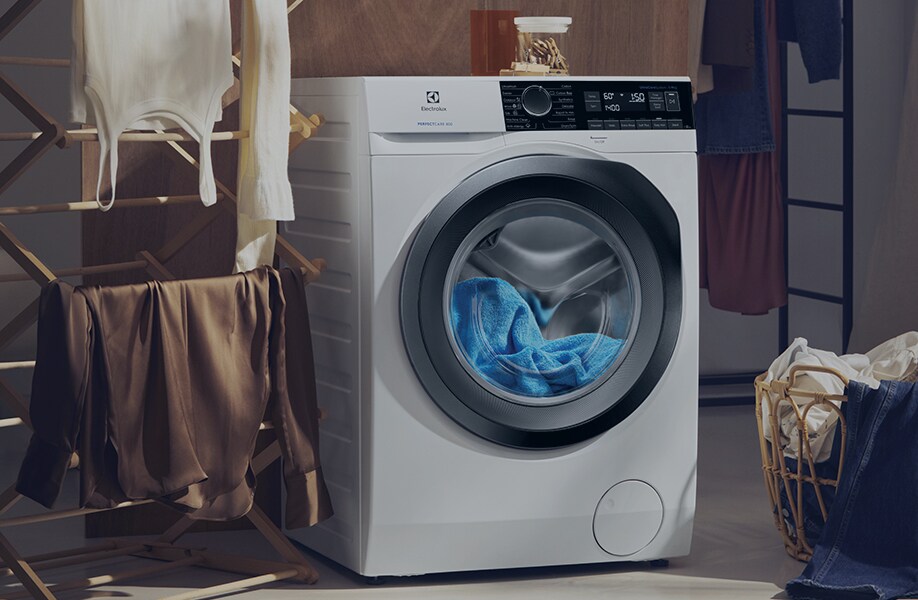
  • Electrolux Gains Competitive Edge with New Apac Head, Dyson Prodigy Bernard Chong

    Electrolux Gains Competitive Edge with New Apac Head, Dyson Prodigy Bernard Chong

    Bernard Chong has been named the new leader of the Asia-Pacific (APAC) region for Electrolux Group. His tenure will commence from the first day of June. Formerly serving as the president of Greater China at Dyson, Chong proactively oversaw operations and managed a workforce of over a thousand employees.

    A New Chapter at Bangkok

    With his office in Bangkok, Chong will be rendering reports directly to Yannick Fierling, the CEO of Electrolux Group. “I am pleased to welcome Bernard to our team,” Fierling stated. “Throughout his career, Bernard has demonstrated his ability to build brands and execute successful turnarounds, leveraging his unique approach of merging market insights, data-driven strategy, and unyielding focus. His skills will be of great value to our team. I look forward to seeing him drive the region and working with him.”

    Chong possesses a diverse and rich work history, having held several senior leadership positions across Asia and Europe. His experience spans various markets, including Southeast Asia, Portugal, and Japan. Previously, he has also collaborated with renowned organizations such as Sony Mobile Communications and Nike Southeast Asia.

    Recent Developments at Electrolux

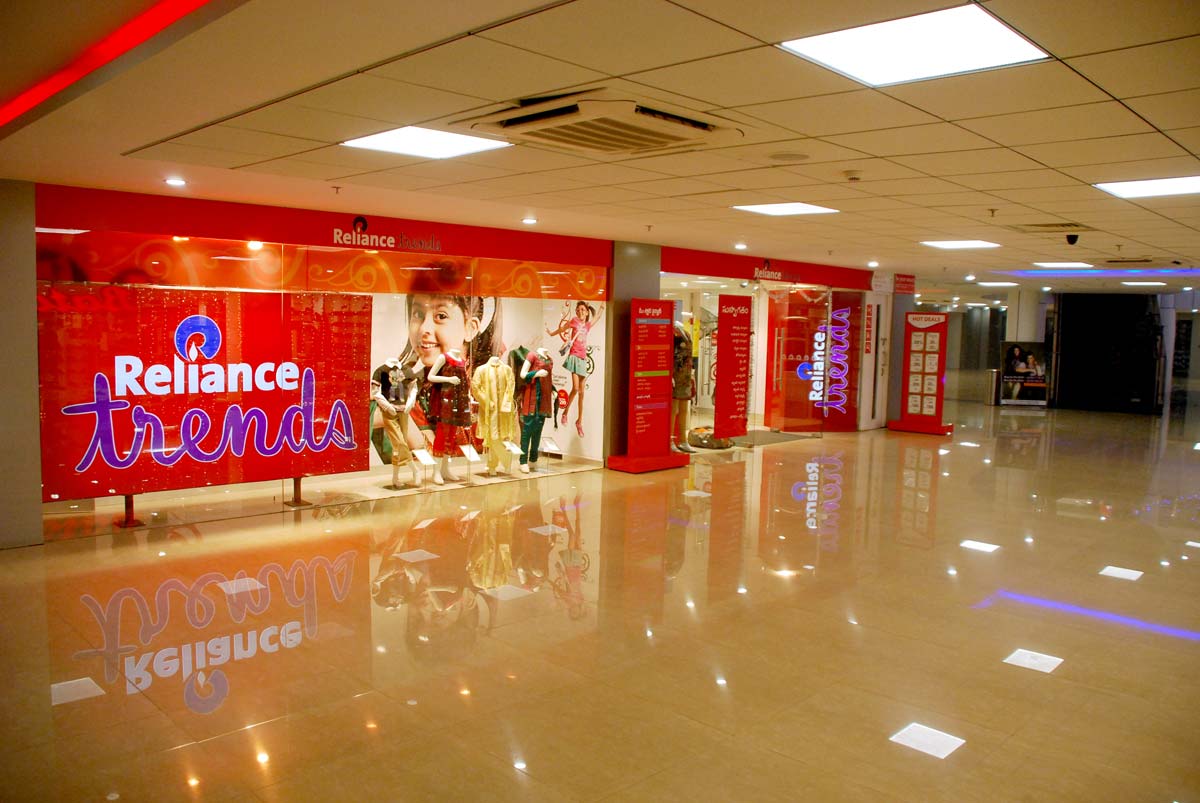
    In other recent news, Electrolux’s Kelvinator, a seller of electronics and appliances such as refrigerators, air conditioners, and washing machines, was acquired by Indian retailer Reliance Industries last year.

    Questions & Answers

    Who has been appointed as the new head of the APAC region for Electrolux Group?
    Bernard Chong has been appointed as the new head of the APAC region for Electrolux Group.

    What are some of the previous organizations that Bernard Chong has worked with?
    Bernard Chong has previously worked with Dyson, Sony Mobile Communications, and Nike Southeast Asia.

    Who acquired Electrolux’s Kelvinator last year?
    Electrolux’s Kelvinator was acquired by Indian retailer Reliance Industries last year.

  • Turmoil in Thailand: Livestream Durian Sales Spark Controversy Over Pricing Amid Surplus

    Turmoil in Thailand: Livestream Durian Sales Spark Controversy Over Pricing Amid Surplus

    Last Tuesday, a significant event took place, featuring Suphajee Suthumpun, Thailand’s deputy prime minister and commerce minister, and one of the country’s most influential online merchants, Pimrypie. Pimrypie is recognized for her diverse range of products, from her brand of fish sauce to luxurious perfumes. The occasion was held in anticipation of a 33% increase in Thailand’s durian production this year, and it attracted approximately 800,000 viewers. Within hours, it generated roughly 200,000 orders. However, the announcement of the price sparked a significant controversy.

    Concerns Over Low Pricing

    Farmers expressed apprehension that the government’s indication of a low price could set a maximum price instead of a minimum price for wholesalers. They argued that the significant discount could depress farm gate prices in an already burdened season. Puk Pimsorn, a durian seller who sources directly from orchards, argued that selling durians for 100 baht per kilogram would result in retailer losses, particularly at 100 baht per fruit. This pricing could impact the market by driving consumers towards cheaper options over quality produce, leaving other sellers unable to compete without suffering losses.

    Sommai Panasri, a durian shop owner, shared similar concerns, suggesting the campaign would further strain durian retailers already struggling with economic slowdown, rising fuel costs, and expensive transportation. Additionally, Panusak Saipanich, president of the Thai Durian Association, noted that a retail price of 100 baht left farmers with meagre or no profit once logistics and middleman fees were accounted for.

    Despite the growing backlash, Pimrypie clarified that the livestream intended to support durian growers and highlight the sector’s challenges, not to distort market pricing. She added that she had never organized such a vast campaign before and had incurred personal losses exceeding 10 million baht from the sales.

    Government Response and Durian Market Conditions

    The Ministry of Commerce responded swiftly to the controversy. A deputy spokesman clarified that the promotion only applied to “secondary-grade” fruits with visual imperfections. Suphajee distanced herself from the campaign, stating the ministry only sets standards and does not organize or endorse individual sales promotions. She noted the 100-baht price as a “sales-promotion technique,” not a value indicator, and reassured that market prices remain satisfactory.

    Durian is one of Thailand’s most profitable agricultural exports. The country is currently preparing for a potential excess, caused by increased cultivation due to strong prices in the late 2010s. This year’s rise in output is being exacerbated by global economic uncertainty, which is making consumers more cautious, increasing transport costs, and extreme heat, which is expected to yield smaller, lower-grade fruits.

    Competition is also intensifying, particularly as Vietnam expands its market share, now holding over 40% of the market within just three years. Meanwhile, Malaysia, though it exports smaller volumes, has built a reputation for high-quality durians that command higher prices.

    Despite the stable prices of Thai export-grade durians and the market not collapsing, the sector is preparing for a significant test in May when peak harvest volumes are expected to arrive. To mitigate potential issues, the commerce minister has outlined a strategy aimed at stabilizing prices and supporting growers by increasing domestic consumption and expanding overseas sales.

    Questions & Answers

    What is the controversy regarding the durian market in Thailand?
    There were concerns that the government’s indication of a low price for durians might set a maximum rather than a minimum price for wholesalers, which could potentially depress prices at farm gates.

    What was Pimrypie’s response to the backlash on the livestream?
    Pimrypie clarified that the livestream was intended to support durian growers and highlight the sector’s difficulties, not to distort market pricing. She revealed that she had incurred personal losses exceeding 10 million baht from the sales.

    What is the government’s approach to mitigate potential issues in the durian market?
    The government’s strategy involves stabilizing prices and supporting growers by increasing domestic consumption and expanding overseas sales. The plan includes expanding export routes, investing in storage and processing, and training farmers in live commerce and content creation to reduce reliance on middlemen.

  • HSBC Profit Falters Amid UK Fraud Charge and Rising Middle East Tensions

    HSBC Profit Falters Amid UK Fraud Charge and Rising Middle East Tensions

    HSBC Holdings Plc recently announced financial results that fell short of projections, impacted by unexpected fraud-related charges in the UK and escalating economic uncertainties due to the Middle East conflict.

    Financial Outcome Below Expectations

    In the first quarter, HSBC’s pretax profit plummeted to $9.4 billion, falling short of the anticipated $9.6 billion. Despite the disappointing results, resilience was observed in the bank’s wealth and Hong Kong sectors. The bank’s net interest income outlook also experienced an upswing, which provided some balance to the outcome.

    The London-headquartered bank reported $1.3 billion in anticipated credit losses for the quarter, a major component of which was a $400 million charge associated with a fraudulent securitization exposure involving a UK financial sponsor. Furthermore, HSBC had to manage a $400 million fallout related to the collapsed mortgage lender MFS.

    The bank also noted a $300 million augmentation in allowances due to a worsening global economic forecast triggered by the initiation of strife in the Middle East.

    Revenue and Net Interest Income Experience Growth

    Despite the challenges, HSBC’s revenue observed a 6% increase year-on-year to $18.62 billion, surpassing estimates. This was largely due to robust wealth fees and other income. Simultaneously, net interest income also experienced an 8% growth year-on-year, reaching $8.9 billion. However, operating expenses mirrored this increase, also growing by 8% as a result of inflation, forex, increased planned expenditure, and performance-related pay.

    The bank flagged potential risks associated with the Middle East conflict such as surging oil prices, heightened inflation, and a significant GDP slowdown. Should these factors transpire, the bank warned of a “mid-to-high single digit percentage” negative impact on its pre-tax profit.

    Although HSBC maintained its target return on tangible equity (RoTE) of 17%, it cautioned that the negative repercussions of the Middle East crisis, if realized, could potentially push RoTE, excluding significant items, below this target in 2026. The annualized RoTE for the reported quarter, excluding items, was 18.7%.

    HSBC expressed confidence in its commitment to deliver $1.5 billion in annualized cost reduction by the end of June 2026. The board also approved its first interim dividend for 2026 of 10 cents per share.

    Questions & Answers

    What was the pretax profit for HSBC in the first quarter?
    HSBC’s pretax profit for the first quarter was $9.4 billion.

    What financial impact was caused by the Middle East conflict on HSBC?
    HSBC noted a $300 million increase in allowances related to a worsening global economic forecast due to the conflict in the Middle East.

    What is HSBC’s target return on tangible equity (RoTE)?
    HSBC has maintained its targeted return on tangible equity of 17%.

  • Vietnams Gold Market Springs Back: A Resurgence Fueled by Global Bullion Rates and Weaker Dollar

    Vietnams Gold Market Springs Back: A Resurgence Fueled by Global Bullion Rates and Weaker Dollar

    In Vietnam, gold prices rebounded on Wednesday morning from a four-month low, invigorated by a surge in global bullion rates. Saigon Jewelry Company saw an increase of 1.52% in its gold bar price, climbing to VND167.5 million (US$6,365.32) per tael. This upturn comes after the price had hit its lowest point since January 19th on the previous Tuesday.

    Meanwhile, the price of gold rings followed a similar upward trend, rising to VND167 million per tael. For reference, a tael is equivalent to 37.5 grams or 1.2 ounces.

    Global Gold Prices and Influencing Factors

    Internationally, gold prices experienced an increase of over 1% on Wednesday. This was propelled by a weakening dollar and a decrease in oil prices, which alleviated concerns of inflation and protracted high interest rates. Another contributing factor was the burgeoning hope for peace between the United States and Iran.

    Spot gold experienced a rise of 1.7%, costing $4,633.31 per ounce, while U.S. gold futures for June delivery also jumped 1.7% to $4,643.20.

    The former U.S. President Donald Trump announced a temporary halt to an operation assisting ships through the Strait of Hormuz on Tuesday. This decision was influenced by advancements toward a comprehensive agreement with Iran. Following the announcement, the U.S. dollar and crude oil prices declined. This led to a situation where dollar-priced metals became cheaper for holders of other currencies.

    Kelvin Wong, a senior market analyst at OANDA, shared insights on the situation. He suggested that any resurfacing of tensions could lead to profit-taking in gold prices, or short-term speculators unwinding their near-term net long position in gold.

    Questions & Answers

    What is behind the recent rebound in Vietnam’s gold prices?
    The rebound in Vietnam’s gold prices is largely due to an increase in global bullion rates.

    What factors are contributing to the rise in global gold prices?
    Factors such as a weakening dollar, easing oil prices, and the prospect of a peace deal between the United States and Iran are contributing to the rise in global gold prices.

    How could a potential re-escalation of tension between the United States and Iran impact gold prices?
    If tensions were to surge again, there is a possibility that it could lead to profit-taking in gold prices or short-term speculators unwinding their near-term net long position in gold.

  • Citi Strengthens Bonds with Vietnam: A New Era of Financial Growth and Digital Transformation

    Citi Strengthens Bonds with Vietnam: A New Era of Financial Growth and Digital Transformation

    Catherine Simmons, a significant figure in the U.S.-ASEAN Business Council, shared her insights following a recent delegation visit to Hanoi. Simmons discussed the importance of the visit, the financial sector’s key messages, and Citi’s future forecasts for Vietnam.

    Assessing the Importance of the Delegation Visit

    Simmons classified the visit as both relevant and substantive. It provided the first opportunity for a public-private dialogue between the freshly appointed Vietnamese government and the U.S. business community, allowing for an early engagement to reaffirm the private sector’s commitment to Vietnam’s ongoing development.

    The visit saw the participation of 52 U.S. companies and 120 delegates, showcasing the strong and growing interest in Vietnam. Not only is Vietnam perceived as a strategic supply chain hub and a domestic market with a population over 100 million, but it’s also viewed as a key long-term growth opportunity in the region.

    As for Citi, the delegation visit provided an excellent opportunity to strengthen its relationship with policymakers and reinforce its long-standing commitment to Vietnam.

    Key Takeaways from the Dialogue with Vietnamese Government

    During the discussions, the financial services industry – represented by Citi, ClearOne, Manulife, Warburg Pincus, Mastercard, and Visa – highlighted the importance of a modern, connected, and robust financial system for economic infrastructure. They expressed their support for Vietnam’s initiatives to further digital transformation, regulatory modernization, and innovation in both public and private sectors.

    The group also urged for ongoing consultations with industry stakeholders as Vietnam formulates laws and policies that will impact the financial markets. They showed their readiness to offer technical expertise and practical solutions to issues concerning settlement infrastructure, payments interoperability, cross-border data flows, and alignment with international standards.

    These issues are crucial to Vietnam at this time as the country is at a critical development stage. As it integrates deeper into the global markets, it will need a more advanced financial infrastructure to sustain increasing investment flows, broader capital market participation, and the evolving needs of a rapidly changing digital economy.

    Questions & Answers

    What was the Vietnamese government’s reaction to the delegation’s recommendations?
    The Vietnamese Prime Minister, Le Minh Hung, assured that the government is committed to rapid and sustainable growth. He emphasized that science, technology, innovation, and digital transformation are at the core of their development strategy and called on ministries and agencies to address the issues raised by the delegation promptly.

    What does this visit signify for Citi’s future in Vietnam?
    The visit gave Citi an opportunity to strengthen its relationships with various government ministries and agencies in Vietnam. In addition to providing financial services, the bank contributes to policy dialogue, supports market development, and facilitates connections to global capital and trade flows. Citi views Vietnam as a strategically important market with significant opportunities to support the country’s growth as reforms continue.

    What is the potential impact of the delegation’s visit on the U.S.-Vietnam relations?
    The delegation’s visit signifies an important step towards strengthening U.S.-Vietnam relations. Its success has laid the groundwork for continued engagement between policymakers and the business community, reflecting Vietnam’s clear ambition to modernize and strengthen economic competitiveness.

  • Unlock Summer 2026 with Vietjet: 11 million promo fares, up to 100% off base fares and gold rewards

    Unlock Summer 2026 with Vietjet: 11 million promo fares, up to 100% off base fares and gold rewards

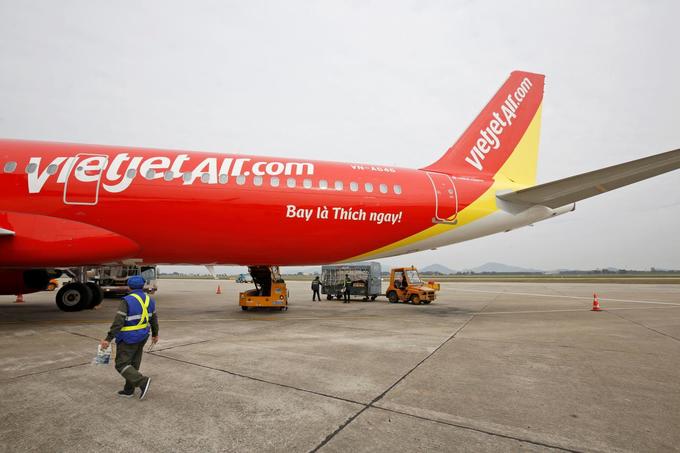
    Vietjet is rolling out a major Summer 2026 promotion, offering 11 million tickets with discounts of up to 100% on base fares. Promotional fares are available for booking from now until 00:59 on 8 May 2026. As part of the campaign, Vietjet is offering 10 million Deluxe tickets at 30% off (excluding taxes and fees) across its flight network for travel through 31 August 2026 (*). Passengers can enjoy the offer by applying promo code SALE55DLX during booking. Deluxe fares include up to 20kg of checked baggage, complimentary seat selection, and flexible itinerary changes.

    In addition, one million Eco tickets are available at 100% off (excluding taxes and fees) with promo code SALE55, valid across all Vietjet routes for travel between 5 September 2026 and 31 March 2027 (*). Passengers booking Eco fares during the promotion will also receive 20kg of complimentary checked baggage.

    For travellers in Singapore, the promotion presents an ideal opportunity to plan their next Vietnam getaway, with Vietjet’s direct services from Singapore to Ho Chi Minh City, Hanoi, Da Nang and Phu Quoc. From vibrant city breaks and cultural escapes to relaxing beach holidays, travellers can choose from a wide range of destinations or plan longer multi-stop journeys across Vietnam.
    To further enhance the summer campaign, passengers who complete a successful booking between now and 19 May 2026 (GMT+8) will receive a lucky draw entry code for the “Fly Vietjet, Strike Gold” program (**). Prizes include one tael of 999.9 gold, silver, e-vouchers worth up to VND 15 million (approx. SGD 725), and other rewards.

    With an extensive network spanning Vietnam and key international destinations, Vietjet continues to connect travellers to vibrant cities in Southeast Asia, as well as Australia, China, India, Japan, South Korea, and beyond. The airline invites passengers to explore new destinations and cultural experiences this summer.

    On board, Vietjet offers a selection of fresh, hot meals and signature Vietnamese dishes such as pho, banh mi, and Vietnamese iced coffee, alongside a variety of international cuisine. Flights are operated by a modern fleet and supported by professional cabin crews, delivering a comfortable and enjoyable travel experience.

    (*) Travel periods and conditions may vary by route. Blackout dates may apply. Please refer here.
    (**) For more details about the “Fly Vietjet, Strike Gold” program, please refer here.

  • Nykaa Faces $210K Lawsuit for Alleged Copyright Violation on Instagram Reels

    Nykaa Faces $210K Lawsuit for Alleged Copyright Violation on Instagram Reels

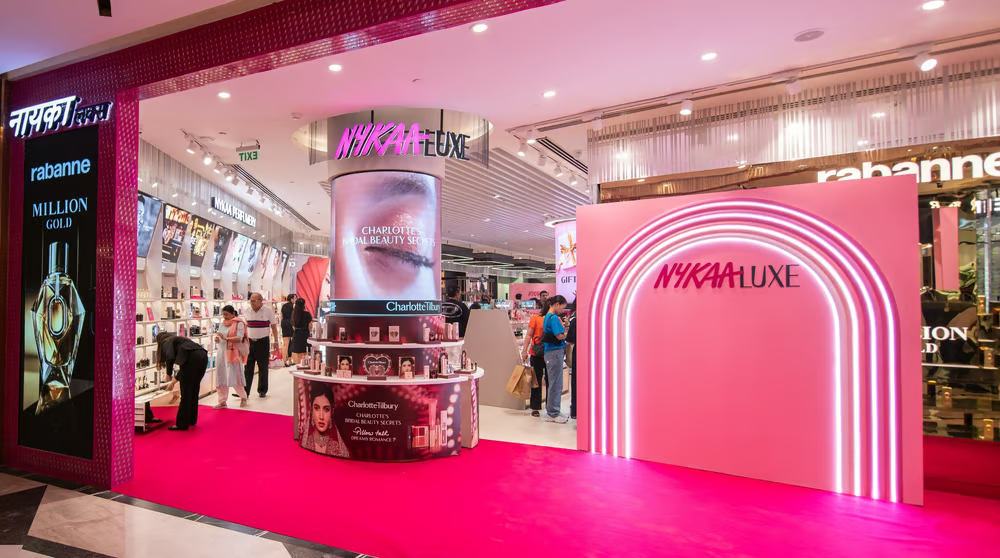
    Zee Entertainment, an entertainment company based in India, has initiated a lawsuit against Nykaa, a fashion and beauty retailer. The entertainment company has accused Nykaa of using its copyrighted songs in promotional reels on Instagram, without the necessary permissions. As a result, Zee Entertainment is seeking $210,000 in damages.

    Zee’s Licensing Agreement with Meta Platforms

    According to the lawsuit filed with the Delhi High Court on April 3, Zee Entertainment holds a licensing agreement with Meta Platforms. This agreement permits individuals to use Zee’s music for non-commercial purposes in their Instagram posts. However, Zee alleges that Nykaa has violated this agreement by using various copyrighted songs to advertise products to its millions of followers on Instagram.

    The lawsuit in question is not available to the public. Both Nykaa and Zee Entertainment have refrained from commenting on the issue.

    Social media platforms such as Instagram, a Meta product, have seen a surge in their use for advertising purposes. Brands now frequently employ short-video formats, often accompanied by popular music, to promote their goods.

    Removal of Flagged Links

    The lawsuit filed by Zee Entertainment cites 12 specific Instagram posts where Nykaa allegedly used Zee’s licensed music unlawfully. Following a brief hearing on Thursday, Nykaa’s legal representative informed the court that the 12 flagged links had been removed.

    Zee’s lawsuit, which spans over 900 pages, asserts that Nykaa utilized the music “without procuring any permissions or authorizations” from the entertainment company. The lawsuit advances a claim for 20 million rupees (approximately $209,742) as compensation for Nykaa’s illicit use of Zee’s music.

    The legal dispute between these two major companies could potentially have broader consequences. Aditya Gupta, a partner at Ira Law in India, suggests that “Marketing departments often use content available on music libraries without reading the fine print of the Instagram terms” and that the court’s decision could “provide much-needed clarity.”

    Questions & Answers

    What is the basis of Zee Entertainment’s lawsuit against Nykaa?
    Zee Entertainment alleges that Nykaa has used its copyrighted music in promotional Instagram reels without the necessary permissions, thereby violating Zee’s licensing agreement with Meta Platforms.

    What action has Nykaa taken in response to the lawsuit?
    Nykaa has removed the 12 specific Instagram posts flagged in Zee’s lawsuit, as reported by their legal representative in court.

    What are the potential implications of this case?
    The case could have wider consequences, potentially affecting the way marketing departments utilize content from music libraries. The decision could also provide clarity regarding the use of such content under Instagram’s terms.

  • China’s Retail Titan Meiyijia Debuts in Vietnam as Ohmee, Eyes Southeast Asia Expansion

    China’s Retail Titan Meiyijia Debuts in Vietnam as Ohmee, Eyes Southeast Asia Expansion

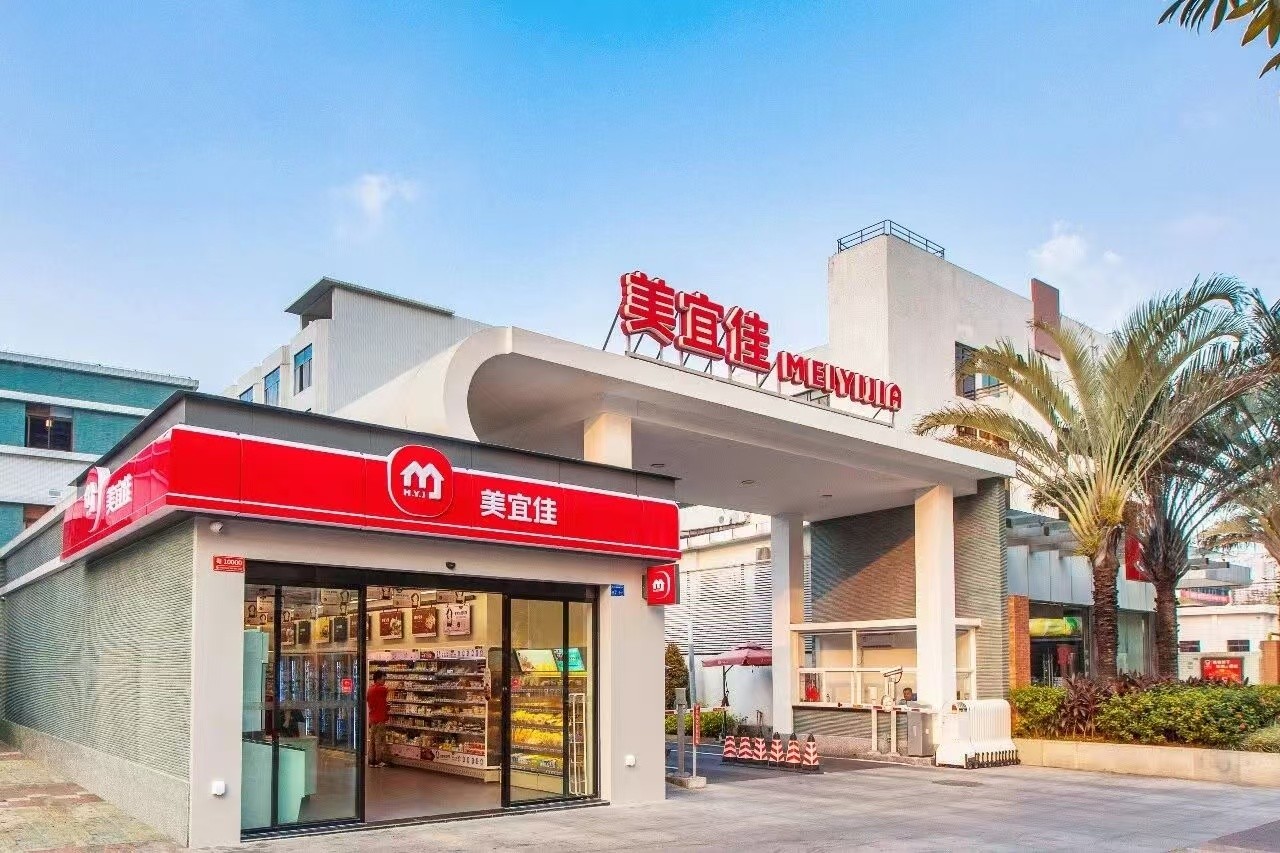
    China’s leading convenience store chain, Meiyijia, is propelling its expansion into Southeast Asia with the launch of its first stores in Vietnam under a fresh international brand, Ohmee.

    Marking the company’s maiden retail venture beyond China, three stores have already been established in Vietnam’s capital city, Hanoi. Ohmee has plans for further growth through franchising, adopting the successful business model that allowed Meiyijia to rapidly scale to a massive network of stores within its domestic market.

    Meiyijia’s Impressive Growth

    Meiyijia, birthed in Guangdong in 1997, has evolved into one of China’s most powerful convenience store chains. It boasts a vast network exceeding 40,000 stores. The key drivers of the company’s domestic growth have been its dense urban coverage and high supply chain efficiency.

    The Retail Landscape in Vietnam

    The convenience store market in Vietnam is dominated by major chains such as Circle K, GS25, Ministop, and 7-Eleven. With its entry into this competitive market, Meiyijia, under its Ohmee brand, intends to make a significant impact. Reports suggest that the company’s expansionary activities are not limited to Vietnam, with Malaysia also being on their radar.

    Questions & Answers

    What is Meiyijia’s new overseas brand called?
    The new overseas brand is called Ohmee.

    Where has Meiyijia opened its first stores outside of China?
    Meiyijia has opened its first stores outside of China in Vietnam’s capital, Hanoi.

    Which other Southeast Asian country is Meiyijia reportedly expanding into?
    Meiyijia is reportedly expanding into Malaysia.

  • Revitalized Toys R Us Hong Kong Celebrates 40 Years with Fresh Experiential Zones and Exclusive Brands

    Revitalized Toys R Us Hong Kong Celebrates 40 Years with Fresh Experiential Zones and Exclusive Brands

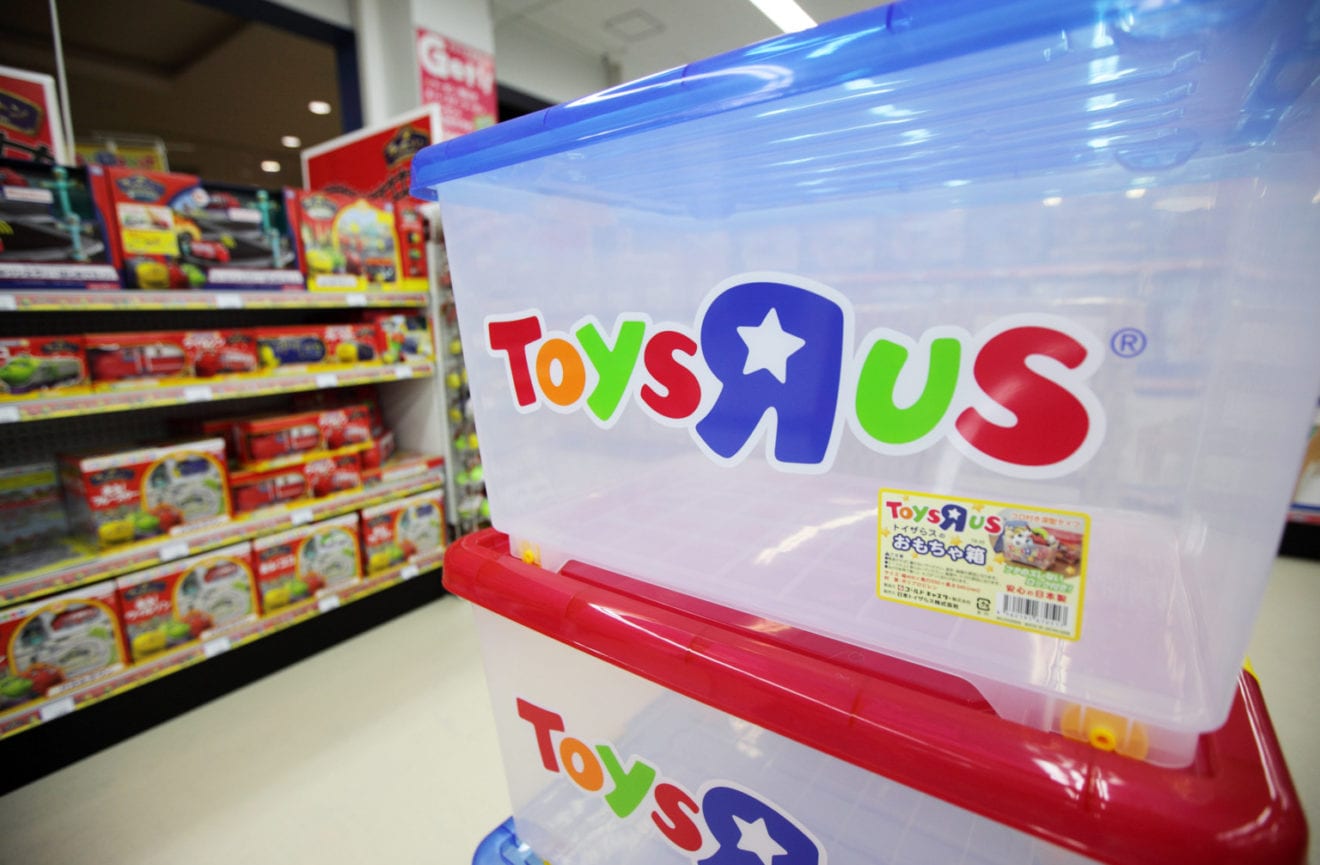
    To commemorate its 40th anniversary in Hong Kong, Toys R Us Asia has unveiled a transformed version of its flagship store in the Ocean Terminal, Tsim Sha Tsui. The store originally opened in 1986 and has been revamped to feature nine new in-store themed concepts and interactive zones.

    Store-in-Store Concepts and Themed Zones

    The remodelled flagship store now showcases dedicated branded areas for popular franchises such as Pokémon, Tomica, Bandai, Lego, Nintendo, Sanrio, Sylvanian Families, Transformers, and VTech. This development includes the introduction of several concepts to the Hong Kong market for the first time. These new features include an integrated Pokémon Play Lab and a Tomica Brand Store, which boasts a collection of over 2,000 die-cast models.

    The CEO of Toys R Us Asia, Leo Tsoi, shared his insights on the upgrade. He said, “Toys R Us is in tune with the increased demand for pop culture and emotionally resonant items from children, Gen Z, and ‘Kidults’. We are committed to introducing animation IPs, collaborative merchandise, and proprietary products. Our aim is to craft more meaningful play and collectible experiences tailored for consumers in Hong Kong and across Asia.”

    Additional Features

    As well as the branded areas, the flagship store also features a Nintendo gaming trial zone, a Sanrio-themed retail space, and a play area for VTech and LeapFrog designed for parent-child interaction. The store creatively incorporates themed zones that reflect local culture and current trends.

    With more than 450 stores across 10 markets, Toys R Us Asia’s focus is on integrating retail with interactive and experiential elements. The revamped Hong Kong flagship store exemplifies this approach. It also exemplifies Toys R Us Asia’s strategic move to expand its appeal beyond children, reaching out to adult collectors and a broader segment of consumers.

    Questions & Answers

    What significant changes have been made to the flagship Toys R Us store in Hong Kong?
    The store has been upgraded to include nine new in-store themed concepts and interactive zones. It also features an integrated Pokémon Play Lab and a Tomica Brand Store, which are first-time additions to the Hong Kong market.

    What is the strategic focus of Toys R Us Asia?
    Toys R Us Asia is focused on integrating retail with interactive and experiential elements. They also aim to broaden their appeal beyond children to include adult collectors and a wider consumer market.

    Who are the target consumers for the revamped Toys R Us store?
    The revamped store targets not only children but also Gen Z and ‘Kidults’ – adults who have an affinity for items traditionally aimed at children. The store also seeks to provide experiences tailored to the specific needs of consumers in Hong Kong and across Asia.

  • Reliance Retail Ups Beauty Game with Acquisition of Priyanka Chopra Jonas’s Anomaly

    Reliance Retail Ups Beauty Game with Acquisition of Priyanka Chopra Jonas’s Anomaly

    Reliance Retail, the premier retailer in India, has recently added the Anomaly haircare brand, owned by globally renowned actor Priyanka Chopra Jonas, to its portfolio.

    Strategic Acquisition of Anomaly

    Anomaly was established by Chopra Jonas in 2021. It offers a range of affordable vegan haircare products that are sold globally. The brand was acquired from Maesa, a U.S.-based beauty company. The acquisition marks a strategic move for Reliance Retail as it continues to diversify its range of offerings with cutting-edge, fast-growing beauty brands.

    Isha Ambani, Executive Director at Reliance Retail Ventures, commented on the acquisition. She stated that Anomaly’s powerful global presence, commitment to clean formulation, and affordable pricing make it a valuable addition to the company’s ecosystem. Ambani sees substantial potential for growth in a collaborative effort with Chopra Jonas, aiming to expand Anomaly’s market in India by capitalizing on Reliance Retail’s omnichannel capabilities and deep consumer insight, while also increasing the brand’s international footprint.

    Plans for Expansion

    Reliance Retail intends to concentrate on expanding Anomaly’s presence in India. The company will also work towards increasing the brand’s market in North America, the United Kingdom, and the Middle East.

    Chopra Jonas expressed her excitement about the new journey Anomaly embarks on following the acquisition by Reliance Retail. She remarked that what started as a deeply personal endeavor has now evolved into a brand with a significant purpose and global ambitions.

    Questions & Answers

    What is Anomaly and who owns it?
    Anomaly is a vegan haircare brand that was founded in 2021 by the world-renowned actor Priyanka Chopra Jonas.

    Who acquired Anomaly?
    Anomaly was recently acquired by Reliance Retail, the largest retailer in India.

    What are Reliance Retail’s plans for Anomaly?
    Reliance Retail plans to expand Anomaly’s presence in India using its omnichannel capabilities and deep consumer insights. It also aims to increase the brand’s market in North America, the United Kingdom, and the Middle East.

  • SM Home Revolutionizes Retail with Innovative Store Concept in Makati Flagship Overhaul

    SM Home Revolutionizes Retail with Innovative Store Concept in Makati Flagship Overhaul

    SM Home, the popular home and living subsidiary of Philippine retail giant SM, is set to unveil its freshly redesigned Makati flagship store this week. This debut also marks the commencement of a wider overhaul of SM Home’s retail format.

    Innovation in Store Design

    The Makati branch is the pioneer location to be revamped under SM Home’s novel framework, with plans to apply the same blueprint to SM Home Aura and SM Home Megamall stores in the near future.

    The redesigned stores feature a meticulously reconfigured layout, segmenting the store into dedicated zones for kitchen, dining, living, bedroom, bathroom, storage, laundry, cleaning, and a gift registry. This restructure aims to offer a streamlined, efficient shopping experience for customers.

    Beyond Visual Appeal

    Janice Yang, Business Unit Head at SM Home, emphasized that the modifications extend beyond mere aesthetic enhancements. These changes include thorough product curation, brand identity revamp, and a comprehensive transformation of the overall in-store experience.

    The innovative concept keenly blends core household essentials with more “aspirational products”. This fusion allows customers to make everyday purchases and more significant, higher-value investments within a single retail environment.

    Commitment to Customer Satisfaction

    Yang added, “We are rebuilding SM Home, starting with Makati, because Filipinos deserve a home store that is built for real life.” This statement resonates with SM Home’s commitment to offering its customers a retail experience tailored to their real-life needs and preferences.

    With over 70 nationwide locations, SM Home aims to gradually extend this novel retail format to its other stores nationwide.

    Questions & Answers

    What is the new store layout of SM Home’s redesigned stores?
    The newly designed stores are divided into dedicated zones for kitchen, dining, living, bedroom, bathroom, storage, laundry, cleaning, and a gift registry.

    What changes were made in the SM Home’s store redesign?
    The redesign includes a complete overhaul of the store layout, product curation, brand identity revamp, and an overall transformation of the in-store experience.

    What is the objective behind SM Home’s store redesign?
    SM Home aims to offer Filipinos a home store experience that is built for real life, combining everyday household essentials and higher-value aspirational products in a single retail environment.

  • Weight-Loss Medications Boost Mint and Gum Sales: Hershey Rides the ‘Ozempic Breath’ Wave

    Weight-Loss Medications Boost Mint and Gum Sales: Hershey Rides the ‘Ozempic Breath’ Wave

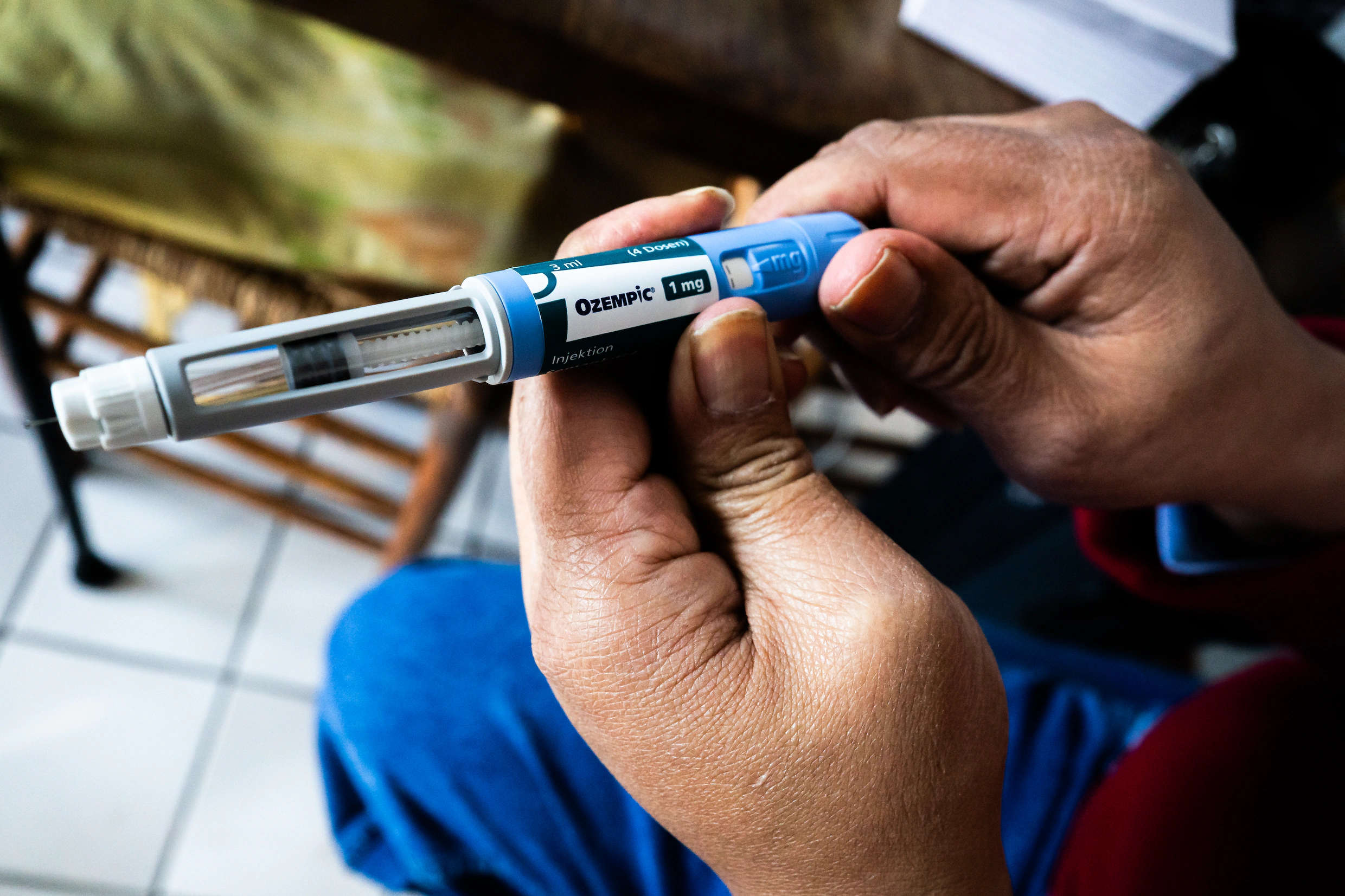
    The Hershey Company recently highlighted a surprising uptick in their sales of mints and gum, which they attribute to the rising prevalence of weight-loss drugs and the consequent shift in consumers’ snacking habits. The company noted that the demand for products that freshen breath has grown in tandem with the trends toward “functional snacking” associated with the consumption of medications like Ozempic and Wegovy.

    Kirk Tanner, Hershey’s CEO, stated, “We’ve noticed a robust demand for gum and mints as they benefit from the tailwinds of functional snacking, influenced by the adoption of GLP-1 medications.” He also pointed out that the retail sales for Ice Breakers, the company’s third-largest confection brand, saw an increase of over 8% during the quarter.

    While the Hershey Company did not directly associate this trend with specific side effects, it is worth noting that some consumers taking GLP-1 medications have reported experiencing halitosis, colloquially referred to as ‘Ozempic breath’. Medical professionals suggest that this could be due to dry mouth resulting from dehydration or changes in saliva production, notwithstanding the fact that it is not officially listed as a side effect.

    This shift in consumption habits has not only impacted the mint and gum market but has also influenced other sections of the snacking industry. For instance, premium chocolate manufacturer Lindt & Sprungli has reported a marked increase in US sales among GLP-1 users. Similarly, Magnum Ice Cream Company has noticed that the trend is bolstering the demand for smaller, higher-quality snacks.

    Peter ter Kulve, the CEO of Magnum Ice Cream Company, said, “As consumers who use GLP-1s are eliminating lower-quality snacking options first, categories such as premium chocolate, premium ice cream, and protein snacks could potentially acquire a larger share of the overall snacking market.”

    Questions & Answers

    **What has been the trend in Hershey’s sales of mints and gum?**
    Hershey’s has observed an unexpected surge in their sales of mints and gum, which they attribute to changing consumption patterns due to the increased use of weight-loss drugs.

    **What are the potential reasons for the ‘bad breath’ experienced by some users of GLP-1 medications?**
    Medical professionals suggest that the bad breath experienced by some users of GLP-1 medications could be due to dry mouth resulting from dehydration or changes in saliva production.

    **How has the shift in snacking habits influenced other sectors of the snacking industry?**
    The shift in consumption patterns is supporting the demand for smaller, higher-quality snacks in other sectors of the industry. Companies like Lindt & Sprungli and Magnum Ice Cream Company have reported increased sales among users of GLP-1 medications.

  • Grab Defies Fuel Crisis with Double-Digit Growth: Record Earnings and Soaring Demand in Q1

    Grab Defies Fuel Crisis with Double-Digit Growth: Record Earnings and Soaring Demand in Q1

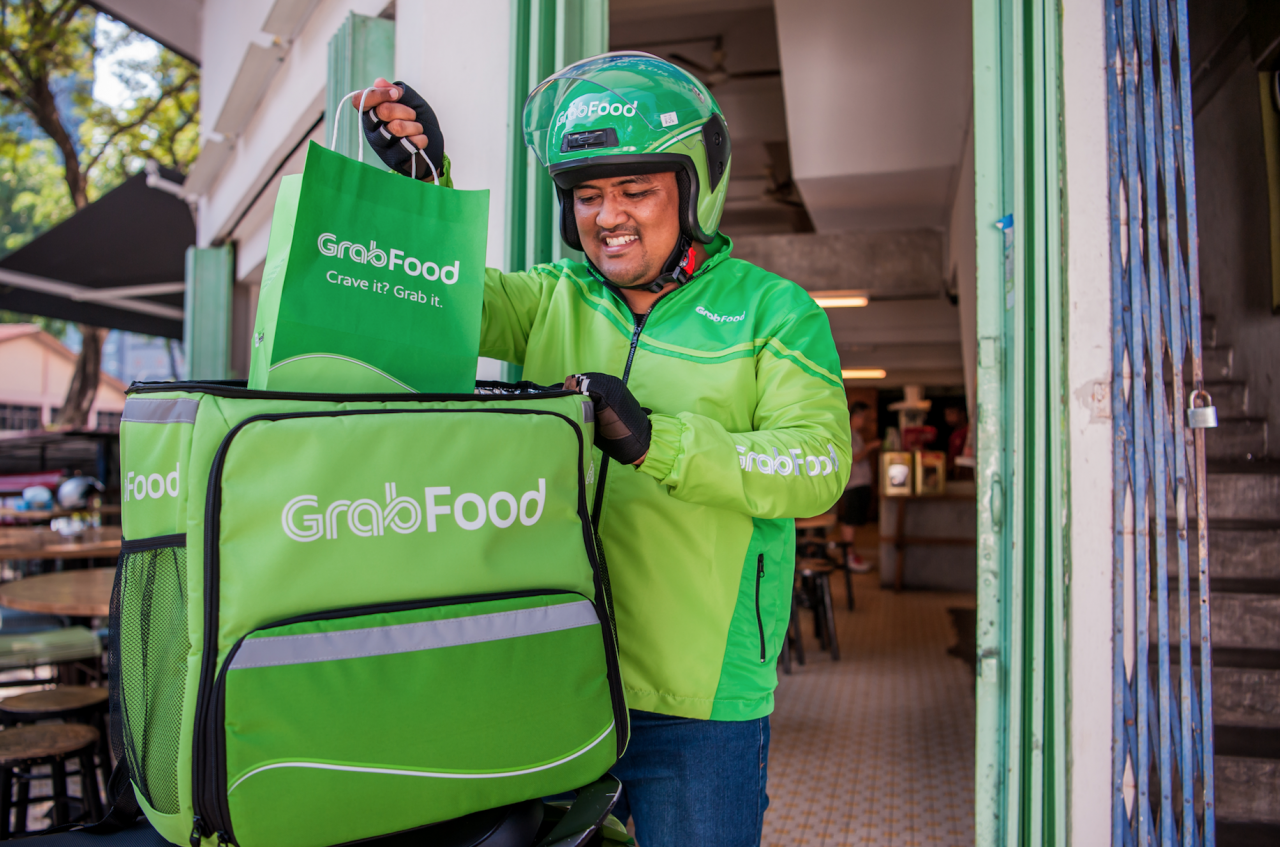
    Singapore-based Grab Holdings kicked off the new financial year on a high note, reporting double-digit growth in its first-quarter revenue and earnings, reflecting the company’s robust resilience in the face of market fluctuations.

    Impressive First-Quarter Results

    Grab’s revenue for the first quarter, ending March 31, climbed by 24%, amounting to US$955 million. This represents a 19% increase when considered on a constant currency basis.

    The gross value of the company’s on-demand merchandise, a key indicator of transactions from Grab’s mobility and delivery branches, also witnessed a significant jump. It surged by 24% according to reported figures and 21% on a constant currency basis.

    The firm recorded a striking 46% increase in its Adjusted EBITDA, reaching a record-setting figure of $154 million. Profits also displayed an upward trend, going from $10 million in the previous year to $120 million.

    Grab’s Group CEO and Co-founder, Anthony Tan, attributed these strong outcomes to the resilience of the company’s platform, particularly in the face of Southeast Asia’s unpredictable macroeconomic climate, which is currently grappling with a fuel crisis.

    Supporting Driver-Partners Amid Rising Fuel Prices

    Grab acknowledged an increase in its on-demand incentives during the quarter. This move was taken to bolster the earnings of driver-partners as fuel costs across the region spiral upwards. It also aimed to cater to the increased demand during the festive season.

    Segment-Wise Performance

    Looking at the performance of different sectors, the delivery revenue witnessed a 23% surge, totaling $510 million. The mobility revenue increased by 19%, amounting to $337 million. The financial services sector also saw a boost in revenue, with a 43% rise that led to $107 million.

    Outlook for the Full Year

    For the upcoming year, Grab maintains its revenue forecast, predicting a figure between $4.04 billion and $4.10 billion, indicating a 20-22% rise. The Adjusted EBITDA is also expected to grow by 40-44%.

    As the company moves forward, it reaffirms its commitment to ensuring durable, profitable growth while standing in solidarity with its communities. According to Tan, the company plans to leverage AI to deliver hyper-personalized experiences for users while creating more sustainable earning opportunities for ecosystem partners.

    Expansion Beyond Southeast Asia

    Earlier this year, Grab made its debut outside Southeast Asia by acquiring Delivery Hero’s Foodpanda business in Taiwan for $600 million.

    Questions & Answers

    What was Grab’s first-quarter revenue?
    Grab’s revenue for the first quarter was US$955 million, representing a 24% increase.

    What steps has Grab taken to support its driver-partners amid the fuel crisis?
    Grab has increased its on-demand incentives to bolster the earnings of driver-partners affected by rising fuel costs.

    What are Grab’s revenue predictions for the upcoming year?
    Grab estimates its revenue to be between $4.04 billion and $4.10 billion, indicating a 20-22% rise.

  • PepsiCo NZ Revolutionizes Snack Game with Mini Canisters and Bluebird Crackers: Trustworthy Brands in Exciting New Formats

    PepsiCo NZ Revolutionizes Snack Game with Mini Canisters and Bluebird Crackers: Trustworthy Brands in Exciting New Formats

    PepsiCo New Zealand has announced the addition of two innovative product offerings to its popular snack portfolio. The new product lines include Bluebird-branded crackers and a ‘Mini Canister’ range, marking a significant shift in the company’s strategy as they move their existing flavour profiles across varied food categories and packaging formats.

    Product Rollout

    The new additions consist of two distinctive formats: Mini Canisters priced at an RRP of NZ$4.99 and Bluebird Crackers at an RRP of $3.79. The Mini Canisters comprise smaller versions of fan-favourite snacks such as Doritos Cheese Supreme, Grain Waves Sour Cream & Chives, and Cheetos Cheese & Bacon, all conveniently packaged in portable containers.

    On the other hand, the Bluebird Crackers consist of oven-baked biscuits. They’ve been designed to incorporate flavours previously unique to the company’s potato chip range. These flavours include Cheddar Cheese, Salt & Vinegar, Sour Cream & Chives, and Crispy Chicken.

    Both the Mini Canister and Bluebird Cracker ranges will be made available throughout major supermarkets across the country, offering consumers wide access to these new snack options.

    Meeting Consumer Needs

    Lee Kent, GM of NZ Foods at PepsiCo, shared insights about the new product launches. According to Kent, the company’s latest offerings reflect the preferences of Kiwi consumers who value choice, convenience, and the trust they place in familiar brands that continue to innovate.

    Kent further expressed PepsiCo’s commitment to growing its snack category through these new products. The ultimate goal, he shared, is to continue introducing fresh, relevant innovations that meet and exceed consumer needs and expectations.

    Questions & Answers

    What are the new product lines PepsiCo New Zealand has introduced?
    PepsiCo New Zealand has launched two new product lines – Bluebird-branded crackers and a ‘Mini Canister’ range.

    What does this expansion indicate for the company?
    This expansion marks a shift in the company’s strategy as they move their existing flavour profiles across different food categories and packaging formats.

    Where will the new snack ranges be available?
    Both the Mini Canister and Bluebird Cracker ranges will be distributed through major supermarkets nationwide.

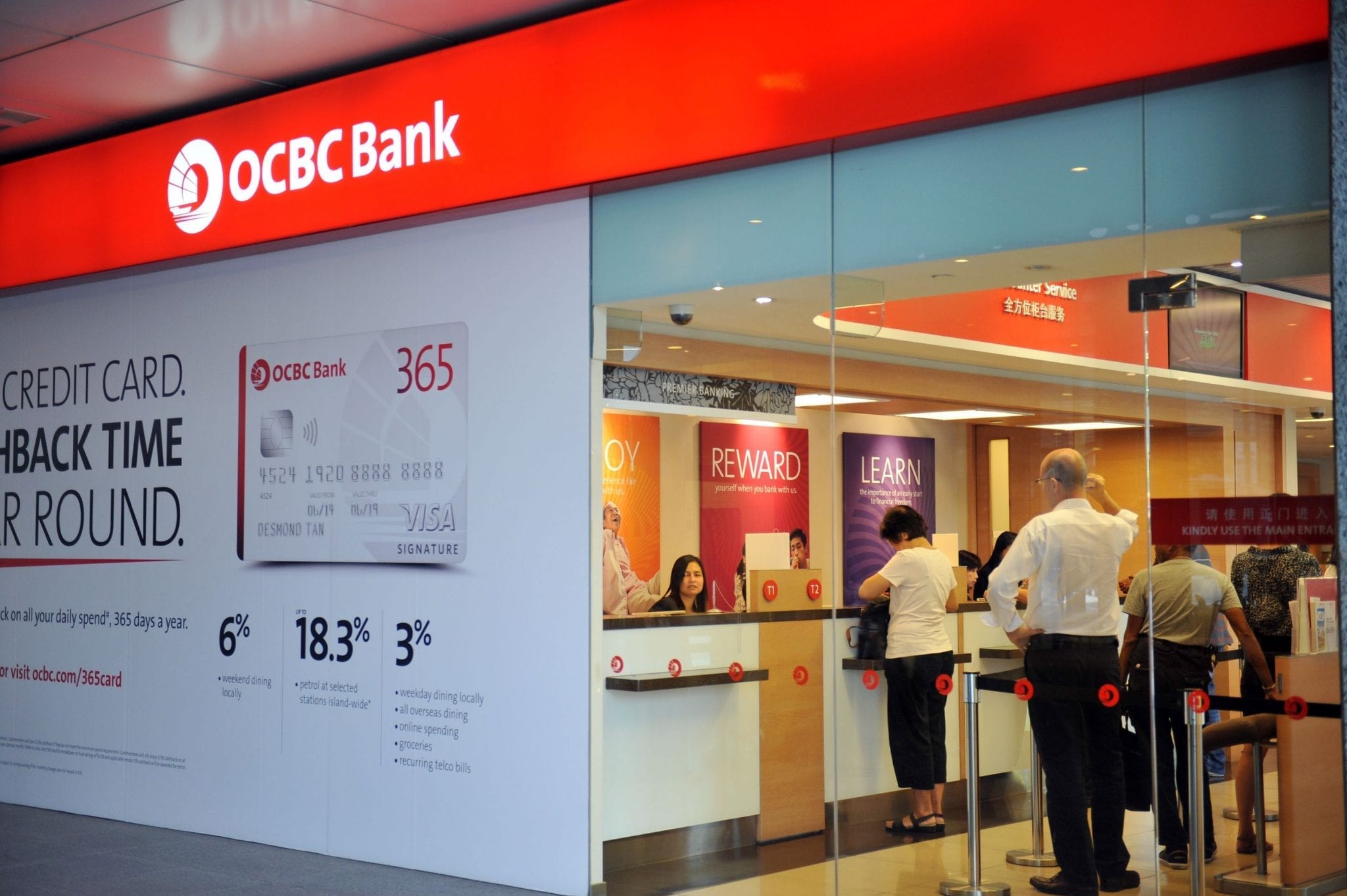
  • OCBC Bolsters Southeast Asia Presence with Major Acquisition from HSBC Indonesia’s Retail Banking Business

    OCBC Bolsters Southeast Asia Presence with Major Acquisition from HSBC Indonesia’s Retail Banking Business

    In a strategic move to bolster its foothold in Southeast Asia’s most significant economy, OCBC has entered into an agreement to procure HSBC’s retail banking and wealth management operations based in Indonesia.

    The Acquisition Details

    OCBC’s Indonesian subsidiary will take over the International Wealth and Premier Banking (IWPB) business of HSBC Indonesia, which includes its assets and liabilities. This acquisition will introduce approximately 336,000 customers to OCBC’s clientele, along with S$6.6 billion (US$4.9 billion) in assets under management (AUM).

    The transaction comprises customer deposits, investment products like mutual funds, bonds, and insurance, in addition to credit cards and retail loans. Furthermore, a small loan book amounting to roughly S$0.3 billion is also set to be transferred.

    OCBC has stated that the ultimate purchase price will be contingent on the net asset value of the business at the time of completion, along with a possible premium of up to S$0.48 billion, subjected to necessary adjustments. The deal is anticipated to be concluded by the second quarter of 2027, with the major bank planning to fund it internally.

    Strategic Expansion in Indonesia

    The purchase plays a significant role in OCBC’s broader scheme to enhance its wealth management prowess and deepen its roots in Indonesia, a critical growth market for the bank.

    OCBC highlighted the significance of IWPB Indonesia, stating it as one of the country’s largest foreign-owned retail banking and wealth platforms. The business currently operates through a network of 261 branches and has garnered widespread recognition in the wealth management sector.

    The completion of the deal is projected to elevate OCBC Indonesia’s AUM by approximately 25% and multiply its credit card balances by over 150%. It will also add an estimated 1,300 employees to its existing workforce.

    In the words of Group CEO Tan Teck Long, the acquisition is in line with the bank’s ‘Next Frontier’ strategy, which emphasizes enlarging its regional franchise and fostering growth in its wealth business.

    Questions & Answers

    What is the projected impact of the acquisition on OCBC Indonesia’s AUM and credit card balances?
    With the completion of the deal, OCBC Indonesia’s AUM is expected to increase by about 25%, and its credit card balances are anticipated to rise by more than 150%.

    What components of HSBC Indonesia are included in the transaction?
    The transaction involves customer deposits, investment products, credit cards, and retail loans from HSBC Indonesia. Additionally, a small loan book worth roughly S$0.3 billion will also be transferred.

    When is the deal expected to be finalized, and how will it be funded?
    The acquisition is planned to be concluded by the second quarter of 2027, with OCBC intending to finance it internally.