Author: Mei Ling Tan

  • GoTo Celebrates First-Ever Quarterly Profit, Signaling Turnaround After Gojek-Tokopedia Merger

    GoTo Celebrates First-Ever Quarterly Profit, Signaling Turnaround After Gojek-Tokopedia Merger

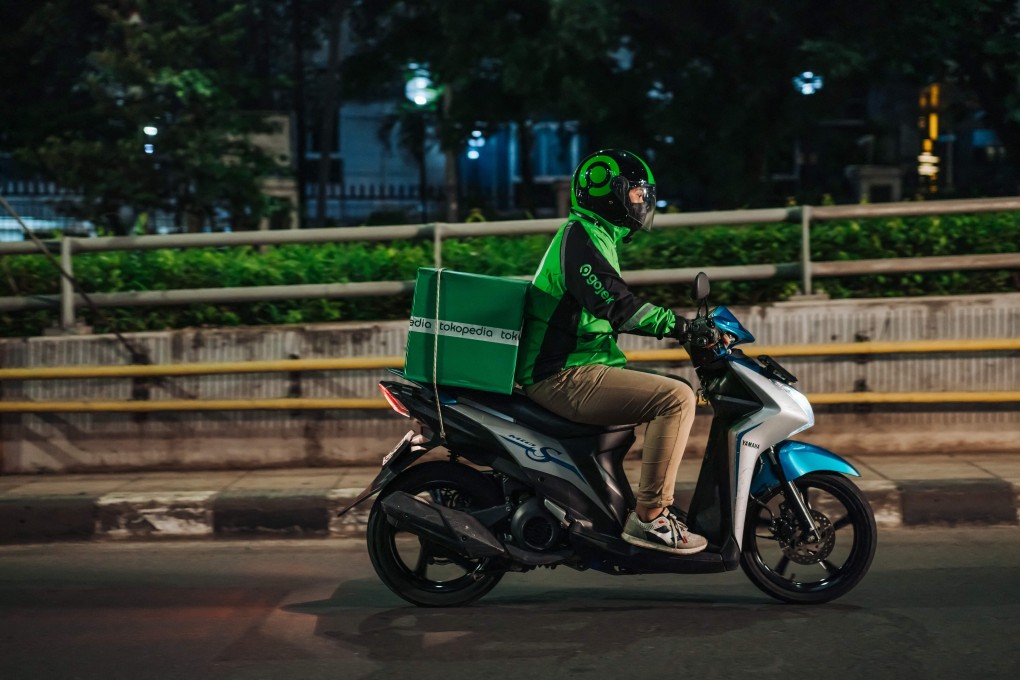
    GoTo, a prominent Indonesian ride-hailing firm, recently announced its first-ever quarterly net profit. This is a significant milestone for the company, which has seen strong revenue growth and increased cost control measures begin to pay dividends.

    The Turnaround

    GoTo was established in 2021 as a result of the merger between Gojek and Tokopedia. Despite its combined strengths, the company has faced difficulties in generating profits due to intense market competition and high operating expenses.

    However, the tides have turned for GoTo, with the company recording a net profit of 171 billion rupiah (US$9.94 million) for the quarter ending March 31. This is a stark contrast to the loss of 367 billion rupiah it incurred during the same period the previous year.

    GoTo’s diverse service offering, which includes ride-hailing, food delivery, logistics, and financial services, has contributed to its improved financial performance. The company announced a 26% year-on-year increase in net revenue for the first quarter, bringing it to 5.3 trillion rupiah.

    Outpacing Costs

    GoTo’s Chief Financial Officer, Simon Ho, explains that the company’s revenue growth has significantly overshadowed its rising costs across both fintech and on-demand services. There has also been a decrease in the cost to serve, as the company’s tech and AI strategies begin to take effect.

    Additionally, GoTo reported an attributable profit of 257.94 billion rupiah for the quarter, a considerable improvement from last year’s loss of 283.33 billion rupiah.

    Looking Forward

    Despite the current global macroeconomic uncertainty, GoTo has maintained its full-year adjusted EBITDA forecast of between 3.2 trillion rupiah and 3.4 trillion rupiah. The company, which enjoys support from Japan’s SoftBank Group and Singapore’s sovereign wealth fund GIC, has previously been the subject of merger rumors with Singapore-based competitor Grab, though no agreement has been formalized.

    Questions & Answers

    What was GoTo’s net profit for the quarter ending March 31?

    GoTo’s net profit for the quarter ending on March 31 was 171 billion rupiah (US$9.94 million).

    What services does GoTo offer?

    GoTo offers a variety of services including ride-hailing, food delivery, logistics, and financial services.

    What is GoTo’s full-year adjusted EBITDA forecast?

    Despite the current global macroeconomic uncertainty, GoTo has maintained its full-year adjusted EBITDA forecast of between 3.2 trillion rupiah and 3.4 trillion rupiah.
  • End of an Era: Iconic Isetan Department Store Shuts Down 15-Year-Old Singapore Outlet

    End of an Era: Iconic Isetan Department Store Shuts Down 15-Year-Old Singapore Outlet

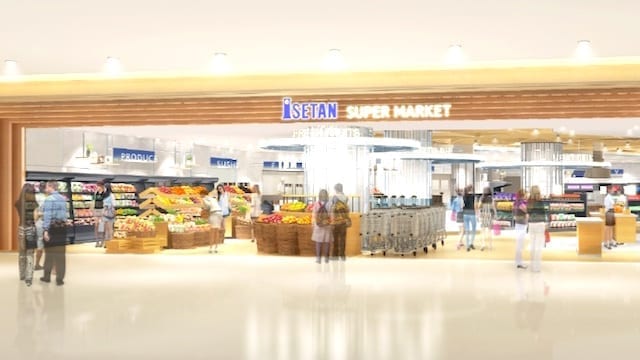
    The renowned Japanese department store, Isetan, recently ceased operations at its NEX shopping mall location in Singapore. The store, which had been in operation for 15 years, sold a wide range of items, including home goods, fashion, and beauty products. The closure came on April 26, following the expiration of the store’s lease.

    A Fond Farewell

    Isetan made the announcement of the closure via a Facebook post, expressing heartfelt gratitude to all its loyal customers and stakeholders who had supported the store for the past 15 years. A touching video shared online showed employees bidding their final goodbyes to customers on the store’s last operational day.

    A large crowd of shoppers gathered at the store’s entrance, where the store manager gave a farewell speech. In it, he showed appreciation for the customers’ unwavering support and kindness throughout the years. “Today is our last day of business,” he declared, adding warm wishes of health and happiness to the store’s patrons.

    Isetan’s Journey in Singapore

    Since its initial footprint in Singapore in 1972, Isetan has become a household name in the city-state. The opening of its Havelock outlet marked the arrival of the first Japanese department store in Singapore.

    At its height in 2013, Isetan operated six outlets across the country. However, the firm has had to close several stores in recent years. The most recent closures, prior to the NEX location, were the Tampines Mall store in November, after 30 years of operation, the Isetan Katong at the Parkway Parade shopping center in March 2022, and the Isetan Jurong at the Westgate Mall in March 2020.

    Looking Ahead

    The reasons behind the closures include a careful evaluation of local conditions and the consideration of future profitability. As Isetan continues to adapt to changing market conditions, its future strategies, operations, and presence in Singapore will undoubtedly be keenly watched.

    Questions & Answers

    Why did Isetan close its NEX outlet?
    The Japanese department store Isetan closed its NEX outlet due to the expiration of its lease on April 26.

    How long has Isetan been operating in Singapore?
    Isetan has been present in Singapore since 1972, when its Havelock outlet launched as the first Japanese department store in the city-state.

    How many stores did Isetan operate at its peak?
    Isetan operated six outlets across Singapore at its peak in 2013.

  • Revolutionizing Intimacy: Skyn Unleashes ‘Supreme Feel,’ Claimed as World’s Thinnest Non-Latex Condom

    Revolutionizing Intimacy: Skyn Unleashes ‘Supreme Feel,’ Claimed as World’s Thinnest Non-Latex Condom

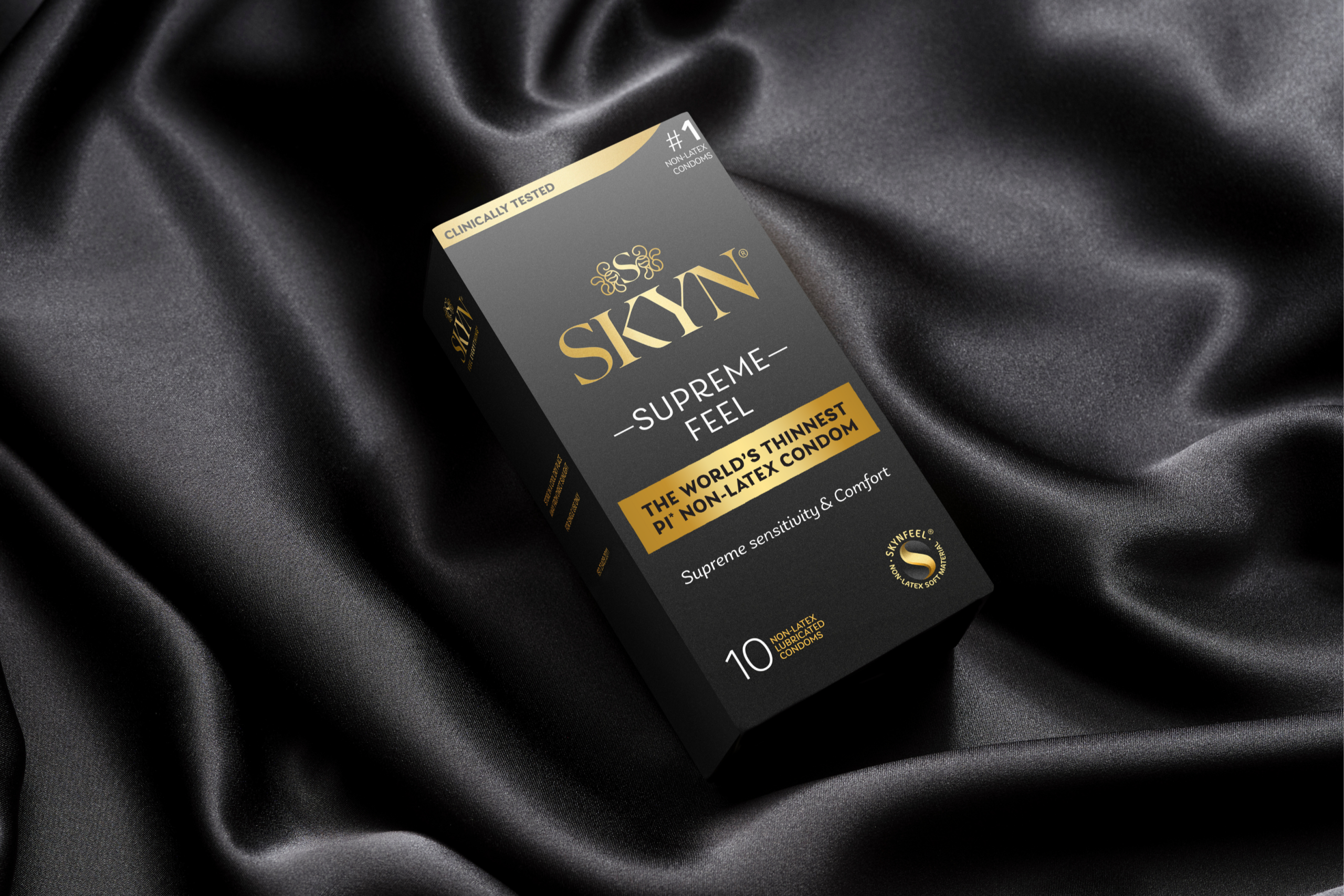
    LifeStyles Healthcare Australia has recently introduced its latest product, Skyn Supreme Feel, a non-latex, polyisoprene condom. According to the company, it’s the most ultra-thin condom of its variety currently available on the market.

    The Innovation Behind the Supreme Feel Condom

    The Supreme Feel condom is produced using a unique, patented material. This innovative polyisoprene material is completely latex-free, which makes it an ideal choice for those with latex allergies or sensitivity.

    Lifestyle Healthcare asserts that this non-latex synthetic material is not only soft and smooth but also boasts superior stretchability. This combination provides a more natural and comfortable experience, without compromising safety or effectiveness.

    The company has conducted comprehensive clinical testing to measure the performance of the Supreme Feel against other leading ultra-thin latex condoms. The results suggest that the Supreme Feel delivers a comparable, if not superior, performance.

    Availability and Price

    The Skyn Supreme Feel is now available for purchase at retailers across the country. The pricing remains competitive, despite the industry-wide uptick in condom prices speculated to be influenced by global events, such as the ongoing conflict in Iran.

    Questions & Answers

    What is the Skyn Supreme Feel condom made of?
    The Skyn Supreme Feel condom is made from a patented polyisoprene material. This non-latex synthetic offers a soft, smooth, and stretchy alternative to traditional latex.

    How does the Skyn Supreme Feel condom compare to other ultra-thin condoms?
    According to LifeStyles Healthcare, the product has undergone rigorous clinical testing against leading ultra-thin latex condoms. The results indicate that the Supreme Feel provides an equivalent or superior performance.

    Where can consumers purchase the Skyn Supreme Feel condom?
    The product is available at various retailers nationwide. Despite industry-wide price increases due to global events, LifeStyles Healthcare ensures that the Skyn Supreme Feel remains competitively priced.

  • Prada Embraces Indian Craftsmanship: Launches Authentic Kolhapuri Sandals to Mend Cultural Appropriation Rift

    Prada Embraces Indian Craftsmanship: Launches Authentic Kolhapuri Sandals to Mend Cultural Appropriation Rift

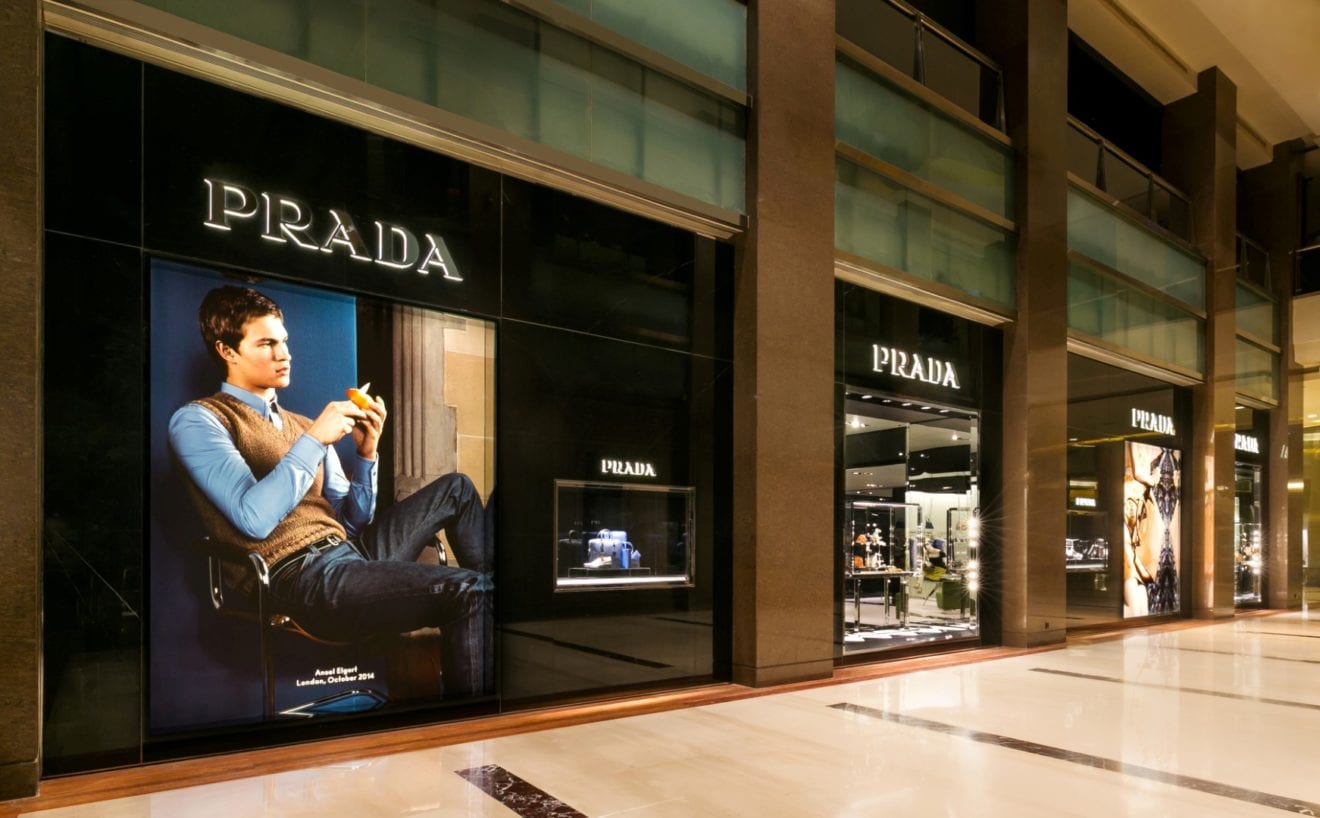
    Prada, the renowned Italian luxury brand, is set to debut a limited-edition collection of sandals crafted in India, bearing a keen resemblance to the traditional Indian Kolhapuri footwear. This initiative comes just months after the brand had to face a wave of criticism for showcasing similar designs without giving due credit to their Indian origins.

    Price Point & Controversy

    These exclusive pairs, each having a price tag of approximately 750 euros (US$881), are set to make a grand entrance into the luxury fashion platform. This initiative has its roots in a controversy that stirred up in June 2025. Prada was under fire for presenting sandals at a Milan fashion show which greatly resembled the traditional Indian Kolhapuri chappals. This led to an uproar among Indian artisans and political figures, who claimed this to be a case of cultural appropriation.

    In response, Prada acknowledged the inspiration drawn from the timeless Indian styles and disclosed that it had initiated discussions with artisan groups for potential collaboration.

    Production & Distribution

    In December, Prada revealed its plans to manufacture a total of 2000 pairs of these Indian-inspired sandals. This production will take place in the Indian states of Maharashtra and Karnataka, as part of agreements with two state-endorsed organizations. This collaboration aims to blend localized craftsmanship with innovative Italian technology.

    The brand announced that these sandals will be available for purchase in 40 carefully chosen Prada outlets around the globe, as well as online.

    Artisan Training Programme

    Moreover, Prada has initiated a three-year training programme specifically designed for artisans hailing from the eight districts in India traditionally associated with the crafting of Kolhapuri sandals. This programme, divided into six-month structured modules, will be delivered by two esteemed Indian design institutes. The objective is to enhance the skills of 180 artisans, with the first batch starting next month.

    In a statement, Tanu Kashyap, the director general at the National Institute of Fashion Technology, expressed her enthusiasm for the initiative, stating, “It is time that Indian traditional crafts take their rightful place on the world stage”.

    Additionally, these artisans will be given a chance to visit the Prada Group Academy in Italy to enhance their technical prowess further.

    Questions & Answers

    What was the controversy Prada faced in June 2025?
    Prada faced backlash for showcasing sandals at a Milan fashion show that resembled traditional Indian Kolhapuri chappals, without acknowledging their cultural origin.

    How is Prada merging traditional Indian craftsmanship with Italian technology?
    Prada plans to manufacture 2000 pairs of sandals in Maharashtra and Karnataka in India, in collaboration with local artisans and under agreements with two state-backed organizations.

    What is the three-year training programme initiated by Prada?
    Prada has kicked off a three-year training programme for artisans from eight districts in India traditionally associated with Kolhapuri sandal-making. Delivered by two leading Indian design institutes, the programme aims to enhance the skills of 180 artisans.

  • Kimberly-Clark Braces for $170M Blow from Rising Oil Prices Amid Robust Personal Care Product Demand

    Kimberly-Clark Braces for $170M Blow from Rising Oil Prices Amid Robust Personal Care Product Demand

    Kimberly-Clark, the multinational personal care corporation, announced on Tuesday that sustained high oil prices could tally an additional US$170 million in expenses for the second half of the year. Despite the warning, the company maintained its annual forecast, citing steady demand for personal care products.

    Higher Oil Prices to Impact Input Costs

    Concerns about escalating oil prices have been reverberating throughout the consumer goods industry, particularly among Kimberly-Clark’s competitors such as Procter & Gamble. The ongoing conflict in the Middle East continues to push up the price of oil. The company’s CFO, Nelson Urdaneta, asserted that if oil prices remain at $100-per-barrel for the remainder of the year, the company could witness a surge in gross input cost inflation of between $150 million and $170 million. Urdaneta clarified that the forecasted potential impact is not yet included in the company’s current outlook. However, management is reportedly exploring ways to mitigate these potential losses.

    Additional Risks and Challenges

    The manufacturer of Huggies diapers also anticipates a $50 million loss in the second quarter due to a recent fire at one of their distribution centers in California. This is in addition to the already mounting costs related to the Middle East conflict.

    Despite facing a slowdown in demand and stringent competition, Kimberly-Clark has managed to stay on course to complete its $40 billion acquisition of Kenvue, the maker of Tylenol, in the latter half of 2026. Rising product sales and a wider array of affordable options have helped the company weather these challenges.

    Company Outlook

    Chief Marketing Strategist at Zacks Investment ​Management, Brian Mulberry, noted that Kimberly-Clark’s transformation, with its focus on value across its product tiers, places the company in a better position compared to its counterparts.

    The company anticipates its organic sales growth for fiscal 2026 to be in line with or slightly ahead of the average growth in the categories and markets it competes. In the past 12 months, these markets have grown at a rate of approximately 2.5 per cent. The company’s annual adjusted profit forecast remains unchanged.

    Following the announcement that Kimberly-Clark surpassed first-quarter sales estimates, its shares rose about 1 per cent. The corporation reported sales of $4.16 billion, exceeding the average analyst estimate of $4.09 billion. However, the quarterly adjusted profit declined to $1.60 per share from $1.62 a year ago, affected by price reductions and investments in product innovation.

    Questions & Answers

    What is the projected impact of sustained high oil prices on Kimberly-Clark’s expenses?
    The company estimates an additional $150 million to $170 million in costs for the second half of the year if oil prices remain at $100 per barrel.

    What other challenges is the company facing aside from high oil prices?
    Kimberly-Clark is dealing with a slowdown in demand, intense competition, and a $50 million loss due to a fire at a distribution center in California.

    What is the state of Kimberly-Clark’s sales growth and forecast?
    Kimberly-Clark expects its 2026 organic sales growth to align with or surpass the average growth in its competitive markets. The company’s annual adjusted profit forecast remains consistent.

  • Electric Cars Take the Lead: Singapore Embraces EV Revolution, Toppling Traditional Players

    Electric Cars Take the Lead: Singapore Embraces EV Revolution, Toppling Traditional Players

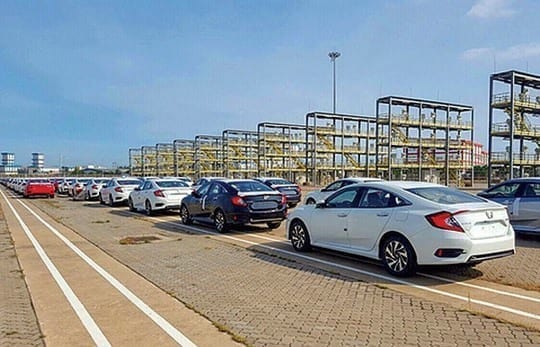
    In a historic shift, electric vehicles (EVs) constituted 57.6% of new vehicle registrations in the first quarter of this year in Singapore. This marks the first time EVs have outpaced both combustion engine and hybrid models in new registrations. The proportion of EVs has seen a significant increase, rising from 45% the previous year. Specifically, about 7,700 new electric vehicles were registered out of a total of 13,300 units.

    Chinese Brands Leading the Charge

    BYD, the automotive giant from China, led the pack with 3,239 registrations, accounting for 24% of the total new vehicles. The company expanded its market share from 21% at the end of 2025. Furthermore, three other Chinese brands—Chery, GAC, and MG—made their debut in the top ten best-selling car brands in Singapore. These new entrants replaced Hyundai, Kia, and Mazda, which held the seventh, eighth, and ninth spots, respectively, in 2025.

    Toyota and Tesla Maintain Strong Presence

    Despite a relatively modest EV lineup, Toyota managed to secure second place with 1,932 registrations, holding a 14.5% market share in the first quarter of 2026, a slight increase from the previous year. Tesla, the US-based EV manufacturer, secured 11.4% of the market with 1,515 registrations. This performance propelled Tesla to the third spot among best-selling brands in Singapore, up from sixth place in 2025.

    Incentives and Challenges in EV Adoption

    Current incentives in Singapore, designed to reduce the cost of owning an EV, offer buyers rebates of up to $30,000 on upfront vehicle taxes. In contrast, non-electric vehicles may face penalties of up to $35,000, depending on their emissions.

    However, Walter Theseira, a transport economist at the Singapore University of Social Sciences, pointed out that while EV adoption is gaining momentum, it is still a challenge for all new car registrations to be fully electric—particularly for high-mileage drivers, for whom hybrid models may be more suitable.

    Change in the Automotive Landscape

    Automotive consultant Say Kwee Neng observed a fundamental shift in the dynamics of the car industry, which began with the rise in EV adoption in 2024 and 2025. According to Hal Serudin, a partner at automotive consultancy Lumina 3 Sixty, the increase in sales of Chinese and EV brands is in line with trends observed in other regional markets such as Malaysia and Thailand; these brands have disrupted both mass-market and luxury segments.

    Questions & Answers

    What proportion of new car registrations in Singapore were electric vehicles in the first quarter of this year?
    Approximately 57.6% of new car registrations were electric vehicles.

    Which Chinese automotive brands are among the top ten best-selling car brands in Singapore?
    BYD, Chery, GAC, and MG are among the top ten best-selling car brands in Singapore.

    What incentives are currently offered in Singapore to promote EV adoption?
    Currently, Singapore offers rebates of up to $30,000 on upfront vehicle taxes for electric vehicle buyers.

  • Citi Bolsters Regional Standing with New Lead for Infrastructure Investment Banking in Asia South

    Citi Bolsters Regional Standing with New Lead for Infrastructure Investment Banking in Asia South

    In a bid to solidify its foothold in the rapidly burgeoning regional infrastructure market, global banking conglomerate Citi has announced the appointment of Bhavin Shukla as its new Managing Director. Shukla is set to steer the firm’s Infrastructure Investment Banking operations in Japan, Asia North and Australia (JANA), and Asia South.

    Role and Responsibilities

    As the new Managing Director, Shukla will be the linchpin for Citi’s infrastructure-linked endeavors, with responsibilities spanning across advisory, financing, and deal origination fronts. His role will entail close collaborations with teams across a spectrum of sectors, comprising financial sponsors, natural resources, and real estate. He will also liaise with global counterparts within the bank.

    Prior Experience

    Before his tenure at Citi, Shukla was associated with J.P. Morgan, where he held the dual responsibilities of Managing Director, serving as Head of Asia Infrastructure Investors Coverage (excluding Australia), and Head of India Infrastructure Investment Banking. During his stint there, Shukla successfully established a regional franchise, offering advisory, financing, and risk management solutions for infrastructure funds, sovereign wealth funds, and corporate clients.

    Strategic Implications

    Shukla’s appointment comes at a time when the Asia-Pacific region is witnessing what industry pundits term as an “infrastructure supercycle.” This trend, driven by investments in energy transition, digital infrastructure, urban development, and increasing private capital inflow, signifies booming opportunities for firms like Citi. The introduction of a dedicated senior leadership role is indicative of Citi’s strategic, long-term plans of establishing a leading infrastructure advisory and financing franchise across the region and worldwide.

    Citi executives opine that Shukla’s extensive experience in complex infrastructure deals, coupled with his valuable relationships with key investors, will be a significant asset in augmenting the bank’s capabilities in the sector.

    This new hire highlights the escalating competition among global banks, all vying to capitalize on the rising deal flow related to infrastructure investments. The focus comes as public and private investors amplify spending on renewable energy, transportation networks, and digital connectivity across the Asia-Pacific region.

    Questions & Answers

    What does Bhavin Shukla’s appointment as Managing Director at Citi signify?
    Shukla’s appointment underscores Citi’s strategic intent to bolster its position in the burgeoning regional infrastructure market.

    What will be Shukla’s primary responsibilities at Citi?
    He will serve as the regional anchor for Citi’s infrastructure-related ventures, overseeing advisory, financing, and deal origination, and will collaborate with teams across multiple sectors.

    How does Shukla’s appointment reflect the current trends in the Asia-Pacific region?
    His appointment comes amidst an “infrastructure supercycle” in the Asia-Pacific region, demonstrating the increasing importance of infrastructure investments in this area.

  • A2 Milk Triumphs in Trademark Tussle: Historic Australian Court Victory Over Care A2 Plus

    A2 Milk Triumphs in Trademark Tussle: Historic Australian Court Victory Over Care A2 Plus

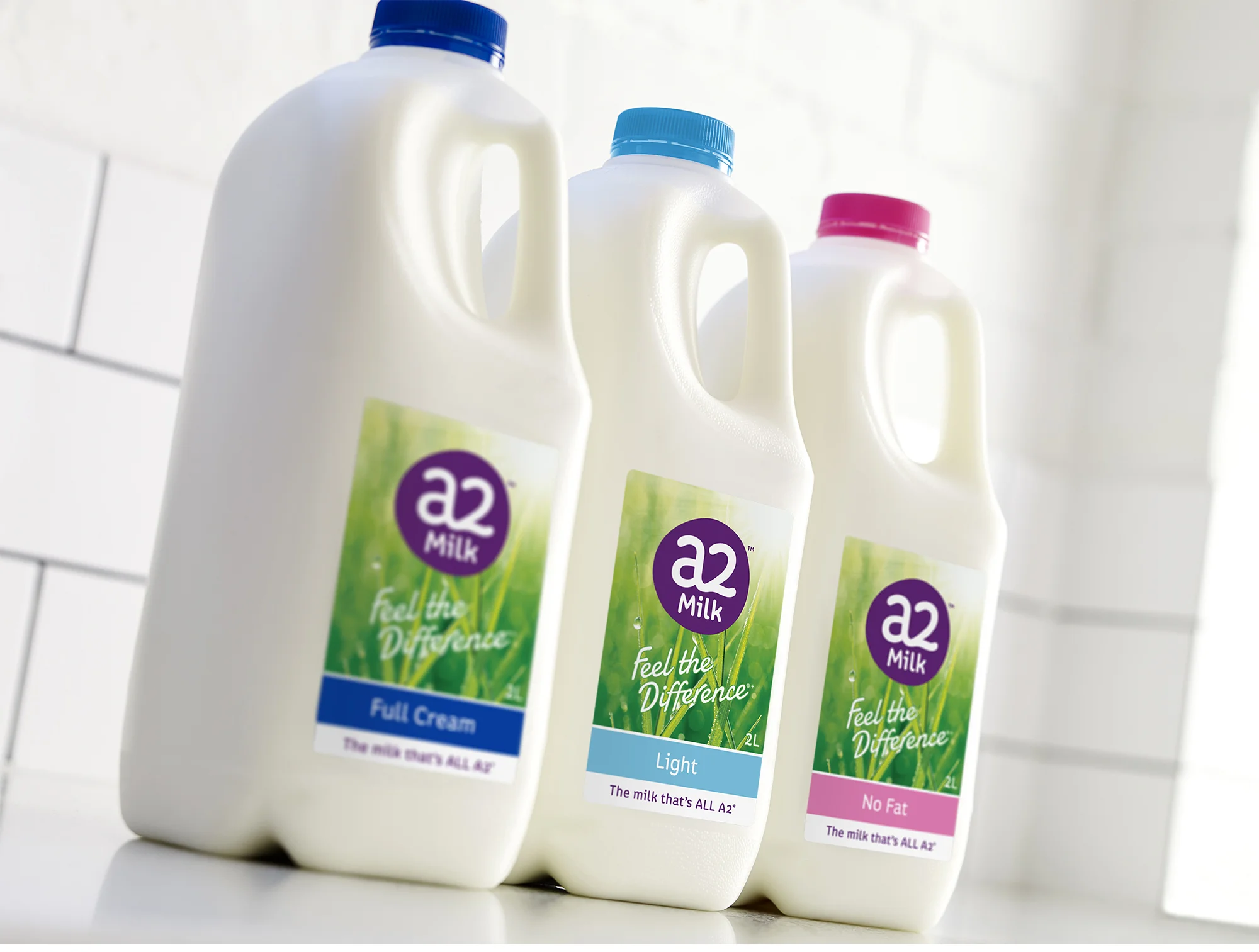
    The Federal Court of Australia has ruled in favor of The A2 Milk Company in a trademark lawsuit against its competitor, Care A2 Plus. The A2 Milk Company, a dairy company based in New Zealand, has several registered trademarks in Australia, including ‘A2 Milk’ and ‘A2’, that encompass a variety of products such as milk and infant formula.

    Care A2 Plus’s Alleged Infringement

    Care A2 Plus, another infant and toddler formula producer, markets its products in Australia under the branding ‘Care A2+’. The lawsuit was initially filed by A2 Milk against Care A2 Plus in 2023. The plaintiff accused Care A2 Plus of violating its trademark rights in contravention of the Australian Consumer Law.

    The A2 Milk Company asserted that Care A2 Plus consciously used the similar ‘A2/A2+’ branding even after requests to cease. The plaintiff also claimed that Care A2 Plus indulged in litigation strategies that escalated costs, and subsequently sought either damages or an account of profits.

    Court’s Stance on the Dispute

    At a hearing that took place this past Thursday, the court backed The A2 Milk Company. However, the court mandated both parties to present further submissions before it pronounces the final verdict concerning relief, including damages and costs.

    Despite Care A2 Plus’s claims that its packing was entirely distinctive, the court maintained that the conspicuous ‘A2/A2+’ branding could potentially indicate a connection to The A2 Milk Company.

    The court justified its ruling by stating that an average consumer encountering Care A2 Plus’s products for the first time would likely presume a connection with The A2 Milk Company. The consumer might even think that these products are part of The A2 Milk Company’s range or endorsed by the company.

    Questions & Answers

    What was the dispute between The A2 Milk Company and Care A2 Plus about?
    The dispute was about Care A2 Plus allegedly infringing on The A2 Milk Company’s registered trademarks by using a similar ‘A2/A2+’ branding.

    What did The A2 Milk Company seek from the lawsuit?
    The A2 Milk Company sought either damages or an account of profits from Care A2 Plus for using a similar branding and escalating litigation costs.

    What was the court’s ruling in the trademark dispute?
    The court ruled in favor of The A2 Milk Company, stating that Care A2 Plus’s ‘A2/A2+’ branding might lead consumers to believe that there is a connection between the two companies.

  • Thai AirAsia Trims Seat Capacity by 30% Amid Soaring Fuel Prices and Slowing Travel Demand

    Thai AirAsia Trims Seat Capacity by 30% Amid Soaring Fuel Prices and Slowing Travel Demand

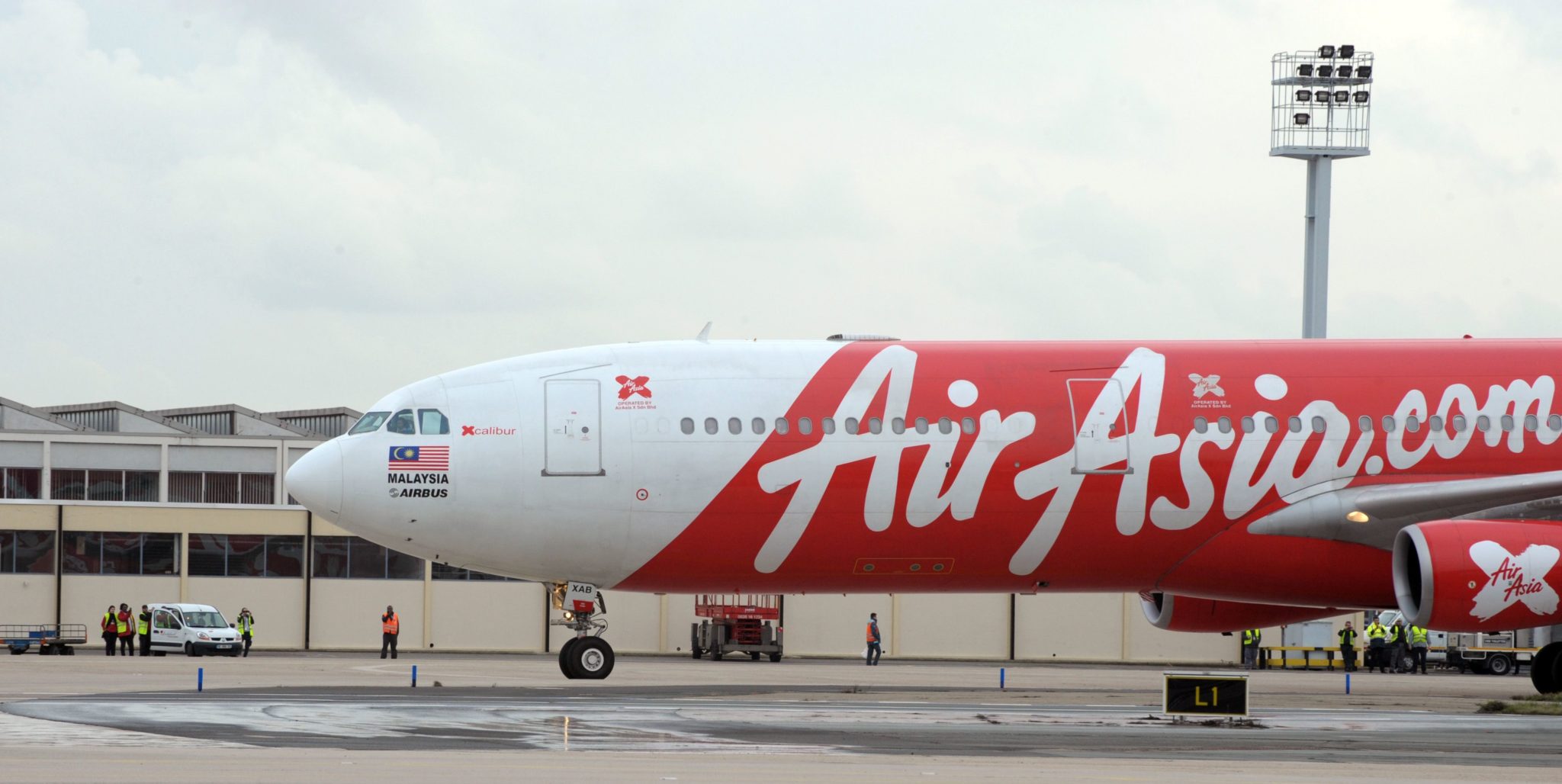
    In response to escalating aviation fuel costs and a decrease in mid-year travel demand, Thai AirAsia is set to curtail its overall seat capacity by about 30% for the months of May and June.

    Adapting to Market Changes

    The airline stated on Tuesday that it would meticulously adjust flight frequencies for domestic routes. Internationally, the airline has temporarily suspended and decreased frequencies, primarily on Indian routes, due to elevated operating costs.

    Phairat Pornpathananangoon, the CEO of the budget airline, reported that they are actively working on cost management strategies to counterbalance the sustained surge in aviation fuel prices and the expected mid-year travel downturn.

    Managing Seat Capacity and Flight Frequencies

    The airline is also focusing on effectively managing seat capacity to aptly meet the travel demand. Simultaneously, it is maintaining a balance by ensuring the fares reflect actual costs while remaining affordable for its customers.

    In the case of Thailand’s domestic network, the airline plans to reduce its flight schedules at Suvarnabhumi Airport. During May and June, it will only maintain direct services from Suvarnabhumi to Chiang Mai and Phuket.

    Meanwhile, for Don Mueang Airport, the airline intends to persist with its complete network across all destinations. The flight frequencies will be strategically adjusted to mirror actual passenger demand.

    Questions & Answers

    What measures is Thai AirAsia taking in response to the increase in aviation fuel prices and decreased mid-year travel demand?
    Thai AirAsia is reducing its overall seat capacity by approximately 30% for May and June. It is also adjusting flight frequencies for domestic routes and has temporarily suspended and decreased frequencies on certain international routes.

    How is Thai AirAsia managing its fares amid these changes?
    The airline is working to ensure that fares remain reflective of actual costs while still being reasonable for its customers.

    What changes will be made to Thai AirAsia’s domestic network?
    The airline plans to scale back its flight schedules at Suvarnabhumi Airport, retaining only direct services from Suvarnabhumi to Chiang Mai and Phuket during May and June. However, it will continue to operate its full network at Don Mueang Airport, adjusting flight frequencies to match passenger demand.

  • Nestlé Triumphs in Q1 Amidst Foreign Exchange and Recall Challenges: Coffee, Food, and Snacks Lead the Charge

    Nestlé Triumphs in Q1 Amidst Foreign Exchange and Recall Challenges: Coffee, Food, and Snacks Lead the Charge

    Nestlé, the multinational FMCG powerhouse, began the year with consistent growth. It did so despite a decline in sales attributed to currency fluctuations and the residual effects of a product recall involving infant formula.

    First Quarter Performance

    During the first quarter of the year, Nestlé’s performance illustrated the efficacy of its internal strategy. According to CEO Philipp Navratil, the company experienced strength across multiple sectors and categories, with coffee, food, and snacks being the standout performers. The company experienced notable growth in emerging markets, while in Europe and the United States, the performance remained solid despite the prevailing conditions.

    The reported total sales for the first quarter amounted to $27 billion (or CHF $21.3 billion). This represents a year-on-year decrease of 5.7 percent. In addition, foreign exchange fluctuations resulted in a 9.3 percent reduction in sales.

    Category Performance

    In terms of categories, coffee, food, and snacks were the leading performers. All sectors experienced positive growth, with the exception of infant formula within the nutrition business. The company reported that the infant formula recall caused a reduction in organic growth of approximately 90 basis points during the quarter. However, they also noted that product availability has since returned to normal.

    Emerging markets continued to excel, producing organic growth of 6.8 percent, excluding China. Europe demonstrated consistent trends, while the United States proved robust.

    Future Projections

    Navratil spoke about the momentum built in the first quarter and the company’s continued efforts to execute its strategy for a stronger Nestlé. In light of the complex and uncertain climate, he expressed gratitude to the teams for their commitment and customers for their trust.

    Looking to the future, the company anticipates organic growth of around 3 to 4 percent. This projection has been made despite the increasing global economic and geopolitical uncertainty. Profit margins are also expected to improve in comparison to last year, with gains likely to pick up speed in the second half of the year. Nestlé forecasts that free cash flow will exceed $11.4 billion.

    Questions & Answers

    What factors have led to Nestlé’s sales decline in the first quarter?
    The decline in sales has been attributed to currency fluctuations and the residual effects of a product recall involving infant formula.

    What categories have been the standout performers for Nestlé?
    According to the company, the categories that have led performance are coffee, food, and snacks.

    What are Nestlé’s expectations for future growth?
    Despite increasing global economic and geopolitical uncertainty, the company anticipates organic growth of around 3 to 4 percent. Profit margins are also expected to improve in comparison to last year.

  • US-Based Carlyle Group Acquires KFC Korea: Sets Sight on Nationwide Expansion

    US-Based Carlyle Group Acquires KFC Korea: Sets Sight on Nationwide Expansion

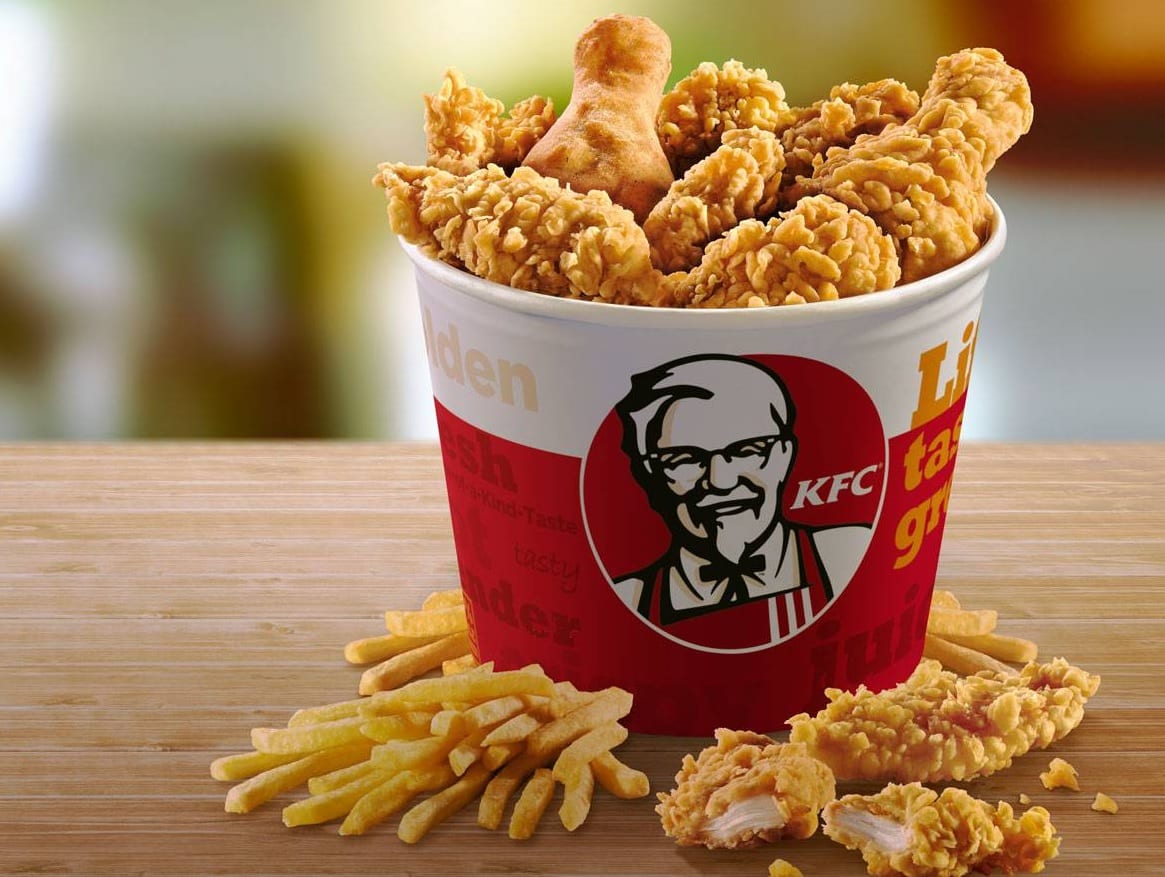
    The US-based private equity firm, The Carlyle Group, has successfully acquired KFC Korea. With this acquisition, the firm aims to expand the existing 200-store portfolio of the popular restaurant chain in South Korea.

    The deal, which was initially announced in December, has now been finalized, with Carlyle gaining full ownership of KFC Korea. KFC Korea operates in South Korea under a master franchise agreement with Yum! Brands. The Carlyle Group bought the stake from Orchestra Private Equity.

    Envisioning Growth and Expansion

    John Kim, a partner and the head of Carlyle Korea, expressed enthusiasm about the partnership with Yum Brands. Kim said that Carlyle is eager to work with KFC Korea’s management team to grow the iconic brand in South Korea.

    Kim spoke highly of KFC Korea, stating that the brand’s strong heritage and market position make it ripe for expansion. He also mentioned the growing demand for quick-service dining among Korean consumers, which KFC Korea could effectively cater to.

    Carlyle’s current holdings include A Twosome Place, a dessert cafe chain boasting over 1700 stores in South Korea, as well as KFC in Japan.

    An Exciting Milestone

    Tony Shin, CEO of KFC Korea, also voiced his excitement about the partnership with Carlyle. He highlighted Carlyle’s extensive experience in the quick-service restaurant and F&B sectors, expressing optimism that the partnership will drive continued growth and innovation.

    Questions & Answers

    Who has acquired KFC Korea?
    The Carlyle Group, a US-based private equity firm, has acquired KFC Korea.

    What is the Carlyle Group’s plan for KFC Korea?
    The Carlyle Group plans to expand the restaurant chain’s existing 200-store portfolio in South Korea.

    Who previously owned the stake in KFC Korea that The Carlyle Group purchased?
    The stake was purchased from Orchestra Private Equity.

  • Miniso Boosts Southeast Asian Presence With Landmark Flagship Stores in Singapore and Vietnam

    Miniso Boosts Southeast Asian Presence With Landmark Flagship Stores in Singapore and Vietnam

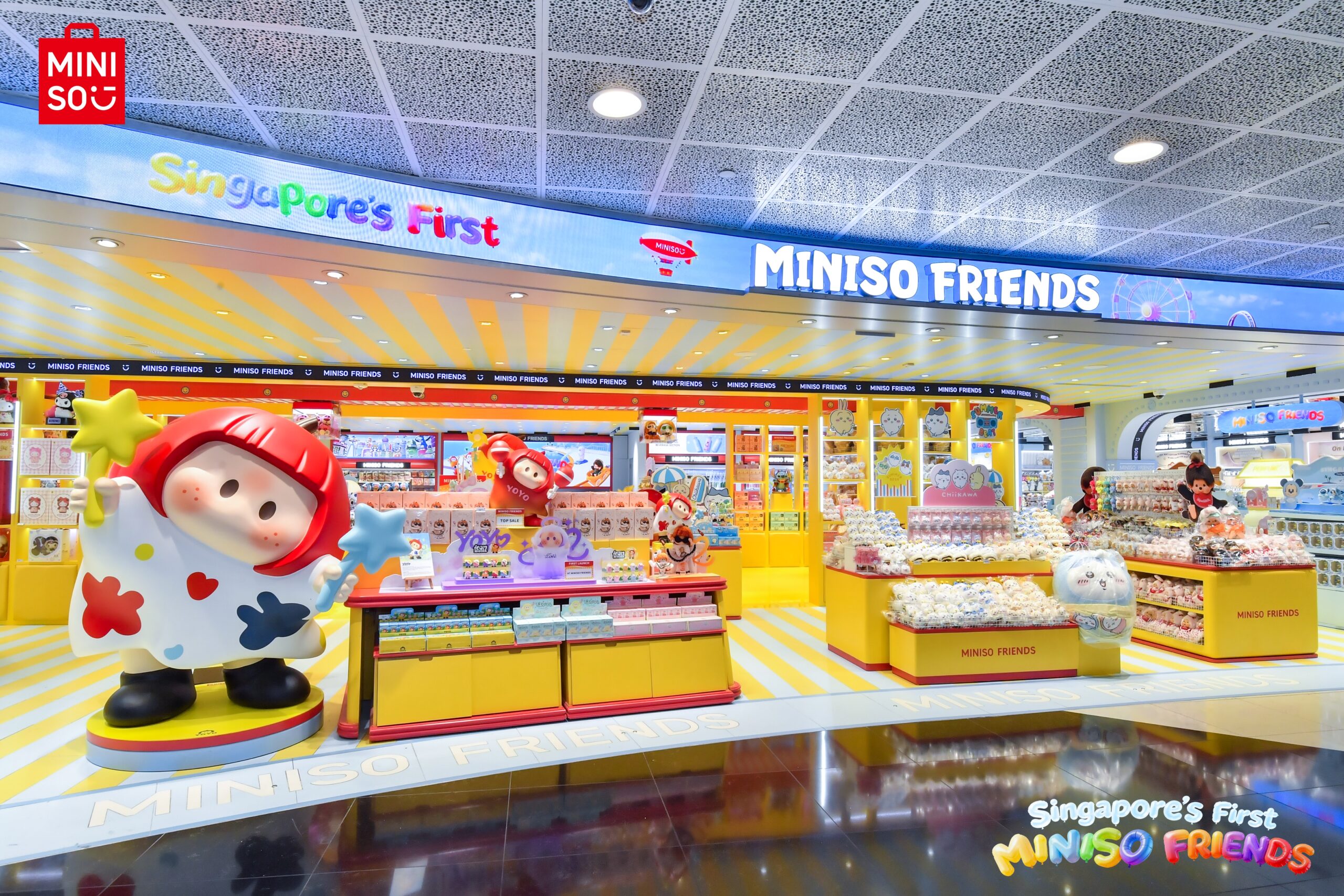
    Miniso, a major retailer in Asia, is intensifying its expansion efforts in Southeast Asia as it introduces its “Miniso Friends” concept in Singapore and Vietnam. This development forms part of a more extensive strategic shift towards experiential and intellectual property (IP)-centered retail.

    Experiential Retail: A Strategic Shift

    The Miniso Friends stores, according to the company, are larger and situated in prominent commercial districts. They are intended to act as city-level landmarks differing from conventional lifestyle outlets. This move signifies the brand’s effort to replace the traditional retail environment with an experiential, IP-focused one.

    Miniso in Vietnam

    In Vietnam, the new Miniso Friends store is located in the Van Hanh Mall in Ho Chi Minh City. This opening aligns with Miniso’s 10th anniversary in the Vietnamese market. The store dedicates 70% of its stock to IP-related merchandise. The product selection includes items from the YoYo Fly with the Wind Series, the Sanrio SEA-exclusive Leopard collections, and the Chiikawa Sakura Season. In addition, the store also introduced Star Wars and Luo Xiaohei collaboration merchandises to the market.

    Miniso in Singapore

    In Singapore, Miniso has acquired a 450 square meter space in VivoCity, the nation’s biggest shopping mall. The store stocks over 3,200 stock keeping units (SKUs). Emphasizing local products, it offers Singapore-exclusive Disney Mickey items featuring the iconic Merlion design.

    These recent expansions come after a period of rapid regional growth earlier in the fiscal year 2026, highlighted by the introduction of the Miniso Friends model in Malaysia.

    Miniso’s Broader Growth

    By the end of 2025, Miniso had already established 26 Miniso Land locations in China, representing another aspect of its transition to IP-centric retailing.

    Questions & Answers

    What is the Miniso Friends concept?
    Miniso Friends is a part of Miniso’s strategic pivot towards an experiential and IP-centric retail concept. These stores are larger and located in prominent commercial areas, functioning as city landmarks.

    What kind of products does the new Miniso store in Vietnam offer?
    The new Miniso store in Vietnam offers a variety of IP-related products. This includes items from the YoYo Fly with the Wind Series, Sanrio SEA-exclusive Leopard collections, and the Chiikawa Sakura Season. It also marks the market debut of Star Wars and Luo Xiaohei collaboration lines.

    How does Miniso cater to the local market in Singapore?
    In Singapore, Miniso emphasizes localized products. It offers Singapore-exclusive Disney Mickey items featuring the iconic Merlion design.

  • DBS Singapore Earmarks $7.8M for Consumer Relief: Cashback Initiative to Combat Rising Living Costs

    DBS Singapore Earmarks $7.8M for Consumer Relief: Cashback Initiative to Combat Rising Living Costs

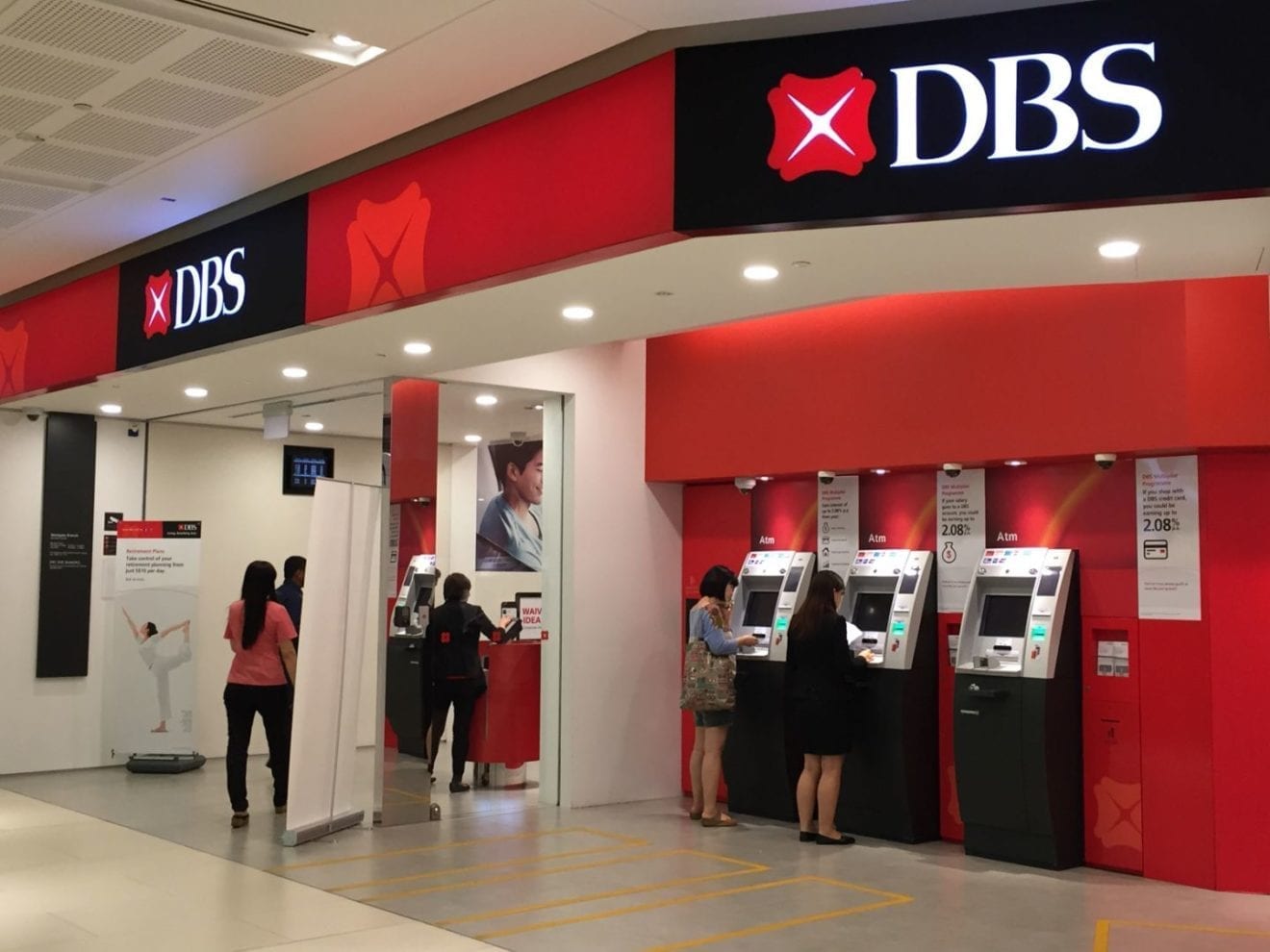
    In an endeavor to support consumers during a time of economic uncertainty and surging expenses, DBS Singapore has announced the provision of S$10 million (US$7.8 million) in cashback redemptions. These will be available for DBS and POSB cardholders, as well as DBS PayLah! users from August to December. The intention is to aid in managing the escalating costs of food and daily necessities.

    Details of the Cashback Redemption Scheme

    DBS will make available approximately three million cashback redemptions over a period of five months. These can be redeemed at various establishments including hawker centers, neighborhood shops, and supermarkets. This initiative will run in conjunction with DBS’s existing promotion, which provides S$3 cashback each Saturday at hawker stalls and heartland shops. Further specifics, such as information about participating retailers, will be shared in July.

    Lim Him Chuan, the head of DBS Singapore, commented on the situation, noting that the ongoing tensions in the Middle East have resulted in escalating energy prices. These, in turn, have added to the pressures on daily living costs. He stated, “Every time there’s a crisis like this, DBS and POSB are ready to support our community. This is why we are committing to a $10 million support package.”

    Previous Support Efforts

    This initiative follows on the heels of a significant S$1 billion government support package that was announced on April 7. This too was designed to assist households in managing the cost rises associated with Middle Eastern tensions.

    DBS has a history of efforts to aid customers facing higher costs. In 2025, the bank subsidized more than S$6 million in everyday essentials and hawker meals in heartland areas. DBS data reveals that 36% of the individuals who redeemed cashback rewards in 2025 were either senior citizens or earned less than S$2,500 per month.

    Impact on Participating Merchants

    The benefits of these initiatives also extend to the participating merchants. Hawkers, wet market stallholders, and heartland merchants who participated in the scheme reportedly experienced a 50% increase in their Saturday earnings via PayLah! transactions in 2025. This was a notable increase from the 40% growth seen during a similar cashback campaign in 2024.

    Questions & Answers

    What is the purpose of DBS’s cashback redemption initiative?
    This initiative has been designed to help consumers manage the rising costs of food and daily living expenses during a period of economic uncertainty.

    How much in cashback redemptions is DBS providing and to whom?
    DBS is providing S$10 million (US$7.8 million) in cashback redemptions, which are available to DBS and POSB cardholders, as well as DBS PayLah! users.

    What has been the impact of previous cashback initiatives on participating merchants?
    Previous cashback initiatives have led to significant increases in earnings for participating merchants. For instance, in 2025, hawkers, wet market stallholders, and heartland merchants saw a 50% increase in their Saturday earnings through PayLah! transactions.

  • Early Arrival of Malaysia’s Durian Season Brings Creamier, Stronger-Flavored Fruits

    Early Arrival of Malaysia’s Durian Season Brings Creamier, Stronger-Flavored Fruits

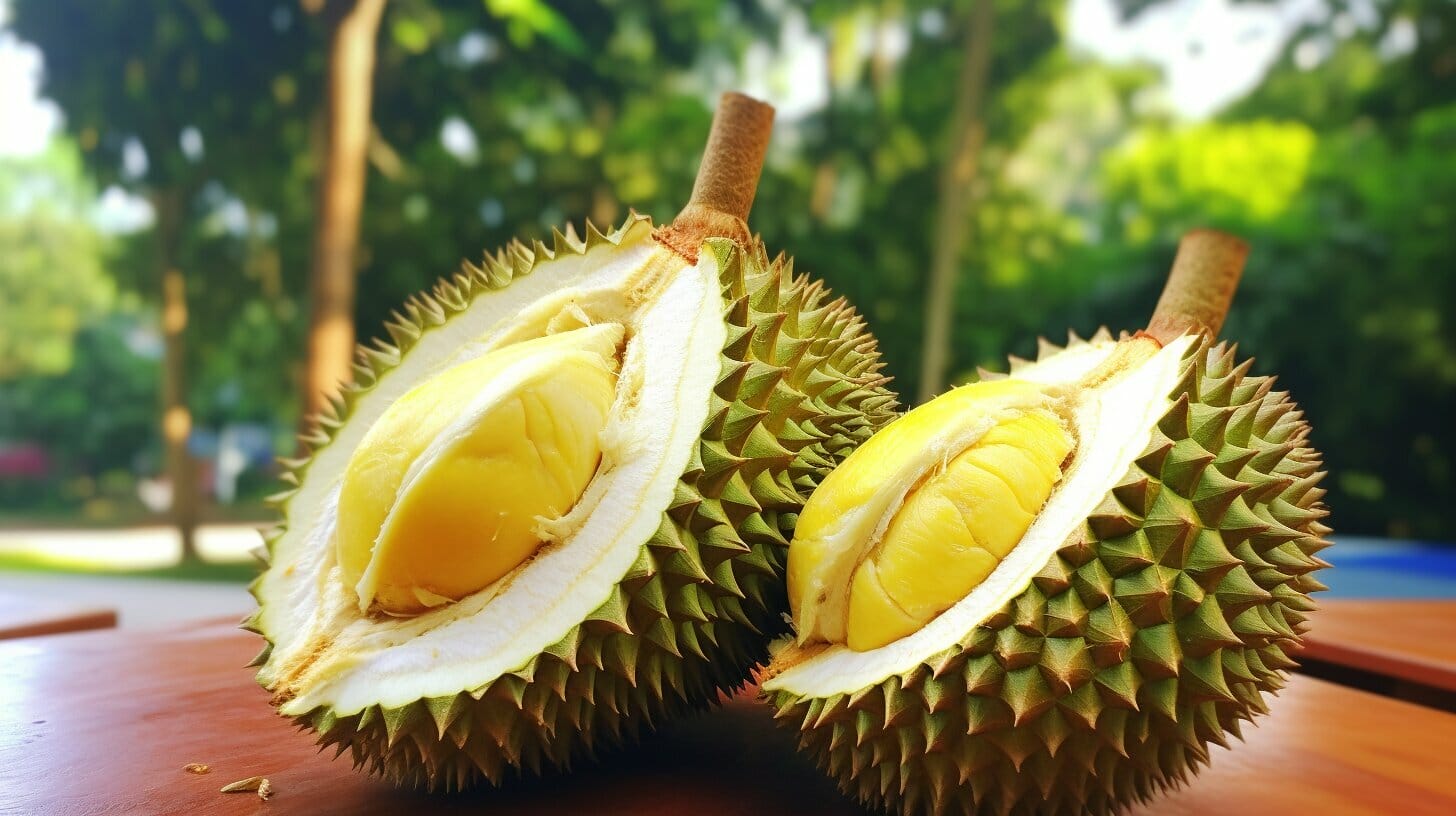
    This year’s early durian harvest in Malaysia is delivering creamier and more robustly flavored fruits to consumers. Durian types such as D604, Lipan, and Musang King have begun to catch the eye of passersby at various stands in Penang, a region renowned throughout Malaysia for its durians.

    Early Harvest, Creamier Durians

    Ang Hock Leng, a durian vendor in George Town, Penang, attributes the improvement in the fruit’s creaminess and flavor to the drier weather conditions this year. Despite the season only just beginning, these high-quality durians have already hit the shelves.

    With the early start to the season catching many off guard, it has primarily been the sight of these durian stands that has drawn in customers, claims Leng.

    Rising Prices

    According to Tan, another durian stand operator in George Town, the current supply of the fruit is limited, which has led to a price hike of approximately 20%.

    As an example, the early-season hybrid D604, known for its sweet, somewhat nutty flavor, is currently retailing at RM20-38 (US$5.1-9.6) per kilogram. The cost of the Musang King variety, on the other hand, is determined by factors such as grade and size, and its price ranges from RM45 to RM65 per kilogram.

    Despite the higher prices, Tan assures that this has not deterred durian lovers from indulging in the fruit. The fact that the season has started earlier than its usual mid-April commencement and the enhanced taste of the fruit are bonuses that consumers seem to be gladly accepting, regardless of the cost.

    Penang’s Durian Reputation

    Known for providing some of Malaysia’s most favored durians, Penang’s orchards had a difficult harvest last year, as the flowering stage was disrupted by rain and strong winds. This led to a delay in the season’s start, a shortened harvest period, and a decrease in yields.

    Nonetheless, once the season reached its peak later in the year, the region attracted large crowds to renowned durian hotspots such as Balik Pulau, Penang Hill, Padang Kota, and Batu Ferringhi.

    Longer Season, Lower Prices Predicted

    This year, however, Leng predicts that the season will last longer and that prices may decrease as production increases. He anticipates the fruit becoming cheaper from June onwards, due to what is expected to be a bumper yield.

    While the durian season has already commenced in Malaysia, the supply in Singapore, which imports a significant portion of its durians from its northern neighbor, has yet to pick up. Prominent vendors in Singapore, like 99 Old Trees Durian, Fruit Monkey Durian, and Combat Durian, currently only have limited quantities available, with a larger supply expected in early May.

    Questions & Answers

    Why are the durians creamier and more flavorful this year?
    According to durian vendor Ang Hock Leng, the drier weather conditions in Malaysia this year have resulted in creamier and more flavorful durians.

    What has caused the price increase in durians this season?
    The current limited supply of durians has led to a price increase of approximately 20%, as stated by Tan, a durian stand operator in George Town.

    When can consumers expect a decrease in durian prices?
    Prices are predicted to become cheaper from June onwards due to anticipated bumper yields, says durian vendor Ang Hock Leng.