Author: Mei Ling Tan

  • AI-Empowered Cyberattacks Prompt Businesses to Revamp Cybersecurity Tactics: Insights from Kaspersky

    AI-Empowered Cyberattacks Prompt Businesses to Revamp Cybersecurity Tactics: Insights from Kaspersky

    The integration of artificial intelligence (AI) technologies is necessitating a significant shift in business cybersecurity protocols. The evolving landscape of cyber threats is becoming increasingly complex due to the swift adoption of AI. Previously, successful cyberattacks required substantial planning and advanced technical proficiency, but AI has streamlined the process, decreasing the entry-level threshold for novice cyber threats.

    The Impact of AI on Cyber Threats

    AI has revolutionized the modus operandi of experienced cyber attackers, offering them speed and efficiency. Furthermore, it has also armed less skilled individuals with new capabilities. Vladislav Tushkanov, group manager at an AI technology research center, explains that AI technology allows both skilled and unskilled individuals to expedite their operations. Novice cyber attackers, who were previously required to spend extensive amounts of time learning programming, can now efficiently execute cyber threats.

    AI is being employed to create sophisticated phishing emails, imitated voices, images, and videos that are convincing and challenging to identify. Deepfakes have become an emerging hazard in the corporate world. An engineering firm in the UK reportedly suffered a loss of approximately US$25 million in 2024 when an employee was tricked into transferring funds due to a deepfake video call.

    AI’s capabilities extend beyond deepfakes and can support various stages of cyberattacks, such as reconnaissance, message customization, and evading detection by security systems.

    AI: A Double-edged Sword

    According to recent research, 72% of businesses express grave concerns regarding cyber attackers’ utilization of AI. Traditional defensive measures struggle to counter rapidly evolving and unpredictable threats. Simultaneously, AI proves to be an essential asset for bolstering cybersecurity. It allows organizations to detect threats with greater speed, mechanize aspects of the response procedure, and improve predictive abilities, thereby shifting from a reactive to a proactive security strategy.

    “To effectively manage the increasing number of alerts and to prevent analysts from becoming overwhelmed, machine learning is essential. It copes efficiently with these tasks and allows professionals to focus on complex or business-critical tasks,” Tushkanov said.

    However, the successful incorporation of AI in cybersecurity involves more than just technology. Businesses also require skilled personnel, practical implementation experience, and a solid data foundation.

    The Role of AI in Incident Investigation and Decision Making

    According to sources, AI is currently used to analyze and classify around 460,000 malware samples daily. This, combined with proprietary data, processing methods, and model training infrastructure, forms the foundation of increasingly complex cybersecurity strategies.

    Despite the significant advances of AI, it is not yet equipped to replace human expertise in incident investigation and decision-making processes. Risk assessments and response strategies still heavily depend on professional judgment. “At this point, the human role remains essential,” Tushkanov said, implying that while AI systems might support decision-making in the future, they cannot replace the need for human expertise.

    Questions & Answers

    Q: How has AI impacted cyber threats?
    A: AI has streamlined the process of executing cyber threats, reducing the need for substantial planning and advanced technical skills. It has made it easier for less experienced individuals to launch successful cyberattacks.

    Q: What is the role of AI in cybersecurity?
    A: AI plays a crucial role in enhancing cybersecurity. It allows organizations to detect threats quickly, automate parts of the response process, and enhance predictive capabilities.

    Q: Can AI replace human expertise in incident investigation and decision-making?
    A: Currently, AI cannot replace the need for human judgment in risk assessment and response strategy formulation. Despite the significant advances in AI, human expertise remains essential in incident investigation and decision-making processes.


  • J&T Express Skyrockets: Q1 Parcel Volume Soars by 26.2% Globally, Promising Stunning 80% Surge in Southeast Asia

    J&T Express Skyrockets: Q1 Parcel Volume Soars by 26.2% Globally, Promising Stunning 80% Surge in Southeast Asia

    Global logistics service provider, J&T Global Express Limited (J&T Express), recently reported their first quarter business performance ending March 31, 2026. The firm highlighted a significant increase in total parcel volume, reaching 8.326 billion, a 26.2% year-on-year (YoY) rise. The average daily parcel volume hit a high of 92.5 million with non-China parcels accounting for 35.1% of the total, demonstrating a 4.3 percentage point rise on a quarter-on-quarter basis. The company’s key performance indicators displayed continuous improvement, signifying J&T Express’s successful expansion and effective operational management across international markets.

    Southeast Asia: A Hub of Strong Growth

    As a preeminent logistics provider in Southeast Asia, J&T Express experienced robust growth during the first quarter, with parcel volume in the region surging 79.9% YoY to 2.768 billion. The average daily parcel volume reached 30.8 million, with peak daily volume surpassing 47 million. This exceptional growth is indicative of the company’s increasing operational efficiency in the region and its deepening collaboration with leading e-commerce platforms. Other contributing factors include an escalating market demand and a surge in business due to the Ramadan shopping season. Additionally, to accommodate increasing demand, the firm expanded its regional capacity increasing the number of its line-haul vehicles to 6,200 and automated sorting lines from 64 to 73, thereby enhancing processing efficiency.

    Adapting to Change: The China Market

    In China, J&T Express responded effectively to industry transformations by adapting its strategies and refining its management. The parcel volume in the market reached 5.404 billion, an 8.4% YoY increase, with an average daily parcel volume of 60 million. The growth in this market mirrors the overall industry performance and indicates a recovery from previous quarters.

    Expansion in Other Global Markets

    In other international markets, J&T Express displayed strong growth, with parcel volume reaching 154 million, a 100.5% YoY increase, and an average daily parcel volume of 1.7 million during the first quarter. Latin America, in particular, demonstrated significant consumer potential. To seize emerging opportunities within e-commerce and logistics, the company partnered with numerous global cross-border e-commerce platforms and local partners. To support the business expansion, J&T Express added 400 outlets and 5 sorting centers in the first quarter. The company’s mature operating experience in China and Southeast Asia continues to bolster its business expansion in other markets.

    Charles Hou, Group Vice President of J&T Express, shared his optimism about the company’s robust start to 2026. He emphasized their successful efforts in seizing growth opportunities, strengthening infrastructure, and improving operational efficiency in Southeast Asia and other markets. He also acknowledged the sustained parcel volume growth in China, supported by network optimization and refined management.

    Questions & Answers

    How did J&T Express perform in the first quarter of 2026?

    J&T Express demonstrated significant growth in the first quarter of 2026, with a 26.2% YoY increase in total parcel volume, reaching 8.326 billion.

    What strategies did J&T Express use to boost growth in Southeast Asia?

    J&T Express expanded its regional capacity, deepened its cooperation with major e-commerce platforms, and took advantage of the surge in market demand and the Ramadan shopping season to enhance growth in Southeast Asia.

    How did J&T Express adapt to changes in the China market?

    In China, J&T Express proactively adjusted its strategies and improved its network efficiency and client structure through refined management, resulting in an 8.4% YoY increase in parcel volume.

  • Vietnam’s Dragon Fruit Exports Soar: Thailand and Middle East Demand Spikes in 2026

    Vietnam’s Dragon Fruit Exports Soar: Thailand and Middle East Demand Spikes in 2026

    The initial two months of 2026 witnessed a 14% annual increase in Vietnam’s dragon fruit exports, amounting to US$108.5 million. This surge was primarily driven by a significant hike in deliveries to Thailand and the Middle East.

    Vietnam’s Dragon Fruit Export Market

    Cargo to Thailand experienced an over 2.7-fold increase, amounting to $9.2 million, while shipments to the United Arab Emirates grew by 57% to reach a value of $3.3 million.

    China, however, retained its position as the largest buyer, accounting for $66.5 million of all exports, marking a 5% increase in comparison to previous years. On the other hand, demand from the U.S. saw a considerable decrease, falling by 39% to a value of $4 million.

    These figures from the initial two months of the year could indicate a resurgence of shipments, pointing towards a potential recovery following a period of sustained decline.

    Historical Trends in Dragon Fruit Exports

    Between 2014 and 2018, the annual worth of dragon fruit exports consistently exceeded $1 billion. However, shifts in consumption patterns and increased competition led to a steady decline in the succeeding years.

    The total worth of exports in the first 11 months of the previous year stood at $485.2 million, corresponding to the lowest recorded value since 2014.

    Production and Supply Factors

    Dragon fruit in Vietnam is predominantly harvested between May and September, although some off-season cultivation occurs in January and February. However, supply has been falling in recent years as farmers have transitioned towards more profitable crops.

    Adverse weather conditions have also negatively impacted yield. Widespread flooding towards the end of last year resulted in fungal diseases in plants, significantly affecting dragon fruit production, particularly in Binh Thuan Province, a key cultivation region.

    As a consequence of dwindling supply, farm-gate prices have seen a rise. During the first two months of this year, white-fleshed dragon fruit was sold for VND10,000-15,000 (US$0.38-0.57) per kilogram, and the red-fleshed variety was priced at VND15,000-25,000.

    Questions & Answers

    What led to the surge in Vietnam’s dragon fruit exports in early 2026?
    A significant hike in deliveries to Thailand and the Middle East primarily drove the increase in exports.

    Which is the largest market for Vietnam’s dragon fruit exports?
    China is the largest market, accounting for $66.5 million of all exports.

    What are the factors impacting the supply of dragon fruit in Vietnam?
    A shift by farmers towards more profitable crops and adverse weather conditions causing fungal diseases in plants have led to a decline in dragon fruit supply.

  • Vietnam Gold Rates Surge as Global Bullion Takes a Dip: U.S.-Iran Peace Talks Light Up Market Optimism

    Vietnam Gold Rates Surge as Global Bullion Takes a Dip: U.S.-Iran Peace Talks Light Up Market Optimism

    On Wednesday, there was an uptick in Vietnam’s gold prices as global bullion rates experienced a slight decrease. The gold bar price from Saigon Jewelry Company witnessed an increase of 0.87%, reaching VND174.5 million (US$6,626.79) per tael. This valuation was shared by other sellers in the market.

    Gold Ring Prices

    The increase in gold prices was not limited to gold bars alone. Gold ring prices also saw an increase, valuing at VND174.2 million per tael. To clarify, a tael equals to 37.5 grams or 1.2 ounces.

    Global Gold Prices

    On the international front, gold prices experienced a slight decrease on Wednesday. This followed an earlier one-month high, as the US dollar began to regain its strength. The possibility of another round of peace dialogues between the United States and Iran also contributed to an increased risk appetite.

    Spot gold decreased by 0.3%, standing at $4,828.07 per ounce after hitting its highest peak since March 18th earlier in the day. Meanwhile, U.S. gold futures for June delivery, remained steady at $4,851.30.

    Effect of Middle East Headlines

    Gold prices have been fluctuating in response to recent events in the Middle East, with hopes that the United States and Iran will soon engage in peace talks.

    There are indications that discussions to end the ongoing conflict in Iran could recommence in Pakistan in the next two days. This follows the recent unsuccessful negotiations, leading to the imposition of a blockade on Iranian ports by Washington.

    Week’s Gold Price Performance

    Despite the minor drawdown, gold prices have increased by 1.6% this week on the back of renewed optimism regarding peace talks between the U.S. and Iran.

    Questions & Answers

    What caused the increase in Vietnam’s gold prices?
    The increase was due to a decrease in global bullion rates.

    What were the gold prices for Saigon Jewelry Company and gold rings respectively?
    The gold bar price from Saigon Jewelry Company reached VND174.5 million (US$6,626.79) per tael, while gold ring prices valued at VND174.2 million per tael.

    What has been the week’s overall performance for gold prices?
    Despite a slight pullback, gold prices have increased by 1.6% this week on the back of renewed optimism regarding peace talks between the U.S. and Iran.

  • Score a 30% Discount on Malaysia’s Domestic Train Routes Starting April 15!

    Score a 30% Discount on Malaysia’s Domestic Train Routes Starting April 15!

    In an effort to promote increased use of trains amidst surging fuel costs, Malaysia has implemented a 30% fare reduction on weekdays for its Electric Train Service and Ekspres Rakyat Timuran routes. This incentive is applicable for journeys between Johor Bahru Central and Tumpat in Kelantan, beginning from Wednesday, as announced by Transport Minister Anthony Loke.

    Exclusions and Discounts

    The KTM Shuttle Tebrau, which operates between Singapore and Malaysia, is not included in this discount scheme. The move is in line with the government’s objective to establish rail as the main mode of transport while concurrently lowering commuting costs.

    The discounted fares will be accessible from Monday to Thursday, excluding school holidays and public holidays. To avail of the discount, passengers are required to purchase tickets utilizing a promotional code. This code will be announced by the national rail operator, Keretapi Tanah Melayu Berhad, between April 15 and 30, valid for travel from April 15 to October 14. However, these discounted rates will not be applicable for business and first-class passengers.

    The Electric Rail Link service is also encompassed by this initiative, with two new monthly passes offering up to 90% discounts. Civil servants residing or working in Putrajaya, as well as Malaysians employed at Kuala Lumpur International Airport Terminals 1 and 2, are eligible for these passes.

    Impacts of Middle East Conflicts

    The stakes of fluctuating prices are high due to ongoing conflicts in the Middle East, a concern which the Malaysian government has raised with its citizens. Home Affairs Minister Saifuddin Nasution Ismail voiced the government’s primary challenge – preparing the public to accept the impending economic hardships.

    The government’s main priority is to protect the welfare of Malaysians and shield them from the full brunt of external economic shocks, whilst maintaining economic stability. Simultaneously, he highlighted potential risks such as disruptions to energy supplies and escalating costs.

    Despite being one of the largest oil and gas producers in the Asia-Pacific region and the world’s fifth largest exporter of liquefied natural gas in 2023, Malaysia continues to be significantly dependent on fossil fuels like coal for electricity generation.

    Questions & Answers

    What is the purpose of the fare discount?
    The fare discount aims to promote the increased use of trains amidst rising fuel costs and make rail the main mode of transport in Malaysia.

    Who can avail of the fare discount?
    Passengers travelling between Monday and Thursday, excluding school and public holidays, on the Electric Train Service and Ekspres Rakyat Timuran routes can avail of the fare discount. However, it does not apply to business and first-class passengers.

    What are the potential risks of the Middle East conflicts to Malaysia?
    The potential risks include disruptions to energy supplies and rising costs, which could have significant impacts on the Malaysian economy and its citizens.

  • Kering’s Revenue on the Upswing: Luxury Brand’s Road to Recovery Gains Momentum

    Kering’s Revenue on the Upswing: Luxury Brand’s Road to Recovery Gains Momentum

    Kering, the luxury conglomerate that owns brands such as Gucci and Balenciaga, has noted a sequential improvement in its revenue for the first quarter, indicating that the company’s recovery is gaining momentum.

    Quarterly Revenue Trends

    The company reported a revenue of €3.568 billion (US$4.2 billion) for the quarter that concluded on March 31. This figure represents a 6% decline year-on-year on a reported basis, but remained steady on a comparable basis.

    The fashion and leather goods segment, however, witnessed a 9% reduction in sales as per reports, and a 3% drop on a comparable basis. Brands like Saint Laurent, Bottega Veneta, Balenciaga, and Brioni showcased year-on-year growth during the quarter, with North America emerging as a significant influencer of this positive trend.

    Brand Performance

    Gucci, one of Kering’s prime assets, saw a 14% dip in revenue on a reported basis, and an 8% decrease on a comparable basis. Despite a promising 8% increase in North America, declining trends in Asia-Pacific (Apac) and Western Europe overshadowed its performance.

    On the other hand, Kering’s jewelry section reported a 14% increase in sales on a reported basis and a 22% surge on a comparable basis. This rise was attributed to strong performance across key regions, with Japan and Apac leading the demand.

    Kering Eyewear also experienced growth, with a 3% increase in sales on a reported basis and a 7% increase on a comparable basis.

    CEO’s Statement

    Kering’s CEO, Luca de Meo, highlighted that the stabilizing revenue signals an essential first step towards the group’s recovery. He further added, “Nearly all our Houses delivered growth during the quarter, with a particularly strong contribution from jewelry. Gucci remains our top priority. A comprehensive turnaround is underway, with decisive actions across client, distribution, and, above all, the offer.”

    Attention to Conflict Zones

    The luxury group acknowledged the ongoing conflict in the Middle East as an area of ‘heightened attention.’ The region, with around 1100 employees and 79 stores, accounts for approximately 5% of total retail revenue. The first quarter saw an 11% decline in retail revenue in the region, following growth in the initial two months. Despite temporary disruptions in some areas, the entire retail network is currently operational, as per the company’s statement.

    Questions & Answers

    What was the overall revenue of Kering for the first quarter?
    The overall revenue for the first quarter was €3.568 billion (US$4.2 billion).

    Which brand under Kering saw significant growth in this quarter?
    The brands Saint Laurent, Bottega Veneta, Balenciaga, and Brioni reported year-on-year growth in the quarter.

    How has the conflict in the Middle East affected Kering’s retail revenue in the region?
    There was an 11% decline in retail revenue in the Middle East in the first quarter.

  • Bonia Transforms Shopping Experience with Innovative Store Design in Kuala Lumpur

    Bonia Transforms Shopping Experience with Innovative Store Design in Kuala Lumpur

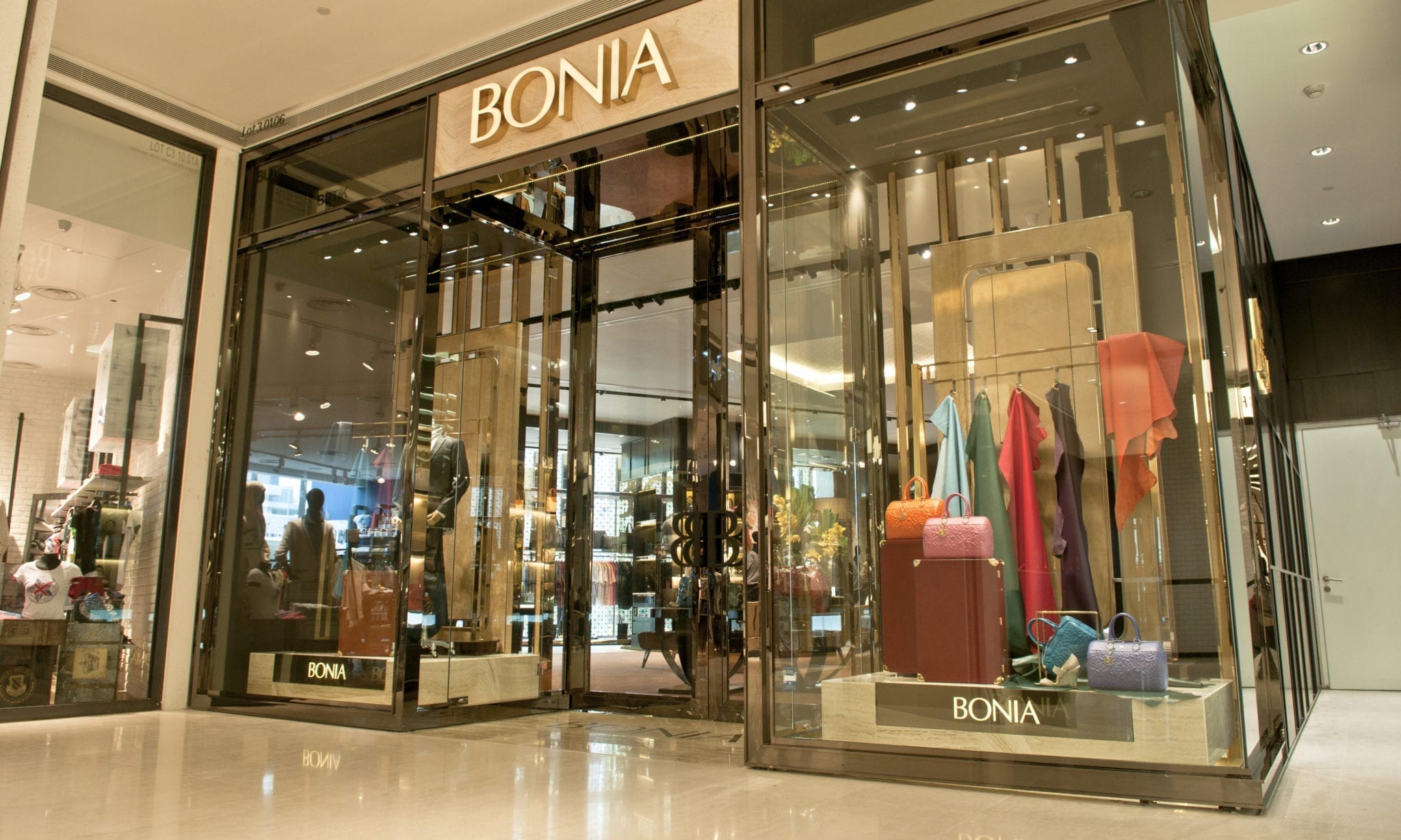
    Malaysia’s lifestyle brand Bonia has launched a flagship store in Kuala Lumpur, revealing a unique retail concept that combines customer engagement and innovative spatial design.

    Exterior and Interior Design

    The new store boasts a colonnade-style exterior adorned with red brick tiles, reminiscent of traditional street architecture. Inside, the space showcases a layout composed of four interconnected rooms, each revolving around a major display area. This design offers a more immersive and easily navigable shopping experience to the customers.

    Distinct Functional Spaces

    Each room within the store is assigned a unique function. Some of the areas draw inspiration from different environments, such as a library, dressing room, and lounge. The transition between these distinct spaces is marked by varying color schemes, including hues of red, orange, and terracotta.

    A New Retail Concept

    Bonia’s concept aims to make the retail environment more interactive. This is achieved by merging product presentations with flexible design elements. The brand’s focus on creating a dynamic and engaging retail experience is clearly reflected in this innovative approach.

    The opening of the Kuala Lumpur store comes in the wake of Bonia’s international expansions, notably in Vietnam. However, the company had to withdraw a joint venture in the country earlier, following a provision for losses amounting to US$1.3 million.

    Questions & Answers

    What is the unique concept of Bonia’s new store in Kuala Lumpur?
    The store integrates customer engagement with innovative spatial design, creating a dynamic and immersive shopping experience.

    How is the interior of the Bonia store structured?
    The store’s interior comprises four interconnected rooms, each assigned a unique function and theme. The rooms are designed to resemble a library, dressing room, and lounge, among others.

    What led to Bonia’s earlier withdrawal from a joint venture in Vietnam?
    Bonia had to exit a joint venture in Vietnam due to a provision for losses which amounted to US$1.3 million.

  • Temu Bolsters Global IP Protection: Joins IACC in Fight Against Counterfeiting and Piracy

    Temu Bolsters Global IP Protection: Joins IACC in Fight Against Counterfeiting and Piracy

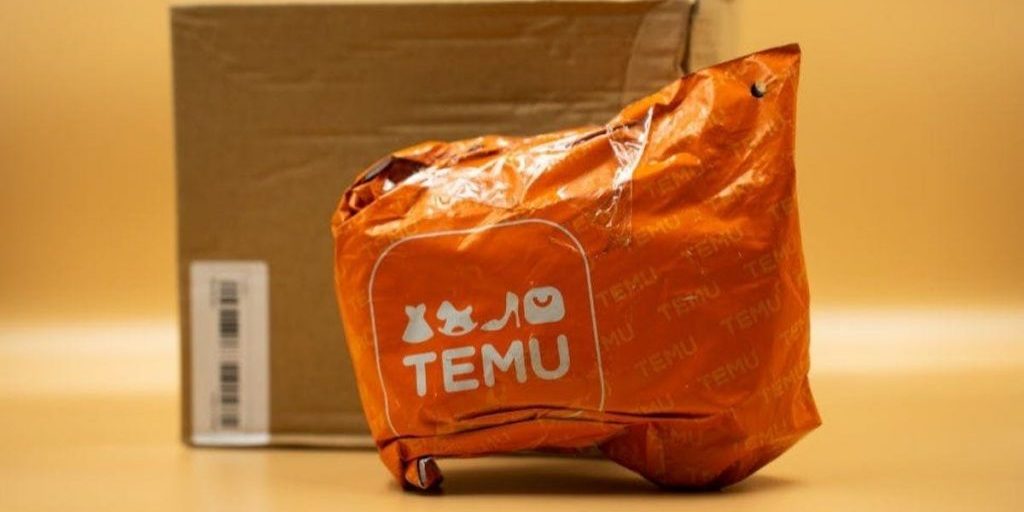
    Temu, a global e-commerce platform based in Boston, has recently become a member of the International AntiCounterfeiting Coalition (IACC) in a bid to bolster its intellectual property protection efforts while simultaneously widening its global presence.

    Joining Forces with the IACC

    By partnering with IACC, Temu is joining a robust network of over 250 companies and organizations spanning across more than 40 countries, all diligently working to combat counterfeiting and piracy. This membership is a step forward for Temu in its broader intellectual property enforcement program, a program that has seen significant growth since its inception in 2022.

    According to a representative from Temu, “Safeguarding intellectual property is a critical aspect of creating a marketplace that is trustworthy for both consumers and brands. By becoming a part of the IACC, we are reaffirming our dedication to IP protection. We are eager to engage in productive collaborations with our counterparts in the industry as well as other stakeholders.”

    Collaborative Approach to Counterfeiting

    As part of its role in the IACC, Temu will be actively working in cross-industry groups and forging collaborations with brands, associations, and enforcement agencies. This initiative comes on the back of an earlier partnership between Temu and the IACC, which was formalized last year.

    Bob Barchiesi, the President of the IACC, expressed his views on the issue of counterfeiting by saying, “To tackle counterfeiting effectively, a coordinated effort across industries is essential. The IACC serves to bring all stakeholders to the same table to align their efforts and share best practices. We are excited for Temu’s active involvement in our network as we strive to create a safer and more trusted online ecosystem globally.”

    Comprehensive Enforcement System

    Temu’s enforcement system covers the entire platform lifecycle, including the vetting of sellers, pre-listing screening, and persistent monitoring. The company asserts that over 99.9% of takedown requests are addressed within a span of three business days. In 2024, Temu launched its Brand Guardian Initiative, which now offers support to more than 1500 brands.

    Presently, Temu operates in over 90 markets, bridging the gap between consumers and manufacturers, brands, and sellers worldwide as it continues to expand both its platform and compliance capabilities.

    Questions & Answers

    What is the main reason behind Temu’s membership in the IACC?
    Temu has joined the IACC to strengthen its intellectual property protection efforts and further expand its global presence.

    How will Temu’s membership with the IACC benefit its fight against counterfeiting?
    Joining the IACC allows Temu to collaborate with over 250 companies and organizations across more than 40 countries, sharing best practices and aligning efforts to combat counterfeiting and piracy on a global scale.

    What is Temu’s approach to enforcing intellectual property rights on its platform?
    Temu’s enforcement system spans the entirety of its platform’s lifecycle, including thorough vetting of sellers, pre-listing screening, and continuous monitoring. Additionally, it asserts a quick response time to takedown requests and has introduced the Brand Guardian Initiative to further support brands.

  • Singapore Amplifies Integrated Professional Services: A Strategic Alliance Between ISCA and LawSoc

    Singapore Amplifies Integrated Professional Services: A Strategic Alliance Between ISCA and LawSoc

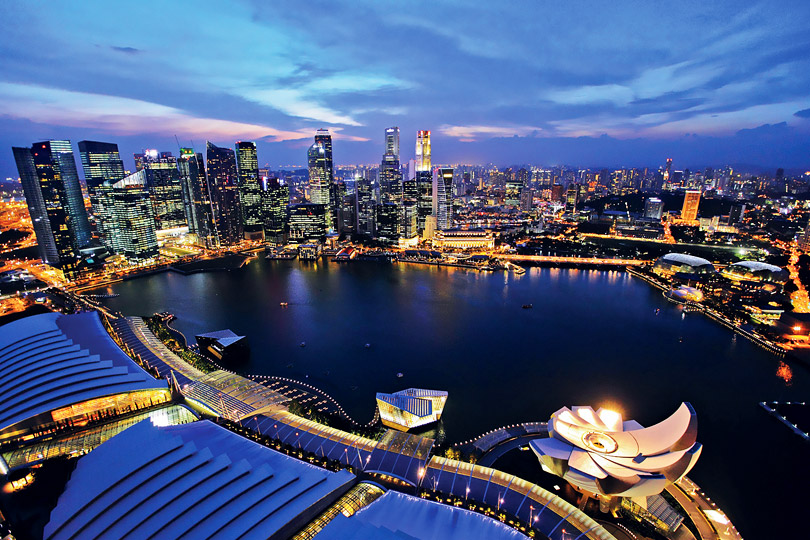
    In an effort to establish itself as a leading regional hub for integrated professional services, Singapore is taking significant strides. This endeavor has been demonstrated through a recent formal collaboration between the Institute of Singapore Chartered Accountants (ISCA) and the Law Society of Singapore (LawSoc). This strategic partnership aims to harmonize the skills of lawyers and accountants to better meet the complex, multi-jurisdictional business needs that are arising as companies expand across borders and the demand for comprehensive advice in legal, financial, and governance disciplines escalates.

    Transition from Compliance to Coordination

    The dynamics of professional services firms are undergoing a structural transformation. Clients are now seeking integrated solutions rather than isolated expertise, especially when it comes to managing risk, facilitating transactions, or expanding into new markets. The alliance between ISCA and LawSoc is a direct response to this shift. The initiative is designed to bring the legal and accountancy professions closer together, to promote multidisciplinary collaboration and to unlock new growth opportunities for firms operating in the region.

    ISCA’s President, Teo Ser Luck, views this collaboration as a vital step towards developing a cohesive ecosystem, saying, “This partnership is of great significance for both organizations. We are in the process of establishing a Professional Services Centre that will connect businesses with the legal and accounting expertise they need to confidently manage the risks associated with operating across borders.”

    Digital Learning as a Cornerstone

    Talent development is a key aspect of this collaboration. ISCA and LawSoc plan to co-develop a digital learning platform tailored to the needs of modern professional workflows. This platform will offer on-demand modules that are accessible at any time and from anywhere. It will also promote cross-disciplinary learning, enabling lawyers to understand more about accounting, finance and governance, and accountants to deepen their knowledge of legal concepts relevant to transactions and advisory work.

    NTUC LearningHub is supporting this initiative by facilitating funding options such as SkillsFuture Credit and the Union Training Assistance Programme (UTAP). They plan to roll out Continuing Professional Development (CPD) courses later this year via NTUC LearningHub’s Learning eXperience Platform.

    A New Professional Services Centre

    Beyond skills development, the partnership between ISCA and LawSoc also has an institutional dimension. They are considering the establishment of a Professional Services Centre in Singapore. This centre would serve as a one-stop platform that connects companies with coordinated legal and accounting expertise. It will be particularly beneficial in assisting foreign investors interested in Singapore, as well as Singapore-based firms looking to expand overseas.

    Strengthening Singapore’s Regional Role

    This collaboration comes at a time of geopolitical uncertainty and economic fragmentation, where Singapore is striving to maintain its position as a reliable and trusted business hub. The Economic Development Board (EDB) views this partnership as a way to reinforce Singapore’s competitive edge in professional services.

    A Model for the Region?

    As cross-border deal flow and regulatory complexity in Asia are expected to increase, Singapore’s integrated approach could serve as a model for other markets. By aligning legal and financial expertise, investing in digital learning, and building institutional support structures, the ISCA–LawSoc partnership signals a broader evolution of the professional services industry—one that prioritizes collaboration over specialization in isolation.

    Questions & Answers

    What is the aim of the collaboration between ISCA and LawSoc?
    The partnership aims to harmonize the skills of lawyers and accountants to better meet the business needs of clients as companies expand across borders and demand for comprehensive advice in legal, financial, and governance disciplines rises.

    What are some key components of this collaboration?
    The collaboration includes aligning legal and financial expertise, developing a digital learning platform for on-demand, cross-disciplinary education, and considering the establishment of a Professional Services Centre in Singapore.

    What does this partnership signify for the professional services industry in Singapore and potentially the region?
    The partnership signifies a broader evolution of the professional services industry, one that prioritizes collaboration over specialization in isolation. It could serve as a model for other Asian markets as cross-border deal flow and regulatory complexity increase.

  • Texas Chicken Set to Conquer Chinese Market with 600+ Stores: The Biggest International Expansion to Date

    Texas Chicken Set to Conquer Chinese Market with 600+ Stores: The Biggest International Expansion to Date

    Texas Chicken, a prominent quick-service restaurant chain, is set to expand its footprint to China. The company plans to inaugurate its first restaurant in the country later in the year, following a significant deal to open over 600 establishments nationwide.

    China: The 27th International Market

    The upcoming debut of Texas Chicken in China signifies its entry into its 27th international market. The first restaurant under this brand will be launched in Shanghai this summer, followed by additional outlets in various locations. The company aims to create a robust presence in the Chinese market by opening more than 600 restaurants throughout the country.

    Strategic Partnership with Deke Shengtang

    To facilitate its successful entry into the Chinese market, Texas Chicken has formed a strategic alliance with Deke Shengtang, a renowned local operator for several quick-service restaurant brands. The partnership entails a franchise agreement that will see the development of 600 or more restaurants across China in the coming years.

    According to Texas Chicken, this franchising agreement marks the company’s most significant international development deal to date, reflecting its long-term confidence in the Chinese market.

    Executives’ Insights

    Roland Gonzalez, the CEO of Texas Chicken, stated, “China is one of the most dynamic and influential consumer markets globally, and we are entering it with a brand primed for connection – boasting big flavour, real value, and a spirit that unifies people.”

    Tim Wadell, EVP of International Business at Texas Chicken, further stated, “The team at Deke Shengtang brings the local expertise and ambition we seek in a partner.”

    The company will release more details about the restaurant design, locations, and future openings in China as the launch date approaches.

    Company Background

    George W Church Sr established Church’s Texas Chicken in San Antonio, Texas, in 1952. Texas Chicken, the sister brand, oversees operations outside the US. The quick-service restaurant chain currently operates over 1400 locations worldwide.

    Questions & Answers

    What is the significance of Texas Chicken’s entry into China?
    Texas Chicken’s entry into China marks its expansion into its 27th international market, representing a significant milestone in the company’s global growth strategy.

    Who has Texas Chicken partnered with for its market entry into China?
    Texas Chicken has formed an alliance with Deke Shengtang, a leading local operator of multiple quick-service restaurant brands, to facilitate its market entry into China.

    What is the expected number of Texas Chicken restaurants in China?
    Following a franchise agreement with Deke Shengtang, Texas Chicken plans to develop 600 or more restaurants across China in the next few years.

  • Byredo Elevates Luxury Shopping Experience with New Flagship Store in Hong Kong’s Central District

    Byredo Elevates Luxury Shopping Experience with New Flagship Store in Hong Kong’s Central District

    Luxury fragrance brand, Byredo, has further solidified its presence in Hong Kong’s high-end retail sector by launching a flagship store in the city’s Central district.

    The New Store’s Unique Design

    The store, situated on Gough Street, boasts a unique architectural design, drawing inspiration from traditional shopfront gates for its stainless steel exterior. Inside, the space adopts a minimalist aesthetic enhanced by a thoughtful selection of materials. Granite flooring, textured plaster walls, and exposed steel elements create a modern, industrial ambiance. Wood and burgundy accents are used sparingly, adding warmth and richness to the overall scheme.

    Prioritizing spaciousness and meticulous product display over cluttered merchandising, the store design aims to offer an enjoyable and comfortable shopping experience.

    Product Range and Customer Experience

    The store’s primary focus is on the brand’s fragrance collection. However, the brand’s body care, home, and cosmetic product ranges are also featured, each having its designated display area. The built-in sink within the store allows customers to try out the products, reflecting the brand’s commitment to interactive and experiential beauty retail.

    Byredo, in a statement, eloquently described the new store as “more than a store, it is an atmosphere. A distilled expression of material, memory, and movement.”

    Byredo’s Expansion in Hong Kong

    The Gough Street store marks Byredo’s second flagship store in Hong Kong. The brand first entered the Hong Kong market in 2015, and just seven years later, it launched its first flagship store on Fashion Walk in Causeway Bay in 2022.

    Questions & Answers

    Where is Byredo’s new flagship store located?
    The new flagship store is located in Hong Kong’s Central district, on Gough Street.

    What is the main focus of the product range in the new store?
    The store primarily showcases Byredo’s fragrance collection, supplemented by body care, home, and cosmetic products.

    When did Byredo first enter the Hong Kong market?
    Byredo made its initial foray into the Hong Kong market in 2015.

  • New Trends in Lifestyle Retail: Sustainability, Personalisation, and Silver Economy Spotlighted at Upcoming Hong Kong Fairs

    New Trends in Lifestyle Retail: Sustainability, Personalisation, and Silver Economy Spotlighted at Upcoming Hong Kong Fairs

    The upcoming Hong Kong Gifts & Premium Fair and Home InStyle, set to take place later this month, are poised to once again underscore Hong Kong’s pivotal role in highlighting changing trends in Asia’s lifestyle and retail sourcing sectors.

    Program Overview

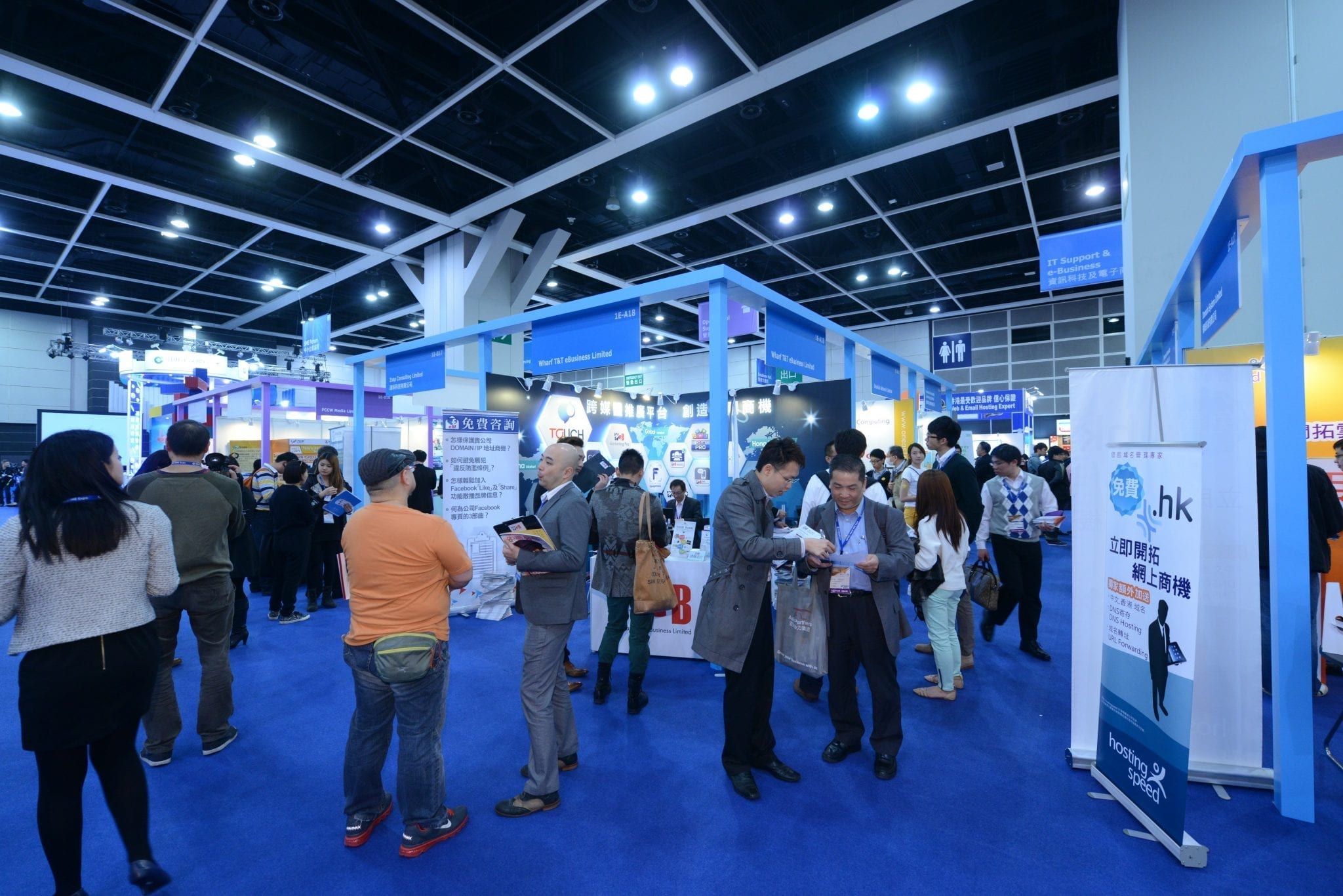
    Scheduled from April 27th to 30th at the Hong Kong Convention and Exhibition Centre, the two events are components of a broader program of seven parallel trade fairs. These fairs cover a wide array of areas including gifts, home, fashion, packaging, and licensing.

    Key Themes of 2026

    This year, the Hong Kong Gifts & Premium Fair will center around four main themes: personalisation, sustainability, health and wellness, and culture and creativity. The Color of the Year for 2026, ‘Cloud Dancer,’ will be showcased, reflecting the fair’s ongoing partnership with Pantone. This demonstrates how international color forecasting is being incorporated into commercial applications across a variety of lifestyle sectors.

    Focus on New Materials and Gerontechnology

    Concurrently, Home InStyle will shed light on innovative materials, cultural design, and gerontechnology. These highlights align with the increasing business interest in aging populations and the expanding ‘silver economy’ throughout Asia. The event will also present international exhibitors known for their design-led and craft-focused products. These range from Bohemian glassware and handmade woven baskets to bamboo homeware and licensed lifestyle items such as illuminated signage featuring popular characters.

    Creating Business Opportunities

    According to the Hong Kong Trade Development Council (HKTDC), these fairs aim to facilitate business opportunities by bringing together a broad spectrum of suppliers and buyers. Simultaneously, they provide a platform to exhibit an assorted mix of lifestyle products and services spanning multiple categories.

    Questions & Answers

    What are the key themes of the 2026 Hong Kong Gifts & Premium Fair?
    The key themes are personalisation, sustainability, health and wellness, and culture and creativity.

    What will Home InStyle highlight in its upcoming event?
    Home InStyle will highlight innovative materials, cultural design, and gerontechnology, which aligns with the increasing business interest in aging populations and the expanding ‘silver economy’ throughout Asia.

    What is the purpose of these fairs according to the Hong Kong Trade Development Council (HKTDC)?
    The HKTDC states that these fairs aim to generate business opportunities by connecting a wide spectrum of suppliers and buyers, while also showcasing a diverse mix of lifestyle products and services across multiple categories.

  • New Zealand’s RubyRed Kiwifruit Takes Vietnam by Storm: Limited Edition, Natural Sweetness at a Premium Price

    New Zealand’s RubyRed Kiwifruit Takes Vietnam by Storm: Limited Edition, Natural Sweetness at a Premium Price

    New Zealand’s ruby-red kiwifruit has made its debut in Vietnam through formal imports, attracting high demand despite its price tag of approximately VND350,000 (US$13.29) per kilogram, which is 20% higher than the cost of gold kiwifruit. Retailers have been selling this vibrant fruit for the past fortnight, with its bold color, unique taste, and edible skin contributing to its popularity.

    Consumer Response

    Local consumers, accustomed to green or yellow kiwifruit, have expressed pleasant surprise at the fruit’s red flesh. A Ho Chi Minh City (HCMC) resident, Hoa, spent VND700,000 on two boxes of the fruit, citing its sweeter and more intense taste compared to other varieties.

    Formal imports involve the shipment of goods in large quantities, subject to strict customs regulations and inspections. Another HCMC inhabitant, Lan Anh, noted that in previous years, some vendors would sporadically hand-carry the fruit into the country, selling it for approximately VND500,000. However, with the initiation of formal, large-scale imports, the fruit’s price has dropped by around 30%.

    The RubyRed Kiwifruit

    The RubyRed kiwifruit, developed by Zespri, the world’s leading kiwifruit producer, through a natural breeding program in New Zealand, is described as boasting a rich sweetness and a striking red hue, a result of anthocyanins. These antioxidant compounds are frequently found in berries. However, the supply of this variety is limited, due to a short growing season spanning only 6-8 weeks, and it yields less fruit than the gold and green variants.

    Vo Thanh Loc, the co-founder of the retail chain Farmers’ Market, revealed that Zespri’s first RubyRed kiwifruit shipment arrived in Vietnam earlier this month. The fruit has quickly become the chain’s top-selling kiwifruit variety.

    Lu Minh Quang, import director of fruit distributor Biovegi Vietnam, disclosed that the company has ordered its first shipment of approximately 80 tons for distribution in Hanoi and HCMC. Quang added that sellers are still gauging the market’s response to the fruit.

    Questions & Answers

    What sets the RubyRed kiwifruit apart from other varieties?
    The distinct red flesh, sweeter taste, and rich antioxidants make the RubyRed kiwifruit stand out from other green or yellow variants.

    What challenges are associated with the supply of the RubyRed kiwifruit?
    The fruit’s short growing season and lower yield compared to other kiwifruit varieties limit its supply.

    What impact has the formal importation of the RubyRed kiwifruit had on its pricing?
    With the initiation of large-scale, formal imports, the price of the RubyRed kiwifruit has decreased by approximately 30% compared to when it was sporadically hand-carried into the country.

  • Vietnam’s Seafood Exports Surge by 8% in Q1 2026, Powered by Strong Chinese Demand

    Vietnam’s Seafood Exports Surge by 8% in Q1 2026, Powered by Strong Chinese Demand

    In the first quarter of 2026, Vietnam saw a nearly 8% increase in seafood exports, amounting to a substantial US$2.64 billion. A primary factor fueling this growth was robust demand from China.

    China’s Role in Vietnam’s Seafood Industry

    During this period, China remained the central seafood importer from Vietnam, with purchases amounting to approximately $764 million. This figure represents an almost 45% year-on-year increase. In March alone, the country’s seafood imports exceeded $250 million, a growth of over 50%. Not only is China the largest seafood importer, but it is also the biggest consumer of Vietnamese pangasius.

    The shrimp category witnessed significant growth, largely attributed to lobster exports. Despite this, exports of whiteleg shrimp, a key product in the U.S. and EU markets, remained consistent.

    Other seafood types, including crab, swimming crab, and molluscs, experienced increased demand across Asian markets. Moreover, tilapia exports skyrocketed by 190% year-on-year, reaching an estimated $35 million in the first quarter.

    The Impact of Other Markets

    China’s robust performance was instrumental in maintaining overall sectoral growth despite a drop in exports to several other markets. Seafood exports to the U.S. decreased by over 10% in the same quarter. This decline can be attributed to weak demand and technical barriers, including the Marine Mammal Protection Act’s Certificates of Analysis requirements and anti-dumping duties on shrimp. There was also a similar decline in exports to Japan and South Korea.

    While exports to the EU remained largely stable, those destined for ASEAN, Australia, and several emerging markets maintained their growth momentum.

    Driving Factors and Predictions

    According to Le Hang, the deputy secretary general of the association, several factors contributed to China’s emergence as the primary growth driver. These include seasonal consumption, steady demand, and advantageous logistics conditions.

    Increased consumption during the Lunar New Year boosted imports of whole shrimp, live seafood, and premium products. This seasonal surge contributed to a sharp increase in high-value items like lobster.

    Despite this growth, Hang warned that these figures may primarily reflect seasonal trends rather than a long-term structural recovery. This is because the increased exports were partly driven by stockpiling and festive demand, which could lead to a moderation of growth in the upcoming months.

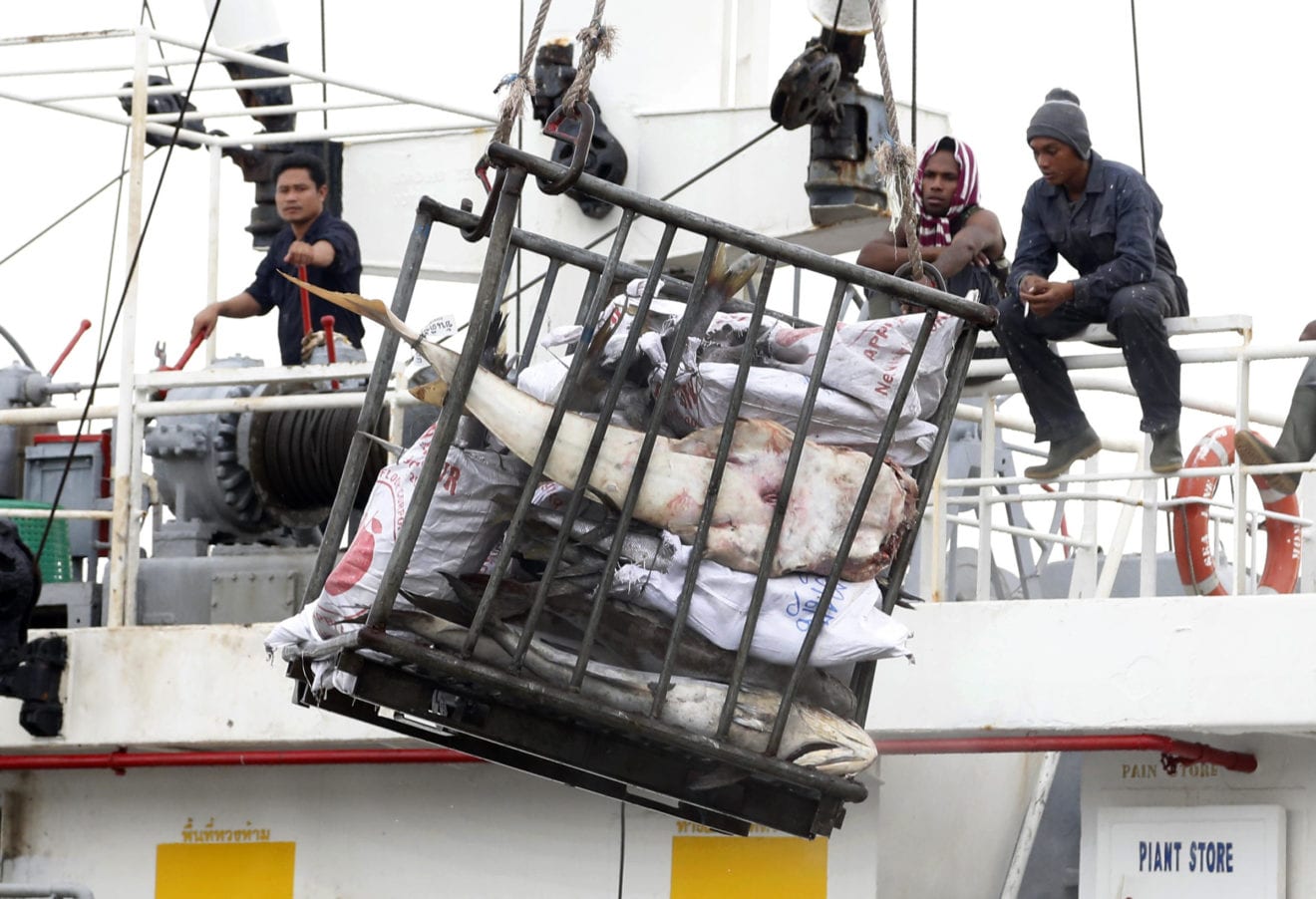
    The seafood industry in Vietnam also faces intensifying competitive pressure, particularly from major suppliers like Ecuador. This competition underscores the need for diversification in Vietnam’s seafood industry.

    However, the association remains optimistic. They project that seafood exports will continue to grow in the second quarter, with shrimp and pangasius expected to be the primary growth drivers.

    Questions & Answers

    What was the value of Vietnam’s seafood exports in the first quarter of 2026?
    The value of Vietnam’s seafood exports in the first quarter of 2026 was US$2.64 billion.

    Who is the largest importer of Vietnamese seafood?
    China is the largest importer of Vietnamese seafood.

    What has been the impact of seasonal consumption on Vietnam’s seafood exports?
    Seasonal consumption, particularly during the Lunar New Year, has led to a surge in imports of various seafood items, contributing to the overall growth in Vietnam’s seafood exports.

  • Cathay Pacific Reduces Flight Frequency Amid Surging Jet Fuel Prices: Is Global Aviation at Risk?

    Cathay Pacific Reduces Flight Frequency Amid Surging Jet Fuel Prices: Is Global Aviation at Risk?

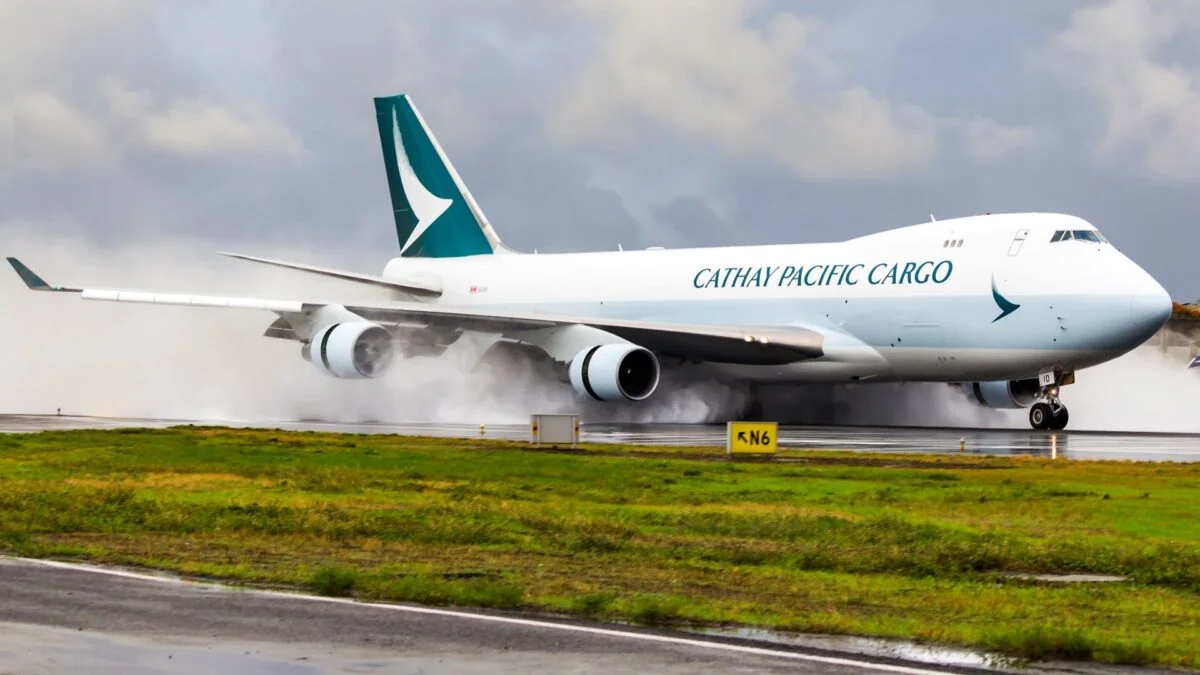
    Cathay Pacific Airways has announced that it will reduce several flights from mid-May until the end of June due to escalating jet fuel prices, influenced by the ongoing crisis in the Middle East. The company plans to eliminate approximately 2% of its scheduled passenger services from May 16 to June 30, 2026. In correlation, its budget division, HK Express, will also reduce about 6% of its flights from May 11, as stated in a recent press release.

    Expansion Plans Remain Unchanged

    Despite the current challenges, the CEO of Cathay Pacific, Ronald Lam, confirmed last month that the Hong Kong-based airline would continue with its strategies to boost passenger capacity by 10% this year. The decision was spurred by the robust demand for long-haul flights to North America, Europe and Australia, following the decrease in traffic through the Middle East after the Iran war.

    Post-June Operations

    After June, Cathay Pacific and HK Express anticipate resuming all their scheduled passenger services, as per the recent announcement.

    Despite a temporary ceasefire between U.S. President Donald Trump and Iran, industry executives have expressed that the global aviation industry is unlikely to experience immediate relief.

    Aviation industry officials have cautioned that jet fuel supplies will continue to be limited and expensive for several months, even if Iran decides to reopen the Strait of Hormuz.

    Questions & Answers

    What is the reason for Cathay Pacific Airways cutting some flights from mid-May to the end of June?
    The airline is reducing flights due to the increasing costs of jet fuel, which are being driven up by the ongoing conflict in the Middle East.

    What plans does Cathay’s CEO Ronald Lam have for this year despite the rise in fuel costs?
    Despite the increase in fuel prices, Ronald Lam said that the airline would push forward with its plans to increase passenger capacity by 10% this year. He cited strong demand for long-haul flights to North America, Europe, and Australia.

    What effect will the ceasefire between U.S. President Donald Trump and Iran have on the aviation industry?
    According to industry executives, the temporary ceasefire is unlikely to bring immediate relief to the global aviation industry. They warn that jet fuel supplies will continue to be limited and costly for several months, even if Iran decides to reopen the Strait of Hormuz.