Author: Mei Ling Tan

  • Bank of Singapore Snags Top Julius Bär Executive to Drive ASEAN Private Banking Growth

    Bank of Singapore Snags Top Julius Bär Executive to Drive ASEAN Private Banking Growth

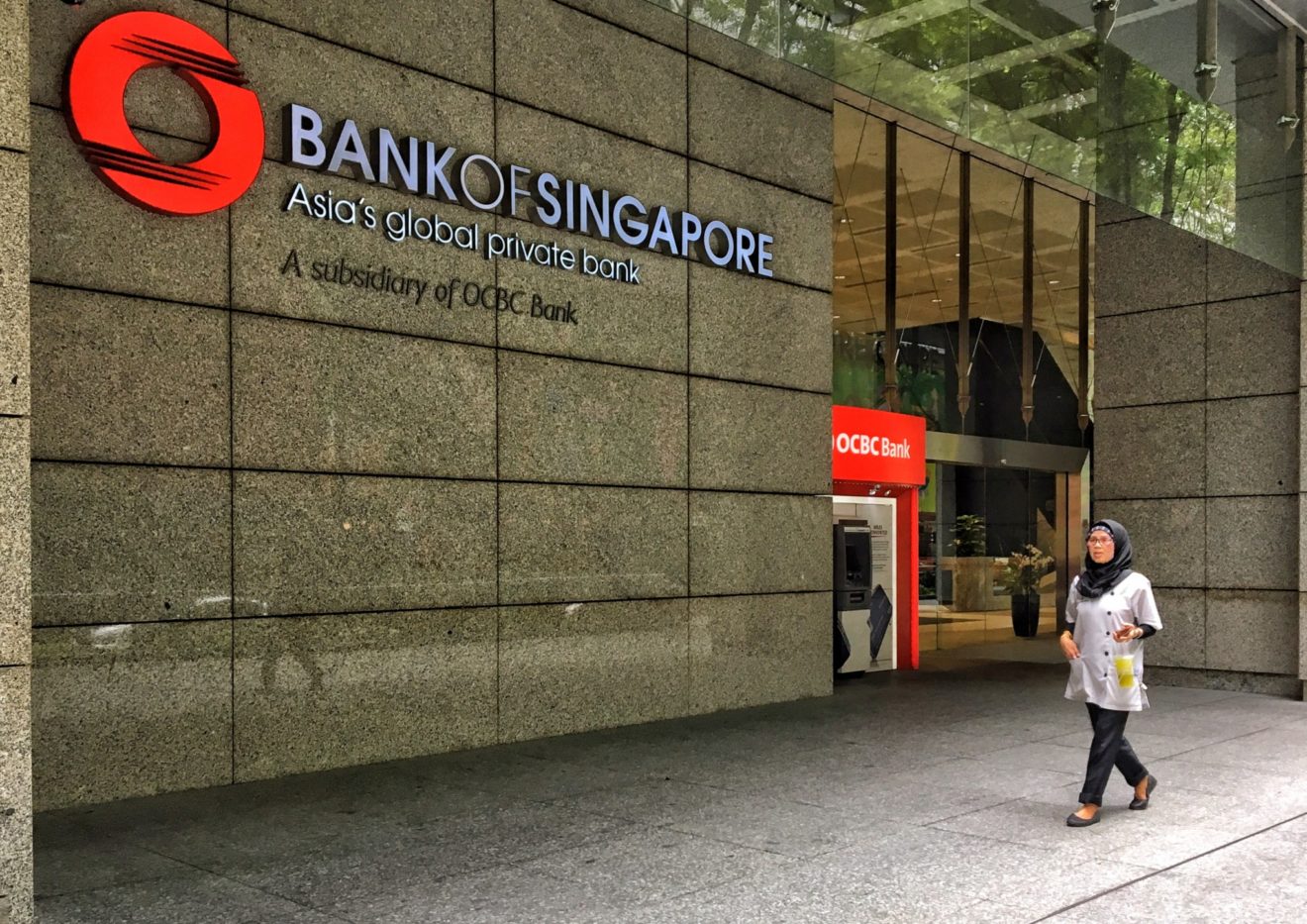
    The Bank of Singapore has announced the appointment of Vi Sun Yang, a seasoned wealth management professional, as the Head of Private Banking for the ASEAN region. Yang, who previously served at Julius Bär and UBS, will assume her new role from June 29, 2026.

    Key Responsibilities

    As the Head of Private Banking, Yang will be a part of the Bank’s global management committee and will report directly to Jason Moo, the Chief Executive Officer at the Bank of Singapore. Her primary duty will revolve around driving strategic growth and development for the Bank of Singapore’s brand across the ASEAN region, which constitutes the bank’s biggest market.

    Professional Background

    Yang boasts an impressive career spanning over three decades in the wealth management sector. She has demonstrated her competency in leading front-office teams that cater to both high-net-worth and ultra-high-net-worth clients across the Southeast Asia region. Her previous tenure was at Julius Baer, where she excelled in the role of Market Head for Southeast Asia.

    Before joining Julius Baer, Yang served at UBS Singapore for 14 years. During her time with the firm, she held a number of senior leadership positions, including Head of the Private Client Segment, overseeing seven markets in Asia, and Market Head for Indonesia. Yang’s vast industry experience also includes stints at American Express, DBS, and Standard Chartered.

    Bank of Singapore’s Growth

    The Bank of Singapore experienced considerable business growth in 2025, surpassing its previously set target of US$145 billion in assets under management (AUM) from 2023, and expanding its global AUM by over 20%.

    Questions & Answers

    Who has been appointed as the new Head of Private Banking at the Bank of Singapore?
    Vi Sun Yang has been appointed as the Head of Private Banking at the Bank of Singapore.

    What are Vi Sun Yang’s primary responsibilities in her new role?
    Yang will be responsible for driving the strategic growth and development of the Bank of Singapore’s brand across the ASEAN region.

    What has been the growth rate of the Bank of Singapore?
    In 2025, the Bank of Singapore saw its assets under management grow by over 20%, surpassing its previously set target of US$145 billion.

  • U.S. Dollar Rises Against Vietnamese Dong Amid Global Currency Fluctuations

    U.S. Dollar Rises Against Vietnamese Dong Amid Global Currency Fluctuations

    On Friday, the United States dollar showed an increase against the Vietnamese dong, even though it was headed for a weekly depreciation against other major currencies. Vietcombank reported a slight increase of 0.01% in its selling rate of the US dollar, which was pegged at VND26,360. At the same time, the currency noted a 0.08% rise on the black market, reaching approximately VND26,876.

    Adjustments by the State Bank of Vietnam

    The Vietnamese central bank, State Bank of Vietnam, made an upward adjustment to its reference rate, increasing it by 0.01% to VND25,105.

    Global Currency Dynamics

    Internationally, the US dollar was looking at potentially its most significant weekly decline since January. This trend emerged as other currencies capitalized on the hopeful sentiment that a ceasefire in the Gulf would persist and oil shipping would be resumed.

    The US dollar index, which measures the greenback’s strength against a basket of other currencies, has depreciated by 1.3% over the current week. The euro, in contrast, has experienced a rally, piercing its 200-day moving average this week to reach a trading level of $1.1690.

    Sterling, the British currency, has also witnessed a significant jump, with an increase of 1.8% this week, pushing it above its 200-day moving average to a trading rate of $1.3424.

    Even the risk-sensitive currencies of Australia and New Zealand have charted weekly rises of close to 3% against the US dollar. The Australian dollar is trading just above 70 cents, while the New Zealand dollar currently stands at $0.5847.

    Furthermore, the Japanese yen, which has been under substantial pressure due to Japan’s low interest rates, government spending plans, and reliance on imported oil, is marginally above the recent lows at 159.2 to the US dollar.

    Geopolitical Developments and Currency Impact

    Thursday saw the arrival of Iranian officials in Islamabad, with a US delegation led by Vice President JD Vance following suit on Friday. The aim of these meetings is to fuel investor optimism regarding the establishment of lasting peace.

    Jason Wong, a senior strategist at BNZ based in Wellington, stated that positive discussions could lead to further depreciation of the US dollar. However, if discussions do not progress well and the current scarcity of ships persists, the situation could reverse rapidly.

    Questions & Answers

    What was the selling rate of the US dollar against the Vietnamese dong on Friday?
    The selling rate of the US dollar against the Vietnamese dong on Friday was VND26,360.

    What is the expected trend of the US dollar against major currencies for the week?
    The US dollar is expected to witness a weekly depreciation against major currencies.

    What has been the impact of geopolitical developments on the US dollar’s performance?
    Positive geopolitical developments, such as peace talks, can lead to a depreciation of the US dollar. However, negative outcomes could potentially reverse this trend.

  • HSBC Breaks New Ground with Hong Kong’s First Bank-Issued Stablecoin

    HSBC Breaks New Ground with Hong Kong’s First Bank-Issued Stablecoin

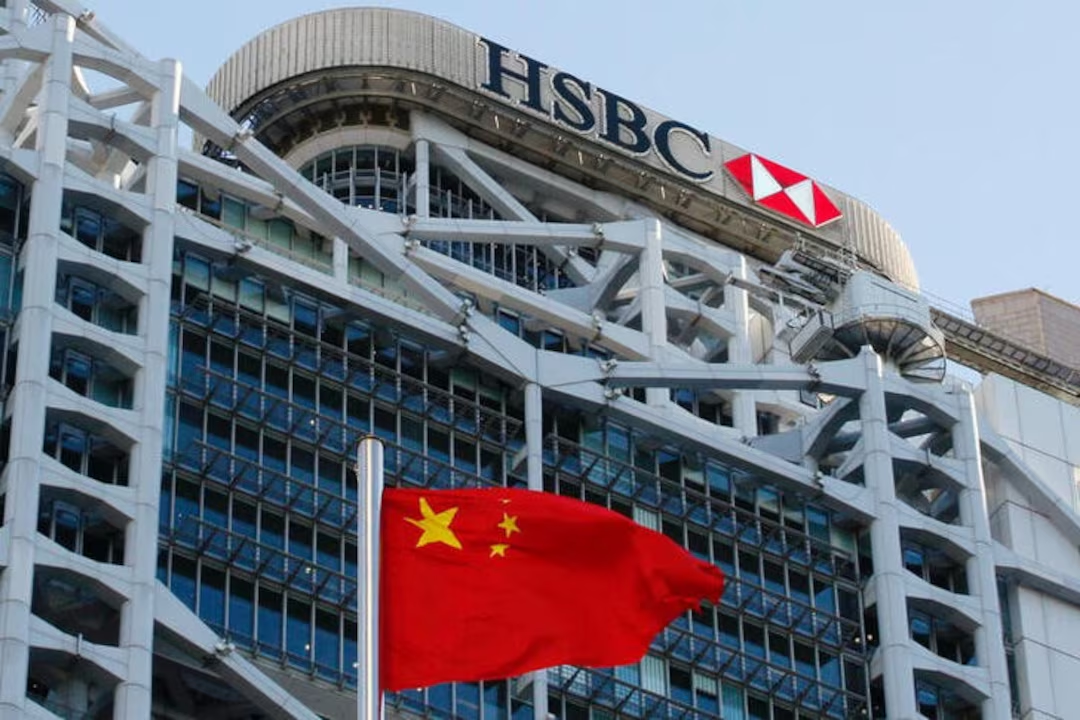
    The Hongkong and Shanghai Banking Corporation Limited, a subsidiary of HSBC, has been granted a license to issue stablecoins by the Hong Kong Monetary Authority (HKMA), marking a significant foray into the regulated digital asset space. The bank intends to introduce a Hong Kong dollar-denominated stablecoin by the latter half of 2026, becoming one of the first major global lenders to issue a regulated digital currency for retail use within the city.

    Fully Backed, Regulated Digital Currency

    HSBC has revealed that each unit of the upcoming stablecoin will be fully backed by high-quality liquid assets stored in segregated accounts. This structure is designed to preserve price stability and guarantee redemption at par value. Notably, the bank has emphasized its commitment to rigorous financial crime compliance standards, in line with regulators’ increased focus on security and transparency in digital assets. This development comes amidst Hong Kong’s efforts to fast-track its position as a premier hub for digital finance. This is apparent in the HKMA’s regulatory framework, geared towards legitimizing stablecoins while simultaneously mitigating systemic risks.

    Integration Into Everyday Banking

    HSBC’s stablecoin will be directly incorporated into two of their most popular platforms: PayMe, the bank’s widely-used peer-to-peer payment application, and the HSBC Hong Kong mobile banking application. This move indicates a strategic push towards integrating digital assets into mainstream financial activities, opposed to treating them as niche investment products. PayMe currently boasts over 3.3 million users, while active users on the HSBC HK App have risen by 20% year-on-year, following a recent redesign.

    Questions & Answers

    What is the purpose of the stablecoin that HSBC plans to issue?
    The objective of the stablecoin is to integrate digital assets into mainstream financial activities. This will be achieved by incorporating the stablecoin into HSBC’s most popular platforms, PayMe and the HSBC Hong Kong mobile banking application.

    How will the HSBC stablecoin maintain its value?
    Each unit of the stablecoin will be fully backed by high-quality liquid assets held in segregated accounts. This structure is designed to maintain price stability and ensure redemption at par value.

    How is HSBC’s move to issue a stablecoin significant?
    HSBC’s move to issue a stablecoin marks a significant step into the regulated digital asset space. It positions the bank as one of the first major global lenders to issue a regulated digital currency for retail use, signifying a strategic shift in the financial industry towards digital finance.

  • Pocket Option Malaysia: What Binary Options Traders Should Know

    Pocket Option Malaysia: What Binary Options Traders Should Know

    It can be overwhelming to do your first trade. Traders in Malaysia want a platform that makes sense when they log in, and that’s why they are turning to Pocket Option Malaysia.  

    Why Binary Options Appeal to Malaysian Traders

    Binary options trading strips things back to a simple decision: will the price go up or down within a set time?

    You’re not juggling multiple indicators or second-guessing complex charts, you’re making a clear call. For many traders, especially those newer to the space, that clarity feels more manageable.

    Malaysians what straightforward platforms that don’t have a steep learning curve. They want to log in, and understand what they are seeing. 

    How Pocket Option Makes Things Easier

    There are platforms that look impressive, but when you try to use  them, they’re slow, tabs are difficult to find, and the layout is cluttered. It takes much longer than it should to place a trade. 

    Pocket Option Malaysia do things differently. 

    The interface is clean, it feels natural to navigate. You also don’t have to waste time to figure out where things are. You’re able to focus on the trade, and you don’t have to work around the platform. 

    A Platform That Fits How People Actually Trade

    (Mobile trading makes life easier – Image: Pexels)

    Not every trader is sitting behind a multi-monitor setup all day.

    Maybe you’re checking a position between meetings, placing a quick trade from your phone in the evening, or logging in for a few minutes when you have time. Trading today often happens in small windows, not long sessions.

    Pocket Option Malaysia reflects that reality. Users have a smooth experience across different devices, and the mobile version is also easy to use. 

    Why Residents of Malaysia Are Taking Notice

    Even strong trading conditions can be overlooked if the platform itself feels difficult to use. Accessibility matters just as much as functionality.

    Here’s why traders in Malaysia continue to look toward Pocket Option Malaysia:

    • A clean, intuitive interface that doesn’t slow you down when timing matters
    • Defined-risk trading through binary options structures
    • Seamless access across mobile and desktop, without losing usability
    • A balanced experience that supports both new traders and more active users

    Is Pocket Option Malaysia a Strong Choice?

    If you value simplicity but still want a platform that feels responsive and capable, Pocket Option Malaysia starts to stand out.

    Online trading platforms often lean are often too complicated to use, or their functions could be to limited. It’s not easy to find a balance between functionality and usability. If you’ve found a platform that does both, just stick to it. 

    Built for Modern Trading Habits

    Trading today doesn’t happen in a fixed routine. It moves with your schedule.

    You might switch between devices throughout the day, act on short windows of opportunity, or prefer platforms that don’t require constant setup and adjustment. In that context, flexibility is expected.

    Pocket Option adjusts to how you already trade. You don’t have to adjust your routine to the platform. 

    The Way Forward

    It’s important to be careful, as with all forms of trading. No platform removes the risk binary options involve. 

    If you’re in Malaysia and looking for a platform that feels accessible from the start, one that doesn’t get in your way while you’re trying to make decisions, Pocket Option Malaysia is worth evaluating.

    About the Author

    Jamie Brown is a financial content specialist focused on online trading platforms and emerging market trends in Southeast Asia. 


  • Finish Revolutionizes Packaging with Eco-Friendly Paper-Based Dishwashing Tablets, Tackling Plastic Pollution One Wash at a Time

    Finish Revolutionizes Packaging with Eco-Friendly Paper-Based Dishwashing Tablets, Tackling Plastic Pollution One Wash at a Time

    Finish, a well-known dishwasher detergent brand, recently unveiled its new, kerbside recyclable, paper-based packaging for its dishwashing tablet products. The innovative move is set to eliminate an estimated 48 tonnes of plastic from Finish’s annual packaging output, which is roughly comparable to the plastic content of more than 1.8 million water bottles.

    Years of Research and Development

    This momentous achievement is the result of four years’ of dedicated research and development, which involved over 55 production trials. The main technical hurdle faced by the engineers was the need to design a water-resistant barrier that would safeguard the chemical stability of the tablets. At the same time, ensuring that the chosen materials were suitable for standard paper recycling streams was another significant challenge.

    According to Laurie Ferland-Caouette, the Head of Sustainability at Reckitt Australia, this launch signifies a considerable advancement for the home care category in Australia. “We anticipate that half of all Finish tablet packs sold will now feature our paper-based packaging. This will make it easier for Australians to make more sustainable choices as part of their everyday routines,” she added.

    Australia-Wide Availability

    This newly developed packaging will be available across selected ranges in supermarkets throughout Australia.

    In addition to this, Finish will continue its association with the non-profit organisation, Rural Aid, into 2024, marking its fifth year of partnership.

    Questions & Answers

    What was the main challenge faced by engineers during the development of the new packaging?
    The engineers had to design a water-resistant barrier that would protect the chemical stability of the tablets, while ensuring that the materials used were suitable for standard paper recycling processes.

    How much plastic does Finish estimate it will save annually with the new packaging?
    Finish estimates that the new packaging will remove around 48 tonnes of plastic from its annual packaging production.

    Will the paper-based packaging be available throughout Australia?
    Yes, the paper-based packaging will be available across selected product ranges in supermarkets nationwide.

  • BlackPink’s Jennie Rocks Ray-Ban: New Global Brand Ambassador Brings K-pop Style to Eyewear

    BlackPink’s Jennie Rocks Ray-Ban: New Global Brand Ambassador Brings K-pop Style to Eyewear

    Global eyewear leader, Ray-Ban, has announced Jennie Kim, from the K-pop girl group, Blackpink, as its newest worldwide brand ambassador. This engagement aligns with the brand’s strategy of exploring partnerships in the music and fashion spheres.

    The Campaign

    The campaign showcases minimalist imagery punctuated with deep red accents, mirroring Jennie Kim’s stage identity as Jennie Ruby Jane. The visuals are designed to resonate with her vibrant persona and dynamic stage presence.

    Curated Collection

    In conjunction with this announcement, Ray-Ban has launched a six-piece capsule collection, curated by Jennie Kim. This range encapsulates her personal style, serving as an extension of her aesthetic appeal.

    The collection features a mix of existing silhouettes, including the Daddy-O and Alix models. Additionally, it includes frames from Ray-Ban’s Asian Design Collection which boasts low-bridge fits and retro-inspired details, combining modern aesthetics with a nostalgic touch.

    Jennie Kim on the Partnership

    Expressing her delight at the partnership, Jennie Kim shared, “I’m really happy to be partnering with Ray-Ban – it felt natural from the beginning.” She further added, “To me, confidence isn’t loud; it comes from feeling comfortable with yourself and expressing who you are in a quiet way. Ray-Ban has that same energy: simple, expressive, and easy to live in.”

    Questions & Answers

    Who is the new global brand ambassador for Ray-Ban?
    Jennie Kim, from the K-pop girl group Blackpink, is the new global brand ambassador for Ray-Ban.

    What is special about the new Ray-Ban campaign?
    The campaign features minimalistic visuals with deep red accents that reflect Jennie Kim’s stage persona, Jennie Ruby Jane. Along with this, a six-piece capsule collection curated by Jennie herself has been launched.

    What does the curated collection by Jennie Kim include?
    The collection includes existing models like the Daddy-O and Alix, as well as frames from Ray-Ban’s Asian Design Collection that feature low-bridge fits and vintage-inspired details.

  • Unilever Boosts Wellbeing Portfolio with Acquisition of Nutrient Powerhouse, Grüns

    Unilever Boosts Wellbeing Portfolio with Acquisition of Nutrient Powerhouse, Grüns

    Unilever, the multinational consumer goods conglomerate, has announced plans to acquire Grüns, an American company specialising in green supplement products. Grüns is known for its nutrient-rich powdered supplements, derived from a variety of sources including leafy greens, vegetables, algae, and grasses.

    Unilever’s Wellness Focus

    This acquisition is the latest in Unilever’s strategic shifts, which has seen the company place a higher priority on wellbeing products. The inclusion of Grüns in Unilever’s portfolio highlights this ongoing shift and solidifies its position in the wellness market.

    Established in 2023 by entrepreneur Chad Janis, Grüns has quickly risen to prominence in the greens supplement sector, making it one of the most recognisable brands in the industry.

    Jostein Solheim, CEO of Unilever Wellbeing, expressed enthusiasm about the acquisition. “We are excited to bring Grüns into the Unilever family,” said Solheim. “Grüns is a leading and truly innovative player in the greens supplement space. They have a dedicated product range, supported by scientific research, that customers not only trust but enjoy using regularly.”

    Expanding Reach and Enhancing Wellness Habits

    Currently, Grüns’ products are available to consumers in the U.S. through retail outlets and direct-to-consumer channels. Although Unilever has not released the specifics of the acquisition deal, they have indicated that it is expected to be finalized later this year.

    For Grüns, the partnership with Unilever offers an opportunity for further growth and expansion. “Grüns was created for our customers, and this partnership is a testament to them,” said Chad Janis, founder of Grüns. “With the backing of Unilever, we look forward to reaching a wider audience, accelerating our growth, and continuing to redefine what a daily wellness routine can be.”

    Questions & Answers

    What is Grüns?
    Grüns is a U.S. company that manufactures nutrient-rich powdered supplements derived from vegetables, leafy greens, algae, and grasses.

    Why has Unilever chosen to acquire Grüns?
    The acquisition of Grüns is part of Unilever’s strategic shift to place a higher emphasis on wellbeing products in its portfolio.

    What will this acquisition mean for Grüns?
    This partnership with Unilever will enable Grüns to expand its customer reach, accelerate its growth, and continue to advance and innovate in the daily wellness sector.

  • Uniqlo’s Parent Company Fast Retailing on Path to Historic Earnings amid Global Expansion and Resilience to Middle East Crisis

    Uniqlo’s Parent Company Fast Retailing on Path to Historic Earnings amid Global Expansion and Resilience to Middle East Crisis

    Fast Retailing, the Japanese firm which owns the Uniqlo brand, has upgraded its yearly forecast, anticipating another year of record-breaking profits driven by strong international expansion. The company reported a 29.4% increase in operating profits during the quarter ending in February, reaching 189.8 billion yen (approximately US$1.19 billion) from last year’s 146.7 billion yen.

    This robust growth in earnings surpassed the 161.6 billion yen average estimate drawn from seven analysts. Consequently, Fast Retailing raised its full-year operating profit forecast from 650 billion yen to 700 billion yen, setting the stage for the fifth consecutive year of record earnings.

    Projected Stability Amidst Global Tensions

    In its statement, the company indicated it doesn’t foresee any significant repercussions from the ongoing Middle East crisis affecting its production and logistics for the fiscal year 2026. The conclusion of the company’s second financial quarter occurred just before the commencement of the US-Israeli air strikes against Iran. This conflict has led to an escalation in oil prices and disrupted supply chains, creating an atmosphere of uncertainty in the markets around the feasibility of a permanent peace agreement.

    The main concern for Fast Retailing is how the crisis in Iran could impact the production costs for Uniqlo, a retailer known for affordable basic clothing, many of which are made of polyester.

    Despite a 0.5% drop in Fast Retailing’s shares on the Tokyo Stock Exchange ahead of the results, the company’s shares have risen by over 18% so far in 2026. Teijin Frontier, a supplier to the company based in Japan, recently announced a 20% increase in polyester fibre prices due to the hike in oil prices.

    Retail Industry’s Concerns

    European retailers, including clothing behemoth H&M and British supermarket chain Co-op, have voiced concerns that a protracted Middle East conflict could push prices upward and hamper consumer demand. Fast Retailing’s CFO, Takeshi Okazaki, stated that the crisis has already complicated air freight from production bases in Southeast Asia to Europe.

    Fast Retailing is regarded as a barometer for consumer spending in Japan and mainland China, where it operates nearly 900 stores. From humble beginnings in 1984 with one store in Hiroshima, Uniqlo has expanded to over 2,500 locations worldwide, with a particularly aggressive growth strategy in Europe and North America.

    The company’s North American and European segments have reported an annual sales growth of 30% – 50% since fiscal 2022. The company expects annual revenue from these regions to reach 3 trillion yen each over the medium term, a significant increase from this fiscal year’s 300 billion yen and 500 billion yen, respectively.

    Challenges and Reforms

    While the weak yen has generated a tourism boom that has bolstered Fast Retailing’s Japanese sales, growth in China has decelerated due to weak consumer sentiment, leading to store closures and restructuring. Okazaki commented on the situation in China, stating, “We’re pushing forward with structural reforms … I think it’s fair to interpret that the results are now beginning to show in our performance.”

    The company’s Asia-based supply chain faced pressure last year from the US’s frequently changing tariffs, and it now confronts the added challenge of increased costs due to the Middle East conflict. Tadashi Yanai, Fast Retailing’s founder, Japan’s wealthiest individual, and an outspoken critic of the risks posed by tariffs, has an ambitious goal to make his company the world’s top clothing brand.

    Questions & Answers

    How has the Middle East crisis impacted Uniqlo?
    The crisis has the potential to increase production costs for Uniqlo, especially as many of its products are made with polyester, the price of which is likely to rise due to increased oil prices. The situation has also complicated air freight from production bases in Southeast Asia to Europe.

    What is Fast Retailing’s future growth strategy?
    Fast Retailing is pursuing aggressive growth in Europe and North America, expecting these regions to generate annual revenues of 3 trillion yen each over the medium term.

    How has consumer sentiment in China affected Fast Retailing?
    The weak consumer sentiment in China has slowed growth, leading to store closures and restructuring. However, the company is pushing forward with structural reforms, the results of which are beginning to show in their performance.

  • FairPrice Freezes Prices on 100 Essential Items to Mitigate Cost-of-Living Impact Amid Middle East Conflict

    FairPrice Freezes Prices on 100 Essential Items to Mitigate Cost-of-Living Impact Amid Middle East Conflict

    In an effort to alleviate the burden of rising living costs due to the ongoing Middle East conflict, FairPrice Group, a leading supermarket operator, has announced a price freeze on 100 of its most frequently purchased daily necessities. This freeze, set to begin on Thursday and lasting until May 31, will apply to various household items, including rice, cooking oil, eggs, fresh and frozen pork and chicken, milk, and detergent.

    Price Freeze: A Commitment to Accessibility

    FairPrice Group’s decision to implement a price freeze is reflective of their broader commitment to maintain the affordability of everyday necessities for all individuals, particularly during periods of economic and geopolitical instability. The effects of such instability are becoming increasingly prominent in the daily lives of Singaporeans, and FairPrice Group hopes to provide some degree of relief through this initiative.

    Special considerations have been made for customers from vulnerable groups and citizens who qualify for subsidies. These individuals will enjoy double the usual discounts, increasing from 3% to 6%, throughout the duration of the price freeze.

    Reflecting Founding Principles

    According to FairPrice Group’s CEO, Vipul Chawla, these actions are consistent with the company’s original mission to preserve the affordability of essential items. This mission was established during the 1970s oil crisis and continues to guide their policies today.

    “Food and groceries account for over 20% of the average household budget, and even more for families with lower incomes,” Chawla explained. In light of this, the group’s initiatives aim to assist Singaporeans in managing the current uncertainties.

    Continuing Discounts on Housebrand Products

    Alongside the price freeze, FairPrice will maintain discounts on its own-brand products as part of its ‘Best Sellers for Less’ campaign. The campaign, which began on March 19 and will run for 12 weeks ending on June 10, offers shoppers savings of up to 36% on selected FairPrice Own Brands products. This includes items such as rice, facial tissues, and frozen processed food.

    Questions & Answers

    What items does the price freeze cover?
    The price freeze covers 100 of the most popular household essentials, including rice, cooking oil, eggs, fresh and frozen pork and chicken, milk, and detergent.

    Who will benefit from increased discounts during the price freeze period?
    Customers from vulnerable groups and citizens eligible for subsidies will enjoy double the usual discounts, from 3% to 6%, during the price freeze period.

    What are some of the FairPrice Own Brands products that will be discounted as part of the ‘Best Sellers for Less’ campaign?
    The discounts apply to a range of FairPrice Own Brands products such as rice, facial tissues, and frozen processed food.

  • Burger King’s Vietnam Retreat: High-End Competition Forces Fast-Food Giant to Scale Back Operations

    Burger King’s Vietnam Retreat: High-End Competition Forces Fast-Food Giant to Scale Back Operations

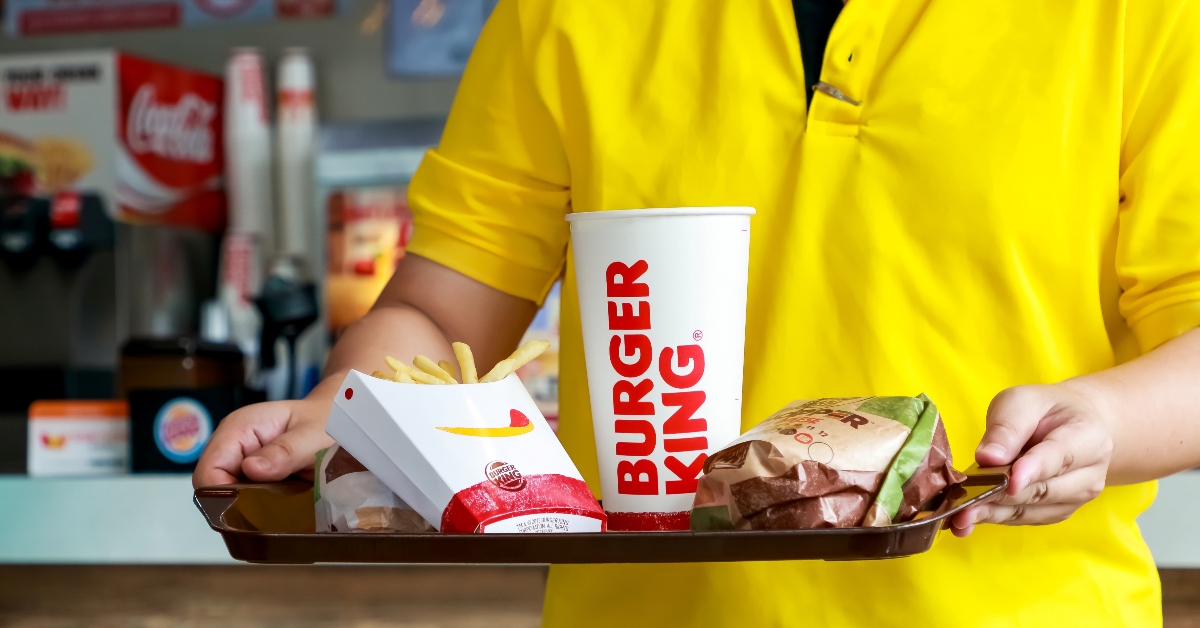
    Burger King, the renowned American fast food titan, has shuttered all its outlets in Hanoi, marking the end of over a decade-long presence in the city and simultaneously narrowing its footprint in Ho Chi Minh City.

    Shutting Down Operations

    Imex Pan Pacific Group (IPPG), the operating partner of Burger King and a local conglomerate that owns a multitude of rival retail brands, acknowledged the cessation of the brand’s operations in all Hanoi outlets roughly two months ago. The process of shutting down varied between one to two months, contingent on the particular outlet. Previously, the city had three Burger King outlets in operation.

    Presently, in Hanoi, the brand’s offerings are solely accessible through an outlet located within the city’s airport. Concurrently, operations in Ho Chi Minh City have been restrained, leaving only three outlets beyond the airport, one of which is conveniently situated in the backpacker haven of Phạm Ngũ Lão.

    The Burger King Journey

    Burger King, established in the United States in 1954, entered the Vietnamese market in 2012 via a franchise contract with IPPG. The grand opening was met with ambitious projections, with plans to establish 60 outlets within a span of five years. However, by 2016, the fast-food chain could only boast of 16 operating outlets, inclusive of one at Ho Chi Minh City’s airport.

    The expansion of Burger King in Vietnam has noticeably contracted over time, an issue some market analysts attribute to cost structures and business performance. The franchise model, based on universally accepted standards encompassing inputs, processes, and quality control, often incurs substantial operating costs. Consequently, when revenue and customer numbers fail to meet expectations, sustaining operations poses a formidable challenge.

    IPPG’s Franchise Strategy

    IPPG, from a franchise standpoint, lays emphasis on diversifying its portfolio, concentrating on the luxury retail sector, apparel, and businesses related to travel. The company, which operates over 1000 stores and collaborates with 138 brands, is progressively expanding its presence in airports, border checkpoints, and shopping centers.

    Johnathan Hanh Nguyen, the founder and chairman of IPPG, in 2019, emphasized the role of site selection in franchise operations. He identified store location, design, and service standards as key factors influencing brand visibility and overall business performance.

    Alternative Business Models

    While certain distributors prioritize scale and coverage, emerging operators such as The Kho Group (TKG) focus on lifestyle positioning, carefully curating brand selection and customer experience. Instead of a broad launch, projects are selectively implemented in cities like Ho Chi Minh City, Hanoi, Da Nang, and Phu Quoc.

    Innovative projects like Malbon are designed as lifestyle spaces with dual-level layouts and integrated community functions. This points to TKG’s strategy of scrutinizing consumption patterns and behavior prior to project launch and gauging success based on brand engagement and repeat visits rather than pure revenue.

    This varied approach highlights the different strategies towards licensing and franchising in Vietnam’s retail sector. While some prioritize network scale and foot traffic, others invest in a curated and unique offering, focusing on store design and brand experience.

    Questions & Answers

    Why did Burger King close its outlets in Hanoi?
    The closure of Burger King’s outlets in Hanoi was attributed to numerous factors including cost structures, business performance, and revenue falling short of expectations.

    What is the current state of Burger King’s operations in Vietnam?
    Burger King has scaled down its operations in Vietnam. As of now, there is only one outlet in Hanoi, located at the city’s airport. In Ho Chi Minh City, only three outlets remain.

    How do new distributors like The Kho Group (TKG) differ in their approach?
    New distributors like TKG emphasize lifestyle positioning. They focus on a careful selection of brand and customer experience, launching projects selectively in certain cities, and gauging success through brand engagement and repeat visits as opposed to pure revenue.

  • Central Pattana Propels $3 Billion Mixed-Use Expansion: Heralding a New Era of Urban Growth in Thailand

    Central Pattana Propels $3 Billion Mixed-Use Expansion: Heralding a New Era of Urban Growth in Thailand

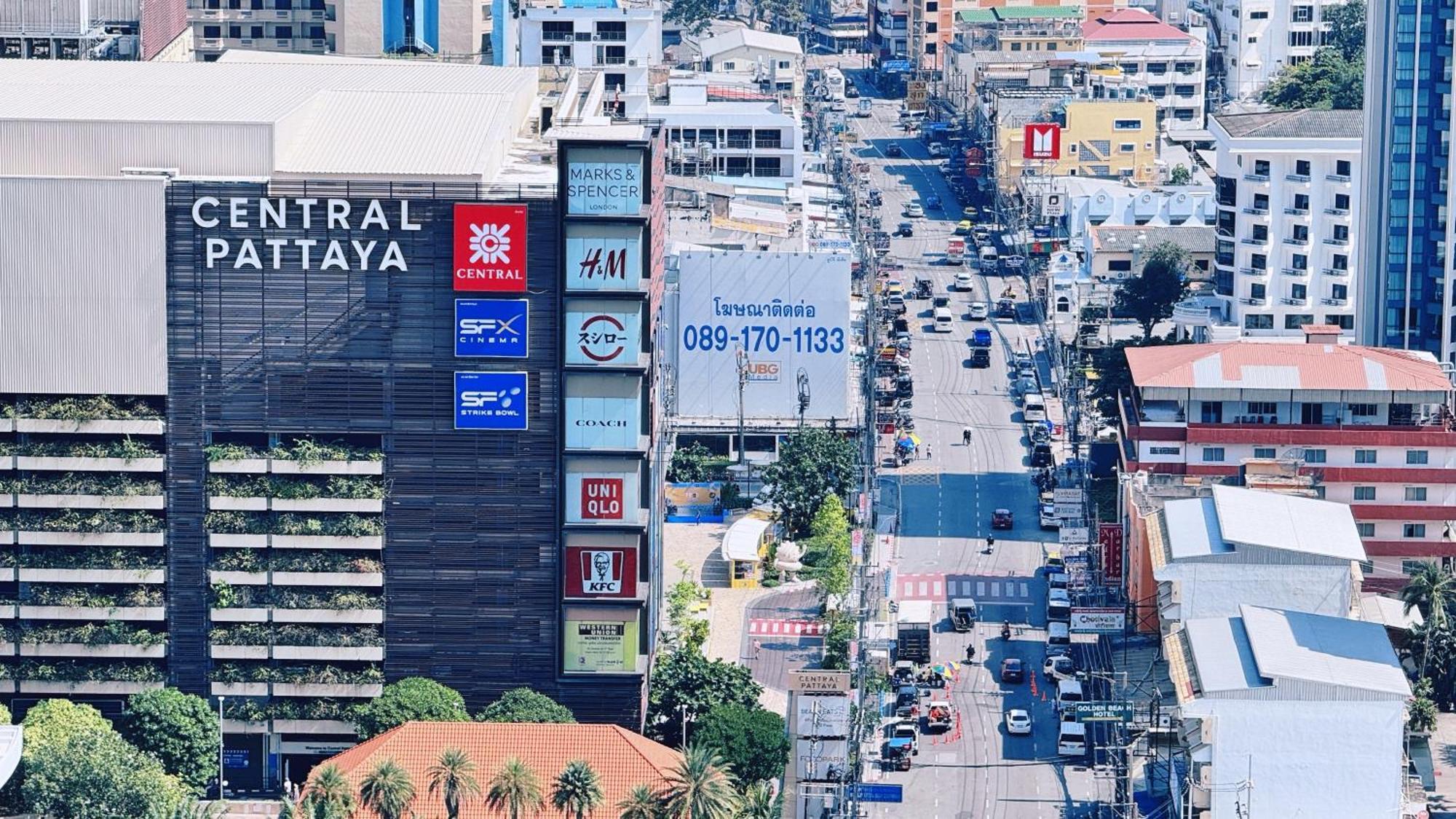
    Central Pattana, a leading retail and property development company, has unveiled ambitious plans to invest approximately $3 billion to broaden its mixed-use portfolio over the next five years.

    Central Pattana’s proposed projects are poised to offer an innovative blend of retail, residential, office, and public spaces. These projects are strategically designed to cater to both urban and regional growth corridors, maximising their reach and potential impact.

    Expansion Across Bangkok

    The expansion will focus on both established and emerging business districts within Bangkok. Prominent regions such as the ‘Super Core CBD’ near CentralWorld and Silom-Rama IV will be targeted, alongside burgeoning zones in Rama 9 and Ladprao-Phahonyothin.

    One of the cornerstone ventures of this ambitious expansion is a project aptly named the ‘City of the Future’. This project, planned to sprawl over approximately 120ha in northern Bangkok, aims to seamlessly integrate elements of sustainability, green spaces, and walkable urban design.

    CEO Wallaya Chirathivat states, “Our model continues to generate sustainable traffic, tenant sales and long-term asset value, while contributing to broader economic ecosystems.”

    Currently, Central Pattana manages a portfolio of 142 projects nationwide, drawing in more than 510 million visitors every year. By 2030, the company aspires to increase its mixed-use projects to 33, supporting over 1.5 million jobs and ensuring a consistent stream of rental income.

    In addition to its Bangkok projects, the company has also declared plans to expand Central Phuket. The emphasis will be on the development of the luxury zone and the addition of roughly 10,000sqm of leasable space. The first phase is slated for completion in the fourth quarter of this year.

    Questions & Answers

    What is the scope of Central Pattana’s investment plans over the next five years?
    Central Pattana intends to invest around $3 billion in the expansion of its mixed-use portfolio over the next five years.

    What does the ‘City of the Future’ project aim to achieve?
    The ‘City of the Future’ project aspires to integrate sustainability, green space, and walkable urban design into a large development in northern Bangkok.

    What are the expansion plans for Central Phuket?
    Central Pattana plans to expand Central Phuket by focusing on the luxury zone and adding approximately 10,000sqm of leasable space. The first phase of this expansion is set to open in the fourth quarter of this year.

  • Former PropertyGuru Exec Kenneth Soh Spearheads Foodpanda Malaysia as New MD, Aims for Everyday Value Amid Rising Costs

    Former PropertyGuru Exec Kenneth Soh Spearheads Foodpanda Malaysia as New MD, Aims for Everyday Value Amid Rising Costs

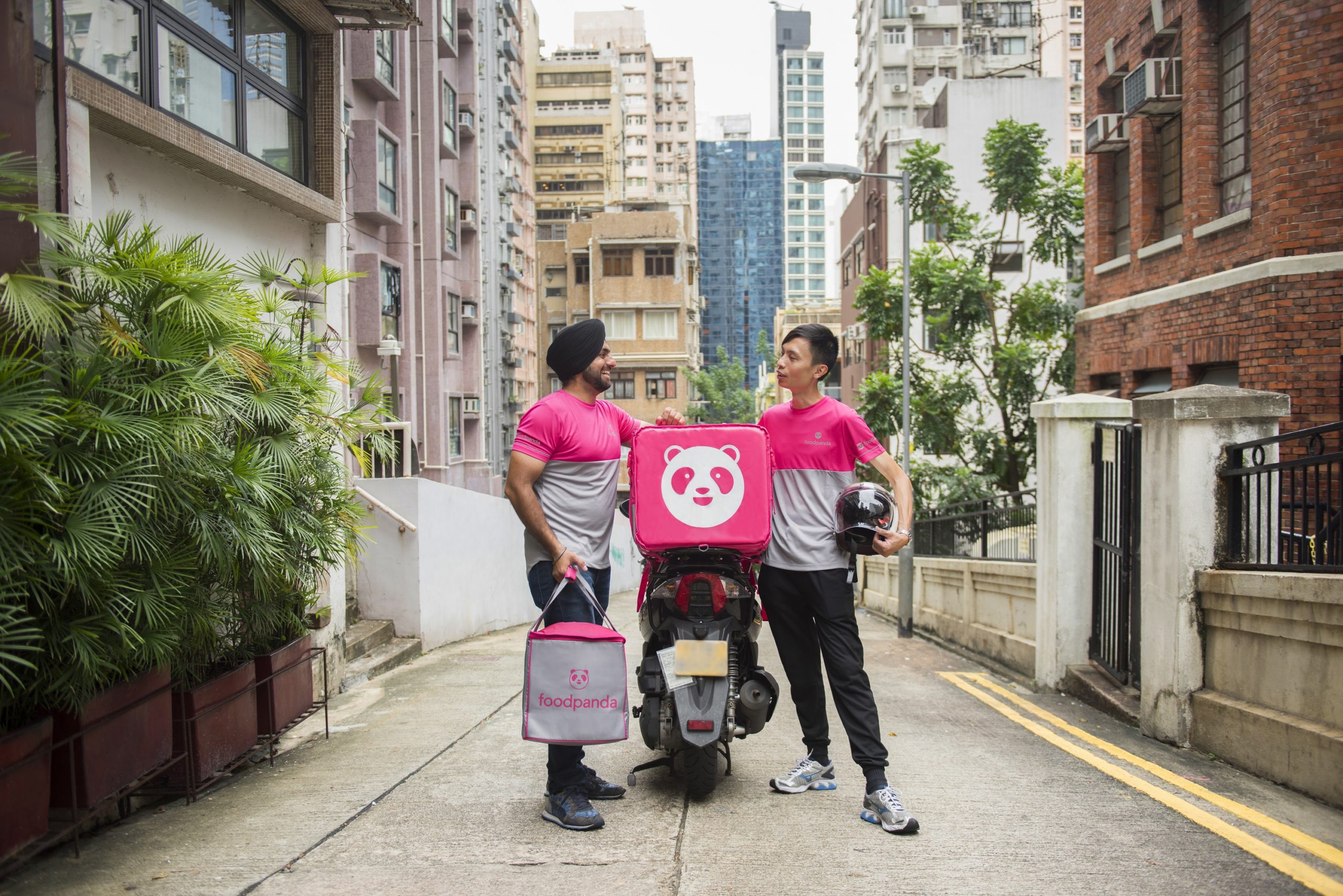
    Malaysian food delivery titan, Foodpanda, has recently unveiled Kenneth Soh as its new Managing Director (MD). Prior to assuming his new role at Foodpanda, Soh was the Country Manager for Propertyguru. He is taking over from Tan Ming Luk, who held the role of MD for Foodpanda Malaysia starting from October 2024.

    Mission Statement

    Upon his appointment, Soh expressed his enthusiasm and gratitude for the opportunity. He noted the impressive growth and presence Foodpanda has established in the on-demand food and grocery segments. As he leads the team, his primary aim is to make Foodpanda the most popular application in Malaysia.

    Soh highlighted the company’s commitment to focusing on the aspects most important to Malaysians. This includes providing reliability, diverse selection, and consistent value on food and essential items. He acknowledged the increasing living costs and global uncertainties, reinforcing the company’s commitment to addressing these challenges.

    Previously, Soh also served as the Country Manager at Shopee, a well-known e-commerce platform that was launched in 2015.

    Looking Ahead

    In a statement, Soh emphasized the importance of a thriving ecosystem to the company’s long-term success. He pledged that the company will contribute to this ecosystem to the best of its abilities. Expressing his anticipation for the company’s future growth, he voiced his confidence in the Foodpanda team. He stated that with dedication, humility, and heart, there’s much they can achieve together.

    Questions & Answers

    Who is the new Managing Director of Foodpanda Malaysia?
    Kenneth Soh is the newly appointed Managing Director of Foodpanda Malaysia.

    What is Kenneth Soh’s primary aim for Foodpanda Malaysia?
    His primary aim is to make Foodpanda the most popular application in Malaysia by focusing on providing reliability, diverse selection, and consistent value on food and essential items.

    What previous role did Kenneth Soh hold before joining Foodpanda?
    Before joining Foodpanda, Kenneth Soh was the country manager at Propertyguru and Shopee.

  • French Chic Meets Thai Style: Maje Unveils First Concept Store in Bangkok’s IconSiam

    French Chic Meets Thai Style: Maje Unveils First Concept Store in Bangkok’s IconSiam

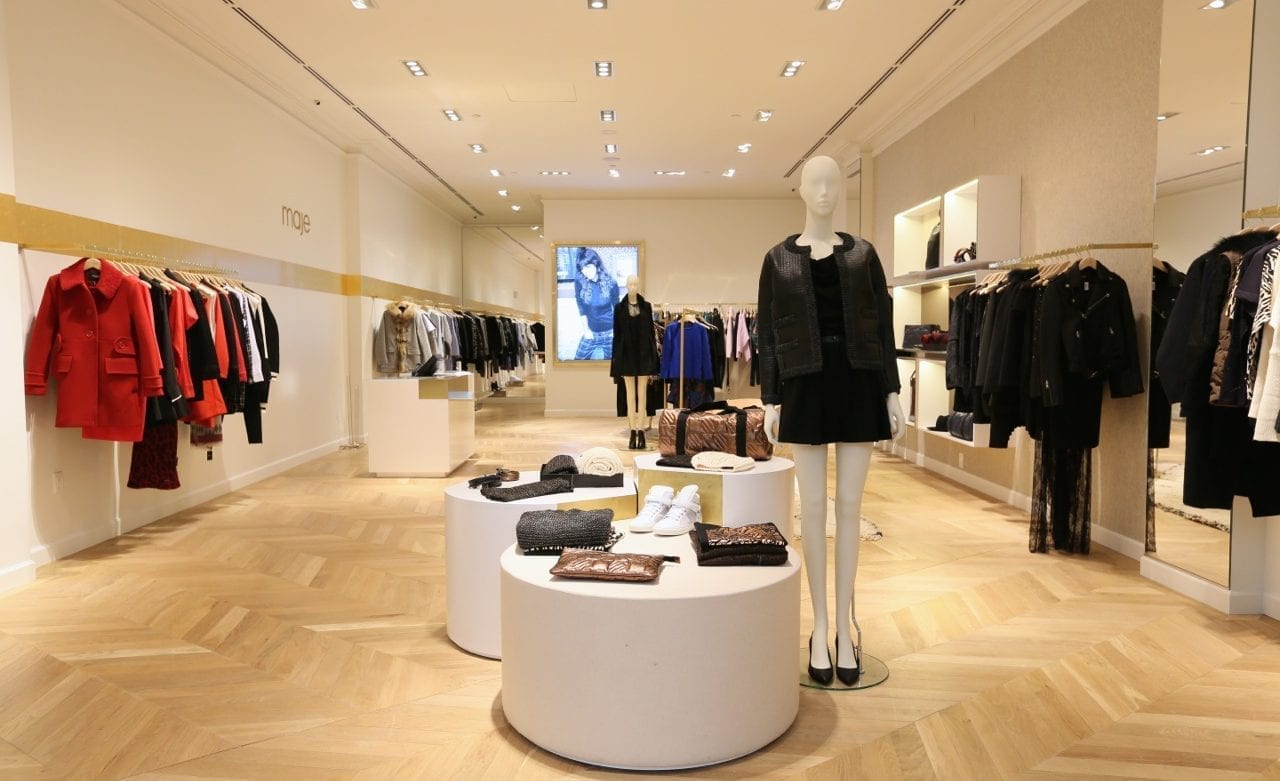
    The French fashion label Maje has unveiled its inaugural concept store in Thailand. The new establishment is situated in Siam Takashimaya, part of the renowned Bangkok shopping complex, IconSiam.

    New Store, New Design Concept

    Positioned on the M Floor of Takashimaya, the shop introduces a rejuvenated design idea that marries Parisian chic with a contemporary, feminine sensibility. The store’s layout was crafted in collaboration with designer Valeriane Lazard, who sought inspiration from the Mediterranean’s unique aesthetic, focusing on natural materials and light.

    Visitors are welcomed with a dark-glazed facade, which leads into a more luminous interior space. The finishing touches include pink terracotta floor tiles from Raujolles, hammered wrought-iron racks, ceramic display stands crafted in Portugal, and a centrally located curved sofa.

    The store utilises materials like wood, wicker, and lime-coated walls consistently throughout its design, along with textured glass shelves and mirrors that subtly alter their appearance under different lighting conditions throughout the day.

    Spring/Summer 2026 Collection

    In addition to its stylish interior, the boutique showcases Maje’s Spring/Summer 2026 range, which draws heavily from the maritime theme. The collection fuses practical elements such as hoods and workwear inspirations with more prep-oriented details. It also features loose silhouettes, lightweight materials, culottes, and designs that are reminiscent of sails.

    Questions & Answers

    What is the design inspiration behind Maje’s new store in Thailand?
    The design concept for Maje’s new store combines Parisian style with a modern, feminine approach. It was created in collaboration with designer Valeriane Lazard, who drew inspiration from the Mediterranean, emphasising the use of natural materials and light.

    What kind of materials and elements are used in the interior of the new Maje store?
    The store uses natural materials like wood, wicker, and lime-coated walls. Other design elements include pink terracotta floor tiles, hammered wrought-iron racks, ceramic display stands from Portugal, and a curved sofa situated in the store’s centre.

    What are some key features of Maje’s Spring/Summer 2026 collection?
    The Spring/Summer 2026 collection is centred around a maritime theme. It combines practical elements like hoods and workwear inspirations with preppy touches. The range also features loose silhouettes, lightweight fabrics, culottes, and sail-inspired shapes.

  • Fuel Prices Plunge in Vietnam as US-Iran Ceasefire Cools Global Petroleum Market

    Fuel Prices Plunge in Vietnam as US-Iran Ceasefire Cools Global Petroleum Market

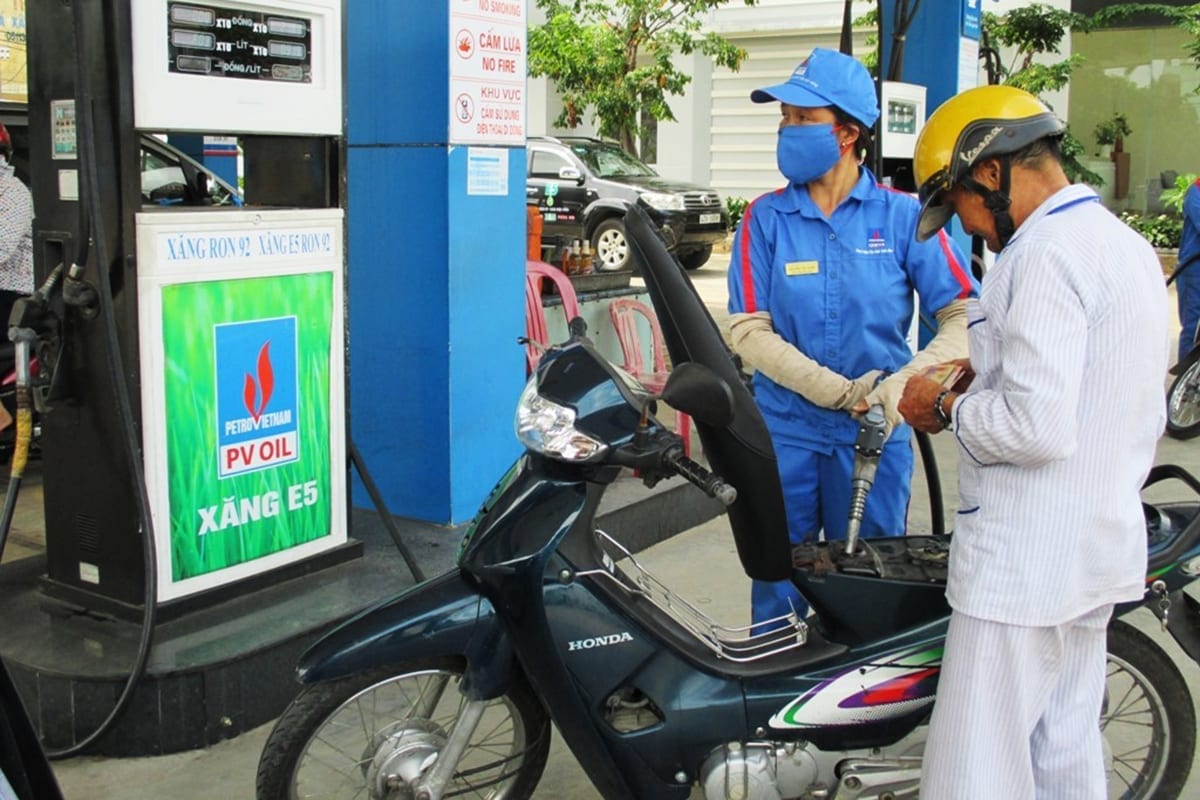
    On Wednesday afternoon, a decrease in gasoline prices was observed in Vietnam, a result of the global markets stabilizing after a ceasefire agreement was reached in the Middle East. The well-known fuel variant, RON95, witnessed a drop of 1.63%, bringing the per-litre price to VND26,530.

    Global Petroleum Markets Trending Downward

    According to the Ministry of Industry and Trade, global petroleum markets have been demonstrating a downward trend following the two-week ceasefire agreement between the United States and Iran. In the last four days alone, the average prices of RON95 gasoline have decreased by 1.8%, diesel has seen a drop of 14.5%, and mazut has declined by 1.5%.

    In the context of regional pricing, Vietnam’s retail fuel prices maintain an average level. These rates are lower than those in Singapore, Laos, Cambodia, Thailand, and China.

    Impact of Middle East Conflict on Global Fuel Supplies

    The conflict in the Middle East, which has been escalating since late February, has had a significant impact on worldwide fuel and gas supplies. The magnitude and implications of this crisis surpass the oil shock of the 1970s, an event that disrupted economies and energy markets around the globe.

    Such developments have led to substantial fluctuations in Vietnam’s domestic energy market. Since the conflict’s escalation in late February, there have been 14 pricing adjustments.

    Local Refineries Secure Supply

    During a government press briefing held last week, Deputy Minister of Industry and Trade, Nguyen Sinh Nhat Tan, confirmed that Vietnam’s two domestic refineries, Dung Quat and Nghi Son, have successfully secured enough crude supply to maintain production until the end of April.

    In March, principal fuel distributors imported 3.2 million cubic meters of petroleum products. Given the current inventories of 2.6-2.8 million cubic meters, the domestic fuel supply is estimated to meet demand until the end of the current month.

    Questions & Answers

    What led to the decrease in gasoline prices in Vietnam?
    The falling global petroleum market prices, triggered by a ceasefire agreement in the Middle East, led to a decrease in gasoline prices in Vietnam.

    How has the Middle East conflict affected the global fuel and gas supplies?
    The ongoing conflict in the Middle East has significantly disrupted worldwide fuel and gas supplies, even surpassing the impact of the 1970s oil shock.

    What measures has Vietnam taken to ensure a steady fuel supply?
    Vietnam has taken steps to secure its fuel supply by importing petroleum products and maintaining sufficient crude supply in its two domestic refineries, Dung Quat and Nghi Son.

  • Breaking: Singapore Hands $155 Cash Boost to Eligible Taxi and Platform Workers amid Rising Fuel Costs

    Breaking: Singapore Hands $155 Cash Boost to Eligible Taxi and Platform Workers amid Rising Fuel Costs

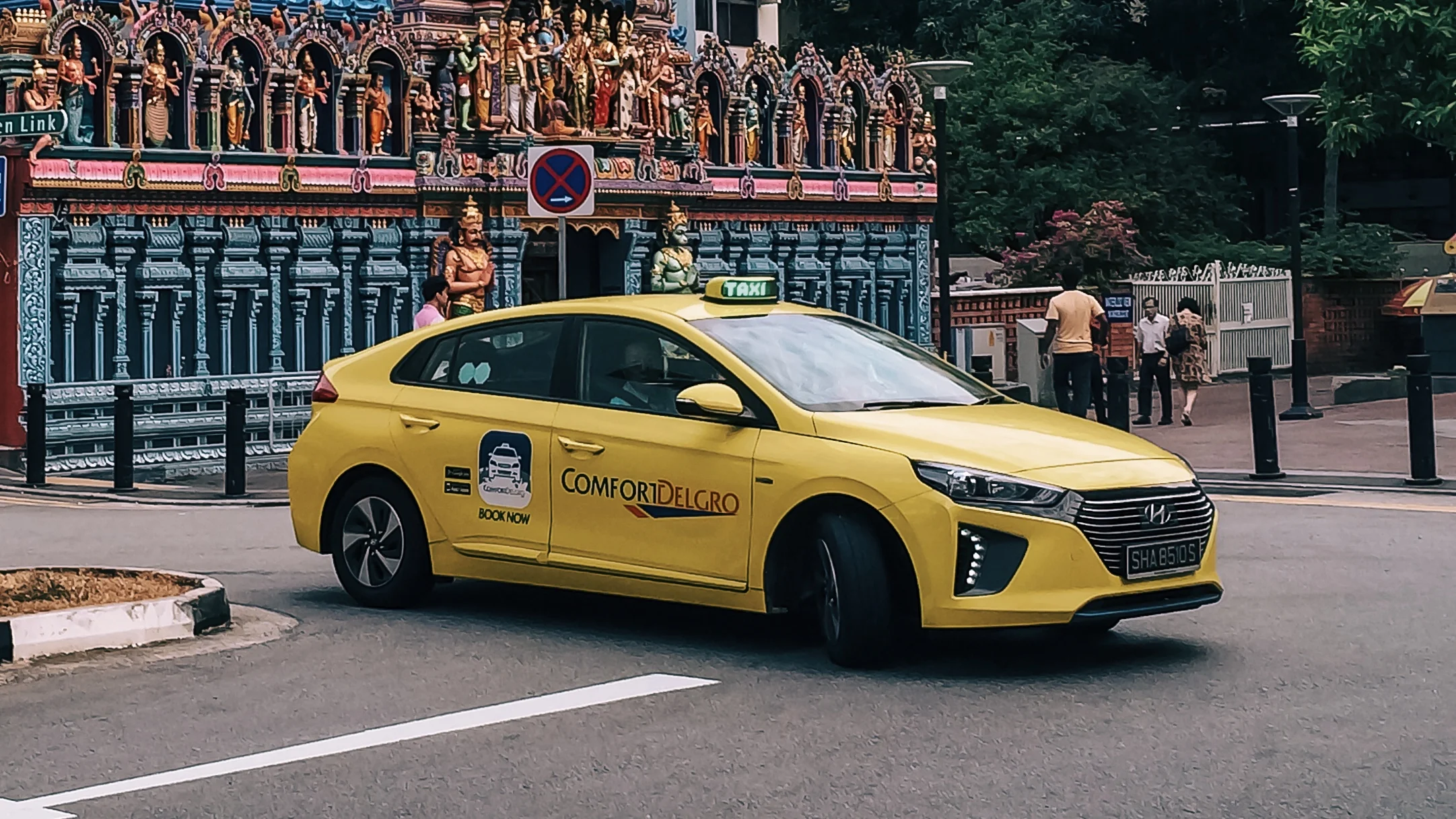
    Qualified platform workers and taxi drivers in Singapore are set to receive a cash assistance of S$200 (US$155) to mitigate the impact of increasing fuel prices. To be eligible, platform workers must have earned above S$500 per month from their platform-based jobs across all operators between December 2025 and February 2026. Similarly, taxi drivers must have had a vehicle rental contract with a taxi operator within the same timeframe.

    Automated Payments Processing

    The Central Provident Fund (CPF) Board will undertake the automatic processing of the payouts using income data submitted by platform operators for CPF contributions. Checkouts are expected to be disbursed via PayNow-NRIC by the end of April, or through GIRO by May 11. Recipients without connected bank accounts will be paid via GovCash by May 18.

    If eligible taxi drivers fail to receive their payments via the CPF Board, the Land Transport Authority will automatically disburse the payouts by mid-May.

    Support amidst Fuel Price Surge

    The cash relief, announced by Senior Minister of State for Finance Jeffrey Siow, is aimed at alleviating the burden of growing petrol costs on workers’ earnings. Fuel prices have been on a steady rise over the past month due to ongoing conflicts in the Middle East, although the government has no plans to intervene in regulating pump prices.

    Jeffrey Siow explained that direct support would be offered to small-medium enterprises, companies, drivers, and individuals most affected by the fuel price hike, as control of pump prices would be too blunt an approach and potentially regressive.

    Extended Support Calls

    Yeo Wan Ling, the assistant secretary-general of the National Trades Union Congress, applauded the initiative but added that similar support should also extend to self-employed drivers of combi buses and limousines. She expressed the union’s commitment to working closely with the government and industry partners to ensure that support reaches every affected worker.

    The relief payout is part of a larger support package valued at nearly S$1 billion, which aims to cushion the effects of escalating energy costs associated with the Middle East conflict. The package comprises a variety of measures to aid businesses, workers, and households, including advancing S$500 cost-of-living vouchers for households by six months and augmenting a one-off cash payout for qualified adults by S$200.

    Questions & Answers

    What is the eligibility criteria for platform workers and taxi drivers to receive the cash assistance?
    Platform workers must have earned above S$500 per month from their platform work across all operators between December 2025 and February 2026. Taxi drivers must have had a vehicle hire agreement with a taxi operator within the same timeframe.

    How will the payouts be processed and disbursed?
    The Central Provident Fund (CPF) Board will process the payouts automatically using income data submitted by platform operators for CPF contributions. Payments will be made via PayNow-NRIC, GIRO, or GovCash, depending on the recipient’s banking setup.

    What is the objective of this cash relief initiative?
    The initiative aims to alleviate the burden of rising fuel costs on the earnings of platform workers and taxi drivers in Singapore, particularly in light of ongoing conflicts in the Middle East that have led to an increase in fuel prices.