Author: Mei Ling Tan

  • Vodafone is the latest partner to bail from Facebook’s Libra project

    Vodafone is the latest partner to bail from Facebook’s Libra project

    Facebook’s digital currency initiative Libra continues to fall apart as British telco Vodafone becomes the latest partner to bail from the project.

    In a statement, Vodafone said: “Vodafone Group has decided to withdraw from the Libra Association. We have said from the outset that Vodafone’s desire is to make a genuine contribution to extending financial inclusion.

    “We remain fully committed to that goal and feel that we can make the most contribution by focusing our efforts on M-Pesa. We will continue to monitor the development of the Libra Association and do not rule out the possibility of future cooperation.”

    Digital currencies are beginning to gain traction following the success of Bitcoin. The king of cryptocurrencies is quickly becoming a modern store of value but it’s looking unlikely to be adopted by many average consumers for daily purchases.

    Part of the reason for the lack of day-to-day use of Bitcoin is its slow transaction times and poor scalability. Advancements, particularly off-chain “layer two” solutions like Lightning Network, are helping to fix these problems but at the cost of decentralization and security.

    Behind most digital currencies is a blockchain. The so-called “trilemma” with blockchains is that, in order to achieve scalability, you must sacrifice decentralization or security. Bitcoin is seen as a reliable store of value because it’s secure and its decentralization properties also make it appealing in a world of global uncertainties, censorship, and currency manipulation.

    Your average consumer only cares that a transaction is fast and cheap while also adequately secure, especially when dealing with predominantly smaller transactions like buying a coffee. Currencies like Ripple are criticized by cryptocurrency enthusiasts as being “centralized” but they fulfill the needs of your typical person.

    Facebook’s Libra intends to be a centralized currency along the lines of Ripple. Taking advantage of Facebook’s massive global userbase, Libra could potentially scale very quickly.

    Many partners initially jumped on the Libra project including Visa, PayPal, Mastercard, and eBay. Not long after Facebook released its whitepaper for Libra did it come under intense regulatory scrutiny. All the aforementioned partners decided to leave the project.

    Several central banks are looking to issue their own digital currencies for their advantages like fast international payments and lower fees. And, of course, they’ll persuade most people to adopt centralized alternatives to cryptocurrencies.

    China looks set to be the first major country to issue its own digital currency. The country already uses mobile payments extensively, with the ability to pay for pretty much everything through apps such as WeChat and Alipay. If China goes ahead with a digital yuan, you can bet the US won’t be far behind with a digital dollar.

    On Tuesday, the Bank of England announced it too is exploring central digital currencies alongside the Bank of Canada, Bank of Japan, the European Central Bank, the Sveriges Riksbank, and the Swiss National Bank.

    While digital currencies are pretty much inevitable, Libra is looking more uncertain by the day.

  • Japan Airlines accelerates its retail transformationthrough NDC with Amadeus

    Japan Airlines accelerates its retail transformationthrough NDC with Amadeus

    Japan Airlines (JAL) is powering its ongoing retail transformation following the recent move by the airline to deepen its strategic distribution partnership, with Amadeus becoming the airline’s recommended distribution partner for travel agents in Japan.

    The implementation of Amadeus Altéa NDC  will be helping JAL enhance the retailing and servicing of its offers across channels, ensuring consistent brand delivery at scale.

    JAL will be integrating its NDC contents into the Amadeus Travel Platform for distribution using Amadeus NDC Connect, which is a solution specifically designed for Altéa airlines to make their NDC content seamlessly available for travel sellers worldwide.

    For Amadeus travel sellers this means that JAL’s NDC content will soon be available through the Amadeus Travel Platform through an NDC connectivity, ensuring operational continuity and access to a wide range of JAL’s content.

    “New technology such as NDC will enrich our customers’ experience and support the long-term digital transformation strategy of JAL. We are aiming to differentiate our travel offers based on value rather than just price,” says Yoriyuki Kashiwagi, Executive Officer, Managing Division Passenger Sales, Japan Airlines Co. Ltd.

    Cyril Tetaz, Executive Vice President, Airlines, Asia Pacific, Amadeus says: “We believe that it is key for airlines to open up innovative and exciting cross-channel retailing opportunities. Airlines are on a digital transformation journey and NDC is one of the ways they can improve their retailing capabilities. By implementing Amadeus NDC connect, Japan Airlines will be able to work in an agile and simple manner to support its long-term digital innovation strategy to effectively distribute NDC.”

    JAL is to be one of the airline partners in Amadeus’ NDC [X] program – a program to bring all the NDC activities across Amadeus under one roof. Currently, 25+ travel sellers and 16 airlines are a part of the program.  Amadeus is committed to make NDC work at scale across all channels, direct and intermediated; to ensure airlines can distribute their content easily through the channels of their choosing, and that travel sellers can compare, book and service that all content side by side regardless of source.

    As part of Amadeus’ commitment to making NDC a reality, Amadeus has continually been progressing in achieving the IATA certifications on its NDC capabilities and has obtained dual Level 4 certification as both a distributor and an IT provider.

  • Google to bring Play Music’s most useful feature to YouTube Music

    Google to bring Play Music’s most useful feature to YouTube Music

    Google is reportedly testing Play Music’s best feature for YouTube Music, the ability to upload your music library. It’s one of the features that prevent many Play Music users from moving to YouTube Music despite the fact that Google plans to deprecate the former at some point.

    Google is internally testing music library upload for YouTube Music, which suggests the Mountain View company is very close to transitioning Play Music users to YouTube Music, something that should have happened last year.

    The change doesn’t come as a surprise since YouTube Music’s head confirmed that Google plans to allow Play Music users to preserve and migrate their collection, playlists, and preferences to YouTube Music.

    What’s surprising is the fact that Google missed its own imposed deadline and didn’t manage to add this feature to YouTube Music last year. And we don’t even know if the music library upload will even land this year, although the fact that the feature is already being tested internally suggests that we’re not very far from a public release.

  • HTC experienced a terrible start to the year

    HTC experienced a terrible start to the year

    Declining interest in the brand combined with a lack of new smartphones resulted in 2019 being HTC’s worst year on record. But if new revenue figures are anything to go by, 2020 could be even tougher for the Taiwan-based company.

    HTC’s shrinking smartphone business and newer VR headset division generated just $16 million between them in the month of January. The start of 2020 was, therefore, the company’s second-worst month on record behind only July 2019.

    The results equate to a 21.4% decline from December, which was large to be expected now that the holiday season is over, but more worryingly represents a 52.4% decline from January 2019 when it generated a more impressive $33 million.

    The company has been shrinking virtually non-stop since 2020 and, as you can see, shows no sign of slowing down anytime soon. Despite this, HTC is still feeling pretty positive about its future.

    Back in October the company gained a new CEO who teased an increased focus on VR and a return to the premium smartphone segment in the near future with a 5G-ready device. Whether this can actually turn things around, however, remains to be seen as the company has made similar promises in the past.

  • Coronavirus Hits Singapore CBD

    Coronavirus Hits Singapore CBD

    Staff of major firms are being told to work from home and temperature screening and sanitation are being stepped up at many towers in the central business district as two cases emerge.

    The novel coronavirus outbreak in Singapore has spread to its financial district, with two employees at buildings in the area found to have been infected, «The Business Times» reported, citing circulars seen by the publication.

    The first, who contracted the virus on February 8, works at Marina Bay Financial Centre (MBFC) Tower 1, where Standard Chartered is a key tenant. DBS has offices in Tower 3. The building’s management said that affected office space, lifts and ground floor common area have been deep cleaned and disinfected in accordance with Ministry of Health guidelines, according to the report.

    The other, an employee of United Industrial Corporation (UIC), works at Clifford Centre. No other UIC employee has displayed any signs of the virus as of February 7, a circular said, noting the building has since been disinfected.

    The Monetary Authority of Singapore (MAS) issued an advisory urging financial institutions to adopt additional measures and precautions on Friday, the same day the city-state raised its response level to Orange, the same level as during the Sars epidemic in 2003.

    They include maintaining effective internal controls across operations should split team arrangements be implemented, anticipating and preparing for an increase in demand for services such as cash withdrawal or online financial services, informing customers of the availability of services and operating hours, and supporting staff morale.

    It also warned of the heightened risk of cyber threats as actors take advantage of the situation to conduct email scams, phishing and ransomware attacks.

    As a precaution against the novel coronavirus, UOB has closed two banking outlets in Shanghai and Beijing, the bank said in a media statement on Monday.

    UOB’s Commercial Banking Centre in Kwun Tong, Hong Kong remains closed until 14 February. Corporate customers are encouraged to use the Tsim Sha Tsui and Causeway Bay branches during this time.

  • 6ixty8ight joins Shopee and SSG platforms

    6ixty8ight joins Shopee and SSG platforms

    International fashion lingerie and apparel label 6ixty8ight has made its debut on Shopee and SGG.com.

    The move follows the brand’s expansion into e-commerce following the launch of its own online sales platform in November last year and the establishment of a flagship on Lazada last month. 6ixty8ight’s online outreach now serves regional buyers from Singapore, Malaysia, Indonesia and South Korea.

    The firm operates more than 200 physical outlets across the region, located in Greater China, South Korea, Singapore and Malaysia.

    Meanwhile, 6ixty8ight launched its first outlet in Mongolia last month, located in Hohhot.

    6ixty8ight was founded in 2002 by Erik Ryd, a Swedish entrepreneur with an established lingerie-manufacturing business in Asia, who saw a gap in the market for a “youthful and energetic lingerie brand”.

  • Alibaba rolls out help for merchants amid coronavirus outbreak

    Alibaba rolls out help for merchants amid coronavirus outbreak

    Chinese e-commerce giant Alibaba has announced 20 measures to assist merchants during the coronavirus outbreak, including substantial fee waivers.

    In an emotional letter to its merchant partners, the firm paints a grim picture of the challenge posed by the virus to Chinese nation while emphasizing the need of “millions and millions of consumers” for their services, describing the urgency to maintain economic development as a “second battle” alongside the struggle against the coronavirus itself.

    Among the measures listed are moves to reduce operational costs on the firm’s platforms, including a waiver on all platform service fees for the first half of 2020 for all Tmall merchants and a free subscription to “Wangpu”, an online tool kit to revamp merchants’ online storefronts, to all sellers on Taobao and Tmall.

    The firm is also offering financial support by waiving or lowering interest rates on loans issued by its online bank brand under Ant Financial, Mybank. The bank will provide 12-month loans totalling RMB10 billion (US$1.43 billion) to online merchants registered on

    Taobao and Tmall from Hubei – the province at the center of the outbreak. The loans will be interest-free for the first three months, and rates will be lowered by 20 percent from the current level for the remaining nine months. Mybank is also providing 12-month loans to Taobao and Tmall merchants from outside Hubei with interest rates also lowered by 20 percent. Payments to all qualified merchants on Tmall and Taobao will also receive payments from Mybank as soon as their orders have been fulfilled as a free service until March.

    Other measures include a support fund for select chain restaurant operators; subsidies to delivery personnel and an assurance of higher logistics efficiency; the launch of employee-sharing schemes to provide flexible job opportunities to ensure income for staff; and the release of tools for enterprises to accelerate their digitization as well as allow remote working management for enterprises.

  • Tealive appoints advisors for IPO

    Tealive appoints advisors for IPO

    Malaysian bubble-tea chain Tealive parent, Loob Holding, has appointed advisors as it prepares for an IPO this year.

    Last year, the company said that it aimed to raise MYR300 million (US$72 million) for Malaysian IPO.

    According to The Malaysian Reserve, however, Tealive’s owner and the operator could raise MYR1 billion based on prior valuation, depending on the market and investors’ view.

    “There will never be the right timing in business, including when to list,” said Bryan Loo, founder and CEO at Loob Holding. “Our ultimate long-term mission is to build Malaysia’s very own global lifestyle tea brand.”

    Managing several F&B brands such as Ko Ko Kai and Define Food, Loob operates more than 500 Tealive outlets. It also has stores in China, Vietnam, Philippines, Brunei, Myanmar, Australia and the UK.

  • Vivo India opens Mumbai flagship

    Vivo India opens Mumbai flagship

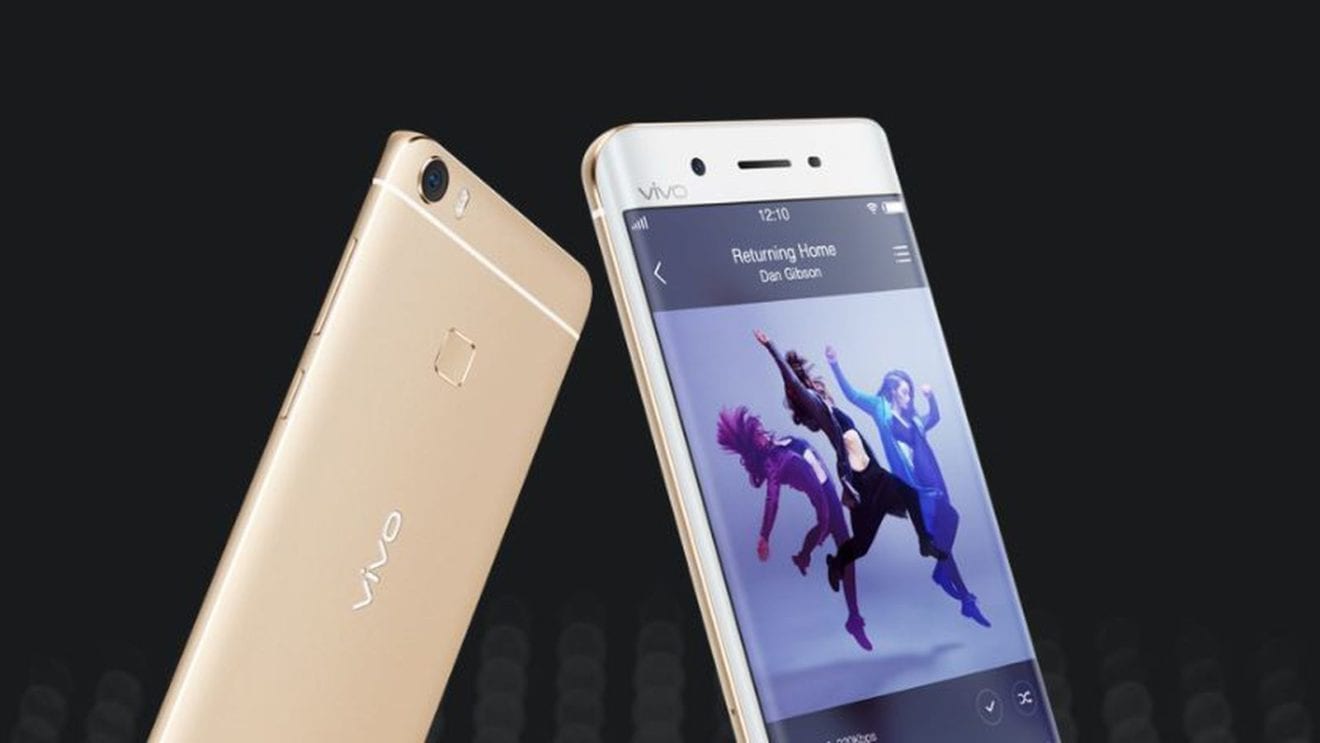
    Chinese smartphone brand Vivo has opened an experiential flagship store in Thane, Maharashtra as Vivo India eyes 250 new stores this year.

    The 1800sqft outlet is the second of 20 stores planned for the territory, according to the India News Service. Vivo India currently operates an experiential retail store in Bengaluru as well.

    “The offline channel has been an essential part of our go-to-market strategy and we would continue to invest in this channel,” said Vivo India director of brand strategy Nipun Marya.

    “We intend to launch more than 250 exclusive stores in 2020, taking the total number to 600.”

    Showcasing Vivo’s entire range of devices and accessories, the store will also feature an interactive touch-enabled LED screen allowing customers to explore products in more detail, as well as gaming, VR and customer interaction zones.

  • Global brands continue to shutter stores across China as coronavirus spreads

    Global brands continue to shutter stores across China as coronavirus spreads

    Widespread temporary store closures continue across China as the coronavirus continues to spread throughout the country.

    Officially, China’s New Year holiday – extended by the government for a week to help reduce the spread of the virus – ended yesterday, but office staff was encouraged to work from home.

    Tech giant Apple said on Friday it hoped to reopen corporate offices and contact centers later this week, but the closure of its physical stores would continue indefinitely.

    As at 10am ICT on Tuesday, February 11, 43,108 cases of coronavirus had been confirmed, and 1018 fatalities, almost all of those in Mainland China. However, in an encouraging sign, 4048 people had been confirmed as recovered. The mortality rate has edged up slightly to 2.3 percent with most deaths due to underlying respiratory conditions or pneumonia.

    Brands across fashion, technology and almost every other non-essential retail category continued to shutter stores on the mainland.

    VF Corporation, which owns Timberland, Vans, The North Face and Dickies, says 60 percent of its outlets in Mainland China are closed and those still open have seen “significant declines in retail traffic.”

    Muji and Uniqlo have shut about half of their store networks.

    Japanese makeup company Shiseido estimates its China sales were down 55 percent over Lunar New Year, traditionally a peak selling period. Sales to foreign tourists through Japanese retail outlets were down by 40 percent. The company has launched the Relay of Love Project, “in the hope that everyone affected may return to health and safety as soon as possible”.

    In addition to 1 million CNY (US$143,000) already donated to the Charity Federation of Wuhan, Shiseido will donate a further 10 million CNY ($1.43 million) to the Shanghai Charity Foundation and 1 percent of sales from Asian markets will be reserved for other assistance.

    UK luxury-fashion label Burberry has closed 24 of its 64 stores in China and says those still trading – under reduced hours – have experienced “significant footfall declines”.

    The parent of Kate Spade, Coach and Stuart Weitzman, Tapestry, says it has closed the majority of its stores in China.

    Capri Holdings says that about 150 of its 250 stores trading under the Michael Kors, Versace and Jimmy Choo banners are closed.

  • Sa Sa shuts stores after Lunar New Year sales plunge

    Sa Sa shuts stores after Lunar New Year sales plunge

    Sa Sa International has reported a massive 76.9-per-cent slump in Hong Kong and Macau sales during Lunar New Year as the coronavirus kept mainland Chinese tourists at home.

    As a result, the company has shut 21 stores and will “substantially strengthen control measures” in order to reduce losses.

    Besides the store closures, its executive directors have taken a 75-per-cent salary reduction for three months as the first in a series of cost-cutting initiatives. Inventory levels will be cut and the company is looking to reduce staff costs.

    With Hong Kong Immigration Department figures showing an 85.5-per-cent year-on-year decrease in mainland tourist arrivals, the impact on retailers across categories generally frequented by visitors, such as luxury goods and cosmetics, is expected to be severe for many retailers in the territory.

    Sa Sa International chairman Simon Kwok said that in Hong Kong, the company’s retail sales plummeted by 77.9 percent year on year.

    “Such decline was mainly attributable to the novel coronavirus outbreak, resulting in a further decline of mainland tourist arrivals and poor local consumer sentiment.”

    Falling store footfall saw a drop of 54.4 percent in the total transaction volume, with spending by mainland tourists down by 92.1 percent and that of local customers by 8 percent. The average sale per transaction among local customers fell by 25.6 percent.

    Kwok said Sa Sa International’s retail sales in Macau plunged by 73.4 percent, with an almost 70 percent drop in total transaction volume. Mainland tourist spending fell by 76.5 percent and spending by locals by 29.4 percent.

    Kwok said that with efforts to contain the coronavirus seriously affecting the mobility of mainlanders,

    Sa Sa International will “closely review the market condition and adjust its product strategies”. “Facing the severe shortage of masks and disinfection products, the group strives to support Hong Kong and Macau SARs citizens to combat the coronavirus outbreak by going all outsourcing such products globally and selling them at reasonable prices to cater for their needs.”

  • Strategy Cebu Pacific expects up to $79 million hit from coronavirus

    Strategy Cebu Pacific expects up to $79 million hit from coronavirus

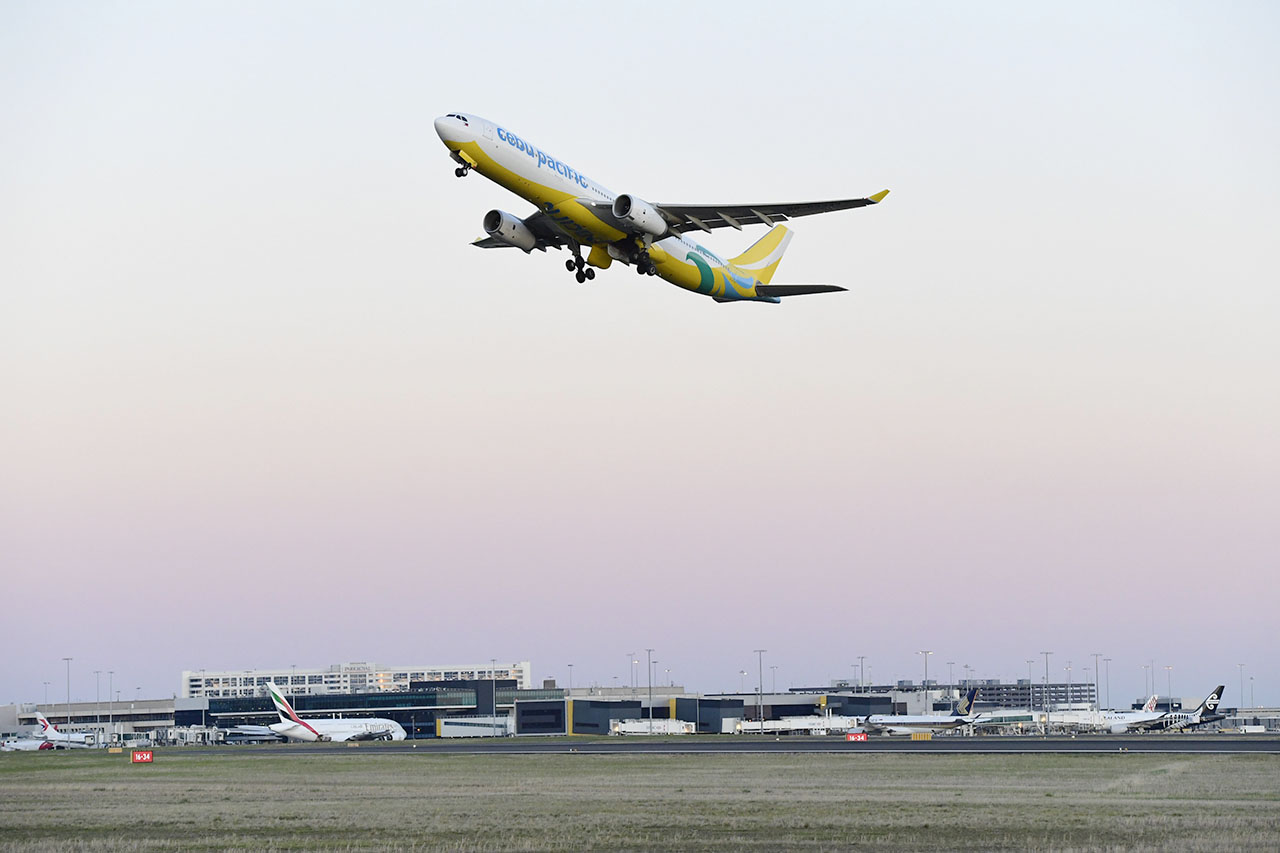
    Cebu Pacific expects the coronavirus outbreak to impact its bottom line by up to Ps4 billion ($79 million).

    The low-cost carrier estimates that it will see “a Ps3-4 billion swing on profit” should the outbreak remain unabated over the next six months.

    It makes this estimate based on 2003’s Severe Acute Respiratory Syndrome (SARS) outbreak, which curtailed demand for air travel for six months.

    The carrier has canceled flights to China until 29 March, while reducing frequencies to Hong Kong and Macau. Meanwhile, compatriot Philippine Airlines and Philippines AirAsia have suspended flights to China, Hong Kong and Macau.

    Cebu Pacific stressed that the Ps4 billion figure is provided against “the context of its 2020 profit outlook,” especially since it posted operating profit of Ps8.9 billion in the first half of 2019.

    In its statement to the Philippines Stock Exchange, it confirmed remarks by its chief executive Lance Gokongwei that the impact of the coronavirus remains difficult to forecast as “the situation continues to evolve.”

    “We can’t forecast because the situation is escalating so fast,” Gokongwei was quoted as saying in a 2 February report on The Philippine Star.

    “We just had an update regarding [the eruption of] Taal volcano three weeks ago and then now, there’s a change in forecast. People don’t want to travel.”

  • Harvey Nichols in Hong Kong thinks smaller to grow bigger

    Harvey Nichols in Hong Kong thinks smaller to grow bigger

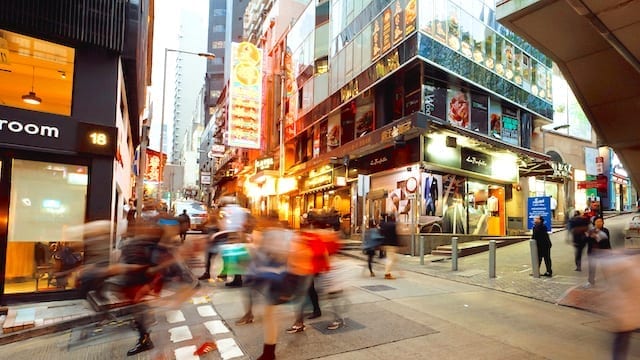
    arvey Nichols in Hong Kong has unveiled a retail concept it believes will win favour from online shoppers and enhance the customer experience of those who want to shop in a brick-and-mortar store.

    With flagship stores from international brands and pure-play online retailers making life tough for department stores all over the world, Harvey Nichols, with stores in the UK, Middle East, Turkey and Hong Kong, has not been immune to the trend.

    “We see the retail landscape changing alot in the sense that online you have very strong competition from the pure-play retailers who were obviously extremely aggressive, and a lot of them very successful now and engaging customers, especially younger ones,” explains Pearson Poon, son of Dickson Concepts founder Sir Dickson Poon, and executive director of Harvey Nichols.

    “We really believe customers will not shop only online, and that the [physical] store is still very important.”

    But he accepts that stores have to change a lot to meet the challenge. “In the past, maybe a lot of department stores could rely on a few brands, stock only those and the customers would come because of that. But in today’s world, that strategy is quite difficult. A lot of the major designer brands have very big flagship stores now. So, if you’re a customer looking for a specific brand, probably the best place to go is a huge flagship store where you can have the biggest offering from that particular brand, and have someone knowledgeable about the brand serving you.

    “So, we really felt that we needed to have a store that customers would come to not just because they’re looking for a particular brand, but because they really enjoy the experience of coming. And because of the product offer.”

    That summarises the philosophy behind the new Pacific Place concept store for Harvey Nichols in Hong Kong, designed by Studio Four IV and created “to optimize the synergies between our online and offline platforms,” explains Poon.

    Most department stores nowadays have both an online platform and physical stores. Normally the product range across both are identical or at least extremely similar. But the overlap between the new Harvey Nichols store’s stock and the retailer’s online range is just 10 percent.

    “As a result of all this, we’re essentially able to reduce our physical space by half, to 40,000sqft, but at the same time, triple the number of products we can show to our customers,” explains Poon. “We really focused the store on discovery and exploration.

    “We think this is a much more interesting and fun way to shop. And we think it’s the first of its kind, certainly in Hong Kong and probably elsewhere in the world in terms of how we’re showing the online products and the offline products within one space and really making that the heart of the store.

    “Online, we focus on our international offering and inside the stores, we focus on a lot of new emerging brands and local offerings.” Those include upcoming Japanese and South Korea brands yet to establish the sort of top-of-mind brand recall which would enable them to sell in high volumes online.

    Interactive screens

    So how do you lure visitors into a physical store to peruse a vast online catalog in an engaging and relaxed manner?

    Digital screens are key at the new Harvey Nichols in Hong Kong store at Pacific Place. It begins outside where an interactive screen is built into the shop window allowing customers to browse products online.

    “You can click on any product that you see on the touch screen and then a model wearing that product will show on a screen right away. So even before the customer enters the store we really hope to engage them.”

    It is what Poon describes as “cross category”. Shoppers can assemble a complete outfit if they wish, including top, skirt, shoes and handbags and see them all together.

    That screen solution is replicated in store where one of the five or six stylists on duty can also recommend items that might match or suit the shopper, adding a more personal touch to the experience.

    Throughout the store, some racks have been replaced with screens, most of them around 50” because that size gives the closest simulation to the real size of the apparel. Using their phone, a customer can scan a product’s QR code from the screen and immediately see different angles of the item, along with details like the fabric composition, size and fit.

    Engagement drives conversion Poon says that in luxury goods, conversion rates are higher offline than online not only because shoppers can touch and feel the product in a store, but also because of a lack of service online.

    So the company is replicating the level of engagement in stores online. Several years ago in the UK, Harvey Nichols introduced a button on its website where shoppers could click to connect with a stylist from the Harvey Nichols store closest to them.

    “From that you can connect to the stylist directly, either via instant messaging, photo sharing, or even live-video streaming,” explains Poon. “So whether it’s face to face conversation or by text, you can communicate with the stylists and get the advice or recommendations that you need.

    “Since we launched that in the UK, we’ve seen that on average, when our customers first engage with one of our stylists they’re five times more likely to buy something, and they spend twice as much as they normally would.

    “And that doesn’t surprise me in the sense that a lot of the times when you have something that may be sold out in your size, customers may just think ‘okay, I’ll leave it’. But [at Harvey Nichols online] you can have someone help you by saying, ‘Oh, I know your size may be out of stock now, but I would recommend these other products that I think suits you even more or is similar. Whenever you have someone serving you … it gives you much more confidence. For a lot of our brands, when you look at it online, you may think, ‘oh, I don’t understand why that particular blazer may cost £1000 or £2000’. But when you have one of our stylists explaining the construction or the brand, it gives you much more understanding as to why that might cost so much.”

    With many Hongkongers working long hours during the day, it may not be convenient to visit a physical store, hence some shoppers head online instead.

    During the day, Hong Kong stylists will connect with customers online – but after 9pm, stylists based in the UK take over, ensuring service for as much of a 24-hour day as possible.

    “Through this, we’re really hoping to close the gap between online and offline in terms of service. And hopefully, this would create differentiation between our online platform versus all the other platforms out there and really give our customers that consistent experience that they would expect whether they’re shopping in the store or online,” says Poon.

    From early days – before the new store opened – Poon says a large proportion of customers were buying online and opting to collect in a store.

    “This is actually driving a lot of traffic to stores. There are a lot of synergies between the two channels. Sometimes when [customers] come in, they realise there are a lot of new interesting brands they haven’t seen before.

    And as a result, they become our store customers. And then … we will also have customers who only shop at the store suddenly learning about the online offer, and as a result also become online customers.

    “Once you drive a customer into the store, you have the chance to convert them and hopefully attract a lot of first-time visitors as well. I think that’s why, especially now, a lot of retailers are struggling to generate good, consistent traffic to their stores. It’s important to think about how you can leverage the online platforms to create traffic.”

    Designer focus

    Besides stocking traditional customer favourite brands such as Valentino and Bally, Harvey Nichols is using its physical stores to introduce new and emerging designers, many of them from Asia. Like menswear label Wooyoungmi, which Harvey Nichols was the first to expand across the region and beyond. “That is now one of our most successful menswear brands. When you have products like that, and customers come in and find something they have never seen before, that’s something they really like.”

    Customers are now shopping Harvey Nichols not because they are looking for a particular brand, but because they know that every time they come in, they can find something new.

    Going global

    The new Pacific Place format is a trial which, once fine-tuned, will be introduced elsewhere.

    “Before jumping into a big expansion spree straight away, we thought we would open this and take some time to gather customer feedback on it. Because we’ve never done something like this before, and we don’t think there are a lot of other retailers we can refer to.

    “We don’t have any particular country or geography in mind. But, for instance, we don’t have a store in Mainland China at the moment, or one in Japan. So I think once we have data from how the Pacific Place store is trading we will be in a position to see where else we should go internationally.”

    Meanwhile, while most of Harvey Nichols’ online business is currently coming from the UK, the company ships globally and solid growth is showing in purchases from Greater China and the US.

    “That gives us the confidence to continue to pursue growth for online. And I think what’s interesting about this is that, especially in new markets, where we may be lesser known for playing such a store would also create so much awareness about our online platform for that particular country.

    “I think the physical space is important. And even if you don’t have a physical space, I think the human interaction between a customer and a personal shopper or a stylist is important.”

    One decision the Harvey Nichols team planning the new concept made early on was that technology installed in the store must have a customer-friendly purpose – not just feature in store because it is new.

    “As part of planning the store, we evaluated many, many different pieces of technology and hardware. But ultimately what we have here is really based on what we think can deliver our proposition in the best way. There is a lot of tech out there that is very cold, that doesn’t really enrich the customer experience. And we don’t want to overwhelm the store with screens,” reflects Poon.

    “In today’s world of retail, with so many changes, we really need to make the physical store environment a very engaging and fun place to shop.

    Otherwise, it’s difficult to retain customers in a physical store environment.

    “The whole motivation behind this store is really building a format that we think is suitable for today’s retail world.”


  • AirAsia flight to bring Malaysians home lands in Wuhan

    AirAsia flight to bring Malaysians home lands in Wuhan

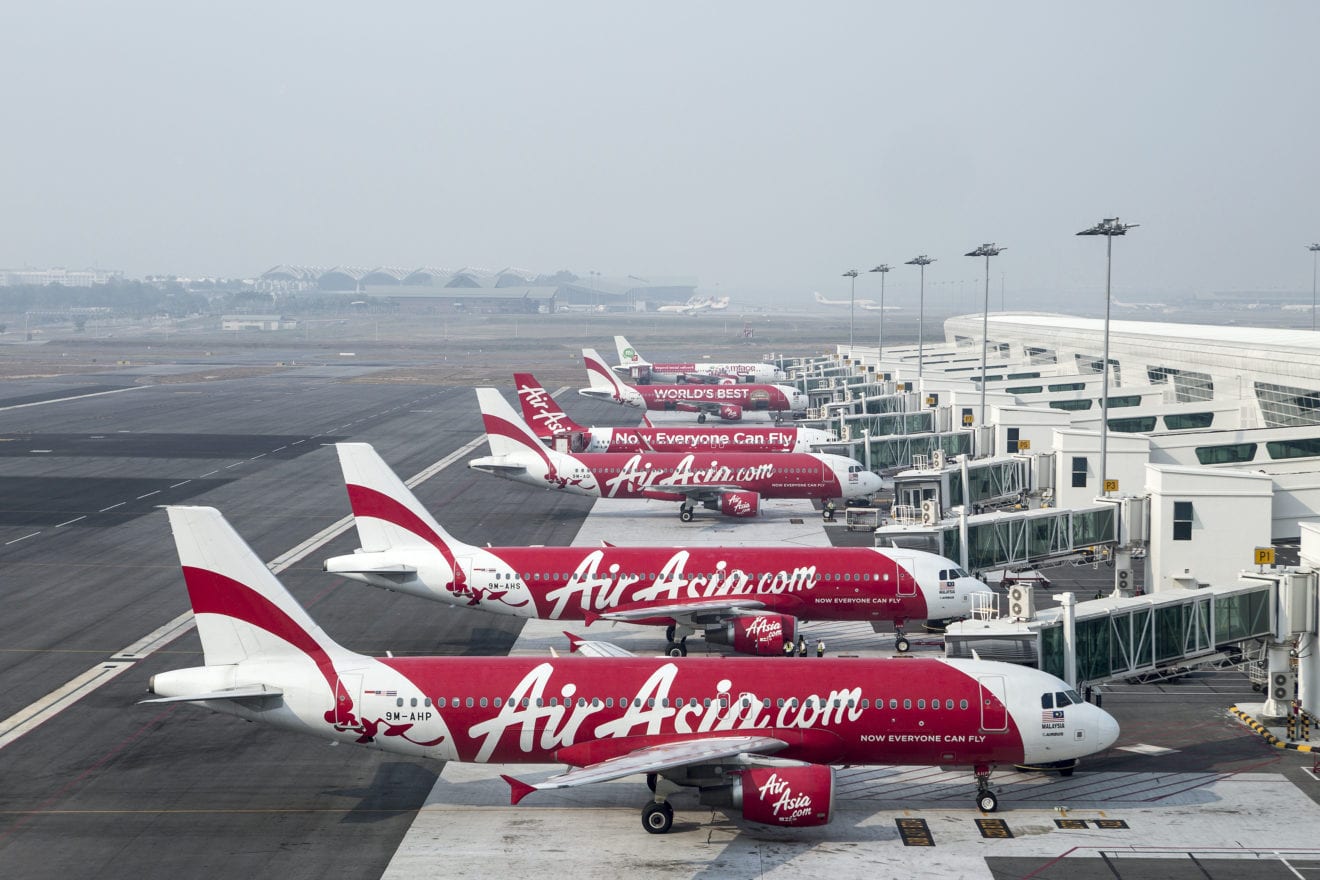
    The AirAsia aircraft sent to bring the 141 Malaysians in Wuhan and their families home has landed at the city’s airport.

    A flight-tracking website shows that AirAsia flight AK8264 landed at Wuhan Tianhe International Airport at 8.53 pm on Monday (Feb 3).

    It is expected to bring back the 141 Malaysians, their foreign spouses, and children stranded in Hubei province following the lockdown of Wuhan city – the epicenter of the novel coronavirus (2019-nCoV) outbreak.

    Wuhan has been locked down by the Chinese authorities due to the outbreak.

    The time of their departure has yet to be confirmed, and the plane – which is carrying 500,000 pairs of gloves for the Chinese as a gesture of the Malaysian Government – left KLIA2 at 3.50 pm on Monday.

    Earlier, Bernama reported that Deputy Prime Minister Datuk Seri Dr. Wan Azizah Wan Ismail said that all 141 Malaysian citizens, their spouses, and children would be required to go through a health screening in Wuhan before being allowed to board the plane back to Malaysia.

    The Central Disaster Management Committee chairman added that all 167 people on board (comprising 141 Malaysian citizens, their spouses and children, 12 crew, eight members of the mission and six officers from the Malaysian Embassy in Beijing) would go through another heath screening at the Air Disaster Unit (ADU) of the Kuala Lumpur International Airport (KLIA) when the flight returns.

    “Those found to have the symptoms will immediately be sent to a hospital, while others will be taken by bus to a monitoring center where they will be under observation for 14 days, ” she said.

    Wan Azizah also said that the National Disaster Management Agency (NADMA) will inform their families in Malaysia on the flight’s details, the health screening and the quarantine period.

  • South Korean convenience stores in delivery-service battle

    South Korean convenience stores in delivery-service battle

    Competition among South Korean convenience stores over delivery services is heating up.

    One chain, GS25, recently launched delivery services from seven stores in Seoul in partnership with food-delivery service Coupang Eats operated by e-commerce giant Coupang.

    First of all, the South Korean convenience store company plans to implement delivery services through Coupang Eats at seven stores in Seoul before expanding the scope of the service to franchise stores nationwide.

    Through the service, customers can receive about 200 products at home, including prepared lunches, sandwiches, and beverages that are being sold at convenience stores.

    Meanwhile, GS25 had already launched a delivery service for store products in cooperation with another delivery company, Yogiyo, in April of last year.

    It is running a pilot project at 10 direct management stores, and the service has been especially popular with workers during lunch and dinner time. In the nine months since the service was introduced, the monthly average number of orders reached 3000.

    Furthermore, CU, another convenience store chain, is also working with Yogiyo to provide delivery services at 3000 stores across the country.

    CU plans to increase the number of delivery service stores to 5000 within the first quarter and introduce around-the-clock delivery at some stores centered in the Gangnam area.

    Emart24, a convenience store chain run by large discount store chain E-Mart, on the other hand, has also joined the market by offering delivery services at 35 stores since earlier this year.

    South Korean convenience stores are scrambling to expand its delivery service area due to a growing number of customers accustomed to online orders and deliveries.

    The delivery service also serves as a growth engine in increasing sales at convenience stores. Additional sales are generated from deliveries, and the service is quite popular especially in rainy or cloudy weather.

    “We are planning to expand the number of stores that offer delivery services through various delivery platforms and partnerships to increase sales and secure customers,” a GS25 official said.