Author: Mei Ling Tan

  • Mastercard to Enter China Payments Market

    Mastercard to Enter China Payments Market

    Mastercard’s joint venture in China has been the green light given by the People’s Bank of China for it to begin formal preparations to set up a domestic bankcard clearing institution in China.

    Mastercard’s joint venture with NetsUnion Clearing will need to complete preparation work within a year, following its approval to begin operations in the country, China’s central bank said in a press statement on Tuesday.

    The approval of the preparation application of the bank card clearing institution of Wanshilian is another concrete reflection of China’s opening up of the financial industry and deepening financial supply-side reform, PBOC said in the statement.

    In 2015, China opened its bank card clearing market to foreign players but in practice has been slow to actually spur competition currently still dominated by state-owned UnionPay. The first foreign company to start preparations for the business was American Express in 2018 through a joint venture with Chines fintech firm LianLian.

    China is a vital market for us and we have reiterated our unwavering commitment to helping drive a safer, more inclusive and seamless payments ecosystem for Chinese consumers and businesses, Ajay Banga, president and CEO, Mastercard, said in a statement.

    China’s mobile payments market is worth some $27 trillion, according to iResearch.

    American Express is also close to receiving approval for its bank card clearing business in China. Earlier in January, the People’s Bank of China announced the acceptance of its application.

  • DBS Evacuates Staff as Covid-19 Case Detected

    DBS Evacuates Staff as Covid-19 Case Detected

    An employee at its headquarters, who was tested on 11 February, was confirmed to have been infected with the novel coronavirus or Covid-19.

    DBS has evacuated its staff from the bank’s Marina Bay Financial Center (MBFC) Tower 3 headquarters following confirmation that one of its employees there had contracted the Covid-19 virus.

    In a statement released on Wednesday, the bank said it is «providing the employee and his family with every support and guidance» and is conducting detailed contact tracing with all employees and other parties that the infected employee may have come into contact with. It is also deep cleaning and disinfecting the affected office space in accordance with Ministry of Health guidelines.

    In the meantime, staff on the affected floor have been instructed to work from home, and all employees will be provided a personal hygiene and protection care pack, the bank said.

    The news comes a day after two cases were reported in Singapore’s central business district, with one located just next door at MBFC Tower 1, where Standard Chartered is a key tenant. The other case is an employee of United Industrial Corporation (UIC), who works at Clifford Centre.

    Buildings in the area have stepped up preventive measures in recent days, requiring all tenants and guests to undergo a temperature screening before entering and to fill up forms with their contact information and recent travel history.

  • Lenovo Philippines opens second Legion concept store

    Lenovo Philippines opens second Legion concept store

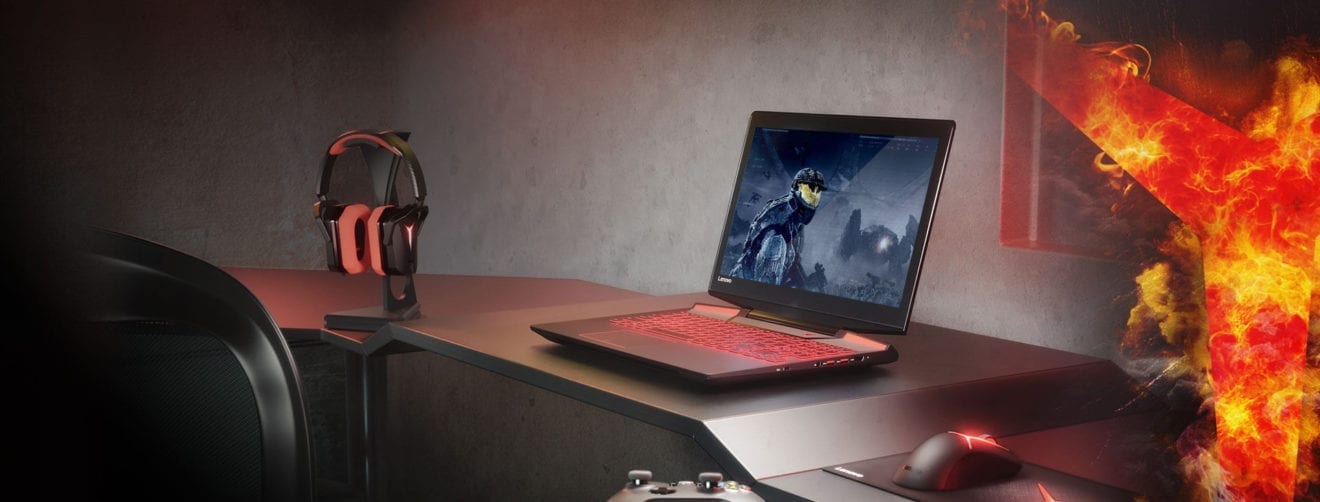
    Tech brand Lenovo has opened its second Legion concept store in the Philippines at SM City Cebu.

    The company has launched the outlet near the mall’s cyberzone area to showcase its gaming devices and accessories. It will also serve as an event space for monthly gaming tournaments.

    Lenovo Philippines GM Michael Ngan says it wants to introduce the Legion brand to Filipinos living outside the national capital. He indicated that further branches are likely to open in the country.

    The Legion concept store is offering a range of promotions to mark its Cebu launch.

  • Inter Ikea names new leader as long-term CEO steps down

    Inter Ikea names new leader as long-term CEO steps down

    Inter Ikea group chief executive Torbjörn Lööf announced on Tuesday he would step down from leading the furniture business after seven years at the helm and more than 30 years with the business.

    Head of Ikea franchising Jon Abrahamsson Ring was named as Lööf’s successor and will step up as group deputy chief executive as of 1 March before taking full control on 1 September.

    Under Lööf’s leadership, the business has expanded into more than 15 new markets and launched a new long-term direction to become more affordable, sustainable and accessible to its customers.

    “I have had more than 30 fantastic years with Ikea and the privilege to have many exciting assignments,” Lööf said.

    “I will always carry with me the memories from all the wonderful meetings with Ikea colleagues and partners from around the world. It is the people working at Ikea that makes us unique.”

    Ring joined the business in 1998, and formerly served as assistant to Ikea founder Ingvar Kampred before coming deputy retail manager for Ikea China. Ring briefly left Ikea to become chief executive of fashion brand Filippa K and later gardening brand Plantagen, before returning to Ikea in 2017.

    “Ikea is on a great journey, which is only the beginning, and we will continue to stay true to who we are and what makes us unique: our culture and values, our vision and our business idea,” said Ring.

    “I am humbled by this opportunity, but also very proud and happy.”

    Ring said that he didn’t have any plans to radically change the furniture chain’s direction, with Ikea’s key tenants of affordability, accessibility and sustainability remaining at the top of his agenda.

    However, Ring did note that the new materials, production techniques, and distribution methods could be utilized to make the products more affordable.

  • Don Don Donki to open in Guam

    Don Don Donki to open in Guam

    Pan Pacific plans to open the world’s largest Don Don Donki in Guam next year.

    Construction of the 270,000sqft store has already commenced with a ground-breaking ceremony in the suburb of Tamuning.

    Don Don Donki founder Takao Yasuda said that after three years of studying the market he believes Guam is an ideal location for Don Don Donki’s first store in Micronesia. The new store will be located on the corner of Marine Corps Drive and Airport Road.

    “It’s a very ideal place for a local store as it is very close to the airport and very close to the main (villages) of Guam,” he said.

    The project’s retail space will be 160,000sqft, featuring a wide selection of grocery items and in-house restaurants and eating areas. Sumitomo Mitsui Construction Co is the project’s main contractor.

    “I’m confident that Guam will go far as a huge commercial domain in the future,” Yasuda said.

  • Yahoo! Hong Kong quits online commerce space

    Yahoo! Hong Kong quits online commerce space

    Yahoo! Hong Kong is to close its commercial operations, including Yahoo! Auctions, Yahoo! Store, and Yahoo! Group Buy.

    The company posted a message in Chinese on its website yesterday, announcing the move.

    Yahoo! Hong Kong said the decision reflected a “strategic directional change” and said new shopping experiences will come.

    Citing “fierce competition”, the platform will suspend buying and selling features on March 24 and close on May 31. Until then, transaction history, past communications and other relevant data can be downloaded for users.

    The peer-to-peer marketplace Yahoo! Auction has been running for more than 20 years, and was considered a pioneer of Hong Kong’s e-commerce scene by many. Throughout the decades, several Yahoo! Auctions marketplaces have been terminated around the world, but the concept found success in Hong Kong, Japan and Taiwan, until now. Only the latter two will continue to operate for now.

  • Jasons Food Hall at Kuala Lumpur’s Bangsar Mall to close

    Jasons Food Hall at Kuala Lumpur’s Bangsar Mall to close

    High-end supermarket Jasons Food Hall is closing its business at Kuala Lumpur’s Bangsar Shopping Centre after 20 years of trading.

    The store, which is owned by Hong Kong-headquartered Dairy Farm International, is now conducting a closing down sale – with the last day of business scheduled for March 22.

    It is the sole Jasons Food Hall-branded supermarket in Kuala Lumpur.

    The closure is part of Dairy Farm’s restructuring exercise that has seen a number of stores refurbished and a rationalization of the network, primarily affecting its Giant supermarket outlets.

    The firm also operates high-end supermarket brands Mercato and Cold Storage.

    Jasons Food Hall is positioned as a source of fresh foods and gourmet foreign foods with a strong delicatessen offer.

  • Hong Kong restaurant sales fall in fourth quarter

    Hong Kong restaurant sales fall in fourth quarter

    Hong Kong restaurant sales fell 14.3 percent in the December quarter, provisionally estimated at HKD26 billion (US$3.35 billion).

    Provisional figures released by The Hong Kong Census and Statistics Department, also estimated that the value of purchases by restaurants during the quarter fell by 13 percent to HKD8.4 billion ($1.08 billion).

    A government spokesman said the figures marked the largest quarterly fall since the outbreak of Sars in the second quarter of 2003, as local social incidents with intensified violence during the quarter “caused severe disruptions to food and beverage businesses”.

    For the full year, Hong Kong restaurant sales declined 5.9 percent in value terms, marking the first annual decline since 2003. The value of total receipts of the restaurants’ sector was provisionally estimated at HKD112.5 billion ($14.5 billion).

    The spokesman said the food-and-beverage sector has been facing an even more difficult business environment recently due to the threat of the novel coronavirus infection.

    “The outlook down the road depends critically on how the situation of the novel coronavirus infection will evolve.”

    Analyzed by type of restaurant and comparing the whole of last year with 2018, Chinese restaurant sales decreased by 10 percent in value and 12.1 percent in volume. Receipts of non-Chinese restaurants fell by 6.4 percent in value and 8.3 percent in volume, while fast-food shops sales edged up 1.9 percent in value and 0.1 percent in volume.

    Sales by bars decreased by 9 percent in value and 10.7 percent in volume, while ‘miscellaneous eating and drinking places’ saw sales up by 1.6 percent in value, but down 1.7 percent in volume.

  • OUE buys Indonesia’s Maxx coffee chain

    OUE buys Indonesia’s Maxx coffee chain

    Singapore investment firm OUE has acquired a majority stake in the parent of Indonesia’s Maxx coffee chain, which also operates in Singapore.

    According to the agreement, OUE’s wholly-owned subsidiary Oddish Ventures will buy an 88.43-per-cent stake, worth US$23.1 million from two companies – Inti Anugerah Pratama and Ciptadana Capital – which own 45.64 percent and 42.79 percent of the Maxx Coffee Prima’s issued shares respectively.

    OUE reported that the acquisition was valued based on various factors, including the high barrier of entry into the Indonesia food-and-beverage market, the opportunity for additional revenue stream through franchising, and Maxx Coffee’s access to prime retail locations in Indonesia.

    With the acquisition, OUE hopes to scale up and optimize its existing food-and-beverage portfolio, the company said in a statement.

    Founded in 2015, Maxx Coffee has more than 75 outlets in Indonesia and Singapore.

  • Under Armour Asia-Pacific sales surge, but coronavirus impact looms

    Under Armour Asia-Pacific sales surge, but coronavirus impact looms

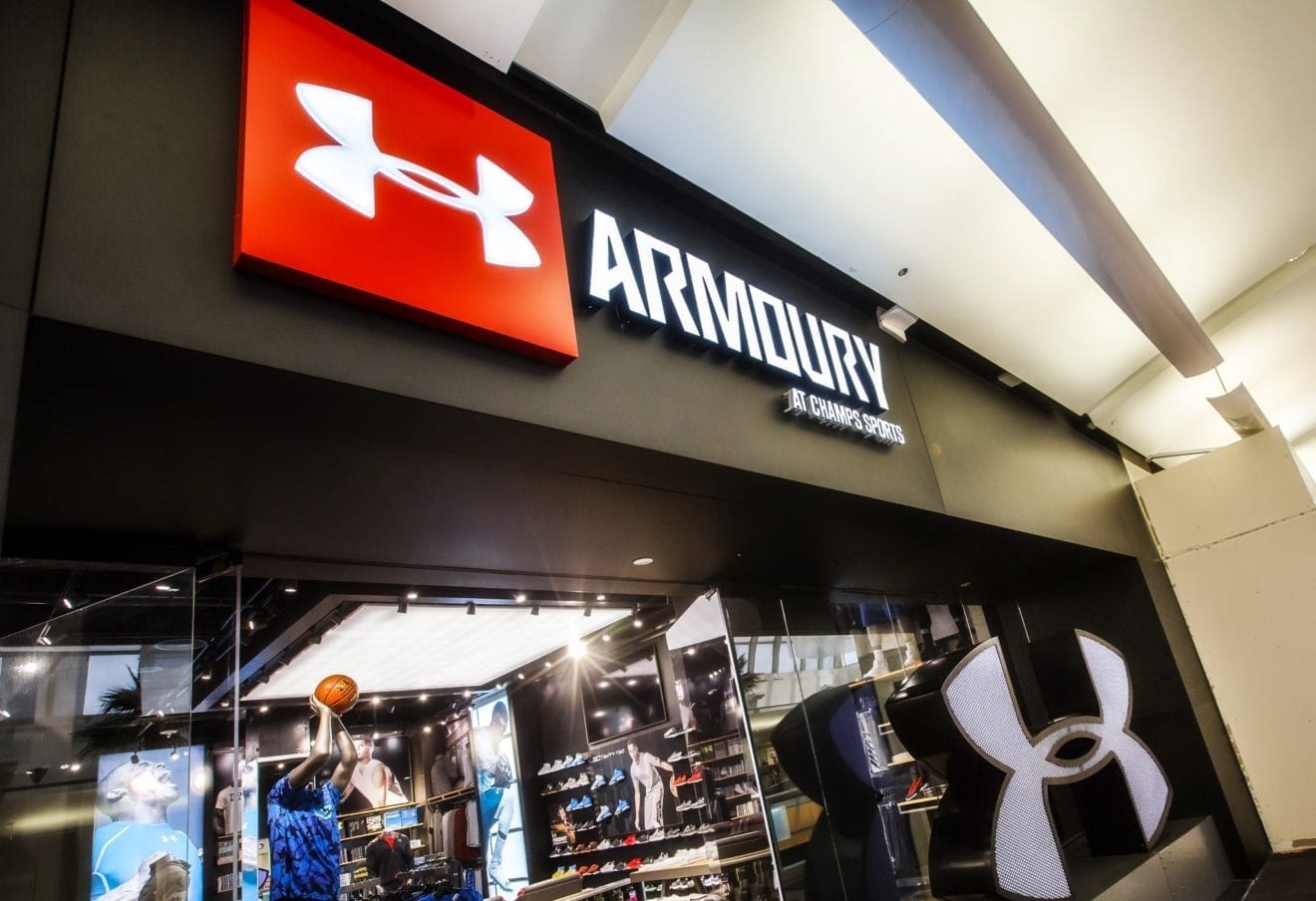
    Under Armour Asia-Pacific sales surged 9.8 percent in the December quarter – a far greater growth rate than the global 3.7 percent.

    The sportswear brand, which is struggling to turn around its sagging North American business, also suffered a $15 million net loss for the quarter, largely due to a $23 million tax expense.

    Under Armour Asia Pacific sales rose to $183 million and were up 11 percent on a currency-neutral basis, while global sales reached $1.44 billion, up 4.1 percent after currency adjustment.

    The company says the improved performance in Asia was due to growth in just wholesale volumes and direct-to-consumer (DTC) sales. However, the company noted that DTC performance was softer than expected due to poor performance in “key e-commerce moments” of 11.11 and 12.12 sales.

    CEO Patrik Frisk told an analyst conference call he was “not satisfied with where we are today” despite improvements in systems and infrastructure serving the wholesale and retail network.

    The company’s share price fell 17 percent after the results were released in the US yesterday, accompanied by an admission the company was considering closing its Fifth Avenue flagship store as part of further restructuring initiatives to boost performance.

    “As a brand, we see a paradox of two challenges in front of us,” Frisk said during the call. “Continued softer demand in North America, as we work through our elevated inventory and multiple years of discounting, and a highly committed cost structure which is taking longer to unpack and is limiting us from being able to spend as aggressively as we would like to increase brand consideration.”

    He also warned that the coronavirus crisis in China would significantly impact results in the current first-quarter and may cause supply-chain challenges for the full year. Some 600 stores – two-thirds of its Asia-Pacific network – are currently closed in China and Frisk expects Under Armour Asia-Pacific sales to fall by between $50 million and $60 million due to the virus.

    “Given the ongoing uncertainty, it is possible that this situation could have a significant material impact both financially and operationally on our full year, including the potential for additional top-line contraction for Under Armour.”

  • Deliveroo to offer support for Hong Kong restaurant partners

    Deliveroo to offer support for Hong Kong restaurant partners

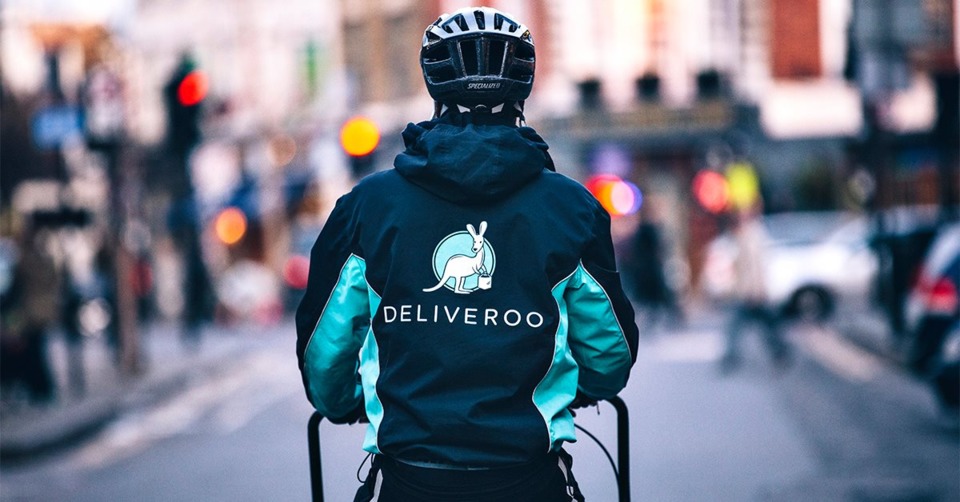
    Deliveroo has offered support for its Hong Kong restaurant partners as many of them are suffering from falling dine-in sales due to the coronavirus crisis.

    The company will reduce its commission rate for restaurant partners by 5 percent for a month, starting February 16, equivalent to a 15-20 percent discount in fees.

    In addition, the company will also offer a four-week payment delay strategy for its exclusive restaurant partners to ease their cash flow, the company said in a statement.

    “In our most recent survey and conversations with leaders of the F&B industry, we estimate in-store F&B retail sales to be down 30-50 percent year on year, with signs of further deterioration,” said Brian Lo, GM at Deliveroo Hong Kong.

    The company has urged its rivals in the food-delivery sector to provide support where they can.

    With approximately 6000 restaurant partners, Deliveroo has witnessed a significant escalation in the number of restaurants aiming to suspend trading or shut down. Its research suggests as many as one in 20 restaurants is considering closure.

    “As a stakeholder in the F&B industry and the leading food-delivery platform in the market, we want to play a part, however small, in supporting our restaurant partners and lend a helping hand to the industry in this time of need,” said Lo.

  • Private equity tipped to privatise Victoria’s Secret

    Private equity tipped to privatise Victoria’s Secret

    L Brands is reportedly about to announce the sale of its troubled Victoria’s Secret lingerie business to private-equity company Sycamore Partners.

    The move would leave L Brands with just one retail business – the fast-growing Bath & Body Works, which in some US malls is reporting sales growth at 1000 basis points ahead of the shopping centers they are located in.

    Victoria’s Secret sales are down 8 percent year on year in the current fiscal year, while Bath & Body Works sales were up 9 percent in November and December.

    Whispers of a potential sale emerged in early January when it was widely reported that founder Les Wexner was planning to step down and cash up. Now, CNBC has reported that Sycamore Partners is the likely bidder with a deal to be announced as early as this week.

    The lingerie chain is losing market share to American Eagle Outfitters’ Aerie brand, along with Direct-to-consumer brands and one analyst, the Motley Fool described it as “losing relevance”. Last year the company discontinued its high-profile televised fashion show and the company is believed to be reviewing the future of its giant flagships as sales soften. The company’s heavy reliance on promoting sexy attire is missing its mark in a market where consumers are expecting more inclusive and diverse underwear styles.

    The future of L Brands is less certain, despite the success of Bath & Body Works, given that the Victoria’s Secret business currently accounts for the vast majority of its US$13 billion annual turnovers. Bath & Body Works may be sold to a different buyer or remain a standalone business under L Brands.

    In January last year, L Brands sold the La Senza lingerie chain to Californian private-equity company Regent.

  • Skoda’s First Electric SUV To Be Called Enyaq

    Skoda’s First Electric SUV To Be Called Enyaq

    Skoda Auto today revealed that its first electric SUV will be presented soon. It, in fact, let out what it will be called. Skoda will call it the Enyaq and yes even we want to know where that name comes from. According to the company, the name Enyaq is based in the Irish language and expresses the vehicle’s dynamism and efficiency. The Enyaq then opens a new chapter in the 125-year history of the Skoda brand. It will be Skoda’s first electric car which will be built on the MEB platform, and will also launch a new family of model names. Of course, Skoda already has an electric car to its name, the Citigo iV and so it’s not new to the EV space, however, the all-electric SUV will definitely ind it a wider appeal

    Skoda SUVs have traditionally had names ending in the letter Q, and the new Enyaq follows this tradition just like the Kamiq, Kodiaq and the Karoq. But the new model’s first letter shows that this tradition is merging with the eMobility era, referenced by the letter E at the beginning of the name. The name, Enyaq, is derived from the Irish name Enya, which means ‘source of life’,

    We’ll know more about the electric SUV very soon, but it’s clear why the company wants to start its journey in the electric mobility space with an SUV. Well, the clear trendsetters now are the SUVs globally and so this decision does not come as a surprise. As to which markets the Enyaq will be introduced? Well, there’s no clarity on that yet and we’ll know more very soon.

  • Daimler’s Mercedes Sales Drive Higher But Charges Put Brakes On Profit

    Daimler’s Mercedes Sales Drive Higher But Charges Put Brakes On Profit

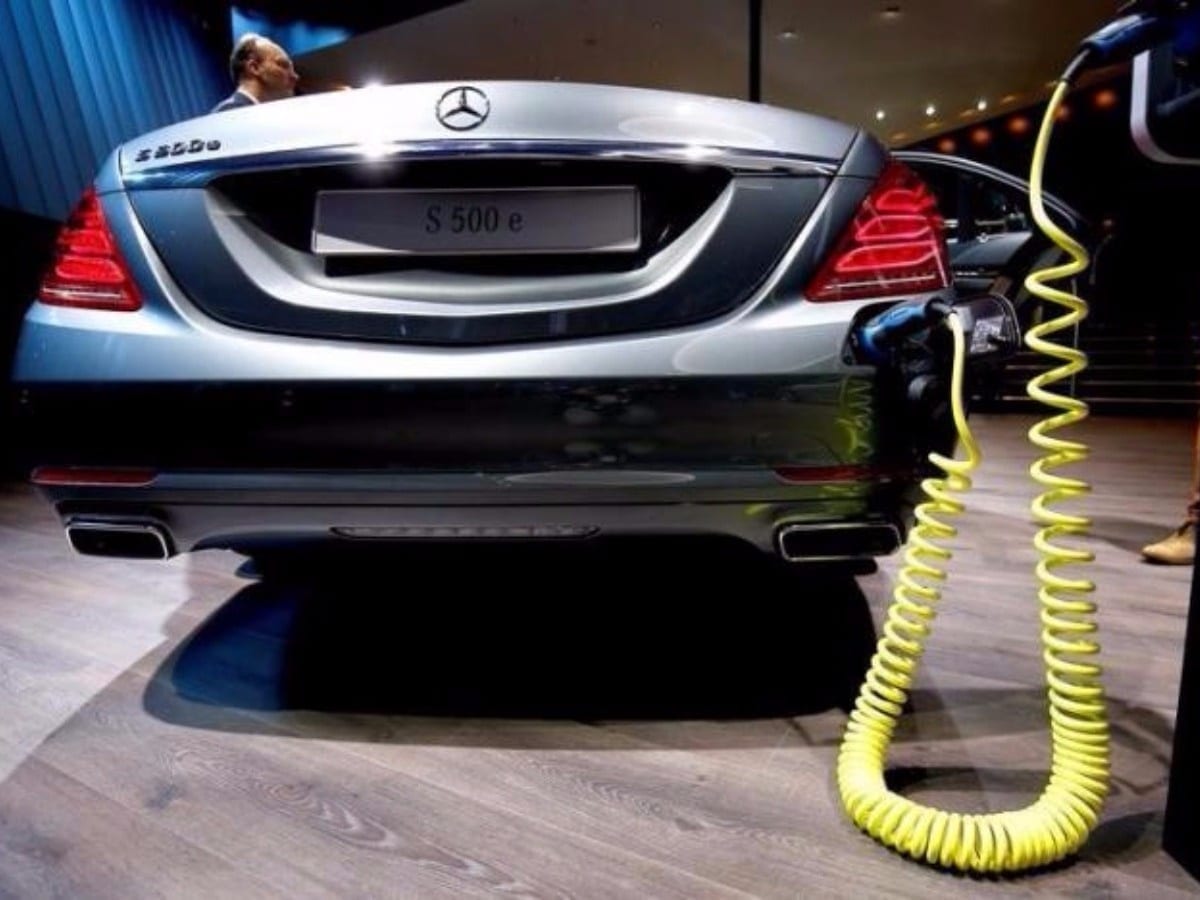
    Daimler reported its biggest drop in annual profit in a decade on Tuesday, a 64% fall reflecting more than 5 billion euros in charges as well as an investment as Mercedes-Benz pushes into electric and hybrid vehicles. Mercedes saw record sales to retain its title as the world’s top-selling premium automaker but net profit fell to 2.7 billion euros from 7.6 billion hurt by 4.2 billion euros in charges related to diesel-related probes and legal proceedings. To offset its extra costs Daimler is restructuring, scrapping its Mercedes-Benz X-Class pick-up truck and downsizing its mobility services unit last year, meaning further charges of 828 million and 405 million euros, respectively.

    Alongside the hefty charges, the company slashed its dividend by 72% to 0.90 euros per share. The earnings had been flagged in preliminary figures on Jan. 22. Kaellenius said restructuring at the vans division would deliver results this year but cautioned Daimler’s passenger car operations face a tough couple of years as the company launches electric and hybrid vehicles.

    “We are going to restore the financial health of this company and take the measures we have to take to get back on track,” Kaellenius said. “Yes, it will take some time on some of the issues. There are no quick fixes.”

    The 50-year-old Swede, formerly the company’s research and development chief, took over as CEO last May.

    He said the carmaker was offering staff buyouts and working on next-generation models that will be less complex to produce.

    Kaellenius is tasked with safeguarding Daimler’s success as the industry undergoes sweeping changes including tougher environmental rules and a costly shift to electric power.

    That challenge is seen in Daimler’s share performance: its stock is down 12% year to date versus an 84% rise in electric car producer Tesla, Refinitiv Eikon data shows.

    “There is very little scope for optimism at Daimler. It will take years until margins recover to levels worthy of a premium manufacturer,” said Michael Muders, fund manager at Union Investment.

    Mercedes-Benz is readying a major push into electric and hybrid cars, with the proportion of electrified vehicles in its fleet set to jump to 9% from 2% in 2020 with a production of an electric A-Class, electric van and electric SUV.

    Pressure is mounting on carmakers to build low emission vehicles to avert heavy European Union (EU) pollution fines as customers gravitate towards buying larger and heavier sports utility vehicles.

    Mercedes-Benz’s push into electric and hybrid cars will see the proportion of electrified vehicles in its fleet jump to 9% from 2% in 2020 with the launch an electric A-Class and an electric van.

    “In the medium term I am confident. 2020 and 2021 will be a challenge,” Kaellenius said about the prospect of EU fines.

    Mercedes-Benz is also working on developing its own software vehicle operating system, a project that will require significant investment and take up to four years to go into production, Kaellenius said.

    The company said it aims to keep property, plants and equipment and R&D spending at roughly the same level as last year.

    It will look for savings of more than 1.4 billion euros by the end of 2022 through cuts in administrative and personnel costs and expects a significant rise in operating profit and free cash flow this year.

    “Our goal is to ensure solid net liquidity to protect the necessary investments, and at the same time to pay attractive dividends,” Chief Financial Officer Harald Wilhelm said.
  • Vietnam scraps plans to limit foreign ownership in e-payment firms

    Vietnam scraps plans to limit foreign ownership in e-payment firms

    Vietnam’s central bank has decided not to cap foreign ownership of e-payment companies at 49 percent after consulting with experts.

    Foreign investment plays an important role in payment intermediaries’ functioning since they rely on technology, and limiting foreign ownership would hamper foreign investment in this segment and the fintech sector in general, the State Bank of Vietnam (SBV) said in a statement on Monday.

    In some digital payment firms, foreign ownership already exceeds 49 percent, and so a change in regulations could affect their activities, it said.

    The SBV had released a draft of its foreign ownership cap proposal in November for consultation, saying it wanted to balance the ease of attracting foreign capital with ensuring an active role for local firms in the fintech sector.

    According to the central bank, by the end of the first quarter this year, there were 27 e-wallets in the market though five parent companies owned 90 percent of them. The five, which the SBV did not name, have foreign ownership of 30-90 percent, it said.

    Economists have said that the potential for cashless payment in Vietnam is huge due to a growing middle class and rapidly improving telecom infrastructure. The government wants to make 90 percent of all transactions cashless by the end of this year.

    But the reliance on cash remains overwhelming, with 80 percent of Vietnamese preferring to use cash for daily transactions, according to the Ministry of Industry and Trade.