Author: Mei Ling Tan

  • Banks Inform Staff To Work From Home

    Banks Inform Staff To Work From Home

    At least two banks have advised their staff to work from home for 14 days if they have conducted personal or business travel to China recently. The measures were meant to safeguard staff and client interests.

    Credit Suisse staff who visited the mainland in the last two weeks should discuss with their division manager and HR before returning to work after the 14-day office ban, according to a memo seen by «Bloomberg»(behind paywall).

    Any person with fever or flu-like symptoms is required to work from home until a doctor certifies the person is well enough to return while non-essential business travel will also be curbed, the memo added.

    The bank has not responded to requests for comment on Monday as it was a public holiday. The Swiss-based bank had more than 45,000 employees worldwide at the end of 2018, according to its website. Hong Kong is its regional hub.

    In the memo, the bank said the measures were «to safeguard our staff and clients» after Hong Kong’s decision Saturday to raise its response level to an emergency to contain the spread of the novel coronavirus, which is believed to have an incubation period of around 14 days. The bank’s memo added that it would be commencing temperature checks at its main offices at the International Commerce Center tower.

    Citibank in Hong Kong said its employees were being asked to report any personal travel to Wuhan or the surrounding area and to work from home for two weeks after returning, according to a spokeswoman. Business travel to the area was restricted earlier, she added.

    The coronavirus began spreading in early December in Wuhan, in central China and has since spread around the country and abroad.

  • AirAsia extends suspension of Wuhan flights to Feb 15

    AirAsia extends suspension of Wuhan flights to Feb 15

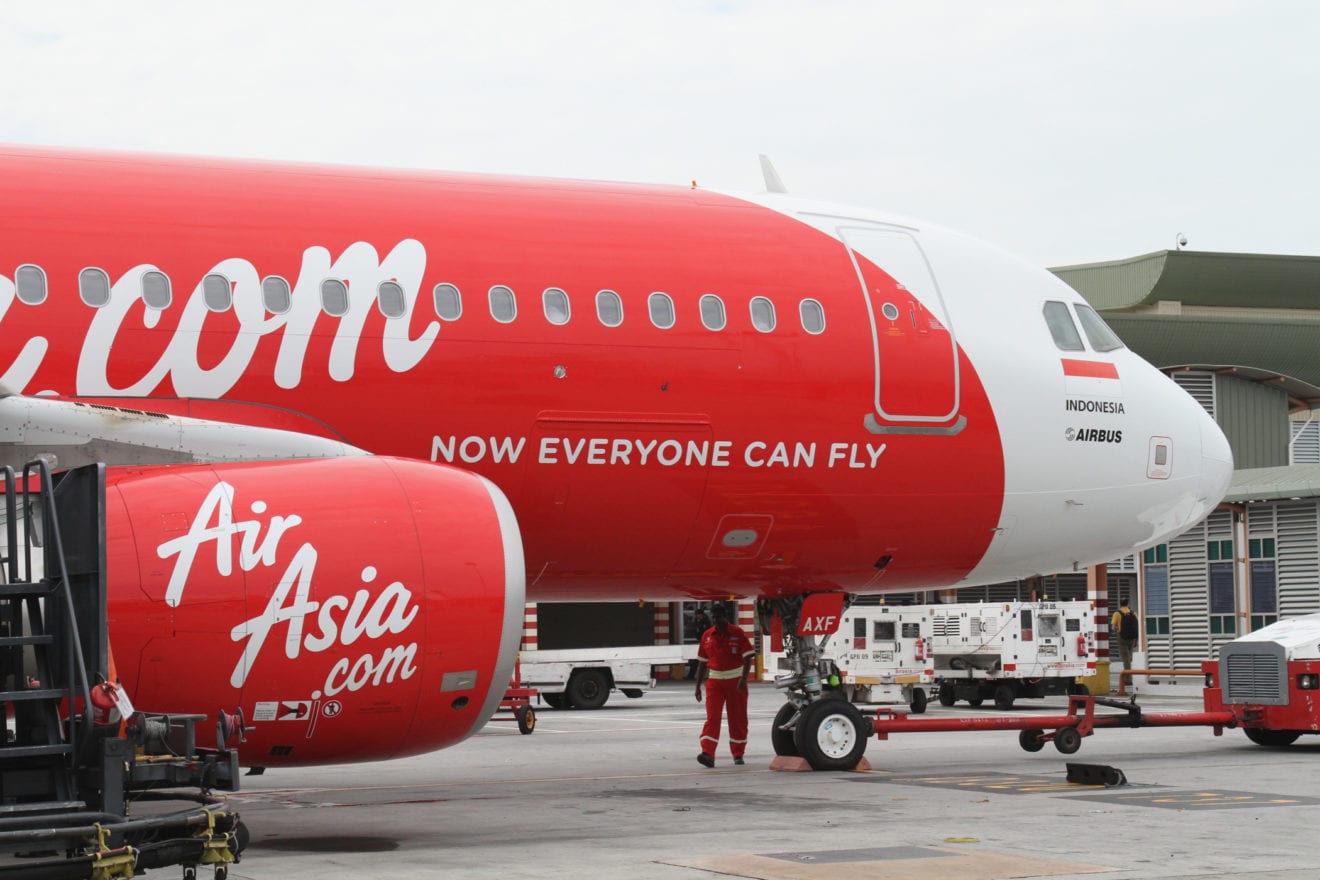
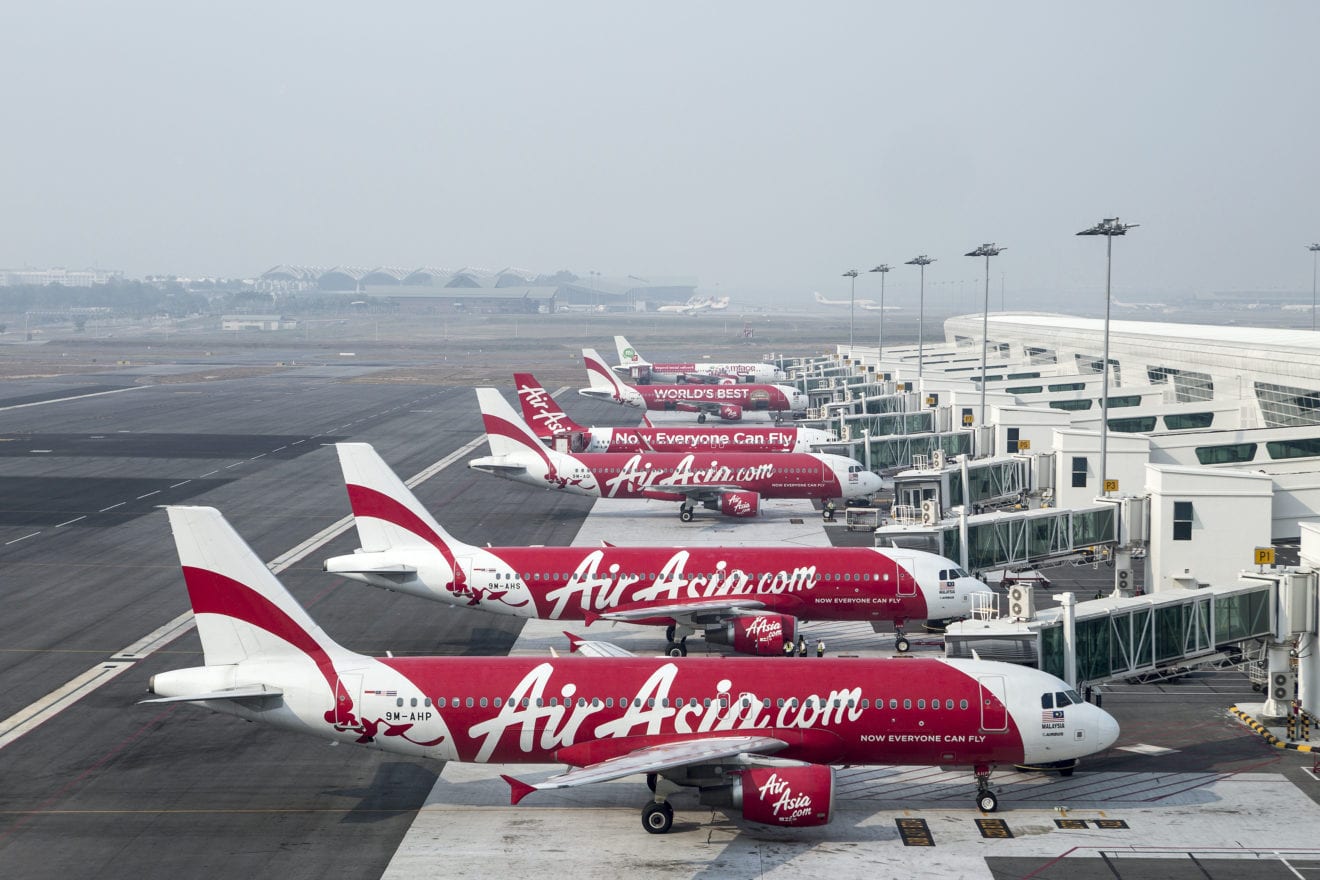
    AirAsia has extended its suspension of all flights to Wuhan, China until Feb 15.

    On Thursday, the low-cost airline announced the suspension of its flights to Wuhan, the epicentre of a new coronavirus outbreak, until Jan 28.

    AirAsia’s flights to Wuhan depart from Kota Kinabalu, Bangkok and Phuket.

    AirAsia Bhd, in a statement today, said passengers affected by the move can obtain either a full refund or a credit account.

    It advised passengers to check with their respective governments or embassy offices prior to their traveling dates.

    “We are making provisions for guests with flight bookings to/from all destinations in mainland China to obtain credit account or full refund. Passengers can only choose one of the two options.

    “The provisions are for passengers who have purchased flight tickets to/from mainland China until Feb 15 and return flights from Feb 16 to 29, that were ticketed prior to Jan 24, 2020,” said the airline.

    Passengers who are affected by this change can obtain online credit to be credited into their AirAsia BIG Loyalty account, which can later be redeemed for ticketing within 90 days.

    The actual travel dates can be after the expiry dates of their cancelled ticket dates, as long as the flight schedule is out.

    The airline is also offering a full refund in the equivalent amount to their bookings as the other option.

    Refund requests can be made with AVA at support.airasia.com, which passengers can find under “AirAsia flights to/ from Wuhan” for flights to/from Wuhan or “China Voluntary Refund” for flights to/ from other mainland China destinations buttons at the website.

    “For bookings made through travel agents including online travel agents, refund requests are to be made via the respective travel agents,” said the airline.

  • Singapore Helps Global Crypto Firms To Expand

    Singapore Helps Global Crypto Firms To Expand

    Singapore has introduced new payment legislation that offers global cryptocurrency firms a chance to expand their operations in the country. The Payment Services Act, which comes into force on Tuesday, is the first comprehensive regulation for companies handling activities ranging from digital payments to the trading of tokens such as Bitcoin and Ether.

    We welcome the Act with open arms, said Liquid’s CEO Mike Kayamori, who was quoted in a «Bloomberg» report. The firm will apply via its local Quoine Pte subsidiary. Tokyo-based crypto exchange operator Liquid Group Inc and London-based Luno, which already operate in Singapore, are among the firms planning to apply for the licenses.

    Increased investor interest in digital tokens has encouraged several regulators around the world to bring the venues under their scrutiny, especially for money laundering and other illicit activities.

    Besides bringing crypto firms into the regulatory fold, the law will hand the Monetary Authority of Singapore formal supervisory powers for cybersecurity risks and controls on money laundering and terrorism financing. The new measure narrows the gap with Japan, currently a major Asian centre for cryptocurrency trading after 22 exchanges received licenses there since 2017.

    The key advantage of Singapore’s new legislation is providing regulatory clarity on new types of payments activities such as e-wallets and cryptocurrency exchanges, according to Nizam Ismail, the founder, and chief executive officer of Ethikom Consultancy, which helps potential applicants with licensing and compliance issues.

    Twenty of the top 50 crypto exchanges are based in the Asia-Pacific region and accounted for about 40 percent of Bitcoin transactions in the first half of last year, according to data from Chainalysis.

  • Airlines to refund Vietnam-China flight tickets

    Airlines to refund Vietnam-China flight tickets

    Vietnamese airlines have offered to refund customers who want to cancel their flights to and from China amid the coronavirus outbreak.

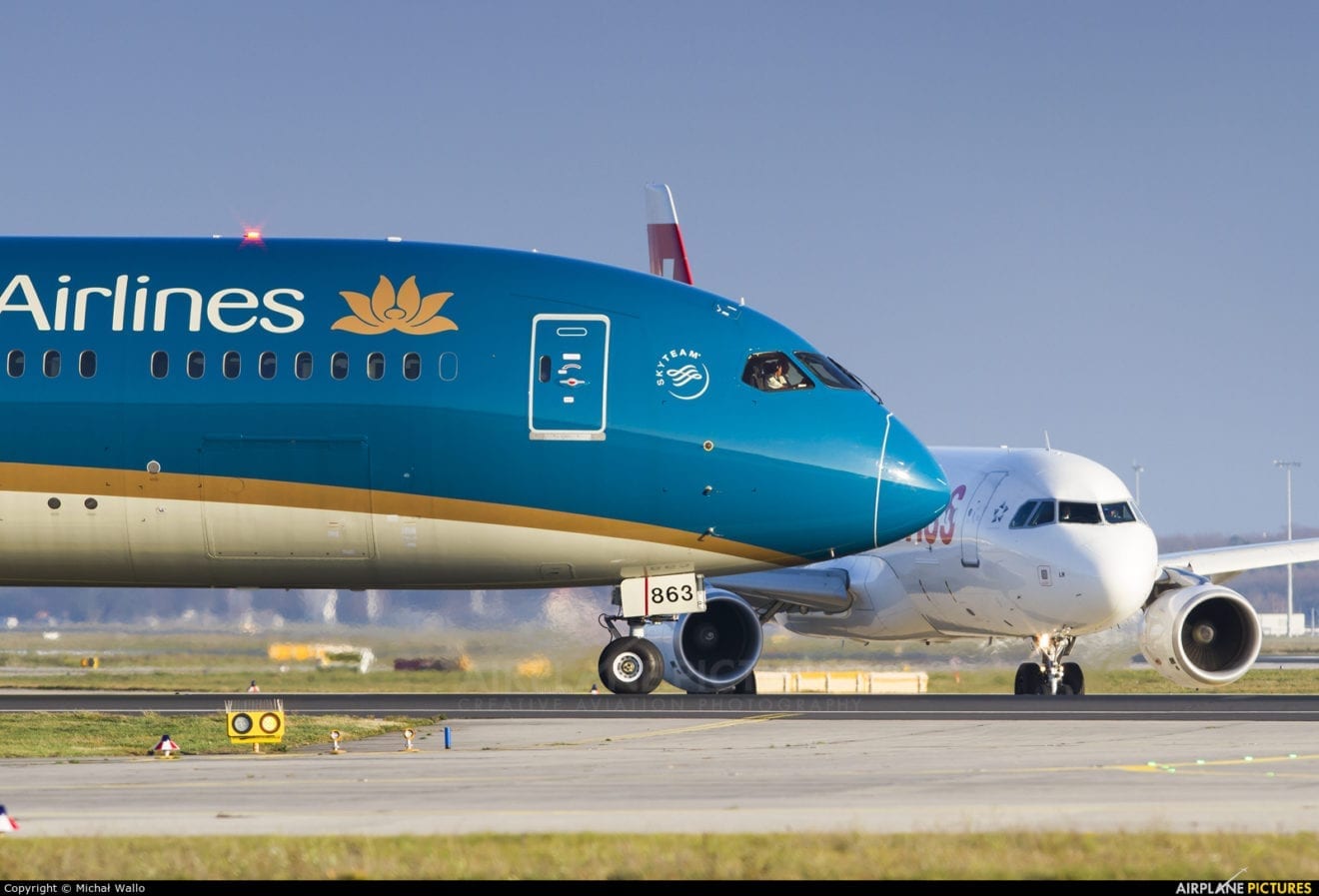
    Flag carrier Vietnam Airlines and low-cost arm Jetstar Pacific stated Friday both would refund tickets and allow free schedule changes for passengers flying to and from Chinese cities starting Friday until further notice.

    The two airlines do not currently operate direct flights to Wuhan City in central China, the epicenter of the new deadly pneumonia virus outbreak.

    Both would provide masks and gloves to passengers on its flights to and from China if requested.

    Civil Aviation Authority of Vietnam (CAAV) Thursday ordered all flight permits be canceled and the granting of new permits to all flights connected to Wuhan by both Vietnamese and foreign airlines be suspended.

    The Ministry of Health has ordered all tourists from China entering Vietnam complete health declaration forms as it combats the spread of the new coronavirus.

    Two Chinese nationals have been quarantined at Cho Ray Hospital in Ho Chi Minh City since Thursday after testing positive for the pneumonia virus.

    China on Saturday said 41 people had died and 1,300 been infected globally due to the virus.

    World Health Organization (WHO) declared the new coronavirus an “emergency in China” this week but stopped short of branding it an international concern.

    Most fatalities have involved elderly patients, many with pre-existing conditions, WHO confirmed.

  • Maruti Suzuki Announces Price Hike On Select Models

    Maruti Suzuki Announces Price Hike On Select Models

    Maruti Suzuki cars have become costlier from today owing to an increase in prices of select models. The company has increased ex-showroom prices by up to 4.7 percent and new prices come into effect from today. The company had earlier announced that it will increase prices in December 2019 which was supposed to come into effect from January 1, 2020. However, the company had postponed the price hike to a later date. The increase is a part of cyclical price revision due to an increase in input costs which has now become a norm in the industry.

    Earlier in December, the company had said in a BSE filing, “The cost of the company’s vehicles has been impacted adversely due to an increase in various input costs. Hence, it has become imperative for the company to pass on some impact of the above additional cost to customers through a price increase across various models in January 2020. This price increase shall vary for different models”

    The company has not disclosed the models that have undergone price revision, but we expect the majority of its models have witnessed a price hike.

    Maruti Suzuki cars have become costlier from today owing to an increase in prices of select models. The company has increased ex-showroom prices by up to 4.7 percent and new prices come into effect from today. The company had earlier announced that it will increase prices in December 2019 which was supposed to come into effect from January 1, 2020. However, the company had postponed the price hike to a later date. The increase is a part of cyclical price revision due to an increase in input costs which has now become a norm in the industry.

    Earlier in December, the company had said in a BSE filing, “The cost of the company’s vehicles has been impacted adversely due to an increase in various input costs. Hence, it has become imperative for the company to pass on some impact of the above additional cost to customers through a price increase across various models in January 2020. This price increase shall vary for different models”

    The company has not disclosed the models that have undergone price revision, but we expect the majority of its models have witnessed a price hike.

  • FCC approval commercializes much needed mid-band spectrum

    FCC approval commercializes much needed mid-band spectrum

    The mid-band spectrum is the prize behind T-Mobile’s proposed merger with Sprint. The latter owns a hoard of 2.5GHz spectrum and T-Mobile wants it. Why? As T-Mobile CEO John Legere said under oath earlier this month, with Sprint’s spectrum T-Mobile will “triple the total 5G capacity of standalone T-Mobile and Sprint combined.” If the deal doesn’t get done, Legere says that the company will “exhaust capacity in the next two to four years” in some markets. T-Mobile is looking to combine the best attributes of its 600MHz low-band spectrum, Sprint’s 2.5GHz mid-band spectrum, and T-Mobile’s ultra-high mmWave spectrum.

    Low-band airwaves travel farther and penetrate buildings better, but they don’t offer the download data speeds and capacity that mmWave does. And T-Mobile says it needs Sprint’s spectrum to help it cover more rural and low-income Americans with 5G signals. If the merger is not approved, you can expect Legere and company to participate in the C-Band auction. You might recall that in 2017, the wireless provider spent $7.99 billion to snap up 31MHz of 600MHz spectrum during an FCC auction.

    There is another way for U.S. carriers to obtain mid-band airwaves. Last month we told you about the Citizens Broadband Radio Service (CBRS) that makes up a 150MHz wide section of the 3.5GHz band (3.5GHz to 3.7GHz). Also known as Band 48, the FCC today certified four companies from the CBRS Alliance giving them the ability to use this band. Those four outfits are CommScope, Federated Wireless, Inc. (Federated), Google and Sony, Inc. (Sony). The quartet will be able to run full commercial operations in the 3.5GHz band.
    FCC Chairman Ajit Pai seemed to be pretty pleased with today’s action by his agency. Pai said, “The FCC has made it a priority to free up mid-band spectrum for advanced wireless services like 5G. And today, I’m pleased to announce the latest step to achieve that priority: the approval of four systems that will enable the 3.5 GHz band to be put to use for the benefit of American consumers and businesses. As with all of our efforts to execute on the 5G FAST plan, we’re pushing to get next-generation wireless services deployed in the 3.5 GHz band as quickly and efficiently as possible. I would like to thank Commissioner Mike O’Rielly for his leadership throughout this proceeding as well as the FCC staff and those in the private sector who have worked so hard to achieve this milestone.”
    U.S. wireless providers who are planning on using Band 48 are no doubt aware that the military first had control of these frequencies and if they require the use of some of the spectrum, they will get the first crack at it while commercial users will be reassigned to other airwaves.
    Band 48 is being called On-Go and right now phones that can use it include the Google Pixel 4, Pixel 4 XL, LG G8 ThinQ, LG G8X ThinQ, LG V50 ThinQ 5G, OnePlus 7 Pro, OnePlus 7T, Samsung’s 2019 flagships, and the 5G Moto Mod. At first, these airwaves will be used for LTE signals with plans on using Band 48 for 5G in the near future.
  • Nokia’s partnership ecosystem prepares for local 5G and private wireless LTE in Japan

    Nokia’s partnership ecosystem prepares for local 5G and private wireless LTE in Japan

    Nokia has announced that its partnership ecosystem is preparing to introduce local 5G/private wireless LTE to industrial as well as government customers in Japan.

    By the end of December, the spectrum designated for local 5G will be released for enterprise use. The firm will help to boost IoT for industries in Japan by uniquely offering an end-to-end industrial-grade private wireless portfolio. By the end of 2019, the Japanese government will be launching the 5G spectrum specially designated for individual companies and local governments.

    The company has also formed a partnership ecosystem with five leading firms spanning a number of segments that includes Hitachi Kokusai Electric for smart social infrastructure and smart cities with video solutions, NS Solutions for factory IoT, Internet Initiative Japan for Full MVNO, Equinix for multi-cloud and global data centers and Marubeni for global IoT. With the help of these strategic alliances, enterprise customers get the opportunity to explore end to end, reliable, secure, low-latency connectivity powered by Nokia’s technologies and solutions.

    Earlier, Nokia and AT&T announced their partnership on a new innovation studio in Germany in order to boost the growing worldwide adoption of current and next-generation Internet of Things solutions. The studio will offer a chance to business to meet with experts and work together on solutions to global business challenges.

    Sanjay Goel, president of global services at Nokia said: “The collaboration will help set the stage for the evolution to global 5G and network slicing that allows a single network to be partitioned into multiple networks and deliver specific capabilities to certain IoT customers without impacting their entire network.”

  • KT and Samsung to develop 5G-powered medical service

    KT and Samsung to develop 5G-powered medical service

    KT Corporation, along with with Samsung Medical Center (SMC), has announced the launch of a 5G-enabled medical service as an initial step to set up a 5G-based smart hospital. The pilot project, which is developed by the Seoul-based South Korean telecom giant, developed service environments in operating and proton therapy rooms and performed a test operation.

    Based on the results from the pilot, both KT, formerly Korea Telecom, and SMC are planning to continue the development of smart patient care and 5G-powered new medical practices and better the hospital operational efficiency. Park In-Young, vice president of KT’s ICT convergence business department, said: “KT, in partnership with the Samsung Medical Center, is pioneering innovative medical services for the new 5G era. We will continue to further refine 5G-powered medical technology by applying VR and AR technologies for real-time education.”

    In the coming years, 5G-enabled medical services would, in theory, speed up surgery and other treatment processes by allowing uninterrupted access to surgeons that will help them obtain pathological data that is critical in determining the serious conditions of patients. The network would also provide quick access to CT and MRI data on proton therapy.

    Last September, KT entered into roaming agreements with Italy’s TIM, Switzerland’s Sunrise, and Finland’s Elisa, allowing the company’s 5G subscribers to use the 5G networks provided by the three European operators. The Korean operator has standing agreements with operators in 185 countries for 3G and LTE roaming and now is extending those contracts to 5G as soon as 5G services go live in those countries.

    According to reports from the South Korean Ministry of Science and ICT, the country hit the milestone of four million 5G subscribers last December. As of October, the Ministry reported 3.98 million 5G subscribers in the country and in September, it said that 516,000 more people subscribed to the 5G services.

  • AirAsia X Launches Kuala Lumpur – Taipei – Okinawa Flights

    AirAsia X Launches Kuala Lumpur – Taipei – Okinawa Flights

    AirAsia X has launched flights between Kuala Lumpur and Naha Airport in Okinawa, Japan.

    AirAsia will operate the flights, which will fly via Taipei, four times per week on Mondays, Wednesdays, Fridays and Sundays.

    Flight D7 384 is scheduled to leave KL at 07:35 and land in Taipei at 12:20. The aircraft then departs Taipei at 13:20, landing in Okinawa at 16:00.

    The return flight, D7 385, is timed to leave Naha Airport at 17:30 and land in Taipei at 18:10 before departing for KL at 19:10. The aircraft is scheduled to land back in KL at 00:05 the following day.

    AirAsia X Chairman, Tan Sri Rafidah Aziz, said, “With the addition of Okinawa, AirAsia X now flies to 35 destinations. Together with AirAsia Group, our combined fleet of over 250 aircraft can now connect Okinawa with over 150 destinations across ASEAN, Asia Pacific, the Middle East and the US.”

    Travelers from Kuala Lumpur to Okinawa Naha are not required to obtain a visa during their one-hour stopover in Taipei and may return to their seats after clearing a quick security check of their carry-on bags and inflight belongings.

    “As we begin to accept the delivery of the technologically-advanced Airbus A330neo aircraft later this year, the Group will continue to evaluate and consider launching exciting and viable new routes to destinations such as in Eastern Europe, within Asia and Australia. Such new routes, if viable, can accelerate domestic and regional tourism growth, especially in key markets with high demand,” added Tan Sri Rafidah.

  • U.S. Senator Slams Tesla’s ‘Misleading’ Name For Autopilot Driver Assistance System

    U.S. Senator Slams Tesla’s ‘Misleading’ Name For Autopilot Driver Assistance System

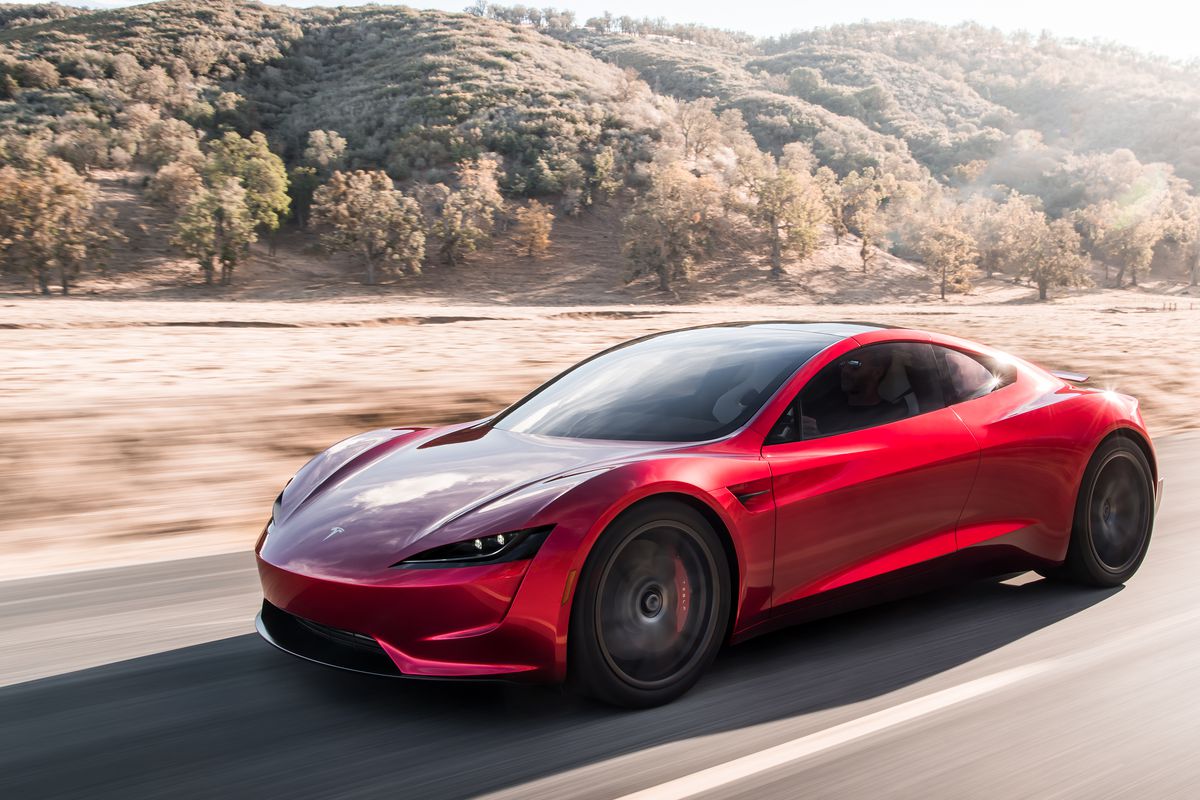
    A U.S. senator on Friday urged Tesla Inc (TSLA.O) to rebrand its driver-assistance system Autopilot, saying it has “an inherently misleading name” and is subject to potentially dangerous misuse.

    But Tesla said in a letter that it had taken steps to ensure driver engagement with the system and enhance its safety features.

    The electric automaker introduced new warnings for red lights and stop signs last year “to minimize the potential risk of red light- or stop sign-running as a result of temporary driver inattention,” Tesla said in the letter.

    Senator Edward Markey said he believed the potential dangers of Autopilot can be overcome. But he called for “rebranding and remarketing the system to reduce misuse, as well as building back up driver monitoring tools that will make sure no one falls asleep at the wheel.”

    Markey’s comments came in a press release, with a copy of a Dec. 20 from Tesla addressing some of the Democratic senator’s concerns attached.

    Autopilot has been engaged in at least three Tesla vehicles involved in fatal U.S. crashes since 2016.

    Crashes involving Autopilot have raised questions about the driver-assistance system’s ability to detect hazards, especially stationary objects.

    There are mounting safety concerns globally about systems that can perform driving tasks for extended stretches of time with little or no human intervention, but which cannot completely replace human drivers.

    Markey cited videos of Tesla drivers who appeared to fall asleep behind the wheel while using Autopilot and others in which drivers said they could defeat safeguards by sticking a banana or water bottle in the steering wheel to make it appear they were in control of the vehicle.

    Tesla, in its letter, said its revisions to steering wheel monitoring meant that in most situations “a limp hand on the wheel from a sleepy driver will not work, nor will the coarse hand pressure of a person with impaired motor controls, such as a drunk driver.”

    It added that devices “marketed to trick Autopilot, may be able to trick the system for a short time, but generally not for an entire trip before Autopilot disengages.”

    Tesla also wrote that while videos like those cited by Markey showed “a few bad actors who are grossly abusing Autopilot” they represented only “a very small percentage of our customer base.”

    Earlier this month, the U.S. National Highway Traffic Safety Administration (NHTSA) said it was launching an investigation into a 14th crash involving Tesla in which it suspects Autopilot or other advanced driver assistance system was in use.

    NHTSA is probing a Dec. 29 fatal crash of a Model S Tesla in Gardena, California. In that incident, the vehicle exited the 91 Freeway, ran a red light and struck a 2006 Honda Civic, killing its two occupants.

    The National Transportation Safety Board will hold a Feb. 25 hearing to determine the probable cause of a 2018 fatal Tesla Autopilot crash in Mountain View, California.

  • Suzuki Motor Will Respond To Dutch Emissions Probe By Mid-February

    Suzuki Motor Will Respond To Dutch Emissions Probe By Mid-February

    Japan’s Suzuki Moto is co-operating with the Dutch authorities over their findings its diesel vehicles had broken the country’s emissions rules, and it is required to respond to the investigation by mid-February, it said on Friday.

    The Dutch road authority ruled on Thursday that Suzuki’s Vitara and Fiat Chrysler’s Jeep Grand Cherokee diesel models broke emissions rules and must be fixed or face a ban on sales across Europe.

    In a statement, Suzuki said diesel versions of its Vitara and S-Cross vehicles used engines and emissions software supplied by Fiat Chrysler.

    The Dutch authorities said the vehicles in question, which are no longer in production, showed emissions levels higher than allowed following a software update in 2017, Suzuki said.

    Earlier this week, the German authorities said they were investigating Mitsubishi Motors Corp for suspected use of illegal, emissions defeat devices installed in its diesel engines.

    Regulators across the world have been clamping down on emissions devices used in diesel models since Volkswagen admitted in 2015 that it used illegal software to cheat U.S. emissions tests.

  • DHL Express Asia Pacific announces new appointments

    DHL Express Asia Pacific announces new appointments

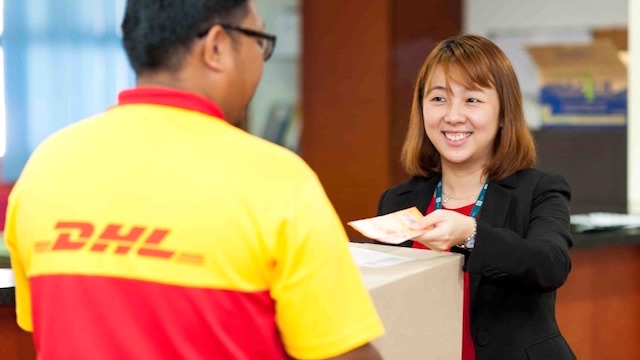
    DHL Express Japan has appointed Tony Khan as president and representative director. With his new appointment, Khan also becomes a member of the management board of DHL Express Asia Pacific.

    Khan succeeds Taketo Yamakawa, who retired in December last year. Previously, Khan served as general manager of the DHL Express’ Central Asia hub, one of three global hubs in the division’s network. Khan was also previously vice president of operations at DHL Express Japan.

    Ken Lee, chief executive, DHL Express Asia Pacific, commented: “We are proud to have Khan lead the team and I am confident that his proven track record will further strengthen our position in Japan”.

    Khan added: “I look forward to building on the good work of my predecessor, developing trusted relationships with our customers, employees and society, and strengthening our market-leader position”.

    DHL Express has also named Chee Choong Ng as managing director of DHL Express Hong Kong and Macau.

    Ng, who successes Herbert Vongpusanachai, will be in charge of leading the strategic growth and managing overall operations in Hong Kong and Macau.

    Ng joined DHL Express in 2004 in a transportation manager role. His most recent position was vice president of operations in Hong Kong, in 2017.

    Lee explained: “Ng’s vast experience in the industry and knowledge of the competitive and strategically significant local market will contribute exponentially to the company’s growth.”

    Ng added: “I am honored to be able to lead such an amazing team, as we continue to improve our services while adapting to the evolving nature of our business”.

  • Peugeot To Repatriate Staff From China’s Wuhan Area After Coronavirus Outbreak

    Peugeot To Repatriate Staff From China’s Wuhan Area After Coronavirus Outbreak

    French automotive group PSA, maker of the Peugeot and Citroen brands, said in a statement it will repatriate expat staff and their families from the Wuhan area in China, which is at the center of an outbreak of coronavirus.

    It said that 38 people would be evacuated and that the initiative will be executed in full collaboration with the Chinese authorities and the French general consulate.

    PSA said the evacuees will remain in quarantine in Changsha before traveling back to their home countries.

  • Techcombank posts double digit growth in profits

    Techcombank posts double digit growth in profits

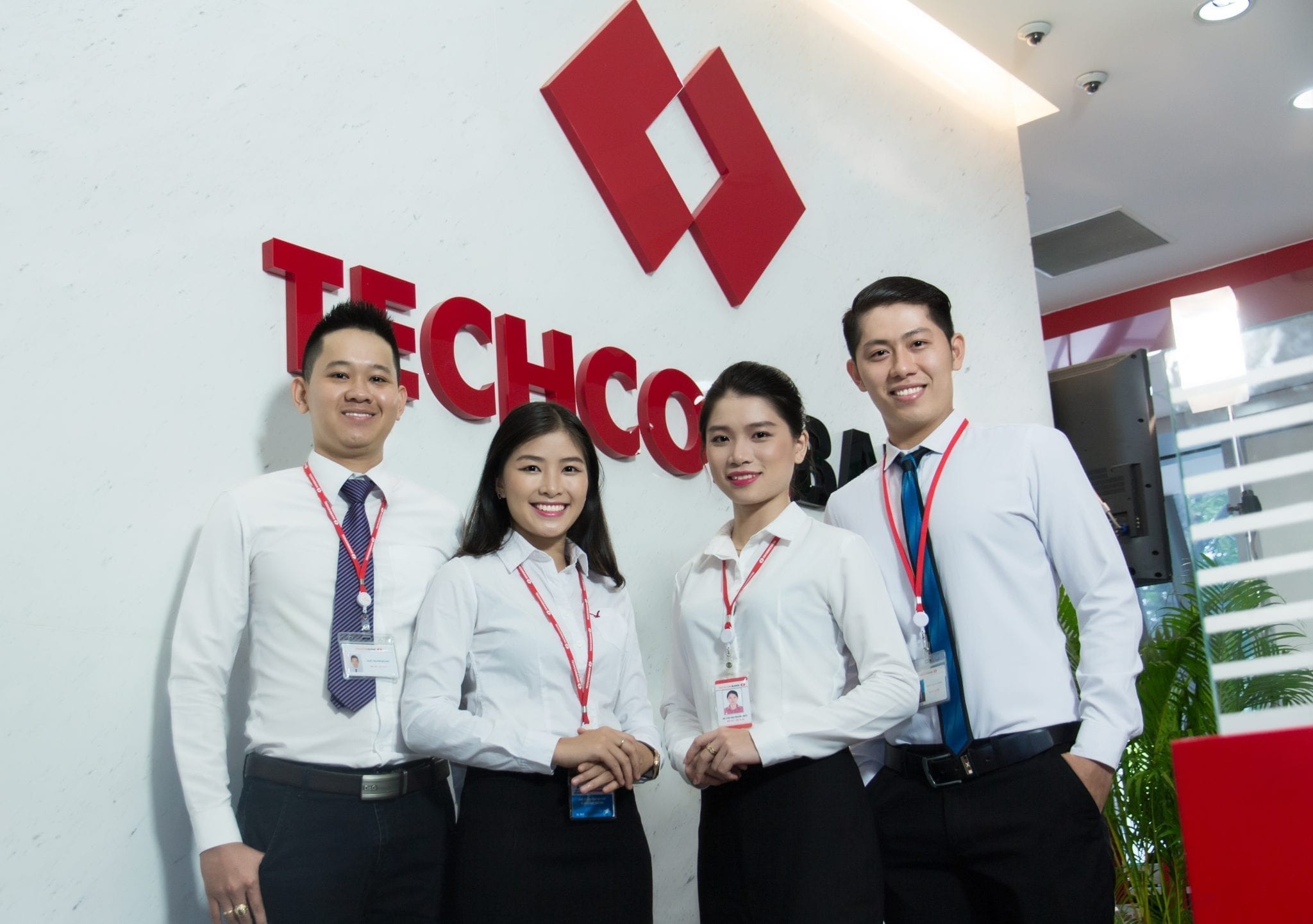
    Techcombank has reported a 20 percent year-on-year surge in 2019 consolidated pretax profits to more than VND12.8 trillion ($552.8 million).

    The nation’s largest private lender by assets said in its latest financial report that the profit increased as credit risk provision halved to VND917 billion ($39.6 million) last year.

    While the bank’s credit activities continued to develop, its takings from other services remained the same as in 2018 at approximately VND3.25 trillion ($140.5 million).

    The bank saw a 15 percent increase in total revenues to around VND21 trillion ($909.9 million). By the end of 2019, Techcombank’s total assets were worth VND383.7 trillion ($16.5 billion), up 20 percent year-on-year.

    The bank’s bad debt ratio decreased from 1.75 percent at the beginning of the year to 1.3 percent.

  • Masan chairman opens up on Vincommerce merger

    Masan chairman opens up on Vincommerce merger

    Masan’s acquisition of a majority stake in Vingroup’s minimart chain was a “big step” to break into consumer retail, the group’s chairman says.

    The food conglomerate chose Vincommerce as an acquisition target because it had the largest retail platform by a number of points of sale and accounted for 25 percent of the modern retail market, Nguyen Dang Quang, Masan Chairman, told shareholders in a report Thursday.

    Vincommerce’s network of 2,600 VinMart supermarkets and VinMart+ convenience stores nationwide is also well placed to bring added value to MEAT Deli, Masan’s clean meat brand, he said.

    “Although not everyone agreed with the merger deal, with many saying that retail is a completely different playing field, for us it all starts with putting consumers first, and this is our strength.”

    Quang said new shopping experiences and the ability to serve customers anytime, anywhere was a basic consumer need now. So combining Vincommerce’s modern network and Masan’s 300,000 traditional points of sale across the country will help build a modern and seamless retail system to serve consumers, he added.

    Thursday was the first time the Masan chairman has opened up about the group’s merger deal with Vietnam’s biggest private conglomerate Vingroup last December, which saw it acquire an 83.74 percent stake in Vincommerce.

    Masan will set up a new entity that holds the majority stake in Vincommerce, and an 85.7 percent stake in Masan Consumer, Masan’s subsidiary which produces consumer goods. Masan will hold 70 percent of this entity, while Vingroup and other investors that previously held stakes in Vincommerce but transferred them to Masan, will own the remaining 30 percent.

    Masan Group plans to have the new entity break even on an EBITDA (Earnings Before Interest, Taxes, Depreciation, and Amortization) basis in 2020, but said it could close between 150-300 stores that are unable to break even or fail to meet traffic targets.

    MSN shares of Masan Group on the Ho Chi Minh Stock Exchange had plummeted to floor price upon news of the merger deal on December 3, and the stock had lost 22.6 percent at the time of writing.

    Several securities companies have said that although the merger deal is considered mutually beneficial to both parties in the long-run, investors are worried Masan’s short-term profitability will take a hit, as Vingroup’s retail business segment, mostly made up of Vinmart stores, has recorded losses for five consecutive years from 2014.

    The latest financial reports showed that the segment has gone on to lose VND2.52 trillion ($108.76 million) for Vingroup in the first six months of 2019.

    In a letter to Vincommerce employees in December, Vingroup had also said it will not hold a majority stake in the merged entity to focus resources on technology and industry.