Author: Mei Ling Tan

  • Lao Rugby Kicks of 2020 by Hosting the DHL Vientiane 10s

    Lao Rugby Kicks of 2020 by Hosting the DHL Vientiane 10s

    This story about the Vientiane 10s has been kindly provided by the Lao Rugby Federation Later this month rugby players and enthusiasts from Lao PDR, Vietnam, China, Singapore, Thailand, the United States, UK, and Australia will come together in Hanoi and Vientiane for the second consecutive DHL sponsored rugby 10s series.

    Formerly known as the Vientiane International Rugby Championship, the DHL Vientiane 10s is the LRF’s flagship competition. In 2019 the Lao Rugby Federation (LRF) partnered with neighboring Hanoi 10s to create a multi-tournament series spanning two weeks in January.4/

    The second year of the series will kick off in 2020 with a single-day tournament in Hanoi on 18 January and a multi-day tournament in Vientiane on 25-26 January. More than 20 local and international teams will compete in Men’s, Women’s, and U18 Girls and Boys contact competitions, as well as U13 tag rugby.

    In the largest year of the Hanoi 10s competition, 12 senior teams will participate in the men’s and women’s divisions joined by 8 U18s boys’ and girls’ teams from Vietnam’s newly-formed rugby clubs including Coui Ha Club, Hop Dong Club, Thong Tien Club, Nuong Dam Club, Kim Truy Club, and Du Sang Club. In the senior divisions, DAC Weredragons will be returning to the DHL Hanoi 10s to defend their Cup Championship.

    The Kim Boi Wild Cats, DAC Rejectors and Hanoi Dragons will also be returning in this year’s men’s division joined by tournament newcomers, Raw Dogs and Hanoi Ghost Dragons. In the women’s division, the Kim Boi Wild Cats will return for the second year of the tournament joined by five teams making their first appearance at the DHL Hanoi 10s including DAC Weredragons, Hanoi Barbarians, NUS Singapore and Alexandre Yersin.

    Three visiting international teams from DAC Weredragons will travel to Hanoi prior to the tournament in order to learn about and support the development of rugby in the country through participating in some activities with Vietnamese ChildFund Pass It Back teams.

    The ChildFund Pass It Back curriculum, which was piloted in rural Laos from 2012-2014, endeavors to help young people build knowledge and skills through rugby in topics like leadership, gender equity, future planning, safety and health.

    Today, more than 3,000 young players are registered and actively participating in the curriculum in Laos and over 1,000 in Vietnam.

    In addition to the action on the pitch, the Kim Boi Wild Cats from Hoa Binh Province in Northern Vietnam will be supporting most of the DHL Hanoi 10s tournament management.

    In the first year of the competition in Hanoi, the LRF was proud to send Lao staff to support in lead management roles for the largest 10s international competition held in Vietnam to date.

    This year, the LRF’s Vietnamese colleagues will be building on the skills they learned in 2019 and taking the reigns as match officials in the U18s competition and as senior first aid and technical leads in the senior competition.

    The LRF has been partnering with ChildFund Vietnam since 2015 to support rugby development in the country. Over the 5 years of the partnership, Lao Coaches have supported many exciting developments from the first international tag competition in 2017 through to the first women’s 15s match in 2019 where the Kim Boi Wild Cats faced off against the DAC Lao Nagas in a historic match in Hanoi.

    The Kim Boi Wild Cats are current or former ChildFund Pass It Back Coaches who have been developing their skills in rugby administration and leadership roles in their local community since 2015.

    This group of young Vietnamese leaders has recently registered their clubs with the Vietnamese government and now be applying their skills on the international stage as the DHL Hanoi 10s prepares for this record-breaking year.

    Following the excitement in Hanoi, the LRF will welcome 32 teams for the 14th year of the DHL Vientiane 10s on 25-26 January.

    Twelve men’s teams in the senior elite division will be bolstered by returning 2019 DHL Vientiane 10s Men’s Cup Champions, Royal Thai Police and include series competitors DAC Weredragons, Hanoi Dragons and Raw Dogs. The Lao Barbarians and Vientiane Buffalos will represent Laos in the men’s top division joined by the Royal Thai Navy, Bangkok Southerners, Bangkok Warriors, Changzhou Giants, DAC Rejectors and Regency.

    2019 DHL Vientiane 10s Women’s Cup Champions, the Vientiane Lions will return in the women’s senior division alongside the Vientiane Buffalettes and Xieng Khoung RFC from Laos.

    The returning Banger Belles will be joined by DAC Weredragons, Made in China and MSU Pretty Crabs, all of which will be competing in Vientiane for the first time in what promises to be an exciting women’s senior competition. Additionally, 8 U18s boys’ and girls’ teams will compete in the U18s division including Lao teams from the LRF’s newest clubs: the Vientiane Province Gold Crabs and the Kham District Golden Elephants.

    “Year after year the competition draws top University and Club teams from across the region for a weekend of rugby,” comments LRF President Mr. Virayouth Rathikoun. “This is set to be the biggest 10s series in the region to date and competition will be fierce.

    The LRF is proud to play a role in supporting not only a budding club scene in Laos, but also strong tournament administration and rugby development beyond our borders.”
  • Lending, insurance boost 2020 bank profits

    Lending, insurance boost 2020 bank profits

    Commercial banks could see their pretax profit grow by 22.5 percent this year with a rising income from lending and insurance.

    Major state-owned Vietcombank is expected to lead with an after-tax profit of VND28.98 trillion ($1.25 billion), up 24.6 percent year-on-year, according to analysts at SSI Securities Corporation (SSI).

    It will be followed by BIDV, Techcombank, VPBank and Miltary Bank, with growth rates between 12.7 and 32.4 percent.

    The 22.5 percent growth among commercial banks, roughly the same as last year’s 23 percent estimation, will derive from rising net interest margins, increasing income from fees and bancassurance, or the sale of insurance products via banks, SSI said.

    Personal lending, especially at state-owned banks like BIDV, Vietinbank and Vietcombank, will additionally drive growth.

    Retail lending accounted for 32.2 percent of total credit among the 12 largest listed banks in 2017, but rose to 40 percent in Q3 last year.

    SSI said that credit growth could be up to 13.5 percent this year against a government target of 14 percent.

    “This growth rate comes with tightened credit regulations and an expanding corporate bond market with the increasing public distribution.”

    Although credit remains the top money source, companies have been issuing more bonds. Last year, corporate bonds issuance rose by 25 percent to VND280.14 trillion ($12.12 billion), according to SSI data.

    Banks meeting the capital adequacy ratio of Basel II, an international business standard, are expected to enjoy higher credit growth, as shown by the average 13.8 percent credit growth of Basel II banks in the first nine months of 2019, proving higher than the industry average of 9.54 percent, it was added.

    “We expect this situation to persist in 2020, as banks reaching Basel II standards would receive more credit limit and earn more market share compared to competitors.”

    Banks accounted for half of the 10 most profitable listed companies in Vietnam in the first nine months last year with pretax profits of VND110 trillion ($4.7 billion).

  • Bangladesh – DHL Express named Best Workplace in Asia for 2019

    Bangladesh – DHL Express named Best Workplace in Asia for 2019

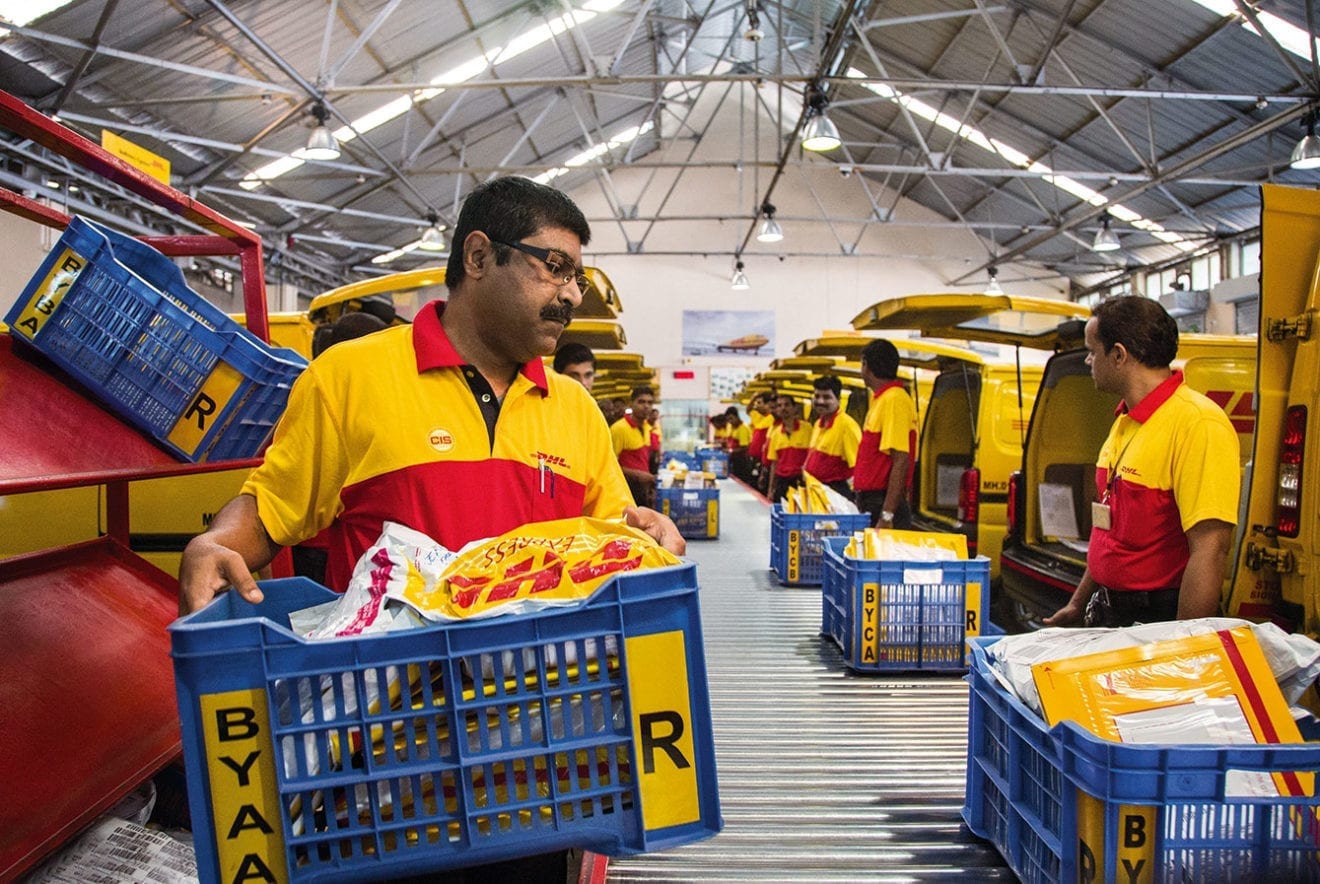
    DHL Express, the world’s leading international express service provider, has been named the Best Workplace in Asia for 2019 by Great Place to Work (GPTW), the global people analytics and consulting firm are known for its annual Best Workplaces list.

    “We are extremely honored to be recognized as the leading employer and best-practice workplace in Asia Pacific,” said Ken Lee, CEO, DHL Express, Asia Pacific.

    “It is important that our employees are always motivated and engaged because they determine the success of our company. We treat our employees the way we would like them to treat our customers, by fostering a culture of authenticity, responsibility, dignity, performance, and results. This award is a testament to the passion and energy that each one of us brings with us to work every day to make DHL a special place to be.”

    DHL Express received GPTW’s prestigious award for the fourth time since 2016, naming it the Best Workplace in Asia in 2016 and 2017 as well as the runner-up in the same category in 2018. This year’s honor came amid positive recognition of its workplace culture across 15 countries and territories in Asia Pacific.

    DHL Express garnered commendable scores on both the Trust Index and the Culture Audit, which canvassed direct feedback from employees to determine workplace levels of fairness and equity, diversity and talent development.

    “DHL’s success as an organization hinges on the unique background, experiences, and perspectives that each of our employees brings. Our strength in respecting and empowering the individual ensures everyone works together as a tightly-integrated whole to strive for exceptional performance,” said Mateen Thiruselvaam, Senior Vice President, Human Resources, DHL Express, Asia Pacific.

    “Feedback mechanisms like the annual Employee Opinion Survey make sure that everyone is heard, and enable us to assess and fine-tune our culture so that we constantly reach toward and extend beyond our full potential.”

    In 2018, DHL won a total of 50 awards for its workplace culture, bringing the total number of awards won from 2014 to 192.

  • New Digi partnership introduces VR experiential tourism using 5G

    New Digi partnership introduces VR experiential tourism using 5G

    Visitors to the launch enjoyed a 360-degree view of Gunung Machinchang, one of the island’s most popular mountains and tourist destinations, using a cable car gondola and a virtual reality (VR) experiential zone.

    A camera that was installed at the Langkawi Skycab middle station enabled the event to be live-streamed from 20 kilometers away.

    The Digi 5G showcase, part of the 5G Demonstration Projects, have been made successful thanks to the tireless efforts of the Malaysian Communications and Multimedia Commission (MCMC) to encourage, develop and organize 5G use cases in a live but controlled environment.

    Digi’s CEO Albern Murty explained that the Langkawi 5G virtual tourism pilot is part of the telco’s objective in creating a 5G ecosystem with the support of its partners.

    “We are excited at the possibilities of 5G bringing next-gen virtual tourism to many other local destinations and connect more people to experiences that matter most to them. In partnership with Malaysia Airports and Panorama, we are pleased to bring a piece of Langkawi’s heritage to tourists from the moment they arrive at the airport,” Murty said.

    Panorama Langkawi acting COO Ir. Abu Hashim Abdul Rahman said, “We believe that 5G has the potential to deliver new and engaging digital activities that can improve tourist experiences and enhance the appeal of Langkawi and Malaysia in the eyes of foreign tourists.”

  • Swisspartners Opens Office in Singapore

    Swisspartners Opens Office in Singapore

    The Firm has been fully licensed as a trust company by the Singapore Monetary Authority (MAS) since 2010 and is located in the heart of the central business district at 1 George Street, according to further information.

    The board of Swisspartners Marcuard Trust (Singapore) consists of Dorothy Yeo, Evelyn Tay, David Sykes, and Robin Graetz. The firm has a team of professionals based in Singapore. It consists of trust and corporate professionals as well as compliance specialists who speak Mandarin, English, and Italian.

    Asia is important for the trust group to complement our offering in Europe, including our longstanding operations at Swisspartners Marcuard Heritage in Zurich and SPMH (Cyprus) in Larnaca, which was established in 2018, a spokesperson said.

    The company provides wealth planning and wealth structuring, using a variety of tools including trusts, foundations, companies, life insurance, and private label funds. «We continue to see a demand for relocation and residency services from individuals in the region and further afield, and our team is well placed to assist those looking to take up residence in Singapore, the spokesperson further said.

    Singapore is the gateway to Asia and is well placed to benefit from the growing wealth of entrepreneurs in the region who now require wealth planning and wealth structuring. Wealthy individuals and their families are concerned about the preservation of their wealth and wish to ensure that it is safeguarded not just for the next generation but for future generations as well. The growth of the Chinese economy has also spurred growth in other countries in the region and this wealth is looking for a safe home.

    Swisspartners was founded in 1993. Today, it is one of the largest financial service providers in Switzerland and growing internationally. The group’s approximately 120 employees serve discerning private clients from around the world from offices in Zurich, Geneva, Vaduz, and Feldkirch.

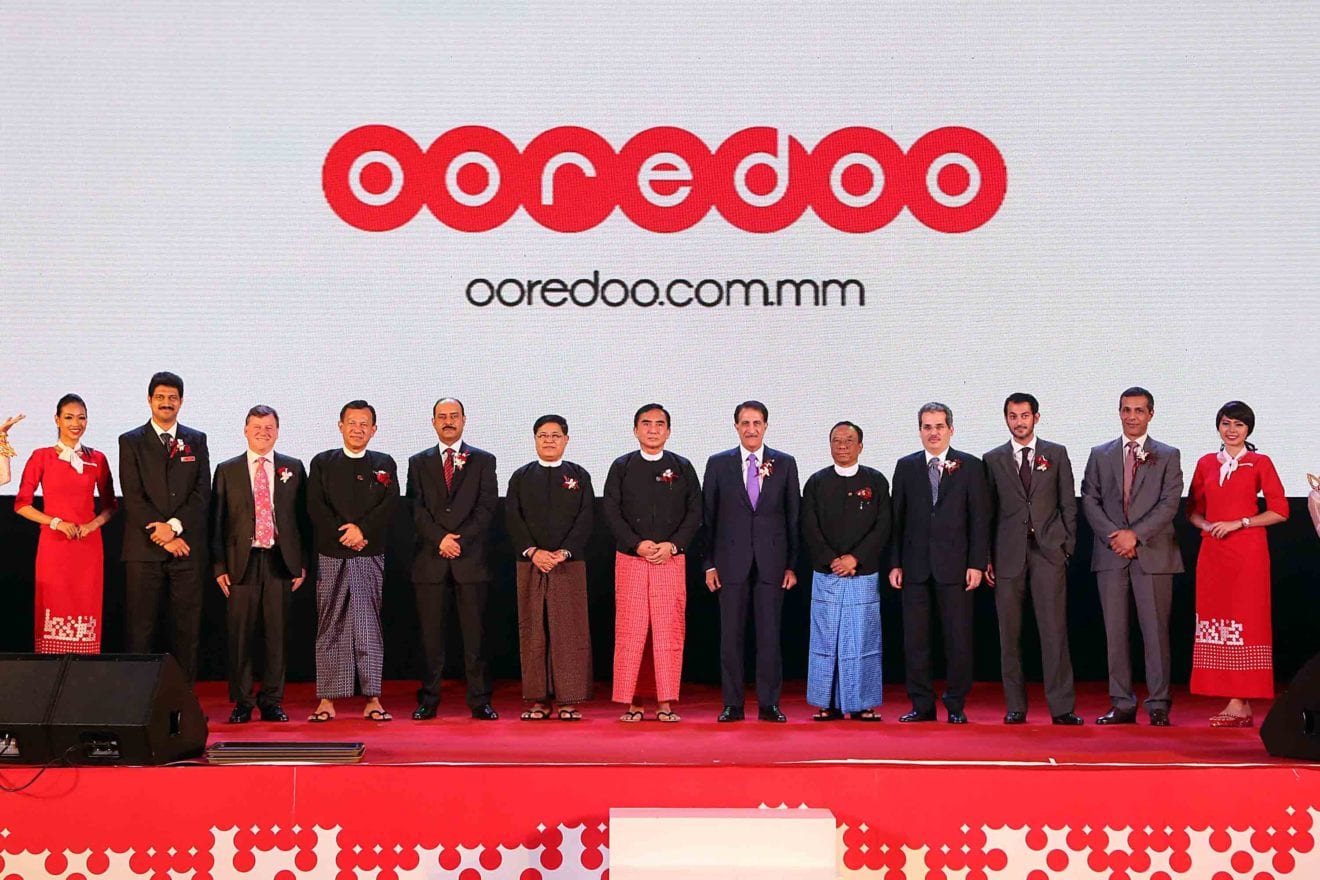
  • Ooredoo Myanmar prioritises CSP via donation to non-profit organization

    Ooredoo Myanmar prioritises CSP via donation to non-profit organization

    “This is a remarkable event for Ooredoo Myanmar and we are very glad to have the opportunity to help the community that we work in. We have set out our Corporate Social Responsibility efforts to help promote the need for the health and education sector. We, as a responsible business, strive to help close the gap of demands for these two sectors. Daw Khin Kyi Foundation is an outstanding exemplary when it comes social works. We are hereby acknowledging their efforts and lending a helping hand with ways we can contribute,” said U Tint Naing Htut, Head of Corporate Communications Ooredoo Myanmar.

    The donated vehicles are well equipped with extensive electrical, plumbing and furniture such as air-conditioning and heating systems, patient attendance seats, storage cabinet, folding work table, work-light, wash hand basin and 110/220V electrical inverter system. It also has an intercom system for communications and medical equipment required for the Emergency Response Unit. Daw Khin Kyi Foundation plans to use the vehicles to respond to medical emergencies and humanitarian assistance works in Myanmar.

    Ooredoo Myanmar believes that immediate medical and humanitarian assistance should be inclusive regardless of ethnicity, race or religion. Daw Khin Kyi Foundation also works towards the same goal by reaching out and providing assistance where and when necessary. They believe that improvement in one place at a time creates a better future for all.

  • Telenor Group welcomes new leadership for Asian divisions

    Telenor Group welcomes new leadership for Asian divisions

    Sharad Mehrotra, CEO of Telenor Myanmar, has been appointed the new CEO of dtac, Telenor Group’s mobile operator in Thailand. He replaces Alexandra Reich, who is seeking new leadership opportunities. Hans Martin Hoegh Henrichsen, currently Chief Corporate Affairs Officer in Telenor Myanmar, will become acting CEO after Mehrotra. Grameenphone’s Deputy CEO and CMO, Yasir Azman has been appointed the new CEO of the Bangladeshi operation, with current CEO Michael Foley relocating to Africa, where his family is based.

    “After leading our Thai mobile operator through a challenging transition including new spectrum and network rollout and a renewed focus on customer satisfaction and distribution excellence, Alexandra Reich has delivered solid results according to the back-to-growth strategy outlined in dtac’s Capital Markets Day in June 2019. We are grateful to Reich for her willingness to step in and support dtac in the very important transformational phase, and we wish her all the best in her next leadership role. With Reich seeking new opportunities, we are pleased that Sharad Mehrotra will join dtac and bring valuable insights and knowledge to Thailand from Myanmar and India, where he has managed a strong commercial turnaround,” says Sigve Brekke, President and CEO of Telenor Group.

    “I am also pleased Yasir Azman has accepted the challenge to lead our operations in Bangladesh. While also serving as deputy CEO, he has run one of our best performing sales and distribution organizations in Telenor Group. Having risen through the ranks, it’s extra special to welcome Azman as the first home-grown CEO of Grameenphone. I’d like to take this opportunity to thank Michael Foley for leading the company through an impressive digital transformation as well as his valuable contributions also in Pakistan and Bulgaria,” adds Brekke.

    The changes are effective as of 1st February 2020.

  • Behind the acronyms: Making sense of customer data platforms

    Behind the acronyms: Making sense of customer data platforms

    Success in today’s competitive retail landscape means putting the customer front and center.

    Retailers must understand their customers’ every need and deliver relevant, personalized experiences at the right moment to meet those needs. This necessity is particularly strong across the diverse APAC region, where connected device use, commerce platform capabilities, and consumer buying behaviors vary so widely between markets.

    This customer-centric approach relies on one key ingredient: data. Retailers are increasingly dependent on data to gain insight into the preferences and behaviors of shoppers, allowing them to deliver customized interactions. To do this they are turning to various tech platforms to help them make sense of data, correlating it across all customer interactions. Yet with so many different solutions available – and baffling acronyms such as CRM, DMP and CDP to understand – many are unsure what each technology does and which platform type is best suited to their unique needs, especially as different solutions include overlapping functionality. Let’s go behind the acronyms and take a closer look at these data platforms.

    CRM systems store sales data

    Retailers often confuse customer relationship management (CRM) systems with customer data platforms (CDPs), and they are far from alone. As reported in Gartner’s Hype Cycle for Digital Marketing and Advertising 2019, half the enterprise marketers that deploy a CDP say it is their ‘CRM system’ – indicating the confusion between the two, with definitions blurring.

    A CRM system is designed predominantly to store transactional data, usually from a form fill or purchase. CRM systems contain valuable first-party information but, with this focus on sales data, they do not provide insight into anonymous user behavior, and often have limited integration with other technologies deployed throughout the customer journey.

    DMPs create anonymous audience segments  

    Data management platforms (DMPs) collect data around online behavior, such as website interactions. This information is used to build audience segments, which are either employed in customer analysis or used to feed ad tech tools, such as demand-side platforms, that assist ad targeting.

    While valuable in their own right, DMPs have a number of limitations. They are generally cookie based and work on probabilistic data, rather than creating persistent customer profiles. As they focus largely on advertising, they don’t necessarily provide insight into the entire customer journey. While DMPs may have some ability to integrate first-party information, they are mostly focused on third-party data. 

    CDPs deliver a 360-degree view of the consumer

    CDP adoption is growing faster in APAC than in any other global region. However, despite rapid expansion, there is still confusion about what the technology does and how it differs from a CRM system or a DMP.

    A CDP is a system that centralizes customer data from all sources, including existing CRM systems and DMPs, but also mobile apps, customer-service systems, and beacons or IoT devices that track in-store behavior. The CDP then makes this data available to be used by a huge variety of other tech tools associated with marketing, customer service, and any other area of the retail organization, effectively democratizing customer data.

    CDPs can collect and collate first, second, and third-party data from multiple sources and use identity resolution to link all data snippets referring to one individual to a persistent profile. This focus on deterministic data enables retailers to build a comprehensive view of the customer – starting with their very first interaction – and to drive unified, personalized experiences.

    CDPs are prebuilt platforms but can be tailored to the needs of individual retailers with minimal technical assistance and resource requirements. They can be easily integrated with other systems, using maintained turnkey integrations. This means retailers can use them to link up, rather than replace, their existing technologies, and can bridge the internal and external data siloes that currently result in fragmented retail experiences. Because data is stored and updated over time, CDPs continually adapt and update in response to new real-time information.

    While a comprehensive view of the customer is invaluable across the entire retail organization, it is particularly beneficial in marketing, where it helps drive relevant, consistent messaging and avoid friction-generating blind spots. For instance, it can prevent a retailer emailing a customer with a special offer for a product they have already bought via the mobile app, or retargeting them with a display ad for an item they have just purchased in store.

    Retail success depends on an in-depth knowledge of consumer needs, which can only be achieved by unifying data from all sources, linking it to a persistent identifier, and gaining a comprehensive view of the customer. While CRM systems and DMPs each have useful roles to play in storing transactional data or building audiences segments, a CDP provides the unique customer view, unifying data from all sources and allowing the resulting insights to be used to drive performance across retail organizations.

    By Joseph Suriya, Senior Director Marketing APAC, Tealium

  • Luxury Real Estate in Singapore Draws Rich Chinese

    Luxury Real Estate in Singapore Draws Rich Chinese

    Rich Chinese continue to snap up luxury homes in the city-state as they seek a safe and calm offshore location to park their wealth.

    Protests in Hong Kong are driving rich Chinese property buyers away from the special administrative region to relatively calm and stable Singapore.

    The Lunar New Year period is a particularly busy period for property agents in Singapore catering to this group of buyers – three interviewed by the publication said inquiries among mainland Chinese in the lead up to this period typically jump by 15 percent, with demand intensifying in the past two years.

    Property cooling measures, which raised the additional buyer stamp duty on foreigners buying any residential property to 20 percent in July 2018, up from 15 percent, have had little effect on the demand for luxury apartments in Singapore – Chinese buyers of apartments S$5 million ($3.7 million) or more doubled in the third quarter of 2019 from the same period the year before, the report said.

    Most buyers purchase properties as an investment and prefer those near landmark locations, according to realtors interviewed by the publication. However, they noted that a growing number of buyers are also buying apartments with the sole purpose of parking their wealth here.

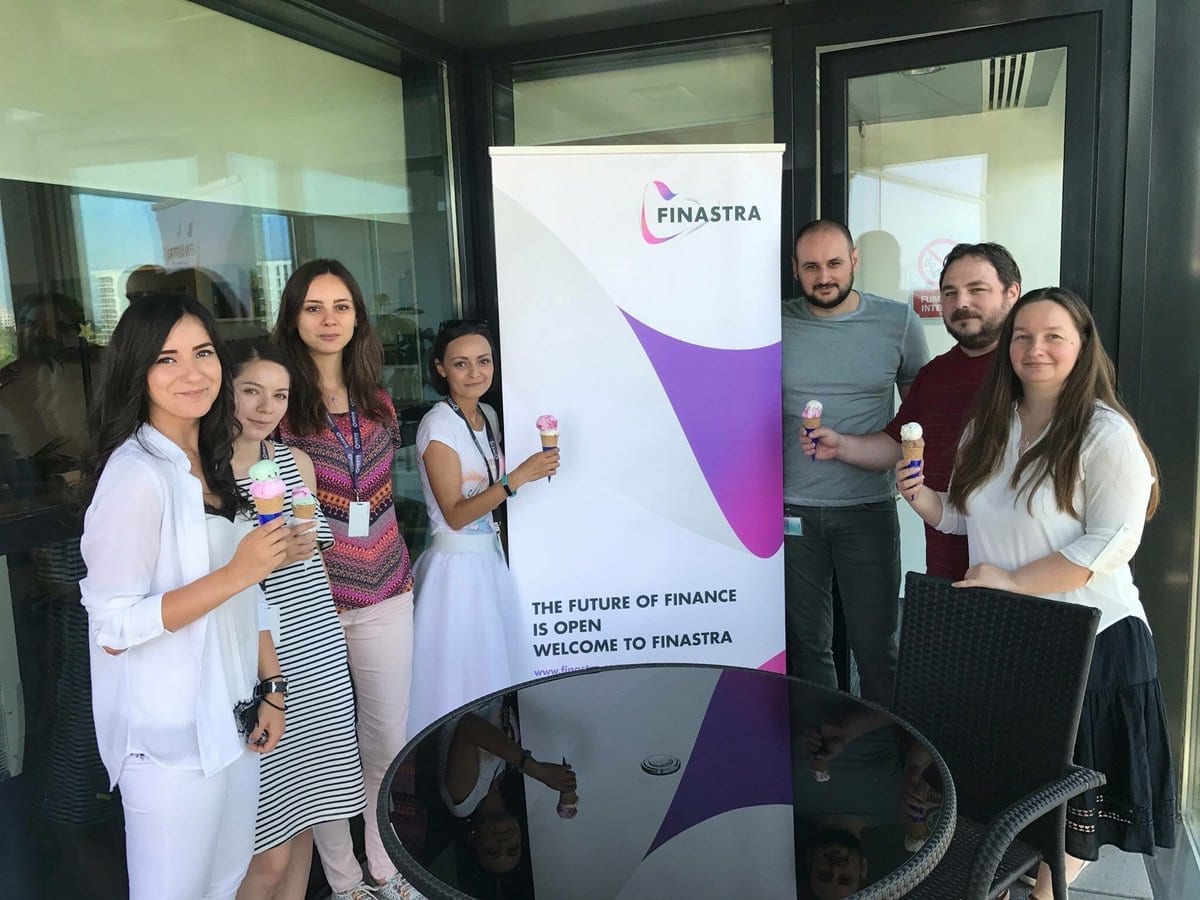
  • Philippines Digital Bank Partners Finastra

    Philippines Digital Bank Partners Finastra

    The region’s first licensed digital-only bank is expected to debut later this year, providing a full range of retail banking services, focused primarily on retail deposits and consumer loans.

    The Philippines’ all-new digital bank Tonik is partnering financial technology company Finastra and will use its cloud platform to power its end-to-end core banking capabilities, a press release announced this week.

    Finastra’s Fusion Essence Cloud is already used by European neobanks revverbank and Gravity. It will be deployed from the Microsoft Azure Southeast Asia data center in Singapore, which will allow for both low latency and data residency, the announcement said.

    Using digital technologies and a lower-cost operating model, Tonik will be able to offer customers the products and services they need, delivered in a convenient way, as well as increasing opportunities for financial inclusion in Asia, Anand Subbaraman, Finastra’s retail banking general manager, said about the partnership.

    Earlier in January, Tonik announced that it would be rolling out digital-only banking services in the Philippines, a market where 70 percent of adults are unbanked, in 2020.

    The banking sector in the Philippines is ripe for digital disruption. The country has high internet usage, the majority of Filipinos are unbanked and research shows half of the people who do have bank accounts would be interested in switching to a neobank, Tonik CEO and founder Greg Krasnov said.

  • Money Laundering’s Last Bastion Set to Fall

    Money Laundering’s Last Bastion Set to Fall

    Financial regulators are cracking down on the opaque international fine art market’s untoward methods and loopholes for money laundering. The Swiss «Bouvier case» was the trigger.

    Prosecutors in Geneva and New York are wading through reams of evidence allegedly documenting one of the largest frauds in the secretive market for fine art. Russian oligarch Dmitry Rybolovlev is suing Swiss art dealer Yves Bouvier as well as auction house Sotheby’s.

    Rybolovlev alleges that he was cheated of $380 million in superfluous payments for artworks because of market collusion. In a separate complaint against Bouvier, he is suing for $1 billion, which is what the Russian alleges is how much he overpaid for a total of 38 pieces of fine art.

    The document-rich Bouvier case has preoccupied courts for years – and is exemplary for how opaquely the market for international art is. The cash-friendly marketplace is closely linked to private banking – and art has grown in importance as an asset class.

    A European money-laundering rule aimed at shutting loopholes for fine art came into force two weeks ago. The changes including similar «know your client» rules as apply in banking, for transactions of more than 10,000 euros ($11,084). That means galleries, dealers, agents, and other intermediaries to the rich must apply a type of due diligence to their clients before buying and selling.

    Regulators have also drawn up an extensive list of fine art of various mediums which are subject to value-added tax at purchase. It is meant to force buyers as well as sellers into a regulatory framework, and to cleanse the market of improprieties.

    Glitzy art fairs in Basel, Geneva, Hong Kong, and Miami have until now been accompanied by lots of cash – as well as more than a whiff of scandal. The specter of sudsing out ill-gotten money with a few pricey art buys is one that clashes with the image of well-heeled, refined culture mavens that galleries and auction houses have long cultivated.

    The estimated $70 billion annual art market until now has operated largely outside the purview of international regulators – as well as to its own capitalist tune. «It can be hidden or smuggled, transactions often are private, and prices can be subjective and manipulated— and extremely high,» former U.S. prosecutor Peter Hardy said.

    In other words, a valuable work of art is the perfect vehicle to conceal untaxed assets, or to launder dirty money.

    Commissions in art deals can be astronomical, while collusion and price-fixing through agents and intermediaries are reportedly rampant – and until the Bouvier case blew open, super-wealthy art clientele had rarely complained about it.

    Undoubtedly wounded in pride over being hoodwinked, Rybolovlev was the first major art buyer to blow the whistle, so to speak. Bouvier is known more as «king of Swiss freeports», tax-free storage facilities that play a huge role in stowing illicit loot, than as an art dealer. The Swiss government estimates that the country’s freeports hold more than $100 billion in assets – in secret, and untaxed.

    A Louvre director called the facilities «the biggest museums that no one can visit». The European rules are set to rob art sellers and auction houses one of their biggest advantages: vendor anonymity.

    The move comes as private banking is forced to abandon secrecy in major jurisdictions like Switzerland – a bid to crack down on lost tax income. It remains unclear whether customs and tax officials have the resources to enforce compliance in the art market – but the new money-laundering rules are a first step to force the industry into an era of oversight.

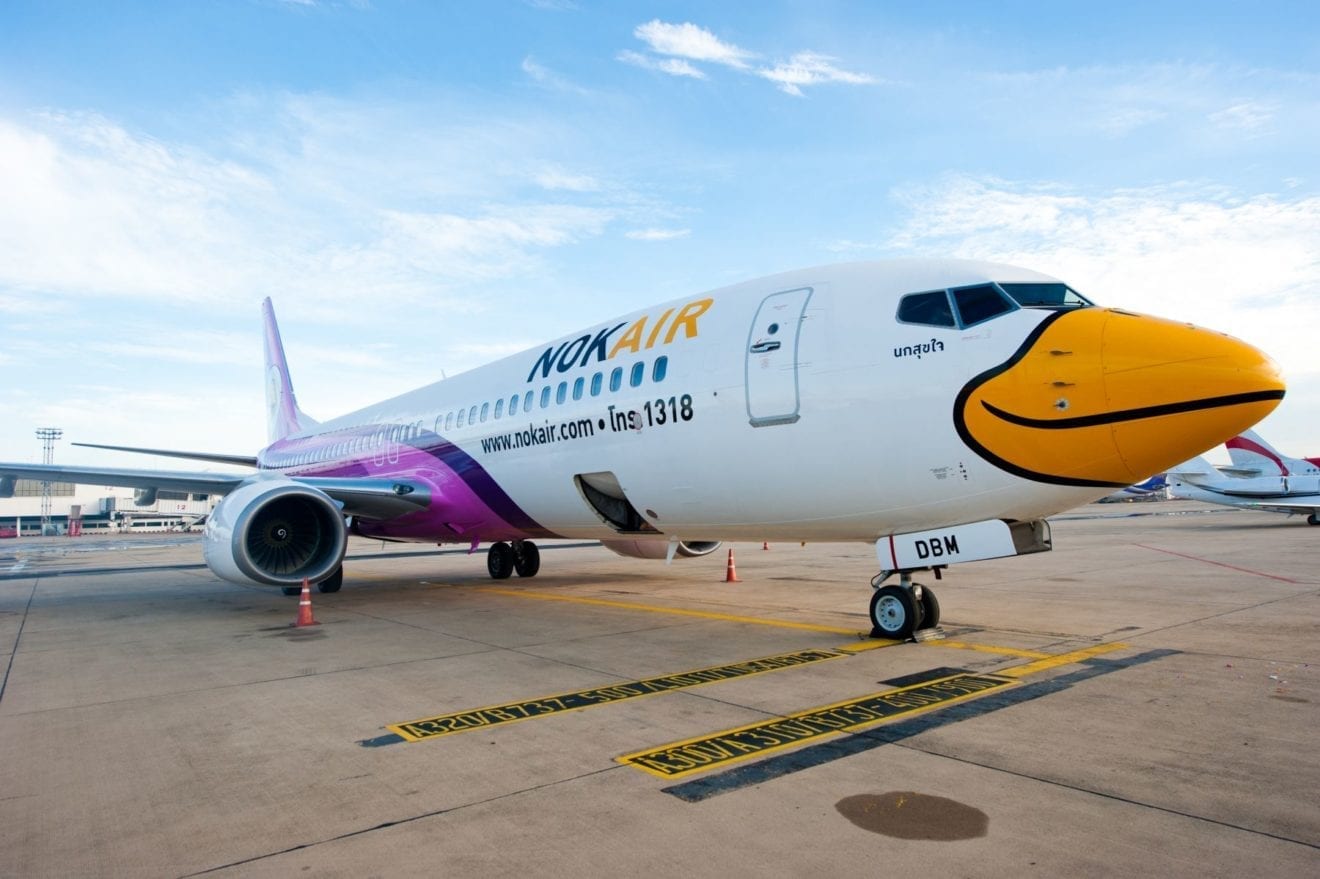
  • NokScoot soars to new heights for punctuality

    NokScoot soars to new heights for punctuality

    NokScoot, the joint venture low-cost carrier of Thailand’s Nok Air and Singapore’s Scoot, achieved its best-ever annual on-time performance (OTP) since the start of operation with an average of 86.55% in 2019.

    The airline’s 2019 punctuality report revealed that the airline obtained its highest OTP on record even though the flights flown increased by 30% or 1,162 flights. Last year alone, it operated 4,951 flights, an increased from 3,789 flights flown in 2018. During the busiest month of 2019 in December, it earned a perfect 100% OTP for both, Tokyo Narita International Airport in Japan and Qingdao International Airport in China.

    “At NokScoot, we always work hard in order to offer the best services and provide an enjoyable flying experience to our passengers.” said Yodchai Sudhidhanakul, CEO of NokScoot. “OTP is crucial and has always been one of our five core values, ‘Consistently Deliver’. We are committed to maintain and enhance the highest standard in every aspect, including punctuality, safety and convenience.”

    The carrier currently flies from Bangkok to nine destinations in East Asia and India, including Nanjing, Qingdao, Shenyang, Tianjin, Taipei, Tokyo, Sapporo, Osaka, and New Delhi.

  • Wuhan Coronavirus Prompts Banks to Issue Travel Warnings

    Wuhan Coronavirus Prompts Banks to Issue Travel Warnings

    Concerns about the coronavirus outbreak originating from Wuhan are rapidly escalating this week with banks joining in to issue warnings against travel and ready their business continuity plans.

    The outbreak has so far infected more than 500 individuals globally and has reportedly claimed 17 lives thus far. Following President Xi Jinping’s announcement this week saying that it was a critical matter to combat the new virus, at least three cities including Wuhan have been on lockdown to control the spread of the epidemic.

    Meanwhile, banks are also issuing their own notices to address the matter. Standard Chartered, which has a branch in Wuhan, said it was monitoring the situation closely and is advising its staff to defer all business travel to the infected city until February 3 when it will consider whether a further suspension is warranted. HSBC, which experienced its own unrelated flu scare this week, issued its own travel advisory for Wuhan and said it had improved cleaning at its premises.

    UBS, Citi and J.P. Morgan reportedly told staff they are closely monitoring the situation but had not restricted travel.

  • Banks Talk Wuhan Virus

    Banks Talk Wuhan Virus

    Global banks discuss their views about the Chinese government’s response to the coronavirus outbreak as well as its potential near-term effect on markets.

    The coronavirus outbreak continues to escalate, having afflicted more than 500 people worldwide. 18 deaths have been confirmed including the first case outside of Wuhan earlier today. Chinese authorities have named it a top national priority to tackle the matter with a commentary issued by the Central Political and Legal Affairs Commission saying that any official deliberately hiding or delaying related information will be «nailed to the pillar of shame for eternity.

    Thus far, China’s response has yielded applaud from the banking sector which highlighted greater proactivity and transparency, especially when compared to the SARS outbreak of 2003.

    Global bank’s positive view towards China’s recent response was made in contrast to its previous efforts during the SARS outbreak which infected more than 8,000 people and claimed the lives of nearly 800. At the time, U.N.’s global health body had criticized China’s management of the outbreak, specifically citing the lack of transparency as a major issue.

    History does not repeat itself, but it rhymes. More importantly, China has learned lessons from Sars,» according to a research note by Wang Tao, head of Asia economic research and chief China economist at UBS’s investment banking arm. The government is now working much more proactively and transparently to contain the Wuhan pneumonia than it did with Sars, and China’s public health system is now more experienced than before as well.

    The evolving situation has brought some uncertainty to China’s near term growth outlook. However, Chinese authorities have been more responsive and transparent this time,» said according to a note from BNP Paribas Wealth Management’s chief investment office. With faster medical and public health measures being taken to limit transmission and to develop treatments, the overall impact may be less severe than SARS but it is still very uncertain at this stage.

    China’s retail sector will undoubtedly be impacted by the ongoing outbreak but newly emerging consumption trends could act as tailwinds to offset losses.

    Wendy Liu, a China strategist from UBS’s investment bank, said that hotel operators will be significantly affected while retailing, parks and movie theaters will see less seasonality-driven benefits from Chinese New Year. Food deliveries, video streaming services and e-commerce could marginally benefit in the near term, she added.

    The consumption pattern in China has changed quite dramatically over the past 20 years,» said Goldman Sachs’s chief equity strategist Kinger Lau. Definitely, people travel more, but a lot more consumption activities are now being conducted online. You don’t really have to go out to spend money. You can just do it online.

    According to BNP Paribas, the life cycle of SARS was considerably short-lived at seven months and led to limited economic and market disruption. China grew just 3.5 percent in 2Q03 after posting 12 percent growth in 1Q03 but ultimately closed 2003 with a strong 10 percent increase. The Hang Seng Index and MSCI China also experienced sharp drops during the period by had recovered all losses by 2H03.

    But whether the current virus will follow a similar trajectory is a question mark,» the bank said.

    Similarly, Goldman Sach’s chief APAC equity strategist Timothy Moe underlined greater global connectivity compared to 2003 as a risk factor for transmission making the matter all the more unpredictable.

    What makes this concerning and hard to handicap is that nobody really knows exactly how this is going to turn out, which really is why it’s that proverbial black swan,» Moe said. There certainly are reasons to be concerned, just citing the already published facts, which is that it’s now seen to be communicable between humans. We’ve seen how these things can propagate.

  • Apple signs multiple year supply agreements with a major chipmaker

    Apple signs multiple year supply agreements with a major chipmaker

    A filing made by Broadcom with the SEC revealed that Apple has signed two multi-year deals with chipmaker Broadcom that are separate from current agreements with the latter that supply Apple with radio frequency components and modules. Altogether, Apple’s business could generate $15 billion in revenue for Broadcom. In December, Broadcom said that business from Apple represented 25% of its gross in 2018 and 20% last year. In 2019, Apple and Broadcom settled a patent suit which led the two firms to sign a 2019 “statement of work” (SOW) and the just-announced 2020 SOW.
    According to the SEC filing, the parts being purchased by Apple will be used in new products over a three and a half year period. While the SEC 8-K submission did not specify exactly which components Broadcom will supply to Apple, the chipmaker’s Bluetooth and Wi-Fi chips and its Avago branded RF front-end chip are all found inside Apple’s iPhone 11 series.
    With Apple looking to launch 5G enabled iPhone models later this year, it is quite possible that the deals with Broadcom may supply it with 5G components. One analyst, Patrick Moorhead from Moor Insights, says that it is also possible that the deals announced today are for parts related to 4G LTE connectivity. Broadcom is one of Apple’s largest American parts suppliers with J.P. Morgan computing in 2018 that each iPhone contained $10 worth of Broadcom components.
    Broadcom investors fell over each other throwing money at the stock today. During the regular trading session, the shares rose $6.77 or 2.16% to close at $319.65. In after-hours trading, after the news broke, Broadcom soared another $8.33 or 2.61% to
    You might recall that in November 2017, Broadcom offered to buy chipmaker Qualcomm; among other things, the firm designs the Snapdragon line of wireless chipsets and wireless modems. The merger proposal was rejected by Qualcomm and Broadcom then rose the price it was willing to pay for the San Diego based company. But Qualcomm said it still wouldn’t be interested unless the price was hiked to $160 billion.
    Eventually, President Donald Trump put the kibosh on the takeover talk by claiming that a Broadcom acquisition of Qualcomm would put national security at risk. Trump signed an executive order immediately blocking the merger from moving forward. This came about after a March 2018 letter from the U.S. Treasury’s Committee on Foreign Investment in the United States (CFIUS) was sent to two Broadcom lawyers. The letter pointed out that since Broadcom was headquartered in a foreign country, Qualcomm’s assets could be exploited by “third party foreign entities.”
    Looking to keep the deal alive, Broadcom moved up its previous plans to establish itself as a U.S. company registered in Delaware. But before this could ever happen, Trump put the blocked the deal. At the time, an official statement from the president read, “There is credible evidence that leads me to believe that Broadcom Limited, a limited company organized under the laws of Singapore (Broadcom)…through exercising control of Qualcomm Incorporated (Qualcomm), a Delaware corporation, might take action that threatens to impair the national security of the United States.”
    As with many things wireless these days, the scare over national security revolves around the next generation of wireless connectivity, 5G. Qualcomm’s 5G modem chips will be found in the vast majority of 5G handsets in the states and the Trump administration was concerned, like it is with Huawei, about a foreign country gaining access to private information from U.S. citizens and corporations.
    While the president prevented Broadcom from purchasing Qualcomm, it is interesting that nothing is done to prevent Apple from using the company’s components for its 5G phones.