Author: Mei Ling Tan

  • UBS Profit Climbs, Disposes of Fund Unit

    UBS Profit Climbs, Disposes of Fund Unit

    UBS’ quarterly profit more than doubled on the year amid big spending cuts. The Swiss bank set out two-year targets and disclosed the sale of a funds business.

    The Zurich-based bank’s fourth-quarter net profit rose to $722 million, from $315 million year-ago, amid a nearly six percent cut in spending, it said on Tuesday. It lifted its dividend to 0.73 Swiss francs per share, after paying out 0.70 francs in 2018.

    We are balancing investments to take advantage of opportunities for growth across our businesses and regions while managing for efficiency,» the Swiss bank said. It recently unveiled a major restructuring of its flagship private bank, which is the centerpiece of CEO Sergio Ermotti’s 2012 new strategy for the bank.

    The private bank’s newly-disclosed goal is to hike profit before taxes by at least ten percent annually. As a whole, UBS’ year was more mixed: net profit dropped nearly five percent to $4.3 billion. The wealth manager couldn’t cut annual spending quickly enough to match a tumble in revenue.

    UBS is disposing of a majority of Fondcenter, a money management platform for its institutional clients, to Clearstream for $600 million, it said in a separate statement. The move will bolster UBS’ hardest type of capital, the bank said.

  • China takes first step to banning single-use utensils, plastic bags

    China takes first step to banning single-use utensils, plastic bags

    China’s National Development and Reform Commission has revealed plans to cut the production and use of single-use plastic in China in the next five years.

    By the end of this year, supermarkets, shopping malls and food delivery services will not be allowed to use non-degradable plastic bags. Disposable plastic used in e-commerce, express deliveries and takeaway food will be limited in 2022.

    The country will also completely ban the import of plastic waste, said a spokesperson from the commission.

    According to Bloomberg, by 2022, some delivery services in major cities including Beijing and Shanghai will be forbidden from using non-degradable packaging, with the ban extended to the whole country by 2025.

  • Ikea eco-store under construction in Vienna

    Ikea eco-store under construction in Vienna

    A seven-level Ikea eco-store is being built in Vienna – with no car parks, targeting pedestrians, cyclists and public transport users.

    The new venue features a bookcase-style design with green facades and a green roof terrace with plenty of strolling space. The store, designed by Querkraft Architekten, is thought to appeal to the many families in the region living without cars.

    “The concept focuses on the current megatrends and takes into account the dramatically changed shopping behavior as well as a new form of mobility without a car,” read a statement from the firm.

    “Customers have little time and appreciate convenience and comfort. This is clearly noticeable in the furnishing area: more and more customers no longer even think about carrying their purchases home themselves. You can have them delivered.”

    The Ikea eco-store is scheduled for completion next year.

  • Singapore Tops List For Mobile Payment Usage

    Singapore Tops List For Mobile Payment Usage

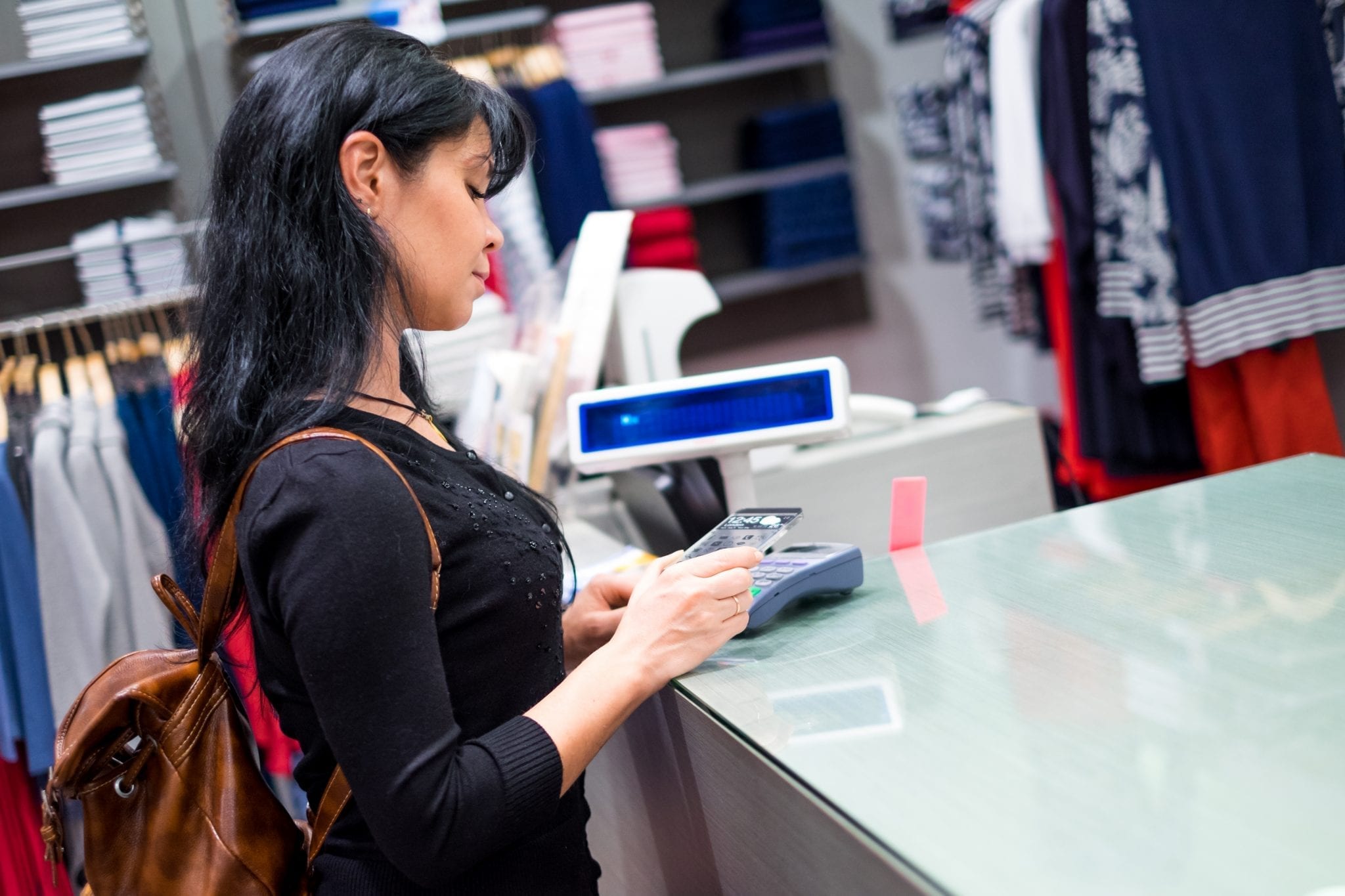
    Singapore is ranked global leader in mobile payment usage among Chinese tourists, fueled by the country’s maturity in mobile payment solutions, according to a joint report by Nielsen and Alipay. The availability of mobile payment is among the top three factors affecting Chinese tourists’ overseas shopping habits.

    The Southeast Asia region maintains its leadership in mobile payment usage among Chinese tourists, with Singapore and Thailand positioned at #1 and #6 in the global ranking, reflecting the region’s maturity in mobile payment solutions. Other countries on the list of «Top 10 countries where Chinese tourists love to use mobile payments» include South Korea, Japan, Australia, France, New Zealand, Canada, the UK, and the U.S.

    In Singapore, an early adopter of Chinese mobile payment solutions, almost all merchants (97 percent) indicated steady improvement compared to the previous year in terms of mobile payment usage and the amount of mobile spending by Chinese tourists. «Chinese mobile payment engagement level and the depth of usage among Chines tourists continued to increase…as such, overseas merchants are showing a more open attitude towards the application of Chinese mobile payment platforms and digital operations,” said Justin Sargent, President of Nielsen China in a media statement.

    These results are encouraging more overseas merchants to deepen the use of Chinese mobile payment platforms as they go digital. Nearly seven out of ten (66 percent) surveyed merchants in Singapore, South Korea, and the U.K. hope to carry out more digital store operations through Chinese mobile payment platforms and hope to further their promotional and marketing activities leveraging Chinese mobile payment platforms.

    «The trend of more overseas merchants going beyond payment to adopt more digitalized services is a promising one, as it helps brick-and-mortar businesses become better integrated with the digital economy while bringing more personalized experiences for consumers around the world,» said Angel Zhao, President of Ant Financial’s International Business Group. Slightly under two-thirds of merchants surveyed in Singapore, South Korea and the U.K. (63 percent) said that they are likely to recommend Chinese mobile payment systems to their industry peers.

    Surveying 4,837 Chinese travelers and 547 overseas merchants, the report provides a new look at the digitalization trend of the overseas retail sector at a time when online and offline businesses are increasingly merging and Chinese tourists are poised to have even more influence as they travel abroad.

    Destination related insights

    • Among all the countries surveyed, the usage of Chinese mobile payments in Singapore, South Korea, and Japan was highest, with Singapore in the leadership position.
    • 77% of Chinese tourists in Singapore use mobile payments for their transactions.
    • Total spending via mobile payment of Chinese tourists increased significantly in countries where Chinese mobile payment adoption is relatively mature.
    • In Singapore, Malaysia, Thailand, Japan, and South Korea, the usage rate of mobile payment among Chinese tourists was high, reaching 70% in both 2018 and 2019.
    • Correspondingly, the total amount spent by Chinese tourists increased by 14% in Singapore and Thailand and 23% in Japan and South Korea between 2018 and 2019.

    Merchant related insights

    • More overseas merchants intend to deepen the use of Chinese mobile payment platforms as they go digital.
    • 66% of surveyed merchants in Singapore, South Korea, and the UK hope to carry out more digital store operations through Chinese mobile payment
    • 66% hope to further their store’s promotional and marketing activities leveraging Chinese mobile payment platforms.
    • 97% of surveyed merchants in Singapore indicated steady improvement compared to the previous year in terms of mobile payment usage and the amount of mobile spending by Chinese customers.
    • 63% of surveyed merchants in Singapore, South Korea, and the U.K. said that they are likely to recommend Chinese mobile payment systems to their industry peers.

    Tourism-related insights

    • In 2019, destinations located a four-hour flight away such as Japan, South Korea, Thailand, and Singapore, remained the most popular choices for Chinese tourists.
    • In addition, the U.S., Australia, U.K., and Canada were also among the top 10 countries, which indicated that Chinese tourists were fairly keen on traveling to English-speaking countries.
    • Thailand and Singapore were among the Top 10 overseas destinations visited by Chinese tourists in 2019 and the Top 10 Countries for Overseas Travel Plans in 2020.
    • In 2019, compared with last year, Chinese tourists born in the 1990s spent nearly 12% more on a single overseas trip while those born in the 1980s spent 15% more. An underlying reason for the increased travel expenses may be the desire for a more in-depth experience of local cultures.
    • Top three factors affecting Chinese tourists’ overseas shopping habits are:
      • Payment methods accepted by the merchant (37%);
      • Product variety and quality (36%); and
      • Product price (36%)
  • Japanese restaurant group Skylark to end 24-hour trading

    Japanese restaurant group Skylark to end 24-hour trading

    Japanese corporate restaurateur Skylark Holdings says it will discontinue 24-hour trading of 150 stores by April.

    Skylark, one of Japan’s largest family-owned restaurant operators, owns the Jonathan’s and Gusto chains, among other brands. It launched 24-hour trading in 1972 and according to the company, about 10 percent of its daily revenue comes in between midnight and 6 am.

    The company says while round-the-clock trading appeals to customers, the increasing costs of labor makes it less viable to trade all night. Instead, it will focus on peak meal times.

    In total, Skylark owns 560 eateries across the country. Many of the other stores will have trading hours trimmed by a couple of hours a day to reduce labor costs.

  • Malaysia’s Leather Avenue to expand across Asia

    Malaysia’s Leather Avenue to expand across Asia

    Malaysian leather goods and bags retailer Leather Avenue is planning a complete store redesign across its more than 30 outlets in Malaysia before it starts expanding across Asia.

    The new retail concept is currently on show at the firm’s 3000sqft “La Galleria” flagship located in The Curve, which opened last September. The store design is intended to give customers an experience akin to looking at pieces of art in an interactive gallery, inviting the viewer to not only see the product, but to touch and smell the leather. The immersive experience is designed to allow customers to observe the quality of the products first-hand, offering a retail experience distinct from online shopping.

    “We want to ensure Malaysians have access to premium quality leather goods, bags, and accessories without having to splurge on high-street brands,” said Leather Avenue executive director Stanny Chan. “Malaysians are typically not as brand conscious as other Asian consumers and are practical when it comes to purchasing leather goods that complement their fashion tastes without compromising on quality. That is precisely what we want our customers to experience premium quality fashion accessories.”

    While only one “La Galleria” store is currently in operation, the brand is intending to open more in the next two to three years. The firm currently has plans to expand into prime locations and stores to showcase more products.

    While expansion within Malaysia remains the company’s current trajectory, Chan told Inside Retail Asia in an exclusive interview that he sees the potential to take its ideas abroad. The firm hopes to expand regionally over the next two to three years, including to Singapore and Indonesia, before moving into Thailand, Vietnam and the Philippines later on.

    Leather Avenue is concurrently expanding its owned brands – Charles Berkeley and Lushberry – overseas, where they are now available in China, Dubai, Italy, the UK, Japan, and several other countries.

    Chan says Leather Avenue is predominantly a retail company, and as a retailer, the challenge is to stay relevant.

    “This has been especially difficult in the age of e-commerce, where not only are you competing with other retail stores, but with online brands as well.

    “I believe you have to be agile, changing with the times and market rather than sticking to one business formula,” he said. “We previously focused solely on luggage and travel products, but we learned that our sales were not at the optimal level, so we expanded our line to include more lifestyle products. We are currently looking to reach out to a younger audience and attract them with products that are more funky and colorful, with modern and fashionable designs.”

    The main brands under Leather Avenue’s umbrella include Charles Berkeley, Esfolar, Cerruti 1881, Mendoza, The Bridge and Valentino Creations. The firm is also licensed to develop the Charles Berkeley and Esfolar brands in the territory.

    “This means that we have a free reign to design new products that cater to the local market,” said Chan. “With this type of license agreement, we have more control over the margins, product mix and brand positioning in the local market.”

    Leather Avenue is a family-owned company founded in 2010.

  • Jeweller to the stars Mouawad eyes Asian rollout

    Jeweller to the stars Mouawad eyes Asian rollout

    Dubai- and Geneva-headquartered Mouawad Group – dubbed jewelers to the stars – is planning to open stores across Asia.

    Pascal Mouawad, co-guardian of the retail division, told Arabian Business in an interview that the company will begin expanding in Asia Pacific next year and roll out stores across a subsequent decade.

    “We have a strategy of continuing our expansion in different markets, specifically Asia Pacific; that’s our target for the next decade, so China, Hong Kong, Singapore, Indonesia and Malaysia. We want to expand our distribution network in that part of the world,” he said.

    The company is also planning to feature in several exhibitions in Asia before stores start to open next year.

    “This year is the year of exhibitions in the Asian market and hopefully next year we’ll be rolling out boutiques in that part of the world while keeping a good presence here in the Gulf countries,” he said.

    The 130-year-old company is run by three brothers of the fourth generation of the family which founded the business. It is known for selling jewelry, watches and artworks to clients, including A-list celebrities.

  • Pomelo to absorb Central Group’s Looksi

    Pomelo to absorb Central Group’s Looksi

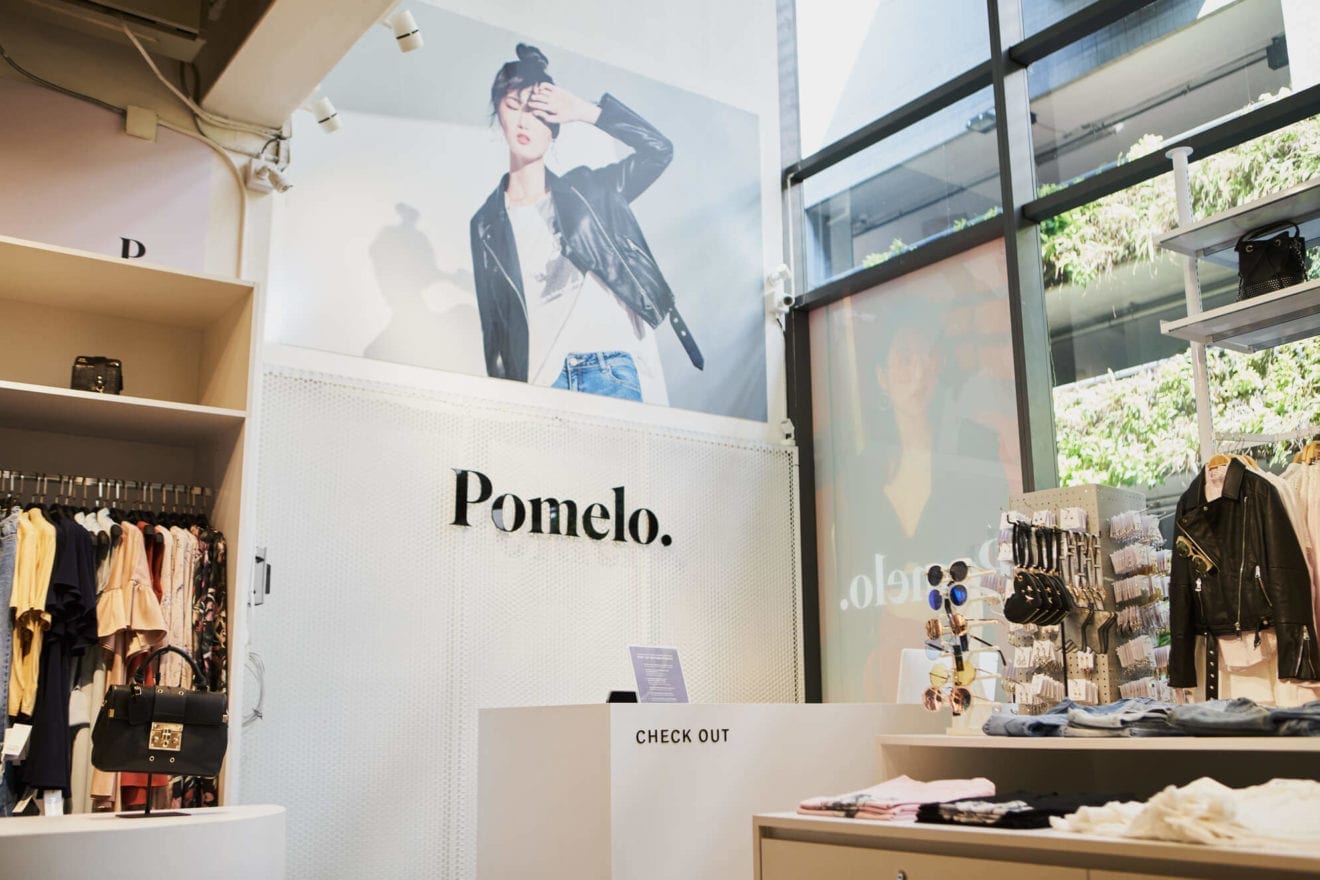
    Online fashion label Pomelo has completed a deal with Thailand’s Central Group Looksi – previously Zalora – to absorb the online platform.

    Pomelo will add a variety of key international brands currently on Looksi to Pomelo’s app and website, including Adidas, Aldo, Havaianas, Topshop, Guess, Levi Jeans, and Nike.

    “Looksi has been serving Thai fashion e-commerce shoppers since its founding as Zalora in 2012,” said David Jou, CEO and co-founder of Pomelo. “This deal will accelerate Pomelo’s evolution to become a multi-brand fashion platform for fashion lovers all across Southeast Asia.”

    Central Group will remain committed to driving fashion and lifestyle omnichannel retail sales, said a spokesperson.

    As part of the deal, Looksi will no longer operate its app and website and instead join the Pomelo ecosystem. Looksi’s social-media channels will also transition to Pomelo.

    Pomelo previously raised a US$52 million Series C round last September to further its expansion plans across Southeast Asia.

  • South Korea’s foodservice industry thriving despite rumours

    South Korea’s foodservice industry thriving despite rumours

    Rumors that South Korea’s foodservice industry is in a slump have been scotched by new data showing the sector is actually growing at a steady 9 percent annually

    And it’s the thriving coffee sector which is driving much of the growth.

    Analysts say the gap between business sentiment and the real economy is widening as the polarisation between sectors is deepening.

    According to a survey conducted by Kim Young-gap, a professor at Hanyang Cyber University, using a big data business analysis system from consulting firm Nice Genie Data, the size of the Korean foodservice industry was estimated to exceed US$155.2 billion last year.

    Unlike other sluggish industries, the coffee and beverage sectors grew at a fast pace of more than 20 percent, leaving other industries far behind.

    The growth rates of carb food, accounting for 15.2 percent, Chinese food, accounting for 14.3 percent, and bakeries, accounting for 11.7 percent, were also notable.

    On the other hand, bars saw a negative growth of -1.3 percent, buffets grew by 0.5 percent and Western food grew by 3.8 percent, which also illustrates poor growth.

    The total number of restaurants rose 3.2 percent annually from about 604,000 in 2016 to about 663,000 last year.

    In the number of restaurants, coffee and beverage companies also ranked first with a 19-per-cent increase, far ahead of the confectionery, baking, rice cake, and cake industries with an 8.7 percent increase.

    Major customers of South Korea’s foodservice industry are likely to be reorganized into those in their 20s and 50s and 60s.

    In terms of the rate of increase and decrease for consumers by gender and age at food service establishments, the number of people in their teens and 30s and 40s declined, while that of men in their 50s and 60s and 20s increased.

    This trend translated into an increase in the number of customers in their 20s, mainly at fast-food restaurants, as well as a growing number of customers in their 50s and 60s opting for Korean food, according to Kim.

  • Mercedes-Benz India Announces Its Line-Up For 2020 Auto Expo

    Mercedes-Benz India Announces Its Line-Up For 2020 Auto Expo

    Mercedes-Benz India has announced its line-up for the 2020 Auto Expo, for which the company has planned a range of products, services, and future technology. Among the product line-up at the pavilion, the Stuttgart-based carmaker will also have some of the upcoming models set to be launched in India this year. That includes the Mercedes-Benz A-Class Sedan, the AMG GT 63 S 4 door coupe, and the new-gen GLA, among other models. The company will also showcase its first electric SUV for India, the Mercedes-Benz EQC 400 4MATIC Edition 1886, which is slated to be launched in April 2020.

    The new A-Class sedan will be one of the key products to be introduced in India in 2020 and will mark the entry of the new-gen A-Class range in India. The Mercedes-AMG GT 63 S 4MATIC 4 door Coupe, on the other hand, is also an important product for India, and we were the first ones to drive it. In fact, the car is the world’s fastest series production four-seater and will rival the Porsche Panamera. The new-gen Mercedes-Benz GLA only makes its global debut in December 2019 and is also set to be launched later this year. The EQC 1886, on the other hand, is the forerunner of Mercedes-Benz’s new product brand ‘EQ’ for electric mobility globally.

    Talking about the company’s Martin Schwenk, Managing Director & CEO, Mercedes-Benz India commented, “As leaders in the luxury car industry, our investments at the Auto Expo firmly reiterate Mercedes-Benz’s confidence in the long-term prospect of the luxury car market and the bullishness of its customers; it also underlines our responsibility to drive the industry and provide a positive stimulus to the market. Inspired by our mantra of “Restless for Tomorrow”, the Mercedes-Benz pavilion will be a perfect embodiment of modern luxury, future technology, and progressiveness, all of which are synonymous with the Three-Pointed Star”.

    The Mercedes-Benz pavilion at the Auto Expo 2020 will also have sedans like the new E-Class, MB Certified C-Class, and something from Mercedes-Maybach on display. In addition to the GLA, the company will also showcase the new-gen GLE and GLS, along with a bunch of AMG models like – AMG G 63, AMG A 35 Sedan and AMG C 43 Coupe. Mercedes-Benz will also showcase its flying car concept, the Volocopter, at the auto show. The carmaker will also showcase a bunch of digital innovations like – an e-commerce marketplace for sale of MB cars, collections, MBUX interactive exhibition, what3words and more.

  • Cebu Pacific announces its $139 fares for Chinese New Year

    Cebu Pacific announces its $139 fares for Chinese New Year

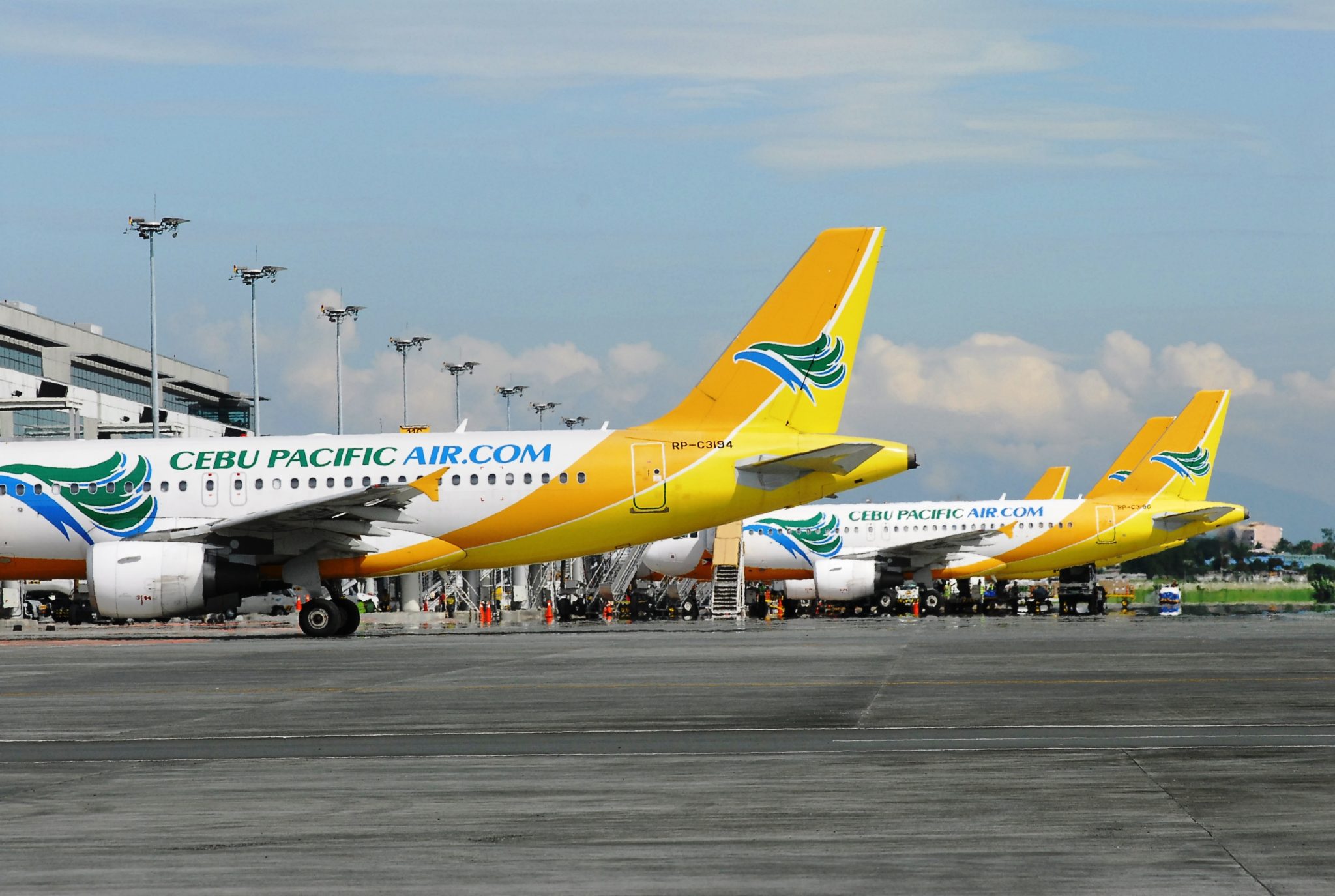
    If the Philippines has been on your mind for a little while, then Cebu Pacific has got the flights for you. In celebration of the Chinese New Year 2020, airfares to the Philippines have been reduced to a price you’re going to love.

    This sale is short and sweet, take off from Melbourne to Manila from $139 or Sydney to Manila from $159 one way. That totals a round trip from $278 return, not bad if you ask us.

    Before you book, we suggest checking Skyscanner to make sure you’re getting the best possible price for your Philippines escape.

    You will be able to end 2020 with a bang, the travel dates run between 1 July to 31 December 2020 (and what a way to bring in the new year).

    If you’re stuck on itinerary, we’ve got you sorted. Whatever your idea of a holiday is, there’s something for everyone with visits to Boracay Island, the Chocolate Hills or the majestic Puerto Princesa Subterranean River National Park.

    This one really isn’t around for long, the sale ends 17 January 2020 unless sold out prior.

  • AirAsia celebrates traditional CNY through a child’s grand adventure

    AirAsia celebrates traditional CNY through a child’s grand adventure

    AirAsia has unveiled its Chinese New Year ad, ushering in the celebrations and casting fresh eyes on the age-old tradition of the lion dance.

    The custom is an essential part of CNY festivities, bringing good luck and fortune. The ad depicts a young boy’s grand journey as he travels to his grandmother’s house for the Lunar New Year.

    He daydreams about flying through the skies while wondering if he will meet the famed lion. He sees his family celebrating various CNY traditions.

    He becomes disheartened when it appears it won’t show but when all hope seems lost, his father hands him a hongbao letter, giving him the luck he needs to meet the lion.

    Chief executive officer of AirAsia Singapore Logan Velaitham said, “At AirAsia, we want to encourage our flyers to start the new decade with excitement and childlike wonder, letting it light the path to achieve double blessings of abundance, adventure and happiness for the new year.”

    Rudy Khaw, group head of branding, AirAsia Group added: “To a child, every journey is a grand adventure. At AirAsia, that’s exactly how we view travel. It isn’t just a journey, but an adventure waiting to be unravelled. It’s through travel that we find purpose, discover new experiences, reconnect with our loved ones and make new connections.”

  • Iconic US stationer to close all its stores

    Iconic US stationer to close all its stores

    US stationery retailer Papyrus is preparing to close all of its more than 260 physical stores throughout the country.

    Brand owner Schurman Retail Group’s COO Dominique Schurman broke the news in a letter to all staff, citing “current challenges of the retail industry”, explaining that the firm had been “diligently working to revitalize our business” during the previous months, without success.

    Liquidation firm Gordon Brothers will help with sales as the firm drops off the brick-and-mortar retail map, having traded via its physical outlets since 1973.

    “This decision is heartbreaking for me, personally of course,” said  Schurman, “and also because I know how dedicated you all have been to your stores and this company”.

    At present, it is unclear whether or not the firm will file for bankruptcy.

    The company will reportedly maintain its online store and its wholesale business which distributes Papyrus-branded greeting cards to other retailers.

  • Kellogg’s tests cereal refill concept in UK supermarket

    Kellogg’s tests cereal refill concept in UK supermarket

    UK supermarket Asda is undertaking a 12-month trial to test initiatives to reduce, remove and reuse plastic packaging at its Middleton store in Greater Manchester.

    Shoppers are invited to bring their own containers to stock up on products such own brand coffee, rice and pasta at designated refill stations. The grocery has partnered with FMCG giants Unilever and Kellogg’s to create refill points for cereals such as Rice Krispies and Coco Pops and PG Tips tea.

    “We’re getting ready to trial lots of new and innovative ways to reduce and remove plastic packaging in our first-ever sustainability store. Customers at our Middleton store in Leeds will be the first to try the new innovations starting in May this year. Before then we’ll be working hard in the store to install new refill solutions and recycling options, like in the artist’s impression above,” said Asda in a statement.

    “We know lots of our customers would like to see us remove packaging on loose produce so this is another thing we’ll be trialing at the store. We will be removing the plastic packaging from mushrooms and cucumbers on produce and we’ll also be selling “naked” flowers without any plastic packaging,” said Asda.

    The supermarket will also install new recycling facilities in store. It will have a reverse vending machine for plastic bottles and cans, hanger recycling and a deposit box for unwanted small plastic toys.

    Asda said it will monitor feedback from customers to see if the new program will affect consumer’s shopping habits.

  • 7-Eleven Singapore teams up with Pay2Home

    7-Eleven Singapore teams up with Pay2Home

    7-Eleven Singapore will collect cash payments for transactions initiated via home-grown financial-services company Pay2Home’s digital platform.

    Pay2Home is one of the growing group of fintech companies creating services for consumers who are unbanked, including hundreds of thousands of migrant workers who send funds back to their families in their home countries.

    Under the Pay2Home and 7-Eleven Singapore partnership, those without a bank account or debit card may now initiate a remittance transaction using the Pay2Home mobile app and pay instantly with a generated QR-code bill using cash at any 7-Eleven store. The funds are available for immediate delivery overseas.

    Pay2Home co-founder David Hulme says migrant workers in Singapore continue to transact primarily in cash.

    “Many are still paid in cash; they buy in cash, and their home countries are cash economies,” he says. “If you’re catering to a market that prefers cash and is more comfortable with cash, then as a FinTech company, our responsibility is to make sure that our digital services meet their needs. It’s about financial inclusion at their pace, not ours.”

    Steven Lye, MD of 7-Eleven Singapore, says partnering with Pay2Home is an example of the convenience-store chain’s efforts to differentiate itself and provide relevant services to the community at large.

    “With 400 7-Eleven stores Island-wide as additional payment touchpoints, Pay2Home’s underbanked customers can conveniently pay for their remittance transactions without having to queue at a conventional remittance counter.”

    Founded in 2001, Pay2Home was the first remittance company to receive regulatory approval to operate online and the first to pioneer purpose-built multilingual self-service Money Transfer Machines. It is the only full omnichannel remittance operator in the country.