Author: Mei Ling Tan

  • Francois Kohler Takes the Helm at LVMH: New Chapter for Luxury in South & Southeast Asia

    Francois Kohler Takes the Helm at LVMH: New Chapter for Luxury in South & Southeast Asia

    Francois Kohler has been named the new president for South and Southeast Asia by luxury giant LVMH, effective February 23. Kohler succeeds Chris Chong, who is venturing into new professional pursuits.

    In his new role, Kohler will be reporting directly to LVMH Group MD, Stephane Bianchi. His key responsibilities will encompass overseeing the group’s operations and expansion across the dynamic and strategically crucial regions of South and Southeast Asia. LVMH identifies these regions as integral to the growth of its Maisons.

    Bringing Experience and Expertise to the Role

    Kohler is set to utilize his extensive experience at both group and Maison levels, with a particular emphasis on retail network development and client strategy. He is expected to significantly contribute to the ongoing growth of LVMH’s presence in the region.

    Bianchi has expressed his confidence in Kohler’s leadership abilities, entrepreneurial spirit, and cultural adaptability. He also commended Kohler’s proven track record in retail network development as an asset to maximize developmental opportunities.

    Bianchi also took this opportunity to extend his gratitude towards Chris Chong for his significant contributions to the group’s regional presence. He credited Chong for strengthening local synergies to stimulate and maintain growth in South Asia.

    Optimism Amid Challenges

    Earlier this year, LVMH reported that its fourth-quarter sales had surpassed initial predictions. This instilled a sense of optimism about a potential rebound in the luxury sector. However, the sector continues to face challenges such as trade tensions, a depreciating dollar, and high gold prices.

    Questions & Answers

    What is the new role of Francois Kohler?
    Francois Kohler has been appointed as the new president for South and Southeast Asia by LVMH.

    What responsibilities will Kohler undertake in his new role at LVMH?
    Kohler will be in charge of overseeing LVMH’s operations and driving its expansion across the South and Southeast Asia region.

    What are the challenges facing the luxury sector as per LVMH’s recent reports?
    According to LVMH, the luxury sector is grappling with issues such as trade tensions, a weakening dollar, and high gold prices.


  • Oppo Outpaces Samsung: Next Flagship Phone May Introduce Game-Changing Qi2 Magnetic Wireless Charging

    Oppo Outpaces Samsung: Next Flagship Phone May Introduce Game-Changing Qi2 Magnetic Wireless Charging

    Wireless charging continues to be a topic of contention for modern smartphone users. The feature provides the convenience of powering up your device without the need for cables. However, past experiences have proven to be less than satisfactory. This started to shift with the introduction of Apple’s MagSafe, leading to the development of Qi2. The latter is anticipated to gain more widespread acceptance in the near future.

    Potential Adoption of Qi2 by Oppo

    The launch of the Oppo Find X10 series is anticipated to be months away, but initial whispers about the device have begun to circulate. Speculation suggests that the new smartphone may incorporate magnetic wireless charging. The exact features are not clear at this time, but there is a possibility that the device could support Qi2 upon its launch in the latter half of 2026.

    Assuming these rumors hold true, Oppo will be the first Chinese smartphone manufacturer to incorporate magnets into their device. This will enable the Find X10 series to be compatible with the magnetic accessories that are part of Apple’s MagSafe and Google’s Pixelsnap ecosystem. However, there is still uncertainty as to whether the devices will support the latest Qi2.2 standard.

    Missed Opportunity by Samsung

    Apple and Google are currently the only major brands that offer smartphones equipped with built-in magnets. Samsung had been rumored to include native Qi2 support in their upcoming flagship, the Galaxy S26 Ultra. Despite this, recent leaks of potential official cases for the device suggest that there will not be integrated magnets.

    Apple stands as a pioneer in terms of magnetic wireless charging, having introduced MagSafe with the iPhone 12 series. Google has followed suit, launching its Pixelsnap system with the Pixel 10 series. However, no other major brand currently supports built-in magnetic charging.

    Samsung’s Galaxy S25 series and the Galaxy Z Fold 7, Galaxy Z Flip 7, and Galaxy Z Flip 7 FE are all Qi2-Ready. This means that users can purchase a Qi2-Ready case for these devices and take advantage of the improved charging speeds provided by the magnets in the case.

    The Oppo Find X9 series, which includes the Find X9 Pro and the upcoming Find X9 Ultra, support wireless charging. However, they do not have magnets and are not Qi2-Ready. Despite this, the Find X9 Pro outperforms the wireless charging speeds of the Galaxy S25 by offering 50W wireless charging, as opposed to Samsung’s 15W.

    While Oppo is not available in the US, OnePlus, another brand under the same company, is sold stateside. If past trends hold, we may see features from the Find X series make their way to OnePlus devices. This could be a major selling point for a brand that has been struggling recently.

    Questions & Answers

    What is the expected feature of the Oppo Find X10 series?
    The Oppo Find X10 series may include magnetic wireless charging, potentially supporting Qi2.

    Which major brands currently offer smartphones with built-in magnets?
    Currently, only Apple and Google offer smartphones with built-in magnets.

    Do the Oppo Find X9 series devices support wireless charging?
    Yes, the Oppo Find X9 series devices do support wireless charging, but they do not have built-in magnets, nor are they Qi2-Ready.

  • Hermès Triumphs Over Luxury Market Struggles: Unveiling the Secret to Surging US Sales

    Hermès Triumphs Over Luxury Market Struggles: Unveiling the Secret to Surging US Sales

    In a rapidly shifting luxury retail landscape, renowned players such as Kering and LVMH are finding it increasingly challenging to retain the interest of elite and aspirational customers alike. However, amid this tumultuous environment, luxury goods company Hermès has managed to find sustained success.

    Impressive Revenue Growth

    Hermès recently reported remarkable growth in its fourth-quarter revenue. This surge was largely attributed to robust sales in the United States and Asia. The company announced that their product sales, including iconic items such as Birkin and Kelly bags, silk scarves, and perfumes, saw growth of 9.8 per cent in currency-adjusted terms for the fourth quarter. This increase surpassed the predicted growth rate of 8.4 per cent.

    The sales growth was mainly driven by the Americas, particularly the United States, where sales escalated by 12.1 per cent, outperforming the anticipated growth of around 9 per cent. Sales in Asia also demonstrated robust growth of 8 per cent, excluding Japan.

    The company’s full-year operating profit amounted to €6.57 billion (US$7.79 billion), with a profit margin of 41 per cent, slightly above the predicted 40 per cent margin.

    Continuous Expansion

    Over the last three years, Hermès has witnessed a steady growth in annual sales by about 38 per cent, and its shares have also risen by 36 per cent. This growth has been achieved in spite of the ongoing challenges confronting the broader luxury retail industry.

    Hermès CEO, Axel Dumas, expressed confidence in the brand’s prospects. He announced that the company plans for price increases of around 5-6 per cent for the coming year, a decrease from the previous year’s hike of 6-7 per cent.

    Key to Success

    The company’s success has been credited to two main factors. Firstly, the consistent buying habits of its ultra-wealthy clientele, and secondly, Hermès’ persistent emphasis on brand storytelling.

    Moreover, the company’s strategic expansion plans, including the opening of new stores such as the latest one in Nashville, Tennessee, opened in October 2025, have further contributed to its success. It is also worth mentioning that Hermès recently acquired a high-priced real estate property in Beverly Hills for a future store, marking the most expensive real estate acquisition in the area since the early 2000s.

    Brand Identity and Steadfastness

    Hermès’ emphasis on desirability and exclusivity has also been pivotal to its success. Unlike its competitors, Hermès has maintained a laser-focus on its offerings, clientele, and creating an unparalleled luxury experience.

    The brand’s commitment to exclusivity has enabled it to retain its competitive edge in the struggling luxury market. Its strategy of creating a sense of rarity and allure around its top-tier items, such as the iconic Birkin bag, has offered a unique shopping experience for its affluent customers.

    Questions & Answers

    What factors contributed to the robust sales growth of Hermès?
    Sales in the United States and Asia primarily contributed to the substantial sales growth. Additionally, the company’s strategic expansion plans and consistent approach to brand storytelling also played significant roles.

    What is Hermès’ strategy for maintaining its competitive edge?
    Maintaining exclusivity and rarity of its top-tier items, and creating an unparalleled luxury experience for its customers has allowed Hermès to stay ahead in the competitive luxury retail industry.

    What is the anticipated price increase for Hermès products in the coming year?
    The company plans for price increases of around 5-6 per cent for the coming year, a decrease from the previous year’s hike of 6-7 per cent.

  • A2 Milk Company Rides High on Double-digit Growth in China, US Markets: A Peek Inside the Success Story

    A2 Milk Company Rides High on Double-digit Growth in China, US Markets: A Peek Inside the Success Story

    The A2 Milk Company has announced robust sales growth in the double digits for the first half of the fiscal year. This growth has been driven largely by the company’s strong performance in both the China and US markets.

    Revenue for the six-month period ending December 31 grew by 18.8% to reach NZ$993.5 million ($845 million). This growth spanned all segments and product categories.

    Strong Market Performance in Asia and the US

    In the “China & other Asia” segment, sales saw an increase of 20.3%, spurred primarily by the growth of English label Infant Milk Formula (IMF) and other nutritional products. Meanwhile, the US segment experienced a considerable surge, with growth registering at 29.1%, thanks largely to the success of its core and Grassfed liquid milk products.

    The ANZ region also experienced an increase, albeit a more modest one, with a growth rate of 8.8%. This was mainly driven by the growth of Australian liquid milk. Daigou channel sales within this region appear to have stabilized.

    Growth across Various Product Categories

    When considering sales by category, total IMF sales experienced a growth of 13.6%. This has been attributed to the strong health of the brand and effective sales execution. English label revenue saw a sizeable growth of 20.9%, driven by the company’s performance within the CBEC and O2O channels.

    Sales of China-label products also saw a rise, with a growth rate of 6.5%. In addition, liquid milk sales grew by 18.5%. Other nutritional products saw a significant surge of 42.9%. This increase was largely due to growing contributions from children’s and seniors’ fortified milk powder products.

    In terms of earnings, EBITDA increased by 18.4% to reach NZ$155.0 million, while the EBITDA margin remained steady at 15.6%. NPAT from continuing operations saw an increase of 9.4% to reach NZ$112.1 million.

    Recent Transactions and Partnerships

    In August, the company made the announcement that it had acquired a fully integrated nutritional manufacturing facility in Pokeno. Additionally, it disclosed the divestment of MVM in an effort to optimize its asset footprint and financial performance. Both transactions were carried out during the half.

    The company also signed a long-term agreement with Fonterra for the supply of A1 protein-free milk from the North Island in New Zealand.

    A2 Milk has revised its outlook for the full year, anticipating revenue growth in the mid double digits and an EBITDA margin of approximately 15.5-16%.

    Questions & Answers

    What drove the growth of A2 Milk Company in the first half of the fiscal year?
    The growth was driven by a strong performance in the China and US markets across all segments and product categories.

    Which product categories experienced the most significant growth?
    Other nutritional products saw the most significant surge of 42.9%, with growing contributions from children’s and seniors’ fortified milk powder products.

    What does A2 Milk anticipate for its full-year outlook?
    The company expects mid double-digit revenue growth and an EBITDA margin of approximately 15.5-16%.

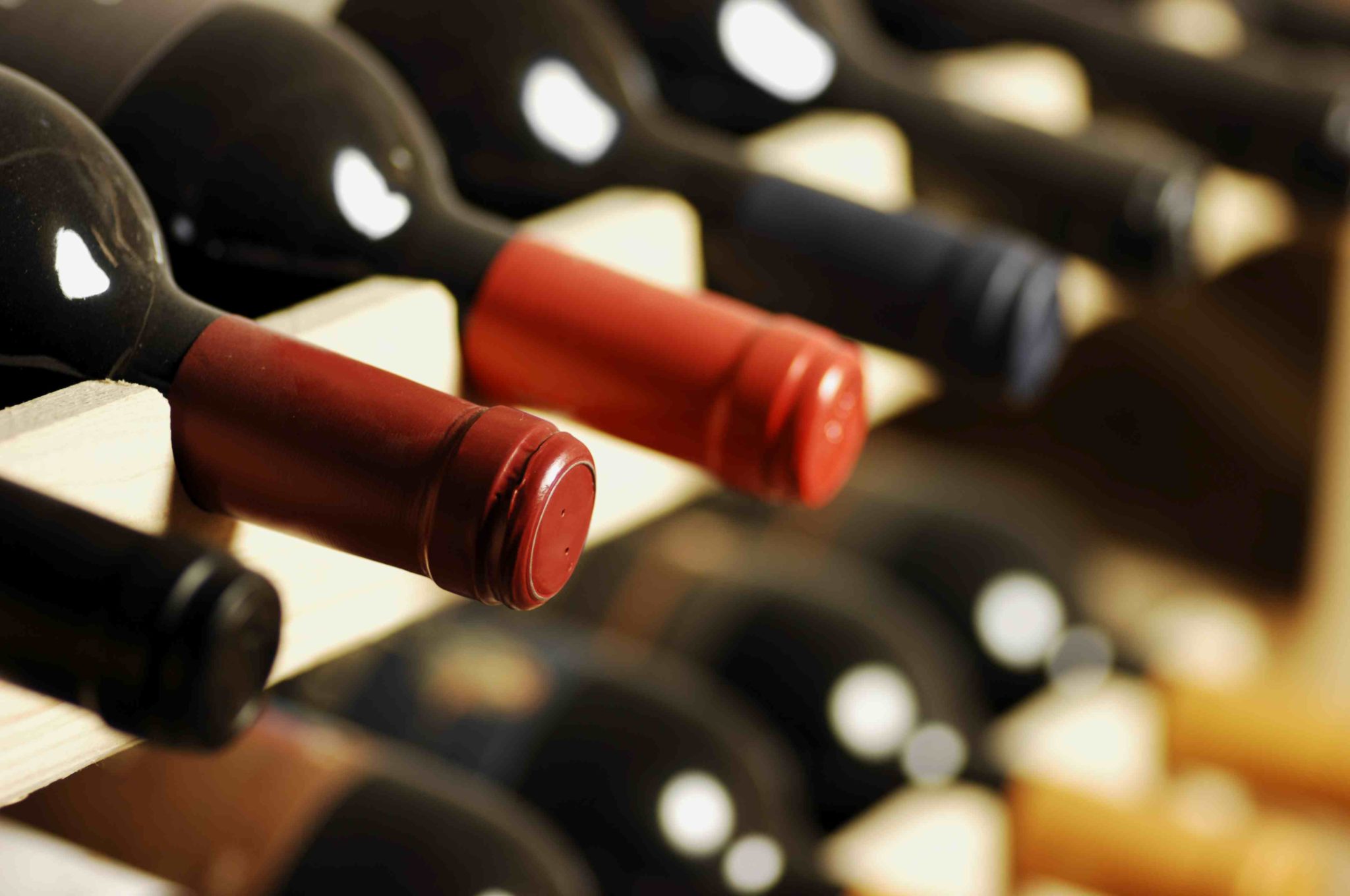
  • Treasury Wine Estates in Crisis: Titantic Losses Spur Massive Transformation Plan

    Treasury Wine Estates in Crisis: Titantic Losses Spur Massive Transformation Plan

    Treasury Wine Estates (TWE), renowned for its ownership of the Penfolds brand, has experienced significant losses in the initial half of the 2026 fiscal year. In spite of this, the conglomerate remains dedicated to its long-term strategic overhaul.

    First-Half Financial Decline

    The financial woes for TWE are clear, with losses mounting to a total of $649.6 million in a mere six month period. This loss was not isolated to a specific market, but rather was experienced across all of TWE’s markets. This included a notable downturn for Penfolds, the company’s premier luxury wine, which recorded a drop in earnings by 19.6%.

    Sam Fischer, TWE’s CEO, expressed his optimism during these trying times, stating, “Our current results reflect the transformational phase we are in. It’s encouraging to see the significant progress made from implementing necessary measures to steer TWE back to a trajectory of sustainable and profitable growth.”

    US Market Struggles and Brand Impairments

    The company’s performance in the Americas was particularly disappointing, with earnings plummeting by 63.6%. TWE attributed this to a subdued wine market in the region. Further exacerbating the losses was an impairment of $770.5 million related to its 19 Crimes brand in the American market.

    When disregarding the impairments, the group managed to generate a profit of $236.4 million. However, this figure is still approximately 40% lower than the corresponding period in the previous fiscal year.

    CEO Fischer emphasized the company’s resolve to bounce back, stating, “Our attention is squarely on the future. We are committed to improving execution and building a more robust, resilient business for the long haul.”

    TWE Ascent Transformation Plan

    In a bid to turn the tide, TWE is persisting with its two- to three-year strategic transformation plan named TWE Ascent. This move will involve a critical evaluation of the company’s portfolio and an effort to attain $100 million per year in operational cost efficiencies.

    Fischer explained, “TWE Ascent is the linchpin of our strategic reset. This is a structured, multi-year transformation strategy aimed at sharpening our portfolio, streamlining our organization, and optimizing our cost base. So far, we are pleased with the strides we have made.”

    He further added, “It’s heartening to see our key brands continue to perform in the marketplace and strongly resonate with customers. This bolsters our confidence in the strength of our portfolio and in our ability to enhance performance as we progress with the business transformation.”

    Questions & Answers

    What is TWE’s response to the losses observed in the first half of 2026?
    CEO Sam Fischer has expressed his optimism, stating that the company is focussed on the future and is committed to long-term growth.

    What contributed to the significant losses in the Americas?
    TWE attributed the 63.6% decline in earnings to a subdued wine market in the region, as well as a $770.5 million impairment related to its 19 Crimes brand.

    What is the company’s plan to improve their financial situation?
    TWE plans to persist with its two- to three-year strategic transformation plan named TWE Ascent, which involves a critical evaluation of the company’s portfolio and aims to attain operational cost efficiencies of up to $100 million per year.

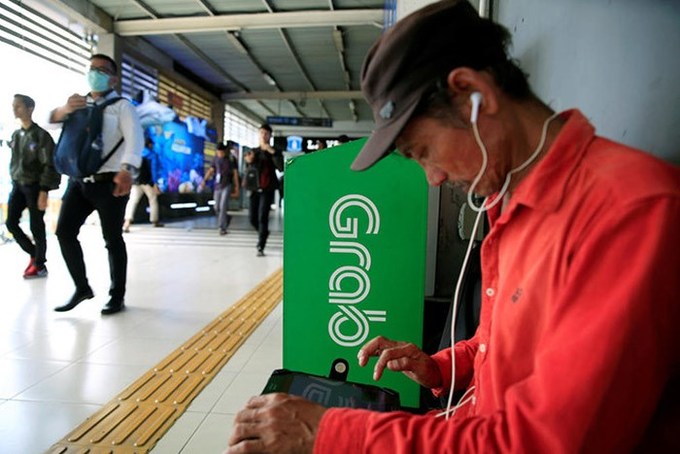
  • Grab Sees Stellar Rebound with First Full-Year Profit, Propelled by Record Q4 Earnings

    Grab Sees Stellar Rebound with First Full-Year Profit, Propelled by Record Q4 Earnings

    Grab Holdings, a Singapore-based technology firm specializing in transportation, food, and e-commerce solutions, has reported a prosperous full-year profit. This marks a significant recovery from the financial deficit experienced in the previous year.

    Strong Financial Performance in 2025

    In the fiscal year of 2025, Grab Holdings generated revenues to the tune of US$3.3 billion and secured profits amounting to $200 million. This powerful comeback effectively eclipsed the previous year’s losses, which stood at $158 million.

    In particular, the fourth quarter of 2025 proved to be a strong period for the company, with earnings totaling $906 million. This figure represents a 19% year-on-year increase.

    Group CEO and co-founder, Anthony Tan, expressed pride in the company’s performance. “We concluded 2025 on a high note, posting our first full year of net profit and surpassing 50 million monthly transacting users,” he said.

    Looking ahead, Tan affirmed plans to maintain this positive trajectory. “Our strategy for the coming years revolves around expanding our market reach through increased affordability and reliability. We also intend to leverage product-led innovations to enhance ecosystem engagement and boost user lifetime values.”

    Growth Across Various Segments

    The company’s robust financial performance was driven by growth across several business segments. Revenues from deliveries increased by 18% year-on-year, while mobility revenues witnessed a 15% growth.

    Peter Oey, CFO of Grab, voiced optimism about the company’s long-term financial prospects, citing the strong foundation built thus far. “We forecast generating $1.5 billion in Adjusted EBITDA with an Adjusted Free Cash Flow conversion of 80% by 2028. This positions us well to accelerate our platform ambitions while maximizing shareholder value,” he stated.

    $500 Million Share Buyback Program

    Reaffirming its commitment to shareholders, Grab Holdings has unveiled a $500 million share buyback program.

    Questions & Answers

    What was Grab Holdings’ financial performance in 2025?
    Grab Holdings reported revenues of US$3.3 billion and a profit of $200 million in 2025.

    What strategies does Grab Holdings plan to implement moving forward?
    Grab intends to expand its market reach through increased affordability and reliability and plans to leverage product-led innovations to enhance ecosystem engagement and boost user lifetime values.

    What does Grab Holdings’ share buyback program entail?
    Grab Holdings has announced a $500 million share buyback program as part of its commitment to providing shareholder value.

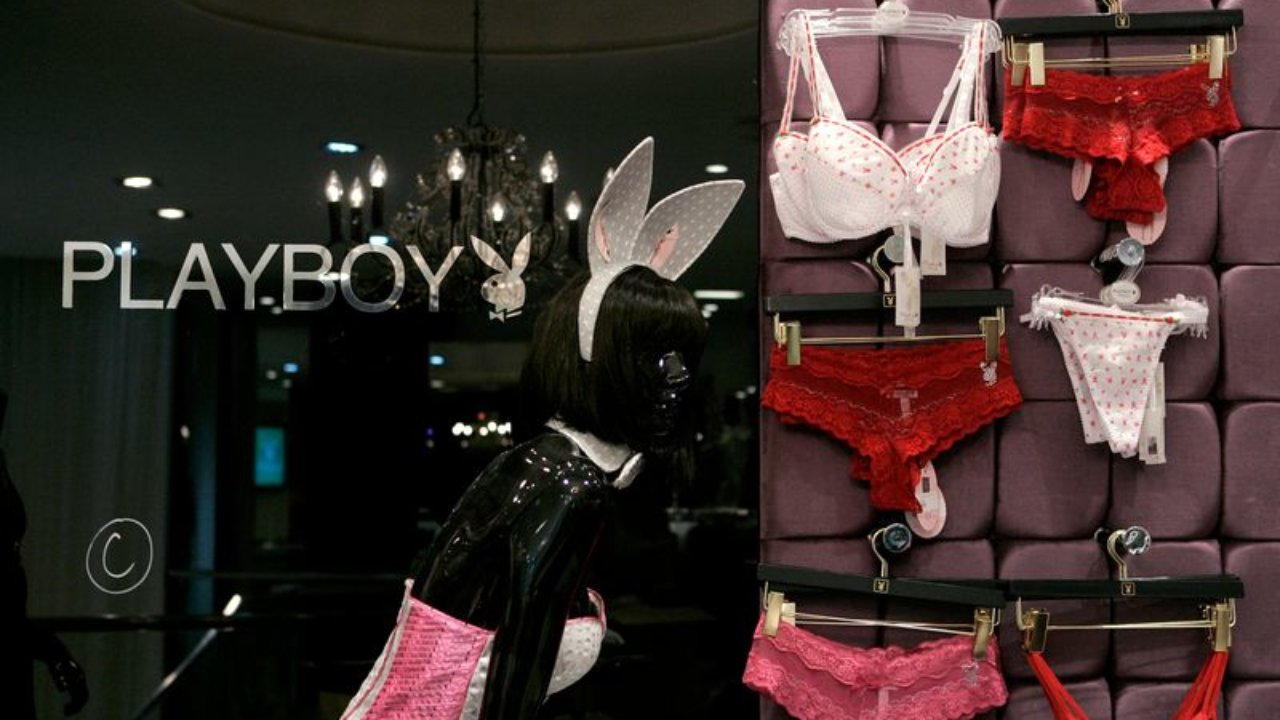
  • Playboy Leaps into Massive China Market: Sells Half-Stake for $122 Million to Local Operator UTG

    Playboy Leaps into Massive China Market: Sells Half-Stake for $122 Million to Local Operator UTG

    U.S. entertainment giant, Playboy, is set to sell half of its Chinese operations to UTG Brands Management Group, a local operator of consumer brands. The deal, worth $122 million, will see UTG take responsibility for managing all operational aspects of Playboy’s enterprise in China, Hong Kong, and Macau.

    Details of the Deal

    The agreed sale price is broken down into various segments. UTG will pay $45 million over the course of two years for a 50% stake in a joint venture for Playboy’s Chinese business. An additional $67 million will be paid as guaranteed minimum distribution payments over eight years. Finally, UTG is set to provide $10 million in brand support payments over the coming three years.

    Playboy, the U.S based company, will retain the remaining stake in the joint venture.

    Investing in the Future

    Playboy has detailed plans to use at least $50 million of the income from the deal to further minimize its financial liabilities. It anticipates an immediate increase in earnings following the completion of the transaction.

    Ben Kohn, CEO of Playboy, stated the collaboration with UTG provides an important opportunity to invest in the brand’s future in China. This strategic move will position Playboy for prolonged, steady growth in one of the world’s most significant consumer markets.

    Wenming Zhang, CEO of UTG Brands Management, explained that the company will utilize a global perspective, coupled with strong local insight, to revitalize and enhance Playboy’s brand appeal. While staying true to Playboy’s roots of gentlemanly leisure, UTG will incorporate the spirit of diversity and innovation that characterizes the modern era.

    The deal is forecasted to be finalized by March 31st.

    Background Information

    Playboy was established in 1953 as a men’s lifestyle magazine before expanding into clothing in 1960. The company entered the Asian retail market in the 2000s. Despite reporting a slight decrease in sales to $29 million in the third fiscal quarter, this new venture promises to bring a fresh approach to its operations in Asia.

    UTG Brands Management is part of the Hong Kong-based United Trademark Group, which manages a portfolio of over 10 brands, such as Jeep, Dickies, and Pierre Cardin, across a dozen countries.

    Questions & Answers

    What does the deal encompass?
    UTG Brands Management Group is acquiring a 50% stake in Playboy’s Chinese operations. The deal, valued at $122 million, involves payments for the acquisition, brand support, and guaranteed minimum distributions over a span of years.

    How will Playboy use the proceeds from this transaction?
    Playboy plans to use at least $50 million of the transaction proceeds to further de-leverage its balance sheet, reducing financial liabilities.

    When is the deal expected to close?
    The transaction between Playboy and UTG Brands Management Group is expected to close by March 31st.

  • Miu Miu Unveils Stunning Redesign at Landmark Atrium Flagship Store, Ushering New Era of Luxury Retail in Hong Kong

    Miu Miu Unveils Stunning Redesign at Landmark Atrium Flagship Store, Ushering New Era of Luxury Retail in Hong Kong

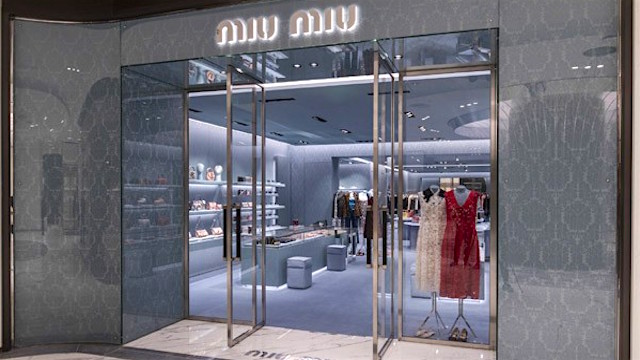
    Miu Miu, the renowned luxury brand, recently christened its revamped flagship store located at the Landmark Atrium. This opening not only showcases a fresh store design concept but also aims to fortify the brand’s presence in the region.

    The New Store Design Concept

    The store now spans about 220 square meters, distributed over two levels. This revamped space mirrors the brand’s latest worldwide retail layout, encompassing dedicated zones for various product categories including ready-to-wear, handbags, footwear, and accessories.

    In addition, the store now houses a private salon for exclusive appointments. This feature underscores Miu Miu’s constant commitment towards providing personalized service and fostering a more intimate connection with its clientele.

    Landmark Portfolio Upgrades

    This reopening aligns with ongoing upgrade efforts from the landlord, Hongkong Land, across its Landmark portfolio. This is part of an overarching strategy aimed at bolstering the precinct’s standing in the high-end retail market of Hong Kong.

    Looking ahead to 2024, an assortment of premier luxury brands like Louis Vuitton and Prada have pledged their participation in a luxury redevelopment project worth US$1 billion, spearheaded by Hongkong Land. The project is slated for a phased roll-out over the forthcoming three years.

    Questions & Answers

    What is the size and layout of the newly redesigned Miu Miu store at the Landmark Atrium?
    The store covers approximately 220 square meters across two floors, with sections dedicated to different product categories like ready-to-wear, handbags, footwear, and accessories.

    What new feature has been added to the Miu Miu store to enhance customer service?
    A private salon has been introduced for personalized appointments, aiming to deepen engagement with clients.

    What is the future plan for the Landmark portfolio of Hongkong Land in terms of luxury retail?
    In 2024, a luxury redevelopment project worth US$1 billion is planned, with commitments from major luxury brands like Louis Vuitton and Prada. This project is expected to further reinforce the precinct’s status in Hong Kong’s high-end retail market.

  • Li & Fung Strikes Gold: Secures Wholesale Distribution Rights for C&C California

    Li & Fung Strikes Gold: Secures Wholesale Distribution Rights for C&C California

    Hong Kong’s premier supply chain manager, Li & Fung, has recently entered into a licensing contract with C&C California. This agreement grants Li & Fung exclusive rights to wholesale distribution across all retail platforms, including full-price, off-price, and club retailers.

    C&C California and its Specialties

    C&C California operates as a part of the larger Established Lifestyle group. The company particularly excels in the design and development of women’s swimwear, sleepwear, and outerwear.

    The newly inked contract will allow Li & Fung to manage and guide the expansion of C&C’s new product ranges and their subsequent distribution process.

    Expansion of Products Range

    In the swimwear segment, the expanded product line will include separate pieces, one-piece swimsuits, and beachwear. Their sleepwear category is also set to grow, with the introduction of separate pieces, coordinated sets, and robes.

    The outerwear products will encompass a range of seasonal styles, varying from light windbreakers to heavier garments like puffers and parkas.

    Brand Expansion and Identity

    Mel Limoncelli, Senior Vice President and head of licensed brands at Li & Fung, stated that this partnership will allow the brand to venture into new product categories while preserving its core identity.

    In his words, “The category expansions remain true to a brand heritage rooted in 70s West Coast culture. Moreover, they continue to embrace the endless summer ideal through comfort, ease of wear, and easy-care fabrics.”

    Questions & Answers

    What is the nature of the agreement between Li & Fung and C&C California?
    The agreement is a licensing contract that provides Li & Fung with the rights to manage the wholesale distribution of C&C California products across all retail platforms.

    How does this agreement benefit C&C California?
    This agreement allows C&C California to expand their product ranges under the expert management of Li & Fung. This expansion includes new lines in swimwear, sleepwear, and outerwear categories.

    What does the expansion mean for the brand’s identity?
    Despite diversifying into new product categories, the brand intends to stay true to its roots, which are embedded in the 70s West Coast culture. The expansion aims to resonate with the idea of an endless summer through comfortable, easy-to-wear, and low-maintenance fabrics.

  • Italian Hatmaker Borsalino Taps into China Market with Shanghai Essence Group: A New Era of Luxury Retail Expansion

    Italian Hatmaker Borsalino Taps into China Market with Shanghai Essence Group: A New Era of Luxury Retail Expansion

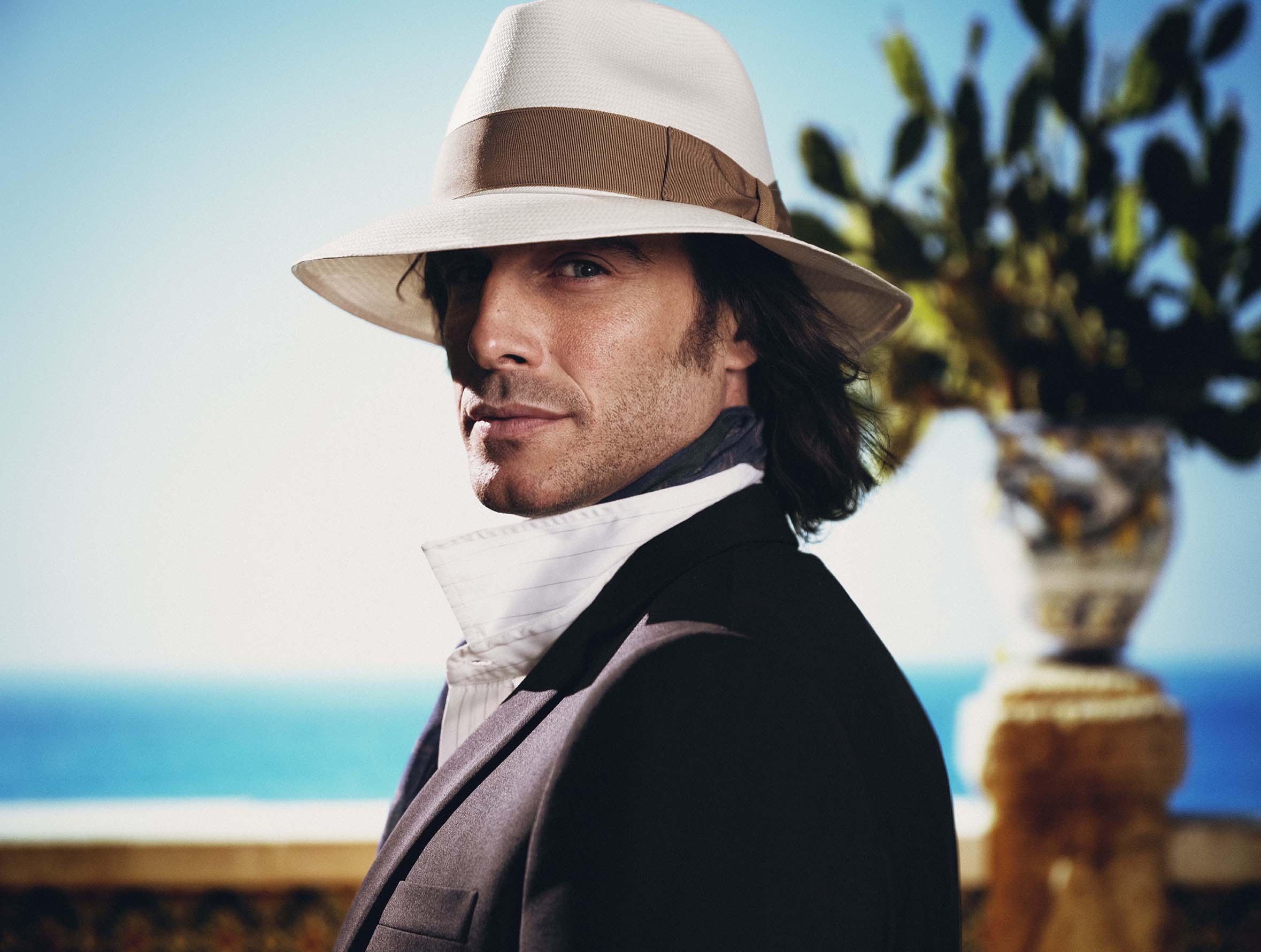
    Italian luxury hatmaker Borsalino is gearing up for a significant foray into the Chinese market. This move will be facilitated through a partnership with Shanghai’s Essence Group.

    A Five-Year Plan for Expansion

    A comprehensive five-year plan for development has been constructed, targeting both retail and e-commerce sectors. Instead of an aggressive, large-scale rollout, the partnership intends to gradually establish Borsalino’s brand presence in China.

    The first Borsalino retail location in China is set to open in Shanghai in the first half of this year. This store will be run directly by Borsalino, marking the brand’s debut retail venture in mainland China. The Shanghai store will also act as a reference point for future store openings.

    Details regarding the timeline and number of stores to be opened in key luxury hubs across Greater China are yet to be released.

    Digital Strategy

    In addition to expanding Borsalino’s physical retail presence, Essence Group will also oversee Borsalino’s online strategy in China. A flagship e-commerce store is expected to launch later this year. This digital presence will be further supported by campaigns across various Chinese social media and content platforms, such as Red, Douyin, and WeChat.

    Essence Group’s CEO Alec Hou appreciates the unique appeal of Borsalino, noting how its authority is immediately recognized by discerning consumers across various cultures. He highlights that the partnership aims to respect and safeguard Borsalino’s rich heritage while introducing its relevance to a new generation of Chinese consumers.

    Brand Heritage

    Borsalino, set up in Alessandria in 1857, has built its reputation around its heritage felt hats and is regarded as one of Italy’s oldest operating accessories brands.

    On the other hand, the Essence Group, established in 2000, will add yet another European luxury brand to its portfolio, which already includes globally renowned labels such as Chanel, Prada, Loewe, and La Mer.

    Questions & Answers

    What is the plan for Borsalino’s expansion in China?
    A five-year development plan has been outlined to gradually establish Borsalino’s presence in China, focusing on both retail and e-commerce sectors.

    When and where will Borsalino’s first store in China open?
    Borsalino’s first official store in China is set to open in Shanghai in the first half of this year.

    Which company is partnering with Borsalino for its Chinese expansion?
    Borsalino is partnering with Shanghai-based Essence Group for its expansion into the Chinese market.

  • South Korean Firm The Venture Acquires Majority Stake in Chicken Plus Vietnam, Targets Rapid Expansion

    South Korean Firm The Venture Acquires Majority Stake in Chicken Plus Vietnam, Targets Rapid Expansion

    South Korean investment firm, The Venture, has recently acquired the majority shares of Chicken Plus’ business operations in Vietnam. This is part of their overseas investment project fund.

    Chicken Plus: An Expanding Brand

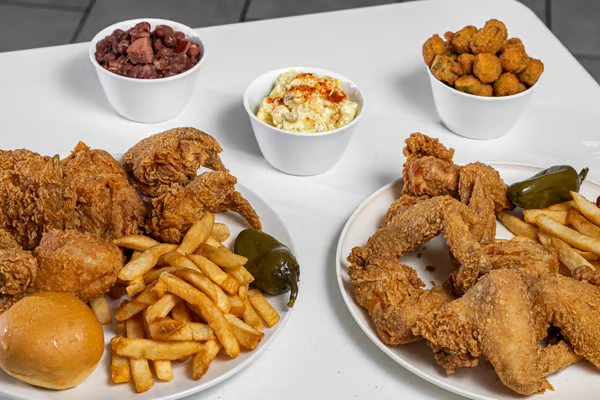
    Chicken Plus, a renowned fried chicken brand from South Korea, operates under a franchising model. The chain, which was first established in 2016, has seen significant growth in its domestic market with over 500 locations currently in operation.

    In 2019, the brand made its debut in Vietnam and has since expanded to more than 100 locations across the nation.

    Investment Strategy

    The Venture secured its majority stake in Chicken Plus Vietnam through an overseas investment project fund. This fund also includes a key domestic chicken franchise company as a strategic investor.

    The investment firm aims to build on the existing local store network and operational infrastructure of Chicken Plus Vietnam. The goal is to increase its store count to 270 within the next four years.

    Aside from this expansion plan, the company also has plans to establish its own poultry farm. They aim to internalize production, distribution, and sales processes to ensure cost competitiveness and quality control.

    No Changes to Management

    Following the acquisition, there will be no alterations to the existing management or personnel.

    Daehyun Kim, a partner at The Venture who supervises investments in Vietnam, suggests that the acquisition’s primary objective is to enhance asset value. This is to be achieved through the integration of the Korean restaurant system with local infrastructure.

    The Venture firm has a history of investing in logistics data solutions and e-commerce startups, primarily in Vietnam and Malaysia. This latest deal indicates their expansion into the restaurant sector.

    Questions & Answers

    What is the goal of The Venture’s acquisition of Chicken Plus Vietnam?
    The Venture aims to increase the store count of Chicken Plus Vietnam to 270 within the next four years, by leveraging the existing local store network and operational infrastructure.

    What changes will occur after the acquisition?
    There will be no changes to the existing management or personnel after the acquisition.

    What is the investment history of The Venture firm?
    The Venture has a history of investing in logistics data solutions and e-commerce startups, primarily in Vietnam and Malaysia. This latest acquisition signals its expansion into the restaurant sector.

  • Asics Shatters Fiscal Records in 2025: A Year of Exponential Growth and Expansion

    Asics Shatters Fiscal Records in 2025: A Year of Exponential Growth and Expansion

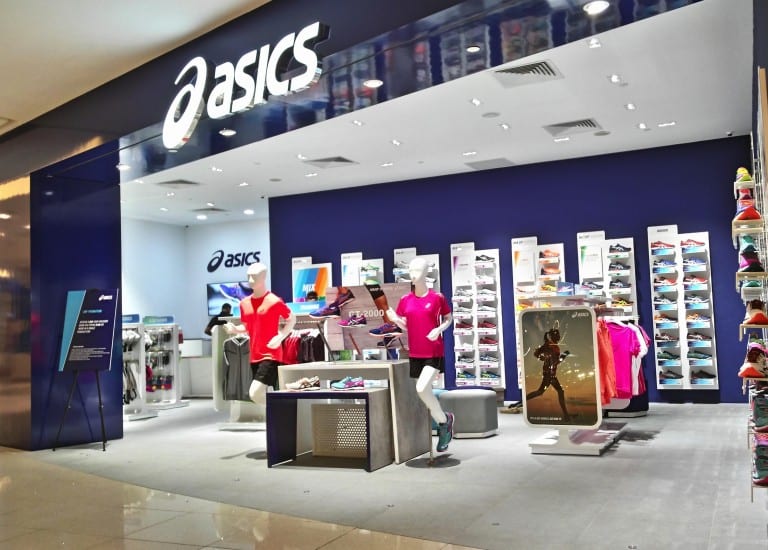
    Asics, a renowned Japanese firm specializing in footwear and apparel, has hit an all-time high in the 2025 fiscal year, demonstrating growth across all aspects of its operation.

    Stellar Financial Performance

    The fiscal year that ended on December 31, 2025, saw Asics garner as much as ¥810.9 billion (US$5.298 billion), marking a 19.5 per cent surge in growth from the previous year. The firm also recorded an operating profit of ¥14.2 billion ($92.8 million), an impressive figure by any standard.

    For four consecutive years, Asics has consistently set new records in terms of net sales and operating profit. Notably, 2025 was the year when the company’s Sport Style and Onitsuka Tiger brands crossed the ¥100 billion milestone in net sales.

    Brand Expansion and Innovative Projects

    Onitsuka Tiger, the luxury lifestyle label hailing from Japan, debuted its flagship stores in notable European cities such as Barcelona, London, and Paris in 2025. This move is part of Asics’ strategy to further strengthen its market presence. Simultaneously, the company has initiated the construction of the Onitsuka Innovative Factory, located in Sakaiminato City.

    Asics reported a 34.7 per cent increase in domestic sales on a year-on-year basis, attributing this to the 84 per cent boost in sales derived from tourists visiting Japan. This surge in domestic growth was mirrored by a 33.4 per cent rise in sales in Southeast and South Asia, underpinned by the opening of a flagship store in New Delhi.

    Despite initial concerns, Asics saw its sales in Greater China grow by 19.9 per cent.

    Supporting Global Athletic Events

    As the official partner of the 2025 World Athletics Championships held in Tokyo, Asics successfully executed targeted product launches in Japan, thereby solidifying its position among runners and athletes.

    Questions & Answers

    How much did Asics earn in the 2025 fiscal year?
    Asics reported earnings of ¥810.9 billion (US$5.298 billion) in the 2025 fiscal year.

    Which brands of Asics surpassed the ¥100 billion mark in net sales?
    Asics’ Sport Style and Onitsuka Tiger brands crossed the ¥100 billion milestone in net sales in 2025.

    What was the percentage increase in Asics’ domestic sales in 2025?
    In 2025, Asics recorded a 34.7 per cent increase in domestic sales from the previous year.

  • Japan’s Takashimaya Set to Unveil Luxury Shopping Mall in Hanoi’s Priciest Starlake Urban Area

    Japan’s Takashimaya Set to Unveil Luxury Shopping Mall in Hanoi’s Priciest Starlake Urban Area

    Japanese retail behemoth, Takashimaya, has announced plans to inaugurate a fresh shopping mall in the latter half of the impending year. The site for this new venture is the Starlake urban area, renowned for having the highest land rates in Hanoi.

    Construction Details

    The proposed shopping centre, stationed on plot C1-CC1 within the Tay Ho Tay (Starlake) urban expanse, will sit on a significant space of over 17,240 square meters. The construction plan is to have the mall feature 10 floors above ground and three basement floors, raising expectations of a spacious and well-planned shopping experience.

    According to predictions, the doors of this new mall could swing open to the public as early as the third quarter of 2027. Starlake’s reputation as the urban region with the highest land rates in Hanoi is expected to amplify the mall’s appeal. Current land prices in prime locations within the Tay Ho Tay urban area are valued upwards of VND114 million (US$4,392) per square meter.

    Previous Plans and Operations

    Takashimaya had previously hinted at its intention to launch a shopping mall in Hanoi, with plans being in place since as early as 2026. Takashimaya Chairman Yoshio Murata has been open about the company’s plans to invest approximately 2 billion yen (US$13 million) in the venture.

    This is not Takashimaya’s first foray into Vietnam. The company has been operating a high-end department store in the erstwhile central District 1 of Ho Chi Minh City since 2016. In addition to this, Takashimaya also runs a shopping complex known as The Loop, which was previously named Indochina Plaza Hanoi.

    Questions & Answers

    Where will Takashimaya’s new shopping mall be located?
    The new shopping center will be situated within the Starlake urban area in Hanoi, recognized for having the highest land prices in the city.

    What is the planned structure of the new Takashimaya shopping mall?
    The mall is expected to consist of 10 floors above ground and three basement floors, promising an expansive shopping area for consumers.

    Does Takashimaya have other operations in Vietnam?
    Yes, Takashimaya has been running a high-end department store in the central District 1 of Ho Chi Minh City since 2016. They also operate a shopping complex in Hanoi, known as The Loop.

  • Singapore Considers Classifying Blind Boxes as Gambling: Potential Impacts on the $11.38 Billion Industry

    Singapore Considers Classifying Blind Boxes as Gambling: Potential Impacts on the $11.38 Billion Industry

    Regulatory authorities in Singapore are currently evaluating whether blind boxes should be classified under the nation’s gambling laws, a decision that could profoundly influence the compliance mandates for retailers in the rapidly developing collectibles market.

    K Shanmugam, the Minister for Home Affairs and Law, stated that the Ministry of Home Affairs and the Gambling Regulatory Authority have examined the sale of blind boxes and are contemplating possible regulatory avenues.

    This evaluation comes on the heels of Singapore’s 2022 regulatory laws on mystery boxes. The authorities are contemplating initiatives like mandating probability disclosures and implementing measures to minimize risks of inducement. The primary focus appears to be on limited-edition figurines, as the government is considering the necessity of compulsory warning labels on blind box series, conveying the likelihood of consumers discovering the most rare items inside.

    In the meantime, the worldwide blind box industry, which was valued at US$11.38 billion in 2021, is projected to nearly double, hitting US$24.2 billion by 2033.

    The uncertainties remain regarding whether blind boxes could be formally incorporated into existing gambling laws or whether legislative amendments would be required.

    Blind boxes, which are sealed packages filled with random toys or figurines, have emerged as a powerful driver of foot traffic and recurring purchases for specialty retailers, toy stores, and mall kiosks. This business model primarily hinges on tiered rarity, with the allure of ‘secret’ or limited-edition variants prompting multiple purchases.

    For retailers, this review indicates potential alterations to product labeling, in-store advertising, and age-related regulations.

    Increased transparency requirements could potentially modify packaging norms and promotional strategies, particularly for businesses targeting youth-centric fan communities.

    Questions & Answers

    What is the current situation of blind boxes in Singapore?
    Singapore’s regulatory authorities are assessing whether blind boxes – sealed packages with random toys or figurines – should be classified under the nation’s gambling legislation, which could potentially change the compliance requirements for many businesses.

    What are the potential changes retailers could face?
    Retailers may need to adjust their product labeling, in-store marketing, and age-related regulations. They might also have to change their packaging norms and promotional strategies, especially those targeting youth-centric fan communities.

    What is the projected growth of the global blind box market?
    The global blind box market, valued at US$11.38 billion in 2021, is expected to almost double, reaching an estimated valuation of US$24.2 billion by 2033.

  • Vietnam Tops Southeast Asia in Pork Consumption: A Look at the Nation’s Soaring Demand

    Vietnam Tops Southeast Asia in Pork Consumption: A Look at the Nation’s Soaring Demand

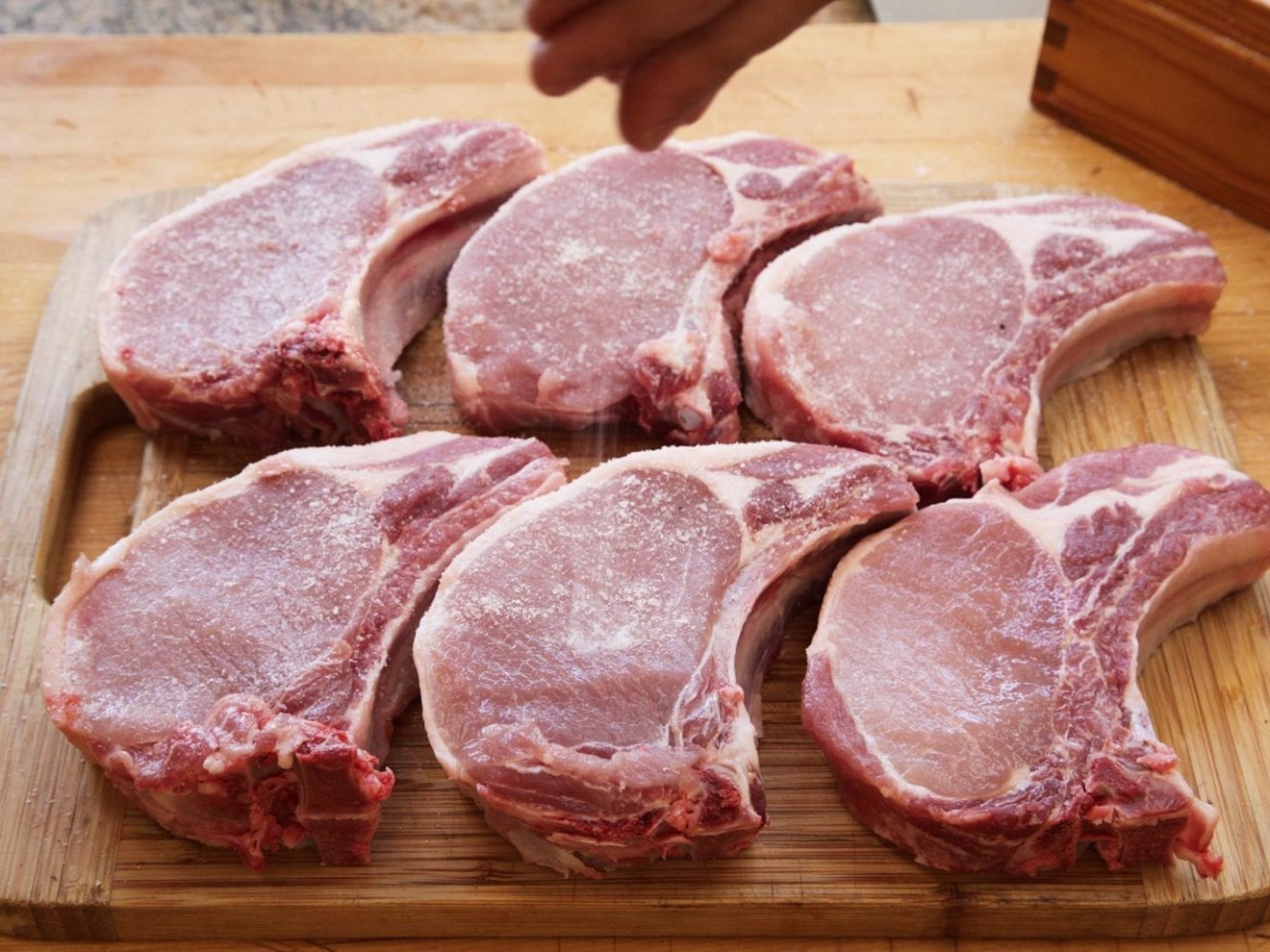
    Based on a report from the Ministry of Industry and Trade’s Department of Domestic Market Management and Development, Vietnam holds fourth place globally and tops the ranks in Southeast Asia in terms of pork consumption. Forecasts predict that by 2025, each individual in the country will be consuming nearly 39 kg of pork.

    The Role of Pork in Vietnamese Diet

    Pork remains a significant part of diets in Vietnam, as the country’s high consumption rate reflects. In addition, it significantly influences the national Consumer Price Index (CPI). Recent data illustrates a continuous rise in domestic pork consumption annually. In 2021, the average person consumed approximately 30 kg, which increased to around 37 kg in 2024 and further rose to nearly 39 kg the following year. Currently, the consumption of pork makes up over 63% of the total consumption of livestock products.

    Impact on the Market and CPI

    Pork is a food item that significantly affects the food market and the CPI, according to the department. As the Lunar New Year, or Tet, approaches, pork demand typically surges by around 10-15%. Last year, there was strong growth in the livestock industry, producing 8.6 million tonnes of various meats, of which 5.4 million tonnes were pork. This amount is sufficient to ensure an adequate supply for the upcoming Tet holiday.

    Pham Kim Dang, the Deputy Director of the Department of Animal Husbandry and Veterinary Medicine, expressed concerns over a potential supply shortage due to natural disasters and disease outbreaks the previous year. However, she assures that the current pig population of 31.4 million is more than enough to meet the demand for the Tet holiday.

    Current Pork Pricing

    Presently, the market price for live pigs is around VND71,000-74,000 (US$2.73-2.85) per kg. Despite being slightly lower than the previous month, experts consider this price to be still quite high. There were instances in January when the price reached up to VND81,000 per kg, which was unusual.

    Nguyen Xuan Duong, the Chairman of the Vietnam Livestock Association, believes that the prices of pork are swayed by speculative trading and the behaviours of small traders. Pork plays a large part in the Vietnamese consumer basket and is deemed an essential good. Therefore, a significant rise in pork prices could directly impact the people’s livelihoods and the national CPI.

    Questions & Answers

    What is the annual per capita consumption of pork in Vietnam?
    The annual per capita consumption of pork in Vietnam is predicted to reach nearly 39 kg by 2025.

    How does pork consumption affect the Vietnamese economy?
    Pork consumption significantly impacts Vietnam’s food market and the Consumer Price Index (CPI), particularly because it makes up over 63% of the total consumption of livestock products.

    What factors influence the price of pork in Vietnam?
    The price of pork in Vietnam is influenced by speculative trading, the behaviours of small traders, and the supply and demand dynamics, particularly during the Lunar New Year when demand typically surges by around 10-15%.