Author: Mei Ling Tan

  • Iconic Prince Coffee House in Singapore Bids Farewell After Half a Century of Serving Delightful Chinese Cuisine

    Iconic Prince Coffee House in Singapore Bids Farewell After Half a Century of Serving Delightful Chinese Cuisine

    The iconic Prince Coffee House, a renowned Chinese restaurant in Singapore, has announced its upcoming closure, marking the end of its half-century-long service. According to the proprietor, Jimmy Lim, the decision to cease operations emerges from his decision to retire. At nearly 90 years of age, Lim has been at the helm of the restaurant’s operations for the past fifty years.

    Scheduled to shutter its doors by mid-2026, the closure coincides with the expiration of the establishment’s lease in July of that year. Lim admits his inability to withstand the strenuous twelve-hour work schedule, a factor significantly contributing to his retirement decision. Additionally, the future of Prince Coffee House remains uncertain, with Lim’s children showing no interest in perpetuating the family business.

    A Glimpse into the Past

    The coffee house, which began its journey at Shaw Towers during the mid-1970s, owes its name to the now-extinct Prince Cinema that previously resided within the same complex. The restaurant’s illustrious past is visible through photographs adorning its walls, capturing memories of numerous celebrities who dined there during its peak years.

    After a thirteen-year tenure at Shaw Towers, the establishment relocated to Coronation Plaza located in Bukit Timah. It continued to serve its customers there for a period of 21 years before moving to its present location on Beach Road nearly a decade and a half ago.

    A Tradition of Excellence

    Despite these numerous relocations, the Prince Coffee House has maintained a steady influx of patrons. Over the years, due to rising costs of living, the restaurant has adjusted its prices periodically, evidenced by layers of updated prices, handwritten and taped over previous ones.

    However, the fare offered has remained consistent over the years, with dishes like oxtail stew and beef hor fun continuing to be customer favorites. Adding to the charm of the restaurant, the plates utilized for serving have a history of their own, with some dating back to the 1970s.

    When queried about his post-retirement plans, Lim expressed his intent to continue his passion for cooking but in the comforts of his home and at his wife’s behest.

    Questions & Answers

    What is the reason for the closure of the Prince Coffee House?
    The owner, Jimmy Lim, has decided to retire due to his advancing age and the demanding nature of running the restaurant.

    When is the Prince Coffee House expected to close?
    The restaurant is scheduled to cease operations in the middle of 2026 when its lease expires.

    What will Jimmy Lim do after the restaurant closes?
    Jimmy Lim plans to continue his love for cooking but will do so at home, focusing on his wife’s culinary needs.

  • Mekong Delta Mango Prices Soar by 33% as Tet Celebrations Approach Amid Low Supply

    Mekong Delta Mango Prices Soar by 33% as Tet Celebrations Approach Amid Low Supply

    The Mekong Delta’s renowned Hoa Loc mangoes are currently being sold at a retail price of VND200,000 (US$7.70) per kilogram, reflecting a surge of 33% compared to the previous year, primarily due to a supply shortage.

    Market Dynamics

    Several retail stores in Ho Chi Minh City (HCMC) have reported difficulties in procuring sufficient quantities of this fruit, which is a traditional component of the Tet (Lunar New Year) fruit tray. As the New Year approaches, larger and more attractive fruits are being sold out rapidly, despite their steep prices.

    Nguyen Thi Loan, a fruit store owner located in the An Hoi Dong Ward of the city, revealed that her daily sales have dropped to approximately 150 kilograms compared to last year’s 200 kilograms during the same period. The availability of other mango varieties has also decreased, subsequently pushing their prices upwards.

    Weather Impact and Export Priorities

    Unfavorable weather conditions have hampered timely fruit-bearing in many large orchards, contributing to the supply-demand imbalance. Nguyen Thi Hong, a mango grower with over a hectare of land in the Mekong Delta province of Dong Thap, claimed that Hoa Loc yields have declined by 20-30% compared to the previous year.

    This reduction in output has inflated both farm-gate and wholesale prices. For instance, at the Thu Duc agricultural wholesale market in HCMC, mango prices have skyrocketed by over 60% since the last Tet, reaching VND130,000 per kilogram.

    A manager at the market also indicated that certain businesses are prioritizing their export orders, thereby intensifying the local supply crunch.

    Questions & Answers

    Why have the retail prices of Hoa Loc mangoes increased significantly?
    The prices have escalated due to a supply shortage, which has resulted from unfavorable weather conditions and lower yields.

    What other factors are contributing to the rise in the prices of these mangoes?
    In addition to the supply-demand imbalance, some businesses are prioritizing their export orders over local supply, leading to a further increase in prices.

    How has this affected the traditional Tet fruit tray?
    The scarcity of Hoa Loc mangoes and their high prices have led to a reduction in sales, impacting the traditional Tet fruit tray which typically includes these mangoes.

  • Malaysian Ringgit on a Steady Rise: Expert Predicts Strong Appreciation Cycle by 2026

    Malaysian Ringgit on a Steady Rise: Expert Predicts Strong Appreciation Cycle by 2026

    MUFG Bank Ltd anticipates that the ringgit will fortify to 3.70 against the U.S. dollar by the end of 2026. This expectation is bolstered by an enduring appreciation cycle fueled by robust structural fundamentals.

    Predictions by Senior Currency Analyst

    Lloyd Chan, the bank’s senior currency analyst, claims that this forecast is rooted in the continuous inflow of investment in the Information and Communication Technology (ICT) sector. Other factors such as macroeconomic stability, supportive governmental policies, and enhanced capital flows also contribute to this prediction.

    Chan notes that there is a vigorous investment cycle currently taking place in Malaysia. This cycle, he believes, underpins the country’s prospects for medium-term economic growth.

    Rise in Investment Approvals

    Investment approvals in the manufacturing and services sectors have risen by 14.7% year-on-year during the first nine months of 2025. Foreign Direct Investment (FDI) has played a significant role in this upswing in capital expenditure.

    According to Chan, this increase signals a revived confidence in Malaysia’s policy framework, infrastructure, and role in regional supply chains.

    ICT as a Major Contributor

    The ICT sector has emerged as the primary contributor to the total approved investments within Malaysia. There has been a noticeable increase in foreign participation in this sector since 2022. Chan points out that the country’s ICT investment approvals experienced a year-on-year surge of about 32% in the first nine months of 2025.

    Macroeconomic Stability

    Chan observes that Malaysia’s macroeconomic stability has reduced risk premiums. Despite the rationalization of RON95 fuel subsidies and adjustments to sales and services tax, inflation has remained under control. This has allowed Bank Negara Malaysia (BNM) to maintain policy stability.

    On February 12, the ringgit ascended to a new high of 3.8995 against the U.S. dollar. This is its strongest level in nearly eight years. The last time it traded in this range was on April 23, 2018, when it was valued at 3.8965/8995 against the dollar.

    Questions & Answers

    What is the forecast for the ringgit against the U.S. dollar by the end of 2026?
    The MUFG Bank Ltd predicts that the ringgit will strengthen to 3.70 against the U.S. dollar by the close of 2026.

    Which sector has been the major contributor to total approved investments in Malaysia?
    The Information and Communication Technology (ICT) sector has been the primary contributor to the total approved investments in Malaysia.

    What factors have contributed to maintaining policy stability in Malaysia?
    The macroeconomic stability of Malaysia, reflected in their controlled inflation despite changes in fuel subsidies and sales and services tax, has allowed Bank Negara Malaysia to maintain policy stability.

  • Thailand’s Lunar New Year Spending to Skyrocket by 5% in 2026: Forecast Reveals Most Vibrant Celebrations in Six Years

    Thailand’s Lunar New Year Spending to Skyrocket by 5% in 2026: Forecast Reveals Most Vibrant Celebrations in Six Years

    The year 2026 is forecasted to observe a surge in market circulation during the Lunar New Year holiday in Thailand, with an estimated value of THB54.2 billion (US$1.75 billion). This anticipated figure would be the highest in six years, indicating an increase of 5% year on year.

    Consumer Spending Predictions

    According to a consumer spending survey conducted by the Centre for Economic and Business Forecasting at the University of the Thai Chamber of Commerce (UTCC), 25% of the respondents anticipate a more animated celebration this year, while others expect festivities similar to the previous year. Interestingly, 43% of the respondents have plans to pay tribute to Chinese gods and offer items of sacrifice to their ancestors.

    Among the participants, a third mentioned plans to increase their spending during the festival, mainly attributing this to escalated prices. However, 35% of the respondents anticipate the prices of products to remain unchanged.

    Perceptions of Market Prices

    Approximately 70% of the respondents believe that the prices of sacrificial offerings, such as meat and fruits, would be higher than last year. A prudent approach was noticed among one-third of the respondents who intended to buy only necessary items, whereas one-fifth planned to reduce their spending compared to the previous year.

    Travel Trends

    A noteworthy portion of the respondents, over 90%, expressed intentions to travel domestically. This indicates that a rise in local travel is expected during the Lunar New Year holiday.

    Economic Outlook

    Thanavath Phonvichai, President of the UTCC, stated that a large number of consumers are optimistic about an economic recovery after the election. This optimism stems from consumers being able to foresee who will spearhead the government’s economic team.

    Interestingly, it was found that more than half of the respondents view the current economy as worse or significantly worse than during the same period of the previous year. They anticipate economic recovery to start in the third or fourth quarter of this year.

    The respondents suggested that the new government should concentrate on enhancing infrastructure, fostering new industries for economic growth, fortifying the grassroots economy, upgrading regional infrastructure to boost tourism, attracting foreign investment, and supporting exporters. These suggestions mirror the concerns of the Thai people towards economic conditions and the necessity for a clear long-term strategy for sustainable economic growth.

    Future Government Initiatives

    The incoming government is expected to take office by May, with significant stimulus schemes projected to be initiated by the third quarter. Phonvichai urged the government to promptly eliminate corruption and crackdown on scams, as these issues significantly affect confidence in the tourism sector.

    Questions & Answers

    What is the estimated value of market circulation during the 2026 Lunar New Year holiday in Thailand?
    An estimated value of market circulation during the Lunar New Year holiday in Thailand in 2026 is THB54.2 billion (US$1.75 billion).

    What is the general outlook of the Thai people towards the economy?
    More than half of the respondents view the current economy as worse or significantly worse than during the same period of the previous year. They anticipate economic recovery to start in the third or fourth quarter of this year.

    What are the key suggestions provided by respondents for the new government?
    Respondents suggested that the new government should focus on improving infrastructure, developing new industries for economic growth, fortifying the grassroots economy, upgrading regional infrastructure to support tourism, attracting foreign investment, and supporting exporters.

  • Vietnam’s Auto Market Zooms Ahead as January Sales Skyrocket by 95%

    Vietnam’s Auto Market Zooms Ahead as January Sales Skyrocket by 95%

    In January, member companies of the Vietnam Automobile Manufacturers’ Association (VAMA) experienced a substantial increase in sales, with 36,875 vehicles sold. This represents a 95% growth from the same time the previous year.

    Breakdown of Sales

    The majority of the sales were passenger cars, with 26,102 units sold, according to data published by VAMA. Commercial vehicles also saw significant sales with 10,312 units, while special-purpose vehicles accounted for 461 units.

    A low-base effect was identified as a major contributing factor to this sharp increase. The latter half of January last year coincided with the lead-up to the Lunar New Year (Tet), a time when Vietnamese consumers typically curb spending on large purchases such as automobiles.

    Domestic Assembly and Imports

    The recovery observed was evenly split between domestic assembly and imports. Sales of locally produced completely knocked-down vehicles rose by 98% year-on-year to 18,034 units, while fully built-up imports saw a 93% increase, reaching 18,841. This narrow difference indicates a robust resurgence in both local production and imported vehicle supply.

    Top Brands

    Ford Vietnam topped the list of VAMA brands with 5,121 units sold, narrowly beating Mitsubishi’s 5,039 and Toyota Vietnam’s 4,852. THACO-distributed brands completed the top five, with THACO Mazda and THACO Kia selling 3,515 and 3,487 units respectively. The leading brands benefited from robust line-ups in SUV, crossover, MPV and pickup segments.

    The most popular models demonstrate a continued consumer preference for high-ground-clearance and multi-purpose vehicles. The Mazda CX-5 was the top seller with 2,104 units, followed by the Mitsubishi Xforce at 1,666. Ford’s pickup and SUV lineup also saw strong sales.

    Market Overview

    The VAMA data only represents part of the overall market, as several non-member brands do not publicly release their sales figures. Hyundai Thanh Cong separately reported sales of 5,872 units, while VinFast, a leading player in the electric vehicle market, has not yet disclosed its January data.

    However, the pronounced growth reported by VAMA members signals improving market conditions. This is likely due to increased consumer confidence, a rise in travel and logistics activity, and a more supportive economic environment.

    Questions & Answers

    What was the main factor contributing to the surge in automobile sales in Vietnam?
    The main factor was a low-base effect due to reduced spending in the same period of the previous year, which coincided with the lead up to the Lunar New Year.

    Which brands led in sales among VAMA member companies?
    Ford Vietnam led in sales among VAMA member companies, followed by Mitsubishi and Toyota Vietnam.

    What does the strong sales growth indicate about the market conditions?
    The substantial growth in sales suggests improving market conditions, boosted by increased consumer confidence, a rise in travel and logistics activity, and a more supportive economic environment.

  • Vietnam Gold Prices Defy Asian Trend with a Robust 18% Surge This Year

    Vietnam Gold Prices Defy Asian Trend with a Robust 18% Surge This Year

    On Saturday morning, gold prices in Vietnam experienced an increase, in contrast to the general slump observed across Asia. This increase occurred in spite of a lack of enthusiasm for jewelry in the market.

    Gold Prices in Vietnam

    Saigon Jewelry Company noted a rise of 1.12% in the value of their gold bars, bringing the price up to VND180 million (US$6,931.10) per tael. It’s worth noting that a tael is equivalent to 37.5 grams, or around 1.2 ounces.

    In addition, the price of gold rings increased by 0.56%, reaching a value of VND180.5 million per tael. Thus far in the year, gold prices in Vietnam have consistently been on an upward trend, rising by 18%.

    Asian Market Trends

    Across the broader Asian market, gold was trading at lower rates late Friday. For the first time in almost a month, gold began trading at a discount in India due to the volatility of its prices, deterring potential buyers. On the contrary, demand for gold was strong in China in the buildup to the Lunar New Year holiday.

    Last week Indian bullion dealers offered a discount of up to $12 per ounce on official domestic gold prices. These prices include a 6% import fee and a 3% sales levy, a decrease from last week’s premium of up to $70.

    One jeweler based in Hyderabad observed, “Jewelry demand has not recovered despite jewelers offering discounts on making charges. Retail buyers are not comfortable making purchases at current price levels.”

    Meanwhile, in China, bullion traded at a discount of $8 to premiums of up to $10 an ounce above the global benchmark spot price. This price shift happened in light of the nine-day Lunar New Year holiday starting on February 15.

    Questions & Answers

    What has been the trend for gold prices in Vietnam?
    Gold prices in Vietnam have been steadily rising this year, with an 18% increase noted so far.

    Why did gold start trading at a discount in India?
    The volatility of gold prices has been deterring potential buyers, resulting in gold trading at a discount for the first time in almost a month.

    How has the demand for gold been in China?
    There has been a robust demand for gold in China, especially with the approach of the Lunar New Year holiday.

  • Dollar Takes a Dip: Black Market Trends Reflect Dollar’s Decline Against Vietnamese Dong

    Dollar Takes a Dip: Black Market Trends Reflect Dollar’s Decline Against Vietnamese Dong

    The US dollar experienced a minor decrease against the Vietnamese dong in the informal market this past Saturday. The devaluation, at a modest 0.08%, saw the dollar trading at VND 26,250 at unauthorized exchange locations.

    Vietcombank, a significant player in the Vietnamese financial landscape, held its rate steady for the fourth consecutive day, maintaining a rate of VND 26,160.

    On the global stage, the US dollar remained largely unchanged against its counterparts on Friday. This stability follows an unexpected below-forecast rise in inflation for January, implying the US Federal Reserve may maintain its current rates for the near future.

    The Japanese yen, on the other hand, is on track for its most significant weekly increase in nearly 15 months.

    Statistics released by the US Labor department on Friday revealed a 0.2% increase in the consumer price index for the previous month. This is slightly lower than the 0.3% predicted by economists.

    The euro saw a small rise of 0.02% against the dollar, reaching a rate of $1.1873. If current trends continue, the euro is set to gain 0.5% this week.

    In comparison, the US dollar saw a dip of 0.22% against the Swiss franc, falling to 0.76785. If this tendency holds, it would equate to a weekly loss of 1% for the dollar.

    Analysts at Goldman Sachs, including Alexandra Kanter, attribute the relative weakness of the US dollar to several factors. These include the unpredictable nature of US policymaking in January, a recent reduction in market outperformance due to a sell-off in the software sector, and unique developments in Asia. Of particular note is the ongoing strengthening of the Chinese yuan.

    Questions & Answers

    What was the exchange rate between the US dollar and the Vietnamese dong on the black market this Saturday?
    The US dollar traded at VND 26,250 against the Vietnamese dong in the black market.

    What effect did the lower-than-expected inflation rise have on the Federal Reserve’s decisions?
    The less than expected increase in inflation suggests the Federal Reserve may continue to hold its rates steady in the near term.

    Which factors are contributing to the relative weakness of the US dollar?
    The relative weakness of the US dollar is attributed to unpredictable US policymaking in January, a recent reduction in equity market outperformance due to a software sector sell-off, and unique developments in Asia such as the strengthening Chinese yuan.

  • UBS Taps 30-Year Veteran Andrew Bird to Spearhead Australian Wealth Management Division

    UBS Taps 30-Year Veteran Andrew Bird to Spearhead Australian Wealth Management Division

    UBS, the multinational investment bank and financial services company, recently declared the appointment of Andrew Bird as its new Head of Global Wealth Management (GWM) for Australia. With a career spanning three decades and a previous tenure at UBS, Bird brings valuable experience and expertise to the role.

    New Head of Wealth Management

    Andrew Bird has officially taken over as Head of Global Wealth Management for UBS Australia, from April 27. In addition to his primary role, Bird is joining the bank’s GWM management team, overseeing operations in diverse regions including Southeast Asia, Japan, India, and Australia. He will also play a substantial part in the Australia Country Management Forum.

    Bird’s base of operations will be in Sydney, where he will report directly to Jin Yee Young, the Co-Head of GWM APAC. At the local level, Bird will coordinate with the Co-Country Heads of Australasia, Nick Hughes and Greg Peirce.

    Experienced Professional

    Bird’s professional journey spans over 30 years in wealth management and institutional markets. His most recent role was leading the wealth management division at National Australia Bank’s JBWere for the past decade. Bird is no stranger to UBS. Here, he previously served as the Market Manager for Melbourne in the wealth unit. Bird’s distinguished career also includes holding senior private banking positions at Credit Suisse and Citi.

    UBS has confirmed Bird’s appointment and his outlined responsibilities through a spokesperson.

    Questions & Answers

    Who has been appointed as the new Head of Global Wealth Management for UBS Australia?
    Andrew Bird has been appointed as the new Head of Global Wealth Management for UBS Australia.

    What other roles will Andrew Bird be undertaking at UBS?
    Aside from his chief role, Bird will join the GWM management team, responsible for Southeast Asia, Japan, India, and Australia. He will also participate in the Australia Country Management Forum.

    What is Andrew Bird’s professional background?
    With over 30 years of experience across wealth management and institutional markets, Bird has previously worked for National Australia Bank’s JBWere, Credit Suisse, and Citi. His prior role at UBS was as the Market Manager for Melbourne in the wealth unit.

  • Bank of Singapore Boosts Ultra-High Net Worth Services with New Alternatives Expert Hire

    Bank of Singapore Boosts Ultra-High Net Worth Services with New Alternatives Expert Hire

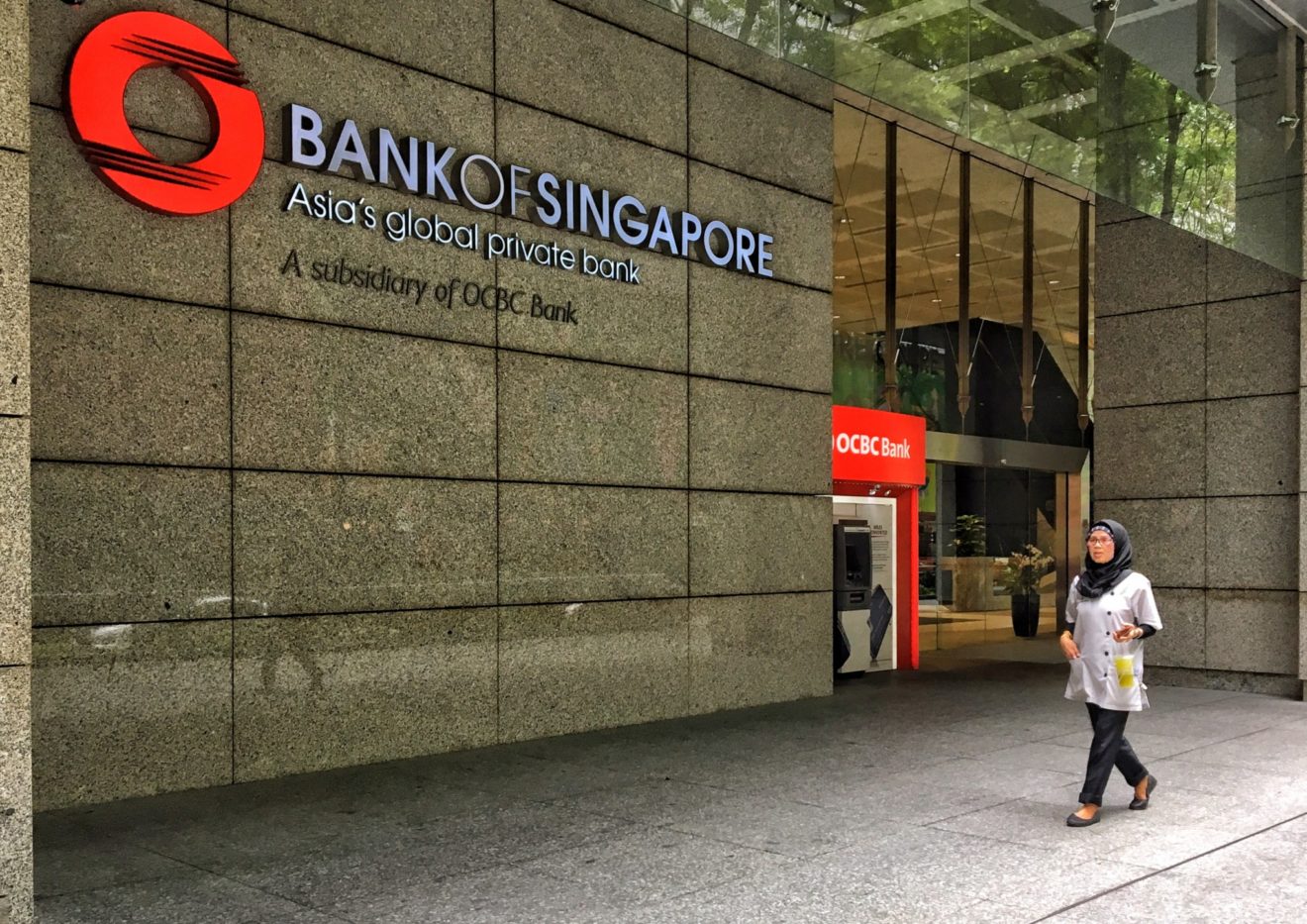
    OCBC’s private banking division has appointed Bernard Heng, a seasoned expert in the wealth industry, to bolster its custom solutions for ultra-wealthy clients.

    Appointment of a New Leader

    The Bank of Singapore, the private banking arm of OCBC, has announced that Bernard Heng has joined the team as head of customized solutions. The move took effect from March 2, with Heng now reporting to Lim Leong Guan, the Global Head of Investment Solutions Group. In this capacity, Heng is responsible for spearheading the development, management, and implementation of intricate products and bespoke solutions, primarily for ultra-high net worth clients.

    Industry Veteran

    Bernard Heng brings with him a vast wealth of experience in wealth management and private banking. He has held key positions at global financial institutions such as UBS and Credit Suisse. His previous roles include that of Managing Director and Global Co-Head of the Private and Alternatives Group. Notably, Heng also served as the Principal and Head of Southeast Asia Private Financing at Apollo Management.

    Questions & Answers

    Who has been appointed as the head of customized solutions at the Bank of Singapore?
    Bernard Heng has been appointed as the head of customized solutions at the Bank of Singapore.

    What are Bernard Heng’s responsibilities in his new role?
    Heng is tasked with leading the development, management, and implementation of complex products and custom solutions, with a focus on ultra-high net worth clients.

    What past experience does Bernard Heng bring to his new role?
    Heng has extensive experience in wealth management and private banking. He has held senior roles at UBS and Credit Suisse and was also the Principal and Head of Southeast Asia Private Financing at Apollo Management.

  • Ex-UBS Tech Whiz Werner Schlossmacher Joins Barclays as COO for Asia Private Banking

    Ex-UBS Tech Whiz Werner Schlossmacher Joins Barclays as COO for Asia Private Banking

    Former UBS technology executive, Werner Schlossmacher, has taken on the role of Chief Operating Officer (COO) for Barclays Private Bank Asia. Barclays has confirmed his appointment in a recent statement. Schlossmacher will be stationed in Singapore, from where he will directly report to Leo Müller, COO of Barclays Private Bank & Wealth Management.

    Schlossmacher brings along with him over three decades of experience in wealth management, spanning regions such as Singapore, Hong Kong, and Switzerland. His most recent tenure was at UBS, where he spearheaded significant digital transformations in wealth operations. This included reworking mobile and e-banking experiences and the incorporation of generative AI capabilities. Prior to UBS, he had a long stint at Credit Suisse where he held senior roles across digital platforms, front office applications, and APAC wealth management leadership.

    Müller has expressed high hopes for Schlossmacher’s impact on the firm, recognizing his deep-rooted experience across Asia and Europe. “Werner is an exceptional operator. His leadership will be instrumental as we continue to scale our business in Asia and prepare for the launch of our booking center in Singapore,” shared Müller. He believes that Schlossmacher’s proven track record in digital transformation and platform design equips him well to help deliver a more modern, intuitive and scalable operating environment for clients and advisors.

    Questions & Answers

    Who is the new COO for Barclays Private Bank Asia?
    Werner Schlossmacher has been appointed as the new COO of Barclays Private Bank Asia.

    What significant experience does Werner Schlossmacher bring to Barclays?
    Schlossmacher brings over 30 years of wealth management experience across Singapore, Hong Kong, and Switzerland. He has significant experience in leading digital transformations, including redesigning mobile and e-banking experiences and introducing generative AI capabilities.

    What is the significance of Werner Schlossmacher’s appointment according to Leo Müller?
    According to Leo Müller, Schlossmacher’s leadership will be instrumental in scaling Barclays’ business in Asia and preparing for the launch of their booking center in Singapore. His experience in digital transformation and platform design positions him perfectly to help deliver a more modern, intuitive, and scalable operating environment for clients and advisors.

  • Wild Tech starts Microsoft Dynamics 365 program with Metro Department Store Singapore

    Wild Tech starts Microsoft Dynamics 365 program with Metro Department Store Singapore

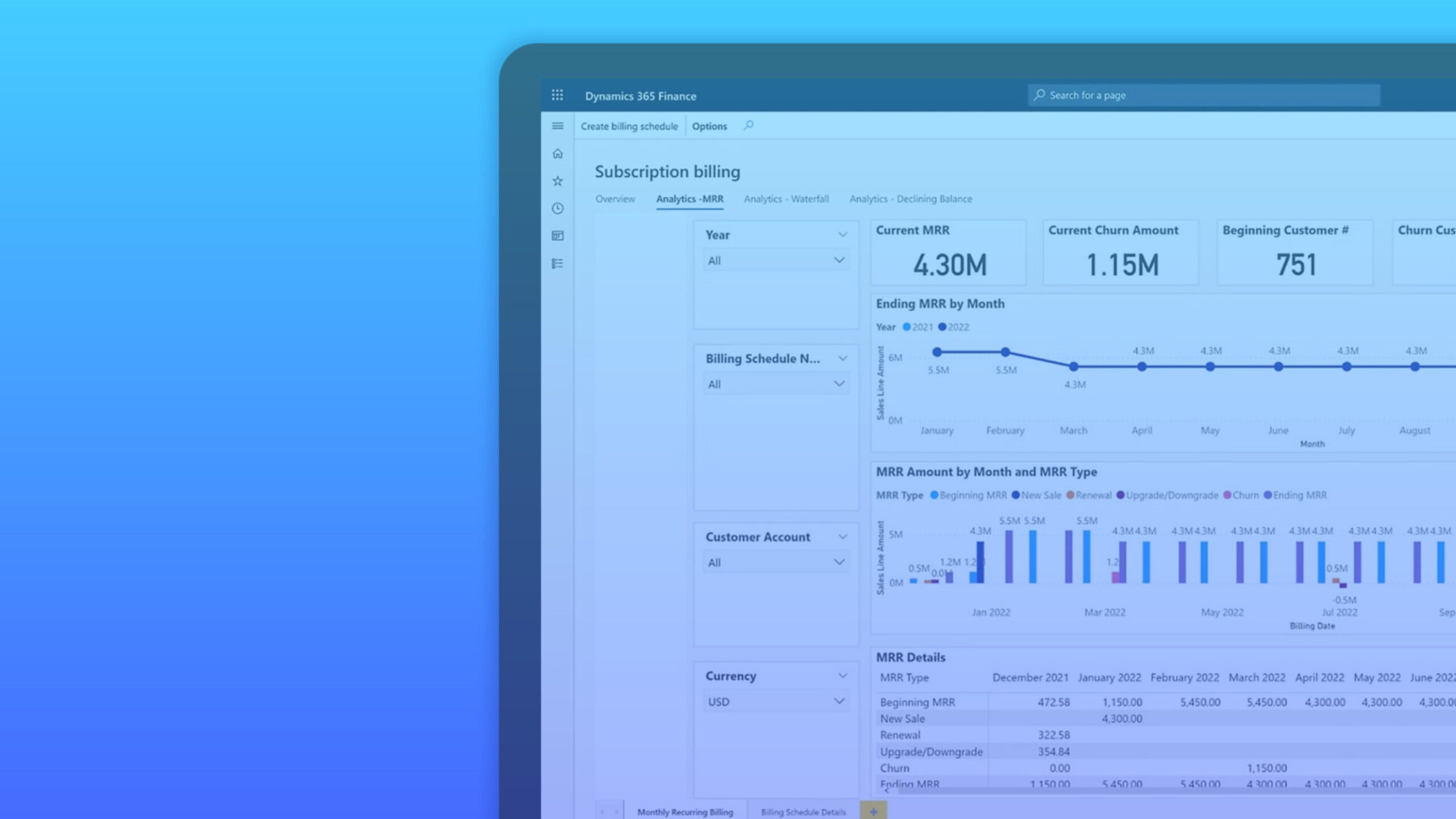
    Wild Tech has commenced an engagement with Metro Department Store Singapore to support the retailer’s transition away from a long-running legacy environment and into the Microsoft Dynamics 365 ecosystem. Metro is one of Singapore’s established department store brands, operating physical stores including Metro Paragon and Metro Causeway Point.

    The engagement begins with a requirements and solution study, designed to clarify Metro’s future-state finance needs and establish a practical pathway to implementation. Metro’s broader modernisation program includes changes associated with financial and inventory practices, with the initial focus placed on ensuring finance foundations are fit-for -purpose before subsequent phases are considered.

    “This is exactly the kind of engagement where getting the foundations right matters more than rushing to configuration,” said Matthew Rodgers, Head of Microsoft APAC at Wild Tech. “Metro has been clear about moving into the Microsoft Dynamics world, and our role in this phase is to bring structure and transparency to the requirements, so the implementation approach is realistic, well-governed, and able to scale into future phases as confidence grows.”

    After assessing options within the Dynamics portfolio, Metro selected Dynamics 365 Finance & Operations (F&O) as the target platform. The program will be designed to support improved governance, control, and reporting capability, while creating a scalable base for future operational uplift across the wider retail environment.

    Wild Tech’s current scope centres on defining requirements, mapping priority processes, confirming data and reporting needs, and identifying key integration touchpoints typically required in retail environments. This includes establishing how finance will connect to upstream operational systems that influence inventory, costing, reconciliation, and management reporting. The work will also set out a staged roadmap intended to reduce delivery risk and avoid unnecessary disruption during transition.


  • Vietjet delivers strong 2025 results with 47% Q4 revenue growth and global network expansion

    Vietjet delivers strong 2025 results with 47% Q4 revenue growth and global network expansion

    Vietjet Aviation Joint Stock Company (HOSE: VJC) reported strong revenue and profit growth in the fourth quarter and full year of 2025. These results provide a solid foundation for Vietjet as it enters 2026 with ambitious global growth strategies.

    Network Expansion Strengthens Market Position, Including Singapore–Vietnam Connectivity

    In Q4/2025, Vietjet transported more than 6.7 million passengers across 36,100 flights.

    For the full year, the airline carried 28.2 million passengers on 153,000 flights, representing YoY growth of 9% and 11.2%, respectively. Total cargo volume reached 113,923 tons.

    Vietjet continues to hold the leading market share in Vietnam by passenger volumes across both domestic and international markets.

    In 2025, the airline operated 254 routes, including 52 domestic and 202 international services, and launched 22 new routes connecting Vietnam to key destinations, including Central Asia and China.

    To meet rising travel demand, driven by strong leisure and business traffic, particularly between Singapore and Vietnam, Vietjet expanded capacity to enhance connectivity and operational efficiency. The airline launched the Singapore – Phu Quoc route in May 2025, expanding its flight network between Singapore and Vietnam. The route was later increased from four weekly services to seven round-trip flights per week. Vietjet currently offers four direct services linking Singapore with Hanoi, Ho Chi Minh, Da Nang and Phu Quoc.

    Effective Operations Sustain Profit Growth Momentum

    Based on its financial statements, Vietjet recorded separate revenue of VND29.035 trillion (approx. SGD1.43 billion) in Q4/2025, a 47% year-on-year (YoY) increase.

    In Q4/2025, Vietjet posted a separate pre-tax profit of VND475 billion (approx. SGD23.31 million) and consolidated pre-tax profit of VND579 billion (approx. SGD28.41 million), soaring 93.4% and 436% YoY, respectively.

    For the full year, Vietjet delivered strong performance, with separate revenue reaching VND81.426 trillion (approx. SGD3.99 billion), up 14% YoY. Separate gross profit for 2025 stood at VND8.213 trillion (approx. SGD403.23 million), supported by continued network expansion and lower fuel costs compared to the previous year.

    Vietjet’s consolidated revenue totalled VND82.093 trillion (approx. SGD4.03 billion), an increase of 14% YoY. Consolidated pre-tax and post-tax profit reached VND2.630 trillion (approx. SGD128.93 million) and VND2.123 trillion (approx. SGD104.06 million), growing 44.3% and 51.2%, respectively, and exceeding 120% of the annual plan.

    As of 31 December 2025, Vietjet’s total assets reached VND139.459 trillion (approx. SGD6.84 billion). The net debt-to-equity ratio stood at 2.25, while the liquidity ratio reached 1.53, among the strongest in the aviation industry.

    During the year, Vietjet successfully issued 50 million shares, increasing equity by VND5 trillion (approx. SGD245.5 million), to support long-term growth.

    Strengthening International Cooperation and Long-term Investment

    In 2025, Vietjet took delivery of 22 new aircraft, representing its largest fleet expansion since its establishment and reinforcing capacity for the next phase of growth.

    The airline also signed an agreement with Airbus to purchase 100 A321neo aircraft, alongside a separate contract with Rolls-Royce for 92 Trent 7000 engines and comprehensive maintenance services, valued at US$3.8 billion (approx. SGD4.83 billion).

    In December, Vietjet Thailand received its first Boeing aircraft, expanding the group’s fleet scale ahead of 2026.

    Vietjet continued to invest in talent and training through international-standard pilot training partnerships. In 2025, Vietjet Aviation Academy (VJAA) trained more than 162,000 trainees through 15,198 courses; proactively developing pilots, technical staff, ground operations staff and other aviation professionals to meet rising industry demand.

    At Long Thanh International Airport, the airline marked two key milestones: the topping out of its international-standard aircraft maintenance hangar and the operation of its first flight to the under-construction airport.

    Strengthening Customer Experience Through Innovation, Technology and Global Awards

    Vietjet expanded and diversified its customer experience through offerings such as Business class tickets, the SkyJoy loyalty program, in-flight retail, multi-channel booking and payment platforms, and its AI virtual assistant, Amy. The airline also introduced culturally themed onboard programs during major regional festivals such as Chuseok (Korea), Holi and Diwali (India), among others.

    Operational upgrades included expanded check-in facilities, self-handled ground services at Tan Son Nhat, Vietnam’s busiest airport, and accelerated adoption of advanced operational technologies such as real-time flight monitoring, data management systems, and biometric identification to improve efficiency and service quality.

    In 2025, Vietjet received multiple international accolades for safety, sustainability, and customer experience, including recognition by AirlineRatings, the World Travel Awards, and Brand Finance.

    With strong financial performance, a rapidly expanding fleet, deepened international cooperation and reinforced operational capacities, Vietjet enters 2026 well positioned to pursue sustainable growth and global expansion.

  • Amazon, Temu and Shein to Dominate Australia’s Marketplace Sector at the Expense of Local Competition

    Amazon, Temu and Shein to Dominate Australia’s Marketplace Sector at the Expense of Local Competition

    Australia’s marketplace sector is being redefined as global ecommerce giants use their international scale and advanced infrastructure to grow their share of consumer spending at the expense of local marketplaces, according to new research from Pattern.

    The ‘2026 Marketplace Consumer Report highlights a sector that looks markedly different to just a few years ago. With fewer local Australian marketplaces following the closures of Catch and MyDeal, and pressure on Kogan to maintain its competitiveness as consumers increase their spend with global platforms, data suggests a long-term shift in how marketplace competition will play out in Australia.

    Amazon now reaches 60% of Australian shoppers, growing its customer base by 3.45% year on year. Temu continues to expand rapidly with A$2.6 billion in sales last financial year and 47% of Australians purchasing from the platform, while Shein has lifted its reach to 30%, recording the fastest growth (15%) among major marketplaces. Australia’s last remaining dedicated local marketplace, Kogan, however, is losing ground. Just 15% of consumers now shop on the platform, reflecting a 6% year-on-year decline.

    “The pressure on Australian born and bred marketplaces from global giants like Amazon and Temu is no longer theoretical. What we’re seeing is a sector shaped by international scale, logistics sophistication and global ecosystems. This isn’t a temporary cycle, it’s a structural shift and could signal the end of the local Australian marketplace era as we once knew it,” said Merline McGregor, Managing Director for Pattern Australia.

    Amazon Leads as eBay loses ground

    Amazon continues to lead the Australian marketplace sector with 8.8 million active shoppers and 66% of consumers planning to shop on the platform. eBay, however, is sliding in the opposite direction, declining 7% to 51% of shoppers planning to use the platform in 2026.

    The research shows Amazon purchase decisions are broadening and no longer price-led, with price as a motivator falling by 42%. Shoppers now point to speed (35%), Prime benefits (31%) and overall preference for Amazon (28%) as key reasons for purchasing on the platform. The growing role of product reviews, now cited by 24% of shoppers, highlights Amazon’s advantage in trust and community validation, an edge eBay has struggled to match.

    “Amazon has moved beyond competing purely on cost. While price still matters, its advantage today is also about removing friction at every stage of the shopping journey. Faster delivery, trusted reviews and habitual usage are what has made it the dominant marketplace in Australia and what keeps customers coming back,” said McGregor.

    Temu and Shein rebuild trust and expand beyond price

    Shopper perceptions of product quality and trust have improved sharply for Temu and Shein, marking a significant shift in how these platforms are viewed in Australia. Over the past year, Temu recorded a 50% increase in product quality and trust perception, while Shein saw a 36% increase.

    Historically criticised for inconsistent quality, in 2025 Temu was trusted by just 12% of shoppers and Shein, 11%. However, sustained investment in supplier standards, range expansion beyond fast fashion and brand partnerships with established global brands is beginning to change sentiment.

    “Temu and Shein have worked hard to shed their reputations as low-cost disruptors and are now emerging as serious players in the marketplace landscape,” said McGregor. “Temu now serves 4.7 million Australians, with its customer base growing at 24% annually. With trust levels rising, these platforms are no longer competing on price alone, firmly positioning them for sustained, long-term relevance in the Australian market.”

    Product discovery fragments across platforms

    Product discovery behaviour is fragmenting rapidly. While Google has regained ground, with 54% of shoppers beginning their product searches on the platform since the rollout of AI-generated answers that ease discovery, social media is disrupting search.

    Social media is now one of the fastest-growing starting points for product research, with 67% more consumers beginning their search on social platforms compared to 2025. Today 78% of Australians are active on social media and with near-universal mobile use, discovery is increasingly shaped by feeds, creators and short-form video.

    “Social platforms are collapsing the long bridge between inspiration and transaction,” said McGregor. “With the imminent launch of TikTok Shop in Australia, this shift will accelerate. Brands that invest in creator-led content and seamless in-platform shopping will be best positioned as social becomes a central pillar of modern product discovery.”

    Convenience and delivery speed emerge as key differentiators

    With 93% of Australians purchasing from marketplaces in the past 12 months, convenience has become a defining factor in how consumers choose where to shop. One in three Australians now cite ease of use and delivery speed as the primary reason they turn to marketplaces. Amazon exemplifies this shift, with 36% of shoppers naming convenience as the main driver of their purchasing behaviour.

    “Delivery performance has become a core brand asset for marketplaces today. Many Australians are choosing to order products through a marketplace, even if the same product is more expensive than elsewhere, simply because it could be delivered faster,” said McGregor.

    What products will consumers buy from which marketplace in 2026

    Pattern’s research reveals clear category distinctions across marketplaces, with each platform establishing dominance in specific shopping categories:

    • Amazon leads in Books & eBooks (30%), Electronics & Computer (25%), and Clothing, Shoes & Accessories (22%).
    • eBay shows strength in Clothing, Shoes & Accessories (17%), Automotive Parts (15%), and Electronics & Computer (14%).
    • Temu captures consumer interest in Clothing, Shoes & Accessories (22%), with notable investment in Home & Kitchen Products (13%).
    • Shein’s primary appeal lies with Clothing, Shoes & Accessories (21%), but is beginning to spark interest beyond this in Home & Kitchen (7%) and Toys, Kids & Baby Products (7%).
    • Kogan holds some ground in Electronics & Computer (8%), Home & Kitchen Products (7%), and DIY/Home Improvement (5%).

    “While the future of local marketplaces is uncertain, the opportunity for brands has never been greater. With 93% of Australians shopping on marketplaces, these platforms are where purchase decisions happen. Brands that understand category dynamics, build tailored strategies for each marketplace, and work with ecommerce specialists like Pattern will be positioned to capture a share in this consolidated but growing market,” concluded McGregor.

    For more information and to download the full report please click here: ‘2026 Marketplace Consumer Report’

    About Pattern Inc

    Pattern accelerates brands on global ecommerce marketplaces leveraging proprietary technology and AI. Utilising more than 46 trillion data points, sophisticated machine learning and AI models, Pattern optimizes and automates all levers of ecommerce growth for global brands, including advertising, content management, logistics and fulfillment, pricing, forecasting and customer service. Hundreds of global brands depend on Pattern’s ecommerce acceleration platform every day to drive profitable revenue growth across 60+ global marketplaces—including Amazon, TikTok Shop, Walmart.com, Target.com, eBay, Tmall, JD, and Mercado Libre.  For more information, visit https://au.pattern.com/

    Media Contact

    Paul Manser

    Mulberry Marketing Communications

    pmanser@mulberrymc.com

  • Sony Teases New Color Reveal for WH-1000XM6 Headphones: Is Sandpink the Next Big Thing?

    Sony Teases New Color Reveal for WH-1000XM6 Headphones: Is Sandpink the Next Big Thing?

    Sony has had a packed schedule in recent weeks, with the launch of the LinkBuds Clip in the previous month, a teaser for the anticipated debut of its high-end earbuds and the first speculations about the Xperia 1 VIII and Xperia 10 VIII smartphones. Adding to the excitement, Sony has issued another teaser for a unique product.

    New Color Option for Sony WH-1000XM6

    Sony recently posted a brief six-second YouTube video teasing a new pair of headphones. The clip, titled “Your heart (and ears) will be set on us when you see this,” displays a rose-tinted cloth cascading over a set of headphones.

    Regrettably, the teaser doesn’t disclose the specific model hidden under the cloth, only hinting that something is “coming” on February 12, 2026. Much like last week’s promotional teaser for the WF-1000XM6 earbuds launch, the new video doesn’t provide any additional details.

    It appears unlikely that the video is teasing an entirely new headphone model. Instead, it’s more probable that it’s hinting at a Sandpink variant of the WH-1000XM6. Initial claims suggested that the new color could pertain to Sony’s forthcoming earbuds. However, these assertions were later clarified, stating the new shade was for the over-the-ear headphones. The release of the new video appears to substantiate these claims.

    The date and time unveiled in the new teaser aligns with the premiere of Sony WF-1000XM6, which is scheduled for 8am PT on Thursday, February 12. While the new earbuds will feature a redesign, they will initially only be available in black and white. Nonetheless, the possibility of a Sandpink model being released at a later date remains open.

    Similarities with Predecessors

    Apart from the design alterations, the WF-1000XM6 is likely to bear notable similarities with its forerunners. A recent leak suggested that the earbuds could include a new processor and speaker but offered little in terms of additional features. This might make it challenging for Sony to contend with competitors such as the AirPods 3 Pro, Samsung’s Galaxy Buds 3 Pro, and the yet-to-be-released Galaxy Buds 4 and Buds 4 Pro.

    Attracting a Broader Market

    If a splash of color can catalyze iPhone sales in China, why couldn’t it have a similar effect on Sony’s headphone sales? While not everyone may be a fan of pink gadgets, a considerable number of consumers may appreciate the added variety.

    Questions & Answers

    What is Sony’s new teaser about?
    The new teaser is likely about a Sandpink version of the WH-1000XM6 headphones.

    When is the new product expected to be launched?
    The new product is anticipated to be released on February 12, 2026.

    What changes can be expected in the WF-1000XM6 earbuds?
    The WF-1000XM6 earbuds may feature a new processor and speaker in addition to a design overhaul. However, they will initially only be offered in black and white.

  • Revolutionizing the Beverage Industry: Kiwi Startup’s Innovative Tablet Drink Seeks to Curb Plastic Waste

    Revolutionizing the Beverage Industry: Kiwi Startup’s Innovative Tablet Drink Seeks to Curb Plastic Waste

    A New Zealand-based startup, Incrediballs, is set to introduce a tablet-based beverage product, with the aim of minimizing plastic usage in the beverage industry. The product represents the commercial exploitation of a research endeavor that spanned seven years.

    Incrediball’s Innovative Concept

    Incrediballs specializes in the production of non-plastic effervescent drink tablets. The development of these tablets was spearheaded by Brianne West, founder and ex-CEO of Ethique, a personal care company. West’s departure from Ethique saw her utilizing a co-crystal stabilization method, a technology birthed at the University of Bradford, UK.

    The conventional effervescent tablets are inherently unstable, necessitating the use of plastic or metal packaging for protection against moisture and air, West explained. On a commercial scale, stabilizing these tablets is a challenge that even pharmaceutical companies grapple with.

    “The chemistry may seem straightforward but controlling it is no easy feat,” she said. “Our patented system encapsulates active ingredients such as citric acid and sodium bicarbonate with compounds like nicotinamide and creatine. This prevents the reaction from taking place until the tablet is completely immersed in water.”

    Upon dissolution, each tablet generates a 350ml beverage with no added sugar. By eliminating the need for bottled drinks, this format presents an alternative within the global soft drink market. The market, estimated to be worth $1.42 trillion, is responsible for generating around 583 billion single-use plastic bottles annually, with only about 10% of these bottles being recovered by recycling systems.

    An Eco-friendly Alternative to Bottled Drinks

    West, referring to data from the United Nations, stated that manufacturers are capable of producing approximately 20,000 PET bottles every second. Furthermore, single-use drink containers account for roughly 45% of litter in urban areas.

    Incrediballs’ tablets are packaged in a paper-based material that is certified for home composting and devoid of plastic laminates. The packaging can be composted or recycled. The company uses water-based inks and is exploring options for algae-derived alternatives.

    The development of Incrediballs incorporated feedback from over 15,000 subscribers and social media followers who participated in product testing. The company plans to extend their product line to include functional beverage formats that utilize ingredients sourced from New Zealand such as manuka, kawakawa, and kiwifruit extracts.

    Revolutionizing the Beverage Industry

    Incrediballs’ goal is to revolutionize the drink manufacturing, transportation, and sales sectors. However, the company’s focus is not merely to position its product as an environmental alternative. It has set ambitious targets to prevent the production of 50 million plastic bottles by 2030 and 300 million by 2050.

    From a logistical standpoint, the non-liquid, non-plastic format of the product decreases transport volume by over 99%, enabling higher product density per shipment. According to West, this shift has the potential to transform export economics by reducing logistics costs.

    In terms of financial aspirations, the company aims for a revenue of $1 million by the 2027 fiscal year, with long-term plans to establish an export business boasting an annual turnover of $1 billion.

    The initial four flavors of the product will be available for online orders beginning February 16. The company has already garnered interest from supermarkets and FMCG retailers in Australia and New Zealand.

    At first, the company’s focus will be on direct-to-consumer sales to establish brand positioning and gain customer insights. They also plan on partnering with select independent retailers for trial runs. Feedback from these early stages will be used to fine-tune aspects such as flavor, packaging, and usage prior to wider FMCG and export distribution.

    “We’re not aiming to be a niche or a travel product,” West said. “We want our presence felt on every beverage aisle.”

    Questions & Answers

    What is Incrediballs?
    Incrediballs is a New Zealand-based startup that specializes in the production of non-plastic effervescent drink tablets aimed at reducing plastic waste in the beverage industry.

    How does the Incrediballs tablet work?
    The Incrediballs tablet, when fully immersed in water, dissolves to produce a 350ml beverage. This eliminates the need for single-use plastic bottles.

    What are Incrediballs’ future plans?
    Apart from aiming to prevent the production of 50 million plastic bottles by 2030, Incrediballs also plans on extending their product line to functional beverage formats using locally sourced ingredients. The company aims to establish a strong brand presence in all beverage aisles, not just as a niche or travel product.