Author: Mei Ling Tan

  • As Chinese Digital Banks Arrive, OCBC Gets Ready

    As Chinese Digital Banks Arrive, OCBC Gets Ready

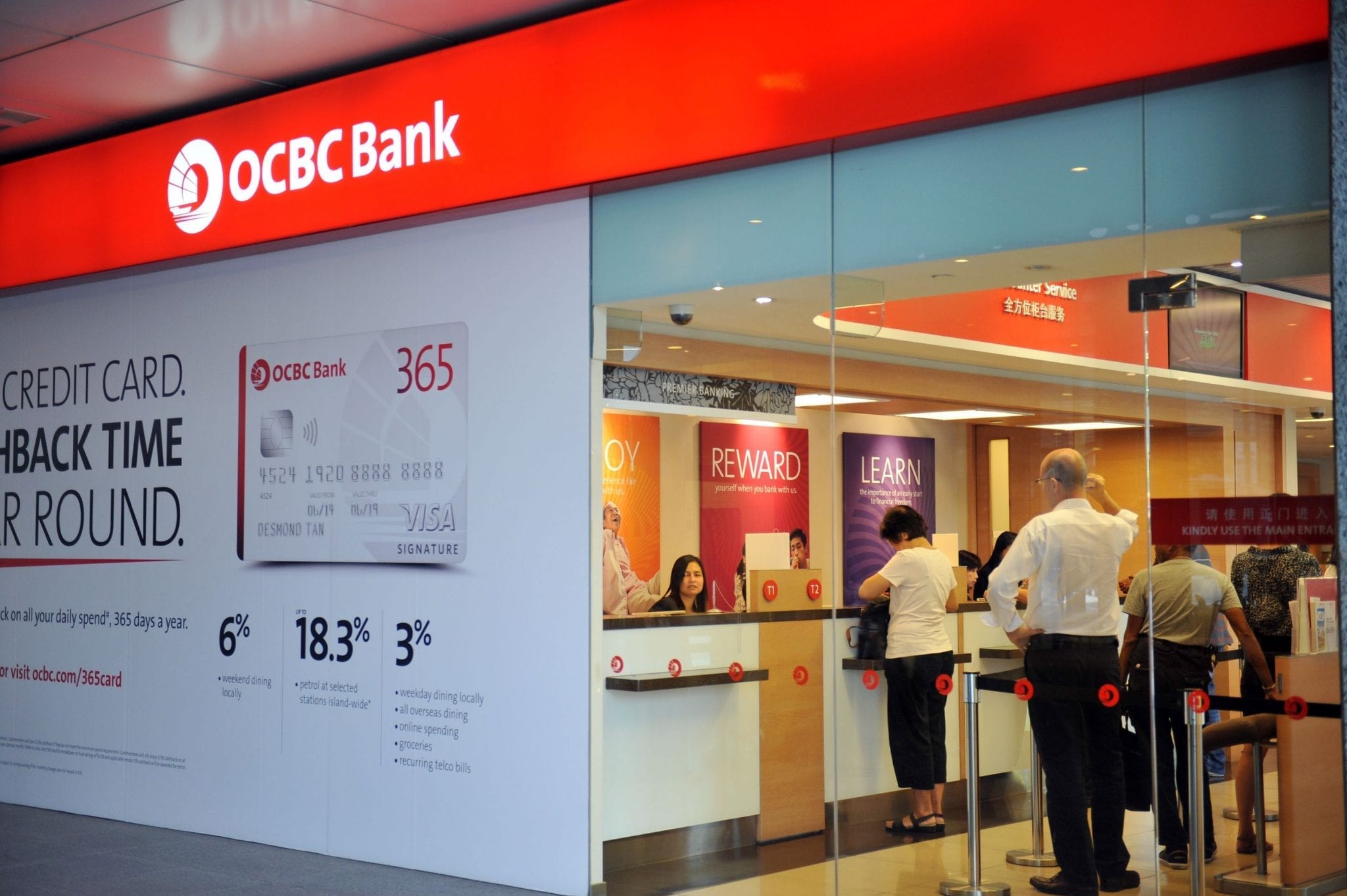
    When asked if Oversea-Chinese Banking Corp is ready to take on Chinese technology companies looking to take a piece of Singapore’s banking market, the lender’s top executive said they are well-positioned.

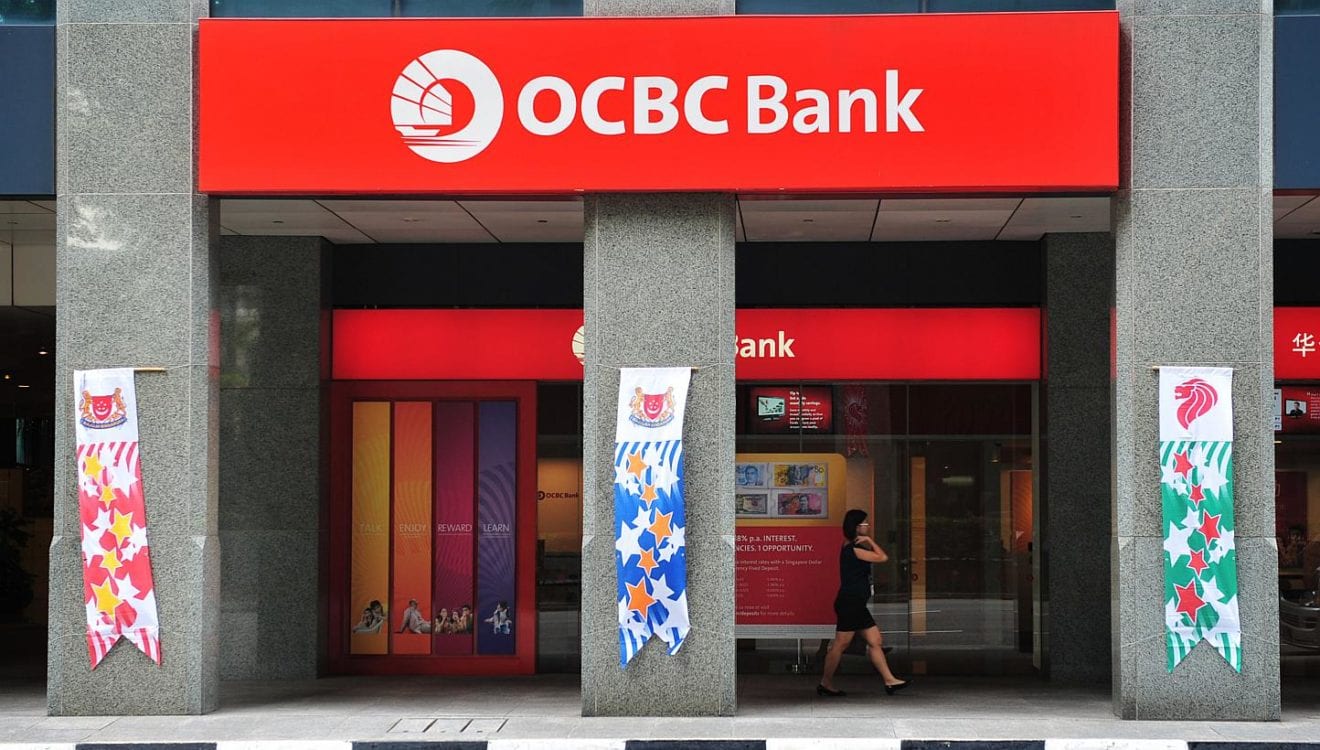
    Jack Ma’s Ant Financial Services Group has announced interest in Singapore’s digital banking licenses, but Oversea-Chinese Banking Corp’s (OCBC) chief executive Samuel Tsien is unfazed with the arrival of Chinese technology companies.

    This is because he views these Chinese technology companies as «extended» competition rather than new competition. Moreover, the local lender has its own digital banking plans – it has agreed in principle to join a group led by peer-to-peer lender Validus Capital and Temasek Holdings’ venture-capital arm to apply for a wholesale digital banking license before a year-end deadline, Bloomberg reported this month.

    The bank and its partners are looking to provide a platform to expand in the lucrative South-east Asian market. «We are talking to various parties but we have not made a final decision whether we would go in or not,» said Tsien.

    It’s attractive to us because it’s the way that we can test out in the new digital economy as to what we could do.

    Earlier this year, the Monetary Authority of Singapore (MAS) unveiled plans to grant as many as five virtual bank licenses to boost competition and innovation in the nation’s financial industry. China’s Ant Financial and Ping An Insurance (Group) are among companies considering applications, and Tsien said OCBC may join the race, both as a bank, and through its insurance unit.

    Another reason that OCBC is unfazed is due to high regulatory hurdles greeting new digital banks. Not only must they do proper Know your customer processes and transaction monitoring, they are also not allowed to offer unrealistic deposit rates just to gain market share, he added.

    .
  • OCBC Prefers Next Leader To Be From The Inside

    OCBC Prefers Next Leader To Be From The Inside

    The chief of Oversea-Chinese Banking Corp has signaled that he favors internal candidates over external ones to succeed him when the time comes.

    Samuel Tsien, who is in his eighth year as the chief executive officer at Oversea-Chinese Banking Corp (OCBC), wants someone familiar with various parts of the bank to lead, without giving names.

    We have internal candidates who are strong candidates, who have moved around in different functions, who are able to take over the bank in the event of a need, said Tsien, 65. Singapore’s other lenders are pursuing various tracks for management succession: United Overseas Bank’s boss recently expressed openness to outsiders while DBS Group Holdings wish to groom leaders from within.

    Under Tsien’s leadership, the group has spent meaningfully to grow its footprints in banking and wealth management. In 2014, OCBC spent $5 billion to take over Wing Hang Bank in Hong Kong. Subsequently, it bought the Singapore and Hong Kong wealth operations of Barclays, helping OCBC’s Bank of Singapore become the sixth-largest private bank by assets in Asia excluding China.

    More recently, OCBC was considering a bid for Jakarta-based PT Bank Permata, a move that would have made it Indonesia’s fifth-largest lender by assets. However, the bank walked away after considering Permata a poor fit, people with knowledge of the matter.

    The Shanghai-born leader also has ambitions to further expand in insurance, which OCBC counts as its third pillar alongside banking and wealth management. While its insurance arm – Great Eastern Holdings – is well established in Singapore and Malaysia, Tsien said he sees more room for growth in Indonesia and Greater China.

    Last year, Great Eastern bought PT QBE General Insurance for $28 million in Indonesia, and Tsien said he would look at other opportunities to grow, including acquisitions.

    In Hong Kong, the bank has a 33 percent stake in Hong Kong Life Insurance, which it decided against selling last year. «That operation is quite small. So we are still investing into this corporate but not significantly, as we look for opportunities in this market,» Tsien said.

  • Viettel, VinSmart get approval for factories in Hanoi

    Viettel, VinSmart get approval for factories in Hanoi

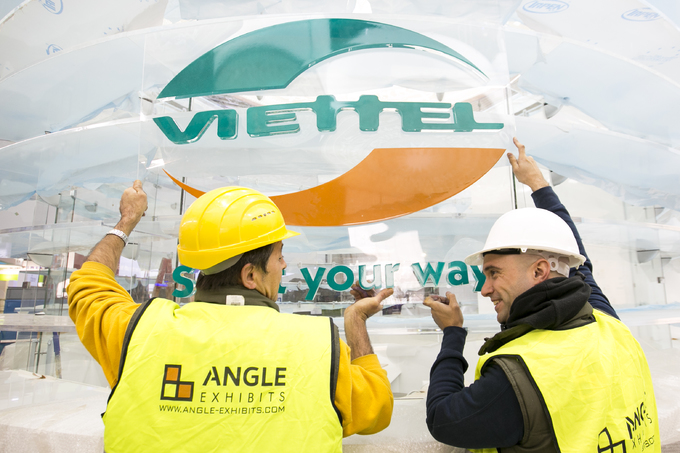
    The government has approved the construction of two new factories in Hanoi by state telecom giant Viettel and private smartphone producer VinSmart.

    Viettel will build a 9.1-hectare plant at the Hoa Lac High-Tech Park on the city’s outskirts to test and manufacture high-tech equipment and a 13.2-hectare research center for defense products, electronic and telecom equipment, network infrastructure, and 5G and Internet of Things (IoT) technologies.

    Viettel will also coordinate with the park’s management board to trial applications for smart cities related to issues like environmental management, urban lighting and smart parking.

    VinSmart, the electronics arm of Vietnam’s biggest private conglomerate, Vingroup, will build a 4.8-ha smart electronics plant which is likely to have a capacity of 125 million devices a year in its first phase.

    Their completion dates are not known.

    Viettel and VinSmart’s plants are two of four new projects worth VND7.46 trillion ($320.42 million) that have been approved at the park, according to the Ministry of Science and Technology.

    The others are by two private companies to produce drugs and radiation-resistant plastics.

    Military-run Viettel in January became the first company in the country to receive permission to trial 5G services followed by MobiFone. It plans to launch in 2020, installed the first 5G station in Hanoi early this year and made the first 5G phone call in May.

    VinSmart was established by Vingroup in June, and produced its first smartphones within just six months. It has produced a total of eight models so far.

  • Vietnam tightens consumer loans

    Vietnam tightens consumer loans

    Vietnam has tightened rules on consumer loans, requiring a progressive decline in their ratio in the coming years.

    Cash loans cannot exceed 70 percent of a finance company’s total loans for consumer durables starting 2021, according to a decree issued recently by the State Bank of Vietnam (SBV).

    The ratio will drop to 60 percent in 2022, 50 percent in 2023 and 30 percent in 2024.

    Finance companies can only disburse cash loans for customers without bad debt records with the National Credit Information Center under the central bank. The decree is set to take effect on January 1, 2020.

    Competition has intensified in the consumer loans division as new players enter the market. Vietnam had very few finance companies in 2015, but as of June this year 16 firms had received permission to operate, not counting alternate lending and pay-day loan platforms, SBV data shows.

    FE Credit, the biggest player so far, accounts for 47.3 percent of the market, followed by Home Credit with 16.9 percent and HD Saison with 10.1 percent, according to financial data provider FiinGroup.

    However, finance companies’ revenue growth has been slowing down, from 87.4 percent in 2015 to 15.3 percent last year, it said.

    Outstanding consumer loans amounted to 19.7 percent of Vietnam’s total outstanding last year, up 3 percentage points from 2017, FiinGroup added.

  • Netflix wants to produce Vietnamese content

    Netflix wants to produce Vietnamese content

    U.S. streaming service provider Netflix wants to produce content in Vietnam as it seeks to expand in Asia, its CEO has said.

    Speaking at a meeting with Mai Tien Dung, Chairman of the Government Office on Monday, Reed Hastings added that the company, which has set up offices in other Asian countries like India, Singapore, South Korea, and Japan, wants to set up one in Vietnam too.

    Netflix has been available in Vietnam since 2016 at VND180,000 ($7.8) a month for a basic subscription.

    It has been seeking to produce and acquire rights for more Asian content to increase the number of global subscribers.

    In September “Hau Due Mat Troi” (Descendants of the Sun Vietnam) became the first Vietnamese series to be screened on Netflix following the screening of movies like “Trung So” (Jackpot) and “Hai Phuong” (Furie).

    Netflix has 151 million subscribers in 190 countries.

  • Uber Stripped Of London Operating Licence

    Uber Stripped Of London Operating Licence

    Uber was stripped of its London operating license on Monday for the second time in just over two years as the city’s regulator said the taxi app was not “fit and proper”, having put passenger safety at risk.

    A change to Uber’s systems allowed unauthorized drivers to upload their photos to other drivers’ accounts, meaning they could pick up passengers as if they were the booked driver, which happened in at least 14,000 trips, Transport for London (TfL) said.

    “It is unacceptable that Uber has allowed passengers to get into minicabs with drivers who are potentially unlicensed and uninsured,” Director of Licensing, Regulation and Charging at TfL, Helen Chapman said on Monday, the day the firm’s license expires.

    The Silicon Valley-based company has 21 days to appeal the decision and can continue to operate throughout the process, which is likely to include court action.

  • Honda Two-Wheelers Resumes Operations At Manesar Plant

    Honda Two-Wheelers Resumes Operations At Manesar Plant

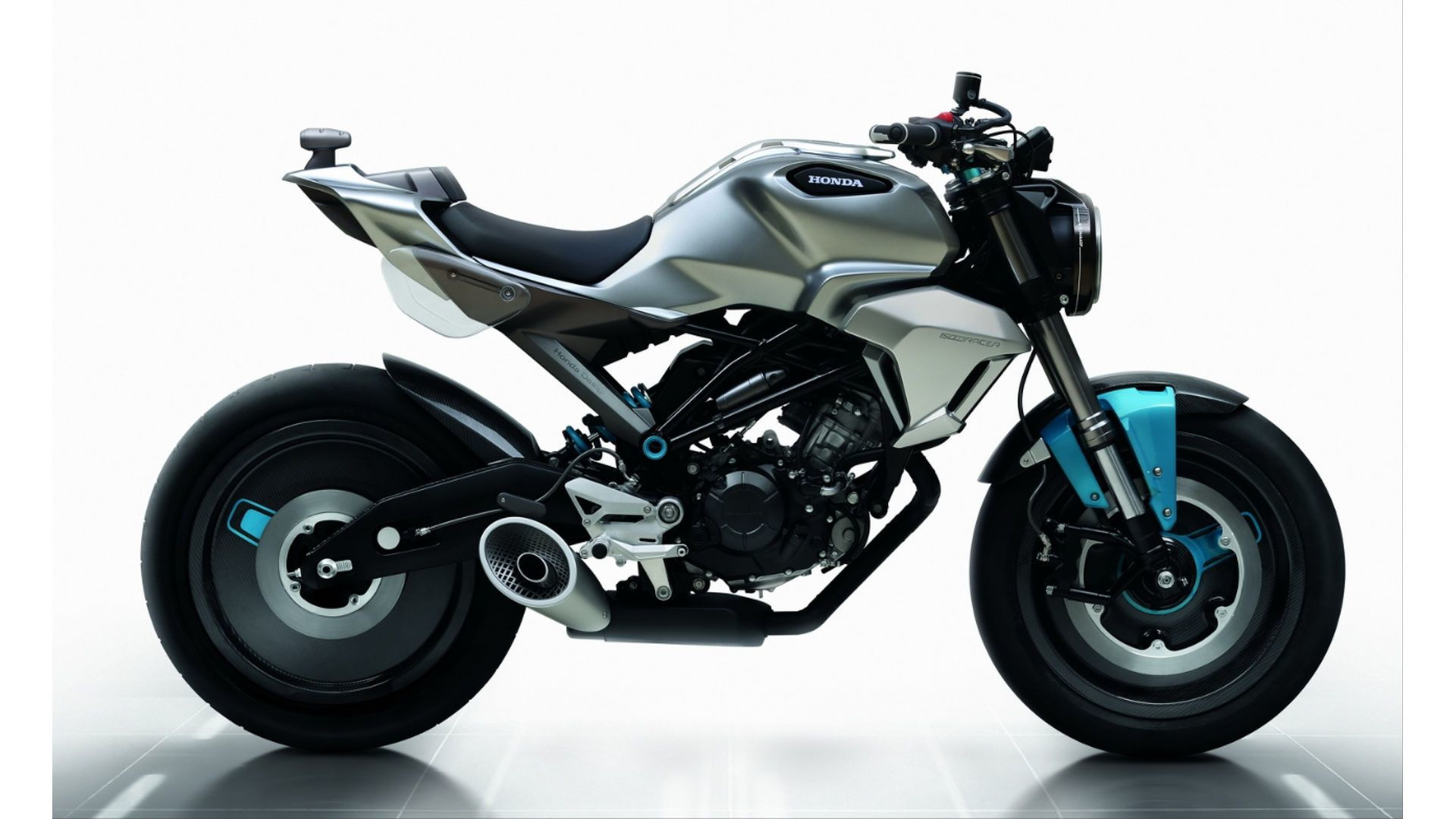
    Honda Motorcycle and Scooter India (HMSI) has announced that the company has decided to resume operations at the Manesar plant following widespread protests by workers. The protests started earlier this month after some contractual workers, whose contracts had expired or were nearing the end of contract, were asked to go on indefinite leave. More than 2,000 workers had protested the decision, forcing HMSI to suspend operations at the company’s manufacturing facility in Manesar. Now, HMSI has released a statement saying that all permanent workers have been asked to join duties from November 25-28 in four batches.

    “The decision to resume production at Manesar plant was initiated on November 22nd. All permanent staff associates were informed to join duties from 25th to 28th November in four batches. The process of joining back to work has started as per schedule and we look forward to the normalcy of operation after this process is completed. With the intention of maintaining industrial peace, Manesar plant management reaffirmed that all permanent workers are expected to resume work as per the schedule and carry out their assigned duties with discipline, good faith, cooperation and positivity,” an official statement from Honda Motorcycle and Scooter India (HMSI) said.

    The protests began on November 5, when some contractual employees were not allowed to go into the plant. The Manesar facility of HMSI employs around 1,900 permanent workers and 2,500 contract workers. According to the employee union, HMSI had reduced production of the facility by 50 percent, and sacking contractual workers. On its part, HMSI maintains that a slowdown in the auto industry over the last 11 months had led to production adjustment and manpower realignment at the plant. According to HMSI, the contractual workers whose term had been completed were relieved from their duties, but permanent workers were not impacted.

  • DHL To Debut Zero-Emission Electric Delivery Vans In U.S. Cities

    DHL To Debut Zero-Emission Electric Delivery Vans In U.S. Cities

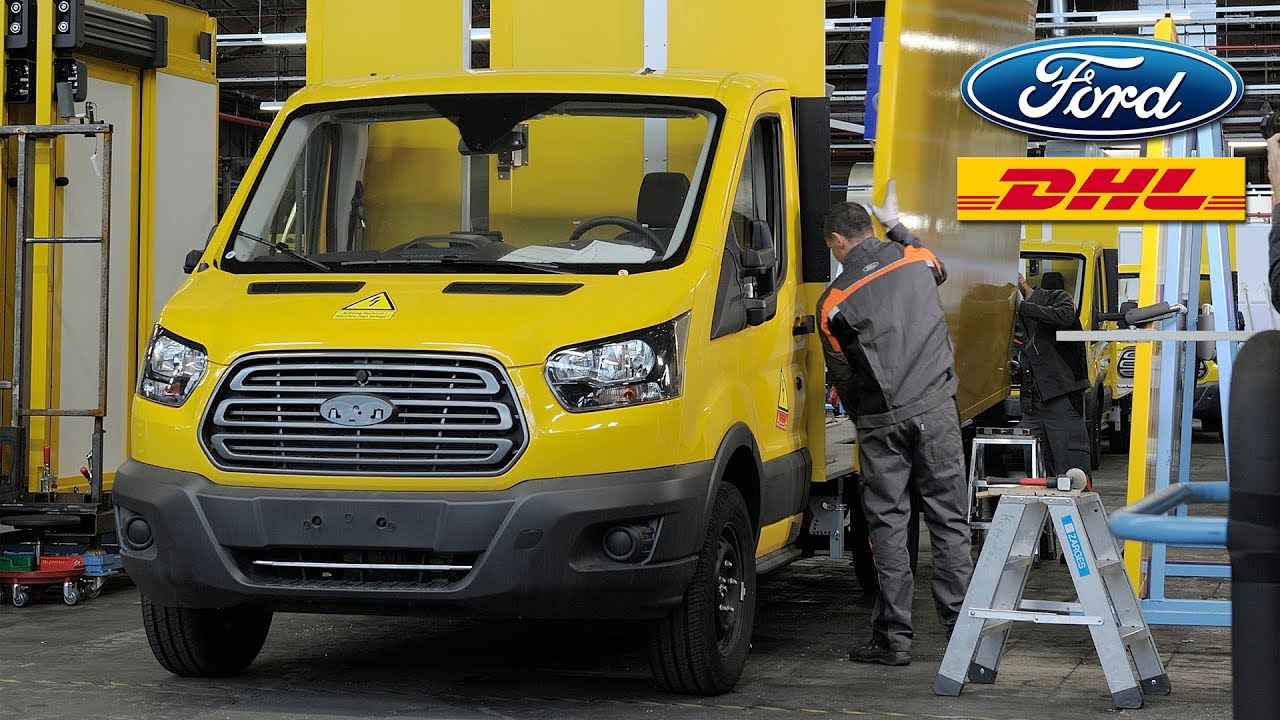
    Deutsche Post DHL Group’s StreetScooter electric vehicle unit will enter the U.S market next year as delivery firms and municipalities work to cut greenhouse gas emissions. DHL will debut StreetScooter’s zero-emission Work L delivery van in two urban U.S markets, one on each coast, starting in Spring 2020, the companies said

    They did not specify which markets would be the first.Full deployment could come in 2022 and 2023, said Ulrich Stuhec, StreetScooter’s chief technology officer, who joined the company from Ford Motor Co in October. Los Angeles, London, Berlin, Tokyo and 30 other cities around the globe have been working to establish zero-emission zones by 2030.

    Those cities hope to curb accumulating greenhouse gases that contribute to extreme weather, higher temperatures and rising sea levels, which have steep economic, environmental and human costs

    The transportation industry – which includes fossil-fuel-burning ships, trains, trucks and planes – accounted for 14% of global greenhouse gas emissions in 2010, according to the United Nations’ Intergovernmental Panel on Climate Change

    Over the last three years, DHL has kicked off “CO2-free last-mile delivery” efforts with German cities like Berlin, Hamburg and Munich. Roughly 10,000 of the 12,000 StreetScooter electric vehicles on the road make DHL deliveries. They operate in Amsterdam, Vienna and cities around Germany – saving roughly 36,000 metric tons of CO2 per truck each year, StreetScooter said.”We have the most experience on the road while others are still working on their first prototypes,” StreetScooter’s Stuhec said in a recent interview. Up-and-coming delivery competitor Amazon.com Inc in September gave the electric vehicle industry a jolt with its plan to order 100,000 electric delivery vans from Rivian Automotive LLC, a company it funds

    The first vans should hit streets in 2021. Meanwhile, Amazon said its delivery partners are using around 200 electric vehicles

    United Parcel Service Inc has 1,000 electric and hybrid electric vehicles in its fleet, and FedEx Corp last year announced plans to deploy 1,000 electric vehicles in California

    DHL fully acquired StreetScooter in 2014

    The unprofitable subsidiary is seeking new investors and customers to further ramp production

    Current partners include the United Kingdom’s Milk & More, which ordered 200 trucks, and Japanese delivery firm Yamato, which has started to deploy 500 planned vehicles

    In September, StreetScooter cracked the world’s biggest electric vehicle market – signing a memorandum of understanding with Chinese carmaker Chery Automobile Co to begin electric van production in 2021

  • Cebu Pacific cut flight delays in October

    Cebu Pacific cut flight delays in October

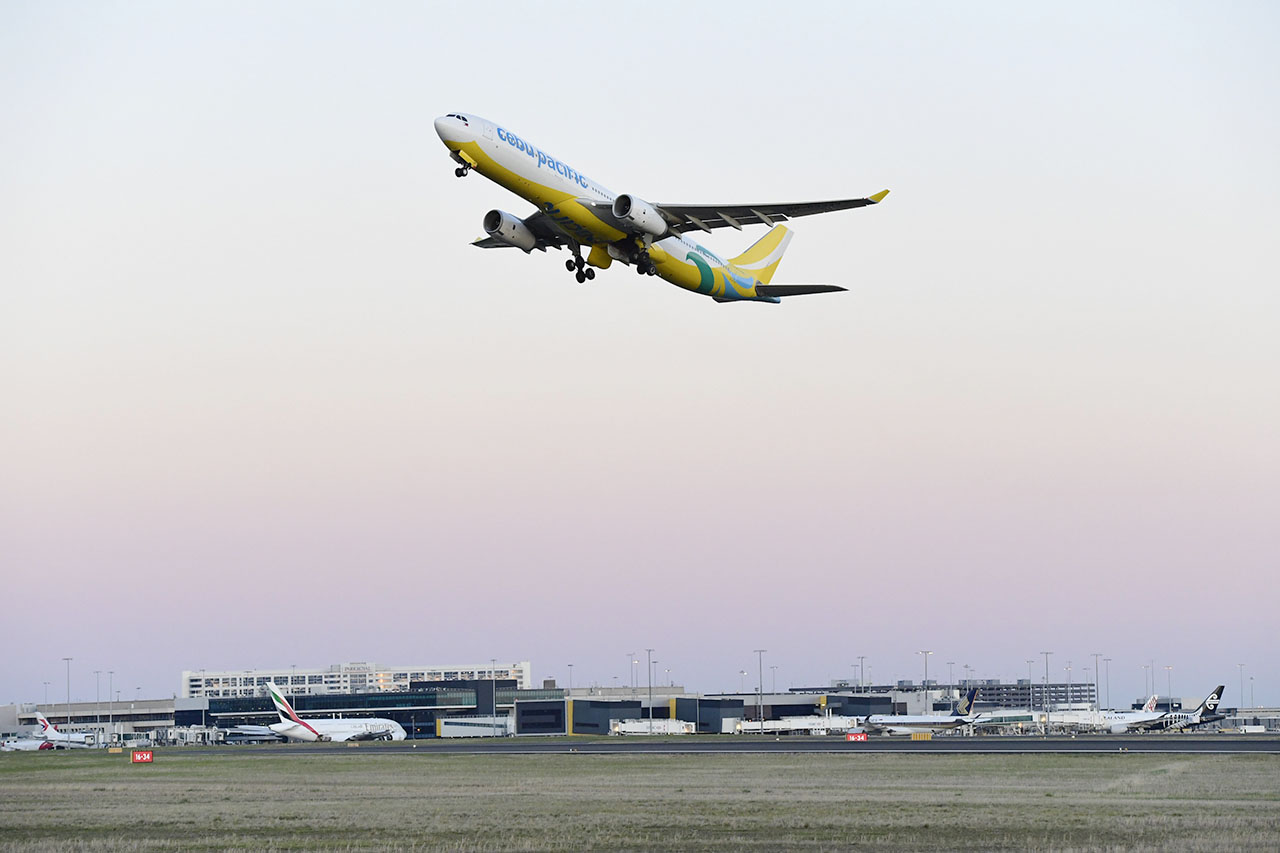
    Budget airline Cebu Pacific recorded minimal flight delays in October as on-time performance went up.

    The Department of Transportation (DOTr) said on Monday that Cebu Pacific posted an on-time performance of almost 85 percent last month, better than the 80.66 percent in September.

    A flight is considered on time if it leaves within 15 minutes of the scheduled departure.

    “The improved OTP is a result of the close cooperation and coordination with concerned government agencies to minimize delays across our network,” Michael Ivan Shau, Cebu Pacific chief operations officer, said in the statement.

    Earlier, flag carrier Philippine Airlines said on-time performance in the Ninoy Aquino International Airport (Naia), the country’s busiest gateway, hit 92 percent for the month of October.

    The DOTr noted in the statement that improved efficiency followed the signing in June of a commitment to decongest Naia and support the development of other gateways, including the Sangley Airport in Cavite.

    “I am happy that months after we signed the pledge of commitment, we continue to see improvements in OTP across the industry. I hope these efforts are sustained to make air travel in the Philippines more efficient and comfortable,” Transportation Secretary Arthur Tugade said in the statement.

  • AirAsia Receives Its First Airbus A321neo by

    AirAsia Receives Its First Airbus A321neo by

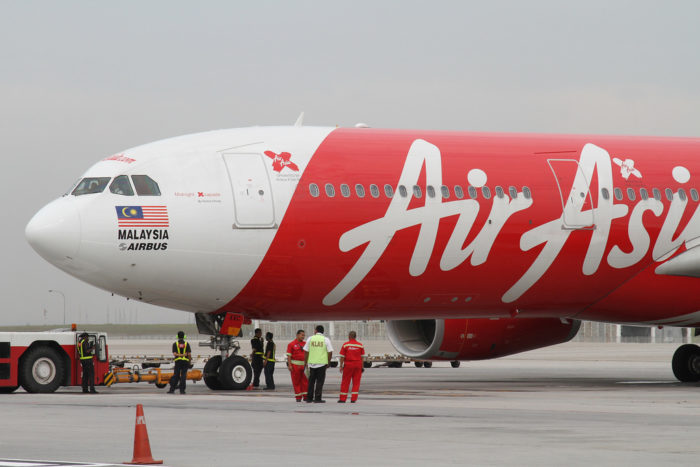
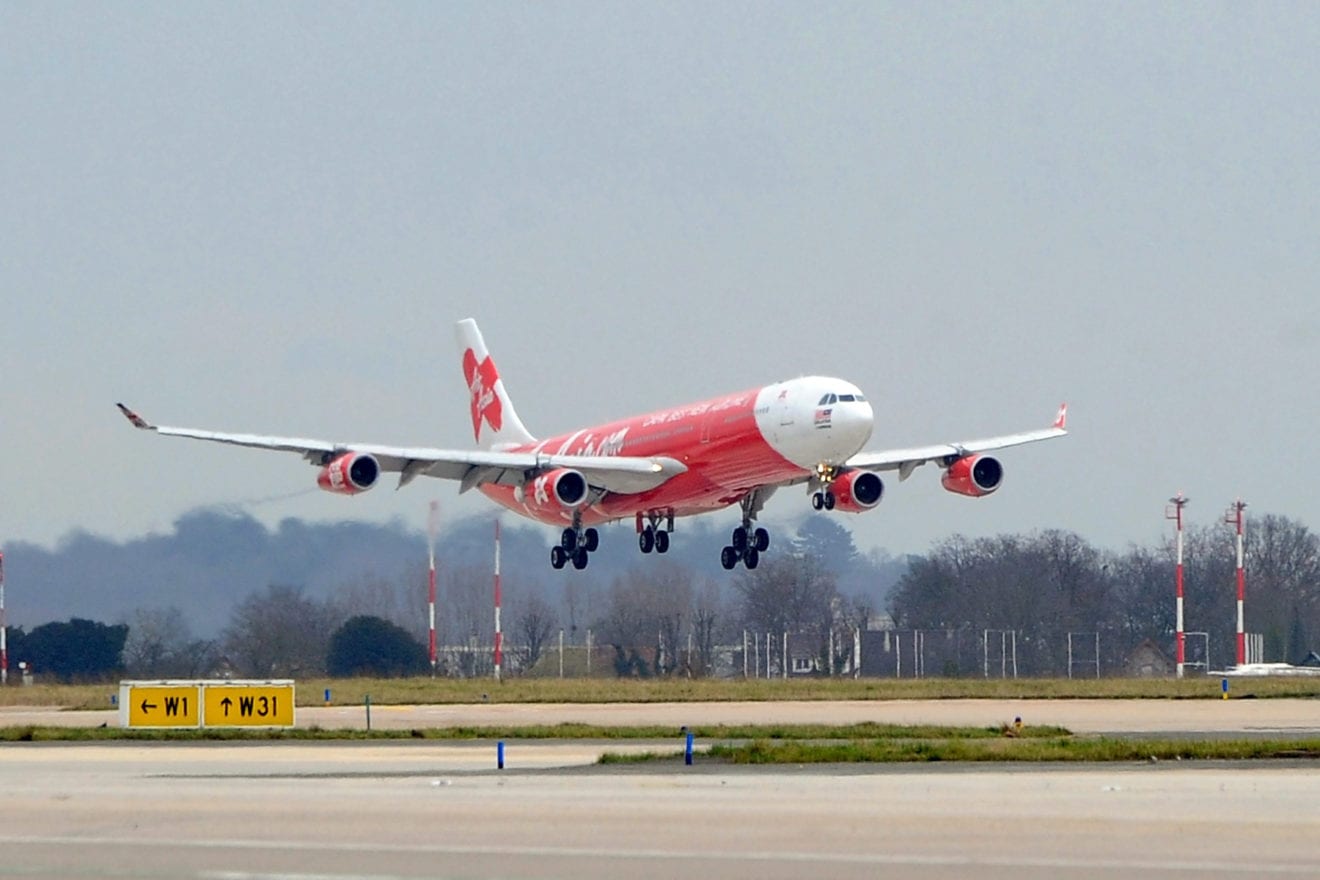
    At a delivery ceremony in Hamburg, Germany, budget airline Air Asia took delivery of its very first Airbus A321neo. The event took place on Wednesday under grey skies and wet conditions. The narrowbody long-haul jet will begin operating this week from AirAsia’s hub in Kuala Lumpur to cities across Asia. Destinations already identified include Kuching and Kota Kinabalu

    The Star also reports that it had its ferry flight back home after the ceremony, with over 30 media personnel from the Southeast Asian region as well as AirAsia staff. According to sources included FlightRadar24 and Planespotters, the airplane has been assigned the registration 9M-VAA and includes a unique and ‘funky’ livery.

    “We could not be more thrilled that it will be the new backbone of our operations across the AirAsia Group. With the 25% increase capacity and 10% reduction in cost per seat, the A321neo will enable us to maintain low fares so ‘Everyone Can Fly!’…This new generation aircraft delivers significant capacity and cost benefits which we can pass on to our guests in the form of great value fares and it also unlocks exciting network expansion opportunities allowing us to fly the aircraft for an additional one and a half hours longer.” -AirAsia Indonesia chief executive officer Veranita Yosephine

    A recent Twitter post about the delivery (shown below) mentions that this is the first aircraft out of the 353 ordered from Airbus. In fact, the delivery of this particular model is part of AirAsia’s plan to move from its existing fleet of A320neo aircraft to the larger A321neo.

    AirAsia revealed the order for the A321neo at the Paris Air Show this year. The airline announced the conversion of 253 A320neos to the larger A321neos. This will make AirAsia the largest customer in the world for this type.

    The larger A321neo offers 50 seats more over the current A320neos. Furthermore, it also provides 40% more cargo space as well as “expanded seating capacity with optimized use of cabin space”.

    The upscaling of the order back in June was welcomed news for Airbus. Although the quantity of aircraft ordered stayed the same, all of them being converted from existing A320 orders marks the biggest order for the larger variant of the narrowbody to date. It also signifies a massive vote of confidence for the type.

    The A321neo is the longest variant of the popular A320 family of aircraft. In fact, with the new improvements of the neo (new engine option), there is an expected 20% increase in fuel efficiency from the A321ceo (conventional engine option). Efficiency features include new generation engines and fuel-saving Sharklets.

  • AirAsia and AirAsia X have been named best low-cost airline in Asia again

    AirAsia and AirAsia X have been named best low-cost airline in Asia again

    AirAsia and its partner airline AirAsia X have been jointly named the best low-cost airline in Asia Pacific again at this year’s Airline Excellence Awards by AirlineRatings.com.

    The award is judged by the Australia-based aviation website through a five-star rating system considering factors such as in-flight entertainment, cabin space and comfort, beverages, food, and seat recline.

    This is the second time the Malaysian low-cost carrier has bagged the award, after taking the title from Scoot in 2018.

    Geoffrey Thomas, editor-in-chief at AirlineRatings.com, said that the AirAsia win was “richly deserved” and that the airline is in a “dominant market position”

    “These airlines have made travel affordable for tens of millions throughout Asia, and they offer outstanding value and a great experience,” he added.

    In June, AirAsia has also named the world’s best low-cost airline at the Skytrax World Airline Awards.

    AirAsia Group chief executive Tony Fernandes said in a statement that the airline will continue to focus on “delivering the very best value airfares for short, medium and long haul travel throughout Asia Pacific”.

    The airline is currently looking at slashing fuel burns to help keep airfares low through the new additions of Airbus’ A330 neo wide-body and A321 Xtra Long Range aircraft.

    Benyamin Ismail, AirAsia X’s chief executive officer, said that the two aircraft will provide the carrier with the “lowest possible operating costs to expand its network and enable even more people to fly further for less”.

    This will allow AirAsia X to further expand into markets like Australia, and “explore new longer haul markets including Europe, which are currently under review,” he added.

    The two Kuala Lumpur-based airlines have 272 total aircraft today, flying to more than 150 destinations in 25 markets.

  • A golden cube houses % Arabica Hong Kong’s newest store

    A golden cube houses % Arabica Hong Kong’s newest store

    Dutch architecture studio OMA has installed a golden cube housing a cafe outside K11 Musea mall in Hong Kong.

    The “Kube” kiosk, housing artisan coffee brewer % Arabica Hong Kong’s newest outlet, also features black marble furniture and is designed to resemble a traditional dai pai dong food stall.

    “The Kube is a multifunction installation to connect people visiting K11 Musea and passersby who share a moment to be fully present to experience the city, and possibilities of encounters,” OMA managing partner David Gianotten said.

    The kiosk is coated in an anodized aluminum cladding that appears to change hue in different light conditions.

    “What David Gianotten and Rem Koolhaas’ Kube adds to K11 Musea is … more than an iconic OMA feature,” said K11 Group founder Adrian Cheng, “but a symbolic space that explores Hong Kong’s waterfront culture, coffee culture and a new way to become part of a larger community.”

    OMA is hoping the installation will be used for public events and performances.

  • California coffee roaster Blue Bottle to launch in Hong Kong’s Central

    California coffee roaster Blue Bottle to launch in Hong Kong’s Central

    Artisanal coffee roaster and retailer Blue Bottle has been rumored to be expanding into Hong Kong since netizens discovered job postings for a brand experience manager and operations director back in August.

    Now, not only is the company seeking a logistics specialist on the ground, but details of a lease deal for a two-story 3000sqft space in Central have emerged.

    Blue Bottle has signed up for the space on Lyndhurst Terrace for six years.

    However, there is still no confirmation of a launch date as yet.

    Blue Bottle Coffee currently has more than 50 cafes in the US, and recently debuted in Japan and South Korea.

    The brand is renowned for its single-origin beans and its cold-brew coffee which prompted consumer-goods giant Nestle to acquire a 68-per-cent stake for US$425 million back in 2017.

  • Marie France Van Damme opens stores in Miami

    Marie France Van Damme opens stores in Miami

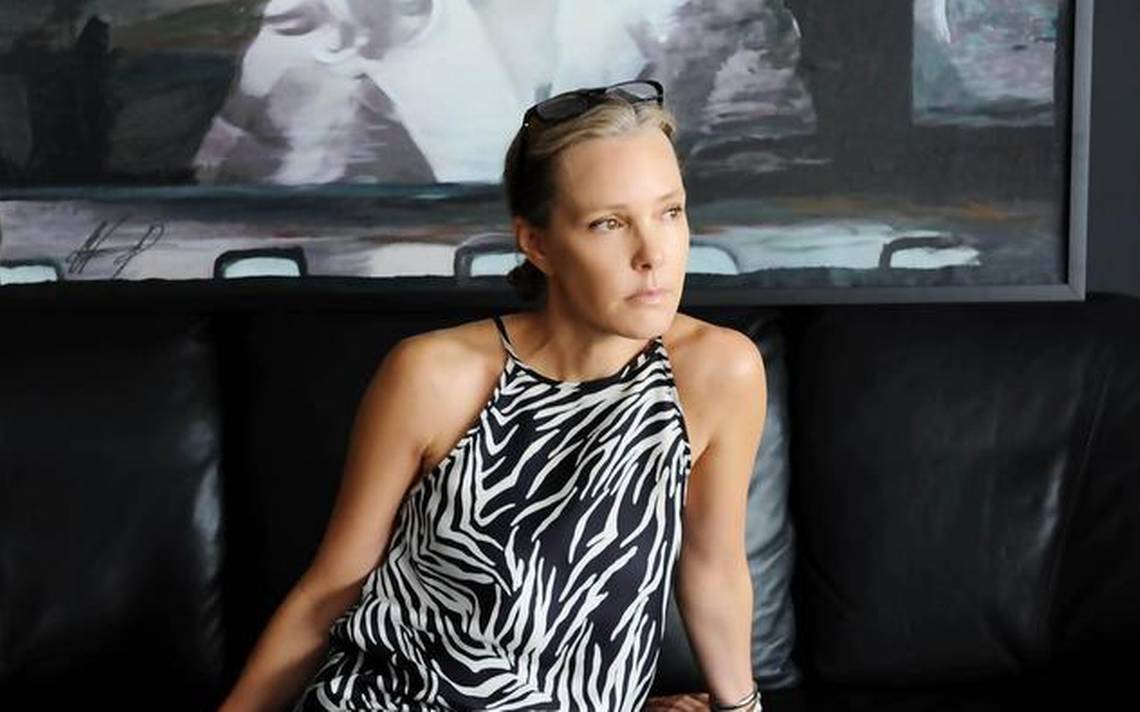
    Hong Kong-based designer Marie France Van Damme has entered into a long-term lease agreement with Bal Harbour Shops in Florida.

    The luxury resort wear designer initially opened her first Florida store at Bal Harbour Shops in January last year as a temporary pop-up shop, which operated through to last July. The updated boutique will reopen in its new unit in January.

    The new 800sqft store will continue to offer Marie France Van Damme’s exclusive collections of “Dolce Vita” essentials, including day dresses and evening wear, resort wear, bathing suits, and caftans.

    The boutique will feature teak wood, bronze panels, and embossed crocodile leathers with textiles and finishes reflective of the designer’s flagships in London and Hong Kong.

    “Miami is a vibrant fashion capital,” said Van Damme. “Like me, our customer travels around the world, and she needs to find things that will look beautiful during the day as well as at night; from the beach to a cocktail or dinner in the evening. It has always been a dream of mine to open a store at Bal Harbour Shops, and after extending our pop-up shop there as a result of a successful year, we are honored to create a more permanent home for our clients in one of the world’s most exclusive luxury shopping destinations.”

    Marie France Van Damme plans to continue to open new stores across the globe, focusing on cities that both inspire the designer and appeal to her “sophisticated, jet-set clientele”.