Author: Mei Ling Tan

  • Malaysian KFC, Pizza Hut operator QSR Brands revives IPO plan

    Malaysian KFC, Pizza Hut operator QSR Brands revives IPO plan

    Southeast Asian KFC and Pizza Hut operator QSR Brands is seeking to reboot its IPO in the fourth financial quarter this year.

    The firm was previously in talks to sell its Malaysia shares, but has since backtracked on the plan and returned to its initial IPO agenda, with its financial performance over the next two quarters crucial to the timing. The firm potentially stands to raise US$600 million in listing.

    QSR Brand’s MD Mohamed Azahari Kamil told Bloomberg the firm will make the necessary announcement at the appropriate time without further comment.

    The company has been assessing investor demand since March.

  • Liverpool FC opens store next month in Singapore

    Liverpool FC opens store next month in Singapore

    The first Liverpool FC Singapore store will open its doors next month, the football team’s second shop in Southeast Asia after Bangkok.

    Singapore’s Reds fans can find their favourite merchandise such as football jerseys at the new store, located at Bugis Junction shopping centre.

    Earlier this month, the store has announced via Instagram that it is looking forward to the opening of the Liverpool FC’s first official store in the city.

    “Bugis Junction is the 10th LFC Official Club Shop after Anfield, Williamson Square, Chester, Liverpool One, Birkenhead, Dublin, Belfast, Abu Dhabi and Bangkok,” wrote a Zulkiflee Marzuki on Facebook.

    Another store in Kuala Lumpur ceased trading in March 2019.

    The store’s exact opening has yet to be disclosed.

  • Blackstone makes initial investment in Indian fashion sector

    Blackstone makes initial investment in Indian fashion sector

    International private equity firm Blackstone has invested roughly US$244 million in debentures in Future Lifestyle Fashions holding company Ryka Commercial Ventures.

    The deal is accompanied by Blackstone’s acquisition of a 6-per-cent shareholding in Future Lifestyle. The firm is now Ryka’s sole financial partner.

    “This is our first investment in this sector,” said Blackstone’s head of tactical opportunities, Asia Kishore Moorjani in a DealStreetAsia report. “We look forward to being a value-added investor as FLFL and the Future Group continue to cater to the fashion needs of aspiring India.”

    The funds have been used to resolve all Ryka’s existing financial obligations.

    “Blackstone will support us in the continued growth of our fashion business, bringing global perspectives that will help us take FLFL to the next level,” said Future Group CEO Kishore Biyani.

  • Starbucks store opening in Penang

    Starbucks store opening in Penang

    A second Starbucks signing store has opened in Malaysia, this one in the heart of Penang’s historical deaf community.

    The world’s fourth Starbucks signing store it is part of the company’s ongoing commitment to inclusion, accessibility and diversity. It employs six deaf and seven hearing employees fluent in Malaysian Sign Language, expanding career advancement opportunities for the deaf and hard-of-hearing community in Malaysia.

    Starbucks’ first signing store globally opened in 2016 in Kuala Lumpur. The outlet’s success has inspired Starbucks to open signing stores in Washington DC in the US and in Guangzhou, China.

    In partnership with the Penang Deaf Association, Starbucks will support the professional training and development of the store’s employees, including internship opportunities and sign language classes.

    The three-story, 4600sqft store showcases how digital innovation enhances inclusive design. The store has been designed specifically to meet the needs of the deaf and hard of hearing employees and customers, including visual alarms, digital trays, and point-of-sale systems with an attached customer display.

    The Starbucks signing store also features a unique wall mural created by local deaf artist Lim Anuar, along with unique merchandise featuring sign language to raise awareness of the deaf community.

  • Swedish retailer Sneakersnstuff making debut in Tokyo

    Swedish retailer Sneakersnstuff making debut in Tokyo

    Stockholm-based retailer Sneakersnstuff is about to open a flagship store in Tokyo, its first Asia location.

    The retailer, known for its sneakers, said the Tokyo store will open on December 14 on Log Road in Daikanyama, which is home to high-end boutiques and restaurants.

    Designed by Stockholm-based design studio Bofink, the store will combine the best of both Scandinavian and Japanese design. And more than just a retail space, it will be a multifunctional lifestyle store with an inclusion of a cafe.

    “It features handcrafted and handmade furniture by Swedish and European artists and furniture makers, beautiful and unique colorways, traditional Japanese heritage materials, 3D-printed pieces and more,” Sneakersnstuff said in a statement.

    Tokyo will be Sneakersnstuff’s seventh location worldwide, joining Stockholm, London, Berlin, New York, Los Angeles and Paris.

    The retailer first announced a plan to expand into Asia in October last year.

  • Australian fashion brand Cotton On comes to Vietnam

    Australian fashion brand Cotton On comes to Vietnam

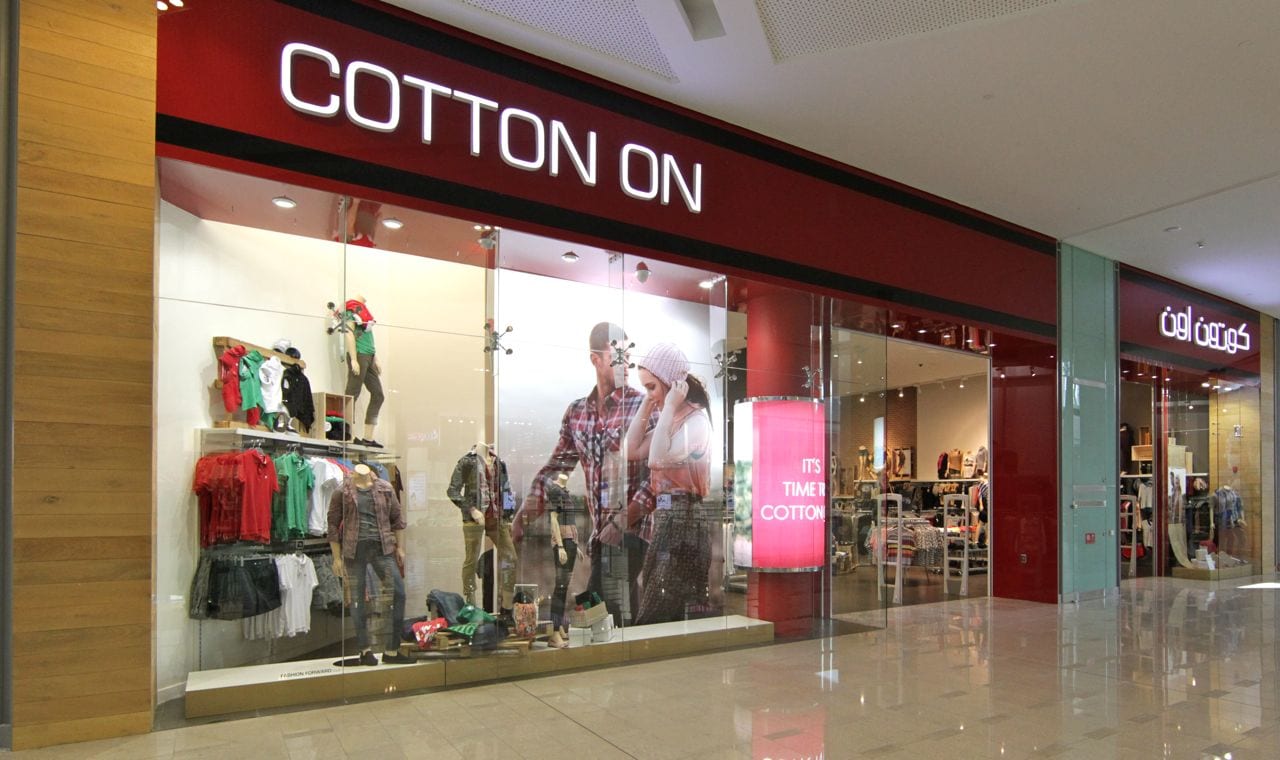
    Australian fashion brand Cotton On is the latest foreign player to come looking for a piece of the action in the growing Vietnamese market.

    It opened its first store in the country at Vincom Thao Dien in Ho Chi Minh City’s District 2 on November 15. It plans to open two more stores before December, including one at Aeon Mall Ha Dong in Hanoi, it said in a statement.

    “We know there is a growing demand for street/casual wear fashion in Vietnam, so we’re confident our distinctive product offering will resonate with customers who want access to the most effortless, on-trend products,” James Lavdas, Cotton On’s general manager of license, said.

    The group has come to Vietnam through a partnership with Imex Pan Pacific Group (IPPG), which also brought other fashion brands such as Nike and Mango to the country. It is the first Australian apparel retailer in the Vietnamese market.

    Cotton On, among the largest fashion brands in Australia, was established in 1991 and now has a presence in 19 countries. Before Vietnam, it had entered India in January.

    Earlier this month Japanese casual wear retailer Uniqlo announced it would open its first store in the country in Ho Chi Minh City’s District 1 on December 6, adding to the list of around 200 foreign fashion brands that have entered Vietnam, including Zara, H&M, Giordano, Topshop, Gap, and Old Navy.

    Industry insiders say that Vietnam, with its young demographic, growing incomes and 96 million population, is a hugely promising market.

    The industry was estimated to be worth $5 billion in 2018 and is expected to reach $7 billion by 2023.

  • One percent Vinamilk stake out of reach for Singaporean investors

    One percent Vinamilk stake out of reach for Singaporean investors

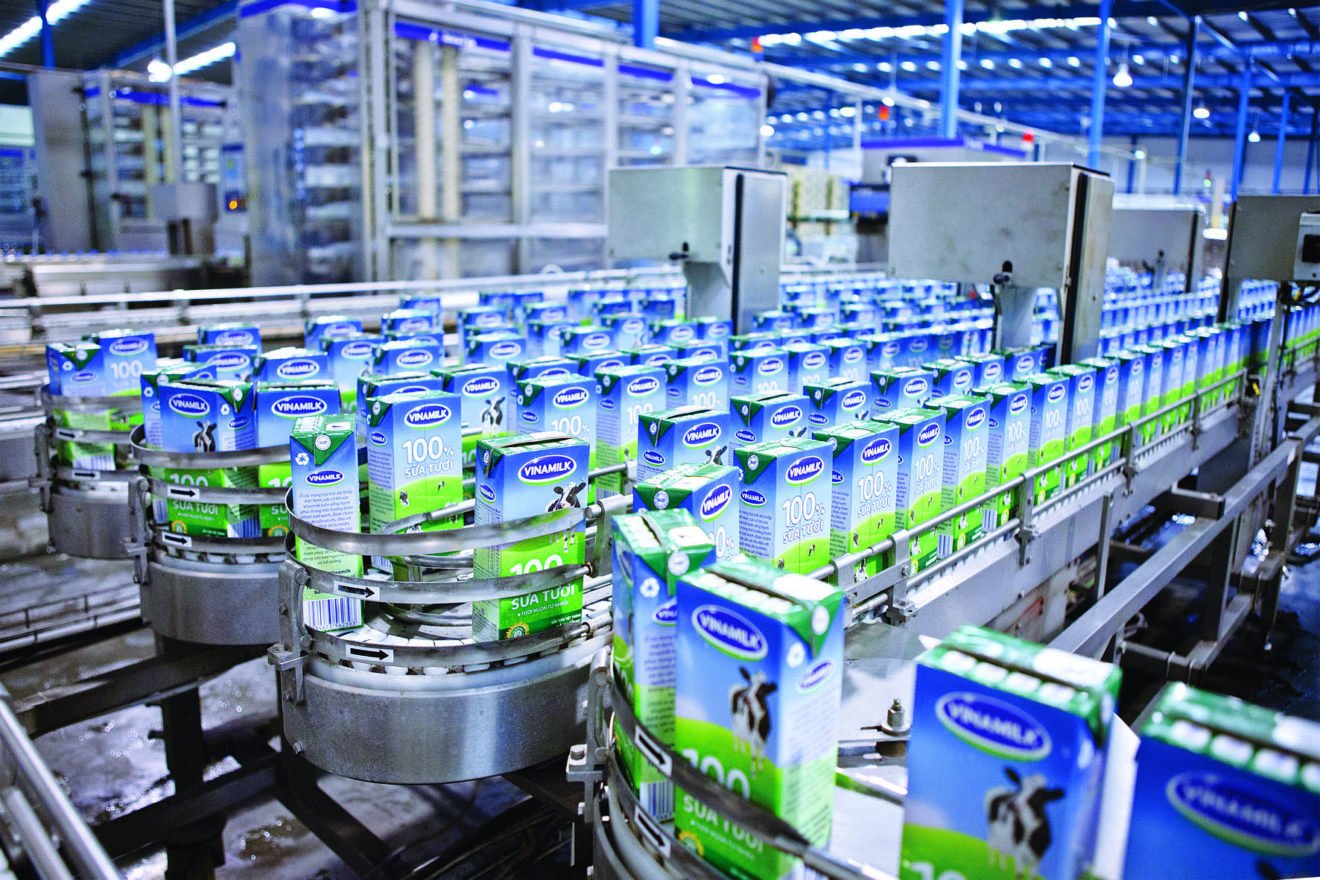
    Two Singaporean investors in Vinamilk have failed repeatedly to increase their stake in the dairy giant by one percent.

    In the latest instance, investment firm Platinum Victory has once again failed to increase its stake, Vinamilk said Monday.

    The Singapore-based company has been unable to increase its stake from 10.62 percent to 11.62 percent as of November 15 “due to unfavorable market conditions,” the Vinamilk statement said.

    Platinum Victory, a unit of Singapore’s leading diversified conglomerate Jardine Cycle & Carriage, has immediately registered again to buy the 1 percent stake between November 21 and December 20, Vinamilk added.

    Since early last year, another Singapore-based company, F&N Dairy Investments, which is the largest foreign investor in Vinamilk at 17.31 percent, has also been unsuccessful in repeated attempts to raise its stake by one percent.

    Vinamilk is among the largest listed companies in the country with a market cap of VND208.96 trillion ($9 billion). From January to September, the company’s after-tax profit rose 5.8 percent year-on-year to VND7.92 trillion ($341.5 million). The state is its largest stakeholder at 36 percent.

    Platinum Victory had last month proposed to spend $60 million on increasing its stake in Vietnam’s industrial appliance maker REE from 24.9 percent to 35.01 percent.

  • Standard Chartered Converts Physical to Mobile Tokens

    Standard Chartered Converts Physical to Mobile Tokens

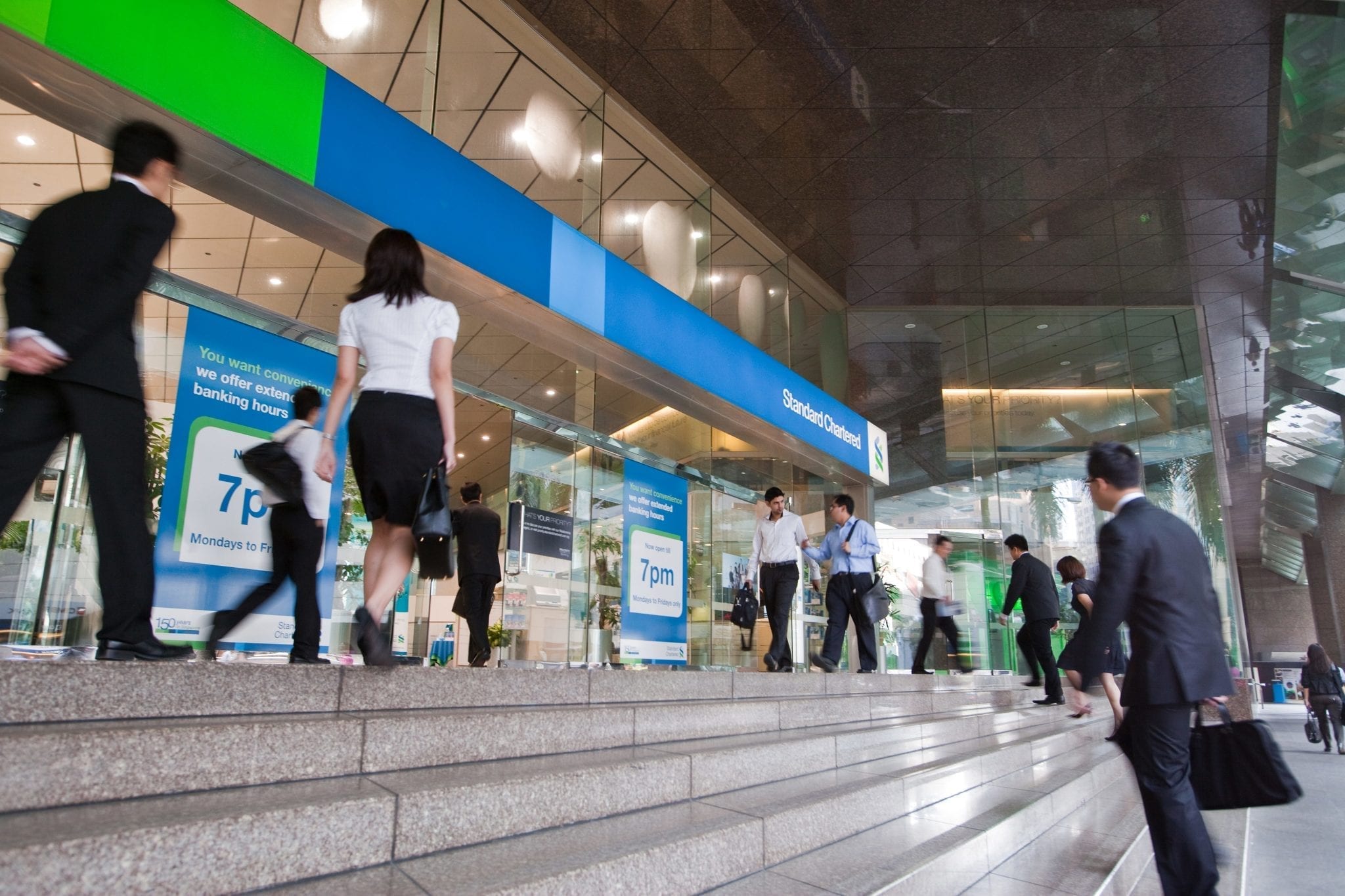
    Standard Chartered will transition from physical to mobile tokens for its online corporate banking platform with expectations to benefit more than 100,000 clients in over 38 markets.

    The transition will be rolled out across the markets for the «Straight2Bank» platform, which focuses on cash management and trade transactions, over the next three months.

    According to the bank, «the process of mailing, tracking and continuous replacement required for the physical token activation was time-consuming». Previously, it would take 10 days to open accounts compared to instant account-opening with mobile tokens. The new tokens will also contain enhanced encryption and a built-in layer of security against malware targeting mobile applications.

    Standard Chartered noted that transition from physical to mobile tokens is only the beginning of a broader strategy to «simplify user authentication and security».

    The mobile token solution takes into account not just convenience, it also provides our corporate customers with a more secure solution compared to physical tokens, said Martijn De Jong, Standard Chartered’s co-head of digital channels & data analytics for corporate, commercial and institutional banking.

    This is a critical first step in our aspiration to simplify user authentication and security. The endgame will be to leverage physiological credentials of the user to establish user identity and continuous authentication to combat fraud.

  • Ant Financial Eyeing Singapore’s Digital Bank Licences

    Ant Financial Eyeing Singapore’s Digital Bank Licences

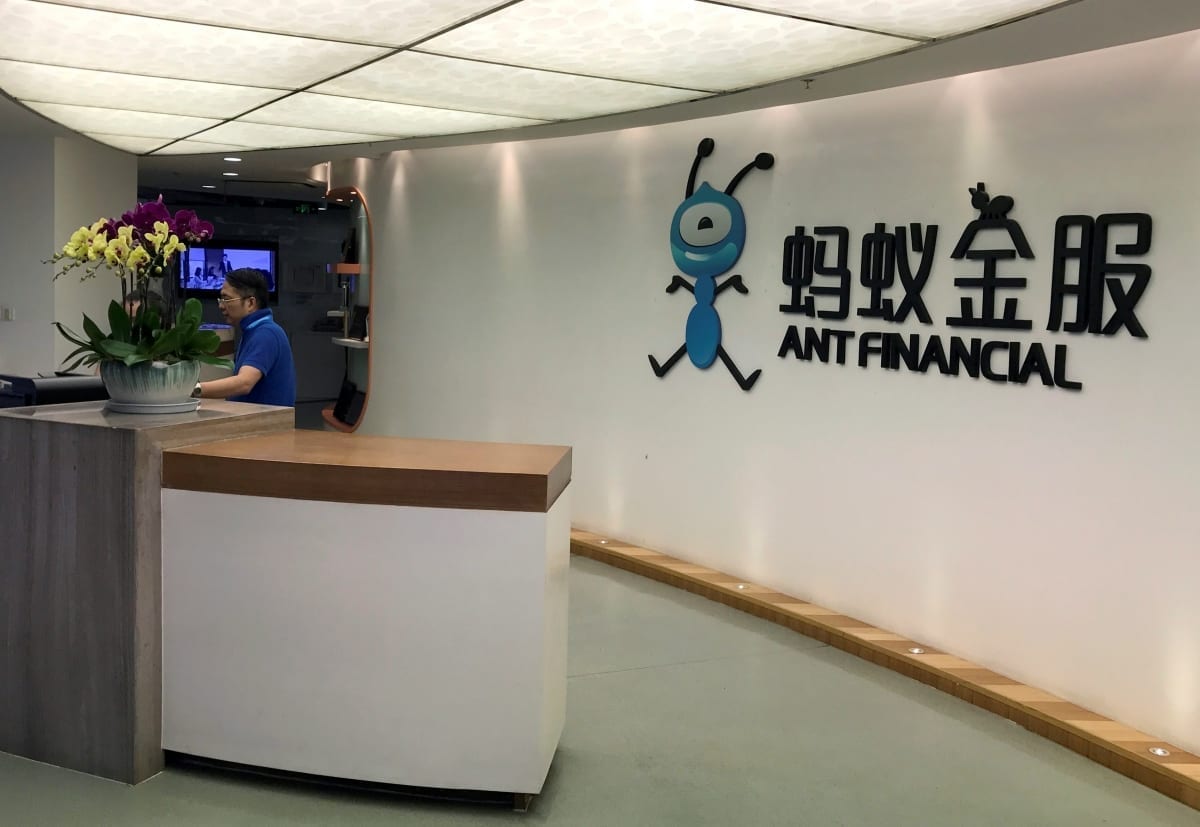
    Jack Ma’s Ant Financial Services may apply for a virtual banking license in Singapore, potentially making a splash in the regional banking landscape.

    Ant Financial Services is the latest contender to enter the race for a digital banking license. Up to two licenses are on offer for full digital banks, while another three are on offer for wholesale banks. The firm did not disclose whether it will seek a retail or wholesale license.

    We are actively looking into this opportunity,” said Ant Financial, who was quoted in a report. Ant’s payments app Alipay and its local e-wallet partners had about 900 million annual active users in China and 1.2 billion globally as of June, according to Bloomberg Intelligence.

    Singapore’s move to open up the banking industry to technology companies follows in the footsteps of Hong Kong, where Ant has obtained a license. So far, OCBC has agreed to join peer-to-peer lender Validus Capital and Temasek Holdings’ venture capital arm to apply for a wholesale license before the year-end application deadline.

    South-east Asia’s digital lending market is expected to more than quadruple to US$110 billion by 2025, according to a report by Bain & Co, Google, and Temasek Holdings.

  • E-Money More Popular than Credit Cards in Southeast Asia

    E-Money More Popular than Credit Cards in Southeast Asia

    Five Southeast Asian Countries have attracted non-banks to build regional electronic wallet platforms, with total e-money transactions exceeding 10 billion.

    Indonesia, Malaysia, the Philippines, Singapore and Thailand saw over 10 billion e-money transactions occur in 2018. Singapore led the region, accounting for 34 percent of total e-money transactions, having attracted nonbanks to build regional electronic wallet platforms, according to the inaugural 2019 Southeast Asia E-Money Market Report released by S&P Global Market Intelligence.

    E-wallets aligned with high frequency and scalable use cases like ride-hailing and e-commerce are likely to grow and garner market share across the region. The volume of transactions processed through e-wallets is gaining steam. For example, we estimate that e-wallets’ share of total e-money volumes in Indonesia grew to 36 percent in 2018 from less than 10 percent in 2017, said Sampath Sharma Nariyanuri, CFA, Fintech Analyst at S&P Global Market Intelligence.

    The popularity of e-money products by non-banks for small-value transactions is supporting the rise of ride-hailing and e-commerce companies as financial intermediaries across Southeast Asia, the research firm noted.

    Payments processed through platforms offered by ride-hailing companies Grab and Go-Jek; TrueMoney, a unit of e-commerce and fintech company Ascend Group; and AirPay, the financial services business of e-commerce and gaming company Sea amounted to roughly US$30 billion in aggregate annualized transaction value in 2018, according to the research firm’s estimates.

  • Bank of Japan Studying Digital Currencies

    Bank of Japan Studying Digital Currencies

    Although the Bank of Japan has no immediate plans to issue digital currencies, it is conducting research to prepare for future needs.

    Bank of Japan governor Haruhiko Kuroda said the central bank is studying digital currencies in case the need to do so heightens in the future, according to a report.

    If stable coins backed by companies with a huge customer base are issued globally, that could have an impact on monetary policy and financial system stability, Kuroda told the parliament. He added that stable coins should not be issued unless there is a sufficient framework in place to ensure governance and risk management.

    The stance could be triggered by China’s move towards a digital currency of its own. The Asian economic giant has expressed eagerness to launch its own digital currency using a framework called Digital Currency Electronic Payment or DCEP, and is likely to roll this out in the next two to three months, said Jack Lee, managing partner of HCM Capital, who was quoted in a report.

    That would allow its central bank to issue a digital currency to commercial banks and third-party payments networks by Alipay and WeChat Pay, he explained.

  • Sendo wins funding, overtakes Tiki in Vietnam

    Sendo wins funding, overtakes Tiki in Vietnam

    In this financing round, its largest to date, Sendo has been backed by its existing investors including SBI Group, Beenos, SoftBank Ventures Asia, Daiwa PI Partners, and Digital Garage together with new investors such as EV Growth from Indonesia, and Kasikornbank from Thailand.

    According to a statement, the funds will be used to expand the breadth of its existing integrated platform offering to both sellers and consumers, as well as to “further deepen its technology moat with AI and machine learning to enhance the overall consumer journey experience”.

    “While we have hit our annualized gross merchandise volume (GMV) target of US$1 billion earlier than expected, we care much more about meaningful and sustainable GMV growth, which we believe has to come from consumer stickiness owing to a great shopping experience,” said Hai Linh Tran, co-founder and CEO of Sendo, pictured above.

    “Sendo’s integrated ecosystem spanning marketplace, advertising, logistics and financial services is designed to ensure that, and that goes well with our monetisation strategy into multiple revenue streams and ultimately, our path to profitability.”

    Senior partner and MD of Softbank Ventures Asia, Daniel Kang, said Sendo’s strength in using the capabilities of its partners within the ecosystem has essentially created a win-win for merchants, advertising companies and financial institutions. “The company’s marketplace model is well-aligned to address the needs of typical Vietnamese sellers and consumers, and more importantly, to empower them,” he said.

    According to a recent report from iPrice, Sendo has become the second-most downloaded app and the second-most visited e-commerce website in Vietnam, overtaking its domestic rival Tiki which is 25.65 percent owned by Chinese e-commerce giant JD. Both Sendo and Tiki are concentrating solely on the Vietnam market,rather than expanding into other countries as its rivals are. Regional player Shopee remains number one.

    Sendo now boasts more than 500,000 sellers, with an estimated 17 million SKUs listed on its platform. The company serves more than 12 million customers across across the country.


  • For Sale: The World’s Most Exclusive Playing Cards

    For Sale: The World’s Most Exclusive Playing Cards

    You might think that a set of playing cards is a fairly cheap item that most people pick up in a convenience store or in an airport shop planning to use them to while away the time. While this is true of most sets, there’s a growing trend for retailers to stock more expensive and exclusive sets for people who also value them as collectors’ items or who want to make playing a card game a more exclusive experience.

    The history of playing cards goes back a long way with the first versions dating back to China in the first century AD. None of these survive and the oldest set currently on display date from the Middle East in the 15th century and can be seen in Istanbul’s Topkapi Palace.

    Whether any of these five examples of today’s most sought after sets will find themselves in a museum in 500 years’ time is impossible to predict.

    1. Smoke and Mirrors Gold Private Reserve

    Only 2,500 sets of these cards have ever been produced by the D & D Card Company and they are only available to those willing to visit the company’s San Diego showroom, which is only open by appointment. Each pack is individually inspected before being wrapped in gold foil and presented in a gold box.

    2. The Black Limited Edition Reserve Note

    Designed as one of series of sets using US banknotes as inspiration, the dramatic red and black design has found particular favour with players of blackjack, even if they’ve honed their skills and knowledge of blackjack rules online and then go on to use their expertise in a “live” game made even more special by these cards.

    3. Scarlett Tally-Ho Legacy Edition

    Funded by a Kickstarter promotion in 2015, the Scarlett Tally-Ho Legacy Edition was limited to just 50 sets, hence their extreme rarity value and prices of around $600 for each one. The cards were designed by Jackson Robinson making wide use of his favourite colour, red, and packed in a wooden case personally signed by the designer.

    4. White Centurions

    These cards really captured the public imagination when illusionist Chris Kenner used them in his famous Blueprint trick. As a result all of the 1,100 sets that had been produced sold out pretty much immediately and when they do appear for resale today you can expect to pay well over $300 to get your hands on them.

    5. Zenith

    Zenith was the very first design to be released by manufacturer Encarded‘s Signature Series in 2014 and has proved to be the rarest and most sought-after. The cards were designed by Paul Carpenter and use a silver holographic design on the back – thought to still be a unique playing card feature today.

    While these are all cards which have been on sale for some time now, rest assured that many more limited editions are still being produced which make superb retail items with a ready and willing group of customers prepared to pay the price. So why not start your search for some now?


  • VivoCity launches Asia’s first instant parking-rewards programme

    VivoCity launches Asia’s first instant parking-rewards programme

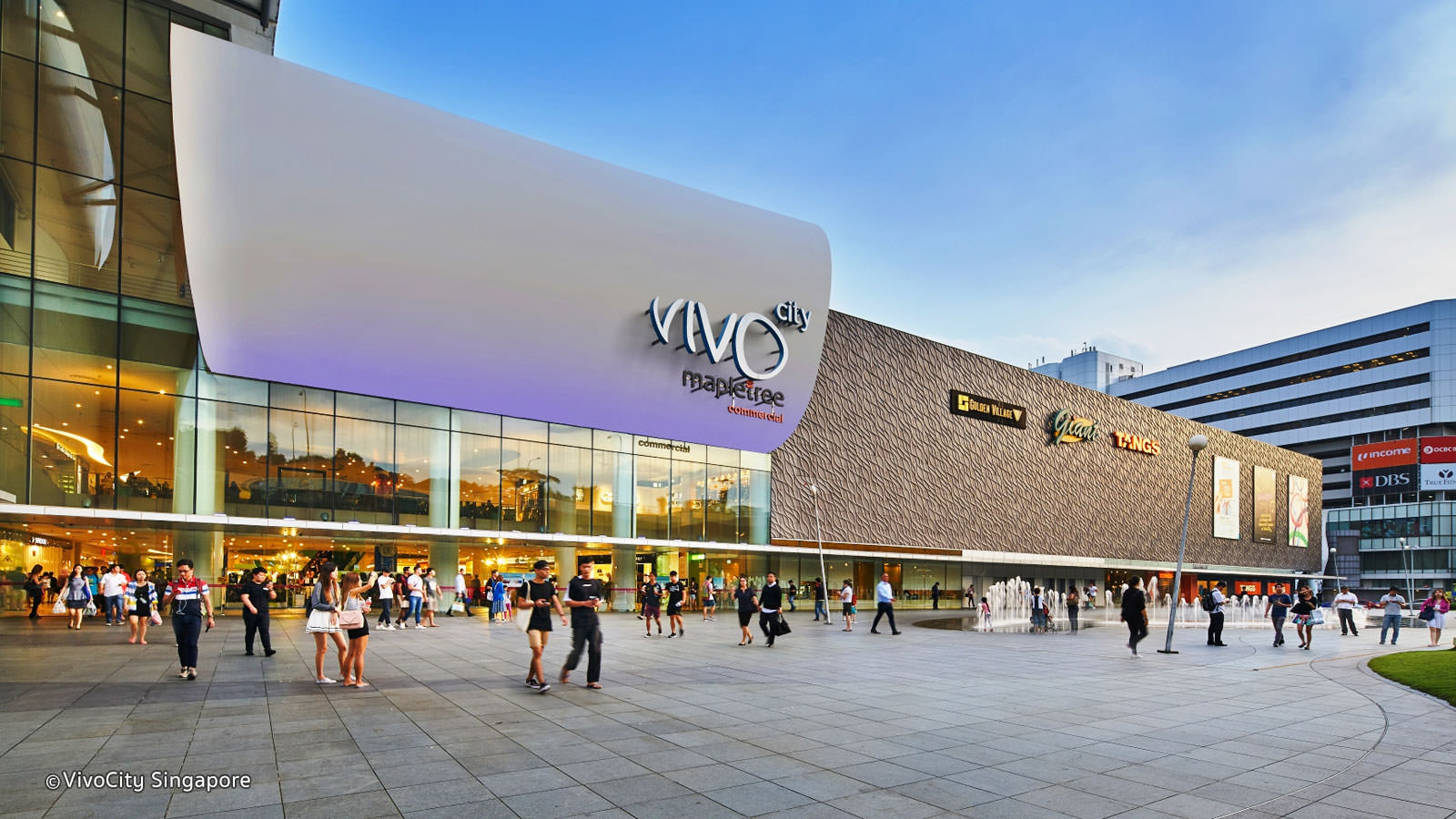
    VivoCity has partnered with DBS Bank to launch Asia’s first instant parking-rewards program.

    DBS customers can link their VivoRewards account to their DBS PayLah! account to earn points for purchases charged to an eligible DBS/POSB payment mode at VivoCity. Points earned will be applied to parking charges.

    “We work closely with merchants across Singapore to optimize their payments journey,” said Jeremy Soo, head of DBS consumer banking group in Singapore. “With our focus on using digital technologies to perfect customer experiences, we are able to work with our partners to co-create seamless and hassle-free experiences for their customers across multiple touchpoints.”

    The purpose of the new program is to bypass the usual “shop, scan, upload” method. Now,  by tapping onto DBS’ API and technology platforms, VivoCity can process eligible transaction information in real-time, calculate and award points instantly, increasing the program’s efficiency and accuracy.

    “It’s long been a bugbear for customers, having to collect receipts and wait for days before parking rebates are processed in a typical mall. We’ve been able to achieve a new payment milestone by eliminating this process altogether, so customers are able to receive rebates instantly and can focus on enjoying themselves at the mall,” Jeremy said.

    Head of retail management at Mapletree Commercial Property Management, Charissa Wong, said the introduction of the DBS x VivoRewards Instant Rewards Programme is part of an ongoing effort to enhance customers’ experience at VivoCity.

  • Tigerlily finally unveils new look across stores

    Tigerlily finally unveils new look across stores

    After a much-anticipated wait, the Australian designer brand Tigerlily has today unveiled a new look and branding across its stores, website and social media, alongside the launch of its dreamy resort 2020 campaign.

    In December, the retailer will open its flagship store at Melbourne Emporium, the first to reflect the brand’s new direction. The store design was inspired by exotic hotels and faraway holidays.

    Tigerlily began teasing customers with its relaunch almost two weeks ago when it wiped the contents of its entire Instagram and began slowly posting sneak peek preview videos and imagery.

    “Tigerlily feels like it has traveled the world and it is inviting us to come along on holidays”, Tigerlily CEO Chris Buchanan said in a statement. “And, as we expand into new markets and grow with our consumer, comes a refreshed look and perspective for the brand.”

    “She is a curious explorer with an adventurous spirit;a dreamer enchanted by discovery who lives for the experience. Each collection we create is aspirational but accessible for women, who embrace curiosity for exploring the new things.”

    The new resort 2020 campaign was inspired by the tropical holiday vibe of 1960s Hawaii and showcases the brand’s vibrant prints and effortless silhouettes.

    According to Buchanan, under the brand transformation, Tigerlily’s collections will take on a more sophisticated approach and next year, it will start delivering two collections per season to better serve international customers.

    Its ready-to-wear collection will feature more elevated and contemporary designers at high price points, while its Holiday Edit collection will focus on swimwear and over swim.

    “I think everyone remembers Tigerlily as a swimwear brand, but for 15 years, we’ve been a clothing brand. There’s no better way to celebrate 20 years of being one of Australia’s most iconic brands than to start a new journey and really create some clarity around who we are and what we do,” Buchanan said