Author: Mei Ling Tan

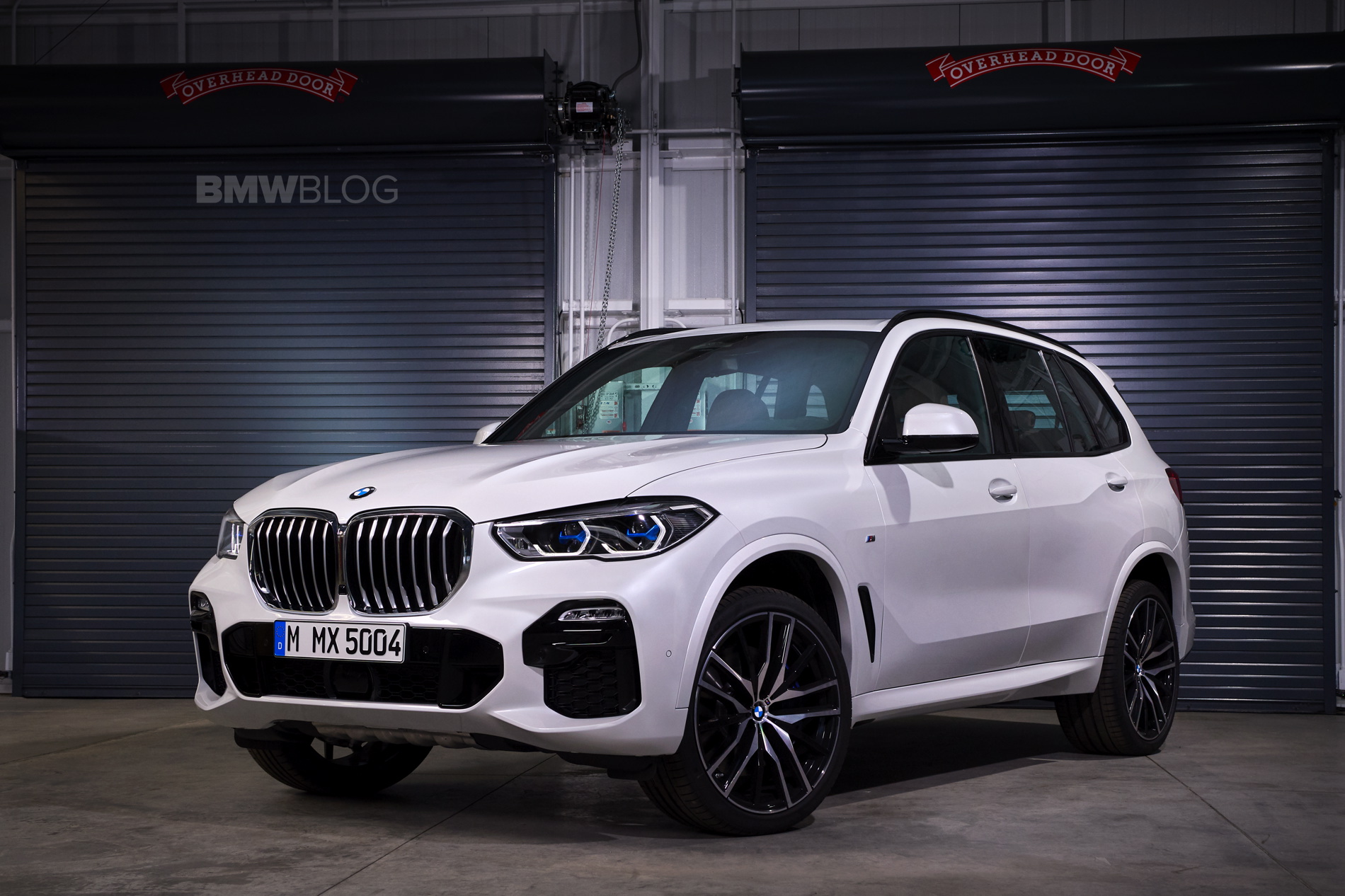
  • BMW Executive Markus Duesmann Tasked With Reviving Audi

    BMW Executive Markus Duesmann Tasked With Reviving Audi

    Volkswagen on Friday installed former BMW executive Markus Duesmann to reinvent Audi after the German premium brand lost key engineering know-how and influence in the wake of the 2015 diesel-cheating scandal. Duesmann will become chief executive of Audi as well as take on board level responsibility for research and development at Volkswagen Group on April 1 next year, the Wolfsburg-based multi-brand group said on Friday.

    Duesmann’s job will include injecting new meaning into the company’s advertising slogan “Vorsprung Durch Technik”, or “advancement through technology”, after Audi fired a raft of senior engineers in the wake of the diesel scandal. “Markus Duesmann will do everything to unlock the huge potential of the Audi brand,” Volkswagen Group Chief Executive Herbert Diess said at a press conference in Wolfsburg on Friday. Audi, based in Ingolstadt, Bavaria was a major research and development hub within Volkswagen, setting standards in aerodynamic efficiency, lightweight aluminum construction, dual-clutch gearbox technology and four-wheel-drive systems.

    But the premium brand struggled after it was discovered that engine management software, used to manipulate exhaust emissions tests at VW, was designed by Audi engineers, leading to the firing of engineering chiefs and its long-term CEO. After Audi chief Rupert Stadler was dismissed, Audi installed a sales expert, Bram Schot has interim CEO, and the brand struggled to redefine “Vorsprung Durch Technik.”

    “We need to partly refine the ‘Vorsprung’. We are working on it,” Audi’s sales chief Hildegard Wortmann told Reuters at the Frankfurt car show in September. “We don’t need little ‘Vorsprung’ stories, we need real ‘Vorsprung’ stories,” Audi’s current head of research and development, Hans-Joachim Rothenpieler told Reuters. Audi’s electric car e-tron, as well as fuel cell technology, are two pillars upon which Audi can resurrect its brand claim, Rothenpieler said. Audi’s works council chief, Peter Mosch, welcomed the appointment of an external manager. “From Markus Duesmann and his team, we expect the stable utilization of our factories and a more courageous approach.”

  • Renault’s Delbos Vies For CEO Post As Hunt Narrows

    Renault’s Delbos Vies For CEO Post As Hunt Narrows

    Renault’s interim chief executive Clotilde Delbos has applied to take the job on a permanent basis, two sources familiar with the matter said, as the French carmaker edges towards a shortlist likely to also feature several external candidates.Financial chief Delbos was propelled to the job on a temporary basis after CEO Thierry Bollore’s ousting in mid-October, as Renault and its Japanese partner Nissan clear the decks of managers closely associated with the Carlos Ghosn era.

    Ghosn, who chaired the alliance between the two companies, was arrested in Japan a year ago on financial misconduct charges he denies, and Renault and Nissan have been striving to repair their strained ties since.

    Delbos, who joined Renault in 2012, had put herself forward for the CEO job but was not certain to feature on the shortlist of frontrunners, despite being one of the few likely internal candidates, one of the sources said.

    That selection, which would comprise around three names, is expected to be turned over to the group’s nominations committee in the coming days, the source added.

    Delbos declined to comment when asked by Reuters earlier this week whether she had applied. Renault also declined to comment on Friday.The French carmaker, chaired by Jean-Dominique Senard, a former executive at tire maker Michelin parachuted in following the Ghosn scandal, is expected to choose a new CEO by year-end so that the group can try and fully refocus on its operations.

    Like many peers, both Nissan and Renault are struggling with falling sales in a faltering global auto market.

    Several heavyweight external candidates have been cited as good fits for Renault, and the French government, which has a 15% stake in the carmaker, has already made clear it was not opposed to a non-French national getting the job.

    Didier Leroy, a senior Toyota executive who was already seen as a potential replacement for Ghosn when the latter was close to departing last year, has once again been cited in the recruitment process, two other sources close to the situation said.

    “I do not pay attention to these rumors and remain 100%focused on my job at Toyota, where I enjoy a very trustful relationship with Akio Toyoda,” Leroy said, referring to Toyota’s president in a statement sent to Reuters through the Japanese carmaker.

    One of the sources said that Patrick Koller, the Franco-German CEO of car parts maker Faurecia, and Luca de Meo, the Italian boss of Volkswagen-owned SEAT, also ticked many of the boxes for recruiters, namely as both spoke French.

  • Nissan Recalls Nearly 400,000 Vehicles Over Braking System Defect In The US

    Nissan Recalls Nearly 400,000 Vehicles Over Braking System Defect In The US

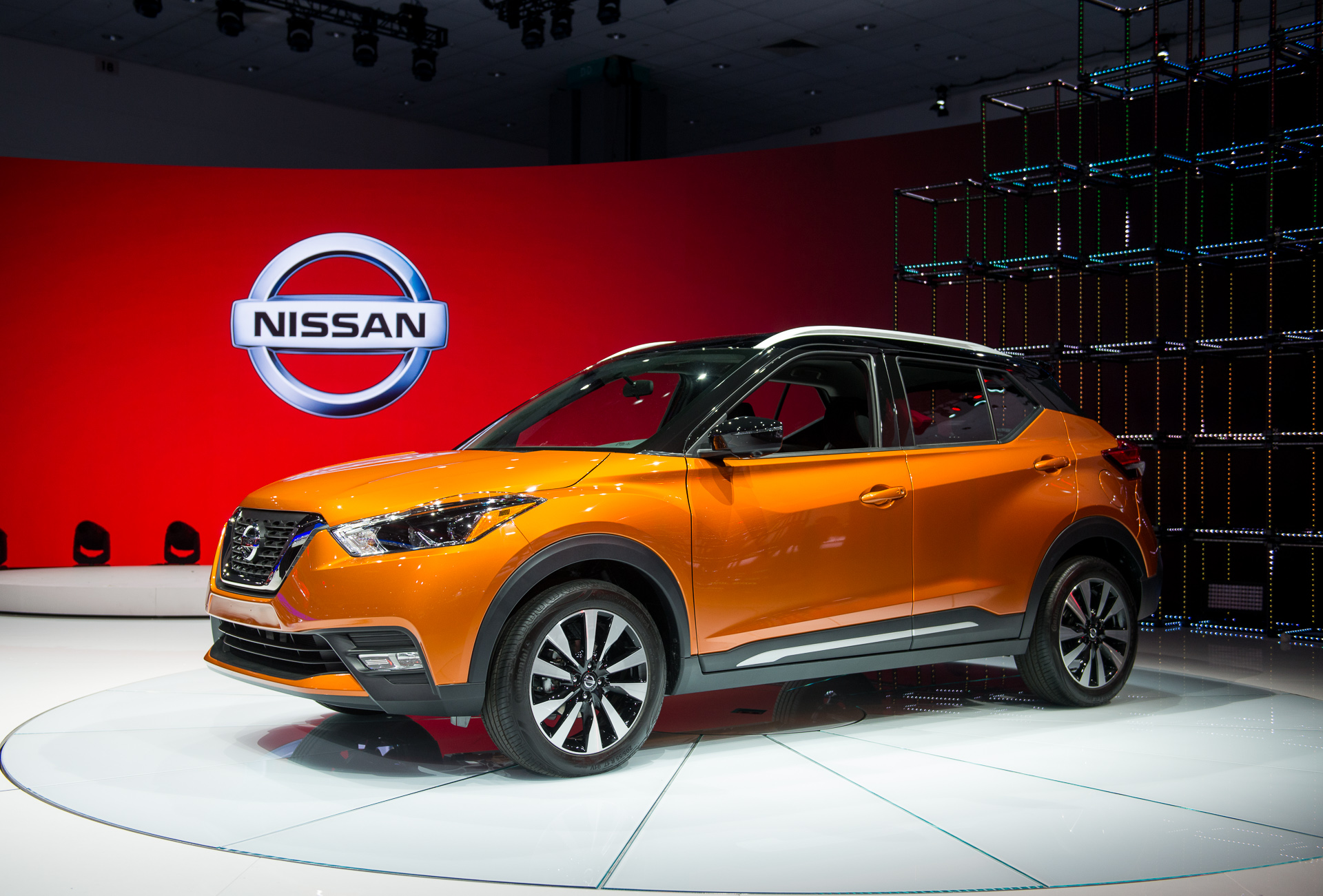
    Japan’s Nissan Motor has said it is recalling 394,025 cars in the United States over a braking system defect, causing concerns that a brake fluid leak could potentially lead to a fire. The leak into internal circuit boards will trigger a warning to drivers, which if ignored may lead to a fire in “rare instances,” Nissan said in a filing dated Nov. 8 with the National Highway Traffic Safety Administration (NHTSA) under recall number 18V-601. “… if the warning is ignored and the vehicle continues to be operated in this condition, the brake fluid leak may potentially create an electrical short in the actuator circuit, which in rare instances, may lead to a fire,” the Japanese automaker said.

    The recall, which was reported on Friday by U.S. media, includes Maxima sedans from 2016 through 2018, Infiniti QX60 luxury crossovers from 2017 to 2019, Murano SUVs from 2015 to 2018 and Pathfinder SUVs from 2017 to 2019, the filing showed.

    The document does not mention whether the brake system defect actually caused any fires or injuries.

    The company also reportedly said that it was working to fix the issue and that owners of the affected cars will be notified starting early next month.

    “Once the remedy is available, owners will receive a final notification letter asking them to bring their vehicle to an authorized Nissan dealer or INFINITI retailer to have the remedy work completed at no cost for parts or labor,” it told NPR in an emailed statement.

    The development comes less than two months after NHTSA opened a preliminary investigation into 553,000 Nissan Rogue sport utility vehicles after reports of their automatic emergency braking systems engaging without warning or an obstruction.

    Improper inspections of brakes, steering wheels, speed measurements and vehicle stability had also caused the company to issue a recall of several thousand vehicles in Japan late last year.

    In September, the company recalled 1.3 million vehicles to fix a problem with its backup camera displays.

  • Ford Bets On An Electric Mustang To Charge Its Turnaround

    Ford Bets On An Electric Mustang To Charge Its Turnaround

    The Mustang Mach E electric sport utility vehicle Ford Motor Co unveiled in Los Angeles on Sunday is more than another car for the storied automaker. The Mach E has become within Ford a high-profile test for a restructuring that has been marred by profit warnings, costly quality problems and the troubled launch this year of another important vehicle, the Ford Explorer sport-utility.

    For Chief Executive Jim Hackett, the Mach E’s aggressive design and futuristic interior represent a long-awaited, visible sign of the overhaul of the company’s product creation process that he has tried to explain to skeptical Wall Street analysts for the past two years.

    By accelerating the “clock speed” of vehicle development, cutting overlapping product architectures to just five from 13 and extending the company’s most successful brands to new products, Ford could slash $20 billion out of a five-year, 2018-2023 product plan, Hackett told Reuters.

    “This is the first thing we generated out of this new thinking,” Hackett said in an interview ahead of the Mach E unveiling. “We have a lot more coming.”

    For Ford Chairman Bill Ford Jr., the Mustang Mach E puts together two previously conflicting goals: His desire for Ford to be a leader in clean cars and make the automaker carbon-neutral by 2030, and his personal love of the Mustang and its growling V-8 engine.

    “We are really pushing our chips in on the table with this vehicle,” Ford said in an interview ahead of the Mach E’s unveiling. The automaker has said it will spend $11.5 billion developing electric and hybrid models by 2022.

    The Mach E started with humble ambitions. The SUV originally was to be what Ted Cannis, Ford’s global director for electrification, called a “compliance” play – an electric variant of a front-wheel-drive internal combustion vehicle, aimed at generating emissions credits to comply with clean air regulations at low cost. There was no link to the Mustang’s muscle car image.

    Boring electric cars were the norm for Ford and other legacy automakers. Then Tesla Inc in 2013 launched its Model S – an electric car that looked like a sporty European luxury sedan with a giant screen for a dashboard and entertainment and functional features that could be upgraded with over-the-air software updates. Tesla’s market value is now higher than Ford’s.

    Ford’s own customer research showed dull electric cars were a mistake, Cannis and other executives said. Those doubts came to a head in mid-2017 when Hackett, then newly appointed, reviewed the design for the electric SUV with Executive Vice President Jim Farley, who has owned seven of the cars starting with a 1965 model he restored when he was 14 years old.

    “It’s not good enough,” Hackett recalled saying. Farley agreed, and Hackett said, “We tear it up.”

    The team designing the vehicle started over, using a new architecture engineered from the start to be a battery-electric vehicle, instead of the original plan to use a modified version of an internal combustion engine vehicle, Ford executives said.

    The Mustang muscle car’s distinctive “shark face” front end and body proportions were adapted to a new skin, and under the floor Ford designed a new battery pack that can deliver up to 300 miles (483 km) of range in an “extended range” version.

    The re-do had to be accomplished much faster than normal to stay on target for a fall 2020 launch.

    “We were super behind time,” said exterior designer Chris Walter during a briefing on the vehicle ahead of the Los Angeles debut.

    A concept for new dashboard software and a display using a 15.5-inch (39 cm) diagonal screen was pulled together in just 90 days by a 15-person group that called itself Team Menlo – a reference to Thomas Edison’s Menlo Park, New Jersey, laboratory. A paper prototype of the new screen used an empty Keurig coffee pod to represent a large control knob.

    The overhaul cost money, but Ford product development chief Hau Thai-tang told Reuters the dedicated electric vehicle architecture should allow for 25% to 30% improvements in manufacturing efficiency to help offset the cost.

    The final call on using the Mustang name came from the top, and was not given easily.

    “I was dead set against it, initially,” Bill Ford said. Ford said he started to warm to the idea as he saw the styling and the performance data for the vehicle.

    Ford said he did not grant his approval until earlier this year after driving a prototype.

    “It felt like a Mustang experience to me,” he said.

    This is not the first time a challenge to reinvent the Mustang has emboldened Ford employees to break with convention during a rough patch in the company’s history.

    The original Mustang launched in 1964 was derived from a mainstream Falcon compact car, and quickly became a hit, far outselling the company’s projections.

    In the early 1990s, with the economy in a slump, a small group of Ford employees rebelled against a plan to transform the rear-wheel-drive Mustang into a front-wheel-drive car developed by Ford’s then-partner, Japanese automaker Mazda Motor Corp. That project became a laboratory for cutting the costs of product engineering by putting representatives of different functions on the same team.

    The Mach E is another turning point, Hackett said. “The science project platform for EVs is now gone.”
  • Cebu Pacific increases capacity in Clark, Palawan

    Cebu Pacific increases capacity in Clark, Palawan

    Cebu Pacific said it will end the year as the biggest carrier in terms of capacity at the Clark International Airport and the Busuanga and Puerto Princesa airports in Palawan.

    In a statement, the Gokongwei-led budget carrier attributed the increased capacity share in Clark to the direct flights to Guangzhou and Puerto Princesa, as well as between Puerto Princesa and Hong Kong.

    Cebu Pacific said its capacity share at the Clark International Airport will hit 28% by end-2019. The airline mounts 190 flights weekly from this hub to Bacolod, Bohol, Caticlan, Cebu, Davao, Iloilo, Puerto Princesa, Guangzhou, Hong Kong, Macau, Narita and Singapore.

    “Cebu Pacific has taken a measured pace of expansion in Clark, but we have always believed in the potential of Clark. Over the past 12 months, our capacity growth in Clark hit over 90%. With the growth in passenger traffic in Clark, we are bullish that the new routes we launched over the past few months will continue to perform strongly,” Alexander G. Lao, chief strategy officer of Cebu Pacific, was quoted as saying.

    The airline is also set to end the year with 46% total capacity share in Puerto Princesa and the Busuanga Airport. Cebu Pacific mounts 190 flights a week to and from Palawan.

    “We remain confident that Hong Kong will bounce back, and despite current concerns, there is continued demand for travel between Hong Kong and the Philippines. We are confident in the potential of Palawan to grow tourism sustainably, and we will continue to work with our stakeholders in Palawan to better connect the province to the rest of the Philippines and to key tourist catch points in Asia,” Alex B. Reyes, vice-president for commercial at Cebu Pacific, said.

    Cebu Pacific increased capacity by 23% to 19 million seats as of end-September.

    Cebu Air, Inc., the listed operator of Cebu Pacific, said its nine-month profit surged 142% to P6.75 billion, as it added flights and raised average fares.

  • AirAsia to start selling competitor flights on website

    AirAsia to start selling competitor flights on website

    AirAsia has expanded its online offering to include flights on other airlines as it transforms airasia.com into Asia Pacific’s leading travel and lifestyle platform. This was done in partnership with leading travel technology company Kiwi.com. Powered by Kiwi.com, AirAsia’s website users will be able to book travel on more than 100 airlines to destinations currently not served by AirAsia, including Europe, Australia, New Zealand, the Middle East, and the Americas.

    airasia.com head of airline distribution Rajiv Kumar said in addition to the strategic partnership with Kiwi.com, which is focused on content and technology sharing, AirAsia is also exploring opportunities to partner directly with airlines and companies who complement our existing network and travel services beyond Asia Pacific.

    airasia.com CEO Tony Fernandes said, “Today is an unbelievable day. When we started AirAsia as a low-cost airline back in 2001, I never thought one day we would be selling our competitors. But if there’s one thing I’ve learned, it never says never. Never say never and believe the unbelievable. Today, with the help of Kiwi.com, we are reinventing ourselves as more than just an airline, bringing to life our vision for airasia.com to be the region’s one-stop travel shop.”

    Kiwi.com CEO Oliver Dlouhý said, “I’m extremely proud that Kiwi.com has been selected to power AirAsia’s transformation and its ambition to make airasia.com a leading travel and lifestyle platform. We have an abundance of airlines and ground carriers at our disposal and together with AirAsia and its enormous customer base, we are proud to be able to open their platform to the rest of the world.”

    To celebrate the announcement and its partnership with Davis Cup by Rakuten, which takes place on 18-24 November 2019 in Madrid, Spain, AirAsia has kickstarted a global marketing campaign featuring its very own Spanish Allstar, airasia.com. The campaign was launched at AirAsia’s global headquarters RedQ in Kuala Lumpur to much fanfare with a promotional all-in return fare to Madrid from Kuala Lumpur, Bangkok, Jakarta, and Sydney.

    The campaign comes off the back of the company’s reorganization, which separates AirAsia’s airline operations from its travel and lifestyle arm, airasia.com. Since the reorganization was announced in August this year, more than 700 Allstar staff have been recruited, and in addition to being based across Asia Pacific, a new airasia.com campus will open in central Kuala Lumpur early next year.

  • Petrol Prices Rise For 5th Consecutive Day

    Petrol Prices Rise For 5th Consecutive Day

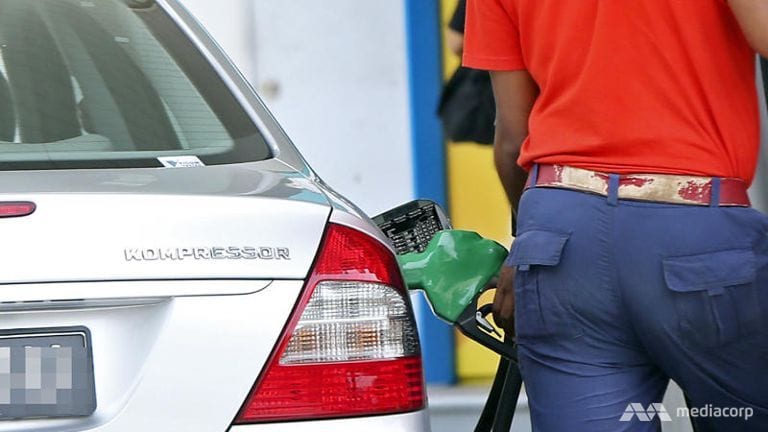
    Petrol prices have surged in Delhi, Mumbai, Kolkata and Chennai, seeing a hike of 16 paise/litre. The upward trend in petrol rates continued on the fifth consecutive day on Monday, while the diesel prices remained constant for the sixth day in continuation.

    The prices have been affected by the rise in the crude oil rates in the international market. Though on Monday, the petrol rates in the international market remained unchanged, the Brent crude oil rates were the highest in the past two months.

    Accordingly, the petrol prices have been showing a surge with Delhi, Mumbai, Kolkata and Chennai seeing a hike of 16 paise/litre. As per the Indian oil website, the petrol rates in Delhi, Kolkata, Mumbai and Chennai were Rs 74.05/litre, Rs 76.74/litre, Rs 79.71/litre and Rs 76.97/litre respectively.

    The diesel rates, which have remained unchanged for six consecutive days are — Rs 65.79/litre, Rs 68.20/litre, 69.01/litre and 69.54/litre respectively. Brent crude futures were down by 0.05 percent, at $63.31 a barrel, which is the highest in the past two months.

    West Texas Intermediate (WTI) crude was at $57.84 a barrel, 0.02 percent higher than the previous session.

  • Hulu is the latest streaming platform to announce a price hike

    Hulu is the latest streaming platform to announce a price hike

    Hulu is just the latest name on the long list of streaming services that increased their prices within the past few years. Netflix, YouTube TV, and AT&T TV Now are just some of the most popular platforms that admitted defeat and decided to make customers pay more for their services.

    Starting December 18, customers who wish to subscribe to Hulu + Live TV will have to pay no less than $55 per month, up $10 from its current price of $45 per month, Hulu announced. Of course, existing customers will be affected by the price hike as well, so they should see the changes reflected in their subsequent billing cycle after December 18.

    Hulu recommends those who can’t afford to pay for Hulu + Live TV to choose one of its less expensive on-demand plans during those months when there’s nothing interesting to watch that would only be available through Hulu + Live.

    Hulu + Live TV includes all of Hulu’s on-demand content, access to over 60 live sports, news and entertainment channels, as well as Hulu Originals like This is Us, The Good Doctor, Family Guy, ER and Lost.

    The price changes might be hard to stomach for many Hulu customers, but at least they’ll have the option to switch back and forth between plans to best suit their needs.

  • Google Maps update flattens buildings

    Google Maps update flattens buildings

    These days, Google Maps is more than just a mapping and navigation app that gets you from point “A” to point “B” using the fastest route. Maps now tells you about restaurants, shopping and entertainment venues at “B.” It will also show you how you can get around using local transit options, a bicycle or even your own two feet. To help those looking for a particular building find it without resorting to opening a picture, in some cities Google Maps shows a 3D representation of structures in the area. This feature could not be turned off, that is, until now.
    An update to Google Maps v10.28 and higher features a new 3D button on the layer popup. When pressed, the 3D renderings are gone and the map is flattened. Press it again and the 3D renderings reappear. The 3D images only show up when you are using the Default version of Google Maps, not with the Satellite or Terrain options. You might notice that Google also added a Street View layer button as well.
    So why disable the 3D setting when using Google Maps? Well, it could make it harder for some to follow directions (even with the audio turn-by-turn directions) if the map appears too crowded. In addition, disabling 3D could make the app run smoother on an entry-level handset.
    It’s another example of Google continually working to make little changes to its apps here and there to add new capabilities and improvements to them.
  • Facebook tests a fresh new feature

    Facebook tests a fresh new feature

    It’s one thing to copy a feature from an app that belongs to another company, but Facebook is now thinking about copying a feature from a family member. Popular Photos are being tested on Facebook and provide users with photos from friends and family members that they can scroll to view. Popular Photos, which are curated by algorithm, appears under a photo opened from the News Feed and offers an Instagram-like experience.
    For those unaware, days after Instagram finally released the Android version of its app, Facebook swooped in to buy the company for a reported $1 billion. At the time, many wondered why Facebook would pay so much for what was then essentially a photo filter app. But Zuckerberg and company got the last laugh since the transaction might have turned out to be one of the most profitable tech deals ever; estimates of Instagram’s valuation today are in the neighborhood of $100 billion.
    Facebook has confirmed that the test is underway and plans on doing more testing of Popular Photos in the future. Only a very small percentage of Facebook users are part of the testing process. The feature opens when a user taps on a photo in his News Food or on a profile; this creates a full-screen view of the image. While swiping and scrolling on the image usually takes the user back to his feed, those that are part of the test will see more photos along with a button that says “See More Photos.” And since Popular Photos is offering a way to communicate visually, captions are capped at 65 characters; Facebook users see the date and time that a photo was posted and can “Like” the image and leave a comment.
    Facebook could also monetize the feature by adding ads in between the photographs. Of course, this would depend on whether or not Facebook decides to officially rollout out Popular Photos to all mobile users. This wouldn’t be the first feature that it took from its stablemate although, in the case of Stories, Instagram had already copied it from Snapchat.
  • How retail technology can enhance the customer experience

    How retail technology can enhance the customer experience

    The path to purchase is becoming more complex than ever before for Asia-Pacific retailers. Rising expectations of today’s empowered customers, who have unlimited access to choices and pricing information online is creating operational challenges for many retail businesses.

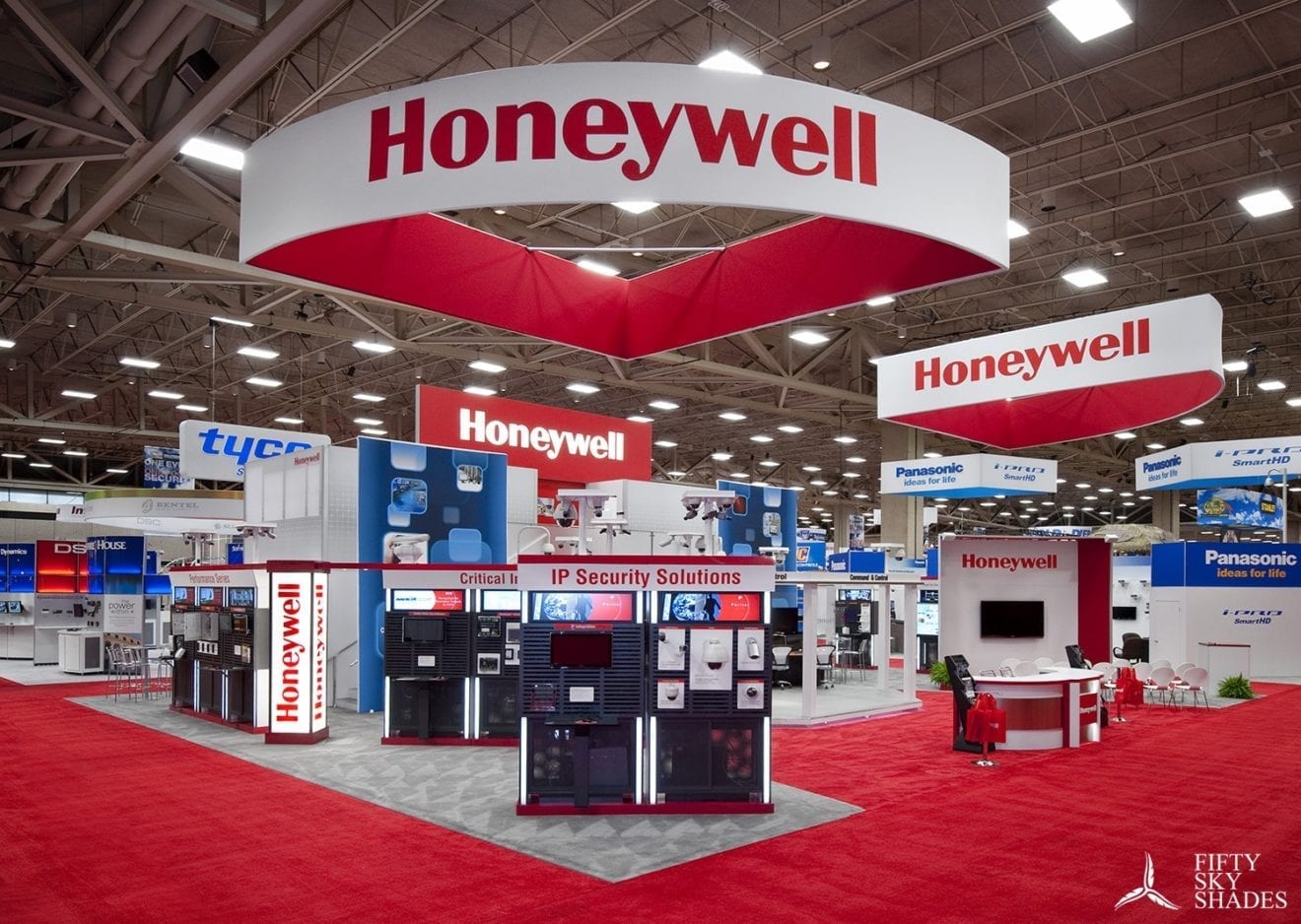
    Retailers cite meeting heightened customer expectations, managing a high turnover workforce and creating a frictionless experience between online and in-store as top challenges. Global research, undertaken by YouGov on behalf of Honeywell, recently found that only 44% of retailers believe they are meeting today’s customer expectations. As consumers increasingly seek new and surprising products and experiences, retailers are increasingly challenged to find ways to delight their customers and strengthen loyalty.

    The omnichannel challenge

    Worryingly for retailers trying to adjust to the rise in online shopping, while still maintaining bricks and mortar sites, a majority of retailers do not believe that they are prepared for the modern retail environment, with only 49% of retailers stating that they are doing an ‘excellent’ job with omni-channel integration.

    Retailers need to adopt an omnichannel operations model to compete for the connected consumer today. Enabling the store network as a distribution point for inventory should be an advantage against online competitors that have no physical footprint. However, without investment in technology specifically designed for omnichannel, the workarounds required to deliver on the customer promise can have a negative impact on profit margins.

    Room to improve many key retail operations

    When asked if they are outperforming their competitors in key success metrics like offering a smooth returns handling process and a personalised shopping experience, retailers reported overall low confidence in how they stack up against their competitors. Only 42% of retailers surveyed believed that they were offering a ‘personalised’ shopping experience, online or in-store. Furthermore, only 37% of retailers said that they offer convenient delivery options or ‘seamless’ delivery for customers.

    As shoppers gain more price and quality transparency coupled with a wide range of convenient delivery options, technology will be a key driver of success to increase the value added to consumers. Retailers who proactively ready their organisation for change and deliver a more exciting, simple and convenient customer experience will be best placed to capitalise on evolving shopper priorities.

    Retailers must enhance the shopping experience

    Retailers must embrace a consumer-first mentality as business strategies and initiatives are developed. Retail organisations who understand their consumers in terms of demands, expectations and pain points will be more successful in shaping and enhancing consumer experiences.

    Recent research conducted by global business mobility and IoT solutions provider SOTI, found that 61% of Australian consumers want to receive personalised customer service out of their in-store experience over other factors. Mobile technologies are sensible investments for retailers looking to improve the customer experience, which is key to converting shoppers into buyers in a competitive retail landscape. Shoppers today do not want to be confronted with long ques to make a purchase or encounter an impersonal retail environment.

    “The use of technologies like mobile point-of-sale (mPOS) devices in-store allows salespeople to provide customers with a better retail experience, which leads to increased sales. For instance, the adoption of mPOS helps sales by allowing shoppers to avoid long lines at the cash register, which often results in customers not completing a purchase,” said Michael Dyson, Managing Director Australia & New Zealand, SOTI.

    According to Honeywell research, 59% of retailers believe that technology has enhanced their customer experience. Arming retail associates with access to relevant, timely business information to enable consistent end-to-end customer experiences that span physical and digital channels is a key technology focus area today. Consumers want to be engaged by sales associates with information that enhances their shopping experience. This is leading to many retailers equipping customer facing staff with mobile devices that can showcase product ranges and pull up a customer’s purchasing history to better suggest new items, tailored to a customer’s own preferences.

    Understand the consumer, have the right solutions to succeed

    A successful understanding of the consumer, having the right systems in place and providing a personalised online and in-store shopping environment is critical to engaging shoppers today. Technologies such as advanced analytics, smartphone and mobile apps provide both the data to develop consumer insights and the direction to optimise consumer experiences.

    For more information, please visit: https://www.honeywellaidc.com/

    By Claudio Bratovic, ANZ Regional Manager, Honeywell


  • Google News to receive an important new feature in 2020

    Google News to receive an important new feature in 2020

    Beyond the Headlines is one of the important new features that Google News users will get next year. It’s meant to “connect readers with in-depth articles exploring important issues such as healthcare, the environment, education and more.”

    More importantly, Beyond the Headlines offers Google News users an estimated read-time feature, which lets them know how long it takes to read a story. Some media outlets already have this feature implemented on their websites, so it’s nice that Google has decided to show it the news app as well.

    According to Google, these pieces of news are surfaced and organized using Google News algorithms. Beyond the Headlines is now available on desktop globally in US English, so if you can’t wait until next year until it comes to mobile, you can check it out right now.

  • Vietjet targets Middle East, Australia with new long-range jets

    Vietjet targets Middle East, Australia with new long-range jets

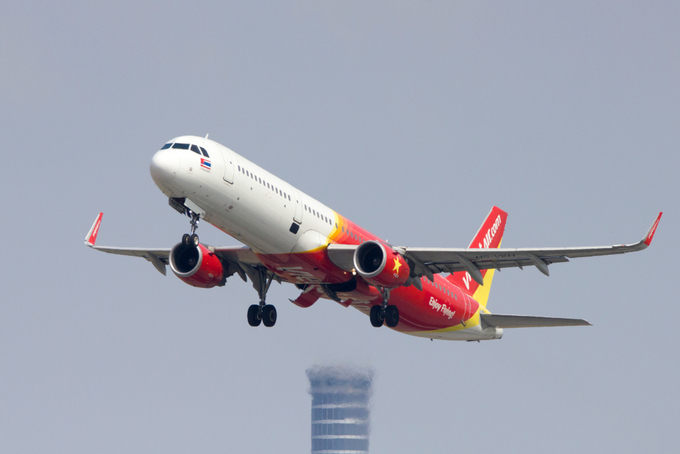
    Vietjet Air plans to start flying to the Middle East, Eastern Europe and Australia using the 20 Airbus A321XLR aircraft it has ordered.

    “When we receive the airplanes with the longer range, then we can serve up to 60 percent of the global population,” Nguyen Thi Phuong Thao, CEO of the budget carrier, told Reuters on the sidelines of the CAPA Asia Aviation Summit.

    The A321XLRs are scheduled to be delivered from 2023. Thao was quoted by the Centre for Asia Pacific Aviation, which named Vietjet the “Asia Pacific Low-Cost Airline of the Year” at the summit, as saying the carrier plans to add 10 international routes every year.

    Vietjet currently flies on 40 domestic and 66 international routes. It operates 385 flights daily within Vietnam and to places such as Japan, Hong Kong, South Korea, Taiwan, Singapore, mainland China, Thailand, Myanmar, and Malaysia.

    Vietnam’s fleet of over 200 aircraft last year could quadruple by 2038, U.S. aircraft maker Boeing said.

    Its 21 state-run airports served 106 million passengers in 2018, up 13 percent from a year earlier.

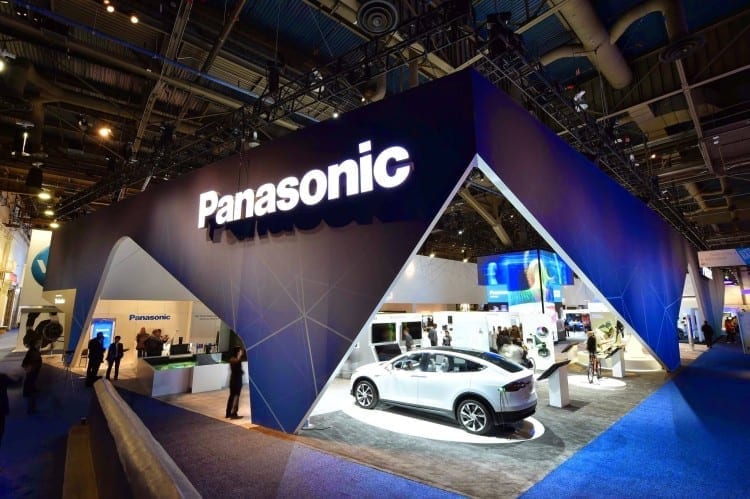
  • Panasonic Develops Battery Management Technology

    Panasonic Develops Battery Management Technology

    Panasonic has developed a new battery management technology that measures a battery’s electrochemical impedance, which is an effective method of evaluating the residual value of lithium-ion batteries in devices. This technology is expected to be applied to various devices that use lithium-ion battery modules with many battery cells stacked in series and to future vehicles. Panasonic has developed this technology in collaboration with Professor Masahiro Fukui of Ritsumeikan University. Panasonic developed a new battery monitoring IC test chip, measurement algorithm, and software, while Ritsumeikan University evaluated the performance using actual batteries.

    The newly developed battery management technology makes it possible to measure electrochemical impedance using the AC current excitation method for lithium-ion stacked battery modules that are installed in operating devices. Furthermore, this technology aims to enable the evaluation of residual value by way of a deterioration diagnosis and failure estimation based on an analysis of acquired measurement data. This will contribute to the realization of a sustainable society where future lithium-ion batteries can be reused and recycled.

    Conventional electrochemical impedance spectroscopy is widely used as a non-destructive method for evaluating lithium-ion batteries. This measurement method requires an application specific measuring instrument and a large thermostatic chamber that keeps the temperature of the battery constant, and it was necessary to measure each cell in the laboratory.

    Conventional BMIC measures the individual battery voltage of 6 to 14 lithium-ion battery cells stacked in series. By using multiple BMICs, BMS acquires battery cell voltage data from several up to 200 cells connected in series, monitors the battery, and ensures its safe use. In addition, BMS calculates the remaining driving range and usable time by estimating the state of charge and the state of health.

    The newly developed BMIC test chip has a built-in electrochemical impedance measurement function using the AC current excitation method in addition to these conventional functions. The electrochemical impedance measurement is achieved by 15 fully parallel analog / digital converters and an AC current excitation circuit with pulse modulation from 0.1 Hz to 5 KHz and a complex voltage / complex current conversion circuit built in the BMIC. Therefore, the BMIC chip can measure the electrochemical impedance of a battery in operation without significantly changing the configuration of the current BMS installed in the battery.

  • Daimler Seeks 1 Billion Euros In Savings At Mercedes-Benz By Cutting Jobs

    Daimler Seeks 1 Billion Euros In Savings At Mercedes-Benz By Cutting Jobs

    Tougher emissions rules will hit Daimler’s profits in 2020 and 2021, prompting the German carmaker to seek more than 1 billion euros ($1.1 billion) in savings from cutting staff costs at its Mercedes-Benz business by the end of 2022, it said on Thursday.

    Daimler shares were down 2.3% in early trading at 52.17 euros, the biggest decline on Germany’s DAX blue-chip index, which was down 0.3%.

    Management positions will be cut by around 10%, and the company said it would also seek more than 300 million euros from cutting personnel costs – plus another 250 million euros in fixed costs – at its trucks business.

    Daimler said it needed to sell more electric vehicles to meet tougher European Union rules which force carmakers to cut carbon dioxide emissions from cars by 37.5% by 2030 compared with 2021 levels, and following a 40% cut between 2007 and 2021.

    The company said it expected to achieve a return on sales from operating activities at Mercedes-Benz Cars & Vans of at least 4% in 2020 and at least 6% in 2022.

    Mercedes-Benz expects car sales to grow by around 3% in 2020, but said potential trade tariffs and Brexit could depress the return on sales by up to 1%.

    Earlier this year, Daimler had said it hoped to achieve a return on sales of 3% to 5% at Mercedes-Benz Cars.