Author: Mei Ling Tan

  • Tata Motors’ Global Wholesales Down By 19% In October 2019

    Tata Motors’ Global Wholesales Down By 19% In October 2019

    Tata Motors Group has released its global wholesale sales numbers for the month of October 2019. The group’s cumulative wholesales, including Jaguar Land Rover, stood at 89,108 vehicles, registering a decline of 19 percent, as compared to the company’s total wholesales from October 2018, which was around 1,10,009 units. The company’s total passenger vehicle sales for the month of October 2019 stood at 60,630 units, down by about 7 percent, as compared to the 65,193 units sold during the same month last year.

    Tata Group’s passenger vehicle sales also include the global wholesales for Jaguar Land Rover stood at 47,278 vehicles in October 2019. Jaguar’s wholesales for the month were 12,367 vehicles, while Land Rover wholesales for the month were 34,911 vehicles. The total number also includes the 3,721 units sold by CJLR, the joint venture between JLR and Chery Automobiles.

    The company’s total global wholesales from Tata Motors’ commercial vehicles segment stood at 28,478 units in October 2019, registering a de-growth of 36 percent, over October 2018. This also includes sales from Tata Daewoo.

    In India, Tata Motors’ domestic sales reached 39,152 units, as compared to the 57,710 vehicles sold in October 2018, registering a de-growth of around 32 percent.

  • Nissan Cuts Profit Forecast After 70% Quarterly Plunge

    Nissan Cuts Profit Forecast After 70% Quarterly Plunge

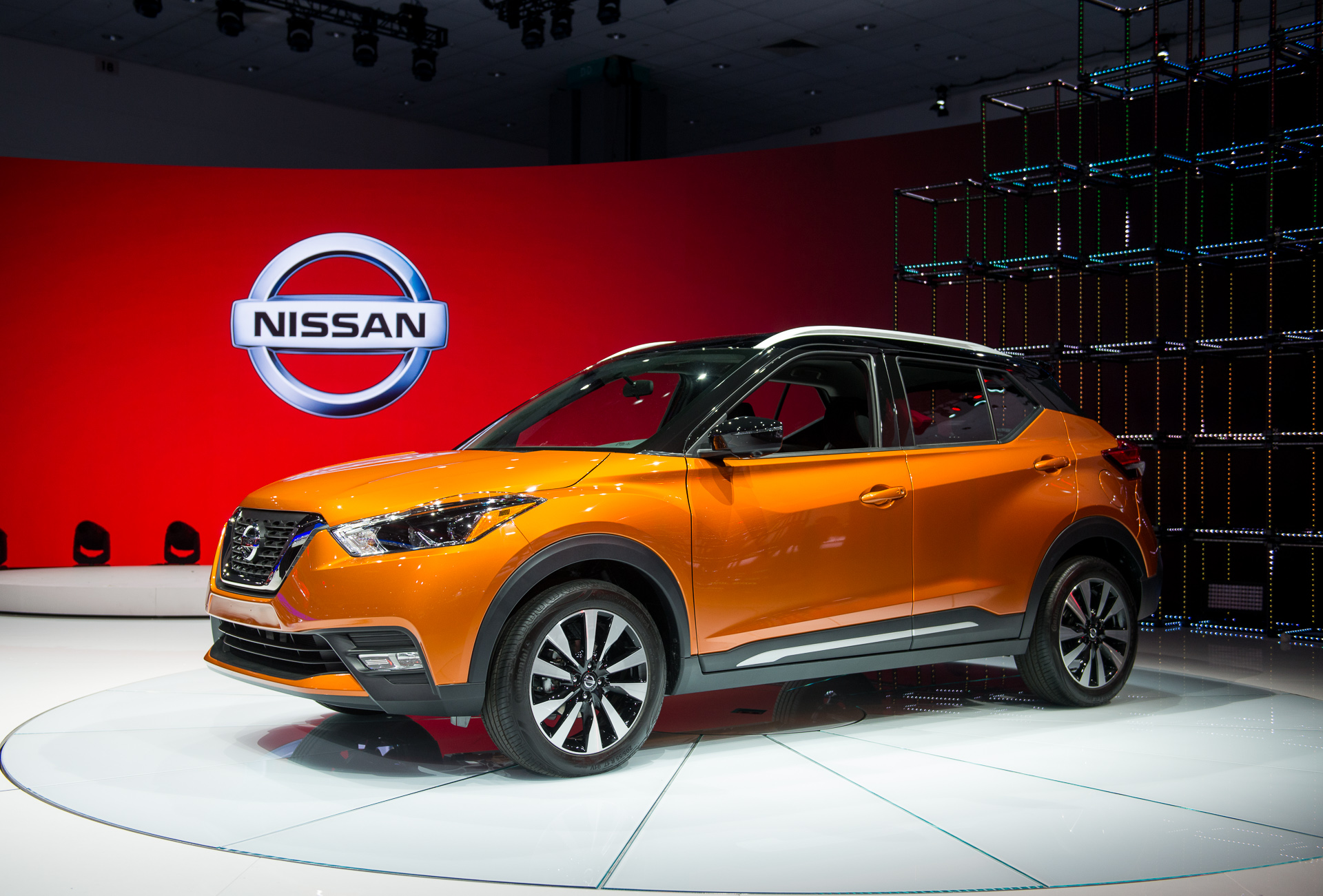
    Nissan Motor reported a 70% drop in quarterly profit on Tuesday and cut its full-year forecast to an 11-year low, hit by a strong yen and falling sales, and highlighting the turmoil at the Japanese automaker after the ouster of Carlos Ghosn.

    The latest weak showing from Nissan, which also slashed its interim dividend by 65% after its worst second-quarter performance in 15 years, illustrates the scale of the work ahead for its new executive team, which is due to take over on Dec. 1.

    Following the ouster of former chairman Ghosn almost a year ago, Nissan has been battered by falling profit, uncertainty over its future leadership and tensions with top shareholder Renault SA – whose shares fell 2% to their lowest since April 2013 after Nissan’s downbeat guidance.

    Nissan shares, down 19% this year, closed up 1% at 714.5 yen before the results announcement.

    Operating profit at Japan’s second-biggest automaker by sales came in at 30 billion yen ($275 million) in July-September versus 101.2 billion yen a year earlier.

    That compared with a mean forecast of 47.48 billion yen from nine analyst estimates compiled by Refinitiv. Nissan announced an interim dividend of 10 yen per share, down from 28.50 yen a year ago.

    The company’s global vehicle sales fell 7.5% to 1.27 million in the quarter. Sales in China, its biggest market, fell 2.5%, while those in the United States fell 4.5%.

    “Our sales in China outpaced the market, but sales in other key regions, including the U.S., Europe, and Japan underperformed,” Stephen Ma, a corporate vice president who will become chief financial officer next month, told reporters.

    Slowing demand for cars in the United States and China, the world’s biggest auto markets, has led to cut-throat competition, and Nissan’s slump in first-half sales has knocked operating profit off course from the automaker’s full-year target.

    “We are revisiting all our assumptions, and as you can see that is why we revised down our forecast for sales volume for the full year,” Ma said.

    Nissan slashed its full-year operating profit forecast by 35% to 150 billion yen, which would be its worst full-year performance in 11 years.

    It now sees global retail sales at 5.2 million vehicles, down from a previous forecast for 5.5 million, bracing for its worst annual sales in six years.

    Nissan in the past few weeks has announced a revamp of its top ranks with younger executives including Ma, while naming the head of its China business, 53-year-old Makoto Uchida, as its next chief executive. The company is seeking to draw a line under the legacy of Ghosn, who is awaiting trial in Japan on charges of financial misconduct, which he denies.

    The automaker said it would hold an extraordinary shareholders meeting on Feb. 18, 2020, to vote on a proposal for Uchida and other members of the new executive team to become company directors, while former Nissan CEO Hiroto Saikawa, outgoing interim CEO Yasuhiro Yamauchi and former Renault CEO Thierry Bollore were scheduled to vacate their director posts.

    Years of heavy discounting and fleet sales, particularly in the United States, has cheapened the automaker’s brand image while lowering vehicle resale value and denting profit.

    Nissan is implementing a global recovery plan under which it will axe nearly one-tenth of its workforce and cut global vehicle production by 10% through 2023 to rein in costs which it has said ballooned when Ghosn was CEO.

  • New Battery Design Could Allow Electric Cars To Charge In 10 Minutes

    New Battery Design Could Allow Electric Cars To Charge In 10 Minutes

    Range anxiety still remains one of the big deterrents for the masses to adopt electric vehicles (EV), and a charging time of four to five hours does not help matters for EV demand. However, the EV industry is rapidly evolving and charging times have dramatically reduced over the years. In a big step towards charging time reduction, electric vehicle owners could soon be able to fully charge their cars in as little as 10 minutes, courtesy of new battery design. A report by NewScientist states that the new design heats the battery to increase the reaction rate.

    The report quotes Chao-Yang Wang of Penn State University stating that for electric cars to be commercially attractive, the batteries need to charge up to 80 percent or a range of 300 km within 10 minutes. However, this requires the batteries to rapidly take in 400 kilowatts of power and the current set of batteries cannot do this. When the batteries are charged rapidly, the lithium ions at the time move from the positive to the negative electrode and there is a tendency for lithium to form plate-like deposits on the negative electrode’s surface that can shorten battery life.

    Wang and his colleagues are working to minimise this problem by first heating the battery to a temperature too high to allow the lithium plating to form. They tested the theory by taking a commercially available industrial battery and inserted micron-thick nickel foils in a stack of electrode layers. The structure then allows the electrode the heat in less than 30 seconds, setting up conditions for ions to move quickly into the negative electrode without causing plating on its surface.

    The battery tests were conducted at varying temperatures and were charged at 40 degrees, 49 degrees and 60 degrees Celcius, and compared the performance with a control battery charging at 20 degrees Celcius. The results concluded that the battery could maintain fast charging for just 60 cycles at 20 degrees Celcius before the lithium plating caused problems that reduced performance significantly. In comparison, heating the electrode to 60 degrees Celcius allowed the battery to charge through 2500 cycles without forming the lithium plating that would otherwise limit performance. The 2500 cycles equal to about 14 years of use or 750,000 km of life, according to Wang.

    The study overturns the current idea that lithium batteries should not be charged at high temperatures, which was believed to cause battery degradation. Instead, a short burst of high temperature will have better results. The research certainly should have major implications going forward and will immensely help in how we power not just electric vehicles but other devices as well in the future.

  • Foreign brands eager to enter booming fashion market

    Foreign brands eager to enter booming fashion market

    Major international brands are setting up shop in Vietnam and expanding quickly to tap a rapidly growing fashion market.  Last week Japanese casual wear retailer Uniqlo announced it would open its first store in the country in Ho Chi Minh City’s District 1 on December 6. The 3,000-square-meter store would be one of its biggest in Southeast Asia, the firm said.

    Opening stores in Vietnam is critical to Uniqlo’s expansion plans in Southeast Asia. As of last year it had 213 stores in the region, and plans to have 400 by 2022, Tadashi Yanai, CEO of Fast Retailing Group, which owns a 75 percent stake in Uniqlo, said.

    It is the latest in an expanding list of around 200 foreign fashion brands that have entered Vietnam, including Zara, H&M, Giordano, Mango, Topshop, Gap, and Old Navy.

    Vietnam, with its young demographic, growing incomes and 95 million population, is considered a hugely promising market. Foreign brands are attracted to its 15-20 percent annual growth, according to the chairman of the Vietnam Retailers Association, Dinh Thi My Loan.

    Vietnamese consumers are also shifting towards prioritizing items like clothes and fashion. In a report released last year market research firm Nielsen said clothes were Vietnamese consumers’ third spending priority after food and saving.

    The survey also found that Vietnam ranked third globally in the number of people fond of branded goods after only China and India.

    Laura McCullough, a senior Nielsen executive, said: “The change in the level of wealth of Vietnamese people enables them to buy international standard products and services. More and more Vietnamese are choosing to buy luxury goods or exclusive products.”

    Thanks to the Vietnamese fondness for fast fashion, Zara’s revenues in Vietnam doubled to VND1.7 trillion ($73.27 million) last year, four times its Thailand sales, the company said in its latest financial report.

    In 2018, H&M announced revenues of over VND763 billion ($32.89 million), nearly four times higher than what it had collected in 2017 when it opened its first store in Vietnam. While British brand Topshop has filed for bankruptcy and closed all of its stores in the U.S., the former maintains four stores in Vietnam.

    Vietnamese retail group Seedcom estimates the fashion industry to be worth $5 billion in 2018 and to reach $7 billion by 2023.

    German market analysis firm Statistics Portal expects 22.5 percent annual growth in 2017-22 while Nielsen forecasts 15-20 percent growth.

    Foreigners buying up local units

    Foreign investors have also been trying to enter with a series of acquisitions in the last few years. In September Japanese fashion company Stripe International acquired Global Fashion, which owns women’s footwear brand Vascara, for an undisclosed sum.

    Vascara, launched in 2007, has 134 stores nationwide. Stripe first came to Vietnam in 2017, and earlier acquired another fashion brand, NEM, which has 90 stores.

    In February Japanese buyout firm Advantage Partners acquired Elise Fashion, one of Vietnam’s major women’s fashion chains, again for an undisclosed sum.

    Elise, founded in 2011, targets women in the 20-45 age range and has 95 stores across Vietnam, with operations vertically integrated from design and manufacturing to customer-facing sales and retail.

    With financing from Stripe, Elise hopes to double the number of outlets and quadruple revenues in the next four years.

    According to Le Tien Truong, general director of the Vietnam National Textile and Garment Group (Vinatex), foreign players have bigger strengths in finance and human resources, and modern management methods.However, industry insiders are worried that the rapid expansion of major global fashion brands could overpower local brands such as Viettien, Canifa, Ninomaxx, and YaMe.

    Besides, many local businesses still do subcontracting work for foreign brands, the lowest level in the value scale in the fashion industry, he told the media.

    Robert Tran, CEO of U.S.-based RBNC Consulting, said: “The textile and apparel industry is too focused on outsourcing, big orders, competing for exports, and collecting wages, and is not investing in fashion design. So the term ‘fashion technology’ seems to have been forgotten in Vietnam.”

    “Asian countries like Japan, South Korea, Singapore, and Thailand all have domestic fashion brands, while it is difficult for international visitors to come to Vietnam to find a true Vietnamese fashion brand other than in traditional products such as “ao dai”, which can be purchased at medium prices.”

    Truong warned that if Vietnamese fashion houses do not change their mindset, consolidate their brands and create their own designs, they would forever be outsourcers for other countries.

    Seedcom founder and CEO Dinh Anh Huan said to remain competitive, Vietnamese retailers should use technology to understand consumer behavior, focus on digital marketing and develop online shopping channels to bring a better shopping experience to customers.

    The Vietnam Retailers Association (VRA) estimates there were 200 foreign brands in Vietnam by 2017-end, accounting for roughly 60 percent of the market.

    Zara, H&M and Mango are the three most recognised brands in Vietnam, followed by Gap, Forever 21 and Giordano, according to a survey done by market research firm Q&Me in September.
  • Feature phones remain popular in Vietnam

    Feature phones remain popular in Vietnam

    Feature phones still account for nearly four out of every 10 mobile phones sold in Vietnam. Around 1.7 million phones were sold in September, of which over 600,000, or 37 percent, were feature phones, according to market research institute GfK.

    While there have been predictions that feature phones will lose popularity with the advent of cheap smartphones, their sales remain steady at 620,000-700,000 a month, the institute said.

    In terms of market share, feature phones even saw a slight increase from 34 percent in July to 36 percent in August.

    Nokia remains the leading brand in this segment with a market share of 55-57 percent in recent months, with the Finnish brand accounting for over half of the 20 top selling feature phones in September.

    The second most popular feature phone was local brand Masstel with a market share of 14-15 percent. Other brands sold include Itel, Mobell, Fmobile and Coolpad each with a market share of below 10 percent.

    Nguyen Duy, an employee at a mobile phone supermarket in Hanoi’s Gia Lam District, said: “The main buyers [of feature phones] are usually ordinary workers, students, older people, and businesses buying phones for internal communication needs.”

    “A significant portion of them are first-time users who want a device that could make and receive phone calls so they could keep in touch, especially one that’s easy to use.”

    Besides, many people buy Nokia’s new products such as the 3310, 230 and 105 to use as backup for their smartphones, he said.

    Nguyen Tuan Anh, an experienced mobile phone seller, is confident that feature phones would perform well for at least a few more years.

    Since their customers often prioritize low price over brand, phones from China and nameless brands would continue to sell well if they meet buyers’ needs, he said.

    But revenues from feature phone sales remain low. According to GfK, 70 percent of them cost below VND500,000 ($21.5).

    The best-selling device in this segment is the Nokia 105 with a price tag of VND350,000 ($15). Itel, the third largest brand, has products costing below VND200,000 ($8.6) such as Value 100 and IT2161.

  • Hennessy unveils X.O pop-up at Changi Airport

    Hennessy unveils X.O pop-up at Changi Airport

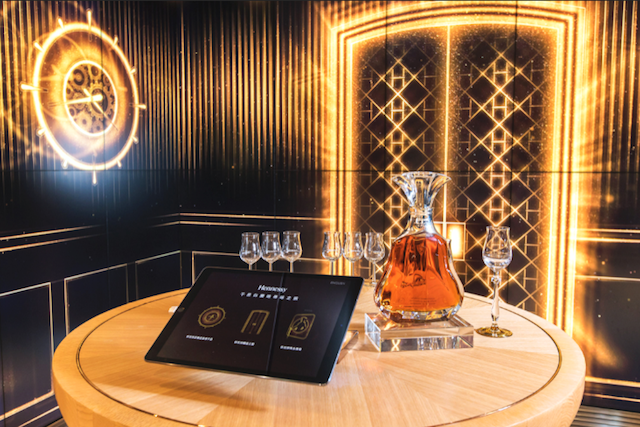
    Luxury cognac brand Hennessy has partnered with Changi Airport and travel retailer DFS Group to launch an X.O pop-up store at Changi Airport.

    Located in Terminal 1’s departure transit hall, the pop up the airport’s biggest yet, spread across 150sqm.

    Hennessy says the pop-up is aimed at continuing the momentum from the latest X.O campaign launch and delivering a “multisensorial, interactive and immersive experience”.

    It offers a space to explore the ‘Seven Worlds’ of Hennessy X.O including the Sweet Notes, Rising Heat, Spicy Edge, Flowing Flame, Chocolate Lull, Wood Crunches and Infinite Echo, which are brought to life in a short film directed by Ridley Scott.

    Interactive installations such as digital kiosks with motion-sensing activity, give visitors an opportunity to create content such as becoming the character of the Wood Crunches. Visitors can also enjoy a sip of Hennessy X.O at the custom-built tasting bar, as well as experience food pairings in the form of spiced marshmallows dipped in dark chocolate and honey cinnamon lollipops.

    “At Hennessy, we recognize that travel retail goes well beyond being a key commercial channel. It’s an amazing platform to build brand desirability in front of affluent and worldly consumers,” says Laurent Boidevezi, Hennessy’s global travel retail president.

    The pop-up is open daily from 7am to midnight until February and will retail Hennessy’s carafes with limited-edition sleeves. The packaging features the chapters for Flowing Flame, which is exclusive for Changi Airport, and Rising Heat, which is APAC exclusive for travel retail.

    Hennessy, together with luxury fashion brand Louis Vuitton, is owned by French conglomerate LVMH Group.

  • Taco Bell launches another outlet in Auckland

    Taco Bell launches another outlet in Auckland

    The first New Zealand Taco Bell store has opened in The Brickworks at New Lynn’s LynnMall, bringing the Mexican-inspired fast-food chain to local shores.

    Launching on Tuesday, the store features a mural paying homage to west Auckland designed in collaboration with local artist Natasha Vermeulen, and design agency Stanley St.

    General manager for Taco Bell Clark Wilson said the business often defied the conventions of fast food, and was excited to bring its social-driven experience to New Zealand.

    The store also features an open kitchen allowing customers to see their food prepared, as well as offering free wifi, charging stations, kiosk ordering, and a self-serve jukebox.

    “We are delighted to finally answer the demand from our passionate fans with the opening of New Zealand’s first Taco Bell restaurant at LynnMall,” said Taco Bell managing director of Asia Pacific Ankush Tuli.

    “We are excited to launch Taco Bell here in Auckland, in partnership with Restaurant Brands Group, and look forward to expanding throughout New Zealand with the goal of delighting our fans along the way.”

    Franchise partner Restaurant Brands said it will launch up to 25 Taco Bell locations across New Zealand in the next five years, with the next restaurant to open in Q1 of next year.

    “While a priority for us has been on first launching the brand successfully in market, we can now shift our focus to the next phase,” Restaurant Brands Group chief executive Russel Creedy said.

    “At this stage, we are securing locations within the main metropolitans of Auckland, Wellington and Christchurch, with the view to expanding further afield in the coming years.

    “We are simultaneously rolling out in NSW and ACT in Australia, with a total estimated spend of $65 million across both markets over the next five years.”

    Restaurant Brands recently revealed it had grown group sales by 2.7 percent during the first half of FY20, though net profit had fallen 2 percent due to the implementation of a new accounting standard, NZ IFRS 16, which knocked profit down by $2.9 million.

  • New Zealand Post underpays workers over nine years

    New Zealand Post underpays workers over nine years

    New Zealand Post has revealed it may have underpaid up to 22,000 staff since 2010, and is setting aside $38 million to repay any lost holiday pay.

    “It’s too early to say who exactly may be impacted, but some scenarios that typically result in underpayments are those employees who earn regular overtime or have variable patterns of work,” NZ Post chief financial officer Michael Boersen said.

    “We’ll be able to confirm with individuals who register, and start the back payments from July 2020.”

    The announcement comes after the logistics provider was identified by the ministry of business, innovation and employment as an employer that needed to update how it calculates holiday pay.

    Boerson said that the business has written to 17,000 former employees asking them to register their details, as NZ Post calculates how much it needs to return to workers.

    Gerard Hehir, national secretary of Unite Union, said NZ Post had been through several changes over the last decade, and its possible many members could qualify for back payments.

    NZ Post recently revealed domestic e-commerce players are gaining traction, with over 65 percent of shoppers preferring to purchase directly from local sites as opposed to international players, in its 2019 New Zealand E-commerce Review.

    “Domestic sales growth is outstripping international online sales growth,” said Bryan Dobson, chief marketing officer at NZ Post.

    Additionally, the data showed that Kiwi shoppers are transacting online 10 percent more often on average, compared to 2017.

  • Kenneth Cole India opens first flagship store

    Kenneth Cole India opens first flagship store

    Kenneth Cole India has opened its first flagship store.

    The American fashion house’s 1200sqft store, located at Infiniti Mall in Malad, Mumbai, carries the brand’s men’s and women’s clothing, footwear and accessories.

    Kenneth Cole India is operated by its local partner Brandzstorm, which will work with the brand to design, manufacture, distribute and retail Kenneth Cole products not only in India but also in neighboring countries including Bangladesh and Sri Lanka.

    Brandzstorm plans to open 10 flagship stores across India during the next three years, with a focus on major cities. On top of that, the company also plans to take its presence online via e-commerce platforms, as well as selling through department stores and multi-brand boutiques.

    “We are pleased to bring the brand to the Indian customer and believe there will be a high degree of acceptance from our esteemed patrons in Mumbai. The new store will provide irresistible shopping experience giving customers access to a wide choice of Kenneth Cole New York products under one roof,” says Brandzstorm MD Ujjval Saraf.

    Besides Kenneth Cole, Brandzstorm also manages brands including Giordano, Superdry and Furla in India.

  • Alibaba’s Taobao opens retail store in Malaysia

    Alibaba’s Taobao opens retail store in Malaysia

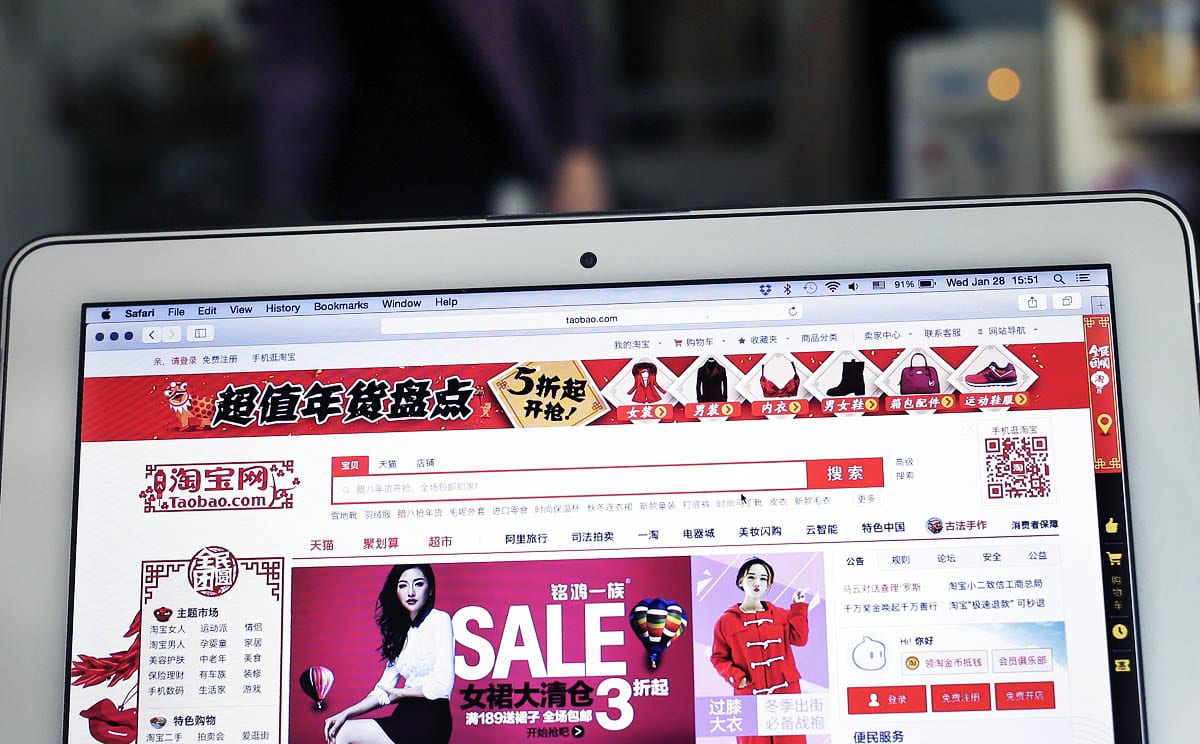
    Alibaba Group will launch a Taobao retail store at Mytown Shopping Centre in Kuala Lumpur.

    The new outlet is opening in partnership with Mytown and local retailer Lumahgo New Retail, and follows the brand’s first Southeast Asian store in Singapore’s Funan mall.

    The launch was preceded by a pop-up held over the weekend previewing products from local brands that will be traded in the store, including Redtick, BigboxAsia, Vivid Malaysia, DirectD Malaysia and Deep Furniture.

    “The opening of our latest Taobao store demonstrates our commitment to local shoppers and brands, as we further localize services and experiences for the Malaysian market,” said Tmall World Malaysia marketing manager Jess Lew. “We are excited to share a glimpse of this upcoming space as part of our 11.11 celebrations this year, emphasizing how we will integrate local brands and merchants with our New Retail vision.

    “Having a physical space means shoppers will be able to touch and feel a variety of products in person before making a purchase on the Taobao app simply by scanning a QR code, with the help of our staff at the store,” said Lumahgo New Retail CEO Fabian Kong.

  • Yogurtland expands in Indonesia with new partner

    Yogurtland expands in Indonesia with new partner

    Yogurtland is to expand its retail network in Indonesia by opening four new outlets by the end of this month and plans to open more than 15 stores during the next three years.

    The expansion in Indonesia is the result of a partnership with Yogurtland Indonesia Global Mandiri, signed last June.

    The company opened the first two stores at Lippo Mall Puri and Central Park Mall last week. Other locations will open at Summarecon Mall Bekasi and Kota Kasablanka Mall later this month.

    “Indonesians want variety as they focus more and more on healthy lifestyle trends,” said Phillip Chang, CEO and founder of Yogurtland.

    “With more than 250 unique flavors and the world’s finest ingredients, Yogurtland is the right choice for Indonesia.”

    He said Yogurtland Indonesia Global Mandiri’s owners have strong combined experience and a track record of excellence in the industry and will ensure guests in Indonesia will enjoy a wonderful Yogurtland experience.

    Yogurtland features non-fat and low-fat yogurt flavors, ice cream, and non-dairy and no-sugar-added choices while using milk that does not contain antibiotics or added hormones. Fruit flavors are fortified with Vitamin C.

    Yogurtland has operated more than 320 stores across the US, Australia, Dubai, Guam, Myanmar, Oman, Singapore, and Thailand.

  • Lotte steers Rezolve to South Korea

    Lotte steers Rezolve to South Korea

    South Korean retail conglomerate Lotte is bringing London mobile shopping tech startup Rezolve into its market.

    The Korean firm will incorporate the startup’s IT product, which allows customers to take advantage of deals in print by scanning them with their mobile devices in Lotte’s supermarket app. Lotte earns a large proportion of its supermarket revenues – last year valued at KRW17.8 billion (US$15.3 million) – via its printed promotional brochures.

    “Rezolve provides a way for consumers to deepen their engagement with their favourite brands and Lotte Corporation, being one of the world’s largest conglomerates spanning food and beverage to department stores to hotels and theme parks, the possibilities of what can be achieved through Rezolve and a smartphone are endless,” Rezolve’s CEO and founder Dan Wagner told City AM in London.

    “Mobile devices have become the go-to method for people to explore and connect with brands and Rezolve is rapidly becoming the standard for the world’s leading companies.”

    The deal is Rezolve’s largest yet, compared with the firm’s existing operations in China, India and Taiwan. Sainsbury CEO Justin King is currently poised to join Rezolve’s board as an advisor.

  • Dusit brings South African restaurant Kauai to SE Asia as Real Foods

    Dusit brings South African restaurant Kauai to SE Asia as Real Foods

    South Africa’s Real Foods Group is launching its healthy fast-casual restaurant concept Kauai into Southeast Asia in partnership with Thai hospitality company Dusit Food, under the local brand name, Real Foods.

    The Real Food restaurants will maintain Kauai’s concept and store design. Most of the menu will follow the original Kauai’s, while other dishes will be adapted to meet local tastes. Signature Kauai’s dishes such as Princess Wrap and the Strawberry Stinger will also be available in Real Foods stores.

    “Globally, there is a major shift taking place as consumers seek out healthier, natural food options which are both affordable and convenient,” said Jate Sopitpongstorn, MD at Dusit Foods.

    “Dusit Real Foods already has another three stores lined up through its long-standing relationship with Virgin Active health clubs. As we hold master-franchise rights, we will also look at expanding Real Foods outside of Thailand, leveraging our strong network of hotels and resorts in Asia Pacific, the UAE, Qatar and Oman to introduce Real Foods in more new markets worldwide.”

    Real Foods plans to open at six other Virgin Active health clubs throughout the city.

    Group CEO of  Real Foods, Dean Kowarski, said the company’s stores offer a mix of both takeaway and sit-down meals.

    “We make healthy eating delicious, easy and convenient, and there is something for everyone on our menu. Our new partnership in Thailand demonstrates that Real Foods is achieving its mission of bringing more health and wellness options to consumers worldwide”.

    Established 23 years ago, Kauai serves 7.3 million meals annually across its 164 stores in South Africa and the Netherlands. The brand has established itself as an “innovative leader in the health space” with a commitment to sustainable sourcing and bringing convenient, nutritious options to consumers worldwide.

  • Japanese sneaker retailer Atmos opens store in Indonesia

    Japanese sneaker retailer Atmos opens store in Indonesia

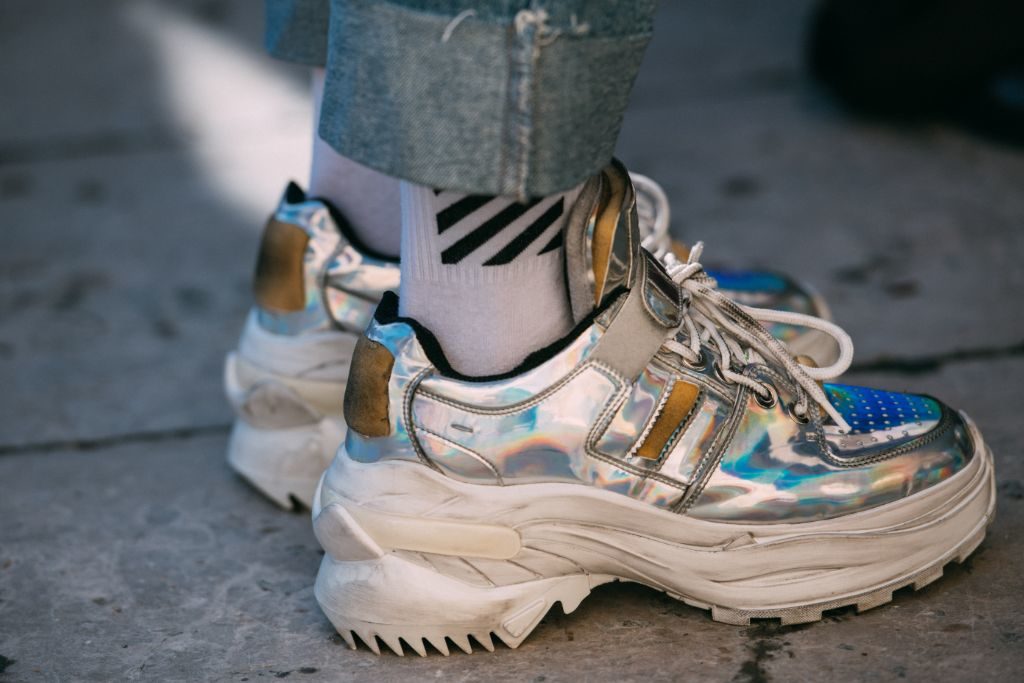
    Japanese streetwear and sneaker retailer Atmos has announced it is opening its first store in Indonesia later this year.

    The announcement was made during Urban Sneaker Society, an event held last weekend for streetwear and sneaker enthusiasts.

    Atmos Indonesia president Marcel Lukman said the first store will be located at the Plaza Indonesia Mall in Jakarta. Besides housing products similar to those at its Japan stores, the Indonesian store will offer in-house exclusives.

    The brick-and-mortar store will be complemented with an online store, says Lukman.

    Founded in 2000 by Hidefumi Hommyo, Atmos is known for offering limited-edition collaborations with many brands such as Nike, Adidas and Puma, with Nike Air Max collaboration being the most popular.

    In Indonesia, Atmos says it will be open to collaborations with local designers and brands as well.

    In addition to its more than 30 stores in Japan, the retailer has also outlets in international cities such as New York, Seoul and Bangkok.

  • The Whale Tea opens in Singapore

    The Whale Tea opens in Singapore

    Created in Nanjing, the brand now operates more than 500 outlets across the mainland since its first store debuted in June last year. Following The Whale Tea’s first foray into Southeast Asia, launching in Malaysia earlier this year, the brand opened its first two Singapore outlets, at Lot One Shoppers’ Mall and City Square Mall last month, followed by a flagship store in China Square Central that opened on Monday.

    The predominantly black-and-white store design is decorated with whale symbols of varying shades of blue, effecting a bright and modern ambiance.

    The Whale Tea’s signature series is prepared with unusual ingredients such as peach gum, a natural resin from wild Chinese peach trees, known to be rich in amino acids and collagen – as well as spirulina, a seaweed-based superfood consumed for its nutrient-rich properties and a Chinese rice wine known as Wuliangye.