Author: Mei Ling Tan

  • Hong Kong’s Causeway Bay still top of the world’s most expensive retail strips

    Hong Kong’s Causeway Bay still top of the world’s most expensive retail strips

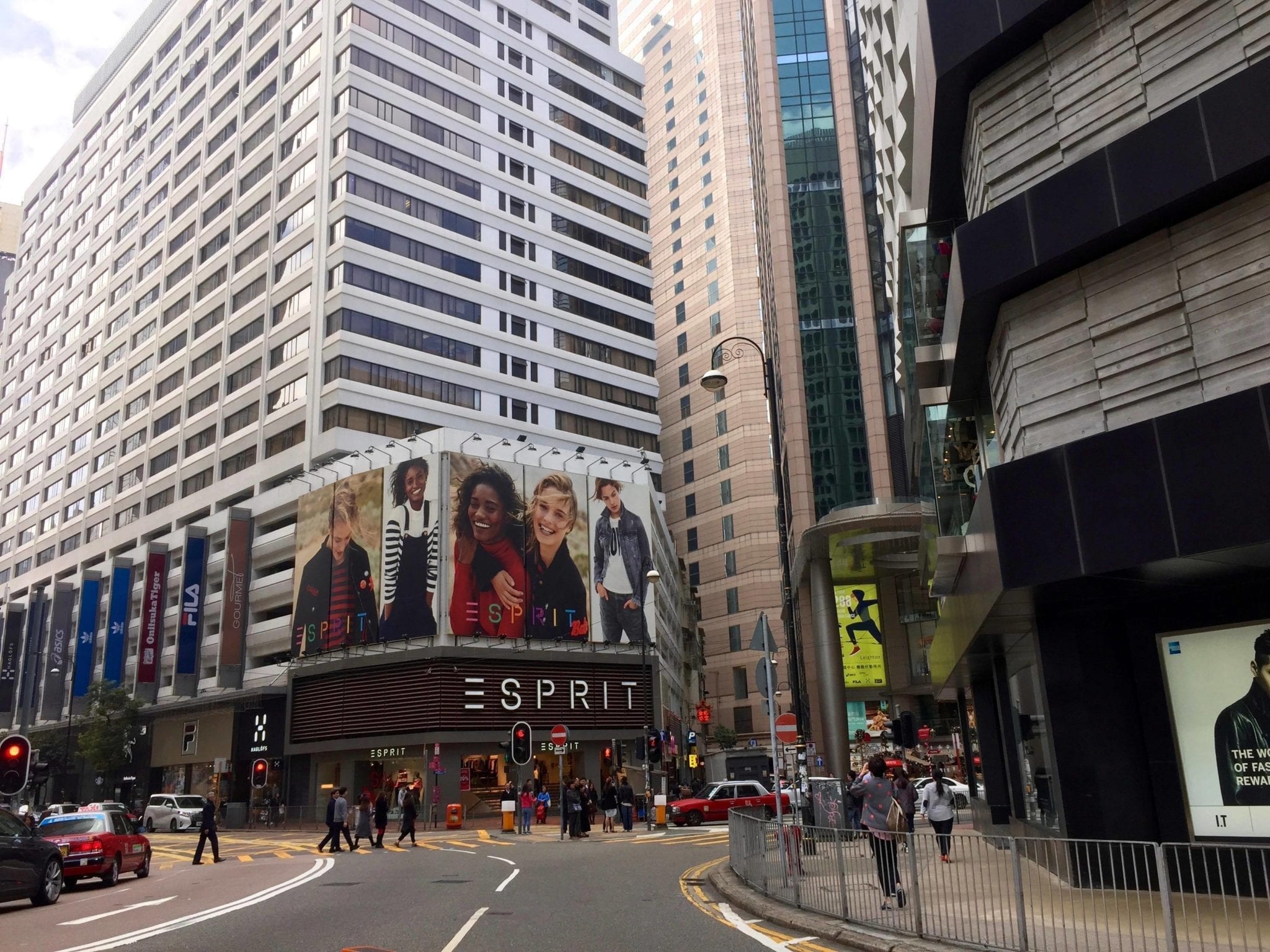
    Hong Kong ́s Causeway Bay remains top of the world’s most expensive retail strips, with rents rising to US$2745 per square feet per annum, 2.3 per cent higher than last year.

    New York ́s Upper 5th Avenue, with annual retail rents at $2250/sqft, retained the number two position on Cushman & Wakefield ́s latest rankings. Singapore’s Orchard Road does not appear in the top10, due to its retail stores considered to be almost exclusively inside shopping centres rather than defined as ‘high-street’.

    Completing the top five are New Bond Street in London, followed by Avenue des Champs-Elysees in Paris and Milan’s Via Montenapoleone.

    The top 10 worldwide shopping streets by rent (in US$/sqft/year):

    1 Causeway Bay (Hong Kong) – $2745

    2 Upper 5th Avenue (New York) – $2250

    3 New Bond Street (London) – $1714

    4 Avenue des Champs-Elysees (Paris) – $1478

    5 Via Montenapoleone (Milan) – $1447

    6 Ginza (Tokyo) – $1251

    7 Pitt Street Mall (Sydney) – $1076

    8 Bahnhofstrasse (Zurich) – $886

    9 Myeongdong (Seoul) – $862

    10 Kohlmarkt (Vienna) – $513

    Greater China represents seven of the top 20 Asian locations in the world’s most expensive retail strips, including Hong Kong (1st), Beijing (6th), Shanghai (8th), Shenzhen (11th), Guangzhou (13th), Taipei (15th) and Nanjing (20th).

    Major cities in China continue to see a significant amount of new retail developments, with activities being driven by both domestic and international retailers, with the latter continuing to pursue a strategy of opening in multiple locations.

    In Hong Kong, increasing pressure on rents continues as a result of growing local political unrest and the ongoing US-China trade tensions.

    Bonifacio High Street in Taguig, Greater Manila, in the Philippines recorded the biggest rental decline in Asia Pacific, posting 28.6-per-cent decrease.

    In Australia, rents in some locations have fallen, particularly in CBD strip retail areas. In contrast, rents on some of the higher footfall pitches have increased, including Sydney’s George Street.

    In the Americas, recent rental trends have varied by location, with high-street rents in some areas in Canada and the US remain under pressure.

    Retail rents in around 70 percent of the locations in Europe have generally stabilized despite the increasing polarisation.

    “In terms of rental performance, this year’s results are encouraging and demonstrate the resilience of the premier retail locations,” says Darren Yates, head of EMEA retail research at Cushman & Wakefield.

    “Rents on the world’s most expensive retail strips have been fairly stable and there is greater clarity on where retail is heading. However, there is downward pressure on rents in many weaker locations, particularly in the more mature markets of Europe and North America.  In Asia Pacific, retail has generally performed well across a very diverse group of markets.”

  • Chinese consumers embraced voice ordering on Singles Day

    Chinese consumers embraced voice ordering on Singles Day

    More than 1 million orders were placed and processed through voice command via Alibaba’s Tmall Genie during its 11.11 Global Shopping Festival on Monday.

    The smart speaker was used to purchase items throughout the day – including 810,000 eggs, 1.4 million tons of rice and 76 tons of liquid detergent – showing that voice shopping has become an increasingly popular trend among Chinese consumers of all ages.

    According to Alibaba’s statistics, more than 40 percent of Tmall Genie users have tried voice shopping. The rise of voice shopping shows the growing popularity of smart speakers in China. Alibaba’s intelligent speech assistant, Tmall Genie, is ranked as the number one brand in terms of sales volume of smart speakers in the first three-quarters of China, according to Euromonitor International’s research conducted in October.

    “As the number one smart speaker in China, Tmall Genie has become an essential part of many families’ daily life,” said Alibaba A.I.Labs GM Miffy Chen. “As we continue to enhance the product features and increase the offering of infotainment services – from entertainment and news to children’s books, food delivery and elderly care – we hope the use of a virtual assistant will help people across age groups to embrace a digital life that is simple, fun, informed and connected.”

    Some 10.47 million Tmall Genie units were sold during the first nine months of this year, accounting for a 38-per-cent market share in China, where sales of smart speakers reached 27.56 million units in the same period, according to Euromonitor International.

    In particular, Tmall Genie recorded more than 3 million sales units in this year’s third financial quarter, making it the most popularly purchased smart speaker brand in China for three consecutive quarters.

    “Since the launch of the first smart speaker in China in July 2017, Alibaba has made Tmall Genie the top brand with the largest sales volume in China this year,” noted Euromonitor International in the research. “That is largely due to Tmall Genie’s product differentiation strategy and its expanding sales channels both online and offline,”.

    According to the research, Alibaba, Xiaomi and Baidu are the top three smart speaker brands in China, with a total market share of 93 percent in terms of sales volume in the first three quarters this year. 77 percent of smart speakers were purchased online during that period, dominated by Alibaba’s e-commerce platforms – Tmall and Taobao.

    The research also pointed out that as an important medium for human-machine interaction, smart speakers are expected to be equipped with a growing number of features tailored to consumers’ daily needs, including search and information queries. A smart speaker with a screen – which can offer both speech and visual interaction – is also believed to be a forthcoming trend among major brands, Euromonitor noted.

    Controlling smart home appliances through voice commands is still one of the most popular uses of smart speakers. Alibaba statistics show that currently, Tmall Genie has been connected to more than 235 million home appliances such as lights and air-conditioning from 900 brands in China.

    Alibaba believes that voice assistants are expected to play an increasingly important role in a wide spectrum of applications, including in-car infotainment experience, food delivery, beauty and makeup, childrens’ education and elderly nursing support.

  • Real Singapore retail sales stable in September

    Real Singapore retail sales stable in September

    Real Singapore retail sales (excluding motor vehicles) slipped by 0.3 percent in September compared to the same month last year.

    With motor vehicle sales included, the decrease was 2.2 percent, marking the eighth consecutive monthly decrease in the headline figure.s

    Month on month, retail sales excluding vehicles rose by 0.8 percent.

    Significantly, online sales grew to account for 6.9 percent of total sales in September.

    Year on year, the worst affected categories aside from vehicles (down 12.3 percent) were furniture and household equipment; recreational goods; and watches and jewelry which experienced declines of between 4.4 percent and 8.9 percent. Sales of department stores declined by 1.2 per cent respectively.

    On the positive side, retailers of computer and telecommunications equipment posted sales growth of 8.7 percent, while sales of apparel and footwear; medical goods and toiletries; and optical goods and books increased by between 2.1 percent and 4.2 percent.

    Singapore retail sales of food and beverage services grew by 4.3 percent year on year in September and by 0.4 percent month on month.

    Sales at fast-food outlets; cafes; food courts and other eating places; and restaurants reported sales up by 12.5 percent, 4.6 percent and 2.7 percent respectively, while turnover of food caterers declined 0.5 percent.

  • Cartier boutique opens at Hong Kong International Airport

    Cartier boutique opens at Hong Kong International Airport

    French luxury goods house Cartier has partnered with King Power Global Development to open the doors of its reimagined boutique at Hong Kong International Airport.

    Conceived by Parisian artist and interior designer Bruno Moinard and located in the same shopping area, the Cartier HKIA boutique is the third in the world to follow the Maison’s latest airport-specific architectural concept.

    The see-through facade marks a considerable change in the overall decor, unveiling only one main entrance post-renovations. Traditional windows are replaced by vertical panels that play with lights, verticality and contrasts of the display. The boutique interior has been designed with practicality in mind, allowing for easy access and seamless retail experience. Marble flooring runs all around the boutique as an invitation for travelers and suitcases to navigate through jewelry counters. A dedicated “icon bar” area gives access to the Maison’s most “iconic” creations.

    King Power Global Development is a Joint Venture

  • Google Explores Bank Accounts With Citi, Stanford Federal

    Google Explores Bank Accounts With Citi, Stanford Federal

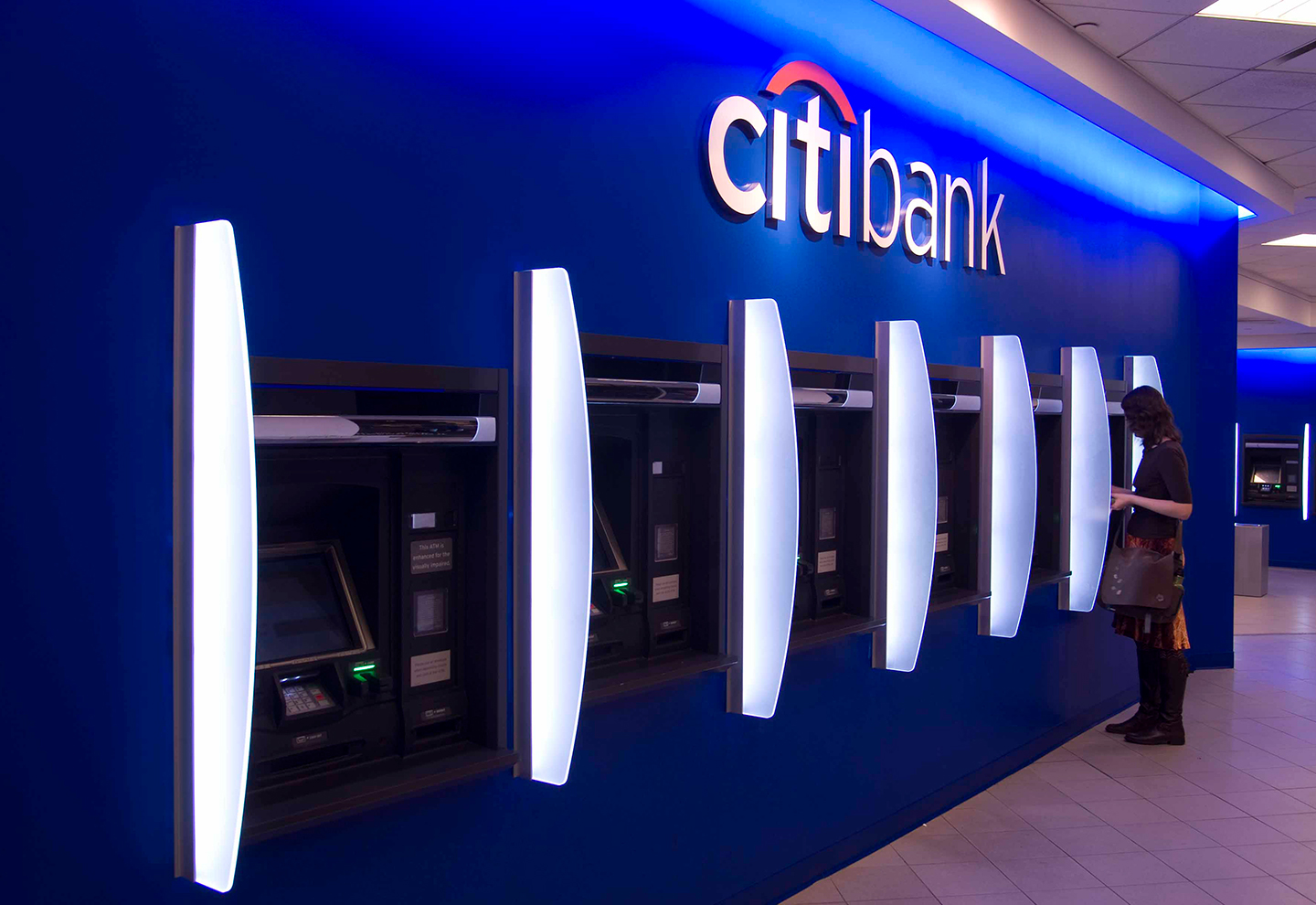
    Google is in talks with U.S. banks about offering checking accounts to its customers. The jointly-developed accounts could mirror the forms deployed in Asia.

    Google has said it is working with initial partners – Citigroup and Stanford Federal Credit Union – on checking accounts for customers. The particular features and functions of the Google Pay-linked checking accounts are still being deliberated, but one working model could be Citi’s existing partnership with the messaging service WeChat in Asia, where Citibank customers make payments and complete other everyday banking transactions through the WeChat platform.

    We’re exploring how we can partner with banks and credit unions in the U.S. to offer smart checking accounts through Google Pay, helping their customers benefit from useful insights and budgeting tools, said a Google spokesperson. Similar to rival Apple Pay, Google Pay allows smartphones to be used for purchases online and in stores.

    Privacy and transparency are, and will continue to be critical priorities,” said Citigroup in a statement. A bank spokesperson quoted by FT said that it would control the banking relationships and that the accounts would comply with the same regulations as a traditional account.

    Although mobile and online payments such as WeChat Pay and Alipay are already widely used in China, Silicon Valley companies are just starting to move into the highly regulated world of financial services in the U.S. Earlier this year, Apple and Goldman Sachs teamed up to launch a credit card, offering cash back on purchases of Apple devices and an iPhone app to track
    spending.

    Google’s new banking effort, code-named Cache, is the technology giant’s latest foray into the personal finance industry. Google Pay, which already has tens of millions of users around the world, is already popular in India.

    On Monday, the technology firm announced plans to launch Google Pay in Singapore next year, partnering local banks DBS and OCBC. Our approach is going to be to partner deeply with banks and the financial system,” said Caesar Sengupta, Google’s general manager of payments.

  • CEO of SCB Julius Baer Resigns

    CEO of SCB Julius Baer Resigns

    The chief executive of SCB Julius Baer has left the role less than seven months into the appointment.

    Jiralawan Tangitvet, the CEO of SCB-Julius Baer, has resigned, according to a report in the Asian Private Banker. He was looking to make the newly-formed entity, a joint venture between Siam Commercial Bank and the Swiss bank, become a powerhouse in Thailand’s nascent private equity management sector.

    Tangitvet has joined the joint venture entity in April as its CEO this April. She was previously from Kasikorn Securities, where she was its managing director. Both banks could not be reached for comment at the time of this report.

    In June, SCB Julius Baer released its inaugural edition of the Wealth Report Thailand, which report focuses on the wealth management landscape in Thailand.

  • Revolut’s Lessons on Blitzscaling

    Revolut’s Lessons on Blitzscaling

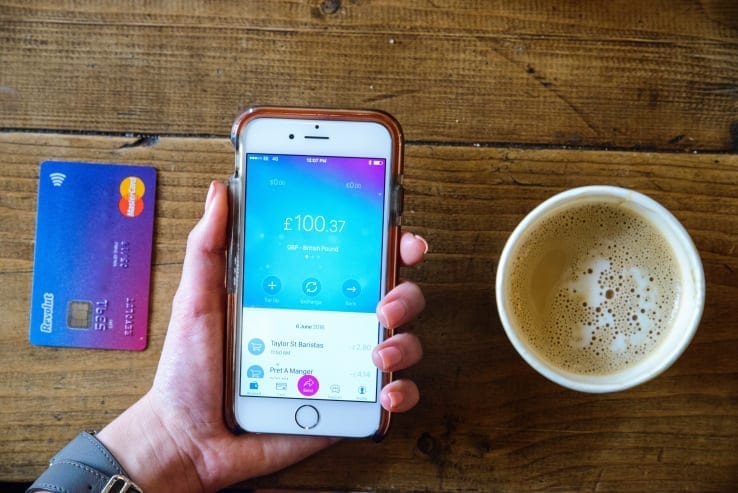
    The founder and CEO of neobank Revolut spoke about how he built the company from a 20 person outfit in a co-working space in 2015 to one of the fastest-growing fintechs globally.

    I sleep well, Revolut founder and CEO Nicholas Storonsky said to Mandy Lamb, Visa group country manager for Southeast Asia on Tuesday when asked about what keeps him awake at night.

    The British-Russian entrepreneur said he is comfortable with where the business is heading. Within four years, Revolut has amassed more than 8 million users and £40 billion ($49.19 billion) in transactions so far, according to its website. «Obviously, there are problems. But I believe that any problem is solvable. If you believe in your product, you will find a solution,» he said.

    Storonsky spoke about maintaining strong company culture, and how Revolut has had to transition from young and hungry pirate» to admirals, which was one of the most difficult parts of scaling at such a breakneck speed.

    Looking back, Storonsky said the most important thing he learned about growing a company is the importance of hiring the right people, and advised entrepreneurs to focus on building a strong leadership team.

    In October, the firm launched its services in Singapore, the first market outside Europe and Australia. One of the stumbling blocks Revolut faced when building the company and expanding into overseas markets was finding partners that could scale their services as quickly as it was growing, Storonsky said.

    Partnerships rarely work. It’s rare to find the perfect match, with companies that move at the same speed,» he said. «In my experience, only 5 percent of partnerships work, but when they do, it’s great.

    Earlier in the day, Storonsky spoke at the Singapore Fintech Festival 2019, where he said the firm would not pursue a digital banking license in Singapore because of the high capital requirements.

  • 2020 Honda City To Be Unveiled This Month In Thailand

    2020 Honda City To Be Unveiled This Month In Thailand

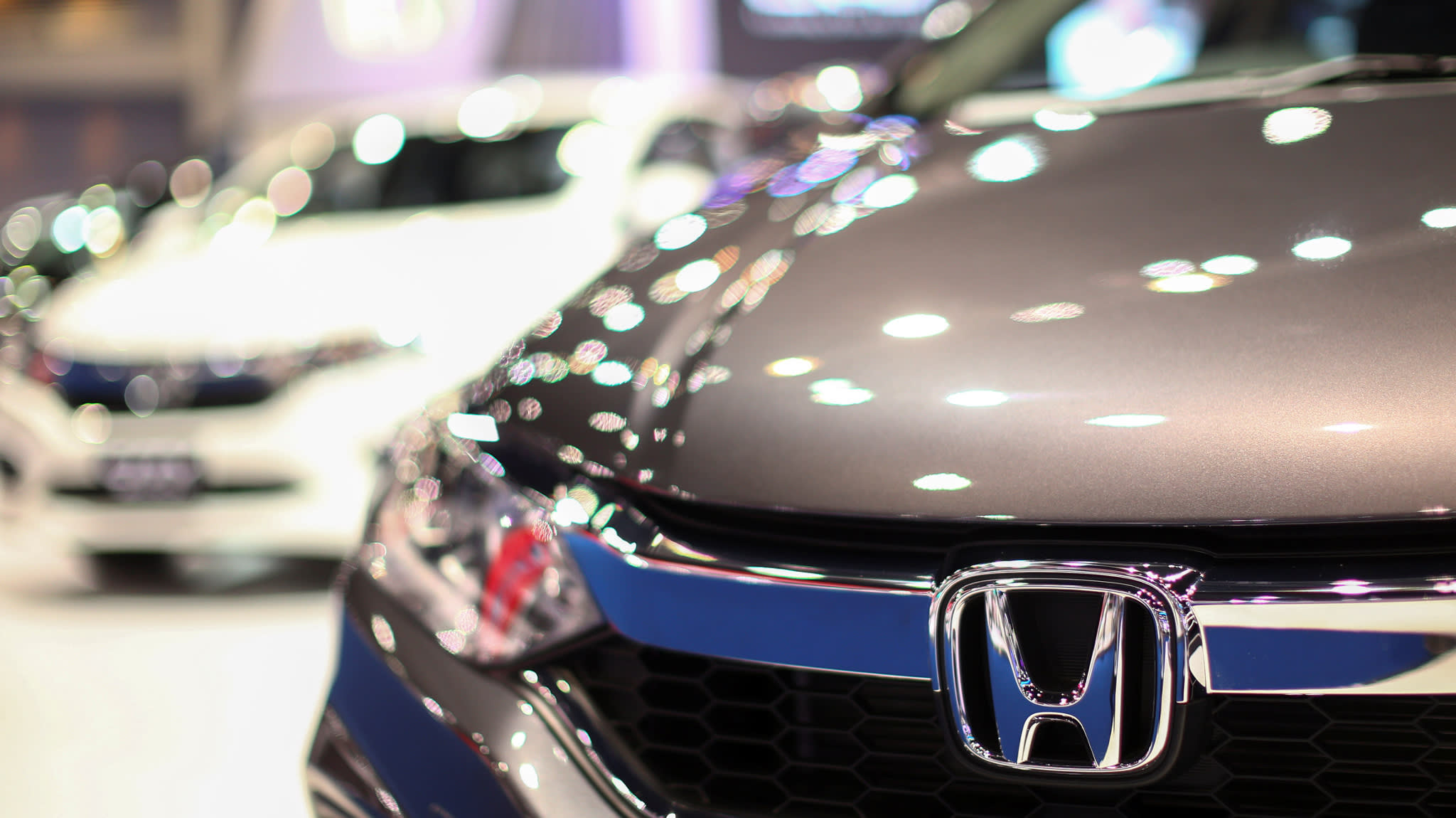
    The next-generation Honda City has been under development for a while now, and the popular-selling sedan is now confirmed to be making its global debut later this month. The 2020 Honda City will be officially unveiled on November 25, 2019, in Thailand; ahead of the Bangkok Motor Show, while the India launch is expected to take place sometime next year. The all-new City is set to get a complete overhaul and is expected to grow in proportions. The Honda promises a sportier exterior design and it will take inspiration from the new Civic and Accord models in the automaker’s line-up, also bringing a premium touch.

    The fifth-generation Honda City (seventh-gen globally) is expected revamped headlamps, a larger and wider chrome grille, and slightly curvaceous silhouette. Expect to the C-shaped LED taillights also making their way on the sedan, as part of the Honda family design. Inside, the car is expected to borrow heavily from the new generation Jazz, sharing the same underpinnings too. The dashboard design is likely to be the same sporting a new touchscreen infotainment system and a digital instrument console. Honda could introduce new connected car tech on the 2020 City along the lines of what MG And Kia offer on their respective cars.

    The big update will be under the hood of the 2020 Honda City that will get the new 1.0-liter VTEC three-pot turbocharged petrol motor for the Thai market. The turbo mill marks a comeback on the car since the first-generation version was introduced in the 1980s, and Honda says the turbocharged engine will provide 33 percent better fuel efficiency while offering improved performance. The unit is expected to churn out about 120 bhp and 200 Nm of peak torque. The smaller motor has been deemed necessary for the sedan to meet the Phase 2 Eco Car criteria in Thailand, which mandates Euro 5 compliance and a fuel consumption figure not exceeding 23.25 kmpl.

    It will also come with the new dual-motor Intelligent Multi-mode Drive (i-MMD) hybrid powertrain that debuted on the all-new Jazz earlier this year. The tried and tested 1.5-liter naturally aspirated iVTEC petrol will continue to be on offer as well churning out about 118 bhp, while the 1.5-liter iDTEC diesel will also remain on offer, particularly in India. India is expected to get a hybrid version of the City, which will help achieve higher efficiency figures and lower emissions as well. Transmission options will include a 5-speed manual, 6-speed manual or a CVT unit, depending on the engine and the market.

    The Honda City remains for ASEAN as well as Latin American markets and will go on sale in other South Asian countries this year. Honda Car India is likely to showcase the model at the 2020 Auto Expo, and we will get a fair idea on the pricing at the same time as well. That being said, do expect a marginal hike in prices when the model goes on sale next year.

  • All-New Ferrari Roma Revealed

    All-New Ferrari Roma Revealed

    The new Ferrari Roma is here! It is a brand new model from the Italian marquee and it is one of those cars which make you go weak in the knees, even when you look at it in photographs. The flared fenders, sleek headlamps, and body-colored grille are a departure from traditional Ferrari styling but stunning nonetheless! The Roma is a nod to the Italian ‘La Dolce Vita’ concept which means to live a life full of pleasure and luxury and sure enough, the way the Roma looks and the price tag with which it will come.

    It definitely means that the Roma will be an exclusive affair and it sits in accordance with Ferrari’s plan of launching three brand new cars this year and one can see it on roads, globally, in the first quarter of 2020.

    Sleek lines, elegant silhouette and its understated class, make the Ferrari Roma look like a million bucks!

    Sitting in line with the typical Ferrari design, the Roma looks more like a concept and less of a production car. Sleek lines, elegant silhouette and its understated class, make the Ferrari Roma look like a million bucks! The car is longish at 4.6 metres in length and weighs in at 1,472 kg (dry weight).

    The 4.0-liter turbo V8 sits between the front and the middle and doles out about 620 bhp at 5,750-7,500 rpm along with churning out a massive 760 Nm of peak torque at 3,000-5,750 rpm. There is an 8-speed DCT gearbox which was taken from the SF90 Stradale! The Ferrari Roma has a top-speed in excess of 320 kmph and does the 0-100 kmph sprint in 3.4 seconds. The 0-200 kmph sprint takes 9.3 seconds.

  • Tesla To Build New Plant And Design Centre In Germany

    Tesla To Build New Plant And Design Centre In Germany

    Tesla will build its first European factory and design center near Berlin, giving the U.S. electric car pioneer the coveted “Made in Germany” label just as local rivals Audi, BMW and Mercedes prepare to launch competing cars.

    Tesla Chief Executive Elon Musk announced the move at a prestigious German car awards ceremony late on Tuesday and said the new plant would make batteries, powertrains and cars – starting with the Model Y sports utility vehicle.

    “Everyone knows German engineering is outstanding for sure. You know that is part of the reason why we are locating Gigafactory Europe in Germany,” Musk said at the ceremony in Berlin.

    The plan is a big boost for Germany as a centre for manufacturing after BMW and Mercedes in recent years chose to build new factories in Hungary, and after its auto industry was hit hard by Volkswagen’s admission in 2015 that it cheated U.S. diesel emissions tests.

    Germany’s powerful manufacturing industry has been slowing, with data on Thursday set to show whether Europe’s biggest economy has slipped into recession for the first time since 2013.

    Tesla is struggling to ramp up production and has yet to prove it can be consistently profitable as rivals including Audi-owner Volkswagen retool plants to mass-produce electric cars.

    Musk said the factory would be near Berlin’s new Brandenburg international airport, diversifying the Silicon Valley firm’s production beyond the United States at a time when global trade tariffs make exports more difficult. Besides Europe, Tesla is opening a factory in Shanghai.

    Tesla’s proposed factory will be within commuting distance of Poland, where labor costs are cheaper, a rival manufacturer – who also looked at the site – told Reuters.

    “Tesla’s decision to build an ultra-modern factory for electric cars in Germany is further proof of the appeal of Germany as an automotive hub,” Economy Minister Peter Altmaier said on Wednesday.

    “We think we now have the chance, in the coming years, to become an important international center in this future-oriented sector,” he said.

    The German government has earmarked financial support for making electric car battery cells locally as a way to secure manufacturing jobs as tougher emissions rules threaten demand for older technologies, like diesel engines.

    Dietmar Woidke, the premier of the Brandenburg state that surrounds Berlin, said any official support given to Tesla would be in accordance with European Union rulesAltmaier said there had been no discussion so far about any subsidies for Tesla’s plans, adding the company would be treated like all other carmakers.

    In a high-profile example of the impact of Brexit, Musk said he picked Germany for his new factory over Britain because of uncertainty over the nation’s exit from the European Union.

    “Brexit made it too risky to put a gigafactory in the UK,” he said in an interview with industry website Auto Express.

    Germany’s biggest labor union, the influential IG Metall, was quick to welcome Tesla’s plan. “This strengthens Berlin as an industrial location and creates jobs. We hope this sets an example,” said Birgit Dietze, IG Metall’s regional head.

    Even Germany’s auto industry association, VDA, welcomed the arrival of a U.S. competitor.

    “Elon Musk’s announcement shows how important Germany is as a location for producing electric vehicles in Europe,” VDA said. “We don’t shy away from competition, quite the opposite.”

    German carmakers and suppliers are preparing to build more than 150 electrified vehicles by 2023, VDA said.

    While Germany’s renowned car industry is mainly based in the south of the country, the capital has become a hub for start-ups and has attracted many creative and technology firms since the fall of the Berlin Wall three decades ago.

    “Tesla is coming to Brandenburg with a big investment,” said state premier Woidke, without giving details “We lobbied for this for a long time in intensive talks and with good arguments.”

    Berlin’s minister in charge of economic affairs, Ramona Pop, told public broadcaster RBB there had been talks about creating 6,000 to 7,000 jobs in production alone, with hundreds or even thousands more in areas such as design, software and research.

    Musk’s appearance at the awards ceremony is another example of Tesla’s efforts to give its cars the German stamp of quality.

    It already has an engineering firm in Pruem that specializes in automated manufacturing systems for battery factories and has tested its cars on the Nordschleife, the notorious

  • More Spotify users can now stream their music on popular Sonos sound systems

    More Spotify users can now stream their music on popular Sonos sound systems

    Unlike arch-rival Apple Music, Spotify has both free and paid service tiers, which explains why the industry-leading streaming platform jumped to a mind-blowing 248 million monthly active users at the latest quarterly count while racking up “only” 113 million premium subscribers.

    Of course, it can be profitable to get people to use Spotify without paying a $9.99 standard monthly fee too, both because those users are likely to be inclined to upgrade to a Premium subscription in the long run and because one of the downsides of not paying for unlimited music streaming is being served the occasional ad, which naturally makes the company quite a bit of moolah.

    As such, it shouldn’t come as a big surprise that a basic feature previously offered exclusively with Spotify Premium accounts is finally extending to Free users. Starting now, you can play your tunes on Sonos sound systems without having to sign up for a premium Spotify subscription. All you need to do after updating the Sonos app to its latest version is head to its Settings menu, then Services, and finally, tap the Spotify option to link your free account.

    Apart from having to learn to live with ads constantly interrupting your jam sessions, opting for free Spotify access means listening to (most) tracks on shuffle and being unable to skip songs at will.

    Like Spotify, Sonos has been taking a number of steps meant to further widen the appeal and reach of its high-quality but often expensive speakers and soundbars recently, adding Google Assistant support at long last and releasing the company’s first portable model that’s unsurprisingly costly.

  • Disney+ is already rocking the streaming industry with incredibly early milestone

    Disney+ is already rocking the streaming industry with incredibly early milestone

    One full year of hyping after Disney formally threw its hat in the Netflix-dominated video streaming ring, the most highly anticipated new platform of 2019 finally made its commercial debut yesterday, November 12. Today, November 13, the Mouse House is already boasting about the insane subscriber numbers of Disney+, which might explain why it was initially so tricky for so many users to access their family-friendly content.

    According to CNBC, which is quoting an official company announcement, no less than 10 million people have signed up for the surprisingly affordable and incredibly extensive VOD service roughly 24 hours after its Tuesday launch. While the platform’s free 7-day trial makes it impossible to know how many of those “subscribers” will actually end up paying for the service, the figure remains outstanding, giving Disney the perfect start in a very competitive and increasingly crowded market.

    It’s obviously not fair to make these comparisons, but Netflix barely added 6.8 million paying subscribers worldwide between July and September this year for a grand total of more than 158 million people, with Hulu, which just so happens to also be owned by Disney, lagging far behind, at around 28 million subscribers as of the end of Q1 2019, up by 3 million compared to the previous quarter.

    It’s almost hard to imagine just how fast Disney+ will be able to expand its reach when it becomes available around the world. Don’t forget, the November 12 launch was a US, Canada, and Netherlands-only thing, which makes the 10 million milestones that much more impressive. Then again, one important thing that may have helped inflate the number somewhat artificially (apart from the aforementioned free trial) is Verizon’s killer deal for both new and existing customers.

    Of course, Apple TV+ started off with a similarly “unfair” advantage over Netflix earlier this month, as recent iPhone, iPad, iPod Touch, Mac, and Apple TV buyers are all eligible for a free year of service, and we’re not seeing the Cupertino-based tech giant crowing over the platform’s achievements… yet.

    Clearly, the Disney+ debut can be considered a smash hit, which obviously makes sense given the sheer size and mainstream appeal of its library, as well as the low $6.99 monthly rate, all the premium features and perks included in that price, and the fact you can even share your account with family members and friends… for the time being.

  • Apple Music gains new Replay feature

    Apple Music gains new Replay feature

    Apple is bringing a new feature to its music streaming service in the hopes to bring Apple Music on par with Spotify and other similar services. The new feature is called Replay and lets Apple Music users check out their favorite music from 2019.

    Simply put, Apple Music subscribers will get a playlist of the most played songs from 2019, as well as playlists for every year they’ve been subscribed to the service, retroactively. All songs alongside playlists can be added to the Apple Music Library to allow users to stream them anytime they want.

    More importantly, Apple Music Replay can be shared with others or posted to social media. Unlike Spotify’s Wrapped feature that’s basically an annual retrospective. Apple Music Replay will continue to be updated throughout the year.

    According to Apple, the playlist and all data insights are updated on Sundays to reflect subscribers’ latest listening activity. Think of Apple Music Replay as a compilation of favorites, which changes throughout the year, not just at the end.

    The new feature is now available from the Apple Music app across all platforms, including via the web, so give it a spin until the beginning of the next year when it will become a blank slate waiting to be filled with your favorite music.

  • Google Maps update adds a new translator feature

    Google Maps update adds a new translator feature

    The new translator feature that will be added this month should allow a phone to speak out a place’s name and address in the local lingo. In order to do that, you’ll have to tap the new speaker button next to the place name or address, and Google Maps should then say it out loud.

    In addition, Google Maps will be able to link you to the Google Translate app when you need to have a more complex conversation. Thanks to the text-to-speech technology, your phone automatically detects what language your phone is using to determine what exactly you need help translating.

    According to Google, the new translator feature will be deployed to Android and iOS devices this month and will support 50 languages, although the Mountain View company says that more are on the way.

  • Kerry Logistics acquires Turkish forwarder ASAV

    Kerry Logistics acquires Turkish forwarder ASAV

    Kerry Logistics Network Limited announced the acquisition of a majority interest in Turkey’s Asav Lojistik Hizmetleri Anonim Sirketi (‘ASAV’) to further the expansion of its global network and strengthen its international freight forwarding (‘IFF’) capabilities.

    Building upon ASAV’s competitive advantages of established operations and a diversified mix of domestic and international customers, the acquisition will help Kerry Logistics to gain a major foothold in Turkey and further consolidate its network and capabilities in the region.

    Founded in 1994 in Turkey, ASAV was ranked No. 1 in Turkey’s Top 5 Agents by tonnage flown, according to 2017 and 2018 yearly IATA rankings, offering professional air, ocean and road freight to the market.

    ASAV has seven offices across the country, including five in Istanbul, one in Bursa and one in Izmir as well as one in Amsterdam in the Netherlands. It also has a warehouse of 452,000 sq ft in Istanbul combining bonded and non-bonded storage areas plus a bonded warehouse of 21,500 sq ft in Amsterdam.

    Mathieu Biron, Managing Director – Global Freight Forwarding of Kerry Logistics, said: “We are excited to work with ASAV, a young, dynamic and highly professional team, to tap into the business potential of a promising market and create greater synergy with the diverse mix of customers it brings. The partnership is poised to significantly boost our IFF capabilities in Turkey and enrich our resources in the Europe-Asia freight route, instrumental in helping us to further expand our IFF business worldwide.”

    Melek Karabacak, Vice Chairperson of ASAV, said: “For the past 25 years, ASAV has built a solid foundation and a rich customer portfolio in Turkey and the region. Joining Kerry Logistics is exciting news for us. We are looking forward to combining our local and regional expertise with Kerry Logistics’ global network and extensive service offerings to support our ongoing development and provide a broader range of innovative solutions to our existing and future customers.”

    Taking into account the positive profit growth and expansion potential in the IFF division, Kerry Logistics will continue to focus on expanding its IFF business both organically and through mergers and acquisitions.