Author: Mei Ling Tan

  • Payment Providers Could Shave $5 Billion From ASEAN Banks

    Payment Providers Could Shave $5 Billion From ASEAN Banks

    Banks in South-east Asia could miss out on as much as $5 billion, or 14.3 percent of their payments revenue by 2025, displaced by the growth of digital payments and competition from non-banks, according to a new report.

    As payments become more «instant, invisible and free, banks will face further pressure on income from card transactions and fees over the next six years. Free payments put 9.6 percent of payments revenue at risk in the region, according to professional services firm Accenture said in a report titled Banking Pulse Survey: Two Ways To Win.

    The world of instant, invisible and free payments is here to stay, squeezing margins further on a business that was already feeling a lot of pressure from new competition, particularly in South-east Asia with the proliferation of e-wallets,» said Divyesh Vithlani, who leads Accenture’s financial services practice in ASEAN. The survey polled 240 payments executives from the largest banks across 23 markets.

    Next, competition from non-banks in invisible payments, where payments are completed in a “virtual wallet” on a mobile app or device, will put 3.1 percent of bank revenues at risk, Accenture said. Card displacement by instant payments – an area where banks make little to no interest – is projected to put an additional 1.7 percent of payment revenues in jeopardy.

    Banks previously earned billions of dollars from some of these channels, and that’ll dry up eventually as competition heats up, so they’ll need to develop new digital business models to compete in this new era, said Vithlani.

    However, the industry is aware of the challenges posed by new technologies in payments. More than two-thirds (71 percent) of the banking executives polled in all markets agree that payments are becoming free. Nearly three-quarters (73 percent) believe that most payments are already invisible, or will become so over the next 12 months.

  • UBS: Billionaire-Controlled Stocks Outperform

    UBS: Billionaire-Controlled Stocks Outperform

    Listed firms controlled by billionaires outperformed the broader market with such entities in Asia leading the pack in relative gains.

    In the past 15 years to 2018-end, billionaire-controlled listed companies posted equity returns of 17.8 percent compared to 9.1 percent for the MSCI benchmark in the same period. By region, Asia Pacific ranked second in demonstrating this trend delivering annualized average returns of 18.3 percent – just 0.1 percent behind the first-ranked Americas.

    According to a report co-published by UBS and PwC, the outperformance can be attributed to what it called the billionaire effect or the tendency for self-made entrepreneurs for smart risk appetite and longer-term planning.

    Political uncertainty and economic volatility led global wealth to dip 4.3 percent and Asia was not immune, registering a $217.6 billion wealth drop and a decrease of billionaires by 7.4 percent to 754.

    Still, the region boasted a quadrupling of billionaire wealth in the last five years and unsurprisingly, China led the regional ranks with 325 billionaires. Interestingly, the region was also a significant contributor to female billionaire wealth, which grew by a quarter to $871.2 billion globally, with the number of billionaires doubling over the last five years.

    Entrepreneurs, which account for 70 percent of our client base in Asia Pacific, has been the driving force of the rapid wealth creation in the region, said Amy Lo, co-head wealth management Asia Pacific at UBS Global Wealth Management.

  • Singapore startup PerroMart taps into soaring rate of pet ownership in Asia

    Singapore startup PerroMart taps into soaring rate of pet ownership in Asia

    A Singapore startup has developed an online-to-offline solution for pet owners blending products, advice, accessories and even vet care and grooming.

    PerroMart, which started as a monthly mystery gift-box service responding to the rapid rise in pet ownership in Southeast Asia, has adopted a mission purpose to help strengthen the bond between pets and humans for a lifetime.

    “We are running on pure passion,” founder Roy Lim told Inside Retail Asia. “We want to improve the wellness of pets and take the burden of pet care off people, because everyone is getting busier and busier these days, and we want to enable humans to spend more time creating memories [with their pets] while we take care of everything else.”

    Asean’s pet-care market is estimated to be worth US$1.4 billion and is currently growing at around 12.7 percent annually. Pet-ownership rates are rising across the region, in tandem with the growing income and spending power of consumers.

    Lim started PerroMart in 2015 as PerroBox, a subscription box service for dogs. The concept was based on a mystery delivery once a month. When the box arrives, the owner and the dog get surprised by the treats inside.

    Subscribers responded well, and they still post photos on social media of the boxes arriving and the dogs responding to the contents.

    “PerroMart was really a natural progression from the PerroBox,” says Lim, recalling that customers who liked particular products in the boxes were asking about regular long-term supplies.

    So in 2016 the company developed a full-scale online store selling goods for cats and dogs and their owners: dry food, wet food, treats, toys, accessories and cleaning products.

    While selling pet supplies online is not unique – marketplaces and even physical pet stores are PerroMart’s main competitors – the company’s philosophy is its point of difference.

    “Customer service is where we really stand out from online marketplaces or even pet shops with online stores,” says Lim. About three in 10 PerroMart customers want personal interaction with staff, seeking help choosing products or getting advice on pet care, for example – something hard to deliver online without specialists on tap. The store runs a telephone hotline from 10am to 6pm daily and allows customers to click and collect from their premises in Joo Seng Road.

    The retailer currently stocks about 200 brands online and has “several thousand” active customers. Lim is reluctant to divulge too many more details at present as the company remains in growth mode, but he does say the venture is doubling its business year on year, something which has recently attracted the attention of multinational private equity company Sequoia Capital.

    Sequoia, which has already backed more than 250 companies, including Asian juggernauts Gojek, Tokopedia and Carousell, runs a rapid-scale ‘bootcamp programme’ for startups across Southeast Asia and India called Surge. The programme is designed to equip early-stage startups with the expertise, knowledge and financial backing to hold an unfair advantage as they look to grow their business. Surge provides capital ranging from US$1 million to $2 million, company-building workshops, global immersion trips and support from a community of mentors and founders.

    “We were introduced to Surge in the middle of last year by a friend,” explains Lim. “When we spoke to them they turned out to be great partners and investors. More than anything it is great to bounce ideas off them and to widen the way we think and what we can do … and to look at the business model from a different perspective.”

    If repeat business is a measure of success, Lim and his team must be doing something right. “It takes a lot to keep customers happy and keep them coming back every month.”

    Perhaps the company’s embrace of a mission is a key. “Our mission is really important to us. It is to enable the bond between a human [and a pet] for a lifetime. So this is  … what drives us, how we develop products or where we work with partners in all the ways we develop services.”

    Like PerroMart, other companies in Sequoia’s Surge program are focused on the online space.

    “Southeast Asia is at a tipping point,” says Rajan Anandan, MD of Surge at Sequoia Capital India. “The rate of mobile internet adoption and the growth of daily active users is now at a massive scale, and that opens up all kinds of possibilities for startup founders with new insights and innovative ideas.

    “There are so many gaps and white spaces in every country in the region – across virtually every sector. For mission-driven founders who want to build something new, make a difference and have a big impact on your economy – this is your time.”

    While Asia offers massive opportunities in e-commerce, for now PerroMart is keeping its focus on Singapore and on developing the Malaysian market. But other Asian countries are on the long-term radar.

  • South Korea’s coffee shop boom – 1 in 10 are losing money

    South Korea’s coffee shop boom – 1 in 10 are losing money

    The number of coffee shops in South Korea continues to grow. More than 71,000 coffee shops are now operating nationwide, with 14,000 openingsz last year alone.

    According to a report by KB Financial Group Management Research Institute, the increase in the number of coffee shops is because the number of new shops opening has dramatically outpaced the number of shop closures.

    In 2009, 27,000 new shops were opened and 4000 closed. On the other hand, 14,000 opened last year and 9000 closed.

    Meanwhile, 11 percent of local coffee shops were found to be operating in the red. This rate is higher than the 4.8 percent of restaurants that are also unprofitable.

  • Mastercard partners with Tappy to embed payment functions into wearables

    Mastercard partners with Tappy to embed payment functions into wearables

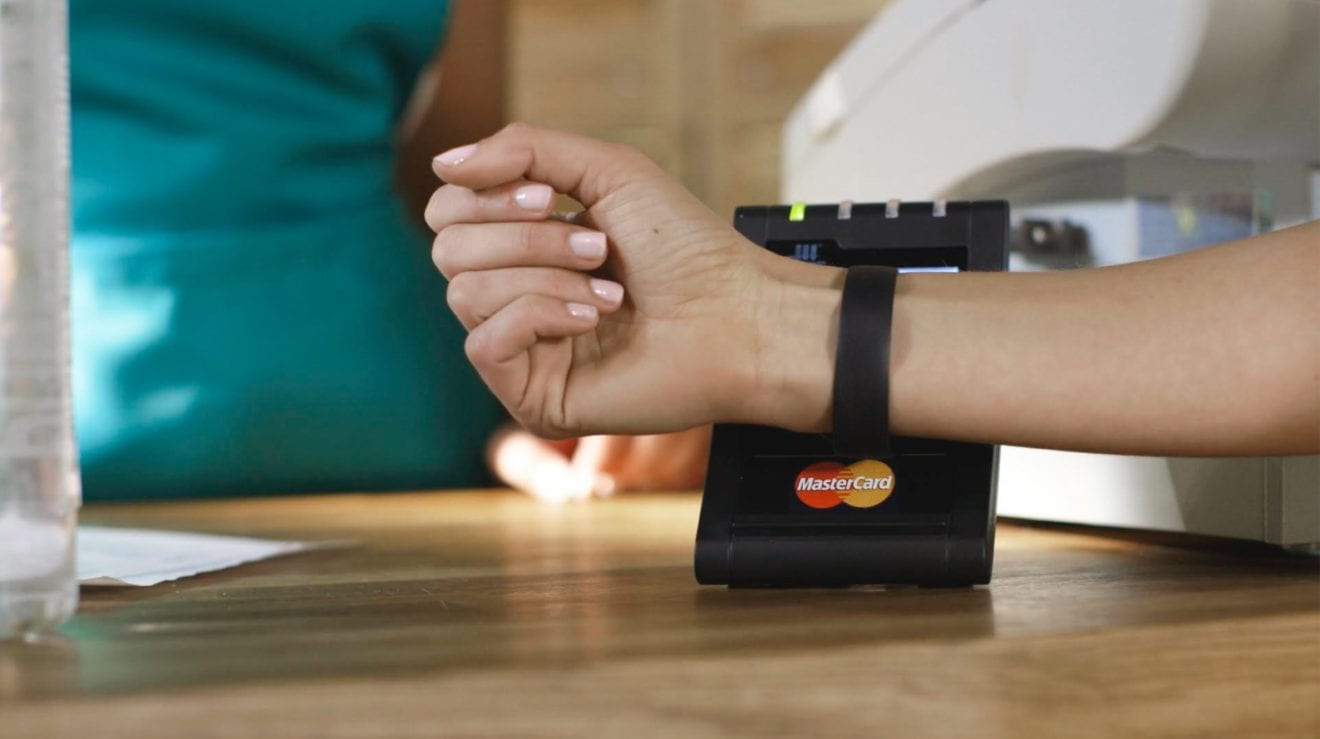
    Payments technology company Mastercard and wearable token service provider Tappy Technologies are collaborating to enable contactless payments through wearables.

    The collaboration involves embedding the two firms’ respective technologies into a range of accessories, starting with analog watches by Timex Group.

    Tappy’s contactless payment chips can be embedded into virtually any fashion accessory, transforming them into payment-enabled wearables. Tappy is now integrating its technology platform with Mastercard Digital Enablement Service (MDES) to tokenise payment credentials when consumers use their mechanical or digital watch or wearable to make a purchase at any merchant that accepts Mastercard contactless payments.

    “Fashion-conscious consumers are now looking to their favorite brands to add payment capabilities to their watches, jewelry, and other accessories,” said Tappy Technologies CEO

    Wayne Leung. “Our partnership with Mastercard means that fashion brands can now easily respond to consumer needs and take full advantage of this fast-growing trend.”

    The first fashion-forward brand to embed these payment technologies into their wearables is Timex Group. Starting with timepieces, Timex Group will debut its payment-enabled range in the first half of next year, across a variety of collections and straps, which will be sold separately and made available for purchase on Timex.com.

    “For 165 years, we have created quality timepieces that our consumers love, delivering on fashion, variety and accessibility,” said Timex Group SVP advanced technology Shawn Lawson Cummings. “Now, thanks to our partnership with Tappy, we can offer convenient payment-enabled timepieces that will transform our relationship with our consumers, offering them even greater functionality that keeps up with how they interact with the world around them.”

    Mastercard has been actively fostering ties with technology providers such as Tappy through Mastercard Accelerate – a global platform that gives fintechs and emerging technology brands access to everything they need to grow quickly. Offering a simple, single entry-point to a wide portfolio of specialized programs, Mastercard Accelerate offers start-ups and emerging brands support and assistance for every stage of their growth and transformation, including market entry and global expansion.

    The Accelerate program that connected Mastercard with Tappy is Mastercard Engage – an initiative that identifies qualified technology partners and connects them with thousands of Mastercard customers to help scale their business, quickly and efficiently.

    “The innovation Tappy offers, fuelled by Mastercard’s payments and secure tokenisation technology, is a great example of how the power of partnerships is expanding the fintech landscape,” said Mastercard Digital Payments and Labs Asia Pacific SVP Ben Gilbey. “Mastercard’s exciting journey in the wearables space is a testament to our commitment to driving contactless payments. Through the Accelerate platform, Mastercard offers a range of solutions to help fintechs rise to the next level and scale their business more rapidly through access to powerful resources, tools and insights.”

  • Accor and Alibaba form strategic partnership

    Accor and Alibaba form strategic partnership

    International hospitality group Accor and e-commerce giant Alibaba have entered a strategic partnership to develop a series of digital applications and loyalty programs to improve the consumer and traveler experience over the next five years.

    The announcement was made at a ceremony in Beijing during this year’s China International

    Import Expo. Accor was among the delegation of French companies accompanying President Emmanuel Macron on a state visit to China.

    The strategic collaboration will leverage Alibaba’s nearly 700 million consumers across its China retail marketplaces to enable more Chinese travelers to access Accor’s consumer offerings. It will allow for seamless integration of Accor’s customer journeys within Alibaba’s ecosystem. Alibaba’s travel arm Fliggy will allow consumers to book hotels, access catering services, book entertainment and take advantage of other lifestyle services. Payments can be made using Alipay, a digital payment service operated by Alibaba affiliate Ant Financial.

    Accor will also offer Chinese consumers a hassle-free hotel experience through its “Haoke” program – geared towards Chinese travelers. Haoke, which means “Welcome” in Chinese, is a certification program that ensures Accor’s hotels are ready to welcome Chinese guests by incorporating Chinese-language, Chinese dishes on menus, Chinese-speaking staff, and other services and payment systems that meet the needs of Chinese travelers.

    The collaboration between Accor and Alibaba will be instrumental to the roll-out of Accor’s soon-to-be-launched lifestyle loyalty program, ALL – Accor Live Limitless. Alibaba will make the program’s services and benefits available to its massive consumer base, using its ecosystem, consumer insights and digital marketing capabilities, accelerating the roll-out of ALL in China and around the world.

    “We are excited to enter into this strategic global partnership with Alibaba, a leading global technology company in the world,” said Accor’s chairman & CEO Sebastien Bazin. “China’s importance to the world’s tourism industry and this key collaboration with Alibaba will symbolically strengthen economic ties between China and France, while giving Chinese travelers access to exciting events and benefits through ALL – Accor Live Limitless.”

    “Over the past 20 years, Alibaba has formed two flywheels with one focused on consumers and the other on enterprises, said Alibaba Group executive chairman and CEO Daniel Zhang. “Our consumer-facing business facilitates and stimulates consumption, of which travel consumption is an important segment. Through the Alibaba business operating system, we enable tourism industry partners such as Accor to fully digitize their business operations, from sales to marketing, brand building to member management and service Innovations.”

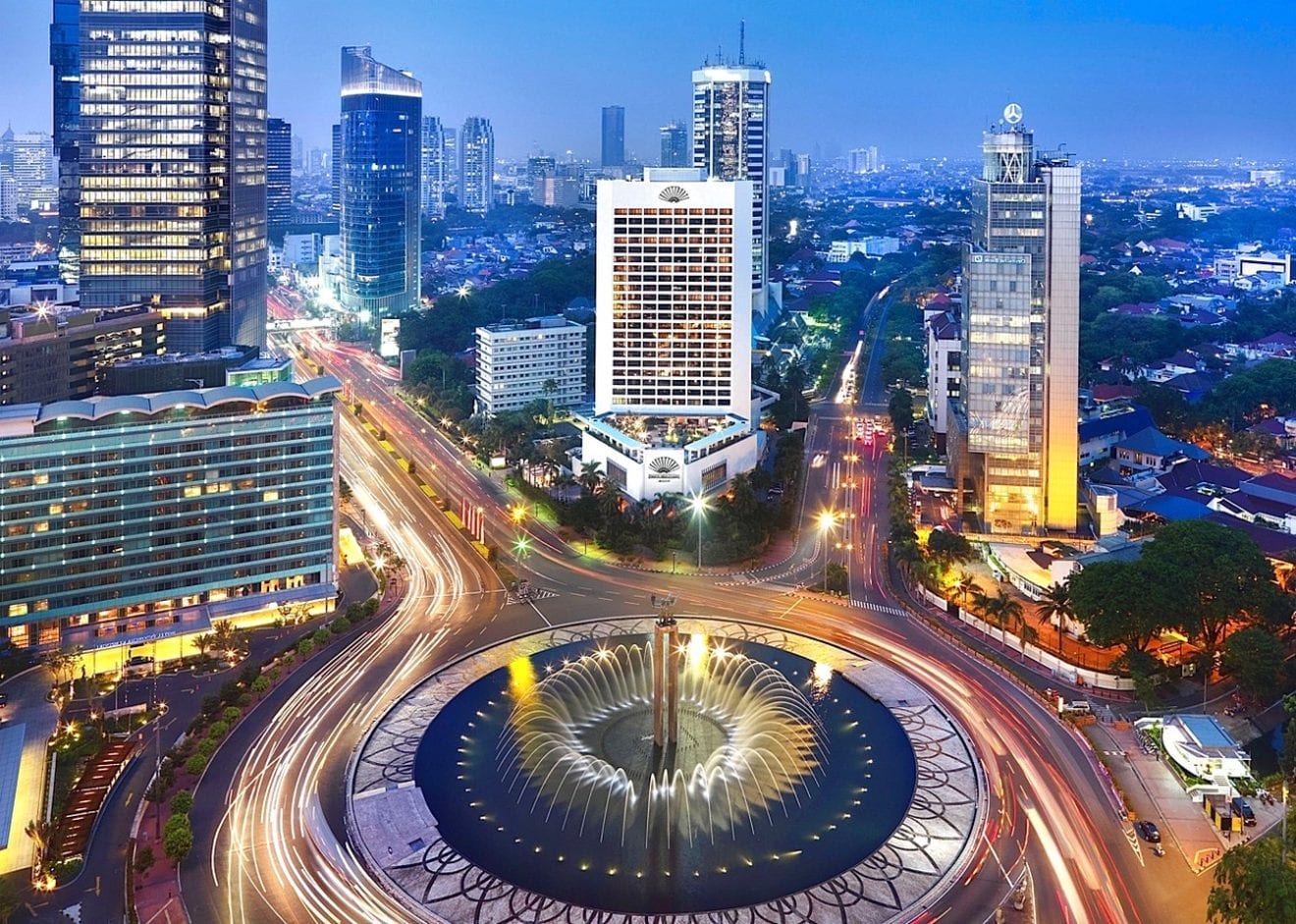
  • September Indonesia retail sales edge up 0.7 per cent

    September Indonesia retail sales edge up 0.7 per cent

    September Indonesia retail sales rose 0.7 percent year on year.

    Real Sales Index of Bank Indonesia showed that the country’s retail sales maintained positive growth despite falling 1.1 percent in August. Most of the growth was driven by sales of automotive spare parts and accessories and household equipment.

    Sales in October are anticipated to grow by 2.9 percent as sales in automotive spare parts and accessories, information equipment and communications, and food, beverage and tobacco groups are projected to continue the momentum.

  • Giant JD E-space store to open on Singles Day in Chongqing

    Giant JD E-space store to open on Singles Day in Chongqing

    Chinese e-commerce company JD will open its largest offline store to date on Monday, in Western China.

    The 50,000sqm JD E-Space experience store opens on Singles Day in Chongqing, with 5G-driven technology center place. The company intends to enhance shopping by offering unique and immersive experiences, allowing customers to interact fully with state-of-the-art, innovative, and smart products from more than 1000 of the world’s leading brands in various themed experience areas.

    JD E-Space features popular and bestselling offerings in product categories such as electronics, home appliances, and digital accessories to health, fitness and beauty products and office supplies. In particular, it brings experiential shopping to the electronics and home appliances category, enabling consumers to touch and test in-store, and then buy online.

    It also features some brand-experience zones, such as Apple’s largest authorized offline experience store; Microsoft’s first future smart home experience area in China; GE’s first omnichannel home appliances store in China; and Ninebot’s first authorized offline experience store in China.

    “JD’s boundaryless retail strategy is to integrate online and offline retail, enabling customers to buy whatever they want, whenever they want, wherever they want.” said JD Home Appliances head of offline business Zisheng Yang. “Equipped with the most advanced technologies and state of the art products, JD E-Space provides consumers not only shopping convenience but also an immersive and interactive experience.”

    Customers also have the chance to experiment with some new technologies at unprecedented connectivity speeds, because JD E-Space will be the country’s only major store to offer 5G network coverage. The store also features dynamic price tags to ensure store prices are aligned with online prices, QR codes for consumers to place orders instantly, and robots to guide customers and introduce products.

    After experimenting with the products, consumers can scan a code to buy and have items delivered to their homes by JD Logistics, usually within 24 hours, or they can complete their purchase onsite and carry home in-stock products immediately. Consumers can also enjoy the same high-quality after-sales service they get when shopping on JD.com.

  • Chinese fashion group EP Yaying to expand into the US and Australia

    Chinese fashion group EP Yaying to expand into the US and Australia

    Chinese fashion group EP Yaying is planning to expand beyond Asia by launching in the US and Australia by next year.

    The group is bullish about the increasing popularity of the Chinese culture-inspired fashion and believes it will resonate with foreign consumers.

    EP Yaying started as a small garment factory in 1988 and in 2016, it has adopted a dual-brand development strategy to cater to different customer bases. Its EP brand offers contemporary international fashion styles while Yaying focuses on “deep exploration of China’s traditional culture, aesthetics, fashion and craftsmanship for modern women with exquisite Chinese cultural identity”.

    Today, the fashion group owns and operates multiple luxury fashion brands, with a store network of over 500 in more than 210 cities across China and Malaysia.

    The group has recently launched a solo fashion show for its Yaying brand, featuring its 2020 haute couture collection, which is described as “a testament to the grandeur of the brand’s vision and the global relevance of its exquisite Chinese culture in picturesque fashion”.

    The 2020 haute couture collection, designed by creative director Chen Xi, features motifs of Chinese fans, from geometric tailoring and structures that allude to ceremonial fans used by the royal family to symbolize their majesty, to precise hand-pleating techniques that resemble the three-dimensional texture of traditional folding fans.

    Xi said the collection is inspired by The Forbidden City, which is celebrating its 600th anniversary next year, and a tribute to the finest of Chinese aesthetics and craftsmanship.

    EP Yaying will also build a 15,000sqm HWA Fashion and Arts Centre, which will house fashion, arts and cultural spaces. The center, to be opened to the public, is part of the group’s social responsibility initiative to foster increasing international cultural and artistic exchanges.

    “We will continue to create more value for our customers and contribute to the great rejuvenation of Chinese culture in the global fashion industry,” said chairman Zhang Hwaming.

  • Hong Kong protests taint solid Dairy Farm results

    Hong Kong protests taint solid Dairy Farm results

    Ongoing restructuring is impacting on Dairy Farm International’s grocery and convenience sales – but total group income is up.

    In a third-quarter management update, the company said combined sales including 100 percent of those of associates and joint ventures for the period were ahead of the same period last year, primarily due to the investment in Robinsons Retail in the Philippines in November.

    Sales by the group’s subsidiaries in the quarter declined, as revenue from hypermarkets and supermarkets was impacted by the Southeast Asia store optimization plan and the divestment of the Rustan Supercenters business in the Philippines. That said, profits from that division improved as underperforming Giant stores were closed and others upgraded.

    “While the turnaround of the Southeast Asian businesses remains at an early stage, there are encouraging signs of improvement. The group continues to invest in and grow its capabilities in Southeast Asia in line with the multi-year transformation plan.

    “Convenience stores and home furnishings continued to perform well, with sales ahead of the same period last year,” said the company. “While Southeast Asia health-and-beauty sales improved, overall health-and-beauty revenue weakened as the performance was impacted by difficult market conditions in Hong Kong.”

    The group’s convenience-store sales in the quarter were ahead of last year, with profitability modestly lower due to ongoing investment in new stores as well as rental and labour cost pressures.

    In health and beauty, Mannings’ sales and profits were significantly impacted by the ongoing social unrest in Hong Kong, however, Guardian in Southeast Asia delivered an “encouraging performance,” with solid sales growth, particularly in Indonesia. “The group continues to invest in and grow its health-and-beauty network across Southeast Asia.”

    The home-furnishings business (Ikea) reported solid sales growth for the quarter, as strong growth in Taiwan and Indonesia offset a lower performance in Hong Kong due to weak consumer sentiment. Profitability continued to be impacted by the increased cost of goods compared with last year and pre-opening expenses for stores under development, the company said. Ikea’s e-commerce operations continue to grow, with positive results in all markets as improvements were to website functionality.

    Dairy Farm International’s associate Maxim’s performance during the third quarter was impacted by the ongoing social unrest in Hong Kong, while supermarket chain Yonghui reported strong underlying growth in profitability.

    The group said its results also continued to benefit from its share of results from the 20-per-cent interest in Robinsons Retail.

    For the full year, the group expects to see benefits from its transformation program, but some of this will be “more than offset by weak trading conditions” in several of its Hong Kong businesses.

    “Nonetheless, Dairy Farm remains firmly focused on its multi-year strategic transformation to deliver long-term improvements to the business.”

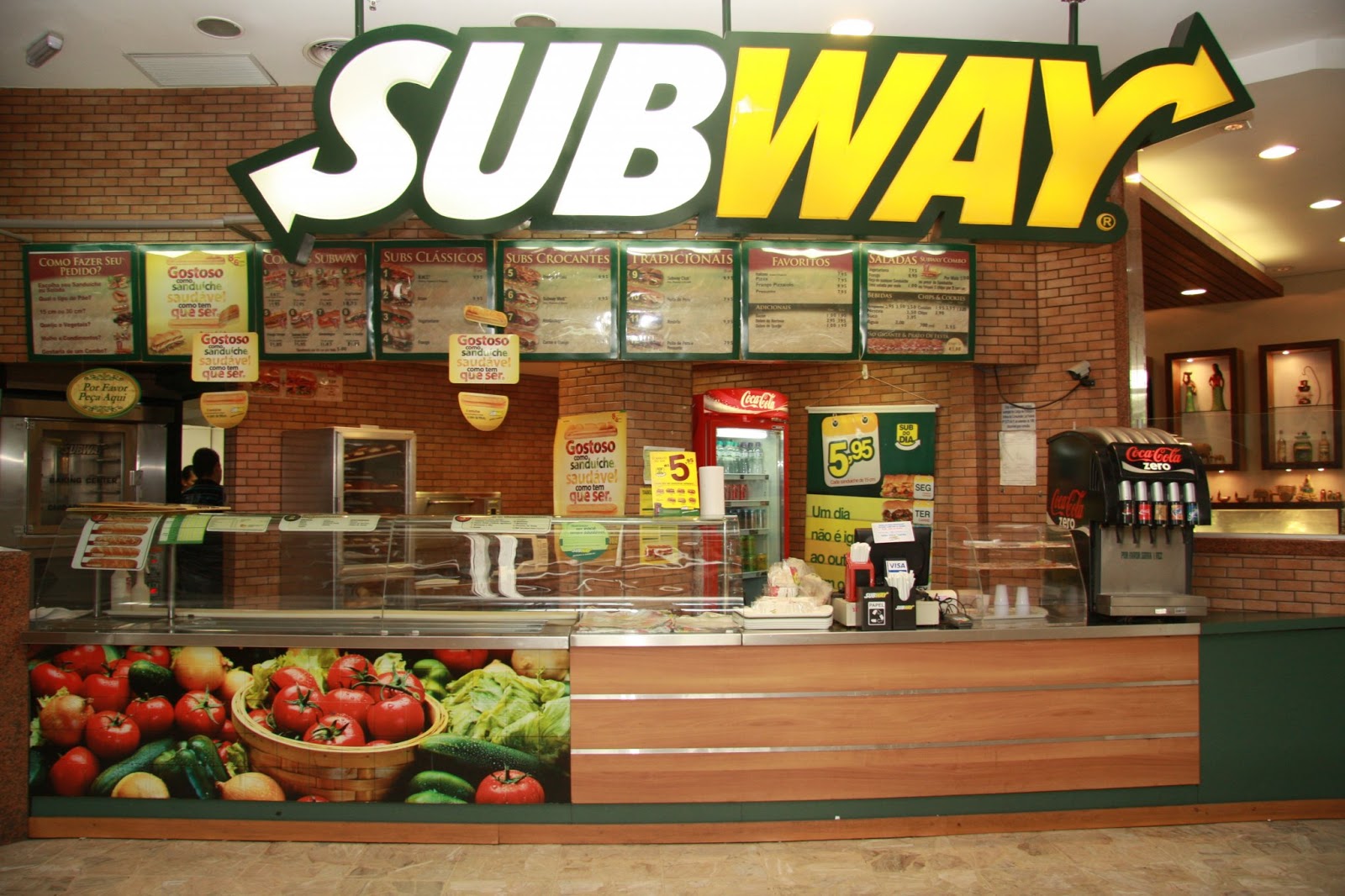
  • Subway Hong Kong marks World Sandwich Day

    Subway Hong Kong marks World Sandwich Day

    Subway Hong Kong will join 14 other restaurants to celebrate World Sandwich Day this week.

    For every regular 6-inch sandwich combo, Subway Hong Kong customers can get one standard 6-inch sandwich for free in this event. For every purchase of the combo, HK$5 will be donated to St. James’ Settlement in Hong Kong to help fight world hunger and care for the families in need.

    “It is a great way for us to give back to our local community and loyal customer base here in Hong Kong. It is also a great way for our customers, franchisees and restaurant staff to feel like they are a part of giving back to those in need,” said Michael Kyprianou, director of development & field operations.

    Ten thousand meals were donated by Subway on World Sandwich Day in Hong Kong out of 13 million meals donated around the world last year.

    CEO Subway Hong Kong development office, Christel LeBrun, said: “We hope to see our loyal guests join us for a delicious Subway sandwich this Friday and help us to fight hunger across Hong Kong”.

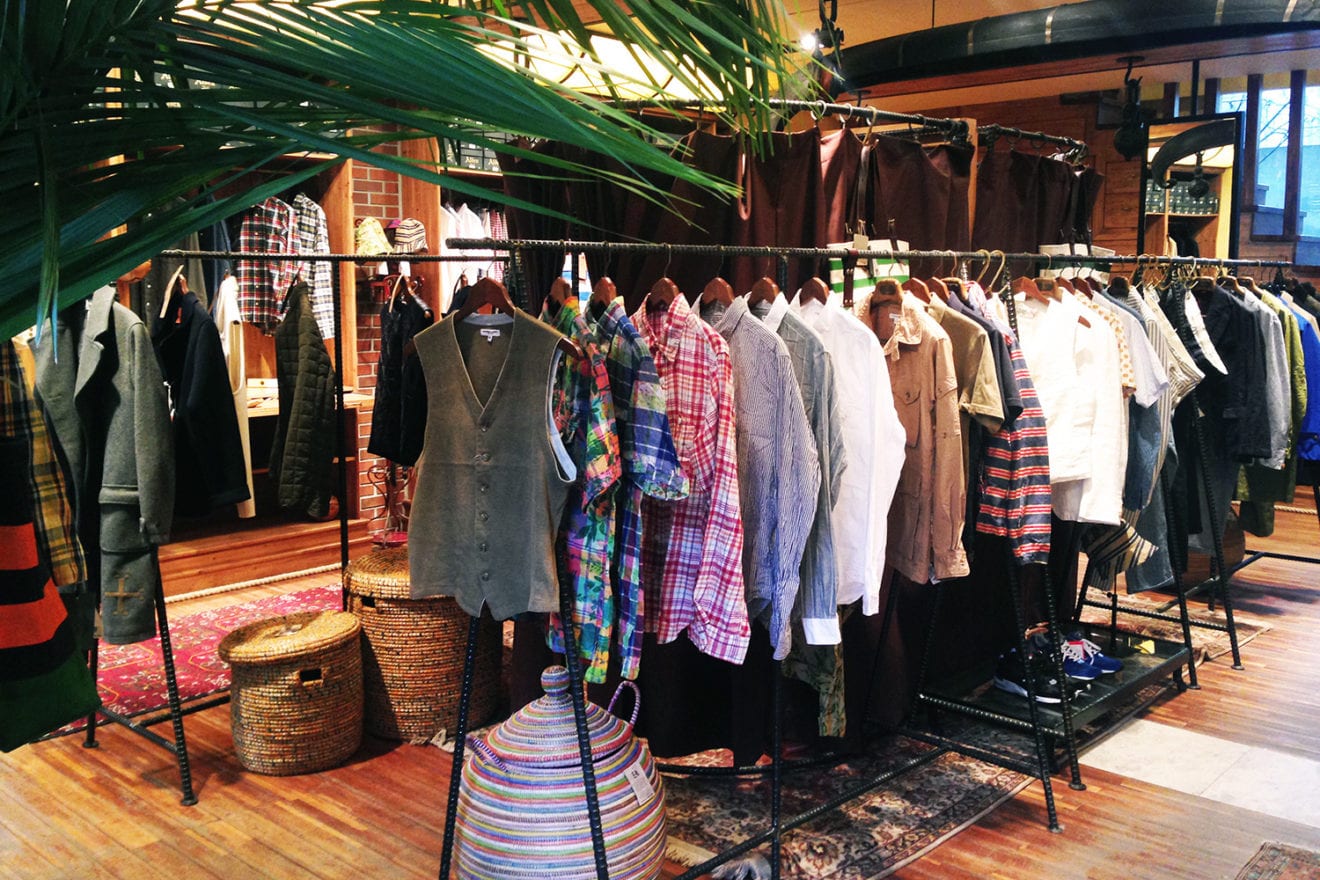
  • Stüssy Hong Kong opened

    Stüssy Hong Kong opened

    American clothing brand Stüssy is preparing to launch in Hong Kong, having just redesigned its Seoul location.

    The Hong Kong store will follow the design language established in the brand’s London, Los Angeles, Seoul and Amsterdam outlets as conceptualized by design firm W&PA.

    The Hong Kong launch, scheduled for tomorrow will reveal a range of items exclusive to the region, including canvas shop jackets, printed hoodies and crewneck sweaters.

  • Robinsons Retail profit dips despite sales growth

    Robinsons Retail profit dips despite sales growth

    Robinsons Retail reported a drop in profits during its third-quarter despite significant growth in net sales.

    The firm booked PHP1.25 billion (US$24.7 million) net income compared to PHP1.39 billion ($27.4 million) during the same period last year.

    The decline is thought to be due to changes in the Philippine Financial Reporting Standard 16, which had an impact on the firm’s method of presenting accounting results.

    At the same time the firm registered a 24.2-per-cent rise in net sales to PHP38.95 billion ($769 million). A statement from the firm attributed the sales jump to the opening of new stores over the past year as well as its addition of Rustan Supercenters, greatly enhancing the firm’s supermarket business.

    Robinsons Retail operates 1918 outlets in the Philippines.

  • Starbucks Pickup store concept unveiled in NYC

    Starbucks Pickup store concept unveiled in NYC

    Starbucks Coffee has opened the first-ever Starbucks Pickup store in New York City’s Penn Plaza.

    The location uses the Mobile Order & Pay feature of the Starbucks mobile app as the primary ordering and payment method for customers. Customers who visit the location will place and pay for their orders using the app, selecting Penn Plaza as their location and building their order using the full Starbucks menu. After arriving at Penn Plaza, customers can track the progress of their order on a digital status board and pick up their beverage and food items directly from a Starbucks barista.

    In designing the Starbucks Pickup location, the company began with a prototype in the Tryer Centre, a center for innovation at the Starbucks Support Centre in Seattle. At Tryer, teams focused on operations, digital innovation and design worked with store partners (baristas) to create an experience that gave store partners the tools they needed to deliver the best customer experience.

    “Our customers who are on-the-go have told us that connection and convenience are important to them,” said Urban Markets for Starbucks VP Katie Young. “By designing a store specifically for the mobile order occasion, we can deliver both for these customers using the store’s design, location and the expertise of our baristas.”

    The concept is being evaluated for introduction in other markets where app-bas

  • Swiss Watch Gallery launches Art of Time 2019 at KL

    Swiss Watch Gallery launches Art of Time 2019 at KL

    Swiss Watch Gallery launched its signature timepiece event, Art of Time 2019 at Pavilion Kuala Lumpur.

    Art of Time is presented by Swiss Watch Gallery in partnership with Tumi, GH Mumm, and media outlets The Edge and The Star.

    In its sixth rendition, Art of Time 2019 features the world’s renowned watchmakers, including Arnold & Son, Bell & Ross, Girard-Perregaux, Graham, IWC Schaffhausen, Jaquet Droz, Oris, Parmigiani Fleurier, TAG Heuer, Tudor, Ulysse Nardin and Zenith.

    “The idea behind Art of Time is to bring to Malaysia the experience of the amazing and exclusive watchmaking showcases of Basel and Geneva,” said Ashvin Valiram, executive director of Valiram Group. “We feel it is the best way to inculcate the love for horological instruments, and the craftsmanship and innovation that go into their creation.”

    The launch event has attracted more than 200 guests including entrepreneurs, corporate captains, retail partners, watch enthusiasts, celebrities, socialites and media figures

    “This year is our best by far, with new brands joining our showcase for the first time,” said Ashvin. “We look at ourselves not just as a retailer but also an advocate of fine watchmaking and through Art of Time, we’re looking to evolve the customers’ interest in watches and fuel the passion.”

    A Tumi pop-up also featured in the exhibition, highlighting the Tumi x Chris Pratt collection. There was also a special booth featuring watch winders from Orient Crown, a Singapore-based luxury timepiece accessories company.

    “When we opened our first watch boutique in Penang in 2001, we never expected to become a preeminent watch retailer in the country. Swiss Watch Gallery is indeed a young adult now and we look forward to further strengthening the business beyond the shores of Southeast Asia,” said Ashvin.