Author: Mei Ling Tan

  • Nike brings personalization service to Australia

    Nike brings personalization service to Australia

    Nike has brought its popular ‘Nike By You’ customization service to Australia.

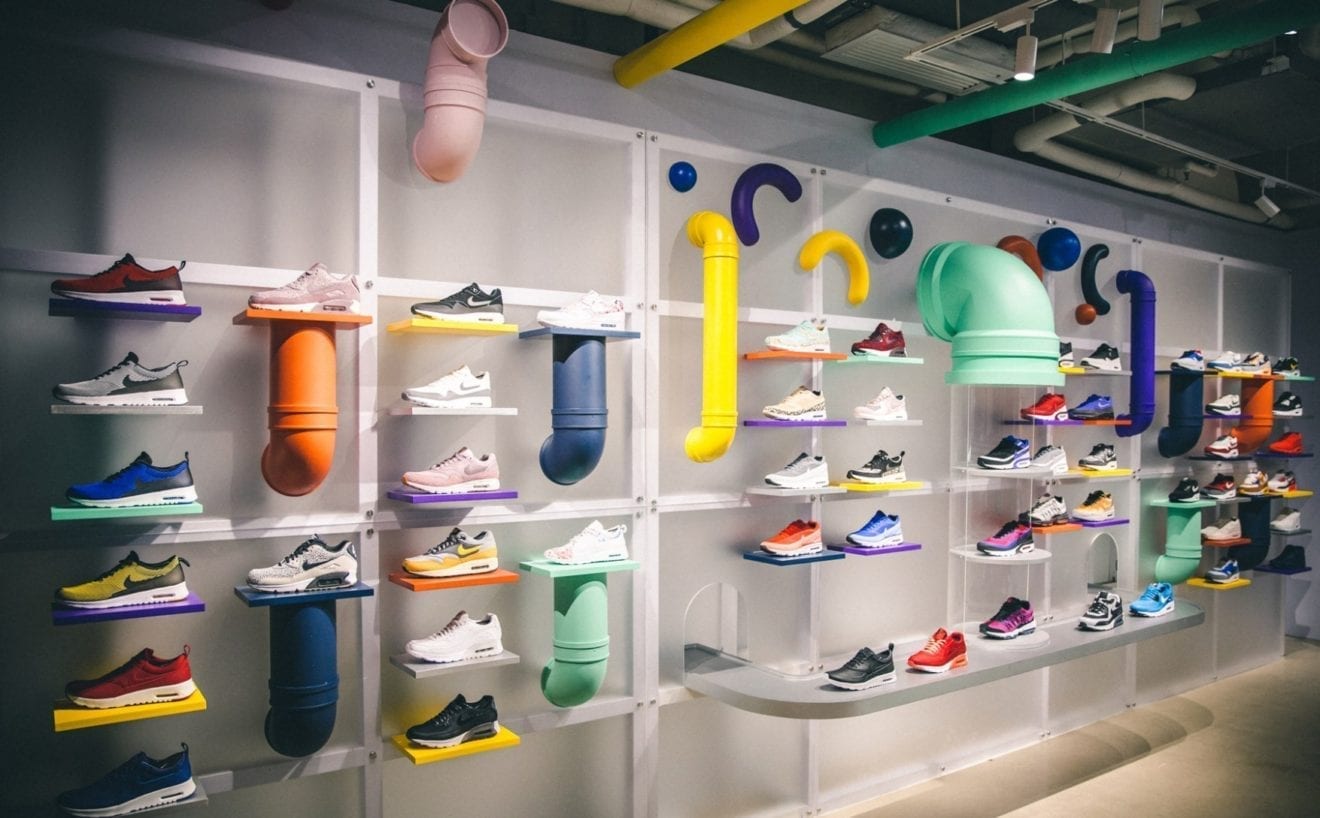
    Launching in Nike’s redesigned Melbourne Central store, which opened last Friday, the service allows customers to personalize their Nike sneakers and apparel by printing and engraving their chosen initials or phrase on items and choosing colored laces for sneakers.

    “Having the ability to personalize your Nike sneakers and apparel is something that we’ve seen resonates globally, and we’re excited to be giving our consumers the opportunity to connect their style and creativity to Nike,” Ashley Reade, Nike Pacific general manager, said in a statement.

    Nike was an early mover in the personalization trend in retail, launching its NikeID service in 1999. The founders of Shoes of Prey, a design-your-own-shoe brand that launched in 2011, before closing down last year, explicitly referenced Nike in their pitches to investors.

    Brands like The Daily Edited and July, which allow customers to monogram their products, indicate that customization continues to resonate with shoppers.

    “We look forward to delivering uniquely personal and innovative experiences with the best of Nike products and services to Australian consumers,” Reade said.

    In addition to the ‘Nike By You’ service, the redesigned Melbourne store features a 35 percent bigger footwear offering with 115 different sneaker silhouettes, including an increased Nike Air Jordan offering and exclusive Nike sneaker collaborations

    The store also features a strong women’s apparel collection with more than 50 bra and tight options, including a one-to-one bra fitting and styling services, and an increased focus on other forms of sport, such as yoga, pilates and dance.

    “We are continuing our commitment to better serve female consumers through innovation and services that fuel her journey with sport,” Angie Callaway, APLA Nike Stores general manager, said in a statement.

    “One-to-one services and a great representation of Nike sportswear and women’s apparel create a more meaningful and personalized shopping experience for our female consumer.”

    The store also features artwork by local Melbourne artist David C. Morton.
  • Coles launches grocery subscription service

    Coles launches grocery subscription service

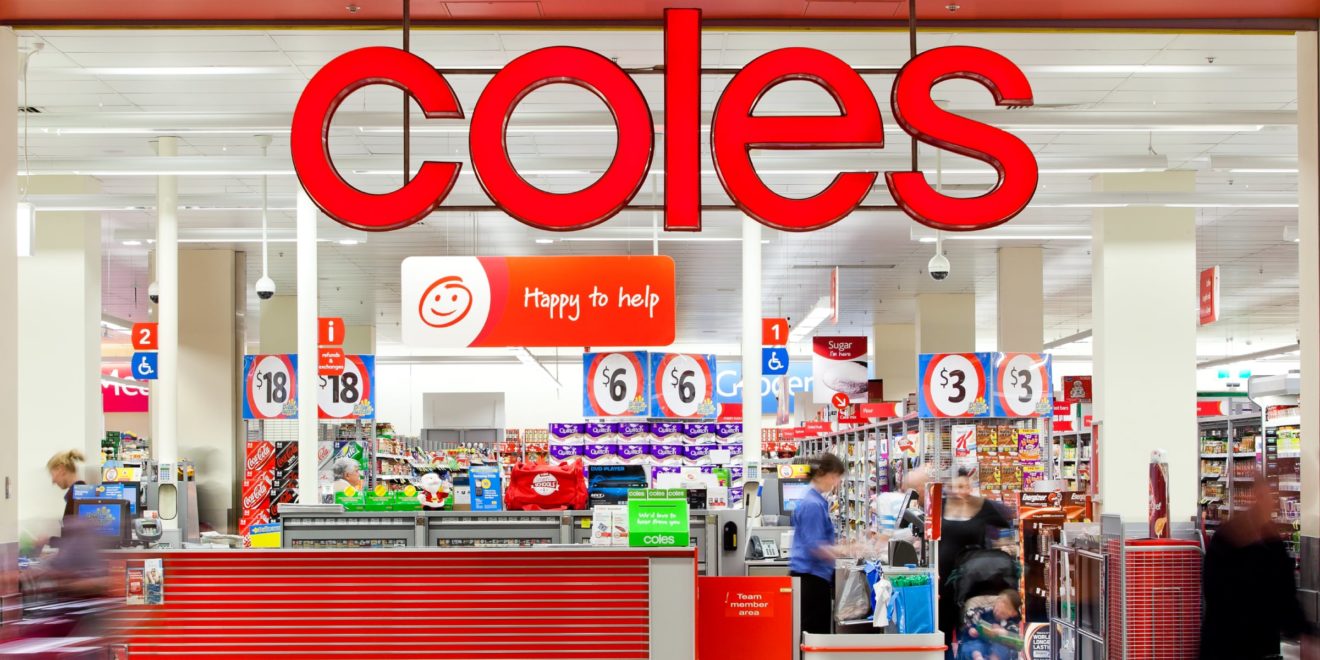
    Coles is taking its online grocery offering a step further with the launch of a new subscription service that allows customers to make unlimited orders for a flat monthly fee.

    Customers must spend over $100 in each transaction to qualify for Coles Delivery Plus, which gives the option of delivery any day of the week for $19 a month, or mid-week delivery from Tuesday through to Thursday for the lower rate of $14 per month.

    Coles Online general manager Karen Donaldson said the new service is aimed at time-poor online regulars who are looking to save on delivery.

    “On average, the cost of a Coles Home Delivery window is $10, depending on location, time of day and length of delivery window chosen,” Donaldson said.

    “Delivery Plus will allow customers who regularly shop online to save hundreds of dollars a year and help them manage their family budget by knowing exactly how much they will pay on Coles Online delivery each month.”

    The big two have been ramping up investment in online this year, in a bid to retain and gain consumers as new players like Kaufland enter the market.

    In March, Coles scored an exclusive deal with the world’s leading online grocery platform, Ocado, which has previously signed lucrative deals with some of Britain’s biggest grocery retailers including Waitrose and M&S.

    But Woolworths hasn’t been resting on its laurels. A recent partnership with eGrocery startup Takeoff Technologies is expected to propel its online grocery operations with the addition of compact, automated micro fulfillment centers at a number of its supermarkets.

    Woolworths Group CEO said the new centers will allow the retailer to deliver “ultra-convenience at a local level” and be even closer to the customer for that last-mile delivery.

    Woolworths is also planning to bring circular shopping to its online service through a partnership with TerraCycle’s Loop platform. By mid-2021, shoppers will be able to have products such as washing detergent, shampoo, juice or ice cream delivered to their door in reusable and refillable containers, which can be collected for cleaning and refilling after use.

    In a bid to get customers onboard with Coles new subscription service, the retailer is offering the first month free, with automatic payments commencing the following month. But customers can cancel the auto-renewal of their subscription at any time.

    For a limited time, Delivery Plus will also cover the fees for unlimited Same-Day Deliveries.

  • Taipei Adidas pop up features capsule collection with Descendant

    Taipei Adidas pop up features capsule collection with Descendant

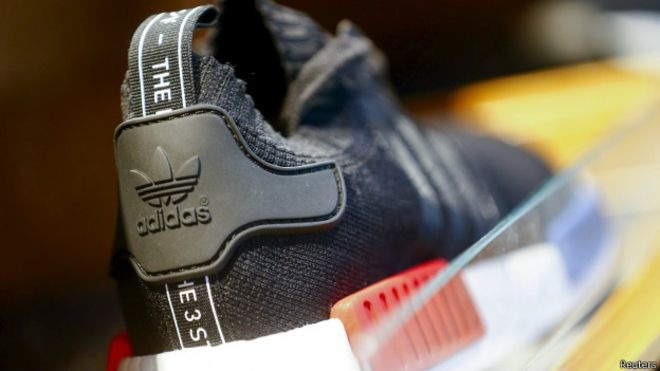
    Wtaps founder Tetsu Nishiyama’s casual label Descendant has released a collaboration with Adidas.

    “Keep Rolling” is a capsule collection of graphic tee shirts, tracksuits, and sneakers, now offered at a special pop-up store at Taiwan’s Invincible store in Taipei.

    According to a Hypebeast report, the collaboration includes the new “Crustar” silhouette that “merges the Campus and Rivalry sneaker styles … additionally, the sneaker is paired with a matching series of wearables including paneled track jackets, complementing pants, a high-necked pullover, and the monochrome ‘Game Jersey’”.

    The collaboration will also be available on the Adidas Japan web store until November 17.

  • Bata India opens its largest outlet store in India

    Bata India opens its largest outlet store in India

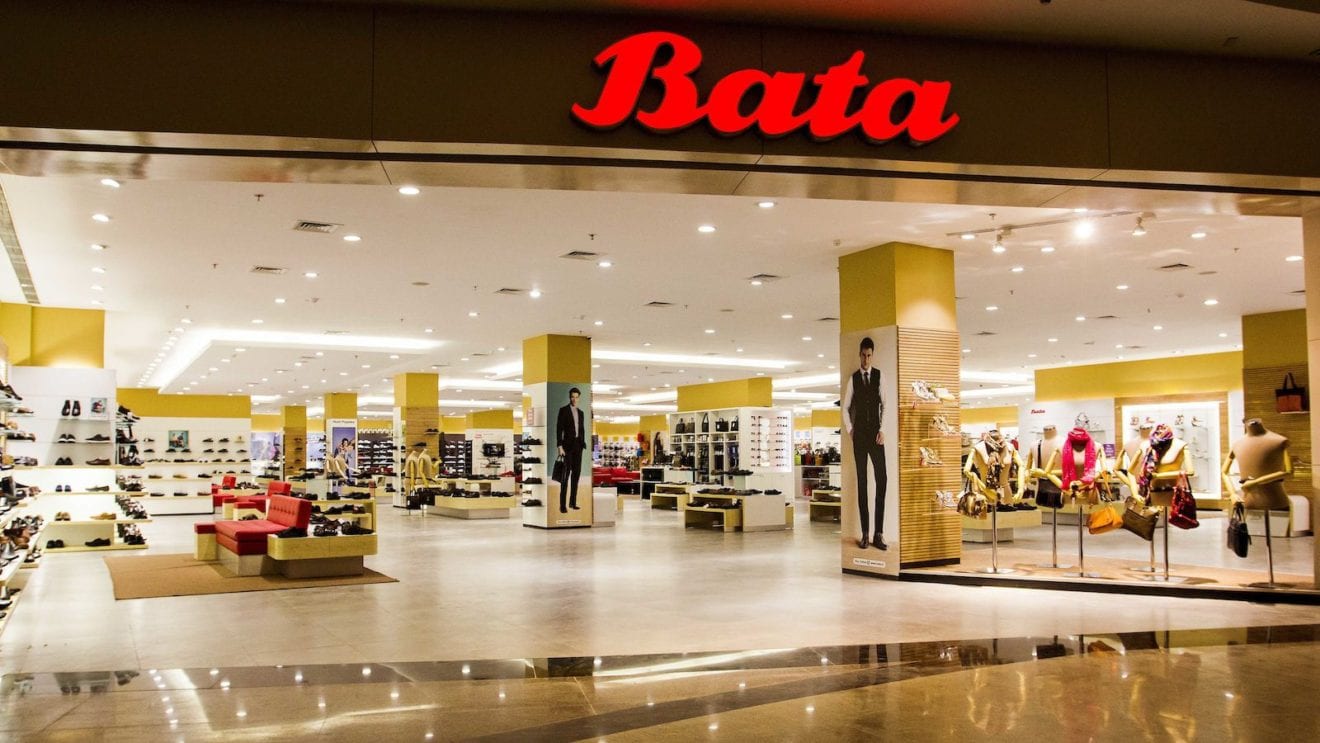
    Footwear retailer Bata India has opened a 6000sqft experiential outlet in Infiniti Mall, Malad.

    The store hosts a large Sneaker Studio, extensive fashion footwear, and handbags collection, workwear ranges for men and women among others. A highlighted feature is the outlet’s Happy Feet Centre for specialized foot care services, such as 3D foot scanning, an on-site podiatrist and a premium shoe laundry.

    The site features omnichannel enablement to allow delivery to the home of any chosen shoe, not in stock. Real-time shopper feedback is captured on the store’s NPS platform.

    “Expanding our retail footprint and channel presence continues to be our core focus for the year,” said Bata India CEO Sandeep Kataria. “All stores are being designed under the global Red format to standardize the brand imagery across the globe. We are focusing on innovating our product portfolio and are constantly increasing newness by introducing New Arrivals Every Friday.”

    Bata India has more than 150 franchise stores throughout the territory and intends to launch 500 stores by 2024.

  • 6ixty8ight to launch online in Singapore and Malaysia

    6ixty8ight to launch online in Singapore and Malaysia

    Hong Kong-headquartered lingerie retailer 6ixty8ight is to open an e-commerce store for Singapore and Malaysia this month.

    The 6ixty8ight online store offers lingerie, sleepwear, homewear, loungewear, casual wear, and accessories.

    In the first phase of online store development, 6ixty8ight will introduce “Click & Collect”, where online purchases can be picked up at any preferred local store. The online store also features the new November collections, Eyelash Lace, Iridescent Dreams, and Beary Cute.

    6ixty8ight’s online expansion in Singapore and Malaysia comes a month after the brand launched its first e-commerce store across Hong Kong, Taiwan and South Korea.

    6ixty8ight has opened a series of new physical stores in Singapore and Malaysia – at Orchard Gateway and Paya Lebar Quarter Mall last month in Singapore and a second store at Mitsui Outlet Park KLIA in Malaysia, to be followed by its third store in the country, at Gurney Paragon Mall next week.

    Founded in 2002, 6ixty8ight is one of Southeast Asia’s fastest-growing fashion brands, with more than 200 stores now trading across Greater China, South Korea, Singapore and Malaysia.

  • Alipay now available for tourists in China

    Alipay now available for tourists in China

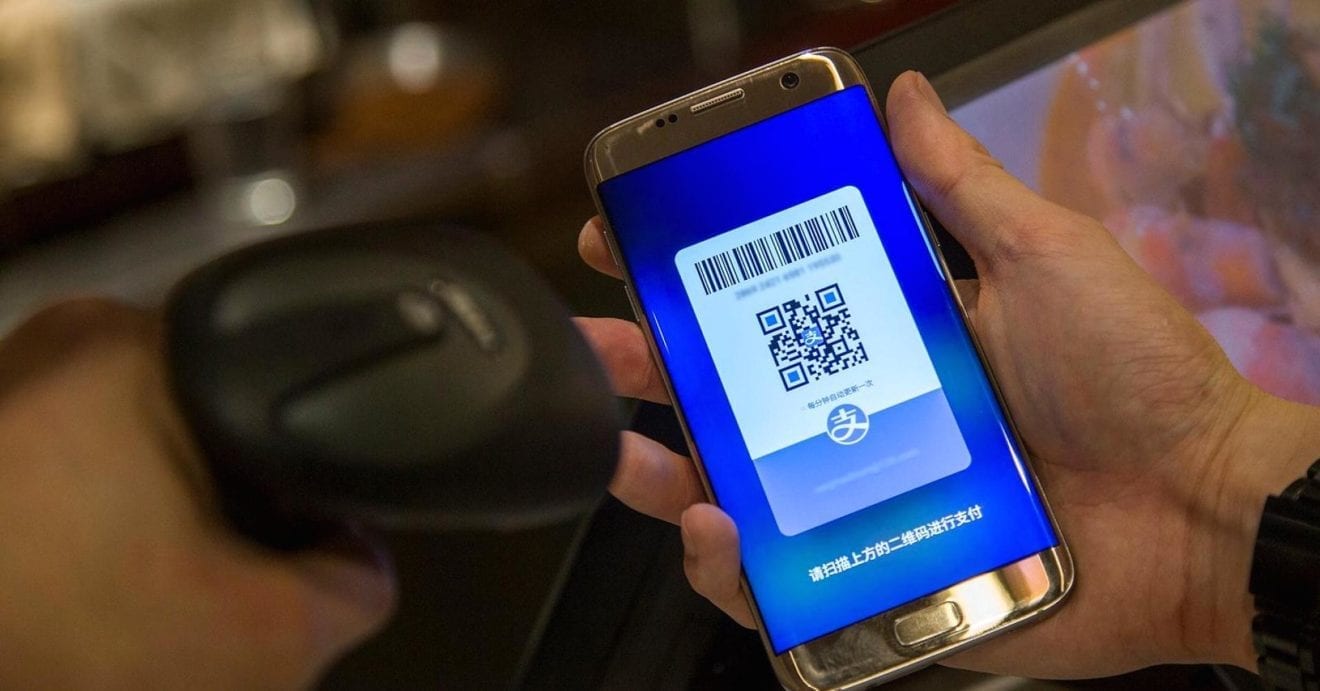
    International travelers can now use mobile payments in China as Alipay has launched a new version of its payment app designed for short-term overseas visitors.

    After installing the Alipay app, international visitors can register with their overseas mobile phone number to access the “Tour Pass” mini-program through which they can use the “Prepaid Card” service provided by the Bank of Shanghai.

    The minimum top-up for each card is CNY100, with balance capped at CNY2000. The card is valid for 90 days, after which any remaining funds will be refunded automatically.

    With the new Alipay service, visitors can pay through QR code or make online purchases through the app.

  • Esprit results signal looks promising

    Esprit results signal looks promising

    Embattled fashion retailer Esprit believes its first-quarter results prove its restructuring program is on track.

    The Hong Kong-listed company recorded a year-on-year global sales decline of 10.8 percent in local currency terms. But in a stock-exchange filing, the company said the pressure from falling sales was “more than compensated by significant cost savings which led to an improvement in our operating results”. The company did not release profit figures, only sales data.

    In the filing, Esprit said management was “encouraged by the progress made” in the three months to September 30 and “is confident that the group is on the right track to recovery”.

    Esprit sales in Asia fell 44.4 percent from HK$314 million (US$40 million) to $175 million ($22.3 million), however the brand performed better in Europe where sales fell 11.6 percent (or 7.4 percent on a currency-neutral basis) from $3.02 billion ($385.5 million) to $2.671 billion ($340.9 million). Total group sales were $2.846 billion ($363.3 million), the 10.8 percent decline comparing favorably to a 14 percent decline in company-controlled retail space.

    The company said in the core European market, which accounts for 85.7 percent of its revenue, it achieved small comp-store sales growth in August and September. A reduction in discounting saw comp-store gross profit improve, but it did not release figures.

    In Germany, wholesale sales which have declined every quarter for seven straight years, improved by 1.8 percent in the latest quarter.

    “This is an encouraging development thanks to ongoing progress made in building a best-in-class wholesale model to serve our wholesale partners,” the company said.

    Again, while not releasing figures, Esprit said reduced operating expenses due to reduced headcounts, the closure or resizing of unprofitable stores, and a persistent discipline on cost control and efficiency measures enabled it to reduce operating expenses “significantly”.

  • Singapore Fintech Ditches Plans for Digital Bank License

    Singapore Fintech Ditches Plans for Digital Bank License

    Singapore cross-border startup InstaReM has withdrawn from the contest for a digital wholesale banking license, preferring to focus on its global business-to-business payments instead. It is the first firm to declare its withdrawal.

    InstaReM, which recently rebranded to Nium, has backed down from its application for a digital wholesale license because the banking landscape in the city-state looks rather crowded.

    Singaporean banks are extremely well entrenched in that ecosystem. Our strengths lie elsewhere and we have decided to consolidate and focus on those areas,» said Nium’s chief executive Prajit Nanu, who was quoted in «The Business Times.»

    Nanu said his company will focus on serving businesses in more than 40 markets. It holds regulatory licenses including in the European Union, Hong Kong, Indonesia, and Japan and is seeking new electronic money institution licenses for card issuing and stored value facilities in Mexico and Brazil. With $41 million raised earlier this year, it is one of the best-funded fintech startups in South-east Asia.

    Backed by investors including Temasek Holdings unit Vertex Ventures and Rocket Internet, Nium previously said it was interested in the digital bank license offered. Other companies that expressed a desire to apply included SingTel, Grab and Razer.

  • DBS Launches Virtual Wealth Manager With Celebrities

    DBS Launches Virtual Wealth Manager With Celebrities

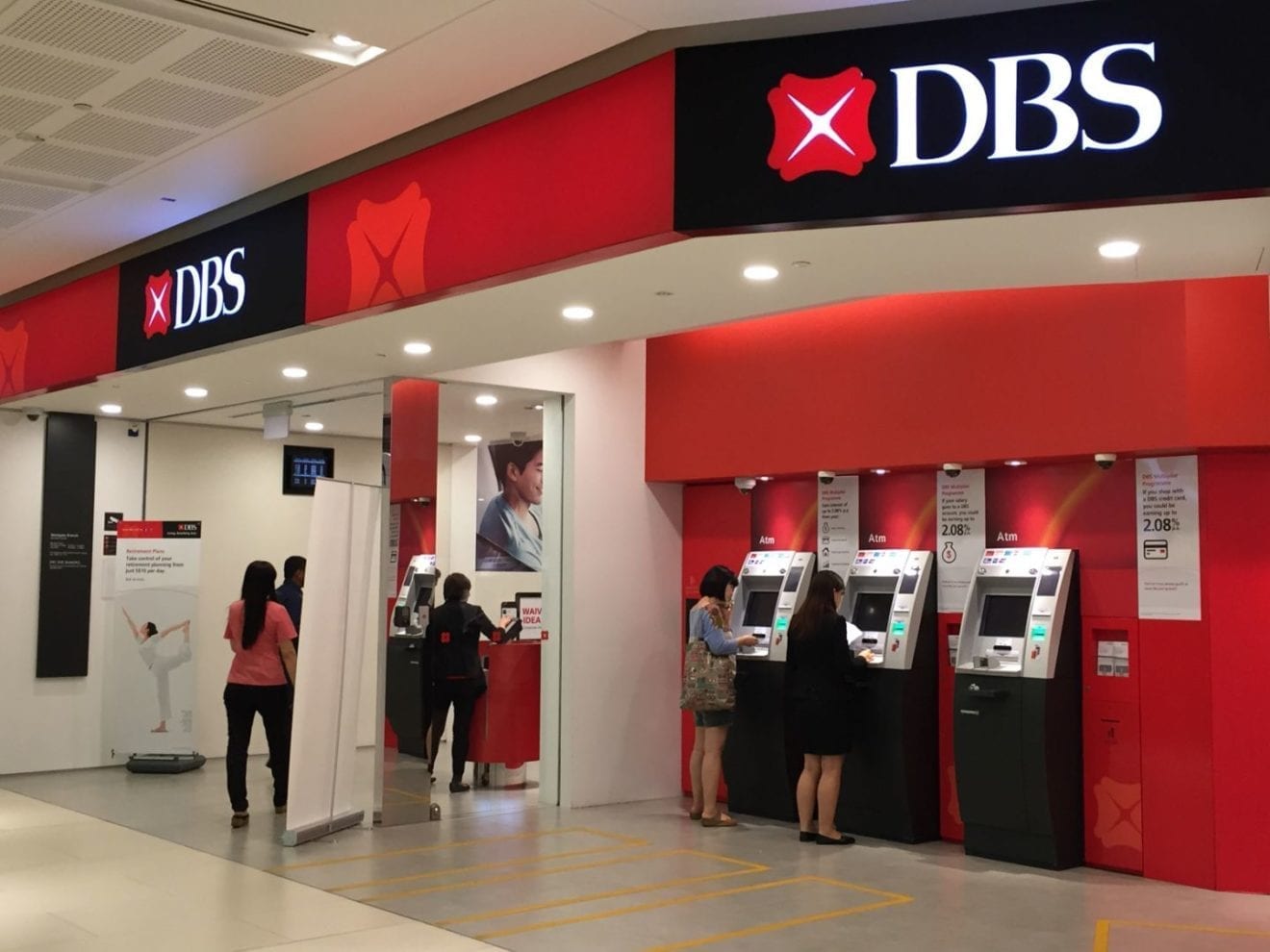
    DBS introduced its fully virtual wealth management capabilities in Hong Kong in grand fashion, accompanying the launch with renowned local celebrities.

    The bank recently launched its new virtual wealth manager which can enable users to undergo the entire experience digitally from account-opening to transacting. The suite of capabilities also includes general banking, investments, FX trading, remittance and others.

    We are the first bank that has a fully digitized journey from onboarding to all wealth management products, said Sebastian Paredes, DBS Hong Kong CEO. This is not an app. This is the launch of a new virtual bank.

    Then DBS began its planning exercise two years ago to launch the virtual solution, it wanted to significantly reduce the time required to open accounts, after repeatedly hearing clients express how busy they are and how laborious it is to fill out application forms.

    This is something on our mind for a long time,» explained Ajay Mathur, managing director and head of consumer bank gin and wealth management, DBS. With this fully virtual wealth management account onboarding, you can open an account in just a few minutes.

    Joined by renowned local celebrities, Louis Koo Tin-lok and Jessica Hsuan, the bank made a live demonstration to showcase the ease of opening an account. In addition to mandatory documents, the system was able to use facial recognition technology to verify the user simply by matching an image of an official ID and a selfie image.

  • Singapore E-Wallet Inks Partnership With Thai Bank

    The Singapore-based firm has made its first foray into an overseas market, and is promising Thai travelers affordable options to pay with the competitive exchange rates when abroad.

    YouTrip, a multi-currency mobile wallet designed with travelers in mind, is taking its services to customers outside Singapore by launching in Thailand with a partnership with Kasikornbank (KBank), the firm announced in a press release on Tuesday.

    Juthasree Kuvinichkul, founding partner of You Technologies and Grab Thailand, will lead YouTrip’s Thailand operations. As part of the tie-up, YouTrip will be offered to KBank’s 11.6 million online customers, who will be able to register through their online banking app within 3 minutes.

    KBank president Patchara Samalapa said in the statement that he sees «strong potential» in the partnership with YouTrip. We also believe in the foreign exchange market which has benefited from the strong outbound tourism growth in Thailand, due to strong Baht, travel promotions, new flight routes openings, etc., he added.

    YouTrip allows users to pay in 150 currencies at 30 million Mastercard payment points worldwide with no hidden fees at wholesale exchange rates.

    Riding on the wave of Southeast Asia’s booming travel market, YouTrip has received strong interest in its multi-currency wallet since its launch in Singapore in August 2018, counting over 400,000 downloads of its mobile application in its home market, as well as 10 million transactions processed in the year since its launch, the statement said.

    In May, the firm announced that it closed a record $25.5 million pre-Series A fundraise – the largest for a fintech startup from Southeast Asia.

  • Shake Shack Singapore planning a second Restaurant

    Shake Shack Singapore planning a second Restaurant

    Shake Shack Singapore is considering opening a new outlet in the territory following better-than-expected business at its Jewel Changi Airport location.

    The brand’s culinary director Mark Rosati said in an interview with Channel News Asia that long queues to the existing location have persisted several months into trading, underscoring Shake Shack’s popularity with Singaporeans.

    The brand has expanded from a roadside burger stand to operate in more than 12 countries, based on a consistent menu along with exclusive items designed for local tastes.

    “We keep looking at each outlet as, ‘This is the only Shake Shack in the world’,” said Rosati. “So, when we opened Singapore, we weren’t thinking to ourselves that we needed to open the one that’s going to be the blueprint for opening a few more – in terms of look and taste – in this region.

    “We knew we needed to go to Singapore, spend time on the street figuring out what the food was like, how it makes it super special and how we fit into that. We knew that we needed to do something that is definitely part of our New York heritage but also what we do that’s a little different for Singapore.”

    The brand has yet to settle on a location for the second outlet.

  • Vietnam suspects $4.3 bln worth of aluminum imported for origin fraud

    Vietnam suspects $4.3 bln worth of aluminum imported for origin fraud

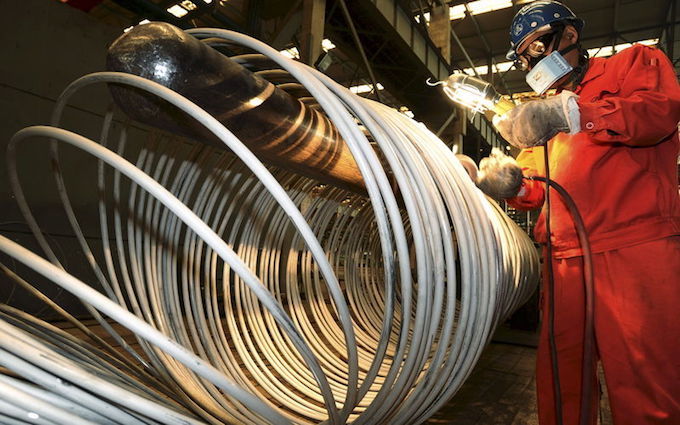
    Vietnamese authorities suspect $4.3 billion worth of aluminum has been imported with the intent of being exported to the U.S. relabeled as made-in-Vietnam products.

    Vietnam Customs recently discovered signs of origin fraud in 1.8 million tons of aluminum imported by Global Vietnam Aluminum Ltd in the central Ba Ria-Vung Tau Province.

    General Director of Customs Nguyen Van Can say at a press briefing Monday that although the company has a production chain to produce aluminum bars, it was still importing billions of dollars worth of the same products from China and other countries, possibly because it wants to gain from the different duties the U.S. imposed on them.

    The U.S. imposes a duty of 15 percent on Vietnamese aluminum, but up to 374 percent on Chinese aluminum.

    Apart from China, the company also imported aluminum from Mexico, Australia and Russia to be exported to Canada, the U.S., Egypt and India.

    However, data from Vietnam Customs show that although the company has been importing 488,000 tons a year since 2015, the volume of its exports is only 80,000 tons or 16.3 percent of imports.

    For this reason, the 1.8 million tons of aluminum remain in the company’s storage space and is being closely surveilled by Vietnam Customs.

    Vietnamese authorities are increasing scrutiny on product origins and tightening issuance of a certificate of origin for exports as part of efforts to stop trade fraud, Deputy Minister of Trade and Industry Tran Quoc Khanh said in July.

    Vietnam recorded a trade surplus of $37.9 billion with the U.S. from January to October, up 33.4 percent year-on-year, according to the General Statistics Office.

  • Vietcombank to pull out of BNP Paribas insurance joint venture

    Vietcombank to pull out of BNP Paribas insurance joint venture

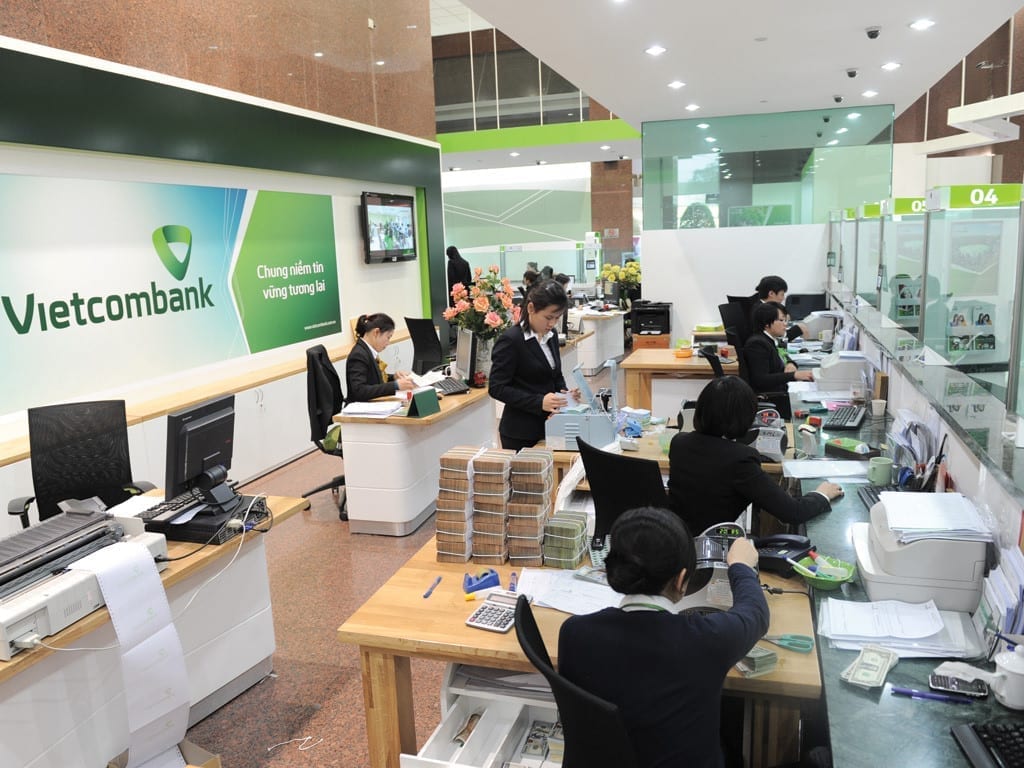
    Vietcombank is selling its stake in a JV with French life insurance firm BNP Paribas as part of a possible bancassurance deal with a foreign buyer.

    Its board of directors passed a resolution approving the divestment of an unspecified stake in Vietcombank – Cardiff Life Insurance Co., Ltd (VCLI), the state-owned lender said in a release last Thursday.

    VCLI is a 45:55 joint venture between Vietcombank, Vietnam’s largest lender by market capitalization, and BNP Paribas Cardif, part of France’s BNP Paribas banking group.

    Although Vietcombank’s announcement did not identify a buyer, Bloomberg reported in late September that Hong Kong-based insurer FWD Group Ltd. was nearing an agreement to pay around $400 million for VCLI as part of a long-term bancassurance agreement with the bank.

    A bancassurance transaction is typically an arrangement between a bank and an insurance company in which the latter pays an upfront amount for exclusive rights to sell its products to the bank’s clientele.

    FWD Group, owned by Hong Kong billionaire Richard Li, had outbid several firms, including British insurance giant Prudential, which had been vying to obtain exclusive rights to distribute life insurance products through Vietcombank’s branch network, Bloomberg quoted sources as saying.

    According to VCLI’s latest financial statements, as of the end of 2017 it had VND950 billion ($40.79 million) in assets and accumulated losses of nearly VND3 billion ($128,800).

    Recently major international life insurance companies have been expressing interest in entering the growing Vietnamese market through bancassurance and acquisition deals.

    German insurer Allianz and Japanese insurers Nippon Life and MS&AD Insurance were among several vying to buy the Singapore and Vietnam businesses of Britain’s Aviva in a deal estimated to be worth $2-2.5 billion.

    Earlier Prudential had signed an agreement with South Korea’s Shinhan Bank Vietnam to distribute its insurance products through its network and Canada’s Manulife struck a similar deal with local lender ACB.

    Phung Ngoc Khanh, general director of the Insurance Supervisory Authority (ISA), said the country’s insurance market has huge potential due to the low penetration and people’s rising incomes and awareness.

    In the first half of this year the industry’s premium income was VND71.15 trillion ($3.06 billion), up 24.4 percent year-on-year. Last year’s growth was also around 24 percent, according to the ISA.

  • Vietnam urged to stop building new coal-fired power plants

    Vietnam urged to stop building new coal-fired power plants

    A halt to investment in new coal-fired power plants is required to check the trend of increasing coal consumption, a report warns.

    The report, released on Monday by the Ministry of Industry and Trade in collaboration with Denmark’s Energy Agency, said the country needs early action to reduce future coal demand, which could include taxation on the use of coal or limits on new coal-based power generation.

    Vietnam’s coal imports could triple between now and 2030 as demand for power rises in lockstep with a rapidly growing economy, Jakob Stenby Lundsager, an adviser in Vietnam to the Danish Energy Partnership, said at the release of the Vietnam Energy Outlook Report 2019.

    The figure would rise eight times by 2050, meaning three-fourths of Vietnam’s energy needs would depend on imports, he said.

    Renewable energy could account for 10 percent of total supply by 2030 and 20 percent by 2050, but the country needs to invest in expanding its grid and transmission to absorb the new supply, he said.

    The report noted liquefied natural gas could be used instead of coal in the power sector through at a higher cost, but it would cause less pollution.

    Vietnam became a net importer of coal in 2015 and imports have been rising to meet electricity needs.

    Imports cost $2.27 billion last year, up 71.6 percent year-on-year, with coal bought mostly from Indonesia, Australia and Russia, according to the trade ministry.

    Since power shortages are expected from 2021, the country might need to import 3.6 billion kilowatt-hours of power in 2021 and 9 billion kWh in 2023 from Laos and China to meet demand, the ministry had said in July.

    The World Bank has estimated that Vietnam needs $150 billion for energy sector development by 2030, with electricity demand growing by 8 percent a year in the next decade.

  • First Uniqlo store in Vietnam to open next month

    First Uniqlo store in Vietnam to open next month

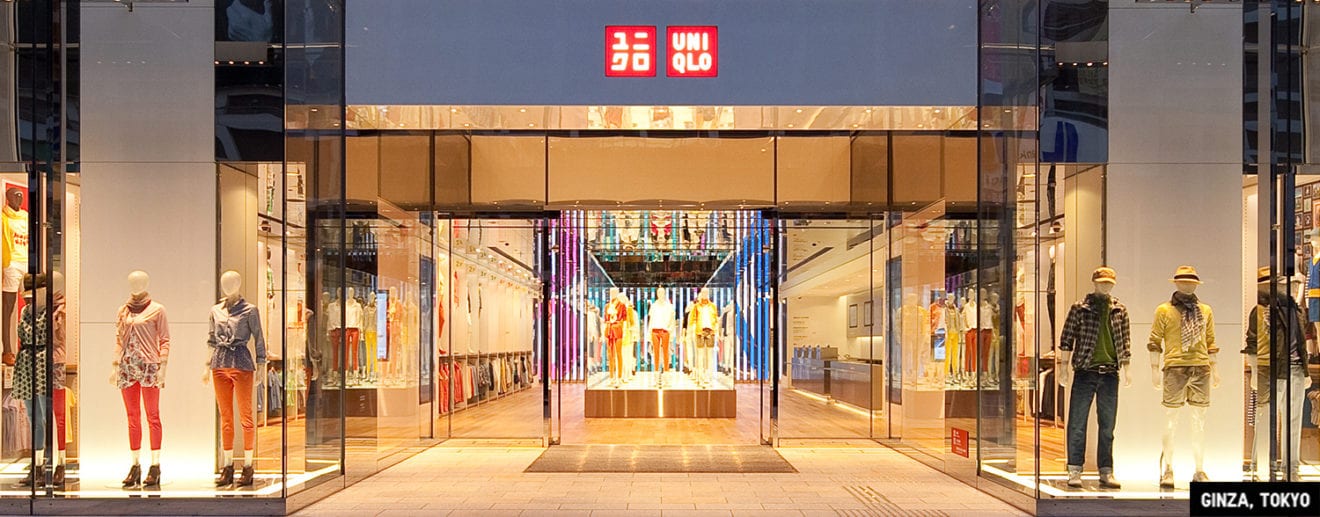
    The first store of Japanese casual wear retailer Uniqlo will open December 6 in Ho Chi Minh City’s District 1, the company said in a statement.

    The 3,000 square meter store, one of its biggest in Southeast Asia, will be located at the Parkson Saigon Tourist Plaza on Dong Khoi Road.

    Uniqlo started listing products for men, women and children on its Vietnamese website last month.

    Also last month, it began recruiting salesclerks in Hanoi, after establishing its Vietnam business with a charter capital of $8.8 million. Apparel company Fast Retailing Singapore owns a 75 percent stake and Japan’s Mitsubishi Corporation the rest.

    The brand had 213 stores in the Southeast Asia as of last year and plans to have 400 by 2022. Globally, it now has over 2,200 stores in 24 countries and territories.

    Vietnam’s fashion market is estimated to grow to over $3.8 billion this year and over $5 billion by 2021, according to BMI Research.