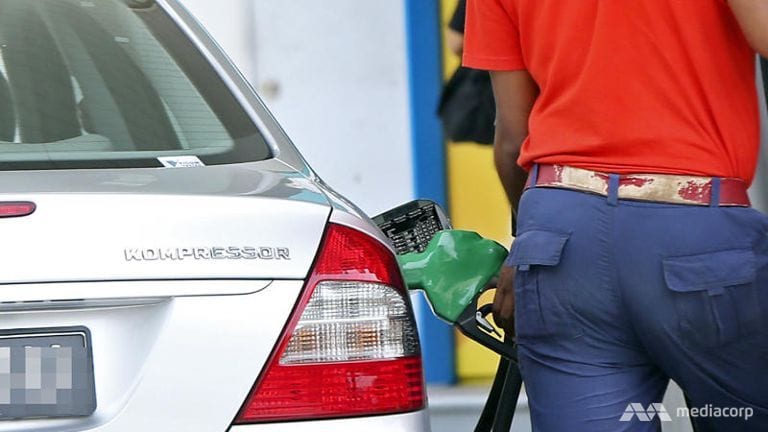
Petrol prices continued a downward trend for the fifth consecutive day on Tuesday, while diesel prices remained unchanged after a slight dip on Monday. Delhi, Kolkata, Mumbai and Chennai saw a reduction of 5 paise/litre in petrol prices. According to the Indian oil website , in Delhi, Kolkata, Mumbai and Chennai, the petrol rates were – Rs 72.60/litre, Rs 75.32/litre, Rs 78.28/litre and Rs 74.45/litre respectively. The diesel rates in these metropolitan cities were — Rs 65.75/litre, Rs 68.16/litre, Rs 68.96/litre and Rs 69.50/litre respectively.
Author: Mei Ling Tan
-

Audi To Increase Engine Production In Hungary
German carmaker Audi will increase the production of engines at its Hungarian factory to 2.25 million units next year, Hungarian Foreign Minister Peter Szijjarto said on Monday.
An Audi representative at the premium carmaker’s Ingolstadt headquarters in Germany declined to comment on internal planning.
“They plan to manufacture 2.25 million engines next year, and so far 2 million has been the annual record,” Szijjarto told a news conference when asked about a report that Audi planned to cut jobs at its Hungarian plant.
Audi’s Hungarian division said in April that it planned to boost the production of engines at its factory significantly in 2019 from the 1.95 million it made there in 2018, though it didn’t give a figure.
It also said in July that it would expand the manufacture of engines for electric cars at the factory, which is in the western town of Gyor. It said then that its e-transformation project would create 250 jobs.
The carmaker, which is controlled by Volkswagen, has been making engines in Hungary since 1994. Out of the 1.95 engines produced in 2018, 9,453 were electric axle drive units, according to the company’s website.
-

Waze brings back a beloved voice for a limited time
Waze has just announced that due to popular demand it has decided to bring back a beloved voice. Starting today, in celebration of Cookie Monster’s birthday this month, Waze users will be able to download the Cookie Monster voice for a limited time in the United States.
Cookie Monster is Waze’s most downloaded voice in the United States to date with over 130 million monthly active users on the road using this specific voice. The voice was originally released in the US this summer as part of the company’s partnership with Sesame Street.
Just as with all Waze famous voices, Cookie Monster was only available for a limited time, but if you didn’t manage to get it for whatever reason, now would be a good time to fix that.
To get Cookie Monster’s voice, Waze users must open the application and click the magnifying glass. Then, simply open the Settings menu and choose “voice and sound.” The last step is tapping the “Waze Voice” and choosing the Cookie Monster voice, which, once again, will only be available for download for a limited time.
-
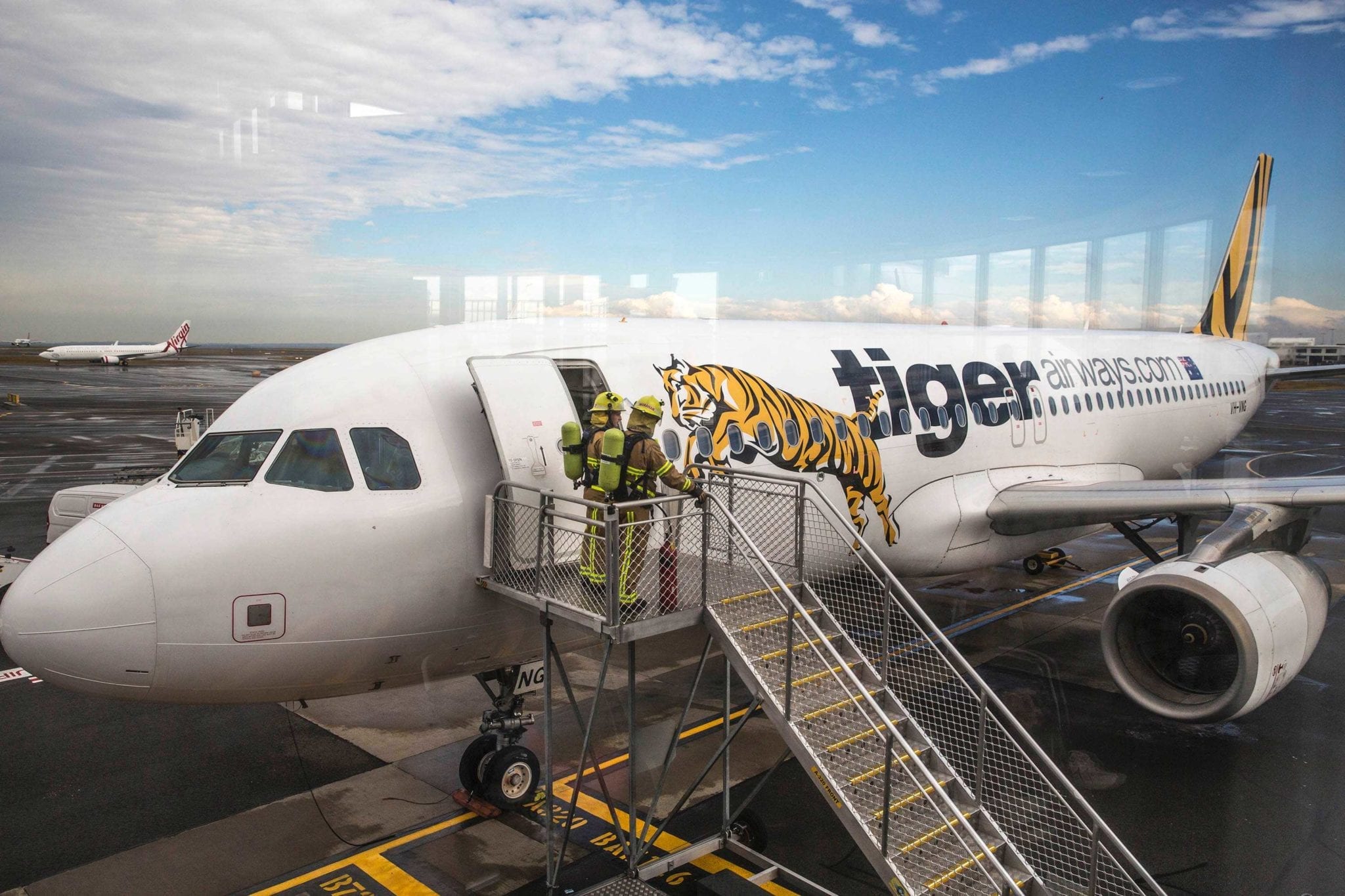
Tigerair expands PBH contract with AJW Group
Australian low-cost airline Tigerair has extended Power-by-the-Hour (PBH) contract with AJW Group. AJW Group specializes in the global management of aircraft spares.
The company has been providing an integrated component pooling, repair and logistics support program to Tigerair since 2014. The PBH agreement covers Tigerair’s fleet of A320 aircraft.
Under the support program, AJW will satisfy the airline’s material requirements across a variety of component groups including airframe and engine LRU’s, major assemblies, wheels and brakes, auxiliary power units (APU), thrust reversers and consumables.
Tigerair is an Australian low-cost airline headquartered in Melbourne with two additional established service bases at Sydney and Brisbane Airports. Tigerair operates a fleet of Airbus A320 and Boeing 737 aircraft, across 21 domestic routes out of 12 destinations around Australia.
Christopher Whiteside, chief executive officer of AJW Group said: “Tigerair was AJW’s first major contract in Australia and our work over the past five years has demonstrated the Group’s strength across the Australasia region.”
Over the past five years, AJW Group has successfully delivered improved operational efficiency and cost savings, which according to AJW Group, are ‘key focus areas for the airline’.
-
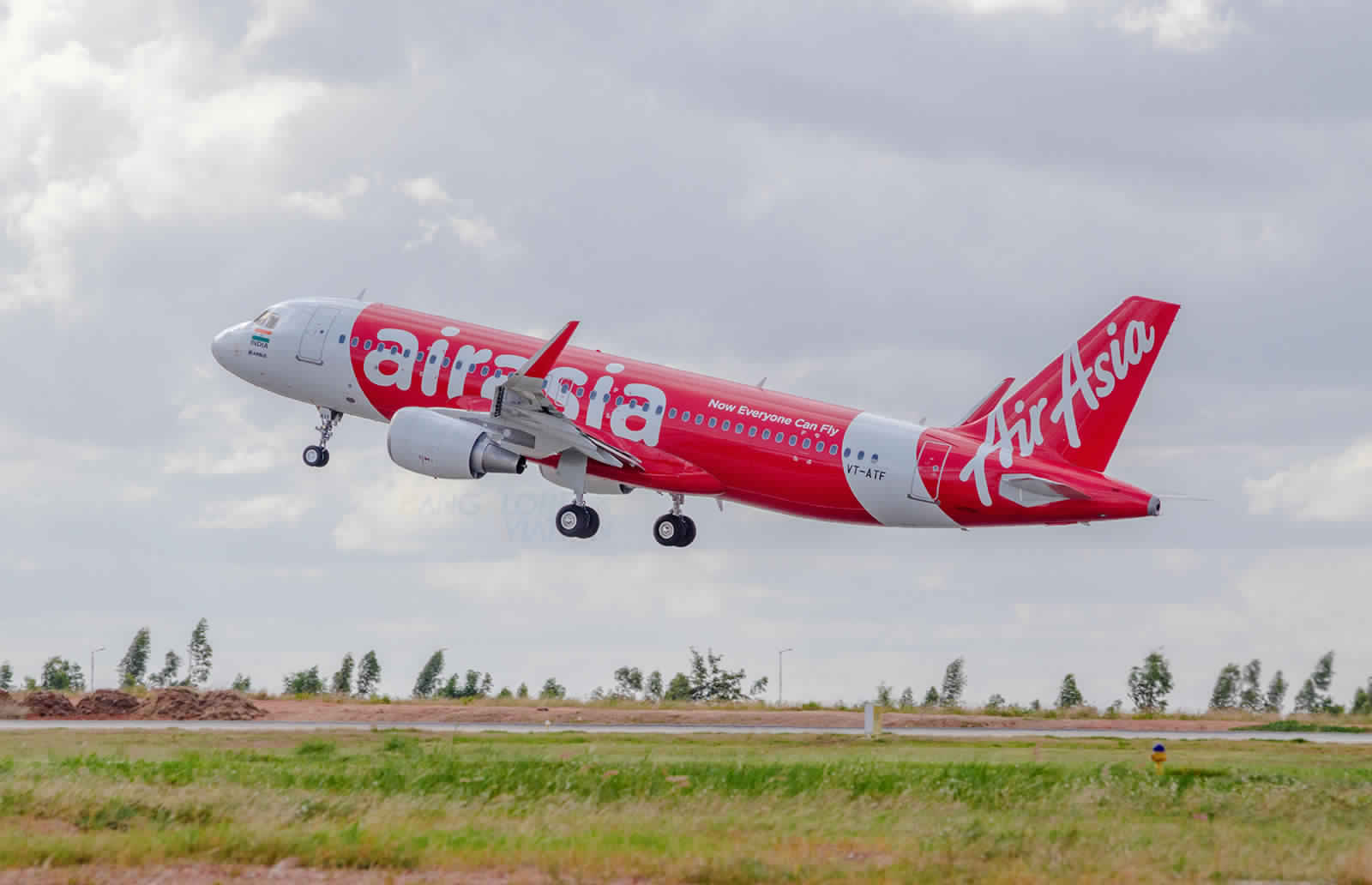
E-sports set to fly high with AirAsia backing
E-sports are set to take off in a big way with the two head honchos at AirAsia giving their full-fledged support.
According to Allan Phang, president of the AirAsia All-Stars E-Sports Club, Tan Sri Dr Tony Fernandes, Group CEO, AirAsia Bhd, and Datuk Kamarudin Meranun, executive chairman, AirAsia Bhd, have been very “visionary and supportive” when it comes to e-sports as the low-cost carrier is among the first airlines to back e-sports on a regional scale.
AirAsia was the main strategic partner of the World Electronic Sports Games Southeast Asia (WESG SEA) Regional Finals, which concluded at the Quill Convention Centre in Kuala Lumpur last weekend.
Phang said AirAsia made its first foray into e-sports in 2017 with the setting up of the AirAsia All-Stars E-Sports Club.
“The club had about 10 members upon its inception, but now there are more than 200 members,” said Phang, underlining the surging popularity of e-sports and its future direction.
As Agri Mind, the organizers of the WESG SEA Regional Finals, have a long-standing relationship with AirAsia, they were able to push through the initiative for the low-cost carrier to come onboard as a partner.
“AirAsia provided support in terms of flights (to the gamers), which was in support of the e-sports ecosystem, in line with the government’s initiative,” said Phang.
He added that there are four key verticals of AirAsia’s role in the burgeoning e-sports arena: employee engagement, employer branding, e-sports tourism and supporting the eco-system by way of sponsorship through teams and events.
“AirAsia is targeting the next generation of consumers as it realizes that the government wants to connect with the youth e-sports generation,” said Phang.
-
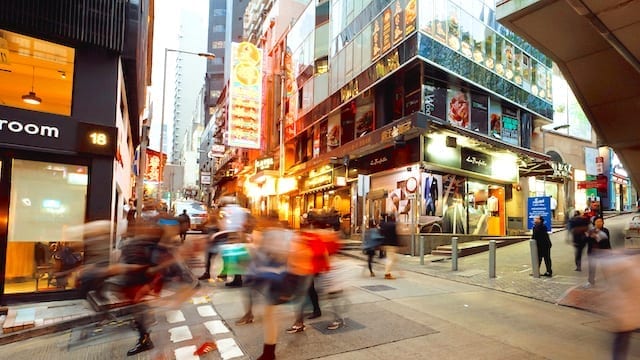
September Hong Kong retail sales down across the board
Hong Kong retail sales in September were down 18.3 percent in the same month last year, but the decline was less than in August. The luxury sector again took the biggest hit.
Census and Statistics Department data released Friday provisionally estimated sales at HK$29.9 billion. The revised estimate for August’s decline was 22.9 percent, with sales for the third quarter down 15.1 percent on the second quarter, and by 19.5 percent year on year, almost on a par with 1998’s third-quarter record decline during the financial crisis.
Year-to-date, sales are down by 7.3 percent.
A government spokesman described the decline as “significant” as “local social incidents continued to take a heavy toll on inbound tourism and consumption-related activities”.
“As protests involving violence continue to deter tourists and reduce local consumption, and the subdued economic outlook also dampens consumer sentiment, the performance of retail sales is likely to stay weak in the near term.”
Hong Kong retail sales of jewelry, watches and luxury goods fell 40.8 percent during the month, which was less than the 50-plus percent that some retailers were fearing. Department-store sales fell by 25.6 percent, apparel by 26.3 percent, accessories by 16.6 percent, and medicines and cosmetics by 21.7 percent.
Perhaps the greatest difference between August and September was the obvious impact of locals spending less – to date the protests have had the greatest effect on retailers serving the inbound tourist market. Supermarket sales fell by 2.6 percent in September; food, alcohol and tobacco sales by 13.8 percent; furniture and fixtures by 7.2 percent; books, newspapers, stationery, and gifts by 9.6 percent; and motor vehicles and parts by 16.1 percent.
Sales of Chinese drugs and herbs were down 18.2 percent, of electrical goods by 1.4 percent and at optical shops by 15.8 percent.
The only category to show growth in September was fuel, up by 5.9 percent.
-
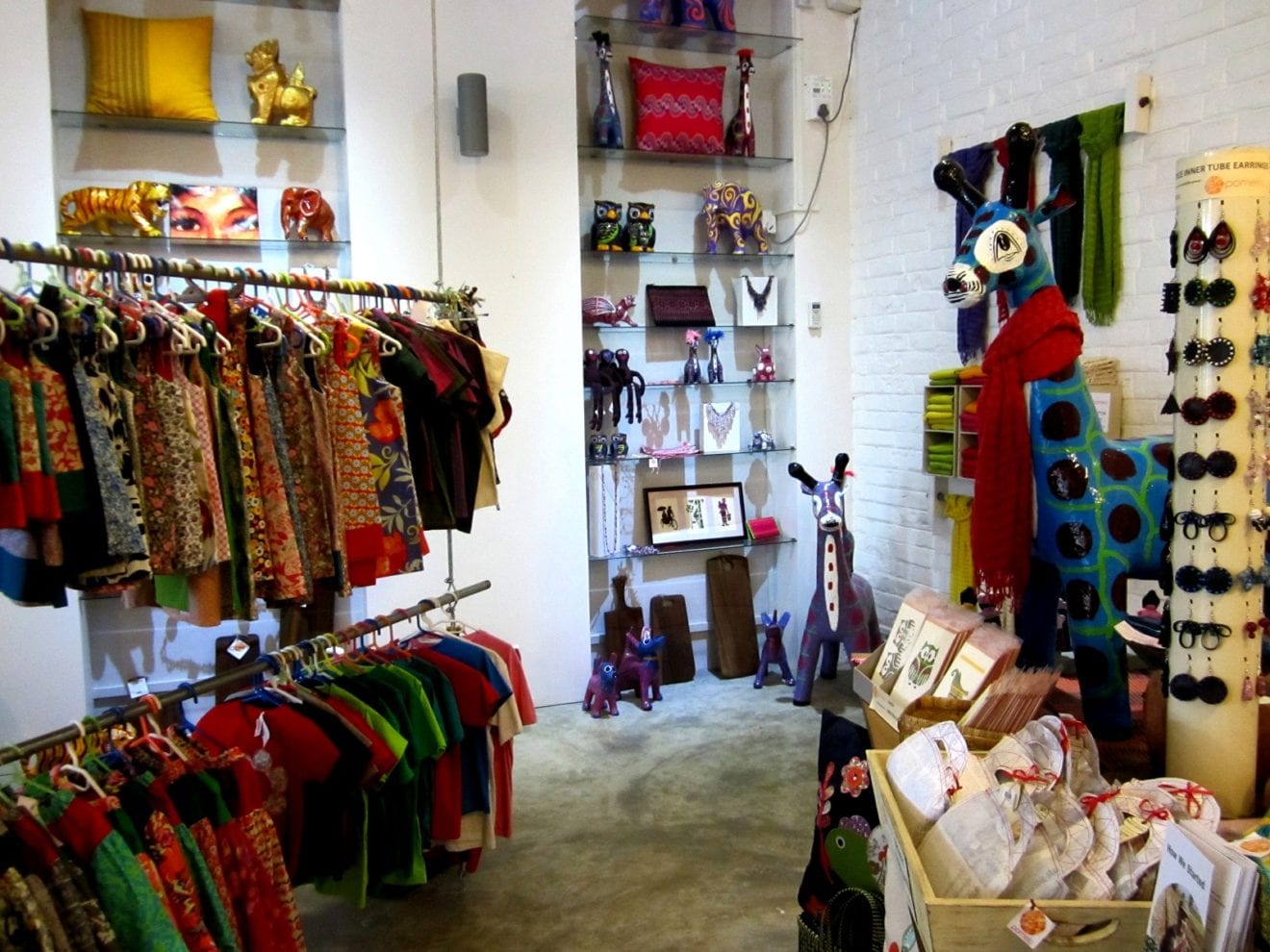
Pomelo Bangkok store network expands
The Pomelo Bangkok network is growing fast as the omnichannel fashion-tech brand opens an outlet in Central Rama 3, with two more planned this year.
The second of its slated store openings in the last quarter of this year, the launch follows the opening of Pomelo’s Central Rama 9 store on October 1, and precedes the launch of its stores at Zpell and Central Ladprao on November 22 and in mid-December respectively.
The opening of the Pomelo Bangkok stores are in line with the brand’s plans to create more physical touchpoints for consumers. Pomelo is seeking to deliver an integrated retail experience that allows customers to shop from an extensive catalog at home while still having the option to try on their choices so as to make informed purchasing decisions.
The brand now intends to provide consumers with a seamless experience both online and offline by offering customer service processes such as fittings and returns more efficiently,
The new stores will feature the brand’s “Pomelo Pick Up” and “In-Store Mode” services. Pomelo Pick Up allows customers to try on their online purchases and pay for the items that fit best. In-Store Mode gives customers the option to either pick up and pay for their orders directly, book a fitting room, or receive updates on their queue status
Around 100 Pomelo Partner stores are expected to
-
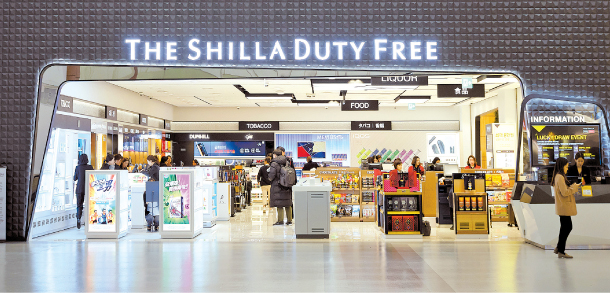
The Shilla wins Macau duty-free concession
The Shilla has won the race to operate one of the two Macau duty-free concessions at the territory’s international airport.
The five-year agreement allows the firm to operate half the airport’s duty-free space, a roughly 1122sqm area at the north departure level airside of the passenger terminal. The firm has run some duty-free services at the airport since 2014 in cooperation with Hong Kong duty-free retailer Sky Connection. The new concession has been awarded to Shilla alone.
Aggregate revenue on the space is likely to approach US$600 million over the course of the contract.
Stores at the new area are expected to focus on Korean beauty products targeted at Chinese travelers.
“We have been sharpening our edge on beauty as customers have been recognizing us as a beauty powerhouse,” said a Shilla spokesperson to TRBusiness. “We are launching exclusive products and collaborating with new media.”
Shilla now has five international locations that also include Singapore, Hong Kong, Phuket and Tokyo.
-
Uniqlo sales plunge in South Korea
Massive discount offers have failed to stem a plunge in Uniqlo sales in South Korea, where the Japanese fashion retailer has been targeted by the boycott movement.
Rep. Park Kwang-on reported based on a compilation of data collected from eight credit card companies in South Korea that Uniqlo sales last month amounted to 9.1 billion won (US$7.8 million), a mere 33 percent of the sales achieved during the same month last year.
Uniqlo managed to generate only 8.1 billion won (US$7 million) in sales during the massive discount period held between October 1 and 14, which was 39 percent of sales recorded in the same period last year.
Uniqlo, celebrating the fall and winter seasons, has renovated stores and began a marketing offensive driven by Furis, Heattech, and other signature brands.
Since October 3, Uniqlo held a 15th anniversary ‘thank you’ event both online and offline, offering discounts of as much as 50 percent for many of its signature products.
Reports of several products being sold out online and offline stores crowded by customers seemed to suggest that the boycott movement was in decline.
Park argued, however, that the boycott movement is still strong.
Top ten, a local fashion brand run by Shinsung Tongsang Co that is seen by many as an alternative to Uniqlo, saw sales last month rise 61 percent year on year.
“Despite the discount events, Uniqlo sales are far from recovery,” said Park.
-
M&S halal range destined for Asi
A new M&S halal range announced in the UK has been confirmed as destined for Asia. The launch of halal-certified ready-meals will make the retailer the first major English supplier in the category.
The firm’s franchise partner in Singapore, Hong Kong and Dubai, Al-Futtaim, has confirmed it will offer the M&S halal range in its markets, although it is unclear if the arrangement will include Hong Kong.
The growing Muslim population in the UK has prompted the move, with six chicken-based products going on shelves from tomorrow in 36 Marks & Spencer locations across Britain.
M&S Food is changing to become more relevant, more often to families across Britain,” said M&S Food MD Stuart Machin. “Our new Halal meal range is a great example of how we are broadening appeal so that more customers can enjoy our delicious, quality food.”
Whilst some major retailers are starting to stock halal meat, there are still very few opportunities to eat different flavor foods,” said one M&S store manager Simon Pollitt Khan, “such as Italian or more traditional British dishes – in a convenient halal format.”
The move follows M&S earlier stocking Shazans halal chicken items, which have proved successful in some outlets.
In the UK the M&S halal range and pricing is as follows:
- Chicken Arrabbiata – £2.50
- Chicken & Roasted Mushroom Tagliatelle – £2.50
- Chicken, Leek and Potato Bake – £3.50
- Chicken and Vegetable Hotpot – £3.50
- Chicken Jalfrezi and Rice – £3.50
- Chicken Tikka Masala and Rice – £3.50
-
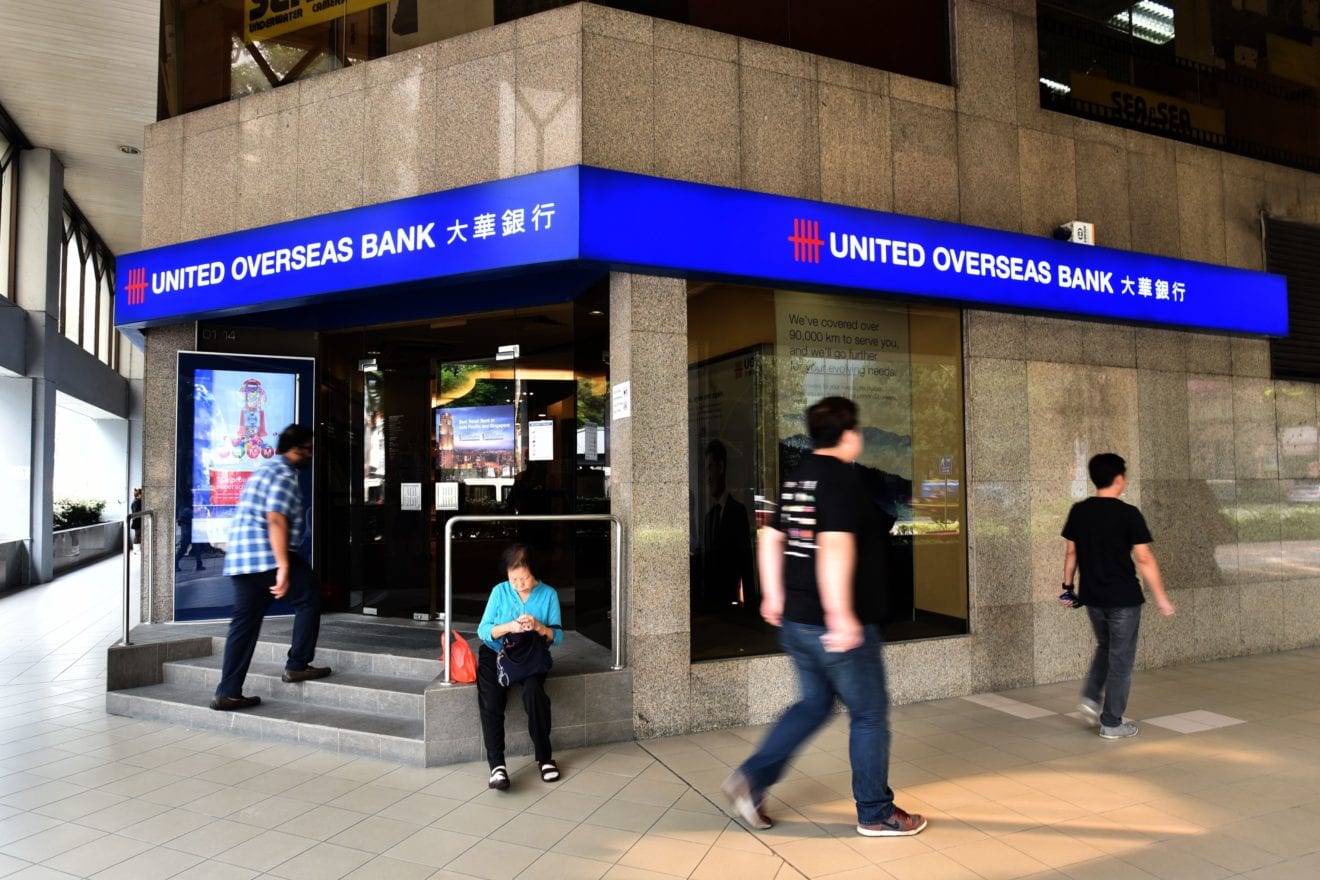
UOB Launches QR-Based Payment Collection Solution
UOB attempts to help businesses accelerate payment collection and improve cash flow through its new QR-based solution.
The bank launched the QR solution mCollect which allows businesses to collect payments from buyers through fund transfer service PayNow at the point of delivery.
Businesses can provide their customers with a QR code generated by mCollect which can be scanned to make payment which then leads to immediate crediting and automatic reconciliation. According to UOB, cash flow management is one of the «perennial bugbears» for local SMEs due to issues like late payments, citing a four-day industry average when manually dealing with payments.
While good progress has been made to encourage more cashless payments among businesses, there is still a gap when it comes to the collection process, specifically with cash-on-delivery payments,» said So Lay Hua, UOB’s head of group transaction banking and group wholesale banking.
In addition to faster cash flow, the bank is also wary of the risks of handling physical cash, which continues to be a common practice. UOB noted that more than two-thirds of its corporate customers still receive cash payments from buyers, especially those that are smaller businesses most commonly in the wholesale, retail and services sector.
We make hundreds of deliveries each day, said Steve Wong, CEO of Boong Group, a meet supplier and food processor firm that participated as a user of mCollect’s pilot. When collecting payment, which is often made in cash, our salespeople have to spend time verifying the amount and payee details and tallying the payments at the end of the day.
-
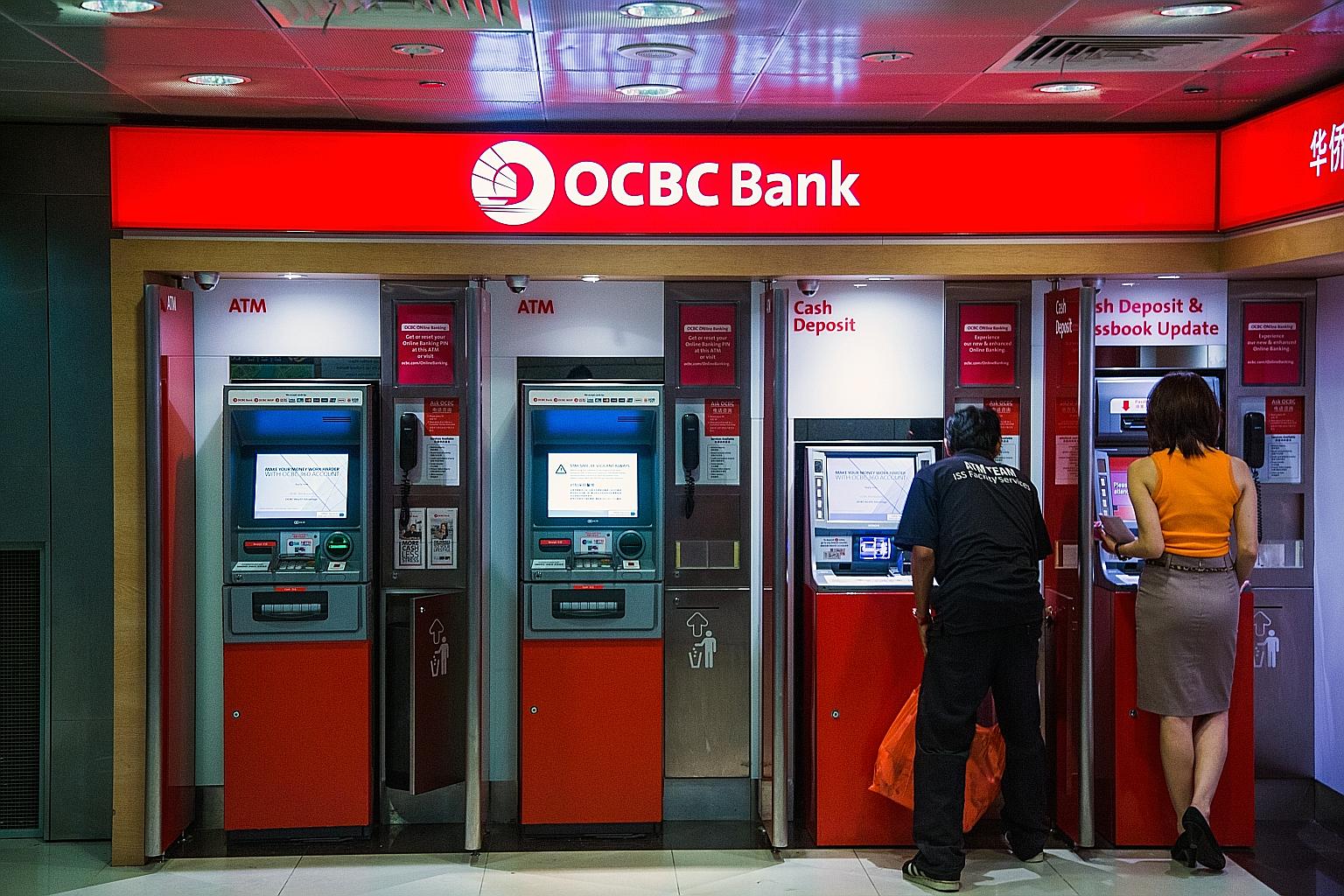
OCBC Allows Instant Account Opening For Startups
Start-ups are now able to open an OCBC business banking account in Singapore immediately after incorporation, rather than having to wait one day. Once a business is incorporated, OCBC Bank can validate the start-up’s business profile issued by the Accounting and Corporate Regulatory Authority (ACRA). This is made possible due to an Application Programming Interface (API) between OCBC Bank and global information services provider, Experian (formerly known as DP Information).
Banks play a key role in the start-up and SME ecosystem partly because the bank account is at the center of business operations. Given this role and our standing as banker to more than 1 in 2 SMEs in Singapore, we are in the best position to strengthen the connections among all players in this ecosystem, said Christie Chu, Head of Emerging Business and Commercial Banking Cash, OCBC Bank in a media statement on Monday.
OCBC Bank launched a dedicated business supporting the start-up segment at the end of 2018. Since then, it has been engaging start-ups to understand the pain points when starting a business. With a track record of serving the start-up segment, the bank found that starting a business is a journey of discovery, and many stumble along the way.
To that end, the team is putting together a start-up guide, with practical tips from successful entrepreneurs with first-hand experience. The guide will be accessible to all aspiring entrepreneurs on OCBC Bank’s website.
-
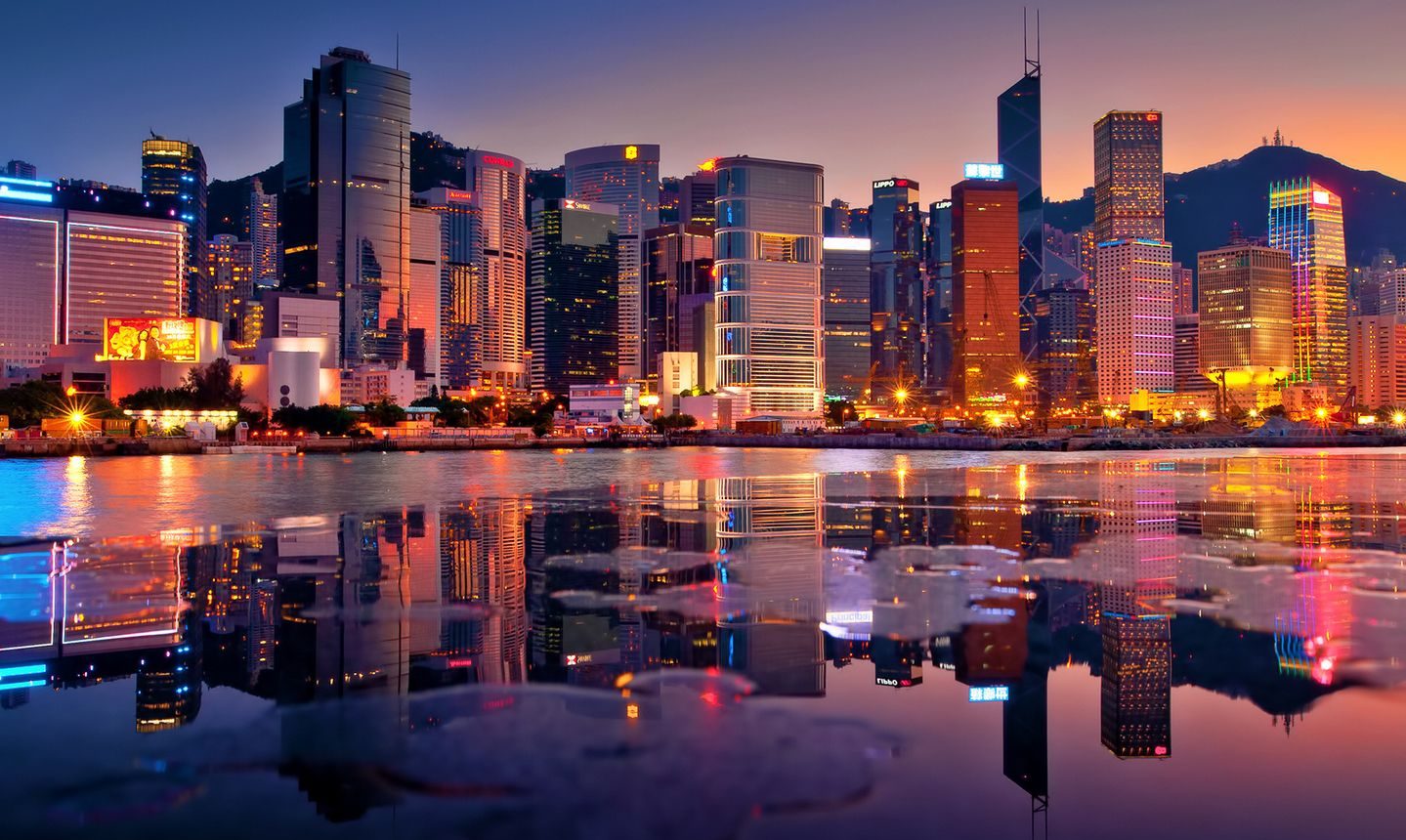
Hong Kong Virtual Banks Talk Linkage with ATM Giant Jetco
Hong Kong’s upcoming virtual banks are considering cash withdrawal capabilities for its customers through automatic teller machine giant Jetco.
Under the terms of the newly issued virtual banking licenses, no physical branches are allowed to be made and a partnership would allow the digital lenders to sidestep the rule while still providing access to physical cash.
The virtual banks may opt to issue cards to customers to use the Jetco ATMs owned by other banks, or they can allow access through a mobile application on smartphones,» said Jetco CEO, Angus Choi Ping-chung, in an SCMP report.
Jetco was founded by the entity preceding Bank of China (Hong Kong) which is amongst its now 30-strong list of lenders that are shareholders, including Standard Chartered Bank.
With 44 ATMs per 100,000 residents, Hong Kong has the second-highest ATM density per capita, behind Singapore, according to the World Bank. And in Hong Kong, Jetco operates 60 percent of the 3,000 ATMs with the remaining 1,200 owned by HSBC and its majority-owned lender Hang Seng.
But recent unrest in the city has led to the damage of about 10 percent of all ATMs, according to Choi, who noted that transactions were nonetheless unaffected as customers would just seek other undamaged machines.
-
Citi Drops China Website On IPO Fee Disput
Citigroup had initially been listed in the IPO document of Fangdd Network Group in the second position after Morgan Stanley, but did not appear on the press statement last Friday on the Nasdaq Global Market.
Citi had been hired as the second bookrunner on the Chinese group’s IPO, but as both sides could not reach an agreement on the underwriting fees, the IPO arranger dropped out, citing people familiar with the matter.
Morgan Stanley, UBS, China International Capital Corp, and AMTD Global Markets Limited were listed as joint book-runners for Fangdd’s IPO.
Fangd had cut the number of shares it sold in its IPO from seven million to six million ase= demand for its stock during its roadshow was soft.
DouYu International Holdings, which raised $775 million in July, is the biggest US IPO of a Chinese company this year while four deals from last year topped $1 billion, according to data compiled by Bloomberg.
U.S. offerings typically pay a higher percentage in IPO fees compared to most Asian countries. However, U.S. IPOs of Chinese companies have shrunk in size this year as investors grew wary about the tensions between U.S. and China, reducing fees for Asian investment bankers.
Chinese companies raised $2.9 billion in the US this year, down from the $7.9 billion raised during the same time last year.
-
Ford Plans To Close Engine Plant In Michigan As Part Of UAW Deal
Ford Motor plans to close an engine plant in Romeo, Michigan, as part of a tentative agreement with the United Auto Workers union for a new four-year contract, a source told Reuters on Thursday. The 600 hourly workers at the plant will be offered jobs at a nearby transmission plant or buyouts, a source said. The UAW said Wednesday the Ford deal “secured over $6 billion in major product investments in American facilities, creating and retaining over 8,500 jobs for our communities.”
Ford will close the plant in the future under the UAW agreement. Ford and the UAW declined to comment. In March 2017, Ford said it was investing $150 million in the Romeo Engine Plant to boost capacity for engines and new tooling for components, one of three Michigan plants at the time it said were getting new investments. Ford said the investment was to boost the plant building engines for vehicles that include Ford Super Duty, E-Series, Ford Shelby GT 350 Mustang and Shelby GT350R Mustang, along with components for F-Series, Mustang, Explorer and Edge.
U.S. President Donald Trump praised Ford’s decision to invest in Romeo and two other Michigan plants. “Major investment to be made in three Michigan plants,” Trump posted on Twitter at the time. “Car companies coming back to U.S. JOBS! JOBS! JOBS!”
In contrast to Ford, General Motors Co endured a 40-day-strike by its U.S. hourly workforce that cost it about $3 billion before winning approval for a new labor deal earlier this month. Detailed terms of the Ford deal were not released, but they are expected to echo those agreed to with GM, as the union typically uses the first deal as a pattern for those that follow.
The deal includes a signing bonus of $9,000 per person, according to a person familiar with the deal who asked not to be identified. Union members at GM received $11,000 per person. UAW leaders from the various U.S. plants will meet on Friday to potentially approve the deal, which then would be sent to the 55,000 members at Ford for final approval, a union spokesman said.