Author: Mei Ling Tan

  • DBS Chief First Singaporean Among World’s Top CEO

    DBS Chief First Singaporean Among World’s Top CEO

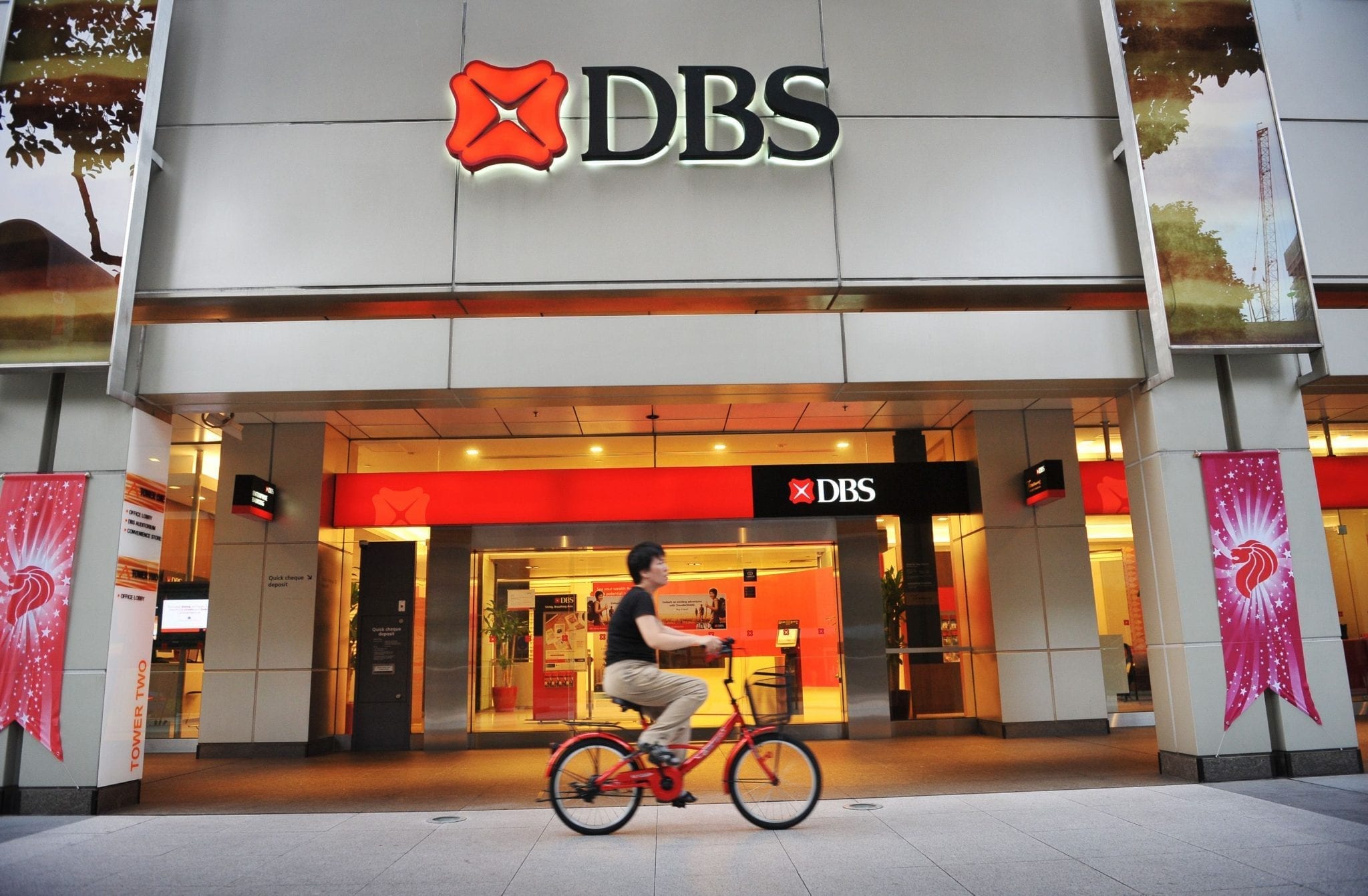
    Harvard Business Review has named DBS CEO Piyush Gupta in their 2019 edition of The CEO 100, its annual list of the world’s top chief executives.

    DBS’ chief executive Piyush Gupta is in Havard Business Review’s 2019 edition of The CEO 100,  joining the likes of Microsoft’s Satya Nadella, JPMorgan Chase’s Jamie Dimon, Disney’s Robert Iger and Tencent’s Ma Huateng in the list this year. NVIDIA’s Jensen Huang takes pole position on the list.

    Piyush Gupta’s leadership, together with a committed management team, has been critical in reshaping the bank. Over the years, he has shown us time and time again what an outstanding chief executive he is – his vision, courage and tenacity, and most importantly, his steadfastness in wanting to do the right thing by our people and our communities. Being the first Singapore CEO to be featured on this list, Gupta has done us all proud by flying the Singapore flag high on the global stage once more, said DBS Chairman Peter Seah, in a media statement on Tuesday.

    The ranking is based not only on financial performance but also on environmental, social, and governance (ESG) ratings, according to HBR. This year, ESG scores have been weighted to account for 30 percent of each CEO’s final ranking – up from 20 percent in 2018, to reflect  «the fact that a rapidly growing number of funds and individuals now focus on far more than bottom-line metrics when they make investment decisions». In addition, HBR’s rankings rely on «objective measures over a chief executive’s entire tenure», it said.

    Piyush joined DBS in 2009 as CEO and has since led the bank on a transformation journey that has established the organization as being among the world’s best. In September 2019, DBS was featured in HBR as among the world’s top 10 companies that have made the most successful strategic transformations in the last decade. This year, DBS has also been recognized by Euromoney as the World’s Best Bank.
  • Lower Margins Ahead For Singapore Banks

    Lower Margins Ahead For Singapore Banks

    Singapore’s three local banks are likely to experience margin squeeze in the third quarter as the Singapore Inter-bank Offered Rate heads south, following in the footsteps of Federal Reserve’s rate movement.  Analysts are also watching non-performing loan ratios amidst a weaker global economic environment.

    Even as loan growth is expected to remain steady, Singapore’s local banks – DBS, UOB, OCBC – could be seeing lower margins ahead caused by lower Singapore Inter-bank Offered Rate (Sibor), analysts say. The Singapore trio is due to report their Q3 results in November.

    Net interest margins (NIMs) for the banks are likely to see limited growth, if any, with the bulk of domestic mortgage repricing behind them, Maybank Kim Eng analyst Thilan Wickrama-singhe said in a report.

    DBS’s earnings are known to be the most sensitive to changes in the Sibor compared with its peers, said Wickramasinghe. He points out that the 12 basis point (bps) drop in Sibor since August following the interest rate cuts by the Fed may affect DBS’s NIMs more adversely, on the back of its larger, slow-to-reprice current and savings account funding base.

    UOB will kick off the results season for the three banks, announcing its results on November 1, followed by OCBC on November 5. DBS will cap off the earnings season for banks on November 11.

    RHB analyst Leng Seng Choon is cautious about OCBC and DBS’s loan exposure to Greater China, as there is a risk of higher Non-Performing-Loans (NPLs), given the U.S. -China trade war that is affecting China’s economic growth. According to brokerage, 29.9 percent of DBS’s loans are to Greater China, compared to OCBC’s 24.2 percent and UOB’s 15.7 percent.

    In a similar tone, DBS analyst Lim Rui Wen flagged that UOB is preferred for its smallest exposure to Greater China among the local banks, as well as the lowest sensitivity to falling interest rates in terms of NIMs.

    Even as net interest margins are expected to be softer, non-interest income is likely to see support from wealth management, analysts observe.

    New private banking inflows from North Asia should drive stronger non-interest income for DBS and OCBC, which in turn is likely to support positive earnings momentum, said the Maybank Kim Eng analyst.

  • HSBC Posts 24 Percent Profit Drop

    HSBC Posts 24 Percent Profit Drop

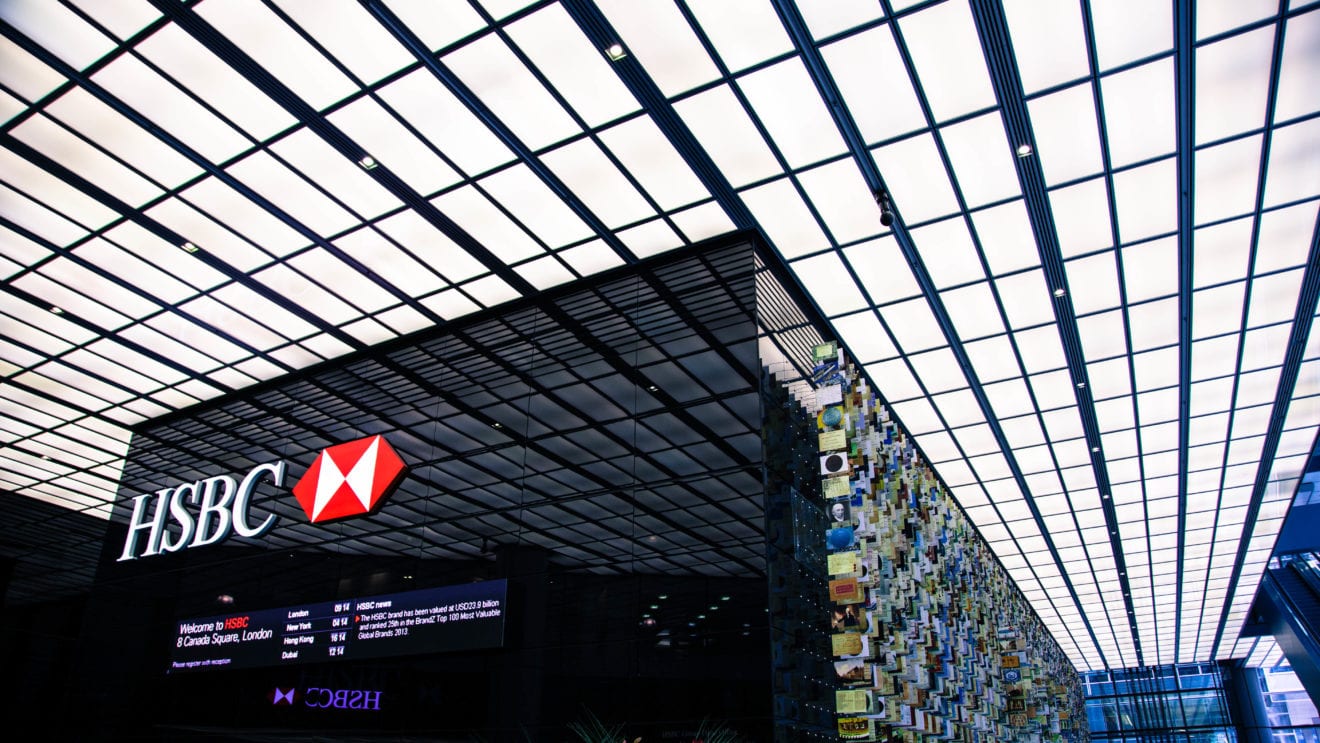
    HSBC posted a 24 percent drop in third-quarter profits despite a «resilient» Hong Kong business that managed to offset the city’s technical recession.

    The bank reported profits of $2.97 billion in the three months ended September 30, compared to $3.89 billion in the same period last year. HSBC’s pre-tax profits reached $4.84 billion, down 18 percent and below consensus estimates of $5.29 billion.

    In addition to a 2.9 percent decrease in revenue, primarily driven by lower global market activities, the bank also accounted for a number of provisions and one-off costs including a customer redress provision of $606 million, severance costs totalling $120 million and an expected credit loss provision of $400 million, mainly for unsecured retail lending and higher charges in its U.K. and Hong Kong commercial banking business.

    Despite the global results, the bank reportedly remained «resilient» in Hong Kong despite the headwinds. HSBC’s Hong Kong business registered a 1.3 percent uptick in adjusted pre-tax profits to reach $3.02 billion and push Asia’s pre-tax profits up 4 percent to $4.7 billion.

    Parts of our business, especially Asia, held up well in a challenging environment in the third quarter, said HSBC’s interim CEO, Noel Quinn.

    However, Quinn called performance elsewhere «not acceptable» underlining business activities within continental Europe and the non-ring-fenced bank in the U.K. and the U.S.

    Our previous plans are no longer sufficient to improve performance for these businesses, given the softer outlook for revenue growth. We are, therefore, accelerating plans to remodel them, and move capital into higher growth and return opportunities, he said, adding that the bank would not longer reach its return on tangible equity target of more than 11 percent in 2020.

  • StanChart Opens Second Innovation Lab in Hong Kong

    StanChart Opens Second Innovation Lab in Hong Kong

    Standard Chartered recently opened its second eXellerator innovation lab in Hong Kong which will focus on developing solutions for its corporate, commercial and institutional banking clients.

    Located in the central business district, the new lab differs from the first eXellerator based in industrial district Kwun Tong, which was launched last year and focuses on solutions for the retail banking business.

    The new lab will leverage emerging technologies and be «a focal point for engagement with the stakeholders of the Hong Kong fintech ecosystem» including regulators, government-backed organizations, business partners, clients and technology companies, Standard Chartered said in a statement.

    Hong Kong is not only Standard Chartered’s largest retail market, it is also where some of our most important corporate commercial & institutional banking clients reside and where there is a vibrant ecosystem for technology and innovation, added Alex Manson, global head of Standard Chartered’s SC Ventures – a unit that focuses on fintech investments and innovations which backs the eXellerator project.

    The new eXellerator lab location in Central gets us to the heart of it and we look forward to many more engagements and partnerships.

  • Philippines Central Bank Issues Islamic Finance Rules

    Philippines Central Bank Issues Islamic Finance Rules

    Bangko Sentral ng Pilipinas aims to issue new implementation rules regarding Islamic finance before the end of the year and potentially allow banks to establish separate subsidiaries for the new business line.

    The BSP is pushing for an open approach where conventional banks can operate Islamic banking windows or establish subsidiary Islamic banks, BSP deputy governor Chuchi Fonacier said in a report, adding that she wants to issue implementation rules before the end of the year.

    Fonacier’s statement was made close on the heels of the Filipino government’s enactment of a law to promote Islamic finance which was signed by President Rodrigo Duterte in late August.

    BSP governor Benjamin E. Diokno said the law would «unlock the full potential of Islamic financing in fostering inclusive economic growth» highlighting the opportunity to access the banking system for Muslim Filipinos, particularly in the southern autonomous Bangsamoro Region. Fonacier echoed the sentiments adding that foreign Shariah-compliant banks would also be allowed to operate in the Philippines.

    Islamic banking in the Philippines is promising, she said.

    Despite a sizeable ten percent minority of Filipinos being Muslims, banking services catered to the segment’s needs remain limited. Of the country’s 45 universal and commercial bank groups only one – the Al-Amanah Islamic Investment Bank of the Philippines – operations in compliance with Shariah principles.

  • DBS Leverages Allfunds Platform

    DBS Leverages Allfunds Platform

    DBS inks an agreement with Allfunds to leverage its fund distribution capabilities and boost penetration in Asia.

    DBS’s retail banking and wealth management arm will look to leverage from the partnership «access to a broad range of investment funds and utilize the asset servicing services which Allfunds provides in Asia, and globally,» according to a statement.

    According to Allfunds’ Asia regional manager David Perez de Albeniz, the partnership marks a common goal towards increasing mutual funds penetration in Asia, highlighting potential synergies between DBS’s «innovative digital offering» and Allfunds’ open-architecture platform. Marc Lansonneur, head of managed solutions, balance sheet products and investment governance at DBS Wealth, echoed the sentiments and underlined the comprehensiveness of the Allfunds platform.

    Allfunds presents a one-stop solution for our distribution needs – access to an extensive fund eco-system, leading technology proposition, and a full suite of servicing capabilities – which we seek to leverage to achieve greater convenience, efficiency, and productivity moving forward, Lansonneur said.

  • Gucci powers French Luxury Group Kering’ growth

    Gucci powers French Luxury Group Kering’ growth

    French international luxury group Kering has seen positive trading results brought on by stronger-than-expected sales of its Gucci brand.

    The group is among several luxury houses that have so far managed to ride out interruptions to business caused by 21 weeks of protests in Hong Kong.

    Kering is following a strategy of redistributing stock originally intended for sale in Hong Kong to other markets.

    Gucci has a large store network in Mainland China and South Korea, where spending has picked up among luxury-goods consumers who may otherwise have shopped in Hong Kong. Sales in the territory during China’s Golden Week holiday were underwhelming.

    “The trends are still negative so far in Hong Kong,

  • Seven more Oppo flagship stores planned for SE Asia

    Seven more Oppo flagship stores planned for SE Asia

    Six more Oppo flagship stores are planned across Southeast Asia by next year as the Chinese smartphone brand ramps up its brand profile in the region.

    The company says it will open stores in Thailand, Malaysia, Indonesia, Vietnam, Taiwan, and the Philippines, in addition to its newly opened super flagship store at the Emquartier shopping mall in Bangkok.

    The brand describes its Oppo flagships as spaces where it can interact more with customers and showcase futuristic products with IoT, AR and 5G experiences including smart wearables and cloud gaming.

    The brand says it has been generating sales through more than 52,000 retail points and 44,000 sales representatives for the past decade. But now it is entering a new era in which it aims to upgrade the overall consumer in-store experience, hence the Oppo flagship openings.

    “Oppo is now already one of the top players in the region. It is important that we continue to evolve with consumers and the industry in order to stay competitive,” says Oppo Asia Pacific president Jimmy Yi.

    “The next frontier of our strategy is strengthening the premium experience and continue to innovate consumer experiences both offline and online,” he added.

  • Uniqlo to quadruple SE Asia retail store network

    Uniqlo to quadruple SE Asia retail store network

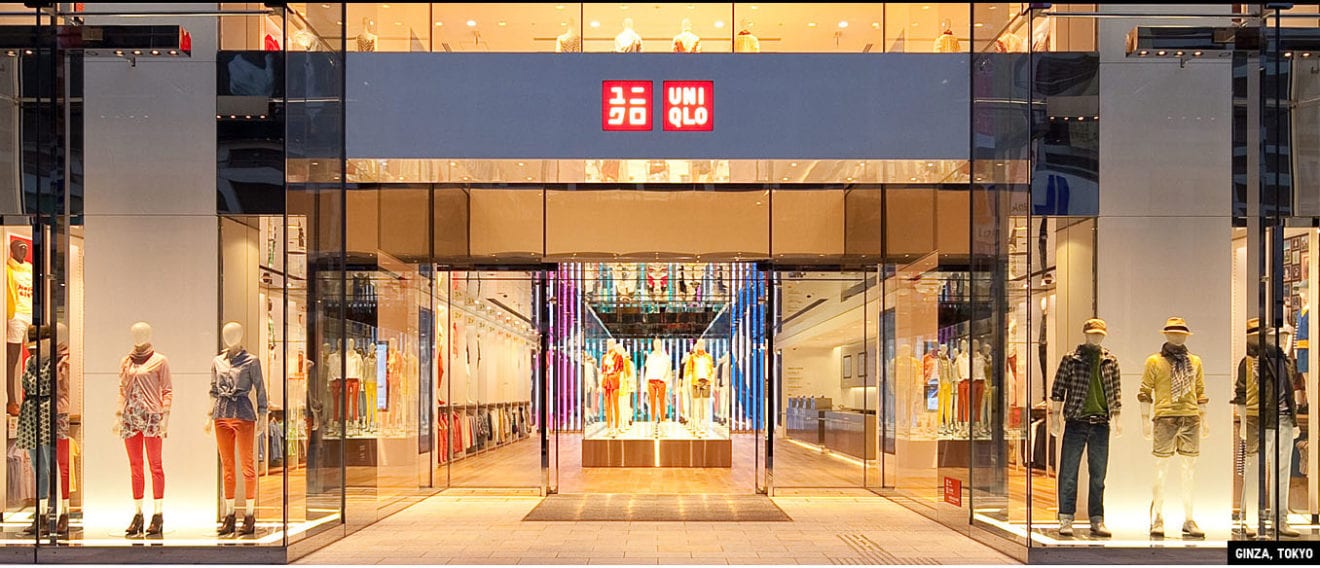
    Japanese casual wear retailer Uniqlo plans a four-fold increase in its Southeast Asian store count during the next decade.

    Tadashi Yanai, chairman, and CEO of the firm’s parent company Fast Retailing said in an interview with Nikkei that Uniqlo is seeking a much faster rate of expansion than it took to build its 800-strong network of stores in greater China.

    “Asia, from China to India with 4 billion people, is the world’s only region that is showing steady growth,” said Yanai.

    He said that for the time being, Cambodia, Laos, and Myanmar are not being considered as potential markets for the brand because there are too many opportunities outside those countries.

    Next month the Japanese retailer will open its first store in Vietnam. Located in Ho Chi Minh City, the store will be its largest in Southeast Asia and located across the road from Zara’s two-year-old Vietnam flagship and a rival H&M’s store.

    Uniqlo operates around 2200 outlets internationally.

  • Vans, The North Face parent reports huge Chinese growth

    Vans, The North Face parent reports huge Chinese growth

    VF Corporation – parent of brands including Vans and The North Face – says sales in China soared 20 percent in the September quarter.

    Expressed in constant currency terms, they rose by 24 percent year on year.

    The China performance was a key factor in the company’s global sales rising 5 percent in the quarter to US$3.4 billion, or by 6 percent when excluding acquisitions and divestments.

    Globally, Vans led the way with sales up 14 percent and The North Face improved by 8 percent.

    “We’re pleased with the strength of our second-quarter and first-half results, driven by our two largest brands and our international and direct-to-consumer platforms,” said Steve Rendle, chairman, president, and CEO. “The quality and fundamentals of our business remain solid as a result of the focus and strategic execution of our business teams around the globe.”

    He said that despite an increasingly uncertain geopolitical and macroeconomic environment, the company is confident in the trajectory of its business.

    “We remain deeply committed to transforming VF into a more consumer-minded and retail-centric organization while delivering superior returns to shareholders.”

    Gross margin from continuing operations increased 90 basis points to 52.9 percent. Operating income on a reported basis was $579 million.

    The company still expects its full-year revenue to be about $11.8 billion, reflecting the growth of about 6 percent.

  • Taiwanese milk-tea brand CoCo continues rapid Philippines expansion

    Taiwanese milk-tea brand CoCo continues rapid Philippines expansion

    Taiwanese milk-tea brand CoCo Fresh Tea & Juice is slated to open its third store in Cebu City, Philippines in 2020.

    CoCo debuted in the urbanized city in March this year when it opened at the SM Seaside City shopping mall, followed by a second outlet six months later.

    GM Larry Evans Tan says “Cebu City was one of the most-requested areas that the company received for CoCo to be present in”.

    Originating in Taiwan, CoCo is operated by Tobistro Foods in the Philippines. Having opened its first store in the country in 2015, it now has 35 nationwide. And it is looking to take the number to 40 by the end of the year, expanding into other markets including Davao, Cagayan de Oro, and Iloilo.

    The milk-tea brand CoCo says that the bubble-tea craze is so high in the Philippines that people order via food delivery service GrabFood at a pace of one cup every four minutes in Metro Manila alone.

  • H&M unveils small format retail stores in Berlin

    H&M unveils small format retail stores in Berlin

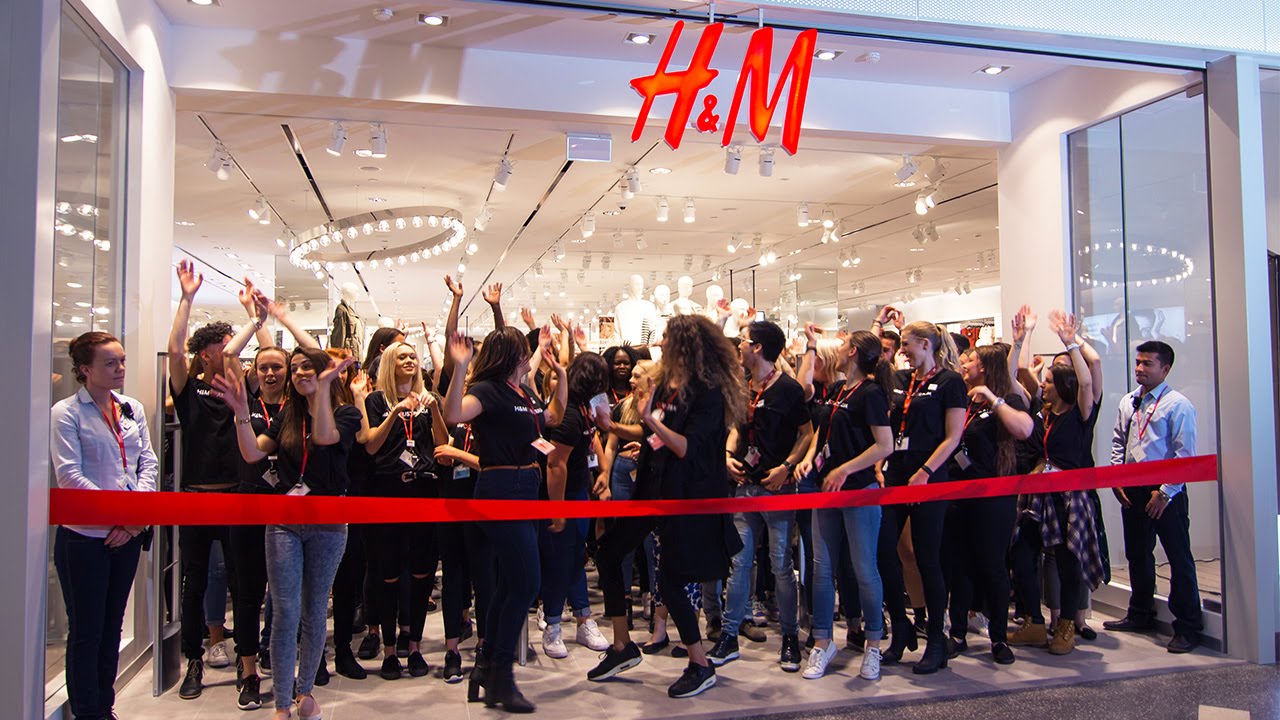
    Fashion retailer H&M has opened a new ‘hyper-local flagship’ in Berlin’s creative Mitte Garden district.

    The 300sqm store, one of the brand’s smallest worldwide, offers curated womenswear, selected external brands, vintage pieces and a showroom for customers. It features curated fashion from H&M’s own assortment as well as selected external brands, most of them Berlin-based.

    The selected assortment is paired with a digital tool offering H&M’s full range where customers can browse and build their looks on their own or aided by a stylist.

    “It’s a test for us as a global retailer to elaborate around how we can be more personal and locally relevant,” said H&M Group laboratory business developer Anna Bergare.

    H&M Mitte Garten will regularly offer events such as lectures, fashion talks, and yoga for its customers. Upcoming trends and looks will be presented in the public showroom. Here consumers can try on and borrow pieces to make sure their future purchases are consciously made.

    “This is a unique location and it has served as a meeting place for Berliners for more than 100 years,” said H&M Germany country manager Thorsten Mindermann. “[It’s] a tradition we want to honor. We aim to offer a neighborhood store serving as a platform for local and global talents within retail, culture, and art.”

    Rentals move in Sweden

    The opening comes as the brand gets ready to debut clothing rentals in its Stockholm flagship store. The brand is offering the chance to rent selected party dresses and skirts from its 2012–2019 Conscious Exclusive collections to members of its customer loyalty program.

    “We have looked at clothing rental for quite some time and are so happy to for the first time soon offer fashion fans the possibility to rent some stunning pieces from our Conscious Exclusive collections,” H&M said head of sustainability Pascal Brun. “We look forward to evaluating this as we are dedicated to change the way fashion is made and consumed today.”

    Members will be able to rent up to three pieces a time for a week at a cost of around SEK350 (US$36) per piece.

  • Gontran Cherrier opens first Asian bakery in Hong Kong

    Gontran Cherrier opens first Asian bakery in Hong Kong

    Fourth-generation French baker and globally recognized pastry chef Gontran Cherrier has opened his first boulangerie and restaurant in Hong Kong’s K11 Musea.

    The Hong Kong store and restaurant mark the first flagship for Asia with further openings planned across Japan, Taiwan, and the UAE.

    At K11 Musea’s Food Playground, the 3500sqft Gontran Cherrier space encompasses an open bakery, an 80-seat restaurant along with a communal table, a cafe area with seating as well takeaway coffee, and a retail space for take-home baked goods.

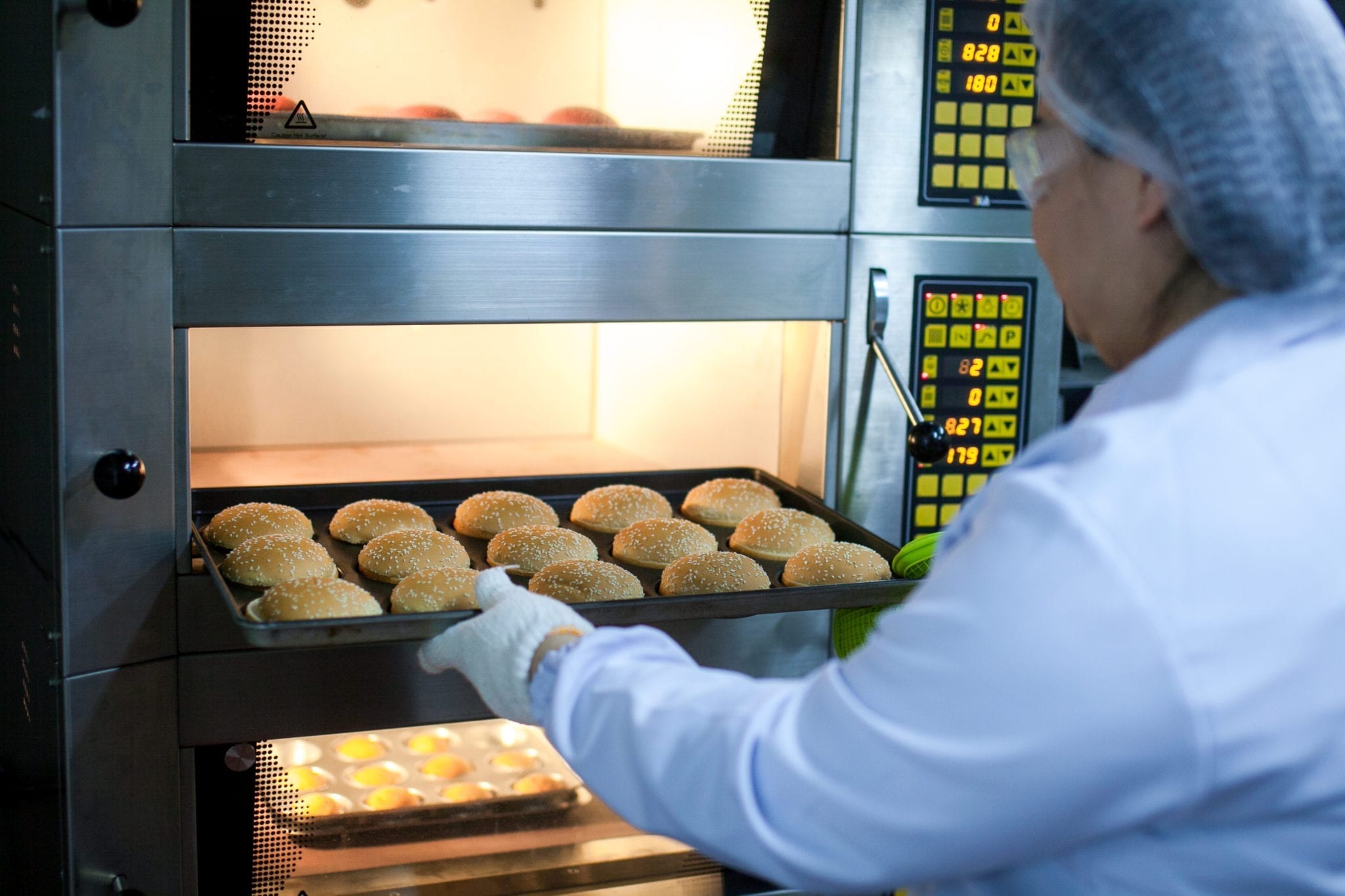
    More than 2000 baguettes and croissants are prepared in an open kitchen each day, using premium French flour and butter flown in from France. The baked menu consists of more than 50 handmade creations ranging from viennoiserie, bread, patisserie, cookies, and cakes.

    In just nine years, Gontran has built a pastry empire including more than 50 stores worldwide from a single store in Montmartre, Paris. He has written cookbooks and appeared on television.

  • Amazon opening new warehouse in Perth

    Amazon opening new warehouse in Perth

    Amazon will open a new fulfillment center in Perth by the end of the year to keep up with increasing demand and offer fast delivery to more customers, the e-commerce company has said.

    The facility, which is expected to be operational in late 2019, is Amazon’s third warehouse in Australia. It also has warehouses in Melbourne and Sydney.

    “This expansion represents the investment and development of our growth strategy in Australia, following a steady and progressive increase in customer demand,” said Craig Fuller, director of operations at Amazon Australia, said in a statement.

    “We strongly believe that this further investment will benefit both customers and the local economy and give Western Australian (WA) customers quicker delivery of high demand items.”

    Located in the Perth Airport Business Precinct, the new facility is expected to give customers in WA access to the same delivery options as customers on the East Coast of the country.

    Amazon currently offers same-day delivery only to customers in eligible postcodes in Sydney and Melbourne. It costs $9.99 for those with Prime and $12.99 for those without.

    Customers in Sydney, Melbourne, Brisbane, Adelaide, and Canberra can also get free expedited delivery (1-2 business days) if they have Prime, or pay $5.99 if they don’t.

    But the fastest delivery option (1 business day) for customers in other metropolitan areas, including Perth and the Gold Coast, costs $9.99 – even for those with Prime. Those without currently need to pay $11.99.

  • JB Hi-Fi New Zealand falters while group grows

    JB Hi-Fi New Zealand falters while group grows

    Electronics retailer JB Hi-Fi has seen shares jump 8.3 percent following a strong first-quarter showing, with total group sales growth of 4.7 percent and comparable sales growth of 3.7 percent.

    However, the business’ New Zealand arm didn’t reach the highs of first quarter FY19, with total and comparable sales growth of 3.8 percent compared to 4 percent total and 9.8 percent comparable in the prior corresponding period.

    The business reaffirmed it would reach its FY20 sales target of A$7.25 billion, including $240 million in New Zealand.

    “As we have said before, retailing is a dynamic and exciting industry and JB Hi-Fi and The Good Guys are market leaders in their respective sectors,” JB Hi-Fi Group chief executive Richard Murray said at the group’s AGM on Thursday.

    “In JB Hi-Fi and The Good Guys, we believe we have two unique and relevant brands, particularly in the eyes of our customers.

    “With a customer-focused business model built on a diverse product offering, deep relationships with our suppliers, a high-quality multichannel offer and exceptional customer service, we are confident we will maintain our market-leading competitive position.”

    The retail group experienced pressure from shareholder groups last week over the implementation of its remuneration report, which the Australian Shareholders’ Association and ISS Governance Services recommending a vote against the report.

    However, the vote passed on Thursday, with 82 percent voting to adopt the revised report and 17 percent voting against – avoiding the 25 percent against vote that would have triggered a first strike against the JB Hi-Fi board.

    Last year, 21 percent of JB Hi-Fi shareholders voted against the report, prompting fears of a potential first strike at this year’s meeting.