Author: Mei Ling Tan

  • Sabeco makes $3.9 million a day from beer sales

    Sabeco makes $3.9 million a day from beer sales

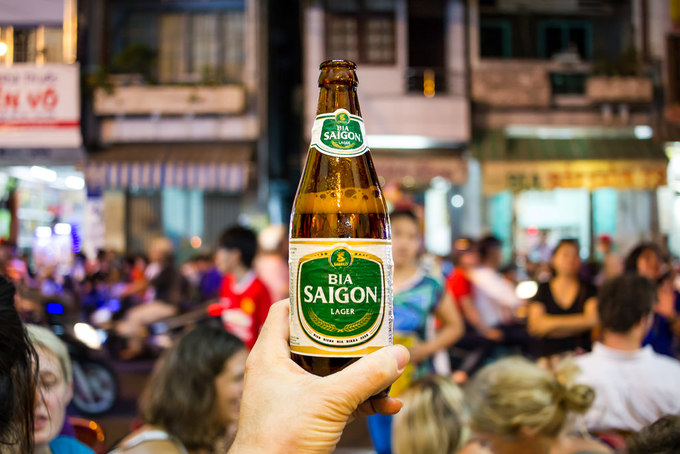
    Vietnam’s biggest brewer Sabeco reaped VND90 billion ($3.87 million) in revenue a day in January-September, a double-digit rise. In its latest financial report, the Saigon Beer Alcohol Beverage Corp reported revenues of over VND28.3 trillion ($1.22 billion) in nine months, up 10 percent year-on-year. Revenue from beer in the period accounted for 86 percent of total, or VND24.3 trillion ($1.04 billion).

    In the third quarter alone, post-tax profit was highest among all brewers in Vietnam at almost VND1.46 trillion ($62.76 million), up over 40 percent year-on-year.

    billion VNDSabeco business resultsRevenuePost-tax profitQ1-2016Q2-2016Q3-2016Q4-2016Q1-2017Q2-2017Q3-2017Q4-2017Q1-2018Q2-2018Q3-2018Q4-2018Q1-2019Q2-2019Q3-201902.5k5k7.5k10k12.5kSabeco

    Sabeco has paid almost VND8.2 trillion ($352.46 million) in taxes this year. Its total capital as of Q3 was VND24.78 trillion ($1.07 billion), up 10.7 percent from the beginning of the year.

    Sabeco is owned 53.59 percent by Vietnam Beverage, a subsidiary of Thai beverage company ThaiBev. The Vietnamese government, represented by the Ministry of Industry and Trade, owns a 36 percent stake in the company.

    ThaiBev has said earlier that Sabeco is its key growth driver in Southeast Asia as the region’s consumption slows down.

    Vietnam consumed 4.1 billion liters of beer in 2017, making it the biggest alcohol market in Southeast Asia and the third biggest in Asia after Japan and China, according to the Ministry of Health.

  • Vietnam aircraft fleet to quadruple in 20 years

    Vietnam aircraft fleet to quadruple in 20 years

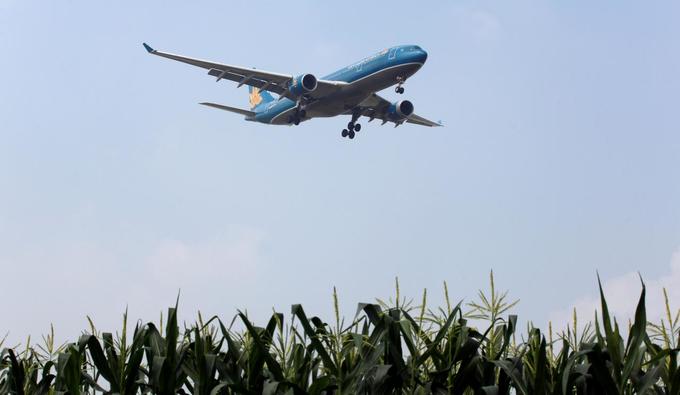
    Vietnam’s aircraft fleet, at 200 now, will quadruple by 2038 as air travel demand increases and the market sees new players.

    These figures were cited by Darren Hulst, aircraft manufacturer Boeing’s marketing director for China & Northeast Asia, at a recent press briefing.

    The current number of aircraft in the country is set to double in the next two years. Single-aisle aircraft are set to be the main type used for Vietnam’s domestic and regional flights, Hulst said.

    He noted that aviation growth has been rapid in Vietnam for several years now. In 2009, all Vietnamese airlines provided 800,000 seats a month, but by this year, the figure had reached 3.3 million.

    In the last five years, the number of passengers taking flights has tripled and the number of aircraft doubled, he added.

    Southeast Asia will need 4,500 new aircraft by 2038, and Vietnam is set to account for a large portion of that demand, Hulst said.

    Vietnam now has six domestic carriers and three companies that have applied for aviation permits.

    Last year, Vietnam’s 21 state-run airports served 103.5 million passengers, up 11 percent year-on-year, and the figure is set to rise to 112 million this year, according to the Airports Corporation of Vietnam.

  • Uniqlo switches to paper bags

    Uniqlo switches to paper bags

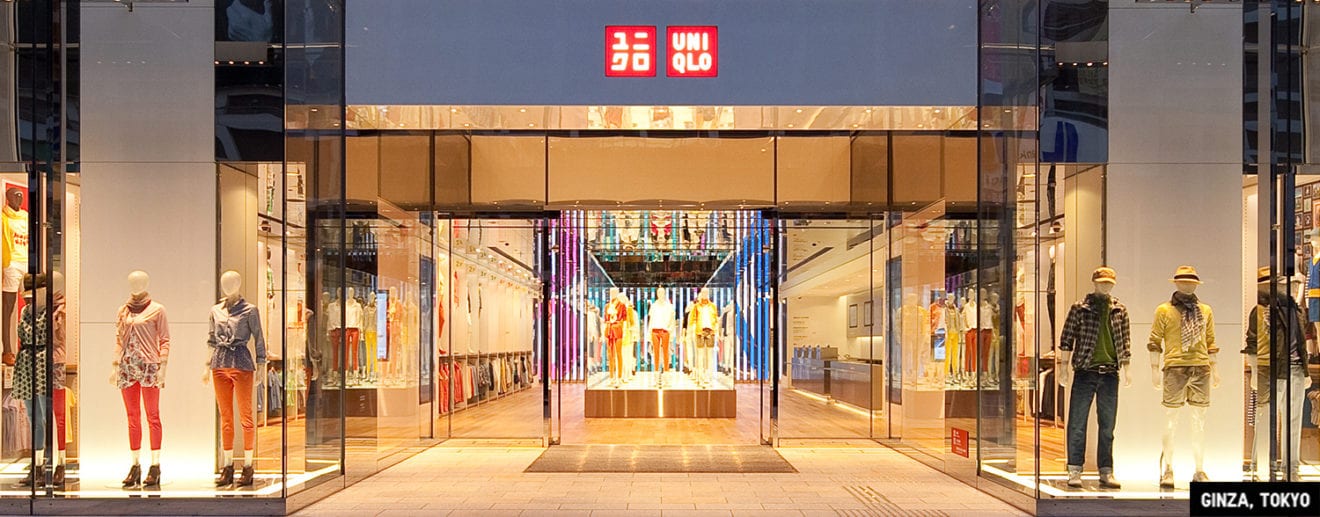
    Japanese retailer Uniqlo has jumped on the sustainability train, eliminating the use of plastic bags in its stores and switching to eco-friendly paper bags later this month.

    The bags will cost 15c in an attempt to encourage customers to bring their own reusable bags and will be launched in phases across the brand’s 21 Australian locations. The store will also sell branded bags made of recycled plastic bottles for $2.90.

    The switch is part of a move to become more environmentally friendly and coincides with the Victorian Government’s single-use plastic shopping bag ban which comes into effect in November.

    “Sustainability has increasingly become a priority on the global agenda and as a leading retailer, it has been crucial for Uniqlo to look at how we can address this key issue, whether from a clothing design perspective, or current in-store practices,” Kensuke Suwa, Uniqlo Australia’s chief operating officer, said.

    “We definitely recognize that Uniqlo has a role to play and the team is consistently exploring new sustainability initiatives to roll out in this market.”

    Woolworths also began offering paper bags earlier this month, in a bid to give more options to customers who forget to bring a reusable bag when shopping.

    “The vast majority of our customers bring their own bags to shop, but we know there are occasions when they forget or visit our stores unplanned,” a Woolworths spokesperson said in a statement to Inside Retail.

    “Some customers have told us they would like the option of a paper bag when this happens.”

    The adoption of paper bags is one part of Uniqlo-owner Fast Retailing’s ongoing efforts to eliminate the use of unnecessary plastic in its supply chain – having committed to reducing the amount of single-use plastics passed on to customers by 85 percent by the end of 2020.

    However, it is also looking at other parts of the supply chain and introducing several initiatives aimed at improving the manufacturing process.

    Uniqlo’s Jeans Innovation Centre has reduced the amount of water used in the washing process of its jeans by an average of 90 percent. The first batch of jeans using this process will be introduced in its 2019 fall/winter season and will be used for all Uniqlo jeans moving forward.

    Additionally, the company announced last year it would begin using a material formed from recycled plastic bottles in items of clothing called ‘Dry-Ex’, and that it would recycle down collected in Japanese stores into new products.

    “Uniqlo is committed to improving the sustainability of society,” Uniqlo founder and chairman Tadashi Yanai previously said.

  • Myer revamps homewares offer in the Sydney flagship store

    Myer revamps homewares offer in the Sydney flagship store

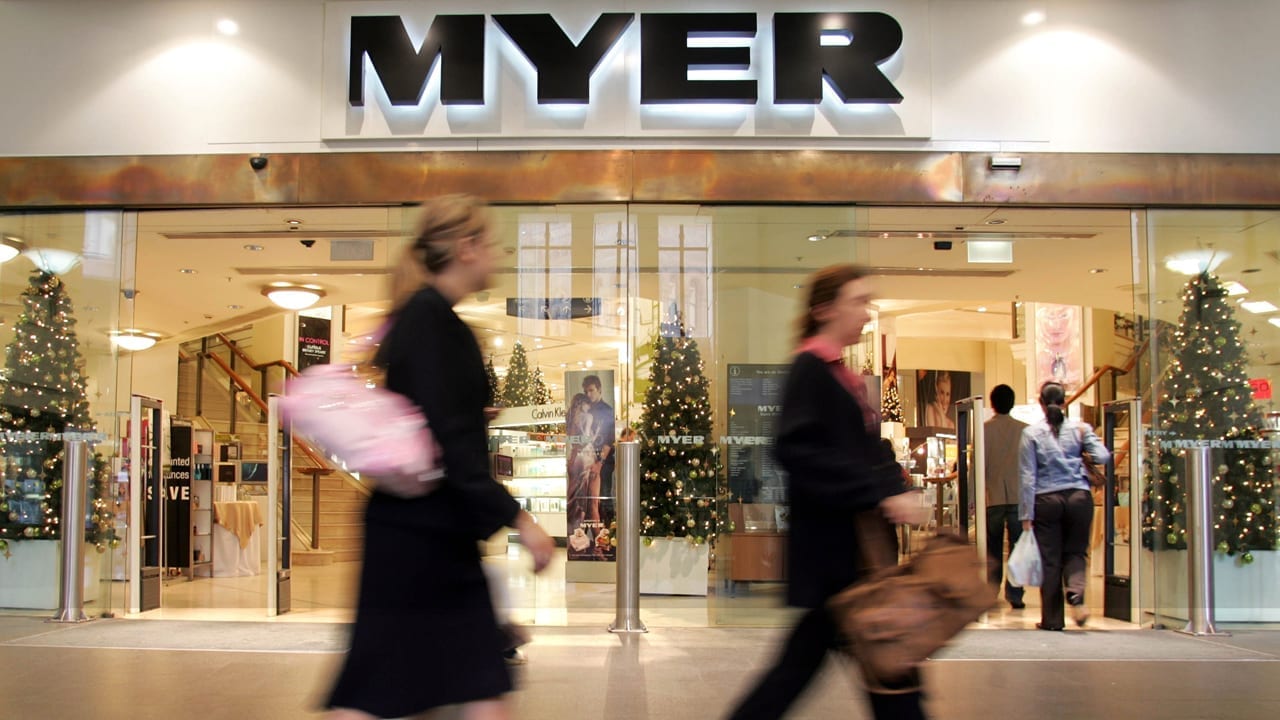
    Myer on Friday opened the doors to a refurbished homewares and electronics department in its Sydney CBD store.

    The new floor contains 20 shop-in-shop concepts from leading brands, including Scanpan, Le Creuset, Delonghi, Breville, Riedel, Fissler, Salt & Pepper, Maxwell & Williams, and Coles & Mason, as well as the world’s largest shop-in-shop from Dyson.

    “We are so thrilled with the new homewares department, with it’s modern and easy to navigate shop-in-shop format,” Alison Muir, the general manager of Myer’s Sydney store, said.

    According to Myer’s general manager for home and entertainment, Dean Austin, the floor has the largest choice of homewares in Sydney’s CBD.

    The new offering comes as the department store retailer sheds “unprofitable” brands, such as Apple, which it stopped selling in May, as part of a broader turnaround.

    The department store managed to pull back a modest improvement during FY19, its first year under chief executive John King, despite shifting consumer behavior.

    While total sales fell 3.5 percent to $2.99 billion, and comparable sales fell 2.9 percent, the business managed to reduce its expenses by roughly $33 million over the year in rent and wages.

    This focus on more profitable sales led to a net profit after tax of $33.2 million; 2.2 percent up on the year prior.

  • KIS targets 30 stores in Bangkok aimed at millennials

    KIS targets 30 stores in Bangkok aimed at millennials

    Thai beauty retailer KIS opened its first store in Bangkok just last month and is already planning 30 more across the city.

    The chain has been created to capitalize on the continuously growing number of millennials, who tend to be frequent buyers of beauty products. The store was designed by Malherbe.

    The first KIS store opened at CentralWorld shopping mall and carries more than 800 brands grouped in five major zones: iconic brands, make-up, skincare, fragrances, and a live studio.

    The live studio zone offers various services including a `Masterclass by Beauty Expert´ where customers are invited to join special workshops with beauty professionals, as well as leading brands, complemented with a live DJ to make shopping more entertaining.

    It also has a selfie booth, where shoppers can take photos and post them on social media, and a Gaga Attitude in a Cup Cafe, which serves drinks.

    The design features checkerboard, dichroic and iridescent, which according to the company reflect women´s changing emotions, while the use of pink color, with a touch of classy black, accentuates femininity

    “The concept is The Ultimate Beauty Destination, as the store is set to become the new beauty destination for women who know what they need,” says KIS MD Tarpida Norpanlob.

    “Millennials are the biggest group in the beauty industry and KIS will help everyone keep on style in their own way.”

    Two more stores are to be opened by the end of the year, to be located at Central Plaza Ladprao and Zen shopping malls in Bangkok. And it plans to expand the footprint to include tourist destinations such as Phuket.

  • Louis Vuitton parent about to acquire US jeweller Tiffany & Co

    Louis Vuitton parent about to acquire US jeweller Tiffany & Co

    Luxury house LVMH has reportedly made a US$14.5 billion offer to acquire high-end jewelry retailer Tiffany & Co as part of an ongoing attempt to expand into the US market.

    The jewelry firm currently has a market valuation of $11.9 billion, but the Financial Times quotes sources saying the US company is likely to reject the offer saying it undervalues the business.

    The offer was lodged earlier this month, valued at US$120 per share which represented a 30-per-cent premium on the share price at the time. Since then, Tiffany’s share price has increased, so the offer now represents a smaller 22-per-cent premium but is way lower than Tiffany’s share price in July last year when it peaked at $139.50.

    A Reuters report stated that the potential acquisition comes “at a time when the US luxury jeweler grapples with the impact of tariffs on its exports to China”. The report said Tiffany has yet to respond and is currently reviewing the possible deal.

    Unlike other luxury firms, LVMH’s business has not appeared to suffer a significant impact from the Sino-US trade war or pro-democracy protests in Hong Kong, where the premium retail market has been hit by a decrease in Chinese tourists from the mainland. The firm beat sales forecasts for this year’s third quarter.

    Neither company has commented on the bid.

  • Fat Tiger expands with 1,000 more stores across India

    Fat Tiger expands with 1,000 more stores across India

    Keventers milkshake-brand owner Sohrab Sitaram has launched Fat Tiger, a tea shop and dim sum franchise in India’s Delhi, Chandigarh, Ludhiana and Karnal.

    Sitaram says Fat Tiger introduces popular international flavors to the territory as well as a mid-market dim sum offering in a market where the cuisine is only associated with either street food or premium outlets. It plans to open more than 1000 stores throughout India.

    “The momo and dim sum preparations take inspirations from spice levels from Meghalaya, Nagaland, Mizoram, regions of Sikkim, and Arunachal Pradesh,” read a statement from the brand. “It is also influenced by Asian countries like China, Thailand, Nepal and Myanmar.”

    Fat Tiger serves tea reusable cups and dim sums with tongs instead of

  • Chinese pharmaceutical group may bid for ailing GNC

    Chinese pharmaceutical group may bid for ailing GNC

    Chinese firm Harbin Pharmaceutical Group is poised to take over and privatize US vitamin and retailer supplier GNC.

    The firm acquired a 40-per-cent shareholding in the company last year, initiating an e-commerce business in joint venture with GNC in China. Harbin currently owns its stake as convertible preferred shares.

    The potential takeover is complicated by GNC’s heavy debt load, which four months ago stood at US$900 million, and the current political climate between China and the US. GNC has lost more than half its value over the past year.

    GNC operates more than 4800 stores in the US and has franchises in 46 international territories. It is expected to shutter 900 outlets by the end of next year.

  • L’Oréal and Cathay Innovation in support of Chinese beauty-tech startups

    L’Oréal and Cathay Innovation in support of Chinese beauty-tech startups

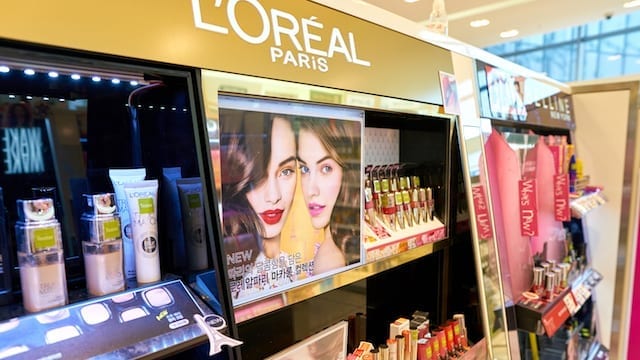
    French personal care company L’Oréal has inked a partnership with venture capital firm Cathay Innovation to aid Chinese beauty tech startups.

    The partnership between L’Oréal’s corporate venture capital fund Business Opportunities for L’Oréal Development (BOLD) and Cathay Innovation will support beauty-tech entrepreneurs in testing their innovations and accelerating their developments.

    “It will enable us to connect to the dynamic ecosystem of disruptive beauty-tech startups in China, a driving force in advanced technology and innovation. Our objective is to help young entrepreneurs by sharing L’Oréal’s expertise and experience in order to co-create the products and services of tomorrow,” says L’Oréal China president Fabrice Megarbane.

    Launched by Cathay Capital, Cathay Innovation invests in startups that are committed to the sustainable transformation of the world through innovation and technology in sectors ranging from e-commerce and consumer-centric digital platforms to fintech, health, new mobility and all segments of the artificial intelligence space. Among them is a solution provider for online and offline retailers in China, Shopal, and machine-learning platform for medical research Owkin.

    According to Cathay Capital founder and president Mingpo Cai, China is a breeding ground for innovation in the new uses of disruptive technology, and in particular in the world of beauty.

    “We will work to identify new emerging trends and collaborate with the most promising startups. Together with L’Oréal teams and visionary Chinese entrepreneurs, we will develop new innovations for consumers in China and the world at large.”

    With China as its second-largest market, L’Oréal reported 26.9 billion euros (US$29.8 billion) sales last year across its portfolio of 36 brands. The company launched the BOLD last year to take minority stakes in innovative companies and brands with high growth potential.

  • China’s Tan Mujiang opens first store in USA

    China’s Tan Mujiang opens first store in USA

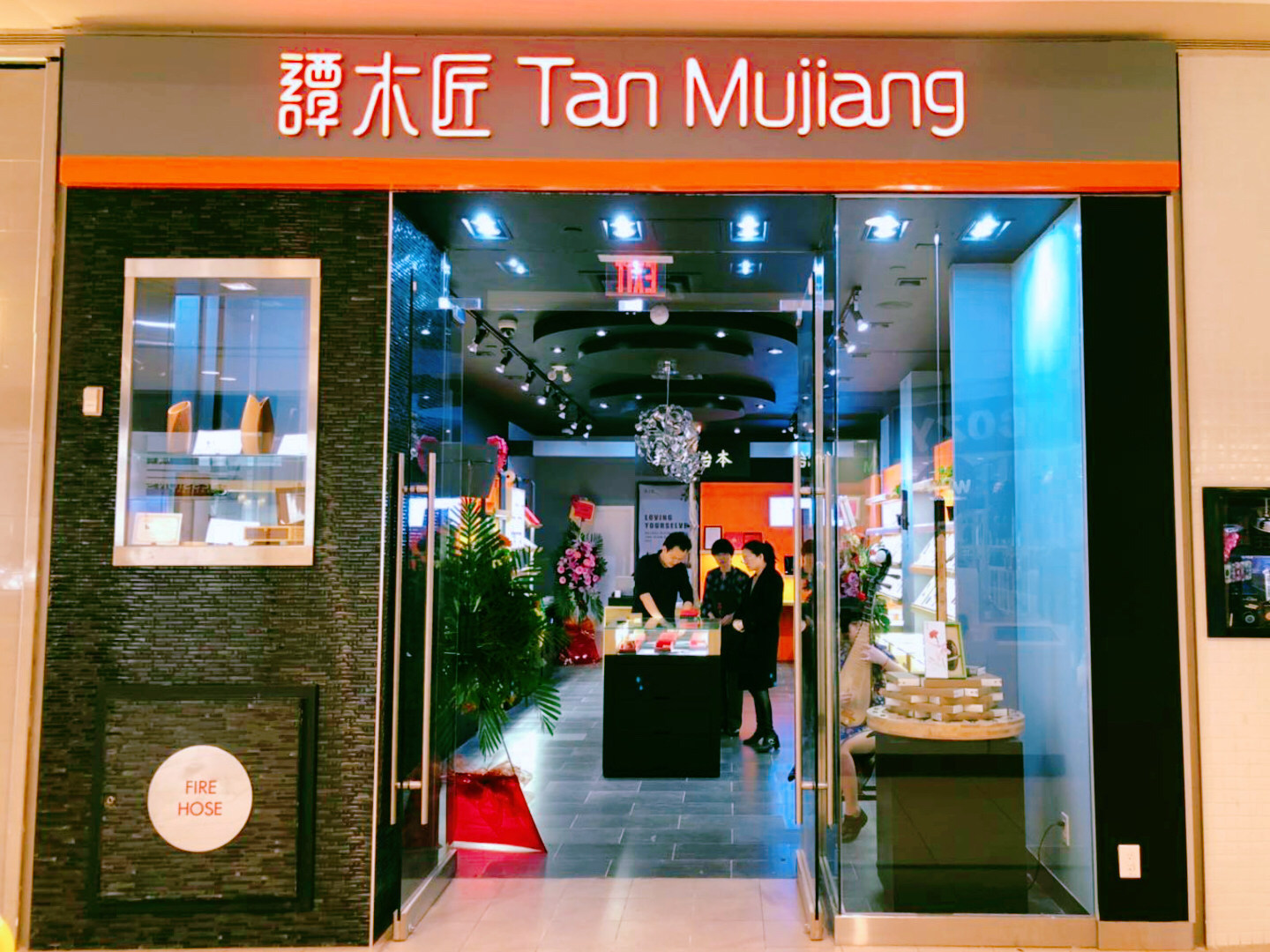
    Chinese wooden-comb manufacturer Tan Mujiang has continued its international expansion with the opening of its first flagship store in the US.

    The store dubbed as H0006 is located at Flushing Main Street in New York City and carries combs made from natural materials by traditional Chinese handicrafts with “beautiful shape, smooth lines, exquisite texture, rich colors and fine hand feel”. It is Tan Mujiang’s second store in North America after Toronto, which opened in May.

    The manufacturer said it has obtained more than 80 patents since 2013 and has been providing supplies to more than 1200 shops in China and nine flagship stores in Southeast Asia, Toronto and New York.

    The company says it plans to popularise its brand by operating franchised stores worldwide. It also plans to increase its investment in overseas market promotion by participating in grand international exhibitions and will promote products on popular social media internationally.

    Tan Mujiang also sells through Amazon and eBay.

  • Lotte Duty Free wins Changi Airport Group liquor & tobacco concession

    Lotte Duty Free wins Changi Airport Group liquor & tobacco concession

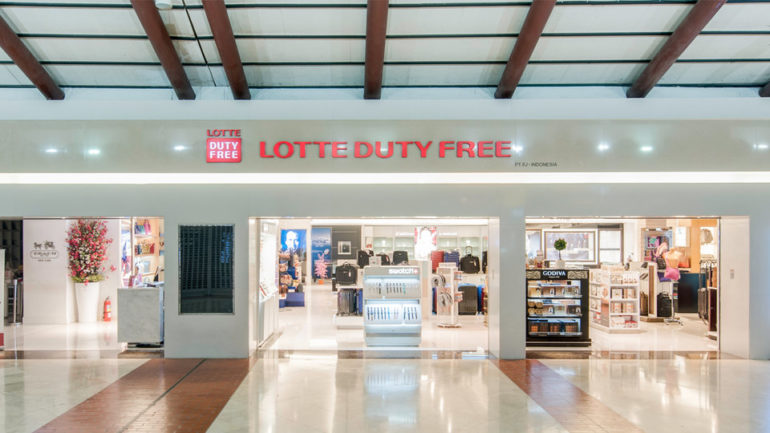
    Changi Airport Group has awarded its liquor & tobacco concession tender to Lotte Duty-Free. The company will succeed DFS Group when the concession contract expires next year.

    The awarding of the liquor & tobacco concession ends a fierce contest between some of the world’s leading travel retailers, including Gebr Heinemann and The Shilla Duty-Free.

    Changi Airport Group (CAG) said it undertook a detailed evaluation process after tenders closed on August 26.

    With experience operating concessions in markets including Australia, Japan, New Zealand, South Korea and Vietnam, Lotte Duty-Free is the first new operator to take what is a key CAG concession which was with DFS Group for 40 years. DFS decided not to bid to renew the business, saying it was not commercially viable, and following a similar withdrawal from Hong Kong International Airport two years ago.

    The contract awarded to Lotte is for a six-year term commencing on June 9. The tenancy contract covers all 18 liquor & tobacco stores across Changi’s four terminals, spanning more than 8000 sqm of retail space.

    “The Liquor & Tobacco concession is one of the largest at Changi Airport and it presents unique opportunities for marketing innovation and customer engagement,” said Lim Peck Hoon, executive VP, commercial at CAG.

    “Lotte put forth the strongest and most compelling proposal overall. It is aligned with CAG’s vision to offer passengers a seamless omnichannel retail experience and new retailtainment initiatives leveraging smart technologies. Lotte also demonstrated a keen understanding of the market environment with a sound business plan supported by a competitive financial bid and backed up by solid business fundamentals.”

    Lotte Duty-Free has promised to offer a wide selection of liquor products and brands to Changi’s passengers. All liquor and tobacco stores will be rejuvenated to attract both connoisseurs and new consumers. The company will also feature different boutique concepts and zones presenting the latest and exclusive products in the market.

    CEO of Lotte Duty Free, Kap Lee, said: “I express my deep gratitude to Changi Airport Group for acknowledging Lotte Duty Free’s strength and strategy. Winning the Changi Airport’s liquor & tobacco duty-free concession is of great significance in terms of establishing a bridgehead to achieve our vision of “Global No.1 Travel Retailer”. Lotte Duty Free will put its continuous efforts to grow as a global brand with Changi Airport.”

    According to CAG, the transition towards the start of the new concession will be planned carefully with both the incoming and outgoing tenants. Renovation works in the stores will be conducted in phases to ensure that customers continue to enjoy a high standard of service.

  • Japan and South Korea battle for Vietnamese retail market

    Japan and South Korea battle for Vietnamese retail market

    South Korean companies are engaged in a fierce battle with Japanese rivals in the Vietnam retail market, which has emerged as a “post-China.”

    According to the Korea Trade-Investment Promotion Agency, the Vietnam retail market has been growing rapidly, with an annual average growth rate of 10.9 percent between 2013 and 2018.

    Currently, South Korea and Japan lead the market in all areas, including convenience stores, department stores and online shopping.

    Lotte Group has had a presence in the Vietnam retail market since 2008 and has invested US$390 million so far.

    Currently, the company has 14 shopping malls, one department store, and two duty-free shops operating across the country.

    Japanese rival Aeon entered Vietnam in 2011 with a capital of $190 million. Since then, it has built and operated shopping malls in three centers: Ho Chi Minh City, Hanoi and Binh Dương.

    Besides Aeon, Japanese companies such as 7-Eleven, Fuji Mart are also operating in Vietnam.

    The channels that are growing rapidly in the local market are convenience stores and e-commerce.

    In particular, the growth of the convenience-store market is steep due to rapid urbanization, rising income levels and the expansion of the young consumer population.

    IGD Research ranked Vietnam as the top country among the fastest-growing convenience store markets in Asia by 2021.

    The South Korean convenience store chain GS25 entered Vietnam in January last year when it opened a store in Ho Chi Minh through a joint venture with SonKim Group, a Korean company that has emerged in the region.

    It currently operates about 50 stores but plans to expand to 70 by next year and to 2000 over the next decade.

    South Korea’s BGF Retail, which operates the convenience store chain CU, also recently signed a master franchise contract with Vietnam’s CUVN to start making inroads into the Vietnamese market.

    Japan’s 7-Eleven entered Vietnam in 2017 and is currently operating 24 stores. It aims to build 1000 new stores, mostly focused for now on Ho Chi Minh City and Hanoi. It followed Circle K and FamilyMart which have gained considerable traction in Ho Chi Minh City.

    South Korean conglomerates such as Lo

  • Rebag creates an app that explains the use of bags

    Rebag creates an app that explains the use of bags

    Fashion e-commerce company Rebag has launched software that instantly reveals the current resale value of handbags.

    Called Clair, the software is described by Rebag as “a comprehensive luxury appraisal index for resale”. It determines the value of any handbag across a database of more than 50 brands and 10,000 bags. It offers consumers an exact and fully automated price that Rebag is currently willing to pay for it.

    Consumers can instantly check the value of luxury handbags in three steps: access Clair through the Rebag website or app, select the handbag’s brand, model, style, and size, then tell Clair a bit more about the color and condition of the piece. The software will instantly generate the handbag’s resale value.

    Rebag says Clair was created for everyone, not just those who shop and sell at Rebag as receiving an appraisal from Clair doesn’t lock consumers in to buy or sell through Rebag, but rather open more possibilities.

    “Once customers have seen the future of their handbag, they can decide to hold onto the investment for posterity, consign it, sell/trade it in through Rebag or even buy more of them – the options are endless,” said Charles Gorra, Rebag founder and CEO.

    “With more and more consumers contemplating the resale value of their luxury purchases, we’ve created a taxonomy that provides a more transparent way for consumers to shop more wisely.”

    Founded in 2014 and headquartered in New York, Rebag has attracted backing from venture capital investors including General Catalyst and Novator. It operates mostly online and runs two flagship stores in the US.

  • Giant Vietnam restaurant chain Mon Hue shuts down

    Giant Vietnam restaurant chain Mon Hue shuts down

    Vietnam restaurant chain Mon Hue has closed down without notice, evidently unable to pay its debt.

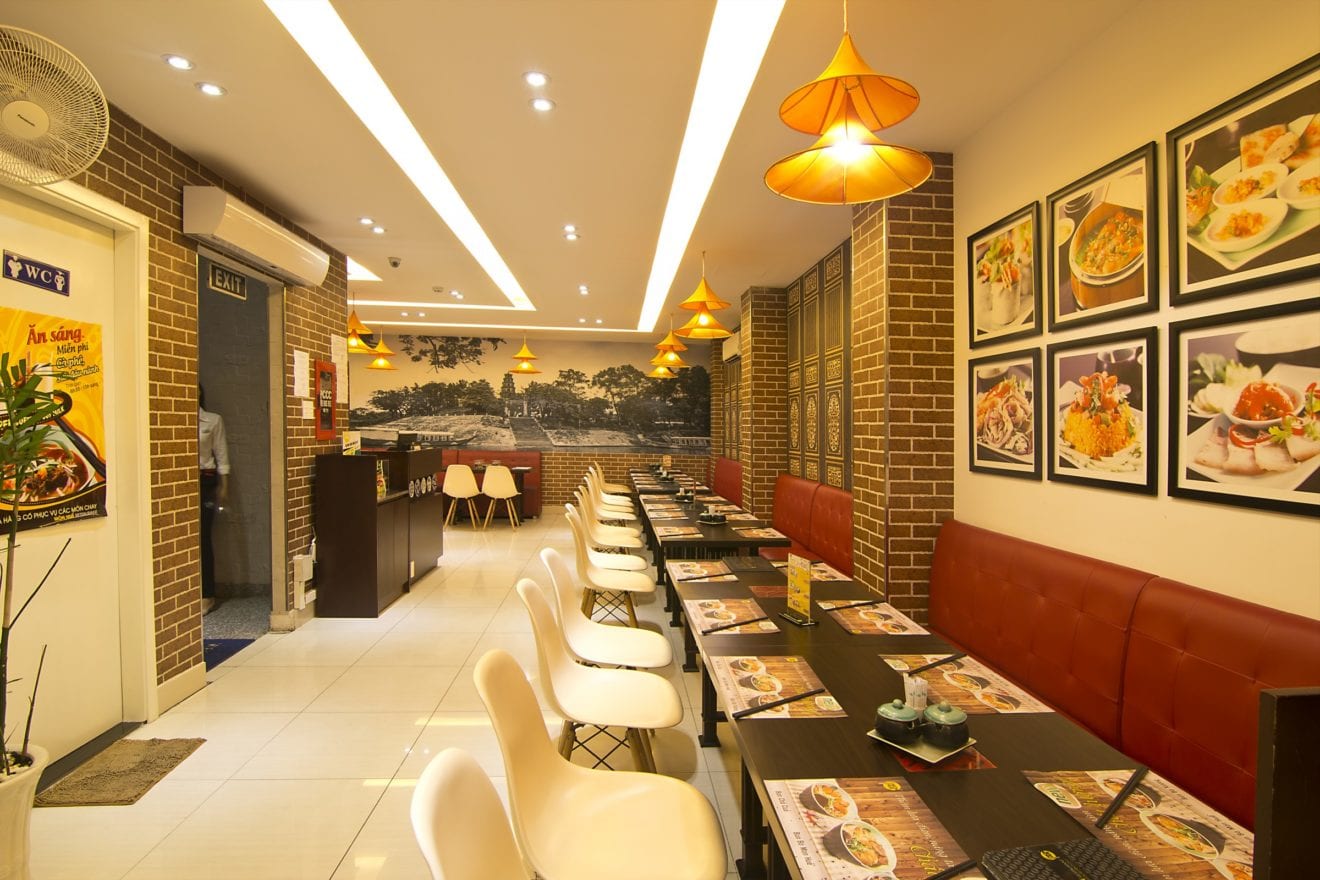
    Restaurants under the Mon Hue brand along with sister chains including Pho Ong Hung and 99 House of Pho, have been shuttered and the company’s websites and social media channels have been switched off. Many of the abandoned stores in downtown Ho Chi Minh City already have for-lease signs on them.

    The company’s headquarters has been abandoned.

    The exact number of stores in the company’s network is hard to clarify. By the end of 2015 the company operated 110 and then embarked on a massive expansion program which may have peaked at 200 before closures began. Local media reported that 80 closed this week, but there is evidence that a long-term cull has been underway for at least several months.

    Several Mon Hue employees and suppliers have told local news media that they haven’t been paid “for months”.

    “Since about a week ago, the company stopped taking our supplies or paying for them. We couldn’t contact the procurement managers, directors of Mon Hue or its owner, Huy Nhat,” said Thuan, a supplier of the restaurant.

    DealStreet Asia reported today that private equity investors in Huy Vietnam have commenced a lawsuit in People’s Court of HCMC on behalf of the business against its founder and chairman Huy Nhat.

    According to VN Express, Mon Hue achieved a profit of VND300 million ($12,950) in 2016, but since then losses have accumulated to almost VND107 billion ($4.62 million) as expansion costs rose much faster than revenue.

    Meanwhile, dozens of the restaurant group’s suppliers owed money gathered in front of Ho Chi Minh City police headquarters to file complaints against the company, alleging Mon Hue had committed fraud.

    Staff, landlords, and suppliers have been left unpaid. Trade suppliers are owed at least US$430,000 including a production company whose $55,940 debt traces back three months. Others reduced their exposure by ceasing supplies but a promised installment repayment plan by Mon Huse was allegedly not honored.

    In addition to enormous debts, Mon Hue Restaurant accounts have been frozen by Vietnam’s tax authority.

    Mon Hue was operated by Nha hang Mon Hue Co, which is now wholly owned by Hong Kong-registered Huy Vietnam.

    In late 2015, Huy Vietnam announced it was planning to list on the Hong Kong Stock Exchange.  At the time it had already attracted US$65 million in investment from global investors such as AIF Capital Asia, Fortress Capital Asset Management, Welkin Capital, Prosperous Alliance and Templeton Emerging Markets Group. The company reported estimated it could raise up to $100 million from an IPO to fund expansion both inside and outside Vietnam. That plan was later abandoned.
  • Chinese travel-case maker Ninetygo planning global expansion

    Chinese travel-case maker Ninetygo planning global expansion

    Chinese travel lifestyle brand Ninetygo is eyeing global expansion as more millennials and Gen Zers travel abroad.

    As a brand owned by Anhui Korrun, the first Shenzhen Stock Exchange-listed domestic suitcase manufacturer in China, Ninetygo plans to further diversify its product lines and add new fashion elements into its designs as it races to catch up with other global players.

    “Young consumers’ demand for travel products is no longer limited to being practical and functional – personal items are regarded as the manifestation of their life taste and joy,” said Anhui Korrun founder and chairman Fan Jinsong.

    “Pushed by the fast-growing trend of globalization, more convenient visa access and transportation to other global destinations, the frequency of vacations abroad will keep rising.

    “For the next step, we will continue to raise our research and development based on multi-dimensional scenes such as pre-trip storage, travel entertainment, business travel, parent-child amusement, and hotel sleep to further enrich our product lines.”

    Ninetygo has just launched a new collection resulting from a collaboration with former Hermes designer Ludovic Alban. The new Ninetygo x L.a Nice series was launched in the Pompidou National Centre for Art and Culture in France, one of the world’s top art museums.