Author: Mei Ling Tan

  • BNP Paribas Expands Gold Market Activities in China

    BNP Paribas Expands Gold Market Activities in China

    The bank can now participate in listed gold contracts, gold leasing and other gold derivatives business, and provide more services to its domestic and international client base.

    BNP Paribas (China) has been granted membership of the main board of the Shanghai Gold Exchange, which will allow the bank to fully participate in the Chinese gold market by offering deeper liquidity and broader product scope, it announced in a press release on Tuesday.

    SGE was set up in by the People’s Bank of China in 2002 as a center for gold, silver and platinum trading, growing to become the second-largest gold exchange globally by volume by 2018. BNP Paribas (China) started bilateral gold trading on SGE’s international board in 2017, and now conducts spot, swaps and options trading.

    Through our participation on the mainboard, we hope to position China as a global center for gold trading, Mikko Russi, BNP Paribas head of FX, Local Markets & Commodity Derivatives for Asia Pacific, said in the statement.

  • Frasers Property announces leadership changes for Singapore

    Frasers Property announces leadership changes for Singapore

    Frasers Property Singapore CEO Christopher Tang will retire at the end of the year.

    From January 1, Tang will assume the new position of senior adviser, while continuing to serve as a director on the boards of Frasers Property (Singapore), Frasers Centrepoint Asset Management and Frasers Commercial Asset Management.

    “It has been an incredible journey being part of the Frasers Property Group growth story and leading Frasers Property Singapore has been an honor and privilege,” said Tang. “The planned retirement reflects my personal desire to participate in the group’s continual growth in a different leadership capacity.”

    The company also announced an evolution of its Singapore business organization as part of its planned leadership changes.

    A retail-focused platform will be created in Singapore, which will cover the asset, property and development management of its retail assets in the city. The new platform will become a retail-focused business unit in Singapore from October 15, representing an asset size of about SG$8 billion (US$5.8 billion) with development, asset management and property management capabilities in respect of retail assets held across Frasers Property Singapore and FCT.

    Low Chee Wah will be appointed as CEO of the Singapore retail platform

    “Our retail business in Singapore has grown rapidly over the years,” said group CEO Panote Sirivadhanabhakdi.

    “We believe the focused retail platform will allow us to better serve the needs of our customers in this fast-evolving retail landscape. We are looking forward to building upon the meaningful scale of the group’s retail network while further developing our retail capabilities and leadership position for this asset class in Singapore.”

  • Singapore Fintech Festival 2019 Kicks Off in November

    Singapore Fintech Festival 2019 Kicks Off in November

    The Singapore Fintech Festival is set to kick off on the week of November 11 and will feature over 250 industry leaders to discuss the future of the financial services industry.

    The conference will feature a myriad of topics revolving around four key themes: the future of finance; sustainability; exponential technologies; and global investment and market opportunities.

    Various sessions will be joined by leading global industry names such as HSBC group CEO, Noel Quinn; Standard Chartered group CEO, Bill Winters; LGT group CEO, H.S.H. Prince Philipp von und zu Liechtenstein; and more.

    Last year’s Singapore Fintech Festival was widely attended with more than 45,000 participants from 130 different countries. To learn more about the Singapore Fintech Festival agenda for 2019, click here.

  • Shake Shack openening second store in Philippines soon

    Shake Shack openening second store in Philippines soon

    Shake Shack is launching its second Philippines outlet at the Mega Fashion Hall at SM Megamall.

    The restaurant is expected to open before the end of the year, with construction on the new venue already underway following a board up made by artist Kris Abrigo, which features a “reimagined Ortigas skyline showcasing gradient colours as day shifts into night, and a multi-faceted community through textures and geometric shapes,” according to reporting in the Manila Standard.

    Brand enthusiasts are invited to interact with sliding panels in the board to reveal “surprises” during the lead-up period to the store’s opening.

  • Caps from the Philippines crosses borders

    Caps from the Philippines crosses borders

    A Philippine ad agency has created a streetwear brand to test its digital marketing strategies – and now it has gone global.

    What? Caps, developed by Eggshell Worldwide, led by Mark Wesley Pahate now ships to 220 countries worldwide, in partnership with FedEx, and after its early success, the company is now looking at adding streetwear staples such as hoodies, socks, and shoes, with the vision to grow into a full-blown lifestyle brand.

    “Since I’m a fan of streetwear, we decided to go with fitted caps,” says Pahate.

    “Internationally, it is a really big market, valued around US$300 billion and growing. Young people drawn to streetwear comprise a vibrant community and an evolving hub of creativity. You will be surprised by a lot of independent streetwear brands we have here in the Philippines, and how popular they are in the international market.”

    Featuring street style, What? Cap has generated a buzz among youth who want to express themselves through fashion. Neighbouring streetwear hubs Taiwan and Singapore are the biggest target markets for the company.

    “Our products appeal to the two markets we identified for What? Caps: Streetwear fans and cap collectors.” Pahate says. “We connect with customers through social media. From there, we lead them to our website where they can shop.”

    For any brand, it is a badge of success to cross borders. After steadily gaining traction in Southeast Asia and the Middle East, Pahate says they are now beginning to penetrate the US. This increase in demand and destinations, he says, was made possible by their logistics provider, FedEx which has integrated its delivery system into What? Caps’ website, even though it is still a fledgling business.

  • Lululemon partners with local organisations to increase access to yoga

    Lululemon partners with local organisations to increase access to yoga

    Lululemon stores in Australia and New Zealand are teaming up with local nonprofits and charitable organizations to increase access to yoga and meditation.

    Stores this month will distribute grants to nonprofits and charities of their choosing that are working to break down social, physical and economic barriers to yoga and meditation.

    This is part of Lululemon’s global Here to Be program, which aims to spread the health benefits of yoga and meditation to more people around the world.

    The program first launched in 2016 and was brought to Australia and New Zealand earlier this year. Now, local stores are starting to have an impact on their communities.

    Lululemon stores in Mosman, Balmain, Chatswood and Warringah Mall, for instance, are teaming up to provide a grant to The Yoga Impact Charity, which offers yoga classes for refugees and teaches yoga teachers how to teach trauma-informed yoga to refugees.

    “As a company rooted in yoga and committed to personal development, we aim to create real change within our local communities through our social impact program Here To Be,” Paul Tinkler, managing director for Lululemon in Australia and New Zealand, said in a statement.

    “Our purpose is to elevate the world by unleashing the full potential within everyone one of us. We are accelerating our efforts across social impact, as a main agenda point for the year and we’re honored to be working with organizations that are up to big things in this area. We’re excited to see the positive changes across our communities.”

    Here to Be has provided more than US$10 million in grants globally and developed more than 500 grassroots nonprofit partnerships. It also has donated more than 10,000 yoga mats and says it’s just getting started.

    The retailer on Wednesday announced it will donate US$1 million over the next three years to a program that will teach mindfulness techniques, such as deep breathing and yoga, to thousands of United Nations staff and aid workers, who report experiencing high rates of burnout.

    The program, called Peace on Purpose, aims to equip UN staff with the tools to care for themselves so they can care for others.

    The funding from Lululemon will help Peace on Purpose to train more than 3000 UN development and humanitarian workers in-person over the next three years, build a hub of digital resources and develop condensed trainings and curriculum translations to reach 30,000 staff.

    “With increasing need for international humanitarian aid and peacekeeping, we want to cultivate the long-lasting benefits of mindfulness tools and sustain support for those whose mission is to serve others,” Calvin McDonald, CEO of Lululemon, said in a statement.

    Research following selected trainings found that over half the participants saw an improvement in overall well-being as seen in key psychological risk factors, such as work-related self-compassion, anxiety and depression, symptoms related to trauma and feelings of distress.

  • Mercedes-Benz India Delivers Over 200 Cars On Dussehra & Navratri

    Mercedes-Benz India Delivers Over 200 Cars On Dussehra & Navratri

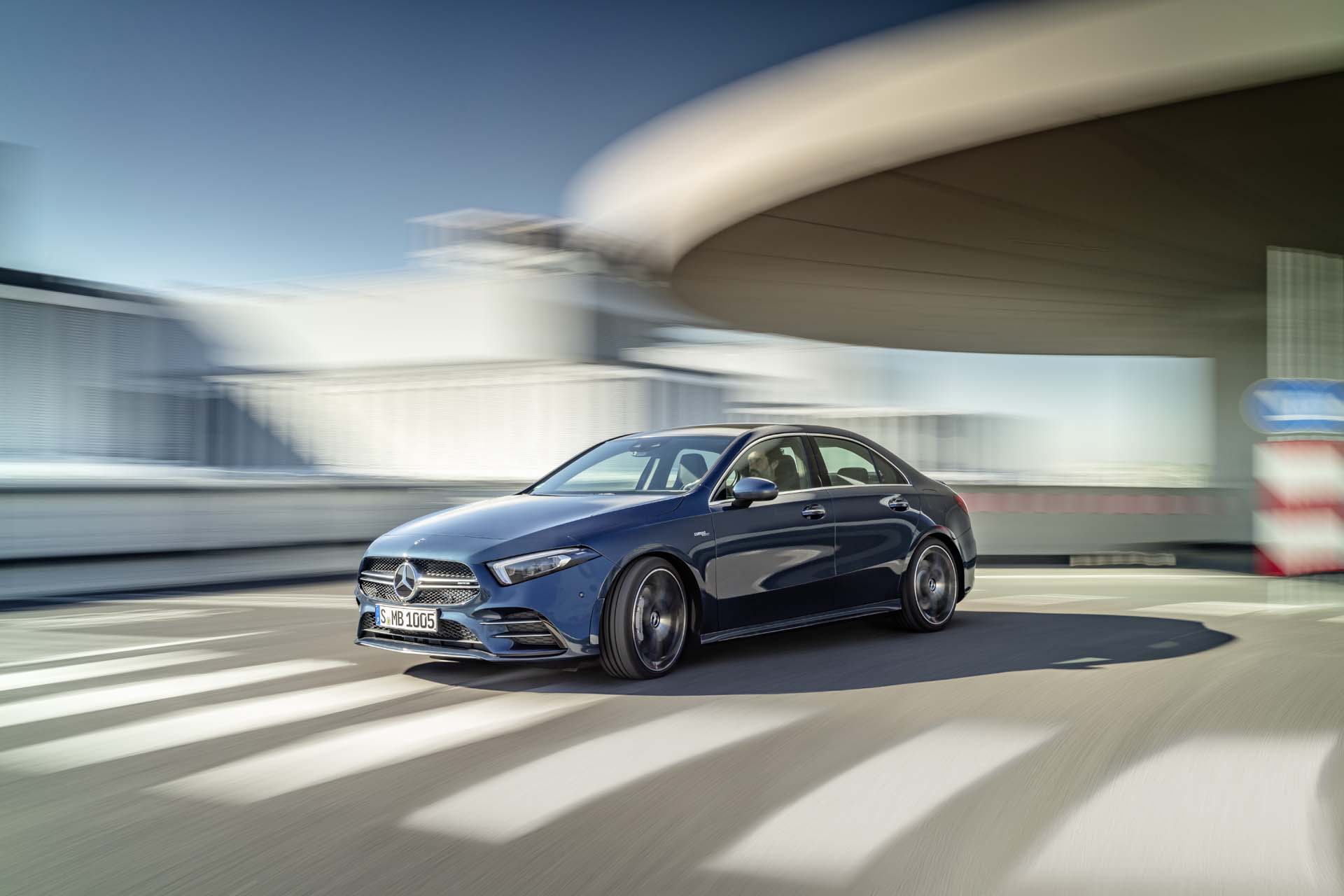
    Mercedes-Benz India delivered a record 200+ cars to customers on the occasion of Dussehra and Navratri this festive season. The German automaker’s deliveries for the festive season surpassed those of last year with a concentrated customer base from Mumbai and the Gujarat state. The highest deliveries of over 125 vehicles were registered in Mumbai itself, while  74 car deliveries were registered in Gujarat, according to the carmaker. The customer profile comprised doctors, chartered accountants, lawyers and business professionals, said the company.

    Speaking on the occasion, Martin Schwenk, MD & CEO, Mercedes-Benz India said, “The overwhelming customer response resulting in deliveries of 200+ Stars in Mumbai and Gujarat and some other markets during Dussehra and Navratri, underlines the unmatched popularity of a Mercedes-Benz vehicle for the luxury car customers in these important markets. Today’s deliveries also signify that we have a similar level of excitement and fascination from customers, which we witnessed in 2018; and that is a positive development for us. Our customers are the reason behind our success in India and we thank them for their continued patronage and brand loyalty. We have introduced multiple customer-focused initiatives that will keep our customers excited with the product and service offerings associated with Mercedes-Benz.”

    Elaborating further, Mercedes-Benz India said that it was the C-Class and the E-Class that remained top choices for customers in Mumbai, followed by the GLC and the GLE SUVs. In Gujarat, the brand’s entry-level luxury offerings – CLA, GLA and the C-Class continue to be popular choices. The automaker has one of the densest networks in the Indian luxury vehicle space and operates out of 94 outlets spread in 47 cities. With its ‘Go to Customer’ strategy, Mercedes is pursuing a curated network expansion strategy with the objective of moving closer to the customers.

    The record deliveries also point towards recovering for Mercedes-Benz and a positive fourth quarter. Luxury carmakers too saw a dip in volumes, much like the ailing auto sector over the past months, and the festive season favored by the tax cuts is expected to bring a much-needed respite to automakers. Mainstream automakers too reported a month-to-month growth in September 2019, despite registering an overall decline in volumes.

  • Nissan Motor Company Appoints New CEO And COO

    Nissan Motor Company Appoints New CEO And COO

    Nissan Motor Company has appointed Makoto Uchida as its new chief executive officer (CEO). Uchida has been serving as a senior vice president in the company along with being the president of Dongfeng Motor Company. The Japanese carmaker has also appointed Ashwani Gupta as chief operating officer (COO) and representative executive officer. Gupta has been serving as chief operating officer (COO) at Mitsubishi Motors. Nissan’s Senior Vice President Jun Seki has been appointed to the position of vice-chief operating officer, reporting to Gupta.

    Speaking on the appointment, Chairman of the Board of Directors, Yasushi Kimura said, “The board concluded that Uchida is the right leader to drive the business forward. Nissan’s Nomination Committee led the nomination process and assessed candidates thoroughly in line with the new three-committee governance structure established in June. We expect Uchida to lead the company as one team, immediately focus on the recovery of the business and revitalize the company. We look forward to Gupta and Seki fully leveraging their expertise and experience to support the new CEO.” Both Uchida and Gupta will be taking on their positions from January 1, 2020.

  • Volvo, Geely To Merge Combustion Engine Operations

    Volvo, Geely To Merge Combustion Engine Operations

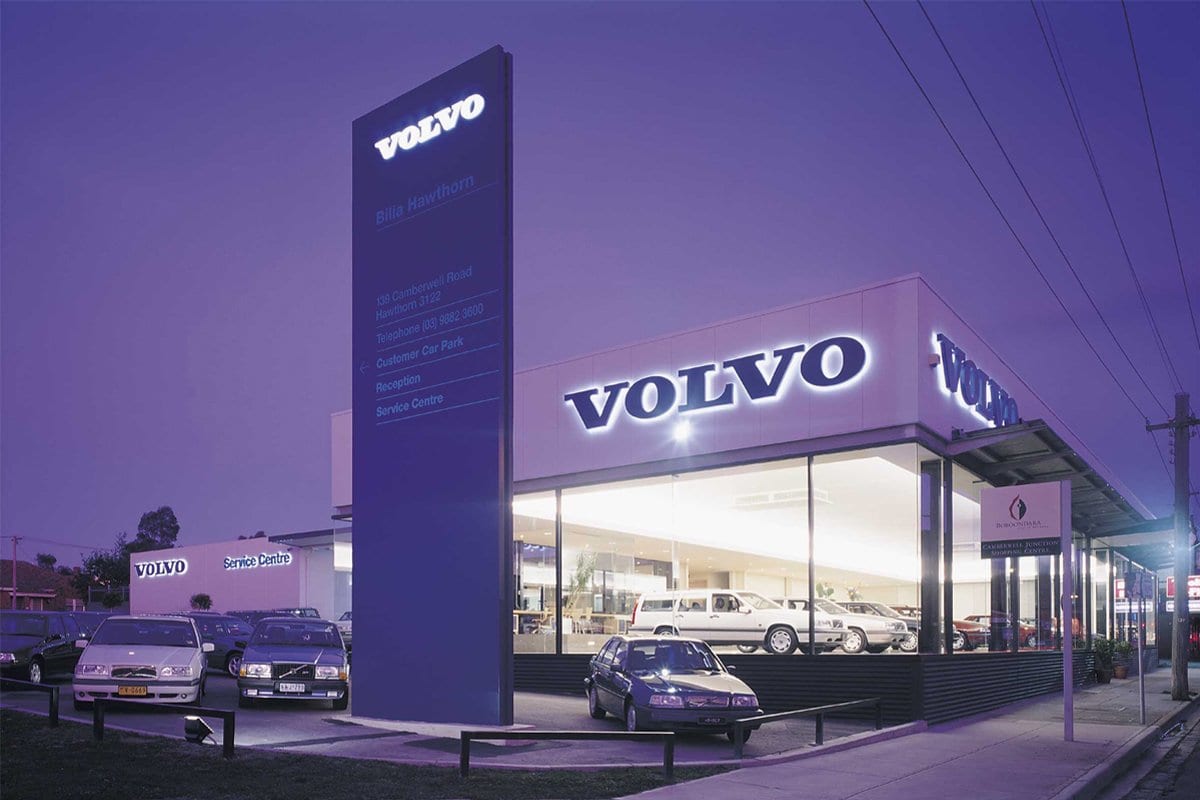
    Volvo Cars will merge its engine development and manufacturing assets with those of parent Geely, creating a division to supply in-house brands Lotus, LEVC, Lynk and Proton, and also potential rivals with next-generation combustion and hybrid engines. It marks the latest example of consolidation in the engine manufacturing sector as tighter emissions rules hike development costs at a time when the expansion of electric cars calls into question the long-term demand for gas guzzlers. Rival Volkswagen (VOWG_p.DE), which is in the midst of ramping up mass production of electric cars, has already warned its in-house suppliers to create structures to consolidate combustion engine assets.

    Volvo currently builds 600,000 combustion engines, a number that rises to about 2 million when combined with Geely’s assets, allowing for savings on components and development costs, Volvo Chief Executive Hakan Samuelsson told Reuters.

    That will allow the Gothenburg, Sweden-based brand to more sharply focus its resources on building and developing a range of entirely electrified premium cars.

    “As a general business, combustion engines is most probably not growing. It is important to consolidate and seek synergies. It is another step transforming our company in the direction of electrification,” Samuelsson said in a phone interview. In the medium term, Volvo will drop diesel engines altogether in favor of focusing on hybrid and electric powertrains, requiring further investments in fuel injection, turbocharging and brake recovery technologies.

    Combining its operations with those of Chinese partner Geely will help achieve cost savings, Samuelsson said.

    “On a component level, I see considerable cost savings. Most important is the development side. The engineers will get the resources to take the next step to develop top-notch hybrid engines,” Samuelsson said.

    Geely in August reported a 40% drop in net profit, citing a sharp slowdown in demand for cars, while Volvo has rejigged its global production plans in an effort to reduce the impact of tariffs.

    Geely bought Volvo Cars in 2010 from Ford Motor Co, allowing the Swedish brand to operate on an arms-length basis. But in recent years, it has deepened cooperation between the two brands. Volvo already supplies engines to some Geely-branded vehicles, sharing technology through Geely’s Lynk brand. Both companies share and develop common vehicle platforms.

    Global tariffs, accelerated by a trade war between China and the United States, as well as higher investment requirements for electric and autonomous vehicles, are forcing carmakers to seek new ways to cut and share costs.

    Volvo in 2018 postponed plans to seek a separate stock market listing for the Swedish carmaker, blaming trade tensions.

    The tightening of emissions requirements in both Europe and China is strengthening the industrial logic for combining Volvo’s and Geely’s operations, the Swedish executive said.

    “The emissions requirements are getting tougher everywhere. China is catching up very rapidly. The days when China had outdated technology are gone,” Samuelsson said.

    The new combustion engines business will combine 3,000 employees from Volvo Cars with 5,000 employees from Geely’s combustion engine operations, and include research, development, procurement, manufacturing, IT and finance functions, Volvo said.The creation of the stand-alone business will result in no job losses, Volvo said.

    The new stand-alone supplier could also equip outside rivals struggling to keep up with more stringent regulations.

    “It can be an interesting alternative to third-party customers,” Samuelsson said.

  • Taiwan overtakes Singapore in broadband speed

    Taiwan overtakes Singapore in broadband speed

    The global average in terms of broadband speed is 11.03Mbps since May 2019, compared to it being 9.14 at the same time last year. The data from this new research was gathered by a US-based open-source project called Measurement Lab (M-Lab).

    “With average broadband speeds rising by 20.65% in the last year the global picture looks rosy. But the truth is faster countries are the ones lifting the average, pulling away at speed and leaving the slowest to stagnate. Last year, we measured the slowest five countries at 88 times slower than the five fastest. This year they are 125 times slower,” commented Dan Howdle, consumer telecoms analyst at Cable.co.uk, with regards to the M-Lab research.

    The top 15 in the league tables of 2019 comprise of all European and Asian countries, with the US being number 16 on the list.

    Some of the European countries that made it to the top 15 were Belgium, the Netherlands, Denmark, Norway, Sweden and Switzerland. As for Asian countries, it included Japan and Singapore.

    The league table showed that downloading a movie in HD of around 5GB in size takes 8 minutes and 2 seconds on average in Taiwan while it took 30 hours in Yemen, which was the last-placed country in the league table.

    M-Lab is led by a variety of teams based at Code for Science and Society, Google Princeton University’s PlanetLab, New America’s Open Technology Institute among others.

    “Average speed rankings by country are.. a great starting point for deeper research and statistical analysis of the state of broadband using M-Lab’s global broadband measurement datasets,” said Chris Ritzo, M-Lab’s programme management and community lead.

    The research carried out 276 million speed tests, all on 70 million IP addresses.

  • Miniso $2 format opens first store, in Singapore

    Miniso $2 format opens first store, in Singapore

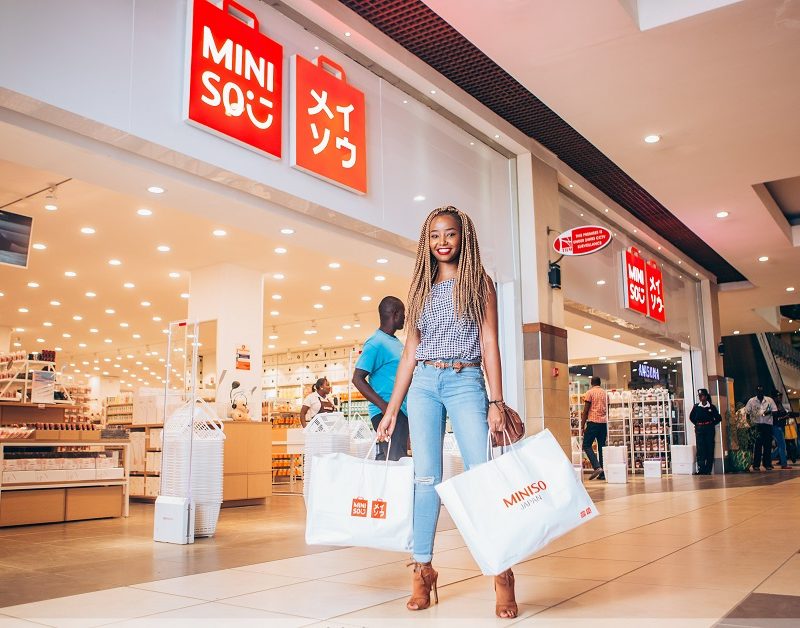
    Chinese discount merchandise retailer Miniso has launched a Miniso $2 outlet-store format, with its first shop opening in Singapore.

    The store will offer hundreds of household supplies goods at “affordable” prices and augment the 30 standard Miniso stores already trading in the city state. The range includes electrical appliances, home appliances and toys.

    While Miniso has not expressly said so, it is anticipated that the new Miniso $2 format will be expanded across the region. In Vietnam, for example, it has already announced a target of 400 stores by 2022.

    Located at HarbourFront Centre, the Miniso $2 was opened with a lucky draw event via Facebook where customers were selected to join a priority queue at the opening, and given free gifts.

    Founded in 2013 by the Japanese designer Miyake Junya and the Chinese businessman Ye Guofu, Miniso has now expanded to more than 3600 stores worldwide.

  • World’s largest FamilyMart opening in Manila

    World’s largest FamilyMart opening in Manila

    The world’s largest FamilyMart is to open in Manila.

    The 400sqm outlet will launch in Bonifacio Global City, Taguig, on the ground floor of the Udenna Towers, operated by Philippine FamilyMart CVS. The store will be designed to appeal to “a youthful and vibrant market,” with a food counter as the store’s centrepiece.

    “We are aiming to be more relevant to the market we believe needs to be served,” said Philippine FamilyMart GM Bernard Suiza. “This is the pivot to food that we are embarking on here in the Philippines – going back to the essence of what konbini is, which is hearty, home-cooked meals”.

    The food-focused strategy will see the firm focusing on key, densely populated urban areas in the Philippines, and will be supported by PFM owner Udenna’s F&B holdings and supply chains.

    FamilyMart will also launch its own signature coffee brand with Japanese firm UCC in the near future.

  • Shiseido takes over Drunk Elephant

    Shiseido takes over Drunk Elephant

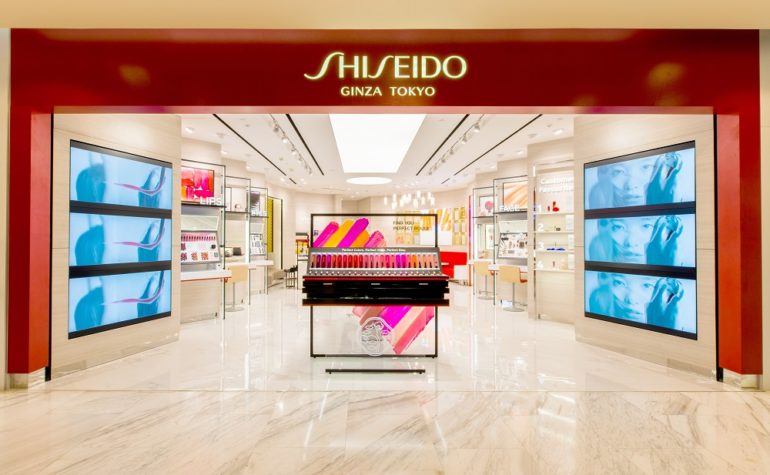
    Cosmetics giant Shiseido is to buy Drunk Elephant, a fast-growing prestige skincare brand recognized for clean product development.

    Drunk Elephant, founded in 2012 by Tiffany Masterson as a “solutions-oriented, cross-generational brand for all skin types”, has since grown exponentially across a range of consumer demographics including Gen Z and Millennials. The brand’s curated range features biocompatible ingredients to benefit the skin’s health and support the products’ formulations.

    The brand will leverage Shiseido’s global platform and resources to expand into new and existing markets both in the Americas and internationally including Europe and Asia.

    “This transaction is squarely aligned with Shiseido’s Vision 2020 goal of accelerating growth and creating value through strategic partnerships,” said Shiseido president and CEO Masahiko Uotani.

    “Drunk Elephant’s approach strongly resonates with its highly engaged and loyal consumers, who value the integrity and effectiveness of Drunk Elephant’s formulations combined with a fun, curious approach.”

    “This new and incredibly exciting partnership builds on Shiseido’s significant momentum and successful track record of acquiring distinctive, best-in-class brands,” said Shiseido Americas CEO and chief growth officer Marc Rey. “Drunk Elephant is changing the way people understand and experience beauty by offering products that are effective and clean compatible.

    “Drunk Elephant is built on a strong brand foundation and a unique philosophy that fits perfectly with Shiseido’s values and skincare heritage. Our innovative and people-first cultures are well aligned, and we share an unwavering commitment to our consumers. I also believe the brand will contribute to the business performance of Shiseido Americas. We are thrilled to welcome Tiffany and the Drunk Elephant team to the Shiseido family and I know they will feel at home from day one.”

    “I started this business as an industry outsider, and from the beginning, I did things a little differently,” said Drunk Elephant founding partner and chief creative officer Tiffany Masterson. “To join with a powerhouse beauty company such as Shiseido that leads the industry in innovation and global excellence is a dream come true for me and for Drunk Elephant. We share similar values, most importantly an unwavering commitment to the consumer. I chose a partner who will let the brand continue to be itself, with the same formulations and the same team.”

    The transaction was led by Shiseido Americas and the New York-based Shiseido Global M&A team, in close coordination with the company’s headquarters. Upon closing, Drunk Elephant will operate within Shiseido Americas, and Tiffany Masterson will continue in her role as chief creative officer and assume the additional role of president, reporting directly to Marc Rey. The transaction, in which Shiseido engaged Jeffries, is subject to customary regulatory approvals and closing conditions and is expected to close before year-end.

  • City Chic broadens US reach with e-commerce acquisition

    City Chic broadens US reach with e-commerce acquisition

    Over a year after divesting the Millers, Crossroads, Katies, Autograph and Rivers businesses to Noni B, and putting more focus on its flagship plus-size brand, City Chic Collective has announced it will acquire US specialty retailer Avenue’s e-commerce assets.

    The US Bankruptcy Court approved the brand’s proposed US$16.5 million acquisition of Avenue’s assets after the brand entered chapter 11 bankruptcy in August.

    City Chic runs operates more than 104 physical stores across New Zealand and Australia, and operates in the USA online as well as through wholesale partnerships with major US retailers such as Macys and Nordstrom.

    According to City Chic, the acquisition will provide the business with a broader reach within the US plus-size market, and expects it will deliver accretive growth for the business’ international operations.

    “Avenue’s e-commerce assets represent a unique opportunity to accelerate our US customer growth and expand across plus size segments,” City Chic chief executive Phil Ryan said.

    “This acquisition delivers on our vision of ‘leading a world of curves’. It means that City Chic now has a portfolio, or a collective, of online business that we can leverage to further build our Northern Hemisphere presence.

    “Our City Chic, Avenue and Hips & Curves brands will allow us to speak to more plus size women and deliver on-trend, well-fitting garments across multiple price points.”

    Online sales across New Zealand, Australia and the US made up 44 percent of total sales for City Chic in FY19.

    In April, City Chic also acquired US online plus-size intimates brand Hips & Curves for US$2 million.

    The shift away from multi-brand retailing toward a more focused approach has made a significant impact on City Chic’s performance – with stock price rising from approximately 80 cents in June of 2018, when the Specialty Fashion divestments were made, to $2.80 per share last week.

    The retailer posted strong sales over its first year as a standalone business, with revenue improving 12.6 percent to $148.4 million, while comparable sales grew 12.2 per cent.