Author: Mei Ling Tan

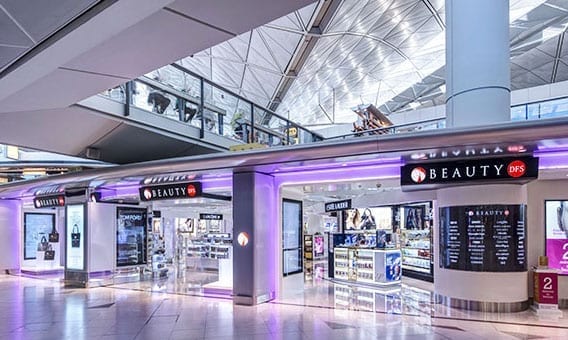
  • DFS Group launches ‘World of Watches and Jewelry’ event

    DFS Group launches ‘World of Watches and Jewelry’ event

    Travel retailer DFS Group is launching its first ‘World of Watches and Jewelry’ event through October, targeting millennial, fashion-minded clientele and first-time watch buyers.

    The event is described as “a celebration of watches and jewelry” and will be held in five T Galleria by DFS stores globally: Macau, Hawaii, Okinawa, Guam and Saipan.

    The stores will host a series of activations featuring more than 40 watch and jewelry brands, including 10 that are new to DFS.

    “With our discerning millennial customers in mind, we have sought to develop and curate relevant products and experiences that respond to their needs with creativity and flair,” said Matthew Green, senior VP watches and jewelry at DFS Group.

    The ‘World of Watches and Jewelry’ is interpreted through four themes that reflect the different moods and lifestyles of our consumers.” Those are: Time to Move, Time to Think, Time to Play and Time to Style.

    In addition to this, in Macau, DFS has teamed up with SevenFriday to create a curated pop-up that includes a relaxing lounge bar and a game of chance to win a range of prizes. A Swarovski pop-up featuring mystical moon and star motifs adorns the space, highlighting the Swarovski Symbolic and Swarovski Remix Collections. And Tag Heuer will celebrate it heritage and its presence in motor-racing in collaboration with Aston Martin. Limited-edition watches will be on sale, inspired by Aston Martin’s racing cars.


  • Ikea Store Sales in Southeast Asia exceed SG$1 billion

    Ikea Store Sales in Southeast Asia exceed SG$1 billion

    Sales at Ikea stores in Southeast Asia exceeded SG$1 billion (US$723 million) for the first time this year, reflecting healthy growth for a big-box retail business.

    Christian Rojkjaer, MD of Ikea Southeast Asia, says more than 98 million customers passed through the company’s eight full-format stores in Singapore, Malaysia and Thailand and its associated shopping centers. (Ikea stores in other parts of Asia are run by other franchisees).

    Online, there were 51.7 million visits to Ikea websites – up 16 percent year on year.

    “When our retail sales are combined with rental income generated from our three Ikea- anchored shopping centers in the region, our total revenue reached SG$1.21 billion – 20 percent more than last year,” said Rojkjaer.

    “These results show that our Ikea stores and shopping centers have fantastic potential to grow. We make a difference to many people by making life more comfortable, more beautiful and more sustainable – all at an affordable price.

    “We face increasing competition and changing customer behaviors,” he added, “but our vision to create a better everyday life for many people is perhaps more powerful than ever. We aim to offer the best deal there is in every market and we have a wide price ladder within our range so, even in challenging times, Ikea has something for everyone no matter the size of his or her wallet.”

    In November, Ikea Southeast Asia will open its new Toppen shopping centre in Johor Bahru, which features a rooftop with outdoor play spaces, a sports zone and a community garden.

  • Ford Self-Driving Cars To Launch In Austin In 2021

    Ford Self-Driving Cars To Launch In Austin In 2021

    Ford Motor said on Wednesday it will add Austin, Texas, to the shortlist of cities where it plans to launch a commercial transportation service using automated vehicles in 2021.

    The U.S. automaker previously said it would begin transporting people and goods in automated vehicles in Miami and Washington.

    Ford’s self-driving system, now being tested in Fusion Hybrid sedans, is being jointly developed with Argo AI, a Pittsburgh-based startup in which Ford and Volkswagen AG together hold a majority stake.

    Sherif Marakby, chief executive of Ford Autonomous Vehicles, said Ford plans to launch the commercial transportation service in 2021 in a purpose-built hybrid vehicle that can be equipped to carry either people or goods.

    Peter Rander, president of Argo AI, said development teams soon will be manually driving the Fusion test vehicles in Austin, mapping the city streets and assessing driver and pedestrian behaviors ahead of the commercial launch.

    Alphabet Inc’s Waymo last year introduced an automated ride service with human attendants in Phoenix, using specially outfitted Chrysler Pacifica Hybrid minivans it buys from Fiat Chrysler Automobiles.

    General Motors Co’s Cruise Automation said in July it planned to delay commercial deployment of automated vehicles in San Francisco beyond its initial target of 2019 because more testing was required.

  • Next-Generation Volkswagen Golf SportWagen Confirmed

    Next-Generation Volkswagen Golf SportWagen Confirmed

    The 2020 Volkswagen Golf which is all set to be unveiled next month will also get a long roof version in the near future. Though the company plans to discontinue the Golf SportWagen in certain markets, it won’t be altogether phased out and VW will continue to sell it in the European market. Volkswagen has confirmed the news in a press release which speaks about the meeting between the company and employees. “The entire production of the Golf variant will be relocated to the main plant here in Wolfsburg,” the company said in the press release.

    The Golf has been one of the most important models for the company and the next-generation model is expected to be ahead by leaps and bounds featuring new intelligent driver assistant technology and connected car tech. Jurgen Stackmann, Board Member For Sales at Volkswagen says, “The Golf is the bestseller and the benchmark in the compact segment, it is the favorite car for many people all over the world and comes top in tests. The new Golf will continue the success story, because it is fully connected, and comes equipped with modern driver assistance systems and an intelligent voice assistant. In a nutshell: We are digitalizing the Golf class.”

    The 2020 Volkswagen Golf will be launched with a range of engine options including a hybrid GTE iteration featuring the 12V mild-hybrid system. The 1.5-litre petrol will also be carried forward from the current generation while it will also get a brand new 1.0-litre, three-cylinder motor which will be coupled with an electric motor. According to news reports, the company will also introduce a new 1.5-litre, four-cylinder diesel engine on the Golf which will be joined by the 12V mild hybrid system.

  • Skoda Dealerships Get A New Corporate Identity Theme Across India

    Skoda Dealerships Get A New Corporate Identity Theme Across India

    Skoda Auto India has redesigned and rebranded its entire dealership and service network across 53 cities in India. All 63 dealerships and 61 service stations have been designed according to the new corporate identity and design (CICD) theme. The rebranding is in line with Volkswagen Group’s India 2.0 project and all dealership will get the corporate architecture and functional interiors design concept in a bid to enhance and simplify the customer experience. Skoda along with its dealer partners has invested ₹ 1200 million in India for rebranding its dealerships.

    Zac Hollis, Director – Sales, Service and Marketing at Skoda Auto India said, “Skoda has successfully rebranded its entire network of dealership facilities with a Fresh, Modern, and ‘Simply Clever’ layout that elevates the presentation of the brand and is an important cornerstone of the Skoda led ‘INDIA 2.0’ project. Through our redesigned dealership network we are focusing on strengthening the brand in India while working closely with our channel partners to guarantee sustainability. The transformation of our sales and service facilities envisioned to provide enhanced customer experience, is rated positively by our customers, dealer partners, and sales and service personnel.”

    Skoda is leading the charge for the project India 2.0 which aims at local development and better positioning of the brands (both Volkswagen Passenger Cars and Skoda Auto India) in India. Apart from revamping its dealerships, both companies will also hire local staff in every demography who have a better understanding of the regional culture and are fluent in local language. Moreover, India will see a slew of indigenously developed Skoda and VW model in future which will be based on the MQB AO platform.

  • Tata Motors Ranked 31 In Forbes’ World’s Best Regarded Companies 2019 List

    Tata Motors Ranked 31 In Forbes’ World’s Best Regarded Companies 2019 List

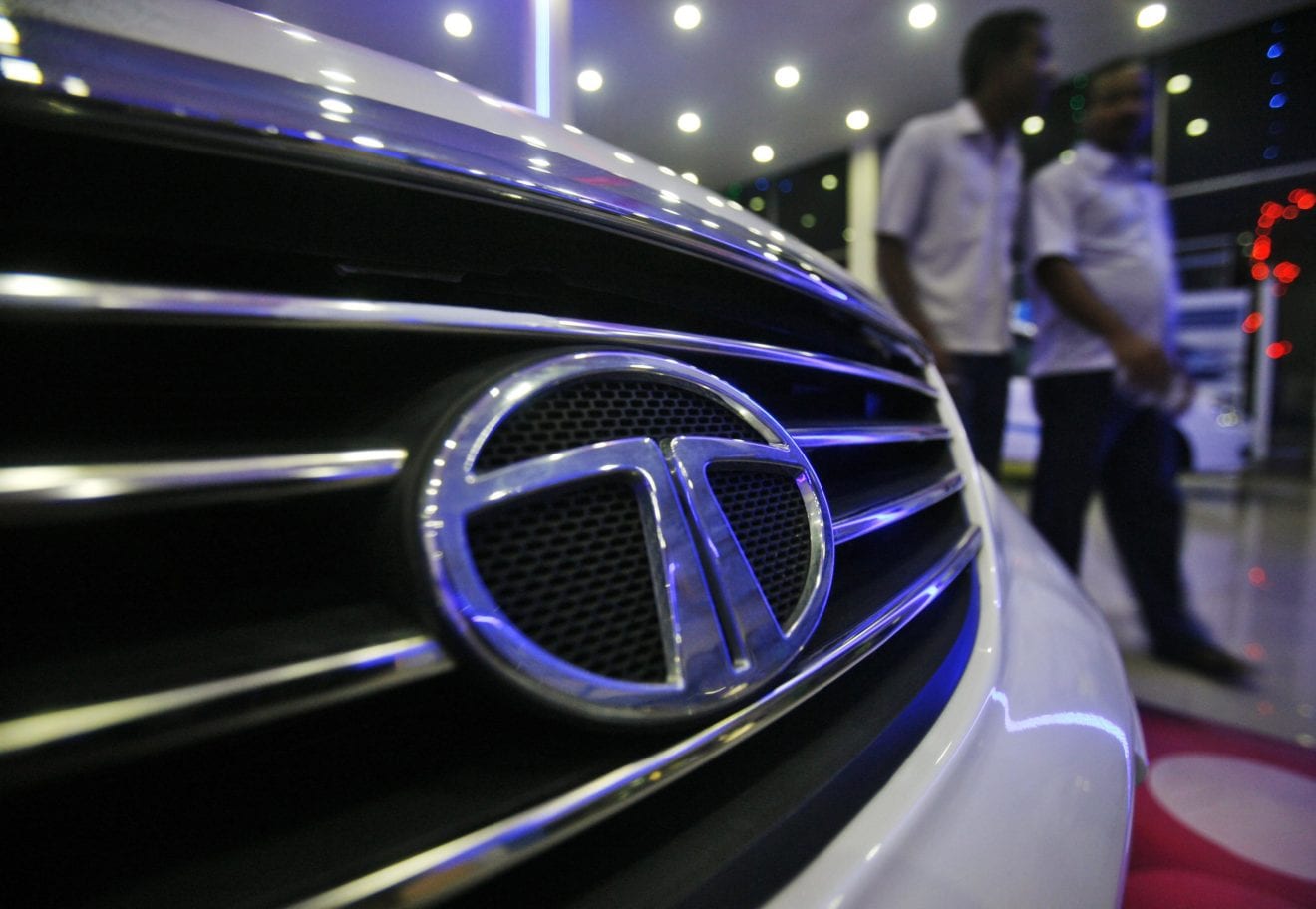
    Tata Motors has recently bagged the 31st spot on Forbes’ World’s Best Regarded Companies 2019 list. The home-grown automaker has been ranked 31 out of the 2000 companies from across the globe, taking a major leap from its 70th position from last year’s list. Furthermore, out of the 16 other Indian Companies in Forbes’ global list, Tata Motors has also emerged amongst the top five ranked global automobile manufacturers. In fact, in addition to Tata Motors, other companies from Tata Group that have been featured on the Forbes list include Tata Consulting Services and Tata Steel.

    The selection process for the Best Regarded Companies involve evaluating over 15,000 survey participants from more than 50 countries. These global companies are then assessed based on several parameters like – trustworthiness, social conduct, company as an employer and performance of the product or service.

    Commenting on being features in the Forbes’ list, Guenter Butschek, CEO & MD, Tata Motors Limited said, “We are delighted to have been featured on the Forbes World’s Best Regarded Companies 2019 List. Being in the top 50, from a total of 2000 and raising the India flag high with 5th rank across the global automobile industry is indeed a great feeling. It is a testament to the aspirational work that Tata Motors has been consistently doing on the business front while holding up the Tata Group’s ethos. We are very happy to have our efforts validated and we are further encouraged to keep the momentum going and create new benchmarks.”

  • Maserati’s First Electrified Model To Roll Out In 2020

    Maserati’s First Electrified Model To Roll Out In 2020

    The electric vehicle segment is catching the attention of premium carmakers globally. It’s been quite some time now that the German trio- Mercedes-Benz, BMW and Audi have introduced their electric vehicles or concepts and other carmakers are joining the fray. Just a day after Volvo announced its first fully electric vehicle- the XC40 Electric, Maserati has shared plans about its electrified products. In line with Fiat Chrysler Automobile (FCA) group’s 5 Billion Euro investment in Italy, Maserati has announced plans for electrification and autonomous driving technologies.

    The company has said that all Maserati new models will be made completely in Italy and will be powered by hybrid and battery electric powertrains offering unique driving modes, extended driving range and ultra-fast charging Capabilities. Moreover, all new Maserati cars, including updated models, will feature a range of autonomous driving capabilities like the Maserati Level 3 Highway Assist which enables the car to be driven with hands off the steering wheel, it can maneuver in and out of lanes and can bring the vehicle to a halt at the side of the road just in case the driver is unable to take control.

    Maserati will introduce its first electrified model in 2020 which will be a Maserati Ghibli Hybrid. It will be manufactured at the Modena plant where the company is significantly upgrading the production line along with investing 800 Million Euros for a new production line. The first pre-production cars are expected to be rolled off by 2021. The company will also manufacture the all-new Gran Turismo and Gran Cabrio in Turin where FCA is investing another 800 Million Euros. Between 2019 and 2021, FCA will be developing 13 new or significantly updated models and electrified versions of 12 models including Maserati and Alfa Romeo cars.

  • Singtel Dashes Ahead of Grab In Survey On Deposits

    Singtel Dashes Ahead of Grab In Survey On Deposits

    A greater percentage of respondents expressed willingness to park money with Singtel compared to Grab, a survey conducted by CGS-CIMB finds. In a recent survey conducted by local brokerage CGS-CIMB, participants were given a scenario whereby they were offered a slight premium (another 30 basis points) to market rates at new digital banks. In this case, 45 percent of the respondents were willing to place fixed deposits with Singtel compared to just 33 percent for Grab. Only two choices were provided to survey respondents.

    We noted a clear difference in the trust levels accorded to Singtel and Grab, based on their willingness to use these entities as a depository institution given an identical set of circumstances, said CGS-CIMB analyst Andrea Choong in the report.

    Singtel and Grab, which operate digital wallets Singtel Dash and Grab Pay respectively, have expressed interests in applying for Singapore’s digital banking licenses. This prompted the local broker to do a survey of preferences.  The brokerage surveyed 139 respondents from various industries, with a larger proportion of them from the finance industry. Those aged between 30 and 50 years made up three-quarters of the sample pool.

    Testing for depositors’ sensitivities to interest rates with an additional 50 basis premium over the rates offered by the digital banks above, 55 percent of those who were previously unwilling to place fixed deposits with Singtel would now in this case, compared to just 40 percent for Grab, the brokerage said.

    CGS-CIMB estimates that 4 to 11 percent of deposits from the domestic banking unit is at risk of being taken by the upcoming new digital banks in Singapore. However, the brokerage acknowledged that this simulation does not take into account «retaliatory measures» by incumbent banks and the effects of further Fed rate cuts.

    The brokerage surveyed 139 respondents from various industries, with a larger proportion of them from the finance industry. Those aged between 30 and 50 years made up 75 percent of the sample pool.

    The fight for deposits is essential for digital banks, as they need cheap retail deposits to move towards profitability. The Monetary Authority of Singapore, in setting out the guidelines for digital banks here, had made it clear that digital bank applicants cannot engage in predatory pricing behavior, and must show a path towards profitability in their five-year financial projections.

    Currently, DBS, OCBC and UOB’s Singdollar deposits account for 24 percent, 17 percent and 20 percent of total deposits in the domestic banking unit – the unit that mainly accounts for Singdollar deposits.

  • Singapore and Thailand Join Hands In Insurance Supervision

    Singapore and Thailand Join Hands In Insurance Supervision

    The authorities in both countries signed a Memorandum of Understanding (MOU) to strengthen cooperation in insurance supervision. The Monetary Authority of Singapore (MAS) and the Office of Insurance Commission (OIC), Thailand, on Thursday signed a Memorandum of Understanding (MOU) to strengthen cooperation in insurance supervision.

    This MoU is an important step which will provide OIC and MAS with a committed approach to working more closely. The MoU will advance a framework for cooperation, exchange of information and assistance in insurance supervision between two authorities as well as facilitating mutual development of the insurance sector in both jurisdictions,» said Suthiphon Thaveechaiyagarn, Secretary-General of the OIC, Thailand in a media statement.

    The MOU on insurance supervision was signed by Suthiphon Thaveechaiyagarn, Secretary-General, OIC and Daniel Wang, Executive Director (Insurance Department), MAS, in Bangkok at the sidelines of the annual Thailand Insurance Expo.

    This MOU affirms the strong relationship between MAS and OIC, as well as our mutual interest to enhance insurance supervision and collaboration in both our jurisdictions. It further deepens partnerships between insurance regulators in ASEAN,» said Ong Chong Tee, Deputy Managing Director (Financial Supervision), MAS in the media statement.

    The Office of Insurance Commission manages the supervision of insurance companies, brokers and agents and promotes the development of business conducts of insurance companies. OIC also builds confidence and accessibilities, strengthens the capacity and promotes the infrastructure of the insurance system.

  • Bamboo Airways hopes to triple market share to 30 pct

    Bamboo Airways hopes to triple market share to 30 pct

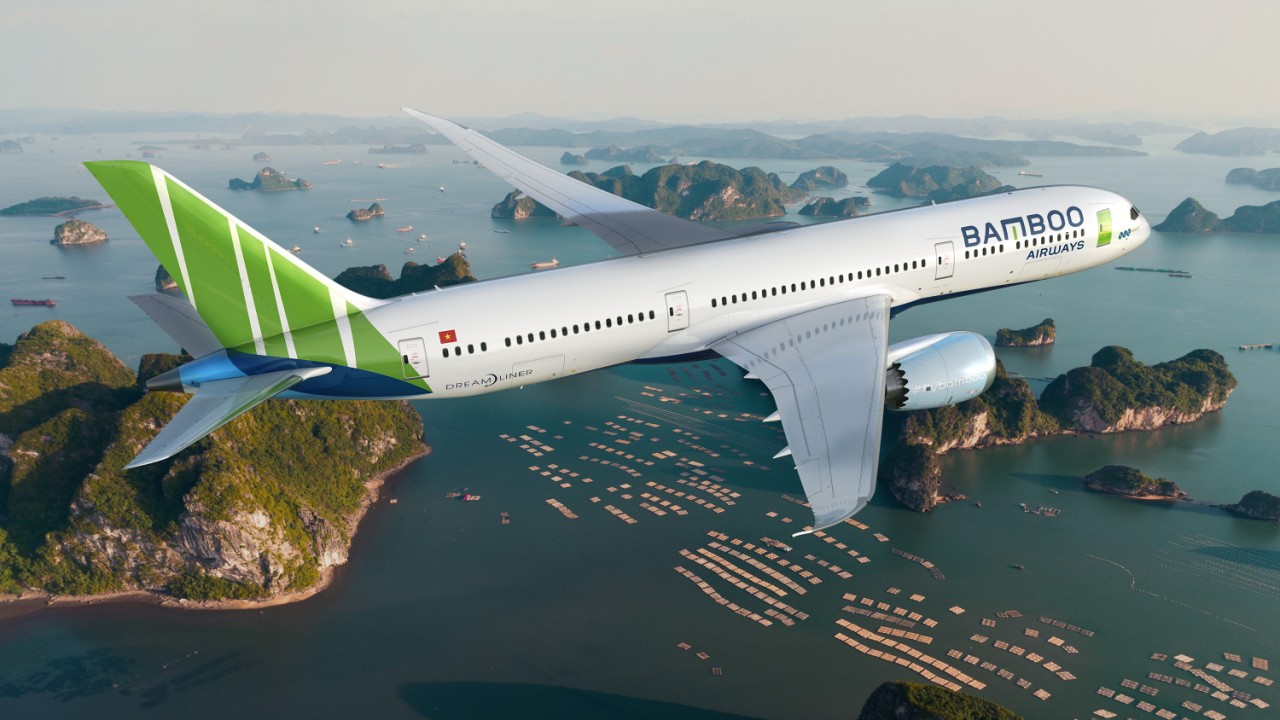
    New kid on the block Bamboo Airways wants to expand its current 10 percent market share to 30 percent by next year. For this, it first plans to expand its fleet and increase the number of domestic routes before starting international services to destinations like South Korea, Thailand and Taiwan.

    Its chairman Trinh Van Quyet last month said it would be the first Vietnamese airline to fly directly to the U.S.

    The carrier is preparing for an evaluation by the International Air Transport Association for issuing a safety certificate, which would allow it to partner with international airlines, the statement said.

    It is preparing to file for permission to operate direct flights to the U.S. using wide-bodied Boeing 787-9 aircraft.

    The firm plans to raise $100 million next year in an initial public offering, Reuters reported recently.

    Its entry has eaten into the market share of other airlines. The passenger market share of national flag carrier Vietnam Airlines and its two affiliates, Jetstar Pacific and VASCO, as of June was down 5 percentage points from last year to 51 percent.

    Budget carrier Vietjet suffered a 2.7 percentage point drop from 44 percent to 41.3 percent.

    Bamboo Airways, which began flying in January, last month received permission from the government to expand its fleet from 10 to 30.

    Vietnam expects the aviation market to grow by 16 percent a year in 2015-20 and 8 percent in 2020-30.

    This means there will be a possible 117 million air travelers by 2023, 85 percent by Vietnamese carriers, which will require 340 aircraft, according to the Civil Aviation Authority of Vietnam.

  • Vietnam to begin export of milk to China

    Vietnam to begin export of milk to China

    Vietnam will export milk for the first time to China in October to make up a shortfall there. China has given export permits to five Vietnamese companies — Vinamilk, TH True Milk, Moc Chau Milk, NutiFood, and Hanoimilk — Tong Xuan Chinh, deputy head of the Ministry of Agriculture and Rural Development’s department of livestock production, said.

    Vietnam’s dairy exports are set to rise from $120 million last year to $300 million next year with the addition of this new market, he added.

    A spokesperson for Vinamilk, the country’s largest dairy company, said it would first export yoghurt to China.

    Milk production in China, the world’s second largest dairy market behind the U.S., only meets around 75 percent of demand, according to its Ministry of Agriculture and Rural Affairs.

    China is set to import 39.43 million tons of milk and other dairy products this year, including 750,000 tons of fresh milk and 650,000 tonnes of milk powder, it said.

    Vietnam’s dairy output rose 6.9 percent to 936,000 tons last year, and is set to rise to one million tons next year and two million tons by 2030, according to the country’s agriculture ministry.

    It exports dairy products to 46 markets with 70 percent going to the Middle East, it added.

  • Vodafone, Spark and 2degrees to provide rural broadband in New Zealand

    Vodafone, Spark and 2degrees to provide rural broadband in New Zealand

    Vodafone, Spark and 2degrees have joined forces in an effort to deliver broadband and mobile services to twenty rural areas across New Zealand.

    “Keeping Kiwis connected is a top priority for Vodafone, and we’re thrilled to be working alongside Spark, 2degrees and the Government to bring connectivity to rural New Zealand, which is the powerhouse of our economy,” said Vodafone New Zealand’s chief executive, Jason Paris.

    He added, “For this sector to remain competitive they need fast broadband and mobile coverage- not just in offices, but on farms, in schools and on the roads. This once in a generation opportunity for all three mobile network operators to provide both competitive ultra-fast broadband and world-class 4G mobile infrastructure will not only deliver the connectivity for rural New Zealand, but also the safety of Kiwis living in those remote areas.”

    There are also plans to introduce this technology for connectivity to at least 500 more sites in rural New Zealand. They will be given access to high-speed wireless broadband as well as high-quality mobile coverage.

    Jolie Hodson, CEO of Spark, stated, “The connectivity is much needed to bridge the digital divide for rural communities and help the rural sector remain competitive. Bringing together the investment from Spark, Vodafone and 2degrees along with the Government’s RBI2 funding has been the key to providing service into more challenging and remote areas of New Zealand.”

    Under the Rural Broadband Initiative 2 and the Mobile Black Spot fund, the government of New Zealand (through Crown Infrastructure Partner) has granted the RCG permission to become the infrastructure provider. The RCG project aims to deliver mobile and broadband coverage to around 38,000 rural households and businesses.

    Paul Mathewson, CCO of Spark, said, “We’re proud as an industry to be able to collaborate and work together where it makes sense – and our RCG partnership with Spark and Vodafone is the perfect example.

    “Connecting Kiwis with their loved ones or the people they do business with is at the heart of what drives us at 2degrees, and we’re thrilled that fast connectivity is going to reach the furthest and most remote corners of New Zealand.”

  • 5G Asia 2019: Collaboration is the key for 5G

    5G Asia 2019: Collaboration is the key for 5G

    The 5G Asia event held in Singapore brought together the industry’s best and brightest names to discuss the invaluable influence that the 5G phenomenon is having all over Asia and across multiple enterprises.

    Pamela Clark Dickson, the practice leader for digital communications and social networking at Ovum, kick-started day 1 with an analytical introduction about the global state of play for 5G and what is to be expected from it in the next 24 months. She described the 5G network as “huge, fast and complex” and that “telcos would need to collaborate” in order to get 5G into the market.

    This was followed by number of other keynotes from industry leaders and even a panel discussion on “Defining the killer 5G app in Asia” where some of the most influential figures in telecoms converged to exchange views about the prospect and widespread influence of a 5G driven telecommunications sector.

    During the panel, the Executive Vice President and CEO of TM One Ir. Ts. Azizi Hadi took the opportunity to introduce the company’s 10 transformative smart solutions, which was launched in August, to drive Malaysia’s commitment towards industrial innovation and growth.

    5G Asia was held between the 10th and 12th of September in Marina Bay Sands and it is one of Asia’s largest events focusing on the expansion of 5G technology in the region. Some of the topics that were explored during the event were 5G deployment choices, the journey to cloud-native, edge computing and revenue generation for companies using 5G, just to name a few.

  • KrisShop Singapore souvenir store pops up at Sentosa

    KrisShop Singapore souvenir store pops up at Sentosa

    KrisShop has collaborated with Enterprise Singapore to open a pop up Singapore souvenir store featuring the city’s most distinctive trinkets.

    The new store displays products from different local brands ranging from Singapore gin to its ubiquitous satay, with a tagline “With Love, SG”. Served as a platform for domestic brands, With Love, SG is curated to demonstrate Singapore’s culture and heritage.

    Singapore Airlines’ KrisShop says it aims to help local brands expand their retail network internationally and to strengthen their brand equity amongst local and international customers.

    KrisShop features more than 2000 products ranging from cosmetics and fragrance to electronics and exclusive co-branded items, sold online and on its aircraft.

  • Tiitan Holdings plans to open 50 stores in India

    Tiitan Holdings plans to open 50 stores in India

    Hong Kong-based digital accessories firm Tiitan Holdings plans to invest US$5 million to set up its first 50 branded outlets in India by March next year.

    The company announced its foray into India in collaboration with distribution firm Mak Mobility – which also makes and sells fitness band Aq-Fit under its sister firm in the territory.

    “This alliance will help us in reaching the customers in India and boost our strategy of increasing our pan-India presence and thereby reaching to customers,” said Tiitan Holdings co-founder Piyush Sharma. “Also, this collaboration will help both the companies to further leverage its innovative product range to customers across India.”

    Tiitan Holdings has plans to make its smart accessories – bluetooth speakers, headphones, intelligent charger, wireless power bank, etc, – at Mak Mobility’s manufacturing facilities.