Author: Mei Ling Tan

  • Hong Kong Millennials Drive Digital Banking Delays

    Hong Kong Millennials Drive Digital Banking Delays

    While most new recipients of Hong Kong digital banking licenses were planning to begin operations by 2019-end, higher priorities are in play for the city’s millennials – the key demographic for the sector – causing lenders to delay their launches.

    Some players were believed to be launching brand and marketing campaigns as early as this month before formally launching their services. The Hong Kong Monetary Authority previously said that digital banking launches could be expected in the fourth quarter of 2019 at the earliest.

    This form of banking service is mainly aimed at the youth, millennials, and many of them are out on the street these days joining the protests, citing an unnamed source with direct knowledge. It will be difficult to launch a brand campaign around them and attract their interest when their priority is clearly not having another bank account. The source added that the digital banks will now instead launch in early 2020.

  • Hong Kong retailers may close as protests impact sales

    Hong Kong retailers may close as protests impact sales

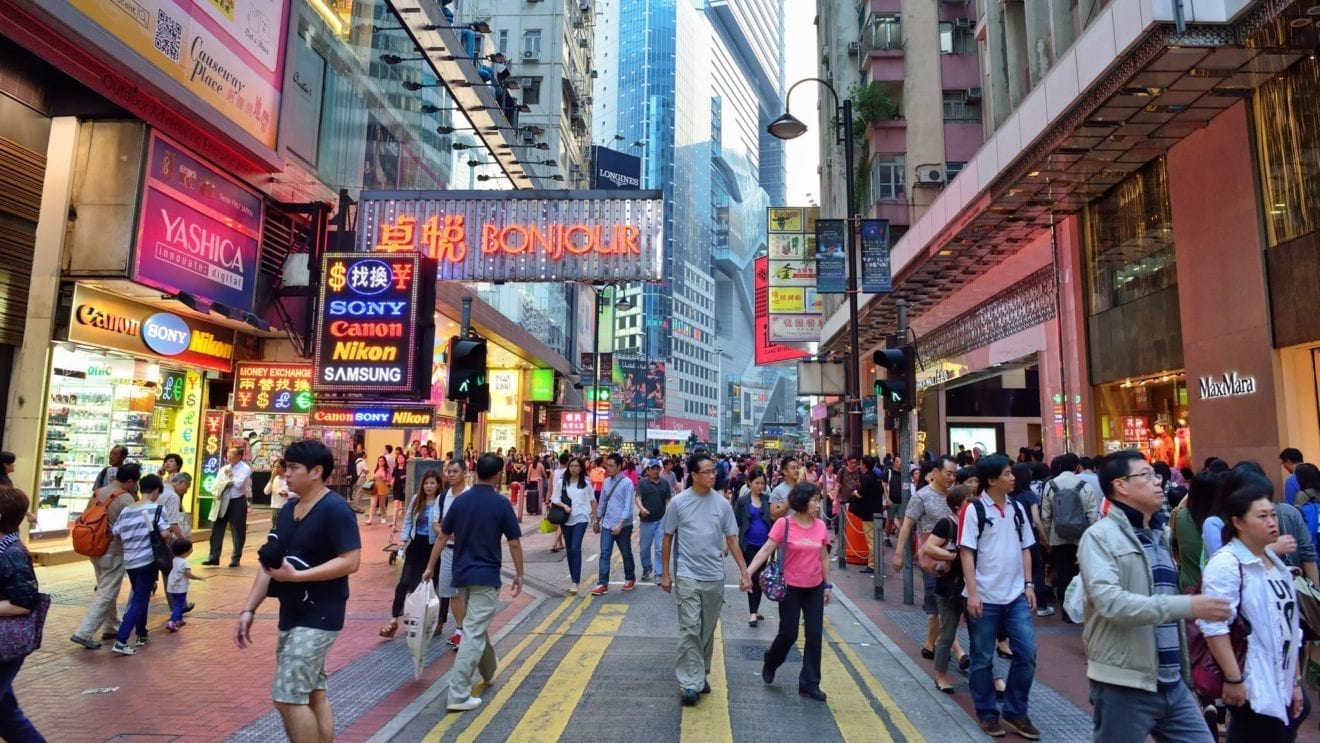
    “Dozens” of smaller Hong Kong retailers may be forced to close their doors as ongoing protests – now into their 15th week – impact trade.

    The Hong Kong Retail Management Association has repeatedly been warning of critical impact on the retail sector as store owners in areas frequently hosting protests have had to shutter their shops for safety reasons.

    Now, the South China Morning Post has reported that “several dozen small retailers are likely to shut shop as soon as the end of this month” because overseas shoppers have been deterred from entering Hong Kong by news of protest activity.

    Alexa Chow Yee-ping, MD of AMAC Human Resources, told the SCMP her clients were considering laying off staff to keep afloat.

    “It is just too hard to survive,” she told the paper, saying she feared “thousands of layoffs”.

    Annie Yau Tse, chairman of the HKRMA said last month that damage to retail business has directly impacted the frontline staff’s take-home income. “Some member companies reported that their staff’s income, which is paid on a commission basis, has also declined accordingly because of the tremendous sales drop caused by significant business disruptions,” she said in a message posted on the association’s website.

    “Furthermore, retail-related industries, such as the import and export trade, wholesale, transportation and storage sectors, will also suffer from the subdued retail market.”

    Tse was commenting after the release of June’s retail sales data for Hong Kong, which showed a 6.7 decline year on year. Since then July figures have shown an 11.4-per-cent drop. There is a widespread expectation that sales in August will be down even further, given 851,000 fewer passengers used Hong Kong International Airport and the number of mainlanders entering through land-based border crossings continues to decline while the protests roll on.

    The HKRMA has called on landlords to extend relief to embattled retailers given the circumstances.

    “As the recent incidents have made an immediate and profound impact on the retail industry, the Association has issued a letter to call for all landlords to collaborate at these critical moments by offering rental and management fee relief measures,” Tse wrote.

    “Facing such an unprecedented crisis, retailers are in critical need of the support from our stakeholders to sail through the challenges without going out of business or cutting headcount.”

  • Muji Thailand to open largest store yet in the country

    Muji Thailand to open largest store yet in the country

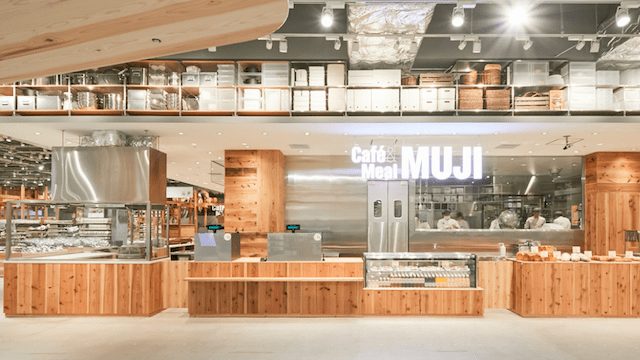
    Muji Thailand is launching its largest outlet at Bangkok’s new 222,000sqm mixed-use lifestyle complex, Samyan Mitrtown.

    The store will feature a “Muji Coffee Corner” designed in a minimalist style serving coffee made from Thai beans sourced from mountainous Doi Tung.

    The brand operates Muji restaurant concepts in Japan and Singapore, prompting speculation that the coffee corner may expand into a diner at some later time.

    The new Muji Thailand store is easily accessible from MRT Samyan’s exit No. 2.

  • Toyota Invests $391 Million In Its Texas Truck Assembly Plant

    Toyota Invests $391 Million In Its Texas Truck Assembly Plant

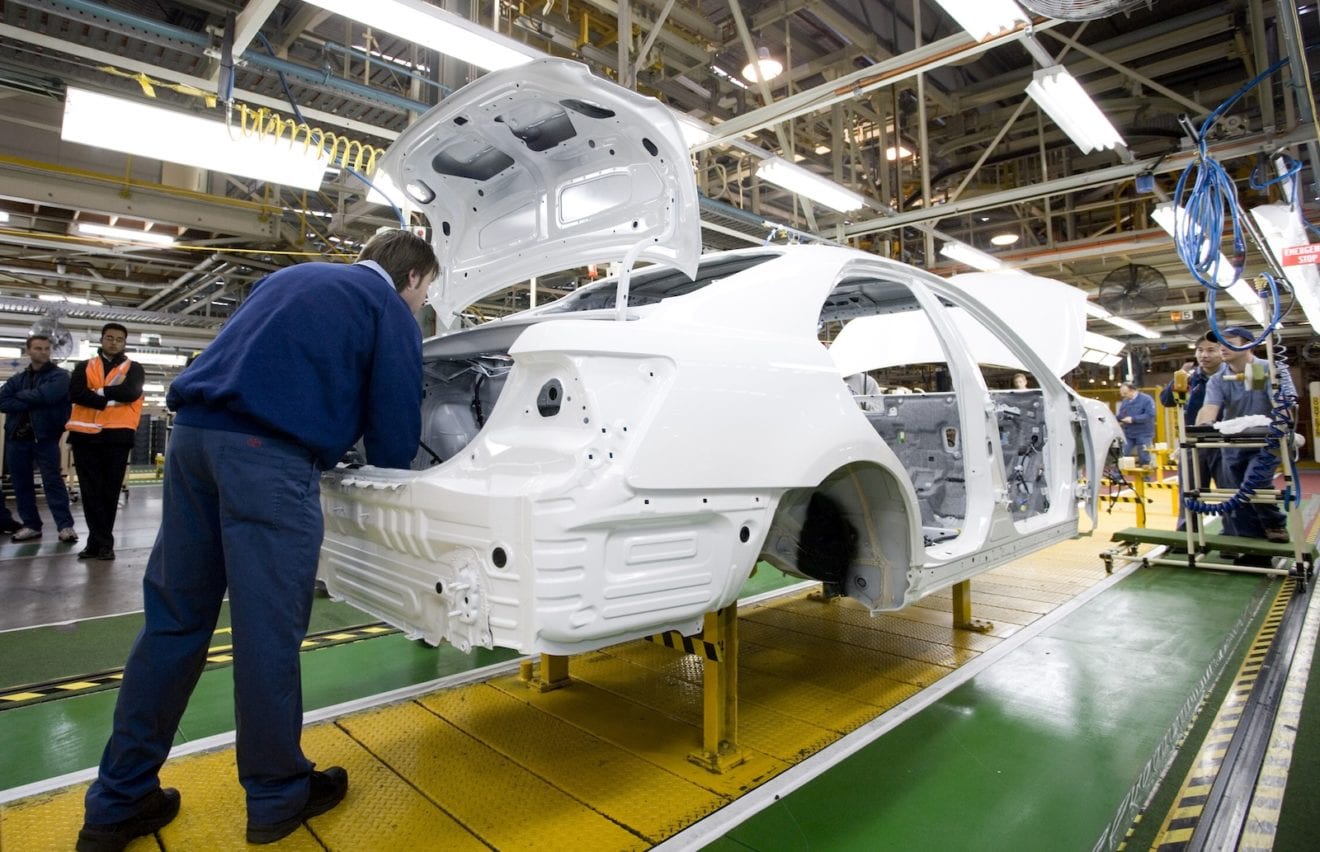
    Toyota Motor Corp said on Tuesday it was investing $391 million in its pickup truck assembly plant in San Antonio, Texas, as part of the Japanese automaker’s plan to invest $13 billion in its U.S. operations over five years through 2021. The company said the investment will be used to introduce advanced manufacturing technologies at the plant and also to help with the development and education of the local workforce. Christopher Reynolds, Toyota Motor North America’s chief administrative officer, told Reuters the investment could allow the company to eventually boost the plant’s capacity but no decision has been made. Reynolds added that the company was “bullish” on the future of its U.S truck sales, which are up 4% this year. Toyota’s San Antonio truck plant assembles full-size Tundra and mid-size Tacoma pickup trucks and employs more than 7,200 workers.

    The announcement comes a day after U.S President Donald Trump said Washington had struck trade agreements with Tokyo that could be implemented without congressional approval, but stopped short of assuring Japan that new tariffs would not be slapped on vital auto exports. Trump’s announcement left unclear whether he has agreed not to impose threatened national security tariffs on Japanese vehicles and auto parts.

    Avoiding the “Section 232” tariffs of up to 25% was a major motivating factor for Tokyo in negotiating with Washington on trade.Over much of the past year, the scope of talks has narrowed to exclude the automotive sector, the source of most of the $67 billion U.S trade deficit with Japan. Prime Minister Shinzo Abe in August announced an agreement in principle on a deal that covered reductions in tariffs on agricultural and industrial goods, but not autos.

    Abe has repeatedly emphasized the significant U.S investments of Japanese automakers and parts manufacturers to Trump

  • Suning.com to open 200 stores inside Carrefour China hypermarkets

    Suning.com to open 200 stores inside Carrefour China hypermarkets

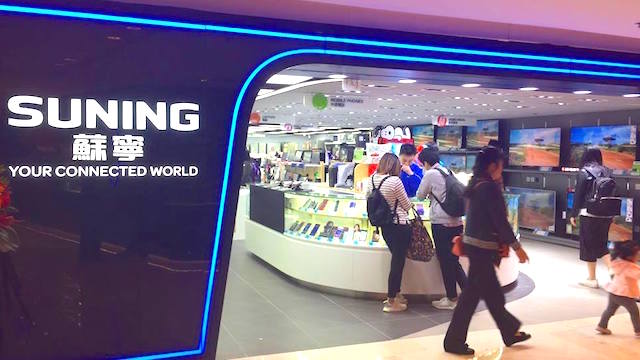
    Suning.com plans to open more than 200 stores inside Carrefour China hypermarkets later this month.

    The store rollout follows Suning.com’s acquisition of an 80-per-cent controlling interest in the Carrefour China business last June, a deal approved by Chinese regulatory authorities last month.

    Analysts say the store openings represent a strategic push by Suning.com to ramp up the loss-making Carrefour business by giving consumers more reason to visit the store – and hoping they will shop at Carrefour while they are there.

    The move comes just five months after Carrefour China revealed plans to partner with Chinese retail group Gome opening 200 stores-in-stores by July. That deal is now over and the stores that had opened under the Gome banner are being converted to Suning.com.

    The new shops will sell smartphones and consumer appliances. A spokesman for Suning.com told Chinese media that the stores will be tailored to local communities.

    Carrefour China has 210 hypermarkets and 24 convenience stores across the mainland.

  • Coach, Kate Spade parent strikes strategic alliance with Tmall China

    Coach, Kate Spade parent strikes strategic alliance with Tmall China

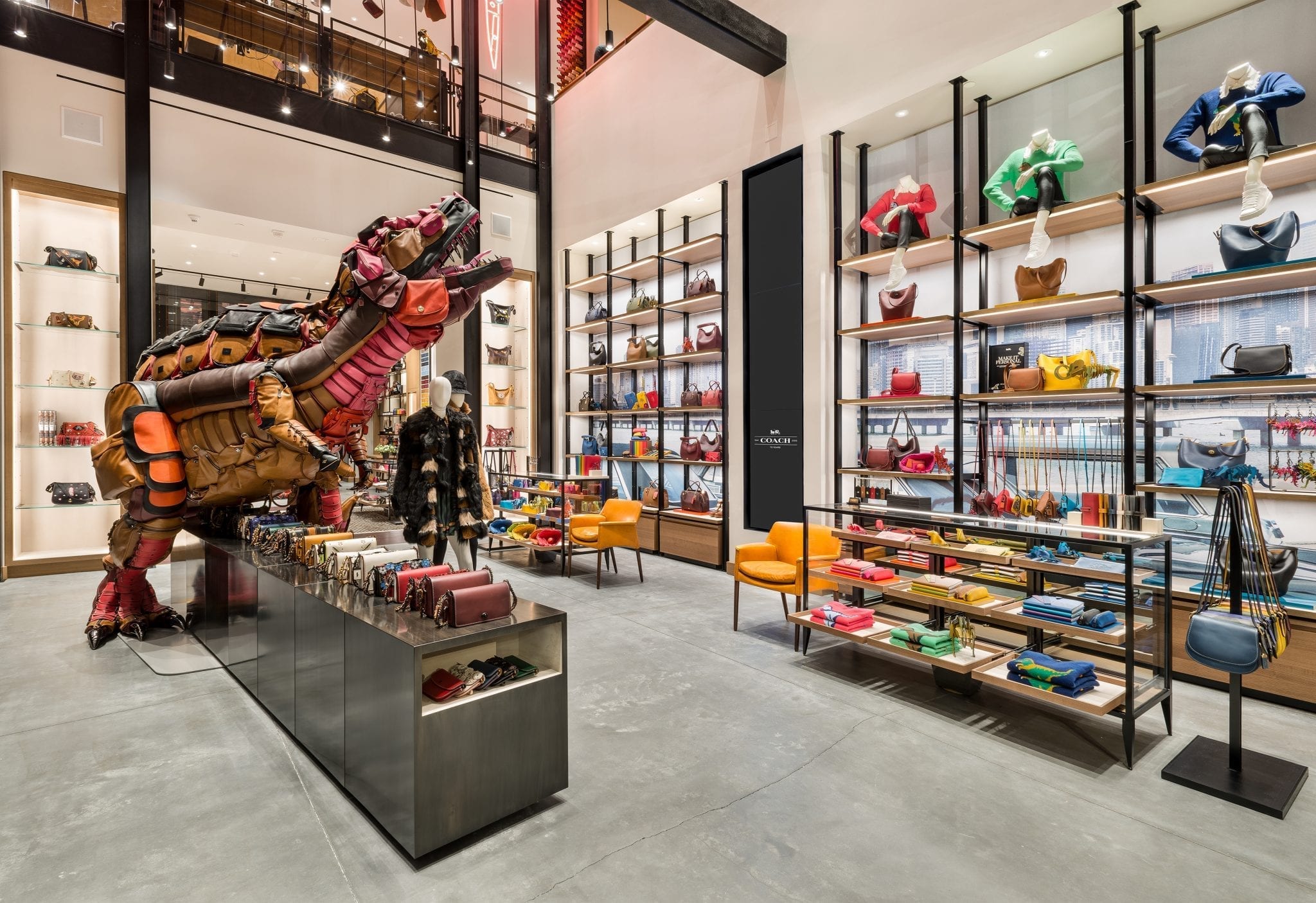
    US-based luxury retail company Tapestry has entered into a strategic alliance with Alibaba’s Tmall platform to boost the sale of its Coach, Kate Spade, and Stuart Weitzman products online in China.

    The partnership, announced last week, will see Tapestry unveil flagship stores for its suite of luxury brands on Tmall later this month, where it will offer exclusive products and personalized content and services to Chinese shoppers.

    The partnership reflects a step forward in Tapestry’s ChinaNext strategy, which aims to grow the company’s China business and gather digital learnings that can be leveraged in other markets.

    Currently, less than 20 percent of Tapestry’s revenue comes from China. The company is looking to increase that figure by tapping into Tmall’s active user base of over 750 million shoppers.

    “Tapestry is committed to the Chinese market. We have a leadership position in China and all of our brands have a tremendous opportunity for further growth,” Jide Zeitlin, Tapestry CEO and chairman, said in a statement.

    “Given Tapestry’s focus on customer experience, creating innovative strategic partnerships with leaders such as Tmall helps us to connect our unique lifestyle brands with the important fashion and digitally savvy Chinese consumer,” he said.

    Beyond the new digital flagships, Tapestry is also working with Alibaba on intellectual property rights protection. Coach is a member of the Alibaba Anti-Counterfeiting Alliance and leverages the e-commerce company’s tools, technology and cooperation initiatives to protect its brand.

  • Big W enterprise agreement clears FWC

    Big W enterprise agreement clears FWC

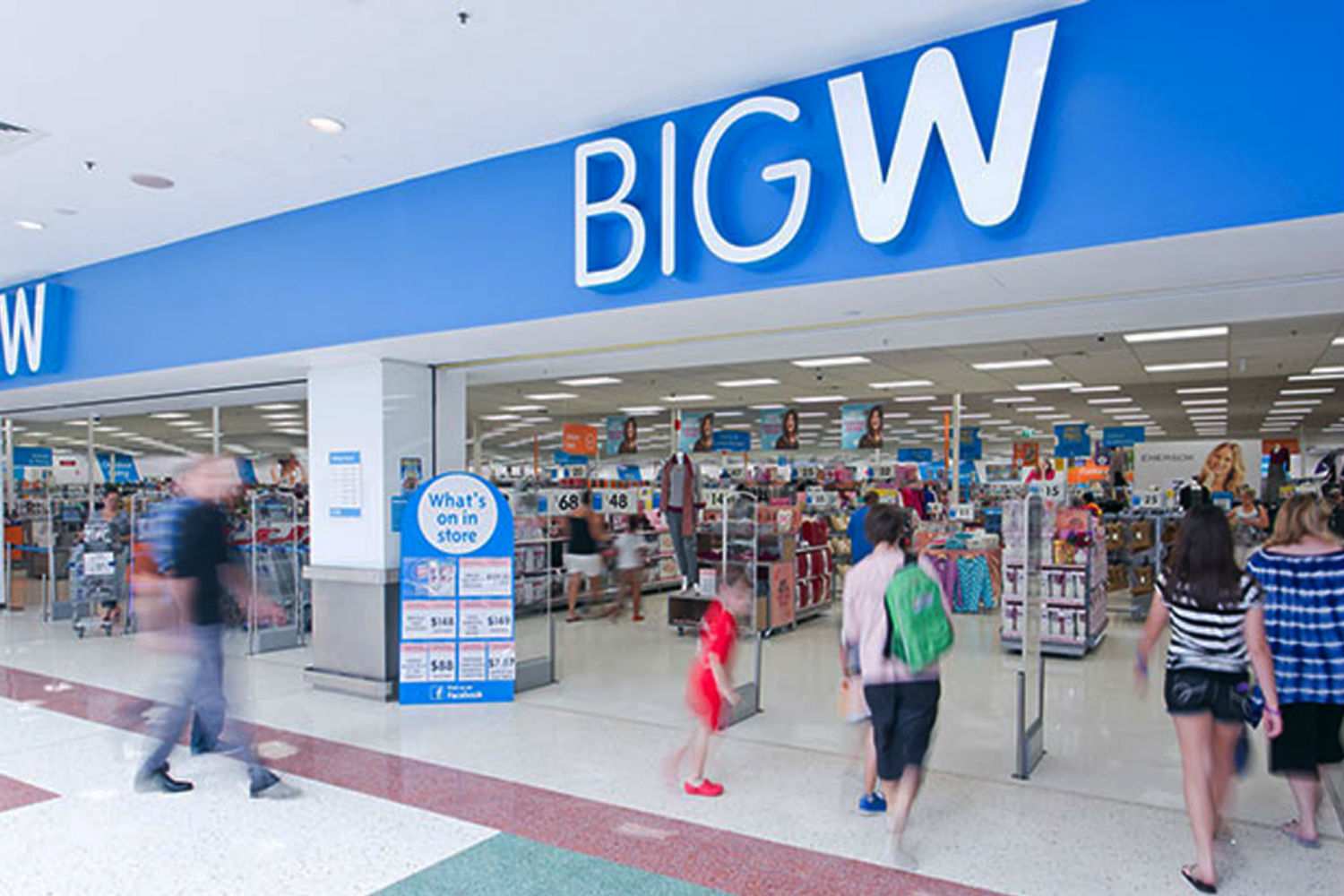
    The Fair Work Commission has approved discount department store Big W’s new enterprise agreement, which will cover approximately 16,000 staff members across Australia.

    Big W’s previous enterprise agreement was created in 2012, and expired in 2015.

    The new agreement includes above-award wages and conditions with wage increases each year, penalty rates, increased casual loading, choice of superannuation providers and increased entitlements to redundancy payments.

    According to the new enterprise agreement, Big W staff will be paid between $21.51 and $23.12 an hour, depending on employee seniority.

    The agreement will take effect seven days after the approval, and has a nominal expiry date of May 5, 2022.

    “With the endorsement of the [Shop, Distributive and Allied Employees’ Association] and the [Australian Workers’ Union], we put forward an agreement that delivered improved conditions for our team while also supporting the continued turnaround of our business,” A Big W spokesperson said.

    “More than 90 percent of those who voted in the ballot supported the proposal, and we look forward to delivering the benefits of the new agreement to our team members soon.”

  • Niska introduces robotic vendor through ice cream

    Niska introduces robotic vendor through ice cream

    Australian retail start-up Niska is bringing an interactive robotic experience to Melbourne with the launch of a game-changing ice cream store at Federation Square.

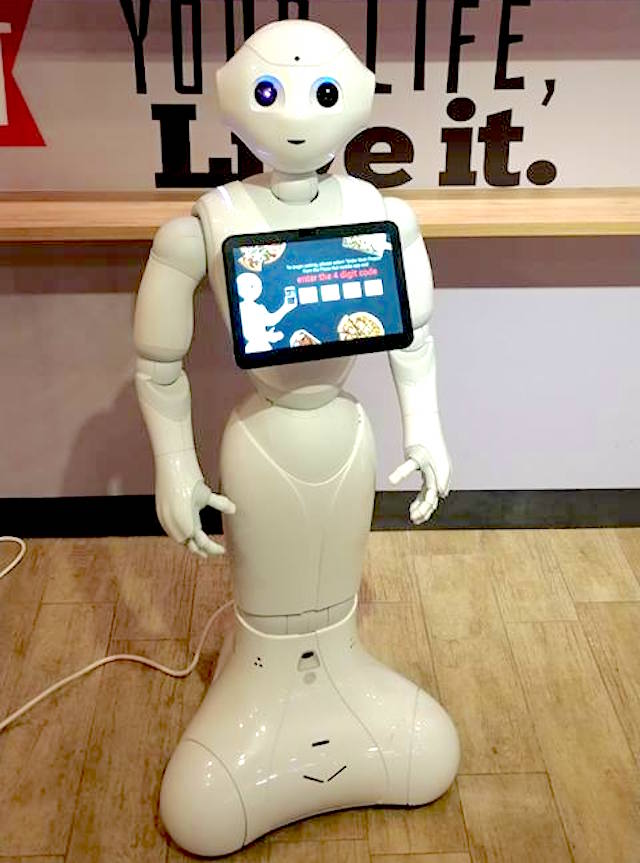
    Niska, Australia’s first-ever robotic retail store, offers Australian-made artisan ice-cream with a variety of flavors and toppings, all served by a team of robot staffers: Pepper, Eka, and Tony.

    The robots create a unique customer experience and “world-class service” by establishing meaningful interactions with each person.

    Visitors can even take selfies with Pepper, the social humanoid robot, and their ice cream, with photo spaces available within the store.

    With bricks-and-mortar retailers realizing the importance of creating unique and curated merchandise experiences, Niska is getting ahead of the curve with robotic retail.

    CEO and co-founder Kate Orlova said the company plans to revolutionize the retail space.

    “For us, ice-cream is just the beginning. We’re looking to expand the robotics into other areas of retail. The future is here and it is exciting! We look forward to changing the retail game and pioneering retail robotics,” she said.

    Minister for Jobs, Innovation, and Trade, Martin Pakula called it a “real feather in the cap for Victorian innovation”.

    “There is amazing work going on here in areas like robotics and artificial intelligence – and the ice-cream’s also pretty good,” he said.

    Niska is now open at Tenancy 20, Crossbar Building Federation Square.

  • Singapore Among World’s Worst in Workplace Diversity

    Singapore Among World’s Worst in Workplace Diversity

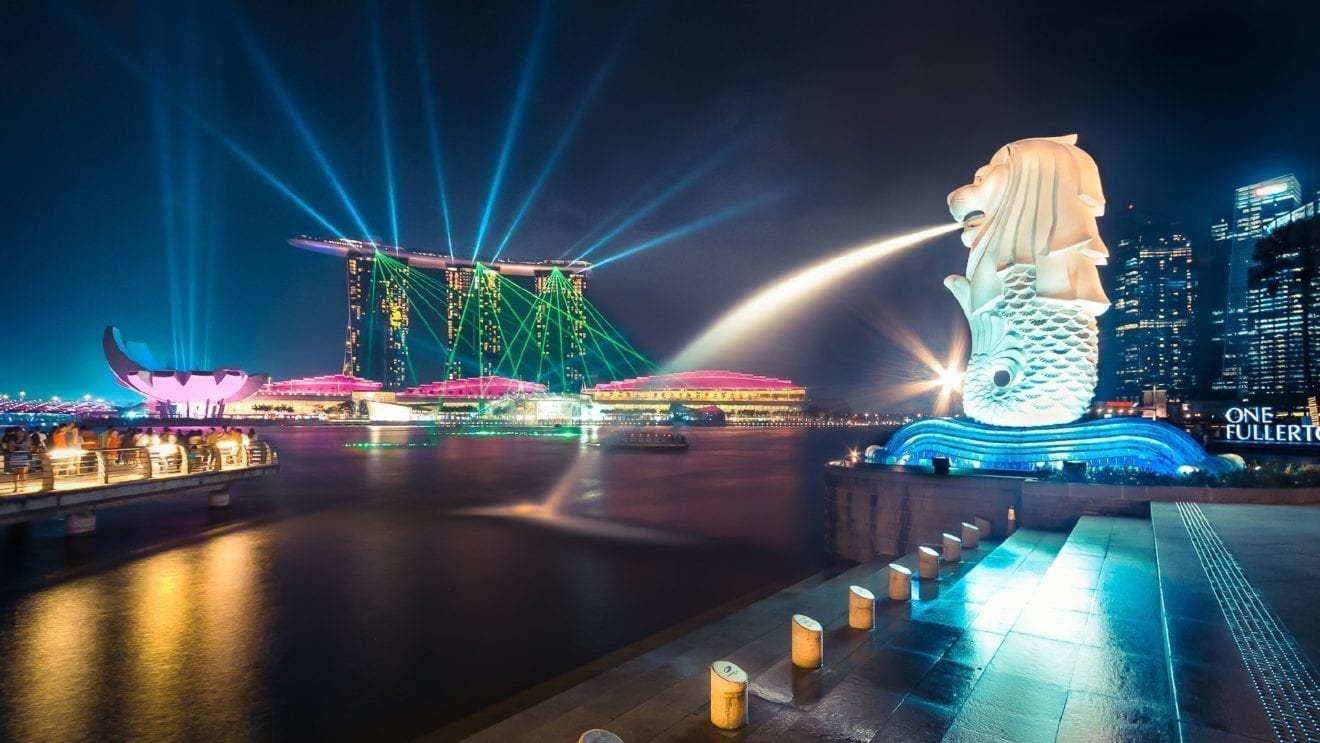
    While Singapore might be the world’s most competitive economy, its workplaces have a long way to go, ranking close to bottom in terms of diversity and inclusion, and a quarter of employees reporting bullying, according to surveys by Refinitiv and Kantar.

    While Asia-Pacific counted 23 firms on the 2019 Diversity and Inclusion Index published by financial markets data provider Refinitiv, the only representative from Singapore was Singtel.

    The survey, published Tuesday, ranks over 7,000 companies globally and identifies the top 100 publicly traded companies on 24 separate metrics across four key pillars: diversity, inclusion, people development, and controversies.

    The increasing transparency in the reporting of social metrics will offer opportunities for investors to better integrate ESG principles into the investment and strategy decision-making process, Refinitiv chief revenue officer Debra Walton said.

    Singtel came in 79th on the list. Australia led the region, with nine companies in the top 100, followed by Japan with five.

    Singapore’s workplaces were ranked second-last in terms of diversity and inclusion practices by data, consulting and insights firm Kantar in its latest Inclusion Index, released Tuesday.

    According to the survey, which polled 18,000 people in 14 countries across 24 industries, Singapore was identified with the highest level of workplace bullying, along with Brazil and Mexico.

    Compared to the global peers, Singapore workers are the most likely to «feel uncomfortable» by their employers, and 44 percent said they experience «stress and anxiety» at work, compared to 39 percent globally, according to the survey.

    If you are serious about inclusion and diversity in your business, you need to get serious about measuring it. Diversity is the fact, while inclusion is the act, and until now inclusion has been much harder to measure, Mandy Rico, global director of Kantar’s Inclusion Index, said about the findings.

  • First Miniso store in Ghana opens

    First Miniso store in Ghana opens

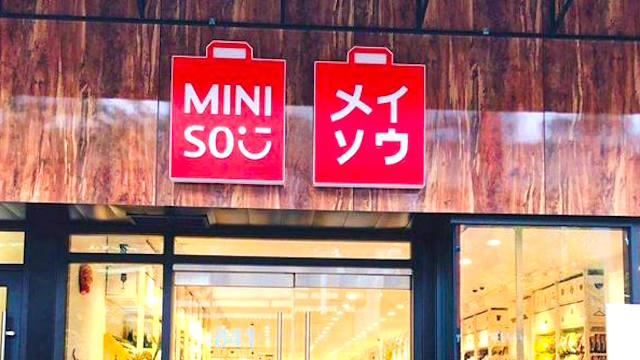
    The first store for Miniso in Ghana has opened its doors as the Chinese discount merchandise continues its rapid global rollout.

    The chain’s outlet at Marina Mall in Accra will join the brand’s global network of more than 3600 stores worldwide. Miniso is currently expanding at the rate of up to 400 new stores every month.

    “Miniso’s rapid development since its establishment five years ago is not only based on its great business model, but also about its unique product design,” said Miniso chief designer and co-founder Miyake Junya. “Good design must come from good designers, and Miniso does not only train the internal designers but also recruit excellent designers from all over the world such as Norway, Sweden, Denmark and South Korea. We welcome excellent local suppliers to cooperate with us, including those from Ghana.”

    “We are happy to join Ghana’s retail market,” said Miniso Ghana country manager Edinam Akpakli. “Miniso is not just a brand, but a way of life. To us, trendiness and vibrancy means developing products that anticipate your needs and delivers beyond that expectation.

    “It is for this reason that Miniso Ghana, for instance, has made it a point to only serve customers with paper bags. In the near future, you will see Miniso leading and contributing to programs and initiatives that support and resonate with our social values.”

  • AirAsia joins hands with Workday

    AirAsia joins hands with Workday

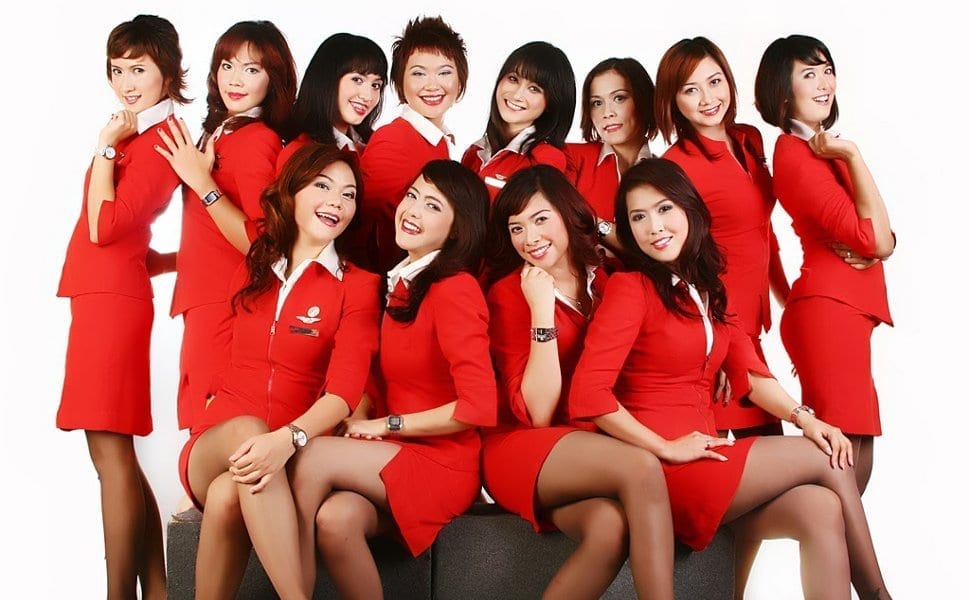
    Two prominent outfits decide to join forces to stand out in the global market _ AirAsia has selected Workday Human Capital Management (HCM) as the partner of its digital transformation journey.

    AirAsia is a top-tier low-cost airline. The Kuala Lumpur-based company, which operates flights to more than 140 destinations spanning 22 markets, has tried to transform all of its business areas for improved efficiency and faster growth.

    As a part of its efforts, Malaysia’s biggest airline has rolled out Workday’s cloud technology for HCM to its 22,000 employees across the world. Workday is a leader in enterprise cloud applications for finance and human resources.

    Workday said that its HCM enables customers to uncover workforce insights for quicker and more informed decisions in optimizing human resources and talent management operations.

    AirAsia’s digital transformation encompasses our people and culture as much as it does our business model. In doing so, we have looked closely at each stage of our Allstars’ career to see how best to leverage technology and use data,” said Varun Bhatia, chief people and culture officer of AirAsia.

    Workday met our criteria for an enterprise-level, integrated, and cloud-based mobile HCM platform with strong reporting and analytics. We also appreciate Workday’s active and responsive partnership, along with strong customer support.”

    Workday Asia President Rob Wells also expressed his high hopes for the collaboration.

    We are proud to be a partner to AirAsia, one of the most people-centric airlines in the world and a company that shares our vision of digital innovation and empowering people,” Wells said.

    We will be working closely with AirAsia in its journey to transform its employee experience and maintain its position as one of Asia’s largest and leading low-cost airlines.”

  • Noel Leeming launches safety plans

    Noel Leeming launches safety plans

    Technology and appliance retailer Noel Leeming has announced it is now offering enhanced purchase protection for the life cycle of its products.

    The new Noel Leeming Protection service plan offers customers the ability to lock-in accidental damage cover, theft protection, automatic replacement and blockage cover for items under $500, just to name a few.

    “This means that customers can now be covered for most eventualities that can affect the use of their technology and appliances, providing peace of mind that they won’t be without their item for long,” the retailer said.

    Customers can buy the plan as an add-on to their technology or appliance purchase either online or through one of Noel Leeming’s 77 retail stores.

    Tim Edwards, Noel Leeming CEO, said being able to offer customers a full suite of add-ons to their purchase is a great way to enhance customer confidence in their decision-making.

    “We’ve noticed that consumers nowadays are interested in a more holistic solution, looking for protection programs that better support the way they use their technology and appliances,” Edwards said.

    “We’re confident that this product goes over and above any competitor’s offer, is market-leading, and a New Zealand first in consumer purchase protection.”

    Edwards said feedback from customers has been overwhelmingly positive since the product offering was introduced.

    Hemaka Perera, director for Southeast Asia at Assurant, said the new Noel Leeming Protection offering has been built with the customer in mind and goes over and above the industry standard.

    “We are thrilled to partner with Noel Leeming in offering a new product that sets the standard for product protection,” Perera said.

  • Sales at H&M stores sees strong growth

    Sales at H&M stores sees strong growth

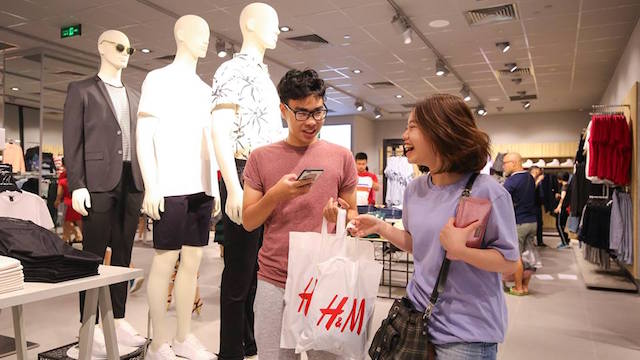
    Sales at H&M stores worldwide rose by the steepest rate in three years in the third quarter.

    “Well-received summer collections and increased market share confirm that the H&M group is on the right track with its transformation work,” the company said in a statement.

    Net sales rose by 12 per cent to US$6.48 billion in the three months to August 31, marking the company’s fifth consecutive quarterly increase. Excluding currency fluctuations, sales were up by 8 per cent.

    However, analysts took a little of the gloss off the figures pointing out that during the comparable period a year ago, the company’s turnover was hit by difficulties implementing a new logistics system in some markets.

    Besides its namesake brand, H&M operates Arket, Weekday, Cos, Monki, and & Other Stories.

    Full-year results will be released on October 3.

    While the global third-quarter result was strong, sales at H&M stores in the UK have plummeted, leading to a 71.2-per-cent crash in full-year pre-tax profits to £10.72 million, according to figures obtained by Retail Gazette.

  • Krispy Kreme opening pop-up store in Christchurch, NZ

    Krispy Kreme opening pop-up store in Christchurch, NZ

    International retailer Krispy Kreme will open a pop-up store at Westfield Riccarton in Christchurch.

    The pop-up store, which will be open for two weeks starting September 28, will signal the start of Krispy Kreme’s nationwide roll out through an ongoing partnership with selected BP Connect sites, starting with 12 Christchurch locations from October 5.

    Antonio Rivera, New Zealand Retail manager, said they can’t wait to give everyone a taste of the authentic Krispy Kreme experience.

    “It’s long been our desire to bring smiles to as many Kiwis as possible by giving them the chance to enjoy a fresh Krispy Kreme doughnut,” Rivera said.

    “Whether you’re a big fan of the Original Glazed or prefer yours with a few more sprinkles, the pop- up store will ensure that Christchurch doughnut fans will be the first in the South Island to buy Krispy Kreme locally.”

    Adrian McClellan, BP general manager of retail and assets, said they are excited to make Krispy Kreme doughnuts available at more sites across the country.

    “Krispy Kreme is incredibly popular with our customers in the upper North Island, so I’m delighted to say that we can now extend that to customers at selected BP Connect sites across Christchurch, Wellington and the rest of the North Island.”

    Krispy Kreme’s first store in the country opened in Auckland in February 2018. Since then Krispy Kreme has opened further retail outlets in Chancery Square, Auckland and Auckland Airport’s Domestic Terminal.

  • Volkswagen Agrees To Australian Settlement Over Diesel Cheating

    Volkswagen Agrees To Australian Settlement Over Diesel Cheating

    Volkswagen said on Monday it had agreed to pay up to A$127 million ($87.3 million) to settle lawsuits brought on behalf of thousands of Australian customers caught up in its global diesel emissions cheating scandal.

    The German automaker said it would pay about A$1,400 each to owners of affected Volkswagen, Audi and Skoda EA189 diesel vehicles who opted into the lawsuit.

    “This is a significant step toward fully resolving the diesel lawsuits in Australia,” a Sydney-based Volkswagen spokesman said in an emailed statement.

    As part of the settlement, which was agreed on a “no-admissions basis”, Volkswagen will pay the legal costs of the claimants who filed several class-action lawsuits.

    “This is an important step in providing a measure of justice and redress to the thousands of Australian motorists who claim they were financially impacted by the diesel emissions issue,” principal lawyer at Maurice Blackburn, Julian Schimmel said.

    The settlement is subject to court approval.

    The settlement follows revelations in 2015 that Volkswagen was using illegal engine-control software to cheat pollution tests. The company has already paid billions of dollars in legal costs around the world.

    The Australian consumer watchdog in 2016 also sued the German carmaker alleging it intentionally sold more than 57,000 vehicles with software which deceived buyers about levels of toxic emissions.

    Volkswagen said it expected to settle that lawsuit shortly.

    In the United States, Volkswagen has already agreed to pay more than $25 billion in claims from owners, environmental regulators, states and dealers and offered to buy back about 500,000 polluting U.S. vehicles.

    In May, the group said it had set aside 5.5 billion euros ($6.1 billion) in contingent liabilities of which 3.4 billion euros had been earmarked to cover potential lawsuits.