Author: Mei Ling Tan

  • CDF Beauty duty-free megastore opens at Citygate

    CDF Beauty duty-free megastore opens at Citygate

    A CDF Beauty duty-free megastore has opened in Hong Kong’s Citygate Phase II.

    Spanning more than 10,000sqft, CDF Beauty houses 45 beauty brands, including cosmetics, skincare products and beauty appliances. Citygate is located near Hong Kong International Airport.

    The CDF Beauty concept store is a merging of two adjacent stores with an open facade presenting international skincare and cosmetics. Its Colour cosmetics store invites shoppers to try makeup products among its showcase of top designer and make-up artist brands, including the latest seasonal palettes and textures from Giorgio Armani, Tom Ford Beauty and Mac with fragrances by Jo Malone London and Burberry.

    Central to the CDF Beauty duty-free megastore’s strategy is its Best Price Offer, a collection of leading beauty brands selected for discount on a monthly basis.

    Promotions for the store feature the CDF Beauty Bestie Gang – Carol, Donna, Frank and Bella – virtual brand ambassadors created with distinct personalities and favourite makeup styles.

    The store’s opening is being celebrated with a range of privileges and deals.

  • Audi Hong Kong opens Drivers experiential centre

    Audi Hong Kong opens Drivers experiential centre

    Audi Hong Kong has opened an experiential retail concept store focusing on technology and lifestyle.

    The store, billed as the Audi Innovation Space, was unveiled earlier this year at Kowloon Tong’s Festival Walk. It uses digital technologies such as a VR experience to engage customers and offer new ways to experience the brand. The store supersedes the former Audi Kowloon Showroom in Tsim Sha Tsui, which was shuttered in June.

    Audi will roll out the new experiential store concept at its other Hong Kong locations, beginning with a new outlet at The Elements in Tsim Sha Tsui later this month.

    Audi’s exclusive distributor in the territory is Dah Chong Hong, which has provided sales and service on behalf of the brand for 20 years.

  • South Korean online shoppers still see brick-and-mortar as crucial

    South Korean online shoppers still see brick-and-mortar as crucial

    South Korean online shoppers still see offline stores as a crucial part of shopping, a recent study has shown.

    Furthermore, despite the widely held belief that consumers will engage in online shopping during lunch breaks, or before they go to bed, the study has also revealed that many shop during work hours.

    DMC Media, a South Korean media lab, reported stark differences in perception between the industry and consumers.

    Among consumers with the shopping experience in the last six months, 73.2 percent collected shopping information at offline stores, ranking second after mobile shopping (81 percent).

    About three in four consumers use offline stores rather than the web, indicating shoppers still have a desire to look at products before they buy.

    While offline stores are falling behind in the competition with e-commerce, online consumers are still acquiring shopping information through offline stores, which may indicate a path towards finding a breakthrough.

    In contrast, online marketers have been underestimating the importance of offline stores at 30.7 percent.

    Online marketers’ views differ on the time frame when most consumers engage in online shopping. While many believed consumers would not engage in online shopping during working hours (9am to 6pm), the study showed consumers consistently devote time to online shopping after 9am (15.4 percent) and online shopping activity peaks between 6pm and 9pm (46.9 percent), which shows most consumers engage in shopping activities regardless of time and work.

    When choosing an online shopping mall, consumers consider the price (29.4 percent) and product quality (23.4 percent). Coupons are a factor for 9.4 percent of consumers.

    The study also found that consumers click less on the advertisements posted on Instagram, Facebook, and other social networks (50.7 percent) than those linking to a portal website (69.1 percent).

    “Making a strong impression on consumers at offline stores through special programs will not only raise short-term profits but also increase brand loyalty and encourage them to come back,” said the DMC Media research team.

  • Ebos confident about future growth

    Ebos confident about future growth

    Christchurch-based pharmacy and animal healthcare firm said it is confident it will see a significant increase in earnings in FY20 after reporting a less than stellar result for the year ending June.

    Company chief executive John Cullity said 2019 was a year of high activity and strategically important for the group, as it set the foundation for the next wave of growth.

    “The group continues to operate in highly competitive markets and this year was no exception,” Cullity said. “We have withstood the changing market dynamics and competitive pressures and delivered both solid underlying earnings growth and another strong cash result.”

    Ebos has posted an increase in annual net profit to $137.7 million from the $137.3 million on the previous year while sales fell 0.8 per cent to $6.93 billion, reflecting lower hepatitis C medicine sales in Australia and the impact of reform of Australia’s pharmaceutical benefits scheme. The two combined have caused reduced revenue by $425 million.

    The company posted a 5.2 per cent increase in its underlying profit.

    A loss on the sale of surplus property, transition costs for new major warehouses and transaction costs all had a $6.7 million one-off impact on the bottom line.

    Ebos spent $93.6 million on acquisitions and raised $175 million in fresh capital during the year.

    “We commenced operations in two brand new facilities in Brisbane and Sydney providing further warehouse capacity,” Cullity said.

    “We also moved to 100 per cent ownership of TerryWhite Chemmart, signed the Chemist Warehouse Group pharmaceutical contract and retained Blooms The Chemist, one of our largest independent pharmacy group customers. These were all great outcomes for our Community Pharmacy division.”

    The group’s healthcare segment generated a 4.6 per cent increase in underlying EBITDA for the year, underpinned by solid growth from their Australian business unit. In Australia, healthcare revenue declined by 3.5 per cent to $183 million, however excluding the impact of the reduction in hepatitis C sales and the impact of PBS price reforms, revenue growth increased 5.2 per cent.

    The company said the New Zealand healthcare segment delivered earnings in line with last year, with revenue growth of 8.7 per cent largely offset by higher labour and freight costs in our wholesale businesses.

    Revenue growth in community pharmacy, excluding the impact of lower Hepatitis C sales and PBS reforms, rose 3.0 per cent.

    Ebos has also announced Mark Waller will retire as director and company chair at the end of the annual meeting scheduled for October 15.

    Waller, who joined Ebos in March 1984 as chief financial officer before assuming the position of executive officer in 1987, led the group on an ambitious yet disciplined growth strategy, overseeing many successful mergers and acquisitions, including the purchase of Symbion in 2013 for $1.1 billion.

    According to the company, under Waller’s leadership, Ebos grew to become the largest trans-Tasman healthcare and animal care company with revenues in excess of $6 billion.

    After handing over the reins as CEO in 2014, Waller remained on the board before assuming the position of chairman in 2015.

  • New stores openings deliver Lovisa good sales

    New stores openings deliver Lovisa good sales

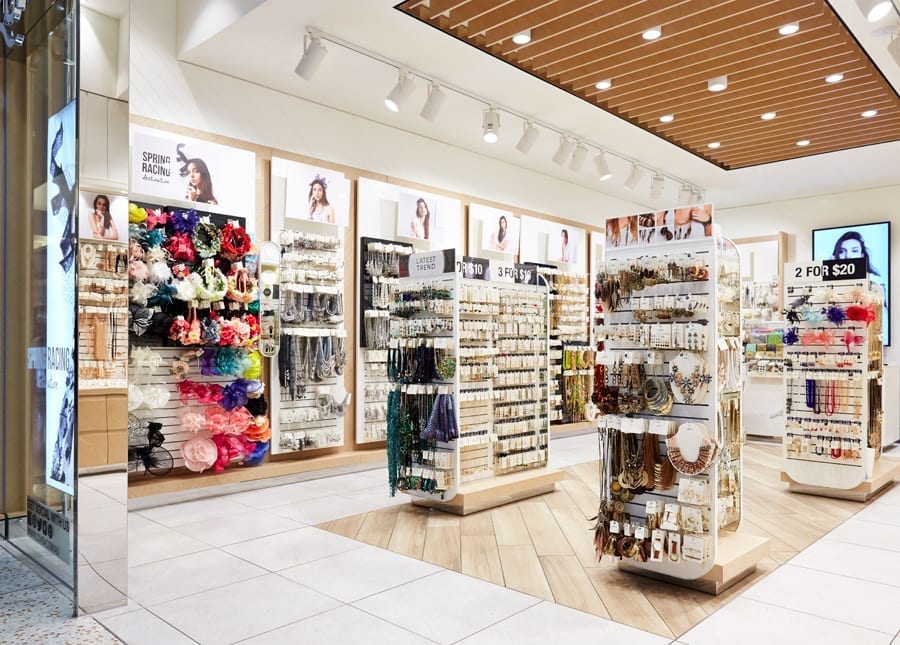
    Lovisa managing director Shane Fallscheer told investors on Thursday he was pleased to deliver a “solid result” for FY19 in one of the more difficult trading environments the fashion jewelry retailer has experienced in recent times.

    Revenue was up 15.3 percent year on year to $250.3 million, thanks to the addition of 64 new stores in FY19. The retailer’s total store count as at June 30, 2019 was 390.

    Same-store sales, however, were down 0.5 percent on the previous corresponding. Fallscheer attributed the weak result to softer trading conditions in the first half of FY19, especially in Australia, and the lack of major trends in the fashion jewelry space, which have helped drive strong same-store sales growth in the past.

    He also noted that Lovisa “overperformed” in FY18 – especially in the first half, when same-store sales increased 7.4 percent – which made it harder to deliver comparable sales growth in FY19.

    The retailer reported an increase of 50 basis points in gross margin to 80.5 percent, thanks to higher USD hedge rates and its focus on inventory management and promotional effectiveness. Gross profit increased by 16 percent to $201.4 million.

    The hiring of several senior executives, the relocation of Lovisa’s third-party logistics hub from Hong Kong to China, the launch of e-commerce capabilities in Australia and New Zealand and continued store rollouts in new territories, however, drove up to the cost of doing business as a percentage of sales.

    The retailer reported a 2.8 percent increase in earnings before interest and tax to $52.5 million and a 3 percent increase in net profit after tax to $37 million.

    Lovisa finished the year with a cash balance of $11.2 million and a strong balance sheet, Chris Lauder, Lovisa’s CFO told investors.

    Looking ahead, the key driver of growth for Lovisa is the continued expansion of stores around the world.

    The retailer currently has 404 stores (it has opened 14 so far in FY20) in around a dozen countries, including Australia, New Zealand, Singapore, Malaysia South Africa, the UK, Spain, France, the US, the Middle East and Vietnam.

    Lovisa’s biggest market is Australia, where it has 154 stores, followed by South Africa with 61 and the UK with 38, but growth is accelerating in the US, Fallscheer said, where it currently operates 28 stores in California, Texas, Florida and Illinois.

    “The eventual size and timing of the store rollout [in the US] will depend on being able to deliver quality stores that meet criteria rather than a [specific] number target,” Fallscheer told investors.

    He noted that Lovisa is beginning to gain traction with US landlords, and that it is targeting “small wins” to offset the higher cost of doing business and currency headwinds in the market, including minimizing markdowns and looking at the price.

    “We constantly review each market, each style and how all of that interacts with each other. We’re constantly looking at the price…as we mature in the US market, there are probably some slight wins there,” Fallscheer said.

    But he admitted, “there’s going to be a gap between price increase and currency decline”.

    Same-store sales growth in FY20 so far is within the retailer’s target range of 3 to 5 percent, Fallscheer said. He attributed this to price gains and increased volumes.


  • Hotpot-restaurant Haidilao plans to open 130 new outlets

    Hotpot-restaurant Haidilao plans to open 130 new outlets

    sales by 59.3 percent to RMB 11.7 billion (US$1.66 billion).

    The staggering expansion program saw the company’s global network grow from 466 restaurants as of December 31 to 593 at the end of June. Of those, 550 are located in 116 cities across Mainland China, the balance in Taiwan, Hong Kong and overseas locations including Singapore, South Korea, Japan, the US, Canada, the UK, Vietnam, Malaysia and Australia.

    Besides expanding its network, the company has been testing new technology including robotics and new generation machinery in its kitchens and robot waiters in 179 restaurants.

    Chairman Zhang Yong said the company was working to optimize the operational management of the business as well as enhance the dining experience of customers.

    In the first half of this year, Haidilao served more than 109 million customers with an average table turnover rate of 4.8 times per day.

    In the first half of the year, the company introduced 187 dishes across regional markets and started selling its own-brand milk tea and soft drinks.

    On the back of store openings, group revenue soared 59.3 percent. Same-store sales rose by 4.7 percent.

    Profit attributable to shareholders rose from RMB646 million to RMB911 million. (US$91,000 to $129,000).

  • Bath & Body Works delivers big sales numbers for L Brands

    Bath & Body Works delivers big sales numbers for L Brands

    As usual, the latest results from L Brands show a tale of two companies: Bath & Body Works put in a blistering performance of 8 per cent comparable growth, while Victoria’s Secret posted a highly negative drop of 6 per cent in comparable terms.

    Combined, this pushed total comparable sales for the group down by 1 per cent for the second quarter.

    The results from Victoria’s Secret are particularly disappointing, especially as the company has been actively improving ranges and trying to inject more fashion into its product mix. However, this does not necessarily indicate the company is on the wrong track. Among existing customers of Victoria’s Secret, the changes have been well received, but some shoppers are still drifting away from the brand, which has yet to win back much of the trade that it has lost over the past few years.

    Such a win-back will only come with time and more of an effort to recast the brand image of the firm. Fortunately, management appears to have now started to understand this – hence its hesitancy on initiatives such as the annual Fashion Show. That said, the lack of clarity about whether not the show will go ahead underlines the fact that Victoria’s Secret still doesn’t have a clear view as to what it actually wants to stand for, let alone how it will go about executing such a change.

    Until such clarity emerges, the performance of Victoria’s Secret will continue to suffer. The brand is still not connecting and resonating with large swathes of its target market. Indeed, Victoria’s Secret continues to be tarred with the negative connotations that surround its overt sexuality and its focus on airbrushed glamour.

    Standing in marked contrast to Victoria’s Secret is Bath & Body Works. The company’s wholesome brand image and its focus on small indulgences is paying real dividends.

    One of the main strengths of the chain is its range development, where seasonal lines and takes on hot trends like aromatherapy are driving repeat visits from consumers as well as lifting basket sizes. The integration of the White Barn concept in some refurbished stores is also proving to be successful and there is clearly much more potential for Bath & Body Works to develop its home scents and candles business.

    From GlobalData’s customer data it is also clear that Bath & Body Works is popular due to the value for money it offers. Many items feel premium but are sold at reasonable price points, something that generates loyalty and bulk purchasing. On top of this, regular promotions also help to drive volumes through the business.

    Ultimately, success at Bath & Body Works stems from the fact that the team is much more attuned to the market and consumer trends than is the case at Victoria’s Secret. The cultures at the two divisions could not be more different: Victoria’s Secret should take a leaf out of its sister brand’s playbook as it looks to reinvent itself.

  • KrisShop marks rebranding by taking to the ground

    KrisShop marks rebranding by taking to the ground

    Singapore Airlines’ inflight and online travel retail store KrisShop has revamped its brand and launched a new website.

    To mark the launch, KrisShop is curating a pop-up exhibition in downtown Singapore, divided into several experiential zones, each showcasing a different retail feature of the new site. KrisShop.com now sports a cleaner look with a new interface that includes more intuitive features for swift and smooth navigation.

    KrisShop has also introduced multiple initiatives for convenient payment and pre-order and delivery services, aiming to provide personalised experiences to suit the varying lifestyles of customers. It is targeting both travellers and non-travellers.

    “Over the years, the travel retail industry has experienced a radical disruption driven by digitalisation,” read a statement from the firm on the rebranding. “KrisShop seeks to embrace a holistic omnichannel approach to deliver an integrated shopping experience that engages its customers at every step of the journey – both online and offline.

    “Advancing beyond a retail catalogue, KrisShop.com aims to re-invent itself as the go-to lifestyle e-commerce website that caters to the needs of all shoppers, whether they are travelling or not.”

    In the coming months, the firm will progressively roll out the site’s new features, including multiple payment options, pre-ordering up to 60 minutes before flight, hotel delivery, in-flight entertainment, and self-collection at PopStations.

    “Beyond being a retail e-commerce site, KrisShop seeks to establish itself as a one-stop shopping destination, and is continually evolving to meet the needs and demands of today’s consumers,” said KrisShop CEO Chris Pok. “Leveraging our expertise in retail, we are proud to unveil the new Krisshop.com that aims to modernise the consumer shopping journey.”

    The KrisShop popup is located at Raffles Hotel’s Palm Ballroom, and will be open to the public from August 23 to 24.

  • Miniso signs six new partnerships to fuel expansion

    Miniso signs six new partnerships to fuel expansion

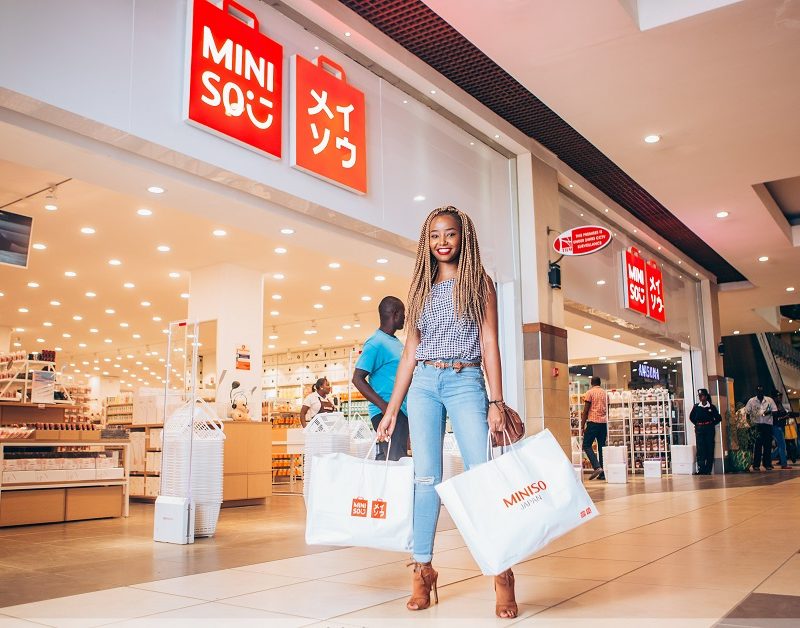
    Chinese discount merchandise chain Miniso has signed cooperation agreements with partners from six new countries and regions – the UK, France, Maldives, Reunion Island, Aruba and Curacao.

    Miniso now operates in more than 90 countries and regions, taking it closer to its target of opening “10,000 stores in 100 countries with 100 billion sales volume” by 2022.

    Miniso has been moving into the European market since last year, opening physical stores in Spain, Germany and Ireland.

    In overseas markets, Miniso has adopted a differentiation strategy with its products, setting up an international commodity department to develop diversified international products ranging from food to kitchen supplies, travel supplies, perfume, dolls, toys and makeup lines.

    The firm also set up a “Europe pavilion” in the exhibition area at its recently held Miniso 2020 Global Spring and Summer New Product Ordering Fair. Nearly 1000 SKUs more in line with European consumption habits and design aesthetics have been developed by the commodity centre team for the European market over the past six months.

    Miniso says it aims to simultaneously promote the upgrading of branding, products and stores across all its markets.

  • Tumi set fire to Samsonite’s Asian growth

    Tumi set fire to Samsonite’s Asian growth

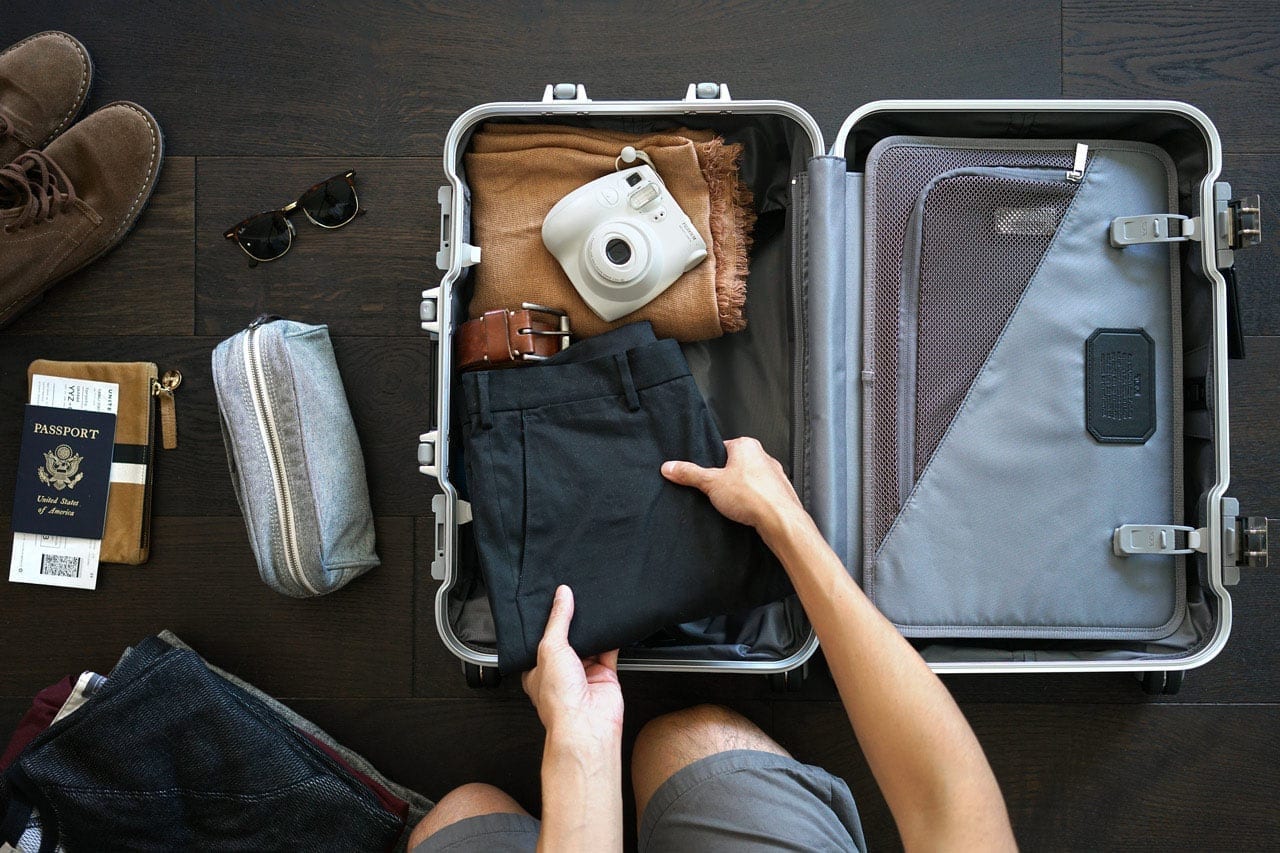
    High-performing travel lifestyle Tumi drove Samsonite Asia sales in the first half of this year, compensating for an unusual decline in the core Samsonite brand’s business regionally.

    For the six months to June 30, net sales of the Tumi brand increased by 11.9 per cent in Asia, as the brand continued to make inroads in key markets across the region. Net sales of the Samsonite brand decreased by 1.3 per cent year-on-year, primarily due to challenging trading conditions in China and South Korea, while net sales of the American Tourister brand fell by 3 per cent.

    Samsonite Asia achieved a 4.8 per cent net sales gain in Japan and 9.2 per cent in India. The group continued to experience challenging market conditions in South Korea, where net sales decreased by 8.7 per cent. Excluding net sales in South Korea and B2B sales in China, Samsonite Asia recorded a net sales increase of 4.6 per cent during the first half.

    Globally, Samsonite had a tough half, impacted by increased tariffs on products imported from China and sold in the US and lower tourist traffic. First-half adjusted net income fell 12.8 per cent year on year to $97 million on sales of $1.756 billion, down 5 per cent.

    CEO Kyle Gendreau said the company’s fortunes improved in the second quarter with most markets showing signs of stability.

    In China, wholesale turnover reduced as the group continued to pursue a direct-to-consumer business model through its own stores and online. Net sales in China increased by 5.1 per cent year-on-year, (and by 11.2 per cent excluding B2B) in the second quarter, compared to an 8.3-per-cent decline in the first quarter.

    Gendreau said the global outlook remains uncertain entering the second half of the year, with US-China trade tensions rising, Brexit still unresolved, economic growth slowing in parts of the EU, the recent events in Hong Kong, and a general increase in political volatility and economic uncertainty impacting consumer sentiment worldwide.

    “Considering these ongoing challenges, we will continue to invest in the business to position ourselves for long-term growth while maintaining our focus on controlling costs, managing working capital, generating cash and strengthening the balance sheet.

    “We will continue to diversify our sourcing base and to renegotiate pricing with vendors to address the recent US tariff increases. In addition, we intend to temporarily reduce advertising spend for the second half of the year to help offset the pressure on our profitability caused by current headwinds.”

    The advertising scale back will spare the fast-growing Tumi brand and direct-to-consumer e-commerce initiatives.

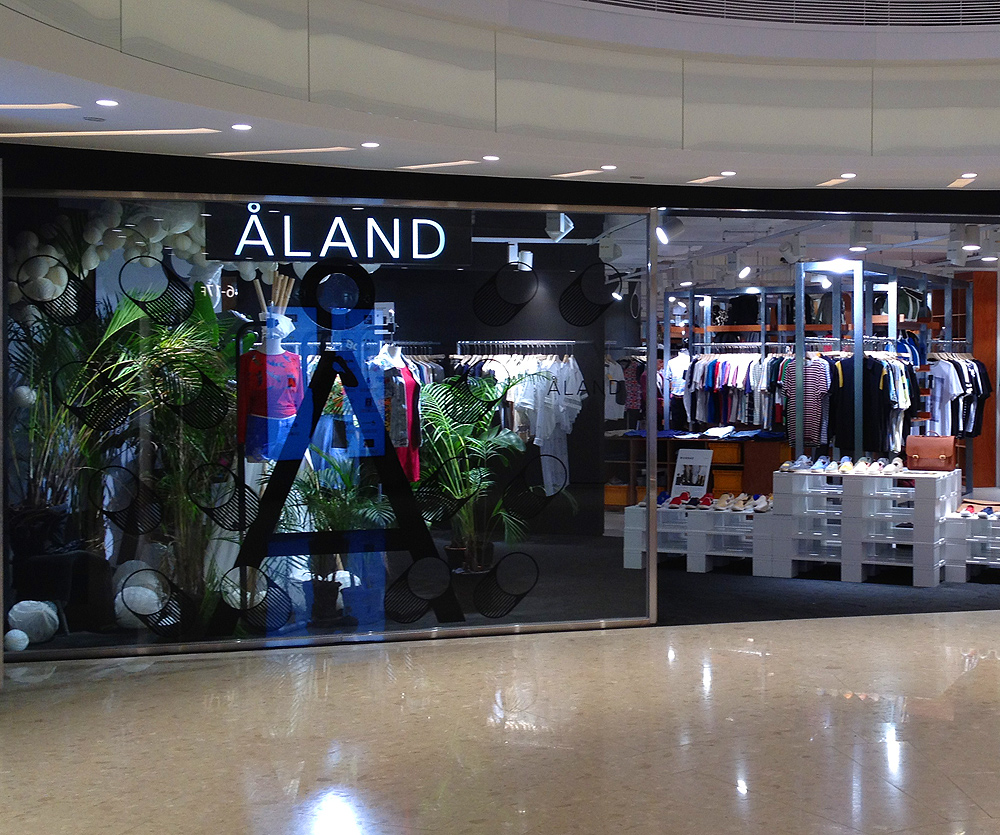
  • Aland to open fashion flagship store in the US

    Aland to open fashion flagship store in the US

    Mall developer Triple Five announced that Aland’s 10,000sqft outlet will “bring everything that Korean fashion stands for to American Dream; unique designer brands worn by K-Pop stars, K-Beauty and more”.

    The multi-concept store is known for its range of basic retail items through to curated Korean fashion designs. It opened its first US location in Brooklyn last year.

    Aland operates more than 20 stores in its home market as well as in Hong Kong and Thailand.

    “We look forward to opening a flagship location at American Dream, where guests from New Jersey and the New York metro area and around the world can shop for a highly curated selection of affordable basics, as well as learn about rising independent Korean designers,” said Aland’s co-founder Kinam Jung. “While K-Pop has become mainstream cultural phenomena, customers can find popular items worn by BTS, Blackpink, Monster X, and etc. Åland will be the go-to-place for those who love K-Culture.”

    South Korean fashion chain Aland hopes to become a key drawcard of the 3 million sqft American Dream mall when it opens on October 25.

  • Commune launches high-tech AR app in Singapore

    Commune launches high-tech AR app in Singapore

    Furniture-design and lifestyle-brand Commune in Singapore has unveiled a cloud-based, omni-channel furniture retail solution and mobile augmented-reality (AR) app.

    Commune: In Motion is designed to transform the shopping experience and reduce the time taken to serve customers by about 70 per cent. It is the product of a design development process underway since 2016 to discover new values and growth in the evolving digital landscape.

    “The retailers who thrive in the next decade will be those who reimagine and redefine their stores for the digital age,” said CEO Joshua Koh. “Brick-and-mortar retailers have enormous opportunity to leverage the distinct benefits of ‘old fashioned, in-person shopping’ in ways that digital sites can only dream about. The winners of tomorrow will be those who are able to transport the digital world into their stores in a manner that delights customers, builds loyalty and generates brand value,” he said.

    The app enables the integration of online and offline data across various touch points – for example, customers’ browsing behaviour and the management of purchase and delivery orders in real-time – to provide a personalised shopping experience for homeowners and furniture enthusiasts.

    “Commune: In Motion exemplifies Services 4.0 where next-generation services are end to end, frictionless and anticipatory to customers’ needs,” said development partner Infocomm Media’s executive Jane Lim. “Commune has shown us how retail businesses can meet changing customer needs quickly in the digital age by effectively harnessing emerging technology and data.”

    Some of these initiatives undertaken by Commune in Singapore include the development of a VR and 3D space planner, implementation of an e-learning portal for in-house training, and the participation in overseas business missions.

    For Commune, the system aims to further improve business operations and speed up customer-service efficiencies, as well as provide a platform whereby the company can build a better relationship with its customers.

    Commune in Singapore has a vision is to create a seamless, online-offline shopping experience that is more immersive, fun and explorative while encouraging other companies in the industry to embark on similar journeys.

  • Apple TV+ will allow users to download content for offline viewing

    Apple TV+ will allow users to download content for offline viewing

    A report revealed that Apple’s video streaming service will be coming our way by November of this year, starting at $9.99 a month and likely with a trial period of some sorts to kick things off. Information about the features of Apple TV+ is scarce right now, but a fresh new leak may have revealed one of them – the ability to save offline content.

    New information was discovered in macOS Catalina (the latest version of Apple’s Mac operating system) that suggests that Apple TV+ will allow users to download content for offline viewing. While digging through the code of macOS Catalina, MacRumors discovered lines that refer to Apple’s upcoming TV streaming service. The code suggests that the platform will offer offline viewing, but “with limitations on the total number of downloads, downloads per show or movie, or the total number of times a show or movie can be downloaded.”

    As with most other streaming services, Apple TV+ will also have a limitation on the number of simultaneous streams. If a user attempts to stream on more than the allowed number of devices at once, they will be greeted with a notification to first stop one of the other streams.

    With TV+, Apple is entering a very crowded and competitive field, dominated by the likes of Netflix, Hulu, and Amazon Prime. It’s going to be an uphill battle for the iPhone maker, but the company has already reportedly invested around $2 billion in its streaming effort, so it evidently has faith in this endeavor.

    Sources with knowledge of the work claim that the company is considering a release model that offers “the first three episodes of some programs, followed by weekly installments,” in contrast to Netflix’s “all-at-once” strategy, where entire seasons are released on the same day for binge-watching.

    Services are among the biggest money-makers for Apple, so it comes as little surprise that the company was so eager to dive into video streaming. In fact, while Apple’s biggest cash cow is still the iPhone, services are right behind it, making Apple more money than the iPad and Mac. Apple TV+ is an integral part of the company’s drive to reach $50 billion in services sales by 2020.

  • Google Hangouts transition for G Suite gets delayed until 2020

    Google Hangouts transition for G Suite gets delayed until 2020

    Google confirmed back in December that it will replace Hangouts with Chat and Meet, and announced that the transition will start in October 2019. However, the search giant revealed that the transition for G Suite has been postponed and that the new deadline is June 2020.

    According to Google, the decision to delay the move is based on the feedback received from many Hangouts users, who apparently need more time to migrate their organizations from classic Hangouts to the new Hangouts Chat.

    That being said, Google has officially postponed the final transition date to no sooner than June 2020, which means that it could happen later, but definitely not sooner. In the meantime, Google will continue to improve the transition experience of classic Hangouts group conversations, and add new Chat features like Read receipts.

    In case you need a more definitive date, Google said that it will provide advance notice once it figures out when it’s the right time to start the final transition of classic Hangouts to Hangouts Chat.

    Also, for those who want to migrate sooner, Google has already kicked off the Accelerated Transition Program, so simply request an invitation and the classic Hangouts will be disabled and you’ll be migrated to Hangouts Chat.

  • Microsoft brings its SMS Organizer app to the US

    Microsoft brings its SMS Organizer app to the US

    The SMS Organizer app is one of the many projects that took shape under Microsoft Garage’s umbrella, but it’s only been available in India since release. Starting this week, Microsoft has expanded the availability of SMS Organizer to more countries, including the US, UK, and Australia.

    As the name suggests, SMS Organizer will sort all your incoming text messages into categories. Microsoft’s app is a bit more advanced when it comes to sorting text messages, as it uses machine learning to filter them into categories like personal, transaction, and promotional.

    But the app goes even further and prevents promotional messages from popping up on your phone’s screen. While you will find these on the promotional tab, you also have the option to automatically delete these messages every few days or weeks.

    On the other hand, whenever you receive text messages related to trains, flights or payments, SMS Organizer will notify you every time and even helps you keep track of your account balance. More importantly, you can use SMS Organizer to backup and restore chats to and from Google Drive.

    Unfortunately, SMS Organizer does not feature support for multimedia messaging (MMS), so it’s limited to standard text messages. If you want to use the app, which is available for download via Google Play Store, you must register using your phone number.