Author: Mei Ling Tan

  • Vietnam cross-border e-commerce platform Fado eyes expansion

    Vietnam cross-border e-commerce platform Fado eyes expansion

    Fado, the first Vietnam cross-border e-commerce platform, plans to help local SMEs go global.

    “Vietnam has so many quality products but local suppliers don’t have an official platform to sell them worldwide,” Fado CEO Pham Tan Dat said.

    “Our mission is to create a channel for local SMEs to reach global customers.”

    As Alibaba’s authorised global channel partner in Vietnam, Fado plans to help 260 million SMEs access 190 countries.

    In 2017, 32 percent of Vietnam SMEs partnered with foreign online partners. Last year, the rate was 98 percent, among which two-thirds were ‘extra-small businesses’.

    Founded in 2011, as a cross-border shipping company, Fado rose to become the first cross-border e-commerce platform in Vietnam in 2014.

    Technically partnered with Amazon, Fado connects Amazon suppliers with Vietnamese shoppers on a single platform.

    “Our services are not only legal but also convenient to customers. They don’t have to worry about how their purchases are shipped cross border. Customers enjoy our return policies if the products are not as described on websites.

    Shoppers also can buy discounted products in real-time, especially during events like Amazon Prime Day, without subscribing to a membership.

    The platform has partnered with Proship to deliver products within its home market.

    Fado’s biggest challenge is how to calculate import tax for 4 billion products before customers purchase them, especially during sales.

    “Fado builds a product database using machine learning and AI including images and description so the system can recognize them and apply the right import-tax code. Our system also recognise products banned according to Vietnamese law,” Pham added.

    Vietnam’s cross-border e-commerce market is predicted to increase by 30 percent annually. According to Vu Ba Phu, head of Vietnam’s Trade Promotion Agency, the global market will reach US$3300 billion in the next two years.


  • Hush Puppies breaks out of “vicious cycle”

    Hush Puppies breaks out of “vicious cycle”

    Iconic footwear brand Hush Puppies is undergoing a major brand transformation in Australia, backed by updated modern collections designed to appeal to younger customers, fun collaborations and an upcoming gamification campaign in September.

    Traditionally known as the comfort footwear choice for grandparents, the local team has “really spun this brand on its head”, according to general manager, Charlene Perera.

    “It’s a 61-year-old brand and we had gotten to this point where we had gotten old with our customer. We were doing the same things, expecting a different result. It’s a vicious cycle so many retailers get into,” she said.

    “It took us probably a year and a half to find our feet and being predominantly wholesale with a smaller retail network, it took a lot longer to turn it around. But the last two years for us have just been on the up, which has been really amazing for a heritage rand in this climate. So we’ve seen growth across our retail network, online and our department stores.”

    Next month, as part of a campaign to promote the bounce technology within their shoes, Hush Puppies will launch an online game on its website for customers, which will be promoted for four weeks across radio stations in Melbourne, Sydney and Brisbane.

    In each state, Hush Puppies will run an activation, where radio announcers representing customers at the top of the leaderboard will then battle it out against each other in zorb balls.

    According to Perera, it is these “unexpected” and fun initiatives that have helped to re-direct the brand and give it new life.

    “For our 60th birthday last year, we threw a party, we invited all the buyers into our office, the customers that shop in our store, all our team and we raffled off the car on the night. It was a massive party, you know. It’s fun stuff and I don’t think other brands are doing it. And I think those little things go a really long way,” she said.

    Earlier this year, Hush Puppies was the official shoe of Mardi Gras and a sparkly pair of shoes was created specifically for the event. When the brand turned 60 last year, it went on a music road trip around Australia, paying homage to the rich rock ‘n’ roll history behind the brand – musician Keith Richards famously wore a pair during a Rolling Stones concert.

    According to Perera, while Hush Puppies is based in the US, the brand turnaround has largely been led by the Australian team, which designs 90 percent of the local collection.

    The updated Hush Puppies range is now focused on the everyday woman who wants both style and comfort.

    However, there has since been a global push by Hush Puppies in the US towards an updated collection of the brand’s famous Power Walkers.

    “I think in the women’s space, we had really allowed ourselves to get old, we were aging with our customer,” Perera said.

    “It’s fun for us to be able to have a bit of tongue in cheek. We know that they the Power Walker were the grandpa shoes that everyone relates to Hush Puppies, but in slightly less cooler colors. The heart of the brand for me is it’s a happy brand and optimistic – it’s backed by a little dog!”

  • Marvel x Miniso expands across Australia

    Marvel x Miniso expands across Australia

    Chinese homewares chain Miniso has launched its Marvel x Miniso collection in several stores in Australia and plans to expand the range over the coming weeks.

    The collection first landed in Miniso’s The Galeries store in Sydney on July 25, followed by openings in Chadstone Parramatta and Elizabeth Street in Melbourne in early August, with more stores to be added.

    The retailer claims to be the only official retailer and supplier of Marvel worldwide.

    “The first Marvel store in Sydney has been an instant success with customers and investors flocking to the unveiling,” a Miniso spokesperson said.

    Marvel store in Sydney has been an instant success with customers and investors flocking to the unveiling,” a Miniso spokesperson said.

    “Marvel is now the largest growing movie franchise with many more exciting movies and characters about to be unleashed onto the big screen. Miniso as a partner will be able to unveil these characters and icons in some 4000 stores worldwide.

    “We are so excited to be able to bring to Australia this amazing new store for all the Marvel and Miniso fans.”

    Australia is not the first country to get the Marvel treatment. The Marvel x Miniso collection, including Captain America, Spider-Man, and Iron Man-themed goods, has also appeared in stores across Indonesia, China, Hong Kong and Singapore.

    Miniso founder and global chief executive Ye Guofo called Marvel the world’s top IP, and said good products should serve a broader market, rather than a niche.

    “This is the reason why Miniso would cooperate with Marvel,” Ye said in a statement.

    “We will continue to follow the principle of high quality and affordable price, and bring authentic peripheral products with first-class quality and affordable price to Marvel fans around the world.”

    Ada Dou, executive vice president of Miniso’s commodity center, said the partnership would provide access to new markets for both Marvel and Miniso.

    “With this cooperation, Marvel can open up the female market, while Miniso can attract more male consumers through its series of products at the same time,” Ada said.

    According to Miniso, the brand attracted turnover of RMB 17 billion ($3.6 billion) in 2018 and has previously partnered with Hello Kitty, Adventure Time, We Bare Bears, Pink Panther, and Sesame Street.

  • Menulog grows footprint, revenue in Australia

    Menulog grows footprint, revenue in Australia

    London-based food company Just Eat posted its half-year results on Wednesday, including the latest results from its Australian subsidiary Menulog.

    The takeaway food platform, which launched its own delivery service in 2018 (previously it only catered to restaurants that could ‘self deliver’), reported a 29 percent increase in revenue on a constant currency basis in the first half to £27.3 million.

    Orders increased more than 10 percent year on year. Underlying EBITDA, however, fell into the red, with the company reporting a £2.1 million loss in the first half, compared to a £4.3 million profit in the prior corresponding period.

    According to Just Eat, this was due to the cost of rolling out of its new delivery service. It had signed up 5700 restaurants to the service by the end of June and now covers 70 percent of the addressable population in Australia.

    “We’ve been working at pace and made good progress in the first half of the year to become the preferred food delivery app for our customers, with a broader choice of restaurants, a better user experience and a more personalized and impactful approach to communication,” Just Eat interim chief executive Peter Duffy said.

    “Australia has returned to top-line growth with our delivery operations achieving gross profitability. These are strong foundations for Just Eat to build on, as the business continues to drive forward.”

    The company reported a 28 percent year on year increase in restaurant partners. It now has seven of the top nine international chains operating in Australia on its platform.

    Active customers fell by 10 percent compared to the same period of 2018 due to a smaller EatNow platform – a subsidiary brand, which is set to be retired later this year. Average order value also fell 2 percent, from £23.49 during the first half of 2018 to £23.03.

    “Effective action taken by our teams in a period of transition resulted in significantly improved performance in the first half of the year and has seen us reclaim market share,” the parent company wrote in a note to investors.

  • Puma sales drops as 233 new stores open across China

    Puma sales drops as 233 new stores open across China

    Puma sales surged by 15.5 per cent on a currency-adjusted basis in the first half of this year, to €2.546 billion.

    The Asia-Pacific region led the way, with sales soaring 21.6 per cent in the second quarter, closely followed by the Americas, up by 19.7 per cent. Net earnings rose by 46.3 per cent to €144.1 million.

    “The second quarter of 2019 developed very positively for us, with sales growing 15.7 per cent currency-adjusted and earnings before interest and tax increasing 39 per cent,” said CEO Bjorn Gulden. “All divisions and all regions saw healthy improvement.”

    New styles of footwear sold well, apparel continued to be strong, replenishment orders for both apparel and footwear developed and the company’s direct-to-consumer business also performed well, he said.

    Within Asia, China was the main growth driver for the sportswear brand, without breaking down Puma sales figures by market.

    From a product-division perspective, the sales growth was driven by double-digit growth in apparel with an increase of 24.8 per cent as well as in footwear, which grew by 11.7 per cent.

    Wholesale continued to drive growth with an increase of 13.8 per cent currency-adjusted, supported by the strong performance of key accounts. Sales through Puma’s owned-and-operated retail sales increased by 21.5 per cent currency-adjusted to €599.6 million including e-commerce.

    In China Puma opened a net 33 owned-and-operated retail stores during the first six months and its partners a further 200.

  • Decline in Hong Kong retail sales in June less as forecasted

    Decline in Hong Kong retail sales in June less as forecasted

    Hong Kong retail sales in June fell – but not by as much as many were expecting.

    Official figures from the Census and Statistics Department (C&SD) show a 6.7 per cent decline year-on-year in June, somewhat higher than the 1.4 per cent revised figure for May, but well short of the double-digit predictions some pessimists were picking late last month.

    Year-to-date Hong Kong retail sales are down 2.6 per cent compared with a year ago.

    June was the month when rolling protests began on Hong Kong Island, particularly affecting retailers in Admiralty, Wan Chai, Central and Causeway Bay. Watsons this week confirmed some of its stores in those areas had recorded double-digit declines in sales.

    A government spokesman said that retail sales registered an enlarged decline in June, as local consumer sentiment turned more cautious and growth in visitor arrivals moderated.

    He expects sales would remain subdued in the near term, as a weakened global and local economic outlook and other headwinds continue to weigh on consumption sentiment.

    “The recent mass demonstrations, if continued, would also dent the retail business further,” he said.

    Predictably, sales of jewellery, watches and valuable gifts in June were hit the hardest, plunging 17.1 per cent. Due to their high value, that category traditionally has the greatest impact on the overall figures.

    Other categories to decline – in descending order of impact – were medicines and cosmetics (down 4.1 per cent); apparel (down 8.2 per cent); commodities in department stores (down 6 per cent); food, alcoholic drinks and tobacco (down 1.3 per cent); electrical and consumer durable goods (down 16.1 per cent); footwear and accessories (down 1.4 per cent); books, newspapers, stationery and gifts (down 4.5 per cent); Chinese drugs and herbs (down 0.1 per cent); and optical shops (down 11.9 per cent).

    In contrast, supermarket sales increased by 1.6 per cent in June, while sales of other consumer goods not elsewhere classified rose by 0.3 per cent, and furniture and fixtures rose by 1.1 per cent.

    C&SD said that after netting out the effect of price changes year-on-year Hong Kong retail sales in June decreased by 7.6 per cent and by 3.1 per cent in the year to June.

  • Body of Cafe Coffee Day founder discovered after apparent suicide

    Body of Cafe Coffee Day founder discovered after apparent suicide

    VG Siddhartha, the founder of India’s largest coffee chain Cafe Coffee Day, has been found dead, in an apparent suicide.

    Siddhartha had been missing since Monday, last seen by his driver standing on a bridge. He had penned a letter to his board in which he wrote that he could no longer handle pressure from private equity investors and a taxation enquiry.

    “I gave it my all but today I gave up as I could not take any more pressure,” local Indian media have reported the letter as reading. He referred to a “serious liquidity crunch” relating to “harassment” from tax officials and pressure from lenders.

    Siddhartha founded Coffee Day Enterprises in the late 1990s, years before Starbucks made its Indian debut, building a network of 1700 outlets – 10 times the size of Starbucks. The company was listed in 2015. Current shareholders include private-equity company KKR with which has 6 per cent stake after selling a 4.25 per cent stake last February.

    “We are deeply saddened by the developments and our thoughts are with his family at this time,” KKR said in a statement about Siddhartha’s death.

    As news of his disappearance, and later the discovery of his body, spread, the company’s share price plunged by 20 per cent.

    Last month, Coca-Cola was linked to an investment in the coffee chain which would have valued the enterprise at about US$1.45 billion. The status of that deal is unclear.

    Meanwhile, Coffee Day Enterprises board released a statement to the stock exchange pledging to “ensure continuity of business”

  • Google Assistant can now read texts from third-party apps

    Google Assistant can now read texts from third-party apps

    Google Assistant is at the center of the Google ecosystem, which is why Google keeps giving it more and more things to do. It used to be that when you summoned Google Assistant and asked it to read your messages, you’d hear the content inside SMS texts that you received from Android Messages and Hangouts. But it wouldn’t read messages that you received from third-party apps like WhatsApp and Telegram.

    According to this tipster, Assistant will now read the text messages sitting in third-party messaging apps such as WhatsApp, Telegram, Slack, Discord, GroupMe and more. Not only will the virtual digital helper read these messages to you, but it will also allow you to dictate a response to these missives. To set up your phone to do this, awaken the Assistant and say “read my messages.” You’ll have to allow the Google app to have access to your notifications. Once this is done, asking the virtual helper to read your messages will show a card that pops up containing the last text message received. Assistant will read it and include the name of the sender and the app that it came from. Google Assistant will then give you the option of dictating a response or typing one out. When your response is completed, it is immediately sent out and the text marked as read.

    There is a caveat that you need to know about. A text message containing media, such as a photo, a video or audio will not be read. Instead, Google Assistant will tell you that “the message just contains an audio attachment.” Hopefully, Google plans on having Assistant read such audio attachments in the future.

    This feature is apparently just rolling out now. Unfortunately, we couldn’t get it to work on our Pixel 2 XL running Android 9 Pie. We kept receiving a message that said: “Something went wrong.” We will continue to try it again from time to time, and if there are any changes we will update this story.

  • Superdry India to launch E-commerce initiative

    Superdry India to launch E-commerce initiative

    A dedicated Superdry India website is set to launch later this month.

    The British fashion retailer already trades in the territory online via Myntra, Ajio and Amazon via a deal with Reliance Brands. The new direct-to-consumer platform, launching mid-August, serves as the next step in the firm’s expansion plans.

    Superdry India, which has recently achieved double-digit growth, expects to generate 7 to 10 per cent of its revenues through the new site within the next year as it also moves to expand its physical footprint within the country.

  • RFG director taking on operational role

    RFG director taking on operational role

    Retail Food Group director Jessica Buchanan has resigned from her position in order to transition to an operational consulting role.

    The move, announced in a statement to the ASX on Thursday, will enable Buchanan to execute some of the strategic initiatives she has helped to formulate in her capacity as a director.

    These include a strategy for the rollout of 62 new product campaigns, which are now being delivered to franchise partners by the company’s brand general managers.

    The first of these campaigns are showing significant improvements, a company spokeswoman said.

    According to RFG, the new Gloria Jean’s ‘Kit Kat Chiller’ promotion so far has lifted sales by 9 percent, and the Brumby’s ‘Gourmet Donut’ campaign has lifted sweet category sales by 8 percent.

    Buchanan, who founded consumer research agency Consumerology, which counts Autograph, Katies, Millers, and Crossroads as clients, has many years of experience in consumer product marketing and retail franchising.

    She was also a non-executive director of Banjo’s Bakery Cafes for four years from 2008 to 2012, according to LinkedIn.

    Earlier this month, The Age and The Sydney Morning Herald reported that Buchanan had sought to stock products from Naytiv, a food brand she started in 2017, in some of RFG’s franchises.

    The company ultimately decided not to move forward with the idea, according to a statement given to the publications.

    “Jessica has served on the RFG Board for eight years and as we close out the end of another financial year, she has decided the best use of her time at this point is to step into the company and commit more of her time to help drive the successful execution of these campaigns for our franchisees,” the spokeswoman said about her transition to operational consultant.

    RFG executive chairman Peter George thanked Buchanan for her contribution as a director and said he looks forward to working with her as a contributor.

    “Innovative product offerings and campaigns will be critical to the revitalization of the RFG’s franchisee network which will, in turn, underpin the operational turnaround of RFG,” he said.

    The franchisor, which owns the Gloria Jean’s, Donut King, Crust, Pizza Capers and Brumby’s Bakery businesses, has faced ongoing challenges since it got caught up in the parliamentary inquiry into the franchising sector.

    In March 2018, the company revealed plans to close more than 200 stores and posted a $306.7 million loss later in the year, after it was forced to make impairments and provisions to the tune of $402.9 million to cover store closures and restructuring and a reduction in brand value and assets.

    Over the last 12 months, RFG has renegotiated its financial covenants with lenders, gaining some breathing room while it seeks to reduce debt levels, including the potential sale of its Crust, Pizza Capers and Donut King businesses.

    The company’s stock price spiked in early July after it received a $160 million refinancing proposal subject to various conditions from Soliton Capital Partners, which it did not make public despite the ASX’s continuous disclosure rules.

    The company defended this decision, citing the fact that it has said numerous times that it is exploring various ways to reduce its debt.

  • Apple Card terms specify that iPhone holders can’t jailbreak their phone

    Apple Card terms specify that iPhone holders can’t jailbreak their phone

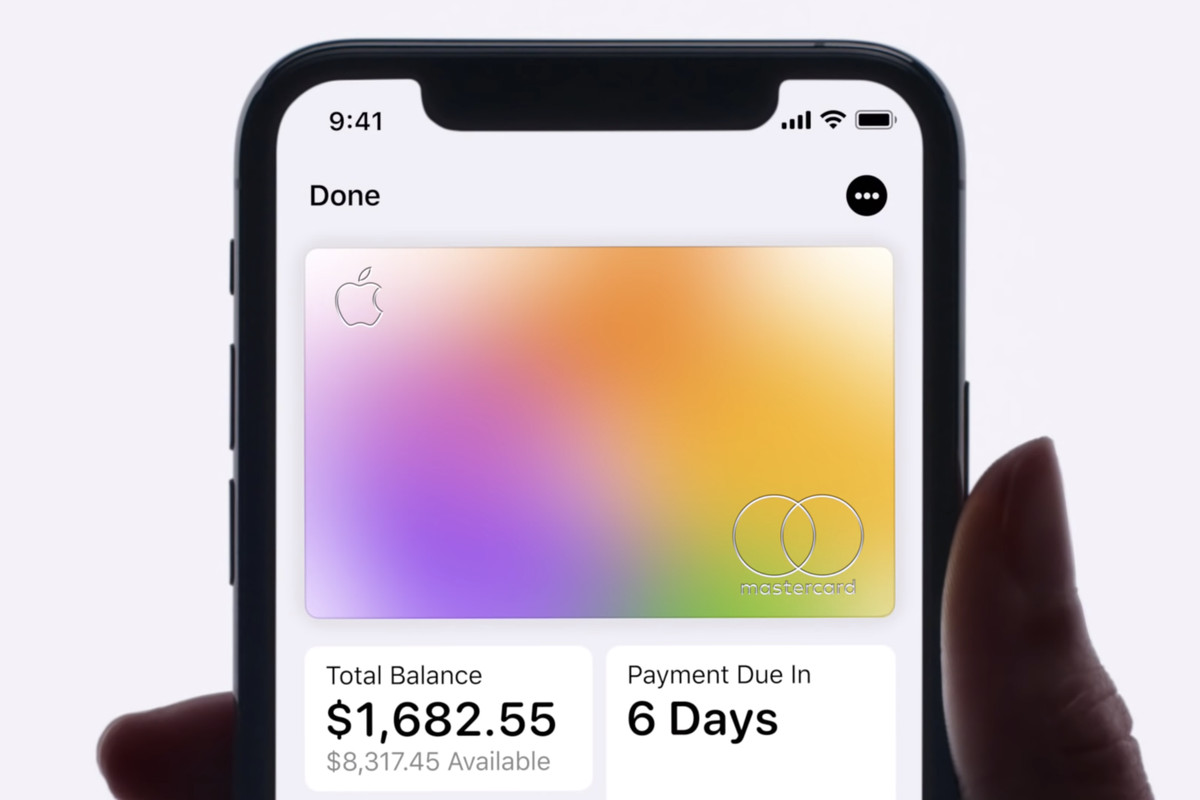
    Back in March, Apple introduced the Apple Card. The virtual card sits in the iOS Wallet app, although an actual physical card can be ordered. For privacy reasons that card will not include the account number, but will have the user’s name on the card. Apple Card users will face no fees. That’s right, say goodbye to Late fees, Annual fees, International fees, and Over-limit fees. Card users will get back 2% of the value of transactions made outside of the Apple ecosystem and 3% of those purchases made from the App Store, Apple Store, and other Apple properties. Transactions paid for with the physical card will get 1% back. These rebates will be computed daily and made available each day.

    The card is expected to launch sometime this month and investment banking firm Goldman Sachs is Apple’s partner for this project. Goldman Sachs has posted the Apple Card Customer Agreement and this reveals some interesting things. First of all, depending on the card user’s credit ratings, the annual interest on the card will range from 13.24% to 24.24%. Future changes will be based on any rate hike or cut made to the Prime Rate. This is the rate that banks charge their best customers for loans.

    To be eligible for an Apple Card, you must have an Apple ID that is associated with a valid iCloud account. There must be an active email address connected to the Apple ID, with Apple’s two-factor authentication turned on. And those iPhone users who “jailbreak” their phone to remove iOS software restrictions are at risk of having the account closed. In addition, the Apple Card cannot be used to buy casino chips, lottery tickets, and cryptocurrencies. In other words, you can’t use the Apple Card to buy Bitcoins. This is probably not devastating news for the majority of consumers looking to open an Apple Card account.

    “If you make unauthorized modifications to your Eligible Device, such as by disabling hardware or software controls (for example, through a process sometimes referred to as “jailbreaking”), your Eligible Device may no longer be eligible to access or manage your account. You acknowledge that use of a modified Eligible Device in connection with your Account is expressly prohibited, constitutes a violation of this Agreement, and could result in ours denying or limiting your access to or closing your Account as well as any other remedies available to us under this Agreement”-Apple Card user agreement.

    So if you own a jailbroken iOS device, you’re not allowed to use it to apply for the card. And if you have an iPhone that you used to obtain a card, you cannot jailbreak it. Pretty simple rules. In fact, all of the terms and conditions of the Apple Card can be found on the Goldman Sachs website.

    The Apple Card will be another business in Apple’s Services unit. After the iPhone, this segment is the second-largest in terms of revenue for the company, and it is the tech giant’s second most profitable division. Apple is aiming to hit $50 billion in annual revenue by next year for the Services group, double the $25 billion the unit grossed in 2016. For Apple’s fiscal third-quarter covering April through June, the company reported record Services revenue of $11.5 billion. The reason why this business is so important to Apple is that it is less dependent on iPhone shipments and is more dependent on the global active number of iPhones. At the beginning of this year, that number was approximately 900 million. Other businesses under the Services umbrella include the App Store, iCloud, Apple Music, Apple TV+, Apple News+, Apple Arcade (once it launches), AppleCare, Apple Pay and more.

  • Central Group has plans to spin off the retail division

    Central Group has plans to spin off the retail division

    Thai mall operator Central Group will list its Central Retail Corporation unit, combining retail businesses in Thailand, Vietnam and Italy.

    The listing is scheduled to take place before the end of this year and the company expects it will raise between US$1 billion and $2 billion.

    “We are reaching customers in new ways through physical and digital platforms,” said Central Group president Yol Phokasub. “The platforms are especially focused on personalisation, based on data from our 27 million customers worldwide.”

    Central operates almost 2000 stores in Thailand. It runs 134 outlets in Vietnam under a variety of banners, and nine in Italy, trading as “Rinascente”.

    The move follows the group’s acquisition of Zalora Thailand, as well as a joint venture with Chinese e-tailer JD and an investment in ride-hailing business Grab.

    Central will also delist its Robinson Pcl subsidiary with a tender offer.

  • Prada sales rise as markdowns capped

    Prada sales rise as markdowns capped

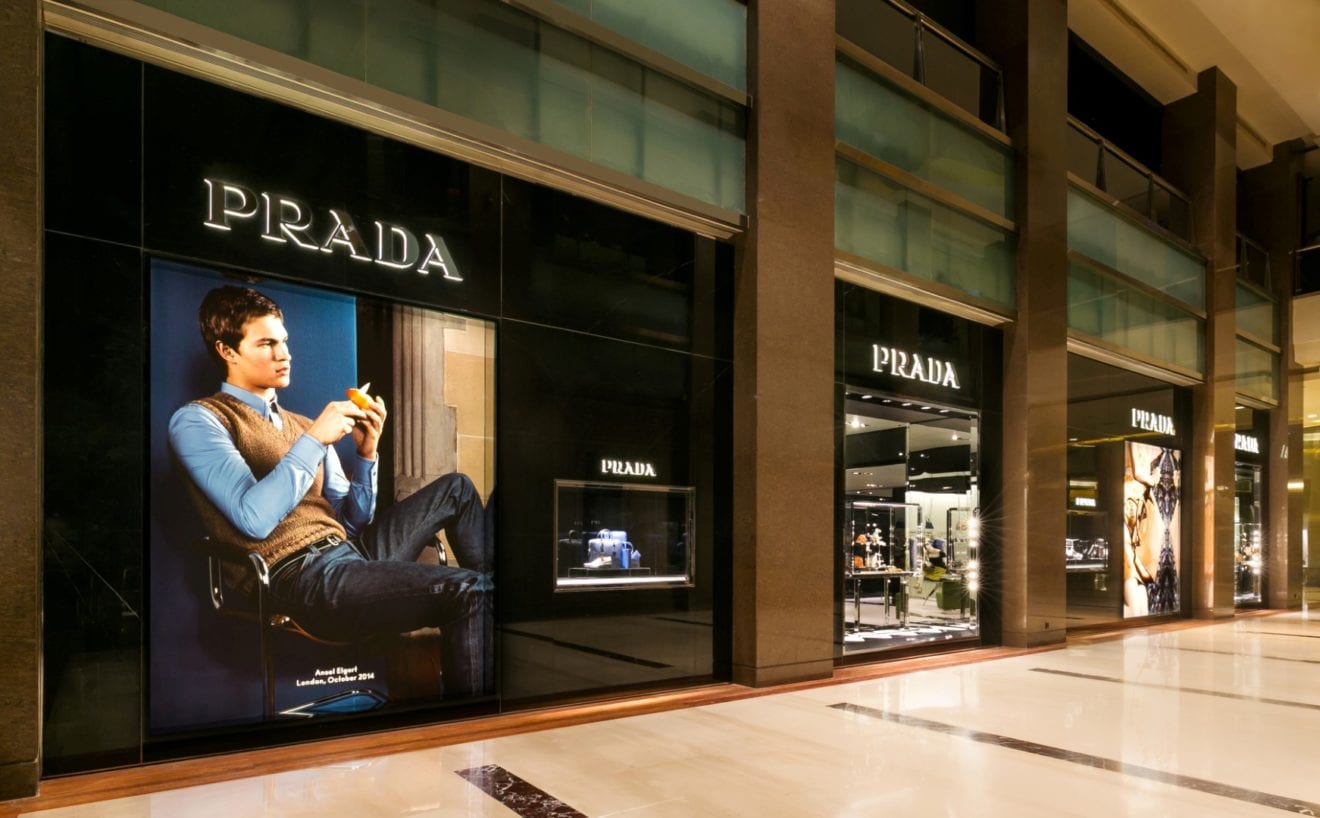
    Prada sales rose 2 percent in the first half of the year, as improving full-price sales and solid growth in its wholesale channel offset the impact of a move to cut back on markdowns.

    The Hong Kong-listed Italian luxury fashion group said this year it would stop offering end-of-season promotions in its stores and be more selective with wholesalers to support full-price sales to lift margins and protect its brands.

    Prada sales had risen last year for the first time in four years, helped by a new strategy aimed at rejuvenating the brand, which focused on renovating shops, new products, and digital sales.

    In the first half of 2019, revenue totaled US$1.73 billion, which was flat when stripping out the impact of currency swings.

    The retail network declined 3 percent affected by the phase-out of markdown sales, while the wholesale channel rose 14 percent driven by online sales, with the rationalization not having any impact yeton that part of the business.

    Prada warned however it will affect results in the short-term.

    Operating profit, or earnings before interest and taxes (EBIT), decreased 13 percent to US$166 million, equivalent to 9.6 percent of sales. The group’s operating profit margin has been declining every year since 2012 when it stood at 27 percent.

  • Facebook’s plan to avoid getting split up might be too late

    Facebook’s plan to avoid getting split up might be too late

    More than seven years have elapsed since Facebook bought Instagram for $1 billion. At the time, Instagram was known for its photo filters and was just reaping the rewards of dropping its Android version of the app. In hindsight, that was a spectacular deal for Facebook as Instagram now has over 1 billion monthly active users and some estimate that it takes in $2 billion a month in advertising revenue.

    In October 2014, Facebook closed on its purchase of messaging app WhatsApp. The final price was over $21 billion. At the time of purchase, the messaging app was free to users for a year and $1 a year thereafter, although that charge was removed in 2016. Annual revenue, estimated by Forbes, is $5 billion and the app will start running ads next year on its own version of Stories called “Status.” WhatsApp has more than 1.5 billion daily active users.

    Because Facebook didn’t go around and promote its ownership of Instagram and WhatsApp, it is quite possible that the vast majority of the smartphone-wielding public doesn’t even know that all three are owned by the same company. But that apparently is going to change. The Information cites three unnamed sources who revealed that Facebook’s properties are going to have new branding. The two apps will be known as “Instagram from Facebook” and “WhatsApp from Facebook.” The report notes that employees have already been informed about this surprising move that comes as a shock since the two have been running autonomously since their acquisitions.

    So why would Facebook do this now? After all, Instagram and WhatsApp both have achieved strong growth without having the Facebook name included with their branding. There is an answer. Reportedly, Facebook CEO Mark Zuckerberg is upset that the company doesn’t get enough credit for the two apps’ success. But another reason might have to do with the FTC’s investigation into Facebook and the calls from some presidential candidates to split up the company into separate units. By adding the “…from Facebook” line, it could appear to FTC staffers that those using Instagram and WhatsApp realize that they belong to one big happy Facebook family. Before adding the new branding, the FTC could have pointed out that most Instagram and WhatsApp users didn’t know who owned the apps and therefore breaking up Facebook wouldn’t matter to them.

    It is doubtful though that such a strategy will stop those calling for Facebook to be split up. With great power comes great responsibility and that is something that Facebook has yet to prove it can handle.

  • Starbucks China sales and transaction volume grows

    Starbucks China sales and transaction volume grows

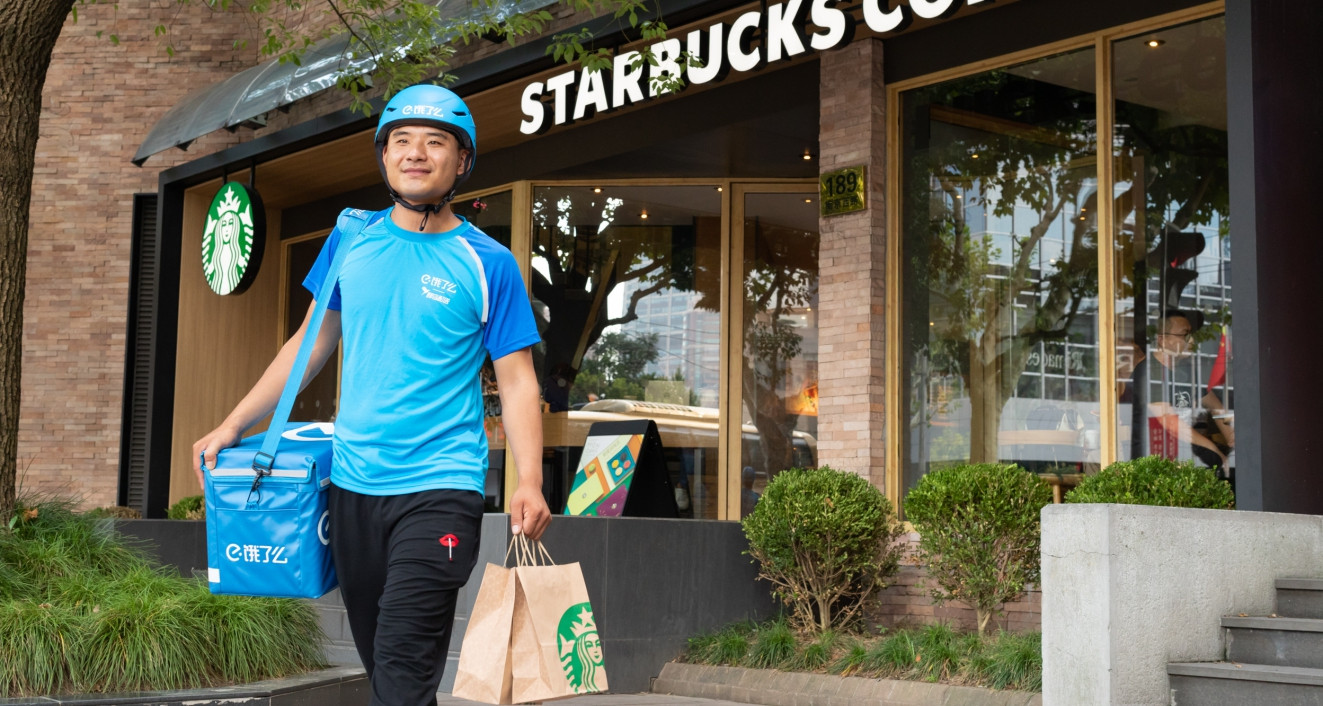
    Starbucks China sales growth out-paced the rest of Asia in the third quarter, up 6 per cent on a same-store basis and 2 per cent by transaction volume.

    But the coffee giant appears to be getting the most traction from its home market, where sales grew 7 per cent in the 13 weeks to June 30, the average ticket price was up by 4 per cent and the number of transactions rose 3 per cent.

    “Starbucks continues to be focused and disciplined in the execution of our three key strategic priorities that we established last year: accelerating growth in the US and China, expanding the global reach of the Starbucks brand through our Global Coffee Alliance with Nestle, and increasing shareholder returns,” said Kevin Johnson, president and CEO, referring to the Growth at Scale program.

    The company opened 442 net new stores in the quarter, with nearly one third of those in China and 48 per cent in other international markets outside the US. It ended the period with 30,626 stores worldwide, 7 per cent more than a year earlier.

    Johnson said Starbucks delivered strong operating performance demonstrating the success of the Growth at Scale agenda.

    “Our two targeted long-term growth markets, the US and China, performed extremely well across a number of measures as a result of our focus on enhancing the customer experience, driving new beverage innovation and accelerating the expansion of our digital customer relationships. Given the strong momentum across our business, we are raising our full-year financial outlook.

    “With our efforts to streamline the company and elevate the Starbucks brand, we are positioning the company to deliver predictable and sustainable operating results while building an enduring company that creates meaningful long-term value for Starbucks shareholders,” he concluded.

    Global comparable store sales increased 6 per cent, driven by a 3 per cent increase in average ticket and a 3 per cent increase in comparable transactions.