Author: Mei Ling Tan

  • Levi Strauss ‘deliberate’ in moving production away from China

    Levi Strauss ‘deliberate’ in moving production away from China

    Levi Strauss & Co has been “deliberate and diligent” in moving production out of China because of uncertainty hanging over tariffs on goods imported from China, CEO Chip Bergh has told Reuters in an interview.

    Just 1 percent or 2 percent of Levi’s product sold in the US are manufactured in China, Bergh said, compared to 16 percent two years ago. Bergh was speaking one day before President Donald Trump said he would impose tariffs on another US$300 billion of Chinese goods, including apparel.

    Trump has used tariffs as a tool to negotiate better trade terms, saying bad deals cost millions of US jobs. Along with apparel, the new tariffs hit consumer goods such as electronics and toys and come in addition to those already imposed on $250 billion of other goods imported from China.

    The on-again, off-again nature of the US tariffs on Chinese goods had created uncertainty for many US retailers, Bergh said.

    “Every day is a new day,” he said. “Sometimes it looks like it’s definitely going to happen and then other days you think it’s off, it’s not going to happen.”

    San Francisco-based Levi’s, which returned to the public markets in March, is part of a wave of retailers that have been shifting supply chains out of China to countries such as Vietnam and Bangladesh. The trend was initially in response to higher Chinese wages but the exodus is expected to be accelerated by the new tariffs, which Trump said will go into effect September 1.

    They are expected to increase consumers’ costs and have an impact across the entire retail industry.

    Apparel retailers like Gap Inc, shoes and accessories brand Steve Madden and department store Macy’s have also acted to move production out of China.

    However, China still is a big supplier to the industry with 42 percent of apparel and 69 percent of footwear sold in the US made in China, according to the American Apparel and Footwear Association.

    Following the latest tariff news, several large retail trade groups warned the levied tariffs will hurt consumer purchases, raise prices and limit hiring.

    Levi’s has two of its own factories in Poland and South Africa but mostly uses third-party vendors or suppliers spread across 22 different countries, said Bergh, who joined the company in September 2011.

    “We’ve narrowed down our supplier base during the time that I’ve been here to really develop deeper, more strategic relationships with many of our suppliers,” he said.

    Many of Levi’s suppliers in China are publicly traded companies that have multi-country footprints, said Bergh, that have diversified risk by building factories in places like Vietnam and Cambodia.

    Levi’s also has put contingency plans in place “not just for China but also for Mexico in the event that NAFTA gets ripped up in a moment of rage or something,” Bergh said.

  • Dairy Farm sales lift through several acquisitions

    Dairy Farm sales lift through several acquisitions

    Dairy Farm sales surged by 13 percent in the first half of the year to US$13.8 billion.

    The Hong Kong-headquartered company said the improved top line was largely due to its investment in Robinsons Retail and a strong performance by Chinese supermarket business Yonghui, but it is clear that early signs of the company’s five-year transformational program are bearing fruit, while at the same time adding to costs.

    Underlying profit was up 5 percent to $177 million.

    In a stock-exchange filing, chairman Ben Keswick said the first half of the year saw a strong performance from the health-and-beauty division, and solid sales performances from convenience, home furnishings and restaurants.

    Sales by the group’s subsidiaries in the first half were 3-per-cent lower than the same period last year (1-per-cent lower at constant exchange rates), predominantly as a result of the separation of the Rustan Supercenters business in the Philippines during the final quarter of last year and the closure of some grocery stores in Southeast Asia.

    Keswick said the supermarket and hypermarket division’s operating profit remained in line with the previous year.

    “Underlying sales performance has begun to show signs of growth, reflecting improvements in quality, availability, price competitiveness and general operating standards, notably in Southeast Asia. In North Asia, sales in Hong Kong continued to grow, particularly in upscale stores, though Taiwan is increasingly under threat from the aggressive space expansion of local competitors.”

    In Indonesia, work is underway to transform a Giant Hypermarket into an Ikea store.

    Sales in all other divisions within the group delivered positive growth in the first half.

    Convenience store operations (including 7-Eleven in Hong Kong and Singapore) achieved higher sales in all markets, with the strongest growth coming from stores in Mainland China. Overall profits were slightly lower than last year as investment in store space growth over the period exceeded the higher profits achieved in both Hong Kong and Macau.

    In the health-and-beauty division, strong sales were reported in North Asia, against significant sales growth in the same period last year, reinforcing the strength and resilience of the Mannings brand.

    “Guardian in Southeast Asia also reported an encouraging improvement in sales and profit performance during the period, with the delivery of much better overall operating standards, as well as improvements in service and product availability. A growing customer base in both Indonesia and Malaysia reflects the focus on delivering an improving product offer as well as better value,” said Keswick.

    Ikea sales grew in all markets, both at a total sales level and on a like-for-like basis. However, profitability was lower due to a combination of an increased cost of goods and pre-opening expenses for new stores under development in Taiwan and Indonesia.

    Maxim’s delivered good performances across all of its key businesses, especially restaurants, where customers have shown strong engagement with new franchises, including Shake Shack in Hong Kong.

    Yonghui reported strong underlying sales and profit growth, mainly driven by the continuing expansion of its store network and healthy sales growth. Yonghui’s profit also benefited from the partial divestment of its associate, Yunchuang at the end of last year.

    “Every area of Dairy Farm’s subsidiary businesses is undergoing some form of business transition and this scale of change will take time to execute successfully in a sustainable way,” concluded Keswick.

    “Within Southeast Asia food, optimization of the store portfolio is continuing which will have a positive effect on results in the second half.

    “While the group will begin to see some early benefits from its transformation program during the remainder of the year, sales growth may be tempered by general market uncertainties. The group remains firmly focused on the successful delivery of its transformation plan for the benefit of our customers, team members and shareholders,” he said.

  • Android updates don’t matter anymore

    Android updates don’t matter anymore

    There was a time when waiting for the next big Android update meant getting new and exciting features coming to the most popular and widespread mobile OS in the world, but things have cooled off in the past two or three years and Google has been coming up with some pretty forgettable Android updates.

    In my opinion, it doesn’t really matter if your Android device isn’t running on the latest major Android version at hand. I feel that Android has already peaked and the rate of software innovation has been declining for a few years now. Google is seemingly scraping the barrel as far as innovative software features are concerned. In fact, most of the “new” features that are coming to Android Q are inspired from iOS and other custom Android skins, while others are quite irrelevant. I’m sorry, but as far as my personal excitement list is concerned, Digital Wellbeing doesn’t exactly cut it.

    It doesn’t really matter if you’re running Android Nougat, Oreo, or Pie anymore – you’re not really missing any groundbreaking new feature or functionality. Actually, ever since the Android 5.0 Lollipop update, you can probably count the really important features Android has scored on your hands, with the rest being easily forgettable fluff. Let me do this real quick:

    – Doze Mode (Android Marshmallow);
    – ART runtime (Android Marshmallow);
    – Vulkan API (Android Nougat);
    – Bundled notifications (Android Nougat);
    – Picture-in-Picture (Android Oreo);

    – Project Treble (Android Oreo);
    – Gestures (Android Pie).A much, much more important thing to fluster about are the essential monthly security patches. Now, these are key for worry-free smartphone experience. I’m pretty far from the thought that once you get the latest security patch you’re effectively invulnerable to any security breach – whatever you do, you can never really be 100% certain of your digital safety while using your phone, just like your data is never secure on the Internet. Whatever security features get implemented, there always be some deep exploit that would allow wrongdoers to gain access to people’s most sensitive data. It has happened in the past, and it will most certainly happen again.  Still, having a phone that’s up-to-date in terms of monthly security patches can help achieve a certain peace of mind.

    OEM skins have long surpassed stock Android anyway

    I feel there’s another important point to be made here – custom Android skins have surpassed stock Android in terms of features and functionality a long time ago. Samsung, Huawei, and OnePlus have all developed much more useful and feature-packed Android spin-offs. In fact, most of the major new features that you see added to stock Android have debuted and thrived on custom Android versions for longer. Split-screen, gestures, dark mode, and many others were only implemented into stock Android after Samsung, Huawei, LG, OnePlus, Xiaomi, and the others had experimented with these features for some time.

    Those manufacturer updates are the ones we really should keep our collective breath for – not only do they introduce major new features, but also your manufacturer’s major software updates are a much more important thing to hold your breath for. These might have a much bigger impact on your smartphone experience – not only do these deliver full interface overhauls (like with Samsung’s OneUI), but they could also bring important improvements to the camera performance, battery optimization, and other beneficial updates. Such updates of such caliber are more often than not tied to a major Android update, but it’s not a requirement set in stone.

    Personally, I stopped caring about Android updates a couple of years ago, sometime in the Android Nougat-Oreo interim. The only software update I’ve legit been hyped about ever since has been Samsung’s OneUI update, which is the best Android skin in my humble opinion.

  • Pola chooses Changi for first airport duty-free counter outside Japan

    Pola chooses Changi for first airport duty-free counter outside Japan

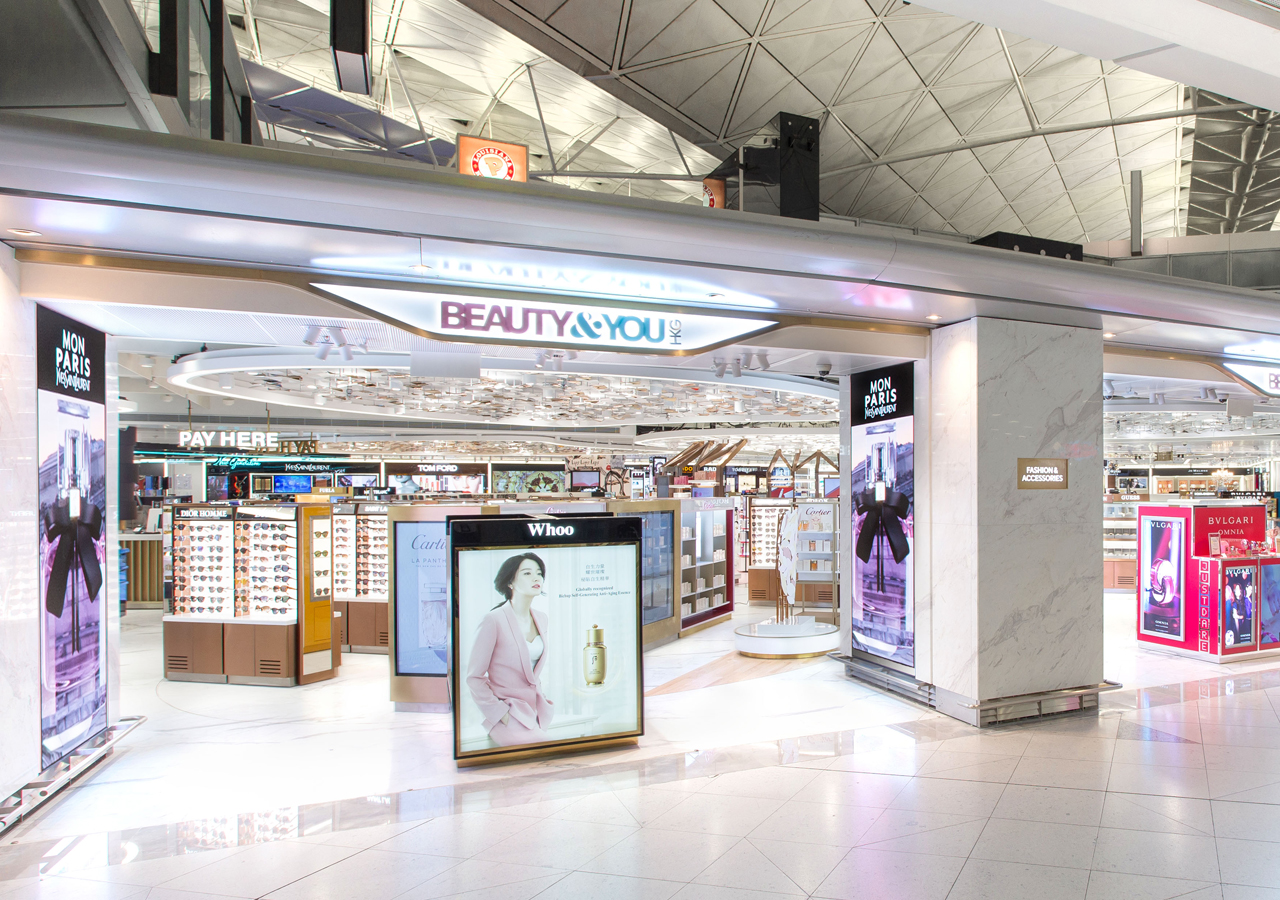
    Pola will open its first airport duty-free store outside Japan at The Shilla Duty-Free Changi Airport Store in a move to strengthen its brand presence in the global market.

    Pola is accelerating efforts to open new stores, primarily in ASEAN countries, so as to expand its travel-retail business outside Japan.

    Pola counters are centered around its top-line “B.A” brand and are decorated primarily in a modern black design. The counter design at The Shilla Duty-Free Changi Airport Store follows the design at department stores, extending the brand’s unified look and theme while aiming to match the travel retail environment so that customers can quickly identify the product range and best-sellers even during a short stay in the stores.

    The sales for Pola’s travel retail business are driven by the B.A brand, such as B.A Lotion, B.A Wash, and B.A Eyezone Cream.

    “We are certain that opening our new store at The Shilla Duty-Free Changi Airport Store, which is the biggest hub airport in Asia, will be a great step toward increasing Pola’s brand presence,” said Pola’s global business division director Tamotsu Sato. “The new store will be an important step for Pola to strengthen our brand presence in the global market and further expand our business.”

    The counter will be open at The Shilla Duty-Free Changi Airport Store at Terminal 2.

  • My Audi Connect App Introduced In India

    My Audi Connect App Introduced In India

    There is no denying the fact that connected cars are the future and whoever gets it first in the segment, definitely has the exclusivity advantage to an extent. In the luxury car market, its Audi which have come up with a new connected app that not only helps you access your car 24×7 but also offers a range of exciting features. However, Audi customers will need to shell out ₹ 19,999 more for the package. The app represents the digital connection between the owner, vehicle and infrastructure and provides real-time information about the vehicle which can be accessed from any part of the world as long as you have an active internet connection.

    The My Audi app is broadly divided into five categories- Safety and Security, Driver’s Behaviour, Lifestyle, Geo-Location and Utility. Under the safety and security slug, you get features like SOS emergency alert to contacts and medical help, roadside assistance, curfew alerts which basically is geofencing and sets the boundary outside which the car isn’t allowed to go and disturbance alert which alerts your whenever someone is trying to access your car without your permission. The Driver’s behavior category offers features like Trip Analysis, Head Braking, Hard Acceleration, sharp turns and idling alert (just in case your vehicle is on for a long time and the driver is misusing the AC or other features). The lifestyle segment brings to you various music and media apps along with a very elite kind of feature called concierge desk which gives you a plethora of dine and wine options among other leisure activities. The geolocation feature is again a very useful one primarily because of its car finder and tow alert feature along with live location service. Last but not the least, the utility category offers features like service booking, vehicle history, vehicle’s health and virtual document storage which Audi says won’t be used for scanning personal information of any customer.

    Though these services come at a cost in most of Audi cars, the company says that the flagship models will get them as standard. Existing Audi customers who have purchased their cars after 2011 can also avail these services as it will be compatible with those models. However, the idea is also to cater and attract entry-level luxury car buyers who may find these features even more lucrative as it will add value to their lifestyle.

  • Fiat Chrysler Open To Re-Start Merger Negotiations With Renault

    Fiat Chrysler Open To Re-Start Merger Negotiations With Renault

    Fiat Chrysler Automobiles Chief Executive has a message for Renault SA and other would-be partners: We are happy to talk, but we can go it alone.

    “Strategically, we have a solid future and clear plans that are being invested in and are underway now,” Mike Manley said during a session with reporters the day after the company released better than expected second-quarter results.

    “That isn’t to say if there is a better future through an alliance or partnership or merger we wouldn’t be open and interested to it.”

    Fiat Chrysler is open to re-starting merger negotiations with French automaker Renault, Manley said, but added the French carmaker is not the only potential partner to gain scale or plug gaps in Fiat Chrysler’s technology or vehicle lineup.

    “To say are they the only opportunity, the answer to that question would be a definitive ‘No,’” Manley said.

    Fiat Chrysler in June withdrew a $35 billion merger proposal with Renault after French government officials intervened in the talks and sought to delay a decision on the deal.

    The Wall Street Journal reported on Friday that Renault and Nissan are trying again to reshape their alliance and resolve disagreements that helped to derail the merger talks with Fiat Chrysler.

    Fiat Chrysler has a commercial vehicle partnership with French rival Peugeot SA, and the two companies discussed a broader combination before Fiat Chrysler made its offer to Renault, people familiar with the situation have said.

    Manley said automakers are not the only potential partners.

    “There are cooperations that can help in specific technologies. There are cooperations as we think about the consumer-car interface,” he said. “You could see collaborations that never would be there in the past.”

    Fiat Chrysler’s North American business is strong thanks to Ram trucks and Jeep SUVs, but in other markets, the automaker faces continued challenges.

    The company is overhauling its mass-market business in Europe, which is anchored by the Fiat brand. Fiat Chrysler’s Europe, Middle East and Africa operations were marginally profitable in the second quarter and achieved 1.8% profit margin in 2018. Manley has set a goal of 3% operating margins, well short of the 10% margins the company forecast for North America.

    Fiat Chrysler can improve profitability in Europe by expanding the Jeep sport utility vehicle lineup, launching a redesigned Fiat 500 line, including electric and hybrid models, and adding larger vehicles to the Fiat brand, Manley said.

    “We have the oldest fleet in Europe,” in the Fiat brand, Manley said.

    Increasing the number of cars produced per worker in Italy and reducing the ranks of Italian hourly workers, Manley said. But in the short term, Manley said he is prepared to sacrifice sales volume to increase margins.

    “Margins in Europe are absolutely critical as we go through the next three to five years,” he said.

    A deal to pool emissions credits with Silicon Valley electric-car maker Tesla Inc (TSLA.O) gives Fiat Chrysler strategic options for managing rising emissions compliance costs, Manley said.

    In China, Manley said the restructuring of Fiat Chrysler’s alliance with joint venture partner GAC Group is reducing costs. The venture needs to add more Jeep models, he said. “We only have three vehicles localized,” Manley said.

    The third challenge for Fiat Chrysler is reviving the Maserati premium brand, which lost money through the first half of 2019, in part because of writedowns related to underperforming leases. The company has said it plans to sell down inventories of Maseratis during the remainder of this year.

    An overhaul of Maserati’s product line will begin with the debut of a new model at the 2020 Geneva auto show, Manley said.

  • Tata Motors To Introduce Its Next Electric Car By End Of FY2020

    Tata Motors To Introduce Its Next Electric Car By End Of FY2020

    Tata Motors will be introducing its next electric vehicle for the Indian market by the end of the financial year 2019-20. The carmaker recently announced its partnership with Tata Power to set up 300 fast chargers across 5 metros in India. Speaking to carandbike.com on the sidelines, Shailesh Chandra, President Electric Mobility Business & Corporate Strategy, Tata Motors, said that the company is currently working on electric vehicles focused towards private buyers, and will introduce a higher range Tigor EV a new model by end of this fiscal year.

    Talking about the upcoming electric vehicle, Chandra said, “We will come out with a very private focused product within this financial year, and we are doing a host of activities around it. That is the reason why we have started the charging infrastructure work now so that when we have to launch that product, in a certain number of cities that we have targeting, charging infrastructure should be visible.” Chandra further added, “We are also planning to come with a higher range version for Tigor which we will be bringing out in the market very shortly. That is the time when we intend to open it to the private buyers also.”

    Recently at the company Annual General Meeting, N Chandrasekaran, Chairman Tata Motors announced that the company aims to launch four electric models in India in the next 18 months. Chandrasekaran also confirmed that the electric version of the Tata Nexon will be one of the four new electric models. The other three will be – the Tata Altroz EV showcased at the Geneva Motor Show, the more powerful Tigor EV for private buyers, and a fourth undisclosed model.

    Talking about these upcoming electric cars, Shailesh Chandra said, “These are the products which are focused towards the private segment and there might be some more products which might come, but we are gearing up towards their development and we’ll see what the right time to launch them is. So, these two (Nexon EV and Altroz EV) special products are definitely the private buyer-focused products,” When asked whether the upcoming EV could either be the Nexon EV or the Altroz EV, he said, “Hopefully, yes”.

  • Aesop store in Seoul features reclaimed red bricks

    Aesop store in Seoul features reclaimed red bricks

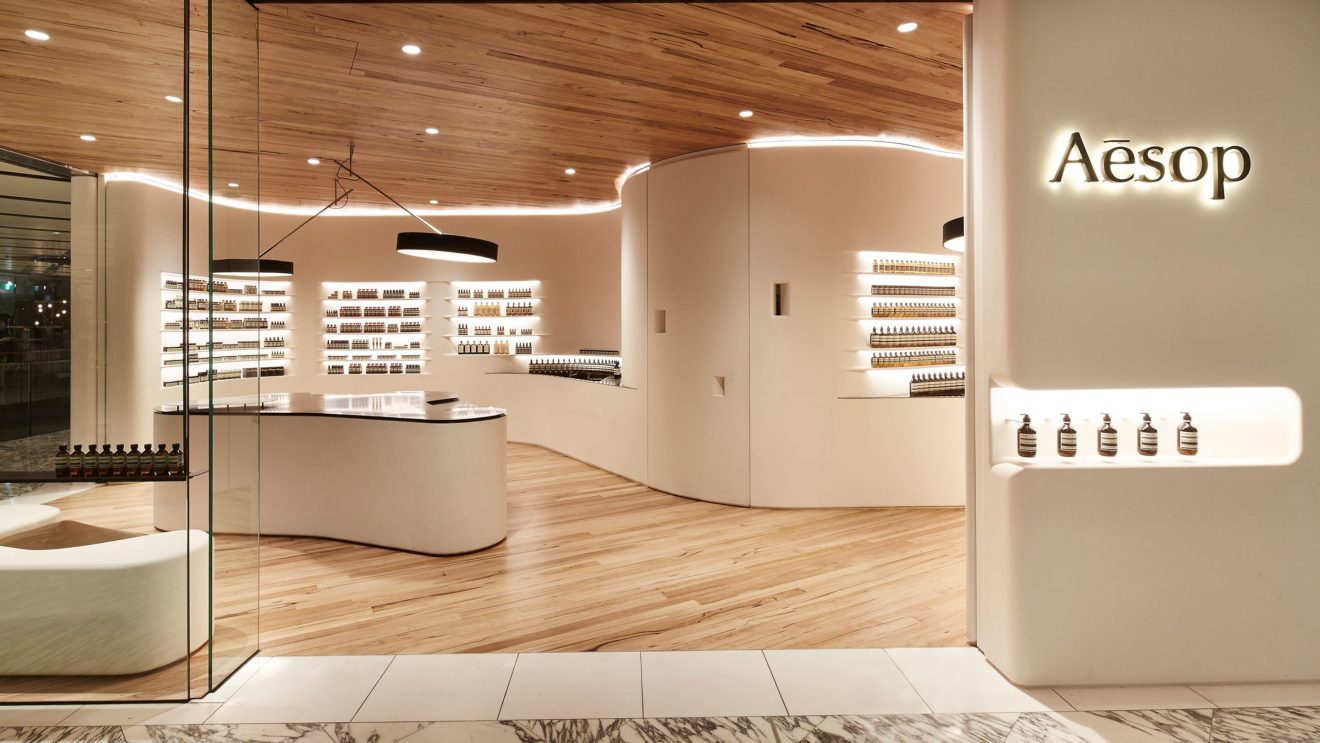
    Luxury skincare brand Aesop has opened a distinctive store in south-central Seoul designed by Hong Kong designers Mlkk Studio.

    The designers laid out the two-level Aesop store in Seoul using reclaimed red bricks to fashion within the building’s slate-grey brick facade to create a warm and inviting shop interior. It is intended to provide a cozy retreat for shoppers, especially during the cold winter months.

    “It gave an exciting opportunity to do something just the opposite with the same material,” said an Mlkk Studio spokesperson. “The choice of material also creates a dialogue with the architecture and effortlessly blends the interior and the exterior … The bricks add color variety and enrich the sense of time and history of the space.”

    The bricks are also used in the store’s service counter and for a sink where customers can try out the products. Two arched cubby holes with copper shelving are built into the rear wall, resembling traditional Korean kilns.

    The Aesop store in Seoul is one of many stores by the brand profiled on design site Dezeen.

  • Sales Of Japanese Cars In South Korea Slump Amid Growing Diplomatic Row

    Sales Of Japanese Cars In South Korea Slump Amid Growing Diplomatic Row

    Sales of Japanese-branded autos in South Korea slumped in July amid a worsening diplomatic row between the two countries that has led to consumer boycotts and efforts by Seoul to cut the economy’s reliance on imports from Japan.

    Industry data out of South Korea on Monday showed Toyota Motor sales in the country tumbled 32% from a year earlier and Honda’s sales skidded 34%.

    Although automakers are still assessing the main factors driving the declines last month, industry participants worry declining sales would continue in August as diplomatic tensions grow.

    Japan tightened controls in July on exports to South Korea, escalating a row over wartime forced laborers and sparking a boycott by South Korean consumers of Japanese products and services, from cars, beer, and pens to tours. On Friday, Japan escalated tensions by removing South Korea from a list of export destinations approved for fast-track status.

    “Showroom visits are declining while consumers are holding off on signing contracts,” a Honda Korea official told Reuters, asking not to be identified because of the sensitivity of the matter.

    A Honda Korea spokesman said it needs to assess the reason for the July sales fall and whether it is related to Japan’s export curbs, or summer holidays. A Toyota Korea spokeswoman declined to comment on the drop.

    The data from the Korea Automobile Importers & Distributors Association (KAIDA) also showed Lexus, South Korea’s third-most imported car brand after Mercedes and BMW, saw sales down 25% from the previous month, although that was still up 33% from the previous year.

    South Korean shares fell more than 2% on Monday, tracking broader moves in Asia as the Sino-U.S. trade war intensified but also weighed by uncertainty over the diplomatic dispute between Seoul and Tokyo.

    Earlier on Monday, South Korea’s government announced plans to invest about 7.8 trillion won ($6.48 billion) in research and development for local materials, parts and equipment over the next seven years in an effort to cut the reliance on Japanese imports.

    The government on Friday said it would “step up safety measures” on Japanese tourism, food and waste, without elaborating further.

    While foreign-branded cars make up a small portion of domestic auto sales in South Korea, the business community is concerned a consumer swing away from Japanese imports for political reasons could spread to other parts of the retail market.

    Japan’s Asahi Group Holdings, whose Asahi Super Dry is the most popular import brand in South Korea, said on Thursday the spread of the South Korean consumer boycott of Japanese goods was affecting its beer sales as it lowered its profit guidance slightly.

  • Honestbee seeks court protection in order to survive

    Honestbee seeks court protection in order to survive

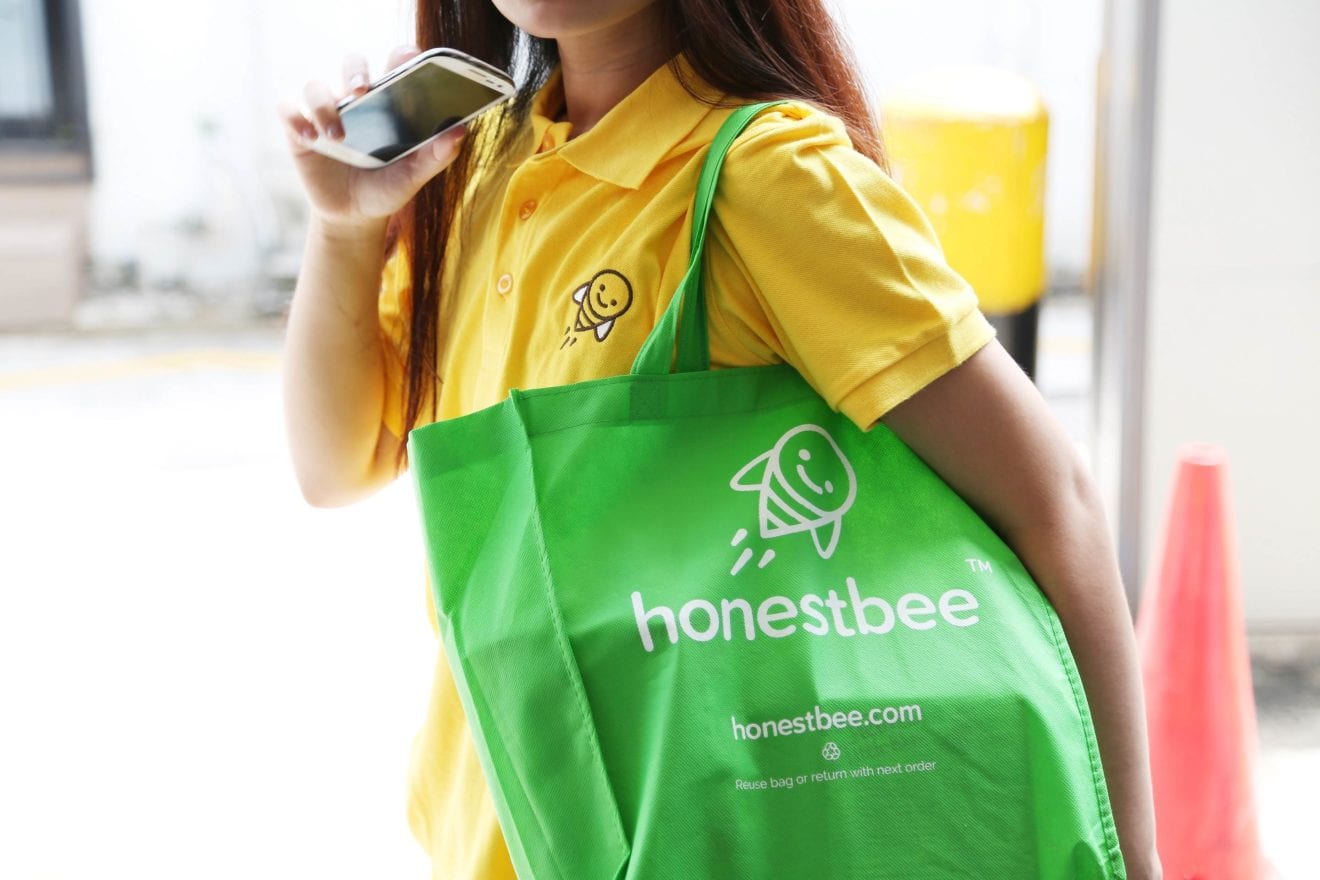
    Sinking in debts of around US$180 million, Singapore grocery retailer Honestbee is seeking court protection from creditors to allow it to restructure.

    The company has applied to the High Court to commence a process which reportedly would give it six months protection from creditors lodging winding up procedures or other legal attempts to recover what they are owed.

    News of the move surfaced late Friday at the same time the company confirmed it was laying off 38 staff in Singapore.

    “As a result of our reduced operations globally, the company has made a decision to rightsize the company in order to cut costs and streamline its business,” a spokesman said in a  statement to the Straits Times.

    “The move is necessary to ensure that the company has the right structure in place for long-term stability and success.”

    Friday’s news came one week after the company announced the appointment of a new CEO, Ong Lay Ann, who has actually been in the role since July 15, atkin over from interim CEO and investor Brian Koo, who remains chairman. That followed the resignation of CTO and co-founder Jonathan Low four days earlier.

    Koo is also a founding partner in Formation Group, one of Honestbee’s largest creditors. Koo is part of the family which owns South Korean industrial giant LG. Parties associated with the Koo family are said to be owed as much as $50 million by Honestbee.

    In a statement, Honestbee said a court-supervised restructuring would allow management to focus on re-evaluating the business free from interference, to streamline operations, improve efficiencies and reduce overheads.

    “As part of the restructuring process, Honestbee will work closely with their advisers, creditors and stakeholders to achieve the best possible outcome for all interested parties,” the company said.

  • Auto Industry May Further Cut Production

    Auto Industry May Further Cut Production

    After denting the auto sector’s profitability, the consumption slowdown along with the upcoming shift to BS VI standards will further decelerate production, leading to eventual job losses. Industry insiders point out that slowdown, which is a culmination of high GST tax rates, farm distress, stagnant wages, and liquidity constraints, has led to the month-on-month sales de-growth. Besides, inventory pile-up at the dealership level and stock management of the unsold BS IV vehicles has become a problem for the sector.

    According to Grant Thornton India Partner Sridhar V., a further reduction in production due to the continuing de-growth in sales of passenger vehicles can be expected.

    “OEMs are exploring avenues to minimize cost at an operational level by deferring and tightening the spending rate,” Sridhar V. told IANS.

    “They also at times resort to production cuts to tide over this difficult phase.”

    Accordingly, the sales downturn assumes significance as the auto industry contributes to almost half of the manufacturing GDP and 11 percent of the total GST revenue.

    “With prolonged weak consumer demand, the inventories at dealer levels have peaked, necessitating production cuts by OEMs,” Richa Bulani, Senior Analyst, India Ratings & Research (Fitch Group), told IANS.

    “Production cuts may provide some short-term relief to dealers, it negatively affects the entire auto supply chain — OEMs, component suppliers, and dealers. Volume growth of components dependent on OEMs will be affected in the first half.”

    Recently, all major OEMs consisting of passenger, commercial, two and three-wheeler manufacturers have reported a massive decline in domestic sales.

    Figures from the Society of Indian Automobile Manufacturers (SIAM) showed that domestic passenger car sales in June went down by 24.07 percent to 139,628 units. The July figures are awaited.

    In the commercial vehicle segment, domestic sales were down by 12.27 percent to 70,771 units last month.

    The overall sales of two-wheelers, which include scooters, motorcycles and mopeds, edged lower by 11.69 percent to 1,649,477 units.

    In all, the total sales of the Indian automobile sector declined by 12.34 percent during June 2019 to 1,997,952 units across segments and categories.

    Consequently, sales slowdown led to a curtailment of manufacturing with the domestic passenger cars’ production coming down by 22.26 percent to 169,594 units from 218,167 units.

    Similarly, commercial vehicle production was down by 23.39 percent to 69,496 units last month. Overall two-wheelers’ production edged lower by 11.70 percent to 1,915,195 units.

    The total production of the Indian automobile sector declined by 12.98 percent during June 2019 to 2,336,138 units across segments and categories.

    “Tight control on production volumes will continue. Beyond the upcoming festive season when OEMs would expect to have sufficient volume in the channel, they would want to keep production volume output in check,” said Rahul Mishra, Principal, A.T. Kearney.

    “Volume liquidation pressures due to BS VI and the sluggish demand will not revive production output drastically for the next few months.”

  • Singapore supermarket operator Sheng Siong reports profit boost

    Singapore supermarket operator Sheng Siong reports profit boost

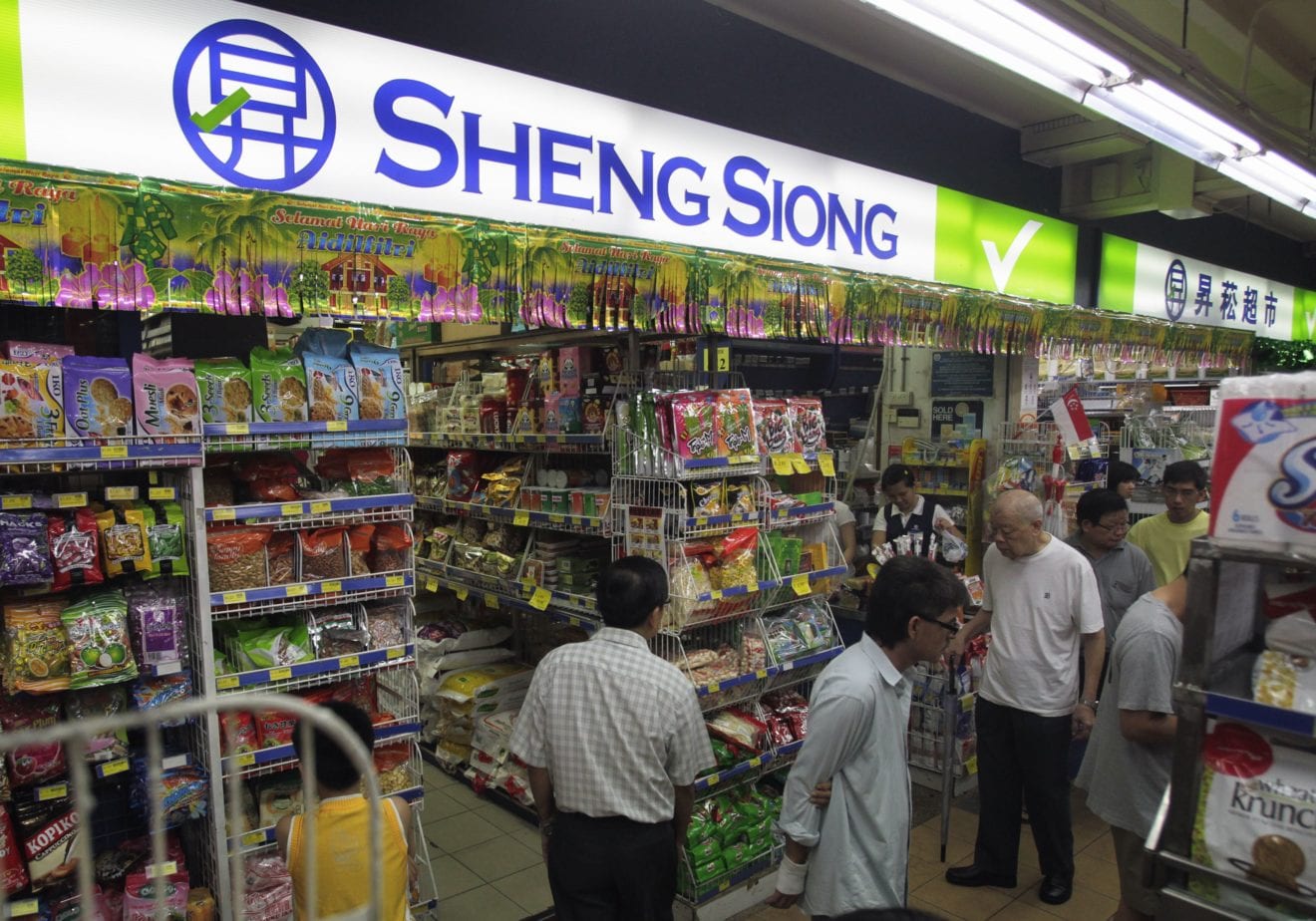
    Singapore supermarket operator Sheng Siong boosted its net profit by 7.4 percent in the June quarter, to S$18.42 million.

    Sales rose 11.8 percent to $238.16 million on the back of 13 new store openings.

    However, the company has warned investors that competition in the Singapore supermarket sector is tough, from both online retailers and rival supermarket chains. Worse, consumer spending may be impacted by a soft economic outlook.

    In the half-year to date, Sheng Siong recorded a 6.6 percent increase in net profit to $37.78 million, on sales up 11 percent to $489.59 million.

  • Amazon in talks over Reliance Retail

    Amazon in talks over Reliance Retail

    Amazon is in talks with Reliance Industries Ltd’s retail unit to buy a stake in India’s biggest brick-and-mortar retailer, two sources with knowledge of the talks told Reuters.

    Amazon’s massive online presence could help bolster Reliance’s consumer and private labels business. More importantly, a partnership would help the duo counter Walmart, which last year invested US$16 billion in India’s Flipkart, in the battle for a bigger share of India’s fast-growing e-commerce market.

    In late December, India modified rules around foreign direct investment (FDI) in e-commerce, creating additional hurdles for companies such as Amazon and Flipkart, and giving companies such as Reliance an edge.

    Amazon had made the proposal to Reliance – controlled by Mukesh Ambani, India’s richest man – for the partnership, but it was not clear whether a deal would materialize, said one of the sources.

    The second source said Amazon had been pondering a proposal to purchase an up to 26 percent stake in the Reliance unit since at least February.

    “For Amazon, it is about neutralizing a major rival and allowing itself to grow,” said the second source, who added the company envisions helping Reliance’s roughly 40 brands and grocery products go online.

    Further details of the possible deal, first reported by India’s Economic Times newspaper last week, were not immediately clear.

    Amazon did not immediately respond to request for comment while Reliance said it would make any disclosures to stock exchanges as and when necessary.

    Reliance could potentially leverage Amazon’s global experience in technology, supply chain and logistics as it aims to connect grocery stores across the country digitally through its Jio telecoms network – the biggest in India by subscribers.

    For Amazon, picking up a stake in a Reliance unit could mean getting access to the Jio telecoms platform and its vast retail footprint of more than 10,600 stores across India. It might also add more firepower to their lobbying efforts, as the Ambani family is viewed as being well-connected politically.

    Seattle-based Amazon is keen to get a bigger share of India’s e-commerce market, which Deloitte expects to more than treble to $84 billion between 2017 and 2021.

    Reliance was previously in talks with China’s Alibaba to sell a stake in Reliance Retail, but a deal could not be sealed due to differences in valuation, according to a person familiar with the matter.

  • Ralph Lauren opening five new stores this year

    Ralph Lauren opening five new stores this year

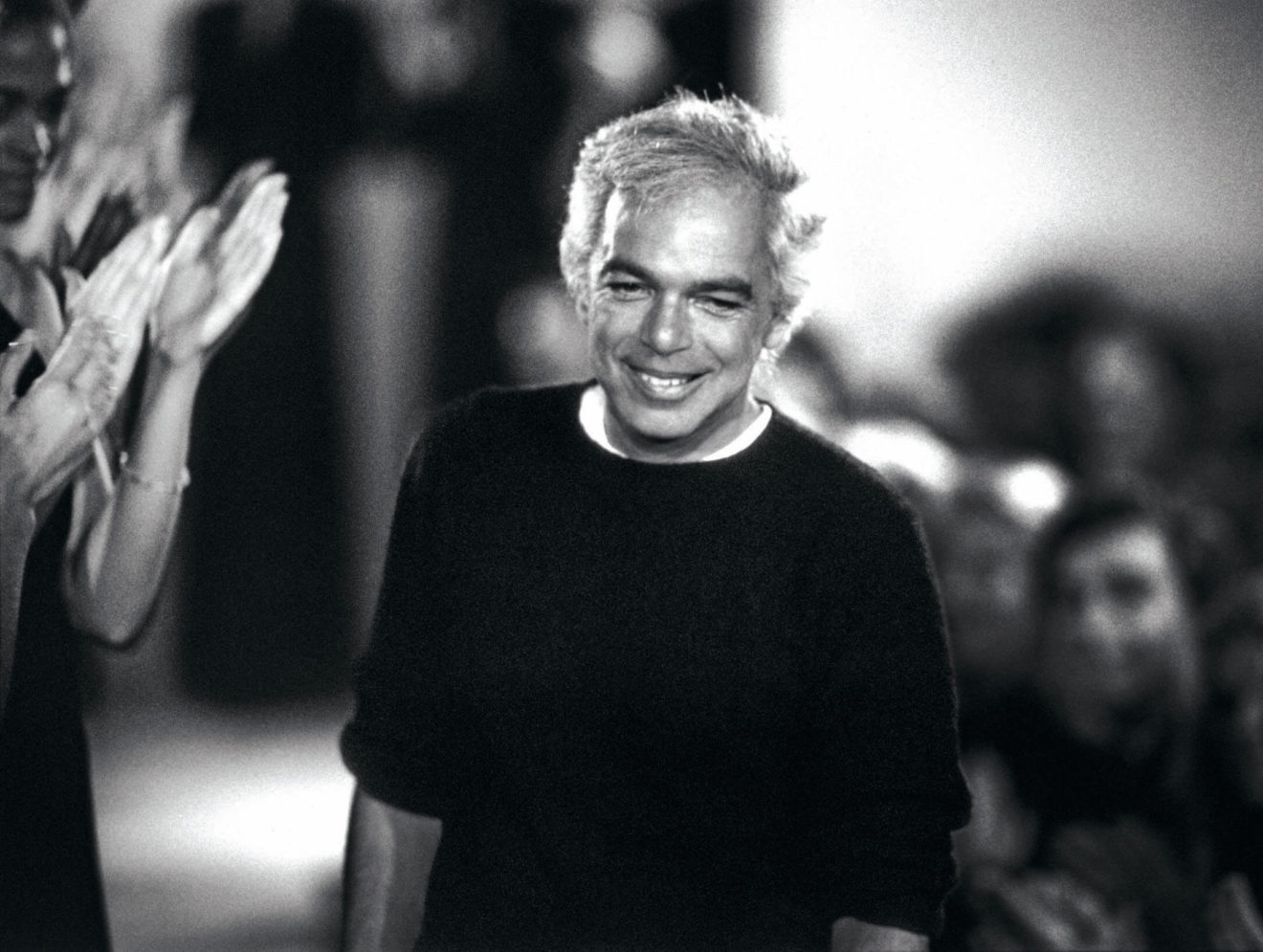
    US fashion brand Ralph Lauren is ramping up its presence in Australia with the launch of its first standalone women’s store in Sydney’s CBD last month.

    The store, located in the iconic Queen Victoria Building, is part of the transformation over the last five years of the brand’s previously known ‘Blue Label’ into ‘Polo Ralph Lauren for Women’.

    “Polo Ralph Lauren for Men is well-established in the Australian market and we see an opportunity for our women’s business to grow as we further expand our offering across different channels,” the brand said.

    Four more stores carrying both womenswear and menswear collections are slated to open across the country in September and October. The stores will be located in Indooroopilly and Sunshine Plaza in Queensland, Melbourne Emporium in Victoria and Canberra Centre in the ACT.

    “The store openings build on Ralph Lauren’s targeted expansion across Australia and around the world as part of its Next Great Chapter strategy to deliver sustainable, long-term growth and value creation,” the brand said.

    The brand said it is committed to the expansion of the Polo Ralph Lauren business in Australia, where it is distributed through owned, standalone stores, as well as through David Jones, Myer and Glue, and online through The Iconic.

    The business has a 25-year history in Australia. Initially operating as a licenced brand, Polo Ralph Lauren took back control of the local business in 2013.

  • New Dunhill store opens in Hong Kong

    New Dunhill store opens in Hong Kong

    A new Hong Kong Dunhill store has opened at Lee Gardens as a further step in the brand’s global expansion strategy in Asia.

    The store’s designers have engineered a bright and contemporary space with marble and walnut wood in counterpoint with glass and metal details, used as recognisable codes of the house.

    The use of grey marble takes inspiration from the facade of Dunhill’s 1950s South Rodeo Drive store, while walnut burl cabinets, housing men’s accessories, are inspired by the original furniture from London’s Duke Street and Paris’ Rue de la Paix stores. Fluted glass and metal details together with brown wood panelling recall the textures and finishes of classic Rollagas lighters.

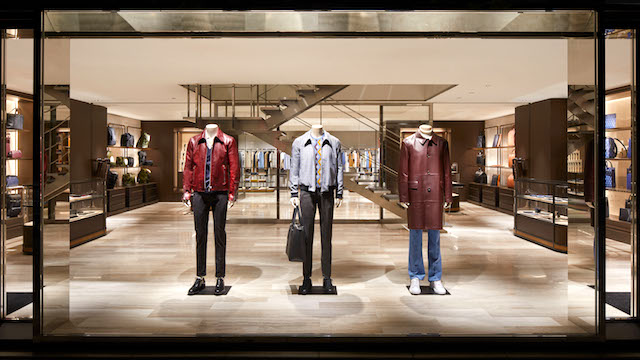
    Featuring a curated selection of luxury pieces by creative director Mark Weston, the Hong Kong Dunhill store is showcasing ready-to-wear garments alongside leather goods and accessories.