Author: Mei Ling Tan

  • AT&T launches 5G service in New York City

    AT&T launches 5G service in New York City

    After Sprint and Verizon, it’s AT&T’s turn to bring 5G to another US city. The carrier has just announced that starting today, customers in New York City will be able to use its 5G service if they own a compatible device.

    However, AT&T’s 5G network won’t cover the entire city and it will be available in limited areas initially. Sadly, unlike other US carriers, AT&T wouldn’t list areas in New York City where customers will be able to access its so-called 5G+ network.

    For the time being, select customers in NYC can access AT&T’s 5G+ network using the Samsung Galaxy S10 5G on the carrier’s AT&T Business Unlimited Preferred plan. As such, the AT&T 5G service is only for business customers, at list initially.

    NYC is the 21st city in the US with AT&T 5G, but the carrier announced plans to offer nationwide 5G in the first half of 2020, so there’s more to come.

  • AirAsia names new Philippines CEO

    AirAsia names new Philippines CEO

    AirAsia has named telecommunications executive Ricardo RickyIsla as the new CEO of AirAsia Philippines.

    Isla joins AirAsia after more than a decade of international product development, sales and distribution experience with telecommunications giant PLDT Global Corporation.

    In addition to his most recent role as regional head of operations for the United Kingdom and Europe, Isla has held general manager positions in its international retail business, as well as in the US, Italy and Singapore.

    AirAsia Philippines’ chairman Maan Hontiveros said: “I am thrilled to welcome Ricky to our senior leadership team. Ricky has an outstanding track record of leading and transforming businesses, especially when it comes to increasing revenue and market share.”

    He commenced his role as CEO of AirAsia Philippines 31 July.

    AirAsia Philippines operates a fleet of 24 aircraft on more than 500 weekly domestic and international flights from its hubs in Manila, Clark, Cebu, and Kalibo.

  • Strong Wealth Management Flows Drive Q2 Growth at UOB

    Strong Wealth Management Flows Drive Q2 Growth at UOB

    The bank’s strong second quarter was driven by strong wealth management flows, higher credit card volume and higher trading income. UOB’s net earnings grew in the second quarter to S$1.17 billion ($850 million) – 11 percent higher year-on-year and 8 percent higher than the previous quarter, due to improvements in both interest and non-interest income, the bank reported in a filing to Singapore Exchange before the market opened on Friday.

    UOB’s net interest income grew 7 percent to S$1.65 billion, while net fee and commission income increased 6 percent to S$527 million, with strong wealth management flows and higher volume in credit cards and loan-related fees.

    Non-interest income rose 33 percent to S$403 million, driven by higher trading income and gains from investment securities.

    UOB’s net earnings for the first half of 2019 grew 8 percent year-on-year to reach a record S$2.22 billion ($1.61 billion), while total income rose 9 percent to reach S$4.99 billion on the back of strong loan growth and higher trading and investment income. Net interest income grew 8 percent to S$3.24 billion, net fee and commission income stayed flat, and non-interest income rose 36 percent to S$743 million, with stronger gains in trading income and investments.

    The bank reported «healthy income growth» across all business segments compared to 2018 – Group Retail saw 7 percent income growth to S$2.07 billion, led by income growth from high affluent customers, while Group Wholesale Banking saw a 9 percent income growth to S$2.06 billion, led by volume growth and stronger contribution from the investment banking and treasury businesses.

    UOB cited higher staff, revenue-related and IT-related expenses as behind a 10-percent growth in total expenses, reaching S$2.2 billion. Its cost-to-income ratio saw a marginal increase to 44.1 percent.

    Our results reflect the relevance of our strategies in connecting our customers to opportunities across the region, deepening their engagement through our omnichannel approach and offering them the right solutions through our ecosystem partnerships, Wee Ee Cheong, UOB deputy chairman and chief executive officer, said in a statement.

    UOB declared an interim dividend of 55 cents per ordinary share, up from 50 cents the year before.

  • Klasse14 opens pop-up store at Fashion Walk

    Klasse14 opens pop-up store at Fashion Walk

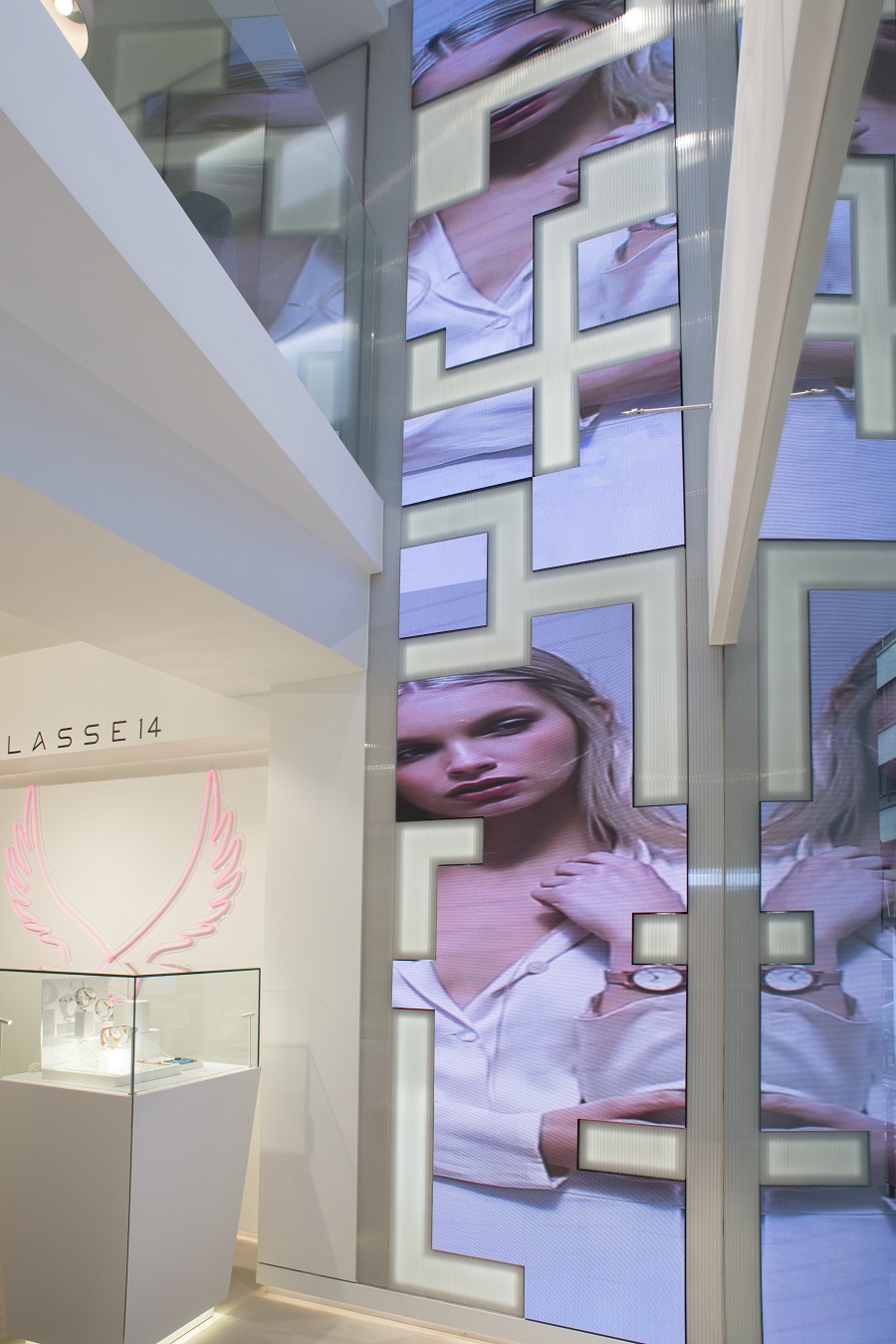
    Fashion-and-lifestyle brand Klasse14 is opening a pop-up store at Fashion Walk Causeway Bay.

    The pop-up features the latest collections of Volare Sky watches and +J accessories, and invites visitors to move from one Instagrammable showcase to another, stopping by the “try on” points to touch and feel the products, or use installed machines to collect limited edition Klasse14 gifts.

    The store will be open for six months, and special promotions will be ongoing from now until August 31.

  • Amazon targets SMEs with Launchpad

    Amazon targets SMEs with Launchpad

    Amazon has brought its small business-focused Launchpad initiative to Australia.

    Launching on Tuesday, the program aims to help startups and entrepreneurs sell in a wider market. Over 150 local and international brands are already on board.

    As part of the program, brands will be featured on customized product pages, receive marketing support and gain access to Amazon’s fulfillment services including unlimited deliveries through Amazon Prime.

    “Australian investors and entrepreneurs are responsible for some of the most innovative consumer products in the world, from the electric drill right through to Vegemite,” Amazon Australia country manager Rocco Braeuniger said.

    “We know that product creation is only one part of the equation in launching a product and that marketing, logistics and finding an audience can be just as challenging.

    “With Amazon Launchpad, we have a program that will help ease some of these challenges for startups and entrepreneurs alike, allowing them to focus on growing their business and freeing up time for future innovation.”

    Sugar-free drink business Nexba, Beach House Group’s skincare brand Marlowe and sunglasses retailer Soda Shades are some of the local brands participating in the program at launch.

    According to Josh Miller, co-founder of Soda Shades, being featured in the program allows the brand to reach a wider audience.

    The program was initially launched in the US in 2015 and has resulted in thousands of products being launched across several categories. It is now available in eight countries: the US, the UK, Germany, France, Italy, Spain, India and Australia.

  • SUTL Global takes over Nike retailer Sportsland

    SUTL Global takes over Nike retailer Sportsland

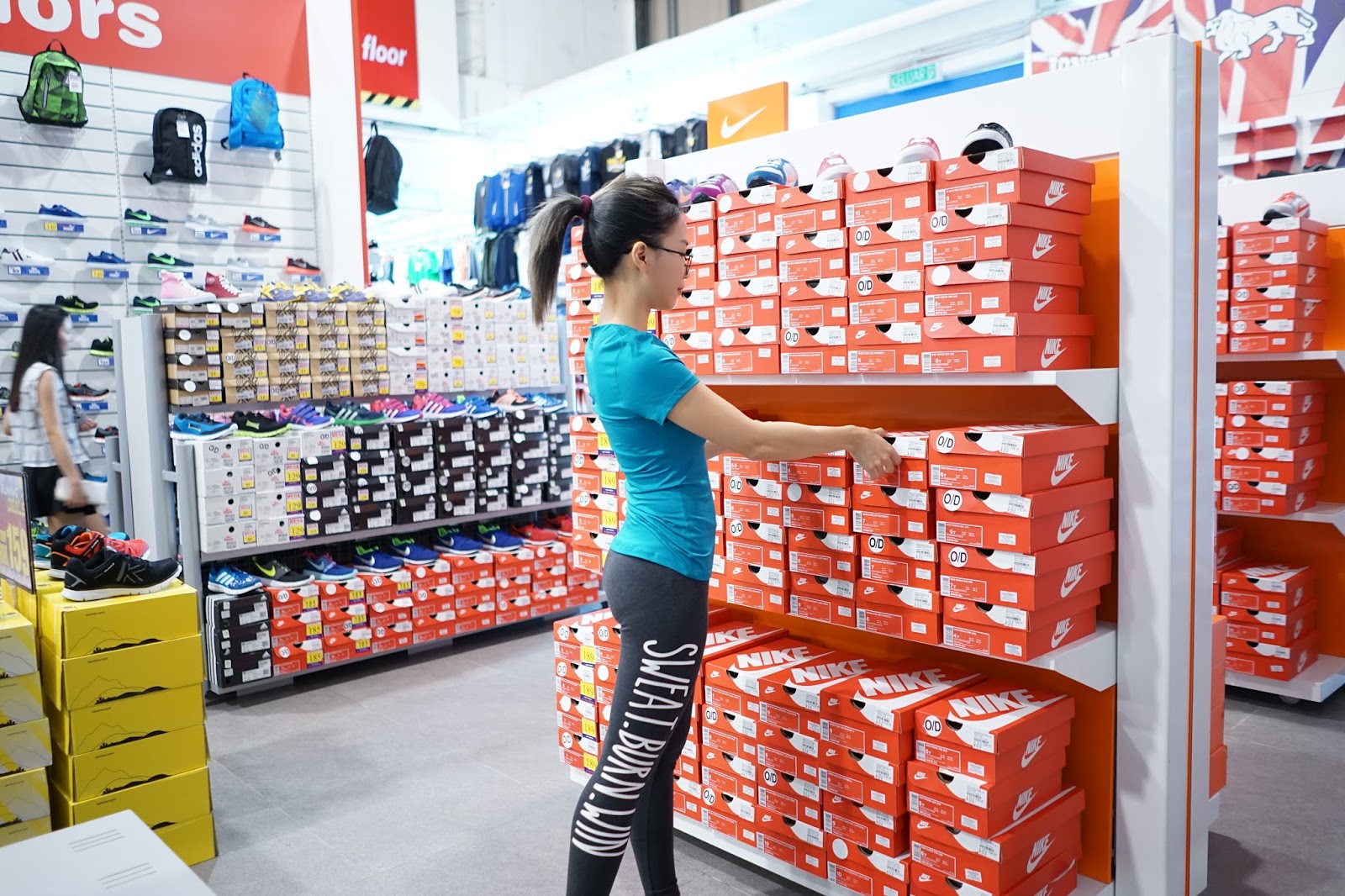
    Singaporean consumer goods firm SUTL Global has crossed the border, buying a 51-per-cent stake in Malaysian Nike retailer Sportsland.

    Sportsland – to be renamed SUTL Sportsland – currently operates Nike mono-brand stores in Kuala Lumpur, Ipoh, and Penang, with an upcoming store in Johor Bahru in September.

    The acquisition comes just months after the successful opening of Nike Jewel Changi Airport in Singapore in February, lauded to be the largest Nike store in Southeast Asia and India to date. It also fulfills SUTL Sports Retailing’s long-time goal to expand beyond the shores of Singapore and attests to the Group’s agility in realizing market opportunities in its partnership with Nike.

    As the majority stakeholder of SUTL Sportsland, SUTL Sports Retailing will streamline and consolidate the centralized leadership team in Singapore, which will be responsible for the overall running of the Nike partnership business across both countries and supported by a local Malaysia-based operations team.

    Meanwhile, SUTL Global will extend its SUTL Life membership benefits to the stores operated by SUTL Sportsland in Malaysia. SUTL Life is a membership-based program that offers customers discounts off regular-priced merchandise and allows them to earn points to offset future purchases. Members also enjoy privileges that include exclusive invitations to members-only events, birthday treats, and personalized offers.

    “Over the years, SUTL Global has established itself as a leading operator of Nike stores in Singapore, backed by our strong understanding of the local retail landscape, focus on operational excellence and commitment to the creation of differentiated customer experiences,” said SUTL Global chairman Arthur Tay.

    “I believe SUTL Global’s track record and experience will hold us in good stead as we gain access to new markets and their consumer base.

    “SUTL Global will continue to explore opportunities to further add value to and expand its portfolio in Singapore, Malaysia as well as potential new markets. We look forward to establishing the SUTL brand name as a premier distributor of Nike products within a challenging, yet rewarding and dynamic global lifestyle and retail environment.”

  • Fung Group sells Circle K retail network

    Fung Group sells Circle K retail network

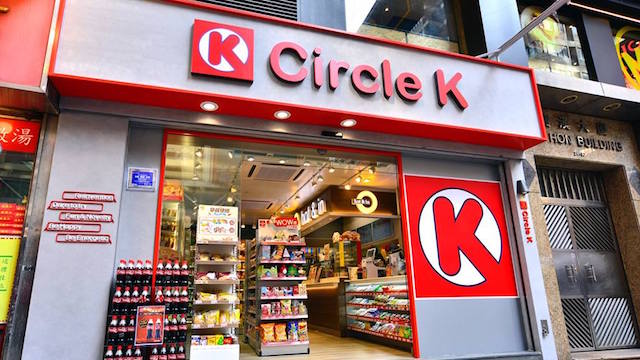
    Fung Group has sold its Guangzhou Circle K-store network to Chinese retailer Suning for an undisclosed sum.

    Facing intense competition in the mainland convenience-store market, the network of 61 outlets has failed to make a profit since the brand’s launch there in 2002. The Guangzhou Circle K business recorded a net loss of HK$21.4 million in 2014 before then parent Convenience Retail Asia sold the business to its 41-per-cent shareholder Fung Group the following year for $48 million (US$6.12 million). Since then, Fung Group has closed at least 12 stores there.

    Suning Xiaodian, Suning.com’s convenience-store business, will take over the Guangzhou Circle K stores, broadening its footprint in the city.

    Convenience Retail Asia continues to own and operate more than 300 Circle K stores in Hong Kong, Macau, and Zhuhai.

    The president of Suning’s consumer-goods business, Bian Nong, said Circle K’s experience in merchandising, supply chain and store management will supplement Suning’s existing operations in Guangzhou.

    Suning has been rapidly expanding its brick-and-mortar store business in recent months, acquiring supermarkets from Carrefour and the Chinese business of Spanish grocer Distribuidora Internacional de Alimentacion.

  • Smashburger weighs down Jollibee results

    Smashburger weighs down Jollibee results

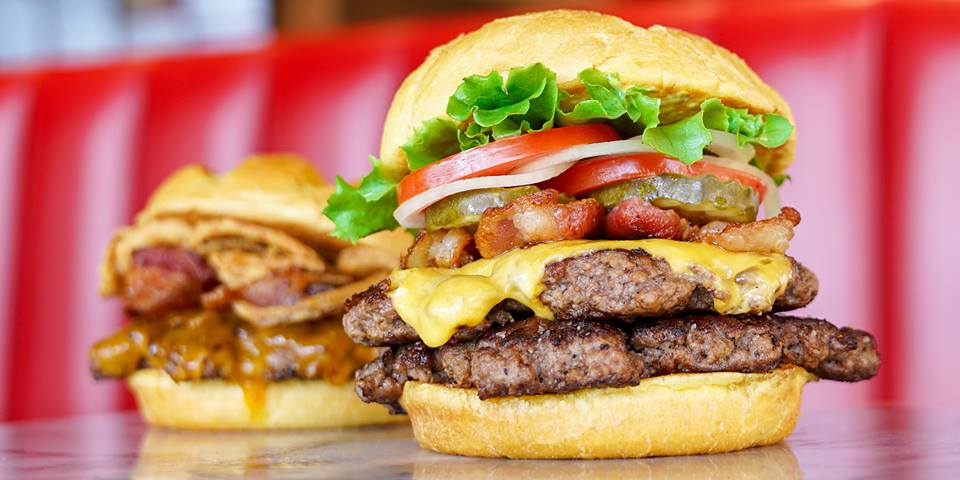
    Jollibee’s Smashburger and Red Ribbon business units significantly dragged down the restaurant operator’s first-half profits.

    Jollibee Foods Corporation says the company’s net income attributable to shareholders was P1.1 billion (US$21.1 million) in the second quarter – half that of the preceding three months. First-half profit was down 34 percent on the same period last year.

    The company blamed the decline on losses relating to the Smashburger chain and lower sales by its Red Ribbon bakery business.

    “On Smashburger, we introduced major changes that created short-term disruption in sales and profit but will drive sustainable sales growth and strengthen the brand health,” said Jollibee CFO Ysmael Baysa.

    While Smashburger, a relatively recent acquisition for the company, was not yet performing, Baysa says Jollibee has considerable experience restructuring businesses it buys into more profitable operations, namely Yonghe King and Hong Zhuang Yuan in China, and the Highlands Coffee business in Vietnam.

    The poor performance of Red Ribbon during the quarter was attributed to a shortage of supplies relating to the transfer of the company’s commissary kitchen to new premises south of Metro Manila.

    Last month, Jollibee announced the purchase of California cafe chain The Coffee Bean & Tea Leaf for US$350 million. It expects that business to contribute to Jollibee’s bottom line within 12 to 18 months.

    Global sales by Jollibee rose 13.8 percent in the first half, to P113.8 billion (US$2.11 billion) . Most of that growth came from its international operations, which grew by 24.9 percent, far faster than the 13.8 percent of its domestic business.

    Between January and June, the company opened 170 stores, 111 of those in its home market.

  • Habit Burger Opening in Cambodia

    Habit Burger Opening in Cambodia

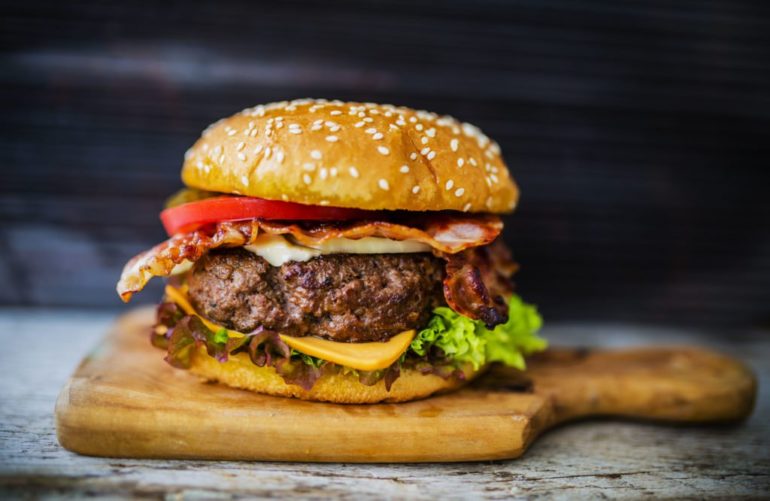
    The Habit Restaurants is set to expand its Habit Burger Grill franchise throughout Cambodia in partnership with Amory F&B in a 25-store development agreement.

    The first outlet is expected to open in Phnom Penh in spring next year.

    “We quickly developed a passion for The Habit Burger business when we saw how much focus there is on great customer service,” said Kampuchea Tela Company CEO Okhna Chhun On. “This is something we strongly believe in, and we are excited to bring the Habit experience and great food to the people of Cambodia.”

    “The Habit’s excellent brand, best-in-class systems, and experience will help us to go the extra distance to become national leaders in the burger segment,” said Amory F&B Company CEO Chhun Sophearoth. “As an organization, we keep developing and investing in our people, much like The Habit Burger, and this will be an important part of our success.”

    “We are thrilled to continue to expand our brand internationally and to see Amory F&B Company bring our unique style of hand-crafted-to-order food, chargrilled burgers and high-quality customer service to the people of Cambodia,” said The Habit Restaurants president and CEO Russ Bendel.

    “Amory is comprised of a team of experienced, committed operators who share our dedication to customer satisfaction and enthusiasm for The Habit brand.”

  • Hoshino Coffee chains eye Asian expansion

    Hoshino Coffee chains eye Asian expansion

    Upmarket Japanese coffee businesses are expanding into other Asian markets in an attempt to win over customers from global leaders such as Starbucks.

    Specialty brands Sarutahiko Coffee and Hoshino Coffee are among those reaching into major Asian markets, with Sarutahiko entering Thailand and Hong Kong, and Hoshino moving to Taiwan.

    “Consumers who frequent Starbucks are ready to embrace Japanese-style service,” said president and CEO of Sarutahiko Tomoyuki Otsuka.

    Mitsubishi has taken a 15 percent holding of Sarutahiko for around 500 million yen ($4.6 million), with a view to expanding the brands’ network from the current 16 stores (including three in Taiwan) to 30 outlets.

    Hoshino Coffee already trades well in Singapore, Malaysia, and Indonesia and will launch in Taiwan in the next fiscal year.

  • LF Products Renamed into Living Style Group

    LF Products Renamed into Living Style Group

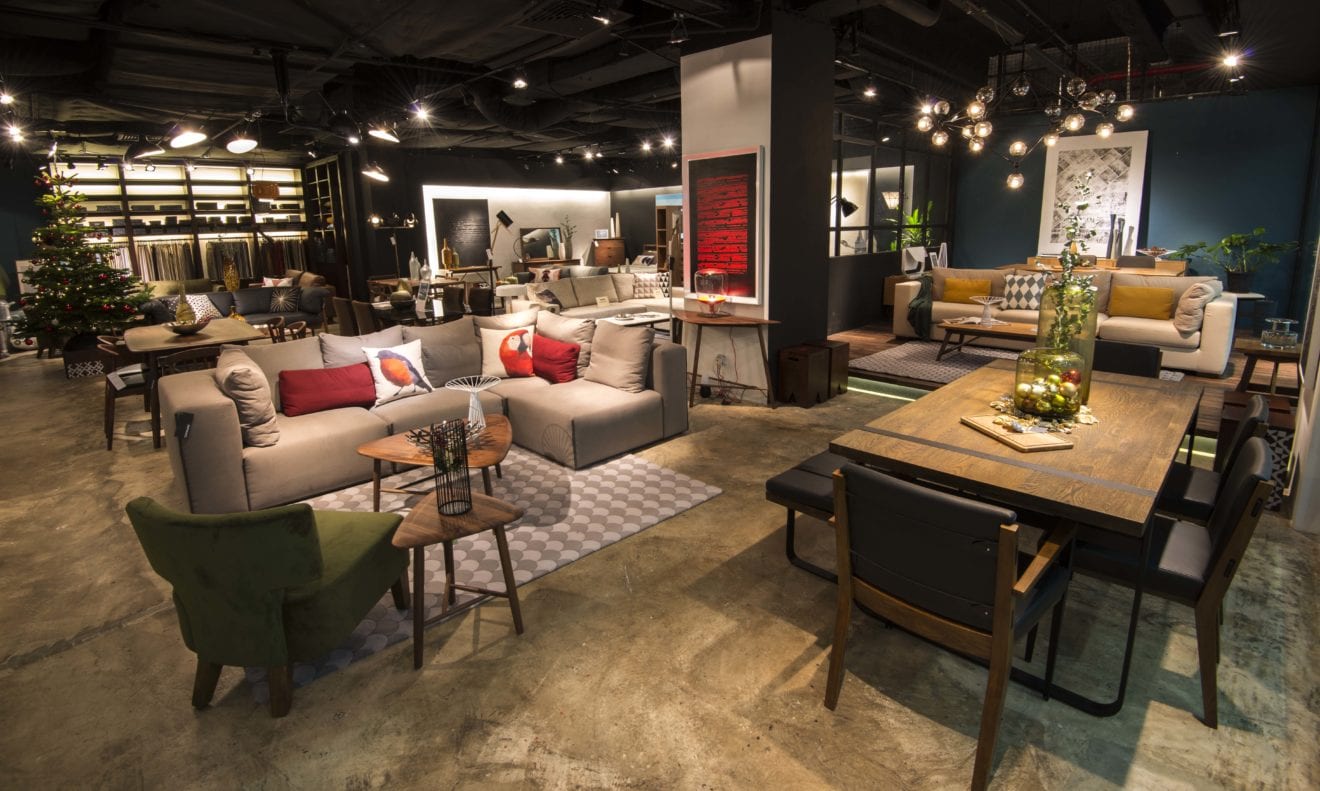
    Fung Group subsidiary LF Products will rebrand itself as Living Style Group.

    The pure-play furniture and home furnishings company said in a statement the rebrand follows the completion of Li & Fung’s strategic divestment of its three product verticals (Furniture, Sweaters, and Beauty) in April last year to form LH Pegasus, which is 45-per-cent owned by Hony Capital and 55-per-cent owned by Fung Group.

    “The new brand name, Living Style Group, coupled with a new logo and website, reaffirms the company’s position as a leading furniture company that brings speed to market and provides total supply chain solutions in furniture and furnishings to brands and customers worldwide,” the statement said.

    “Our innovative mindset, design-driven approach and deep-rooted passion has brought us to where we are today, and I am excited to enter this new chapter as we continue to grow the business and bring the highest value to our customers,” added Henry Chan, president at Living Style Group.

    Living Style Group delivers furniture and furnishings through three furniture brands – Kenas Home, True Innovations and Whalen Furniture – as well as an expanding portfolio of licensed brands including private labels and premier lifestyle brands.

    In October, Living Style Group will unveil its new brand identity at High Point Market in North Carolina, the largest home-furnishings industry trade show in the world.

  • Huawei Battling for Chinese consumers

    Huawei Battling for Chinese consumers

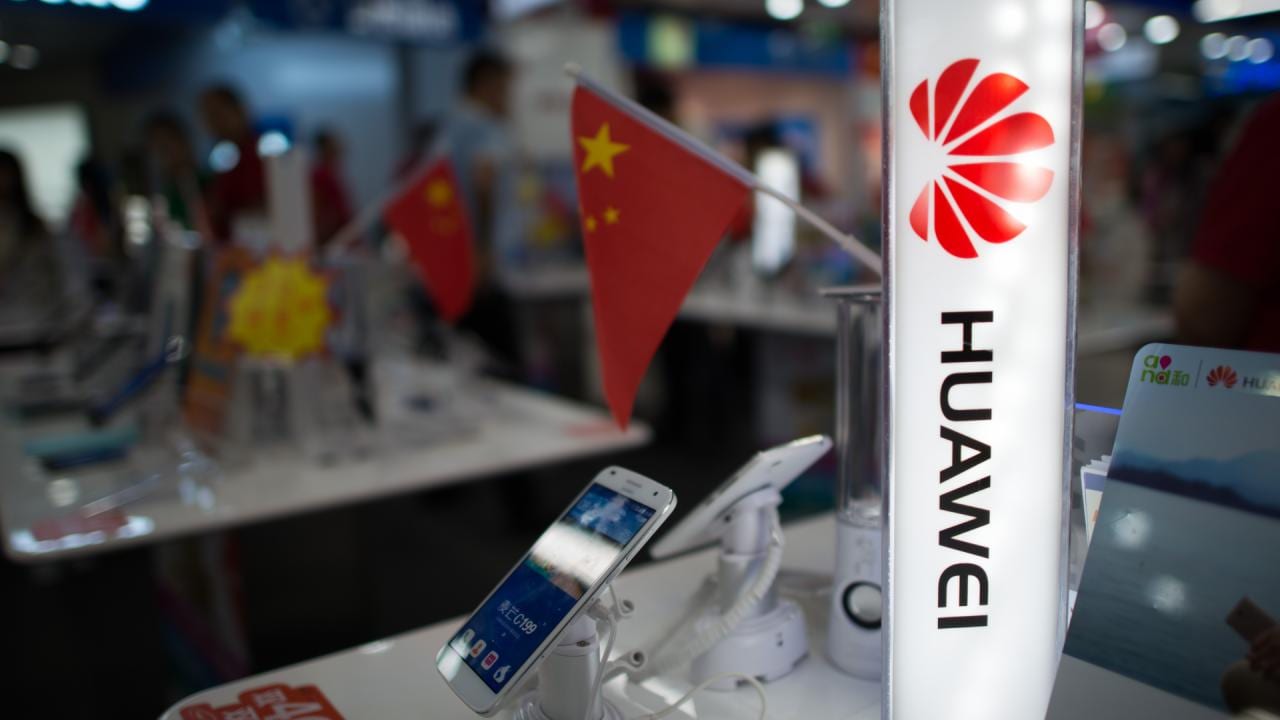
    When 23-year-old Chinese student Aaron Huang started his hunt for an Android replacement for his Apple iPhone in April this year, it was clear which brand was trying hardest to win him over.

    Promotional campaigns by Huawei Technologies and from local retailers supporting the brand were everywhere, said Huang, adding he was influenced by domestic media coverage that portrayed the US as unfairly targeting the Chinese tech giant in its trade war.

    “I felt like I should choose Huawei,” he said.

    The advertising blitz and grassroots patriotism have proven to be a potent mix, amplifying the brand’s existing broad appeal in its home market – a market it is increasingly dependent on as Washington’s ban on sales of US components and software to Huawei hammers overseas demand.

    Second-quarter China smartphone shipments for Huawei surged by a nearly a third from the same period a year earlier, with its market share rocketing 10.6 percentage points to a record 38 percent, according to research firm Canalys. Shipments for domestic rivals and Apple plummeted.

    Huawei has lifted its China sales target for its consumer business group, said a company source, who was not authorised to speak on the matter and declined to be identified.

    Within Huawei, employees refer to current strategies as ‘Battle Mode’ and it has stepped up the opening of new stores including Experience Centers in the style of Apple shops, other company sources said. One Experience Center near its South China headquarters opened last month while a bigger one in Shenzhen’s tech district of Nanshan will open next month.

    Analysts say Huawei has also been transferring unsold smartphone stock from other regions to China and even offering some rare discounting in its home and overseas markets as it seeks to offset sales declines in Europe and the US.

    Huawei declined to comment on its strategies for marketing and managing inventories, or its China sales target. It reiterated an earlier statement that it was not trying to trade on patriotic fervor.

    Lotteries and bullfrogs

    Sales promotions have included interest-free installment payment plans and lotteries for its premium P30 and Mate series. Analysts add that products from its three brands – Huawei, Nova, and Honor – outnumber those from rivals in every market segment.

    Firms like Chinese electronics retailer Gome and small businesses have been eager to lend a hand, linking Huawei phones with patriotic support.

    Fang Xia, a 38-year-old restaurant owner in Shanghai, said she was motivated by recent coverage of Huawei’s dispute with the US to offer her customers a special deal.

    “Tables that have four or more people with Huawei smartphones will get one free plate of Emperor Bullfrog,” proclaims an advertisement for her restaurant’s signature 88 yuan ($12.50) deep-fried frog dish.

    Huawei’s overseas smartphone sales tumbled 28 percent in the second quarter from the previous quarter, Canalys data showed, but the full impact of the ban is not yet known.

    Warning that Huawei products could be a vehicle for Chinese espionage, the Trump administration now requires that US corporations which conduct business with Huawei gain a special license to do so. US government responses to requests for those licenses could come this week, US Commerce Secretary Wilbur Ross said last Tuesday.

    In other measures to counter the ban which could strip its access to Google’s Android, Huawei is accelerating efforts to develop its own operating system called Hongmeng. It is looking to roll out a low-end smartphone equipped with Hongmeng in the fourth quarter, state-media outlet Global Times reported on Sunday.

    Huawei declined to comment. It has previously said Hongmeng is designed for internet-of-things products and it prefers Android for its smartphones.

    Even before the US ban, Huawei had been making big strides in China, moving upmarket into the $500-800 price range and luring customers away from the likes of Apple with improved camera quality.

    “In any segment, it has several options for consumers, that is more than any other brand has to offer,” said Canalys analyst Mo Jia, describing Huawei’s strategy as one of “bombardment”.

    Rivals are hurting. Xiaomi saw its second-quarter China shipments tumble 20 per cent from the same period a year earlier, Vivo’s slid 19 per cent while Oppo’s dropped 18 per cent. Apple’s shipments fell 14 per cent, and analysts and Chinese consumers say the US firm could be hit further amid an intensifying US-China trade war.

    Xiaomi, Apple, Oppo and Vivo declined to comment.

    While Huawei has managed a huge boost in its home market, analysts said China sales may not always stay unscathed as it could struggle to replace US components and software.

    “Without the original supply chain, we may see its speed of development start to slow down,” said James Yan, research director at Counterpoint Research.
  • Jack Wills sold to Sports Direct

    Jack Wills sold to Sports Direct

    Struggling UK fashion chain Jack Wills has been bought by Sports Direct for £12.75 million after being placed in administration.

    Sports Direct, owned by retail entrepreneur Mike Ashley, has bought Jack Wills’ stock and taken over its distribution center, 100 stores and employees across the UK and Republic of Ireland in what is known as a “pre-pack administration” deal.

    The fate of the brand’s stores in Hong Kong, Singapore and the US is not yet known with “alternative options being considered” by the company’s directors, according to a statement released overnight.

    The Jack Wills business sold to Sports Direct has about 1700 staff spread across the business, six franchised stores in Kuwait, Saudi Arabia, the UAE, and the Channel Islands, and an e-commerce channel serving 130 countries.

    Pippa Stephens, retail analyst at GlobalData, said that while Mike Ashley has given Jack Wills a much-needed lifeline, she fears he already has far too much on his plate to make the ailing lifestyle brand a priority and implement a successful turnaround strategy.

    “While Ashley recently admitted that he regrets purchasing House of Fraser, significant time and money are still required to resurrect the failing department store retailer, making it the focus if Ashley is to retain his self-penned ‘savior of the high street’ label,” said Stephens.

    “Jack Wills has lost relevance in the UK clothing market as its heavily branded, preppy products no longer appeal to 16-24-year-olds who now prefer more edgy, aspirational brands. Consistent discounting has devalued its full-price proposition, while its stores have lost their appeal and uniqueness.

    “Jack Wills needs to be substantially revamped if it is to revive its desirability, win back shoppers and establish a new loyal customer base. Without sufficient investment in modernizing ranges and improving the in-store experience, we expect it to continue to struggle in today’s competitive youth segment.”

    Private-equity owner BlueGem began canvassing for prospective buyers for Jack Wills early last month after engaging advisory firm KPMG to prepare a review of the business’ prospects. According to companies office records, Jack Wills lost £29.3 million for the year to January 31 last year, and a £28 million cash injection from BlueGem in January this year has been almost exhausted.

  • Online fashion retailer Boohoo ready to buy Karen Millen and Coast

    Online fashion retailer Boohoo ready to buy Karen Millen and Coast

    Fast-growing pure-play online fashion retailer Boohoo is preparing to acquire the Karen Millan and Coast brands.

    According to sources quoted by Sky News, Karen Millen will be placed in administration as early as today, UK time, in what is termed a “pre-pack administration” where the new buyer acquires the assets relatively unencumbered.

    The deal – assuming it proceeds – is remarkable in that it reflects the power of new-generation online retailers being in a place to pounce on struggling brands like Karen Millen, itself an icon of the high-street fashion scene.

    Boohoo Group, listed on AIM, a subsidiary of the London Stock Exchange, owns a controlling share in PrettyLittleThing. Last month, thanks to an association with reality TV series Love Island and high-profile celebrity endorsements, Boohoo overtook Asos as the most valuable online fashion retailer in the UK, its valuation touching £2.35 billion. Its share price has surged 29 percent this calendar year.

    According to Sky News’ sources, Karen Millen is about to appoint Deloitte as administrator of the business, preparing the way for Boohoo to proceed with the purchase.

    The two fashion labels have been on the market for six weeks during which management attempted to secure a sale of the business while it remained solvent. Karen Millen bought Coast out of administration last October. Karen Millen and Coast were both previously owned by Icelandic bank Kaupthing.

  • Kia Seltos Starts Arriving At Dealerships Across India

    Kia Seltos Starts Arriving At Dealerships Across India

    Kia Motor India is all set to introduce its first product – Seltos – later this month and the compact SUV has started arriving at dealerships across the country. The Kia Seltos was unveiled to the public at the company’s Hyderabad dealership recently, along with Bangalore, Ahmedabad and Siliguri among other major metros. Kia is commencing operations with 256 touchpoints across 160 cities pan India in a bid to reach out to customers more effectively right from the start. The Kia Seltos is scheduled for launch on August 22, 2019, while bookings are already open for a token amount of ₹ 25,000.

    Speaking at the inauguration of the dealership in Hyderabad, Manohar Bhat, Vice President and Head of Sales & Marketing said, “Kia Motors oozes contemporary and stylish design language to make sure that the customer feels this luxury with ease. We have a great product and now to show our care for the customers, we are prepared to provide world-class vehicle maintenance and repair services with the availability of spare parts across the country. Entering India as a global premium brand, we understand the expectations of the customers, so we are prepared to ensure optimum service quality and customer satisfaction.”

    Located in Hitec City and Nagole, Automotive Kia is a 5000 sq.ft. facility that will include sales, service and spares under one roof. The Hyderabad dealership is one of the company’s 192 dealerships that are currently operational. The manufacturer’s 256 touchpoints will be operated by Kia dealer partners and promise a state-of-the-art experience through Internet of Things (IOT) technology. The company will also connect with customers via the Kia Link App that will notify owners about upcoming service reminder, and also set an appointment with their preferred dealer via the Dealer Management System (DMS) on the app. Kia has also partnered with eight leading banks for financing solutions.

    We’ve already had a close look at the Kia Seltos at the global show earlier this year and only the fine details of the SUV are yet to be revealed including the pricing. The Seltos looks promising with a butch yet urban design language and a host of features including connected car tech, wireless charging, mood lighting, electric sunroof, rear share curtain, 360-degree camera, and a whole lot more.

    Power will come from the new Smartstream family of engines that includes the 1.4-liter turbocharged petrol and 1.5-liter petrol and diesel engines that will be BS6 ready right from the start. The compact SUV will be available with four transmission options including a 6-speed manual, Intelligent continuously variable transmission (IVT), 7-step DCT, and a 6-speed automatic.

    The Kia Seltos registered an impressive 6046 bookings on the first day itself and the manufacturer has a capacity of three lakh units per annum at its newly developed manufacturing facility in Anantapur, Andhra Pradesh. The Seltos will be the first offering from Kia in India, which will be followed by a new car in every six to nine months, lining up at least five vehicles by 2021.