Author: Mei Ling Tan

  • Eventbrite ‘Buy on Facebook’ launches in Singapore

    Eventbrite ‘Buy on Facebook’ launches in Singapore

    Eventbrite Singapore has launched local ‘Buy On Facebook’ integration.

    The integration will allow event creators and attendees to more easily sell and buy tickets directly through the social media.

    ‘Buy on Facebook’ streamlines the ticket-purchasing process, allowing event attendees to secure a ticket with just two taps, and without having to leave Facebook.

    Since its launched, the integration has been found to drive 20-per-cent more paid ticket sales and twice the number of registrations for free tickets.

    When event-goers purchase a ticket on Facebook, their attendance can be shared with friends with a single tap, expanding the event’s reach and generating more of a buzz.

    “Hosting our myriad events and workshops on Facebook enables our page followers to register with one quick click,” said Angie Chew, Brahm Centre’s founder, a customer of Eventbrite for four years.

    ‘Buy on Facebook’ integration is also now available in Hong Kong, Australia, New Zealand, the US and Canada.

  • BMW Shows Off One-Off X7 Pick Up

    BMW Shows Off One-Off X7 Pick Up

    We’ve just about seen everything now. At this year’s BMW Motorrad Days, in addition to many bike highlights, a true one-off – the BMW X7 Pick-up. The conversion from SUV to pickup was performed by BMW Group vocational trainees in cooperation with the Concept Vehicle Construction and Model Technology divisions at the BMW Munich plant. Of course it is based on the BMW X7, and gets the 340 horsepower churning engine on the xDrive40i. The X7 pick up gets a handcrafted loading area boasting of fine-polished wood finish, a height-adjustable two-level air suspension and numerous high-class equipment details make this BMW X7 Pick-up an ideal companion for the diverse day-to-day uses and more.

    Behind the passenger cabin providing five persons, the BMW X7 Pick-up offers a generous loading area. The length of the loading space varies from 140 cm (closed) to 200 cm (open). Thanks to the intelligent use of CFRP on roof components, rear doors and the rear lid, it was possible to further reduce weight by 200 kg vs. the production model, despite a 10 cm longer body. The combination of honey-coloured teakwood and the BMW Individual colour Tanzanite Blue metallic – an exclusive navy blue finish that develops extra depth when exposed to sunlight – was inspired by yachting sports and creates a sophisticated look.

    In just ten months, the twelve trainees from the occupational sectors body and vehicle mechanics, vehicle mechatronics and technical model construction turned a concept into a fully functional, road-legal automobile in show car quality. The trainees were free to decide on conception and implementation, but had to forgo the additional expert assistance normally provided in concept car construction. The BMW X7 Pick-up is a one-off and series production is not planned for this product.

  • BMW CEO Harald Krueger To Step Down From Board

    BMW CEO Harald Krueger To Step Down From Board

    The Chairman of the Board of Management of BMW AG, Harald Kruger, gave notice that he will not seek a second term of office. The Supervisory Board will address the matter of a successor during its next meeting on 18 July 2019. Until a decision has been made, Harald Kruger will hold his position as Chairman of the Board of Management. Harald Kruger assumed the position of Chairman of the Board of Management of BMW AG from Dr Norbert Reithofer on 13 May 2015.

    Under his leadership, the company put forward its new strategy which enabled the BMW Group to actively shape the transformation of the industry and the transition towards sustainable mobility of the future. With the largest model roll-out in the company’s history, vehicle deliveries reached new all-time highs, while at the same time the company systematically expanded its electromobility strategy. By 2023, the BMW Group will have 25 electrified models on the roads.

    As Chairman, Kruger further strengthened the significance of strategic partnerships – particularly in the area of breakthrough technologies such as highly automated driving. Additionally, the BMW Group has successfully merged its mobility services under a new entity. Moreover, the BMW Group significantly increased its role as a global player and, as the first international company, will be able to increase its share in its Chinese Joint Venture, BMW Brilliance Automotive, to 75%.

    Kruger said, “The BMW Group has been my professional home for more than 27 years. After more than ten years in the Board of Management, more than four of which as the CEO of the BMW Group, I would like to pursue new professional endeavours and leverage my diverse international experience for new projects and ventures. Over the last years, the automotive industry has been shaped by enormous changes, which have brought about more transformation than in the previous 30 years. This has demanded tremendous efforts from every employee within the company. For their outstanding commitment, I would like to personally thank each and every one of them. It has always been a true honour for me to work with this tremendous team and to set the BMW Group on a path towards a successful future during the most significant transformation of this industry.”

  • Walmart China to invest US$1.2 billion in supply chain logistics

    Walmart China to invest US$1.2 billion in supply chain logistics

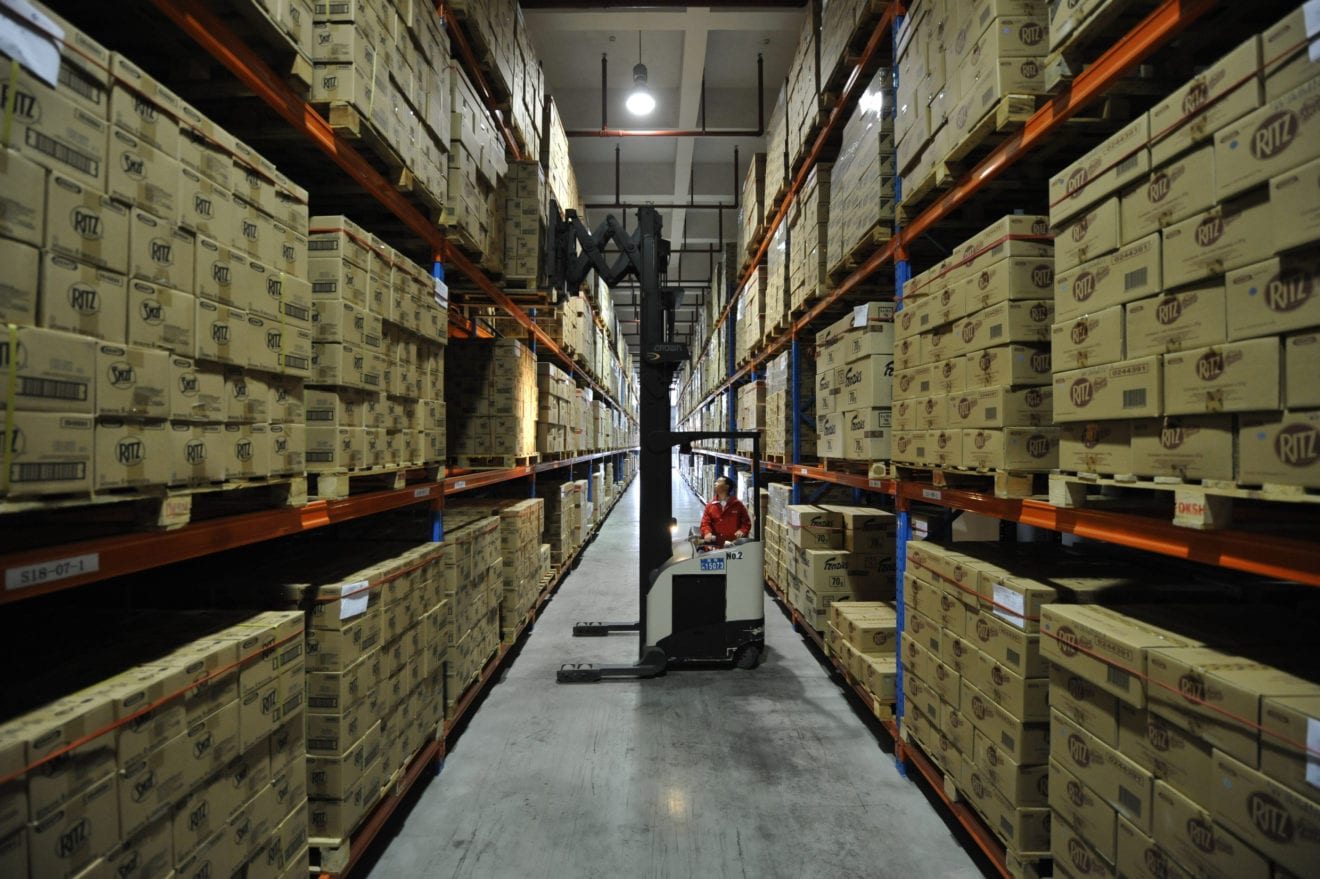
    Walmart China plans to increase investment in its supply-chain logistics by about US$1.2 billion, building or upgrading more than 10 logistics distribution centres over the next 10 to 20 years.

    In March, Walmart completed its first customised perishable-food distribution centre, the South China Fresh Food Distribution Center, serving more than 100 stores in Guangdong and Guangxi, with daily distributing capacity of up to 165,000 cases of products. That centre cost RMB 700 million (US$101.6 million) to complete.

    This is Walmart China’s first distribution centre specially designed and built according to leading international standards – it was the first facility in Mainland China to pass the Brand Reputation through Compliance (BRCGS) Warehousing and Distribution Global Standard Certification. At 33,700sqm, it is the largest, multi-temperature perishable distribution centre in the domestic retail industry, capable of storing and processing more than 4000 kinds of temperature-regulated, refrigerated or frozen goods simultaneously.

    Ryan McDaniel, senior VP of Walmart China Supply Chain, says opening the South China Fresh Food Distribution Center increased the cold-chain storage area serving Guangdong and Guangxi to meet the ever-growing customer demand for fresh goods.

    Other innovations include a scattered-sorting solution that provides the flexible distribution needed by community stores, and streamlining processes to reduce inventory during trial operations, saving about 50 per cent of space and improving efficiency by nearly 300 per cent.

    The new centre is configured with advanced temperature-control hardware. The cold storage in the reservoir area is designed to control temperature variables in the receiving and delivery area by using a combination of highly sealed doors, and saves more than 330,000 kilowatt-hours per year.

    In the transportation stage of the cold chain, Walmart requires that goods be cooled before they are loaded into temperature-regulated trucks. The pre-cooling temperature is then checked by a “transportation monitoring system” and the container is only loaded once the temperature meets the set level. All shipping vehicles that serve Walmart have devices onboard that monitor the temperature in the vehicle along the delivery route to ensure that the fresh produce is protected and arrives at the store on time.

    Walmart says it also allocates quality inspection personnel at the distribution centre to increase compliance and safeguard the quality and safety of food products. A quality testing laboratory has been set up in the distribution centre to conduct front-line inspections on issues like food legal and regulatory compliance and agricultural pesticide residues. The data from these tests is shared with all stores nationwide.

    Last year, Walmart China’s dry warehouses and fresh-food distribution centres dispatched more than 300,000 vehicles to its stores, chalking up more than 80 million kilometres of driving distance and delivering more than 1 million boxes of goods per day.

  • Tidal launches Credits feature to highlight the people behind your favorite music

    Tidal launches Credits feature to highlight the people behind your favorite music

    Tidal has just announced it’s doing something nice for those behind the music industry who aren’t in the spotlight: songwriters, producers, engineers, band members and studio musicians, background vocalists, and programmers.

    The music streaming service launched a new Credits feature that will highlight those persons who contribute to the success of a song or album. Users of the music streaming service will be able to filter the tracklist according to these persons’ roles on tracks (i.e. composer or producer), release date, track title, or artist.

    Not everyone who contributes to the success of a song or album is given the proper credit, which is why TIDAL is introducing its new interactive Credits feature — to highlight those important behind-the-scenes contributors, while also displaying the other projects on which they’ve worked.

    The Credits feature comes with different role categories which can be used to filter your favorite music: songwriter, production, musician, and misc. The default setting to sort a tracklist is by popularity, but users will be able to change that.

  • Mobvoi video teaser tips a July 10th unveiling of the TicWatch Pro LTE

    Mobvoi video teaser tips a July 10th unveiling of the TicWatch Pro LTE

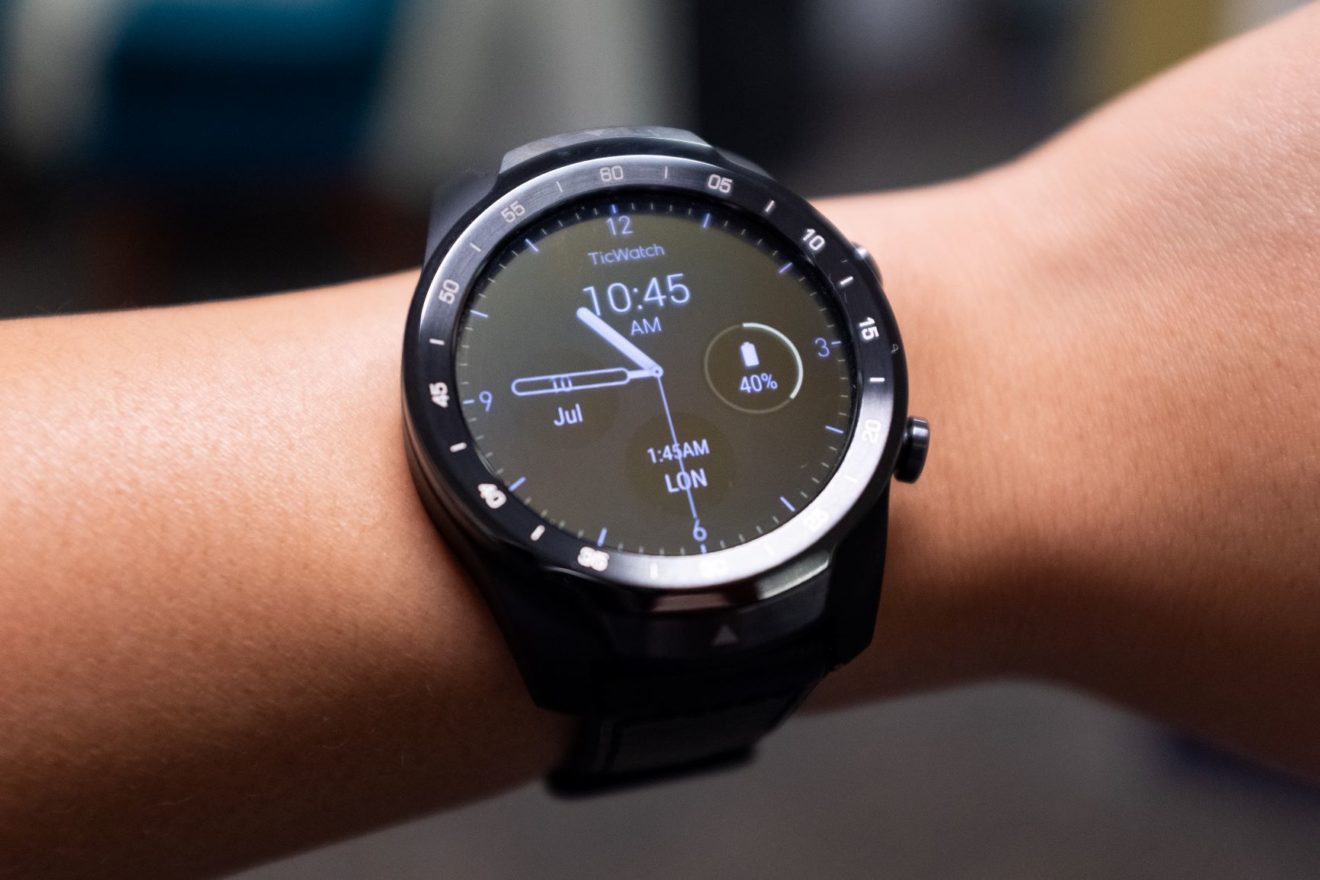
    Watchmaker Mobvoi tweeted a video teaser revealing that a new smartwatch is coming on July 10th. Using adjectives in the video like “fast,” and “powerful,” this could be the LTE version of the company’s TicWatch Pro. After all, the tweet includes hashtags like #TicWatch

    The TicWatch Pro features an AMOLED screen with an LCD overlay. In Smart Mode, the AMOLED screen is employed and the timepiece is used as a smartwatch running Wear OS. In this mode, the battery lasts for 2 to 5 days between charges. In Essential Mode, the LCD screen shows the time, date, steps taken and the wearer’s heart rate. The brighter it is outside, the easier it is to read this display. In this mode, the battery lasts as long as 30-days on a single charge.

    Last month, Mobvoi posted a web page for an LTE enabled version of the TicWatch Pro but quickly took it down. But if this video teaser has anything to do with such a device, it could be introduced next week.

    The TicWatch Pro is $249.99, but an LTE version is sure to cost more. Whatever Mobvoi plans on releasing, you might be able to earn an early bird discount on the product. Click on this link and submit your email address. On July 10th you will receive an email with an early bird code that just might allow you to buy the new watch at a discounted price.

    The current non-LTE version of the TicWatch Pro is powered by the Snapdragon Wear 2100 chipset. It features a 1.39-inch display with a 400 x 400 resolution and a super-twisted nematic monochrome passive-matrix liquid crystal display. It is equipped with 512MB of memory and 4GB of storage and has NFC so that users can cover a purchase at the cash register with Google Pay. A 415mAh battery is included. The video’s mention of a big boost could be a hint that the new model will sport the more powerful Snapdragon Wear 3100 chipset.

  • Judge’s ruling is bad for Qualcomm

    Judge’s ruling is bad for Qualcomm

    Back in May, Judge Lucy Koh ruled that Qualcomm’s business practices are anti-competitive. The judge, already known for presiding over the iconic Apple v. Samsung patent trial sat through the FTC v. Qualcomm non-jury trial held earlier this year. Judge Koh found that the chipmaker’s business practices violated antitrust laws. These included Qualcomm’s “no license, no chips” policy and its failure to license standard-essential patents to competitors at a fair, reasonable and non-discriminatory (FRAND) manner. These are patents that companies need to license so that their products can meet technical standards. Qualcomm was also called out by Judge Koh for charging royalties based on the retail price of a phone instead of just the cost of its chips.

    Of course, Qualcomm says that it will appeal the decision since it requires the company to renegotiate its contracts and licensing agreements with manufacturers. Qualcomm is also complaining that all of these negotiations can make it difficult for it to complete talks with phone producers who want to purchase Qualcomm’s 5G modem chips. And the ruling would force the company to work out deals with its rivals over licensing of its standard-essential patents.

    Qualcomm also is seeking a stay of the decision until it exhausts the appeals process. This way it doesn’t have to go through the whole exhaustive renegotiation process and then reverse the new deals if it wins on appeal. Even though that might make sense to some, Judge Koh has denied Qualcomm’s request. A spokesman for the chipmaker says that it will immediately request a stay from the 9th U.S. Circuit Court of Appeals.

    The FTC v. Qualcomm trial was held in January and featured testimony from employees of several phone manufacturers. Many testified about Qualcomm’s onerous terms for licensing its IP and how it bases the royalties it charges manufacturers on the entire retail price tag of a phone. So instead of paying a percentage of a $20-$40 part for each unit sold, phone manufacturers were charged a percentage of retail prices amounting to $400 and up for each phone rung up with a Qualcomm part. This is the difference between the chipmaker receiving dollars per phone or pennies per phone.

    One of those who took the stand was Apple supply chain executive Tony Blevins. At the time, Apple and Qualcomm were not on speaking terms and both companies had filed multiple suits against each other. But that all changed in April after closing arguments were heard in a trial that pitted Apple against Qualcomm. A settlement was announced that resulted in Apple paying Qualcomm an undisclosed amount (believed to be as much as $4.5 billion) and in return, Apple received a licensing agreement for six years (with a two-year option) and a multi-year chip supply agreement. In addition, both sides dropped all lawsuits filed against each other.

    One phone manufacturer happy with Tuesday’s decision is LG. It doesn’t want to see Koh’s decision stayed because it is currently negotiating a licensing and chip supply deal with Qualcomm and is worried that it might be forced to sign another “unfair” deal with the company. And needless to say, the FTC was also against a ruling that would stay the decision.

    Unless the decision has stayed, LG and other phone manufacturers will probably be working out new deals with Qualcomm while the appeals process goes on. It could take more than a year before a final decision is rendered by an appellate court. Wall Street weighed in with its decision and in after-hours trading on Wednesday (the market closed regular trading early for the July 4th holiday), the stock dropped by $2.49 or 3.25% to $76.63.

  • Courts opens first IoT store at Funan mall, Singapore

    Courts opens first IoT store at Funan mall, Singapore

    Courts Singapore has opened its first Internet of Things store at Funan mall.

    The 12,000sqft store houses Google’s first experience zone in Asia and another from Samsung.

    Consumers can try Google’s entire range of products in Singapore, from smartphones to the recently launched Nest Hub smart display, which is similar to a smart speaker but with a screen.

    Ben Tan, Courts Singapore country CEO, shared with The Straits Times that 80 per cent of the products on sale are compatible with smart-home platforms such as the one anchored by Google Assistant, Google’s artificial intelligence-powered voice-assistant software.

    “The number of smart products available here that work with Google Assistant has increased by 200 per cent this year on year,” Tan said.

    At the Samsung experiential zone at the Courts Singapore Funan mall store, consumers can try out an integrated smart home.

    They can open a door using a digital lock, see notifications from a security camera on a smart Samsung television and issue voice commands to smart home appliances such as washing machines and fridges.

    According to Tan, Courts will offer more services to go along with smart home, such as setting up the devices and educating users on how to control their smart gadgets.

  • Huawei opens flagship store outside of China

    Huawei opens flagship store outside of China

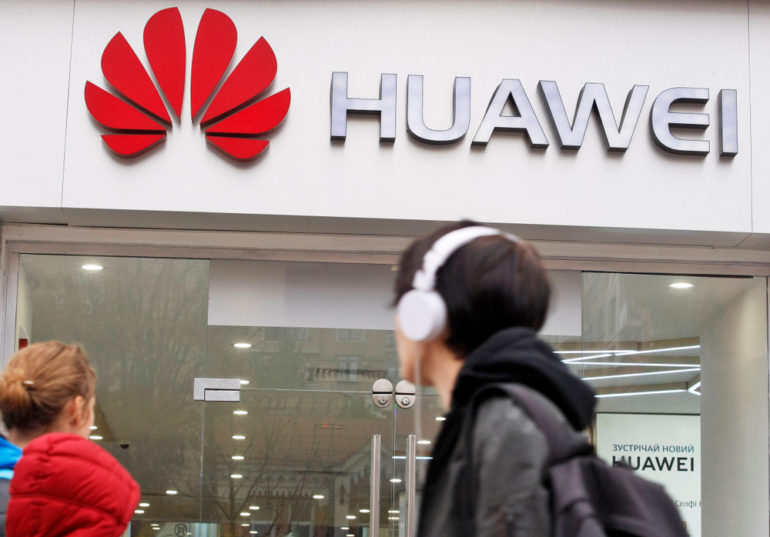
    Chinese tech firm Huawei has launched its largest international flagship store in Madrid.

    The new centrally located 1100sqm store showcases the company’s 5G and AI technologies as well as its range of smartphones and computers. More than 1000 people attended the launch.

    Huawei recently cooperated with Vodafone Espana to roll out the first commercial 5G service in Spain, which is now offering 5G roaming in four European countries. Huawei has already provided equipment for Britain’s new 5G network.

    The Chinese firm has already won 50 5G contracts around the world, but is at the centre of controversy in the US and Australia, among other markets, over allegations its systems can be used by Chinese government agencies to spy on users.

  • Hong Kong’s retail leasing market easing

    Hong Kong’s retail leasing market easing

    Hong Kong’s retail leasing market is showing signs of slowing in tandem with easing retail sales.

    According to real estate advisor Savills says shopping-mall rents changed little in the second quarter, while prime streetfront retail rents fell by 1.9 per cent.

    Savills does not expect any “big headline deals” in retail rentals during the second half of this year.

    “The market lacks the momentum for active growth with unstable external factors having a powerful effect,” said Nick Bradstreet, MD and head of leasing.

    Hong Kong retail sales are down 1.8 per cent during the first five months of this year. Over a similar time frame, prime shopping street rents fell by 1.2 per cent quarter on quarter, with Central district dropping the most, by 3.8 per cent.

    In the major shopping-mall segment, base rents remained generally steady. This was helped by deals with major food-and-beverage tenancies at the newly opened OP Mall in Tsuen Wan:  Ruby Tuesday taking 5000sqft of space and Hadilao Hotpot 8000sqft at HK$400,000 per month.

    The lull in Hong Kong’s retail leasing market comes at a time shopping-centre landlords and retailers are reviewing their offer to shoppers.

    Savills says new market trends are emerging rapidly in Hong Kong and Southeast Asia: brands are turning to augmented reality (AR) to enhance the customer experience and retailers are thinking of new green initiatives with consumers responding positively.

    “Despite the slowdown in retail figures, we see that new technologies are being adapted to upgrade the customer experience, changing the retail landscape,” said Bradstreet.

    AR examples include an Ikea app which allows users to ‘place’ 3D furniture in their homes to scale, Benefit Cosmetics is encouraging customers to try on different eyebrow shapes before they shape their real ones; and MAC has launched an AR Beauty Try-On campaign.

    On the green front, the use of banana leaves for packaging vegetables and other fresh produce was initiated by Rimping Supermarket in Thailand, and then adapted by major supermarkets in Vietnam and Indonesia (including Big C, Lotte Mart and Bintang). Although still in its testing phase, the idea is being well received by shoppers and retailers have reported a boost in sales for products packaged this way.

    Simon Smith, senior director, research & consultancy at Savills, said trade tensions are hitting businesses across southern China and consumers are spending less on big ticket items as a result.

    “Landlords today seem to be more flexible when renewing existing tenants and are open to reducing rents if necessary.”


  • Mercedes-AMG A45 4Matic+ Revealed

    Mercedes-AMG A45 4Matic+ Revealed

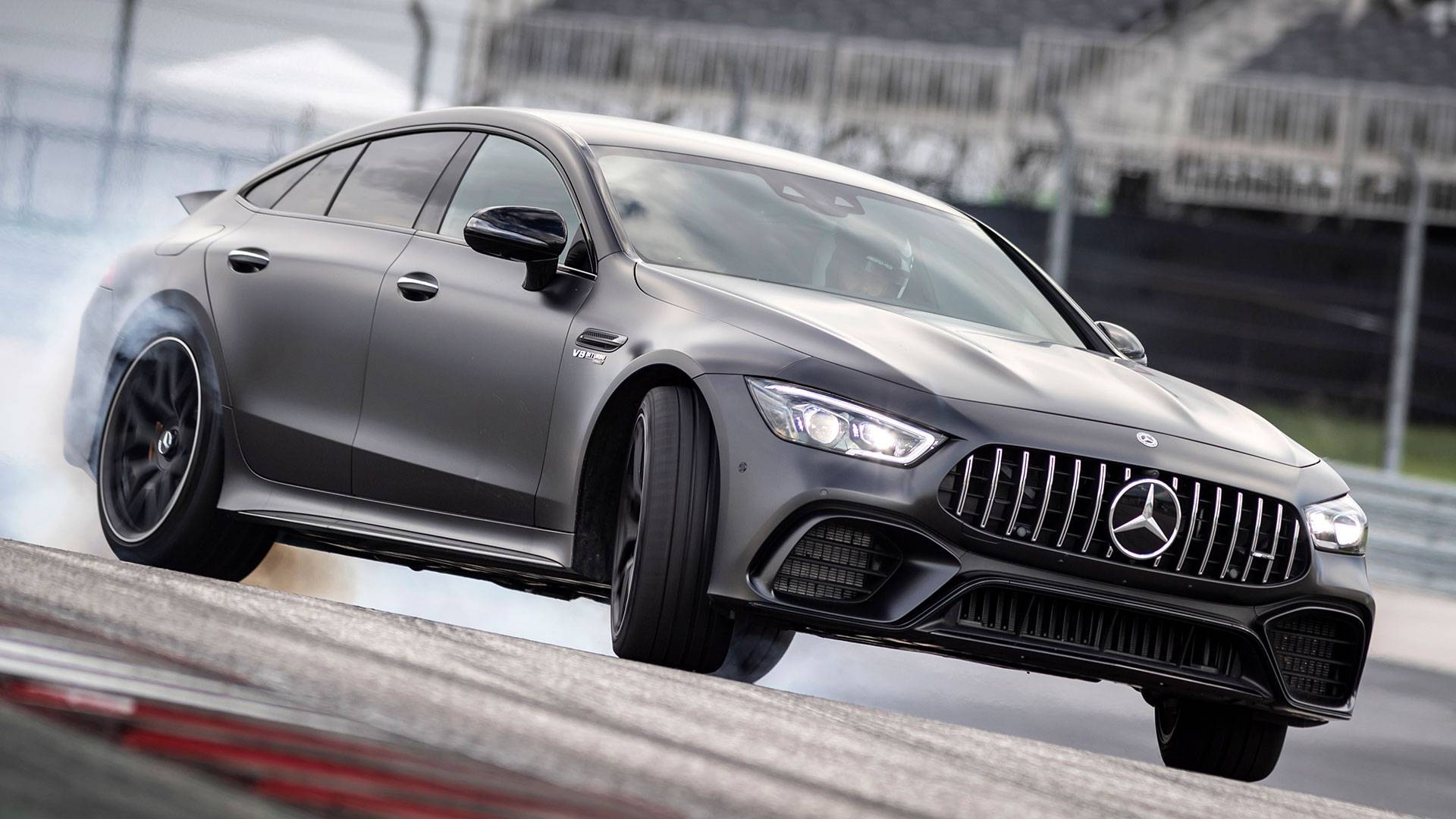
    The completely new 2.0-litre engine is the world’s most powerful turbocharged four-cylinder manufactured for series production. The engine is paired to an 8-speed AMG Speedshift gearbox The A45 can do the 0-100 kmph run in four seconds flat while the A45 S does it in 3.9 seconds. The A45 and the A45 S have an electronically limited top speed of 250 kmph and 270 kmph respectively. With the AMG driver’s package, the A45’s top speed can be bumped up to 270 kmph as well. The specific output of the cars is 208 bhp/litre, which is downright mental. Plus, the car also has a ‘Drift’ mode which can be activated by putting the transmission into manual and switching off the ESP and car being in the race mode. There are six driving modes on offer, which are slippery, comfort, sport, sport+, individual and race.

    The A45 gets 18-inch alloys as standard while the ‘S’ variant gets 19-inchers. The 18-inch alloys get a 10-spoke design while the 19-inch alloys have a 5 twin-spoke design. Plus, the standard model gets grey brake callipers with white AMG lettering while the ‘S’ model gets bigger 6-piston, red brake callipers with black AMG lettering. Apart from the driving modes, the A45 and the A45 S also get AMG Dynamics which is basically integrated vehicle dynamics control which can be used to alter the ESP settings, all-wheel control and steering characteristics. It is highly unlikely that Mercedes-Benz will launch the A45 in India given that the new-generation A-Class isn’t on sale as well. But, never say never!

  • Boots store of the future opens in London

    Boots store of the future opens in London

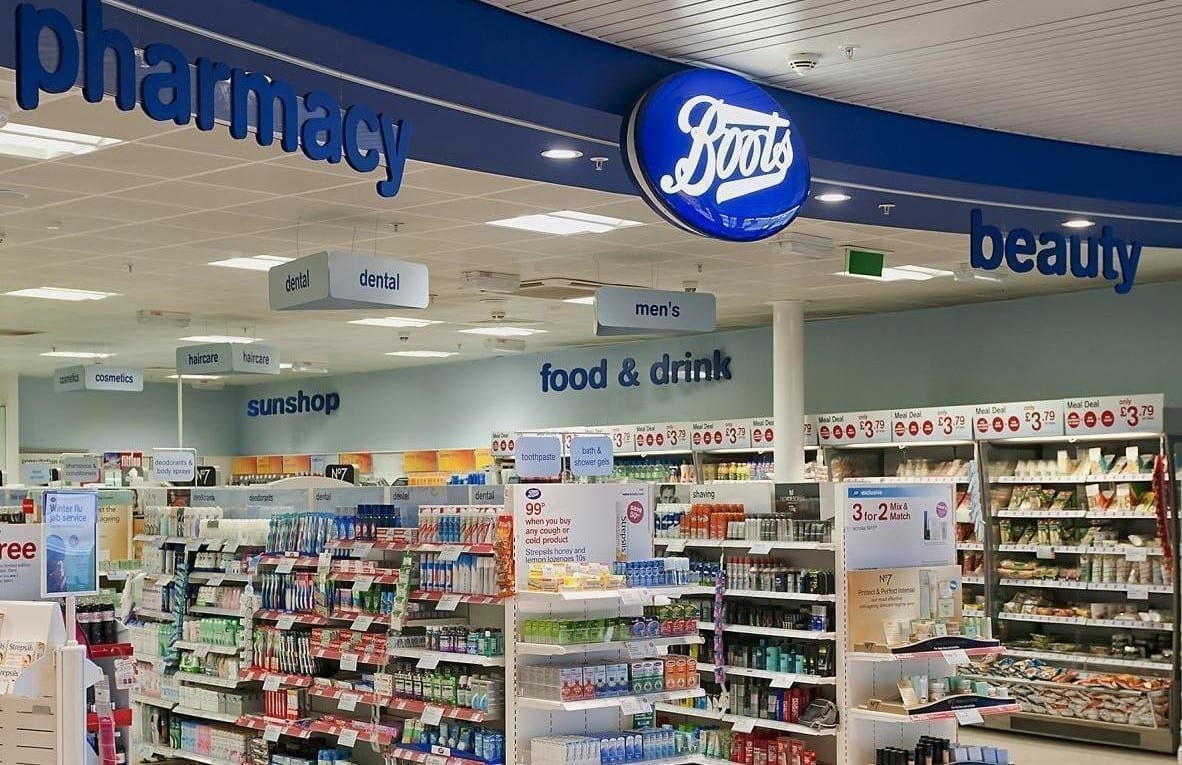
    Boots has launched its new format store in Covent Garden, foreshadowing expected upgrades in its international operations.

    The new format’s “Beauty and Wellness Halls” will introduce more than 300 brands, as well as innovative experiences and access to expert advice. They also feature Instagram points and two beauty studios.

    Covent Garden is now also home to Boots’ biggest-ever wellness range, with 32 new brands including Beauty Kitchen and Equi. There is a rehydration point for refilling water bottles and an Innocent bar for customers to pick up snacks, as well as express pickup lanes, extra advice and consultation spaces in the pharmacy section.

    This new opening has created 130 new jobs within the 28,524sqft store. No single-use plastic bags are being used on the premises; they have been replaced with unbleached paper bags in line with the firm’s commitment to reduce plastic use globally by more than 1000 tonnes this year.

    “Our new Covent Garden store starts a journey of reinventing Boots for the future,” said Boots UK and ROI MD Sebastian James.

    “The store is full of exciting beauty brands, ideas for living well and services to help you get better, all with the great care that Boots colleagues give. We will learn what people love and want from this shop and this will help us shape a blueprint for our whole 2500 store estate.”

  • KFC India to sell 61 another stores

    KFC India to sell 61 another stores

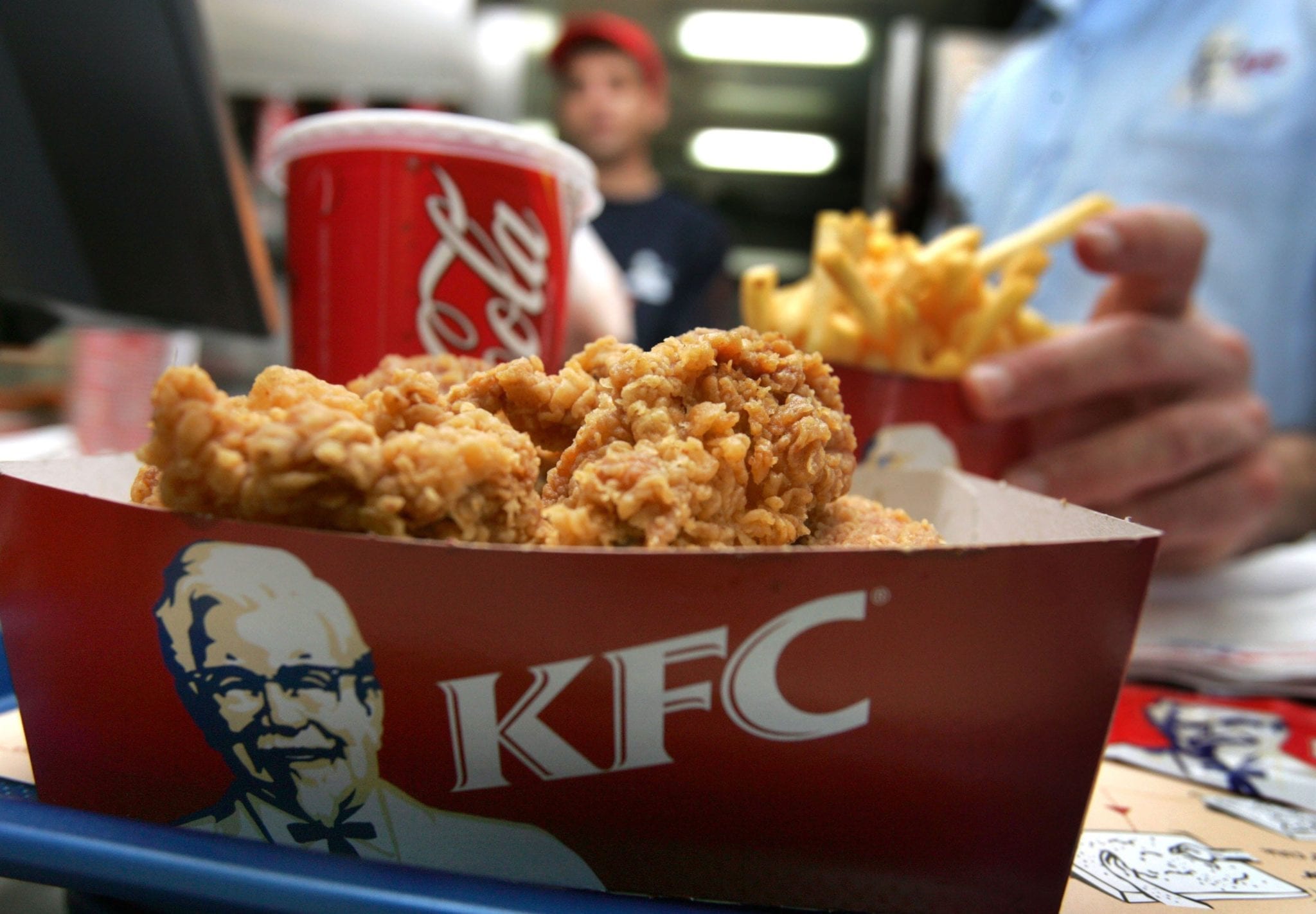
    KFC India will offload 61 equity-owned restaurants to Devyani International as part of its international strategy to withdraw from capital-intensive operations while further developing its brand.

    Devyani, KFC owner Yum!’s biggest franchise partner in the territory, will take over the locations in Karnataka, AP and Telangana, dropping Yum!’s company-operated KFC locations within India to less than 10 per cent. Yum!’s other brand in India, Pizza Hut, is already fully franchised out, and Devyani operates almost 500 outlets under both brands in India.

    “We continue to re-evaluate ownership strategy as part of an annual process and in line with business growth,” said KFC India MD Samir Menon. “The strategic intent is to unlock growth for the brand.”

    “At this point, there is no intent to set up more equity restaurants, unless the market dynamics demand,” he added.

    “KFC is one of the fastest growing brands in our portfolio,” commented Devyani’s CEO Virag Joshi. “Our partnership with Yum! is driven by commitment to build the brand by expanding geographic presence and driving world-class operations.”

    More than 98 per cent of KFC’s 140-country international store network is operated under franchise agreements.

  • Amazon increases efforts to tackle counterfeit goods

    Amazon increases efforts to tackle counterfeit goods

    Online retail giant Amazon is expanding its product serialization service to Canada, India and some European countries to tackle counterfeit products in the supply chain.

    Amazon Transparency involves the application of unique codes to products to allow the retailer, its customers, brands and other members of the supply chain to authentic every unit of a product.

    “Counterfeiting is an industry-wide concern – both online and offline. We find the most effective solutions to prevent counterfeit are based on partnerships that combine Amazon’s technology innovation with the sophisticated knowledge and capabilities of brands,” said Dharmesh Mehta, vice president, Amazon Customer Trust and Partner Support.

    “We created Transparency to provide brands with a simple, scalable solution that empowers brands and Amazon to authenticate products within the supply chain, stopping counterfeit before it reaches a customer.”

    With Transparency, each brand puts the codes on its products, which is then scanned and verified by Amazon to ensure its authenticity.

    Customers can also use a mobile app to check for themselves, regardless of where they purchased the units.

    Brands also use Transparency to communicate unique unit-level information, including manufacturing date, manufacturing place or other product information such as ingredients.

    Over 4,000 brands are using the service in the US and Amazon said that it has proactively prevented over 250,000 counterfeits reaching customers.

  • New Tiffany Philippines store opened

    New Tiffany Philippines store opened

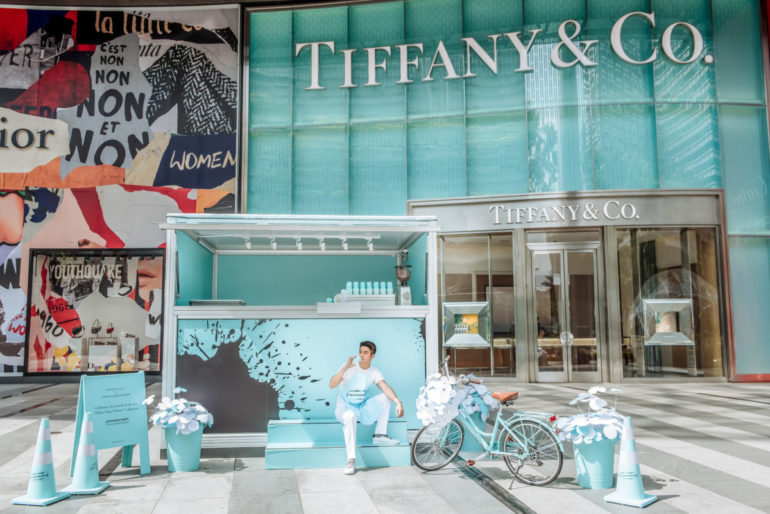
    American luxury jewellery and specialty retailer Tiffany & Co will open a new freestanding boutique at Greenbelt 4 in Makati City, the Philippines tomorrow, July 12.

    The coming launch was featured in Lifestyle online magazine for its understated luxurious design inspired by the New York flagship, featuring “off-white and pale gray walls and lone chandelier floating above the main glass-and-chrome vitrine at the centre, which displays the key collections … Satellite vitrines on either side showcase the high jewellery pieces, available in the Philippines for the first time.”

    While the firm has had a presence in the Philippines for many years at Rustan’s stores, the new boutique will showcase a broader selection of the firm’s jewellery.

    “At Rustan’s, they could do only mostly silver jewelry and engagement rings,” said Tiffany’s country manager Mario Katigbak. “When I came in, we found that there is a market for Tiffany high jewellery.

    “Unlike other brands where it’s the design that’s selling, at Tiffany, it’s the stones. The market is very ready. It’s more sophisticated and ready to appreciate the quality of the stones, more than just the design. Tiffany does its own cutting, and it’s very important for them where the stones are mined. It’s an evolution to a higher level of jewellery.”

    Tiffany’s diamonds are laser-etched with a microscopic serial number to help identify their quality and point of origin.