Author: Mei Ling Tan

  • Hema Fresh eyes 2000 stores by 2022

    Hema Fresh eyes 2000 stores by 2022

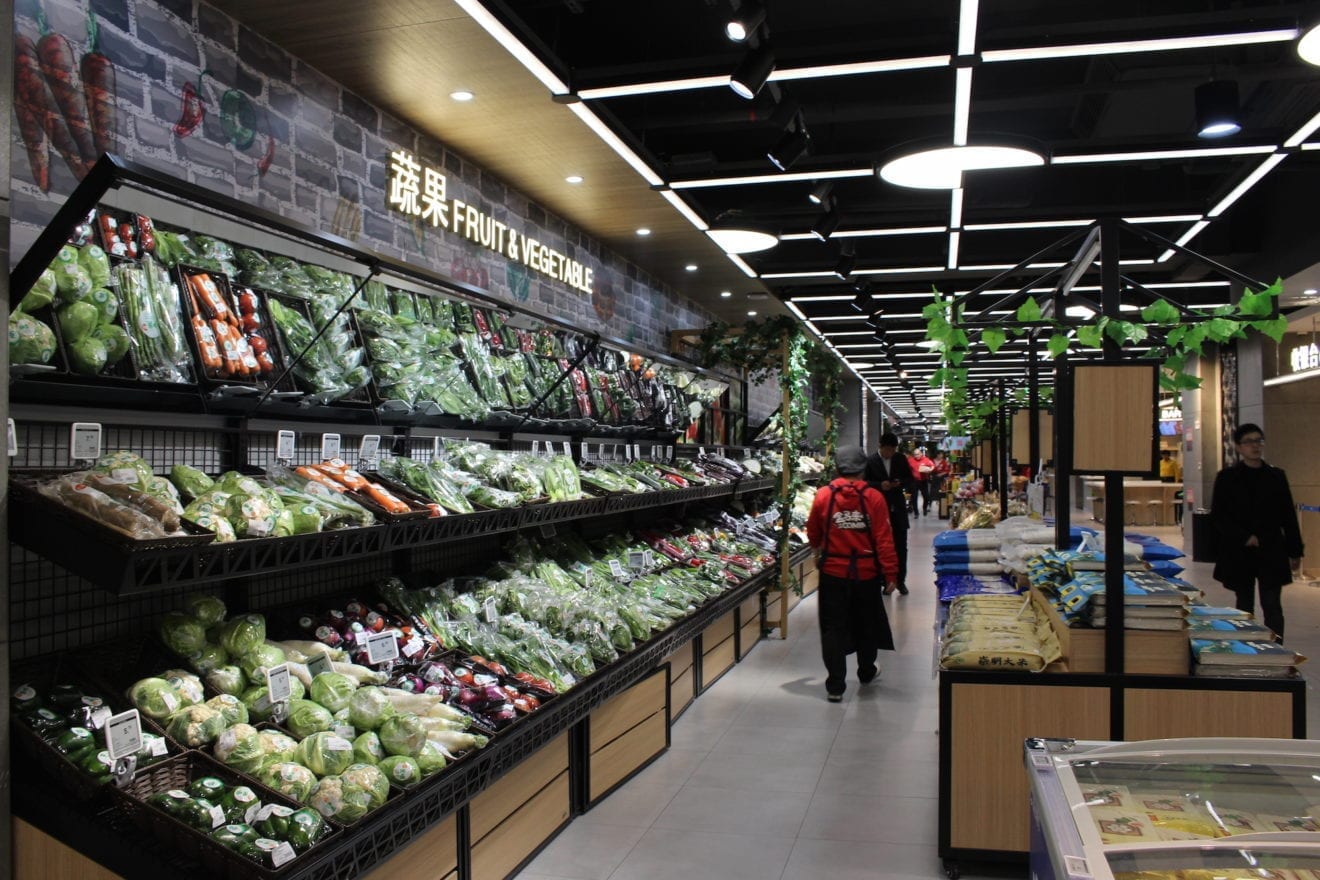
    Alibaba’s grocery-store network Hema Fresh (Hema Xiansheng) is targeting at least 2000 stores across China by 2022.

    With the current network at 160, expansion of the two-year-old chain is now being ramped up after Alibaba worked to refine the format. According to senior executives of Alibaba, quoted in Chinese news media reports, Hema Fresh will have stores in 200 cities by 2030. It is currently in 21, including Shenzhen, Shanghai and Beijing.

    Hou Yi, Hema Fresh’s CEO and VP of Alibaba, says the company will be targeting cities with populations in excess of 1 million as it achieves critical mass.

    As Pascal Martin and Jack Chuang, partners at OC&C Strategy Consultants, described in a deep dive into the Hema format published early this year, the Hema concept was developed from scratch by Hou Yi, a logistics expert hired from rival Jing Dong.

    The Hema store’s value proposition is built on three pillars:

    * Superb quality fresh food – particularly seafood – at an attractive price, that you can pick and have cooked to dine in the store or to go.

    * A completely integrated smartphone-centric experience, from product information (by scanning QR codes on product labels) to automated check-out enabled by RFID tags, to payment through Alipay (although Alibaba was recently forced by regulators to accept other payment platforms and cash).

    * An extended shopping experience with the download of an application that allows online ordering and free home delivery within 30 minutes within a 3km radius of each store.

  • Jeep Compass Based Seven-Seater SUV In The Works For India

    Jeep Compass Based Seven-Seater SUV In The Works For India

    The Jeep Compass was a game changer when it first arrived in 2017 and helped the Fiat Chrysler Automobile (FCA) cement the Jeep brand in the premium segment. Now, a report suggests that the American automaker is looking to further capitalize on the success of the Compass and is in working on a seven-seater version for the Indian market. A report states that the head honchos at FCA have approved a new top-of-the-line SUV under the Jeep brand that will hit the market by 2020-21. The new Compass-based seven-seater SUV will take on the likes of the Toyota Fortuner, Ford Endeavour, Skoda Kodiaq, Honda CR-V and the likes, when it goes on sale.

    Interestingly, Jeep’s plans to produce a seven-seater SUV for India aren’t new. However, the report states that the project was given the green light only now. The Jeep Grand Compass, as it is touted to be called, will get a proper 4×4 drivetrain and will be based on the all-new Compass that is in the works for 2020. The model will be produced at the automaker’s facility in Ranjangaon, near Pune and is likely to hit the market by the second half of next year or by early 2021.

    The new Jeep Grand Compass will help the American establish itself in the premium end of the SUV space, and solidify its position in the overall SUV space. The seven-seater SUV will be followed up with the more affordable subcompact offering in Jeep India’s stable that will hit the market in the following years. FCA said that the company had no comments at the moment on the same.

    It will be safe to say that the upcoming Jeep seven-seater SUV will retain the automaker’s DNA at its core, complete with the brand’s off-roading capabilities and premium positioning. Expect to see a host of new tech and features from the company’s global stable. Engine options are unclear at the moment, but Jeep is likely to offer both petrol and diesel versions. The 2.0-litre MultiJet II turbo diesel could be used on the new model too, albeit with higher power output.

    Meanwhile, Jeep India is currently in the process of upgrading the Compass to the BS6 regulations. The newly launched Compass Trailhawk already gets a BS6 ready engine, and other variants of the SUV will meet the new norms soon. The automaker is also likely to introduce the diesel automatic version of the Compass towards the end of this year or probably in the first half of 2020.

  • Dickson Concepts reveals Hilfiger business deal

    Dickson Concepts reveals Hilfiger business deal

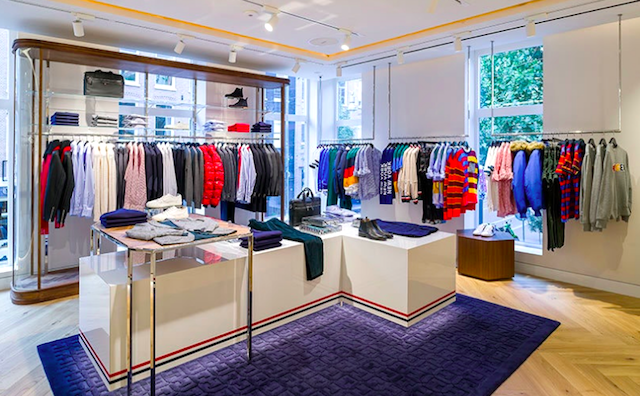
    Dickson Concepts has revealed details of the termination of its licence to sell Tommy Hilfiger products in Hong Kong, Macau, Taiwan, Singapore and Malaysia.

    The move, announced in March, is party of an international plan by Tommy Hilfiger’s parent PVH Corp to regain direct control of the brand in markets where it previously worked through third parties, like Dickson Concepts.

    The termination of the licence took effect on Monday of this week and resulted in PVH paying Dickson Concepts US$52.6 million, being the estimated terminal payment of $63.8 million less a deducted aggregate escrow of $11.2 million.

    PVH Corp, which also counts Calvin Klein, Van Heusen, Izod, Arrow, Warner’s, Olga and Geoffrey Beene in its portfolio, said the deal is in line with the company’s strategy of gaining more direct control over its brands.

    “This transaction demonstrates our commitment to making strategic investments to support the long term growth of PVH and our Tommy Hilfiger business, while leveraging our well-established infrastructure, our leadership expertise and strong brand momentum across both our Tommy Hilfiger and Calvin Klein businesses in the region,” said Emanuel Chirico, PVH Corp’s chairman and CEO at the time the move was announced.

    Dickson Concepts chairman and founder Dickson Poon in a stock exchange filing that the group “will continue the development of its other luxury brand name businesses and actively seek new investment opportunities to diversify and broaden its earnings base”.

  • Nu Skin flagship ready for the Future

    Nu Skin flagship ready for the Future

    Health-and-beauty firm Nu Skin is rolling out a new store design based on its Shenzhen flagship, which opened in November last year.

    A Digital Signage Connection case study described the Nu Xtore flagship as “a state-of-the-art digital sensory experience centre that incorporates Nu Skin’s history, high-quality products, community involvement and scientific innovation”.

    Two further Nu Xtores are scheduled to open this year in China, following the Shikatani Lacroix Design “future-proofed” format intended to reflect trends in the market and target younger consumers. The design was put together in partnership with consulting firm MetaThink, building a combined conventional and digital experience to support the firm’s brand story and blur the line between gallery, science center, community hub, and event space.

    “Metathink and SLD delivered beyond expectations in elevating the Nu Skin brand to new heights through user-driven insights, meticulous strategy and digital immersive experience design,” said Nu Skin’s VP of marketing Queenie Sheng.

    “It was important to create a cohesive and choreographed experience that flowed from start to finish,” reads the case study on SLD’s store design, centred around a central “Fountain of You” interaction piece that serves as a visual metaphor for youth, wellness and energy.

    “Integration to existing digital tools and applications requiring data exchange added additional levels of complexity to the digital experiences. In very short timelines, all of the graphics, wayfinding, digital experiences and environmental design had to constantly evolve and adapt.”

    The design won a DSE 2019 APEX award in the Retail Environments category.

  • Kia XCeed Revealed

    Kia XCeed Revealed

    Kia Motors took the wraps off the 2020 XCeed, which is an urban crossover utility vehicle. Kia says that it is an alternative to regular SUVs and is as practical as an SUV and as engaging as a hatchback. It will be launched in Europe in the third quarter of 2019 and will be positioned between the Kia Stonic and the Kia Sportage. The Kia XCeed has a sporty design which is all-new. The only the body panels were carried over from its five-door hatchback sibling are the front doors. While the wheelbase remains the same as other models in the Ceed line-up 2,650 mm, the Kia XCeed’s front and rear overhangs are extended over the five-door hatchback model by 25 mm at the front to 905 mm and 60 mm at the rear to 840 mm. The headlamps are newly-designed, with the Ceed’s ‘ice cube’ LED light signature sitting within a more angular shape along with slim indicators. The rear gets newly designed tail lamps which have the company’s signature styling.

    Kia will offer a range of turbo-charged engines on the XCeed. There will be a 3-cylinder 1.0-litre turbo petrol which makes 118 bhp and 172 Nm. The 1.4-litre turbo petrol makes 138 bhp and 242 Nm while the 1.6-litre turbo petrol pumps out 201 bhp and 265 Nm of peak torque. The XCeed is also available with a choice of a 1.6-litre Smartstream diesel engine in two states of tune which make 113 bhp and 134 bhp. Except for the 1.0-litre T-GDi, all engines can be paired with a choice of six-speed manual or seven-speed dual-clutch transmissions. The 1.0-litre engine is paired with a six-speed manual transmission. Kia will introduce low-emissions electrified powertrains, including 48V mild hybrid and plug-in hybrid options, will be launched into the Kia XCeed range later in 2020.

    The XCeed has a busy dashboard which is angled towards the driver. The interior gets soft-touch material and a satin chrome trim on the dashboard along with multiple upholstery options. Like the Kia Seltos, the XCeed too will get Kia’s UVO Connect and telematics system. There will be Apple CarPlay and Android Auto on offer as well. Other optional features include a JBL premium audio system with Clari-Fi technology, dual-zone air-conditioning, heated electric folding door mirrors, heated steering wheel, heated windscreen, heated and ventilated front seats and heated rear seats.

    Kia will manufacture the XCeed at its manufacturing facility in Zilina, Slovakia along with the Ceed, Ceed Sportwagon and the ProCeed Shooting Brake.

  • Zip gains retailers as buy now pay later comes under attack

    Zip gains retailers as buy now pay later comes under attack

    Buy now, pay later operator Zip has seen a string of new retailers join its list of partners, bringing representatives across Australia fashion, automotive and food into the fold.

    Among the new retailers is the Just Group (which includes Peter Alexander, Smiggle, Jay Jays, Just Jeans, Dotti, Jacqui E and Portmans), Hanes Australasia (including Bonds and Sheridan), Lorna Jane, General Pants, Grill’d, Schnitz, and Carsales.

    “Consumers want to own the way they pay. In turn, retailers want to offer payment choice to answer this demand, and because they recognise it drives sales. It’s a win-win,” Fran Ereira, general manager of sales and solution delivery at Zip, said.

    But the already competitive buy now, pay later sector is set to become even more so, with the entrance of US provider, Splitit, in the Australian market – through a partnership with Kogan – and the arrival of Visa in the instalment payment space.

    “Visa cardholders will have the option to divide their total purchase amount into smaller, equal payments over a defined time period on qualifying purchases, at the store and online or when travelling abroad,” Visa global head of issuer and consumer solutions Sam Shrauger said in a statement last week.

    The announcement sent shares in Afterpay down 15 per cent – though they have since recovered.

    Visa’s offer differs from existing buy now, pay later providers in that it allows issuers to leverage a customer’s existing payment account, rather than asking them to download an app or submit to a credit check.

    “We expect instalments to become a foundational method of payment at checkout for both domestic and cross-border commerce payment transactions,” Shrauger said.

    But the growing popularity of buy now, pay later could be its undoing. A recent report in The Australiansuggests that buy now, pay later providers could soon lose one of the key advantages they have over credit card providers.

    While companies like Afterpay and Zip charge retailers a fee to offer their service, they prohibit retailers from passing the surcharge on to customers. But the Reserve Bank of Australia’s Payments System Board has taken note of this practice, and is discussing “the growth in this segment of the payments market and the implications of these services for consumers and merchants,” according to a statement it released in November.

    Should this restriction be changed, retailers could choose to add a surcharge to goods purchased through buy now, pay later apps, potentially changing how attractive such offers are to consumers.

  • Saigon Co.op takes over Auchan Vietnam

    Saigon Co.op takes over Auchan Vietnam

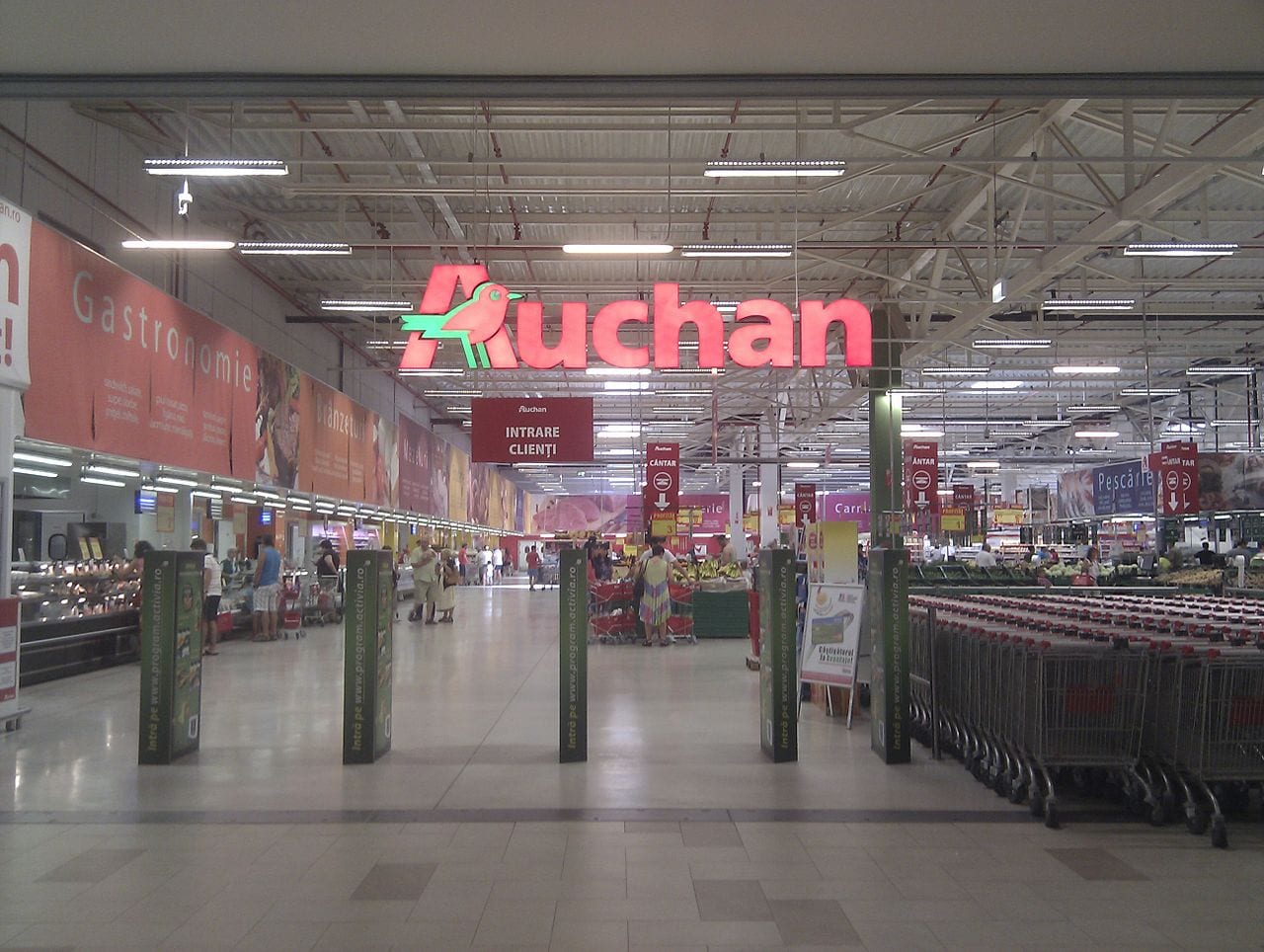
    Local retail group Saigon Co.op has acquired the Auchan Vietnam business.

    Auchan will transfer its 15 closed store spaces and the three remaining stores still trading in Ho Chi Minh City’s Districts 7 and 1, along with its e-commerce and supply-chain retail system to Saigon Co.op.

    According to the arrangement, Saigon Co.op will renovate the closed stores and restore operations under their own brands which include Co.opMart, Finelife and Co.opXtra.

    The three stores still trading will maintain their Auchan branding until next Lunar New Year.

    In May, Auchan decided to pull out of Vietnam after consistent losses.

  • Irvins Salted Egg opens store at The Venetian Macao

    Irvins Salted Egg opens store at The Venetian Macao

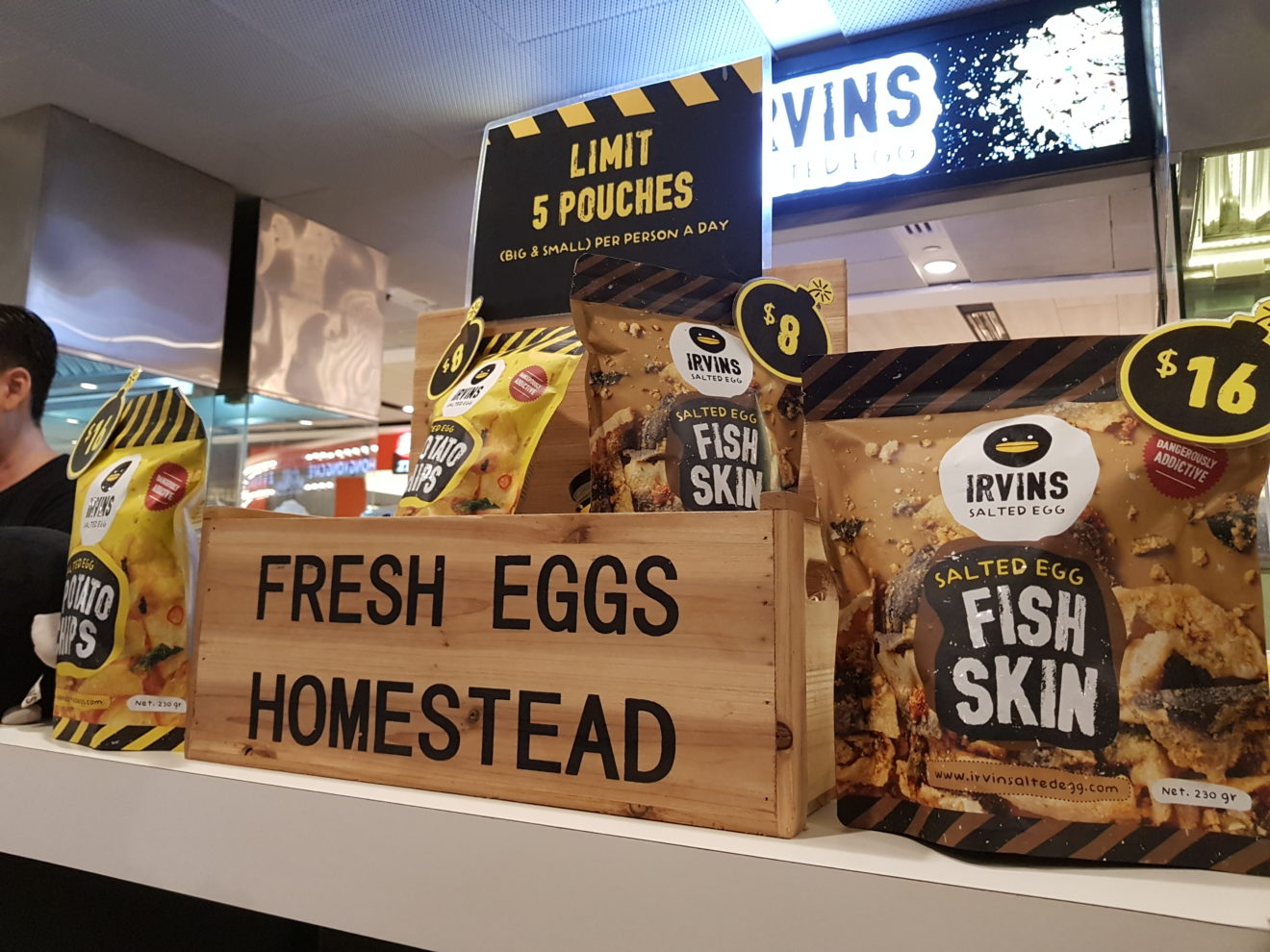
    Singaporean gourmet snack brand Irvins Salted Egg has opened at The Venetian Macao.

    “This store marks our biggest expansion yet and we are very proud to have such a premium presence in one of the world’s fastest-growing markets,” said Irvins’ founder and CEO Irvin Hasaka Yuga Gunawan. “We look forward to our flagship store in The Venetian Macao to satisfy the snacking needs of all our fans in Macau and China as well as hundreds of other visitors from around the world that visit the integrated resort during their holiday”.

    The brand ranked first among the “Eight Souvenir Snacks from Singapore to Bring Home” list released by the Singapore Tourism Board earlier this year. All of the brand’s products are freshly manufactured in Singapore without added preservatives, including premium duck eggs with a rich red yolk.

    Traditionally the brand has sold products at pop-up stores in airports and shopping centres across Asia. Its stores at Changi Airport used to frequently run out of stock, even with limits imposed on the number of packets customers could purchase. A successful pop-up store traded in Hong Kong’s IFC mall last year, as well.

  • Superdry outlines expansion plans

    Superdry outlines expansion plans

    Off the back of its recent bricks-and-mortar entry into New Zealand, streetwear brand Superdry is now set to expand across Sydney and Melbourne in August and September.

    Over the next two months, Superdry will be opening stores at The Glen Shopping Centre and Essendon in Victoria and Homebush DFO in Sydney, in addition to its next store in New Zealand in Queenstown.

    Superdry’s Auckland store opened in April this year and according to general brand manager at Superdry, Antony Hampson, the business is already achieving double digit sales growth versus its target.

    “We’ve always had a good wholesale distribution in New Zealand, so we knew there was an appetite for the brand and it was the right time,” Hampson told Inside Retail.

    “It was important for us to present New Zealand with our full concept and all our product lines in one store. The response has been fantastic, people have really taken to the monobrand concept and appreciated the new silhouette and styles we’re offering.”

    In addition to the new Auckland store, Superdry also localised the New Zealand e-commerce site in April, which was previously operated through the UK. Now that the site runs from Australia and the distribution centre is based in Melbourne, New Zealand customers can enjoy speedier delivery and a more consistent customer experience.

    “We’ve been able to open up a significant amount of our stock across all our network to our customer base. The distribution centre is in Melbourne, but we offer a ship-from-store functionality, which is important from a stock efficiency perspective,” explained Hampson.

    “We’re able to showcase stock in the distribution centre, as well as stock that may no longer be there but is available in stores, even fragmented stock, which they can purchase it online. That accounts for 30 per cent of our transactions.”

    Challenges ahead

    However, in other areas of the business, Superdry has faced some issues, notably the delay of the release of its annual results to July 10. Earlier in the year, founder Julian Dunkerton also warned that the gross profit of the entire year would be lower than current market expectations, due to changes in management and weaknesses in its on- and offline channels.

    “We’re a separate entity in Australia and we’re fairly isolated from the rest of the world. We’ve built a strong business in the last 10 years where we’ve grown substantially, but the investments have been smart so we have haven’t overcapitalised. We still see opportunities to grow,” Hampson explained.

    “I think a lot of the challenges that the brand has faced particularly in the UK have been driven from the top in terms of a conflict of strategic direction. That’s seen the founder [Dunkerton] voted back onto the board, which will straight away provide more clarity and understanding of what the direction is moving forward.”

    Hampson also pointed to the fact that given Superdry traditionally makes most of its sales from winter products, the brand has also been impacted by the warmer weather, like many other brands in the UK market.

    A focus on the customer

    In the next financial year, Superdry is planning to continue growing its commerce channel. According to Hampson, the brand has invested in new software to better communicate and segment its customer base and its CRM capability is much more advanced than it was 12-18 months ago.

    “That will allow us to understand our customers’ shopping habits in more detail and target customers more relevantly which will help to increase the purchase frequency in our database, which is an important factor amongst the doom and gloom around retail,” he said. “You have to continue to engage and grow your customer base and offer different products they wouldn’t have purchased into before.”

    Over the next year, the brand’s in-store merchandising will also evolve into a more clean, streamlined and contemporary experience for customers, Hampson added. However, given Superdry’s shift in recent years towards becoming more of a lifestyle brand, product options will always be a priority in-store.

    “Superdry was founded based on three key product categories – fleece, jackets and t-shirts. And although they will always remain the core centre of our narrative and we’ll continue to innovate and evolve across the categories, we also play in denim, shorts, shirting, accessories and footwear. So it’s important that from a customer perspective, we’re showcasing all of those additional product lines…to give customers an opportunity to buy into product they may not have otherwise and give them another reason to shop with Superdry.”

  • Apple Singapore to open in Jewel Changi

    Apple Singapore to open in Jewel Changi

    Apple Singapore is set to open its second store – at Jewel Changi on July 13.

    No other information, including the size of the store, was released. However, the company revealed that visitors can expect some brand new programming developed exclusively for the Jewel store, including a Magic of Jewel Changi Airport Photo Walk.

    This pathway will be around 500 meters and will allow attendees to explore Jewel’s attractions, such as its modern architecture, indoor gardens and its 40m waterfall.

    Attendees will learn how to take photos or videos of these attractions using an iPhone or iPad.

    A third Apple Singapore store will open at Marina Bay Sands, most likely late this year.

  • Indonesian brand Palm Lagoon opens at Trans Studio mall

    Indonesian brand Palm Lagoon opens at Trans Studio mall

    Indonesian brand Palm Lagoon, which specialises in resort wear, has opened at Bali’s Trans Studio mall.

    The 207sqm boutique offers a curated selection of apparel, footwear, bikinis, swimwear, bags, sunglasses, watches and jewellery, targeting women and men.

    Brands sold include Rik and Reg, Saturdays eyewear, Pierre Lannier, Ellyse, Karmen and Marius, Little Savvy, Antyik Butik, Lima Watch, Hopy bags, RDNB bracelets and SNJA tote bags. Fashion advisors will be in store to provide styling advice.

    Onnie Khristanto, COO of Bestari Group, Palm Lagoon’s operator, said the new store brings the brand to life in a new and exciting way with its ‘less-is-more’ concept and product curation based on the beach-and-resort lifestyle.

    “We will inspire head-to toe looks and in-store associates will help our regular customers find styles they love with more ease as well as introduce brands our new customers will love to discover.”

    Launched in 2013, Palm Lagoon now has seven flagship stores in Indonesia, including one at Ngurah Rai International Airport, and 51 points of sales in major cities.

    Its products are also available online at Zalora, Zillingo, Shopee Indonesia, and Amazon Australia.

  • Rita Ora becomes new face of Thomas Sabo

    Rita Ora becomes new face of Thomas Sabo

    British singer Rita Ora has become the new global ambassador of German jewellery and watch brand Thomas Sabo.

    Known for her creative style and individuality, the singer will be the face of Thomas Sabo worldwide for the next two years.

    The first collection with Rita Ora will be the Autumn/Winter 2019, to be revealed from July 15.

    “My Thomas Sabo campaign aims to empower women to experience this magical boost of jewellery and to inspire other women to create personal looks full of energy and liveliness,” said Rita Ora at the announcement of the cooperation.

    The focus of the range is on bright jewellery colours and unique statements such as magical lucky charms and cat motifs.

    Established in 1984,  Thomas Sabo has 300 company-owned shops around the world.

  • Tmall offers new tools for retailers to revamp online storefronts

    Tmall offers new tools for retailers to revamp online storefronts

    Alibaba’s marketplace Tmall has rolled out a suite of tools for brands to customize their online storefronts and offer a more personalized experience for shoppers.

    The platform’s “Flagship Store 2.0” solution pulls both analytics and popular technologies together into the Tmall app, offering brands new tools to revamp their existing flagship online storefronts and provide each consumer a personalized page based on their previous shopping patterns. It also allows brands to display and order offline specials and inventory through their newly designed online stores.

    “We aim to offer new tools to all brands and merchants on our platform to transform their operations with digital technology,” said the president of Taobao and Tmall Jiang Fan. “By supporting players on our marketplace to push the New Retail boundary, we will reinforce Tmall’s position as the go-to platform for innovative e-commerce and brand new shopping experiences”.

    This is the most significant upgrade of Tmall’s flagship stores since its PC-based launch in 2008. With Flagship Store 2.0, Tmall is opening its back end to independent software vendors so they can develop new virtual shopping spaces for online store operators. At the same time, Tmall will start including 3D and augmented reality product-display technology in its apps, allowing customers to, for example, see how a piece of furniture will look in their own living room or let them “try on” lipstick in a virtual mirror before placing an order.

    Another feature of the Flagship Store 2.0 solution is the ability to connect brands’ Tmall flagship online storefronts to their offline outlets. This means online shoppers can browse and purchase from a similar product assortment as offered at the brands’ physical locations. The seamless integration can bolster store traffic, both online and offline.

    The use of demographic analytics and a shopper’s history by brands means customers will get a unique, more individualized product recommendations on the platform, along with privileges based on their Tmall membership status.

  • South Korean retail sales up as summer season arrives

    South Korean retail sales up as summer season arrives

    South Korean retail sales increased by 3.4 percent year on year in May.

    Online sales reportedly surged by 18.1 percent in May, far faster than offline sales, which increased buy just 1.9 percent.

    A government spokesperson said the increase in sales for the month was driven by growing demand for seasonal products such as air conditioners, as summer arrived.

    There was also strong demand for electronics and gifts for Parents’ Day and Children’s Day.

    May’s 3.4 percent rise in South Korean retail sales was below the mean average monthly rate of 3.9 percent recorded from 1996 until this year.

  • Zara India reports drop in profit

    Zara India reports drop in profit

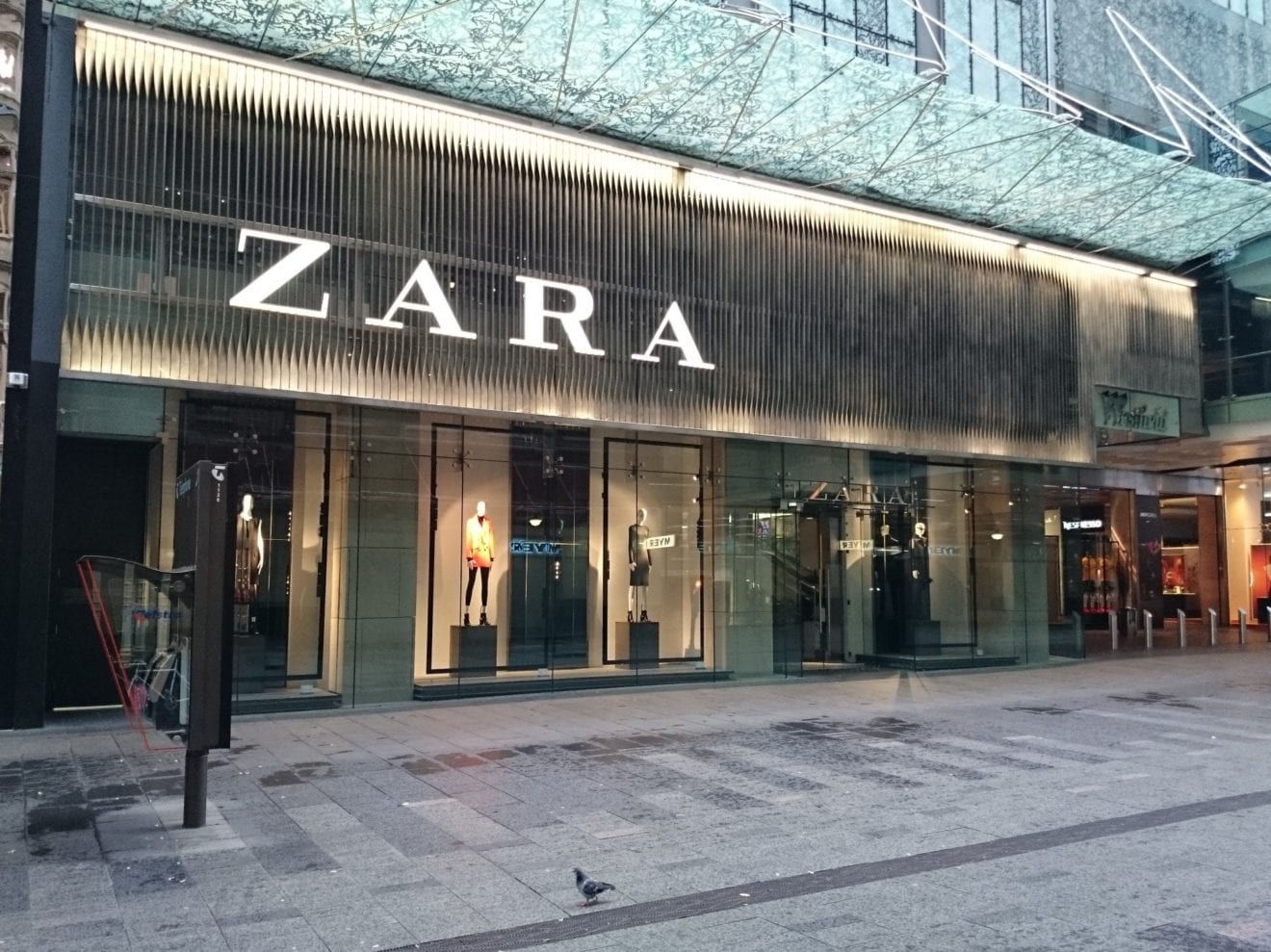
    Fashion retailer Zara India has reported a 13.4-per-cent drop in net profit over the last financial year, reflecting increased competition and a drop in demand during the period.

    The loss came despite a 17.7 percent increase in sales over the year to  ₹1438 crore (US$208 million), which suggests the company has been heavily discounting to maintain stock turnover.

    Two years ago, Zara India saw a 40-per-cent drop in profits after ruthlessly slashing prices to beat competitors.

    The brand opened two new stores in the territory and expanded its presence to a total of 10 Indian cities during the last financial year.

    “The numbers could reflect a dip in same-store sales growth,” noted an Indian retail industry commentator. “Also during the year, India saw no major new net mall additions in large cities for a brand such as Zara to open add more stores”.

    A spokesperson for Zara’s local partner Trent maintained that the primary challenge to the brand’s faster expansion is the availability of high-quality retail spaces that could be expected to generate reasonable sales throughput.