Author: Mei Ling Tan

  • Cebu Pacific plans to squeeze more seats into economy

    Cebu Pacific plans to squeeze more seats into economy

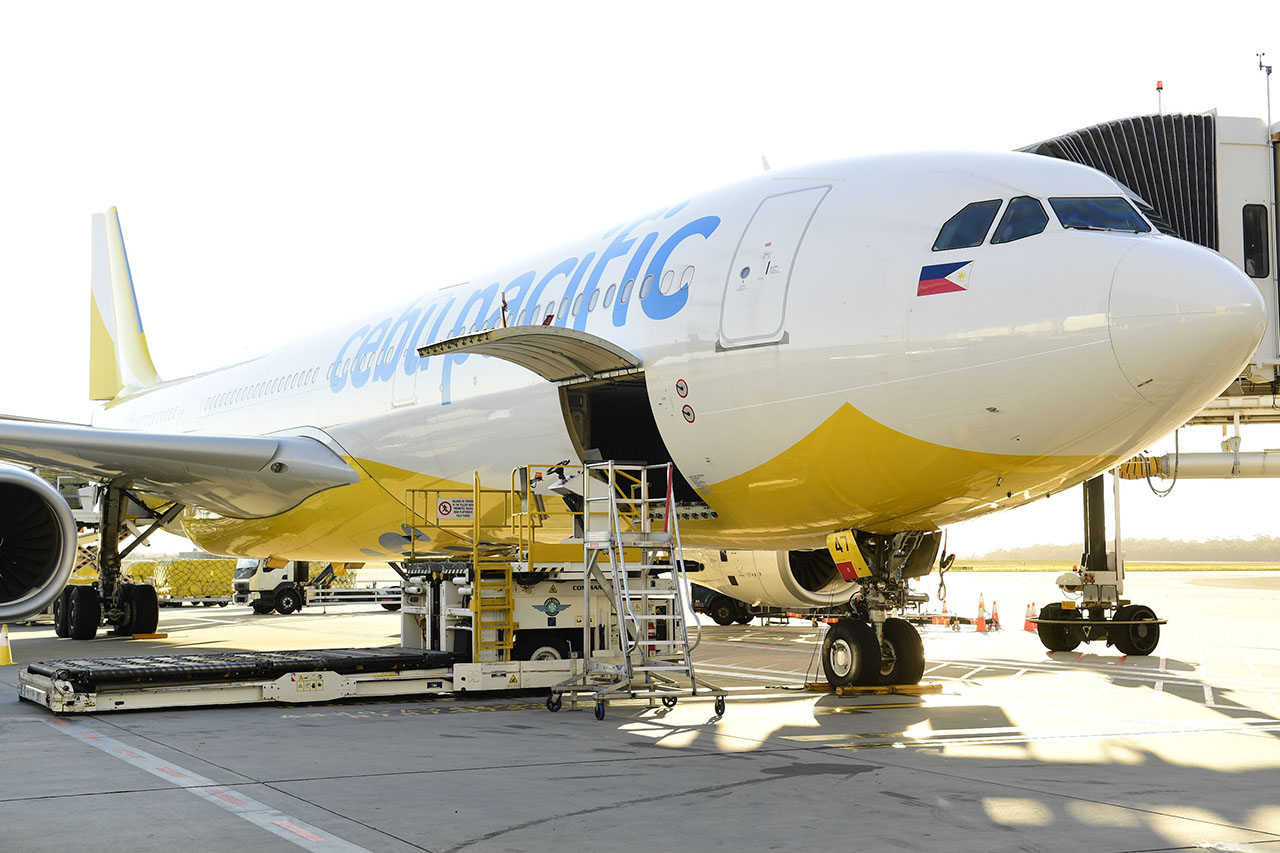
    One of the biggest travel-trade talking points of the recent Paris Air Show was Cebu Pacific signing a memorandum of understanding (MOU) to buy 31 Airbus planes – 16 of which will be A330-900s, with 460 seats in an all-economy configuration squeezed into each. Fellow budget airline AirAsia, by comparison, unveiled its first A330-900 (aka the A330neo) at the show, with 377 seats in two classes, while the plane’s launch customer, TAP Air Portugal, began operating with 289 seats in three classes last November.

    It has been suggested that the upside of squeezing so many people onto one plane might be a reduced per-passenger carbon footprint, and it’s easy to imagine airlines using this as an excuse to crowbar ever more passengers aboard in future. Cebu Pacific’s MOU also included 10 of the A321XLR (Xtra Long Range), which was introduced at the show and is expected to take passengers back to the days of the Boeing 707 and Douglas DC-8, with cramped single-aisle long-haul flights, in about four years from now.

  • Zimmermann opens first outlet in Italy

    Zimmermann opens first outlet in Italy

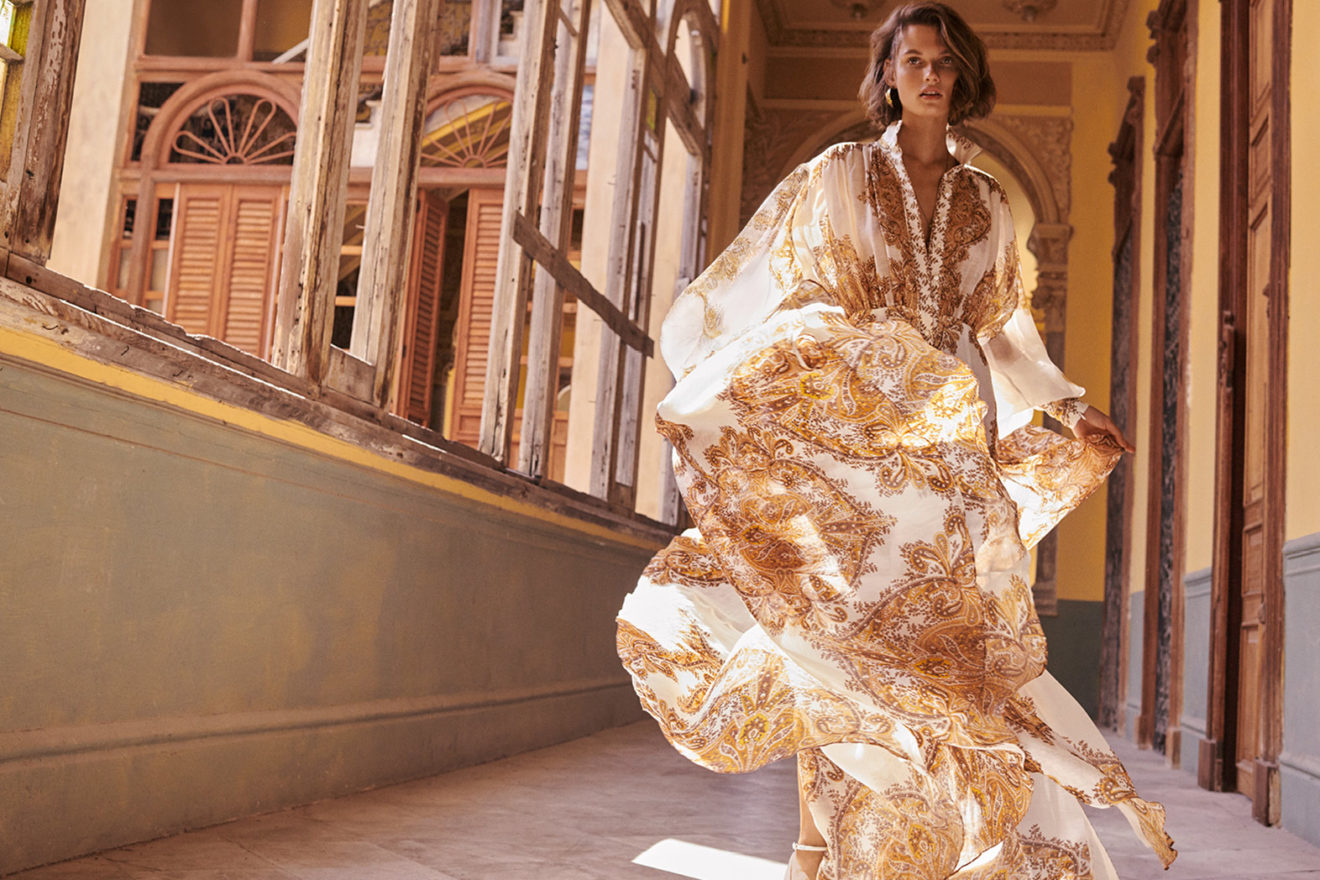
    Luxury fashion brand Zimmermann has opened a new boutique on the Amalfi Coast in Capri, Italy.

    Designed by Australian architect Don McQualter of Studio McQualter, the 734sqf (68sqm) store aims to convey a “relaxed femininity, an air of freshness and light, and unyielding optimism”.

    Zimmermann calls it a physical embodiment of the brand.

    “We are very excited to be opening our store in Capri. It’s our first Zimmermann boutique in Italy and it’s a dream to have a store in such an iconic European seaside destination,” said Nicky Zimmermann, the brand’s creative director and co-founder.

    “We thought it was such a perfect location to bring a part of Zimmermann to the Amalfi Coast.”

    Located on Via Vittorio Emanuele, the boutique’s subdued pink facade is in keeping with the local palette. Its interior features custom metalwork, light fixtures, display tables, millwork and visual merchandising fixtures – all designed by Studio McQualter.

    Artworks by Australian artist Tom Polo and the rich fabric palette of the fitting rooms add vibrancy to the space.

    The store is the brand’s first in Italy and follows the opening of boutiques in London in 2017 and St. Tropez in 2018. Zimmermann said it plans to open a fourth European store in Paris in July.

    Sisters Nicky and Simone Zimmermann launched the new boutique with a two-day celebration, starting with an intimate dinner by the sea on Thursday, June 27th, followed by a scenic lunch and all-day party at Villa Bismarck on Friday, June 28th.

    A bevy of celebrities were in attendance, including actresses Katie Holmes and Laura Dern; models Karolina Kurkova, Gemma Ward and Arizona Muse; and Australian style authorities, Yasmin Sewell and Laura Brown, among others.

  • Singapore’s Temasek Takes Stake in LF Logistics

    Singapore’s Temasek Takes Stake in LF Logistics

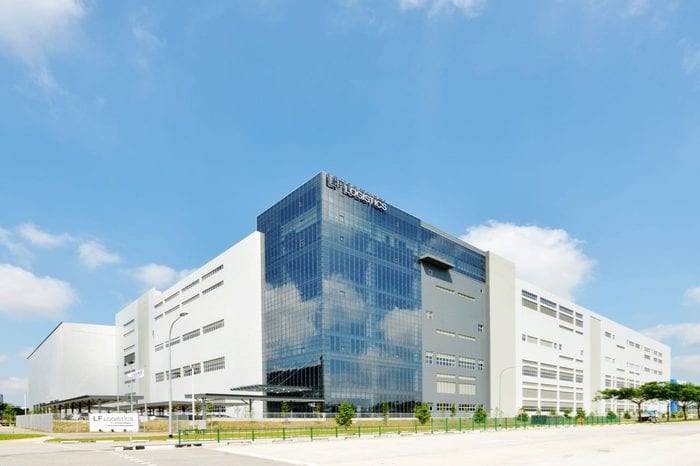
    Temasek Holdings has invested US$300 million (S$406.1 million) for a a 21.7 per cent stake in Hong Kong-based global supply chain giant Li & Fung’s logistics business.

    The injection from Singapore’s state investment company wil value the business, LF Logistics, at approximately US$1.4 billion.

    Li & Fung said that as a result of Temasek’s investment, it will postpone a previous proposed spin-off initial public offering for LF Logistics. It will remain a controlling shareholder of LF Logistics with a 78.3 per cent stake.

    Proceeds from the investment will be used to fund LF Logistics’ future capital expenditures, business growth initiatives and to repay its existing bank loans.

    LF Logistics has achieved multiple-year double-digit organic growth, and is rapidly growing in Asean and expanding into new geographies including Japan, Korea and India, said Li & Fung.

    Temasek’s investment comes after an overall slower pace of global investments in the past year for the firm.

    “The investment from Temasek will allow us to unlock the value of LF Logistics and accelerate its business growth. It will also enhance Li & Fung’s capital structure and financial flexibility,” said Spencer Fung, Group CEO, Li & Fung.

    “Our strong operating cash flow and solid balance sheet provides us with ample liquidity to fund future growth and complete our transformation efforts, as we execute our three-year plan goal of creating the supply chain of the future.”

    Shares of Li & Fung, which suspended trade on Friday morning, jumped as much as 18.8 per cent to HK$1.45, the highest since April 23, on Friday afternoon in Hong Kong trading.

  • Line Friends opens pop-up store at Changi airport

    Line Friends opens pop-up store at Changi airport

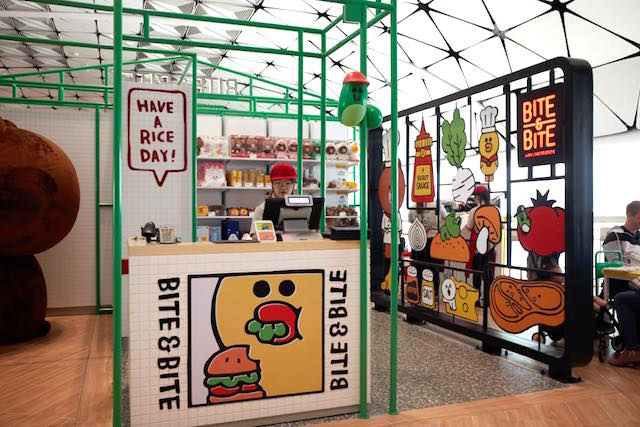
    Line Friends has opened a pop-up store at Changi Airport Terminal 3 Departure hall.

    Set to open until August 8, the store offers the latest summer collections of Line Friends characters featuring Brown, Choco, Sally, Cony and more on one half.

    The other half is dedicated to licensed merchandise featuring all the eight BT21 characters, which is designed by K-pop band BTS, including table figurines, cushions, and keychains.

    The store will also stock BT21 x Uniqlo collection and a slew of Singapore-exclusive products including plushies and comfortable cushions.

  • Taiwan’s 85C Bakery Cafe expands in USA

    Taiwan’s 85C Bakery Cafe expands in USA

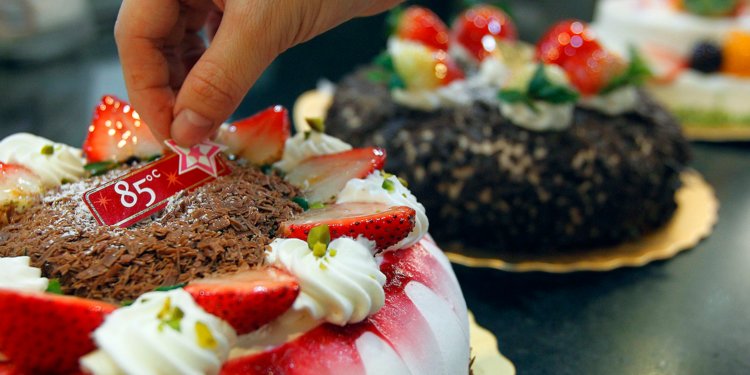
    Taiwanese franchise 85C Bakery Cafe is undergoing rapid expansion in the US.

    The firm has branched out from its flagship venue to open more than 60 locations in California, Washington and Texas, with more states expected to follow.

    The self-service bakery concept has around 400 locations in Taiwan and more than 500 in Mainland China. It launched in Australia in 2006 and now has 12 outlets there.

    The concept involves customers selecting from a range of Asian and European pastries with tongs. Its name refers to the brand’s stated optimal coffee temperature – and it is noted for its servings of coffee with sea salt.

  • Honestbee Taiwan Stops Delivery Services

    Honestbee Taiwan Stops Delivery Services

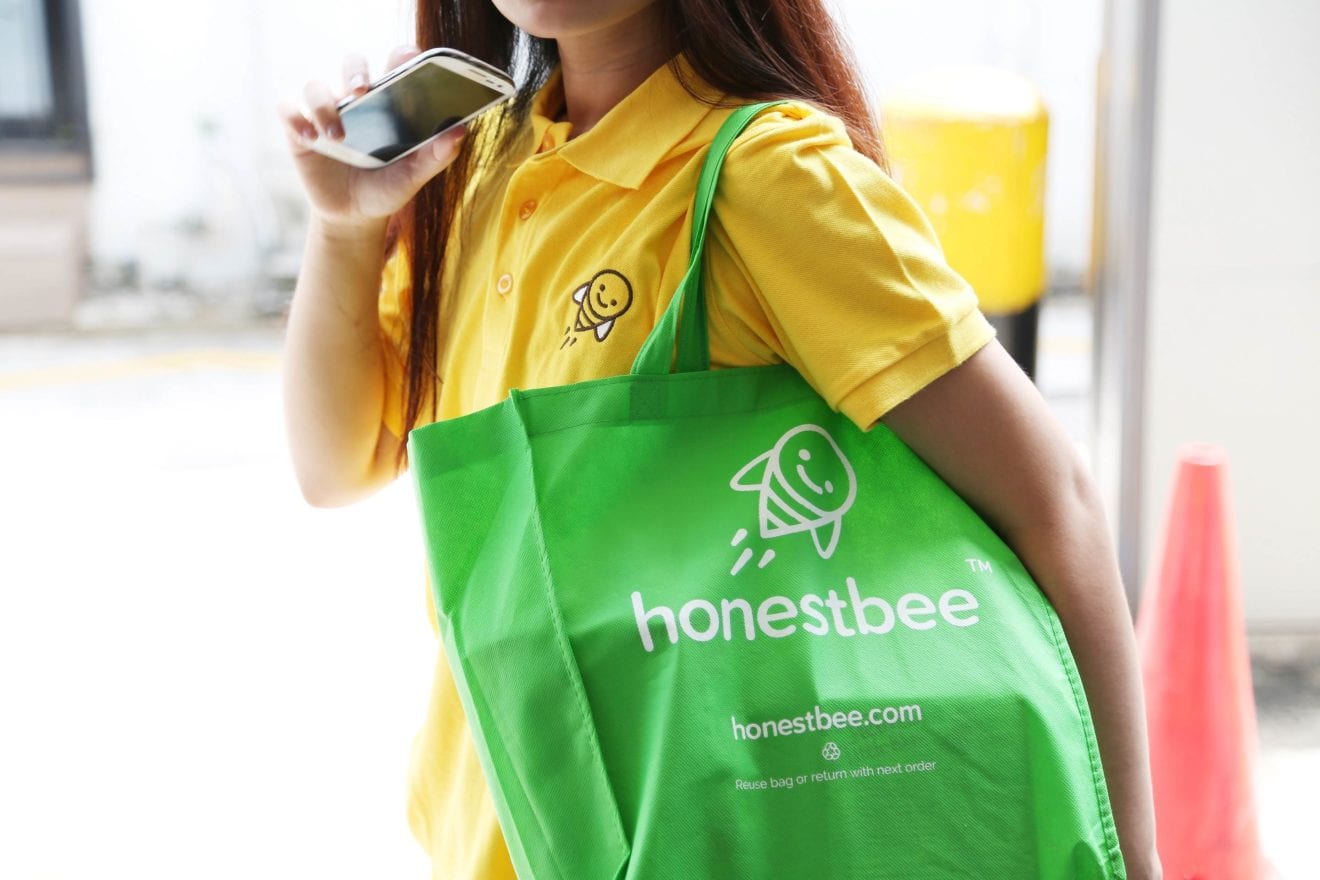
    Ailing Singaporean grocery-delivery service Honestbee is “temporarily closing” its Taiwan operations as it continues to focus on its core Southeast Asian markets to ensure survival.

    “Thank you for your support and affirmation for Honestbee during these days,” the company’s Taiwanese team posted on Facebook at the weekend.

    “Unfortunately, the Taiwan operations team received instructions from Singapore headquarters that will temporarily stop all operations in Taiwan.”

    The post said services would resume when “the operation problems in Taiwan can improve and be resolved”.

    In February Honestbee owed nearly 300 local restaurants NT$7.79 million (US$250,000) in outstanding payments for food bought by consumers, collected and delivered but never paid for by Honestbee. Some payments were settled by May, but the newspaper reports “some eateries are still due hundreds of thousands of NT dollars”.

    Taiwan’s Ministry of Economic Affairs has opened an investigation into the company, and Honestbee decided on June 26 to suspend operations effective last Friday (28th).

    Honestbee marketing manager Lee Wen-feng refused to confirm or deny that the business was shutting down in Taiwan.

    Honestbee’s problems came to a head in Singapore in early May when its co founder and CEO stepped down and the company suspended or closed down operations in five markets. Since then it suspended food deliveries in Singapore as well.

  • Robinsons Retail favours pets over fashion

    Robinsons Retail favours pets over fashion

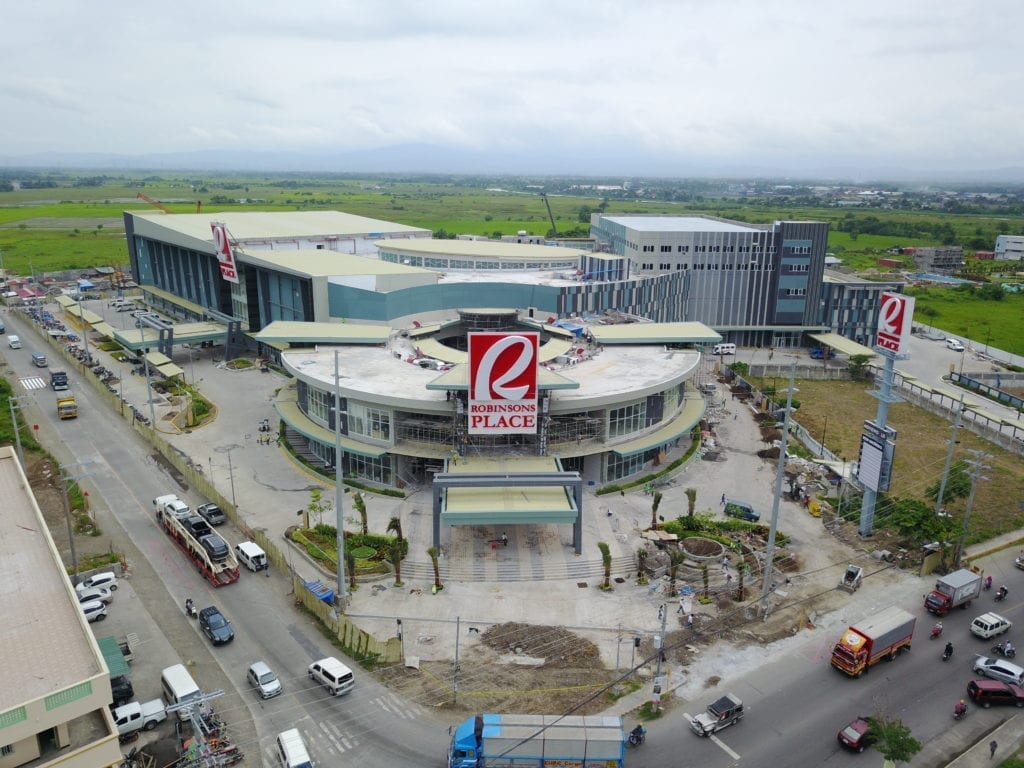
    Robinsons Retail is looking to shrink its fashion business as competition with cheaper chains gets tougher.

    “We are shrinking fashion, for it has become very difficult,” said the firm’s CEO Gokongwei-Pe. “There are other brands that came in who are more progressive and cheaper. We are already reducing the number of stores and we have to think if we move out altogether.”

    The firm is reporting stronger returns from pet, health and beauty products where there is growing demand.

    “Pets have become very big,” added Gokongwei-Pe. “Dogs now are very spoiled. Just look at Instagram and Facebook, it’s all about dogs. You should put money where the money is, which is food, drugstores, hardware, and growing businesses like pets and beauty.”

    The firm is also making moves into high-end groceries as well as growing its beauty and pet care franchises overseas. It is reportedly seeking 15 per cent annual revenue growth in these sectors within five years.

    Robinsons Retail is also investing PHP3–5 billion (US$58.59–97.65 million) on expanding its store network by 100–150 outlets per year from its current 1911 stores during the same period.

  • Hong Kong retail sales declined again in May

    Hong Kong retail sales declined again in May

    Hong Kong retail sales fell again in May, but the rate of decline was significantly less than in April.

    According to the Census and Statistics Department the value of retail sales in May, provisionally estimated at HK$40 billion (US$5.1 billion), decreased by 1.3 percent year on year, well below April’s 4.5 percent decline.

    For the first five months of this year, Hong Kong retail sales were down 1.8 per cent compared with the same period last year. After netting out the effect of price changes over the same period, sales for the five months were down 2.2 per cent.

    For the three months to May, sales fell by 0.8 per cent.

    For once, the jewelry, watches and valuable gifts category – which traditionally has the greatest effect on overall retail sales fluctuations – registered one of the lowest falls in May, down 2.7 percent.  Apparel sales fell 4.6 per cent, electrical goods by 14.8 per cent, optical shops by 11.3 per cent, furniture by 1.3 per cent and supermarket sales by 0.8 per cent.

    In contrast, sales of medicines and cosmetics rose 1 per cent, of food, drinks, alcohol and tobacco by 3.1 per cent, footwear and accessories by 1.6 per cent, Chinese medicines by 0.7 per cent and books, newspapers, stationery, and gifts by 0.1 per cent.

    A government spokesman said narrower decline of Hong Kong retail sales in May was partly due to the late timing of the Labour Day holidays in Mainland China this year, which had led to a visibly larger year-on-year rise in visitor arrivals during the month.

    “Overall, the performance of retail sales remained subdued in recent months.”

    Retailers will be waiting for the June figures, the month when the protests over the extradition bill stepped up, disrupting access to stores on Hong Kong Island at certain times and possibly dissuading overseas visitors.

    The spokesman said that in the near term, the outlook for retail sales will likely be clouded by the still-cautious consumption sentiment amid an uncertain global economic environment. “Nevertheless, the sustained expansion in inbound tourism and the largely stable local labor market should continue to provide some support.”

  • Bleak reaching for Hong Kong luxury goods market

    Bleak reaching for Hong Kong luxury goods market

    Analysts are warning of challenging times ahead for the Hong Kong luxury goods market.

    In a research note, Kathryn Parker and Flavio Cereda, equity analysts at Jefferies, say sentiment within Hong Kong has almost unanimously worsened since March due to the lingering effects of the trade war reducing high-quality tourism traffic into the territory, the rebalancing of prices after Mainland China’s VAT cut, ongoing Hong Kong protests and closer monitoring of the daigou by the central government.

    “We are concerned that there is an elevated reliance on mainland Chinese consumers within luxury stores in Hong Kong,” the pair said.

    Luxury-goods stores in Hong Kong commonly receive as much as 60 percent of their sales from mainland visitors – yet more and more mainlanders are choosing to shop at home where tax cuts have seen prices ease.

    “We were concerned to see further investment such as the opening of the new K11 Musea mall [in Kowloon], rather than a contraction of the retail footprint,” the analysts said.

    “Discussions with mainland Chinese consumers, particularly those in Shanghai, showed continued optimism in terms of both sales data and wider sentiment, which is despite the record-breaking first half.

    “An abundance of new malls within Hong Kong, Shanghai and Beijing means rents are not going up, but it is imperative that brands keep their store footprints dynamic and have a presence in the lux malls with the most traffic,” said Parker and Cereda.

    “All malls are increasing the proportion of food and beverage and experiences, such as cinemas and wellness, to drive footfall so there is relatively less space for retail.”

    While the Hong Kong luxury goods market suffered a downturn in the second half of last year, official retail sales figures for the first five months of this year show a modest 1.8 per cent decline against a higher base last year. But the latest figures are from May, prior to the acceleration of street protests in June and reflecting the later timing of the Mainland China Labour Day holiday period.

  • Tmall Offers New Tools to Revamp Storefronts, Customize Customer Experience

    Tmall Offers New Tools to Revamp Storefronts, Customize Customer Experience

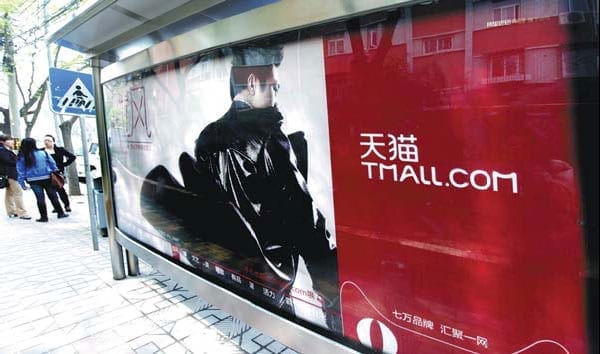
    Tmall has rolled out a suite of tools for brands to customize their online storefronts and offer a more-personalized experience for shoppers.

    Called “Flagship Store 2.0,” the solution from Alibaba’s premier marketplace pulls together into the Tmall app both analytics and technologies that have proven popular with customers elsewhere in the group ecosystem. Tmall’s goal is to offer brands new tools to revamp their existing flagship store and offer each consumer a personalized page based on their previous shopping pattern. It’s also giving brands a New Retail twist, letting them display and order offline specials and inventory through their newly designed online stores.

    “We aim to offer new tools to all brands and merchants on our platform to transform their operations with digital technology. By supporting players on our marketplace to push the New Retail boundary, we will reinforce Tmall’s position as the go-to platform for innovative e-commerce and brand new shopping experiences,” said Jiang Fan, president of Taobao and Tmall.

    This is the most-significant upgrade of Tmall flagship stores since their PC-based launch in 2008. Back then, brands opened simple, modular storefronts. Over time, Tmall added some customization and options for content creation – short videos, animations and livestreaming – to engage and educate consumers and build a strong online shopping community.

    With Flagship Store 2.0, Tmall will open its back end to independent software vendors (ISVs), so that they can develop new virtual shopping spaces for online store operators. The idea is to let brands build stores that have their own, distinct “look and feel.” At the same time, Tmall will start including 3D and augmented reality (AR) product-display technology in its apps. That will allow customers, for example, to see how a piece of furniture will look in their own living room or let them “try on” lipstick in a virtual mirror before placing an order.

    Another feature of the Flagship Store 2.0 solution is the ability to connect brands’ Tmall flagship stores to their offline outlets. This means online shoppers can browse and purchase from a similar product assortment as offered at the brands’ physical locations. The seamless integration can bolster store traffic, both online and offline.

    The use of demographic analytics and a shopper’s history by brands means customers will get a unique, more-individualized product recommendations, along with privileges based on their Tmall membership status. With more discretionary income and a higher demand for exclusivity, Chinese consumers across the spectrum are showing stronger desire for a memorable experience with each purchase. They not only want high-quality products at a reasonable price, they are also seeking a fun, interactive experience.

  • Indian mall space to grow by 65 million sqft by 2022

    Indian mall space to grow by 65 million sqft by 2022

    India will take on more than 65 million sqft of new mall space by the end of 2022, according to a new report from real estate services firm Anarock.

    The report shows the region’s top seven cities will account for 72 percent of the new mall space, while tier 2 and tier 3 cities will see 18.2 million sqft of new supply. Nearly two-thirds of the planned space (40 million sqft) will hit the market by next year.

    “This new supply is also driven by the increasing interest of institutional investors – including private-equity players – who invested almost US$1.9 billion into Indian retail between 2015 and the first quarter of this year,” said Anarock Retail MD & CEO Anuj Kejriwal. “In fact, more than 60 percent of this investment was infused in the last two years alone, making these the best years for the Indian mall sector in recent times.

    Notwithstanding the decline in deal activity in the second half of last year following the liquidity crisis, the retail segment attracted investments of almost $115 million in just the first quarter of this year.”

    The report also maintains that real estate investment trusts (REITs) can be a viable tool for mall developers to raise funds, but this fund-raising instrument still needs to mature sufficiently. Also, the retail REIT structure and performance may not be directly comparable with the commercial office sector.

    The report also showed the Indian retail industry has moved from long-term leasing to short-term leasing tenures (three to five years) to enable constant updating of the brand mix within the mall. Globally, the standard lease term is still above five years.

  • Tata Harrier To Get Dual-Tone Colours

    Tata Harrier To Get Dual-Tone Colours

    The Tata Harrier is all set to get the option of dual-tone colors soon. Tata Motors has released a teaser of the compact SUV with the new black with orange and black with silver color schemes, and it is the roof as well as pillars that get the black treatment. The update comes about six months into the launch of the Harrier in India, and will also keep the model relevant amidst new competitors including the newly launched MG Hector, Jeep Compass Trailhawk and the upcoming Kia Seltos.

    Since its launch, the Tata Harrier was available only in mono-color tones, while the dual tone was made available at the dealer level with several showrooms providing the option of a roof wrap. The Harrier dual-tone version though will come from the factory and is likely to be offered on the range-topping XZ trim. Expect prices to see a marginal increase by about ₹ 30,000, up from the current asking price of ₹ 16.55 lakh (ex-showroom, Delhi) for the XZ trim. The Harrier is currently offered in five colors – Calisto Copper, Ariel Silver, Thermisto Gold, Telesto Grey and Orcus White.

    Dual-tone color options have been really popular amidst new and young car buyers, and Tata Motors has already been offered the same on its other vehicles including the Tiago, Nexon and the Hexa. Other manufacturers offer the dual-tone color option as well in the segment. It’s unclear if the Tata Harrier will get any other changes apart from the dual-tone paint scheme. Since its launch in January this year, the SUV has remained largely unchanged barring the addition of Apple CarPlay connectivity to its infotainment system. The SUV did receive its first price hike last month with it costing more by ₹ 31,000.

    With respect to power, the Tata Harrier uses a Fiat-sourced 2.0-liter turbo diesel engine that develops 138 bhp and 350 Nm of peak torque. The motor is paired with a 6-speed manual gearbox. Tata is developing the BS6 version of the Harrier that is likely to go on sale by the end of this year. Tata will also introduce the Hyundai-sourced 6-speed torque converter on the Harrier later, while a 1.6-litre turbo petrol version is also lined up. The seven-seater version – Tata Buzzard – will hit the showrooms in 2020, after making its India debut at the Auto Expo next year.

  • Shopee Boosts Online Baby Care Offerings For Millennial Mothers with Johnson’s

    Shopee, Southeast Asia and Taiwan’s leading e-commerce platform, today announced the expansion of their online baby care offering with Johnson’s®, a leading brand in the baby personal care category. Through this partnership, Shopee hopes to offer time-starved millennial mothers easy access to an even wider range of baby care products from Johnson’s®.

    The announcement comes on the heels of strong performance over close to three years of partnership. Overall sales of products on the Johnson & Johnson Official Store on Shopee has grown more than 10xyear-on-year. Some of the store’s best sellers include Johnson’s® Top-to-Toe Baby Bath, Desitin™ Diaper Rash Cream and Aveeno™ Dermexa range of products for eczema-prone skin.

    According to the latest data from App Annie, consumer spending in app stores is expected to surpass more than $120 billion in 2019. Millennial mothers are also using their phones for almost everything – from shopping online, to browsing social media and reading work emails. With over 95% of orders on Shopee made through mobile phones, including baby products like milk powder, diapers and other baby essentials, Shopee believes that this strategic partnership will help us to reach even more Singaporean parents by 2020.

    Zhou Junjie, Chief Commercial Officer, Shopee said, “The joint decision to expand Johnson’s® online baby care offering on Shopee is a natural extension of our partnership, as we have seen steadily growing demand for baby products since the brand’s launch on our platform in 2016. Millennial mothers are time-starved from juggling multiple roles, and we are thrilled to be able to provide increased convenience and a reliable shopping option for them by offering a wider variety of baby care products. Through this collaboration with Johnson’s®, a brand with 125 years of unwavering commitment to providing the best care for babies and children, we hope to create more meaningful shopping experiences and peace-of-mind to millennial mothers who want the best for their children.”

    Guillermo Frydman, Managing Director, Johnson & Johnson Singapore said, “Given the growth of e-commerce in Singapore and the increasing trend of millennial parents shopping online, we believe that by teaming up with Shopee, Johnson’s® will be able to reach out to even more parents. Parents who are searching for trusted baby care products online can rest assure that they can get Johnson’s® products via a reliable and secure platform like Shopee. As a market leader in the baby care category, Johnson’s®is committed to delivering the best for babies by advancing the science of baby skin care to meet the evolving needs of generations of parents. Parents trust that we will offer only the gentlest of care to their babies.”

  • Flight Centre grows in Corporate Travel

    Flight Centre grows in Corporate Travel

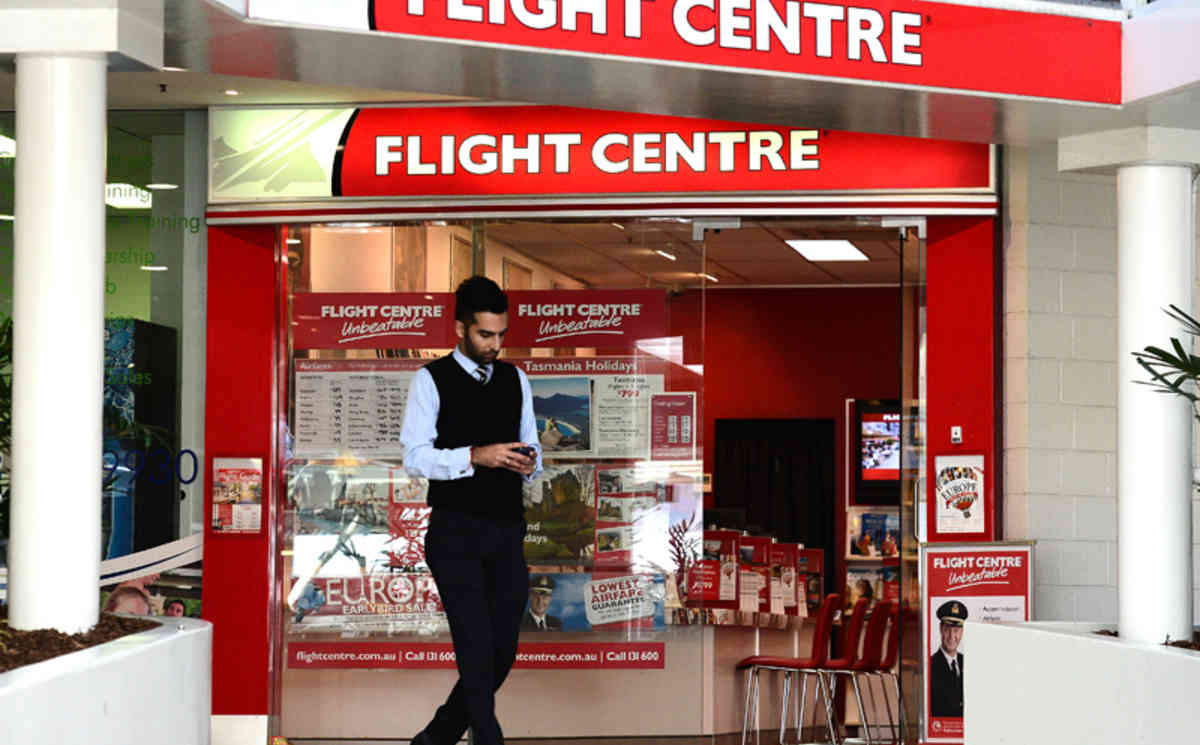
    Australian travel retailer Flight Centre Travel Group has furthered its position in the European market, taking full ownership of corporate travel business 3Mundi, which operates in France and Switzerland.

    Flight Centre acquired 25 percent of the business in June 2017, though has worked with 3Mundi since 2015 through its FCM Travel Solutions corporate travel management network as a licensee.

    With the acquisition, Flight Centre’s corporate travel network now extends to the UK, Germany, France, the Netherlands, Ireland, Switzerland, Sweden, Norway, Finland, and Denmark.

    “France is an important business travel hub globally, and is now the world’s sixth largest corporate travel market, making it a significant future growth opportunity for our company,” Flight Centre managing director Graham Turner said.

    “We have worked closely with the 3Mundi team since 2015 and believe that this extension of our relationship will unlock further benefits – both for 3Mundi’s local customers and for FCM customers in general – and help us capitalize on this opportunity.”

    According to Turner, the deal will broaden 3Mundi’s reach, and give the business full access to Flight Centre’s corporate travel systems, products and customer offerings, while strengthening Flight Centre’s overall corporate network.

    3Mundi managing director Solenn Le Brazidec will continue to oversee the business’s day-to-day operations and has been appointed Flight Centre’s travel solutions’ general manager for France and Switzerland.

    “The incredible opportunity to wear the FCM brand for four years already has allowed us to grow and triple our turnover,” Le Brazidec said.

    “By now becoming a subsidiary of Flight Centre, we have a stronger global offering for our customers, a greater technological integration and more opportunities for growth.”

    3Mundi is not the first corporate travel business Flight Centre has invested in this year – having previously acquired a 25 percent stake in The Upside Travel Company, and becoming its largest individual shareholder.

    According to Flight Centre, during the six months to December 31, 2018, its corporate travel business generated about 37 percent of global total transactional value – about $4.2 billion.

    In late April, Flight Centre lowered its profit guidance for the 12 months to June 30, 2019, from between $390 million and $420 million to between $335 million and $360 million.
  • Adore Beauty Looking at International Expansion

    Adore Beauty Looking at International Expansion

    Online retailer Adore Beauty has officially launched a dedicated website in New Zealand. The move marks a return to international expansion after the company put its plans on ice over the past few years to address rapid growth in the Australian market.

    The completion of a warehouse transformation project in late 2018, which tripled fulfillment capacity, meant Adore Beauty was able to provide the same level of service to overseas customers as those in Australia – a precondition for the company’s founder and CEO Kate Morris.

    “Being able to pay in your own currency, having payment methods you recognize, a strong shipping offer…it’s all about taking the parts of the customer experience that people respond to really well in Australia and figuring out how to do that in New Zealand,” Morris said.

    Adore Beauty’s local New Zealand website, which officially launched on Monday, ticks all of those boxes. The retailer is offering free express shipping on all orders over $50, and same-day dispatch for orders placed by 4 pm, New Zealand time.

    According to Morris, the launch so far has gone better than expected, despite the buzz that Sephora is generating ahead of the opening of its first bricks-and-mortar store in New Zealand later this month.

    “It’s not something we get too wrapped up in to be honest,” she said about the arrival of the French cosmetics giant.

    “Anything that goes towards helping the New Zealand customer get the selection she deserves is generally a good thing.”

    Morris added that Sephora’s expansion in Australia has “grown the pie” for the beauty spending. Indeed, the online retailer expects sales to surpass $100 million this year – more than double last year’s sales of $52 million.

    “We’re seeing a bit of a shift in the way that consumers are approaching shopping for beauty online,” Morris said.

    “When we started 19 years ago, online shopping was all about price. The only reason people shopped online was that things might be cheaper, and that was never really what we were about. Then it moved to be a convenient replenishment option, and that was where a lot of our growth started.

    “What we’re seeing now is that customers are willing to go on a journey of discovery completely online. Between the type of content we’re producing now for our Beauty IQ blog and what we’re doing on Instagram, people are buying products online sight unseen.”

    Adore Beauty offers more than 14,000 makeup, skincare and haircare products from brands including Mac, Napoleon Perdis, Kerastase, Oribe, Aesop, Jurlique and others.