Author: Mei Ling Tan

  • Shimmering New Tiffany & Co. Store: A Jewel-Inspired Architectural Masterpiece in Beijing

    Shimmering New Tiffany & Co. Store: A Jewel-Inspired Architectural Masterpiece in Beijing

    Tiffany & Co, the renowned jewelry company, recently unveiled its newest flagship store in the Taikoo Li Sanlitun district of Beijing. The store’s unique facade, designed to imitate a piece of jewelry, is the handiwork of MVRDV, a noted architecture firm.

    A Jewel of a Store

    Boasting a floor area of 1,000 square meters spread across four levels, the boutique features a 20-meter curved exterior composed of frosted, translucent glass fins. These fins are tinted in Tiffany’s iconic icy blue shade, further enhancing the store’s visual appeal.

    The creators at MVRDV have shared that the innovative design of the store was conceptualized to interact with the changing daylight, thereby endowing the building with a surreal, ethereal presence. The key visual reference for this pioneering concept is Tiffany’s signature Bone Cuff.

    Jacob van Rijs, a founding director at MVRDV, explained, “The dense glass fins, when viewed from an angle, amplify the light’s effects, accentuating the shape of the facade. As you approach the building, you can catch glimpses of the jewelry inside through the spaces between the fins. The light filtering through and reflecting off the translucent glass creates a delicate, ever-changing interplay.”

    An Opulent Interior

    Inside the store, visitors are welcomed into a luxurious space adorned with a champagne-gold leaf ceiling and crystal chandeliers. The walls feature handcrafted, gilded treatments that add intricate texture and detail throughout the store.

    Moreover, the design of the store was crafted with an emphasis on sustainability. The glass used in the construction is made from recycled materials. Furthermore, the store is fully demountable, which means its fins and brackets can be removed and reused once their life cycle has ended.

    Questions & Answers

    What was the inspiration behind the design of Tiffany & Co’s new store in Beijing?
    The store’s design was inspired by Tiffany’s signature Bone Cuff, and it is intended to interact with changing daylight, giving the building an ethereal presence.

    What materials were used to construct the store’s unique facade?
    The facade of the store was constructed using translucent, frosted glass fins that were tinted with the brand’s iconic icy blue shade.

    How does the store contribute to sustainability?
    The store’s design focuses on sustainability by using glass made from recycled materials. Additionally, the store is fully demountable, which allows its components to be repurposed at the end of their lifespan.

  • Andrea Rigoglioso Climbs Corporate Ladder to CEO at Denim Giant Diesel, Marking Dynamic Leadership Shift

    Andrea Rigoglioso Climbs Corporate Ladder to CEO at Denim Giant Diesel, Marking Dynamic Leadership Shift

    Diesel, a denim brand owned by the OTB Group, has recently made strategic changes in its executive leadership, welcoming Andrea Rigogliosi as its new CEO. The move is part of the brand’s well-defined development strategy.

    New Leadership

    Rigogliosi will be reporting directly to Ubaldo Minelli, the CEO of the OTB Group. His appointment has been met with enthusiasm by the organization, with the founder of Diesel and chairman of the OTB Group, Renzo Rosso, extending a warm welcome to the new executive.

    Rosso expressed confidence in Rigogliosi’s abilities and stated, “Rigogliosi is joining Diesel at a critical juncture in the brand’s evolution. I am confident that, in collaboration with our team, he will significantly amplify Diesel’s potential.”

    Impressive Track Record

    Rigoglioso brings a wealth of leadership experience from the luxury, fashion, and retail sectors. His former role was global head of retail and commercial at Miu Miu, a part of the Prada Group. During this tenure, he successfully directed global business growth and boosted distribution expansion.

    His impressive career also includes top leadership roles within the LVMH Group. He served as the president of Europe at Fendi, and the General Manager at Christian Dior Couture for France & Monaco, as well as Italy. Further, his experience also includes managerial stints at Poltrona Frau Group and L’Oréal Luxury Products.

    A New Chapter for Diesel

    Rigoglioso’s appointment as CEO of Diesel fills a leadership void that was created in 2023, following Poletto’s departure. This change also followed Massimo Piombini’s three-year stint as CEO from 2020 to 2023.

    Questions & Answers

    Who has been appointed as the new CEO of Diesel?
    Andrea Rigogliosi has been appointed as the new CEO of Diesel.

    Who will Andrea Rigoglioso report to in his new role?
    Andrea Rigoglioso will report directly to Ubaldo Minelli, the CEO of the parent company, OTB Group.

    What does Andrea Rigoglioso bring to Diesel?
    Andrea Rigoglioso brings extensive leadership experience from the luxury, fashion, and retail sectors. He has previously held senior leadership positions at global brands like Miu Miu – Prada Group, LVMH Group, Poltrona Frau Group, and L’Oréal Luxury Products.

  • CapitaLand Strikes $332M Deal: Iconic Singapore Mall Finds New Ownership

    CapitaLand Strikes $332M Deal: Iconic Singapore Mall Finds New Ownership

    CapitaLand Integrated Commercial Trust (CICT) has successfully concluded the sale of Bukit Panjang Plaza, a prominent shopping mall in Singapore. The sale, which fetched a sum of US$332 million (S$428 million), is part of a larger strategy to optimize the organization’s portfolio.

    The Sale of Bukit Panjang Plaza

    Bukit Panjang Plaza, which encompasses 11,500 square meters and houses 122 retail spaces, had been on the market since early 2024. The identity of the buyer for this prime real estate was not divulged by CICT. However, it’s known that the investor is a well-established, US-based development firm.

    Speaking on the successful transaction, Tan Choon Siang, CEO and Executive Director of CICT, explained that the sale was in line with the company’s ongoing portfolio reconstitution strategy. He further noted that this move will not only enhance CICT’s financial agility but also generate substantial value for all stakeholders involved.

    CICT’s Global Presence and Financial Performance

    CICT’s global footprint extends to 45 countries, reinforcing its status as a leading player in the international real estate market. The sale of Bukit Panjang Plaza underscores the company’s commitment to continual growth and expansion.

    Financially, CICT has been performing remarkably. In 2024, the company reported a considerable increase in profits, from S$192 million in 2023 to S$890 million. This significant surge in profit underscores the robustness of the company’s business model and its effective strategic decisions.

    Questions & Answers

    What is the significance of the sale of Bukit Panjang Plaza for CICT?
    The sale of Bukit Panjang Plaza is a strategic move for CICT as it aligns with their portfolio reconstitution strategy. This transaction not only strengthens CICT’s financial flexibility but also creates value for its stakeholders.

    Who is the buyer of Bukit Panjang Plaza?
    The exact identity of the buyer was not revealed by CICT. However, it’s known that the purchaser is a major US-based property development firm.

    How has CICT’s financial performance been in recent years?
    CICT has shown impressive financial performance, with a significant surge in profits reported in 2024. The company’s profits increased from S$192 million in 2023 to S$890 million in 2024.

  • Alibaba’s Qwen AI App Unleashes Food Ordering and Travel Booking Features: A Quantum Leap in Consumer-Facing AI Services

    Alibaba’s Qwen AI App Unleashes Food Ordering and Travel Booking Features: A Quantum Leap in Consumer-Facing AI Services

    Alibaba Group recently unveiled significant enhancements to its Qwen artificial intelligence (AI) app. The updated capabilities allow users to carry out tasks such as ordering food delivery and making travel reservations directly through the AI chat interface, eliminating the need to alternate between different applications.

    Strategic Shift to Consumer-Facing AI

    These new features, currently undergoing public testing in China, represent a strategic shift by Alibaba towards consumer-facing AI. The company has traditionally focused on providing enterprise AI services through its cloud business, but is now emerging as a strong contender in the consumer AI space against domestic competitors like ByteDance and Tencent.

    Wu Jia, Vice President of Alibaba Group, commented on the recent developments. “The innovations we are introducing today reflect our transition from AI models that comprehend to systems that perform actions, closely tied to real-world services.”

    Rise in AI Agents Popularity

    AI agents are seeing a surge in global popularity as more businesses recognize their potential in facilitating real-world tasks. This trend is evident in recent industry movements, such as Meta Platforms acquiring start-up Manus to enhance its AI systems capable of handling multi-step tasks, and OpenAI launching its ‘Operator’ agent that can make restaurant reservations and fill out forms for users.

    Integration of Core Alibaba Ecosystem Services

    The Qwen app’s upgrade integrates key services from the Alibaba ecosystem into a unified AI interface. These services include the e-commerce platform Taobao, instant commerce, the payment system Alipay, travel service Fliggy, and the mapping platform Amap.

    For example, the integration of Alipay with the Qwen app allows users to authorize and complete transactions without exiting the chat. According to Alibaba, the AI payment feature currently supports instant commerce orders and will extend to more services in the future.

    Task Assistant Feature

    In addition to the integrations, Alibaba introduced a ‘Task Assistant’ feature in an invite-only beta version. This assistant can make actual phone calls to restaurants, process up to 100 documents simultaneously, and plan multi-stop travel itineraries.

    Since its public beta release on November 17, the Qwen app has attracted over 100 million monthly active users in just two months. The app’s growth, powered by Alibaba’s Qwen3 foundation model, is indicative of the intensifying competition in China’s AI sector as companies race to convert advanced language models into practical consumer applications.

    Questions & Answers

    What new features does the upgraded Qwen AI app offer?
    The enhanced Qwen AI app allows users to perform tasks such as ordering food and making travel bookings directly within the AI chat interface.

    What does the upgrade mean for Alibaba’s strategic direction?
    The upgrade signifies Alibaba’s strategic shift towards consumer-facing AI, marking its transition from AI models that comprehend to systems that perform actions.

    What services does the ‘Task Assistant’ feature provide?
    The ‘Task Assistant’ feature can make real phone calls to restaurants, process up to 100 documents at once, and plan multi-stop travel itineraries.

  • Amazon Seeks to Lower Vendor Costs as Chinese Tariff Rates Drop: A Strategic Move in eCommerce Landscape

    Amazon Seeks to Lower Vendor Costs as Chinese Tariff Rates Drop: A Strategic Move in eCommerce Landscape

    E-commerce behemoth Amazon has confirmed that it is in conversations with several vendors to revise costs in response to the decrease in tariff rates imposed on imports from China. The company aims to reduce the amount it pays suppliers for goods sold through its digital platform, marking an attempt to roll back concessions made to cushion the impact of tariffs introduced by former US President, Donald Trump.

    According to an Amazon spokesperson, the company is consistently working with its diverse and valued selling partners to assist them in adjusting to the shifting landscape while maintaining a wide assortment of products and competitive prices for consumers.

    In the latter part of October the previous year, an agreement was reached between Trump and Chinese President Xi Jinping to reduce tariffs on Chinese imports. This was in return for Beijing tackling the illegal fentanyl trade, reinstating US soybean purchases, and ensuring the continuous flow of rare earth exports.

    As a result of the agreement, the average tariffs on Chinese imports to the US have been cut from 57% to approximately 47%.

    In related news, the US Supreme Court announced last week that it will deliver its next decisions on January 14, with several major cases still pending. These include the legal examination of Trump’s comprehensive global tariffs.

    Should the court rule that the extensive duties imposed by Trump under the International Emergency Economic Powers Act are unlawful, the administration could face the prospect of reimbursing nearly $150 billion in tariffs to importers.

    Questions & Answers

    What are the discussions between Amazon and vendors about?
    Amazon is in talks with several vendors about adjusting costs in response to a decrease in tariff rates on Chinese imports.

    What was the agreement between Trump and Xi Jinping?
    Trump and Xi Jinping agreed to reduce tariffs on Chinese imports. In return, Beijing would tackle the illegal fentanyl trade, reinstate US soybean purchases, and ensure the continuous flow of rare earth exports.

    What could be the implications of the US Supreme Court’s decision on Trump’s global tariffs?
    If the court declares the extensive duties imposed under the International Emergency Economic Powers Act as unlawful, the administration may have to refund nearly $150 billion in tariffs to importers.

  • Revamping Bangkok: A Sneak Peek at Pedestrian-Centric Vision for New Cycling Bridge Over Chao Phraya River

    Revamping Bangkok: A Sneak Peek at Pedestrian-Centric Vision for New Cycling Bridge Over Chao Phraya River

    Bangkok is currently evaluating proposals for a pedestrian and cycling bridge across the Chao Phraya River. This initiative is part of an effort to rejuvenate the city’s historic old town and create a fresh, urban landmark. The Bangkok Metropolitan Administration has recently released concept images, which include designs from an acclaimed international architecture company, MVRDV.

    Bridge Vision

    The proposed bridge aims to enhance cross-river connectivity between Phra Nakhon and Thonburi districts. At present, citizens largely depend on road bridges or limited-hour ferry services for these crossings. The bridge is intended solely for pedestrians and cyclists, filling a crucial gap in Bangkok’s transportation infrastructure.

    In addition to serving as a safe route for daily commutes, the bridge is also expected to boost cultural tourism in historic communities on both sides of the river. It provides a platform for walking, relaxing and appreciating river views, reflecting Bangkok’s “walkable city” principles. These principles emphasize an improved quality of life, reduced reliance on cars, and the promotion of environmentally sustainable modes of transport.

    Project Status

    Officials have indicated that the project is currently in the study and preliminary design phase, with an environmental impact assessment being prepared. Any actual construction is yet to be approved and will be subject to review and budget sanctions by the Bangkok Metropolitan Council.

    Questions & Answers

    What is the purpose of the proposed bridge?
    The bridge aims to enhance cross-river connectivity and boost cultural tourism. It is intended solely for pedestrians and cyclists, filling a gap in Bangkok’s transportation infrastructure.

    What principles is the bridge project based on?
    The bridge project reflects Bangkok’s “walkable city” principles which emphasize an improved quality of life, reduced reliance on cars, and the promotion of environmentally sustainable modes of transport.

    What is the current status of the bridge project?
    The bridge project is currently in the study and preliminary design phase. Any construction is yet to be approved and will be subject to review and budget sanctions by the Bangkok Metropolitan Council.

  • Revolutionizing Telco Strategy: The Power of Mobile-First in Asia’s Data Consumption Boom

    Revolutionizing Telco Strategy: The Power of Mobile-First in Asia’s Data Consumption Boom

    The Asia Pacific continues to be a global hotspot for mobile innovation, acting as a catalyst for change in telco strategies due to the growing data consumption rate in the region.

    According to the Ericsson Mobility Report, global mobile network data traffic grew approximately 20% annually by the end of 2025. Significantly, 5G accounted for nearly one-third of the total mobile data traffic, a percentage that is swiftly increasing in the Asia Pacific region.

    It’s not just the volume of data consumption that’s driving change. The way people use data, the timing, and the reasons for their usage are also contributing factors. The increase in video-oriented lifestyles, app-based commerce, remote work, and digital public services have transformed mobile connectivity into a basic necessity. Thus, Asia’s telcos are realizing that their success isn’t merely about pursuing traffic growth but rather managing experience, intelligence, and value.

    Asia’s Data Growth Continues Unabated

    The Asia Pacific region contributes significantly to global mobile data growth, primarily due to its size. The region makes up over half of global mobile subscribers and continues to add new users, with total mobile data traffic set to quadruple by 2030.

    While mature markets in other parts of the world begin to level off, Asia’s blend of high population density, affordable smartphones, and aggressive data pricing keeps demand on the rise. For providers, this growth presents both an opportunity and a challenge. Although traffic volumes are increasing, the economics of delivering that data are becoming more complex.

    Video’s Impact on Network Regulations

    The most noticeable change is the emergence of a video-first economy, with traffic expected to account for 76% of all mobile data by the end of 2026. Short-form video, particularly TikTok, has become the new norm for mobile usage, necessitating an evolution of providers like AIS to become a “Cognitive Tech-Co”. This new model uses real-time AI analytics to autonomously adjust network capacity while partnering with platforms to cater to the high-data demands of the burgeoning tourist sector.

    Furthermore, providers like SK Telecom in South Korea have recognized that managing these fluctuations requires more than traditional capacity upgrades. AI-driven traffic forecasting, real-time optimization, and automated network controls are becoming essential. The network must now be capable of thinking, adapting, and responding independently.

    Hyper-Personalization and AI

    Telcos are incorporating hyper-personalization and AI into their strategies to differentiate their offerings, enhance engagement, and capture greater lifetime value. For example, Reliance Jio analyzes usage patterns across its 300+ million subscribers to provide personalized plans, content bundles, and contextual offers in real time.

    Additionally, Telkomsel uses AI-driven analytics and its chatbot to personalize interactions. Similarly, Airtel uses AI-based recommendation engines to push context-aware data and retention offers, improving engagement in high-churn segments. These shifts indicate that erratic data spikes driven by social trends or large-scale gaming releases are now managed using generative AI and machine learning.

    5G as National Infrastructure

    The growth in mobile data consumption in Asia has elevated 5G to the status of national infrastructure, as governments increasingly view high-capacity, low-latency networks as crucial to economic resilience, industrial digitization, and digital inclusion. As a result, telcos are restructuring their strategies around network intelligence to position themselves as foundational platforms for digital economies.

    Monetizing Experience Rather Than Megabytes

    In more developed markets like Australia, operators are experimenting with new ways to generate value from data-hungry users. Optus, for instance, has moved towards speed-tiered broadband plans, prioritizing consistent performance during peak periods rather than data caps. This shift reflects a wider understanding that across the Asia Pacific, customers are willing to pay for quality, low latency, high reliability, and predictable performance, especially for cloud gaming, remote work, and UHD streaming.

    Looking Ahead: Towards an Intelligent, Hybrid Future

    As Asia’s mobile-first journey moves forward, the next step will likely involve a deeper integration between terrestrial networks and satellite connectivity. The ultimate aim is to redefine telco strategy across Asia, competing not just on coverage or price but on the ability to transform networks into intelligent, hybrid platforms.

    Questions & Answers

    What is the key factor driving the transformation of Asia’s telco strategies?
    The key factor is not just the volume of data people consume, but how, when, and why they use it. Trends like video-led lifestyles, app-based commerce, remote work, and digital public services have made mobile connectivity a basic utility.

    Why is the rise of a video-first economy significant for telcos?
    The rise of a video-first economy is significant because it’s projected to account for 76% of all mobile data by the end of 2026. This surge in video consumption requires telcos to adjust their network capacities and strategies to accommodate the increased traffic.

    What does the future look like for telco strategies across the Asia Pacific?
    The future of telco strategies across the Asia Pacific will involve deeper integration between terrestrial networks and satellite connectivity. Telcos will compete not just on coverage or price but on their ability to transform networks into intelligent, hybrid platforms.

  • HSBC Empowers Staff with Innovative Wealth Academy in Singapore: A Game-changer in Wealth Management Training

    HSBC Empowers Staff with Innovative Wealth Academy in Singapore: A Game-changer in Wealth Management Training

    In a bid to bolster the skills of its customer-facing staff in the area of wealth management, HSBC has inaugurated a new learning initiative in Singapore, partnering with an academic institution and an aviation firm.

    HSBC has unveiled its Wealth Academy in Singapore, designed to enhance the advisory competencies and services of its frontline teams. The Academy will work together with London Business School for advanced learning, and through a freshly inked agreement, will also cooperate with Singapore Airlines Academy to cultivate service excellence and client experience.

    The bank has mandated all relationship managers and wealth advisors based in Singapore to complete training at the Wealth Academy by the end of the current year. This program is part of a larger global rollout that will span 16 markets.

    The Three Pillars

    The academy aims to facilitate career growth for frontline staff through three pillars of structured learning.

    The first pillar involves the establishment of a Wealth Knowledge Hub, a digital curriculum that ranges from basic to advanced wealth concepts. The second pillar includes both in-person and virtual sessions with global experts via Wealth Live Learning. This will concentrate on topics such as client engagement, product knowledge, and risk and controls. Lastly, the third pillar will provide development pathways to certain participants via Wealth Excellence.

    “In a complex and competitive wealth management landscape, our people will always be our key differentiators, and the launch of the Wealth Academy reflects our long-term commitment to developing a future-ready frontline that can support clients with confidence and insight,” stated Ashmita Acharya, head of International Wealth and Premier Banking, HSBC Singapore.

    Questions & Answers

    What is the purpose of HSBC’s Wealth Academy?
    The Wealth Academy is designed to enhance the advisory skills and services of HSBC’s frontline teams, preparing them for a complex and competitive wealth management landscape.

    What are the three pillars of learning at the Wealth Academy?
    The three pillars include the digital curriculum of the Wealth Knowledge Hub, in-person and virtual sessions with global experts via Wealth Live Learning, and development pathways offered through Wealth Excellence.

    Who is required to undergo training at the Wealth Academy?
    All relationship managers and wealth advisors based in Singapore are mandated to complete training at the Wealth Academy by the end of the current year.

  • Samsung Revamps Gaming Experience: Unveils Personalized Discovery and YouTube Integration in New Update

    Samsung Revamps Gaming Experience: Unveils Personalized Discovery and YouTube Integration in New Update

    Samsung Galaxy devices are set to experience a major enhancement to their Mobile Gaming Hub. The company is introducing a significant upgrade, which includes a more streamlined interface, personalised game suggestions, and integrated YouTube functionalities to help you uncover your next gaming addiction.

    A New Approach to Game Discovery

    Mobile game discovery, according to Samsung, has been a challenge. To address this, the company has initiated a major revamp of its Mobile Gaming Hub. The update, which will be rolled out globally to all Galaxy phones and tablets, aims to offer a more organised and personalised user experience.

    The revised interface will feature all games from the Galaxy Store in a single, consolidated library. The main highlight of the upgrade, however, lies in its personalised approach. The application will analyse your gaming habits to suggest games that align with your interests.

    An Integrated YouTube Experience

    The most noteworthy addition to the Mobile Gaming Hub is the direct integration of YouTube. Users can now view gameplays, walkthroughs, and creator content tailored to their gaming preferences directly within the hub, eliminating the need to switch between apps.

    This update is particularly significant for mobile gamers who often struggle to find quality games amidst a sea of “pay-to-win” clones. By curating content based on actual playing habits, Samsung aims to provide a more engaging user experience than Google Play or the App Store.

    Benefitting Gamers

    The updated Mobile Gaming Hub is designed for all Galaxy device owners who enjoy games, from casual puzzle players to competitive shooter enthusiasts. If the personalised recommendations function as expected, it could save gamers substantial time. The addition of video content is an attempt to keep users immersed in the platform, providing game guides and tips alongside the “Play” button.

    A Useful Gaming Launcher

    Pre-installed game launchers can often feel more like advertising billboards than useful tools. However, this update could shift that perception. The ability to view relevant YouTube guides next to the games they’re playing is a feature that could be appreciated by gamers of all levels.

    Questions & Answers

    What is the major update to the Mobile Gaming Hub on Samsung Galaxy devices?
    The update includes a streamlined interface, personalized game recommendations based on user’s play patterns, and integrated YouTube functionalities.

    Who is the updated Mobile Gaming Hub designed for?
    The update is designed for all Galaxy device owners who play games, ranging from casual puzzle players to competitive shooter fans.

    What makes the updated Mobile Gaming Hub unique?
    Its unique features include the direct integration of YouTube, allowing users to view gameplays and walkthroughs without switching apps. Additionally, the app personalizes game recommendations based on the user’s gaming habits.

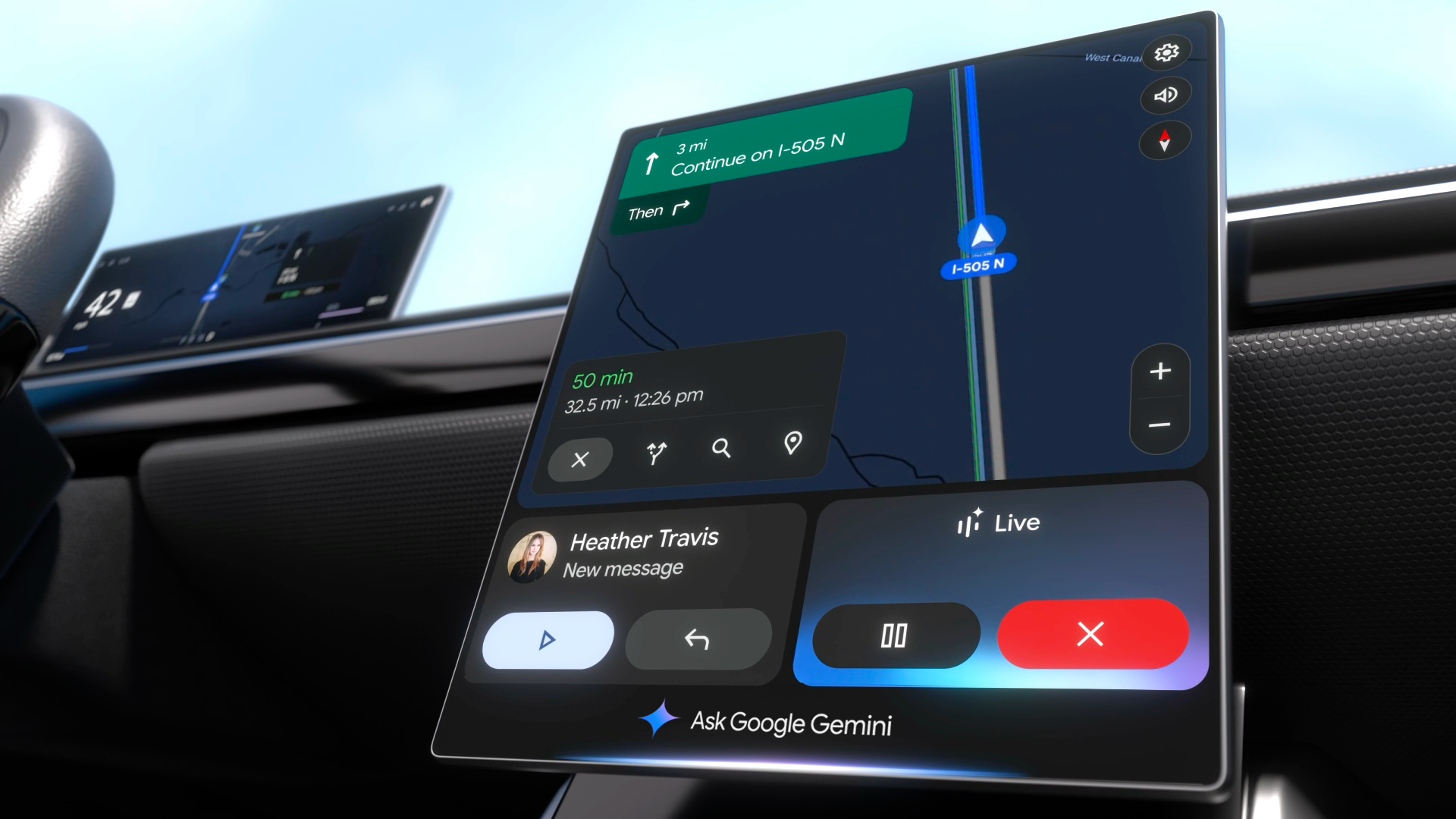
  • Unleashing Personal Intelligence: Google’s Gemini Update Revamps App Connection for Efficient Answers

    Unleashing Personal Intelligence: Google’s Gemini Update Revamps App Connection for Efficient Answers

    Google has introduced a novel feature that allows its AI chatbot, Gemini, to sift through user emails and photos in a bid to answer specific queries about the user’s life. Currently, the feature, known as ‘Personal Intelligence,’ is being rolled out as a beta version for paying subscribers in the United States.

    Gemini – More Personalized Than Ever

    In a bid to facilitate users, Google has now given Gemini access to the user’s virtual storage. This new feature, dubbed ‘Personal Intelligence,’ allows Gemini to access information stored across various Google apps, including Gmail, Google Photos, and YouTube. The aim here is to simplify tasks such as finding specific receipts or locating a license plate number from years’ worth of photos. Instead of users spending time on these tasks, they can just ask Gemini to do it. Gemini is capable of cross-referencing data, for example, recognizing a car part from a photo and then locating the purchase confirmation in user emails. The feature is being rolled out in beta from January 14, exclusively for users with a Google AI Pro or AI Ultra subscription in the U.S. However, the feature is off by default, meaning users have to choose to let Gemini access their personal data.

    How to Activate the Feature

    If you are a paying subscriber and are interested in testing out the beta version, you can manually activate it if it does not pop up automatically. Open the Gemini app and go to settings. Tap on the new ‘Personal Intelligence’ menu. Select ‘Connected Apps’ to decide which services (like Gmail or Photos) Gemini can access.

    Google’s latest update is an attempt to make AI chatbot more personalized. By exploiting its extensive ecosystem, Google aims to transform Gemini into a practical assistant. However, this extensive level of integration has raised privacy concerns among users. Granting an AI model access to private emails and personal photos requires a substantial level of trust. Google, however, has assured that the personal data accessed via this feature will not be used to train the fundamental models, a crucial reassurance for users concerned about their privacy. With this move, Google aims to stay competitive with Apple Intelligence, which heavily relies on personal context available on-device.

    Still in Beta

    Although this feature seems incredibly useful in theory, its real-world effectiveness will depend on its execution. Google’s provided example—locating tire specs from an old photo and cross-referencing it with emails—speaks volumes about the potential usefulness of this technology. However, Google acknowledges that the AI might over-personalize or misconstrue the context. As this feature requires a paid subscription, it is primarily targeted at power users. If you are already engrossed in the Google ecosystem and pay for the premium tier, it might be worth opting in to potentially expedite your daily administrative tasks. Nonetheless, users should monitor what the AI pulls up.

    Questions & Answers

    What is the new feature Google has introduced to Gemini?
    Google has introduced a new feature called ‘Personal Intelligence’ that allows Gemini to access information stored across various Google apps, including Gmail, Google Photos, and YouTube, to answer specific user queries.

    Who can access the new Personal Intelligence feature?
    The feature is being rolled out in beta from January 14, exclusively for users with a Google AI Pro or AI Ultra subscription in the U.S.

    What are the concerns related to this new feature?
    The primary concern is related to user privacy, as granting an AI model access to private emails and personal photos requires substantial trust. However, Google has assured that personal data accessed via this feature will not be used to train the fundamental models.

  • How Live Streaming Technology Is Revolutionizing Online Roulette Experiences

    How Live Streaming Technology Is Revolutionizing Online Roulette Experiences

    Casino gaming has always been more than a game of skill or chance. The digital realm has done a good job mimicking many aspects of this, yet one thing continued to escape; the sensation of a live table. The main gap has been closing rapidly, driven by technology for live streaming and real-time engagement. The transition to live-streamed casino play is altering the approach to roulette and table games, combining forms of entertainment that level interactivity and communication with authenticity, building up a breath of fresh air for a new generation of digital wagering.

    The Shift Toward Immersive Play

    The evolution of live streaming has gone from something new to a key part of the modern casino experience. Instead of the static interfaces players see high-definition video feeds of real dealers working a physical table in real time. Live sessions foster an environment of trust, and combine the ease of use of the digital experience with the social interaction of an old-school casino floor.

    This conversion is particularly stunning in the case of roulette. Players can view every spin, communicate with the dealer and other players on the table. It makes things infinitely more interesting than older formats based on pure algorithms due to the tactile nature of the game.

    How Technology Enhances Trust

    Trust is everything in gaming. Math-based as they may be, the earliest iterations of online roulette & were not wholly transparent for some moguls, relying solely on random number generators. This problem was particularly solved with roulette being live streamed to show each spin live as it happens.

    We leverage high-speed cameras, optical sensors and encrypted streaming to ensure fair and reliable results. Similar technology is used in all over the world broadcast equipment, spot on visuals with minimal lag. According to The Guardian, industries that start to use live transparency tools often experience greater credibility and better customer engagement — something that casinos are starting to experience live.

    Combining the Retail Logic and Game Mechanics

    What intrigues us is above all that the very business model of live-streamed gaming is lifted from the retailer handbook. Click-and-mortar retailers have leveraged on-demand, virtual pick-up shopping events to allow the consumer to engage directly with their brand in a way that static e-commerce doesn’t afford. The same strategy is now being embraced at table games by casinos.

    Operators have been creating loyalty through the type of affinity that retailers are building around common experiences by introducing human presence and on-demand access. It makes what was previously an individual activity into a sort of social gaming practice, fusing the rationality of digital retail with the affectivity of play.

    Where Players Are Heading Next

    The future of roulette isn’t about replacement, it’s about augmentation. The new big trend is hybridisation — blending physical and digital experiences into fluid opportunities.

    A number of casino brands are trialing experimental interfaces that enable live and online play in a single session. Think of it as walking into a bricks and mortar casino and taking a seat at a live roulette table where remote players are logging in through a time-synced video feed. That sense of connectedness—the true form of this new entertainment ecosystem—is geographically and technologically inclusive.

    In online roulette platforms, this has created a blueprint for the next phase of development in the industry. Multi-angle camera angles, instant replay, and interactive betting panels bring players a new sense of feeling at the scene without leaving home. These innovations make engagement deeper and at the same time redefine the way in which casinos view customer experience.

    The Human Element Remains Central

    While the technology is unrivaled, what makes live-streamed roulette so powerful is crafted human connection. But dealers are not just trained in technical precision, but performance so every spin feels like part of a shared narrative. It allows players to interact, high five the winners, and feel the camaraderie that is in some ways better than live gaming.

    That is what makes live-streamed roulette different from digital ones. It recognizes that while players adore the ease of online insanity, they just cannot get enough of the tactile and emotional feedback that only live interaction can provide.

    The future of roulette is looking more promising than ever, especially as streaming continues to innovate and grow, driven by 5G connectivity and better compression standards. The casinos that embody this combination of originality and innovation will lead a new era of digital gaming — where each spin is a lifelike experience.

  • Heineken CEO Dolf van den Brink Announces Exit, Readies Company for Next Chapter of Growth

    Heineken CEO Dolf van den Brink Announces Exit, Readies Company for Next Chapter of Growth

    Heineken’s chief executive officer, Dolf van den Brink, has announced that he will be relinquishing his position on May 31, putting an end to his near six-year tenure as the leader of the renowned Dutch brewer.

    Career Overview of an Esteemed Leader

    Van den Brink boasts of a remarkable history with Heineken, spanning more than 28 years. During his time with the company, he climbed the corporate ladder to spearhead the organization through a global expansion phase and a crucial strategic reorientation. His forthcoming departure aligns with Heineken’s ongoing implementation of its EverGreen Strategy 2030, which concentrates on sustainability, premiumisation, and digital transformation across principal markets. Van den Brink has committed to continue providing guidance in an advisory capacity for eight months to ensure a seamless transition of leadership.

    In a statement on his LinkedIn account, van den Brink expressed his gratitude, saying, “Having the opportunity to lead Heineken has been the most significant honour of my professional life, and this decision was undoubtedly one of the most difficult I’ve had to make. Over the last six years, we have instigated a substantial transformation of the business and successfully delivered EverGreen 2025, all the while navigating a challenging external landscape. Having recently introduced the bold EverGreen 2030 strategy, I believe it’s the right time for a leadership shift to further actualize this vision.”

    Commendation and Succession Planning

    Peter Wennink, the chair of Heineken’s Supervisory Board, lauded van den Brink’s leadership and announced that the board is now initiating a global search for his replacement. Wennink stated, “The next phase will be centered around bringing this strategy to life through disciplined execution of our strategic growth ambitions. With this in mind, the Supervisory Board agrees it is the appropriate time to commence the succession process to secure robust leadership for the future.”

    However, Heineken has not yet disclosed a timeline for the appointment of its new CEO.

    In October, Heineken revealed a refreshed five-year plan that aims to drive growth with fewer resources by focusing on core brands and markets. Under this strategy, Heineken anticipates a mid-single-digit annual organic net revenue growth through 2030.

    Questions & Answers

    What is Dolf van den Brink’s tenure period with Heineken?
    Van den Brink has been with Heineken for more than 28 years, serving as CEO for nearly six years.

    What is the EverGreen Strategy 2030?
    The EverGreen Strategy 2030 is Heineken’s plan focusing on sustainability, premiumisation, and digital transformation across key markets.

    What does Heineken’s updated five-year plan entail?
    Heineken’s updated five-year plan targets growth with fewer resources by concentrating on key brands and markets, expecting a mid-single-digit annual organic net revenue growth through 2030.

  • United Overseas Bank Breaks Ground: First Foreign Institution to Headquarter at Vietnam’s International Financial Center

    United Overseas Bank Breaks Ground: First Foreign Institution to Headquarter at Vietnam’s International Financial Center

    United Overseas Bank (UOB), based in Singapore, is poised to become the inaugural foreign banking institution to establish its headquarters at the International Financial Center (IFC) in Ho Chi Minh City. This information surfaced during a meeting between Singapore’s Deputy Prime Minister Gan Kim Yong and his Vietnamese counterpart, Standing Deputy Prime Minister Nguyen Hoa Binh.

    UOB holds the distinction of being the first Singaporean bank to set up a representative office in Vietnam, a move that dates back to 1992. Following this, in 1995, the bank launched a wholly foreign-owned branch in Ho Chi Minh City.

    Expansion Plans

    Wee Ee Cheong, UOB’s Deputy Chairman and CEO, who previously met with Binh, disclosed that the bank is contemplating a 20% increase in the capital of its Vietnamese subsidiary to VND10 trillion (US$380 million). This move is intended to facilitate the expansion of the bank’s operations in Vietnam, a Southeast Asian market that UOB regards as strategically significant.

    The IFC, which received approval from the National Assembly last June, is set to be established in two locations, with Da Nang City being the second. Several domestic lenders and financial institutions, including MB Bank, Vietcombank, and VietinBank, have shown interest in establishing offices at the Ho Chi Minh City location of the center. Singaporean enterprises, banks, and funds have been invited by the government to establish bases at the financial center.

    Support from Singapore

    Yong expressed his support for Vietnam’s decision to establish an international financial center, deeming it a timely and appropriate policy move. He also affirmed Singapore’s commitment to share operational experiences and promote financial connectivity between financial centers in both nations.

    During Binh’s meeting with executives from approximately 20 esteemed Singaporean enterprises and investment funds, the consensus was that Vietnam should ensure policy stability and expedite the development of the legal framework for digital assets and financial technology.

    Singapore is the second largest investor in Vietnam, behind South Korea, out of 153 investing countries and territories. To date, Singapore has invested more than US$90 billion in over 4,400 active projects in Vietnam. The Vietnam-Singapore Industrial Park (VSIP) now comprises 21 parks within 14 provinces and cities. The two nations are enhancing their economic and investment cooperation efforts, in both new and promising sectors such as carbon credits, digital technology, agriculture, energy, and the upcoming VSIP 2.0.

    Questions & Answers

    What is the significance of UOB’s decision to set up its headquarters at the International Financial Center in Ho Chi Minh City?

    UOB’s decision marks a significant milestone as it becomes the first foreign bank to establish its headquarters at the newly approved International Financial Center.

    What is the proposed increase in UOB’s Vietnamese subsidiary’s capital and why?

    UOB plans to increase its Vietnamese subsidiary’s capital by 20% to VND10 trillion (US$380 million) to facilitate the expansion of the bank’s operations in Vietnam.

    What is the current status of investment between Singapore and Vietnam?

    Singapore is the second-largest investor in Vietnam, with investments exceeding US$90 billion in more than 4,400 active projects. The two nations are also enhancing economic and investment cooperation in various sectors.

  • Loewe Unveils Its Largest Japanese Store in Tokyo’s Glamorous Ginza District: A Fusion of Luxury Fashion and Art

    Loewe Unveils Its Largest Japanese Store in Tokyo’s Glamorous Ginza District: A Fusion of Luxury Fashion and Art

    Spanish luxury brand Loewe has continued its expansion in Asia with the opening of a new flagship store in Tokyo’s renowned Ginza district. Japan remains a crucial market for the brand, and the latest outlet signifies a strategic expansion of its retail presence.

    A Landmark Store

    The Casa Loewe Ginza store is the largest of its kind in Japan and second-largest globally. It occupies a prime location at the intersection of Chuo-dori and Miyuki-dori, an area famed for its luxury shopping culture. The sprawling four-story store offers the brand’s complete collection of products, including men’s and women’s ready-to-wear, leather goods, accessories, fragrances, and home items.

    An Ode to Art and Design

    The Casa Loewe concept, which intertwines retail with elements of art and design, is at the heart of the store. The exterior of the building is adorned with handcrafted ceramic tiles in a muted green hue, paying tribute to Ginza’s historical landscape. Inside the store, artworks and craft pieces are tastefully displayed alongside the brand’s merchandise, creating an immersive shopping experience.

    Celebrating with Unique Collaborations

    In celebration of the new store’s opening, Loewe has released exclusive items created in partnership with Kyoto-based ceramic studio, Suna Fujita. These special items add an element of local artisanal craftsmanship to the brand’s offering, further enhancing its appeal to the discerning Japanese market.

    Loewe’s parent company, the French luxury group LVMH, continues to prioritize the opening of brick-and-mortar locations in major cities across the globe, despite the rising trend of online shopping.

    In 2020, LVMH unveiled the Casa Loewe megastore in Shanghai, marking the brand’s largest flagship in Asia.

    Questions & Answers

    What is the Casa Loewe concept?
    The Casa Loewe concept is an innovative retail approach that integrates art and design elements into the shopping experience.

    How does Loewe’s new store in Tokyo compare in size to its other global locations?
    The Casa Loewe Ginza store is the largest in Japan and the second-largest worldwide.

    What unique offering has Loewe created to celebrate the opening of its new Ginza store?
    Loewe has produced exclusive items in collaboration with Suna Fujita, a Kyoto-based ceramic studio, to celebrate the launch of the new store.

  • Salady, the Korean Salad Chain, Makes Fresh and Flavorful Debut in the Philippines

    Salady, the Korean Salad Chain, Makes Fresh and Flavorful Debut in the Philippines

    Salady, a popular salad chain from Korea, has recently inaugurated its first outlet in the Philippines. This strategic move was made possible through a master franchise agreement with a local partner, Palette Passion Inc.

    Salady has opted for a franchise-led model, which permits a more streamlined and efficient expansion of their brand. Instead of directly entering new markets, this model enables Salady to license out its brand, facilitating faster growth and brand recognition.

    Signature Offerings

    Salady’s menu merges the comfort of Korean-inspired food with the health benefits of salads and wraps. Their signature dishes include the Bulgogi Bibim Grain Bowl, Bulgogi Soba Bowl, and a range of Mexican-style wraps.

    In addition to their pre-set menu, Salady also offers customers the opportunity to customize their own bowls and wraps. A wide assortment of meats, sauces, and vegetables are available for patrons to select and create their unique culinary masterpiece.

    Expansion into the Southeast Asian Market

    Oh Se-deok, the head of Salady’s international business division, expressed that venturing into the Philippine market was a logical progression for the brand’s expansion in Southeast Asia.

    He noted, “The wellness dining market in the Philippines is witnessing exponential growth, primarily driven by a young and dynamic consumer base.”

    Se-deok further added that through collaboration with their local partner, the company aims to introduce premium ingredients and distinctive Korean-style healthy dining options. This initiative is expected to organically infuse Korean’s healthy food culture into everyday life around the globe.

    Questions & Answers

    What is Salady’s strategy for global expansion?
    Salady employs a franchise-led model for global expansion, allowing local partners to license its brand for new outlets rather than directly opening new stores in foreign markets.

    What does Salady’s menu offer?
    Salady offers Korean-inspired comfort food in the form of salads and wraps. Their menu includes signature dishes like the Bulgogi Bibim Grain Bowl and Bulgogi Soba Bowl. They also provide an option for customers to custom-make their own bowls and wraps.

    What is the driving force behind Salady’s expansion into the Philippines?
    The rapidly growing wellness dining market, propelled by a young and dynamic consumer base, makes the Philippines an attractive destination for Salady’s expansion in Southeast Asia.