Author: Mei Ling Tan

  • Ralph Lauren Unveils First ‘World of Ralph Lauren’ Concept Store in Bangkok, A Unique Fusion of Fashion and Hospitality

    Ralph Lauren Unveils First ‘World of Ralph Lauren’ Concept Store in Bangkok, A Unique Fusion of Fashion and Hospitality

    Ralph Lauren, the renowned American fashion brand, has debuted its innovative concept store in Thailand. The World of Ralph Lauren, the brand’s pioneering retail venture, has found its home at the Central Embassy in Bangkok.

    Developing a New Retail Experience

    This establishment marks Ralph Lauren’s collaborative effort with Central Marketing Group (CMG) and introduces a novel retail model for the brand. The fusion of fashion, lifestyle, and hospitality into one unique space serves to elevate the shopping experience for customers.

    The retail location, spanning 11,000 square feet on the first level of Central Embassy, hosts an extensive variety of merchandise. It offers men’s and women’s apparel, accessories, footwear, and timepieces.

    Signature Collections on Display

    In addition to its generous retail offerings, the store will showcase signature collections like Ralph Lauren Purple Label, Ralph Lauren Collection, Black Label, and Polo Ralph Lauren. Patrons can also explore a specially dedicated timepiece salon.

    Introducing Ralph’s Coffee

    Ralph Lauren’s concept store extends beyond retail, featuring Ralph’s Coffee. This coffee shop will serve a variety of food and beverages, including a tea set exclusive to Thailand.

    Central Marketing Group expressed their pride and excitement over the concept store’s opening, viewing it as an indication of global confidence in Thailand as a strategic access point to Southeast Asia. It further emphasizes CMG’s role, leveraging over 75 years of expertise, in promoting and expanding iconic global brands across Thailand and the region.

    Questions & Answers

    What is the new retail concept introduced by Ralph Lauren?
    The brand’s new retail concept integrates fashion, lifestyle, and hospitality into a unique shopping experience.

    What products does the new Ralph Lauren store in Bangkok offer?
    The store houses a range of Ralph Lauren’s men’s and women’s apparel, accessories, footwear, and timepieces, including their signature collections.

    What additional feature does the Ralph Lauren concept store offer beyond retail?
    Beyond retail, the store offers Ralph’s Coffee, which serves a variety of food and beverages, including an exclusive tea set for Thailand.

  • Bank of Singapore’s 2026 Vision: Asia’s Rise, Dollar’s Dip, and the Power of AI

    Bank of Singapore’s 2026 Vision: Asia’s Rise, Dollar’s Dip, and the Power of AI

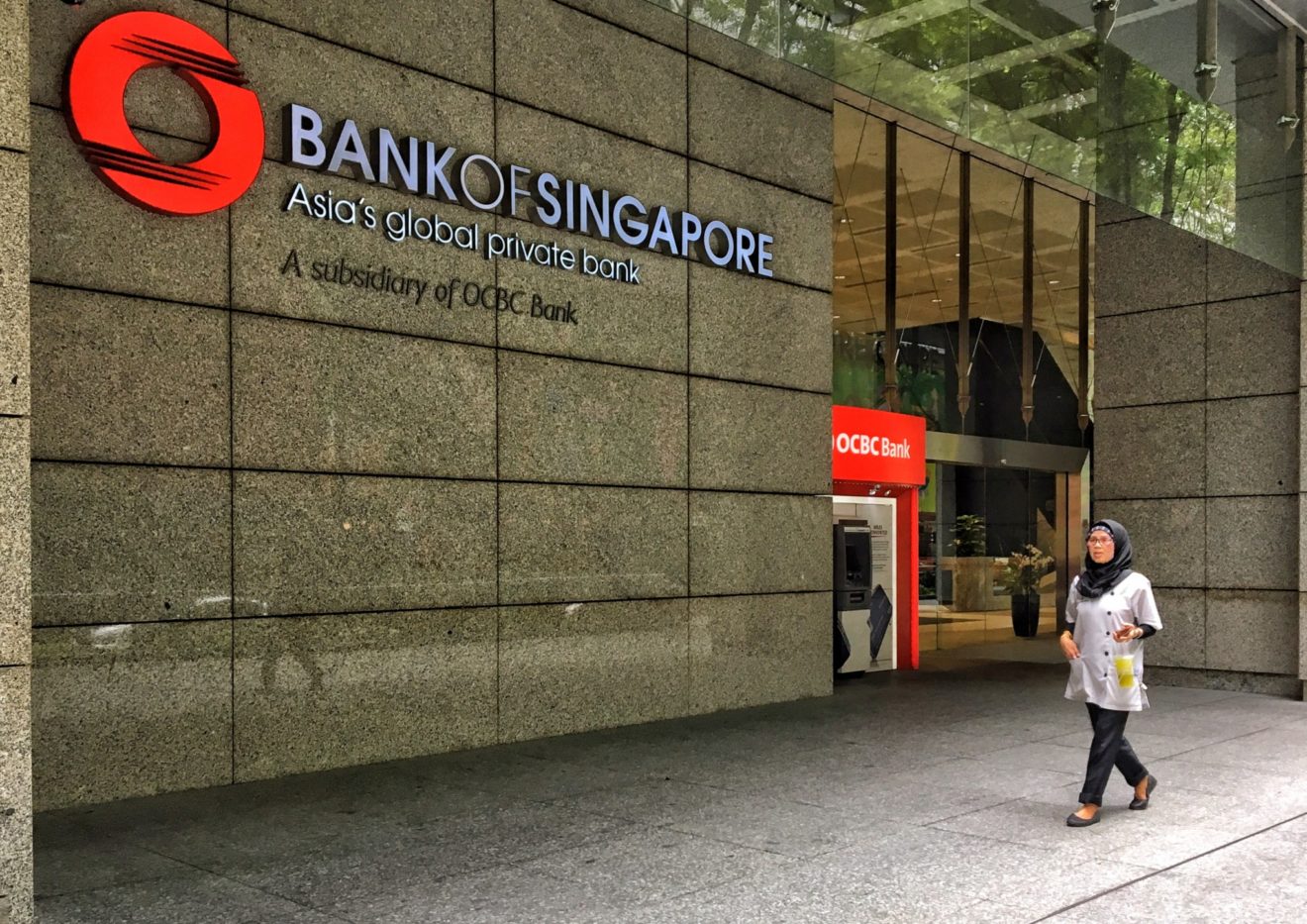
    The Bank of Singapore’s (BoS) most recent global outlook for 2026 indicates resilient growth, improved financial conditions, and a steady rebalancing of economic power. According to the BoS, success for investors does not lie in pursuing volatile investments but in preparing for a fundamentally different economic cycle.

    US Dollar: Downward Trend

    One of the most significant changes the BoS’s report highlights is a continuous decrease in the value of the US dollar. Investors are reevaluating the risk associated with the US due to constant twin deficits and institutional credibility concerns, reducing the appeal of its currency as a safe investment option.

    In the current market, gold continues to have a strategic role. The precious metal has seen substantial gains thanks to its status as a reliable investment during uncertain times, and it is likely to remain stable as global tensions persist.

    Conversely, energy markets are expected to remain well-supplied, keeping oil prices relatively low despite ongoing conflicts and the shift towards green energy.

    Asia: The Exception in the Narrative

    Asia is the standout region in the 2026 economic forecast. Lower interest rates, a weakening US dollar, and supportive fiscal policies are all contributing to the growth of Asian equities, especially outside of Japan. Additionally, the region’s inherent strengths are becoming increasingly obvious.

    Asia is leading the way in global clean energy production, from creating components for solar and wind energy to manufacturing lithium-ion batteries. It is also quickly developing the infrastructure necessary for the Artificial Intelligence ecosystem, including data centres, power networks, and advanced semiconductors.

    Artificial Intelligence: From Speculation to Profit

    Despite ongoing debates about whether AI is overvalued, the 2026 outlook suggests that its potential impact and duration are still underestimated. Large technology companies continue to report resilient profits, and AI-driven demand is pushing U.S. hyperscalers to increase capital expenditure.

    Importantly, the process of monetising AI is slowly taking shape, shifting the narrative from speculative excitement towards concrete revenue. For investors, the opportunities go far beyond the major players, extending to often overlooked suppliers across hardware, software, energy, and real estate sectors, particularly in Asia.

    Resilience: A New Perspective

    A key takeaway from the BoS’s presentation is the urgent need to move beyond traditional, benchmark-focused asset allocation. In a complex world that is frequently disrupted, portfolios that heavily concentrate on a limited set of U.S. equities and dollar exposure are becoming increasingly vulnerable.

    The BoS is promoting a comprehensive approach to portfolio resilience, combining diversified regional equity exposure, selective fixed income, alternatives, and non-USD assets. This diversified approach has historically performed better during downturns, outperforming when diversification is more critical than simple market exposure.

    Alternatives and Active Management in the Spotlight

    As the macroeconomic cycle matures, alternative investments are expected to play an increasingly prominent role. Private equity is seeing a slow recovery in exits, private credit is favouring high-quality senior exposures, and hedge funds are benefiting from market dispersion and volatility.

    Real assets and infrastructure continue to be supported by long-term trends such as digitalisation and energy transition.

    Active risk management strategies such as rebalancing, income diversification, and careful monitoring of concentration risk become crucial in navigating an environment where leadership regularly changes.

    The Future is Changing

    The primary challenge for 2026 is not predicting the next economic shock, but building portfolios that can withstand shocks while seizing structural opportunities.

    With central banks easing monetary policy, Asia on the rise, AI transforming industries, and the dollar losing some of its dominance, investors must rethink old assumptions. The Bank of Singapore’s message to investors is to remain invested, but do so with resilience, diversification, and a sharp focus on the trends that are shaping the world beyond 2026.

    Questions & Answers

    What is the Bank of Singapore’s perspective on the future of the US dollar?
    The Bank of Singapore predicts a continuous decrease in the value of the US dollar due to constant twin deficits and concerns about institutional credibility.

    What is the projected role of alternative investments in the future?
    As the macroeconomic cycle matures, alternative investments—such as private equity, private credit, and hedge funds—are expected to play an increasingly prominent role.

    How does the Bank of Singapore suggest investors prepare for the future?
    The Bank of Singapore advises investors to remain invested, but to do so with resilience, diversification, and a keen eye on the trends that are shaping the world beyond 2026.

  • Unlocking Vietnam’s Digital Economy: The Transformative Impact of 5G Expansion

    Unlocking Vietnam’s Digital Economy: The Transformative Impact of 5G Expansion

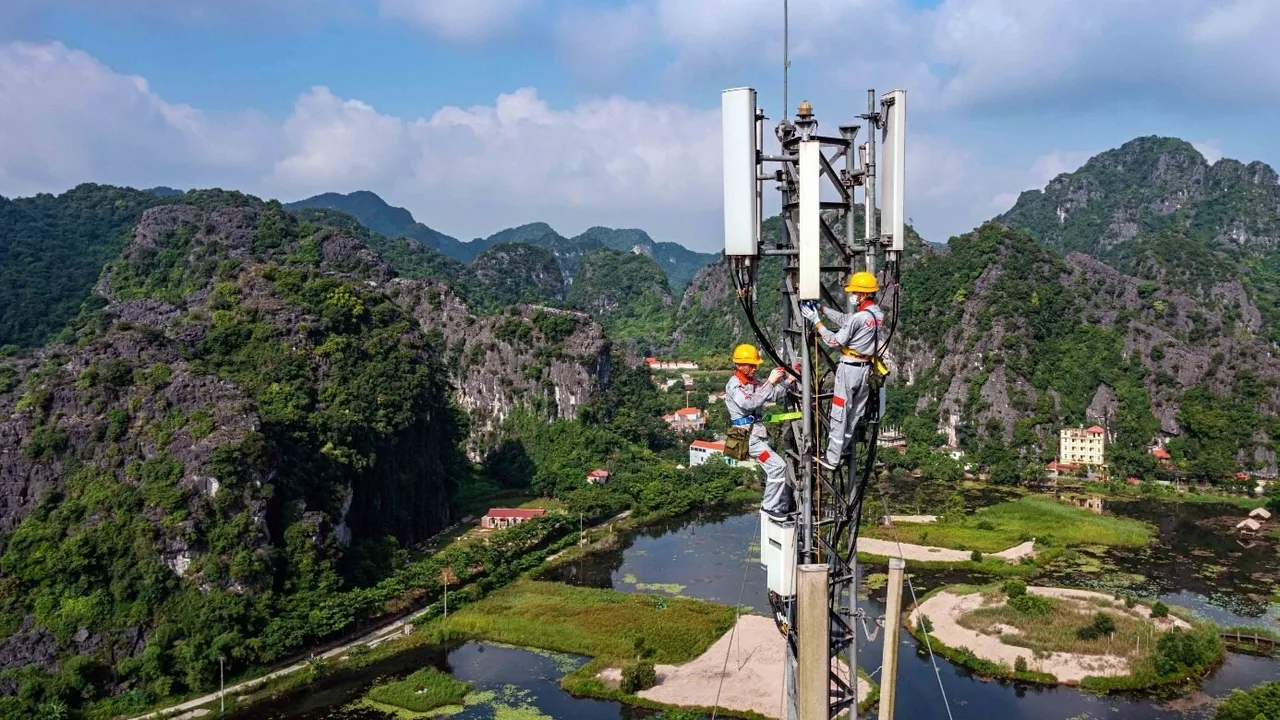
    Vietnam’s burgeoning 5G network is forecasted to bolster the forthcoming wave of the nation’s digital economy. This expectation comes as local telecommunications companies hasten infrastructure development and commence the expansion of commercial and public sector applications.

    5G Infrastructure Expansion

    Viettel, Vietnam’s premier operator, has established around 30,000 5G base stations, achieving approximately 90% outdoor coverage and 70% indoor coverage. This surpasses the commitments the company made to the government. As predicted by Vietnam’s Ministry of Science and Technology, by 2025, 5G services were widely commercialized throughout the nation, reaching over 90% of the population.

    Practical Economic Benefits

    Telecommunications providers affirm that the extended availability of 5G is already producing tangible economic advantages, particularly within rural commerce and agriculture. Since August 2025, Viettel Post has facilitated numerous livestream sales sessions in several provinces such as Thai Nguyen, Vinh Long, Bac Ninh, and Lai Chau, to assist farmers in reaching consumers across the nation.

    In Sin Ho commune, located in Lai Chau province, three livestream sessions led to more than 300 tons of yacon root being sold by local Mong farmers. According to Dinh Thanh Son, Deputy General Director of Viettel Post, the marriage of 5G connectivity and integrated logistics systems is aiding farmers in reducing their reliance on traditional intermediaries and managing price fluctuations. The existence of stable, high-speed connections allows farmers to livestream directly from production sites, while 5G-enabled Internet of Things applications are being trialed to monitor conditions such as temperature, humidity, and weather in agricultural production.

    5G Rollout and Development

    Nguyen Duy Lam, a Senior Telecommunications Solutions Expert at Huawei Vietnam, shared that the rollout of 5G in Vietnam has made rapid strides in areas like e-commerce. However, the establishment of smart city and smart factory applications will necessitate continued enterprise investment and supportive government policies.

    Nguyen Ha Thanh, Deputy General Director of Viettel Telecom, considers 5G as strategic national digital infrastructure, aligning with a specific national resolution. She believes the impact of 5G investments should be evaluated from a national viewpoint, taking into account improvements in governance efficiency, quality of life, and the development of novel digital business models.

    Network Coverage and Focus Shift

    With network coverage largely in place, operators are now shifting their attention towards applications and platforms. Viettel Telecom intends to launch three virtual assistant platforms for individuals, households, and enterprises over its 5G network. Concurrently, MobiFone is executing 5G-based smart city solutions in Hanoi, inclusive of AI-powered camera systems, emergency response drones, and comprehensive urban monitoring platforms that address issues like traffic congestion, flooding, environmental pollution, and food safety.

    Questions & Answers

    What is the current state of Vietnam’s 5G network?
    Vietnam’s 5G network has been extensively developed, with the country’s largest operator, Viettel, establishing approximately 30,000 base stations. This has resulted in around 90% outdoor coverage and 70% indoor coverage.

    How is 5G aiding Vietnam’s rural sectors?
    5G is proving particularly beneficial to rural commerce and agriculture, where high-speed connections allow for activities such as livestream sales sessions. This is helping farmers reach consumers nationwide without the need for traditional intermediaries.

    What future applications are being planned for Vietnam’s 5G network?
    Looking ahead, operators are shifting their focus towards applications and platforms. Viettel Telecom plans to introduce three virtual assistant platforms, while MobiFone is implementing smart city solutions in Hanoi. These advancements will further integrate 5G connectivity into everyday life and enterprise operations.

  • Arirang 6 Satellite: South Korea’s High-Tech Hope Battles New Launch Setbacks

    Arirang 6 Satellite: South Korea’s High-Tech Hope Battles New Launch Setbacks

    South Korea’s multipurpose practical satellite, Arirang 6, has experienced another postponement in its launch schedule, further emphasizing the nation’s dependence on foreign launch services and the consequential lack of control over scheduling. The Korean AeroSpace Administration (KASA) has been informed of the delay by the European launch service provider Arianespace. Initially set for launch in early 2025, the launch of Arirang 6 is now slated for the third quarter of 2026 or later.

    Arirang 6: A High-Resolution Satellite

    Arirang 6, also known as KOMPSAT-6, is a high-resolution synthetic aperture radar (SAR) Earth observation satellite that can operate irrespective of weather conditions or time of day. The satellite boasts the capability to identify objects as small as 50 centimeters in both horizontal and vertical dimensions. This has led the South Korean government to invest around KRW 370 billion in the program, acknowledging its significance in national security, disaster response, and environmental monitoring.

    Despite the completion of its development several years ago, the satellite has not yet entered orbit owing to recurring delays associated with foreign launch vehicles. The latest delay is due to problems affecting Platino-1, Italy’s high-resolution SAR satellite, slated to share the launch on Arianespace’s Vega C rocket.

    European Payloads Take Priority

    As the Vega C is a European-developed launch vehicle spearheaded by the Italian Space Agency, European payloads are given priority. This means that the launch timeline of Arirang 6 remains dependent on the progress of Platino-1’s development. In the previous year, issues related to Platino-1 resulted in an earlier delay of the Korean satellite’s launch.

    Arirang 6 finished the final assembly and space environment testing in August 2022, marking the culmination of a development effort that commenced in 2012. Since then, the satellite has been stored at the Korea Aerospace Research Institute’s satellite development facility in Daejeon, awaiting a confirmed launch window.

    Multiple Disruptions

    The mission has encountered several disruptions over the past few years. Initially, South Korea planned to launch Arirang 6 from Russia in 2020, but development delays moved the schedule to the latter half of 2022. The Russia-Ukraine conflict subsequently made Russian launch options impossible, compelling Seoul to look for an alternative provider.

    In 2023, South Korea chose Arianespace’s Vega C rocket for the launch. However, another setback occurred when Vega C had a mission failure in December 2022, leading to a suspension of flights and a thorough safety review. These concerns resulted in further postponements: first to December 2024, then to the latter half of 2025, before the most recent delay pushed the timeline to 2026.

    Industry experts caution that countries without independent launch capabilities are extremely susceptible to schedule disruptions in the international launch market. Major providers like SpaceX and Arianespace prioritize domestic or strategic payloads, often leaving foreign customers vulnerable to delays beyond their control.

    Although South Korea has improved its domestic launch capabilities through the Nuri (KSLV-II) rocket program, analysts observe that the country has not yet fully incorporated its indigenous launch systems with high-value, operational satellites like Arirang 6.

    Questions & Answers

    What is Arirang 6?
    Arirang 6, also known as KOMPSAT-6, is a high-resolution synthetic aperture radar (SAR) Earth observation satellite that can operate irrespective of weather conditions or time of day.

    Why has the launch of Arirang 6 been delayed?
    The launch of Arirang 6 has been postponed due to recurring delays related to foreign launch vehicles. The most recent delay is due to problems with Italy’s high-resolution SAR satellite, Platino-1.

    What challenges is South Korea facing in its satellite launch capabilities?
    Although South Korea has improved its domestic launch capabilities, the country has not yet fully integrated its indigenous launch systems with high-value, operational satellites. This has left it vulnerable to schedule disruptions in the international launch market, as seen with the repeated delays in the Arirang 6 launch.

  • Unmasking the Mystery: Instagram Clarifies Source of Unsolicited Password Reset Emails

    Unmasking the Mystery: Instagram Clarifies Source of Unsolicited Password Reset Emails

    Instagram users have recently been reporting an influx of unsolicited password reset emails. Instagram has now responded by stating that these emails are the result of an internal glitch, not a security breach.

    Instagram’s Response to Password Reset Emails

    Instagram has clarified that the unusual password reset emails received by its users were due to a software glitch. This clarification came after numerous users voiced concerns about the possibility of their accounts being compromised.

    The company categorically denied that there had been any major security breach, countering last week’s claims that it had suffered a data breach. It was previously suggested that sensitive information of 17.5 million Instagram users, including usernames, email addresses, phone numbers, and physical addresses, was being offered on the dark web.

    In their statement, Instagram did not elaborate on the nature of the software issue that resulted in these emails being sent out. However, they assured users that there had been no breach of their systems and that user accounts are secure. Users were advised to disregard the password reset emails.

    Advice for Users

    Regardless of Instagram’s assurance, users are always encouraged to exercise caution when dealing with their account security. It is a standard security practice to ignore and delete any unsolicited password reset emails, without clicking on any links they may contain.

    To enhance account security, users should employ unique passwords for each of their accounts, and change these on a regular basis. In addition, enabling two-factor authentication provides an extra layer of security. Instagram users can check the devices logged into their account via the Meta Account Center, helping identify any potential security issues.

    Unresolved Issues

    Despite Instagram’s reassurances, there are still unanswered questions surrounding this incident. The company has not explained how external parties could have sent out authentic password requests, or who these external parties may be. Many hope that Instagram will provide more clarity on this issue, although it remains uncertain whether they will do so.

    Questions & Answers

    What were the email notifications Instagram users received?
    Users reported receiving unsolicited emails prompting them to reset their Instagram passwords.

    Did Instagram confirm a data breach?
    No, Instagram categorically denied any data breach, attributing the password reset emails to a software glitch.

    What should users do if they receive unsolicited password reset emails?
    Users are advised to delete such emails without clicking on any links they contain. It is also recommended to have unique passwords for each account and to regularly change these passwords. Enabling two-factor authentication is another suggested security measure.

  • Apple Taps Google’s Gemini AI for Long-Awaited Siri Upgrade: A Game-Changing Partnership Unveiled

    Apple Taps Google’s Gemini AI for Long-Awaited Siri Upgrade: A Game-Changing Partnership Unveiled

    Several years ago, Apple assured its customer base of an improved, more intelligent Siri. While some loyalists might have lost hope, the company has now confirmed its speculated collaboration with Google, a move that could potentially transform Siri into a highly competent personal assistant.

    Google’s Gemini AI Powers Siri’s Significant Upgrade

    Apple has declared that Google’s Gemini AI model will be the driving force behind the long-awaited, more personalized iteration of Siri. The company stated that Google’s technology forms the most suitable basis for their model.

    Following a thorough evaluation, Apple determined that Google’s technology offers the most capable foundation for Apple’s foundation models. Apple expressed excitement about the innovative new experiences that this partnership could unlock for its users.

    Though Apple has not divulged further details about the agreement or given a precise timeline for the Siri update, reports suggest that its pact with Google forms part of a multi-year deal.

    A Much-Anticipated Update

    Nearly a year ago, Apple postponed the AI-enhanced version of Siri, initially promised at WWDC 2024. The company admitted that the development of a more personalized Siri was taking longer than anticipated.

    In June of the previous year, speculations suggested Apple was exploring partnerships with OpenAI and Anthropic. A few months after, rumors of a prospective partnership with Google started to make rounds. Later, it was reported that Apple planned to use a custom variant of Gemini to develop the new Siri and pay Google $1 billion annually for it.

    Apple is predicted to launch the new Siri with iOS 26.4 in a matter of weeks. The AI-powered assistant is rumored to comprehend the context of what is displayed on the iPhone’s screen, sift through personal data, and manage complex tasks based on this information. The update is likely to be released in March, potentially eclipsing any AI enhancement Samsung might introduce with One UI 8.5 and the Galaxy S26 series.

    The Right Decision for Apple

    Last year, Google made waves with the release of Gemini 3, now the leading AI model. Despite the unpredictability of LLM development, this was a significant triumph for the company. It also suggests that Apple might have picked the right partner. While it’s too early to get overly excited about the final version of the AI-powered Siri, it wouldn’t be surprising if it performs exceptionally well.

    Questions & Answers

    What does the partnership with Google mean for Apple’s Siri?
    The partnership means that Siri will be powered by Google’s Gemini AI model, making it more intelligent and personalized.

    When is the AI-powered Siri expected to be launched?
    The upgraded Siri is expected to be introduced with iOS 26.4, rumored to be released sometime in March.

    What enhancements can users expect from the new Siri?
    The new Siri is expected to understand the context of what’s displayed on the iPhone’s screen, navigate through personal data, and perform complex tasks based on that information.

  • PepsiCo Revolutionizes Supply Chain Management with AI, Launches Groundbreaking Partnership with Siemens and Nvidia

    PepsiCo Revolutionizes Supply Chain Management with AI, Launches Groundbreaking Partnership with Siemens and Nvidia

    PepsiCo, a multinational food, snack, and beverage corporation, is set to revolutionize its plant and supply chain operations through an unprecedented partnership with Siemens and Nvidia. This strategic move employs artificial intelligence (AI) to meet the growing demands for production and distribution capacity.

    Digital Transformation for Enhanced Operations

    PepsiCo aims to upgrade its existing operations by integrating AI into every aspect of its large-scale and multifaceted business. This integration will allow the company to have an improved understanding of its consumer base and business partners’ needs. Ramon Laguarta, PepsiCo’s CEO and Chairman, emphasized that this collaboration with Siemens and Nvidia would help facilitate the company’s transition into a future-ready organization marked by agility and foresight.

    The company has also adopted a digital-first planning strategy, utilizing Siemens’ digital twin composer, which is powered by Nvidia’s tools.

    The Dawn of AI in Physical Industries

    Jensen Huang, Nvidia’s founder and CEO, highlighted that the era of AI is entering physical industries. He pointed out that digital twins serve as the foundation for companies owning real-world assets to embark on their AI journey. By collaborating with Siemens and Nvidia, PepsiCo is reconfiguring its operations, using digital twins and AI to revolutionize how it designs, optimizes, and operates its global operations.

    Siemens’ innovative software enables the creation of ‘industrial metaverse’ environments that assist companies in making decisions virtually and on a large scale. PepsiCo now has the capability to reproduce every machine, conveyor, pallet route, and operator path with physics-level accuracy. This allows AI agents to simulate, test, and refine system changes, identifying up to 90% of potential problems before any physical changes are made.

    Roland Busch, Siemens AG’s CEO, expressed his pride in partnering with PepsiCo and Nvidia to digitally transform their manufacturing facilities. He highlighted the digital twin composer as a vital tool in enabling PepsiCo’s transformation in manufacturing and warehousing.

    Questions & Answers

    What is the purpose of PepsiCo’s collaboration with Siemens and Nvidia?
    The collaboration aims to integrate AI into PepsiCo’s operations, enhancing its production and distribution capacity to meet growing demands.

    What role do digital twins play in this new operational strategy?
    Digital twins, powered by Nvidia’s tools and built using Siemens’ digital twin composer, allow for the physical reproduction of every aspect of PepsiCo’s operations. This enables AI agents to simulate, test, and refine system changes, identifying potential issues before they occur.

    How will this change impact PepsiCo’s operations?
    The integration of AI and the use of digital twins will revolutionize how PepsiCo designs, optimizes, and runs its global operations. This could lead to increased efficiency, reduced potential issues, and improved capacity to meet consumer and partner demands.

  • New Zealand Retail Giants Acecco, Miniso and Yoyoso Plunge into Liquidation, Racking Up Over $6 Million Debt

    New Zealand Retail Giants Acecco, Miniso and Yoyoso Plunge into Liquidation, Racking Up Over $6 Million Debt

    A trio of Asian supermarkets and retail stores operating in New Zealand – Acecco, Miniso, and Yoyoso – have recently entered into liquidation. The operating company, ANCZ Limited, owes over $6 million (US$3.5 million).

    Details of the Liquidation

    On December 17, ANCZ Limited, previously known as Yoyoso NZ Limited, found itself in receivership and liquidation, according to an announcement in the New Zealand Gazette. Additionally, 23 companies related to ANCZ Limited were placed into liquidation by the main company’s receivers on December 22.

    The conglomerate of companies is headed by Auckland-based director Lin Liu, and includes entities managing the Acecco, Miniso, and Yoyoso outlets, primarily in Auckland.

    About the Companies

    Yoyoso deals in Korean-style fast fashion and home and lifestyle products. Acecco is known for Asian groceries and culinary items, while Miniso specializes in lifestyle products.

    Several official insolvency practitioners from McDonald Vague have been appointed as liquidators of the companies.

    Debt Breakdown

    According to a report from McDonald Vague, the companies’ total debt comprises $2.9 million owed to China Construction Bank, at least $2.1 million to unsecured creditors, and $940,000 to the Inland Revenue Department.

    It is estimated that the company also owes $217,000 to former employees in the form of wages, holiday pay, and redundancy pay. The report goes on to predict that unsecured creditors may receive nil returns on their investments.

    Store Status

    Of the retail establishments managed by ANCZ and its subsidiaries, only eight were still operational at the time of liquidation.

    Due to insufficient trading revenue, the liquidators have terminated the Accecco supermarket in Northcote, but the Mt Albert location continues to trade. The Yoyoso and Miniso stores remain open with the aim of depleting their stock levels.

    Most locations are expected to shut down by the end of this month.

    Questions & Answers

    What is the total debt of ANCZ Limited?
    ANCZ Limited owes more than $6 million (US$3.5 million) in total.

    What are the individual debts of the company?
    The debts break down to $2.9 million owed to China Construction Bank, at least $2.1 million to unsecured creditors, $940,000 to the Inland Revenue Department, and $217,000 to former employees.

    What will happen to the stores under ANCZ Limited?
    Due to the liquidation process, it is expected that most of the store locations will be closed by the end of the month.

  • Experience Nature and Luxury: Dior’s Botanical Pavilion Debuts in Tokyo

    Experience Nature and Luxury: Dior’s Botanical Pavilion Debuts in Tokyo

    Dior, a renowned luxury fashion brand, is poised to establish an immersive, botanical-themed pavilion in Tokyo. This development is in line with the brand’s previous initiatives of similar nature in Bangkok and Seoul.

    A Glowing Facade with a Parisian Touch

    The exterior of the new store takes its cues from Dior’s Paris flagship location, integrating elements of the original design into a stunning, bamboo-inspired golden facade. This captivating design not only embraces the brand’s roots but also assimilates local aesthetics, creating a harmonious blend of French elegance and Japanese simplicity.

    Embracing Nature and Art

    This project’s heart lies in a massive 19,000 square feet indoor green space, conceptualized by floral artist Azuma Makoto. The space features a tranquil Zen garden by landscape architect Seijun Nishihata, alongside a terrace and a pond populated with luminous glass koi carp. The interior design includes Versailles parquet flooring, washi paper-clad walls and ceilings, and lanterns that pay homage to the iconic Lady Dior bag.

    A Showcase of Dior Collections

    Within the pavilion, visitors will have the chance to explore Dior’s women’s and men’s collections, crafted under the direction of creative director Jonathan Anderson. The range extends from ready-to-wear clothing to leather goods, shoes, accessories and jewellery. An exclusive area will also be set up for customers to personalize their Lady Dior and Book Tote bags.

    More than Retail: A Gastronomic Experience

    In addition to offering a shopping experience, the pavilion will feature Café Dior, where visitors can dine on an exclusive menu curated by Michelin-starred chef Anne-Sophie Pic.

    Art and Design Collaborations

    The boutique will also serve as a gallery, showcasing works by contemporary designers and studios such as Takt Project, Sho Ota, Ayumi Shibata, We+, Hana Mitsui and Chikaken.

    Questions & Answers

    What is the theme of the new Dior store in Tokyo?
    The store will have a botanical theme, with design elements inspired by bamboo and a large indoor green space.

    What unique features does the store offer aside from retail?
    Apart from shopping, visitors can enjoy a meal at Café Dior, which features a menu developed by Michelin-starred chef Anne-Sophie Pic. The store also features works from contemporary artists and designers.

    What special services will be available for customers?
    Customers will have the opportunity to personalize their Lady Dior and Book Tote bags in a dedicated space within the store.

  • Prada Unveils Asia-Pacific’s Largest Store at Landmark Hong Kong: A New Era of Luxury Retail

    Prada Unveils Asia-Pacific’s Largest Store at Landmark Hong Kong: A New Era of Luxury Retail

    Prada, the iconic Italian fashion house, has inaugurated a new flagship boutique at Landmark Hong Kong. This development comes as a part of the brand’s ongoing mission to refine its tangible presence in the city and within the Landmark retail complex.

    Grand Opening

    Sprawling over an impressive 1300-square-meter expanse, the newly opened store arranged over three levels stands as the brand’s biggest outlet in the Asia-Pacific region. This prime location at the intersection of Des Voeux Road and Ice House Street boasts conspicuous street-facing windows and a striking off-white steel facade.

    The exterior design showcases Prada’s signature triangular motif and is adorned with a sophisticated Porto Bianco stone finish, enhancing the overall aesthetic appeal of the store.

    Inside The Flagship

    The store’s interior carries forward the quintessential Prada design elements that are seen in other boutiques worldwide. A tasteful combination of a black-and-white checkered marble floor, green wall finishes, and black metal detailing lends a luxurious and contemporary vibe to the space.

    The store’s first floor is dedicated to women’s ready-to-wear pieces, while the second floor primarily caters to menswear. A limited selection of women’s items can also be found on this floor. The ground floor offers an exclusive shopping experience with private rooms specifically designed for fine jewellery consultations and personalisation services.

    The Larger Retail Landscape

    Prada’s relocation is indicative of the persistent demand for large-format stores in premium locations among international luxury brands. This is in spite of the shifting tourism dynamics and changes in consumer spending patterns in Hong Kong’s retail market.

    Questions & Answers

    What does the new Prada store’s relocation signify?
    The move signifies the ongoing demand for large retail spaces in prime locations by international luxury brands, despite changes in consumer spending and tourism in Hong Kong.

    What are the distinguishing features of the new Prada store?
    The new store is characterized by its street-facing windows, an off-white steel facade featuring Prada’s triangular motif, and Porto Bianco stone finishes. The interior boasts a black-and-white checkered marble floor, green wall finishes, and black metal detailing.

    What does the layout of the new Prada flagship store look like?
    The 1300-square-meter store is spread over three levels. The first floor is dedicated to women’s ready-to-wear, the second floor primarily houses menswear along with some women’s items, and the ground floor includes private rooms for fine jewellery appointments and personalisation services.

  • Domino’s Pizza China Hits 1,300 Store Milestone Amid Rapid Expansion Across the Mainland

    Domino’s Pizza China Hits 1,300 Store Milestone Amid Rapid Expansion Across the Mainland

    Dominos Pizza China, also known as DPC Dash, continued to expand its reach in the previous year, opening hundreds of new locations and strengthening its presence across mainland China.

    Franchise Expansion in Greater China

    DPC Dash holds the exclusive rights to operate Domino’s Pizza in the Chinese mainland, Hong Kong, and Macau. The company closed the previous year with 1,315 outlets, marking an increase of 307 new stores. In addition, the company expanded its geographical presence into 21 new cities, bringing its total coverage to 60 cities nationwide.

    The growth momentum has continued into the current year, with 62 new outlets already opened in 46 cities within the first month.

    Strategy for Growth

    According to DPC Dash, the successful results can be attributed to their “go broader, go deeper” strategy. This strategy blends geographical expansion with initiatives to build customer loyalty. The methods employed to increase customer loyalty include enhancing store density, innovating product offerings, and making operational improvements.

    The company expressed its intent to continue exploring local market consumption potential and optimise operational efficiency in the future.

    Questions & Answers

    What is DPC Dash’s strategy for expansion?
    DPC Dash employs a “go broader, go deeper” strategy for expansion. This involves geographical expansion coupled with initiatives to build customer loyalty through increased store density, product innovation, and operational improvements.

    What was DPC Dash’s expansion rate in the previous year?
    In the previous year, DPC Dash opened 307 new stores, increasing its total outlets in the Chinese mainland, Hong Kong, and Macau to 1,315.

    How many new cities did DPC Dash extend its footprint to in the previous year?
    DPC Dash entered 21 new cities in the previous year, bringing its overall presence to 60 cities across the nation.

  • Louis Vuitton Celebrates 130 Years of Iconic Monogram with Revamped Seoul Flagship Store

    Louis Vuitton Celebrates 130 Years of Iconic Monogram with Revamped Seoul Flagship Store

    Luxury fashion house, Louis Vuitton, has unveiled its rejuvenated flagship Dosan store in Seoul’s prestigious Gangnam district. The renovation was undertaken to mark the historic 130th anniversary of the brand’s famous monogram.

    The Legacy of the Iconic Monogram

    The newly rejuvenated store is a celebration of the classic monogram, a design conceived in 1896 by Georges Vuitton as a tribute to his father, Louis Vuitton. This symbol, over the years, has evolved to become one of the most identifiable emblems in the realm of high-end fashion.

    A Rejuvenated Space with a New Concept

    The Dosan store was redesigned around the brand’s enduring philosophy of the “art of travel,” culminating in a hotel-inspired atmosphere. This remodeled space features an array of the brand’s classic monogram bags. Ranging from the Keepall, Speedy, Alma, Neverfull, to the Noé, visitors can explore the evolution of the iconic Louis Vuitton designs.

    Introducing a Hospitality Element

    The redesign also incorporated a hospitality aspect. A bar situated on the second floor now offers champagne and a selection of new menu items, all bearing Louis Vuitton’s monogram motifs. This amalgamation of retail and lifestyle experiences enhances the ambience of the store.

    A Broader Strategy in Play

    The revamping of the Dosan store is reflective of Louis Vuitton’s wider plan of transforming its flagship stores into immersive destinations. As luxury brands are progressively looking to bolster customer engagement beyond the conventional shopping experience, Louis Vuitton is leading the way.

    Questions & Answers

    What is the significance of the renovation of the Dosan store in Seoul?
    The renovation marks the 130th anniversary of Louis Vuitton’s iconic monogram and is symbolic of the brand’s broader strategy to enhance customer engagement.

    What features does the redesigned store offer?
    The redesigned store blends retail with lifestyle experiences. It includes a bar offering champagne and a new menu featuring the brand’s monogram motifs. The store also showcases the brand’s classic monogram bags.

    What is the philosophy behind the redesign?
    The redesign is based on Louis Vuitton’s long-standing philosophy of the “art of travel,” resulting in a hotel-inspired concept.

  • Japan Bolsters Benefits to Retain Vietnamese Workforce Amid Economic Shifts

    Japan Bolsters Benefits to Retain Vietnamese Workforce Amid Economic Shifts

    Yoshihisa Tawara, a Japanese business owner, is taking measures to improve benefits for his Vietnamese employees in order to secure their continued employment. Tawara’s concerns arise from the fear that rapid economic development in Vietnam, combined with an increasing yen, may discourage Vietnamese workers from seeking employment in Japan.

    On the Frontline of Japan’s Canning Industry

    At the Choshi fishing port in Chiba Prefecture, Ho Thi Thuy Nhung begins her shift at eight in the morning. In a display of raw skill and concentration, she deftly cuts off fish heads and tails and sends them down the grill line. Initially, she found the intricacy of the process overwhelming but has since fully adapted.

    Nhung is one of 16 Vietnamese employees who work alongside 64 others at the canning factory. Tawara, the factory’s general director, asserts the indispensable role of migrant workers in the functioning of leading industries in Chiba – particularly within the canning sector. They tackle a vast range of tasks, from fishing to unloading and processing.

    The Complexity of Migrant Work

    Nonetheless, Tawara is increasingly concerned about whether employees like Nhung will choose to continue working in Japan. His worries are not baseless. Japan’s population is aging, and Southeast Asian nations, notably Vietnam, are making leaps in economic advancement and offering increasingly competitive salaries.

    Nhung moved to Japan for work last summer, leaving behind her family in Vietnam. Despite working strenuously for 14 hours each day in Vietnam, she was only earning US$500 a month, barely managing to cover her family’s living expenses. Her husband was also struggling financially.

    The decision to take a $3,800 loan and relocate to Japan for work was a significant risk for Nhung. Despite the challenges, she felt compelled to secure a better future for her son. Today, she earns approximately $830 a month (after taxes and other deductions) and sends $510 back home.

    Improving Conditions for Migrant Workers

    Recognizing the importance of migrant workers such as Nhung, Tawara has initiated significant changes to his business. He transformed a three-story townhouse into a fully furnished dormitory for his employees and furnished it with all necessary amenities, including cooking appliances. Over the past three years, he has prioritized hiring women over 30, valuing their resilience and professional dedication.

    In light of the current situation, Japanese authorities are planning to overhaul the existing technical internship program, criticized for labor exploitation, with a new scheme in 2027 that will offer more benefits to workers.

    Nhung hopes to achieve financial stability and return to Vietnam within the next three years. In contrast, her colleague, Nguyen Thi Kim Thuan, has decided to stay longer to support her two children through college.

    According to Tawara, migrant workers don’t just come to Japan for work – they have lives and the right to make their own decisions. If they elect to stay, he believes employers have a duty to offer support and companionship on their journey.

    Questions & Answers

    What does Yoshihisa Tawara attribute the success of his canning factory to?
    Tawara believes that the significant contribution of migrant workers is fundamental to the smooth functioning of his canning factory.

    What are the main factors causing concern about Vietnamese migrant labor in Japan?
    The rapid economic growth in Vietnam and the weakening yen in Japan are the main factors causing concern about the future of Vietnamese migrant labor in Japan.

    What steps has Yoshihisa Tawara taken to improve the conditions for his Vietnamese workers?
    Tawara has provided a fully furnished dormitory for his workers, equipped with all necessary amenities. Additionally, he has prioritized hiring women over 30, recognizing their perseverance and professional commitment.

  • Vietnamese Airlines Gear Up for Sky-High Competition in 2026: New Entrants and Fleet Expansions Set to Shake Up Aviation Industry

    Vietnamese Airlines Gear Up for Sky-High Competition in 2026: New Entrants and Fleet Expansions Set to Shake Up Aviation Industry

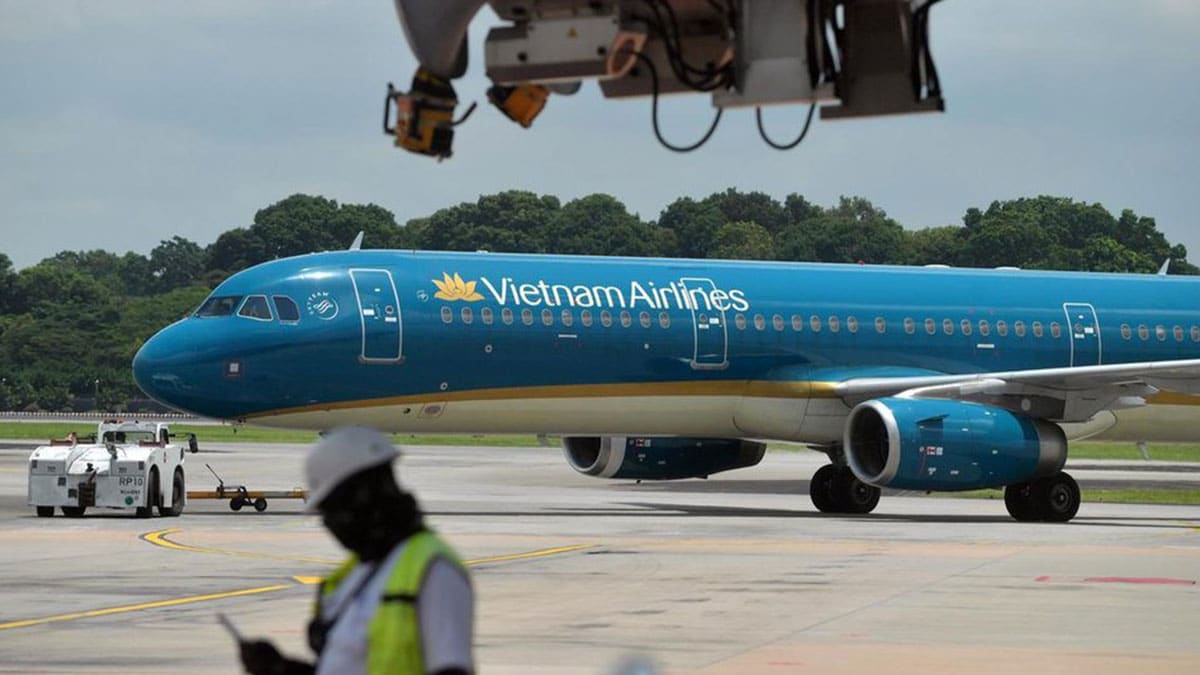
    The Vietnamese aviation sector is preparing for heightened competition this year, with the emergence of a new airline and the resurgence of one that was previously struggling. Sun PhuQuoc Airways, which commenced operations in November, along with low-cost airline Vietjet Air, have expanded their fleets this year, with Sun PhuQuoc boasting six jets and Vietjet owning over 100 jets, having added more than 20 just last month.

    Emerging Players in the Vietnamese Aviation Market

    Sun PhuQuoc, the new entrant, has been increasing its staff strength since its inception. Meanwhile, Bamboo Airways, which faced some difficulties, was acquired by property developer FLC Group in September and has been expanding its fleet since then. Market analysts from MBS predict that the expansion of Vietnamese airlines’ fleet will exceed passenger growth by 2026. They believe that the entrance of Sun PhuQuoc and the comeback of Bamboo Airways after restructuring will introduce competitive pressure on other industry players.

    In particular, intense competition is expected among the three smaller airlines, Sun PhuQuoc, Bamboo, and Vietravel Airlines. Sun PhuQuoc plans to increase its fleet to 20 aircraft and start international flights as early as this year. Bamboo Airways, with its current fleet of eight planes, plans to add eight to 10 more annually until 2030 and expand its network.

    Currently, the majority of its flights are between Hanoi, Da Nang, Ho Chi Minh City, and some other tourist spots. Vietravel Airlines, backed by T&T Group, has only three aircraft, falling short of its earlier plans to increase the count to 10 by the end of last year.

    Impact on Market Leaders

    MBS anticipates that this escalating competition will not significantly impact Vietjet and Vietnam Airlines, which together account for 90% of the aviation market. These prevailing market leaders are primarily focused on expanding their international networks. Over the past two years, Vietjet has added services to Northeast Asia, India, and Australia. In contrast, Vietnam Airlines launched long-haul flights to Europe.

    However, these two airlines must compete with foreign airlines. Several of these international competitors started operating flights to Vietnam last year, creating competition not only based on pricing but also on service quality. Of note, around 28 aircraft, mainly owned by these two dominant airlines, are currently under maintenance due to engine issues.

    Key Challenges & Opportunities

    Other possible challenges for Vietnamese airlines this year include geopolitical factors affecting fuel prices and international route networks, flight delays due to abnormal weather, and traffic congestion at major airports. Despite these potential obstacles, analysts indicate passenger numbers have increased over the past year and are projected to grow this year. According to aviation authority data, the total number of passengers last year was 83.5 million, including 44.6 million international passengers.

    Sheldon Hee, regional vice president of Asia-Pacific at the International Air Transport Association, stated that Vietnam has been one of the ten fastest-growing aviation markets in the region over the past decade. He also pointed out that Vietnamese airlines still have considerable potential for growth. Currently, the country has direct flights to about 30 countries, while Thailand and Singapore have connections with over 50 countries.

    Questions & Answers

    What is the current aviation market situation in Vietnam?
    The Vietnamese aviation market is set for heightened competition with the introduction of a new airline, Sun PhuQuoc Airways, and the resurgence of Bamboo Airways.

    What are the growth plans of these emerging airlines?
    Sun PhuQuoc plans to increase its fleet to 20 aircraft and start international flights this year. Bamboo Airways aims to add eight to 10 planes annually until 2030.

    Will the growing competition affect the market leaders?
    Analysts predict that the competition is unlikely to significantly impact Vietjet and Vietnam Airlines, which together control 90% of the aviation market. These airlines are primarily focusing on expanding their international networks.

  • Chinese New Year Sparks Sixfold Airfare Surge Between Singapore and Malaysia

    Chinese New Year Sparks Sixfold Airfare Surge Between Singapore and Malaysia

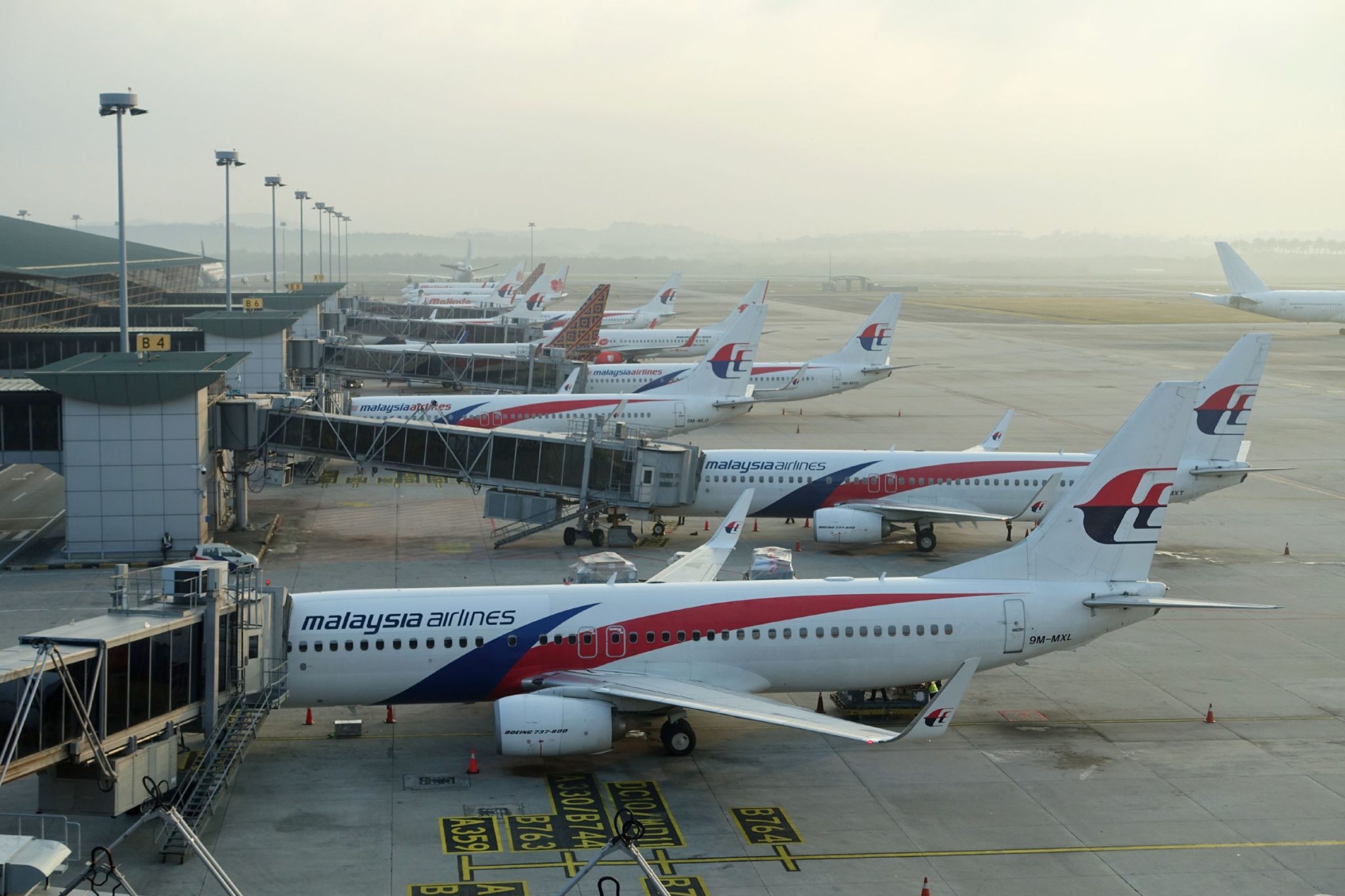
    In anticipation of the 2026 Chinese New Year, there has been a significant increase in air travel between Singapore and Malaysia. Ticket prices for some flights have risen as much as six times the normal rate due to the surge in holiday demand and sold-out train tickets.

    The Impact of High Demand

    Tan Yik Xuan, a 26-year-old logistics worker residing in Singapore, had to plan four months in advance to secure a flight back to his hometown, Ipoh. He purchased return tickets in October 2025 for $630, a cost nearly double the off-peak rate.

    Tan described the fare as notably more costly compared to the usual off-peak rates of below $320. However, he was willing to pay the higher price for the flight rather than take a bus to avoid traffic jams and minimize travel time.

    As of January 5, economy class tickets to Ipoh for the week of February 14 to 19 ranged from $822 to $1,222, a significant increase from the previous week’s prices of $124 to $191.

    Other routes, such as those to Kuala Lumpur and Penang, are also experiencing similar surges in price. To accommodate the increasing demand, AirAsia has announced that it will add 7,500 seats. The airline’s pricing model reflects the supply and demand where fares are typically higher when purchased closer to the travel date during peak seasons.

    Alternatives to Air Travel

    For those traveling from Singapore to Kuala Lumpur, a two-way trip by air could cost anywhere between $420 to $1,245 in the days leading up to Chinese New Year, compared to fares between $99 and $345 from February 7 to 12. Round-trip air tickets from Singapore to Penang could cost between $628 to $1,049 from February 14 to 19, which is higher than the price range of $107 to $469 during the preceding week.

    Singapore Airlines and Scoot have reported a “healthy passenger demand” for the Chinese New Year, though they did not reveal booking figures.

    Bus fares have also increased due to the high demand. Round-trip tickets to Kuala Lumpur are ranging from $89 to $276 for February 14 to 19, while tickets to Penang can go up to $370, a substantial increase from the off-peak price of $83.

    Malaysian bus operator Causeway Link anticipates a large crowd and a high volume of ticket sales during the upcoming peak travel season and plans to have backup buses on standby to support passenger demand.

    Creative Travel Solutions

    To circumvent these escalating costs, some travelers are adopting innovative routes. Insurance agent Lim Cin Min, 27, plans to take a local bus to Johor Bahru Immigration and Customs, then transfer to another bus from Larkin Sentral bus terminal to her hometown Batu Pahat. This creative solution will cost her only $8 and will allow her to avoid being stuck in traffic jams.

    The recently launched electric train service (ETS) from Johor Bahru to Kuala Lumpur offered another alternative to holiday travelers. However, tickets for peak dates are already sold out.

    Data analyst Justin K, 29, was able to secure a return ETS ticket by extending his stay beyond the peak travel period. He paid $230 for a one-way ticket, more than twice the usual price, but found the slight increase in cost “much more palatable” compared to airfares. He plans to use the ETS for future trips due to its punctuality, fixed travel duration, and comfort.

    Questions & Answers

    What has caused the significant increase in air travel between Singapore and Malaysia?
    The increase is primarily due to the surge in holiday demand ahead of the 2026 Chinese New Year, coupled with sold-out train tickets.

    How are airlines dealing with the surge in demand?
    Airlines like AirAsia are adding more seats to accommodate demand. However, due to the supply-and-demand model, fares are typically higher when purchased closer to the travel date during peak seasons.

    Are there any alternative travel options available to those who find the increased airfare too expensive?
    Yes, some travelers are adopting innovative routes using local buses. The recently launched electric train service (ETS) from Johor Bahru to Kuala Lumpur has also offered another alternative, although tickets for peak travel dates are already sold out.