Author: Mei Ling Tan

  • HSBC Secures Shareholder Approval for $14 Billion Hang Seng Privatization Deal: Set for Hong Kong Stock Exchange Delisting

    HSBC Secures Shareholder Approval for $14 Billion Hang Seng Privatization Deal: Set for Hong Kong Stock Exchange Delisting

    HSBC, the London-based bank, has successfully secured approval from the shareholders of its subsidiary, Hang Seng, to privatize it. This move signifies HSBC’s intention to acquire the Hong Kong lender, a deal estimated to be worth $14 billion.

    On January 8, during a shareholders’ meeting, HSBC managed to secure about 86% of non-partisan votes in favor of the privatization. This percentage was comfortably above the 75% threshold that was required for the proposal to pass.

    Next Steps

    This development doesn’t mark the end of the process, however. The proposal is now set for a High Court hearing, which is scheduled for January 23. If approved by the court, the scheme is expected to become effective on January 26. Subsequently, Hang Seng’s shares will be delisted from the Hong Kong Stock Exchange on the following day, January 27.

    Georges Elhedery, HSBC CEO, expressed satisfaction at the approval of the proposal. Elhedery also expressed gratitude towards the Hang Seng Bank shareholders for their continued support. He stated that the approval showcases the shareholders’ robust trust in Hang Seng Bank’s franchise and the opportunities that complete ownership within the HSBC Group could present.

    Elhedery also expressed eagerness to move forward with the proposal and to fulfill the remaining conditions. He committed to providing further updates when appropriate.

    Concerns and Reassurances

    There have been concerns raised about HSBC assuming potential loan risks due to the downturn of Hong Kong’s commercial real estate sector. However, Elhedery previously asserted that the decision to privatize Hang Seng aligns strategically with their aim of driving stronger growth.

    Questions & Answers

    What is HSBC’s plan regarding Hang Seng Bank?
    HSBC has obtained approval from the shareholders of Hang Seng Bank to take it private. This will involve buying out the Hong Kong-based subsidiary for an estimated $14 billion.

    What are the next steps for the proposal?
    The proposal will undergo a High Court hearing on January 23 for sanctioning. If successful, the scheme is expected to be effective by January 26, with Hang Seng’s shares to be delisted from the Hong Kong Stock Exchange on January 27.

    What are the concerns related to this proposal?
    Some have expressed concerns about HSBC taking on loan risks linked to the downturn of Hong Kong’s commercial real estate sector. However, HSBC’s CEO maintains that the move aligns strategically with their goal to drive stronger growth.

  • Why Blind Boxes, Mascots and Collectibles Are Reshaping Singapore’s Retail Playbook

    Why Blind Boxes, Mascots and Collectibles Are Reshaping Singapore’s Retail Playbook

    From Promotional Merchandise to Retail Experience

    Merchandise in Singapore’s retail environment has undergone a quiet but significant transformation. What was once treated as a functional giveaway or seasonal promotion is now increasingly designed as part of the overall retail experience — something that consumers anticipate, collect, and share.

    This evolution is closely tied to the growing popularity of blind boxes, brand mascots, and character-driven collectibles, which have become powerful engagement tools across supermarkets, cafés, quick-service restaurants, and lifestyle retailers. Rather than serving a purely transactional role, these items now extend brand interaction beyond the point of purchase.

    Globally, the licensed merchandise industry reached an estimated US$377 billion in 2024 and is projected to grow to US$490 billion by 2030, according to Licensing International. Within this growth, collectibles and blind-box formats stand out as key contributors, driven by social media, nostalgia, and the rise of experience-led consumption.

    Singapore’s retail market — compact, digitally connected, and culturally diverse — has proven especially receptive to this shift.

    The Rise of Blind Boxes: Why Mystery Works in Retail

    Blind boxes introduce an element that traditional promotions struggle to replicate: uncertainty. By removing certainty from the purchase, they transform buying into a form of play.

    From a behavioural perspective, blind boxes tap into three core motivators:

    1. Anticipation – the excitement of not knowing what item is inside
    2. Completion instinct – the desire to collect a full set
    3. Social currency – unboxing and sharing the reveal with others

    In Singapore, this format has shown tangible impact. Industry reporting indicates that blind-box collectibles recorded double-digit sales growth in 2023, even as more conventional toy and non-collectible categories experienced stagnation or decline. This suggests a clear shift in consumer preference toward formats that feel interactive rather than purely functional.

    For retailers, blind boxes serve as a repeat-visit mechanism. Consumers return not because of discounts, but because they want to complete a collection — a subtle but powerful shift in motivation that increases dwell time and encourages incremental spending.

    Characters and Mascots as Emotional Retail Assets

    Brand mascots and licensed characters are no longer confined to packaging or advertising visuals. Increasingly, they are being translated into physical, collectible forms that consumers can take home.

    Marketplace data in Singapore supports this trend. A Carousell Singapore survey found that figurines and character-based collectibles are the most popular category among collectors, with 59% naming them their top choice. Notably, participation is not limited to younger audiences — Millennials and Gen X consumers (ages 41–50)form a significant portion of active buyers.

    This cross-generational appeal highlights an important shift. Collectibles today are driven as much by nostalgia and emotional familiarity as by novelty. Characters associated with childhood, pop culture, or long-standing brands create immediate recognition and lower the barrier to engagement in crowded retail environments.

    For retailers, mascots and characters function as emotional anchors — helping shoppers form a connection that extends beyond price or product features.

    Why Plush Continues to Perform in Collectible Campaigns

    Among the many collectible formats available — figurines, pins, lifestyle accessories — plush remains one of the most consistently effective. Its appeal lies in its tactile nature, expressive design language, and ability to transcend age and category boundaries.

    Plush collectibles work particularly well in food, FMCG, and mass retail contexts because they are:

    • Easy to understand and emotionally accessible
    • Safe and appropriate for a wide audience
    • Strongly associated with comfort, warmth, and familiarity

    For brands exploring custom plush in Singapore, the differentiator is no longer simply design quality. Instead, success depends on how plush is integrated into the retail mechanic — whether through blind boxes, loyalty tiers, limited-edition drops, or spend-based redemption models.

    When positioned correctly, plush moves beyond being a “free gift” and becomes a collectible with perceived value.

    Merchandise as Shareable Content

    One of the most important developments in recent years is the way merchandise has become content. Collectibles are now expected to live beyond the store, appearing in unboxing videos, Instagram stories, TikTok clips, and community chats.

    This has reshaped how retailers design campaigns. Increasingly, successful programmes are:

    • Structured as collectible series rather than one-off items
    • Designed with unboxing moments in mind, including packaging and presentation
    • Aligned with influencer and creator seeding strategies

    In this context, merchandise generates earned media, extending campaign reach organically. A single blind-box reveal can circulate far beyond the original retail touchpoint, turning customers into brand storytellers.

    Retail Impact: Beyond Discounts and Price Promotions

    In a market as competitive as Singapore, price-led promotions are becoming harder to sustain. Blind boxes, mascots, and collectibles offer retailers an alternative way to drive engagement without eroding margins.

    Well-designed collectible programmes have been shown to:

    • Encourage repeat store visits
    • Increase average basket size
    • Strengthen emotional brand recall
    • Extend the lifespan of a campaign beyond its retail window

    Importantly, these outcomes are driven by desirability rather than discounting. Consumers return because they want to complete a set or obtain a specific character — not because the price has dropped.

    The Role of Nostalgia and Cultural Familiarity

    Nostalgia plays a central role in the success of collectible merchandise. Characters and mascots that consumers grew up with — or that feel culturally familiar — trigger emotional responses that are difficult to replicate through conventional marketing.

    In Singapore’s multicultural context, this often means:

    • Global IP with long-term recognition
    • Characters adapted to local retail behaviours
    • Merchandise that feels playful but not juvenile

    This balance allows brands to appeal across age groups while maintaining relevance in modern retail spaces.

    Operational Considerations Behind the Scenes

    While consumer-facing excitement is critical, execution remains equally important. Collectible campaigns require careful planning around forecasting, production, and fulfilment.

    Blind-box formats, in particular, demand:

    • Precise assortment planning to avoid imbalance
    • Consistent quality across multiple SKUs
    • Packaging that supports both mystery and durability

    Retailers that succeed in this space tend to treat merchandise not as an afterthought, but as a core component of campaign strategy.

    Looking Ahead: Collectibles as a Long-Term Retail Lever

    The continued growth of collectibles suggests this is not a passing trend. As retail increasingly blends physical and digital experiences, merchandise that creates surprise, emotional connection, and shareability will play an even more strategic role.

    For brands operating in Singapore, blind boxes, mascots, and collectibles are no longer experimental tactics. They are becoming established retail levers — capable of driving engagement, loyalty, and long-term brand affinity when executed with intention.

    The question for retailers is no longer whether collectibles work, but how thoughtfully they are integrated into the customer journey.
  • Domino’s Pizza China Hits Milestone with Over 1300 Stores, Continues Aggressive Expansion Strategy

    Domino’s Pizza China Hits Milestone with Over 1300 Stores, Continues Aggressive Expansion Strategy

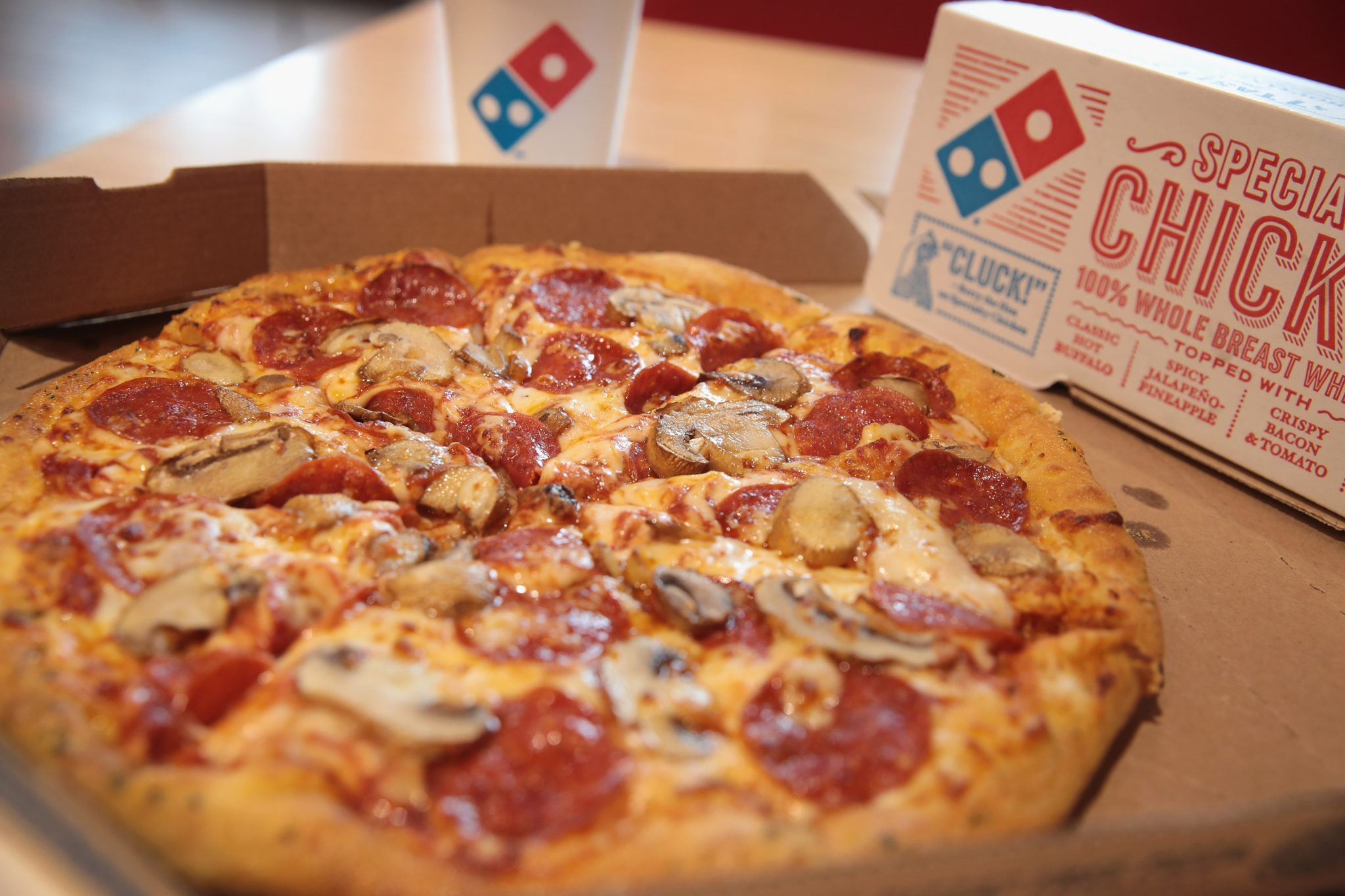
    In 2025, Domino’s Pizza China, also known as DPC Dash, boosted its expansion efforts by opening hundreds of new stores, increasing its presence throughout Mainland China. DPC Dash holds the exclusive master franchise rights for Domino’s Pizza in mainland China, Hong Kong, and Macau.

    By the end of 2020, DPC Dash had a total of 1,315 stores, owing to the successful launch of 307 new locations. The company also ventured into 21 new cities, expanding its reach to 60 cities nationwide.

    This upward trend continues into the new year, with the company inaugurating 62 additional stores in 46 cities in just the first month.

    The impressive results achieved by DPC Dash are a testament to its strategic approach, labeled “go broader, go deeper.” This strategy merges geographic growth with initiatives aimed at enhancing customer loyalty. These initiatives include increasing store density, introducing new products, and improving operational procedures.

    Looking forward, DPC Dash plans to further delve into the local market to analyze consumption potential and enhance operational efficiency.

    Questions & Answers

    What is DPC Dash’s strategy for expansion in China?

    DPC Dash uses a “go broader, go deeper” strategy which emphasises both geographical expansion and building customer loyalty.

    How many new stores did DPC Dash open in 2020?

    DPC Dash opened 307 new stores in 2025.

    How many cities does DPC Dash currently have a presence in?

    As of the beginning of the new year, DPC Dash has expanded to a total of 60 cities across China.

  • Unstoppable Uniqlo: Fast Retailing’s Profits Skyrocket with Global Expansion Strategy

    Unstoppable Uniqlo: Fast Retailing’s Profits Skyrocket with Global Expansion Strategy

    Fast Retailing, which operates the Uniqlo clothing brand, has reported a significant increase in its quarterly operating profit, attributing the boost to a robust global sales growth. The increase in profits has enabled the company to withstand the impact of US tariffs.

    The company is currently marking its fifth consecutive year of profit. It has seen a rise in sales in China, which is its largest international market. This sales spike has been supplemented by an aggressive growth strategy in North America and Europe.

    During the quarter, Fast Retailing inaugurated key stores in Antwerp, Birmingham, and Munich. The company also has plans to establish a series of new flagship stores in key US cities, such as Chicago, New York, and Boston.

    Fast Retailing, which is known for its durable basic items, is viewed as an indicator of consumer sentiment in both Japan and China. It reported a 34% increase in operating profit to 205.6 billion yen (US$1.3 billion) during the September-November period, stemming from a 15% increase in revenue. This impressive performance exceeded the consensus estimates of 177 billion yen.

    The company also witnessed a 20.6% growth in profit from its domestic business compared to the previous year, largely due to rising demand for sweatshirts and warm innerwear.

    Numerous international markets observed double-digit growth in both revenue and profit. Sales in the autumn season were particularly strong in China, and a collaborative venture with e-commerce giant JD helped to attract new customers.

    In summary, the international segment of Fast Retailing reported a profit growth of 41.6%.

    For the full year, the company has raised its operating profit target to 650 billion yen, up from the previously set target of 610 billion yen.

    In a bid to reduce its reliance on the China market, which was significantly impacted by stringent Covid-19 restrictions, Fast Retailing has focused on North America and Europe as its primary growth regions.

    Questions & Answers

    What has contributed to Fast Retailing’s recent success?

    Fast Retailing’s success can be attributed to robust global sales growth, a rise in sales in China, its largest overseas market, and an aggressive expansion strategy in North America and Europe.

    What has been the impact of the company’s domestic business on its growth?

    The company’s domestic business has had a positive impact on its growth, with a 20.6% increase in profit thanks to the strong demand for sweatshirts and warm innerwear.

    How has Fast Retailing responded to the challenges posed by Covid-19 restrictions in China?

    Fast Retailing has sought to lower its dependence on the Chinese market by focusing on North America and Europe as its primary growth areas.

  • Yum China Breaks into Burger Business with V Burger: A Fresh Spin on Fast Food Amidst Rising Market Competition

    Yum China Breaks into Burger Business with V Burger: A Fresh Spin on Fast Food Amidst Rising Market Competition

    Yum China, recognized as the chief operator of Pizza Hut on the Chinese mainland, has recently launched two independent V Burger locations in Futian and Longhua districts in Shenzhen. This move establishes the brand’s inaugural foray into the dedicated burger restaurant sector within the nation.

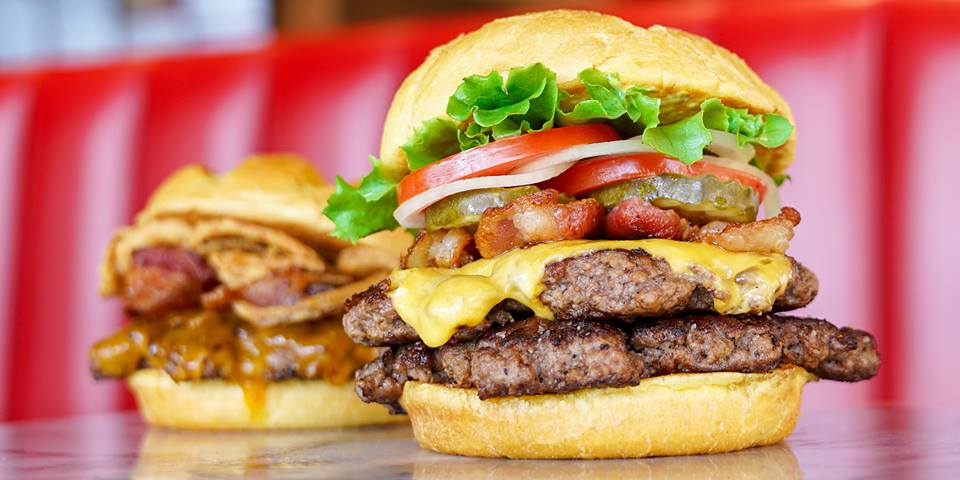
    The V Burger approach leans towards a Western-style concept and mainly caters to individual eaters and small groups of diners. The newly implemented menu features a variety of around ten different freshly made chicken and beef burgers. Prices for these items range from 23 to 42 yuan (equivalent to US$3.29 to US$6.01), resulting in an average expenditure of 32.5 yuan per diner.

    This new venture aligns with Yum China’s wider strategy of multi-brand expansion. This strategy has been evidenced by recent introductions of brands like KCoffee, Kpro, and the KFC Fried Chicken Brothers concept.

    Industry insiders have revealed that the company’s entry into the burger market has been in the planning stages for a considerable duration. Since December 2023, Pizza Hut has initiated a testing phase for a “pizza burger” series in selected cities. This series has comprised of four different types of burgers which were priced between 20 and 30 yuan each.

    The introduction of V Burger is timely as both international and domestic fast-food chains are currently vying intensely for a greater share of the Chinese consumer market. A report by Daxue Consulting suggests that China’s fast-food market was worth RMB1.28 trillion in 2023 and forecasts further growth, powered by increased demand from smaller, lower-tier cities.

    Competition within the sector is becoming increasingly fierce. As an indication of this, Burger King divested its controlling stake in China in November, opting to establish a joint venture instead. The company also announced its strategy to double its outlet numbers within half a decade, with the goal of having more than 4000 outlets by 2035.

    Questions & Answers

    What is Yum China’s latest venture in the Chinese market?
    Yum China has recently opened two standalone V Burger outlets in Shenzhen’s Futian and Longhua districts. This is the brand’s first dedicated foray into the burger restaurant sector within the country.

    Who is the target market for V Burger?
    The V Burger concept primarily caters to solo diners and small groups, offering a variety of freshly prepared chicken and beef burgers.

    What is the significance of the V Burger launch?
    The rollout of V Burger comes at a time when international and domestic fast-food chains are fiercely competing for Chinese consumers. It is a part of Yum China’s broader multi-brand expansion strategy which includes brands like KCoffee, Kpro, and the KFC Fried Chicken Brothers concept.

  • Anta Sports Eyes Major Puma Stake: A Turnaround Hope for the Struggling German Sportswear Brand?

    Anta Sports Eyes Major Puma Stake: A Turnaround Hope for the Struggling German Sportswear Brand?

    China-based sporting goods company, Anta Sports Products, has proposed to purchase a 29% stake in Puma, the struggling German sportswear manufacturer, from the French Pinault family, according to insiders familiar with the negotiations.

    Anta Sports submitted their bid several weeks ago and has already arranged financing for the prospective acquisition, two of the sources disclosed. However, one source noted that negotiations have reached a stalemate.

    The Pinault family’s firm, Artemis, managed by François-Henri Pinault, Chairman of Kering, had been expecting bids for its Puma shares to surpass 40 euros each, said a fourth insider. The Pinault family originally obtained their shares in Puma from Kering as part of a conversion of the conglomerate into a luxury-focused entity in 2018.

    When approached for comments, both Artemis and Puma declined. A response from Anta is still pending.

    Following this news, Puma’s shares increased by up to 9%, reaching their highest value since May 2025, trading at 24.6 euros. Despite this, Puma’s market cap was 3.3 billion euros (US$3.85 billion) at the close of trading on Wednesday, a drastic 50% decrease from the same time the previous year due to a severe drop in sales.

    Arthur Hoeld, Puma’s newly-appointed CEO, revealed his recovery strategy in October following disappointing sales of releases like the Speedcat and a general decrease in revenue as customers favoured competitors such as Adidas, On, and Hoka.

    Anta, a Hong Kong-listed company with a history of acquiring and rejuvenating Western sports and lifestyle brands, has been considering a bid for Puma, a source revealed in November. In 2019, Anta led a consortium to buy Amer Sports, the owner of iconic brands like Wilson and Salomon.

    Analysts at RBC have stated that the potential sale of Artemis’ 29% stake in Puma could prove beneficial for Puma’s equity story. New ownership might increase investments in the brand, provide fresh insights, and support the early stages of Arthur Hoeld’s turnaround strategy.

    Artemis controls Kering as well as auction house Christie’s and Hollywood talent agency CAA. It has faced investor scrutiny due to the debt it accumulated as Pinault sought to diversify away from Gucci during a dip in luxury sales. A senior source close to Artemis noted in September that the Pinault family would not sell their Puma stake at the then-current market valuation but admitted the stake was “non-strategic”. Since then, Puma’s shares have increased by 15%.

    Questions & Answers

    Who has proposed to purchase a stake in Puma?
    Anta Sports Products, a China-based sporting goods company, has offered to buy a 29% stake in Puma.

    What is the estimated value of the Puma shares?
    Artemis, the Pinault family’s firm, had expected bids for its Puma shares to surpass 40 euros each.

    What has been the recent performance of Puma in the market?
    Puma’s market capitalization was 3.3 billion euros (US$3.85 billion) at the close of trading on Wednesday, which is a 50% decrease from the same time last year due to a severe drop in sales.

  • Mixue: China’s Beloved Tea and Ice Cream Chain Brews Up Its First US Store in Hollywood

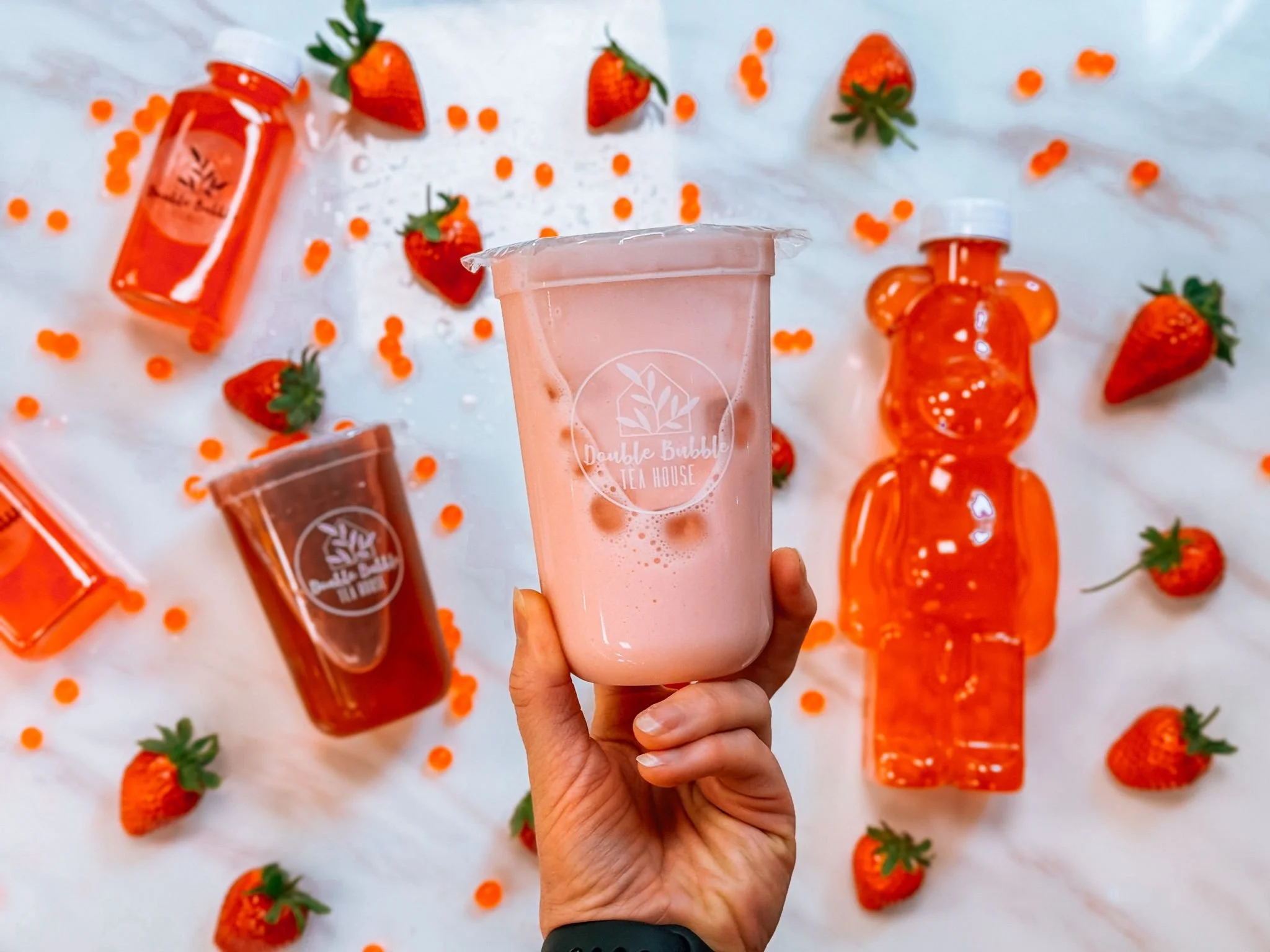
    Mixue: China’s Beloved Tea and Ice Cream Chain Brews Up Its First US Store in Hollywood

    The popular Chinese ice cream and tea chain, Mixue, has successfully established its first US location in Los Angeles, California, marking the brand’s debut in the American market.

    Offerings and Customisation

    Situated on the famous Hollywood Boulevard, the new Mixue store provides customers with the chain’s traditional menu. The offered choices encompass a variety of beverages including ice cream, pure tea, fruit drinks, milk tea, and coffee. One of the unique aspects of Mixue’s service is the ability for customers to personalize their drinks. They can adjust the sugar content to their liking and select from a range of toppings for certain beverages.

    Global Expansion

    Since its establishment in 1997, Mixue has been diligently working on its international growth. The brand expanded outside of China for the first time in 2018, with the opening of a store in Vietnam. Following this, Mixue entered several other markets, including Australia, South Korea, Thailand, Malaysia, Singapore, and the Philippines.

    Growth Plans in the US

    The US is the next frontier for Mixue’s ongoing international expansion. The company has expressed its intention to enhance its presence in the American market further. A store in New York is anticipated to open soon as a part of this expansion plan.

    Zhang Hongfu, the Global CEO of Mixue, stated that the company is committed to its worldwide strategic growth. He added, “Our aim is to consistently broaden our store network, thereby enabling more local consumers to savour our high-quality, affordable drinks.”

    Presently, Mixue Group runs over 53,000 stores globally.

    Questions & Answers

    What does the Mixue menu offer in their new US store?
    The menu in the new Mixue US store consists of a range of beverages such as ice cream, pure tea, fruit drinks, milk tea, and coffee.

    Where did Mixue first expand to outside of China?
    The first overseas expansion of Mixue was in Vietnam, which took place in 2018.

    What are the future expansion plans of Mixue in the US?
    Mixue plans to strengthen its presence in the US with the opening of a new store in New York, which is expected to happen in the near future.

  • Vietnam Hits Five-Year Low in Gasoline Prices: A Dive into the Market Factors

    Vietnam Hits Five-Year Low in Gasoline Prices: A Dive into the Market Factors

    As of Thursday, gasoline prices in Vietnam have significantly dropped, hitting a record low since February 2021. The highly preferred fuel, RON95, witnessed a decrease of about 1.85%, bringing its price down to VND18,560 (US$0.71) per liter.

    Likewise, Biofuel RON92 experienced a price reduction of around 1.08%, now costing VND18,230 per liter. Diesel fuel also saw a 1.10% decrease, lowering its price to VND17,060 per liter.

    According to the Ministry of Industry and Trade, these changes in the domestic petroleum market are a result of several influential factors in the global petroleum market. Notably, the decision by OPEC+ to maintain oil production output stable in the first quarter had a significant impact.

    In terms of international costs, the average price of RON95 fell by 2.4% to $72.2 per barrel. Diesel prices also fell, but by a slightly lesser margin of 1.3%, bringing the cost down to $78.85 per barrel.

    Questions & Answers

    What was the percentage decrease in the price of RON95 fuel in Vietnam recently?

    The price of RON95 fuel in Vietnam recently fell by about 1.85%.

    Which body made the decision to maintain oil production output stable for the first quarter and how did it impact the prices?

    OPEC+ decided to keep the oil production output stable for the first quarter. This decision significantly influenced the reduction in the domestic and global petroleum prices.

    What was the impact on the international costs of RON95 and diesel?

    Internationally, the average price of RON95 fell by 2.4% to $72.2 per barrel, while diesel prices decreased by 1.3% to $78.85 per barrel.

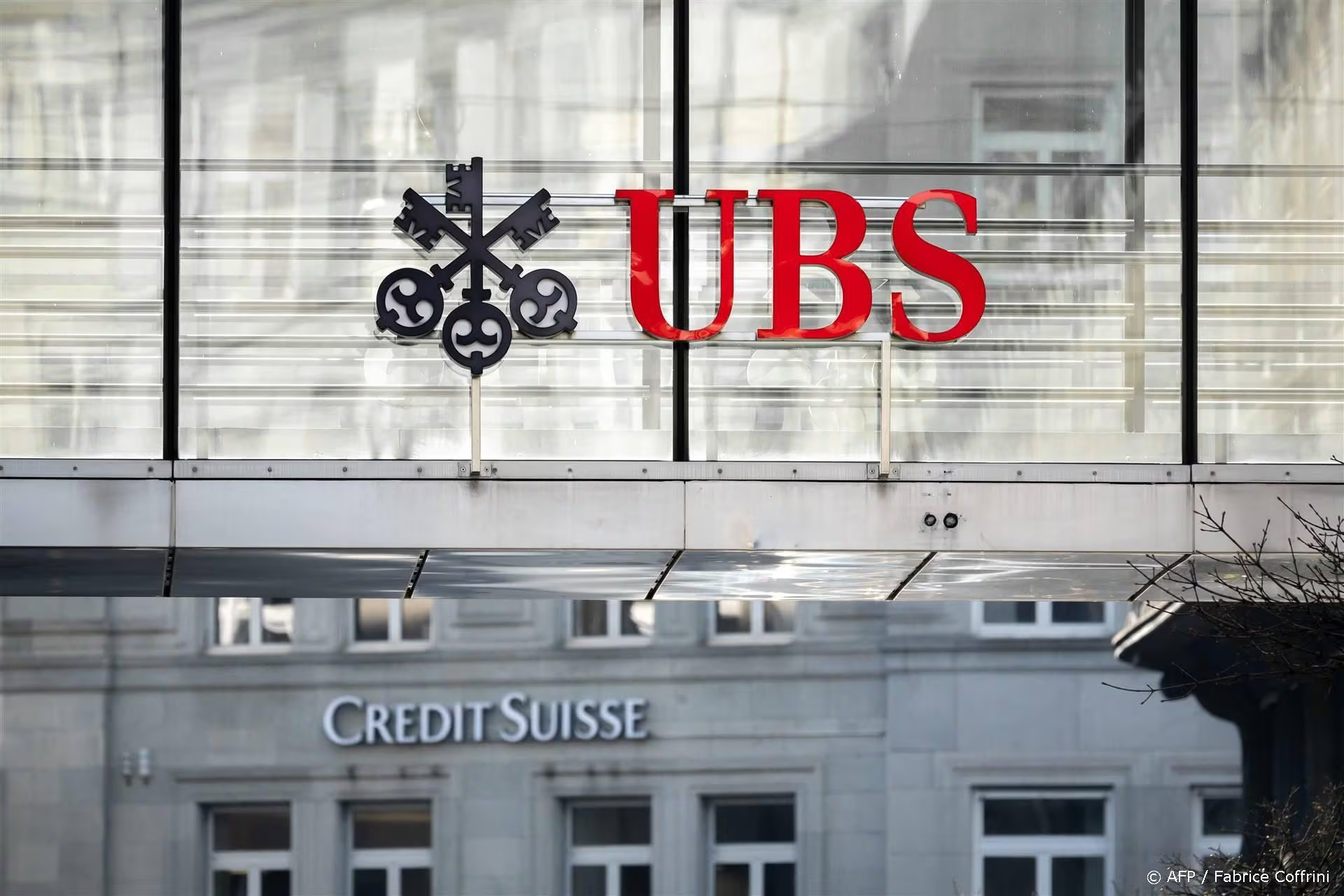
  • Veteran Citi Executive Carl Ashton Leaps to UBS, Boosting Australia’s Wealth Management Unit

    Veteran Citi Executive Carl Ashton Leaps to UBS, Boosting Australia’s Wealth Management Unit

    UBS Global Wealth Management has recently expanded its team, bringing in industry expert Carl Ashton. Stationed in the Singapore office, Ashton will be focusing on the Australia market.

    A Wealth of Experience

    Ashton is no stranger to the finance industry, especially in the sector of wealth management. He brings an impressive 19 years of experience from his time at Citi. During his tenure, Ashton was responsible for managing the investment business for the New Zealand and non-resident India market under Citi Private Bank.

    A Strategic Hire

    The addition of Ashton to the UBS Global Wealth Management team is a strategic move for the company. He will be positioned in the Singapore office, where he will be tasked with covering the Australia market. The bank has confirmed this new hire, further solidifying their commitment to enhancing their international team and expanding their reach in the Australia market.

    Questions & Answers

    Who is the latest addition to the UBS Global Wealth Management team?
    Carl Ashton, an industry veteran with 19 years of experience at Citi, has joined the UBS Global Wealth Management team.

    What will be the primary focus of Ashton’s role at UBS?
    Ashton’s main responsibility will be to cover the Australia market from his base at the UBS office in Singapore.

    What previous experience does Ashton bring to UBS?
    Ashton brings a wealth of experience from his previous role at Citi where he managed the investment business for the New Zealand and non-resident India market under Citi Private Bank.

  • NTT DOCOMO GLOBAL & Accenture Pioneer Universal Wallet Infrastructure: A Leap Forward in Digital Trust Services

    NTT DOCOMO GLOBAL & Accenture Pioneer Universal Wallet Infrastructure: A Leap Forward in Digital Trust Services

    NTT DOCOMO GLOBAL and Accenture, two major players in the global tech industry, have recently entered into a partnership to create and grow a Universal Wallet Infrastructure (UWI) platform. This platform is designed to bolster digital trust services across diverse sectors, governments, and geographical locations.

    The infrastructure being developed by NTT DOCOMO GLOBAL and Accenture will permit organizations to issue, verify, and manage digital credentials and tokens associated with identity, payment, assets, and documents. A key focus of the platform is interoperability and compliance, ensuring secure data transfer while adhering to user consent and regulatory norms.

    As businesses and public institutions are under increasing pressure to safely handle data in progressively digital and AI-centric environments, demands for transparency and control over personal data usage are also rising among individuals. By integrating decentralized technologies with current enterprise systems, UWI seeks to address these issues, reducing dependence on centralized data structures.

    Establishing a Trustworthy Digital Environment

    The platform is designed to foster secure, real-time data sharing between organizations, while also facilitating AI-powered services at the network edge. Through enabling users to regulate access to their data, UWI aims to bolster trust and provide organizations with access to consent-based, verifiable information to support their operations, innovation, and customer services.

    Several potential applications of the UWI platform have been identified, encompassing government services aiming to decrease fraud and administrative burdens, employers managing recruitment and workforce mobility processes, and travel and transportation systems seeking to simplify identity verification across borders and service providers.

    Leadership Commentary

    Hiroki Kuriyama, President and CEO of NTT DOCOMO GLOBAL, spoke enthusiastically about the partnership, stating that it would speed up the global implementation of UWI, creating a new basis for digital trust worldwide. He also emphasized the growing importance of effective digital IDs and electronic credentials across national borders, highlighting the platform’s objectives of providing verifiable authentication and innovative trust models on a global scale.

    Atsushi Egawa, Chairman of Accenture, Japan, and co-CEO, Asia-Pacific, Accenture, also expressed optimism about the collaboration. He highlighted the synergies created by combining Accenture’s deep expertise in technology strategy, data, and AI with NTT DOCOMO GLOBAL’s well-established strengths in network infrastructure operations and advanced internet technologies. He believes this collaboration will pave the way for new AI-powered experiences that revolutionize how businesses and customers connect.

    Questions & Answers

    What is the main aim of the Universal Wallet Infrastructure platform?

    The platform aims to establish a secure and reliable digital trust environment, allowing organizations to issue, verify, and manage digital credentials related to identity, payments, assets, and documents.

    How will the UWI platform benefit its users?

    UWI will allow users to control access to their data, thereby increasing trust while providing organizations access to consent-based, reliable information to support their operations, innovation, and customer services.

    What potential applications does the UWI platform have?

    The platform can be utilized in numerous ways, such as reducing fraud in government services, streamlining recruitment and workforce mobility processes for employers, and simplifying identity verification in travel and transportation systems across borders and service providers.

  • Zhu Bingren Copper Debuts First International Flagship Store in Singapore, Celebrating Art, Culture, and Connection

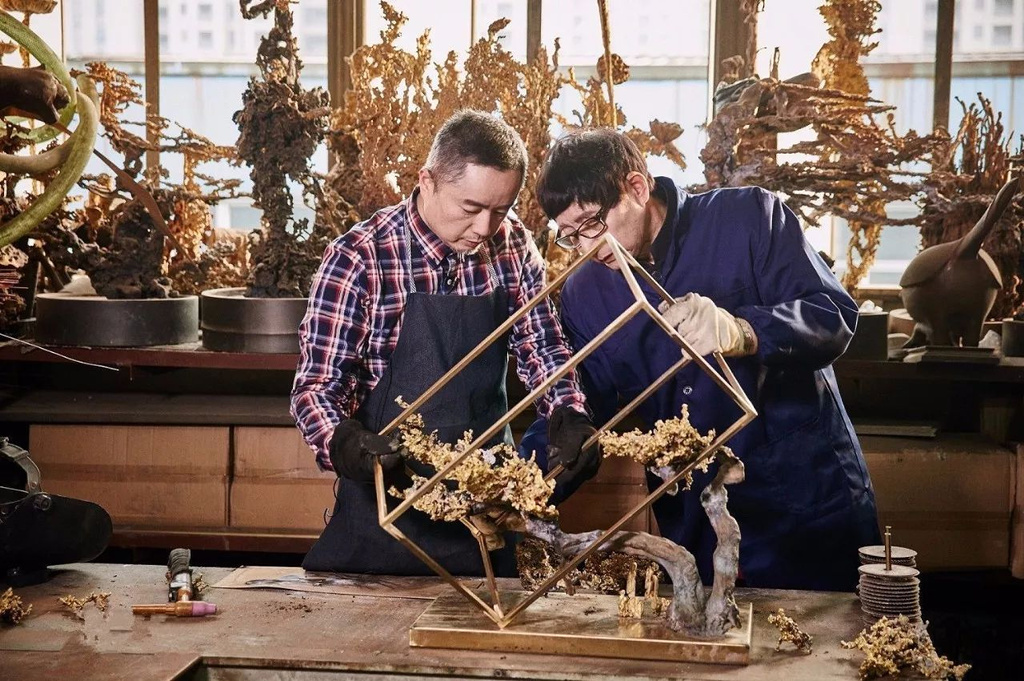
    Zhu Bingren Copper Debuts First International Flagship Store in Singapore, Celebrating Art, Culture, and Connection

    Zhu Bingren Copper, a renowned Chinese copper craftsmanship brand, has unveiled its inaugural flagship store in Singapore, operating as its international brand, ZenBron. This marks the brand’s first-ever venture outside of its home country.

    Expanding Borders and Cultivating Relationships

    Situated in Chinatown Point, this fifth-generation copper-craft store introduces its “150 years of fire, form and cultural heritage” to a global audience. This significant move not only symbolises an artistic exchange between the two countries but also deepens the long-established relationship between Zhu Bingren and Singapore.

    The brand’s expansion coincides with the Gratitude Festival, an event organised by the Zhu family. This alignment imbues the copper artworks with a symbolic representation of warmth and sincerity. Zhu Junmin, the fifth-generation master craftsman and successor of Zhu Bingren Copper, expressed his honour in being able to extend the festival’s spirit beyond China and share its meaningful message of appreciation with Singapore’s diverse community.

    New Store Features and Offerings

    To honour the convergence of these events and the upcoming Chinese New Year, the Singapore store showcases the brand’s latest ‘Horse of Victory’ edition. Additionally, the store offers a variety of contemporary home ornaments, scholar’s studio collectibles and molten-bronze artworks, with each piece embodying the spirit of blessing.

    Master Chinese sculptor Zhu Bingren, after whom the brand is named, has renowned works featured in national museum collections. Zhu Bingren Copper, established in 1875 and with five generations of heritage, is celebrated for integrating ancient copper artistry into modern, high-end gifts and everyday items.

    Local Engagement and Future Aims

    Operating six art centres and over 200 lifestyle experience stores domestically, Zhu Bingren Copper now aims to make its art accessible to local collectors, culture enthusiasts, and design admirers through this overseas expansion.

    Questions & Answers

    What is Zhu Bingren Copper?
    Zhu Bingren Copper is a distinguished Chinese copper craftsmanship brand named after the master Chinese sculptor Zhu Bingren.

    Where is Zhu Bingren Copper’s first overseas flagship store located?
    Zhu Bingren Copper’s inaugural overseas flagship store is located in Singapore, at Chinatown Point.

    What is the significance of the Gratitude Festival?
    The Gratitude Festival, organised by the Zhu family, symbolises warmth and sincerity. In this context, it represents the brand’s attempt to extend its spirit of appreciation beyond China and to the diverse community of Singapore.

  • Ikea to Close Seven Stores in China Amid Retail Struggles, Focuses on Online Growth and Precise Market Cultivation

    Ikea to Close Seven Stores in China Amid Retail Struggles, Focuses on Online Growth and Precise Market Cultivation

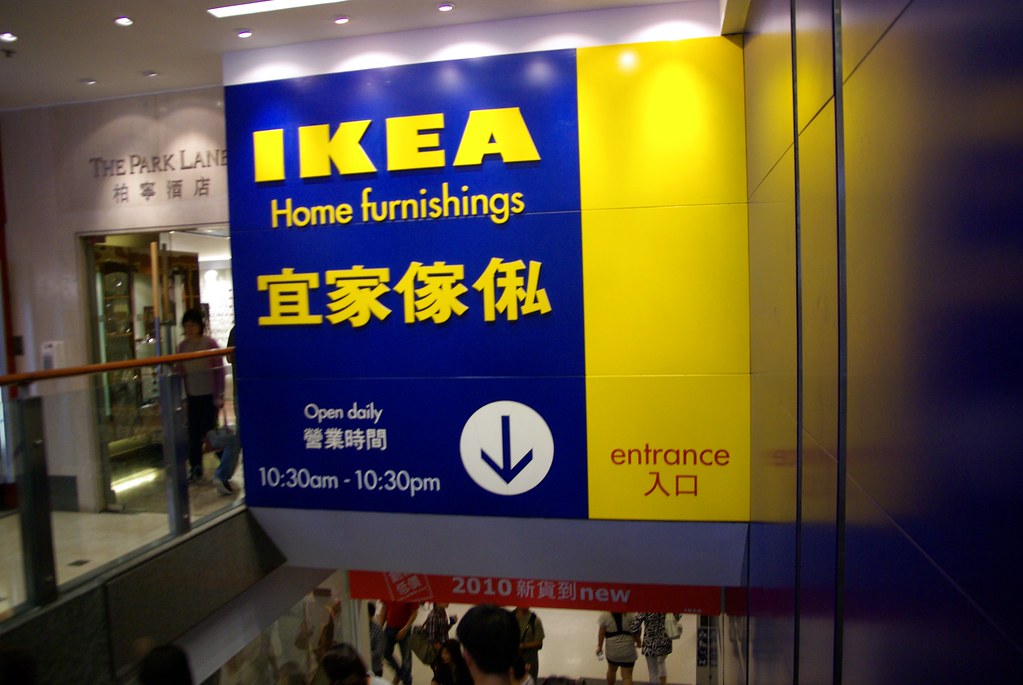
    Swedish furniture giant, Ikea, has announced that it will be shutting down seven of its outlets in China, effective from February 2. The decision was revealed in a statement issued by the company on Wednesday.

    The targeted locations for the shutdown include a branch in Shanghai’s suburbs, another in Guangzhou, as well as several others scattered across secondary cities such as Nantong, Xuzhou, and Harbin.

    Retail businesses, in general, have been grappling with sales growth in China, as consumer confidence continues to wane, stemming from a long-standing property crisis, job security worries, and stagnant wages.

    Presently, Ikea has approximately 40 stores operating on the Chinese mainland. The company disclosed in its statement that five new stores of varying sizes have commenced operations recently.

    China, being the world’s second-largest economy, contributes approximately 3.5% to Ikea’s global sales. However, an increasing proportion of these sales originates from online flagship stores. To further nurture this online sales growth, Ikea inaugurated a new store on JD in August of the previous year.

    The company stated that it will be shifting its strategy from large-scale expansion to precise cultivation, focusing on major markets such as Beijing and Shenzhen. This strategy includes the launch of over ten smaller stores within the next two years. The company also stated that it anticipates new store openings in the cities of Dongguan and Beijing during the first half of 2026.

    Questions & Answers

    Which Ikea stores in China are slated for closure?
    Ikea plans to close stores in suburban Shanghai, Guangzhou, and several other locations in secondary cities such as Nantong, Xuzhou, and Harbin.

    What proportion of Ikea’s global sales does China account for?
    China accounts for about 3.5% of Ikea’s global sales.

    What is Ikea’s strategy going forward in China?
    Ikea plans to shift from large-scale expansion to precise cultivation, focusing on major markets like Beijing and Shenzhen, and opening more than ten small stores over the next two years. There are also plans for new store openings in Dongguan and Beijing in the first half of 2026.

  • Taiwan’s Retail Boom: Major Shopping Centre Openings Set to Transform Retail Landscape

    Taiwan’s Retail Boom: Major Shopping Centre Openings Set to Transform Retail Landscape

    A surge of new shopping centers is expected to hit the market in Taiwan this year as developers maintain their commitment to large-scale multipurpose ventures.

    One of the most anticipated launches is the Far Eastern Sogo Department Store’s Garden City in Taipei, which is slated to open its doors in March. With an impressive 99,000 square meters in size, this complex will encompass retail outlets, dining options, and cinema halls, all conveniently linked to the Taipei Dome.

    Company chairperson, Sophia Huang, expressed the company’s high expectations for Garden City, predicting it to pull in over $313.66 million in annual revenue. When combined with the total revenue from its Fuxing, Zhongxiao, and Tianmu locations in Taipei, the group’s annual earnings could potentially reach an impressive $1.58 billion.

    In Taichung, the upcoming opening of Hanshin Intercontinental Shopping Plaza this year marks Hanshin’s first business venture beyond Kaohsiung.

    In addition, Mitsui Fudosan is bolstering its presence in Taiwan. The company has announced that its third Mitsui Shopping Park LaLaport, currently under construction in Kaohsiung’s Fengshan District, is on track to open its doors before the year ends. This mall, with its 270 stores, will offer a variety of dining options, drugstores, a supermarket, a considerable-sized bookstore, and the Arte Museum.

    The development company also divulged plans for a new Mitsui Outlet Park near the Taiwan High Speed Rail Tainan Station. Expected to open either in the first or second quarter, the 240-store outlet center will accommodate home goods retailers, electronics stores, a Japanese-style supermarket, and food and beverage vendors.

    Concerning market conditions, Tsai Ming-chang, the chairman of the Taiwan Shopping Center and Commercial Real Estate Association, noted that while performance in department stores remained steady last year, it’s anticipated to see an improvement. He added that Garden City is poised to create a unique commercial and cultural ambience distinct from the Xinyi District.

    Tsai went on to say, “While Xinyi will persist in drawing in luxury and fashion shoppers, the Taipei Arena area will likely attract consumers who are more interested in cultural, creative, and green spaces.”

    Questions & Answers

    What is the expected annual revenue for the Garden City project in Taipei?
    The company chairperson, Sophia Huang, predicts that the Garden City project will generate over $313.66 million in annual revenue.

    What are the offerings envisaged for the Mitsui Shopping Park LaLaport under construction in Kaohsiung’s Fengshan District?
    The mall will feature several dining outlets, drugstores, a supermarket, a large bookstore, and the Arte Museum among its 270 stores.

    Who is the chairperson of the Taiwan Shopping Center and Commercial Real Estate Association, and what are their thoughts on the future of the retail market in Taiwan?
    The chairman of the association is Tsai Ming-chang, who believes that although department store performance remained steady last year, it is expected to improve. He also mentioned that different areas in Taiwan will attract different demographics of shoppers.

  • Vietnam Targets $11.5B from Seafood Exports in 2026: A Sustainable Growth Strategy

    Vietnam Targets $11.5B from Seafood Exports in 2026: A Sustainable Growth Strategy

    Vietnam has set its sights on exporting more than 10 million tonnes of seafood, valued at $11.5 billion, in the course of the current year. This anticipated export volume signals a slight increase of 0.6% as compared to that of 2025, according to Pham Quang Toan, the deputy director general of the Department of Fisheries and Fisheries Surveillance who spoke at a recent conference.

    Understanding the Figures

    The forecast suggests that exports from capture fisheries may experience a slight decrease of 2.1%, landing at roughly 3.75 million tonnes. However, the aquaculture sector is projected to see an increase of 2.2%, amounting to approximately 6.25 million tonnes.

    The director general of the department, Tran Dinh Luan, shared insights into the future direction of Vietnam’s seafood sector. According to him, the sector is poised to progressively scale back capture fisheries while concurrently enhancing aquaculture practices. This transition is intended to be sustainable and resilient to climatic changes in order to boost competitiveness.

    Luan also emphasized a strategic shift from a production-oriented approach to a fisheries economy perspective. Moreover, the focus will be on moving from singular value growth towards integrated multi-value development.

    A Look at Past Performance

    Based on data from the Department of Fisheries and Fisheries Surveillance, the total output of seafood in 2025 was 9.95 million tonnes. This represents an increase of 3% from the previous year. Of this, capture fisheries contributed 3.83 million tonnes, which was almost identical to the volume in 2024. In contrast, the output from aquaculture rose by 5.1% to reach 6.1 million tonnes.

    The revenue from seafood exports was more than $11 billion last year, marking an impressive increase of 12.7%.

    Questions & Answers

    What is the projected seafood export volume for Vietnam in the current year?
    The anticipated seafood export volume for Vietnam is over 10 million tonnes.

    What changes are expected in the export volumes of capture fisheries and aquaculture?
    Capture fisheries exports are expected to decrease by 2.1%, while aquaculture exports are projected to increase by 2.2%.

    What was the seafood export turnover for Vietnam in 2025?
    The seafood export turnover for Vietnam in 2025 was estimated at over $11 billion.

  • Indonesia’s Gen Z Tackles Rising Unemployment and AI Influx: Is the National Internship Program the Solution?

    Indonesia’s Gen Z Tackles Rising Unemployment and AI Influx: Is the National Internship Program the Solution?

    Indonesia is currently experiencing a “demographic dividend” phase, characterized by a surge in the young population. However, this younger generation, primarily Generation Z (those born between 1997 and 2012), is wrestling with significant employment obstacles.

    Employment Challenges for Gen Z

    By 2023, nearly 10 million individuals from this generation were neither employed nor receiving an education or vocational training, according to data from Statistics Indonesia. This figure, consisting primarily of women, highlights the persistent problems of youth unemployment and skill deficits.

    Furthermore, these individuals must adapt to an increasingly competitive job market, exacerbated by the advent of Artificial Intelligence (AI). According to a report from the World Economic Forum, AI’s broader implementation in workplaces is projected to alter approximately 23% of all jobs.

    Indonesia’s Population and Economic Prospects

    Indonesia’s population, which is growing at an annual rate of about 1.11%, is expected to reach 284.4 million by 2025. During the “demographic dividend” decade from 2020 to 2030, Generation Z has become the largest demographic, comprising almost 28% of the total population, or roughly 75 million people.

    Despite this surge, the demographic dividend period offers not only potential opportunities but also significant challenges. If not properly harnessed, it could hinder the country’s economic growth and overall wellbeing.

    In early 2025, a hashtag translating to “Just Escape for Now” gained popularity among young Indonesians, symbolizing a collective urge to seek better opportunities overseas.

    National Internship Program

    To address these issues, the Indonesian government launched the National Internship program in 2025. The Ministry of Manpower reported that the program successfully achieved its target of enrolling 100,000 participants, primarily recent graduates, during its first year. The program is expected to continue in 2026 with an equivalent number of participants.

    Media Wahyudi Askar, the Director of Public Policy at the Centre of Economic and Law Studies, believes that the National Internship Program could expedite the shift towards improved access to formal employment opportunities.

    Questions & Answers

    What is the “demographic dividend” period in Indonesia?
    The “demographic dividend” period refers to the current decade (2020-2030) in Indonesia where Generation Z (those born between 1997 and 2012) has become the most significant population group.

    What are the major employment challenges faced by Generation Z in Indonesia?
    The primary issues include high rates of unemployment, a lack of necessary skills, and changes in the job market due to the implementation of Artificial Intelligence.

    What is the objective of the National Internship program initiated by the Indonesian government?
    The National Internship Program aims to address employment challenges faced by the younger generation by providing them with better access to formal employment. The program enrolled 100,000 participants in 2025, with a similar number expected to continue in 2026.